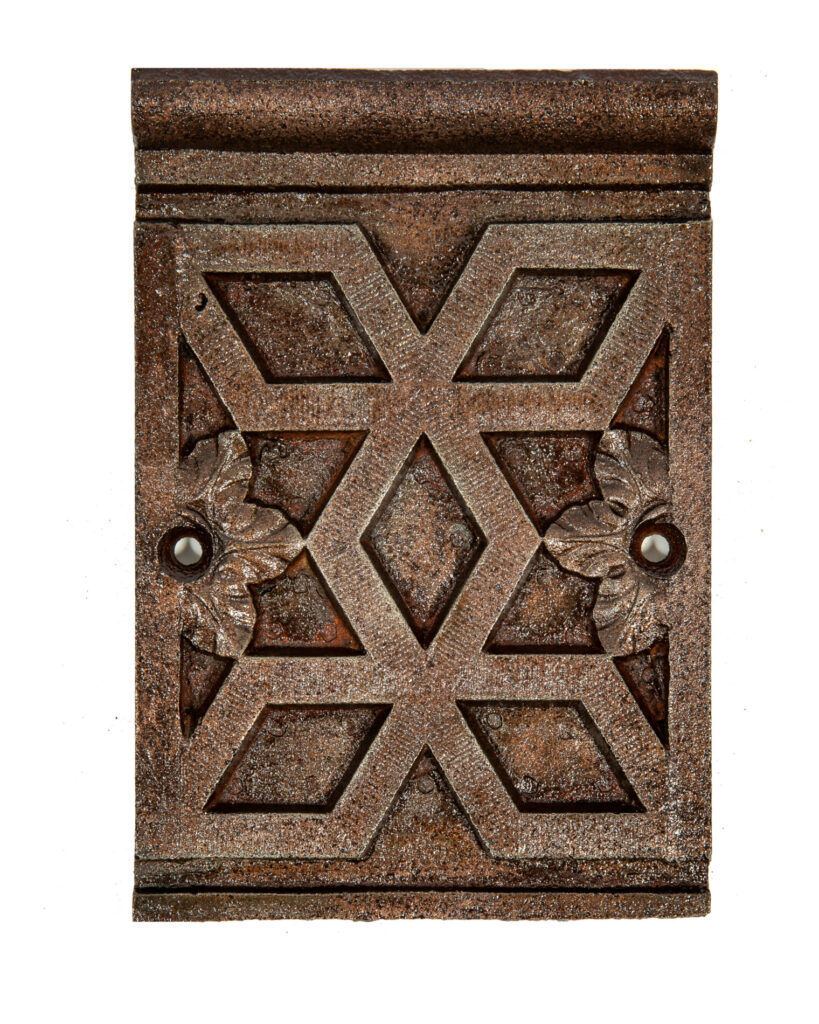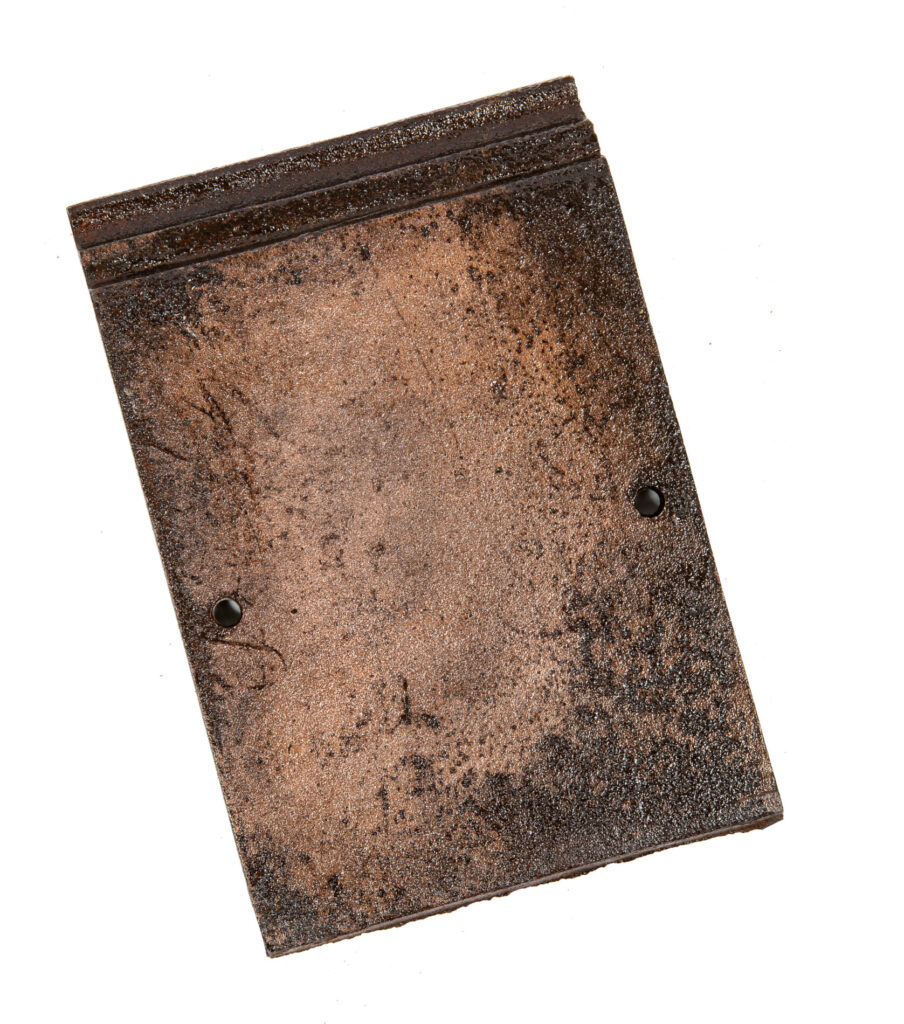

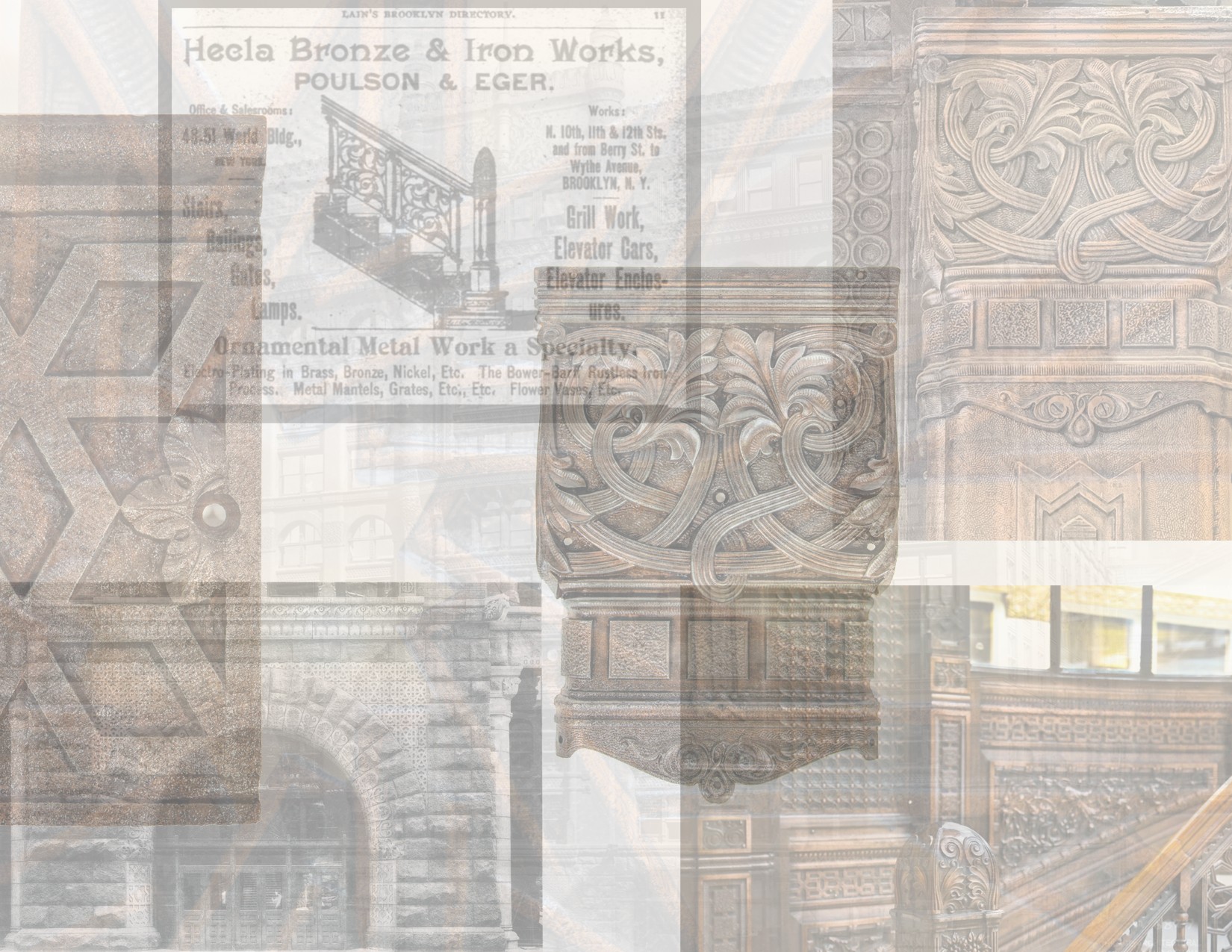
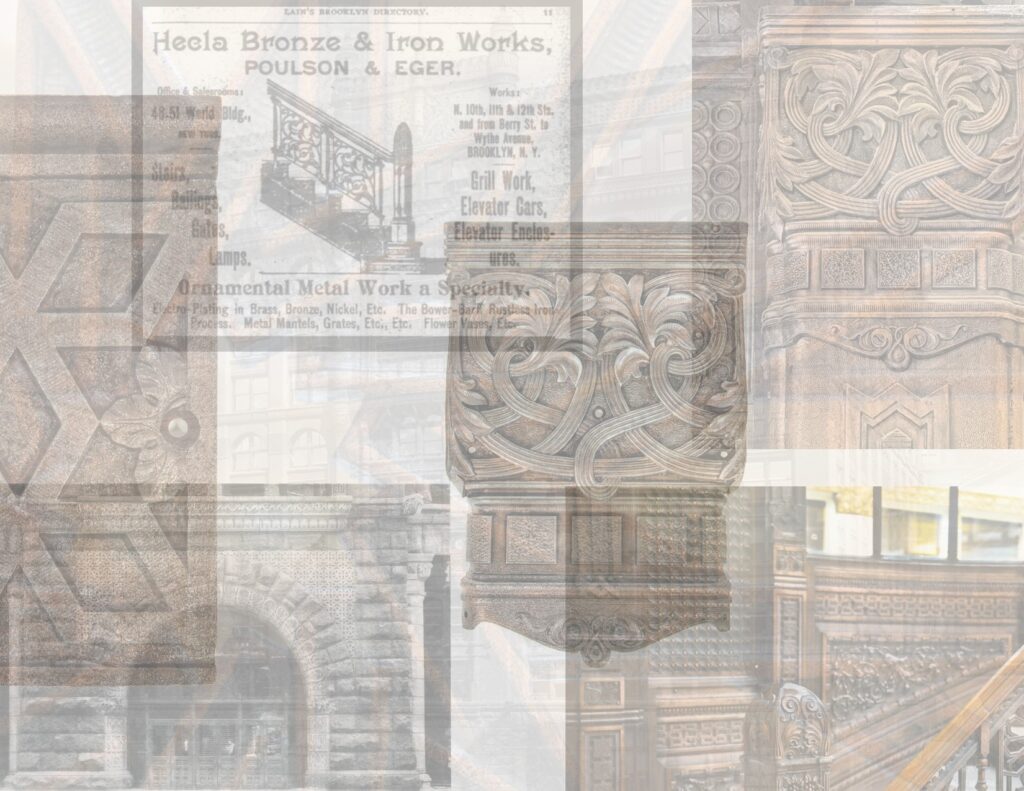
12 Mar collection of historically important helca iron works ornament desiged by john wellborn root for the 1887-88 rookery building lands in bldg. 51 museum collection
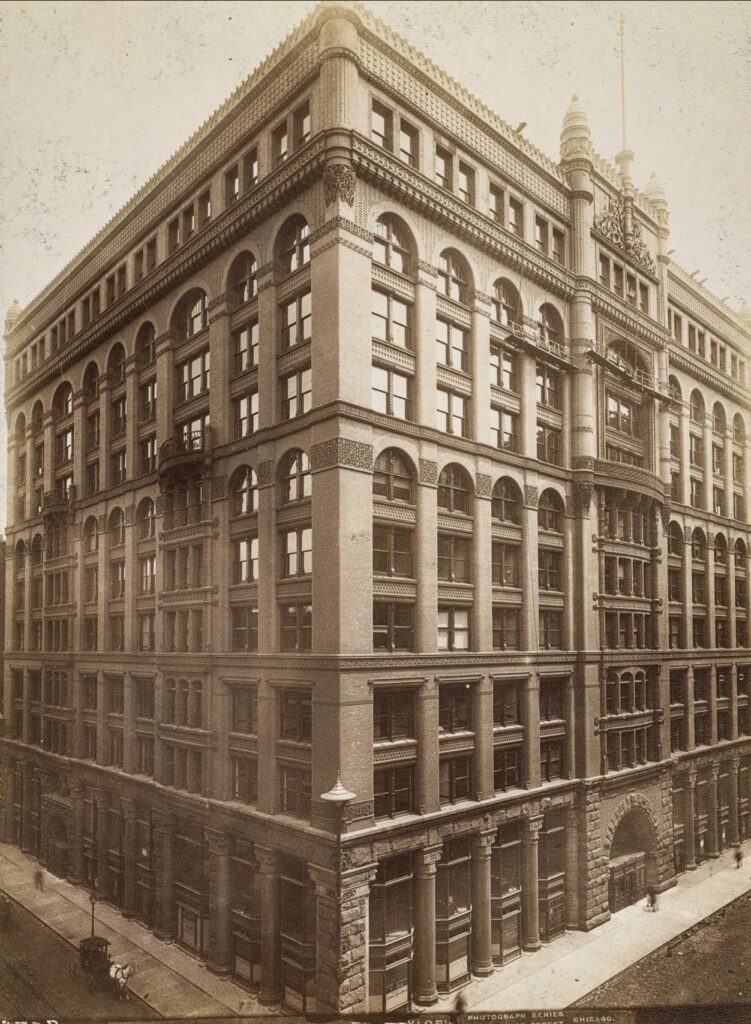
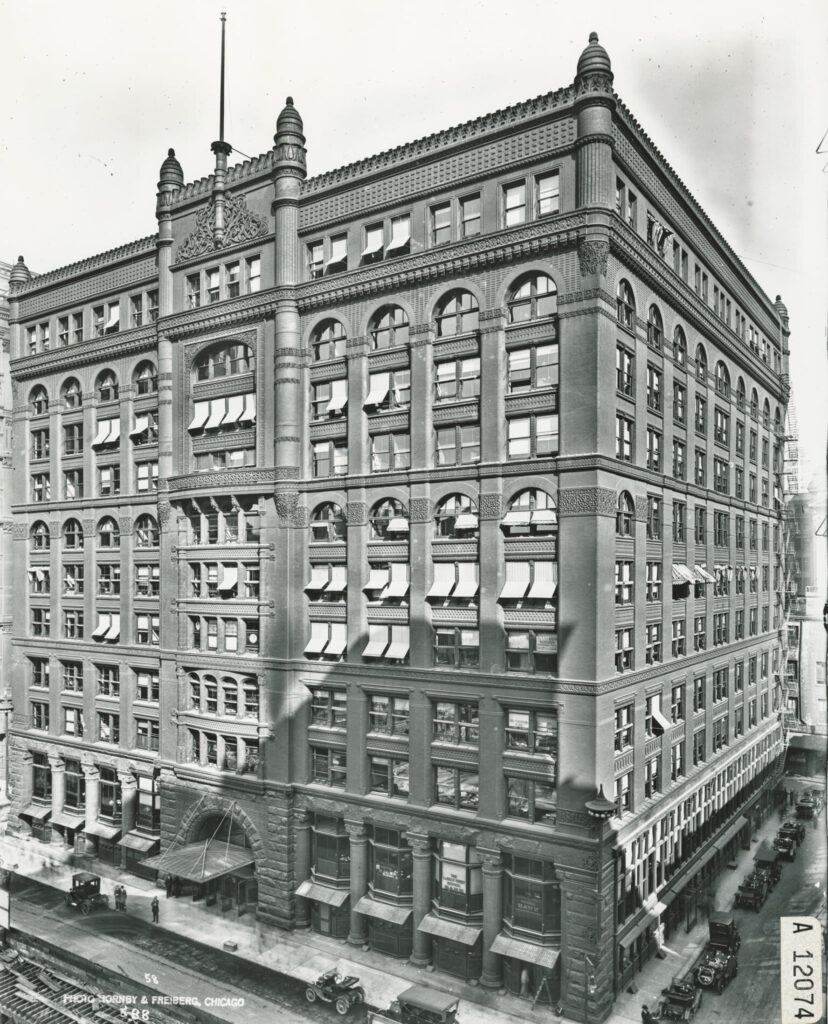
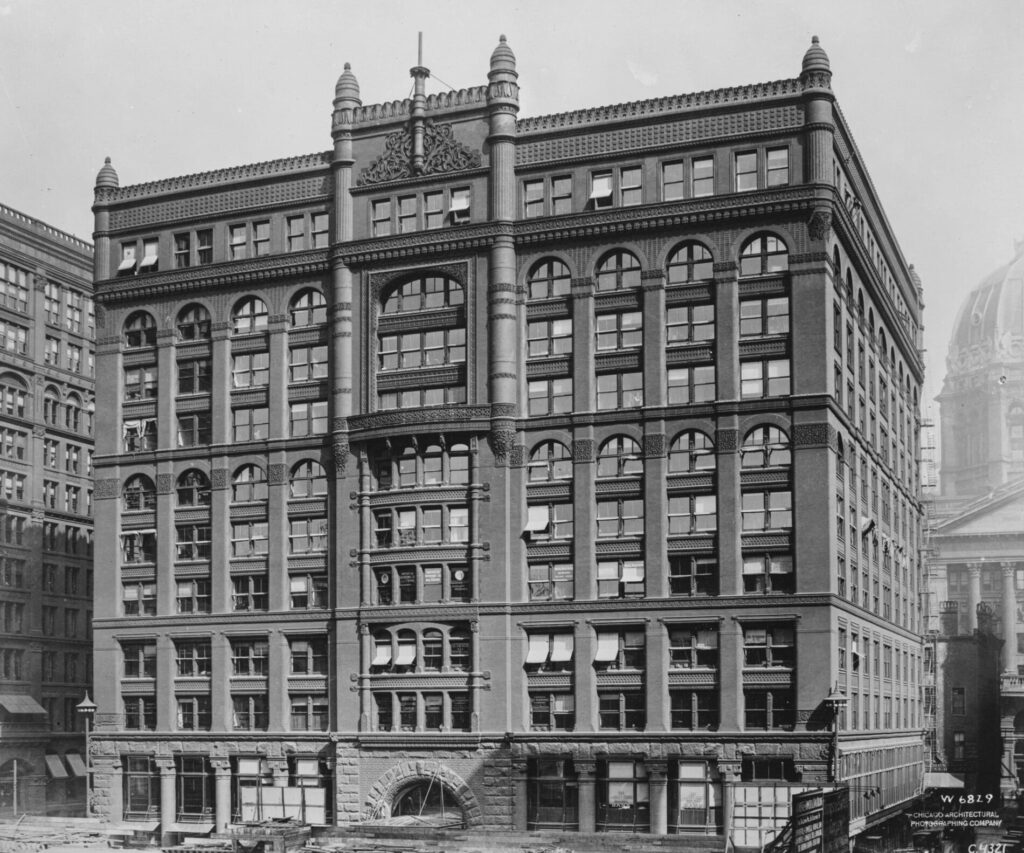
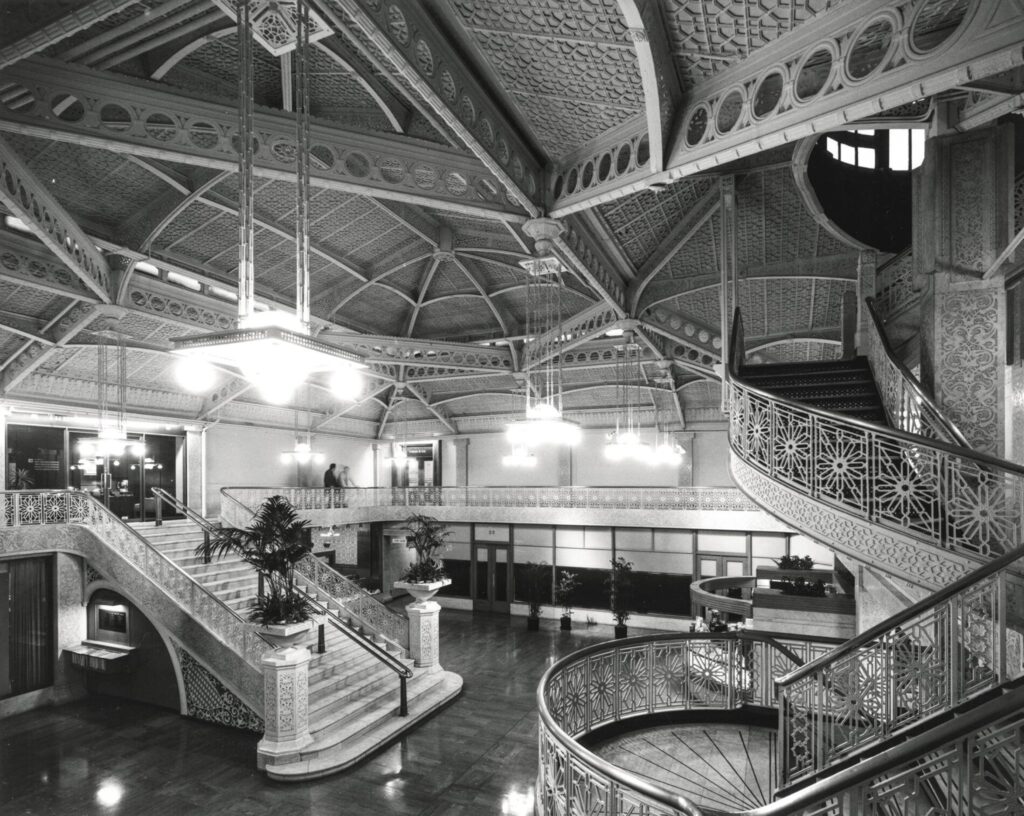
the rookery building stands as a historic 12-story landmark in chicago’s loop, renowned as the city’s oldest surviving high-rise. completed in 1888 by the famed architectural team of daniel burnham and john wellborn root, it’s celebrated as a masterpiece of the chicago school of architecture, showcasing a blend of romanesque, moorish, and byzantine influences.
key highlights
architecture & design: the building rests on an innovative “floating raft” foundation that supports its weight atop chicago’s soft soil. its structure—combining load-bearing masonry walls with a central metal frame—pioneered design concepts that led to modern steel-framed skyscrapers.
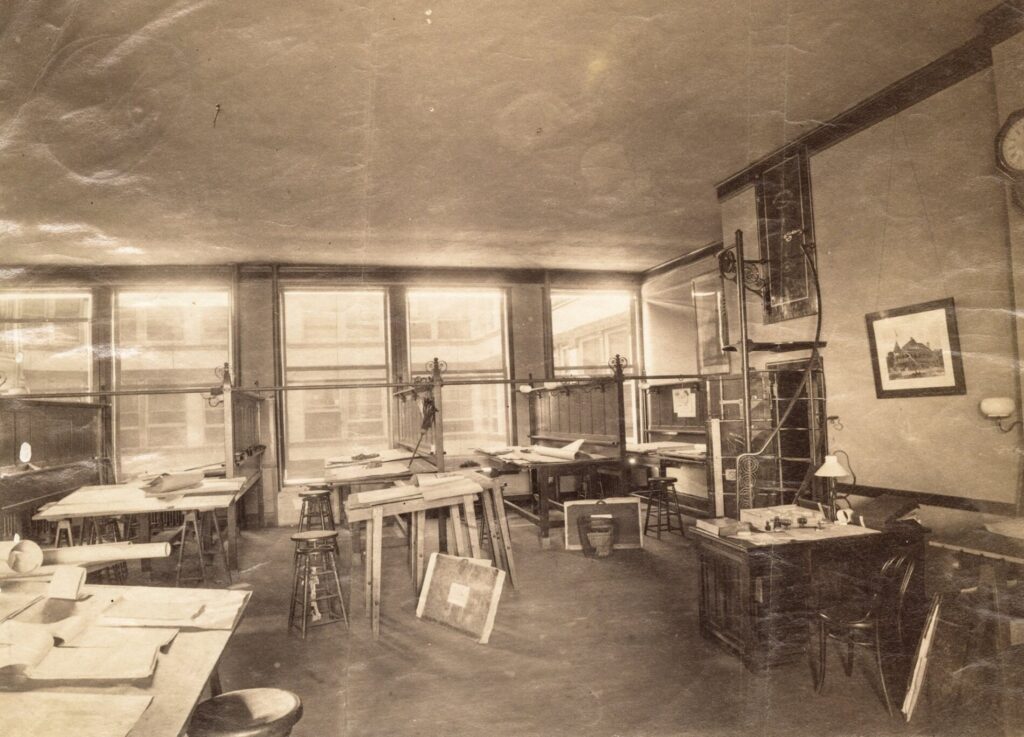
the light court: at the heart of the building lies a two-story, glass-ceilinged atrium designed to fill the interior with natural light.
frank lloyd wright renovation: in 1905, frank lloyd wright was tasked with updating the lobby. he replaced root’s detailed ironwork with white carrara marble and gilded decorations, resulting in a “gleaming white and gold” space.
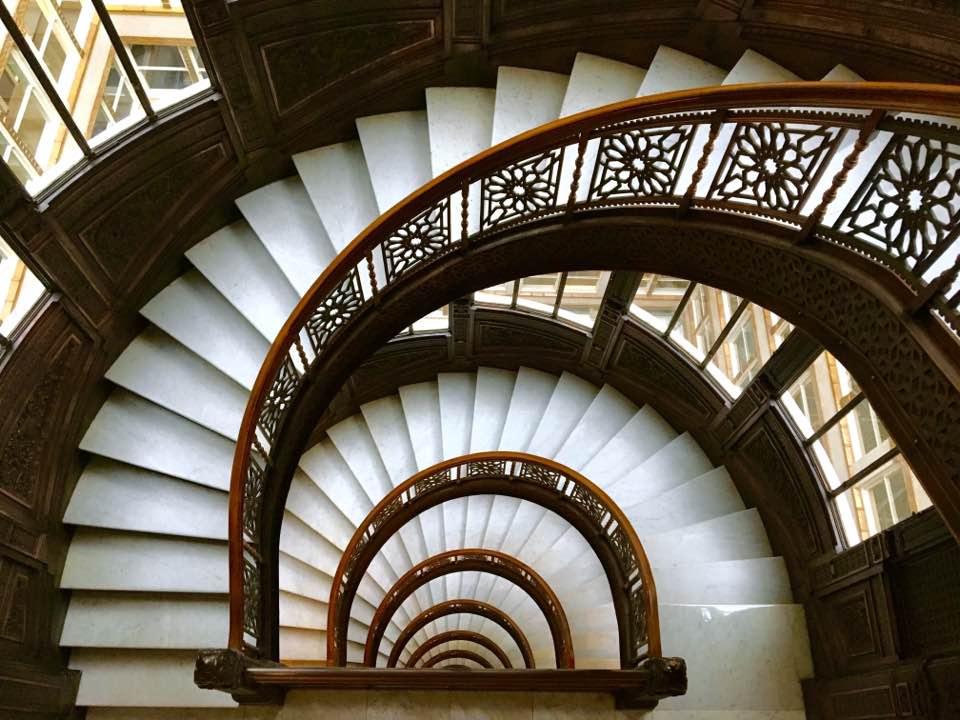
the oriel staircase: one of the most photographed features is the dramatic semi-spiral oriel staircase, which cantilevers over the lobby.
the name: the building’s name traces back to a temporary city hall built after the great fire, a spot that attracted both nesting birds (rooks) and politicians accused of “rooking” (swindling) the public.
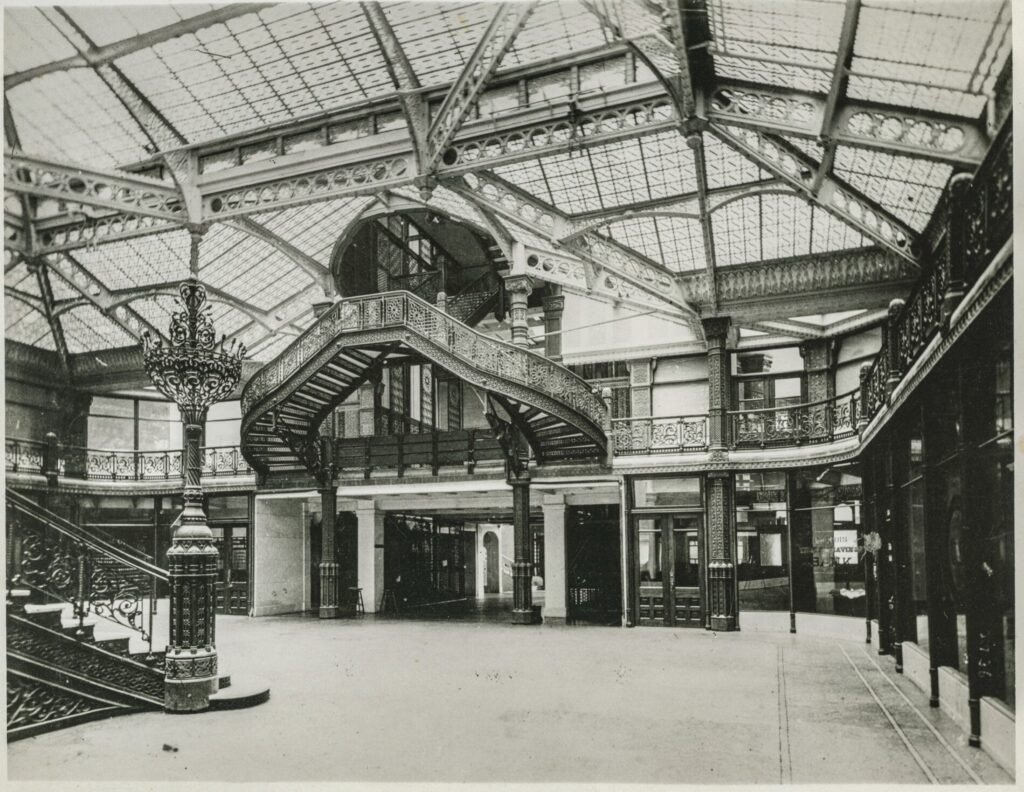
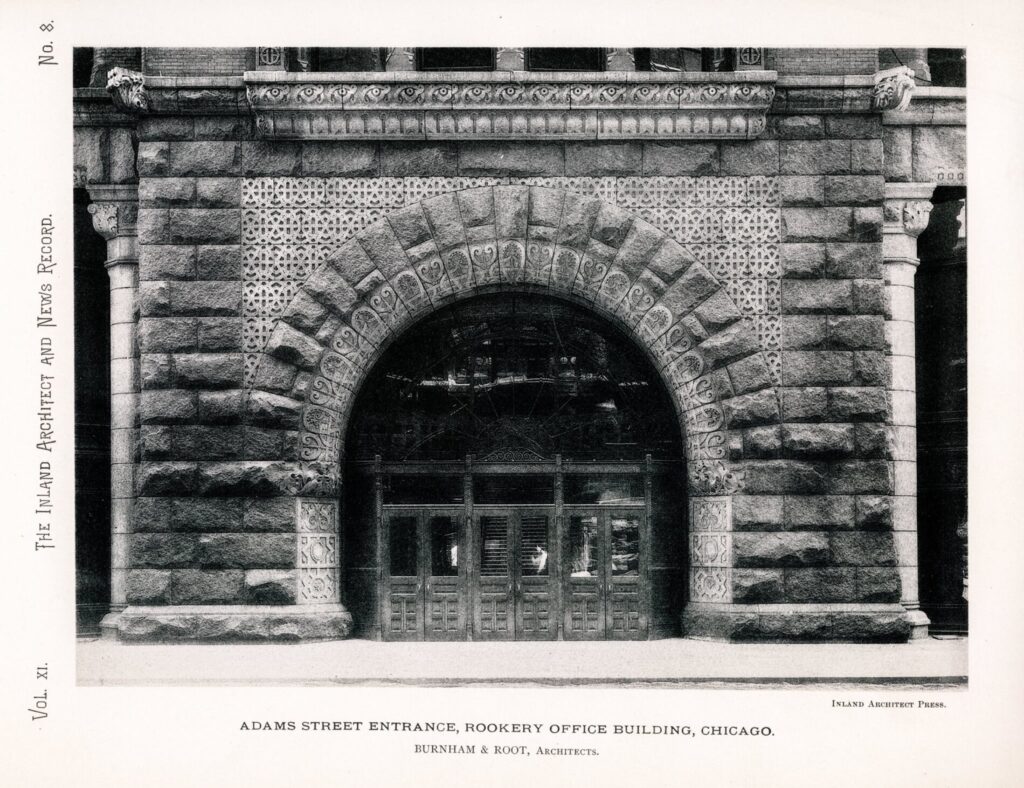
the adams street staircase was removed from the adams street entrance during major renovations in the 1930s or 1990s (sources vary on the exact phase of total removal, though architect william drummond gutted the lobbies in 1931).
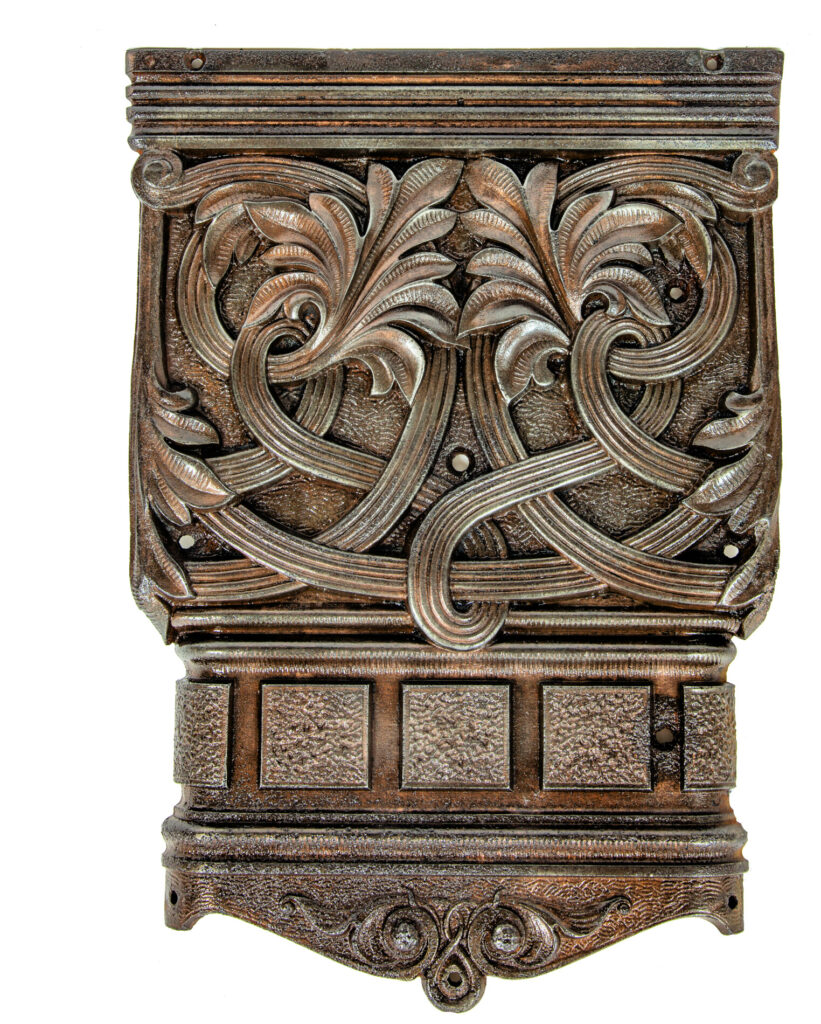
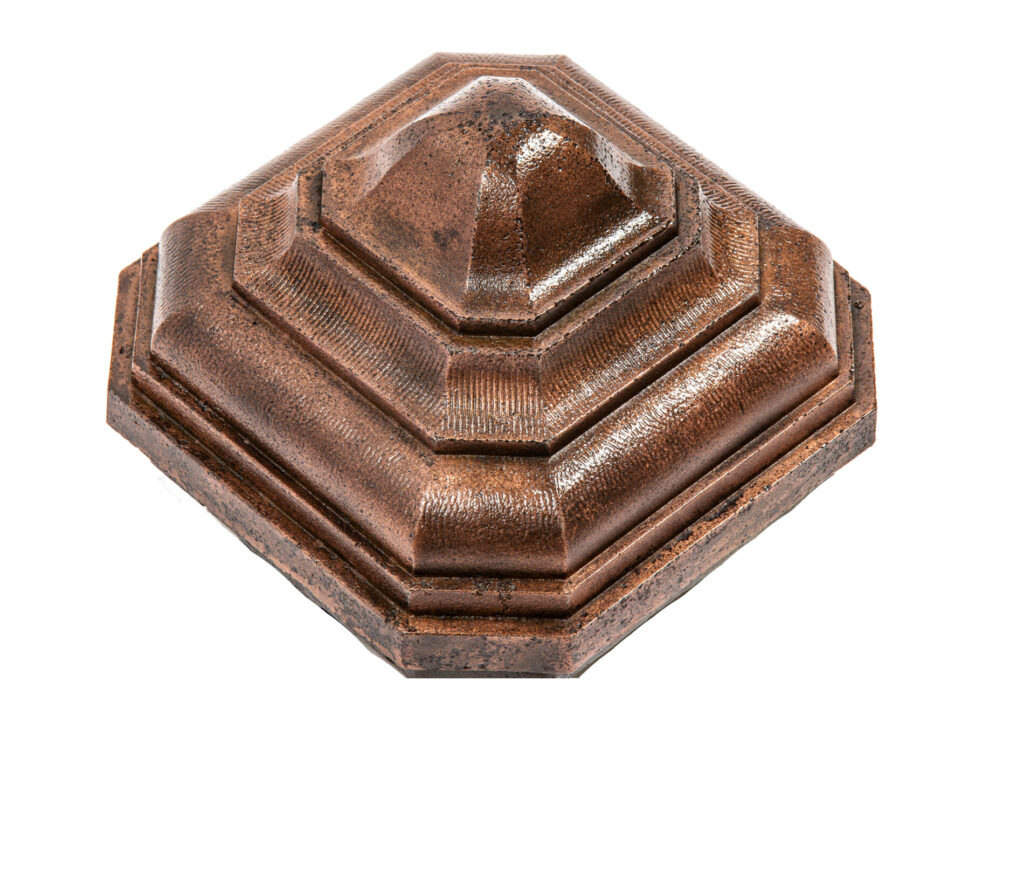
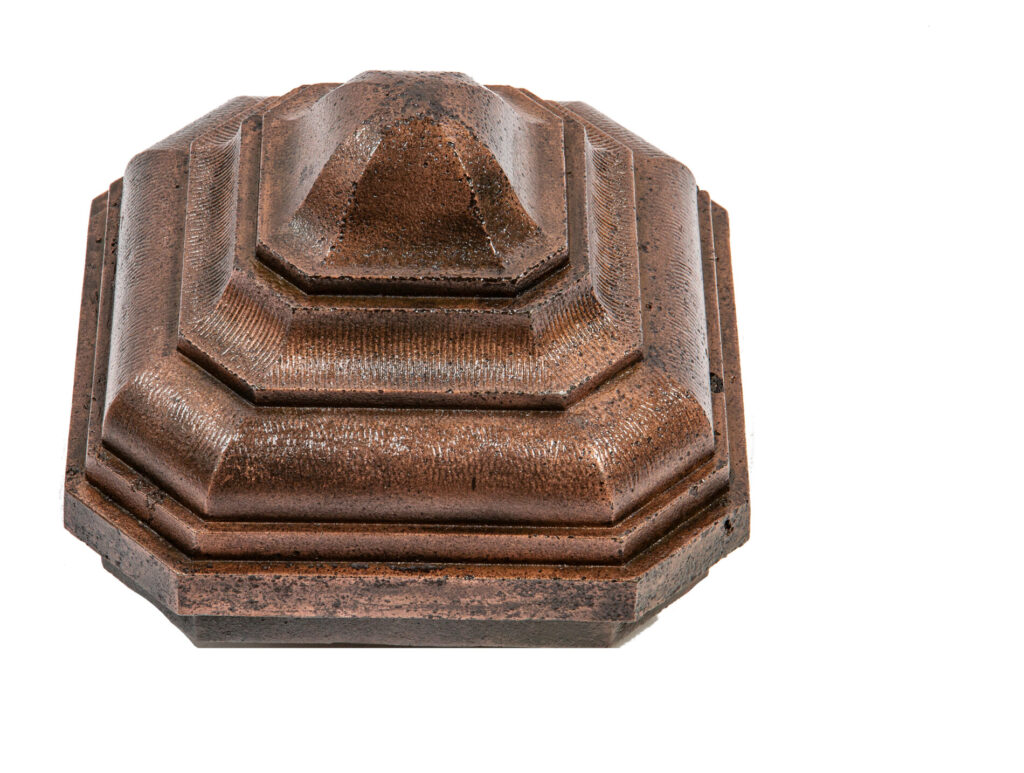
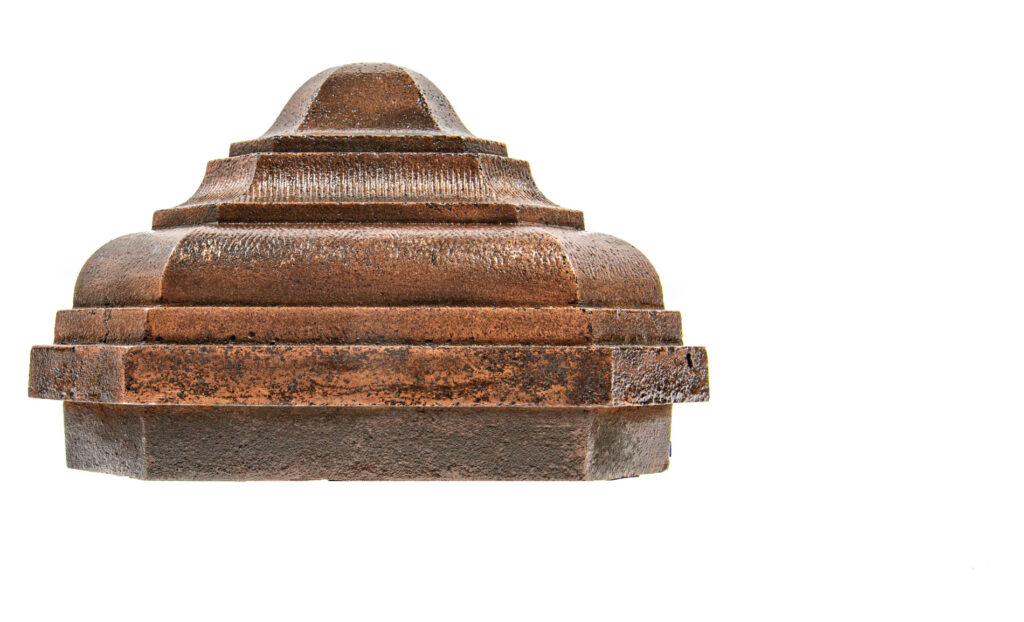
- architectural significance: designed by root in 1888, the stairs featured a combination of bower-barff and copper-plated cast iron executed by the hecla iron works.
- current location: the disassembled components of the staircase are currently owned by the university of illinois at edwardsville.
- other staircase changes:
- frank lloyd wright’s 1905 remodel: wright simplified and “squared-off” the original staircases, encasing root’s ironwork in white carrara marble with gold-leaf incising.
- william drummond’s 1931 modernization: drummond removed the double stairways and divided the lobby into separate floors to increase rentable space.
- 1992 restoration: the lobbies were restored to their ca. 1910 wright-era appearance, though drummond’s added staircase was removed to uncover root’s original ironwork.
hecla iron works was an acclaimed architectural and ornamental metalworking company located in williamsburg, brooklyn, operating from 1876 through the early 20th century. established by scandinavian immigrants niels poulson and charles eger, hecla earned global recognition for its pioneering casting methods and exceptional decorative ironwork, which helped shape much of new york city’s gilded age architecture.
notable projects and legacy
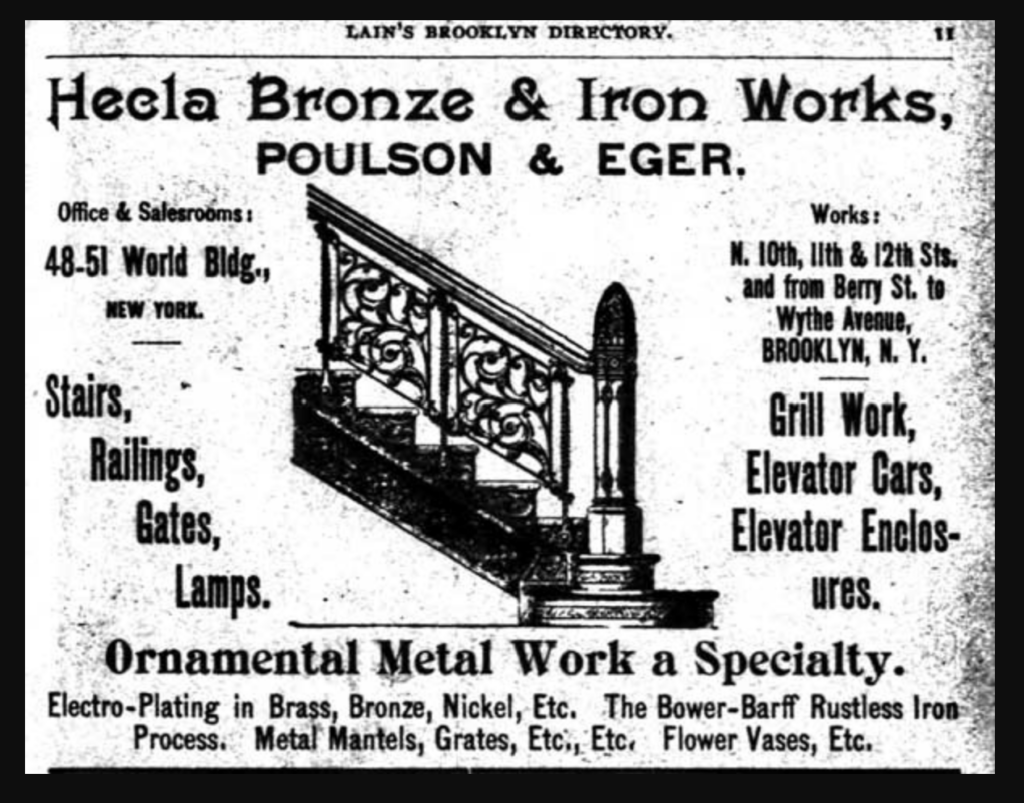
the firm’s artistry can still be found throughout several nyc landmark buildings and public spaces:
- irt subway kiosks: hecla crafted the original 133 ornate cast-iron kiosks for new york’s first subway entrances.
- the dakota: the famous perimeter fence at this historic apartment building was made by hecla.
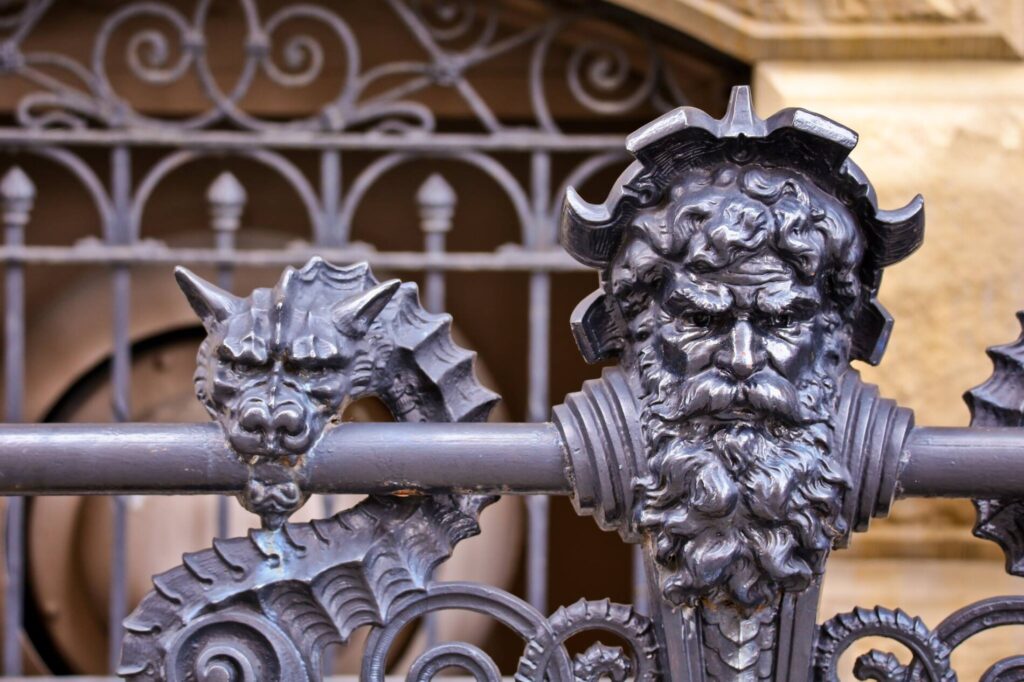
- public infrastructure: they constructed the macombs dam bridge (155th street) and the 155th street viaduct.
- landmark buildings: the company supplied ironwork and elevators for grand central terminal, the new york stock exchange, and the st. regis hotel.