
17 Feb an elevator grille from the oldest surviving commercial building of skeletal construction in chicago
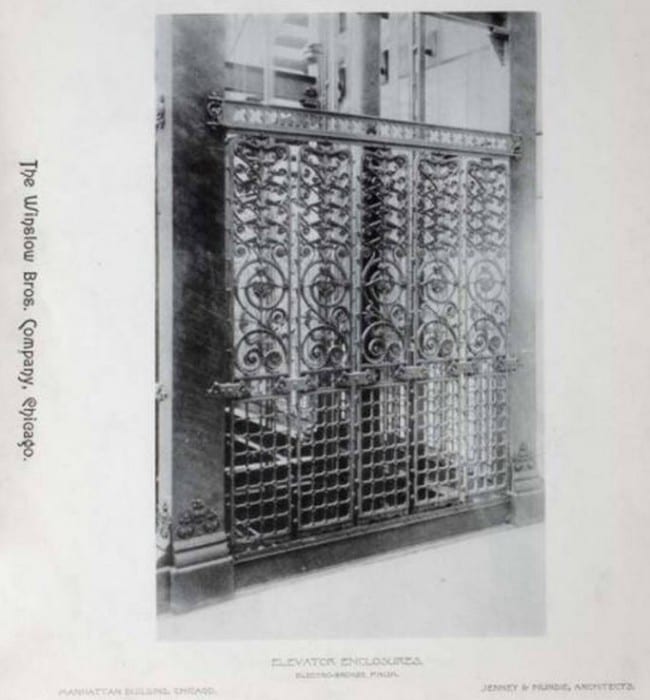
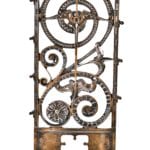
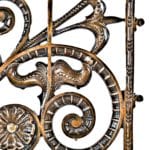
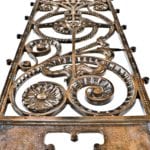
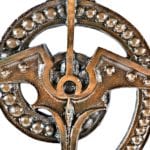
in the bldg. 51 collection is a stunning ornamental cast iron elevator grille fabricated by the winslow brothers for the interior of the manhattan building. the single-sided copper-plated panel features very unique organic motifs throughout. the detailed vertical panel is a historically important remnant of the oldest surviving commercial building of skeletal construction in chicago, designed by william lebaron jenney.
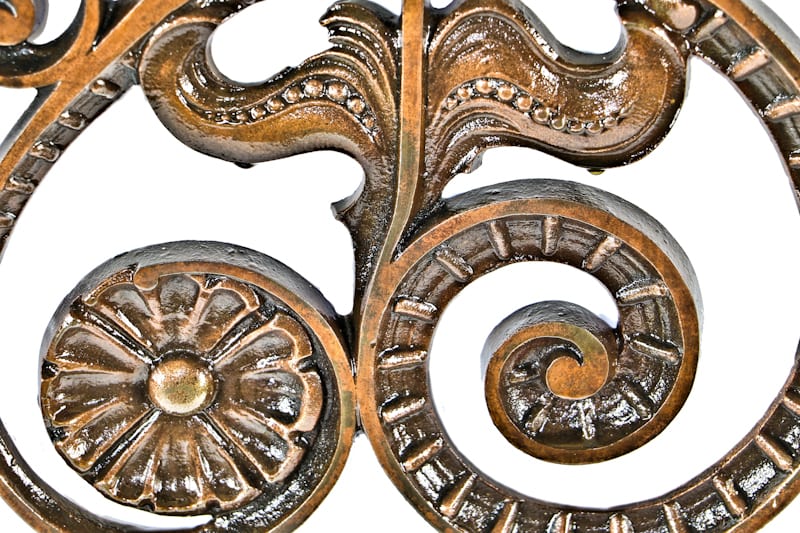
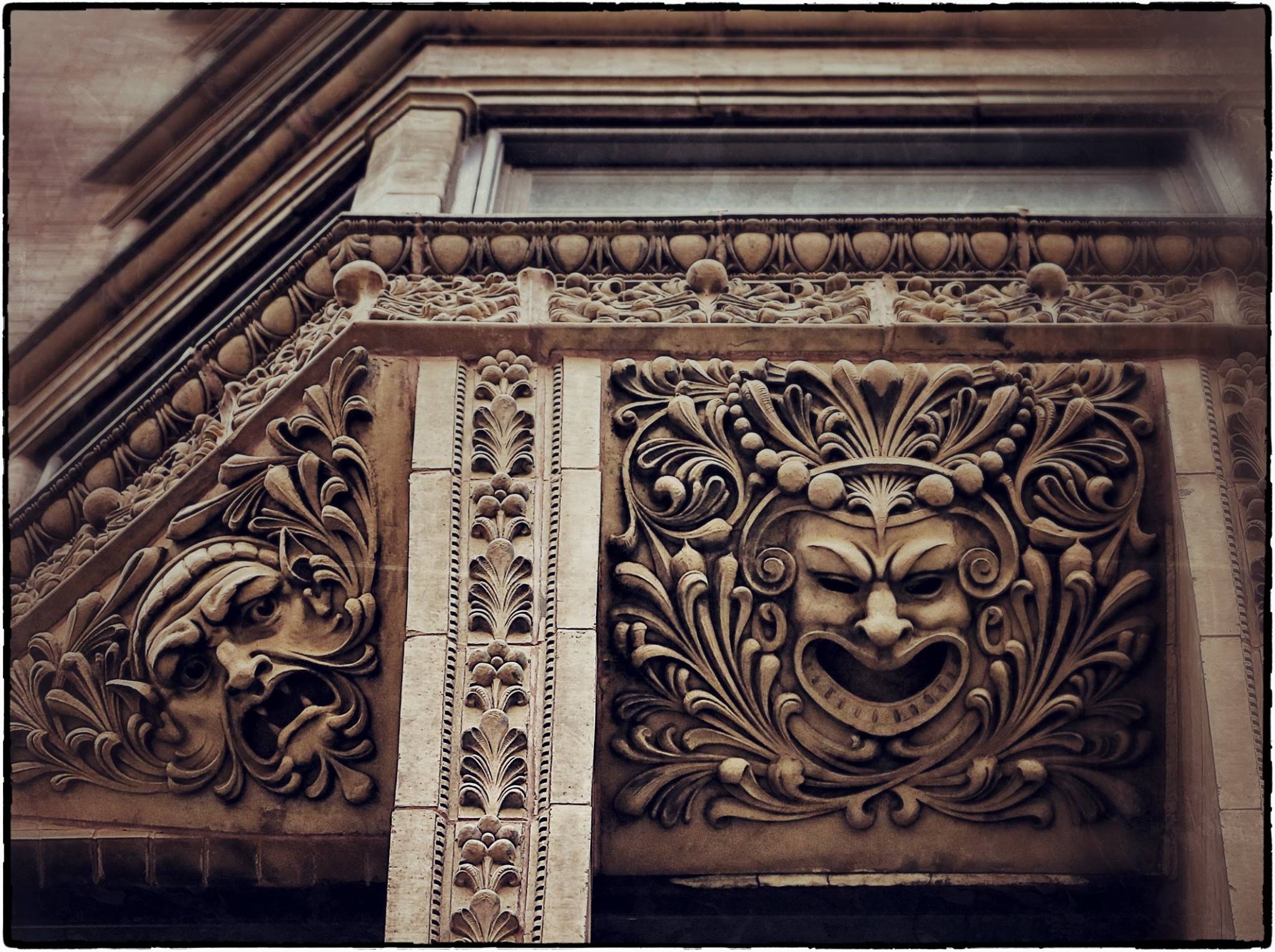
detailed images of the electro-copper plated cast ornament shown below.
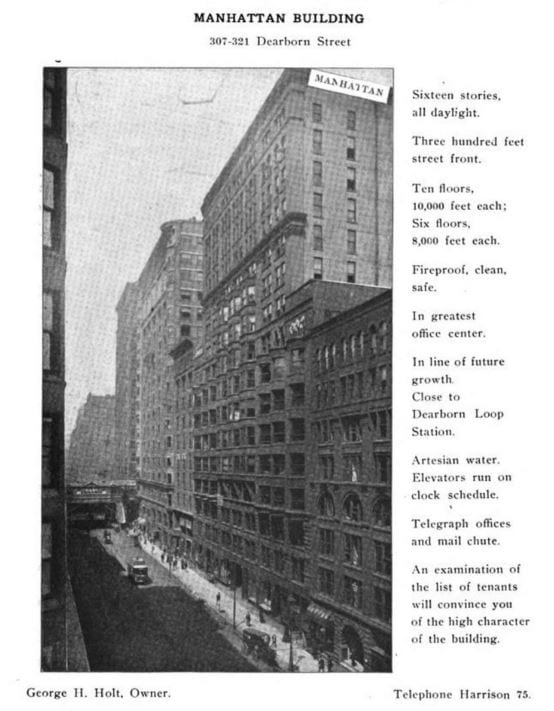
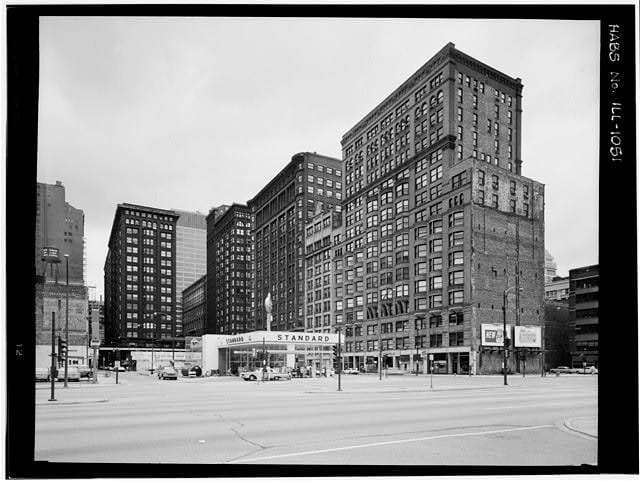
the manhattan building was built between 1889-1890 at 431 s. dearborn and became the first skyscraper to attain a height of 16 stories, wedged between a 7-story building to the north and the como block to the south. the new skyscraper cost $850,000, contained 600 offices and featured three retail stores on the first floor as well as five hydraulic passenger elevators.
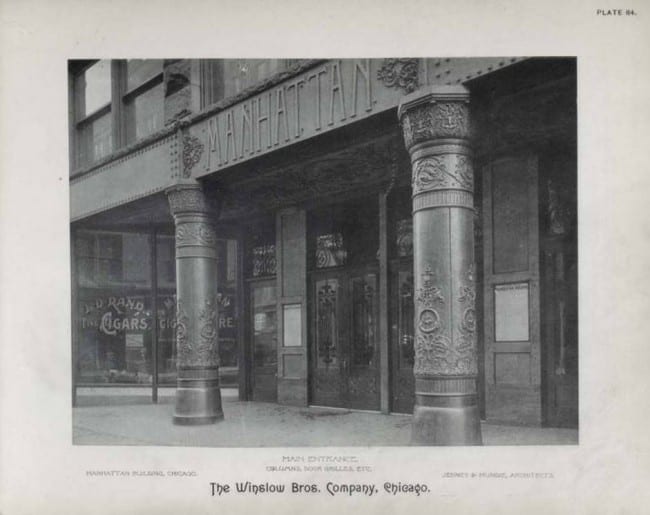
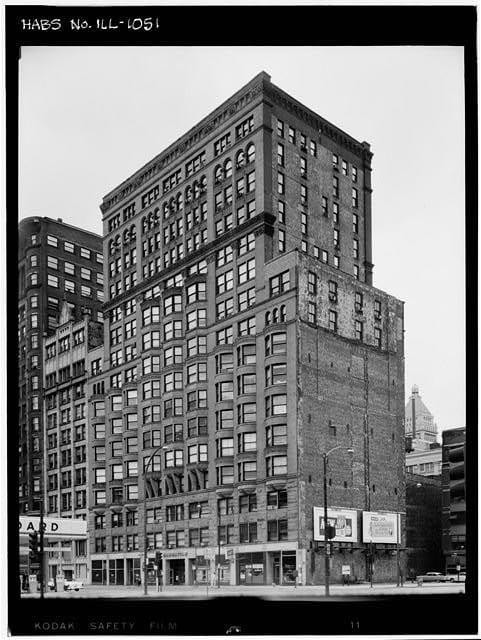
constructed with a floating foundation, the manhattan’s cantilevered bay windows create strong visual dimension and exhibit the innovative engineering for which jenney is known. it utilized cast iron panels along the ground floor, appearing as applied cladding for the framework instead of support. the building is decorated with capitals along the 12th floor and some masks and vegetative detailing on the brackets of the fourth floor. polygonal oriels placed in the center of the west facade rise higher than the flanking rounded oriels. although the main entrance has been covered over and the public interior spaces have been altered, the original facade has remained virtually intact. the most conspicuous exterior alteration has been the addition of a single bay on the outer flank of the tenth floor.
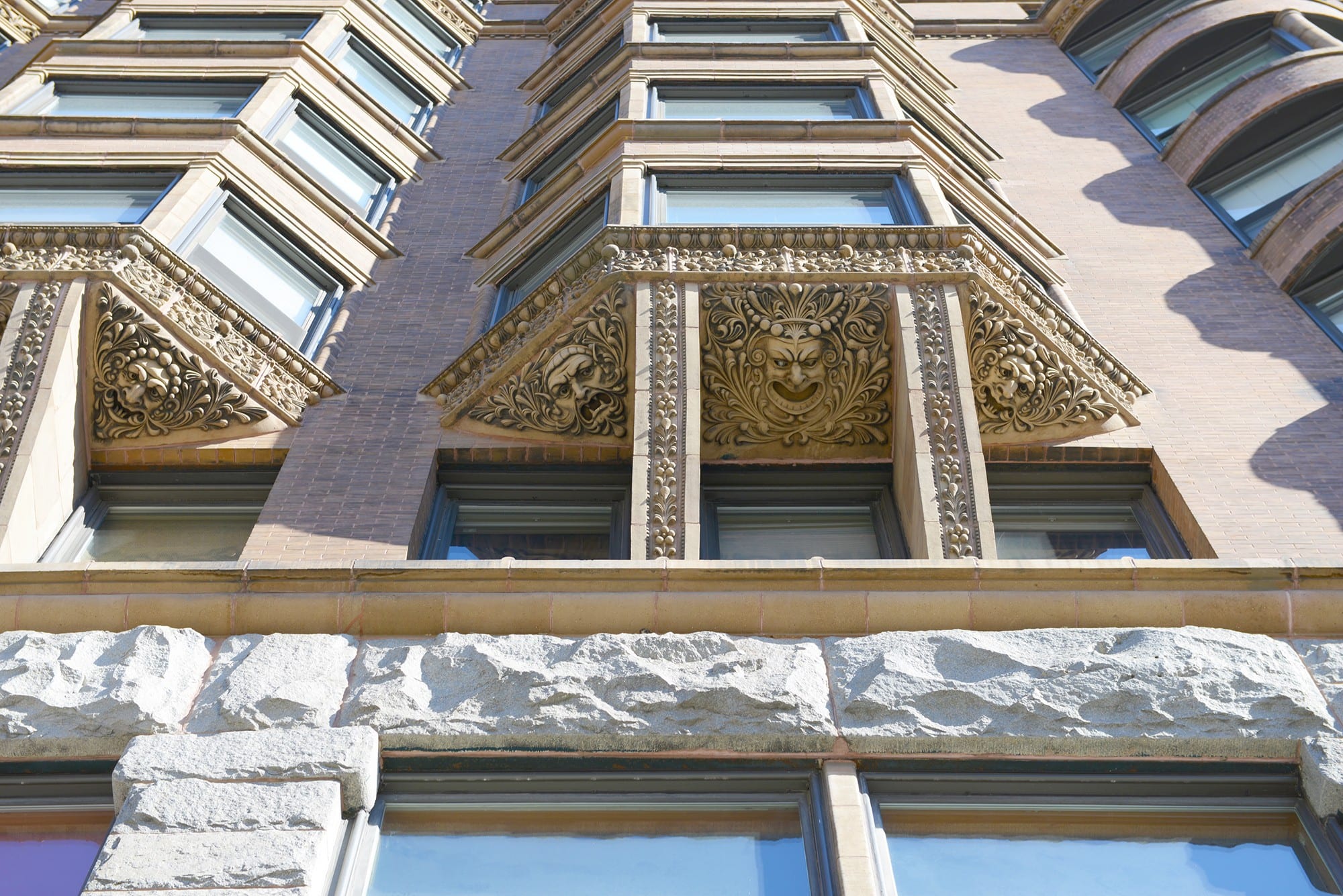
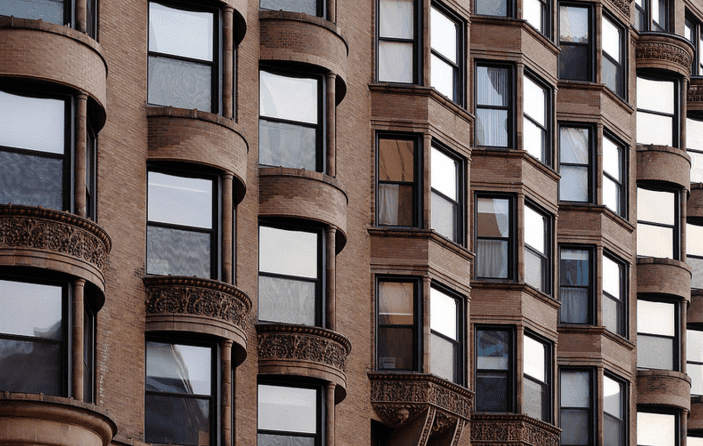
the distinctive bay windows provided light into the building’s interior spaces, and the combination of a granite facade for the lower floors and brick facade for the upper stories helped lighten the load placed on the internal steel framework. there is one basement, and the building is supported on spread foundations with beam and rail grillages. the building is true skeleton construction, with no use of party walls, the north and south walls of tile being supported upon steel cantilevers carrying the load back to the first row of interior columns. the columns are of cast iron, and the beams and girders of wrought iron with no steel in the buildings, bessemer beams being still too expensive. it was the ‘first building to recognize a system of wind-bracing as a necessity. the versatility and strength of metal frame construction made the skyscraper possible, as evidenced by this structure, which reached its then-astounding height of 16 stories. the interior lobby was embellished with marble mosaics, polished marble, jasper wainscoting, bronze and copper fixtures, and ornamental ceilings. the manhattan building quickly rented to people in the printing and publishing trades.
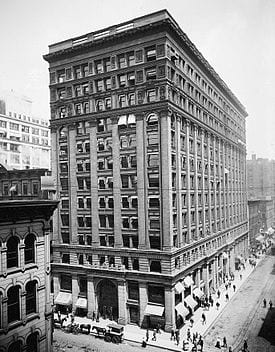
jenney had earlier designed the home insurance company building (1884), a structure generally considered to be the first skyscraper, with unprecedented use of an internal steel skeleton. this framing was what freed architects from worrying about how to support a building’s weight and continue to build taller. the home insurance building set the tone for the chicago school itself, whose most prominent architects were employed as draftsmen at some point in jenney’s office –among these, daniel burnham, martin roche, louis sullivan, and william holabird. in this sense, jenney’s work incubated the school that would come to define the city’s architecture.
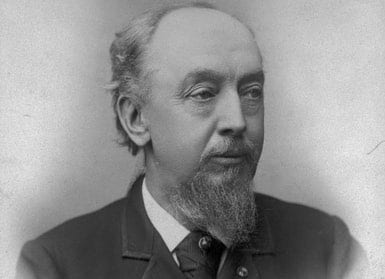
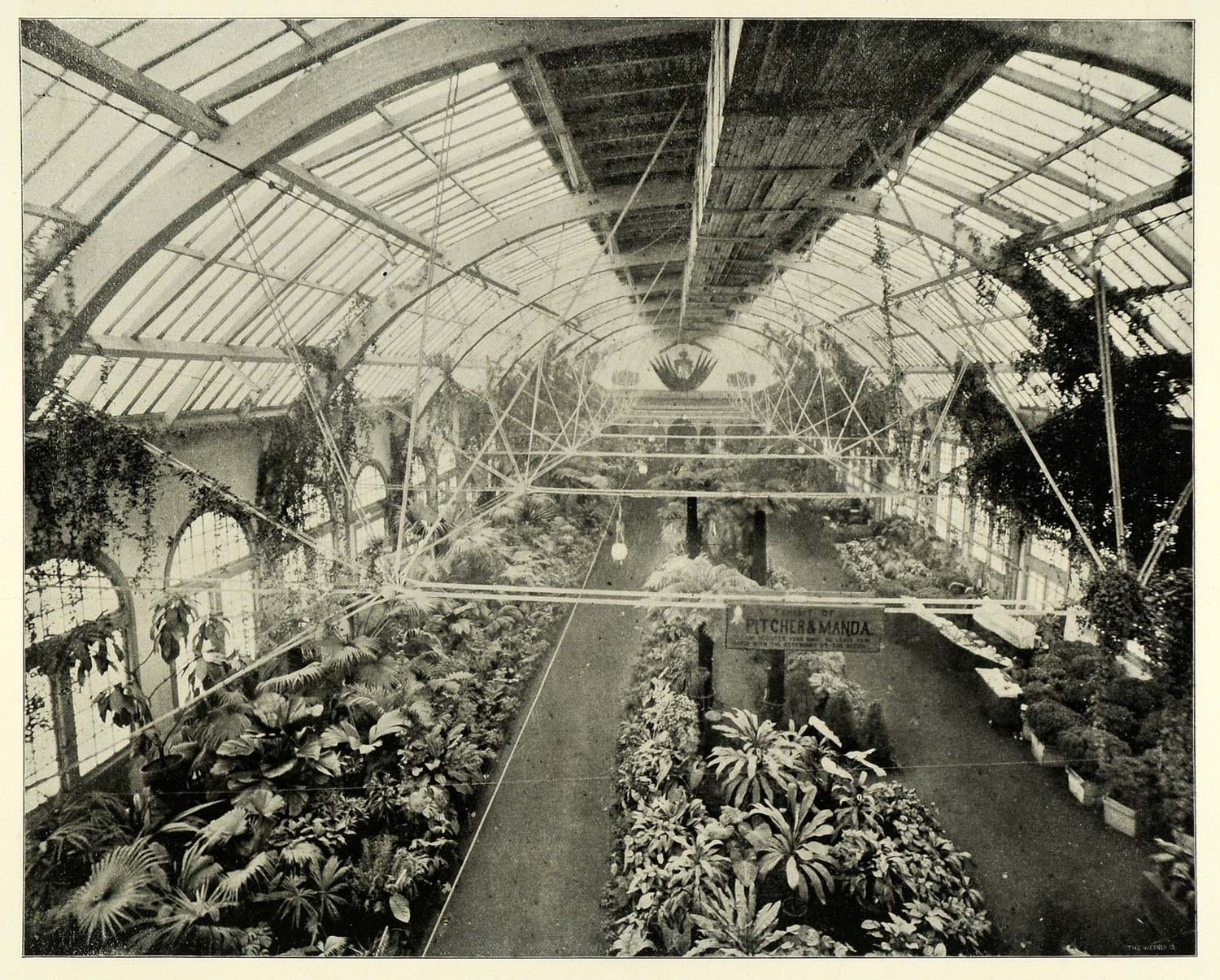
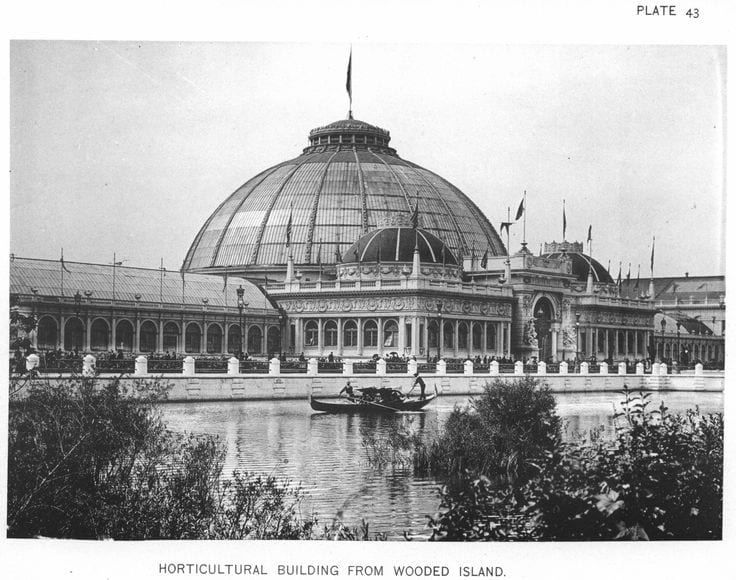
born into a family of whaling ship owners in massachusetts, jenney studied architecture in paris between 1859-1861, before serving in the american civil war as an engineering officer. he spent the late nineteenth century practicing engineering and architecture in chicago, commuting for a time to teach at the university of michigan, ann arbor from 1876-1880. aside from his major highrises, his major accomplishments included the planning for the west parks of the city, inspired by baron haussmann’s plan for the renewal of paris. this involved the creation of humboldt, garfield, and douglas parks, and connected them by grand, tree-lined boulevards. at the same time he collaborated with landscape architects frederick olmsted and calvert vaux in the planning of riverside, illinois. jenney also went on to design the horticultural building for the 1893 world’s fair, considered one of the finest structures at the exposition, with its 5 1/4 acres making it the largest botantical conservatory to date. jenney is noted as well for designing homes with open floor plans, anticipating in his work the idioms of frank lloyd wright and the bauhaus school.