
02 Aug documenting adler and sullivan’s 1881 s.a. maxwell building during conversion to boutique hotel
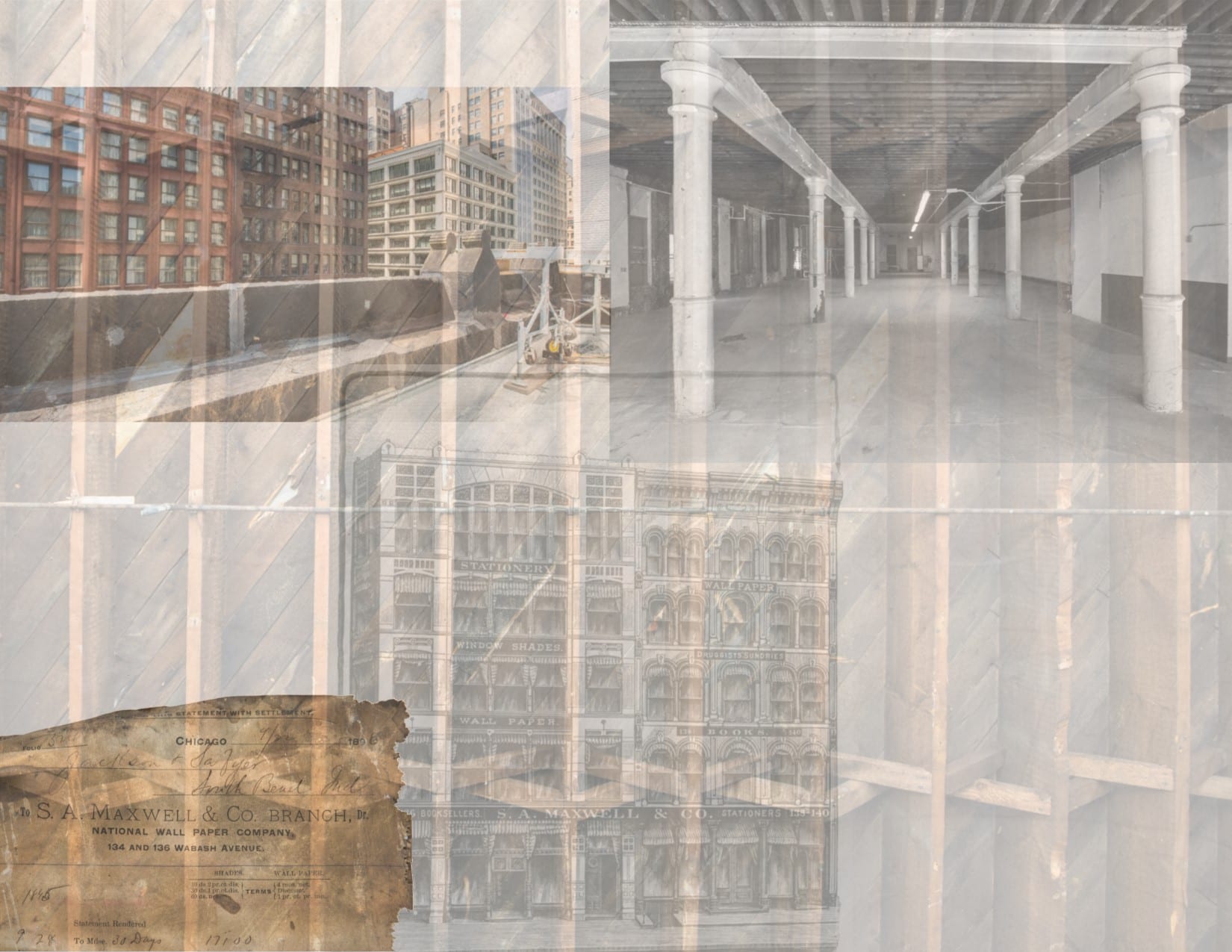
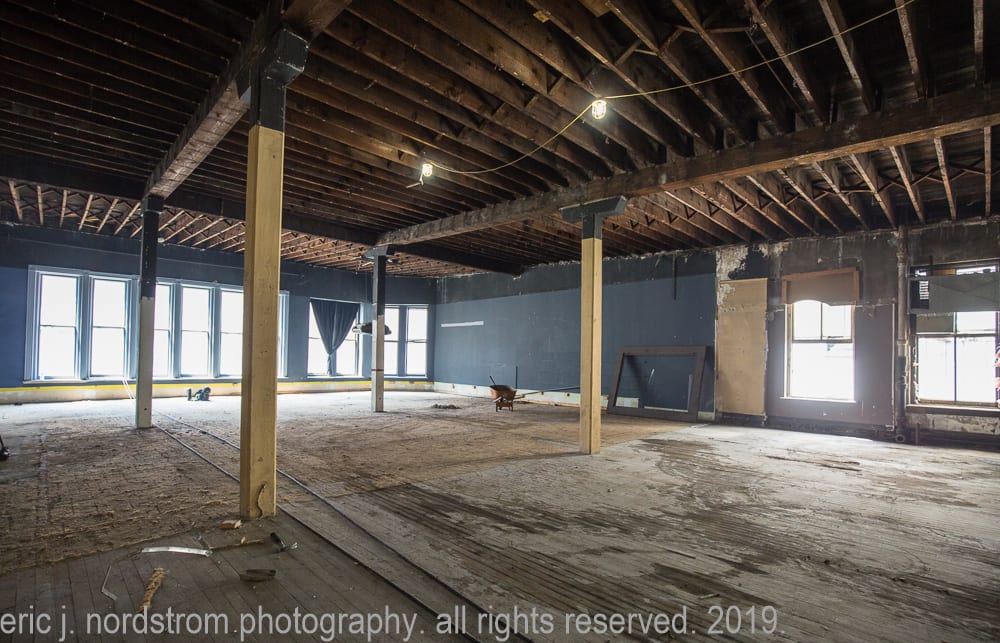
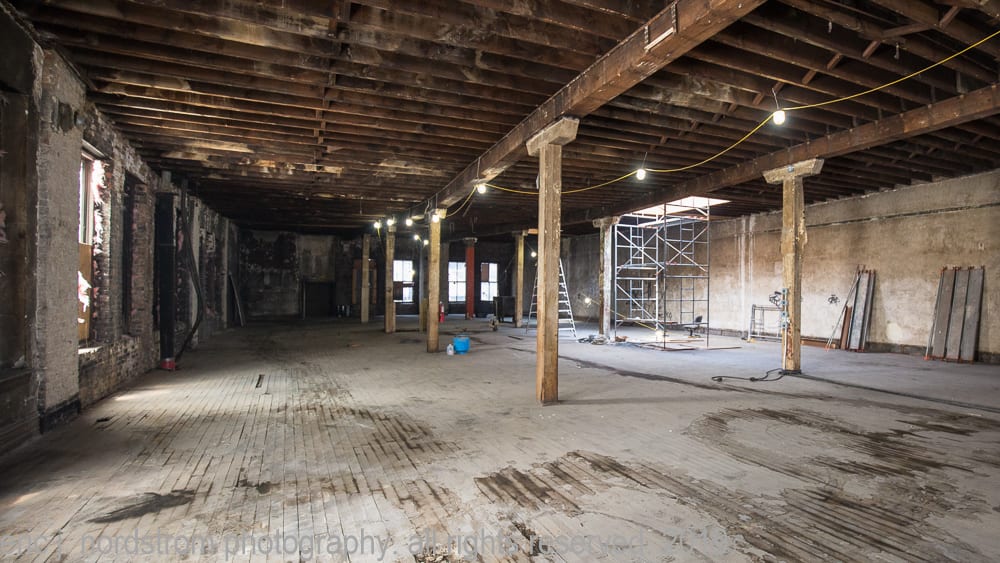
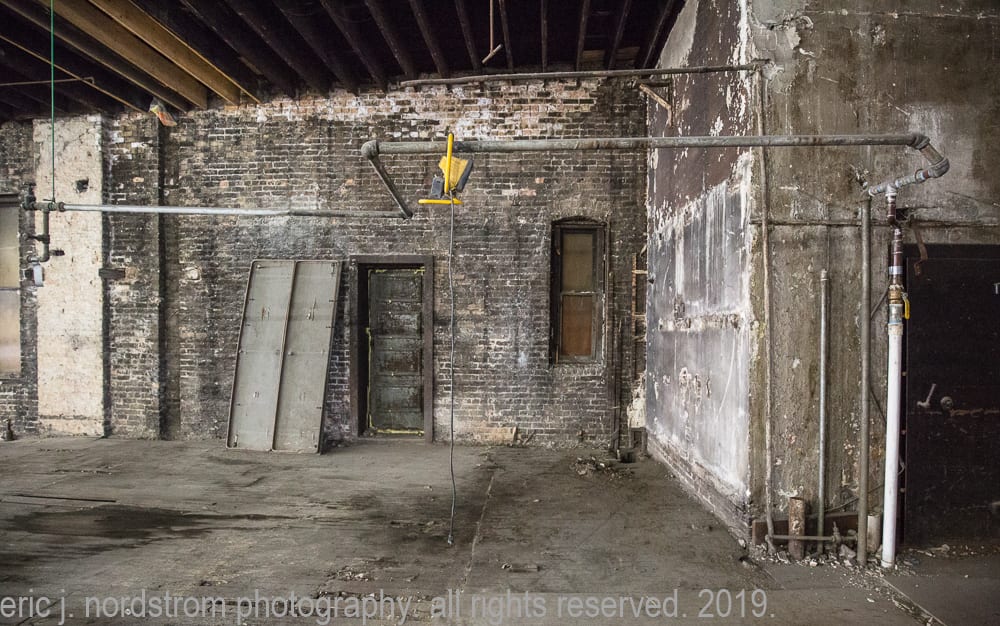
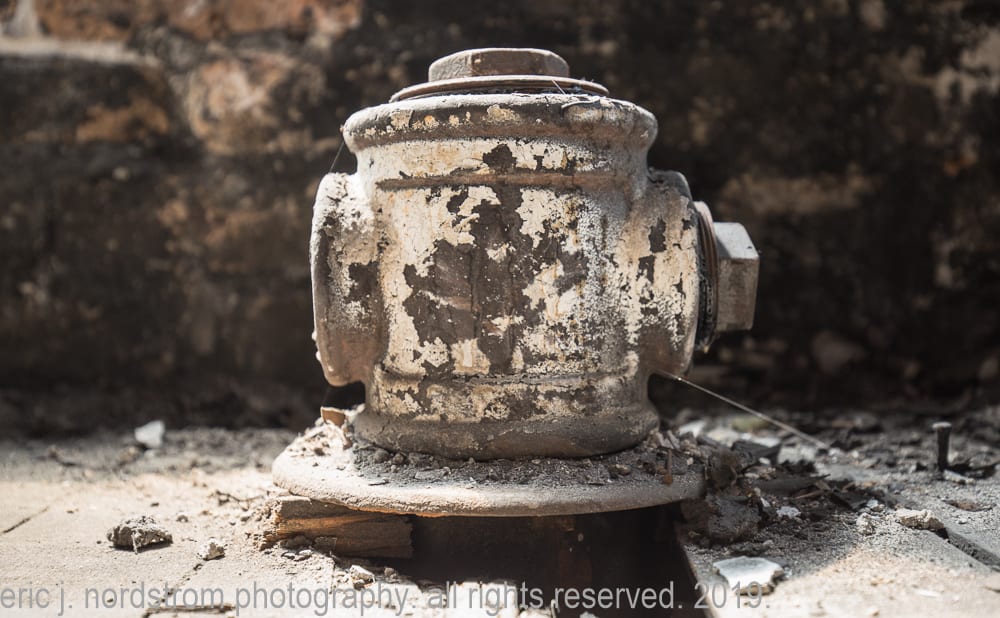
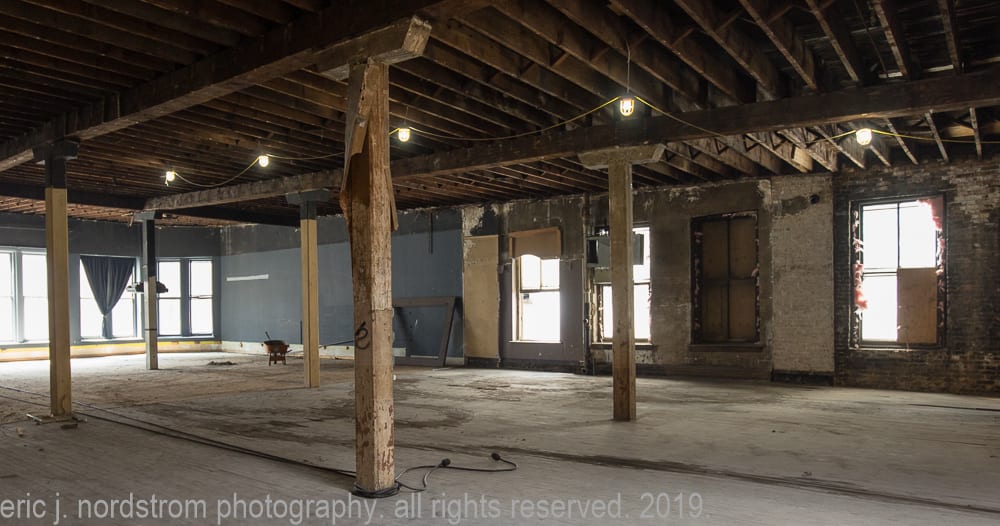
latest images documenting interior (floors 3-5) and exterior (including rooftop) of adler and sullivan’s s.a. maxwell loft building (commonly known as the jewelers’ building) during transformation into a boutique hotel. thankfully i captured the interior prior to restoration work during my last visit in november of 2018 (see link below). the first post includes several images taken by richard nickel when he documented the upper floors in the 1960s.
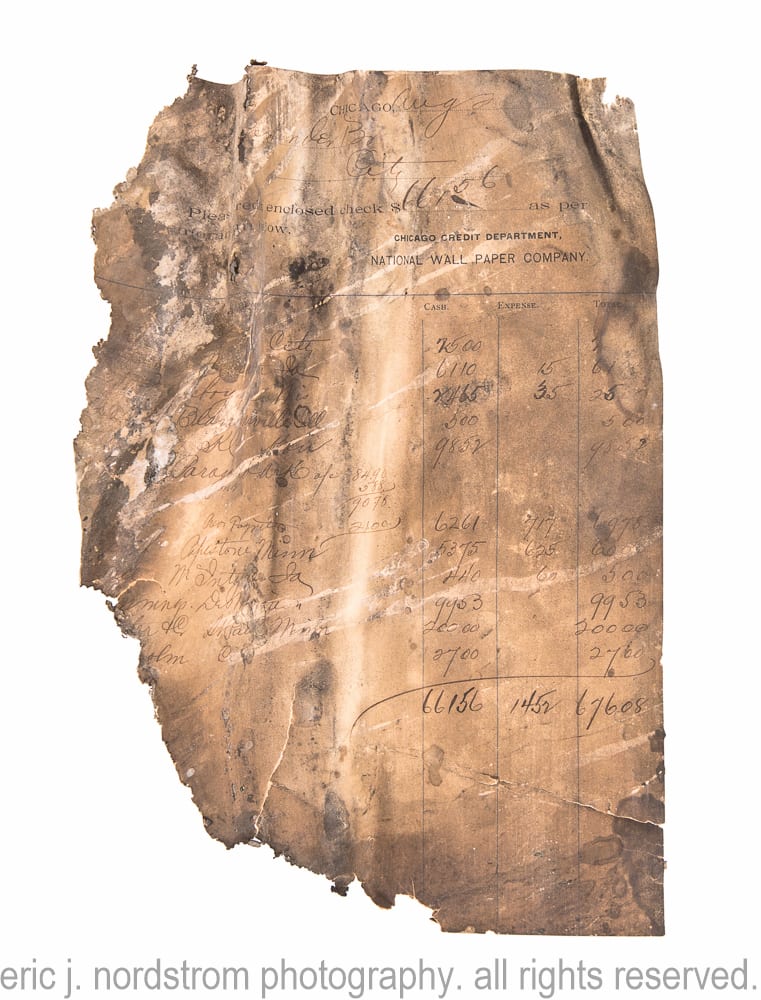
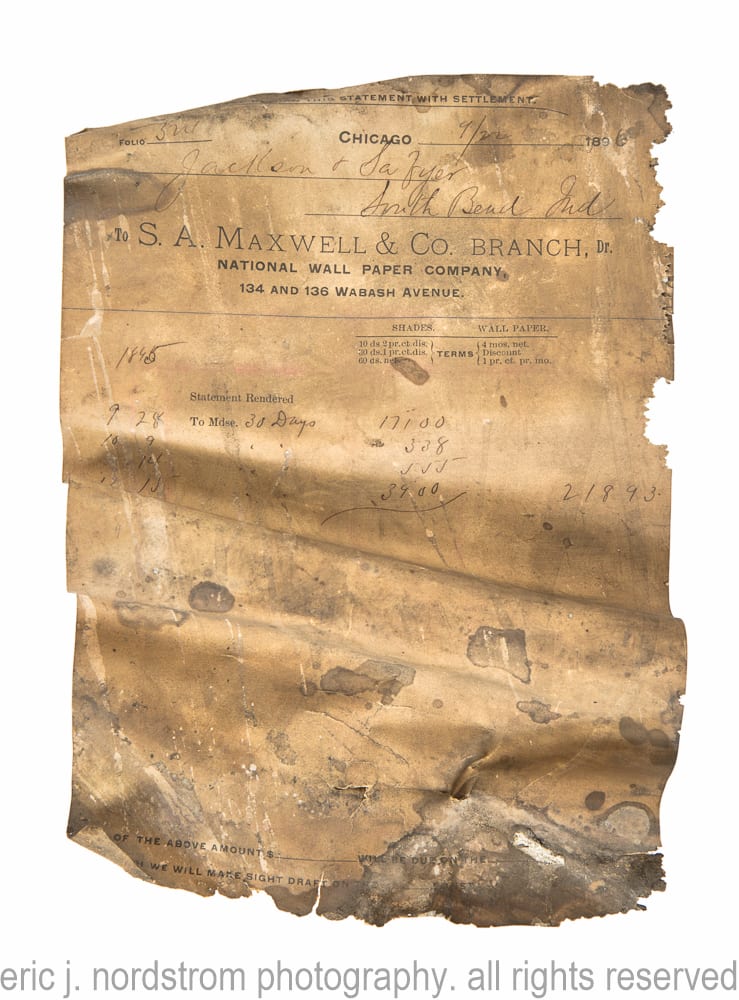
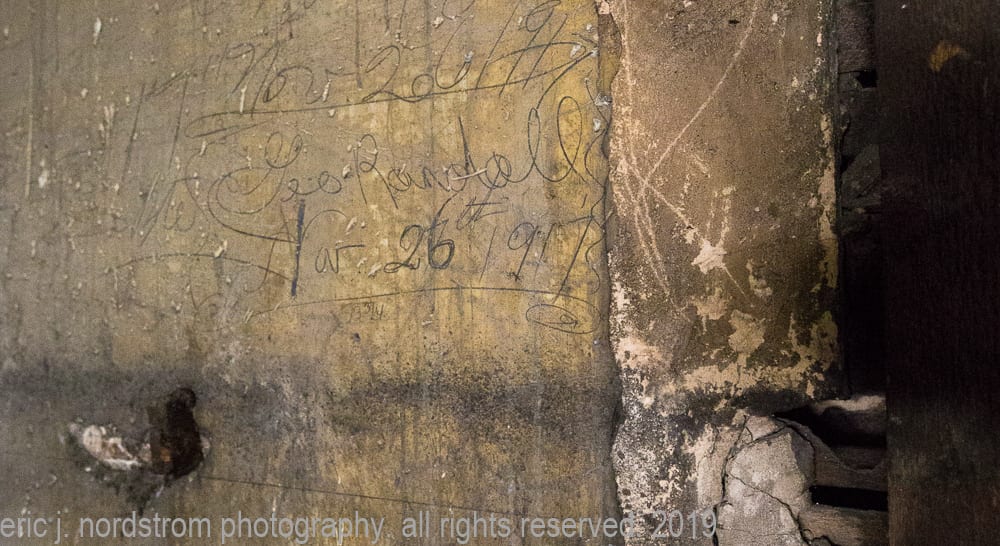
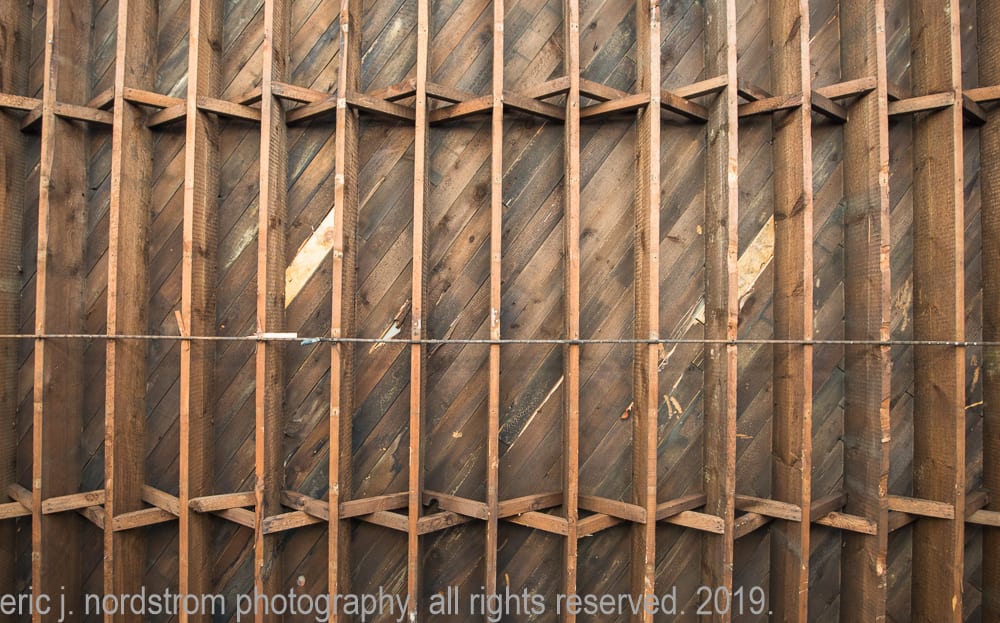
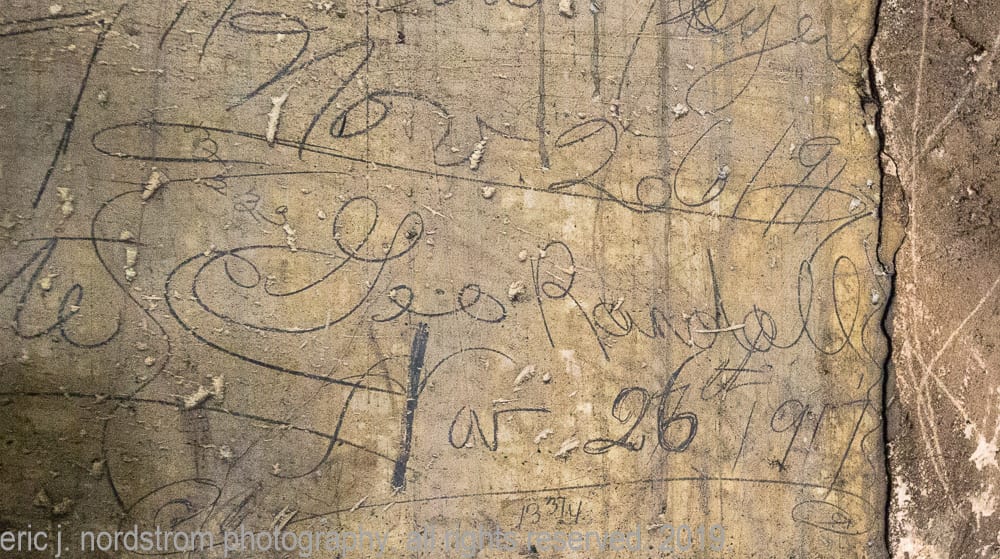
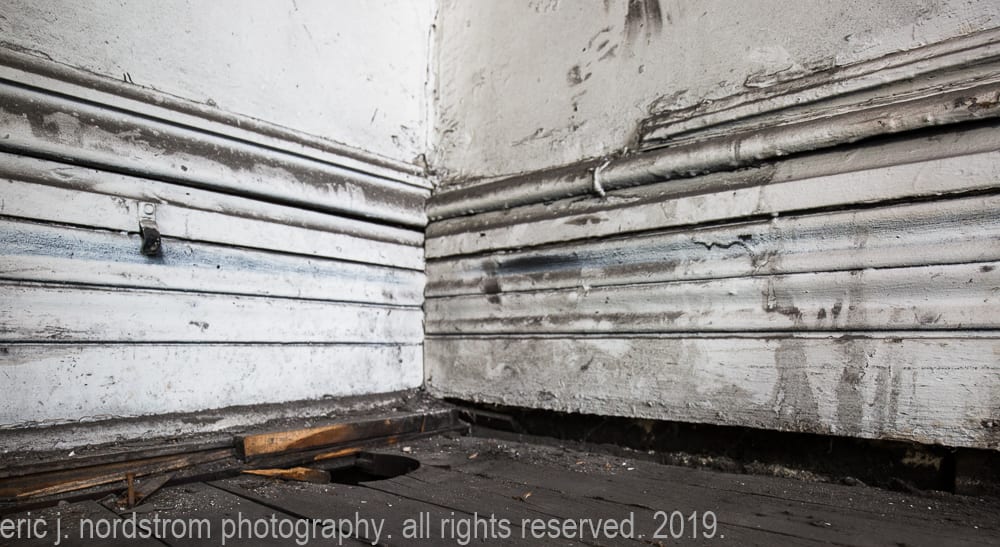
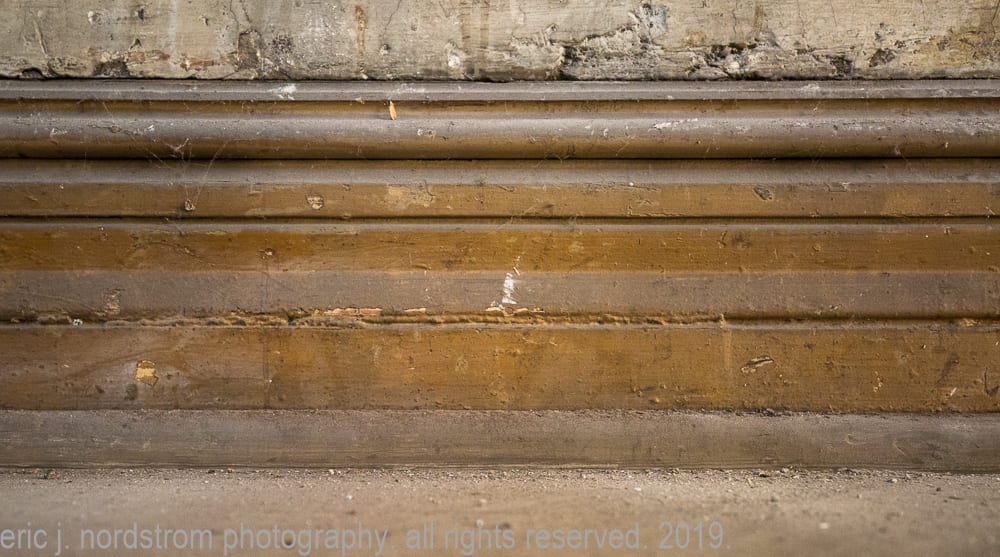
when documenting sections of original pine wood baseboard, i ran across several scraps of paper and small objects between exposed stud cavities and under floorboards located nearby.
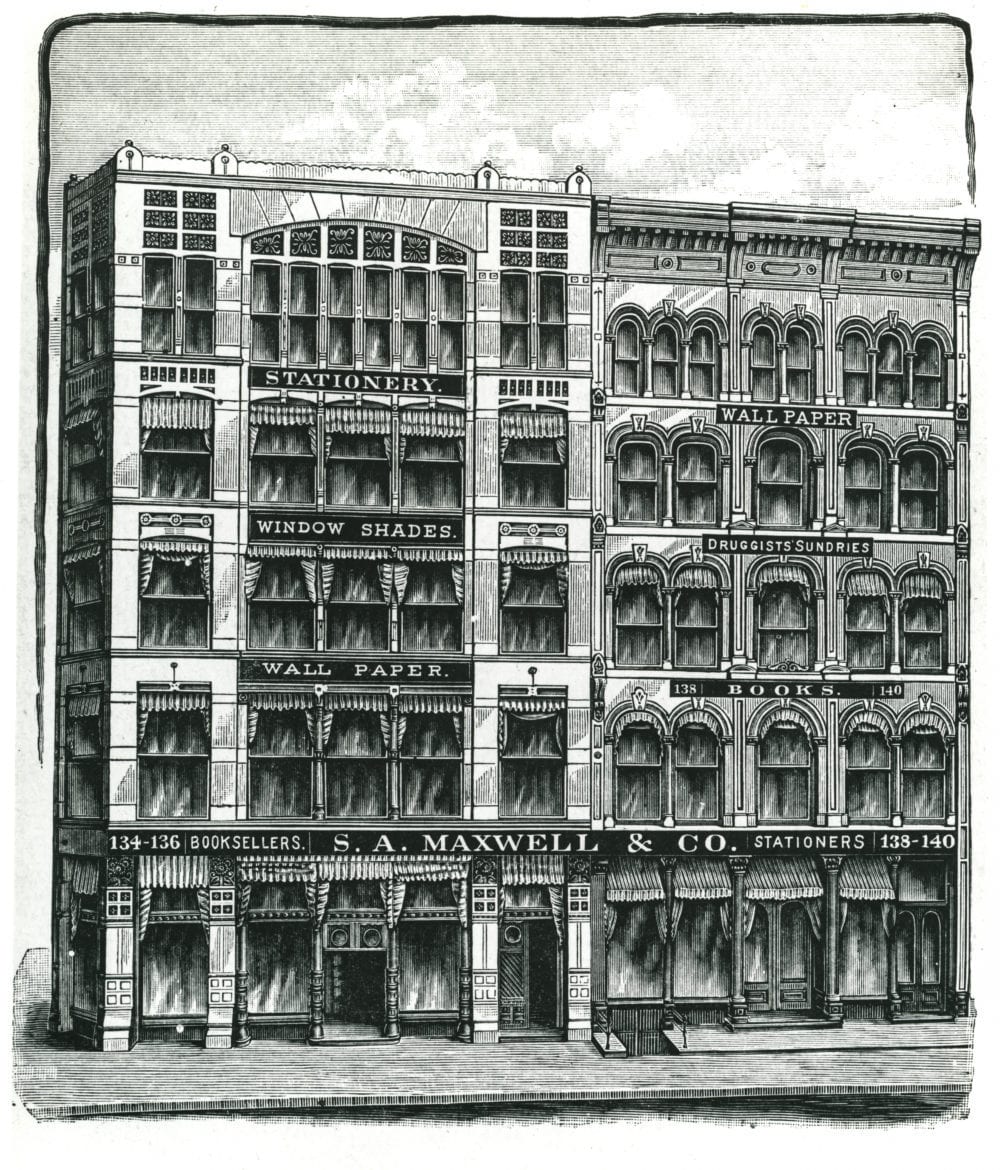
most of the material found dated to the time the building’s first tenant – s.a. maxwell and company – occupied the building from the time it was completed in 1881 to the turn of the century, when they moved to the central manufacturing district. the company specialized in stationary and wall coverings, with showroom located on the ground floor and offices and storerooms on the upper floors.
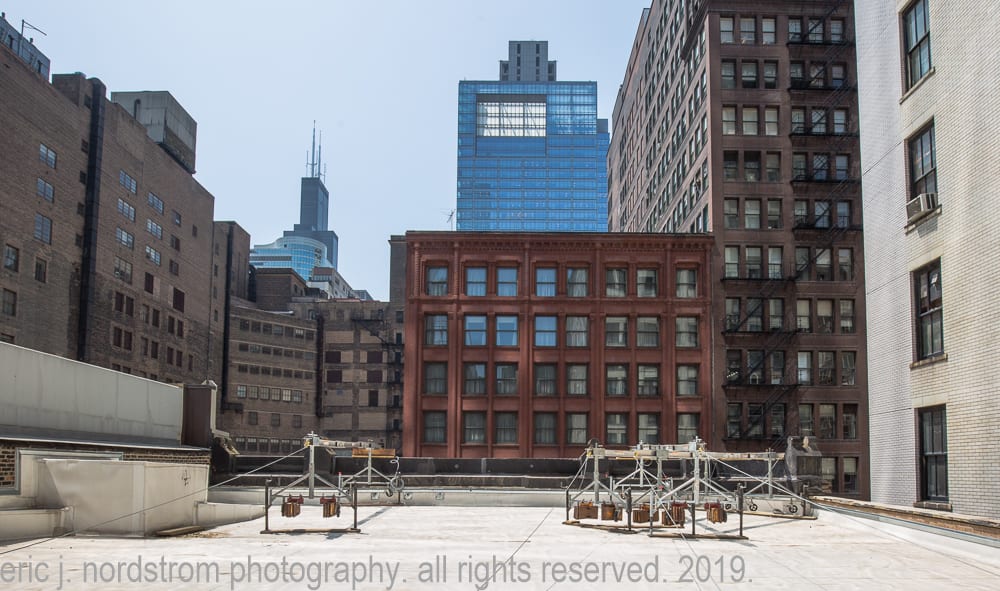
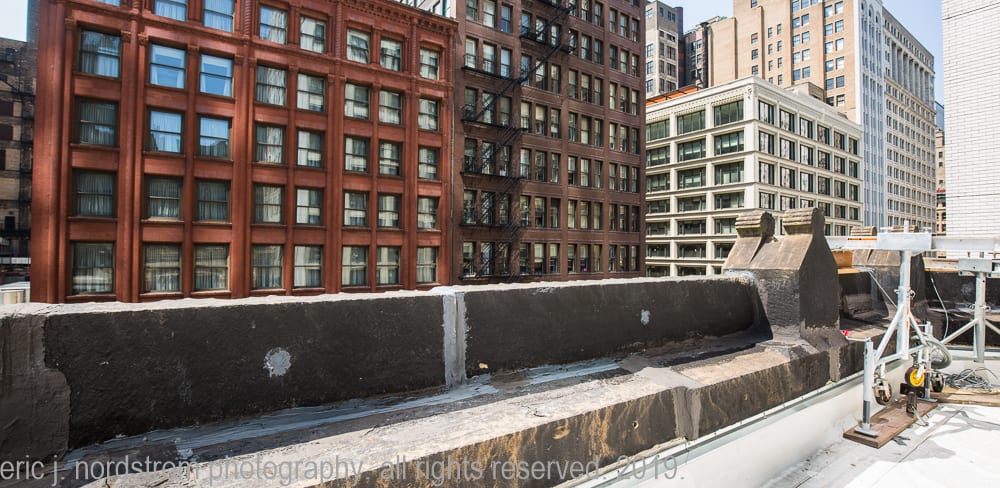
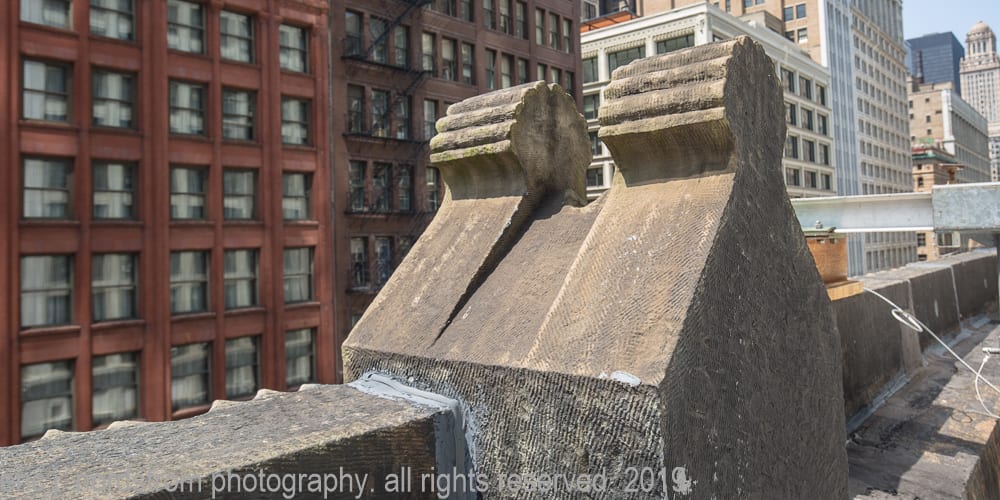
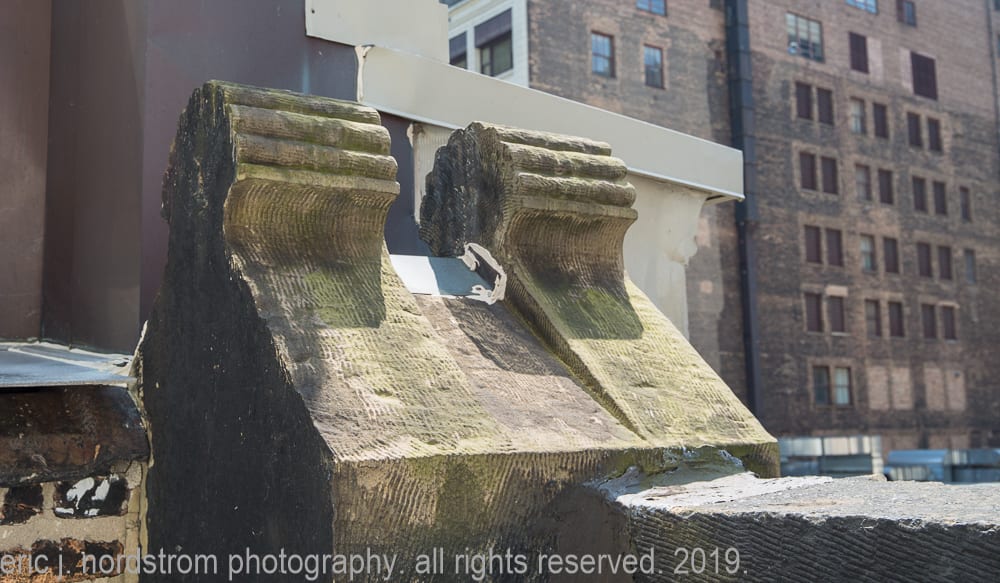
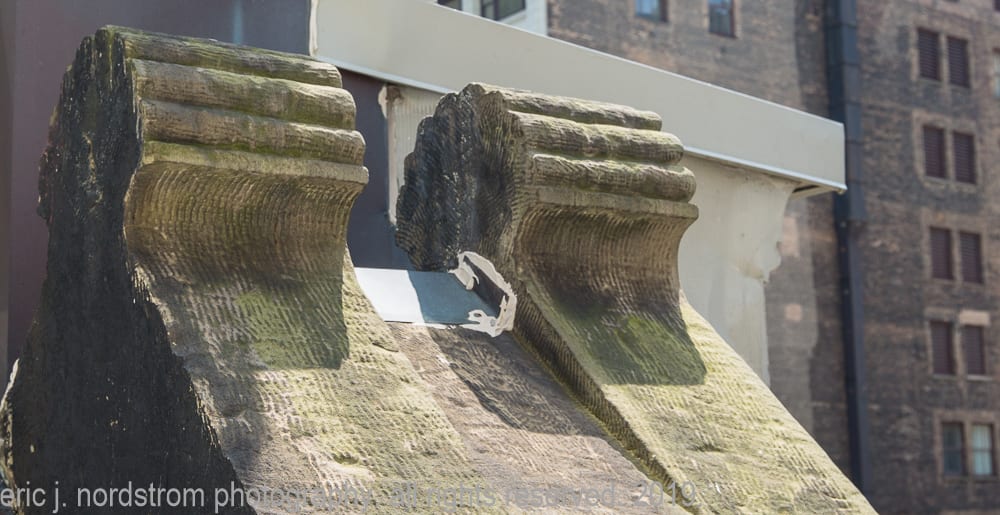
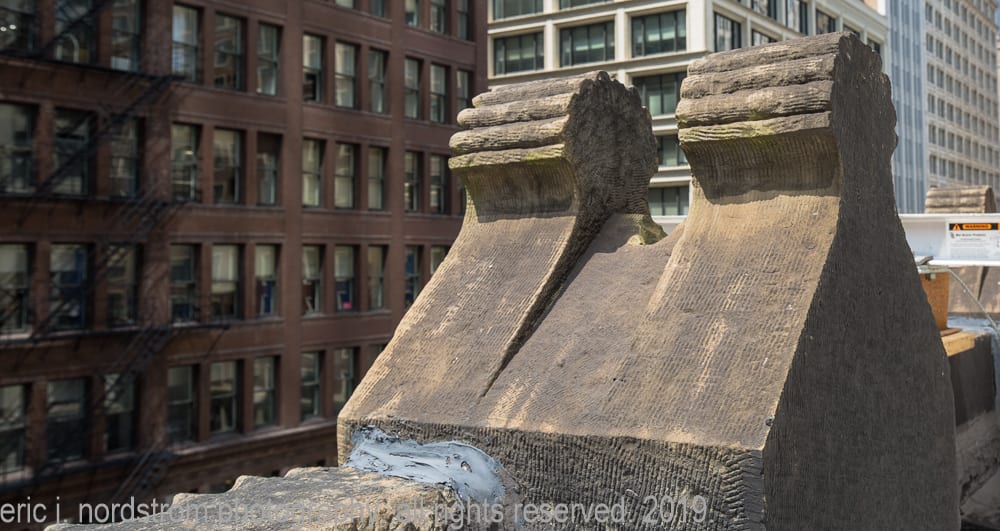
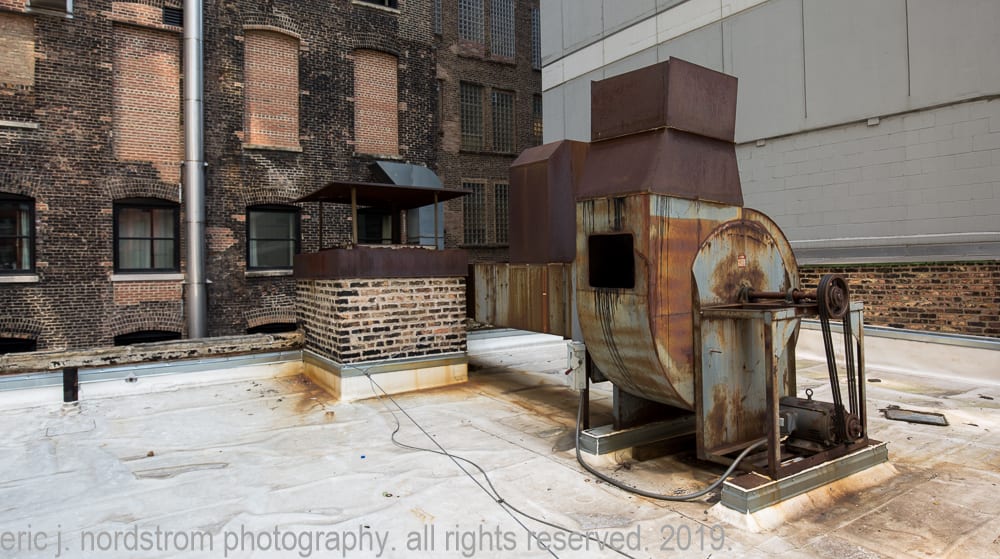
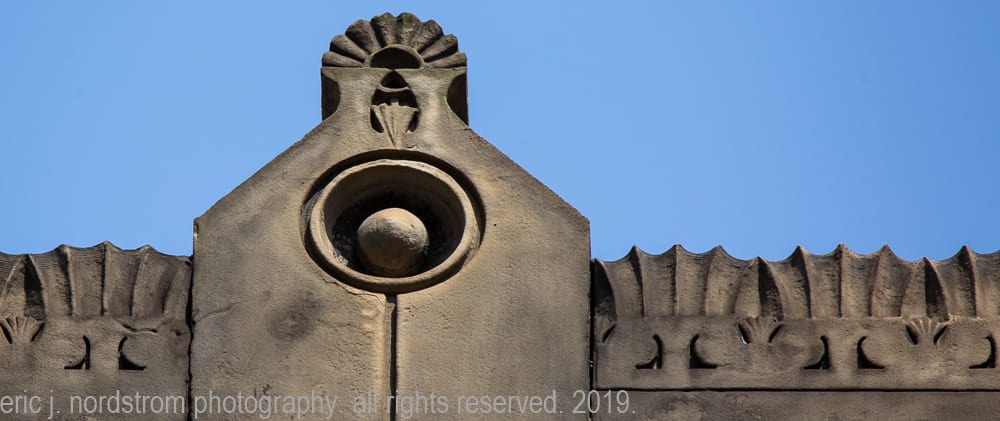
i’ve included images taken from the roof and some of the material discovered between the studs.
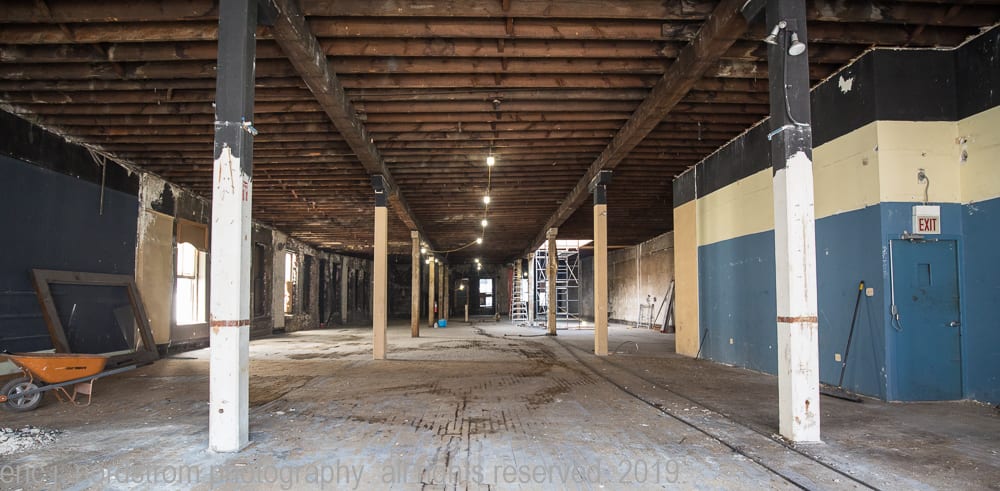
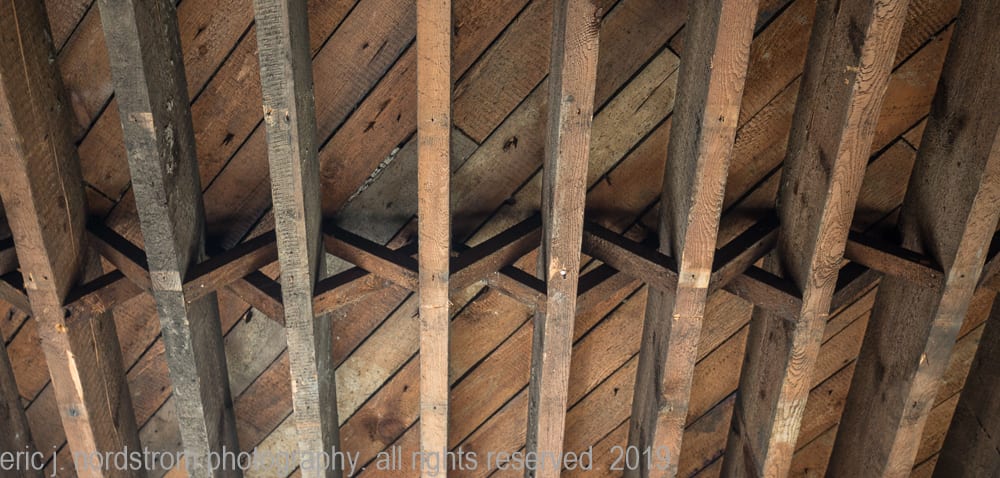
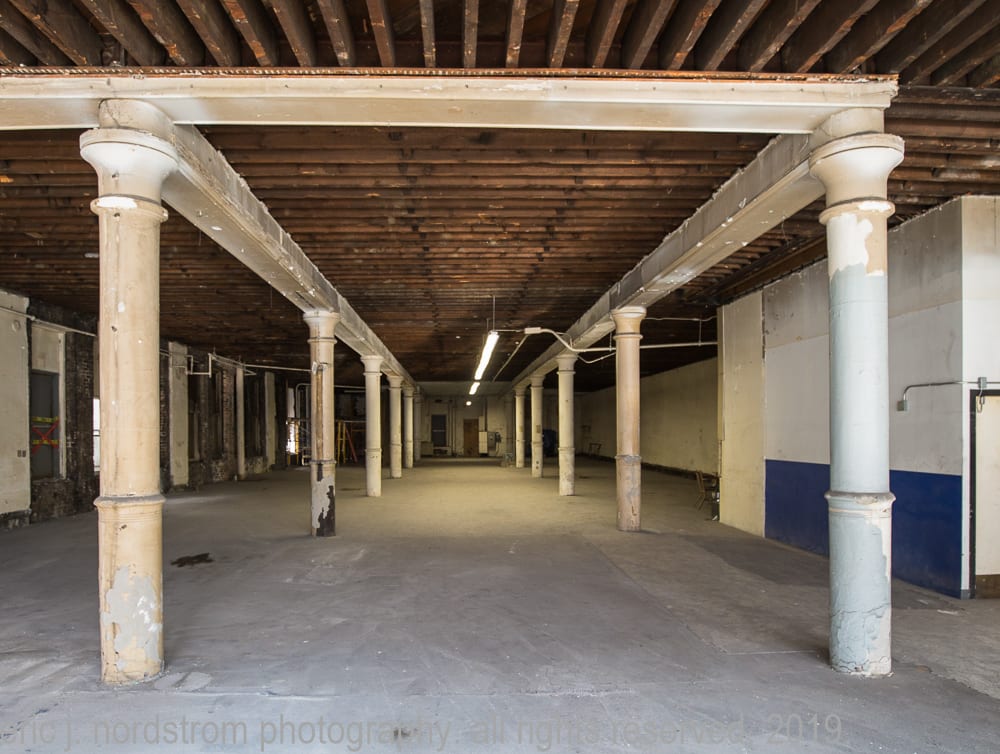
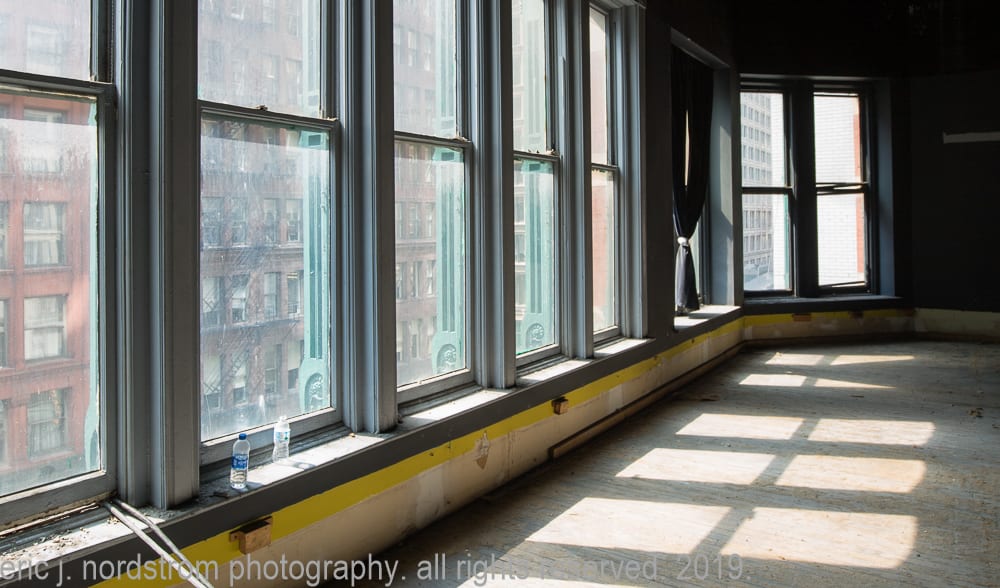
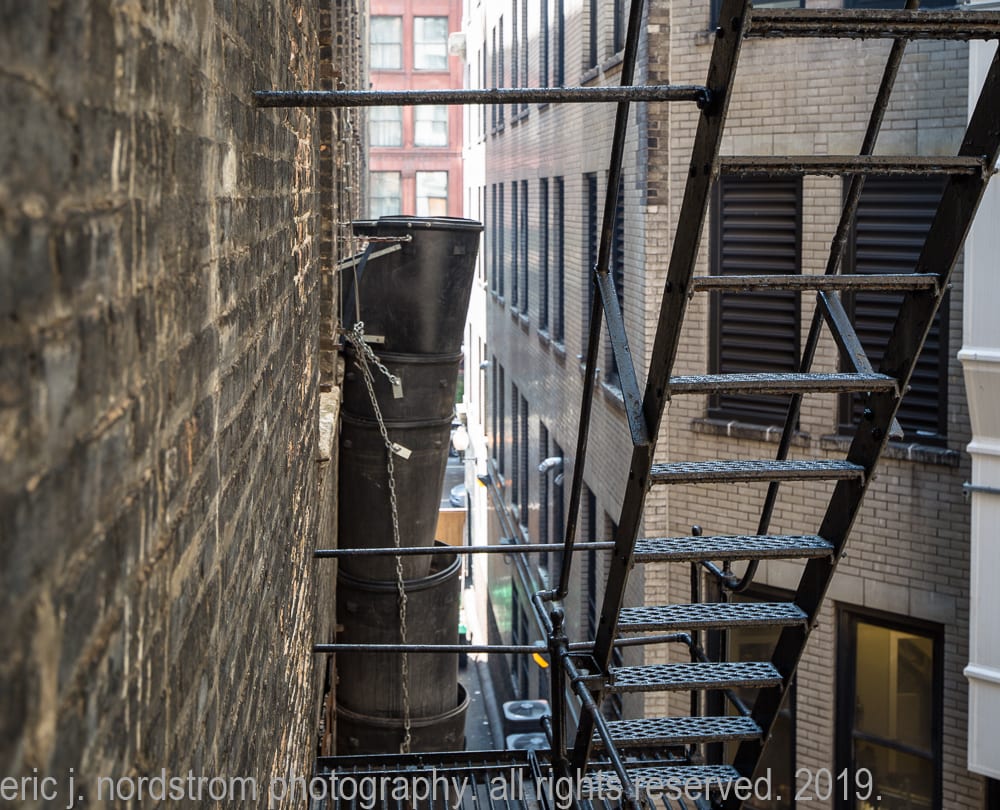
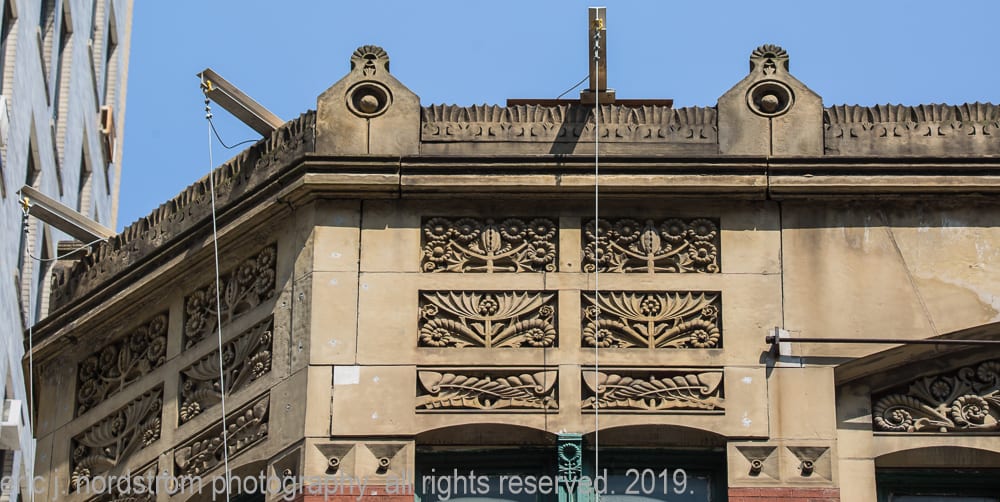
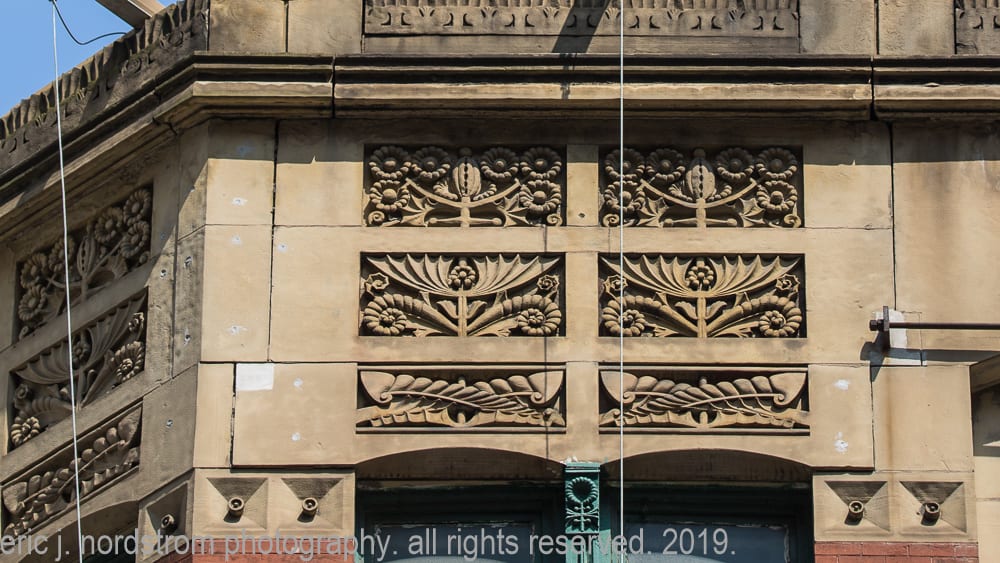
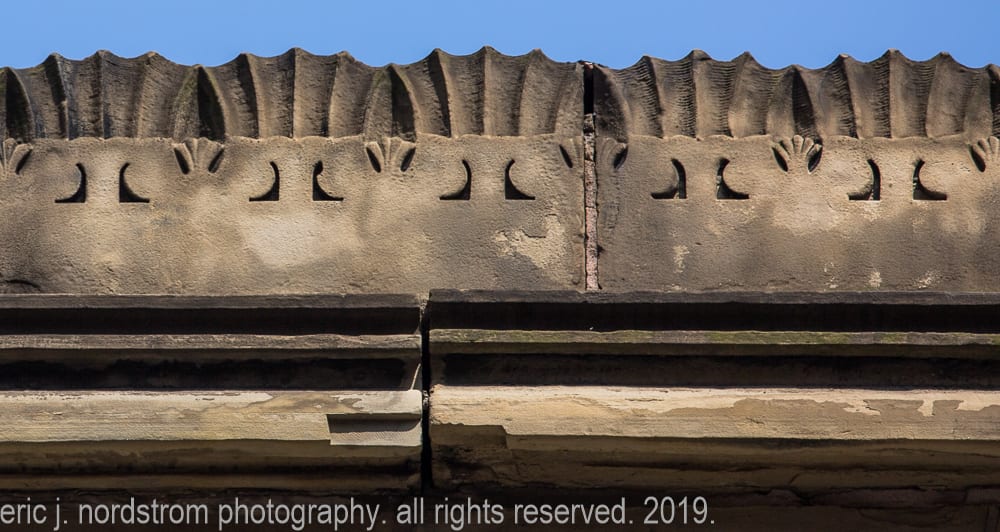
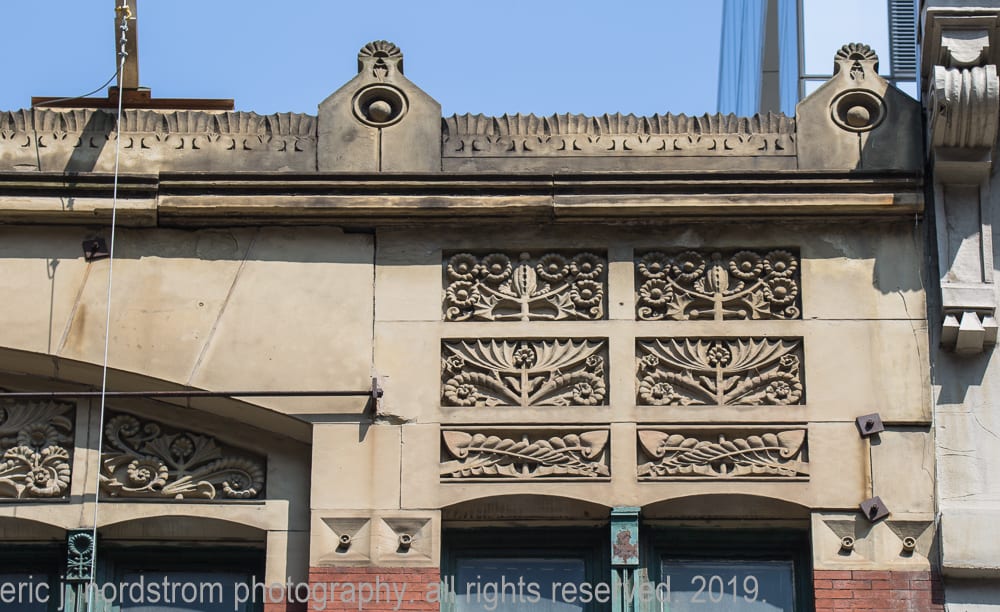
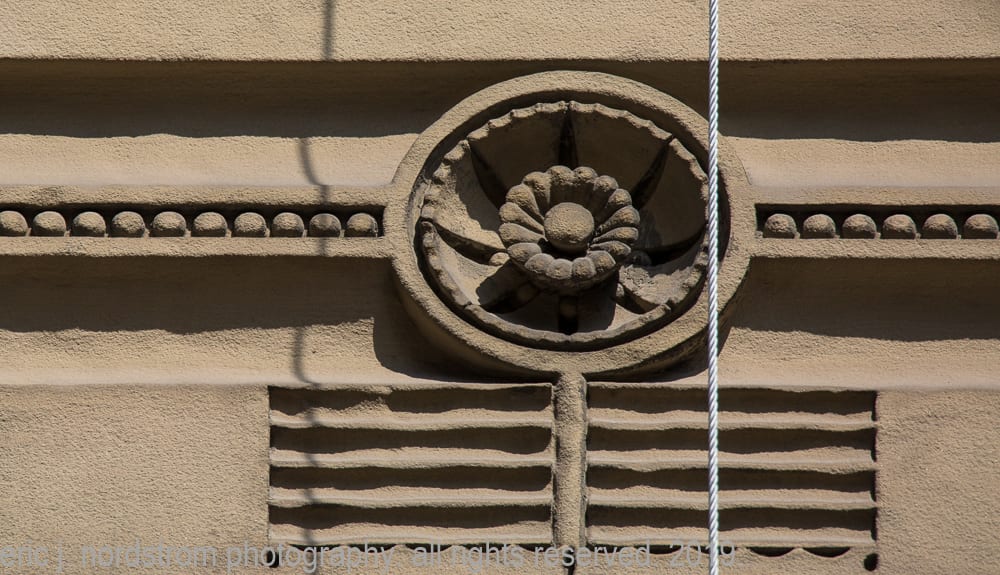
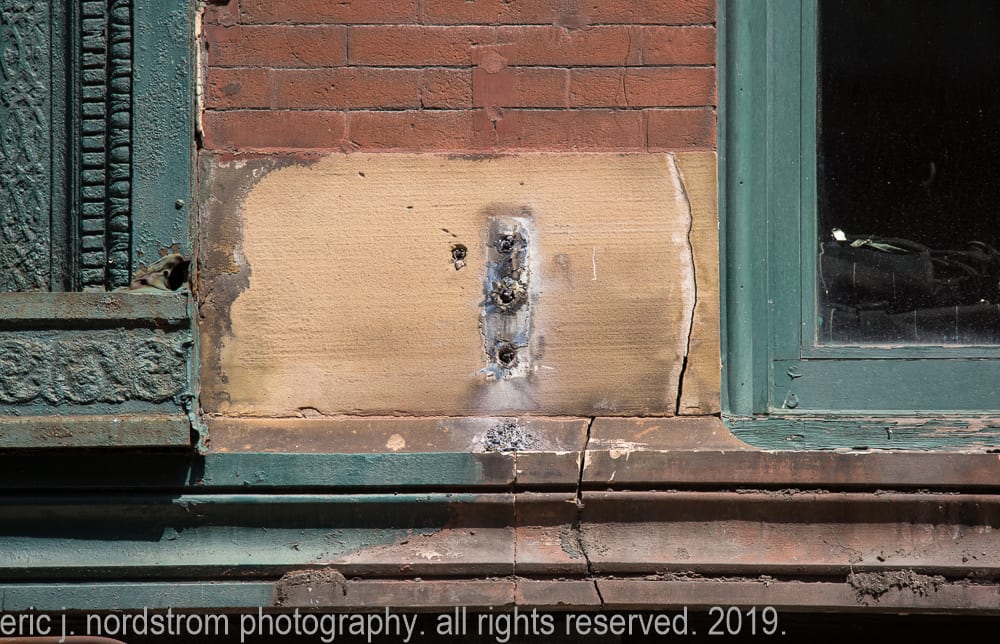
any and all signage has been removed from the exterior in preparation for restoration on the building’s facade. sidewalk scaffolding has been erected and rigging for swing stage planted firmly on the building’s roof. i suspect masonry work on the facade will begin this week, likely beginning with tuck-pointing.
notes from previous visit:
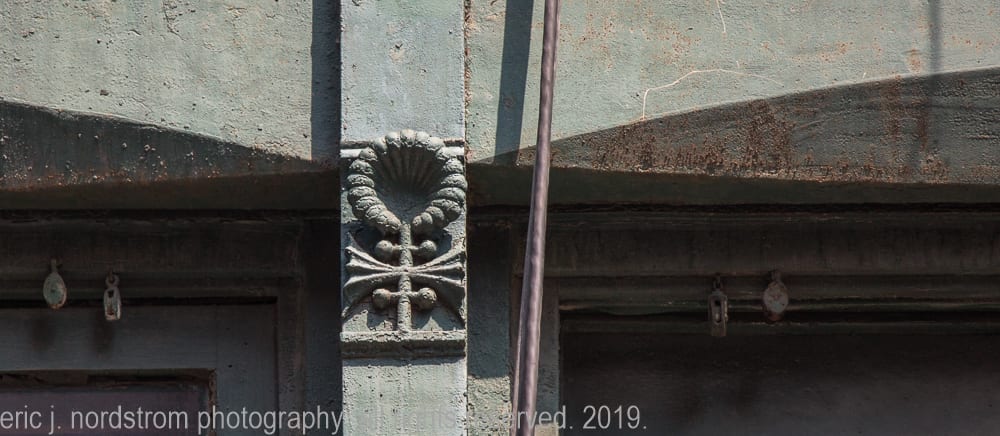
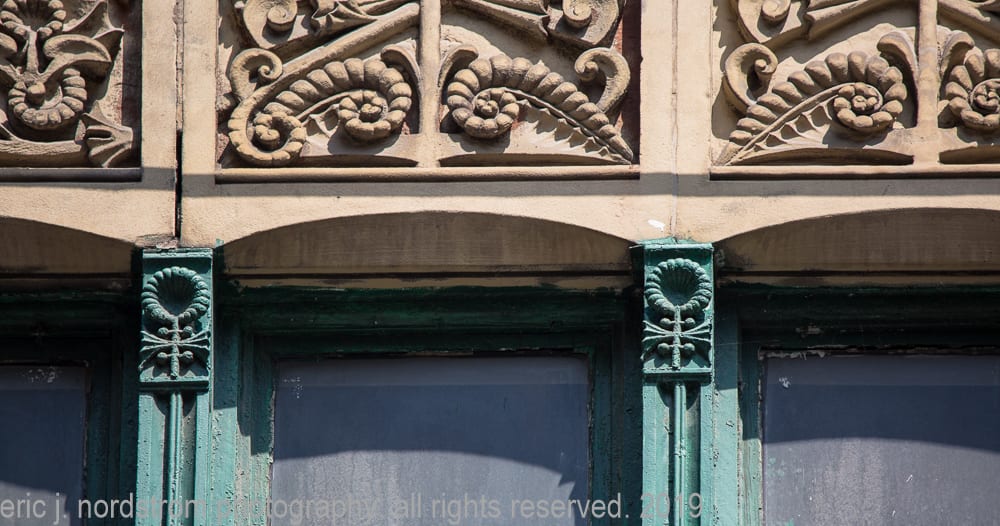
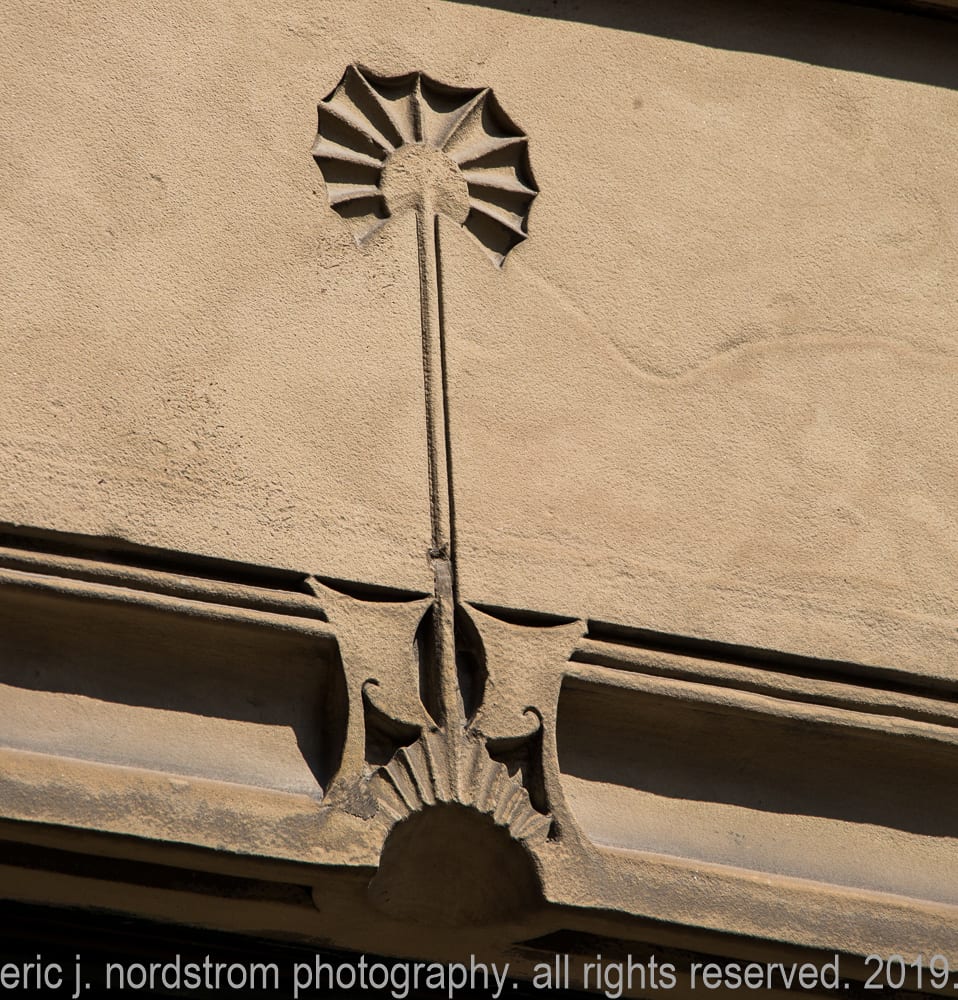
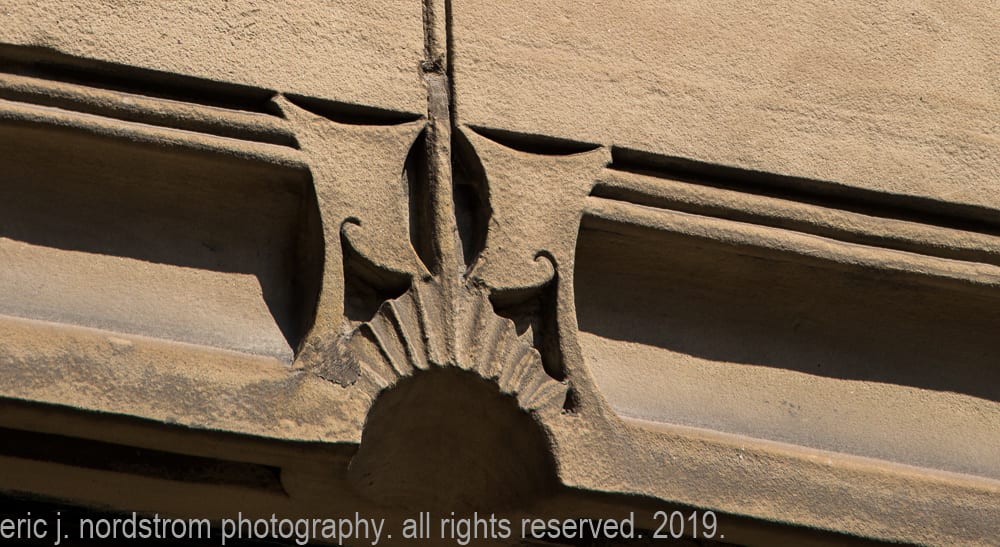
during that time i focused solely on finding any and all existing sullivan-designed details that managed survive countless alterations since its completion in 1881 (the first major alteration was in 1910).
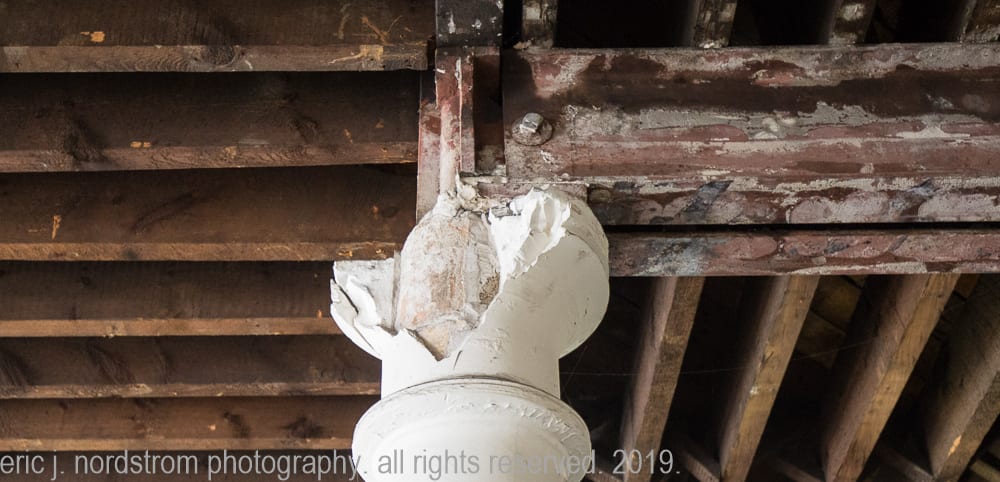
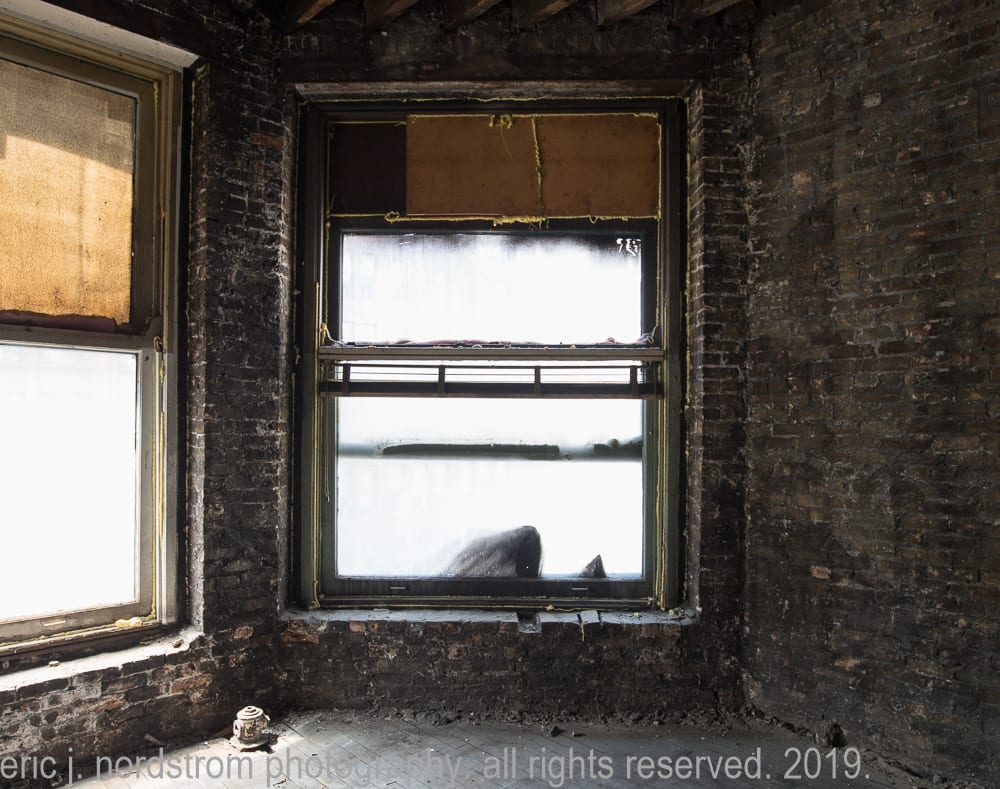
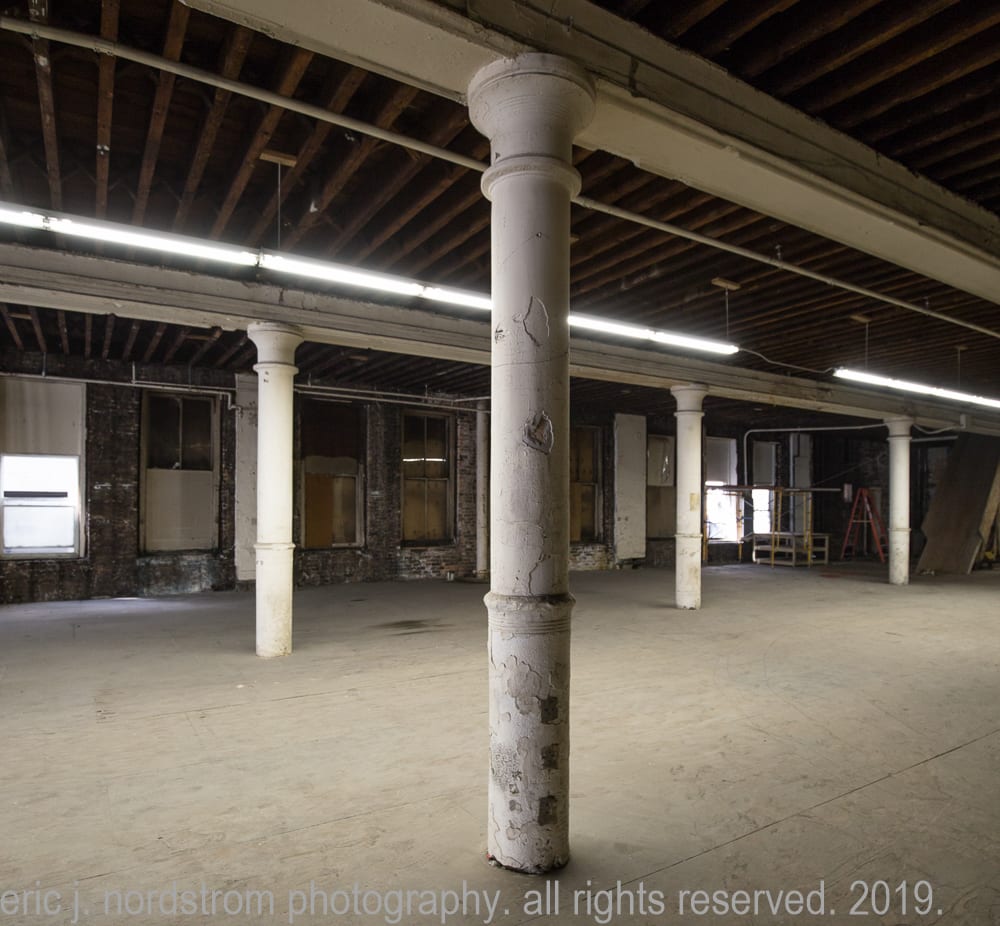
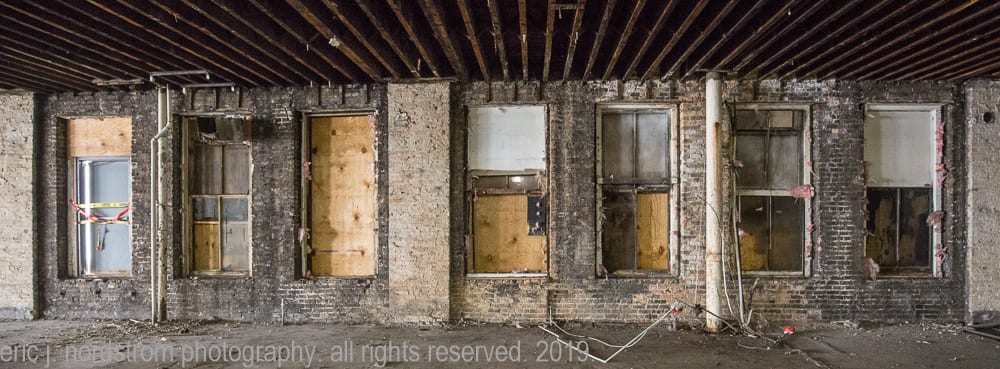
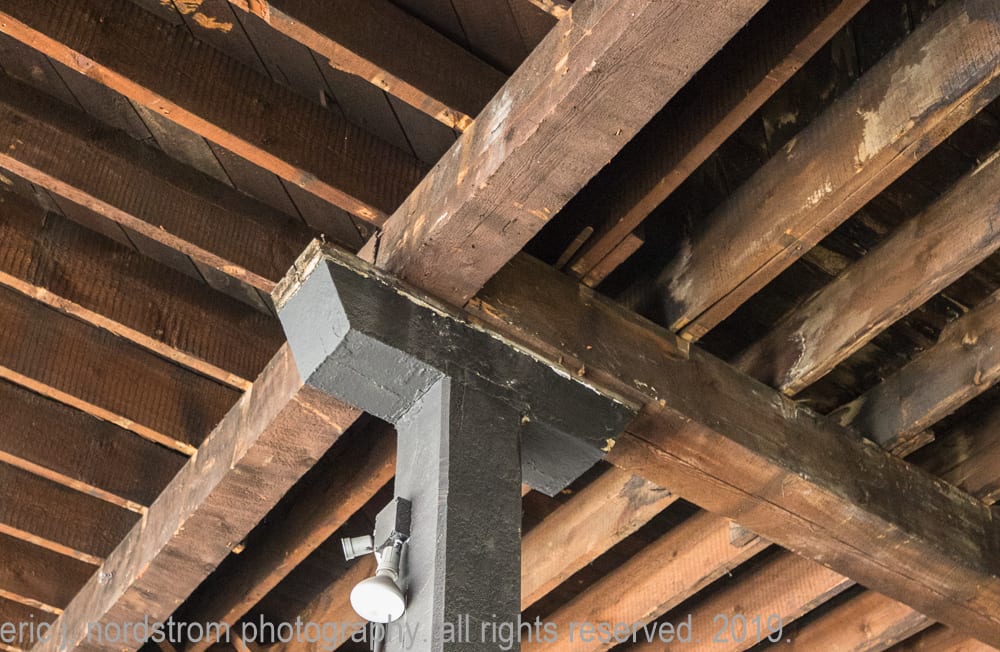
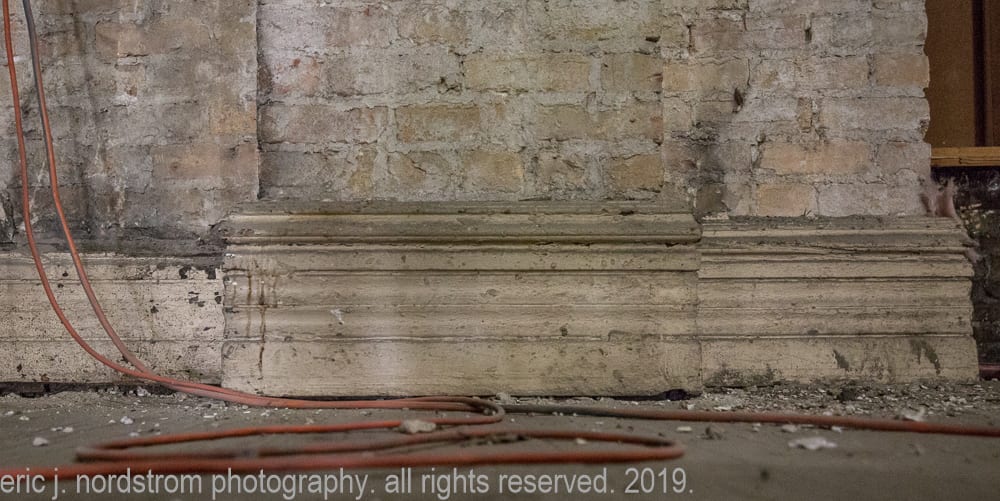
with the exception of a few oversized steel-cut plaster ceiling medallions and plaster-covered columns with incised rings and flared capitals, the interior spaces were mostly stripped down to brick walls.
two oak wood paneled bathroom enclosures with bullseye blocks and scattered sections of original baseboard located at the back of the building near the walk-in vaults and freight elevators remain mostly intact, but i suspect it’s “stock” sourced from a chicago-based millwork company.
the original open cage single cab elevator (removed or covered over) and sullivan-designed oak wood staircase were pulled from the building in the 1950’s, but thankfully richard nickel documented both in situ before later returning to salvage parts of the staircase as it was being ripped out.
further reading:
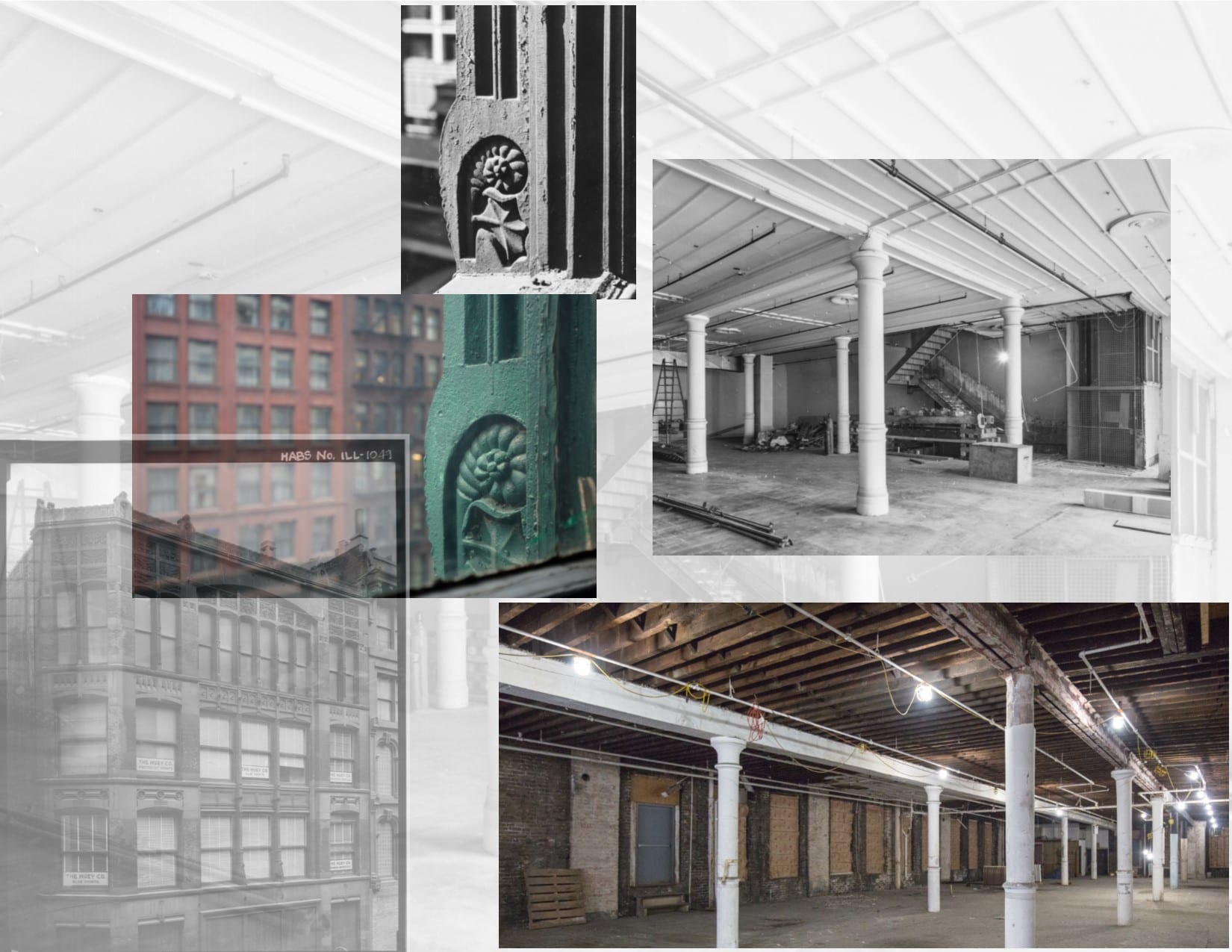
DOCUMENTING SELDOM SEEN UPPER FLOORS OF ADLER AND SULLIVAN’S 1881 JEWELERS’ BUILDING
the building:
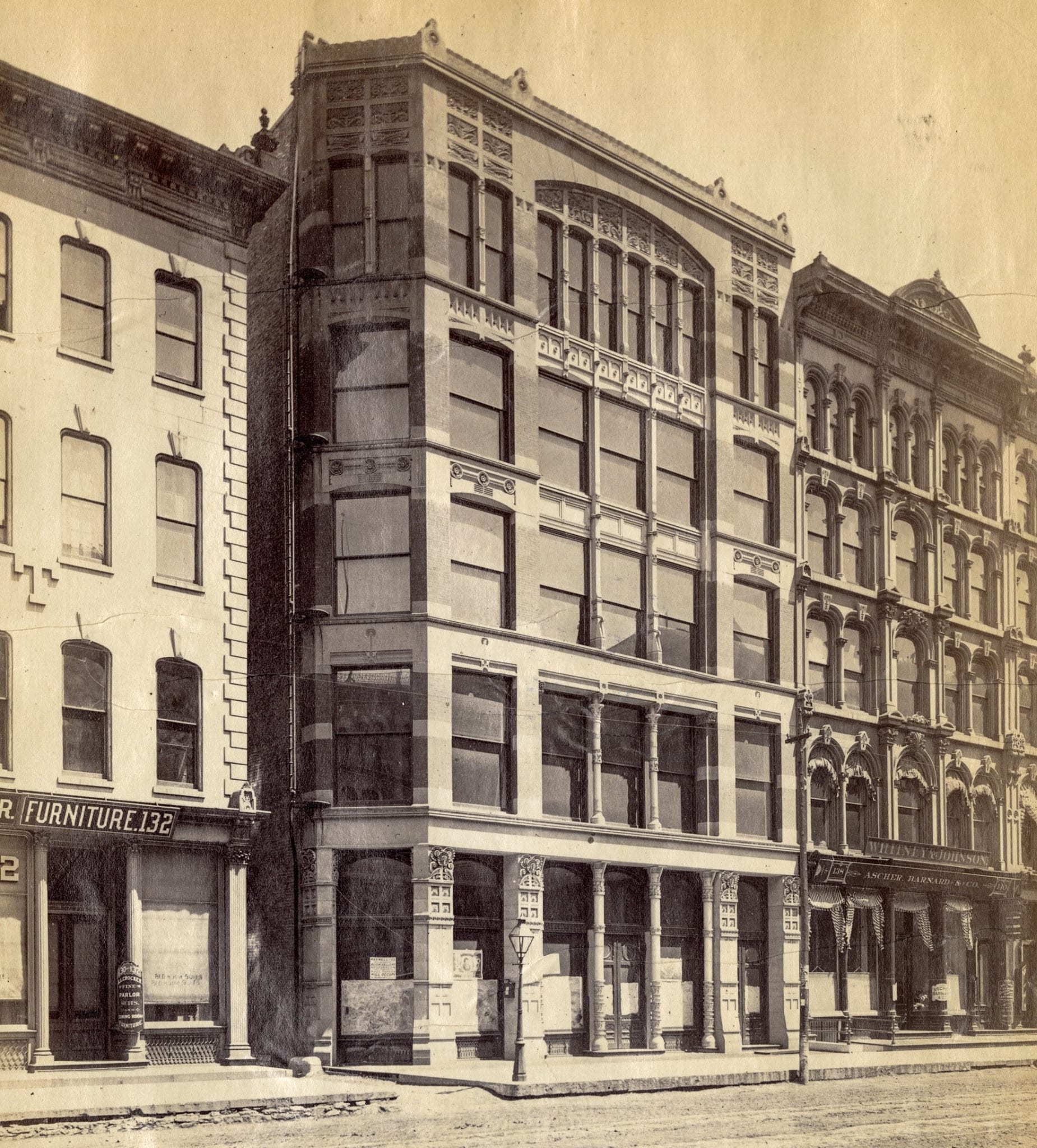
the five story s.a. maxwell commercial loft building (1881-1882) contains the earliest surviving ornament (on an extant building)designed by louis h. sullivan, who at the time, worked for adler and company (the following year they formed the widely recognized and respected firm of adler & sullivan, perhaps best known for the auditorium building). the s.a. maxwell loft building was built for martin ryerson as a speculative commercial project. shortly after its completion it as leased to the s.a. maxwell company, known as a stationary, book, and wallpaper retailer. the showroom occupied the first floor while the upper floors held offices and storage. the building was later referred to as the iwan ries building and the “little” jewelers building to distinguish from the larger structure at 35 east wacker drive, which was built in 1925-27.
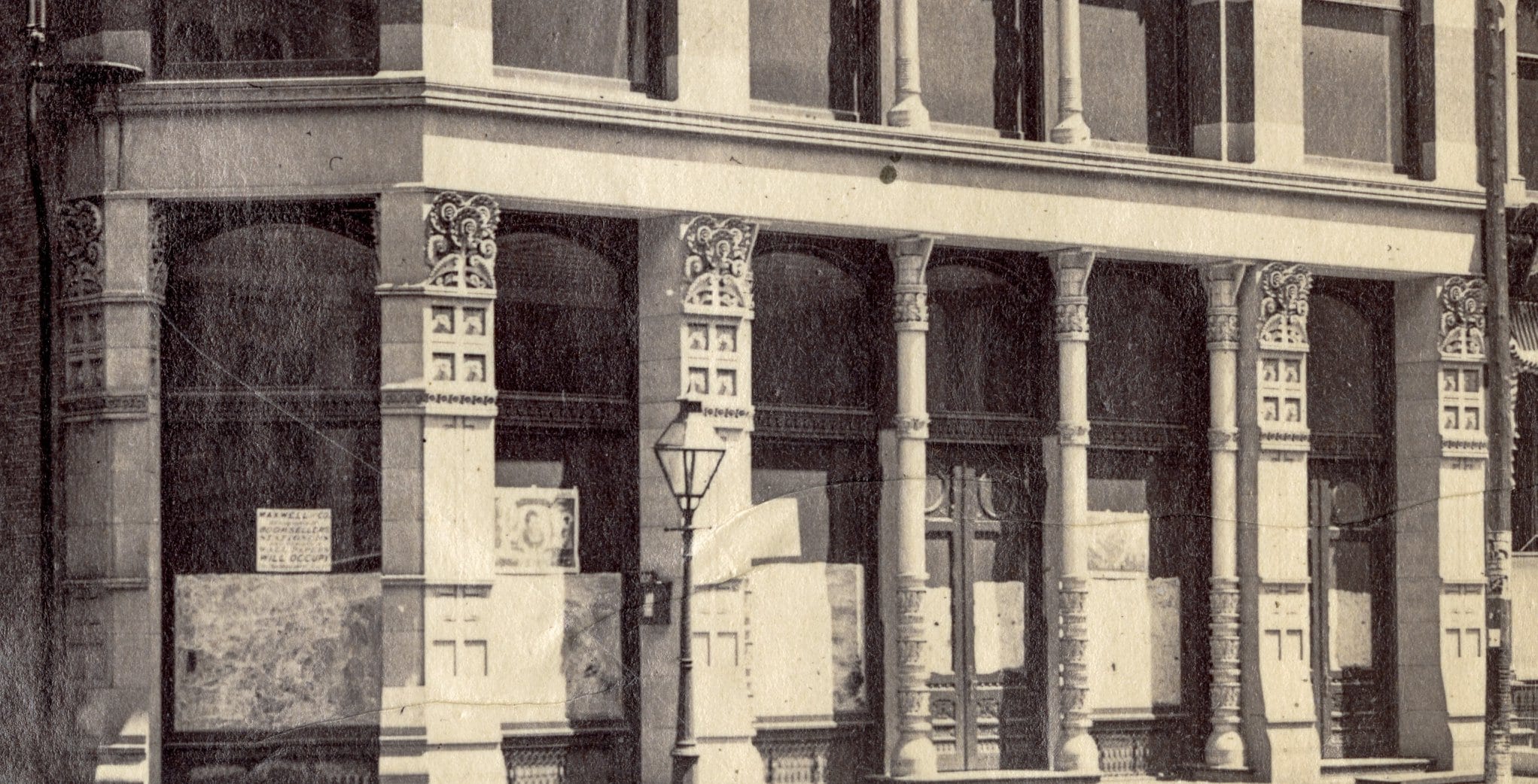
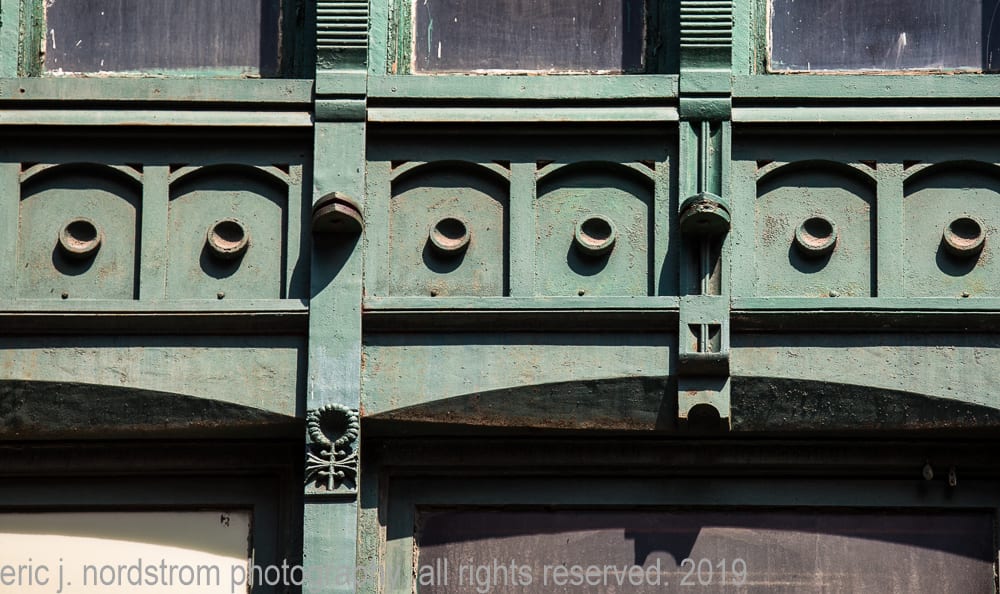
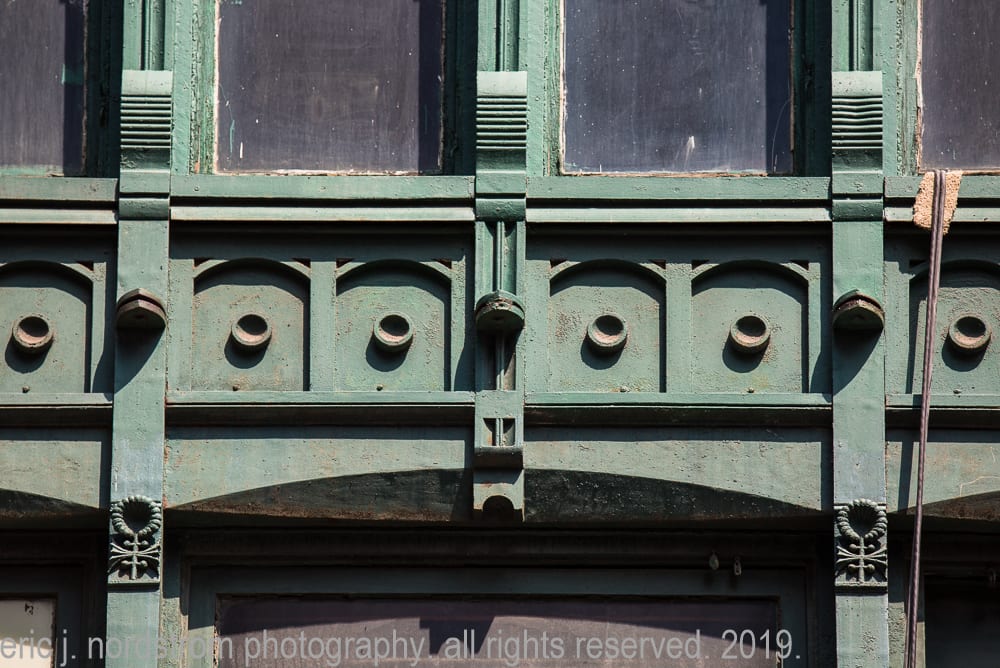
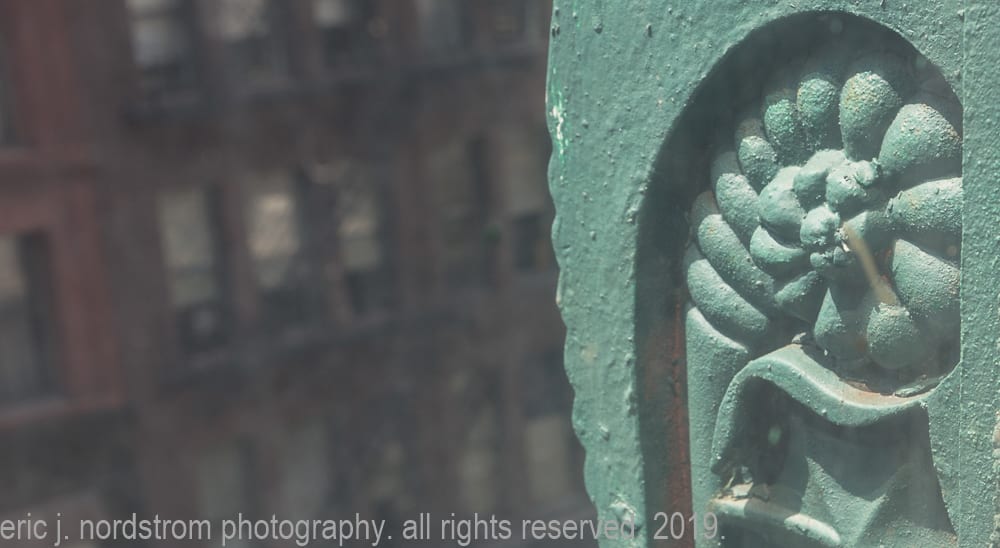
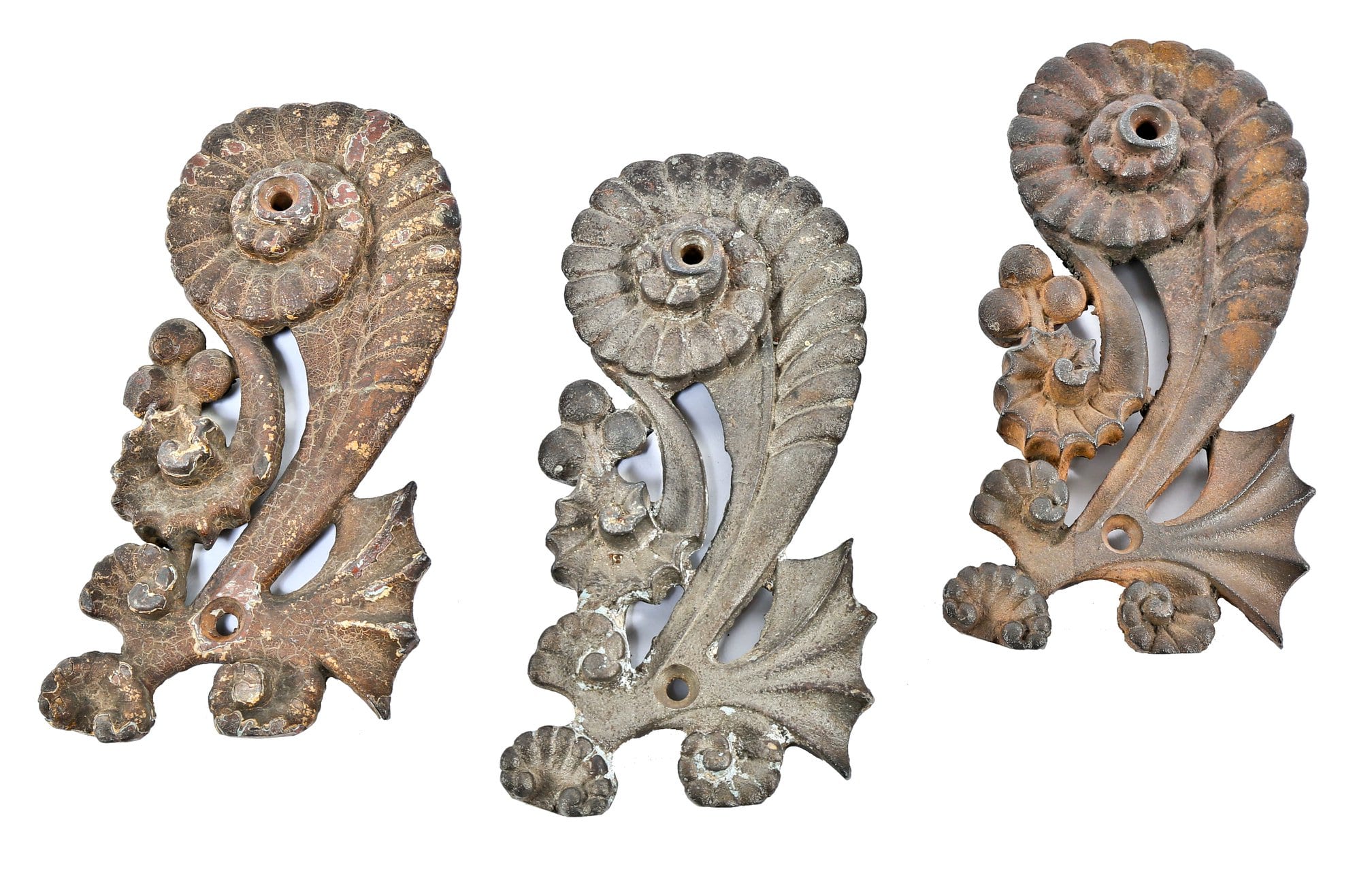
despite being a largely common loft building – both in its construction and interior floor plan, its facade departs dramatically from its older, italianate neighbors bedecked with archtop windows and keystones. the maxwell lofts building exhibits an open exterior, using cast iron mullions rather than masonry piers in the central bay. most importantly however, is sullivan’s ornament in the form of berlin, ohio-quarried carved sandstone floriated panels and pilasters executed by sculptor james legge.
portals to the past:
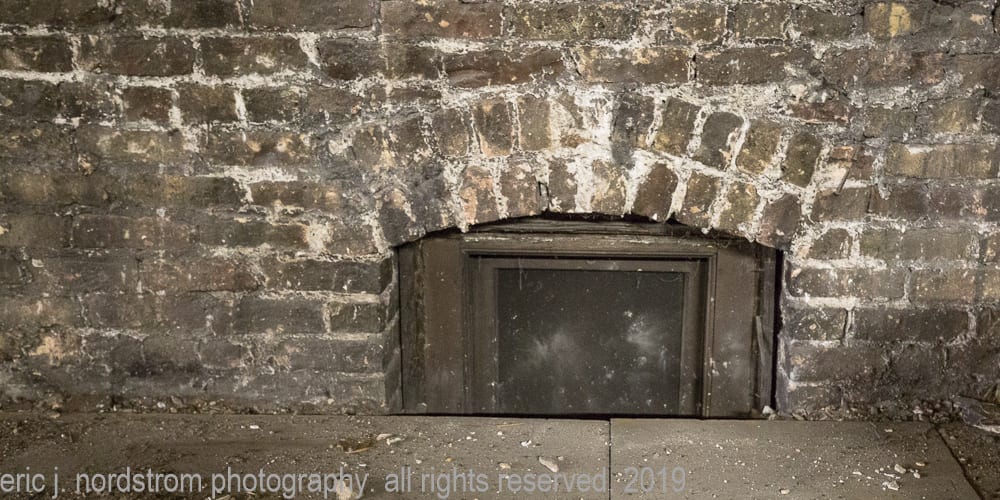
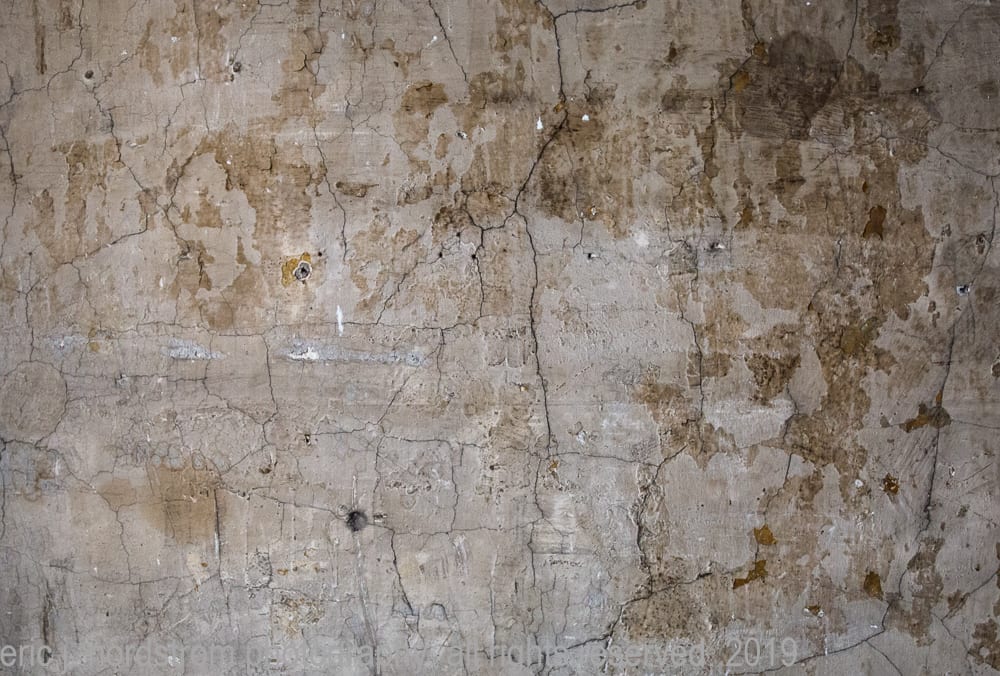
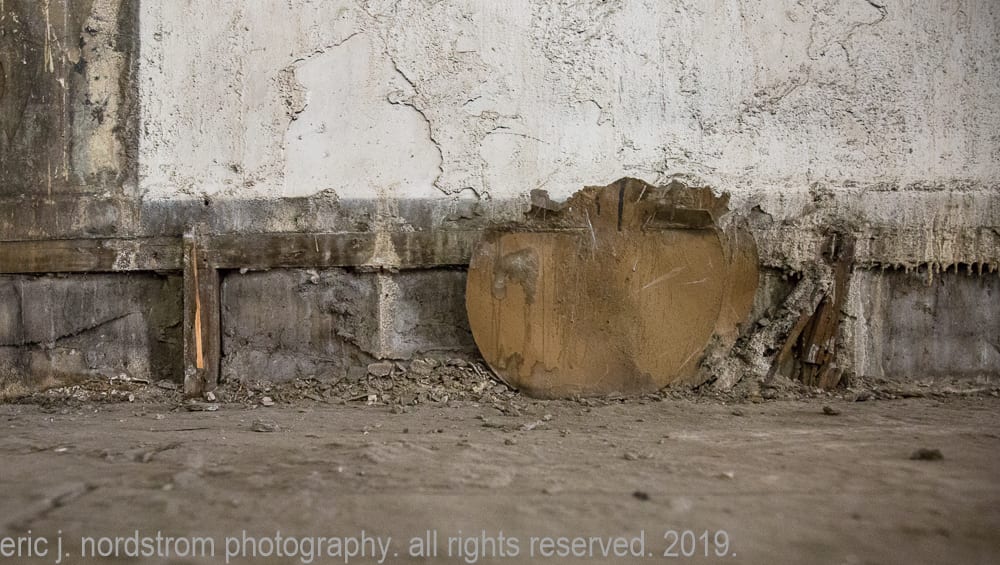
while documenting the upper floors as workers cleared any and all debris in preparation for constructing hotel rooms, i gravitated towards several wall openings and spaces once concealed by baseboard along the wood floors. i was pleasantly surprised to find bits and pieces representing past tenants, including 19th century ephemera (e.g., invoices, order sheets, tags, etc.) from the building’s first tenant s.a. maxwell and company, who specialized in wallpaper and stationary with showroom on the first floor and offices and storage located on the upper floors. i hope to return again soon to look more closely for additional material that may provide valuable insight into the daily operations from its many occupants since the time the building was completed in 1881.
the following images represent a few of the more intact and legible bits dating to the late 19th century.