

31 Oct photographing remnants of the past in pilsen
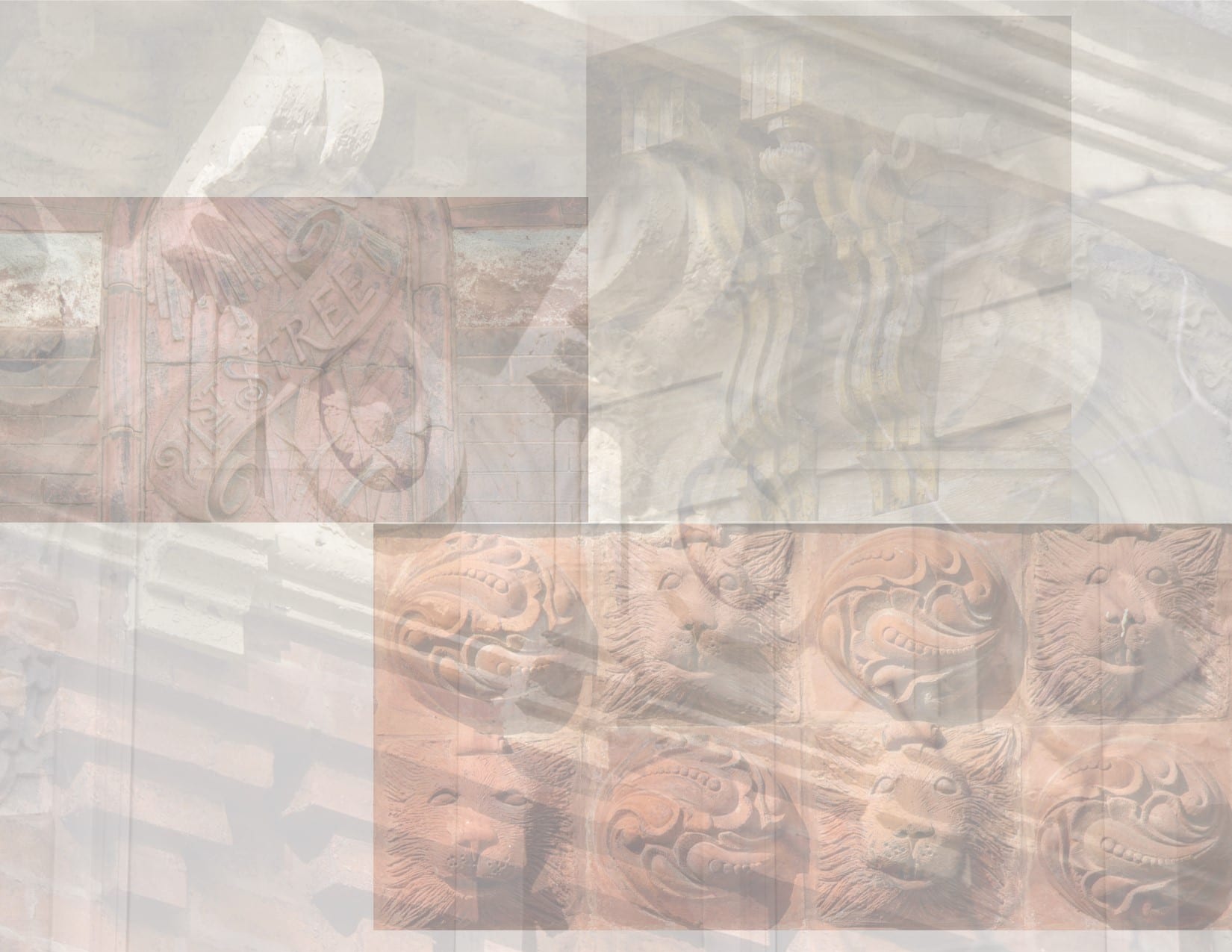
the following images reflect my latest effort to carefully and methodically photodocument both 19th and early 20th century architectural ornament found on mostly well-maintained commercial and residential structures located in the pilsen neighborhood of chicago. the “pilsen ornament archive” continues to grow upon each visit i make, with nearly 5000 images cataloged at the time of this writing. while none of the buildings documented are threatened with destruction, i find it important to record the architectural ornament, which was mostly fabricated in surrounding factories and foundries, not only for future analysis and interpretation of a building’s historic characteristics, but also offer insight on the processes of both development and decay.

more on pilsen:
during the latter half of the 19th century, pilsen was largely home to german, polish, italian, and czech immigrants, with czech immigrants the most prominent and named the district after plzeň, the fourth largest city in what is now the czech republic. they replaced working class germans and irish, who had settled there between the 1850s-1870s but moved due to a deadly cholera outbreak triggered by lack of indoor plumbing coupled with poor living conditions. the neighborhood also included a smaller population of other ethnic groups comprised of the austro-hungarian empire, such as slovaks, slovenes, croats and austrians, as well as immigrants of polish and lithuanian heritage.
many of the immigrants worked in the nearby union stockyards and surrounding factories that later became the central manufacturing district. like many late 19th and early 20th century american urban neighborhoods, however, pilsen was home to both wealthy professionals and the working class, with the whole area tied together based on ethnicities (mainly of slavic descent) who were not readily welcome in other areas of the city.
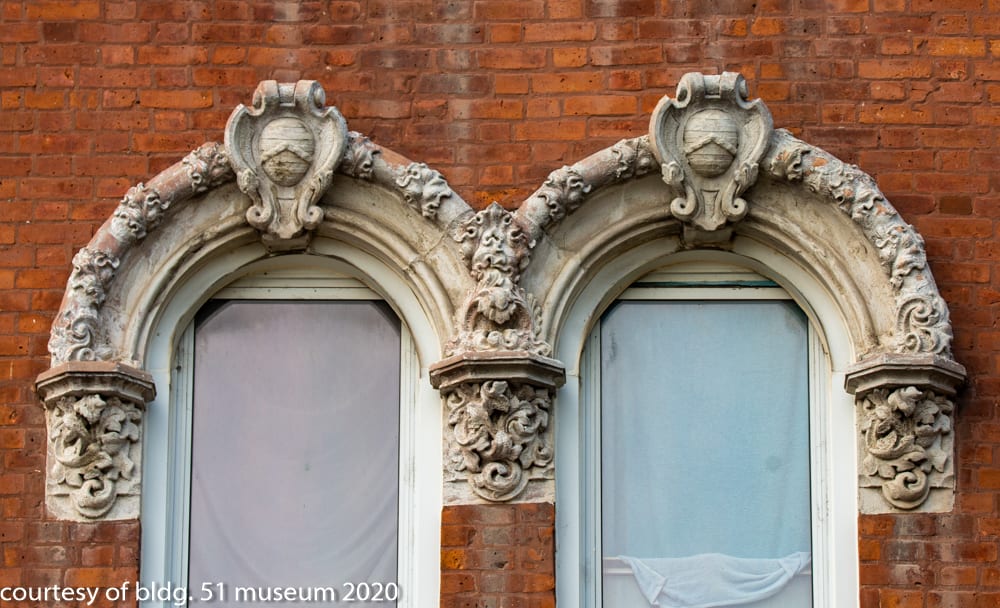
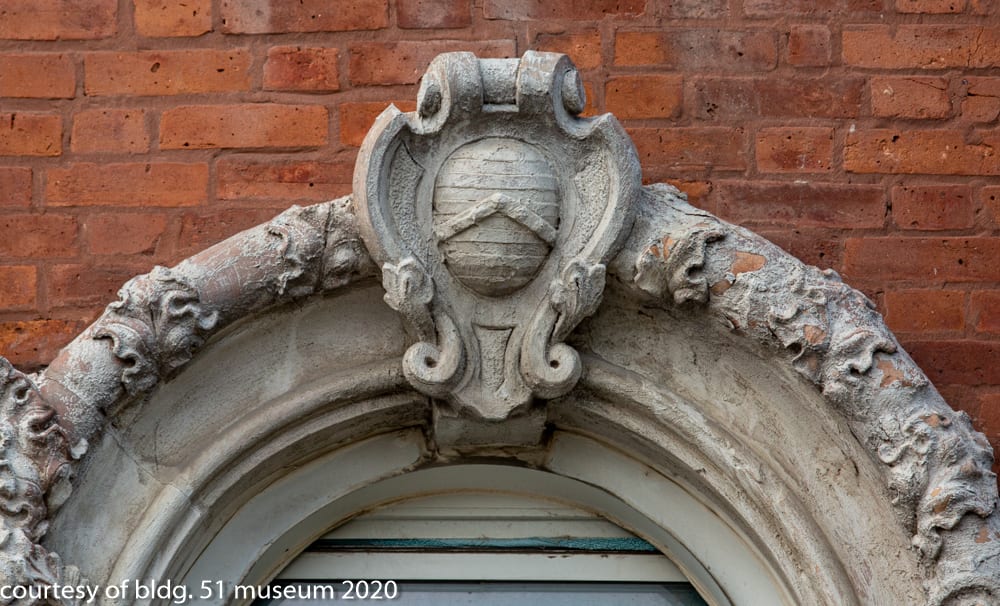
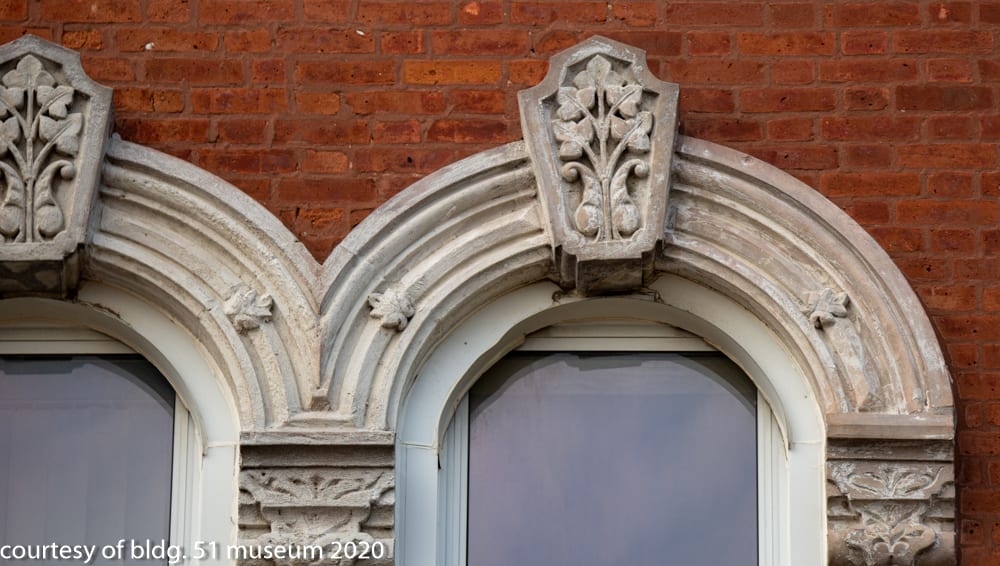
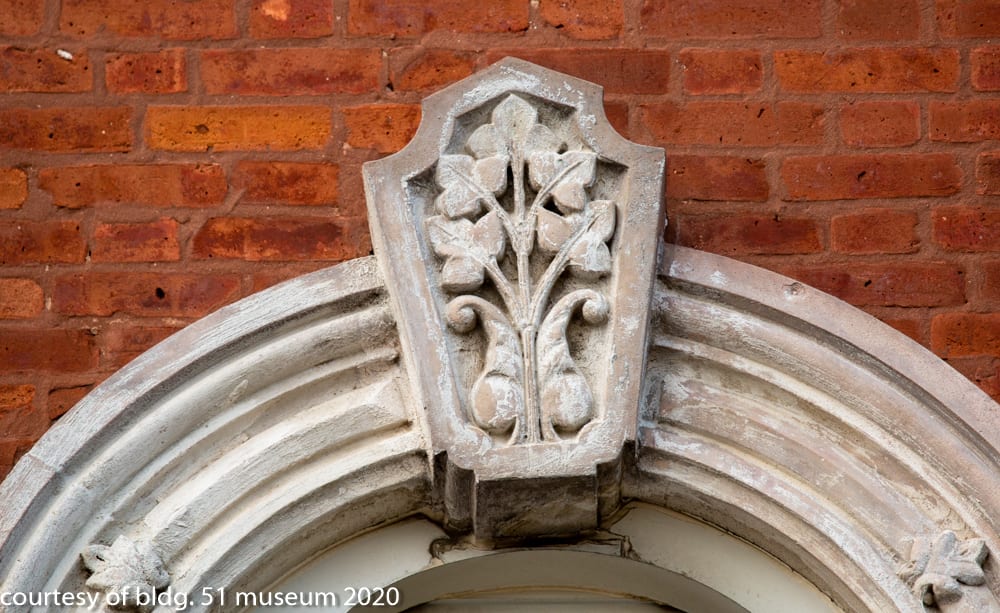
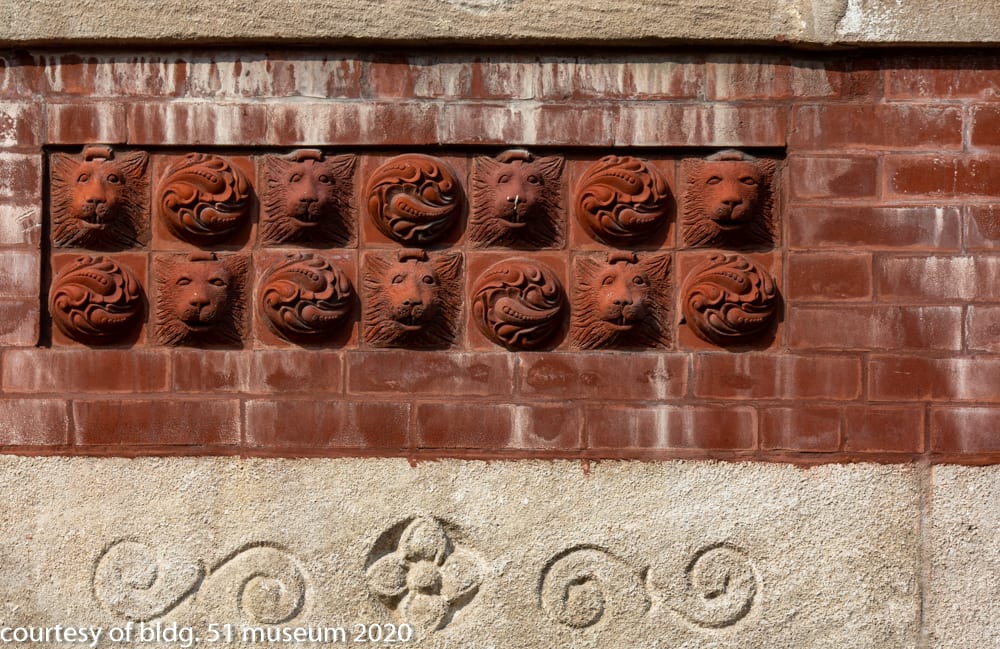
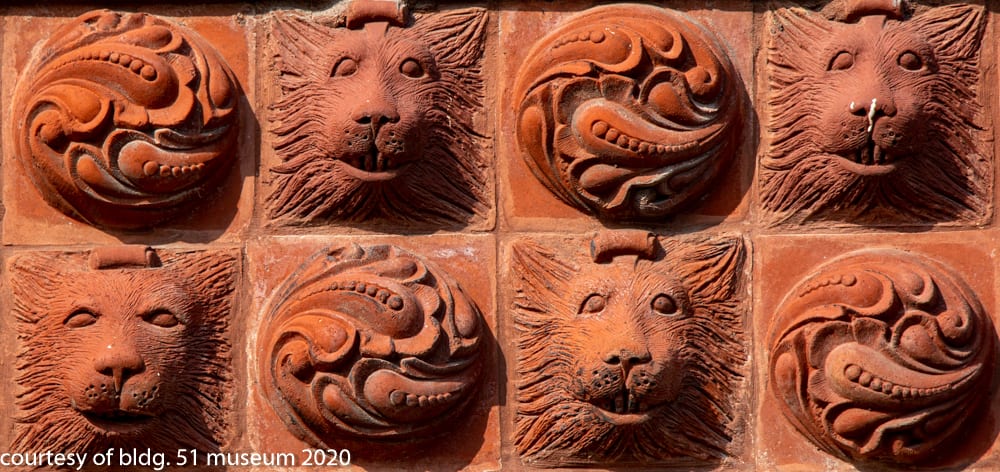
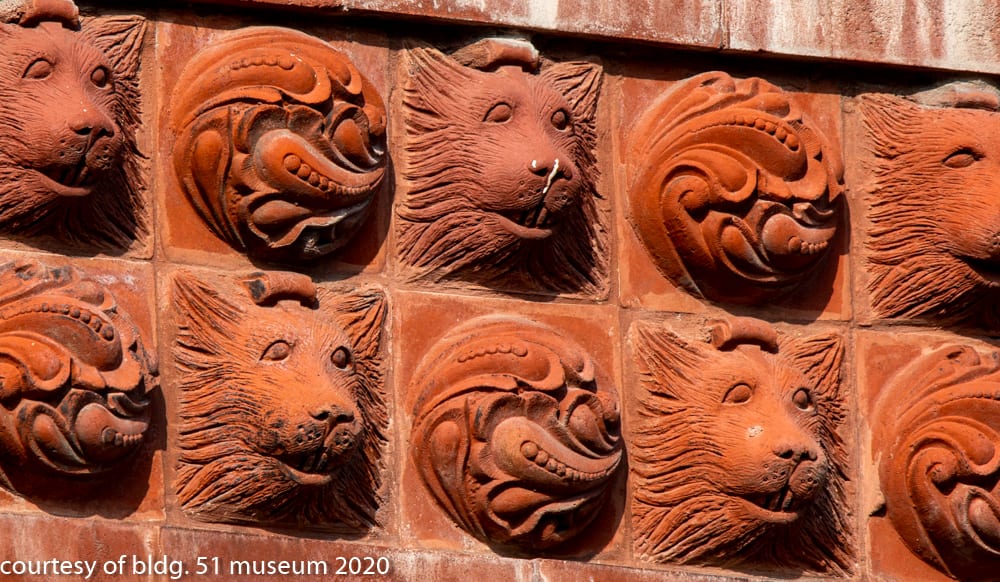
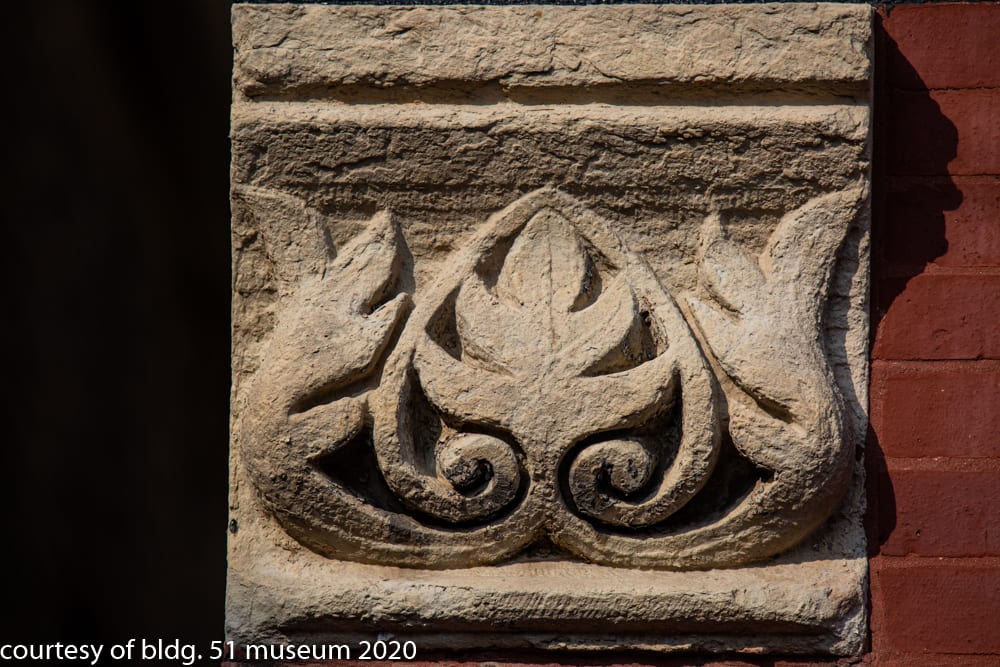
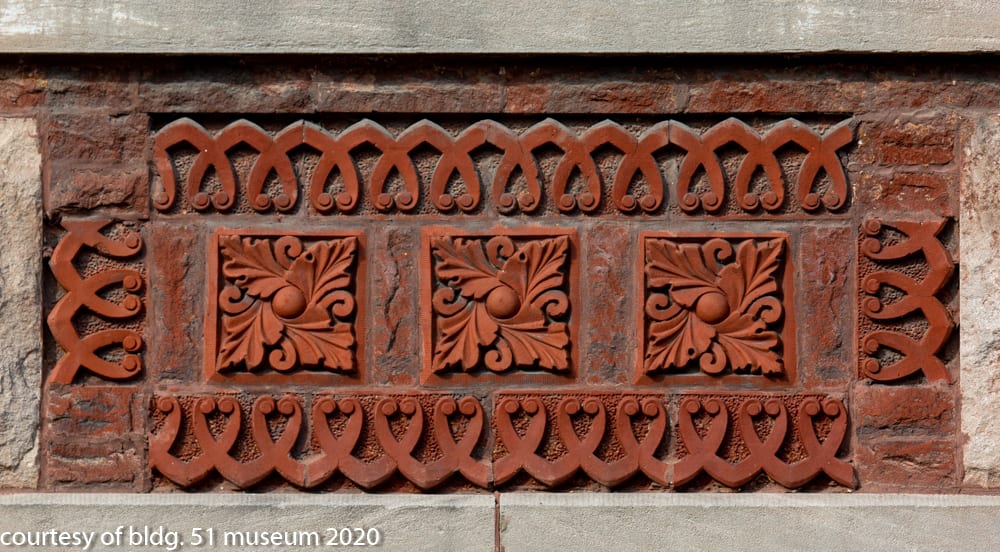
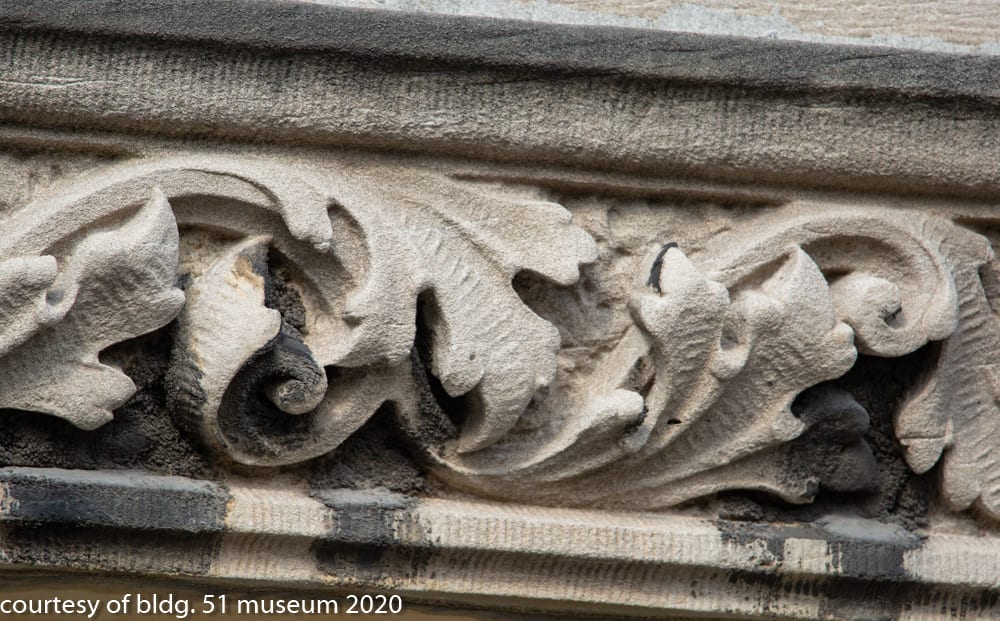
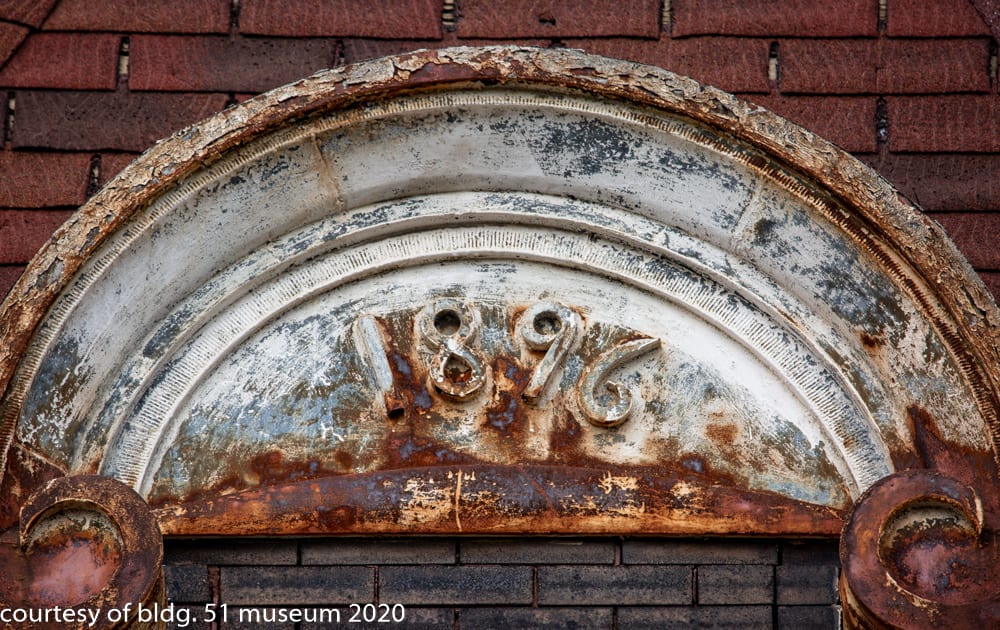
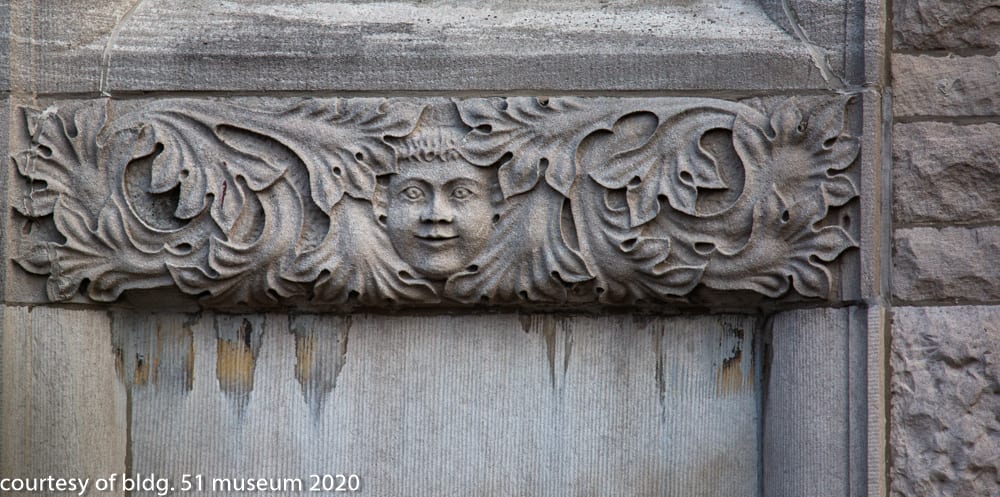
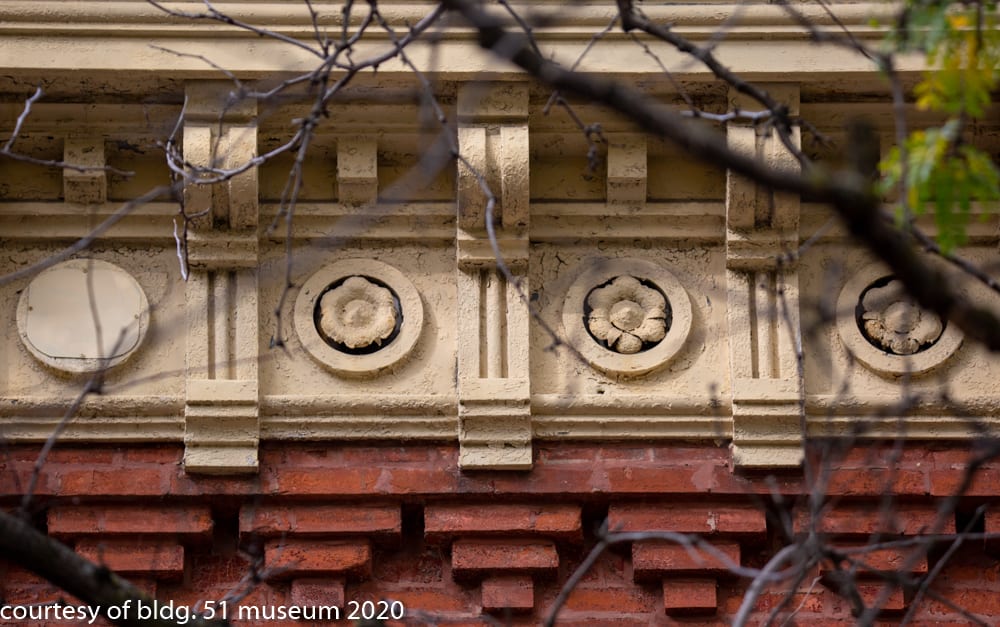
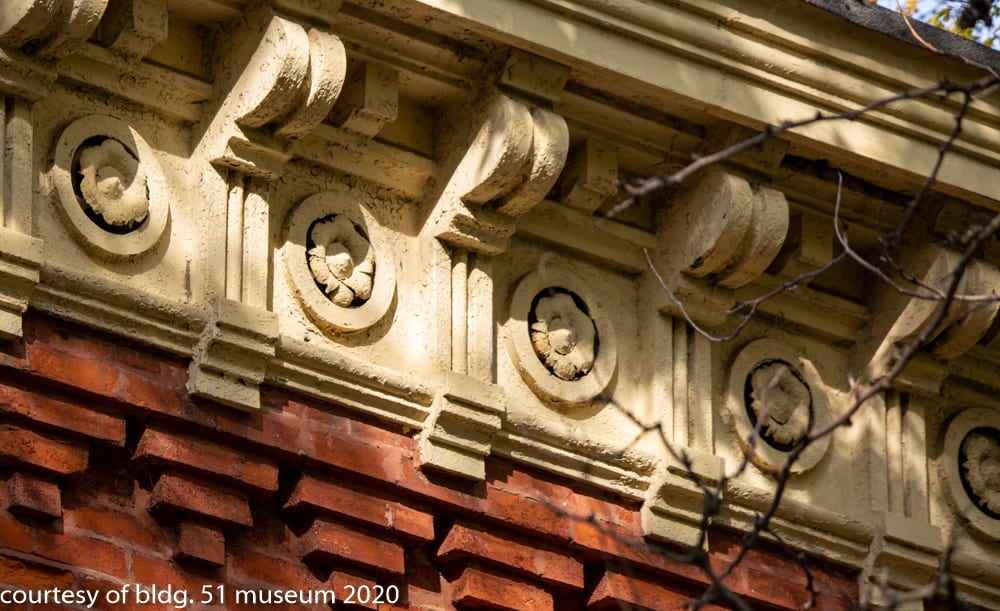
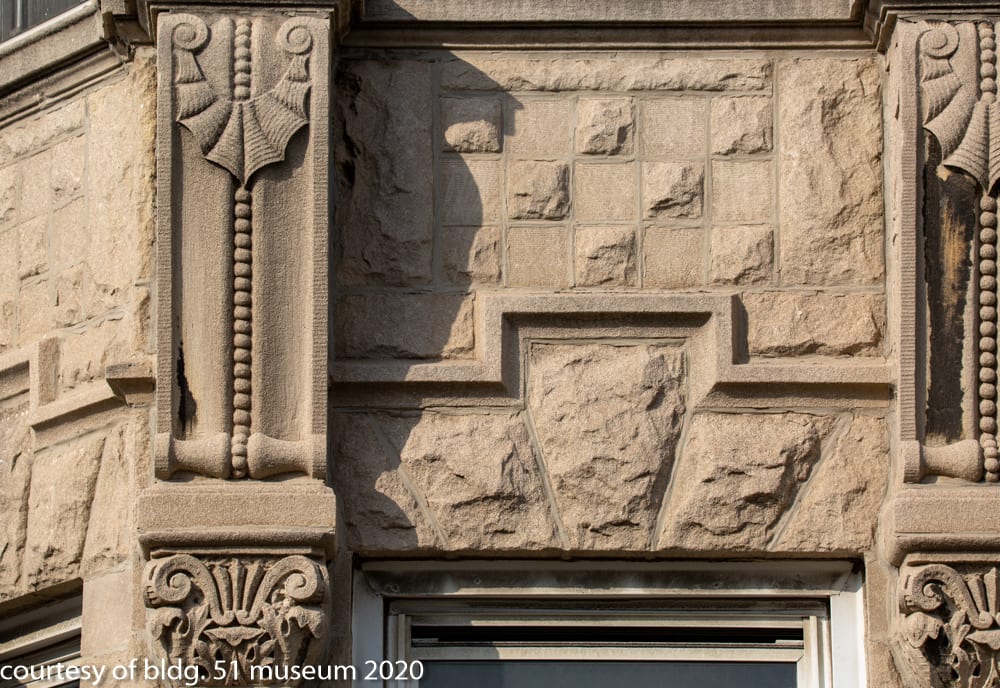
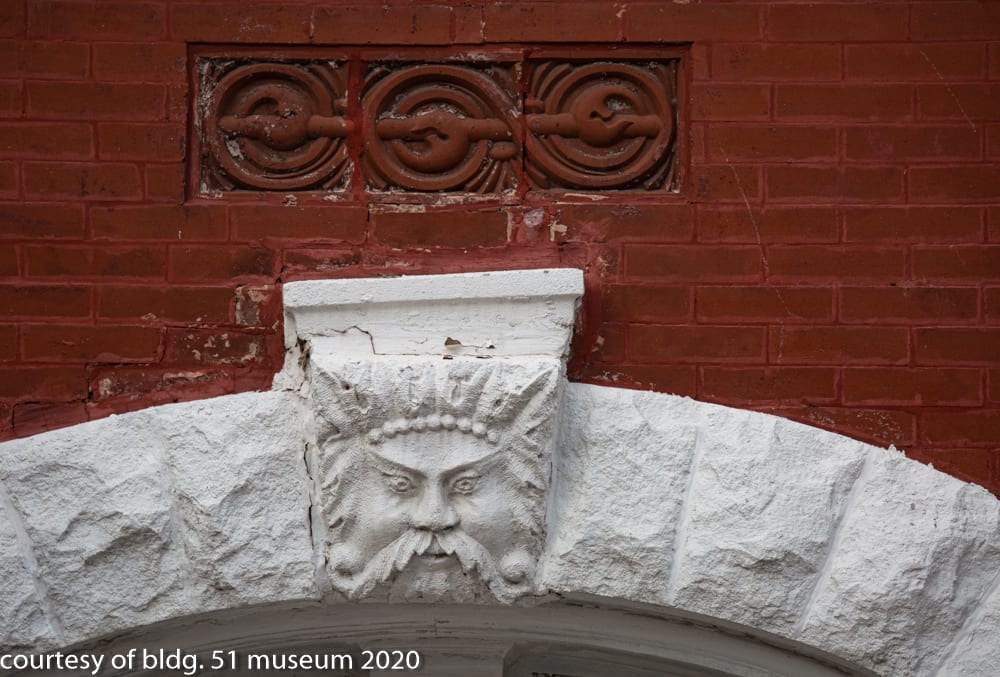
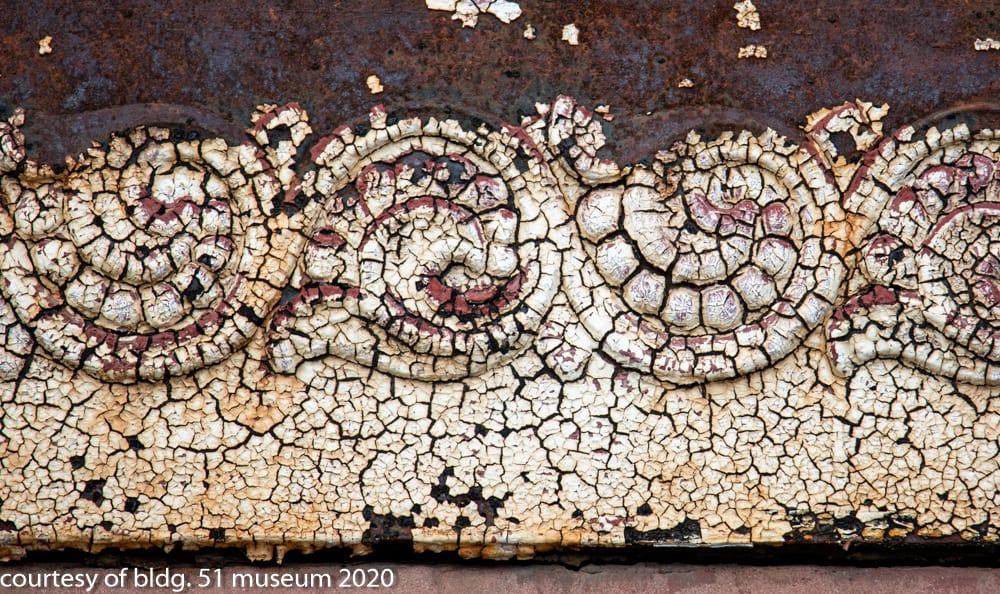
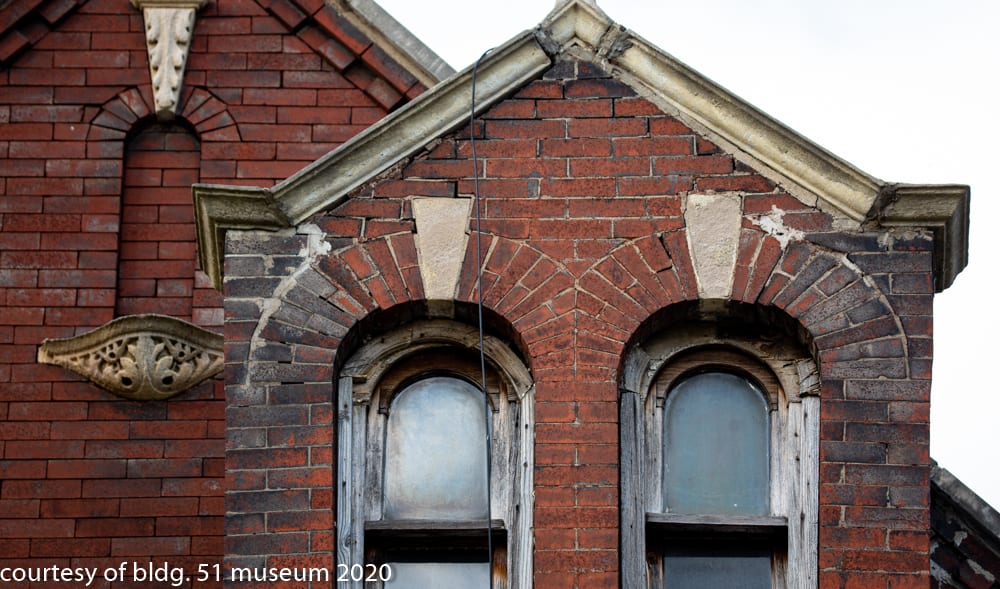
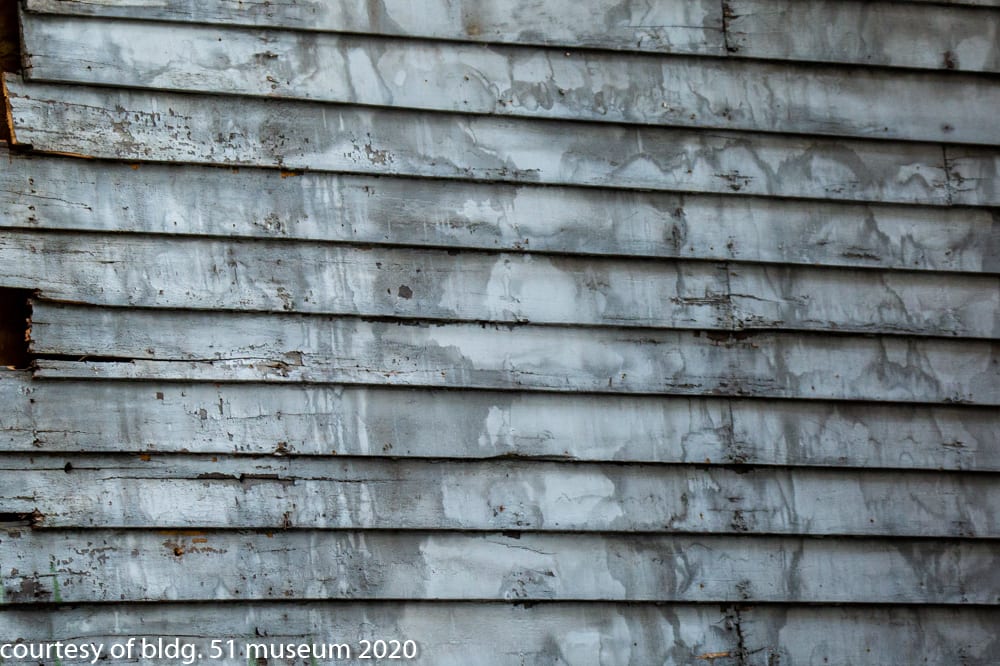
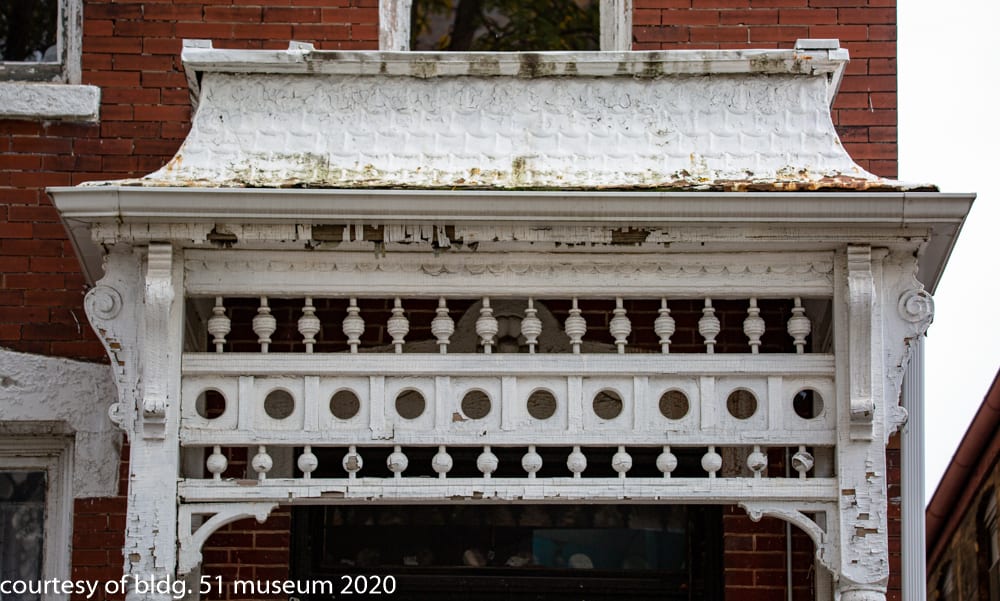
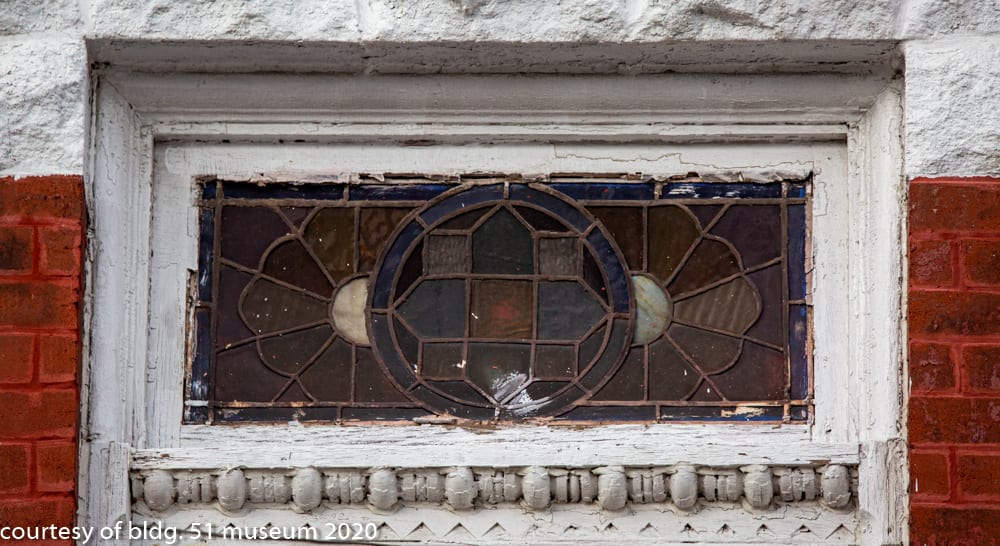
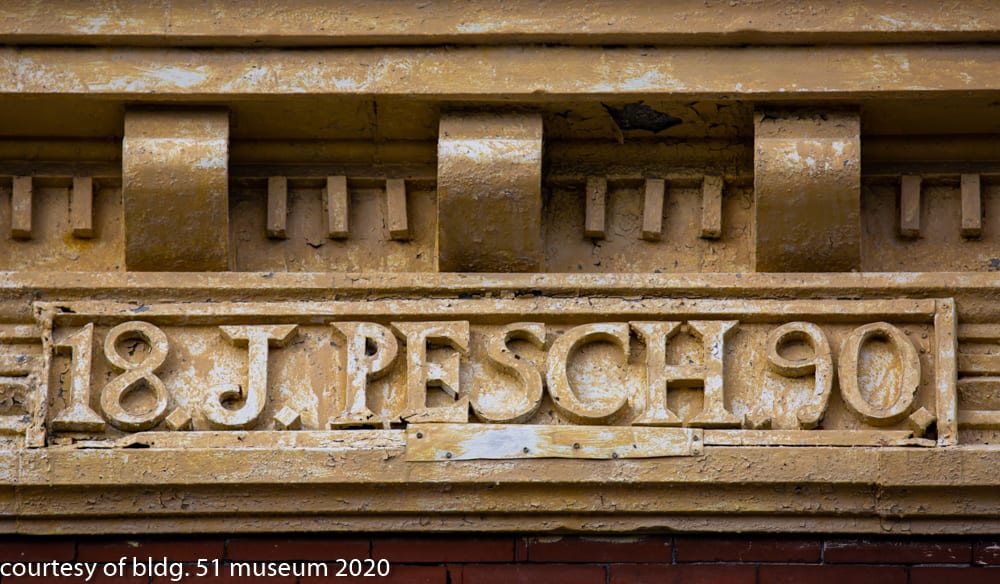
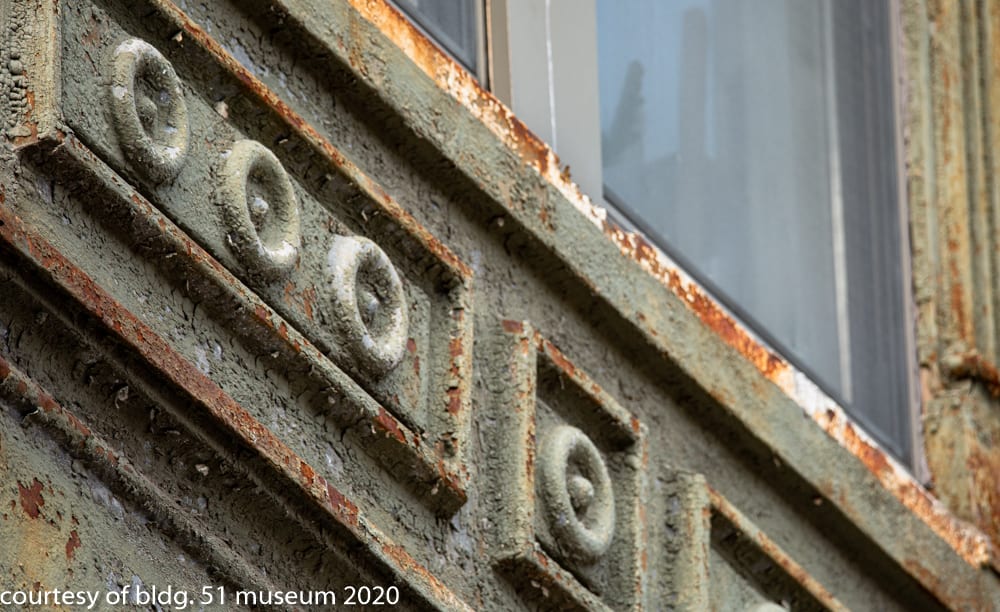
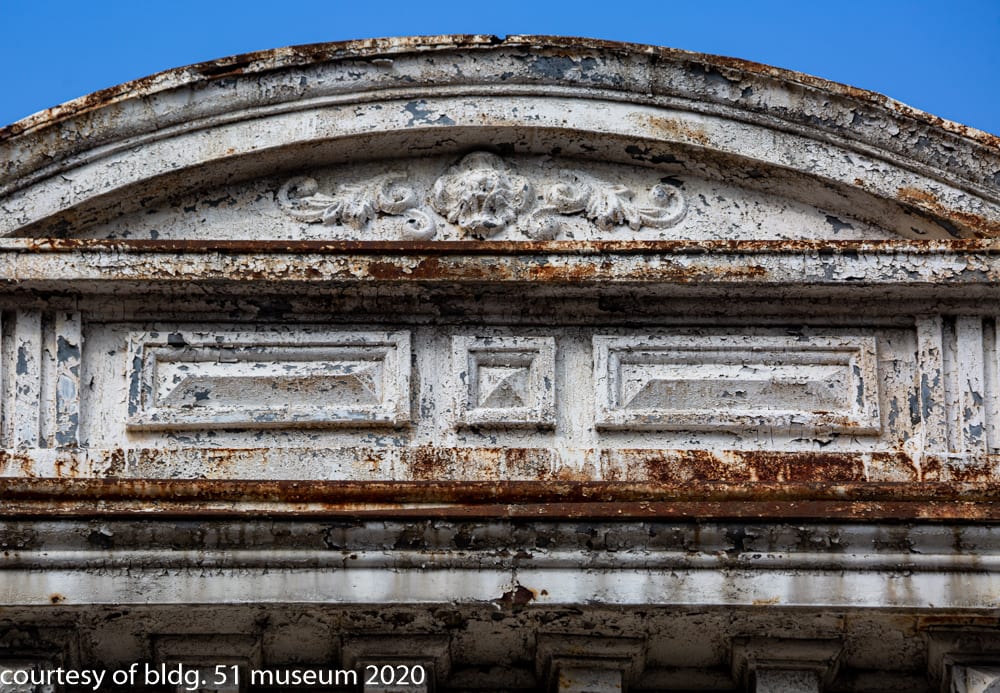
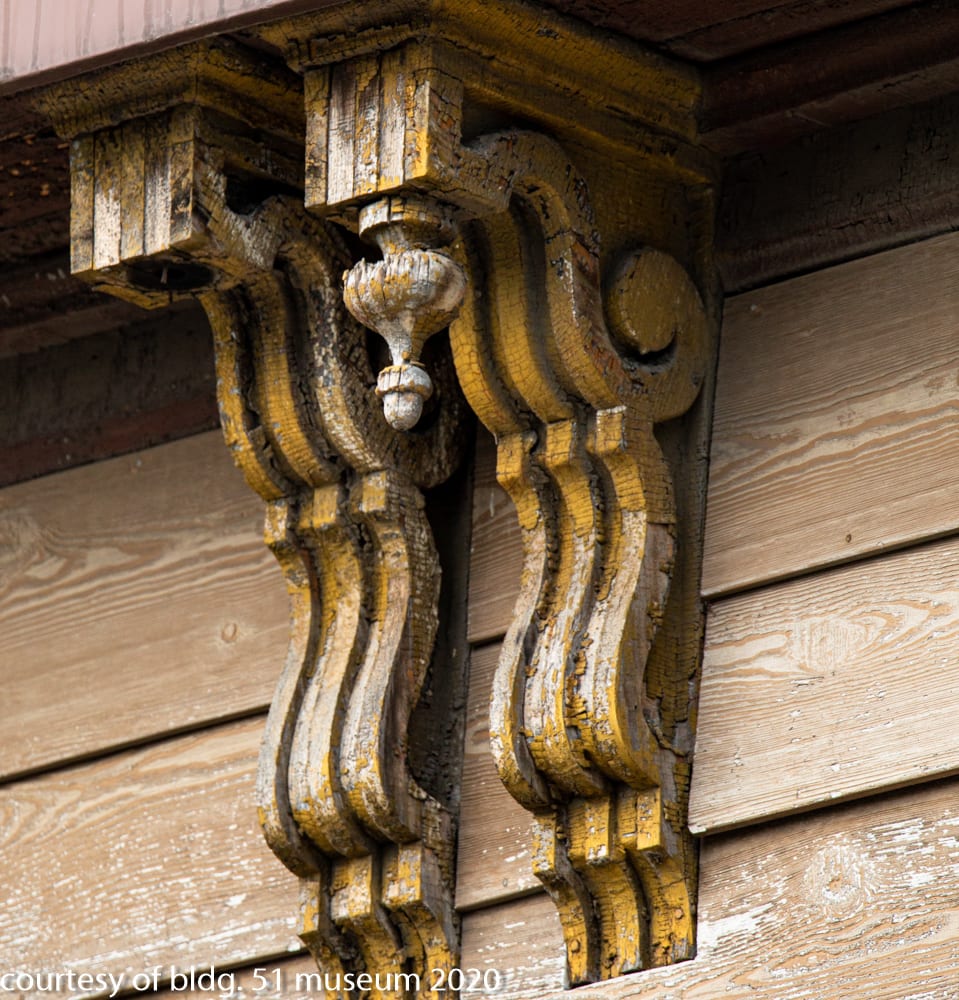
all images courtesy of eric j. nordstrom and the bldg. 51 archive.
further reading: