

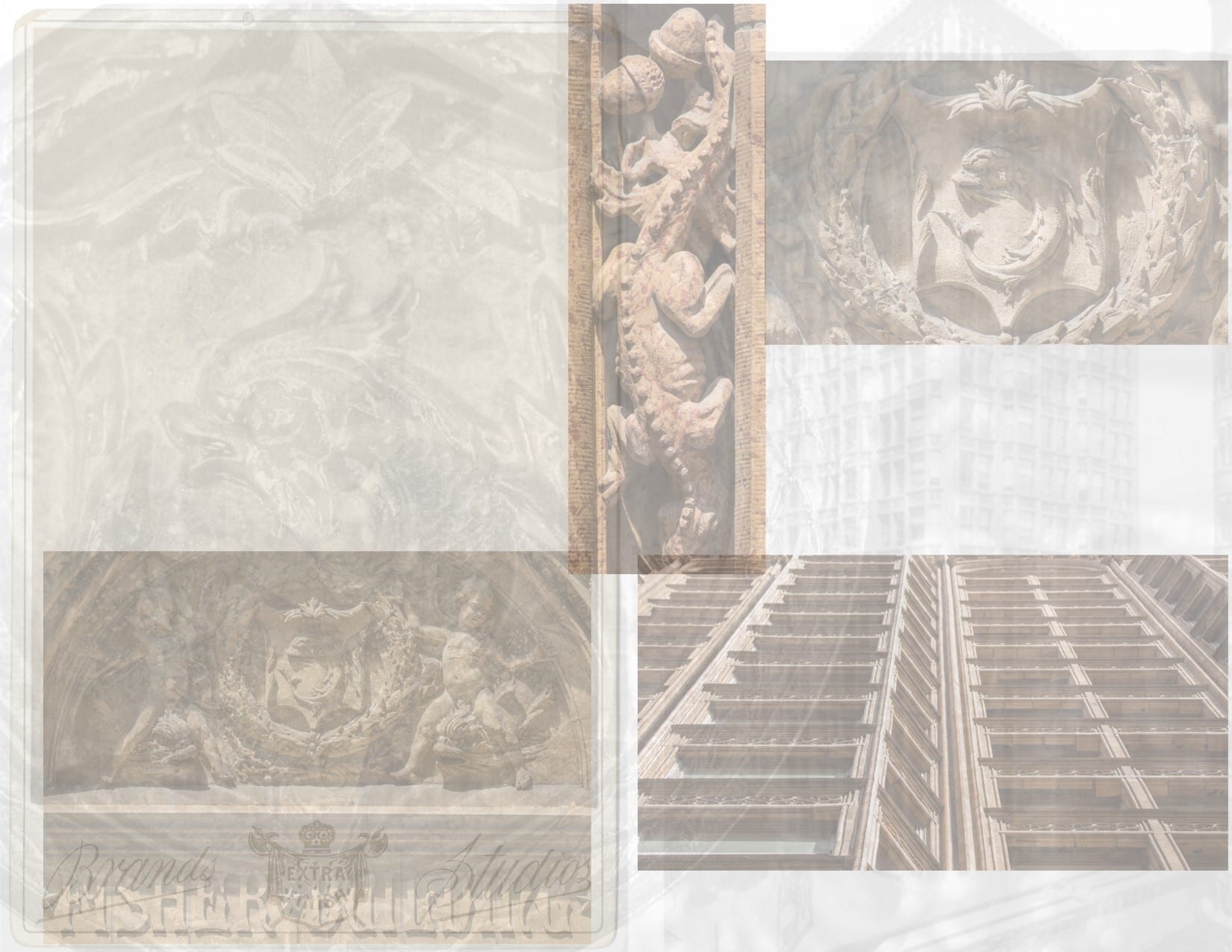
20 Dec photographic study of charles b. atwood’s fisher building terra cotta ornament
photographic study of charles b. atwood-designed tan and red speckle glazed terra cotta ornament for d.h. burnham’s 18-story steel frame fisher building (1896, addition, 1907).
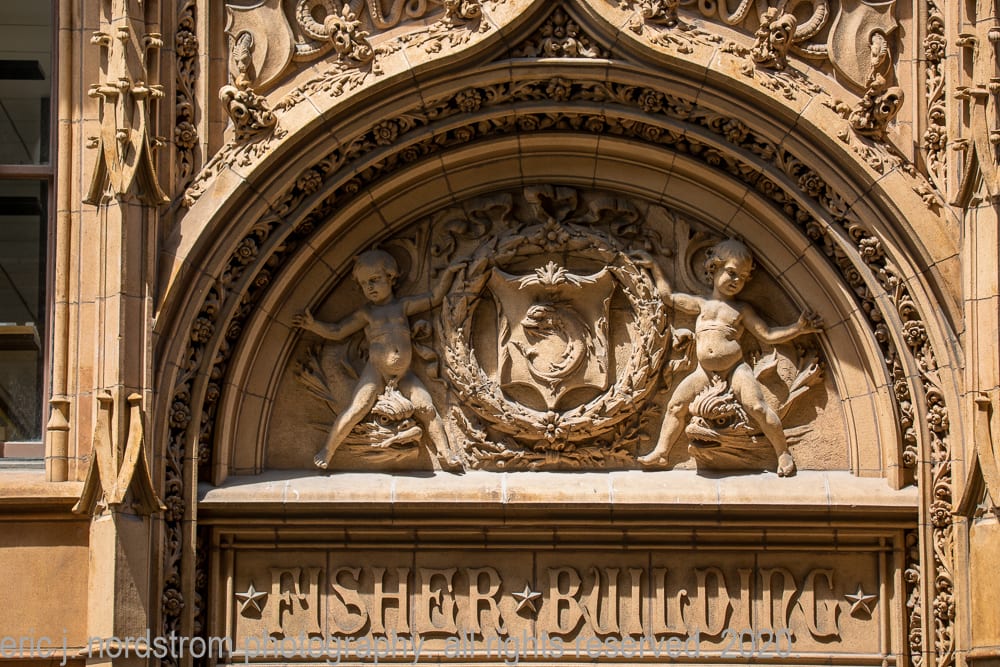
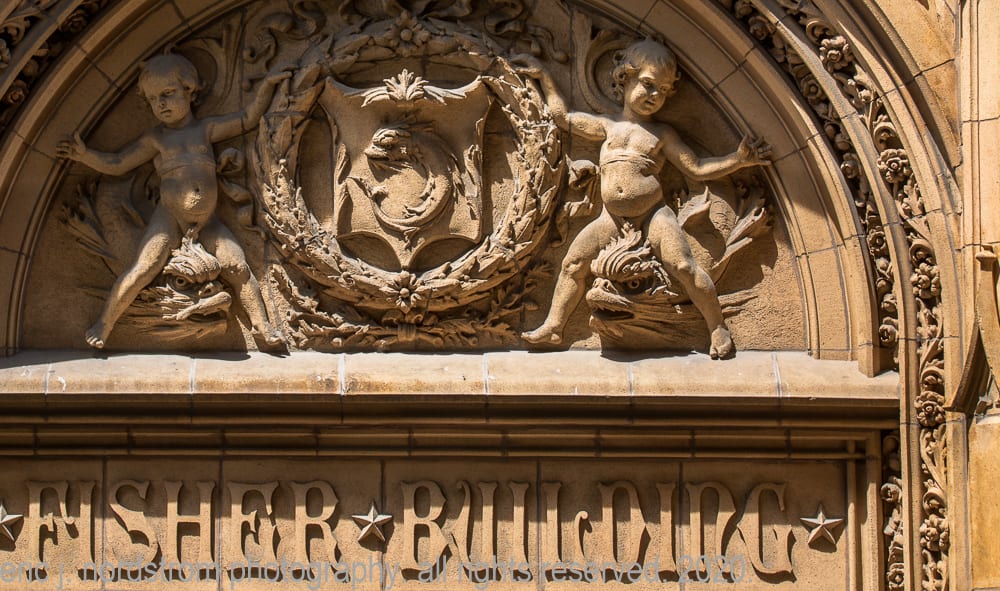
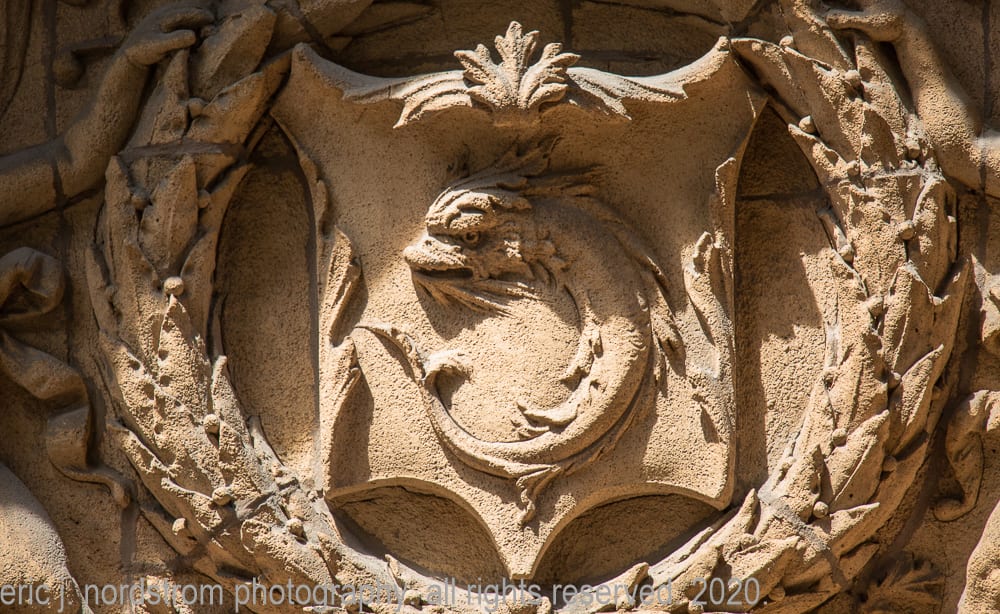
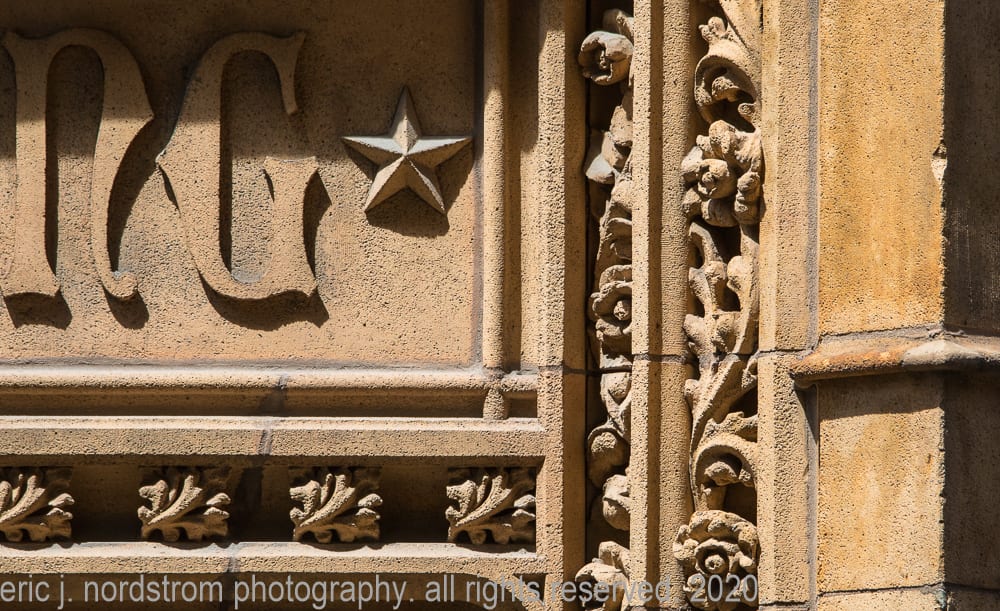
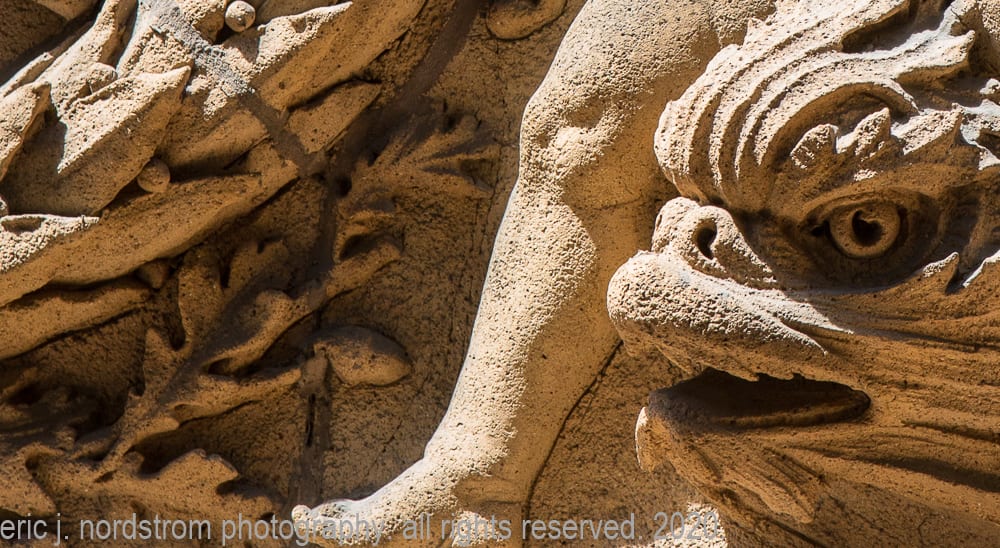
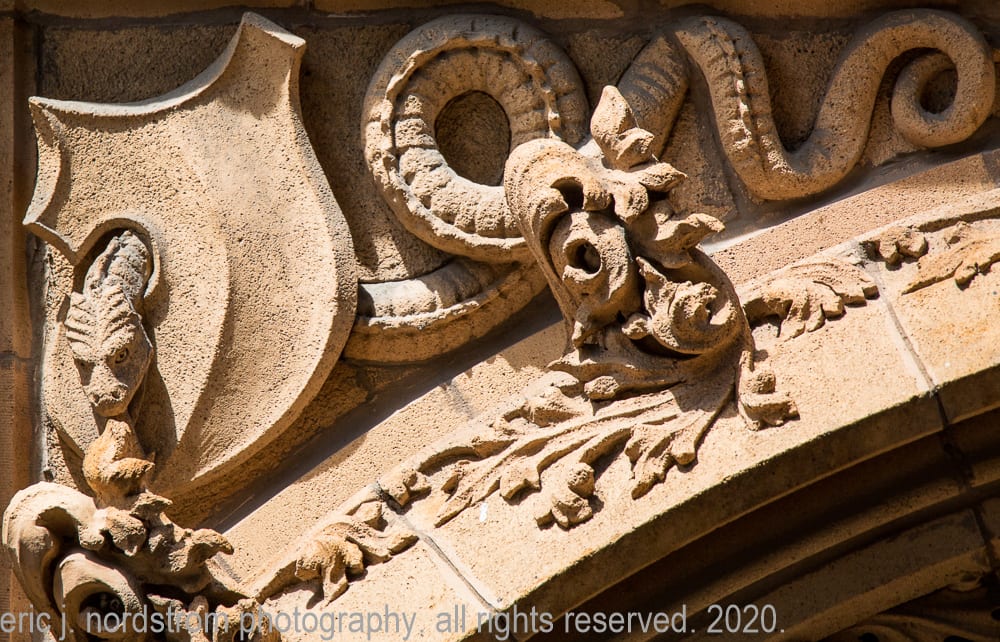
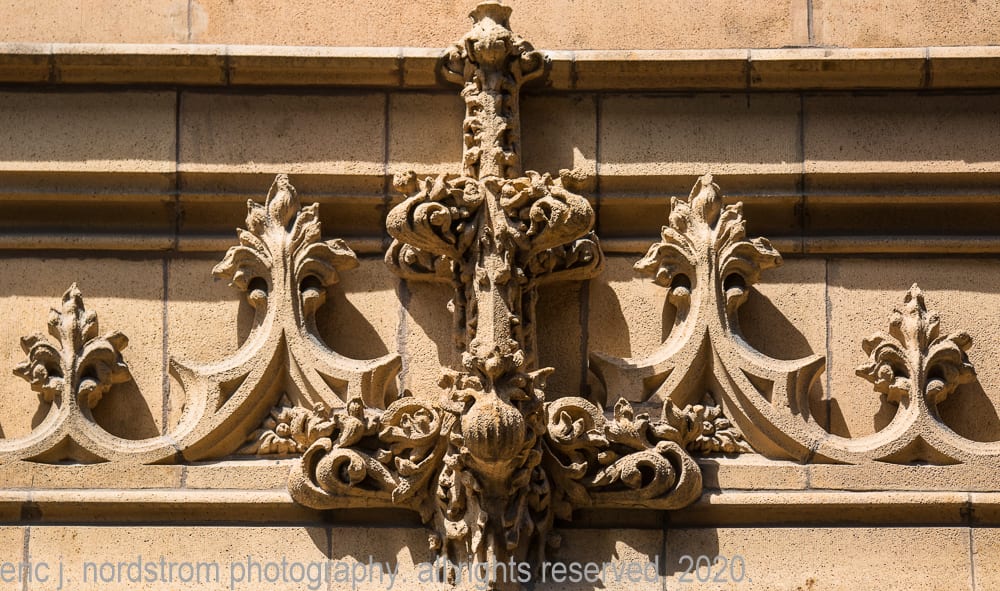
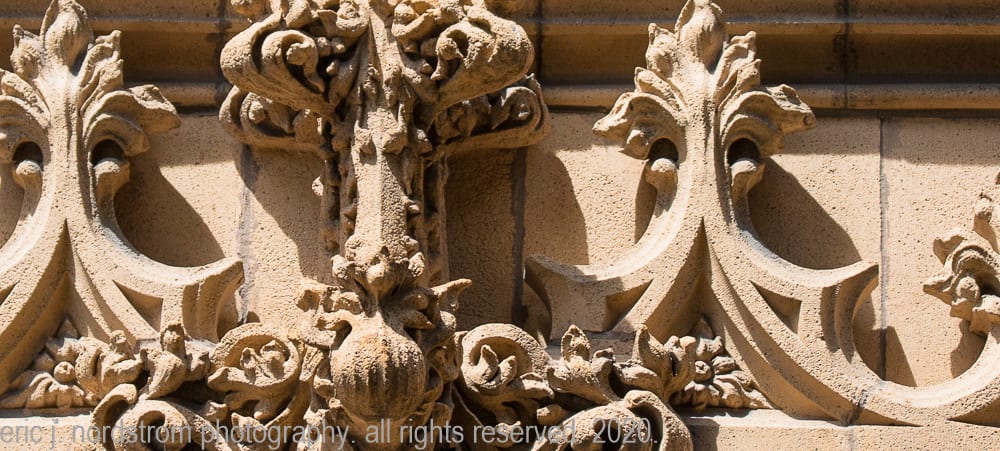
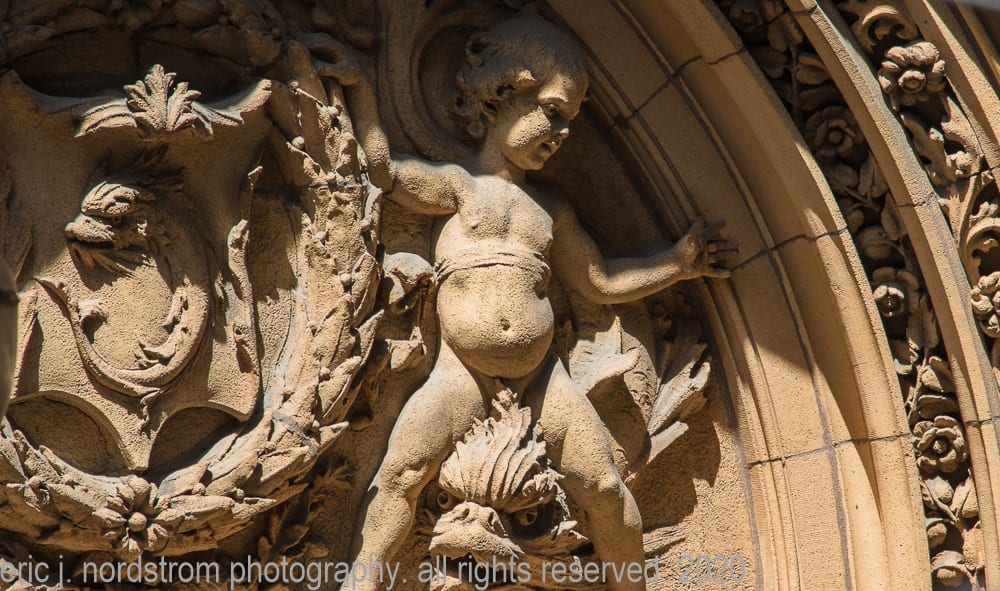
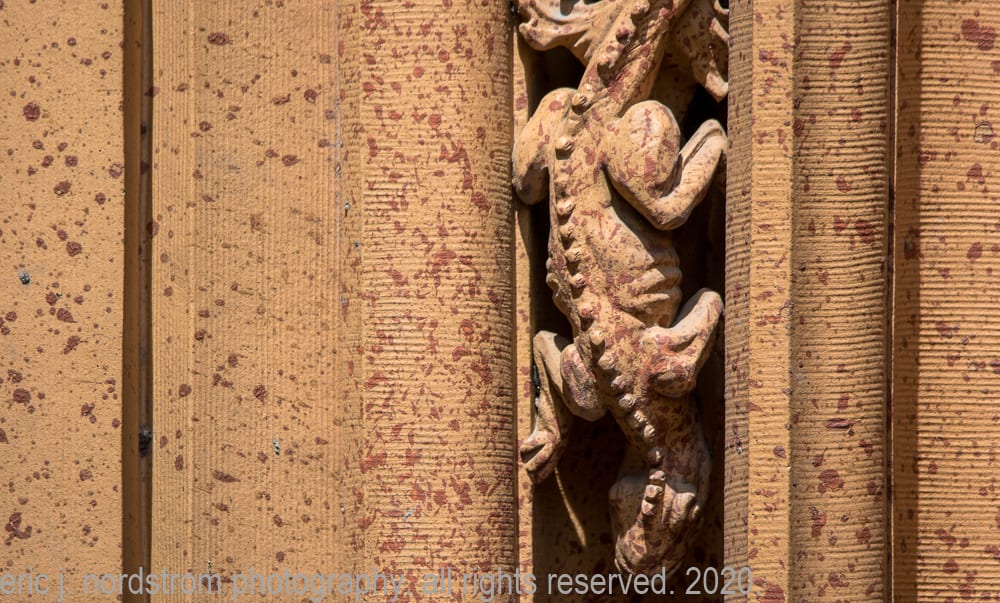
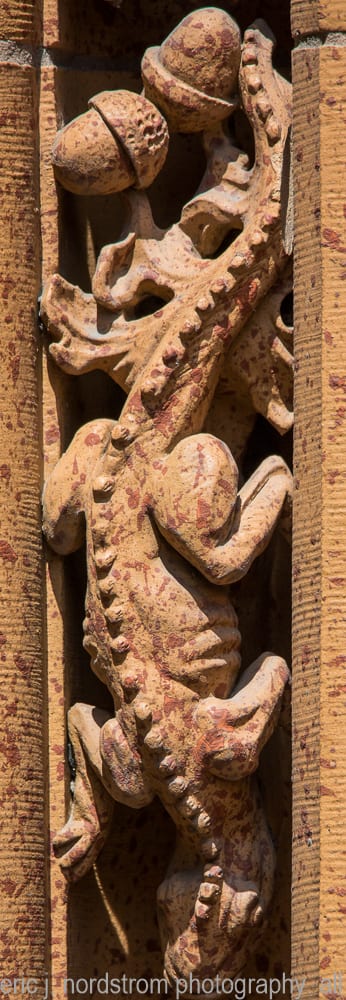
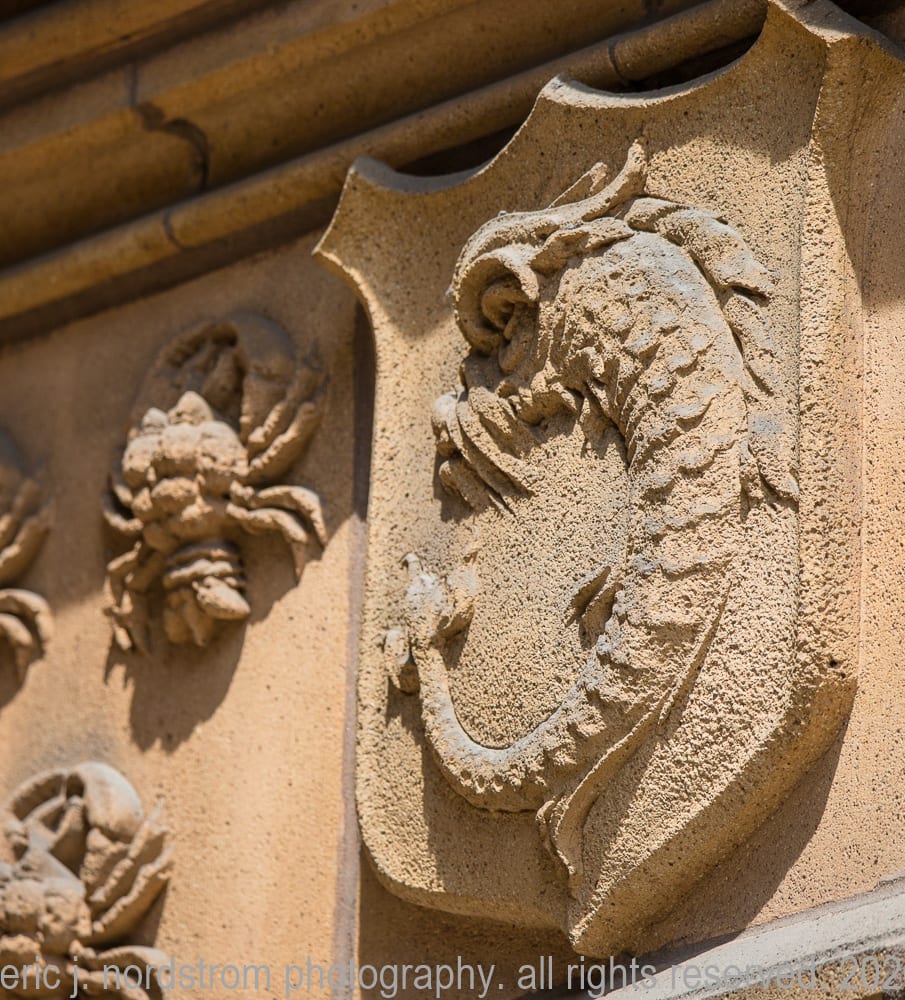
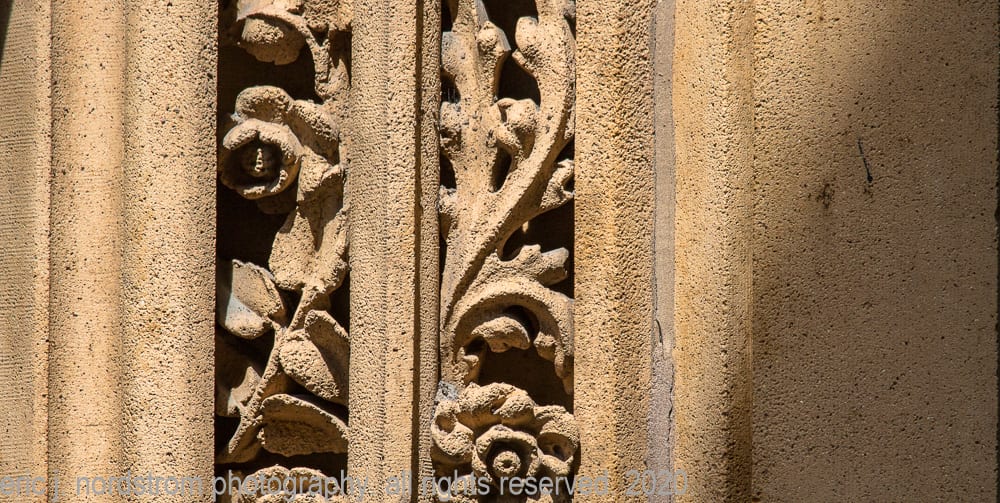
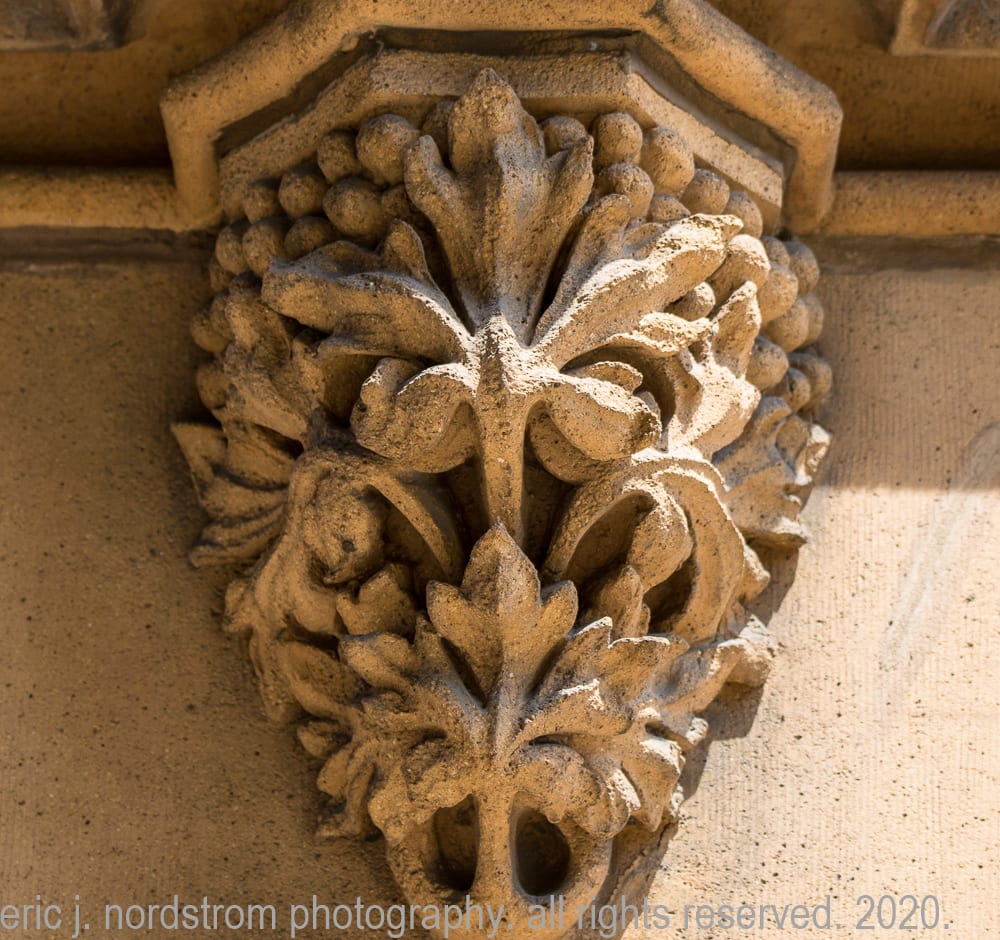
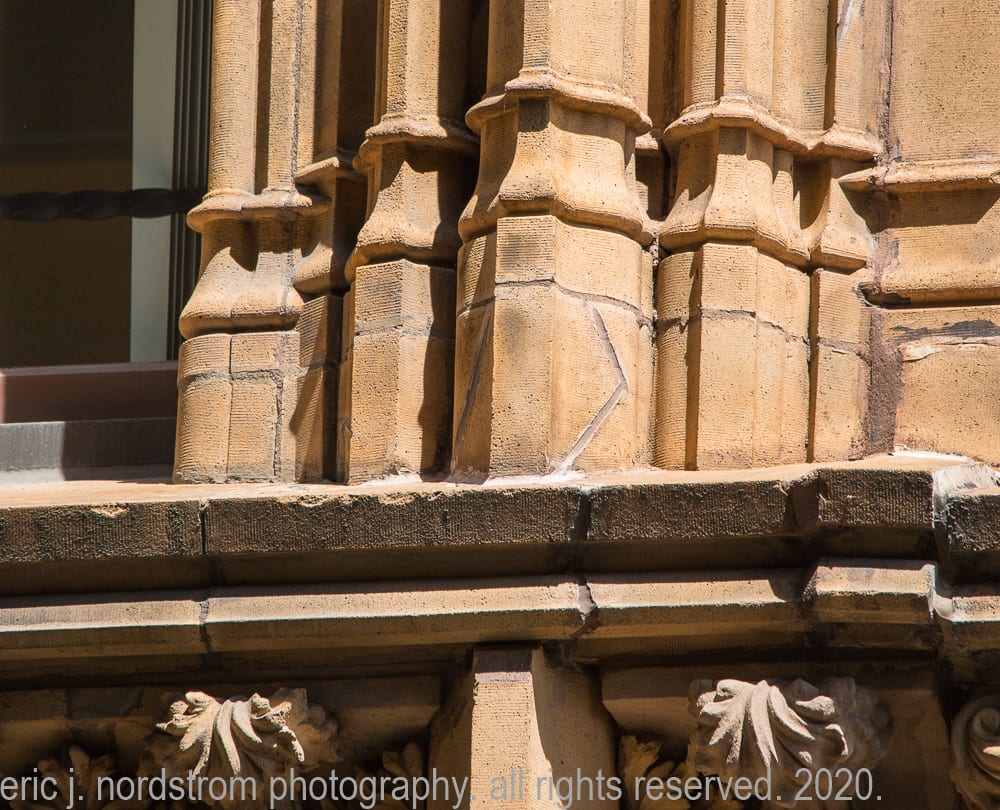
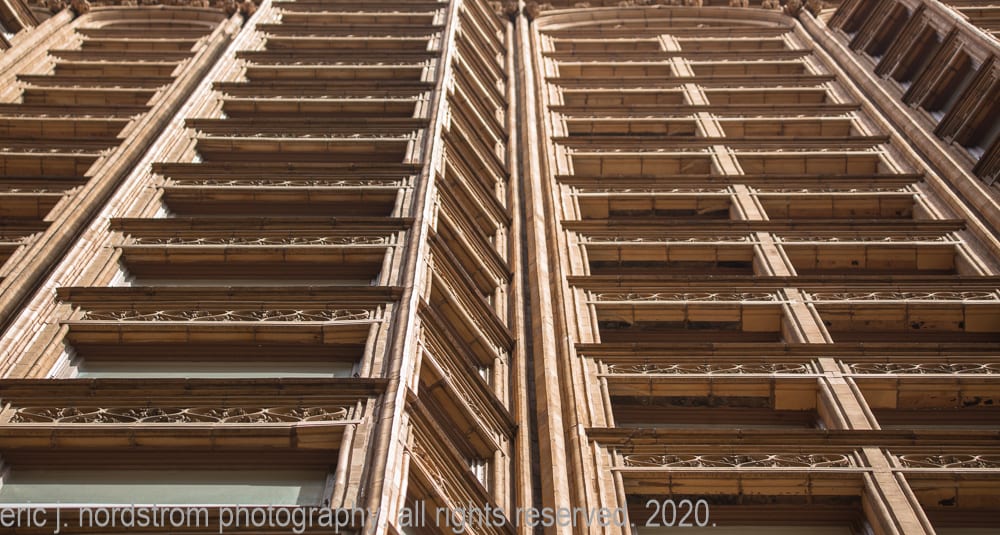
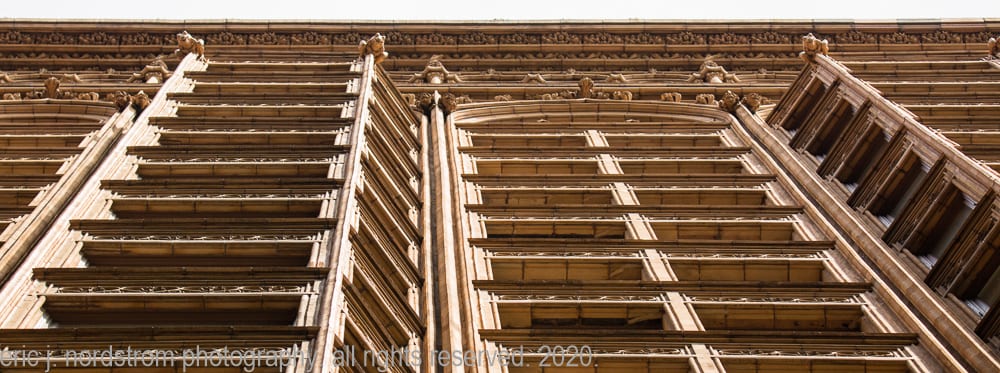
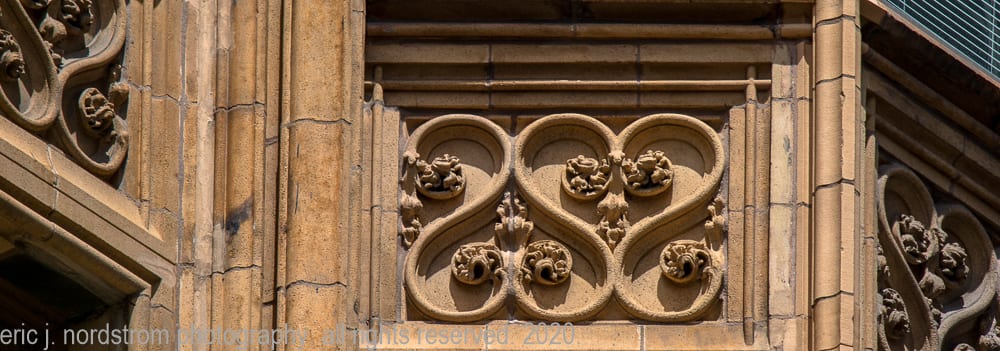
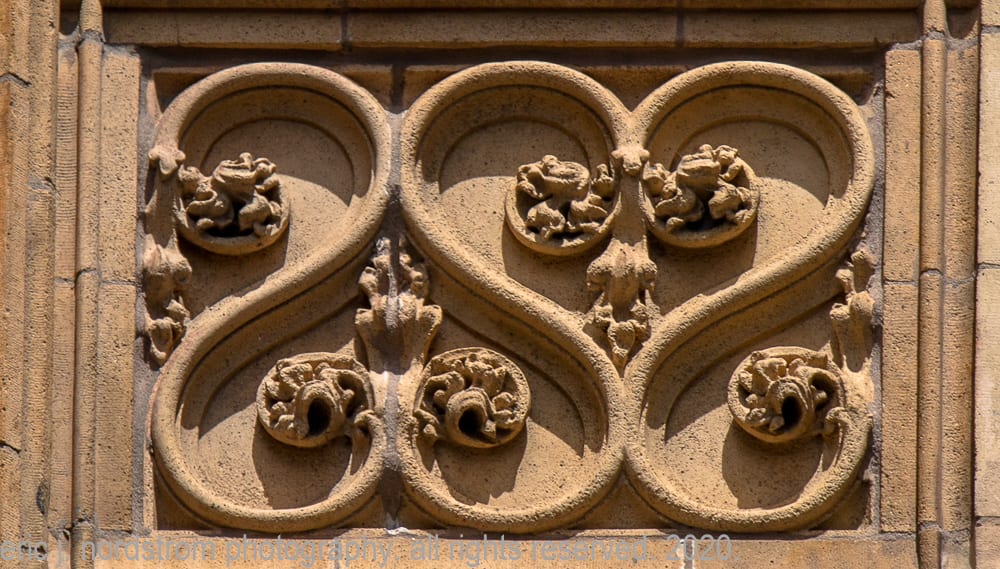
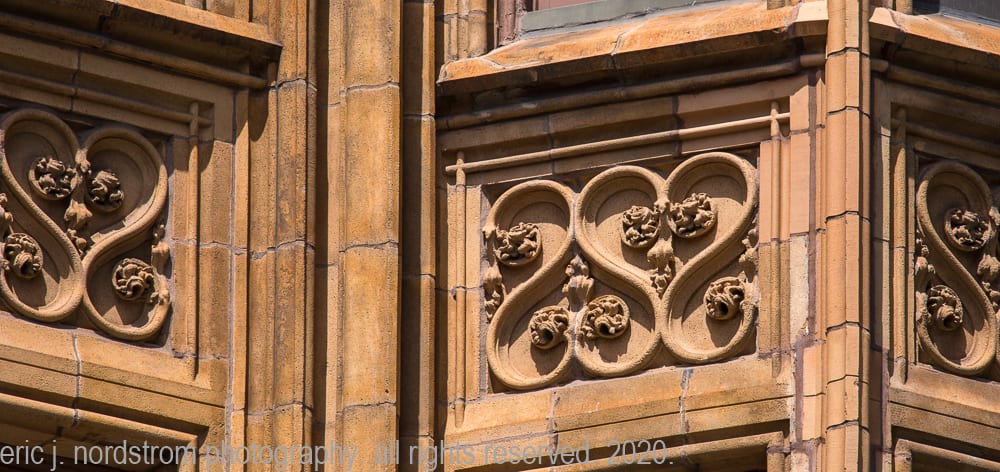
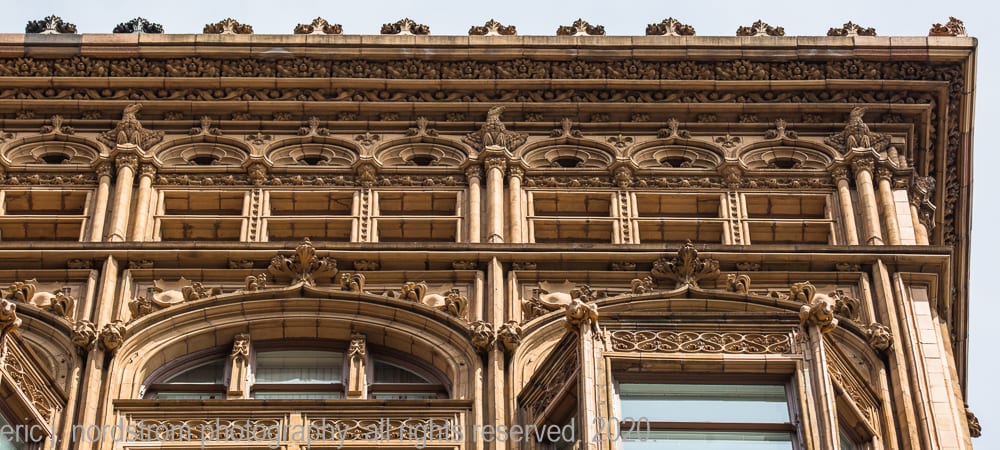
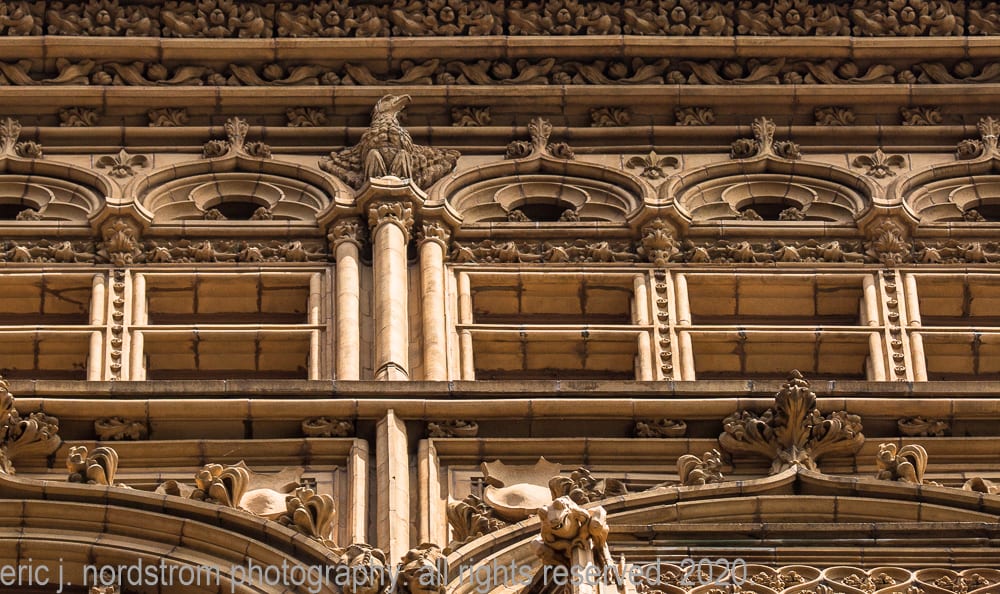
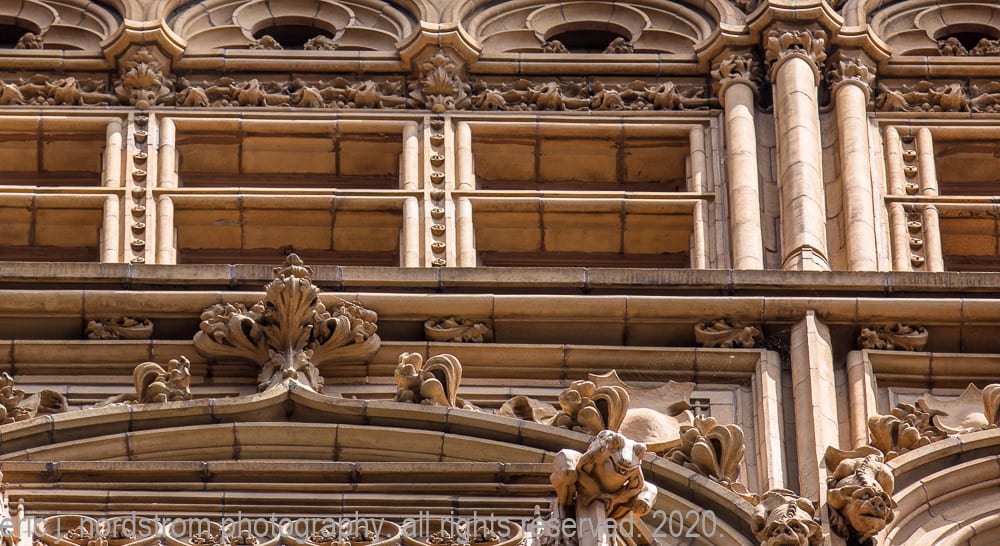
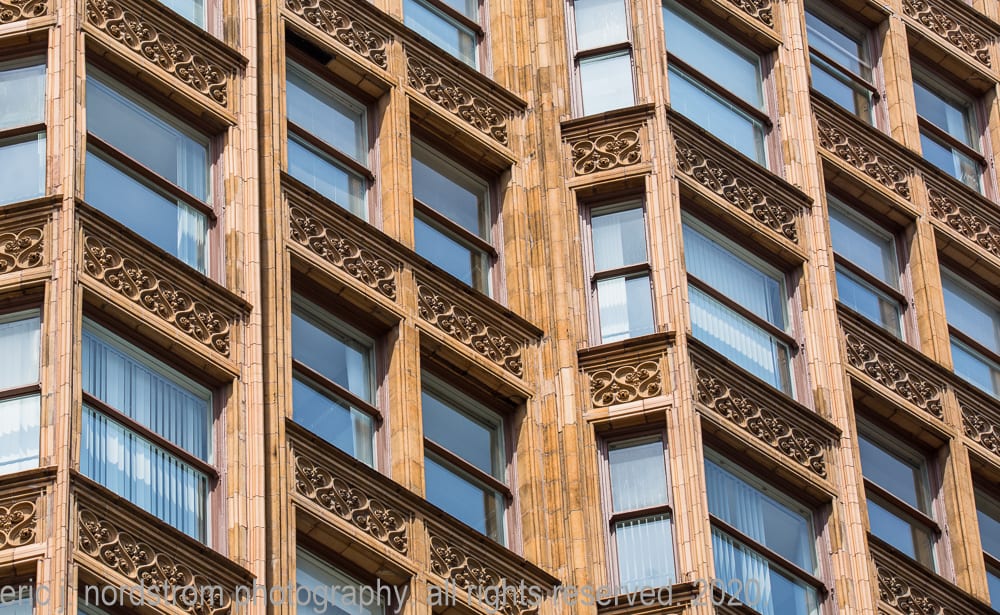
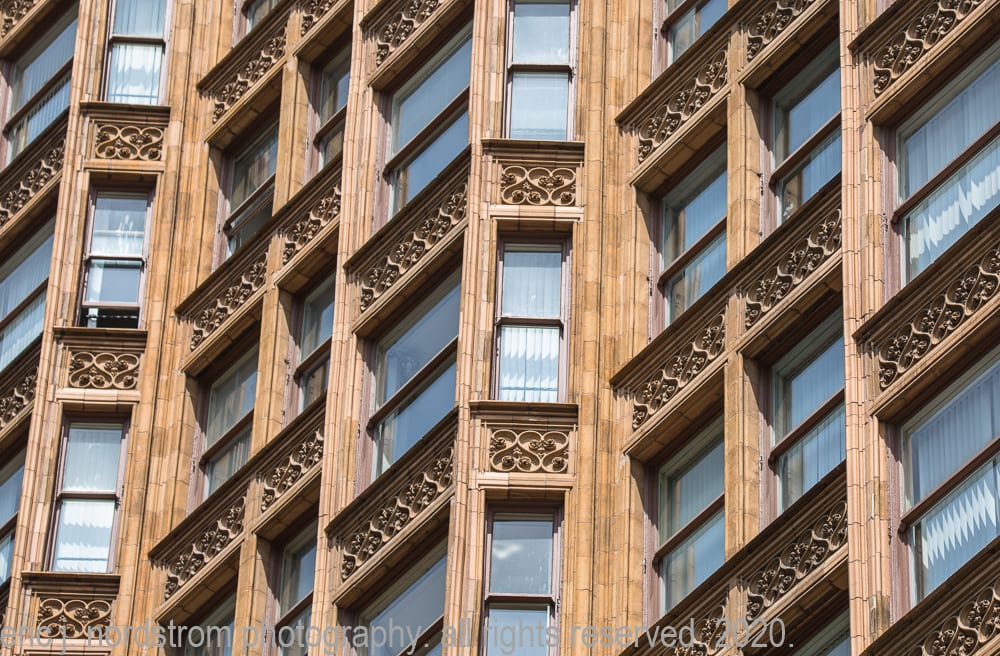
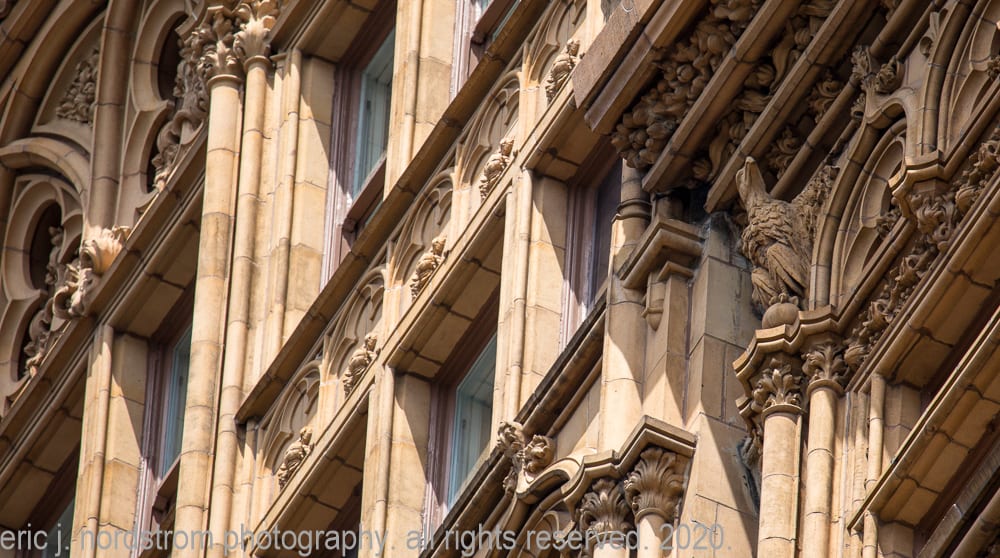
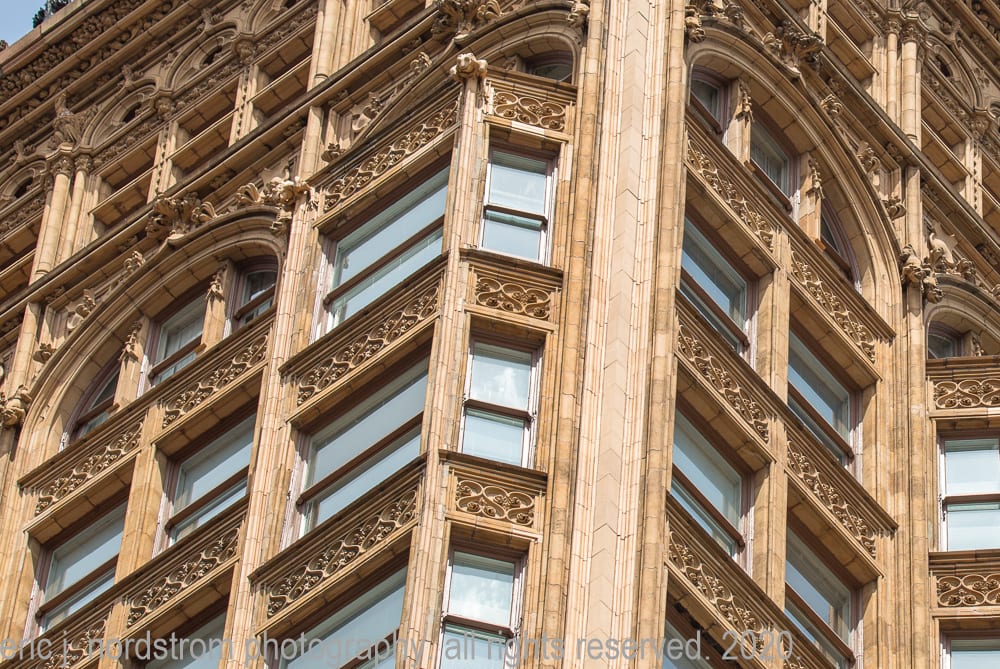
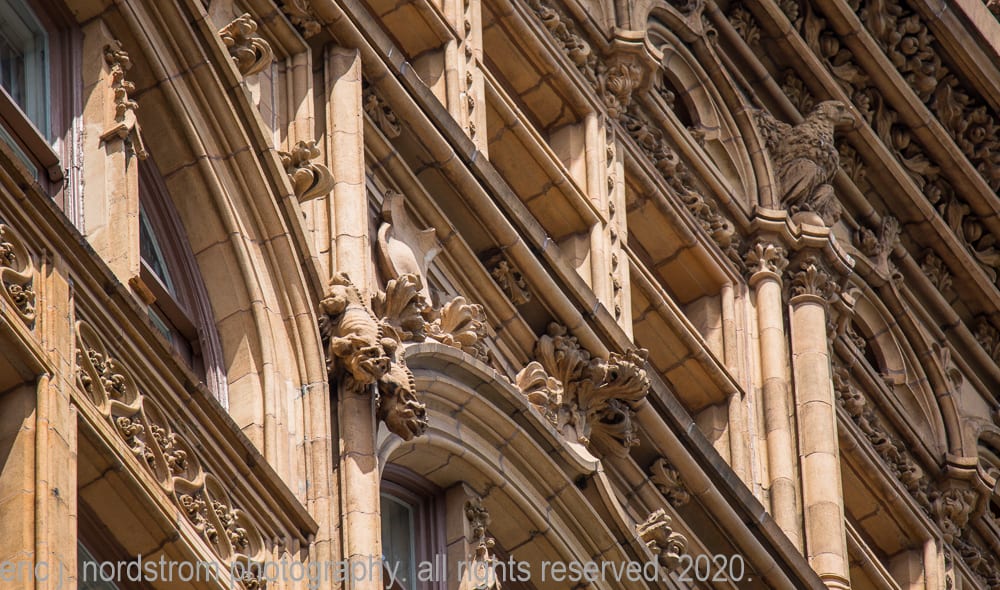
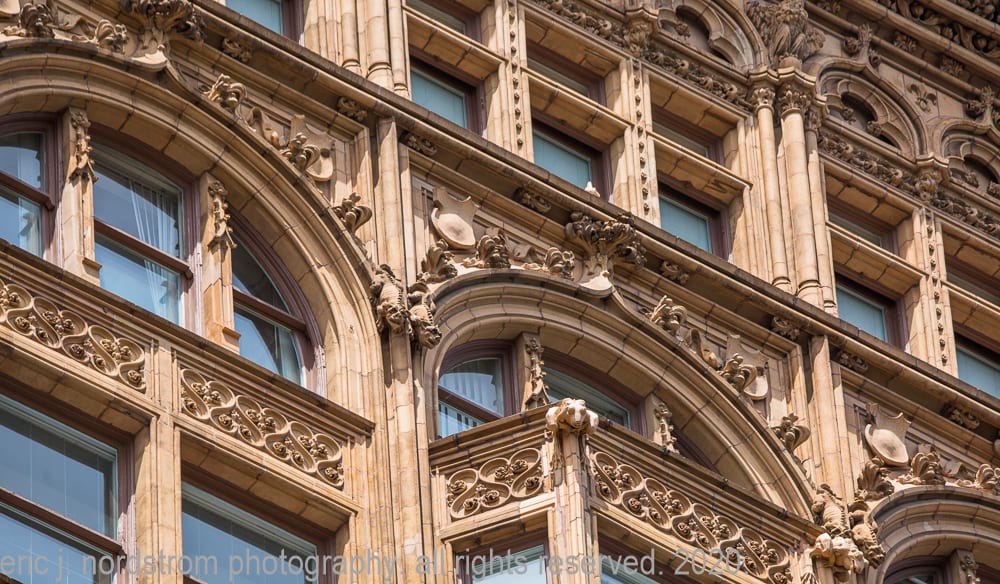
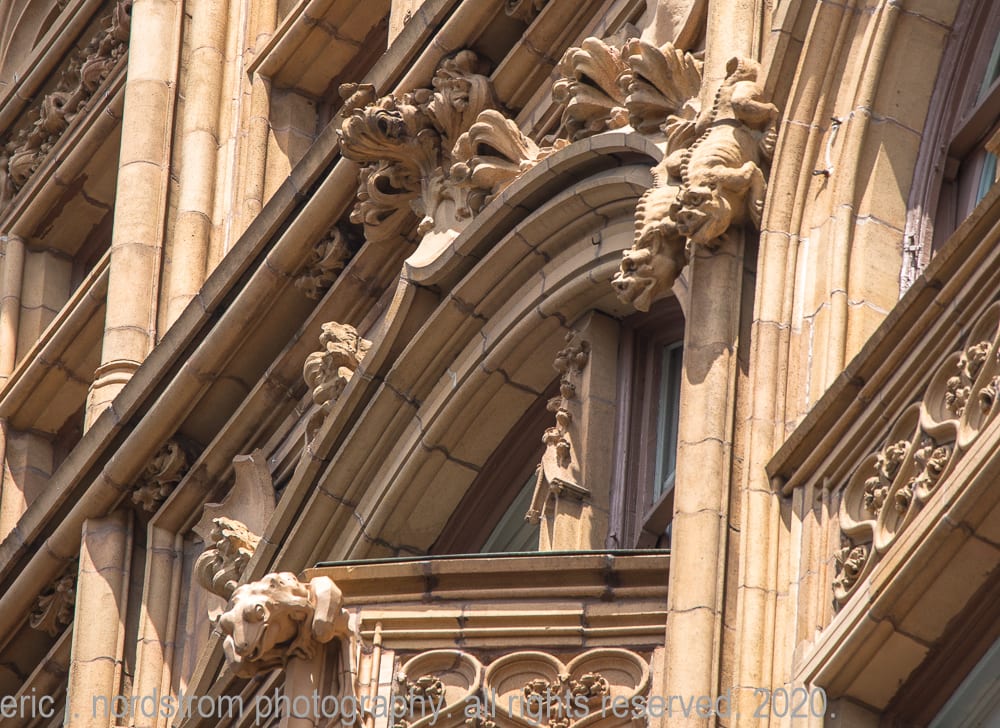
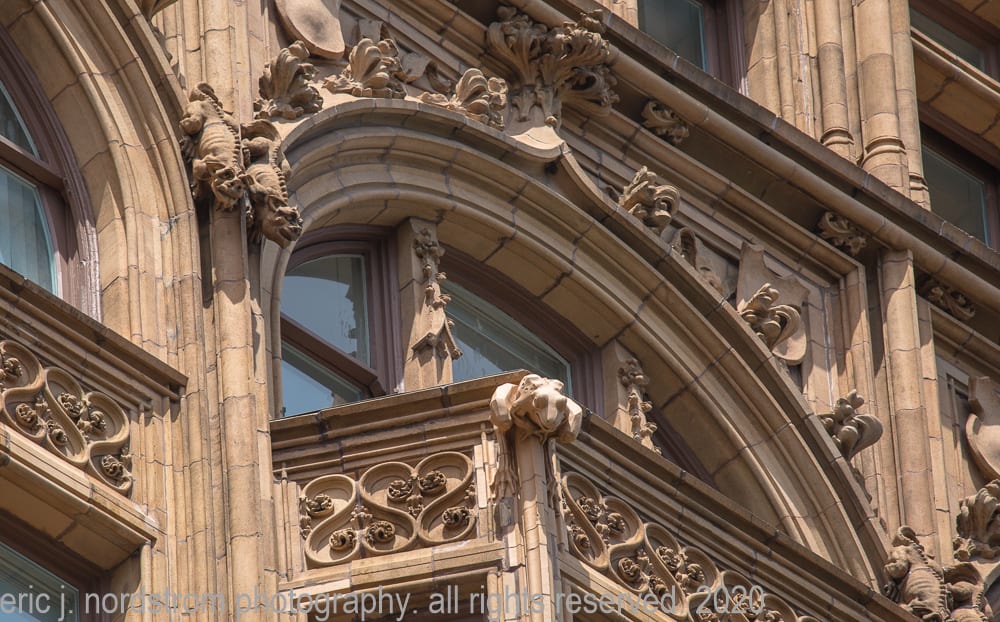
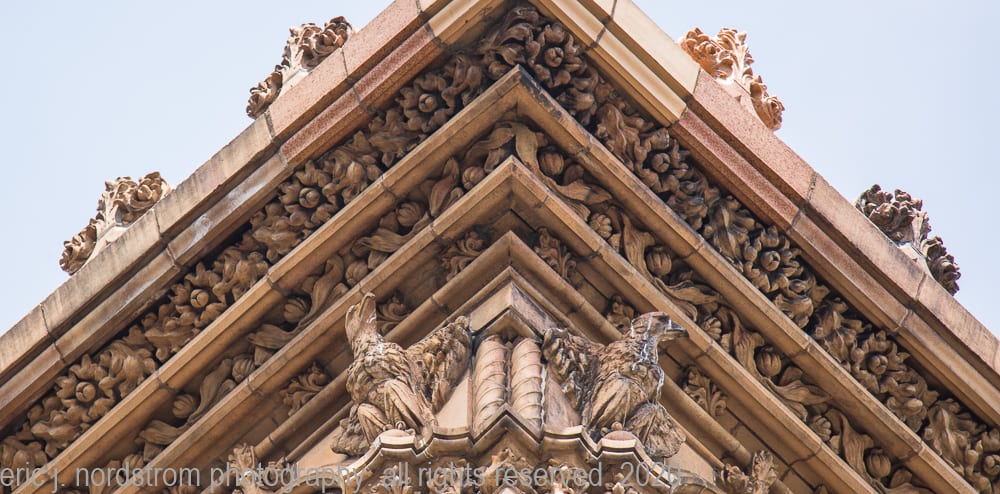
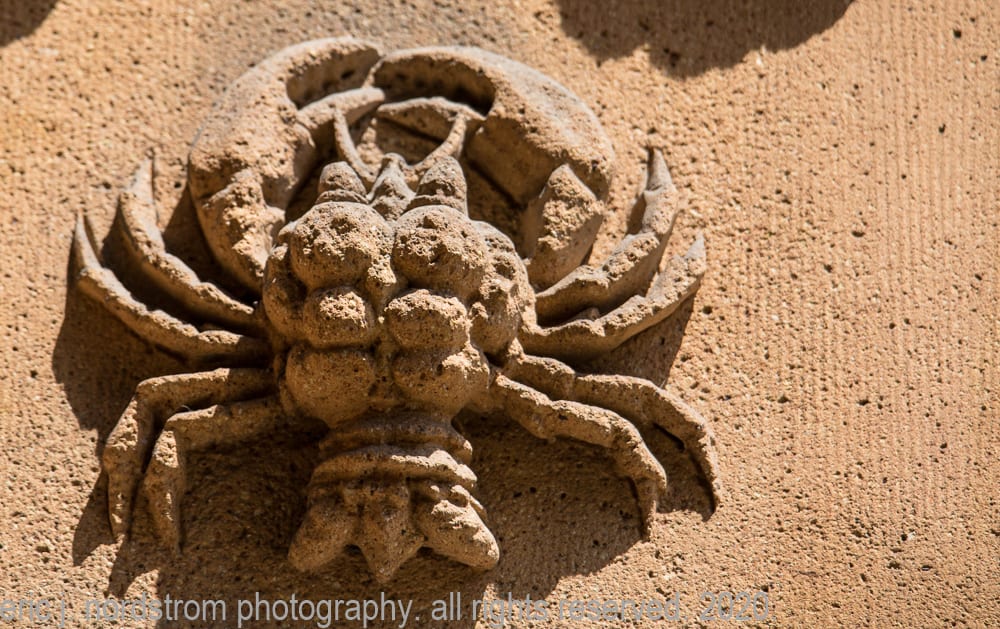
all images courtesy of eric j. nordstrom and the bldg. 51 archive.
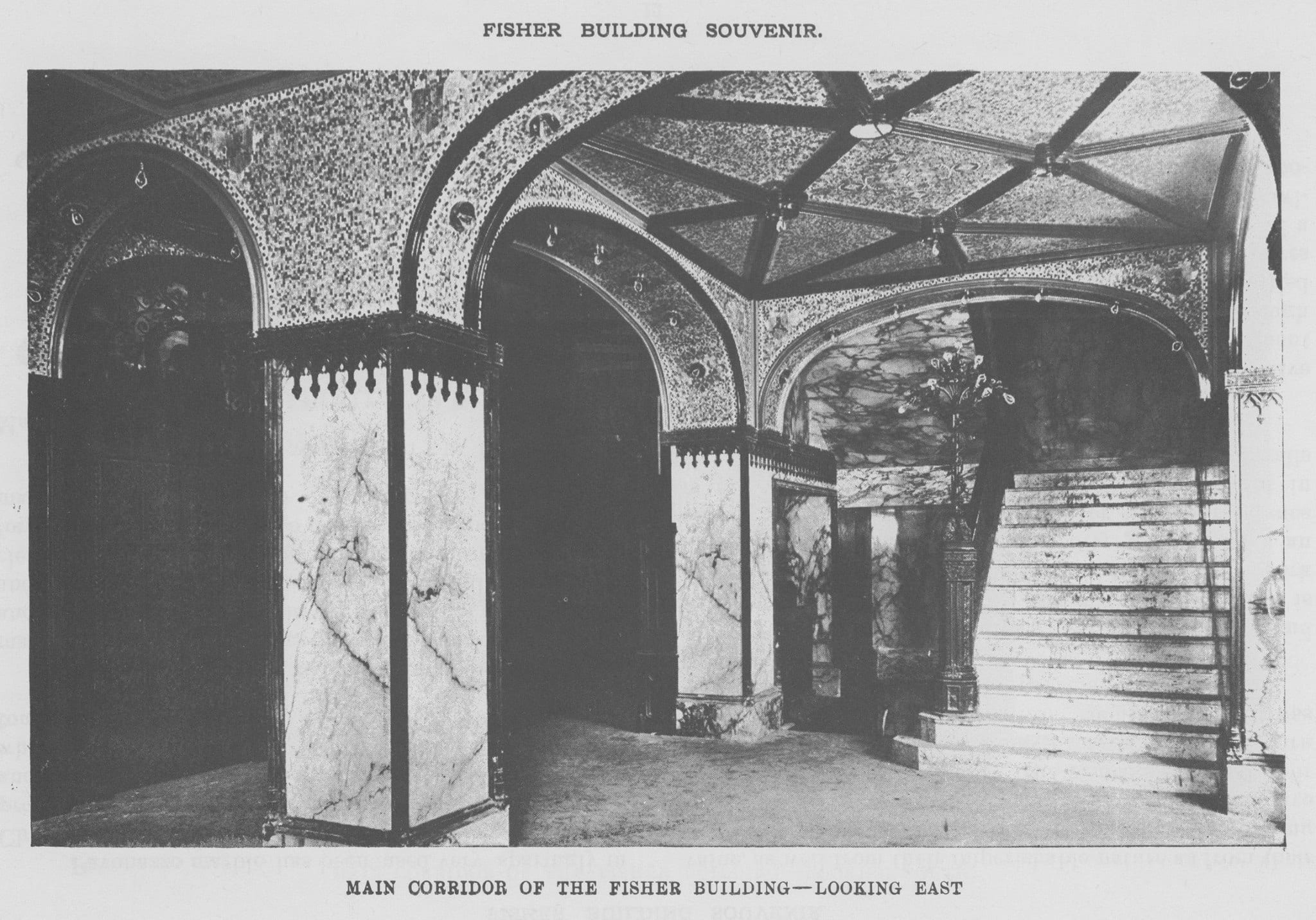
digitized image showing the lobby of burnham and atwood’s fisher building shortly after it was completed in 1896. the floor and ceiling mosaics were executed by healy and millet.
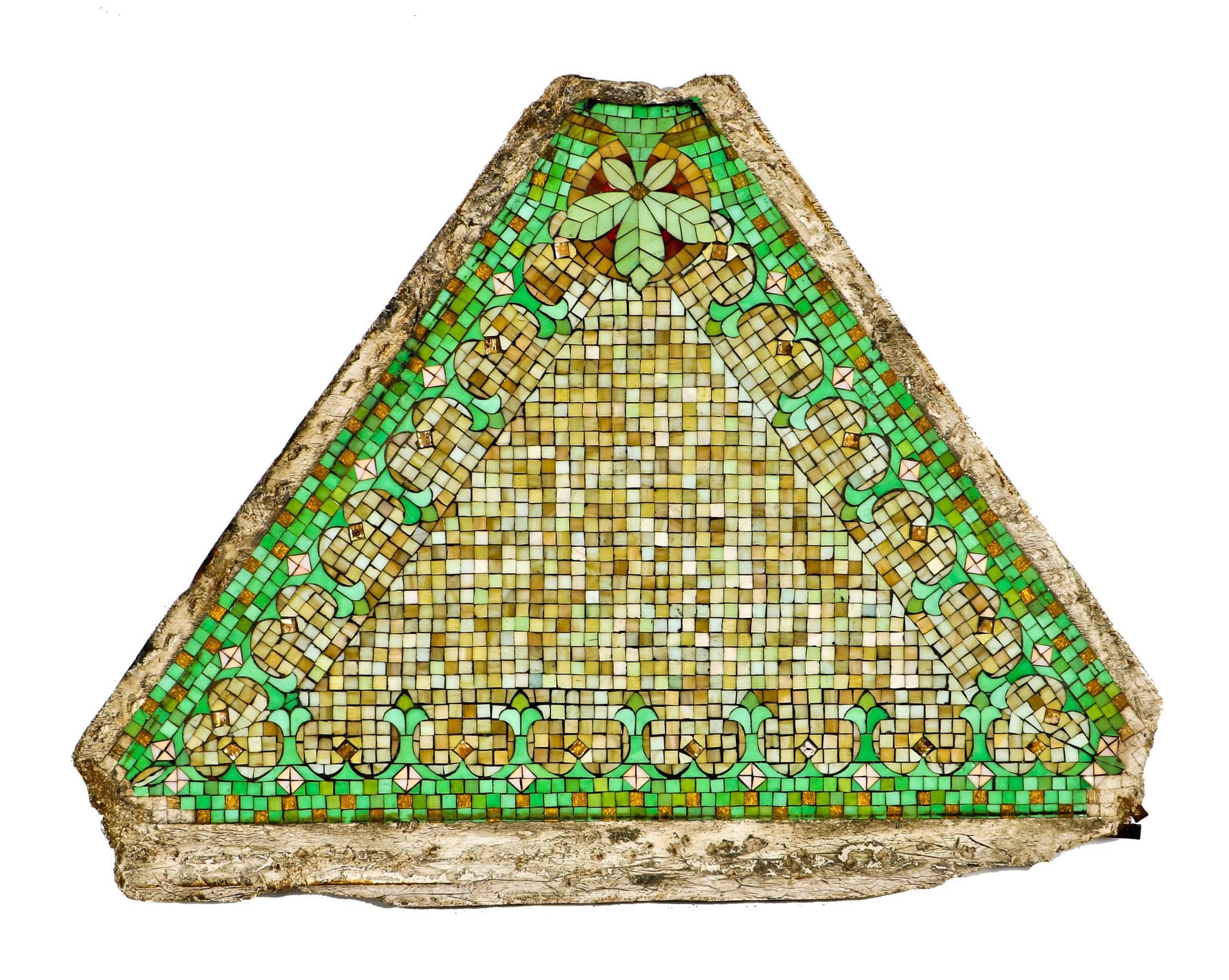
an original intricately designed and lustrous mosaic ceiling panel – comprised of an assemblage of small pieces of colored glass set firmly within a bed of reinforced plaster – is housed in the bldg.51 museum ornament collection.
if i recall correctly, the lobby mosaic ceiling panels were removed in the 1920s during a bank remodeling.
booklet image and ornament courtesy of bldg. 51 archive.
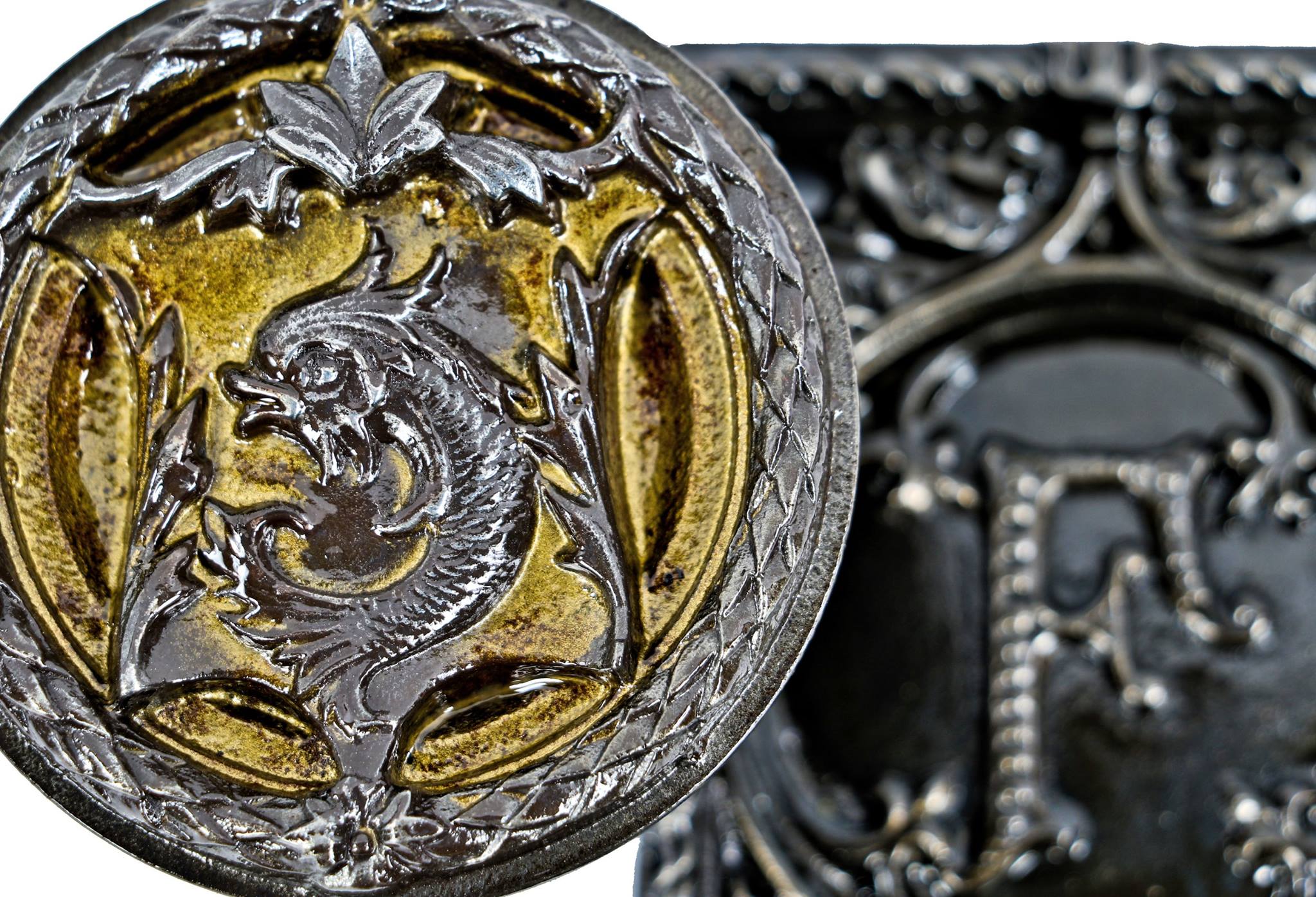
daniel h. burnham’s fisher building figural doorknob and matching mongrammed backplate. the office doorknob and matching escutcheon (not the “f”) are comprised of iron with the original bower-barff finish worn away.
the majority of the building’s hardware was later painted black or gold. the ornamental hardware was fabricated by the yale & towne company.
hundreds of knobs, backplates, elevator doors, mosaic lobby ceiling (healy & millet) panels, and so on, were removed over the years. a lot of it was scrapped.
not all was lost. for example, the interior elevator cages and doors (executed by the winslow brothers) were saved during their removal and replaced with the doors you see now when visiting the building’s lobby. they are replicas cast in bronze.
courtesy of bldg. 51 archive.
dddd
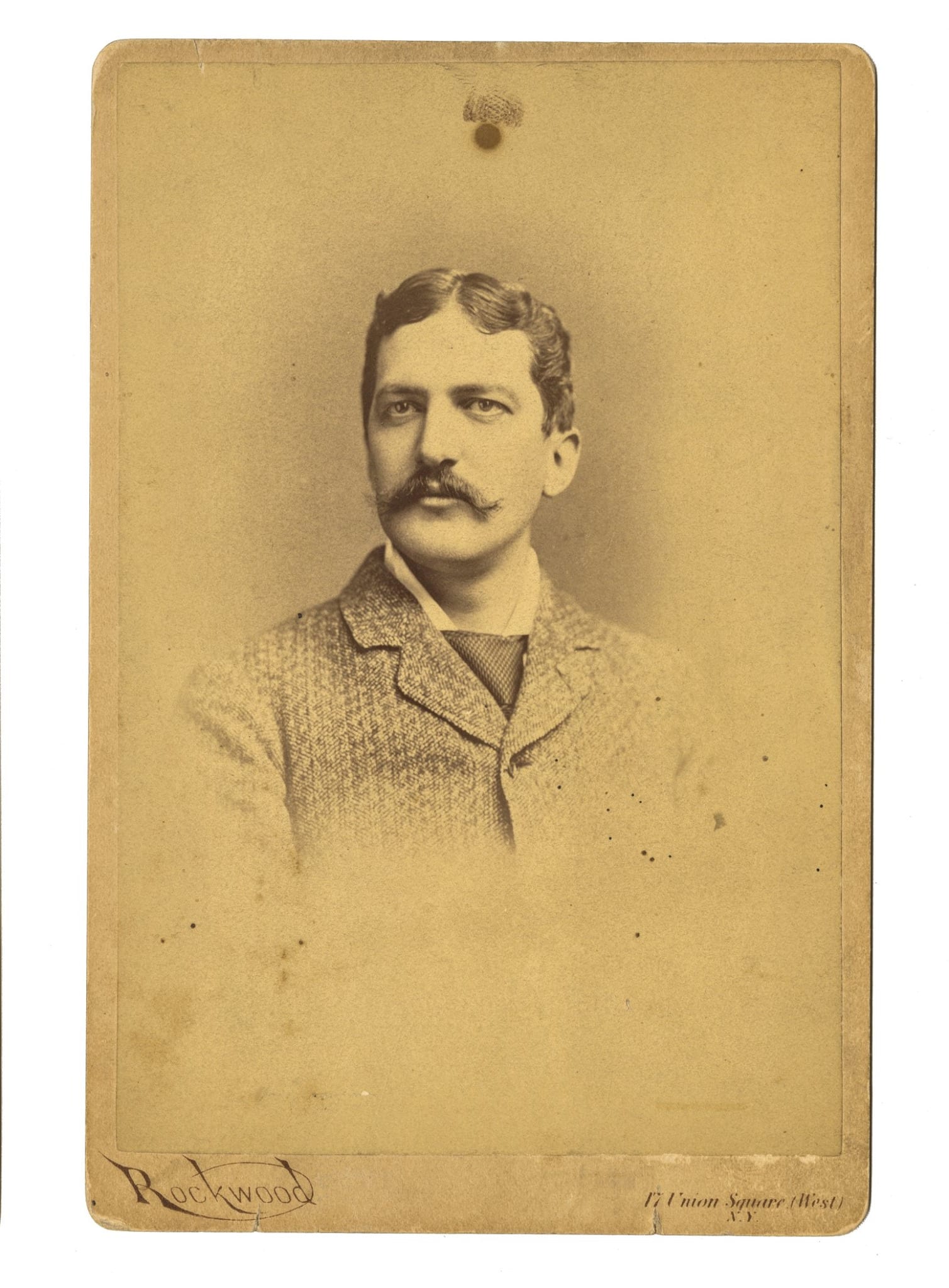
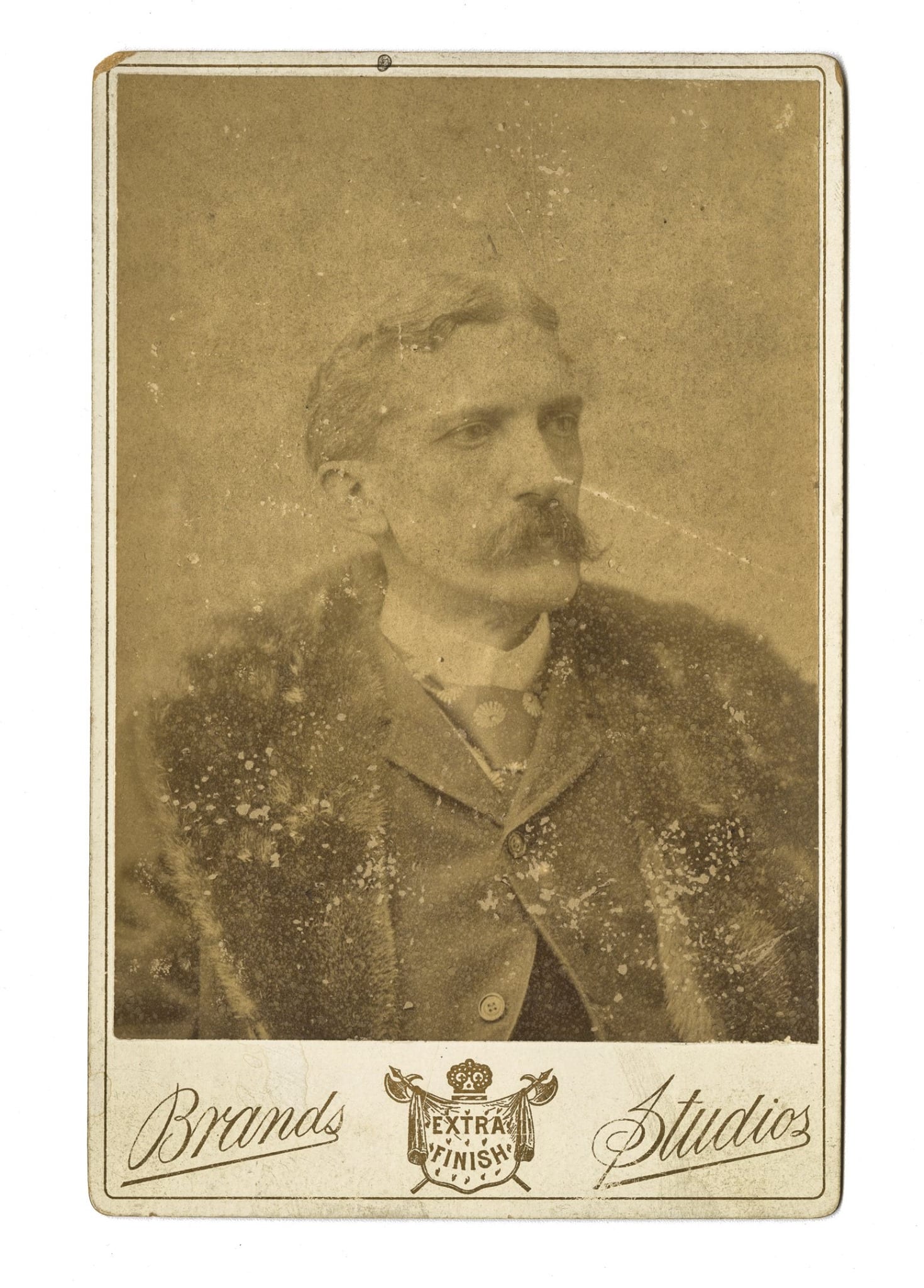
seldom seen albumen cabinet cards of architect charles b. atwood, taken in 1873 and again in 1894 – a year before he died from acute inflammation of small intestine at the age of 43. cannot recall if he lived to see the reliance building completed. burnham stated that he would “disappear” for long periods of time while under his employ – likely from leaning heavily on drink and opiates.
courtesy of ryerson and burnham, art institute of chicago.
further reading:
Chicago Tribune, December 29, 1895
BUILDING OF THE YEAR
Chicago has not fared well In the way of new buildings when previous years are taken into comparison. A vast amount of building was done in the period before the World’s Fair and each year s record still suffers by a comparison with that. Cost of buildings in 1895 has been satisfactory as compared with last year, while tite number of buildings and the amount of frontage involved have shown a decrease. Among the more prominent buildings of the year are the Fisher, the Great Northern Hotel Theater and office, the Studebaker, Lewis Institute, and the Davies.
The Fisher Building is being erected on Dearborn and Van Buren streets and Plymouth place for L. G. Fisher. The building is twenty stories and basement high and its cost when completed is estimated at $615,000. The exterior construction is of semi-glazed terra cotta of a yellowish shade and the design is in the French Gothic. The building fronts seventy feet on Van Butren street and about 100 feet each on Dearborn street and Plymouth Place. The principal entrance, seventeen feet wide, is on Dearborn street, in the northern part of the building.
It will lead immediately to the elevators, which will be located on the north wall. The north wail is also constructed of the yellowish semi-glazed tile above the height of 130 feet, which is the limit of fireproof buildings under the present ordinance.
The Dearborn street frontage has four bay windows extending from the top of the first story to the top of the seventeenth, ending In a graceful arch at that point. On the Van Buren street front are two bay windows, while the Plymouth place front has three. The interior is of steel construction, with tile floors and partitions. Six high speed elevators 4½ x 6½ feet, vill have automatic openings, double doors, opening the full width of the car.
The building will be equipped with steam heat and electricity. The vestibule and entrance hall of the building will be finished in onyx and bronze, the floor being of mosaic. The ceiling and staircase are of the finest imported marble, while the elevator enclosures vill be of solid bronze. Above the first story the floors in the halls are of mosaic and the walls wainscoted in marble to a height of seven feet. The interior woodwork is of quarter-sawed mahogany, the glass in the doors being of crystalline plate and the rest plate.
Each room will contain a marble washbasin with a plate glass mirror and a coat closet. In connection with the barber shop will be maintained two bathrooms for the use of the occupants of the builiding. The first story is divided into ten stores, each 13×28 feet: or they will be arranged to the desires of the tenants. The second story is planned with a view to its use by a bank, and the basement may be used for safety deposit vaults. D. H. Burnham & Co. are the architects of the building. The ground on which the structure rests is under lease to Mr. Fisher by the Jennings estate for a term of ninety-nine years, the ground rent beling $4,200 a year.