
29 Dec john kent russell house (1855) lives on through its artifacts removed above and below ground
a little over a year ago a single house demolition dramatically altered the course of my life’s work, in ways I could never have imagined. in ways i still struggle to make sense of. this house held an odd fixation for me and I would later discover it connected deep passions from my past with a new path for my future. here, important milestones in my life and work seemed to mysteriously coalesce.
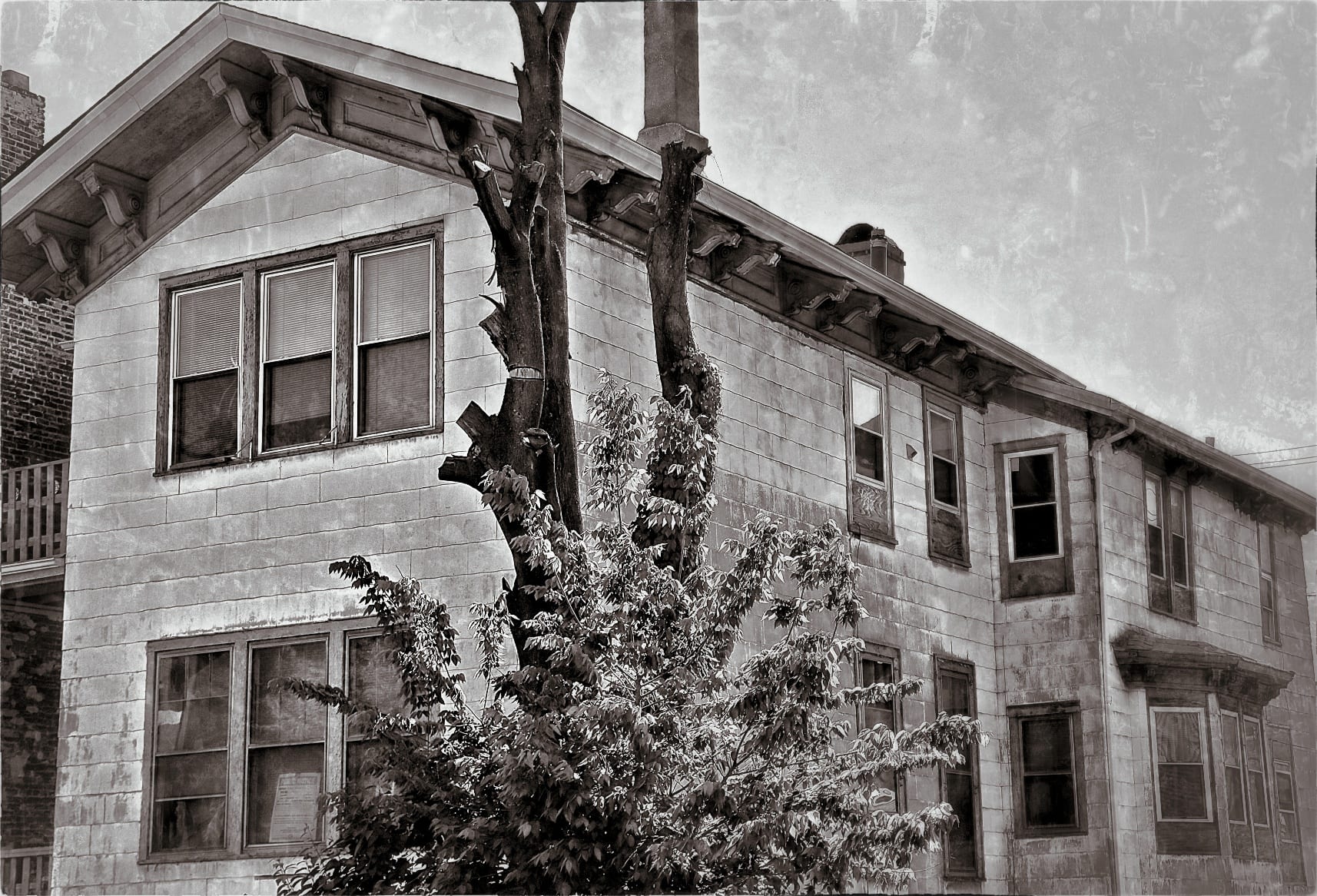
well over a decade ago, when i was still in graduate school pursuing a degree in an unrelated interest, i was maniacally obsessed with any and all extant houses in my hometown that dated from the 1840’s-1850’s. in fact, i drafted a meticulously detailed repository of data about la crosse (wisconsin) houses still standing from that era. my intent was to compile the information into a case study. That was the idea. in this way, my scientific methods bled into the realm of my passion: i would document architecture much the way i generated data, ran statistics, and interpreted my findings in the laboratory. i could bring a rigorous science training to exploring the artifacts, methodology and materials of architecture.
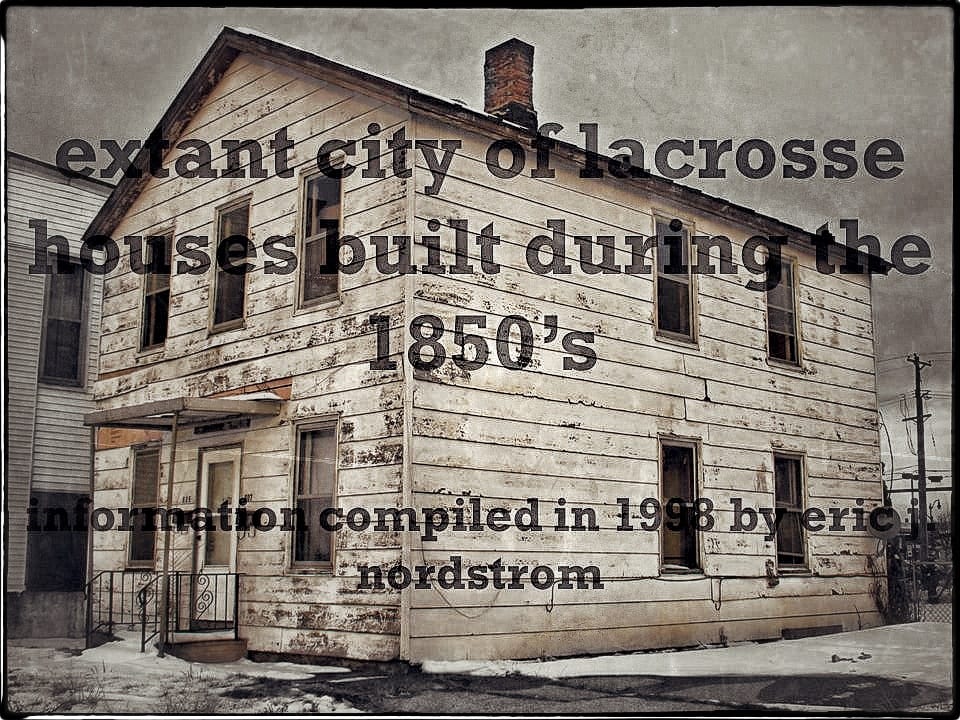
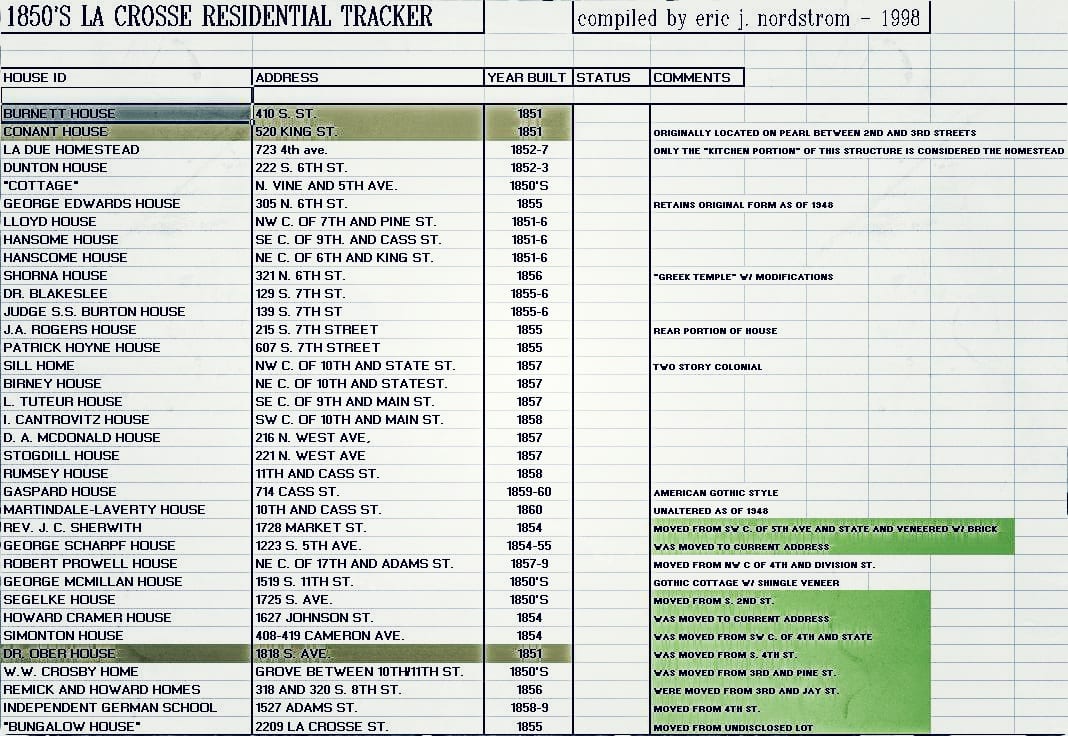
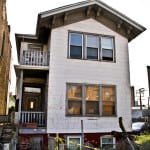
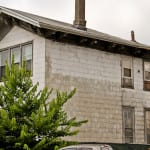
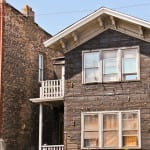
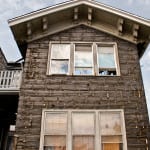
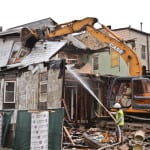
as the years passed, the la crosse project fell to the wayside, becoming dormant, dusty, forgotten. that is, until i collided with the john kent russell house. there was an impending demolition scheduled, something perfectly ordinary in my world and there was nothing from the outset that struck me as particularly exceptional about the residence. after speaking to the developer, i was convinced that any attempt to save this c. 1855 house was dead-on-arrival. i did manage to negotiate a deal, in which i was given the keys to the house, essentially gaining admittance to the site to explore it as i saw fit. this was unparalleled access.
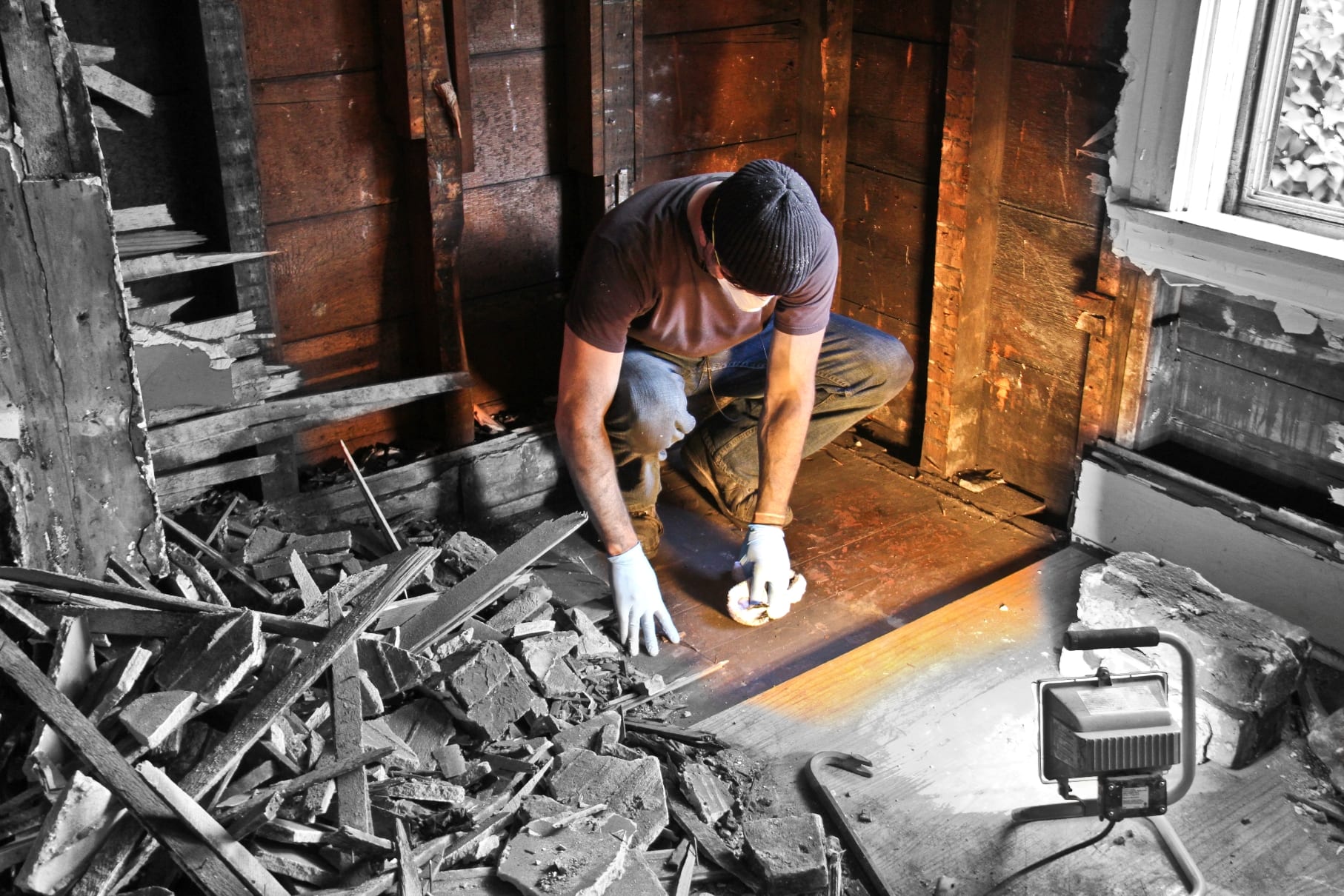
i made every attempt to unlock the mysteries of the john kent russell house’s history, both in terms of its construction (with an emphasis on the materials and the methods used to construct the house) and later on, in the buried artifacts that lay beneath the house and behind, underneath the non-extant stable. i was not prepared for the effects the russell would have on my life. it was, quite frankly, one of the most astonishing and completely unexpected turn of events in my career, and everything i do now pivots on this moment and what i later discovered.
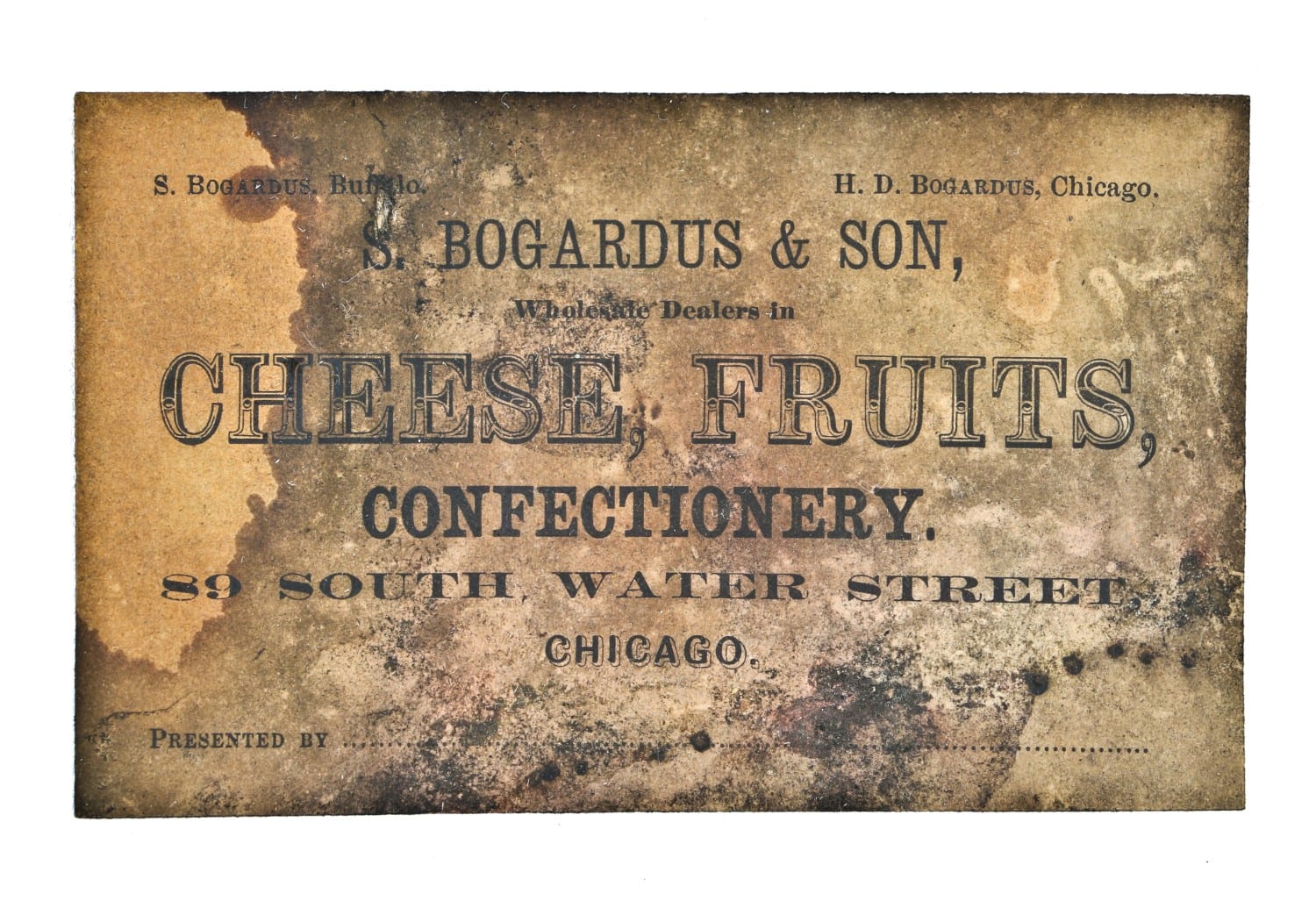
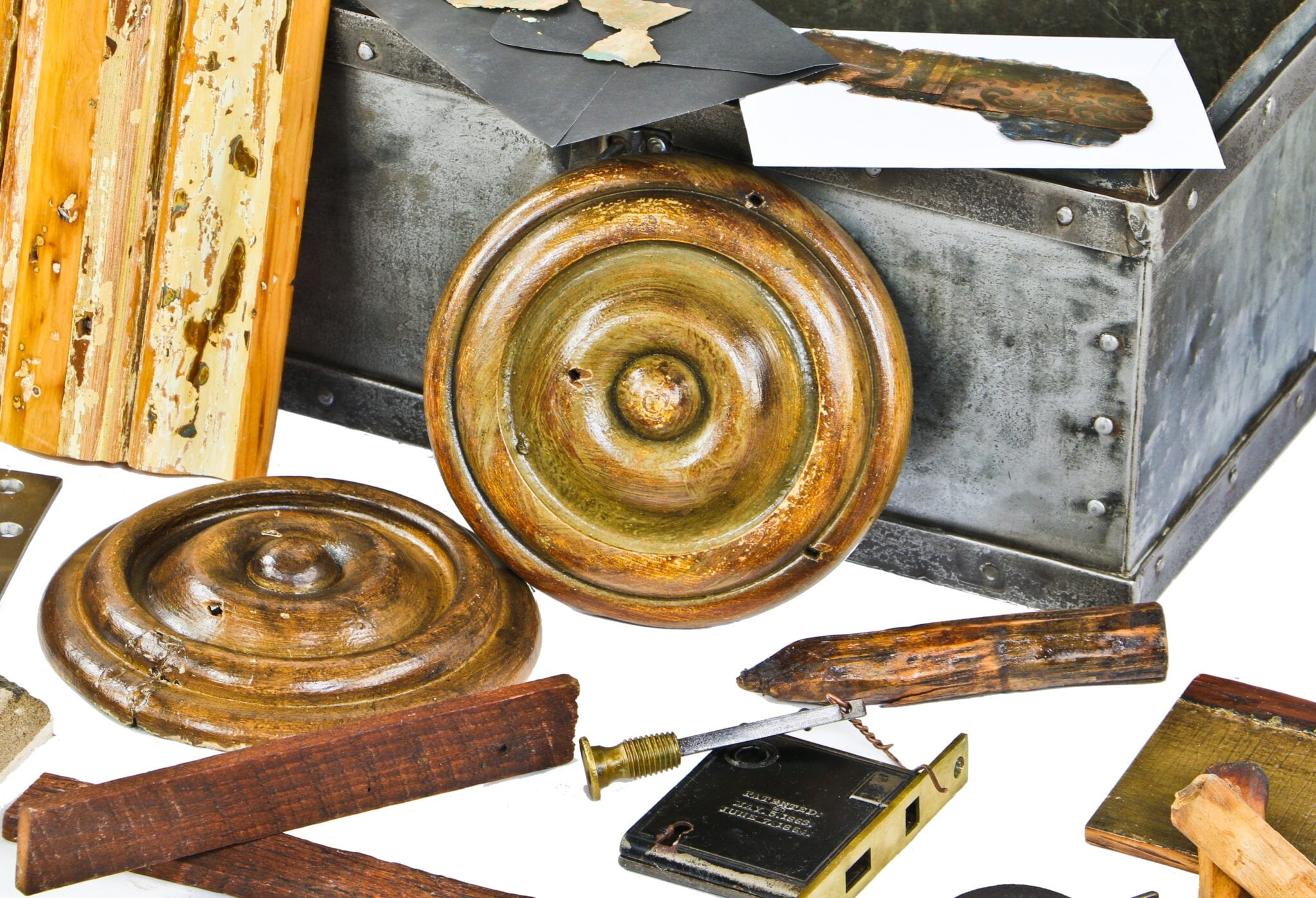
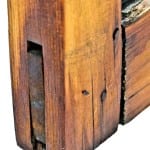
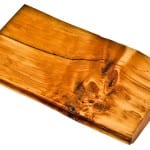

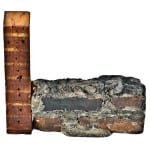
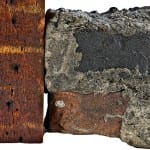
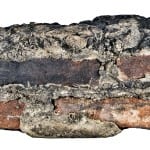
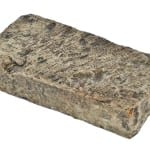
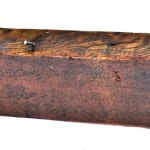
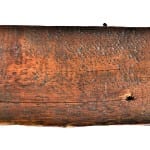
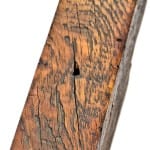
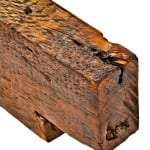
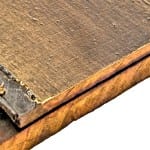
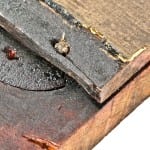
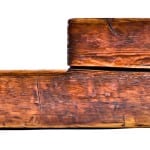
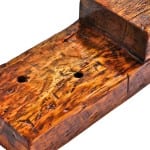
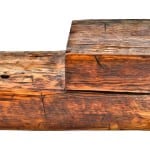
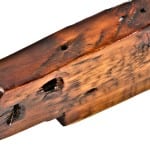
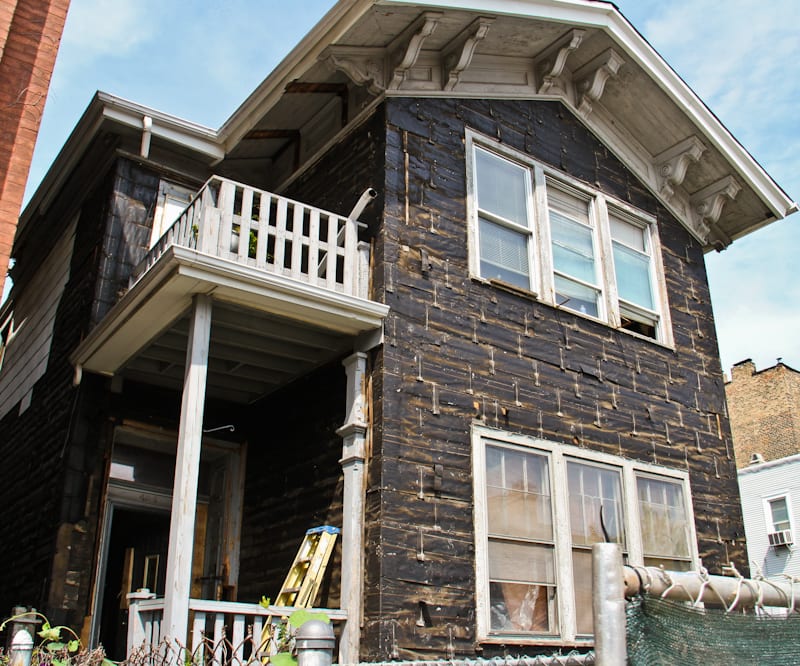
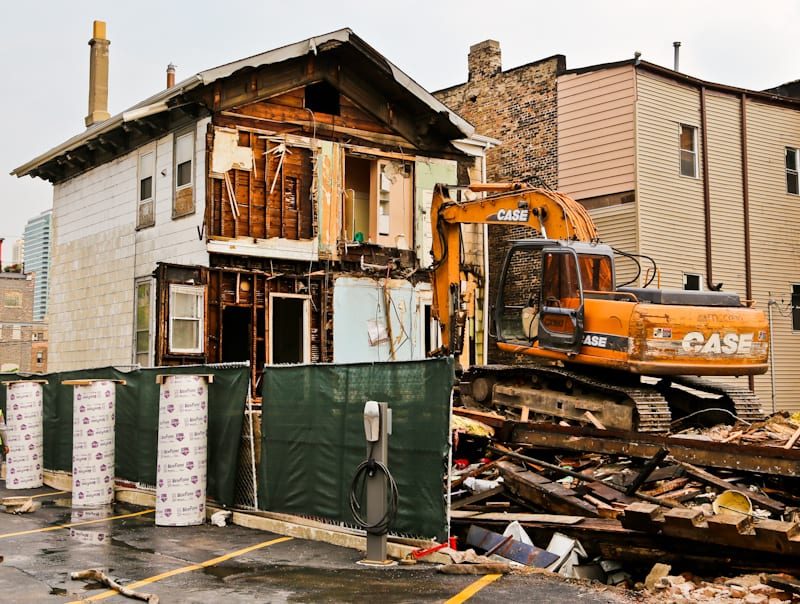
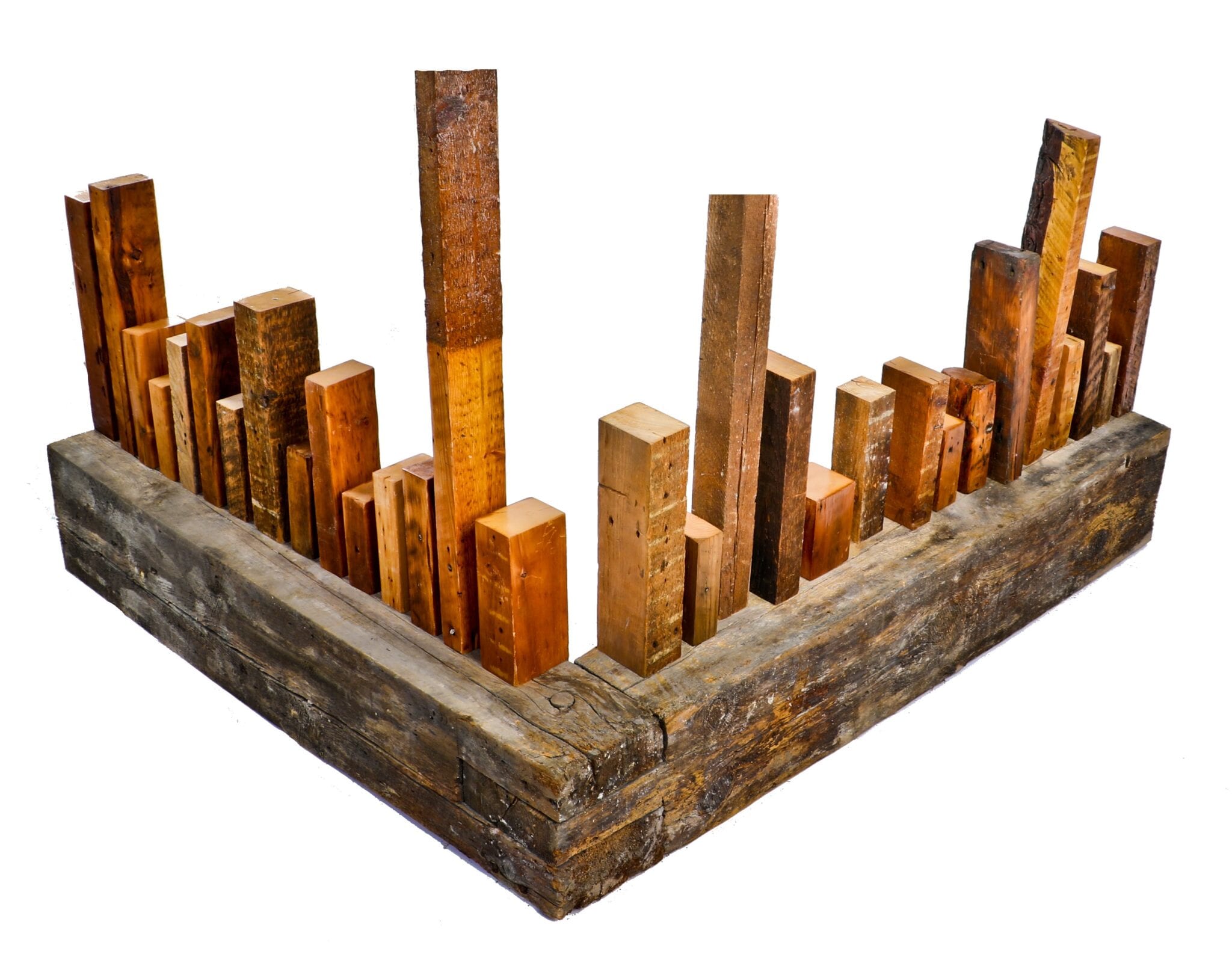
after salvaging artifacts from the house for my building materials “laboratory,” as well as teasing out materials of importance for the upcoming “decontructing chicago” book, i spent the next three seasons deeply immersed in anything to do with this mid-nineteenth century, 159-year-old-residence. in fact, my significant other was repeatedly frustrated enough to coin my drifting into tunnel vision “russell mode” — a world where nothing else was of interest or importance.
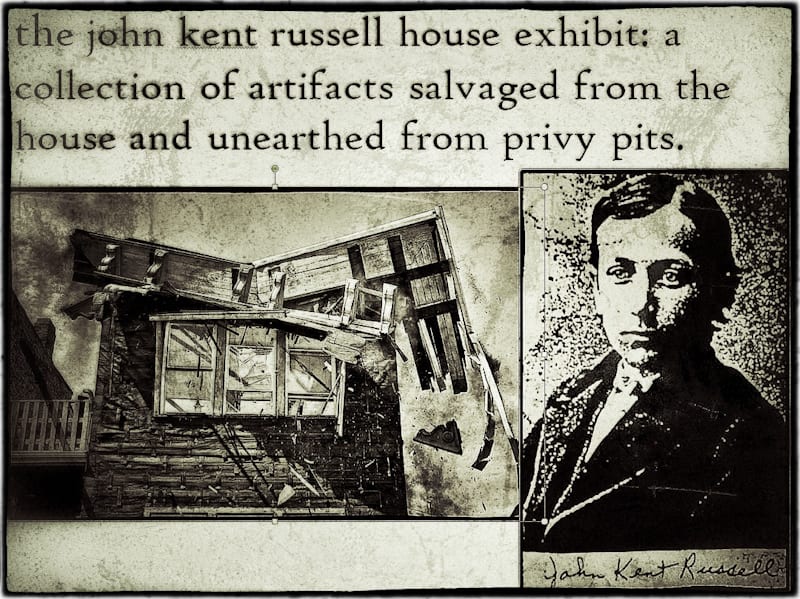
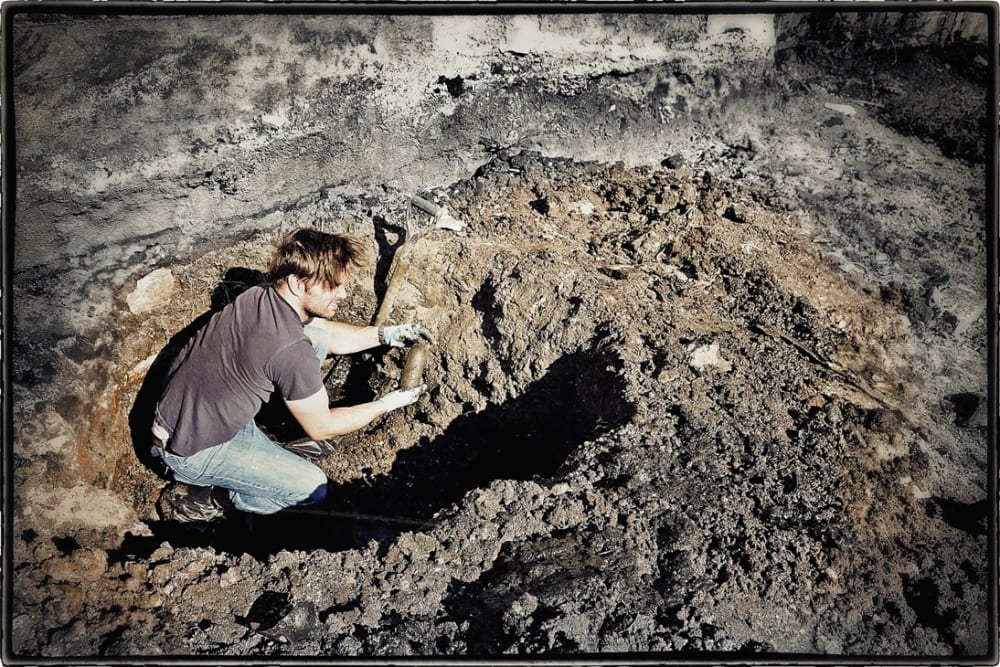
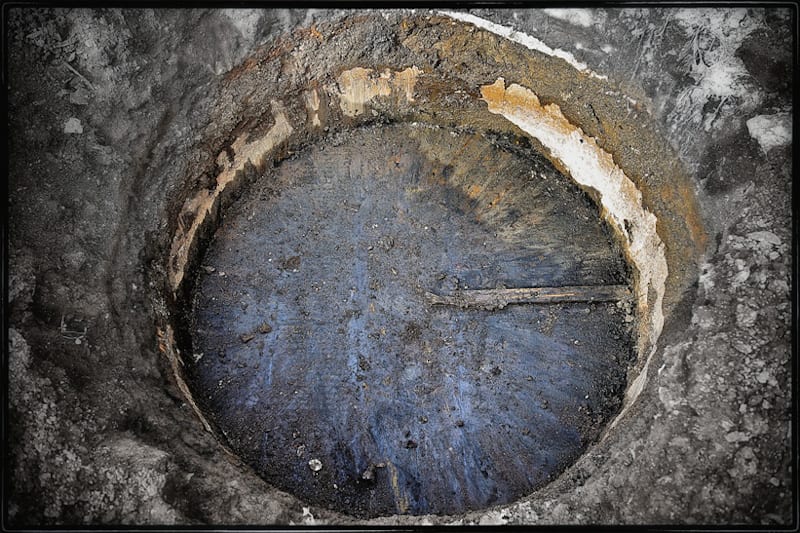
nothing weighed as heavily as deconstructing the house and investigating its components, its subsequent demolition, or sporadically (and later systematically) digging and sifting through every inch of the lot for privy vaults or trash pits.
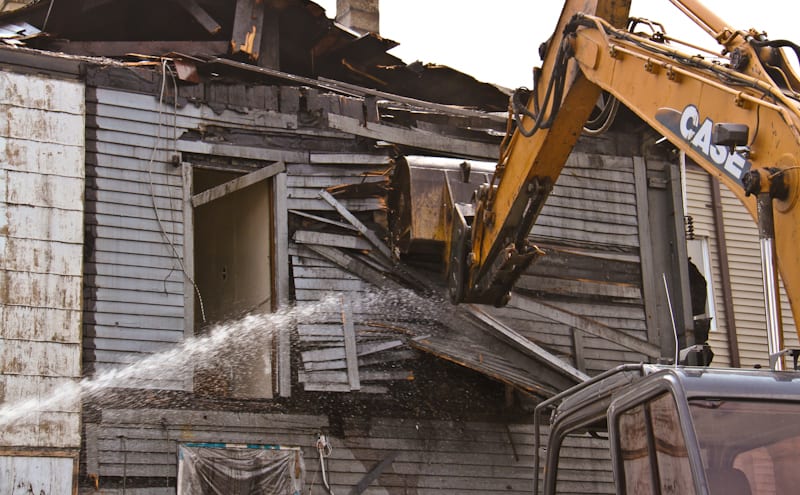
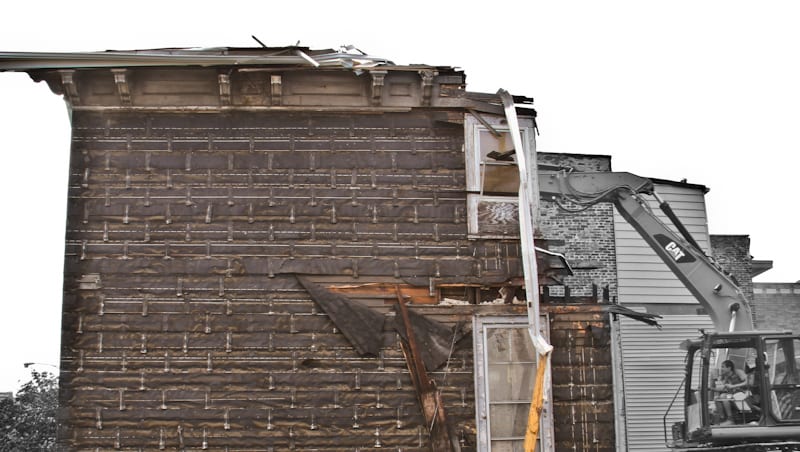
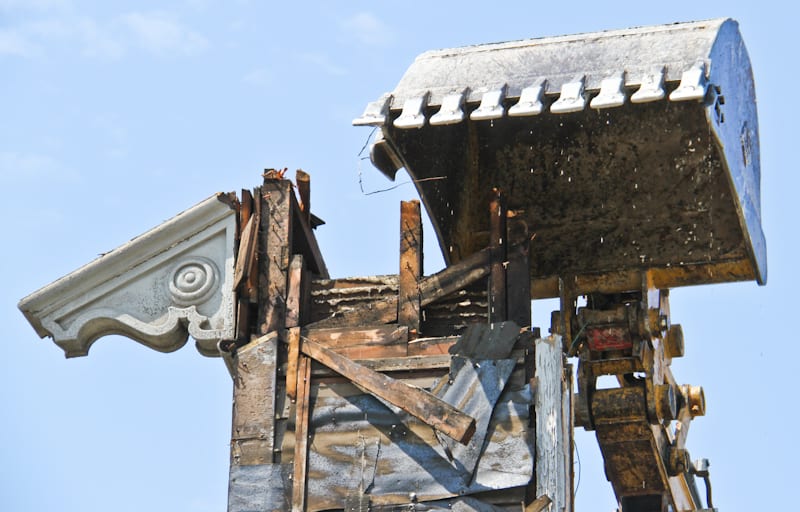
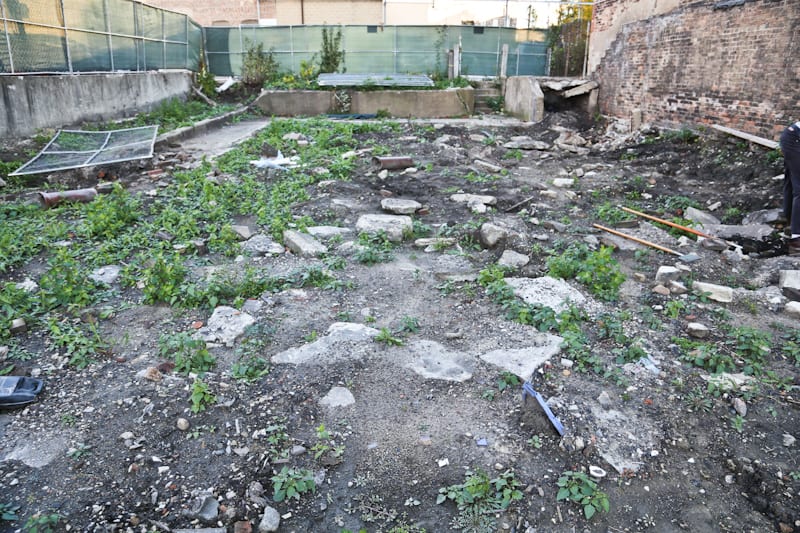
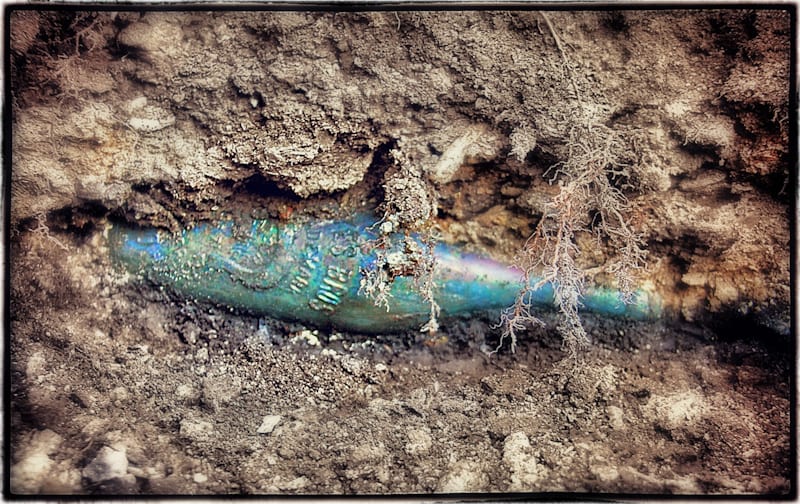
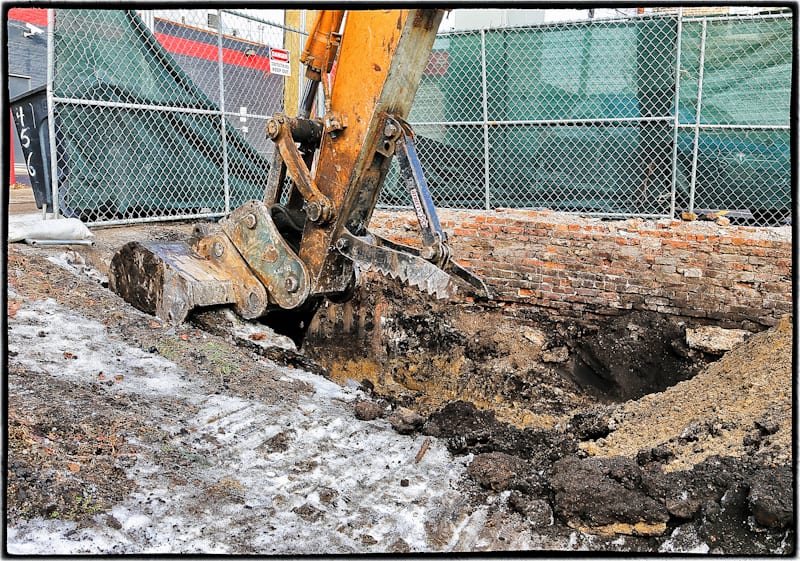
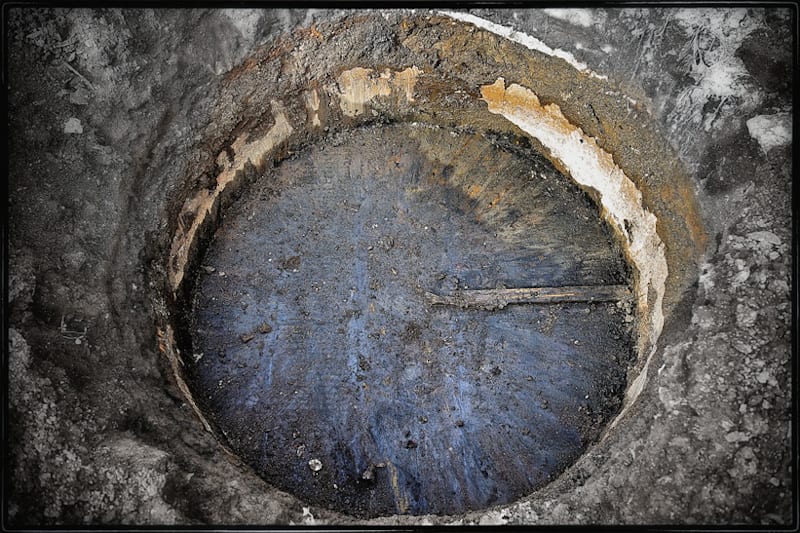
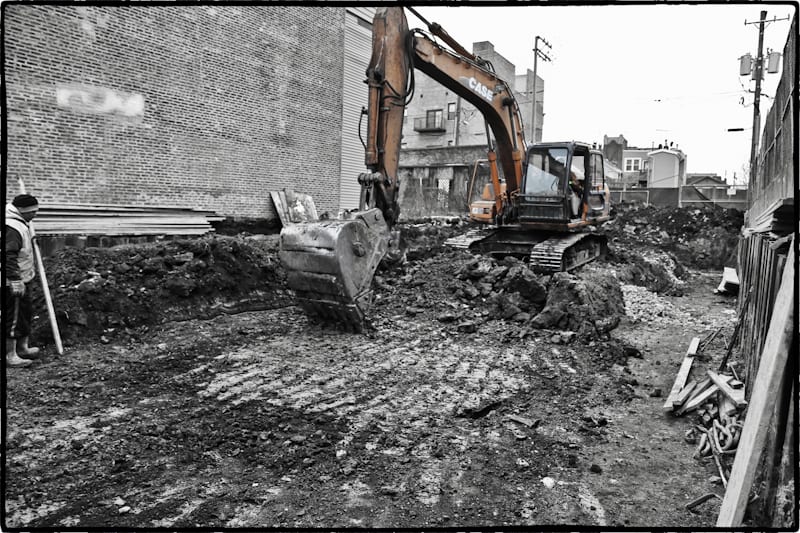
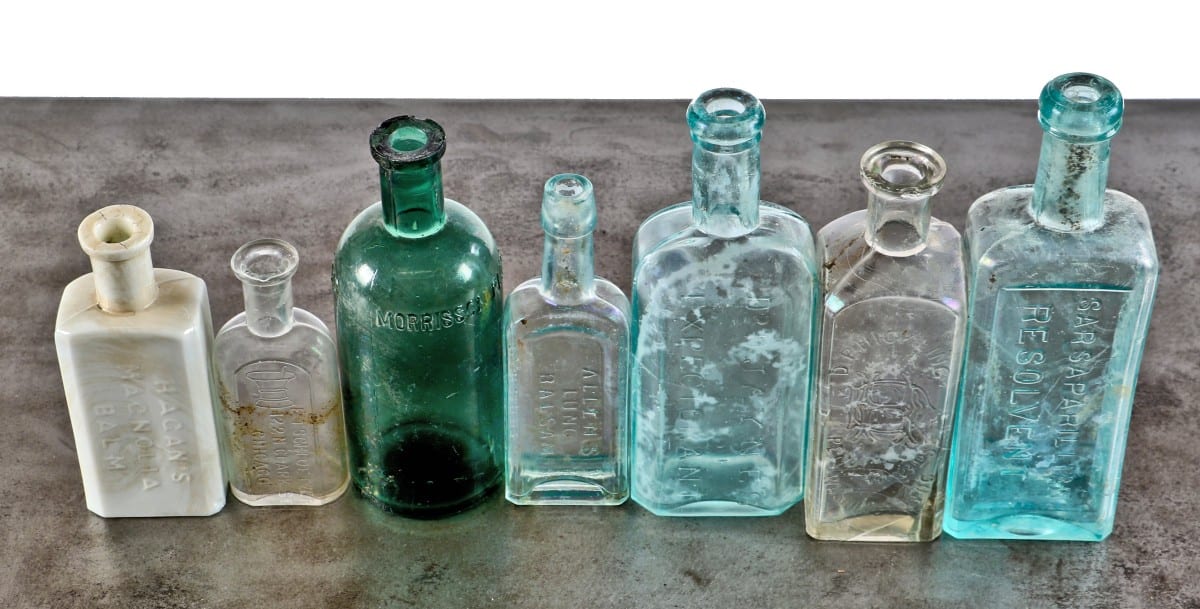
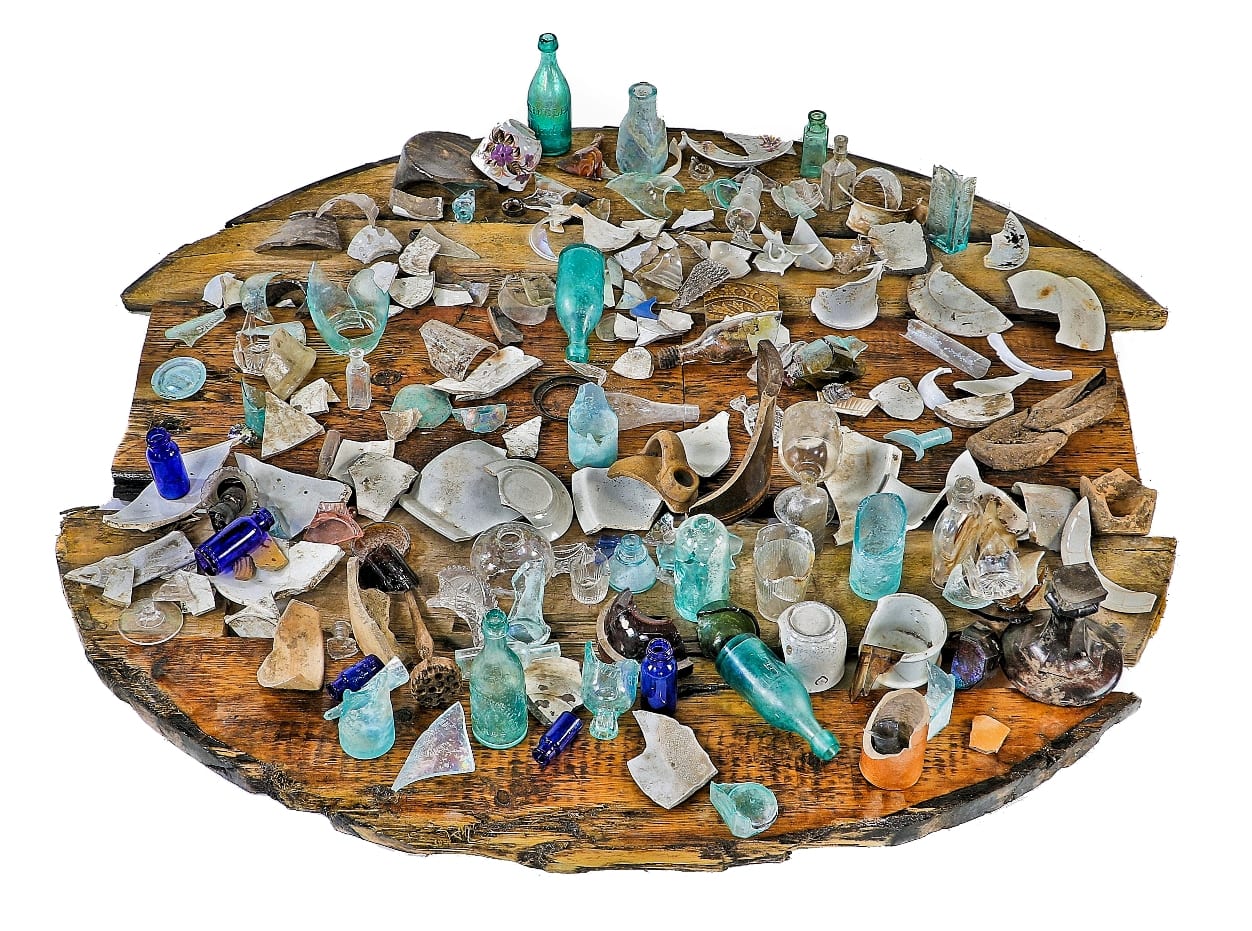
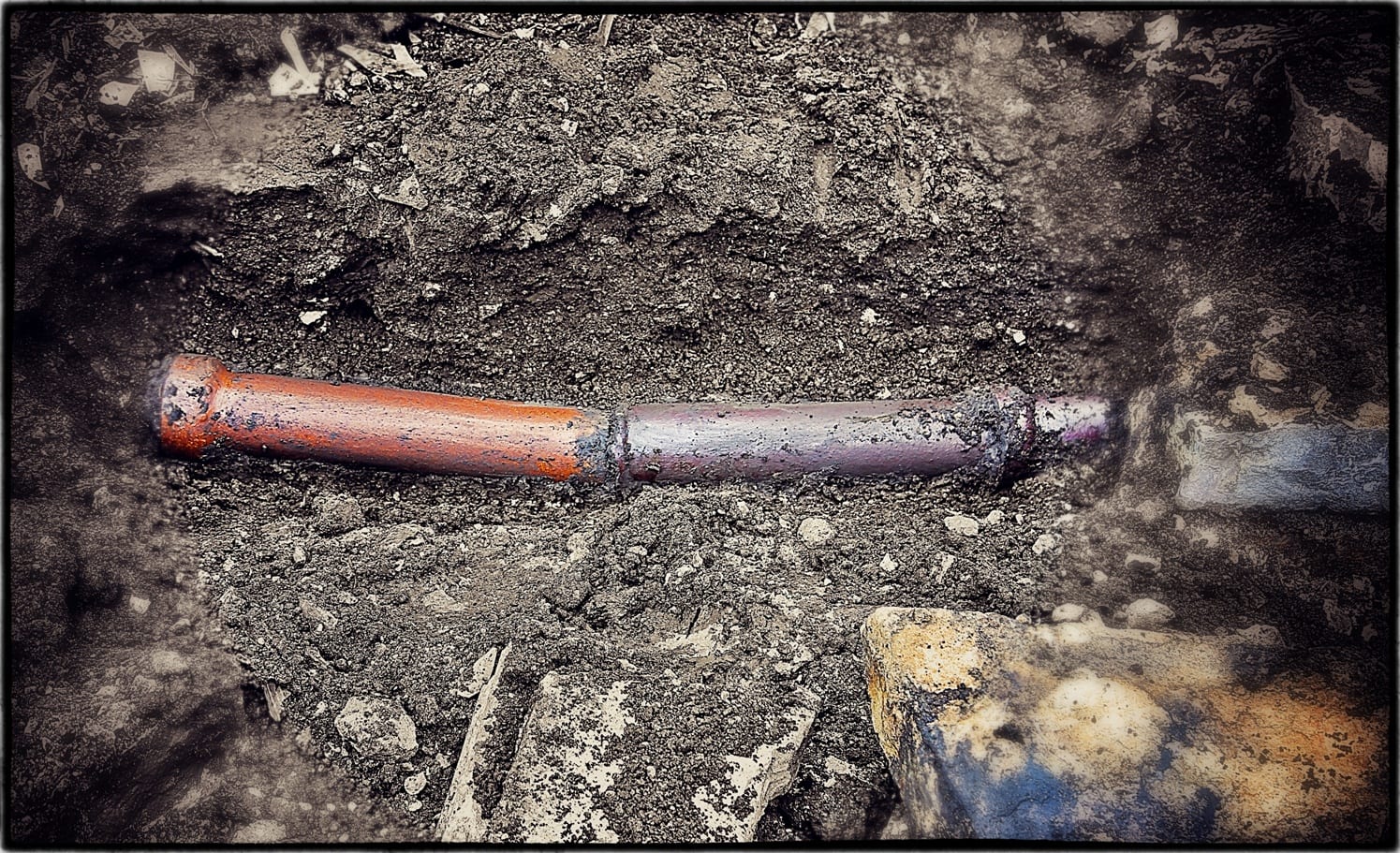
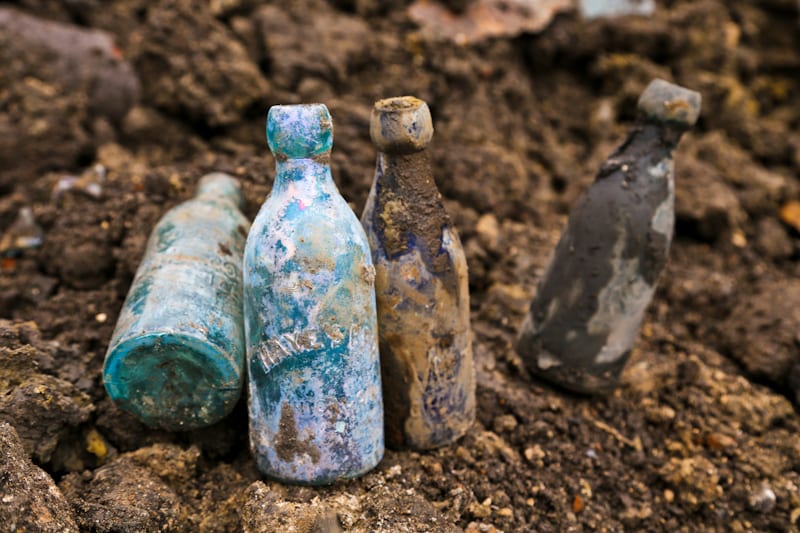
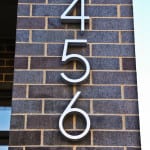
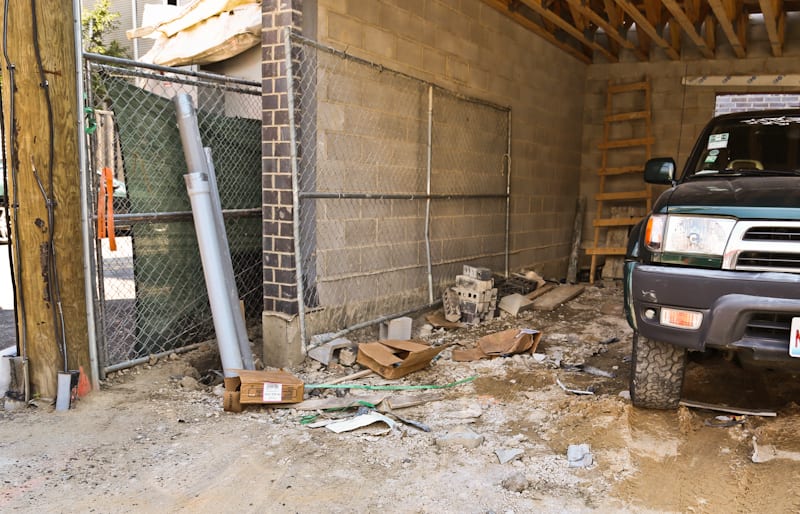
the final excavation phase was at the forefront of my mind. this would entail a very thorough analysis of the land. that morning, as i watched the machine operator open up the earth for me to comb through, i felt as if an entire, buried history lay cramped in pockets of silt and dirt and wood under my feet. i was looking for any additional buried artifacts left behind by the russell family or the generations who called 456 north carpenter street home. i obsessively documented each find, cataloging every scrap, researching every broken shard, every intact bottle, every chip of pottery.
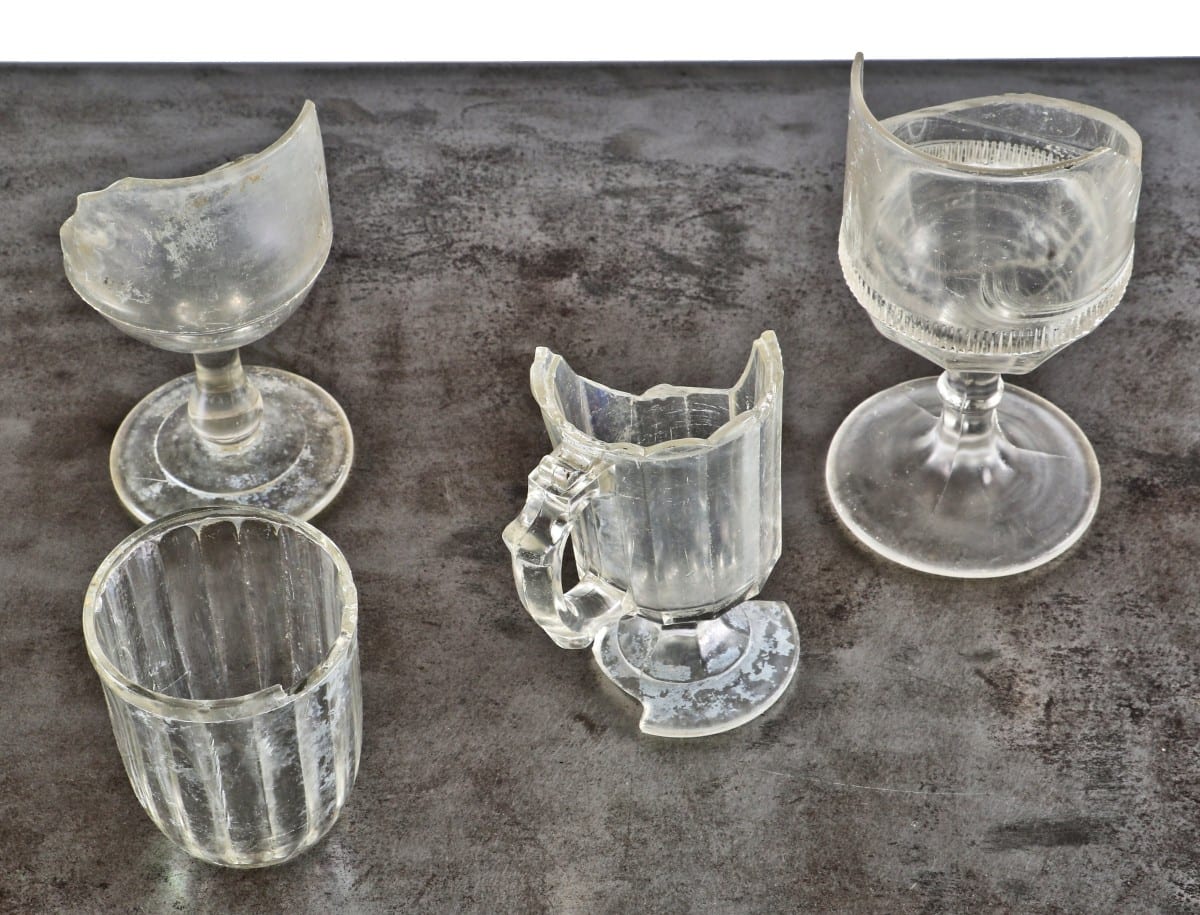

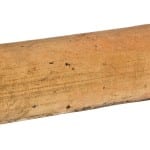
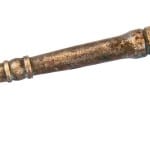
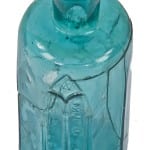

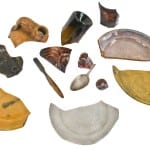
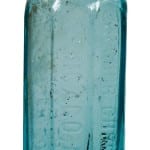

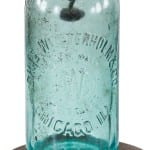

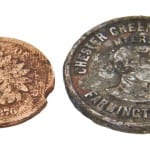



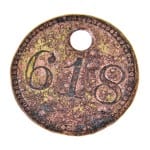
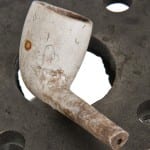

without going into great detail, since the blog carries a number of posts pertaining to my discoveries there, i will say the long-dormant 1850’s infatuation over my hometown housing stock was reawakened with vigor while salvaging the russell house. it has since lead to a rather ambitious project known simply as “deconstructing chicago.”
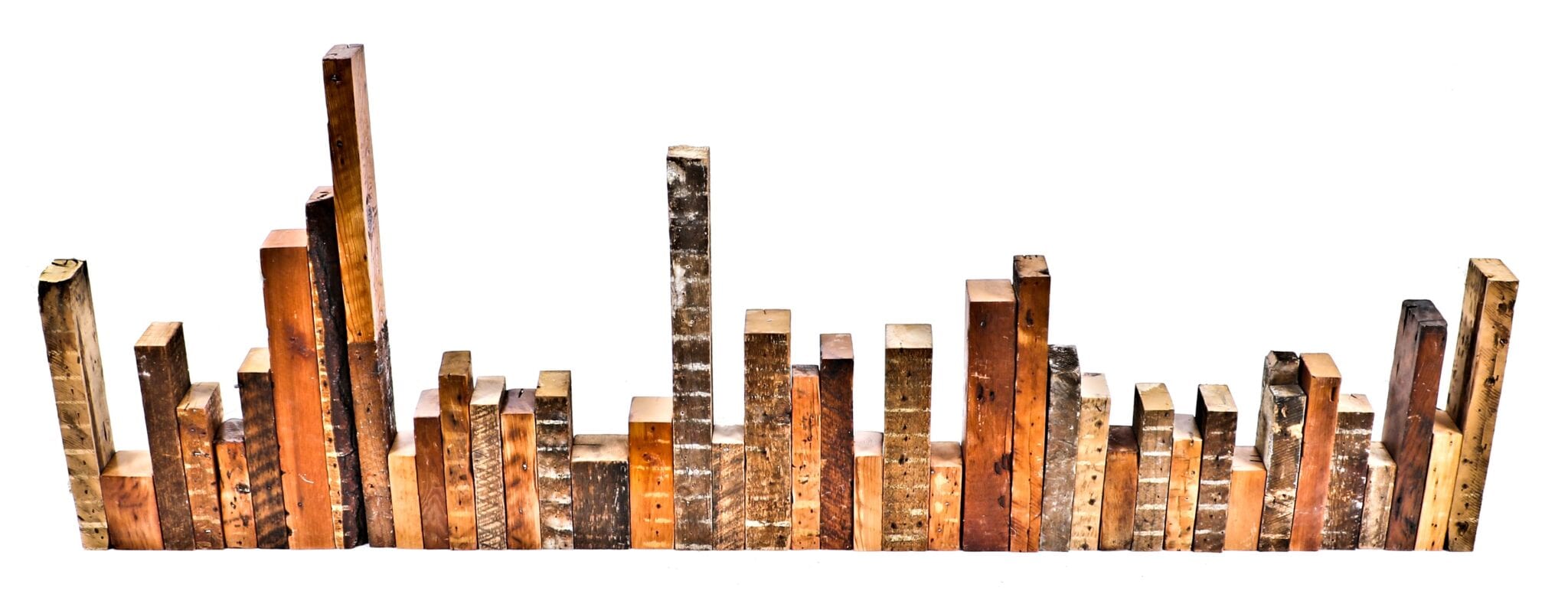
the other equally important facet spawned from this salvage became a year-long effort to discover as much material left by 19th century chicagoans in trash pits and privies all around the city. the data collected from this tremendous effort has lead to “unearthing chicago,” which is the culmination of my finds, photographs and notes bunched together in the form of a book due out later this year.
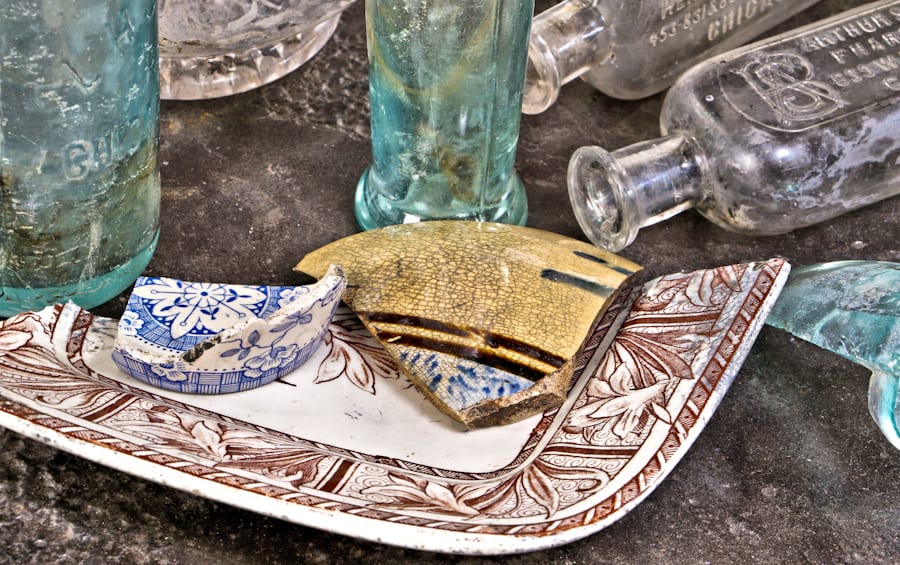
the russell house was the great stimulus, reaching far into my past to bridge my younger self to the work i’m doing now. a full circle of my passion.




 to be continued…