

28 Sep a virtual museum collection of fragments from chicago’s past
fragments of chicago’s past from the collections of eric j. nordstrom and the bldg. 51 archive.
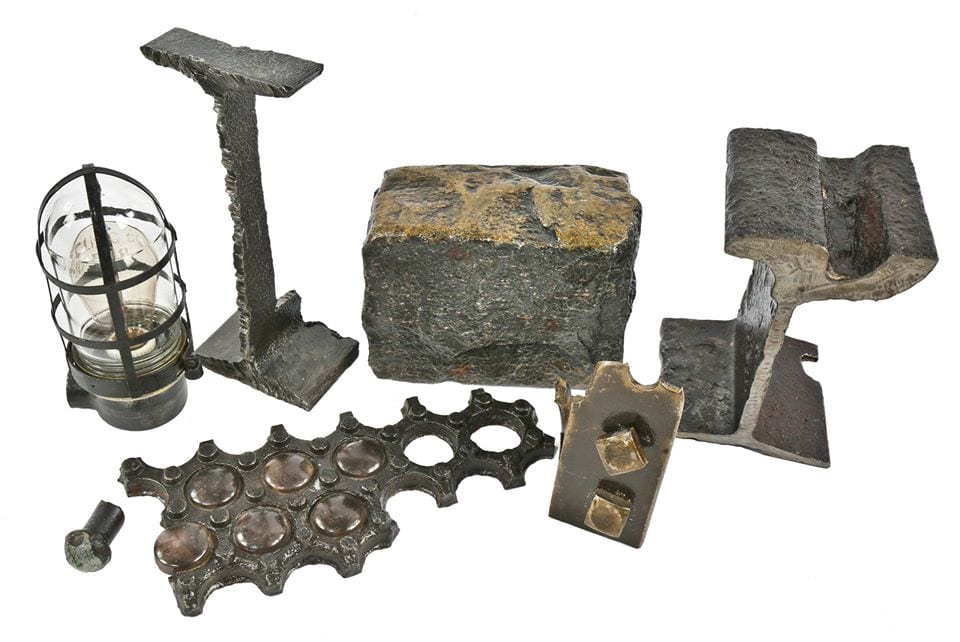
objects of interest:
-granite paver unearthed near the site of the 1886 haymarket riot. the massive pavers were used to support the weight of crane company carts loaded with brass, bronze, and iron fittings.
-brown brothers cast iron sidewalk vault light fragment with glass rondels.
-structural steel i-beam fragment salvaged from cobb’s 1893 chicago athletic association building during restoration.
-structural steel column fragment (with bolts) from an a. finkl foundry building erected in the early 20th century.
-unearthed section of late 19th or early 20th century chicago street or cable car track.
-cook county hospital powerhouse gantry crane “explosion proof” light with original tipped tungsten filament lightbulb.
-a discarded rivet head from a chicago “l” structural column or cross beam.
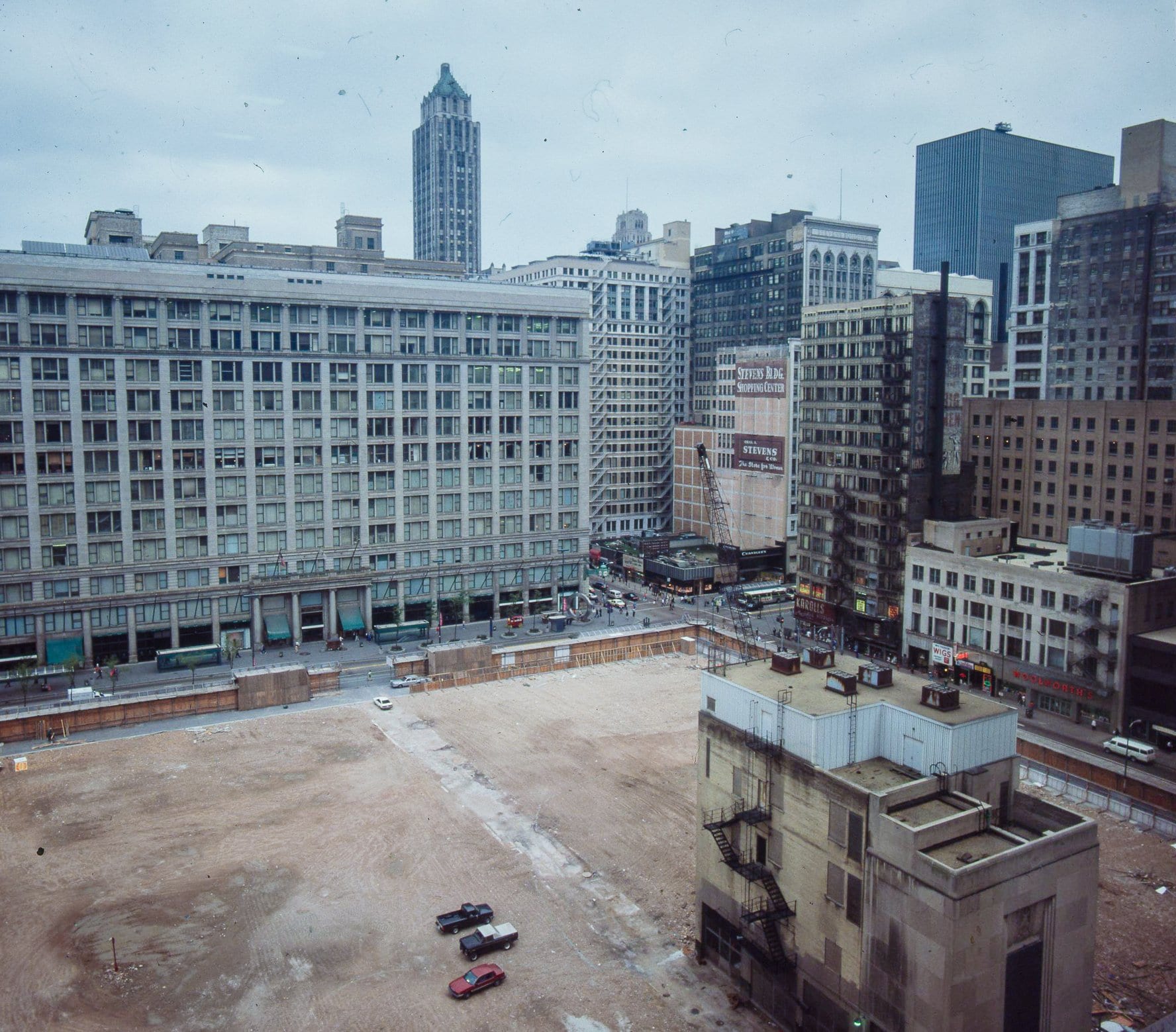
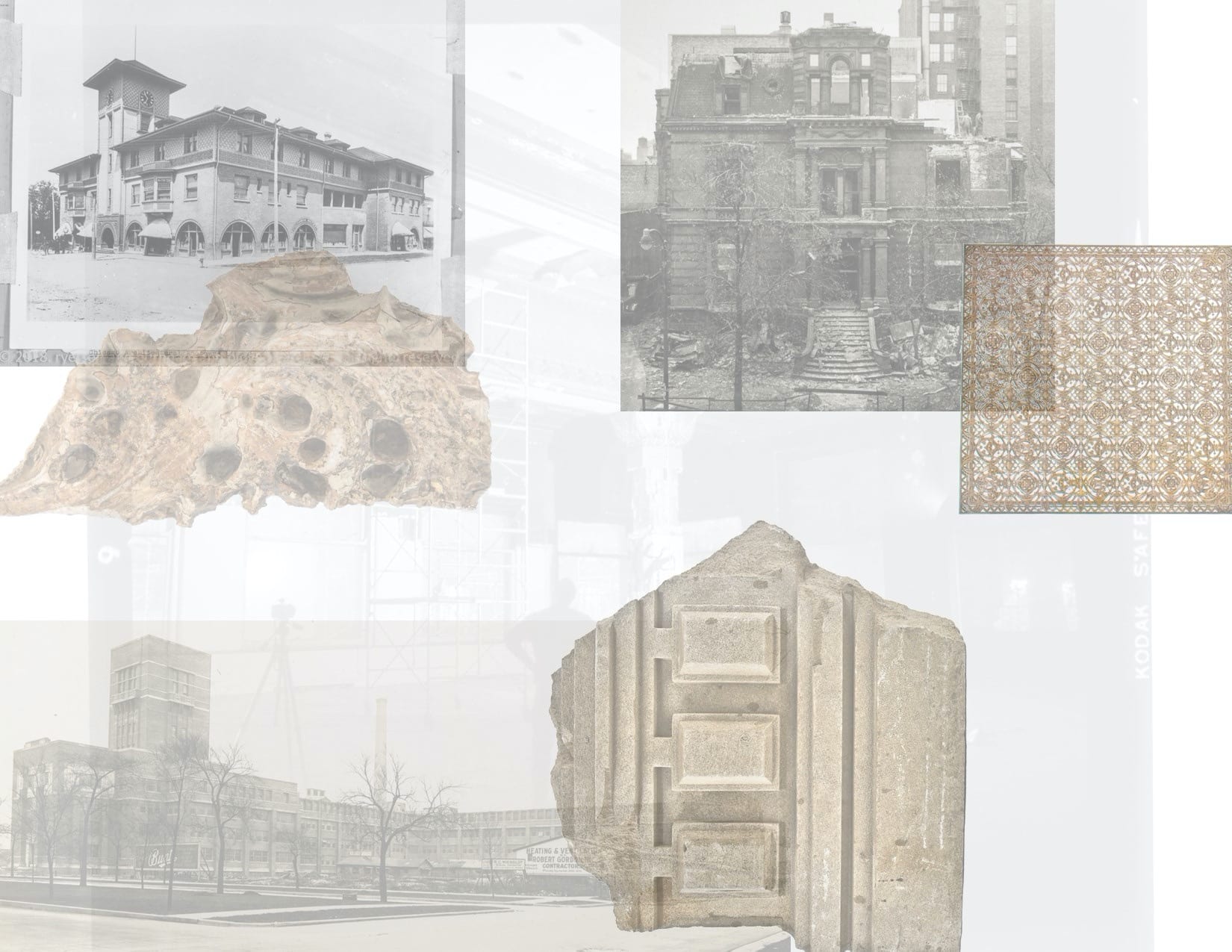
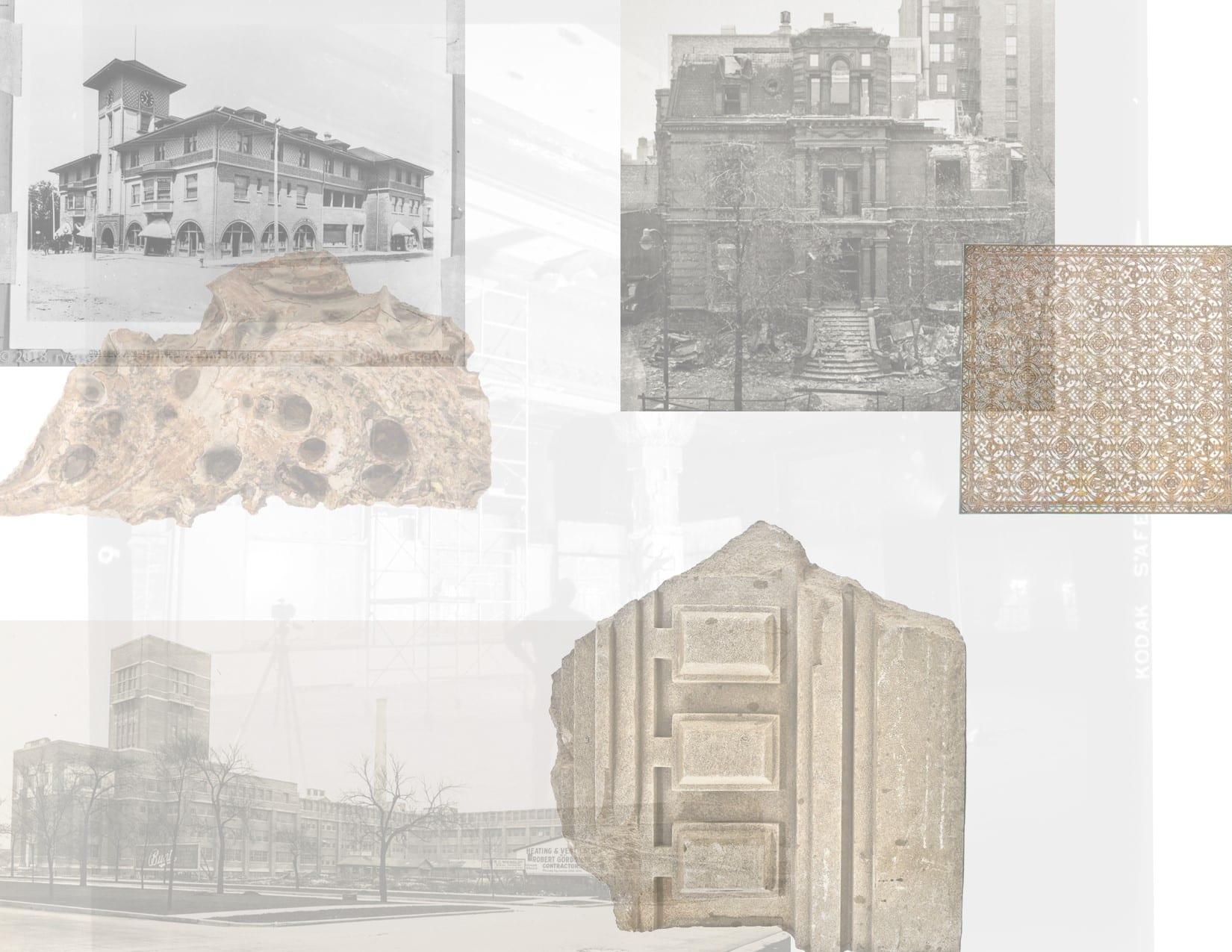
sobering reminder of the botched “block 37” development that resulted in several historically important buildings being decimated. casualties included van osdel’s post-fire mccarthy building (1872), stop and shop (1928) by schmidt, garden, and martin, wheelock’s western methodist book concern (1899), p.b. wight’s springer block (1872) – later remodeled by adler and sullivan), and warren’s only commercial building, the unity building, completed in 1892.
i’ve included artifacts salvaged from a few of the buildings (housed in the bldg. 51 museum collection). the sandstone lunette was from springer block (carved by james legge), sullivanesque terra cotta from wheelock’s methodist, and finally, a cast iron fragment – designed by hugh garden – from stop and shop.
john vinci kodachrome slide courtesy of john vinci collection. architectural ornament courtesy of bldg. 51 museum collection
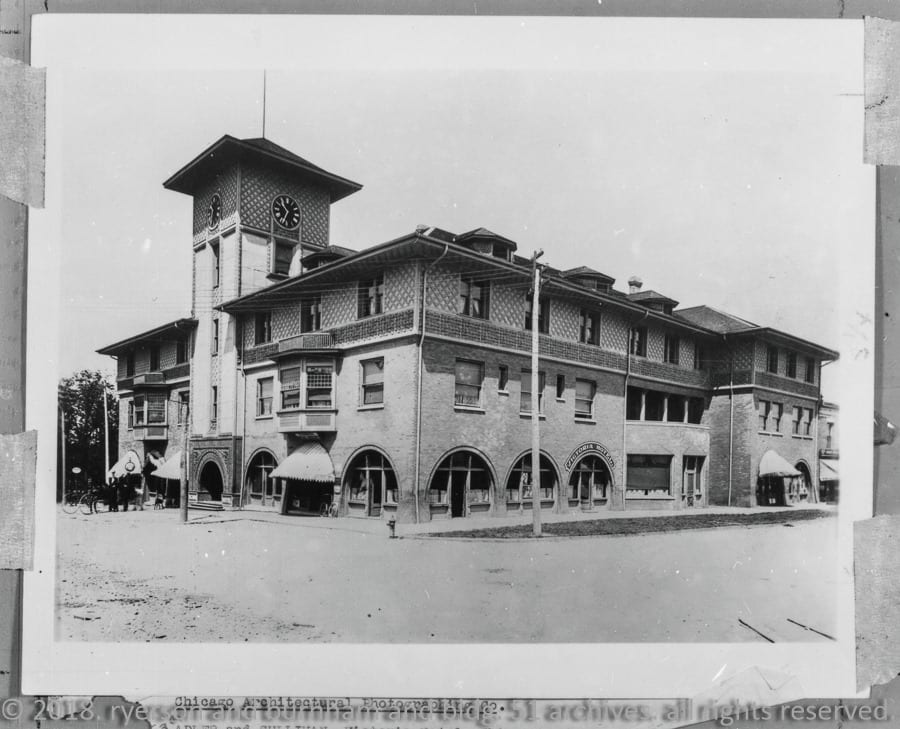
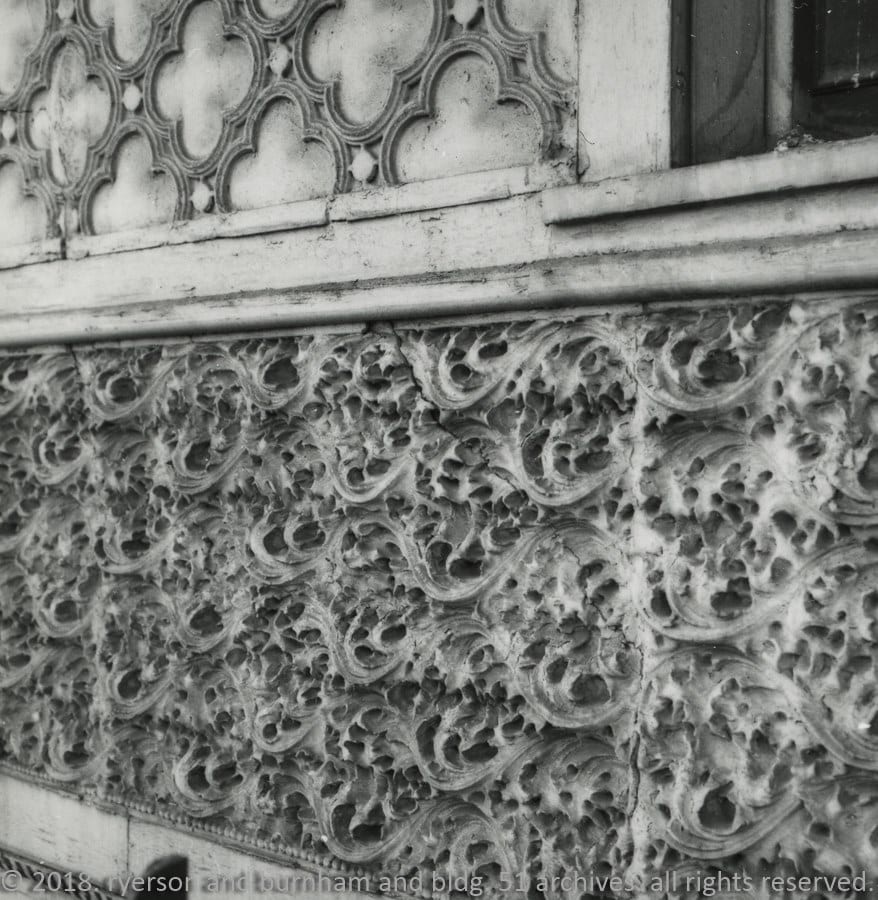
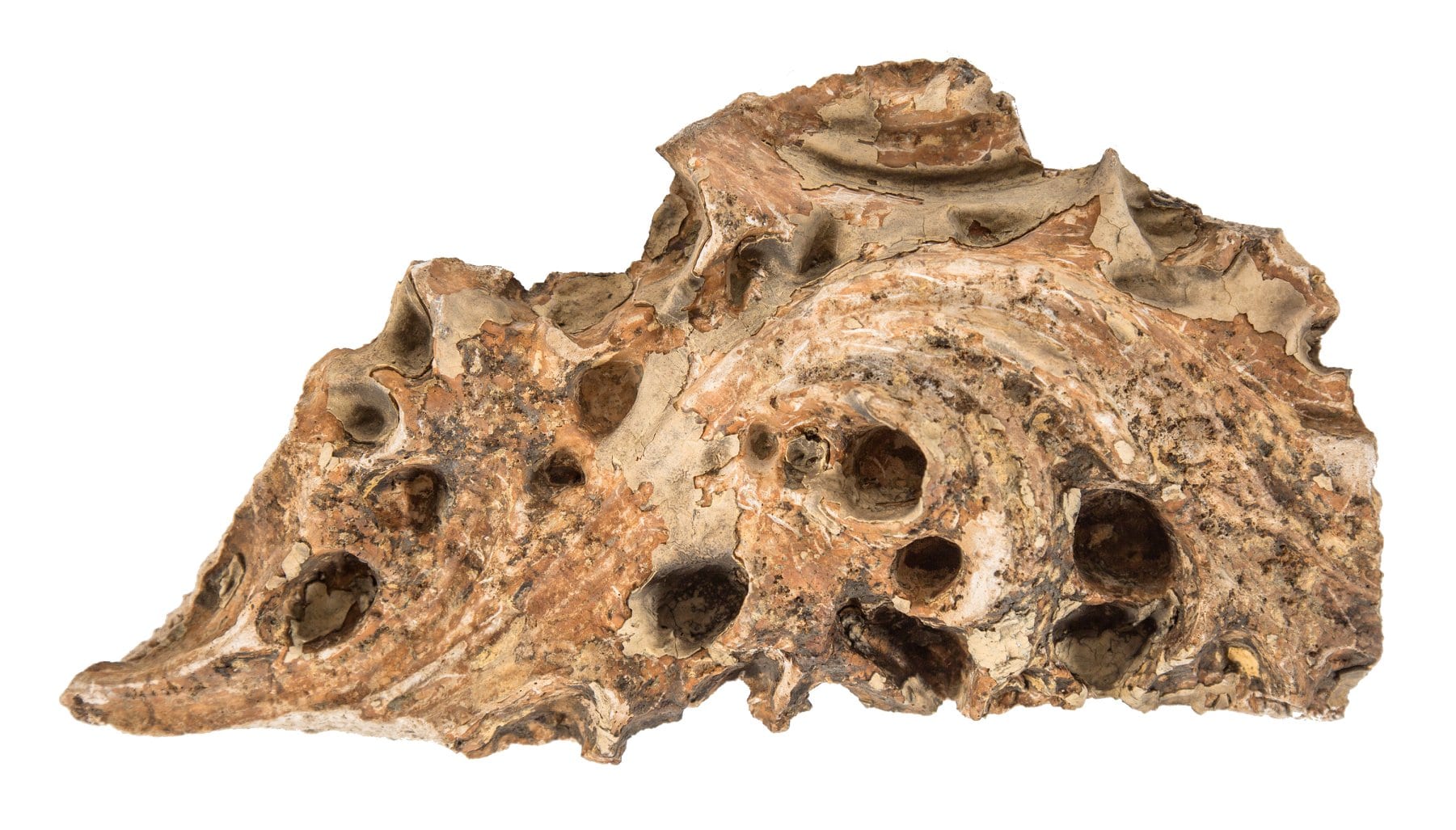
original louis sullivan-designed exterior leaf fragment salvaged from the heavily ornamented staff-clad top floor of the victoria hotel (adler and sullivan, 1892) during its demolition in 1961. according to george grant elmslie, frank lloyd wright worked on the building’s design, but left adler and sullivan before the building was completed.
the visually striking fragment with deep undercuts bears a strong resemblance to the leafy terra cotta used on the 13th floor of the schiller building (1892). the victoria hotel’s exterior ornament (including capitals) was sculpted by kristian schneider, who also did most of the schiller ornament for northwestern terra cotta.
richard nickel images courtesy of ryerson and burnham, art institute of chicago. artifact courtesy of bldg. 51 archive.
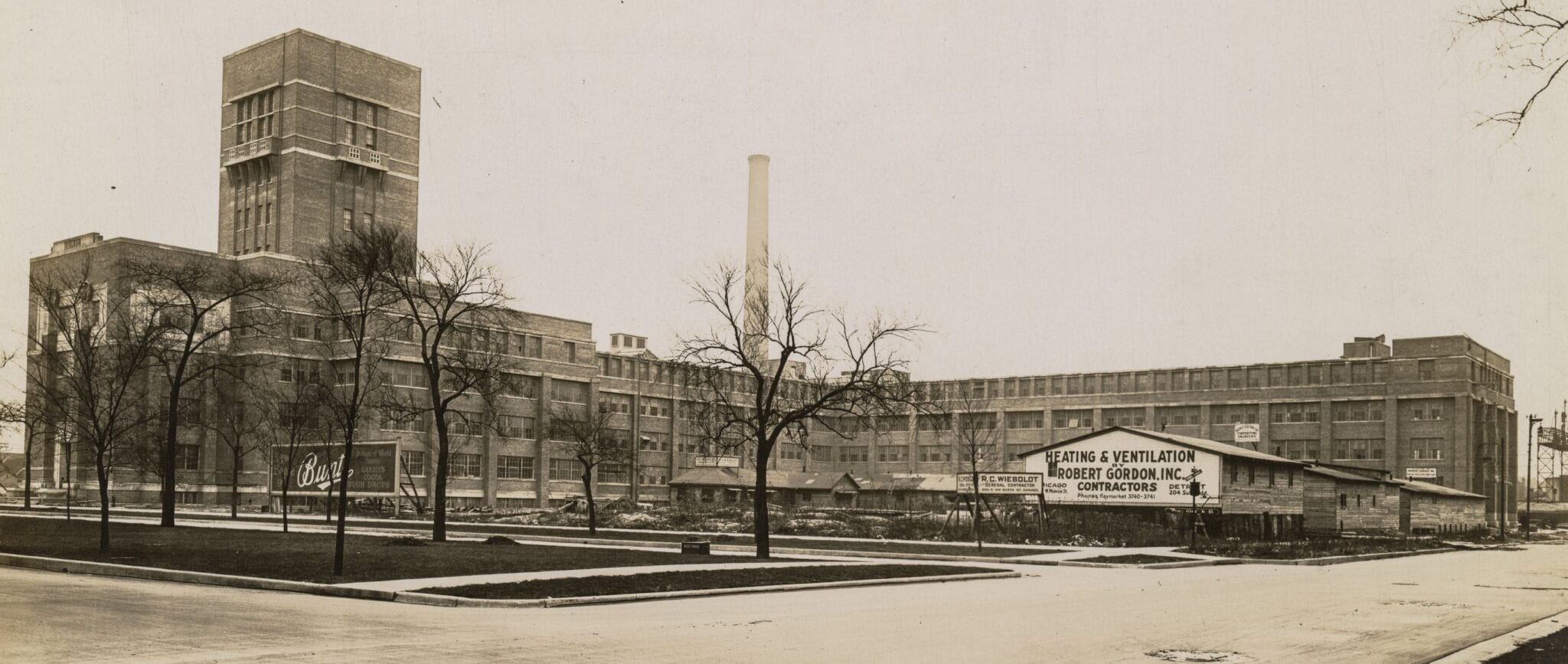
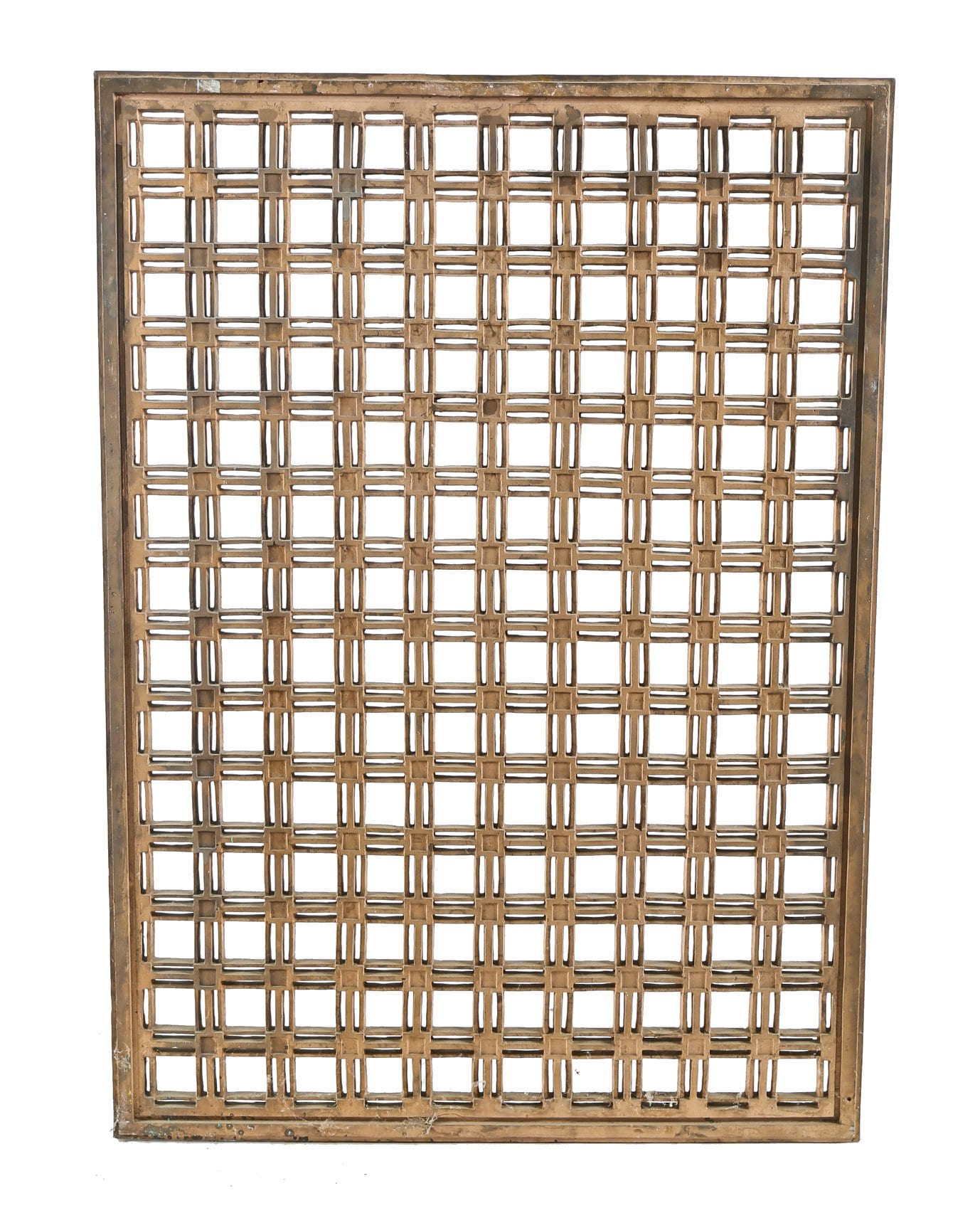
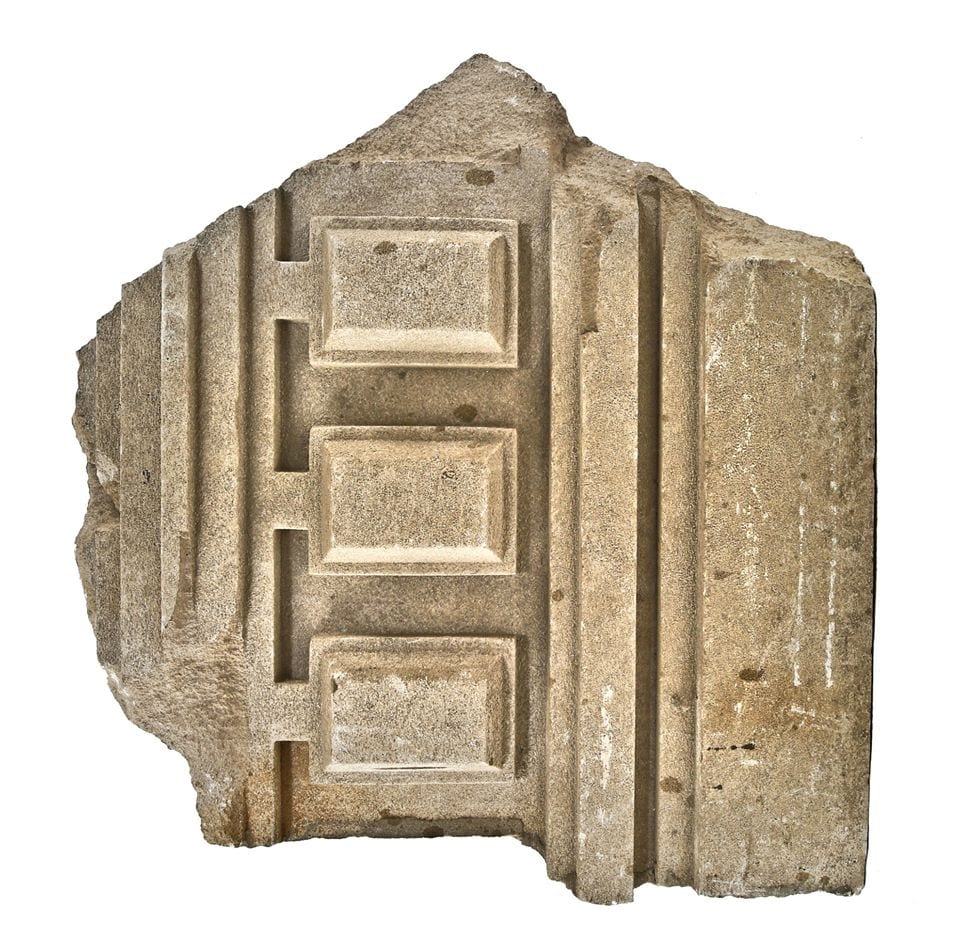
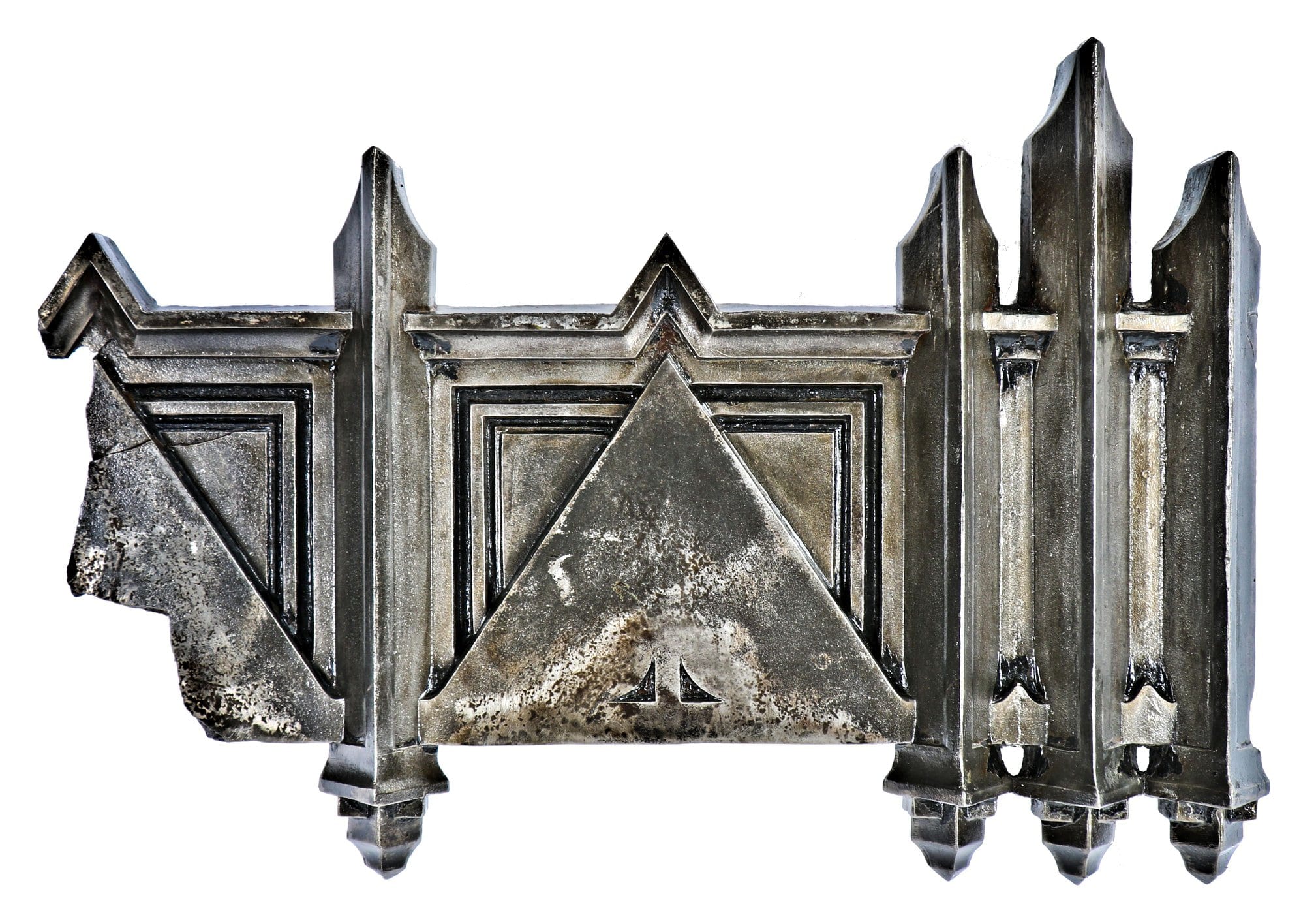
hugh garden-designed interior lobby cast bronze radiator grille and bedford limestone exterior facade panel fragment salvaged from schmidt, garden, and martin’s bunte candy factory (1919) during its demolition in 2009.
images and ornament courtesy of bldg. 51 archive.
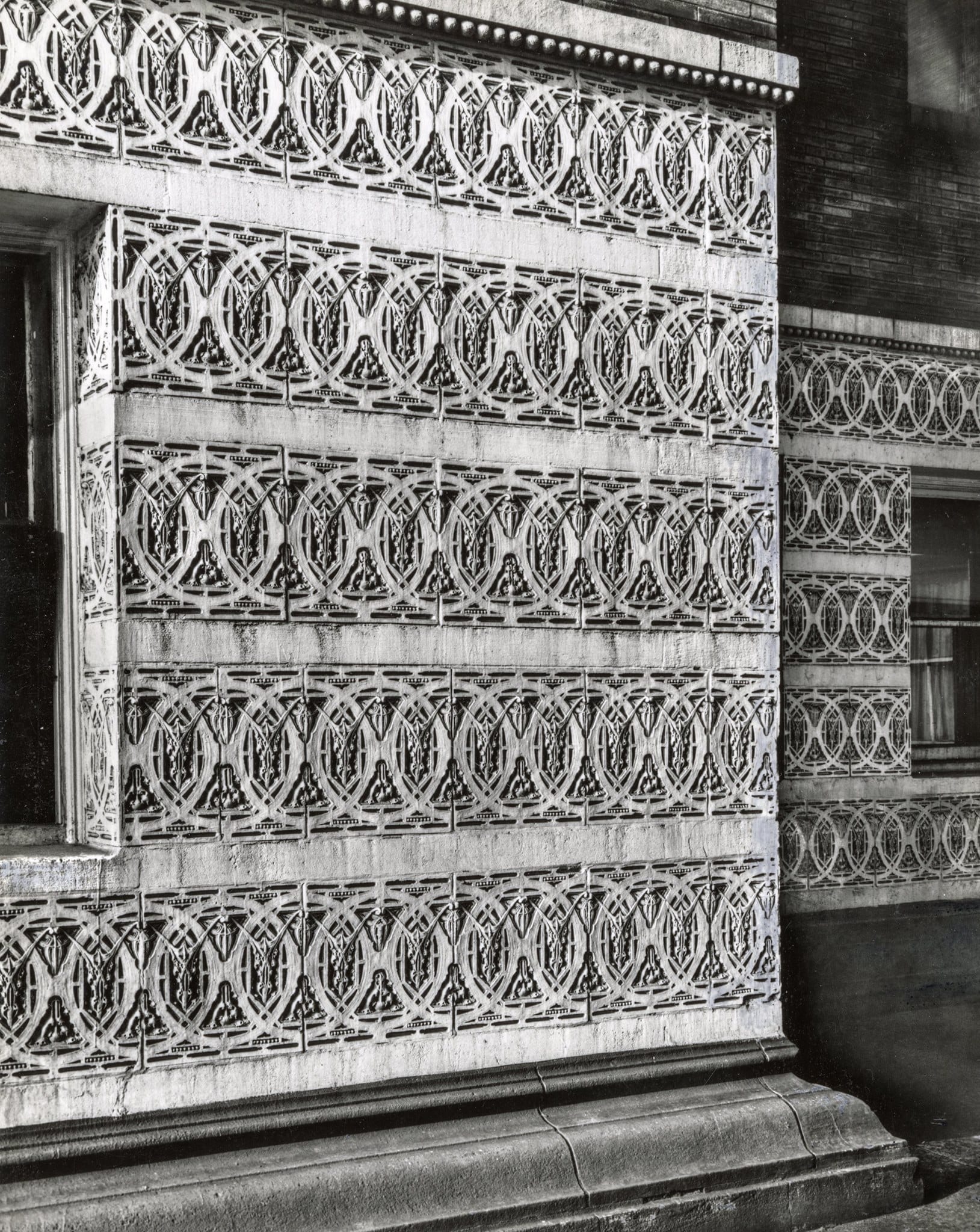
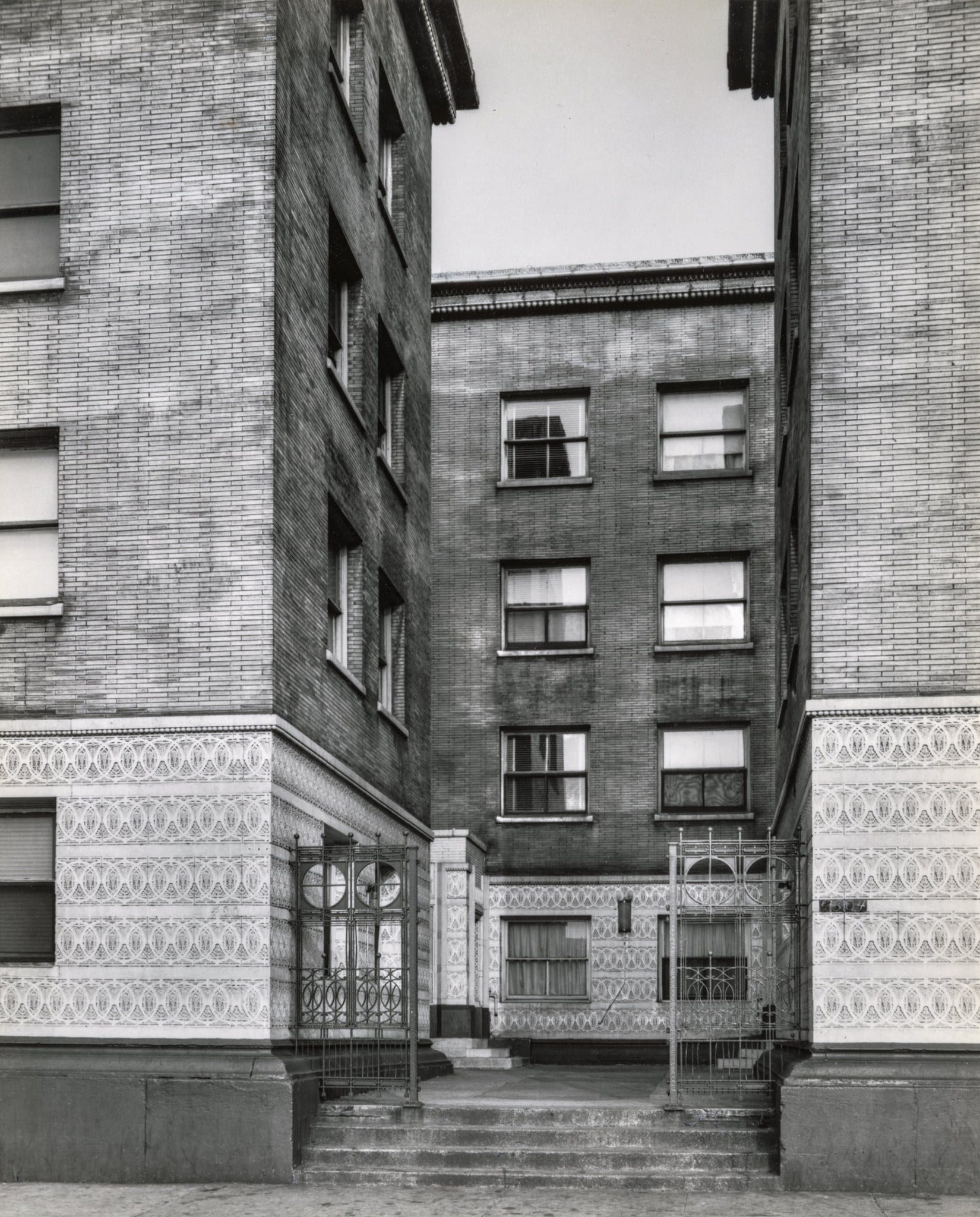
harold allen photos of frank lloyd wright’s four-story francis apartments building (1895). allen’s undated images were likely taken in the 1950s or possibly early 1960s.
the wrought iron entrance gates, bands of buff-colored strongly geometric terra cotta, and a custom-designed circular-shaped cast iron floor grate were salvaged during demolition.
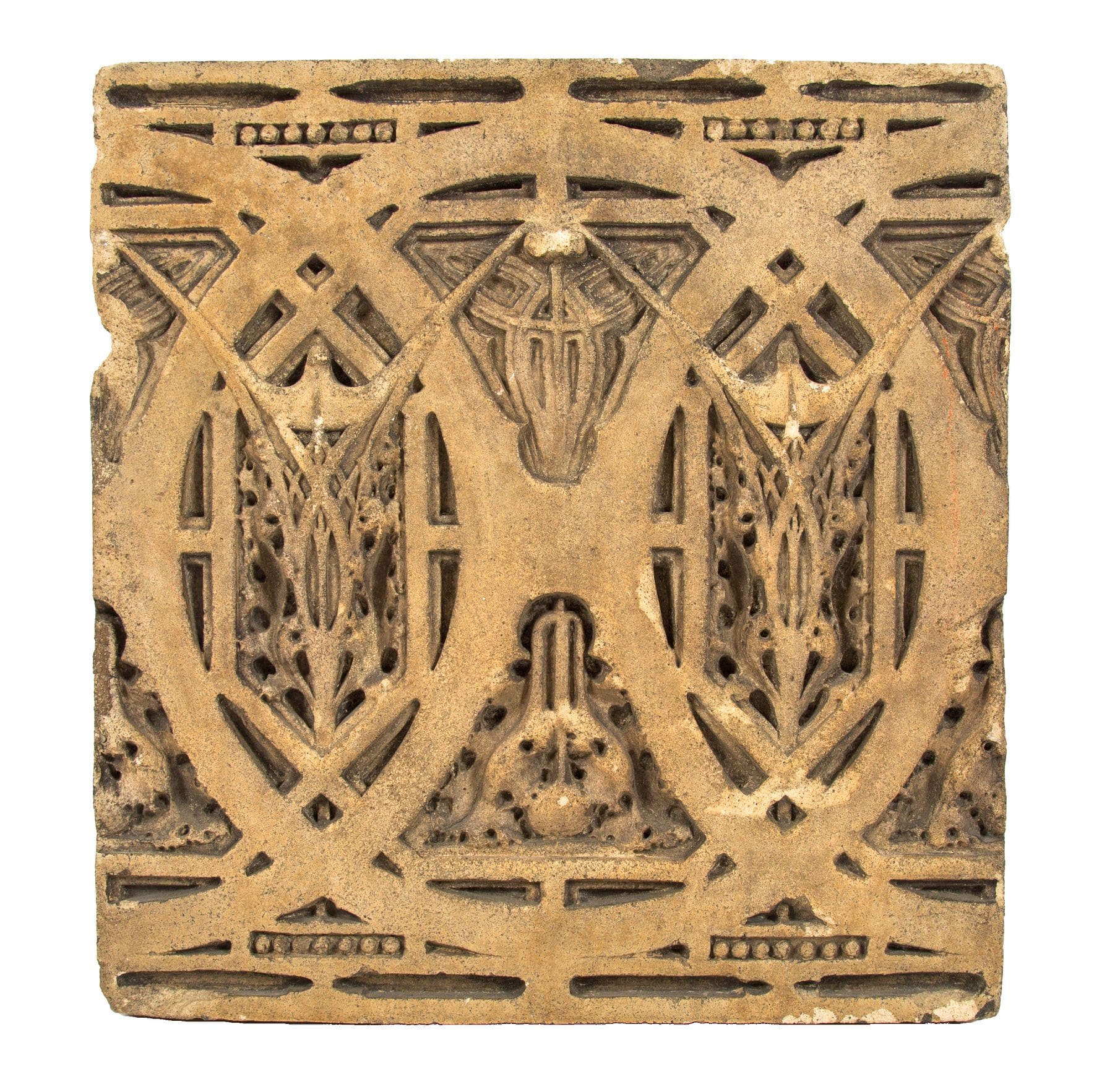
the frank lloyd wright-designed buff-colored slip glaze terra cotta exterior panel was salvaged during its demolition in 1971.
located between the building’s limestone base and brick facade, the terra cotta fragment was one of several matching panels used to form horizontal bands of strongly geometric interlocking circles accentuated with sullivanesque floral nodules
images courtesy of ryerson and burnham library, art institute of art. ornament courtesy of the bldg. 51 museum collection.
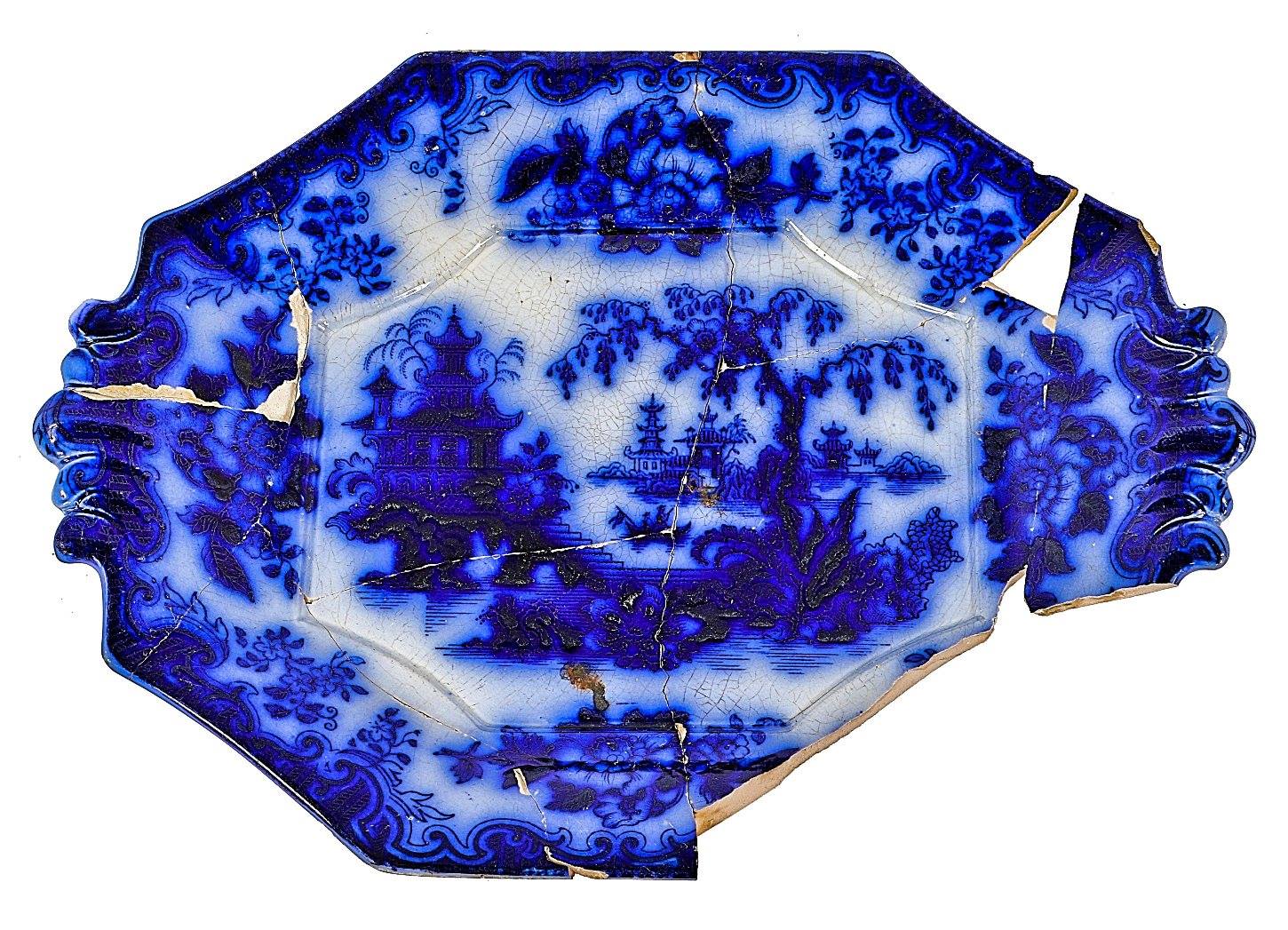
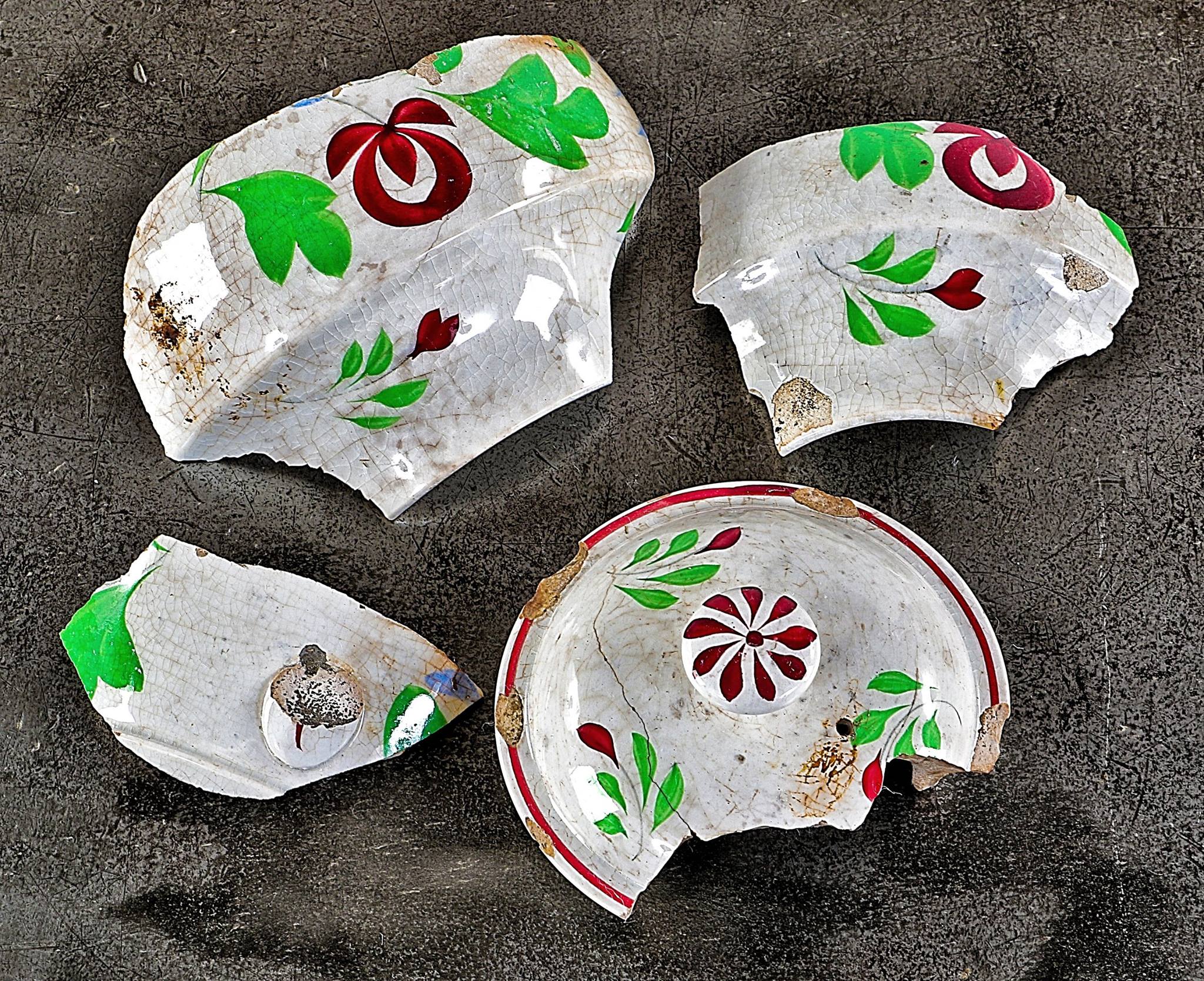
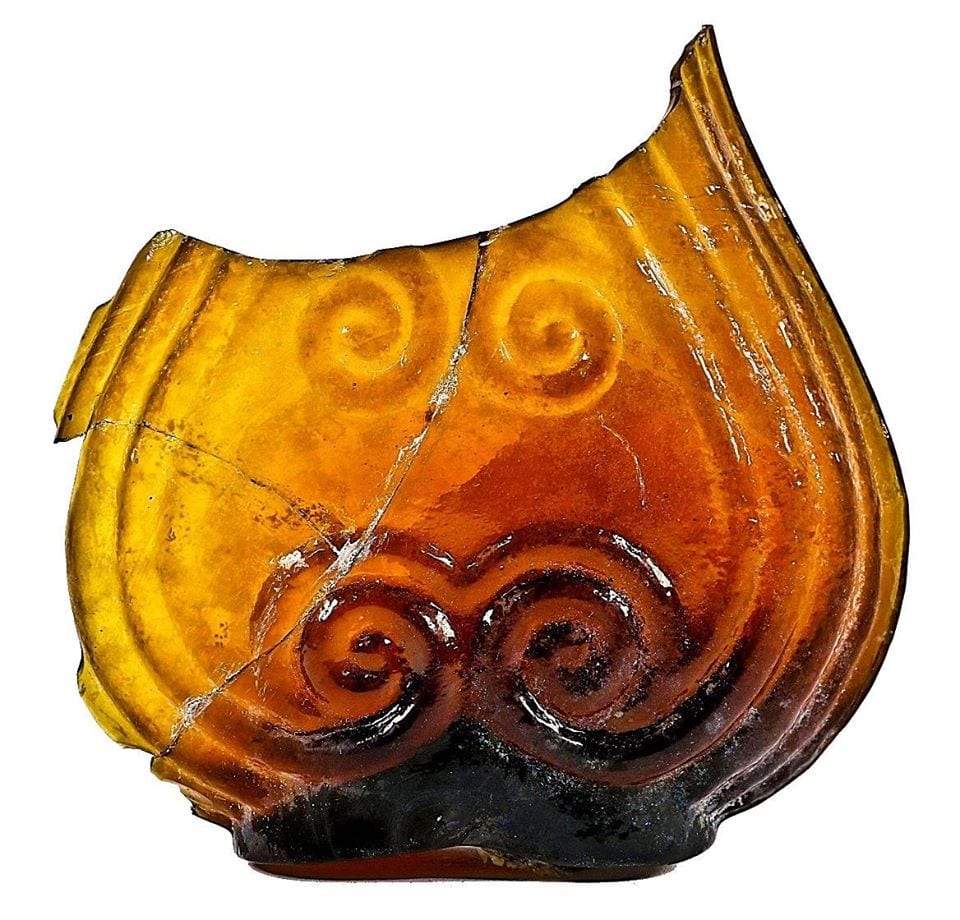
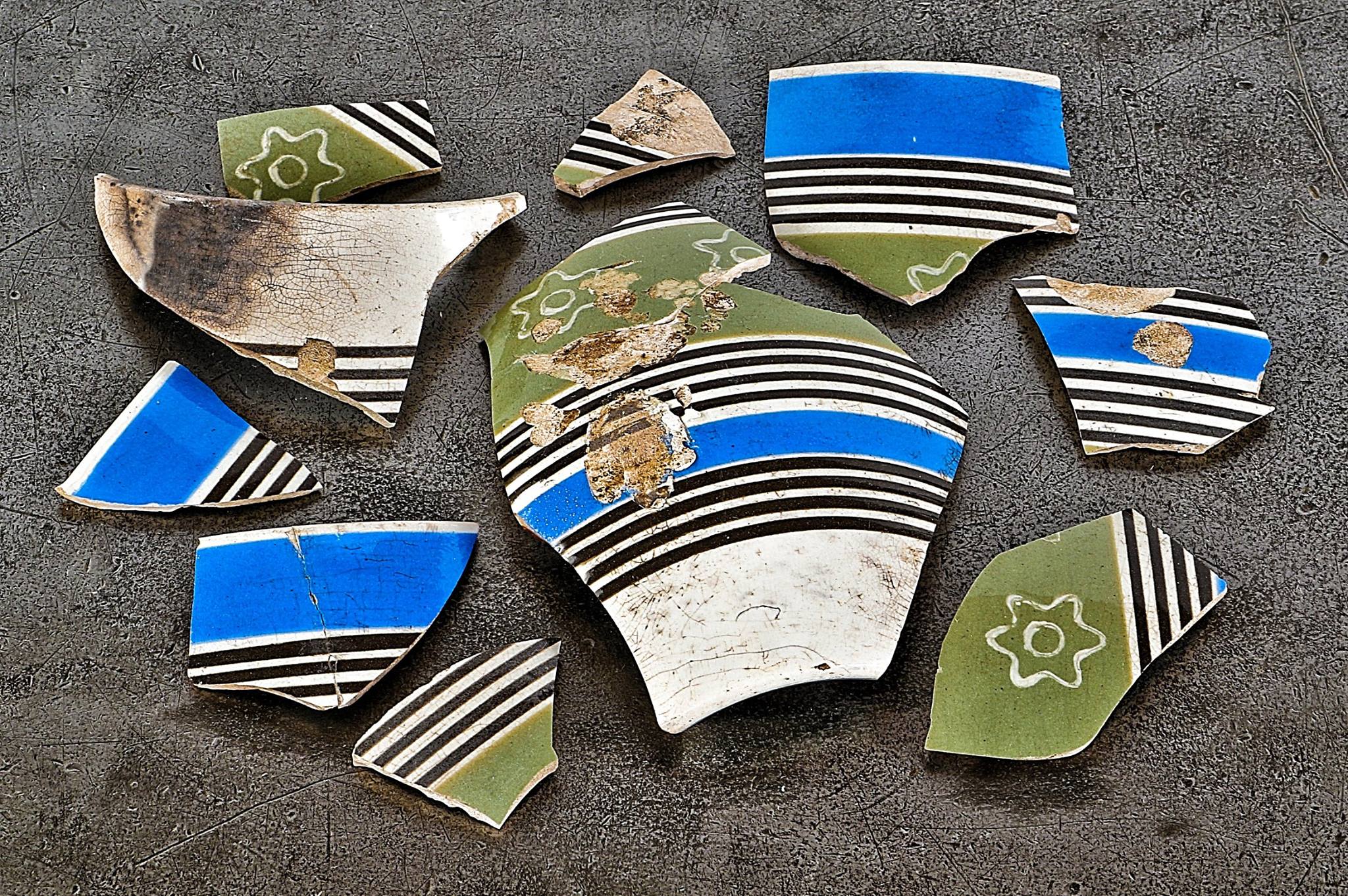
artifacts i dug from an 1850s downtown chicago privy pit in 2015. the open-pontiled amber scroll flask fragment likely dates to the 1840s. i don’t dig anymore, nor do i document sites, but i have thousands of photos and fragments from 2014-2017, when i was still active.
to this day, i regret not grabbing an original oak wood foundation pile section during excavation of site where s.s. beman’s grand central station (1890) was located.
images courtesy of unearthing chicago project and bldg. 51 archive
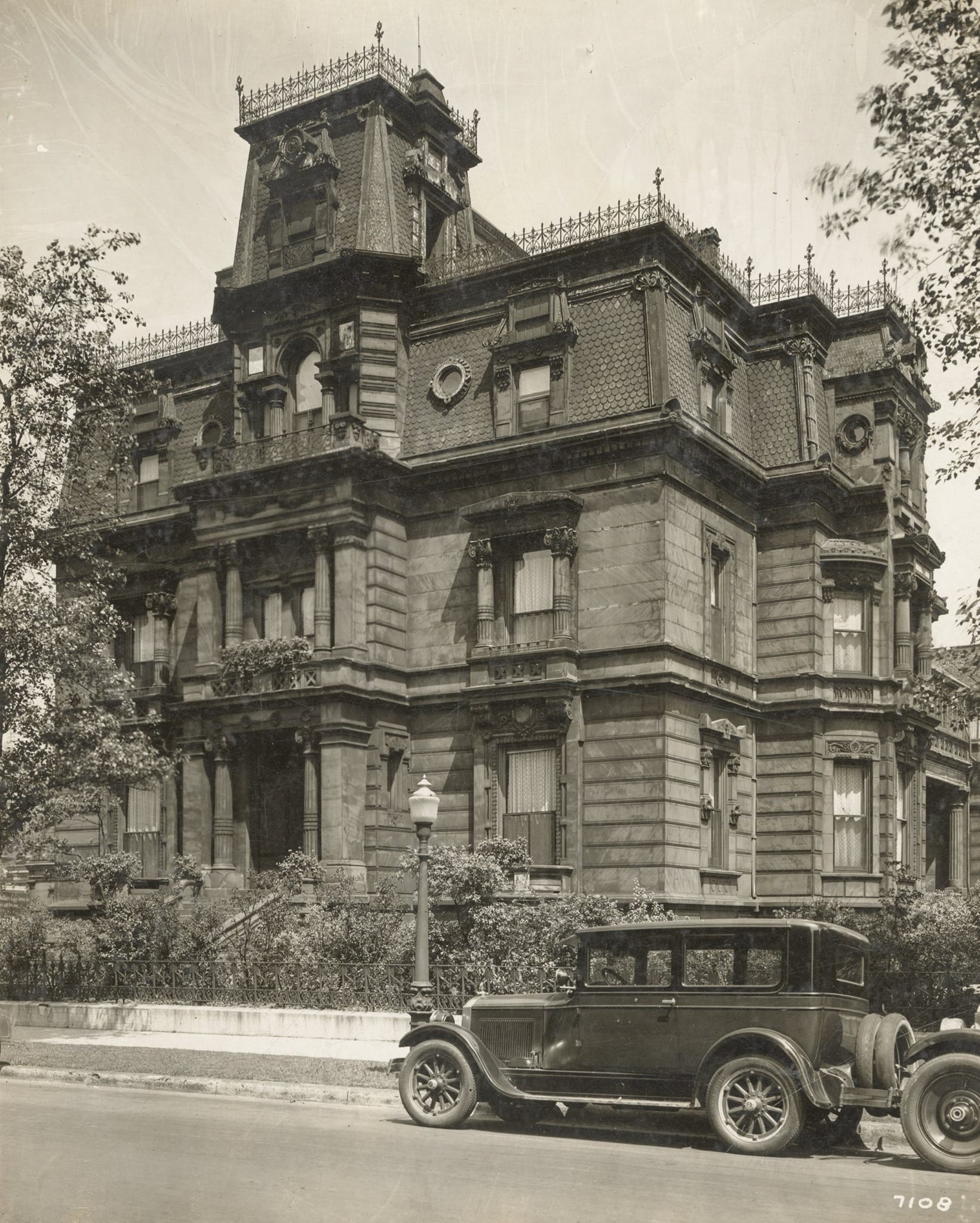
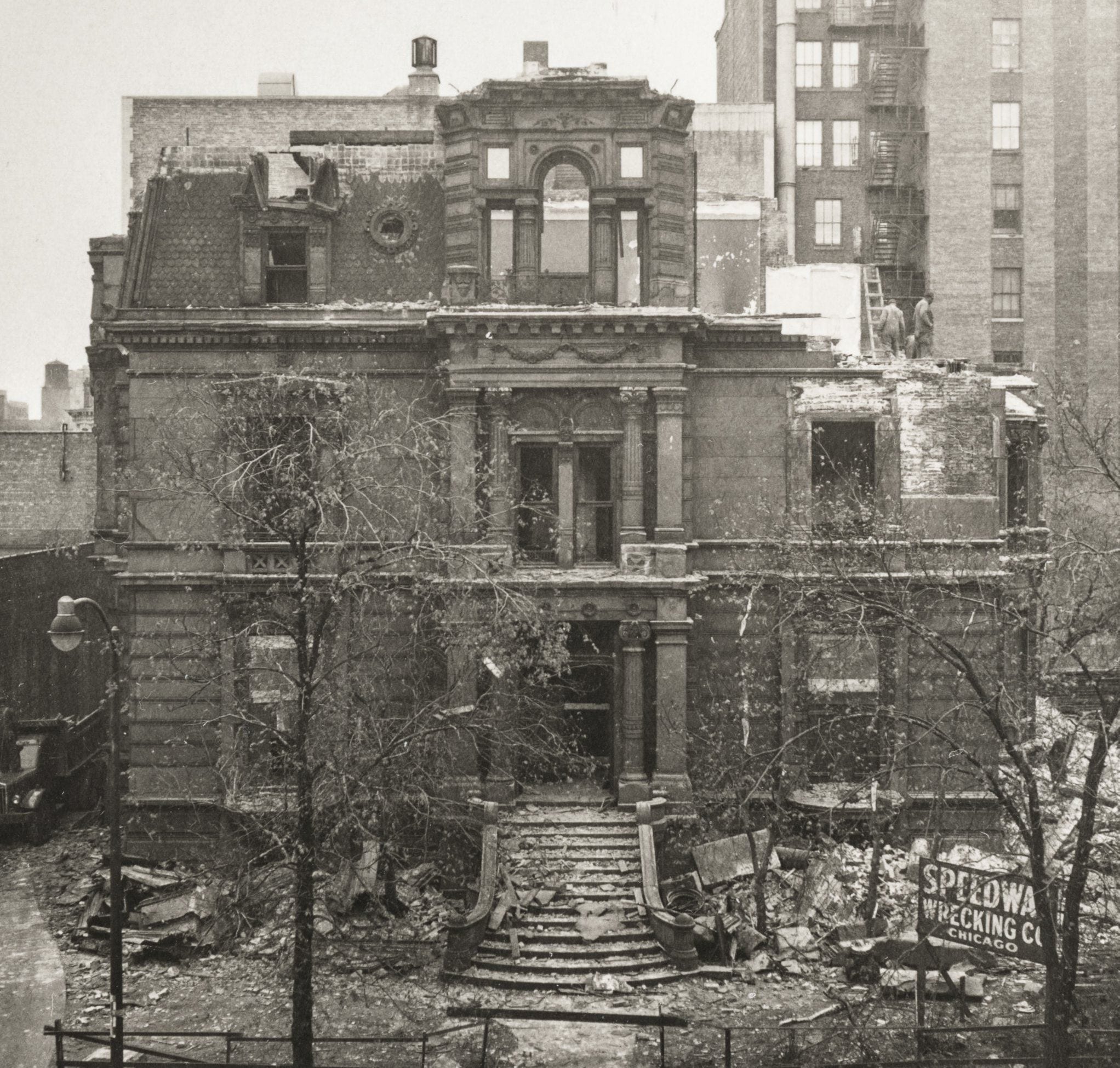
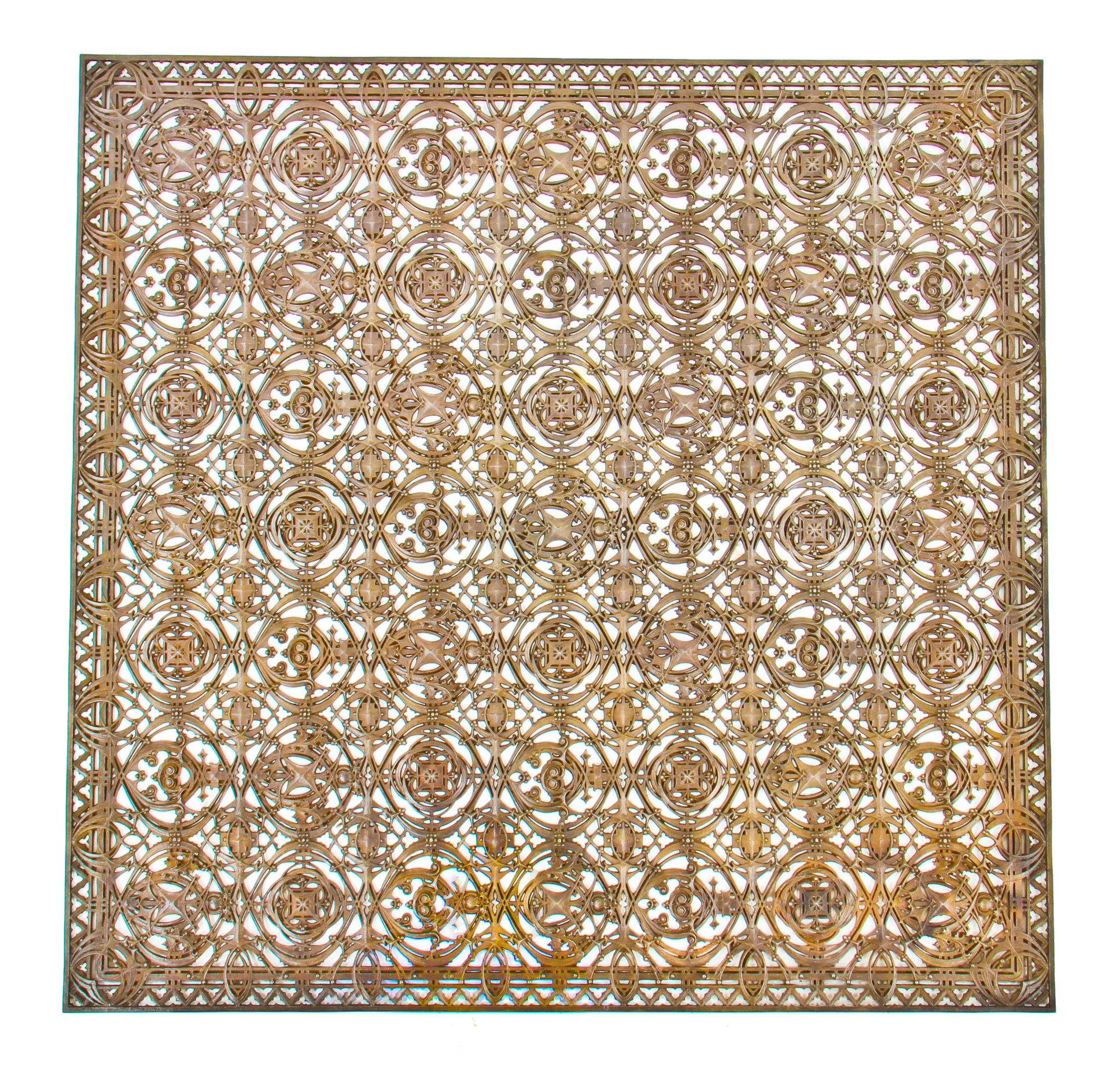
i’ve had trouble tracking down exterior images of the mccormick mansion undergoing demolition for quite some time now. i finally found a few taken by richard nickel in 1954 last week. the more widely known interior images with graffiti on the walls were taken by nickel shortly before demolition. located at 875 rush street, the 35-room french second empire mansion was built for cyrus mccormick (inventor of the grain reaper) in 1879.
thankfully, one of two louis h. sullivan-designed cast iron radiator grilles (from an 1899-1900) remodel) was saved and later sold on maxwell street. the other was likely scrapped. more on the radiator grille below.
the louis h. sullivan-designed grille was so delicate and intricately designed that, according to an account by george grant elmslie, william winslow of the winslow brothers foundry – who worked with sullivan on several commissions prior – stated that it was virtually impossible to execute the grille’s design in iron. sullivan reportedly replied ever so confidently that winslow could do it, and proceeded to walk out the door.
elmslie recounted that “four perfect castings” were created by the foundry; both sullivan and winslow kept one. winslow’s grille was donated to the art institute of chicago in 1920, where it is currently displayed, along with an owatonna bank teller wicket, in the architectural fragment gallery that surrounds their building’s atrium staircase. sullivan’s grille was given to architect daniel h. burnham as collateral for a loan advanced to him by burnham. that grate is now displayed at the university of illinois school of architecture in champaign/urbana.
since the commission wasn’t widely recognized, the other remaining grille was likely scrapped when the mccormick house was abandoned and ultimately trashed by vandals (documented by photographer richard nickel) and demolished shortly thereafter in 1954.
it is likely that nickel wasn’t made aware to the sullivan remodel during the time he was documenting the house. by then the grilles were long gone; nickel would have otherwise noticed and rescued them.
unbeknownst to many, one of the grilles was not scrapped as previously thought. it was discovered many years ago on maxwell street – likely around the time the mansion was demolished. the man who purchased it had recognized it after matching it to the one given to the art institute. the partial remodeling of the cyrus mccormick mansion in 1901 was designed to be a “bachelor’s quarters” to keep the mccormick’s son stanley, under close supervision. during this time stanley was mentally unstable that worsened to the point where he was later institutionalized.
the university of madison-wisconsin possesses the majority of the drawings for sullivan’s remodeling of the mccormick mansion in their nettie mmcormick papers collection. the exact location and number of grilles used in the remodel can likely be addressed through the exploration of this collection.
images courtesy of the richard nickel archive, ryerson and burnham archives, art institute of chicago.
mccormick grille courtesy of bldg. 51 museum collection.
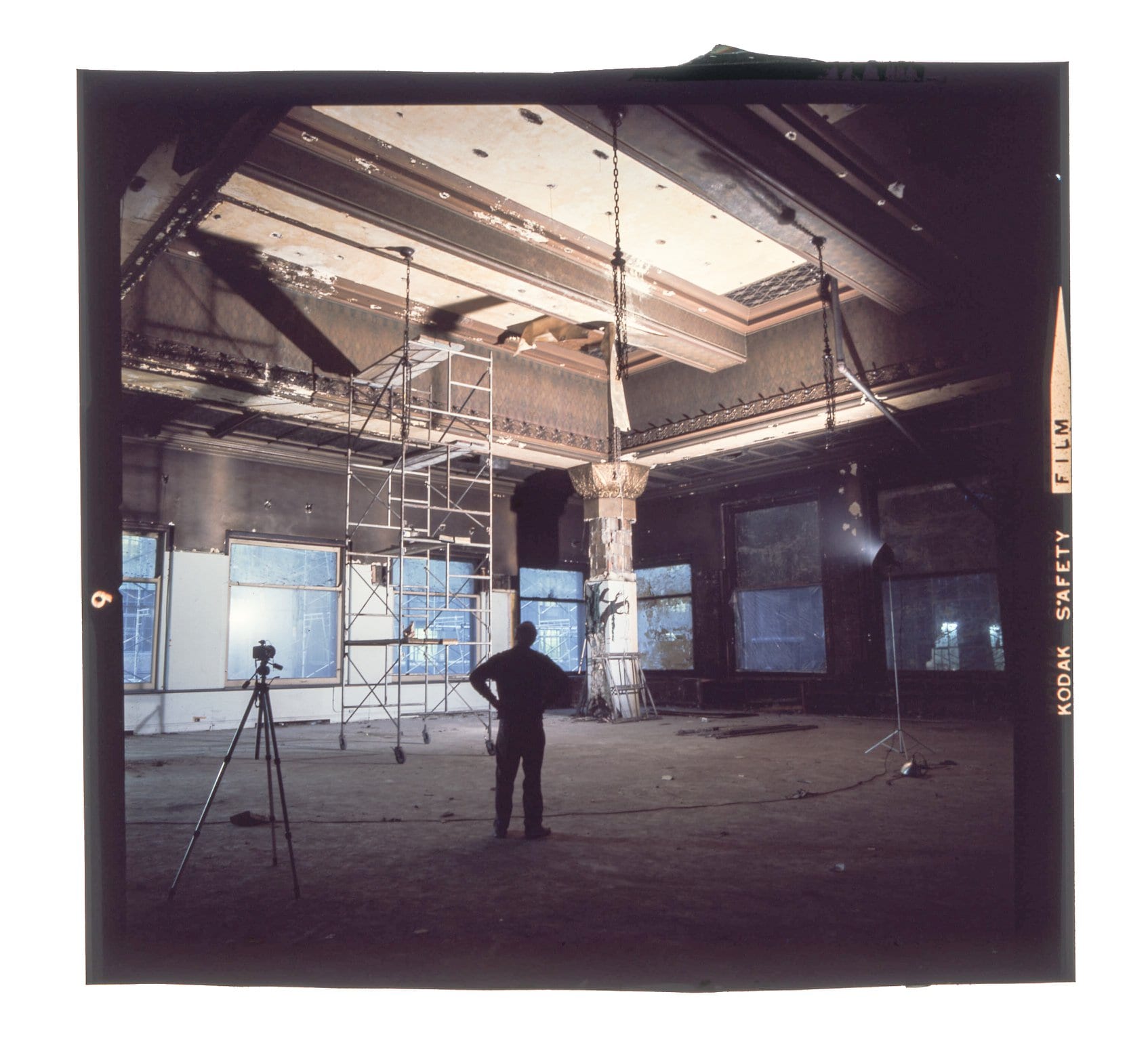
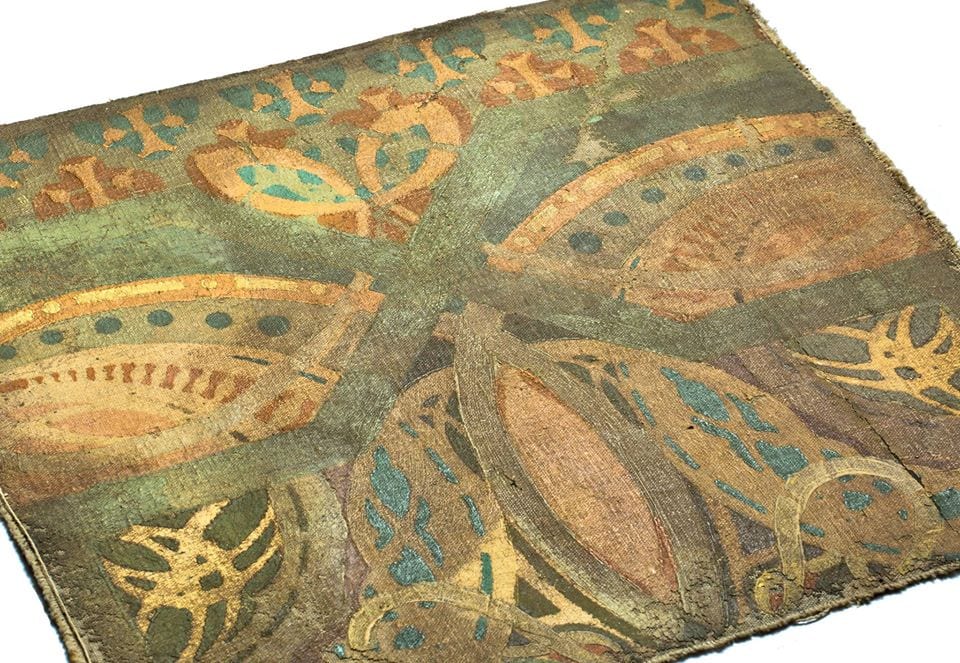
original trading room stencil fragment from adler and sullivan’s chicago stock exchange building (1894). the fragment was originally located on the bottom of the main ceiling trusses. 24 colors were applied to the stencil. designed by louis h. sullivan and executed by healy and millet. the savaged fragment has not been altered since its removal in 1971.
stencil fragment courtesy of bldg. 51 archive.
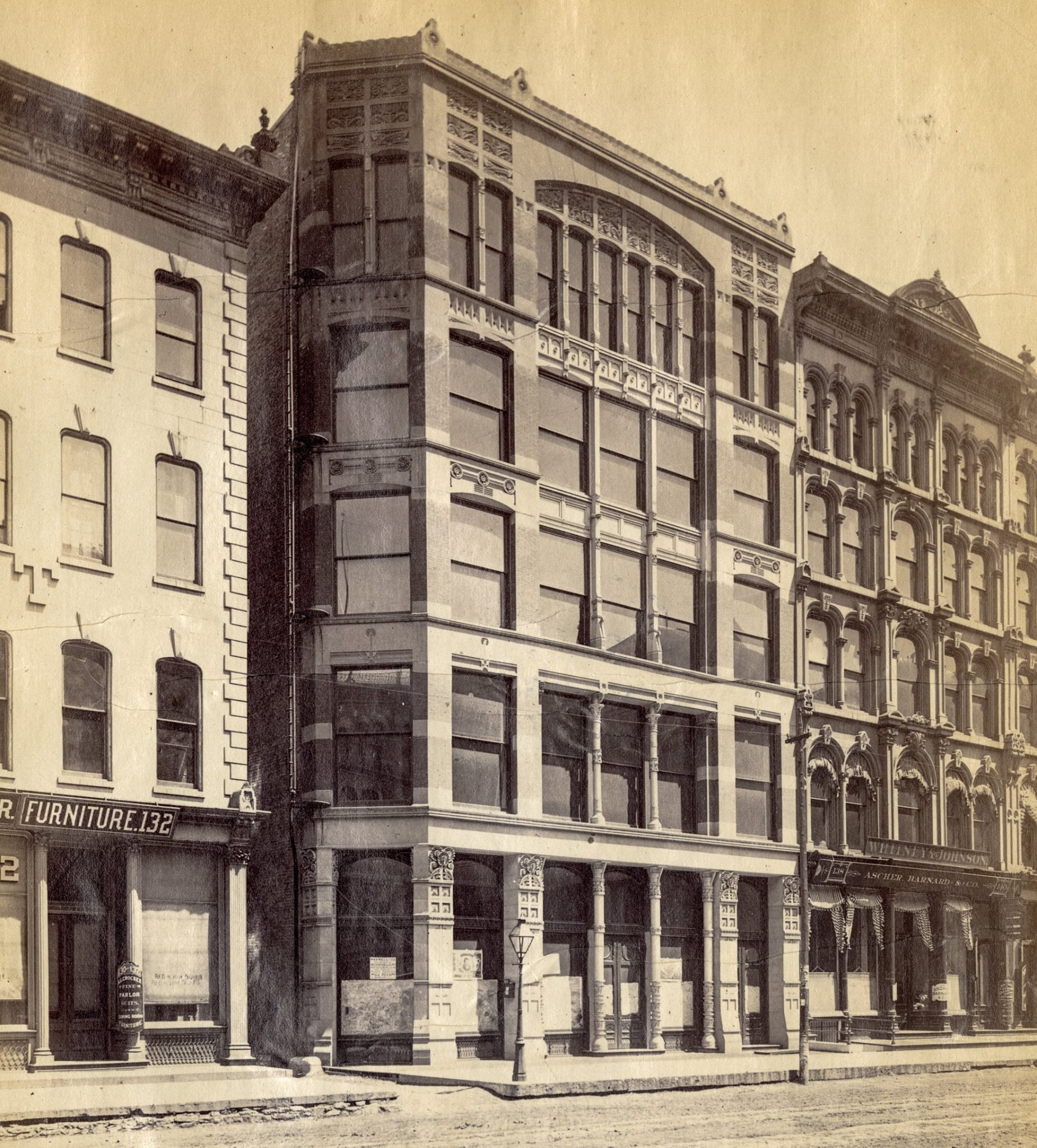
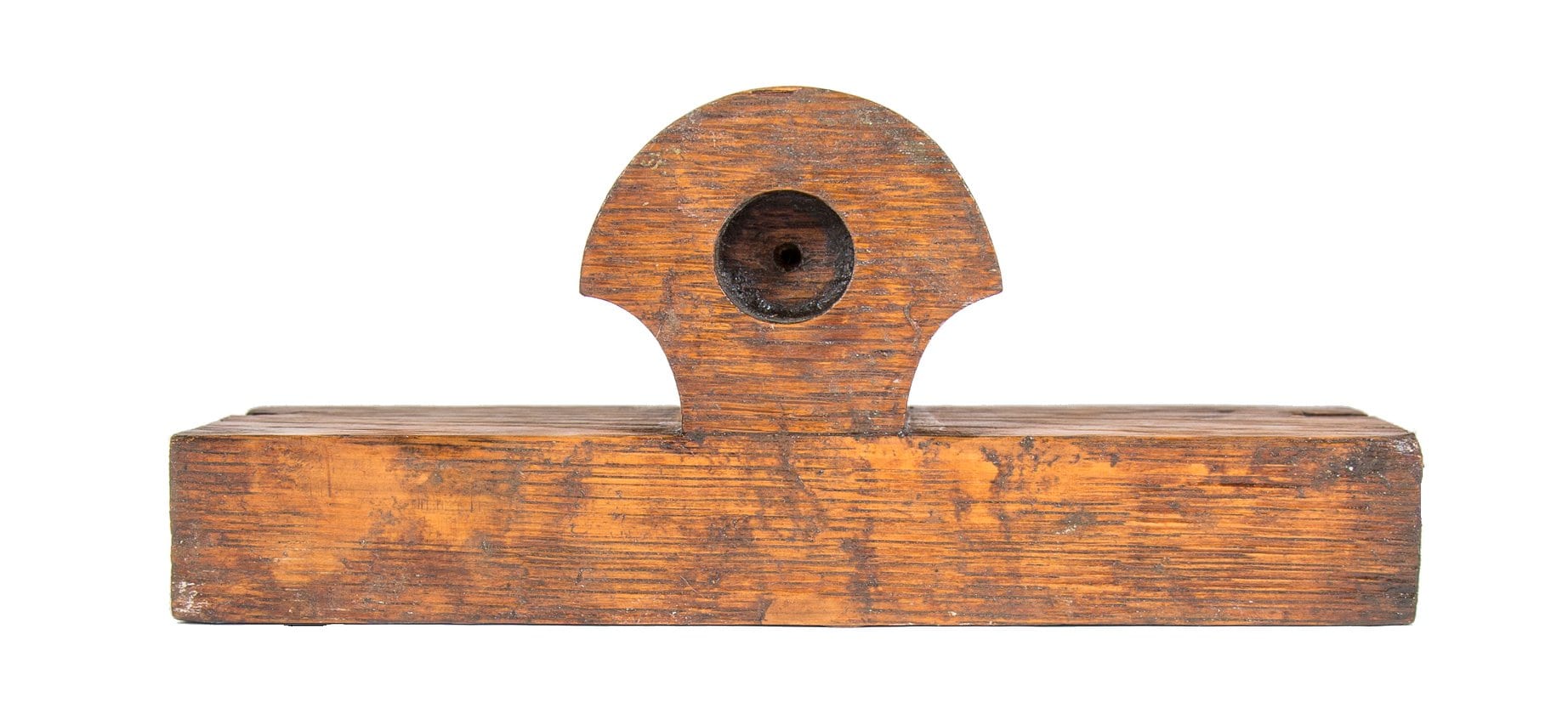
early (1881-1882) sullivan-designed interior solid oak wood staircase railing, newel, bottom finial (not shown) and fragment rescued in 1960 by charles gregerson from adler & sullivan’s s.a. maxwell lofts (also known as jewelers building).
what’s important here is the fact that this panel is the only surviving wood staircase fragment that was used in an early adler & sullivan commercial building.
the segments between the finely turned spindles below the handrail resemble the exterior ohio sandstone roofline ornament. the bottom finial cap’s profile echoes the upper floor interior column capitals and ceiling escutcheons – the few that are relatively intact.
images courtesy of bldg. 51 archive.
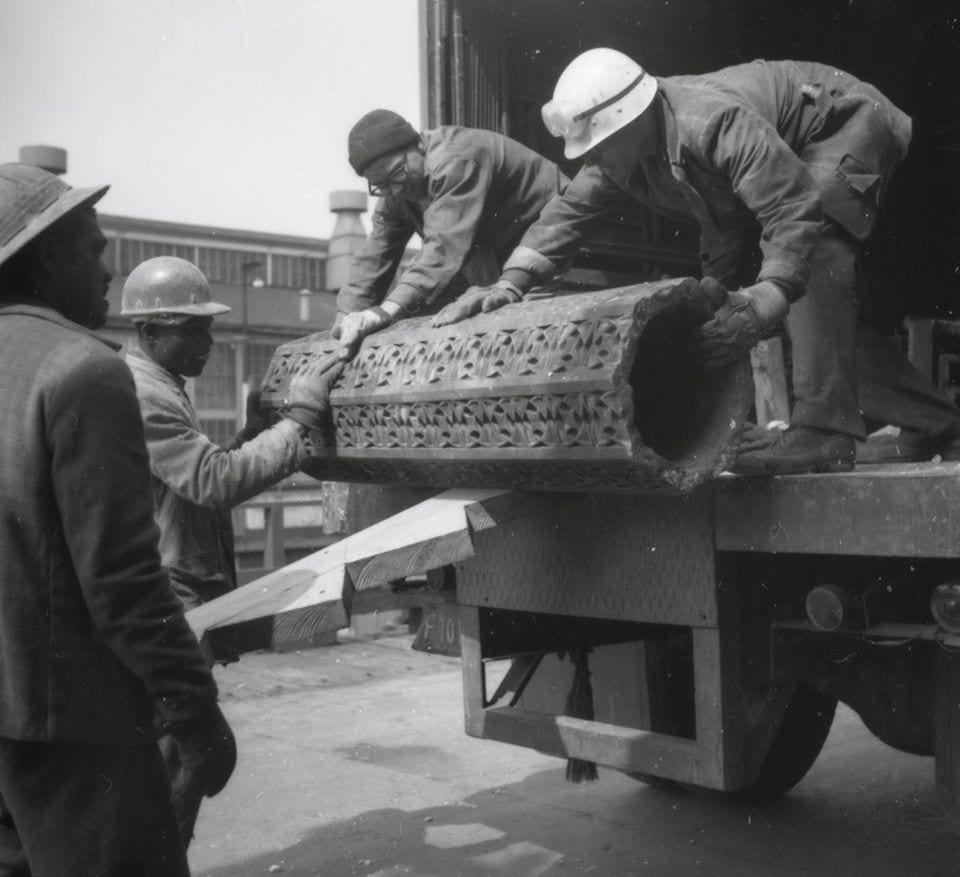
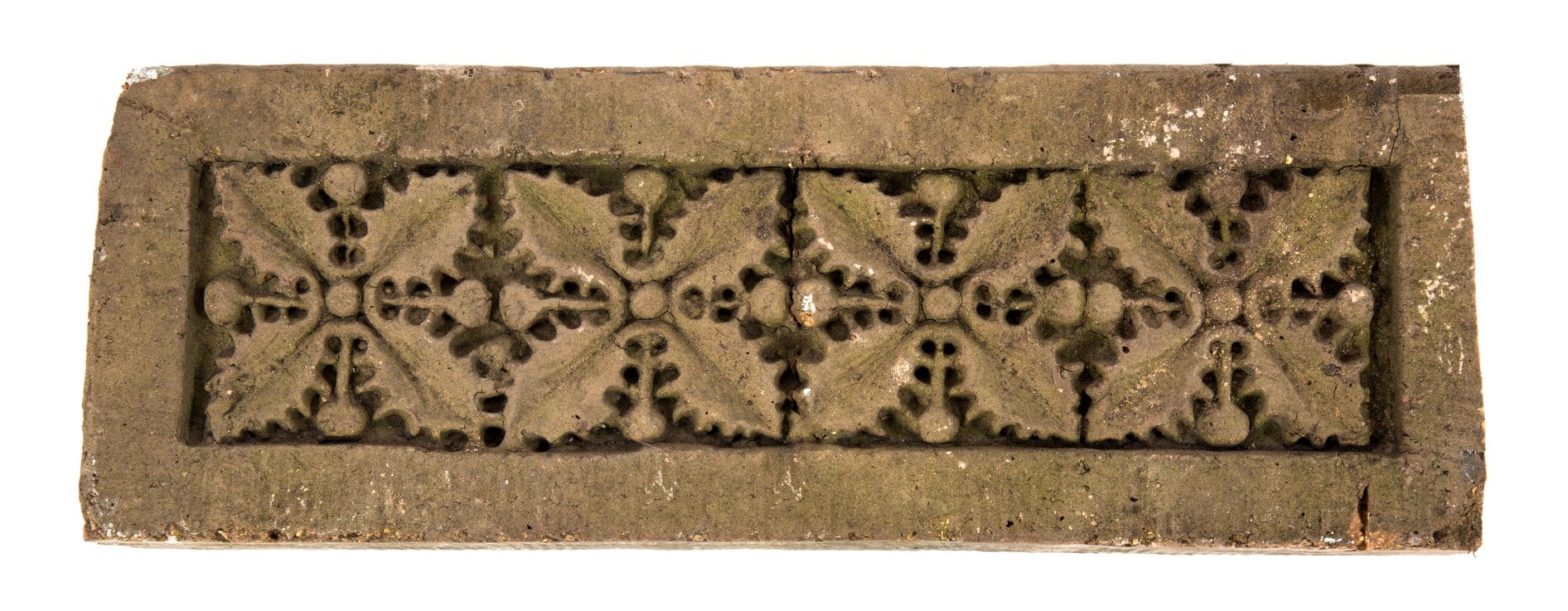
john vinci and david norris unload an exterior terra cotta column salvaged from adler & sullivan’s schiller building (1891) in 1960. the building’s exterior and interior ornament was transported to navy pier where it was sorted, documented, and distributed to various institutions.
kristian schneider modeled the buff-colored slip glaze terra cotta fabricated by northwestern.
a fragment from a damaged terra cotta column capital (second image) shows the repeating floral motif (likely designed by wright) in great detail.
image courtesy of the richard nickel archive, ryerson and burnham archives, art institute of chicago. ornament courtesy of bldg. 51.
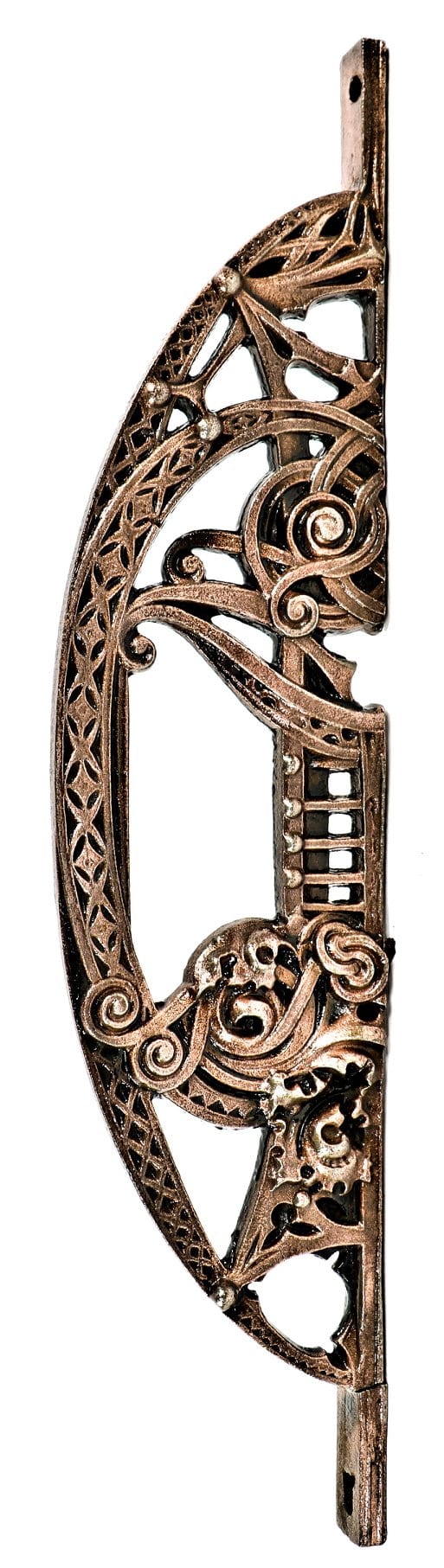
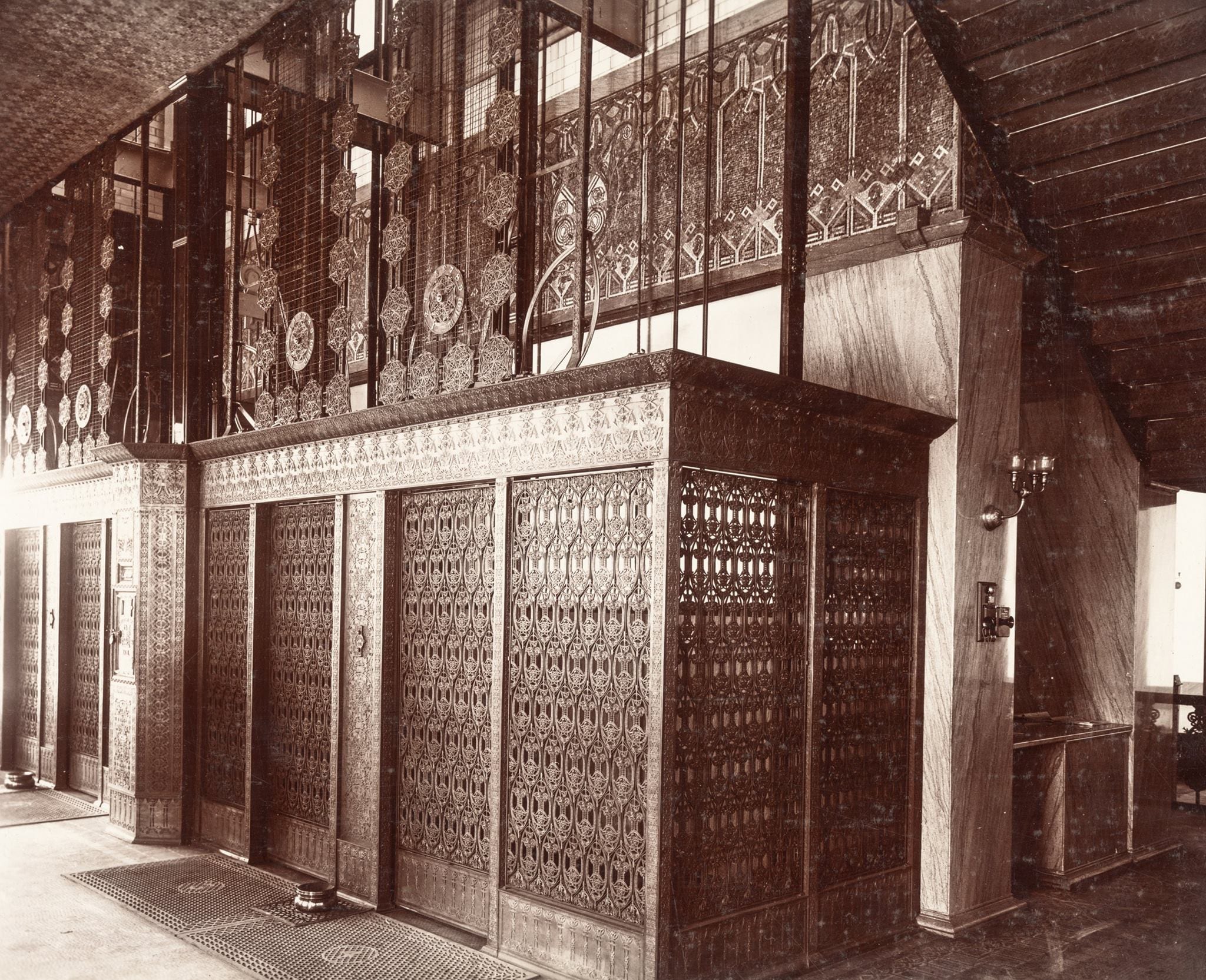
original ornamental copper-plated fragment from adler & sullivan’s guaranty building (1896) lobby elevator door. the iron fragment was gifted to the bldg. 51 museum from the estate of a man who helped save original ironwork when the building’s lobby was renovated in the 1950’s.
with the exception of the extant staircases, the wall sconces, elevator enclosures, ceiling medallions, etc., were reproduced. the original copper-plated cast iron ornament was fabricated by the winslow bothers.
courtesy of bldg. 51 archive.