

10 Jan post-fire osborne & adams lake street loft building lives on through photographs and fragments
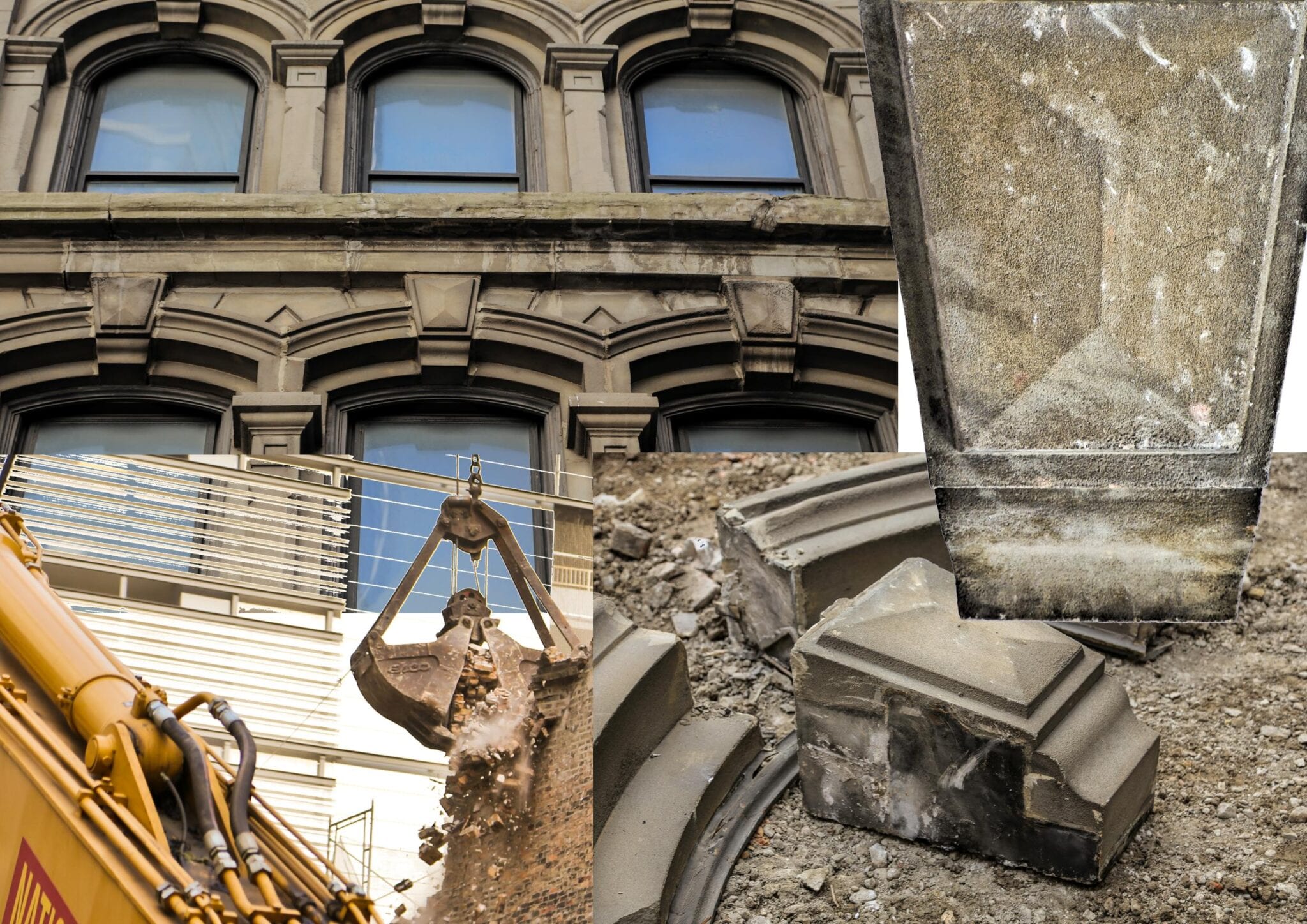
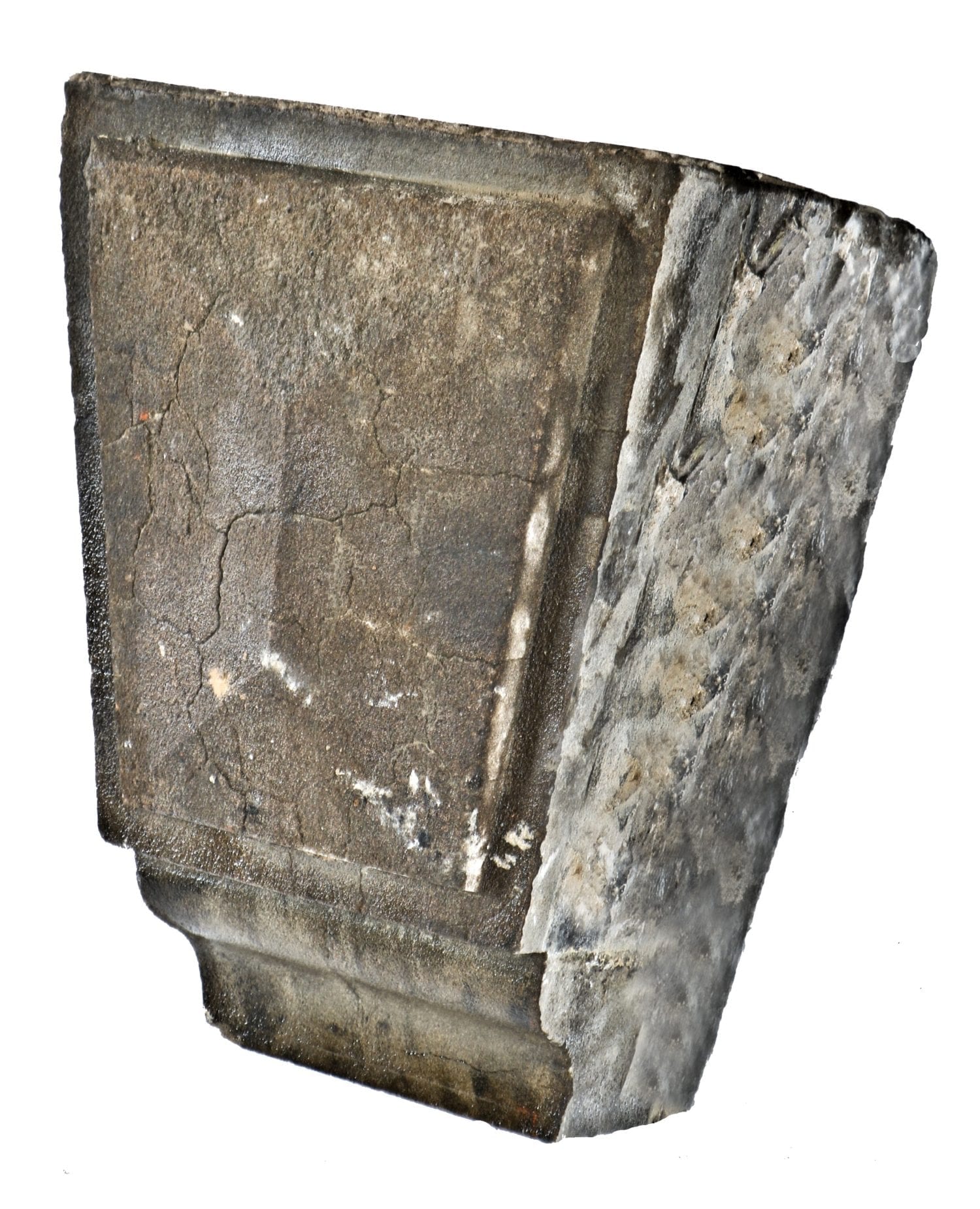
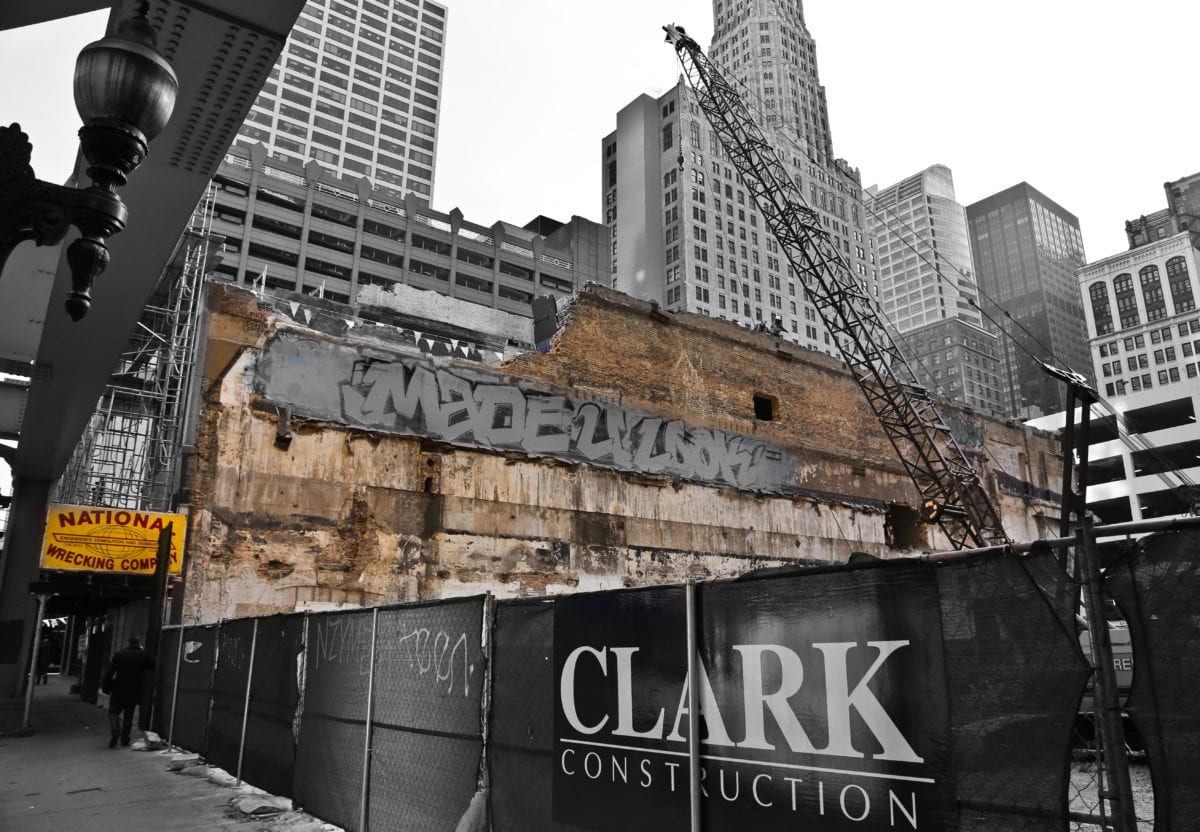
the destruction last year of the osborne & adams building (erected in 1872) remains a deeply upsetting affair, and one i remember each time i walk past the three gargantuan keystones housed in the bldg. 51 museum collection. the exterior architectural elements were rescued from the loft building’s “cast stone” facade as it was pulled apart behind the cloak of an extensive web of scaffolding.
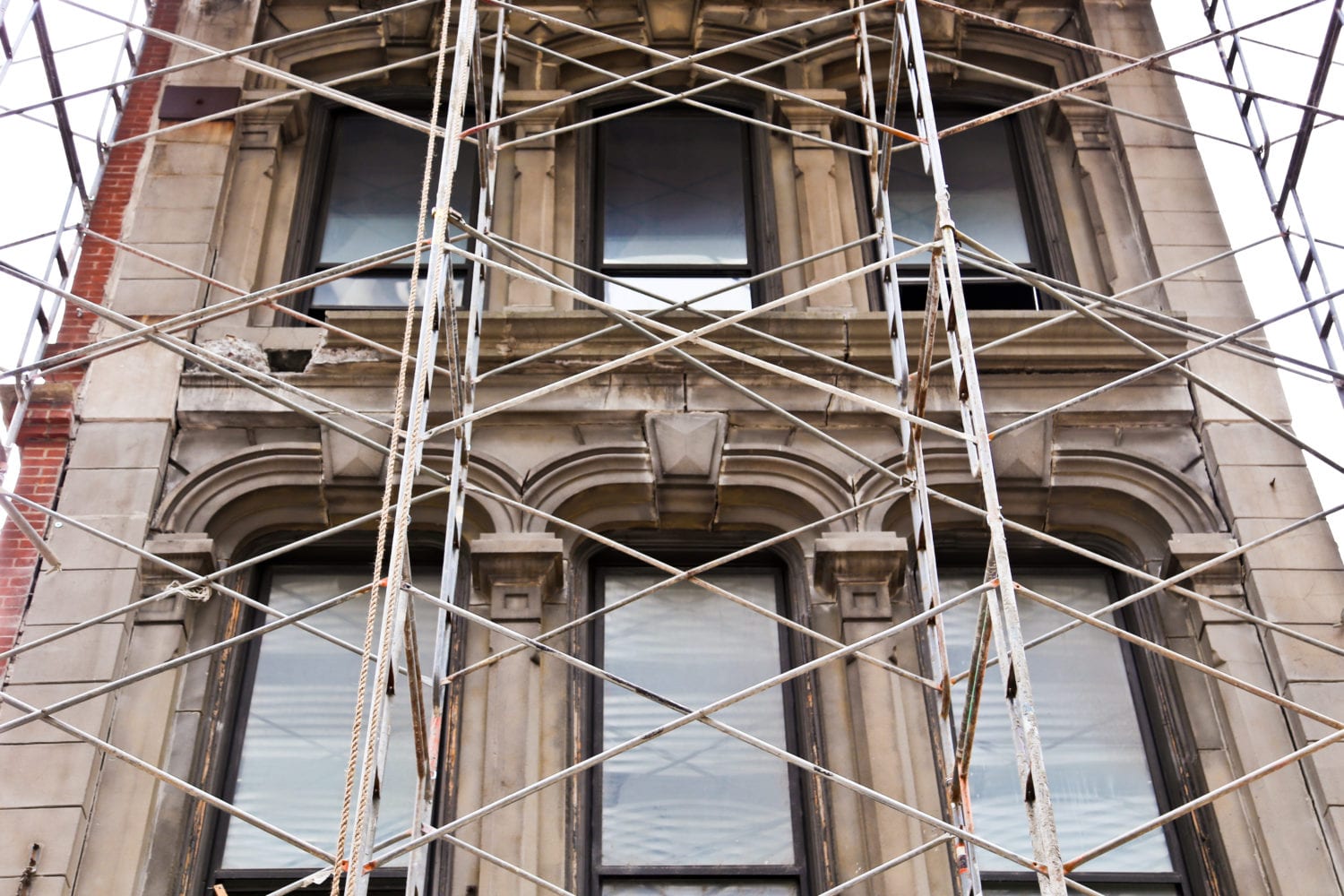
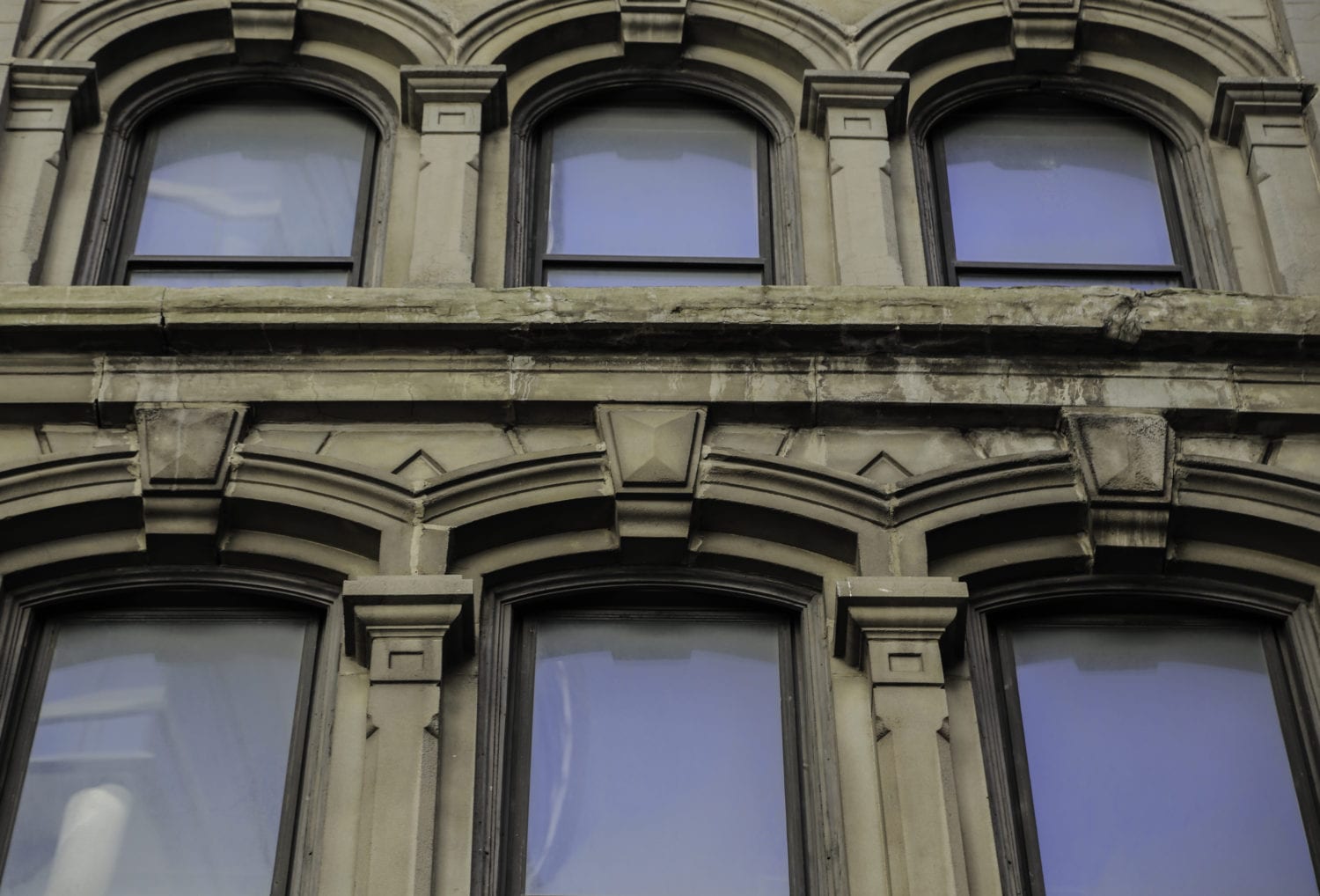
confirming john mills van osdel as the building’s architect (widely considered chicago’s first architect) a few weeks after the building’s disappearance only added insult to injury. additionally, through demolition, it was revealed that the four-story loft building’s entire facade was built using artificial stone, which sadly, is an attribute no other extant post-fire chicago building can claim.

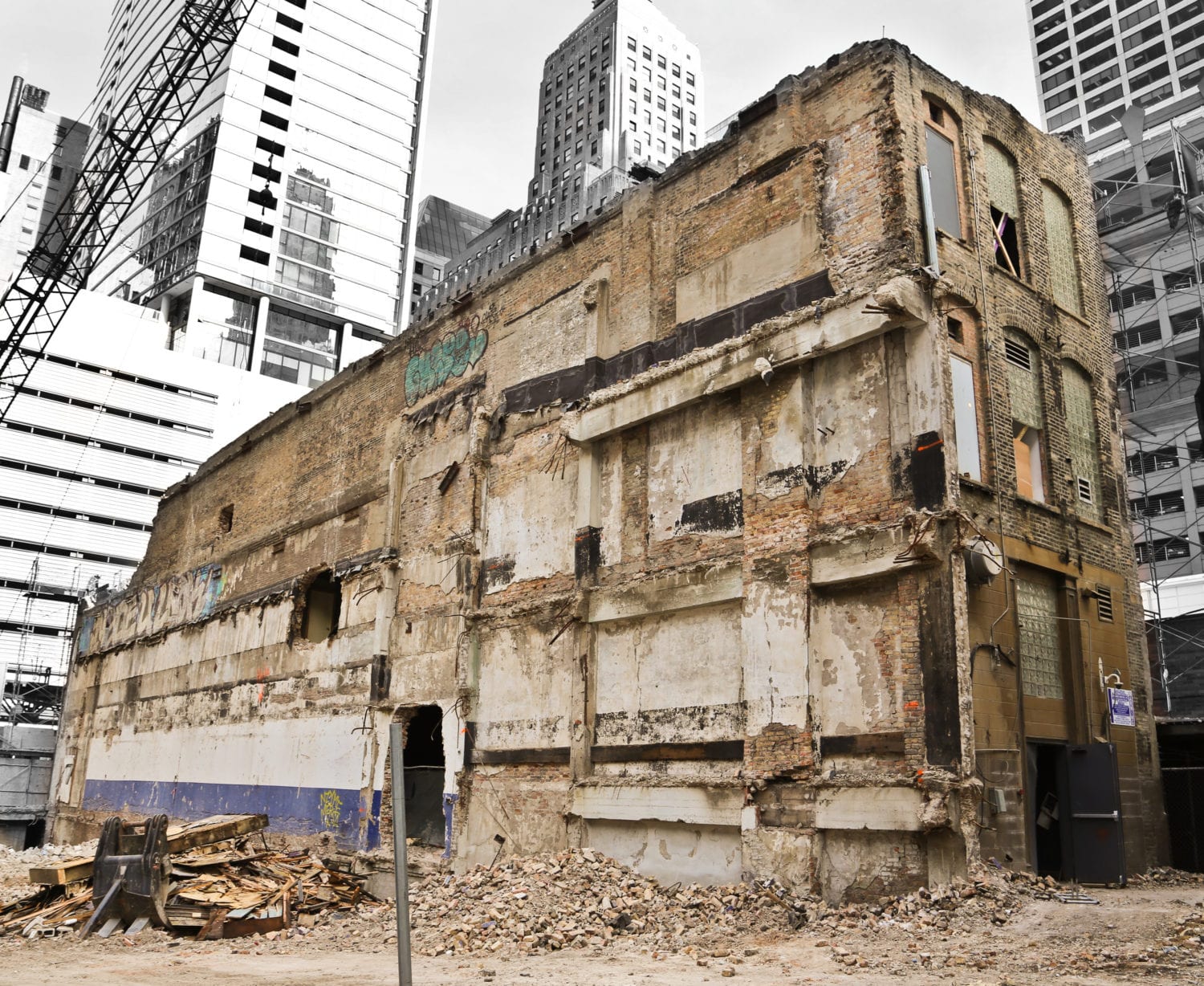
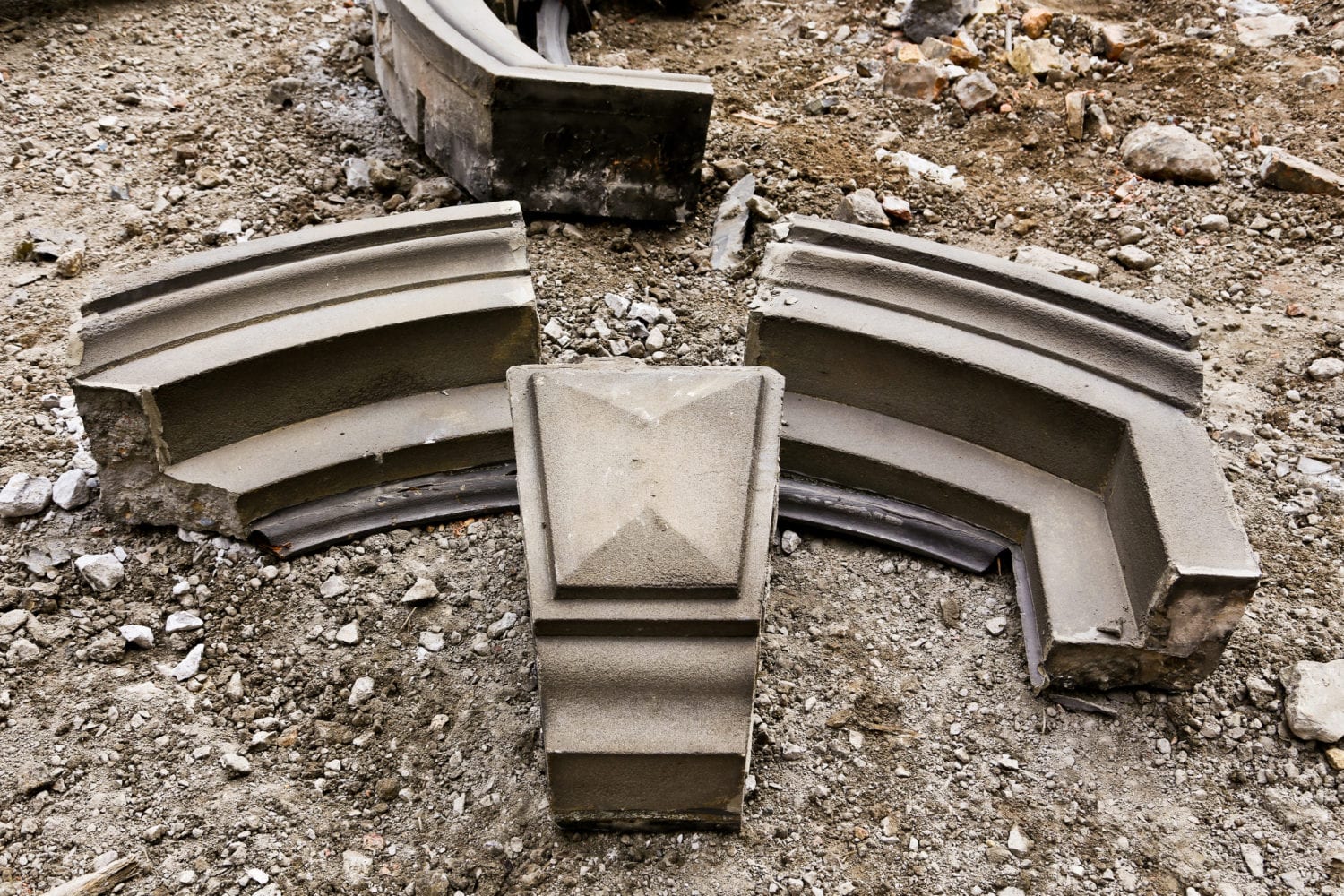
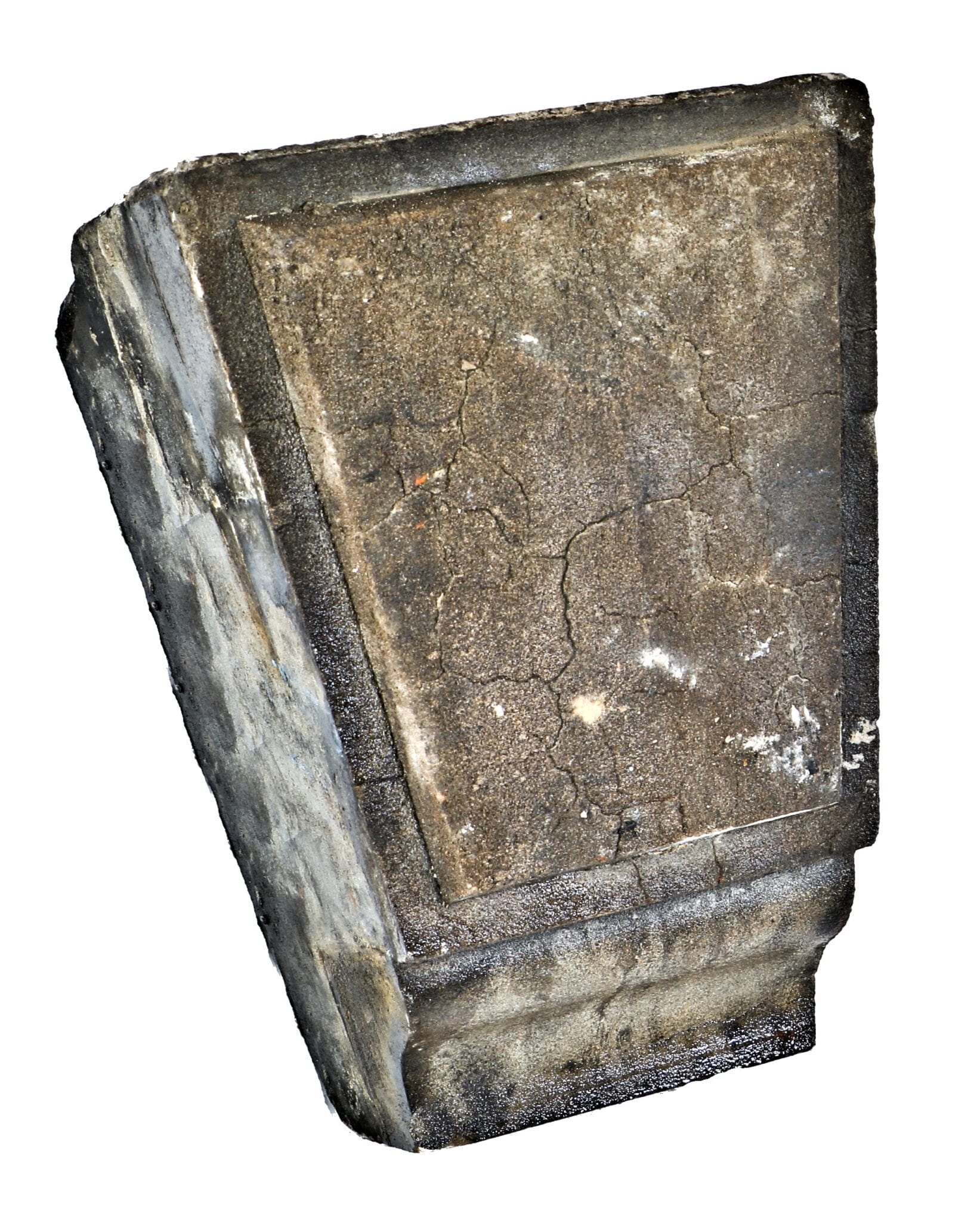
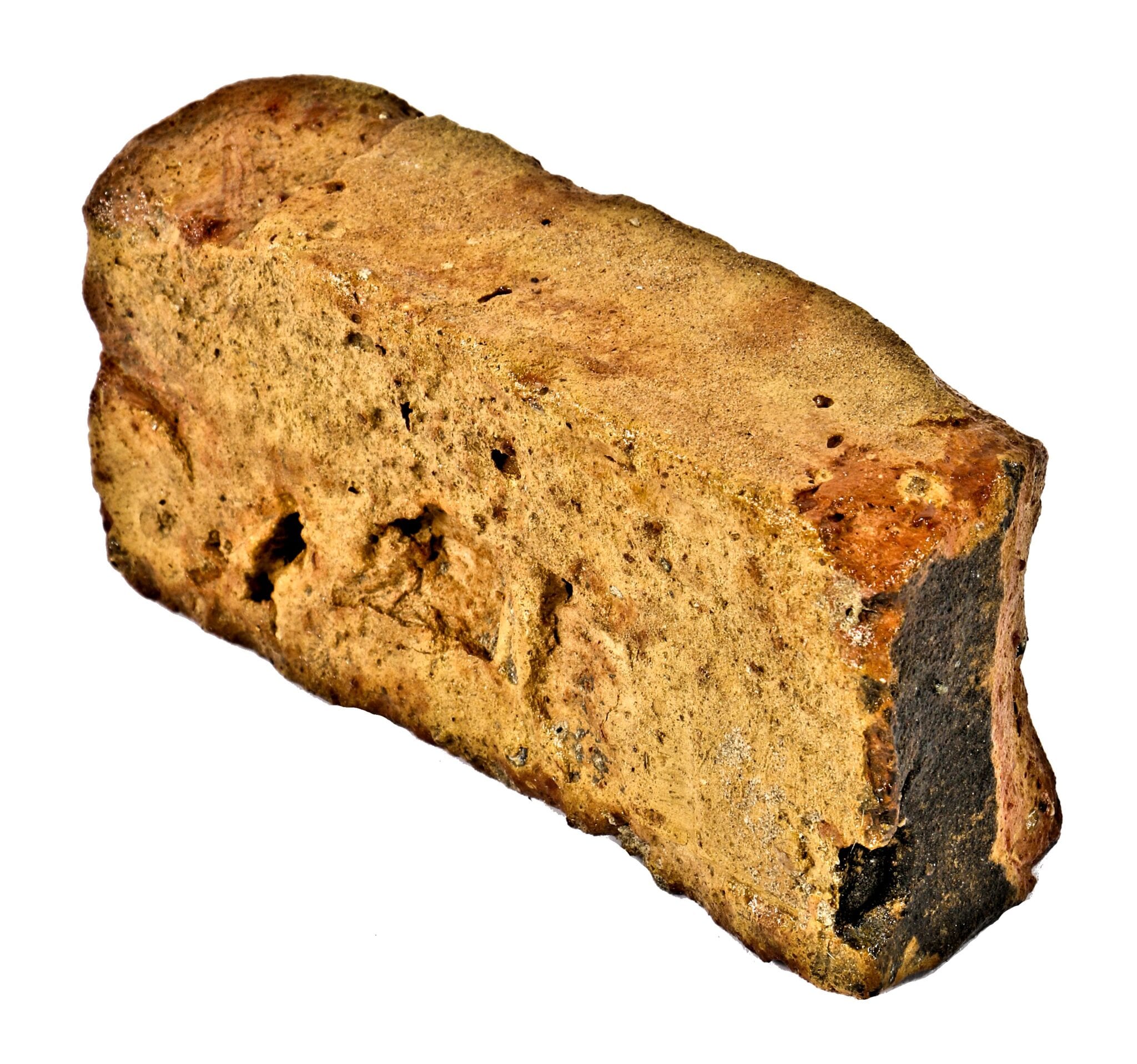
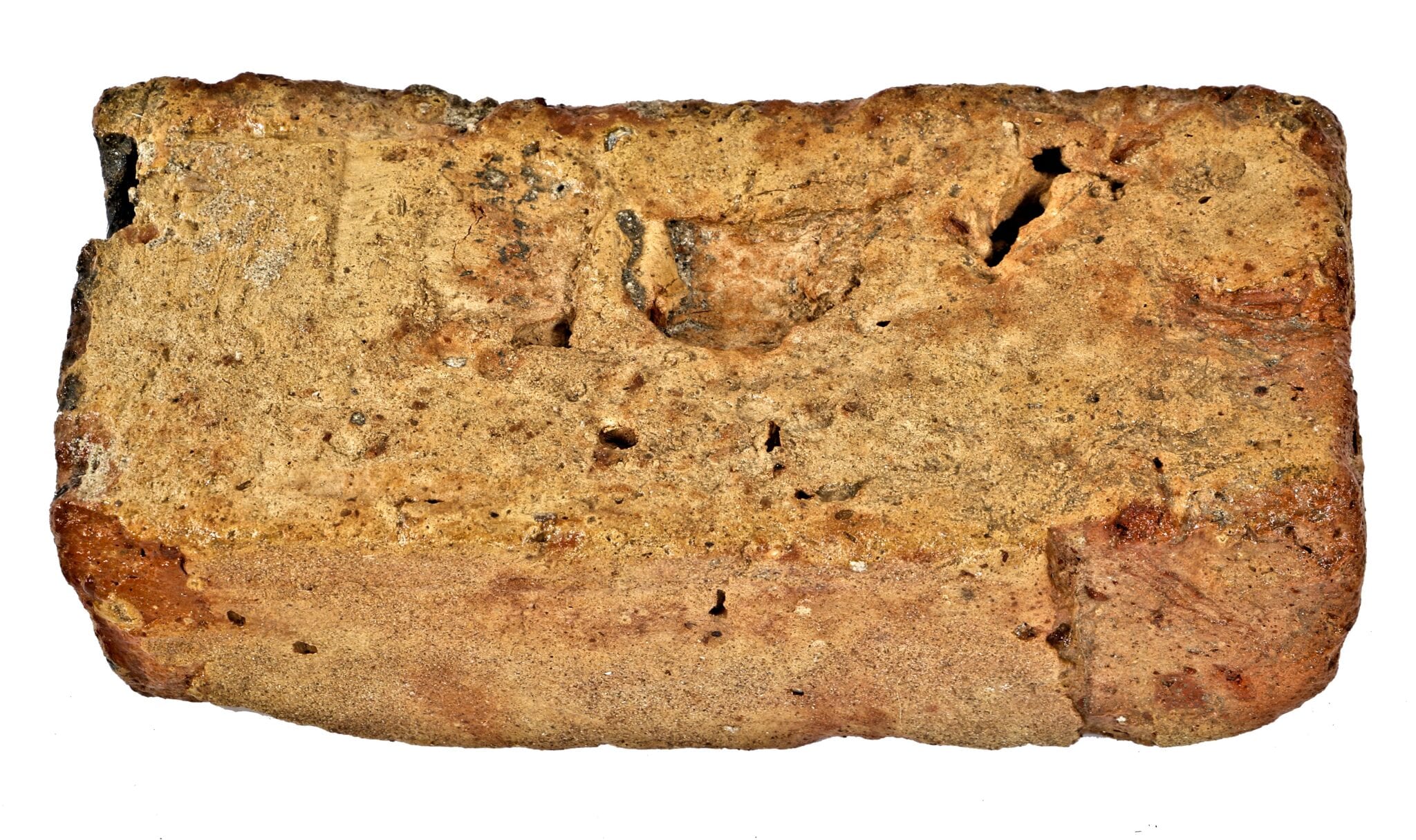
despite the loss, i found it imperative to document its death, and save any available material i could from the site. thankfully, i managed to secure three intact keystones, multiple “common” bricks, metal straps (crafted specifically to anchor the “stone”), and other related structural materials that have since been cataloged for the bldg. 51 museum archive.
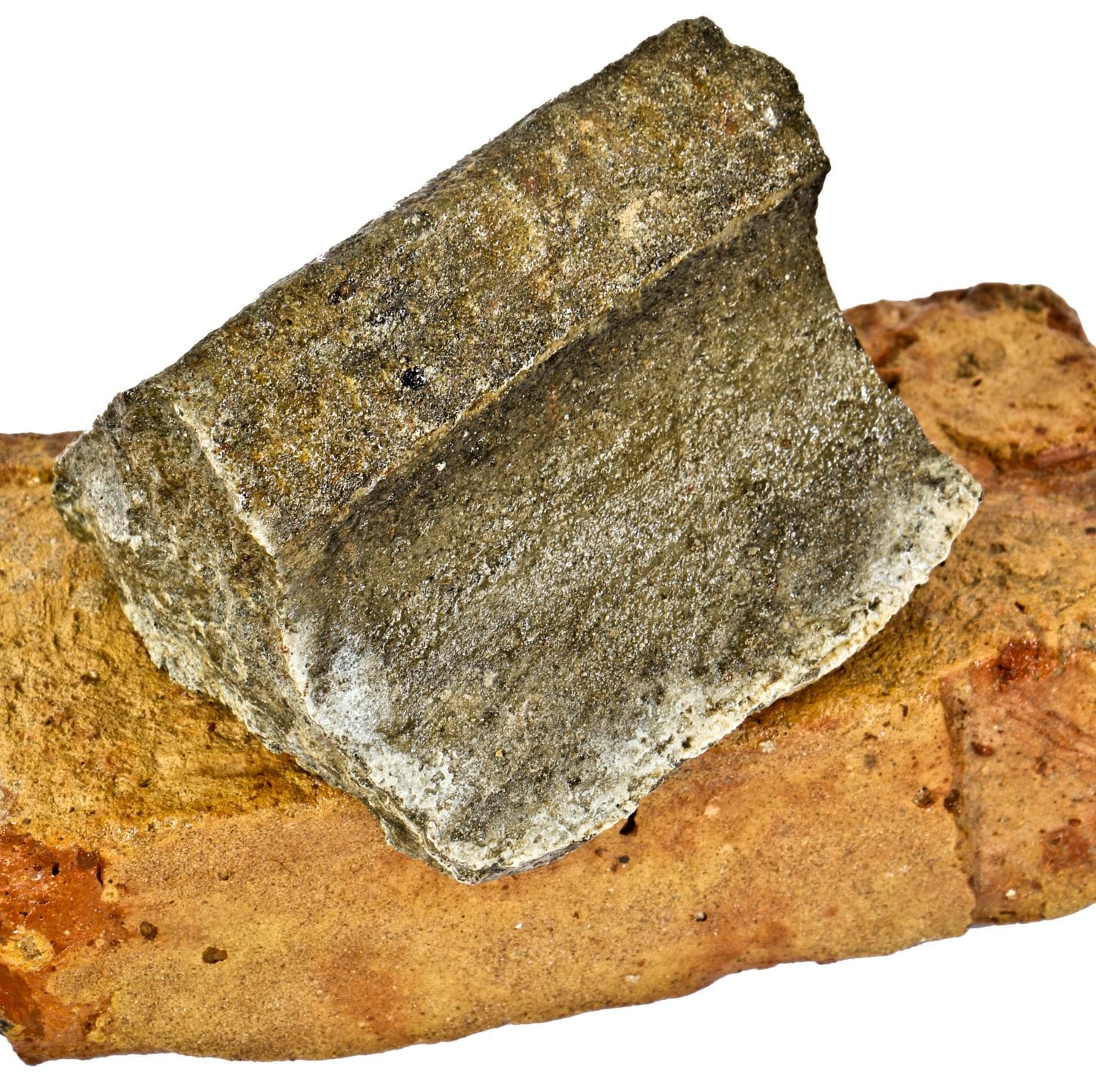
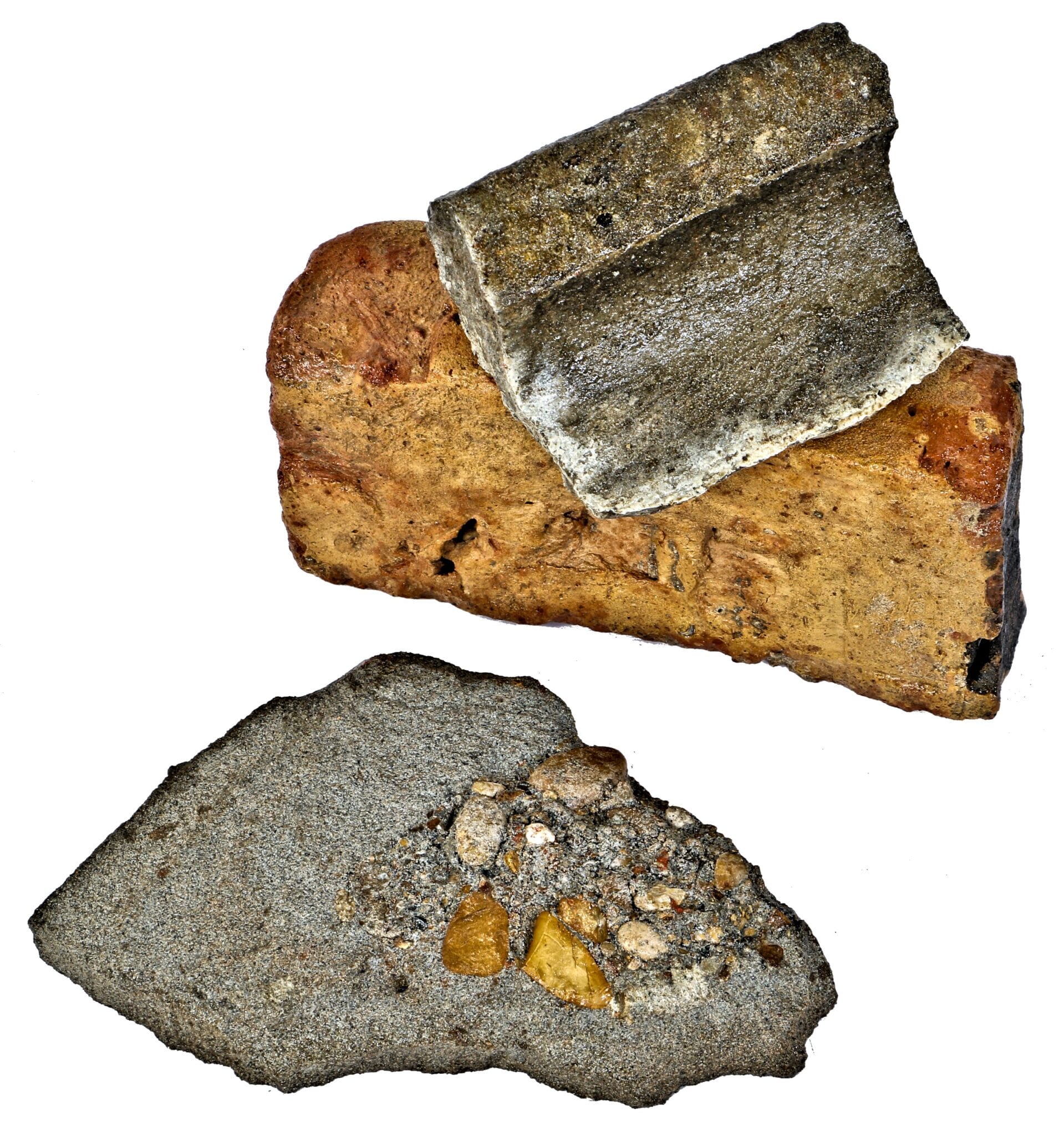
“artificial stone” facade fragment and common brick.
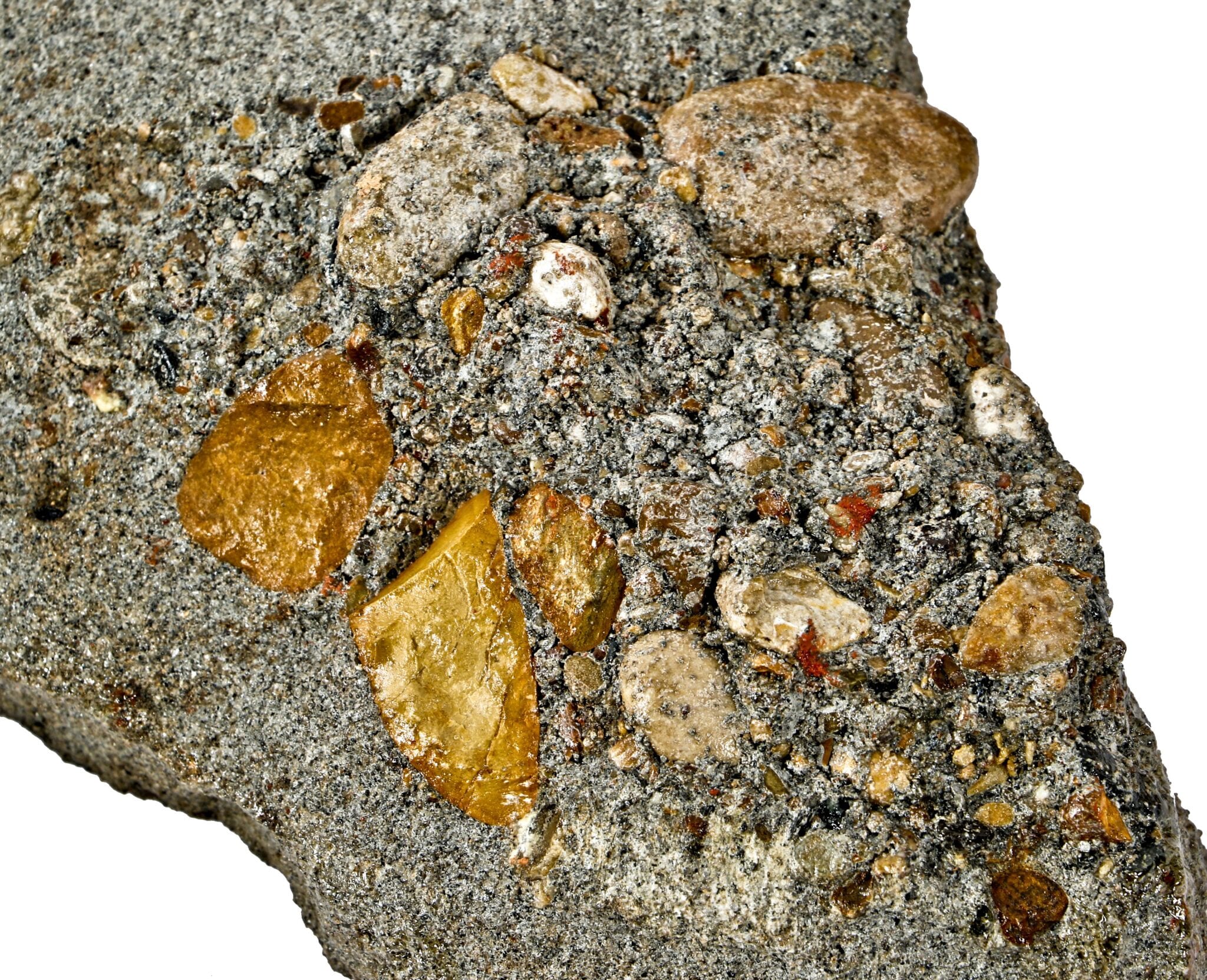
detailed image depicting cross-section of the aggregate used to cast “artificial stone.”
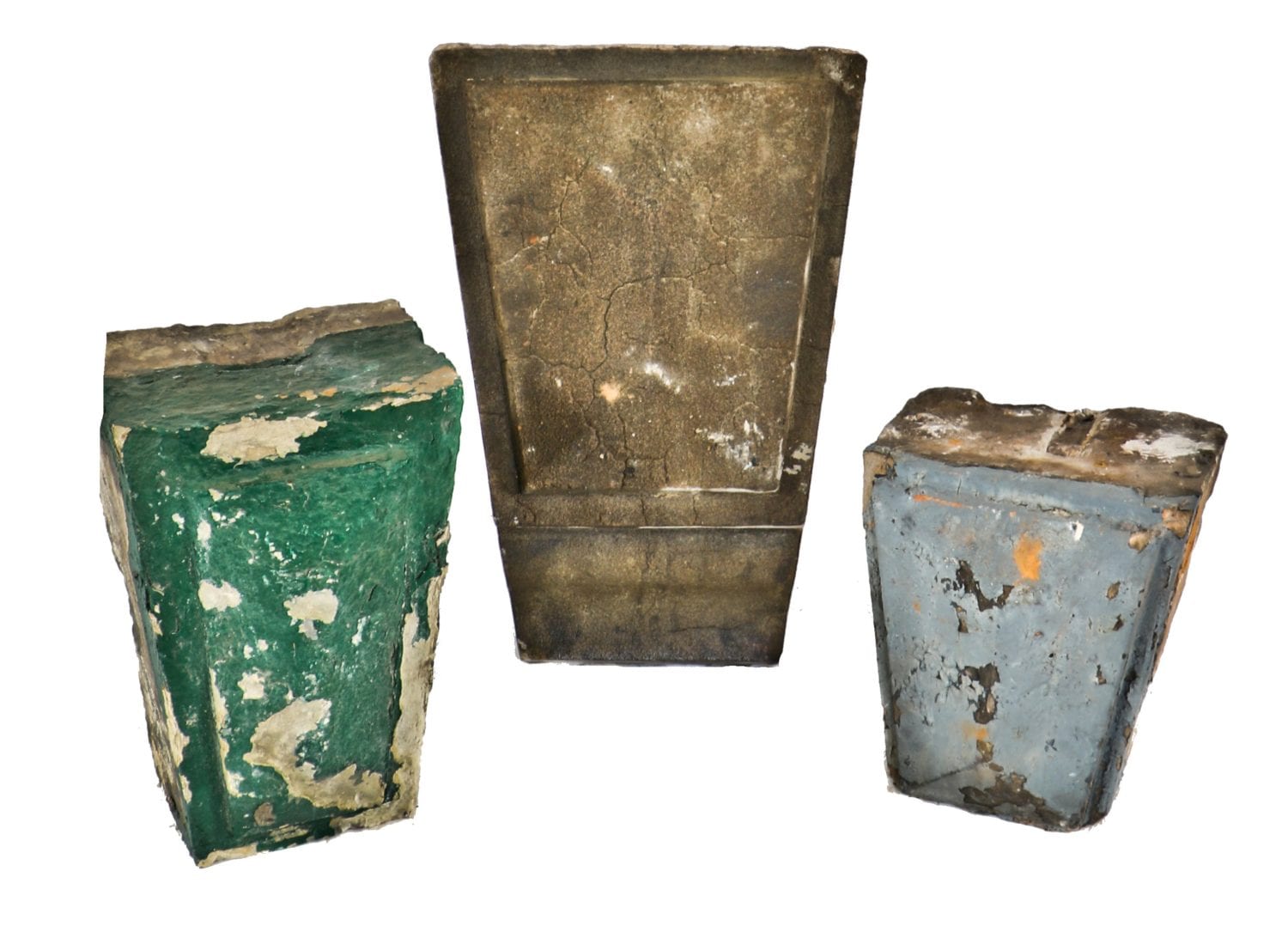
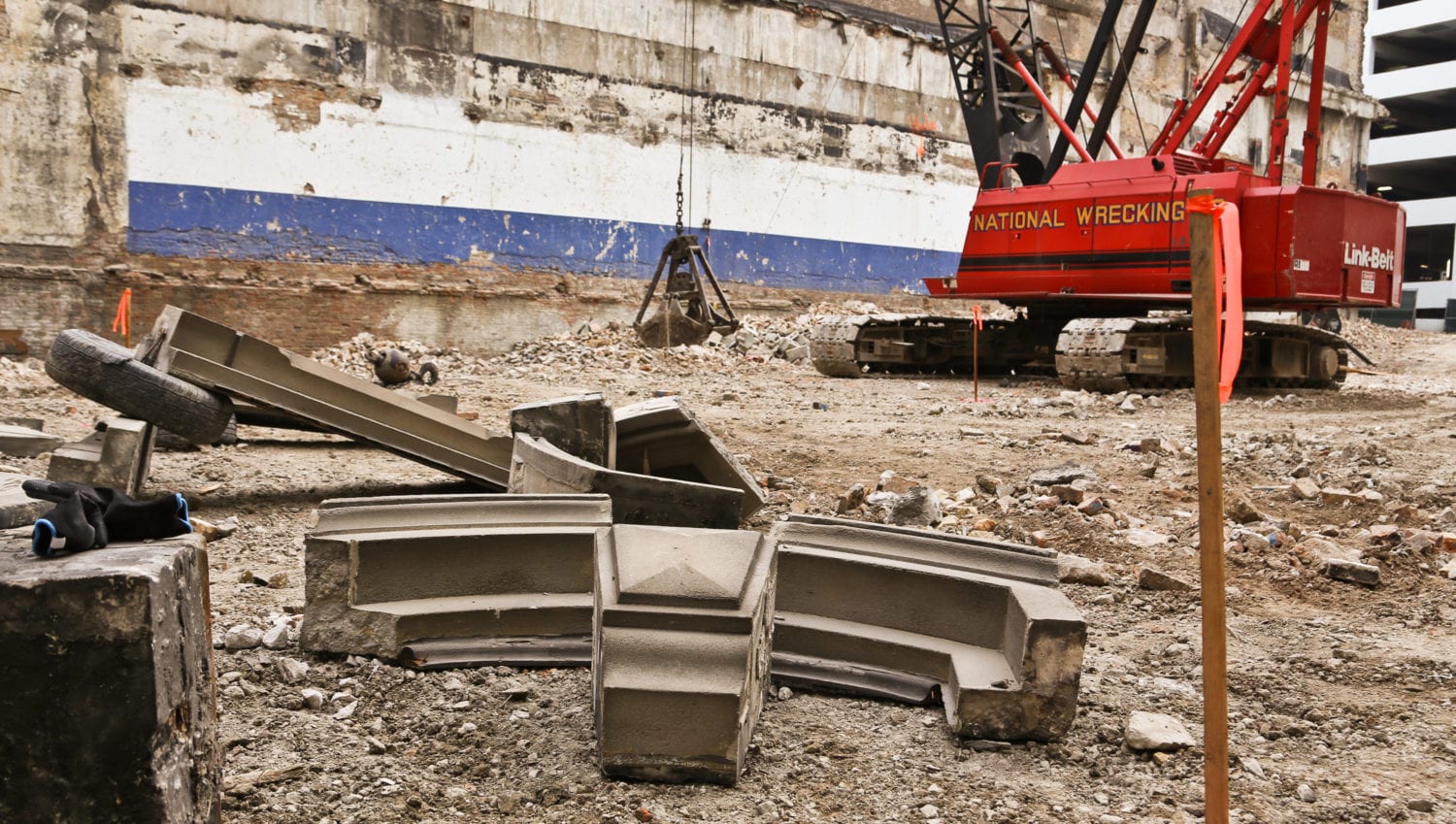
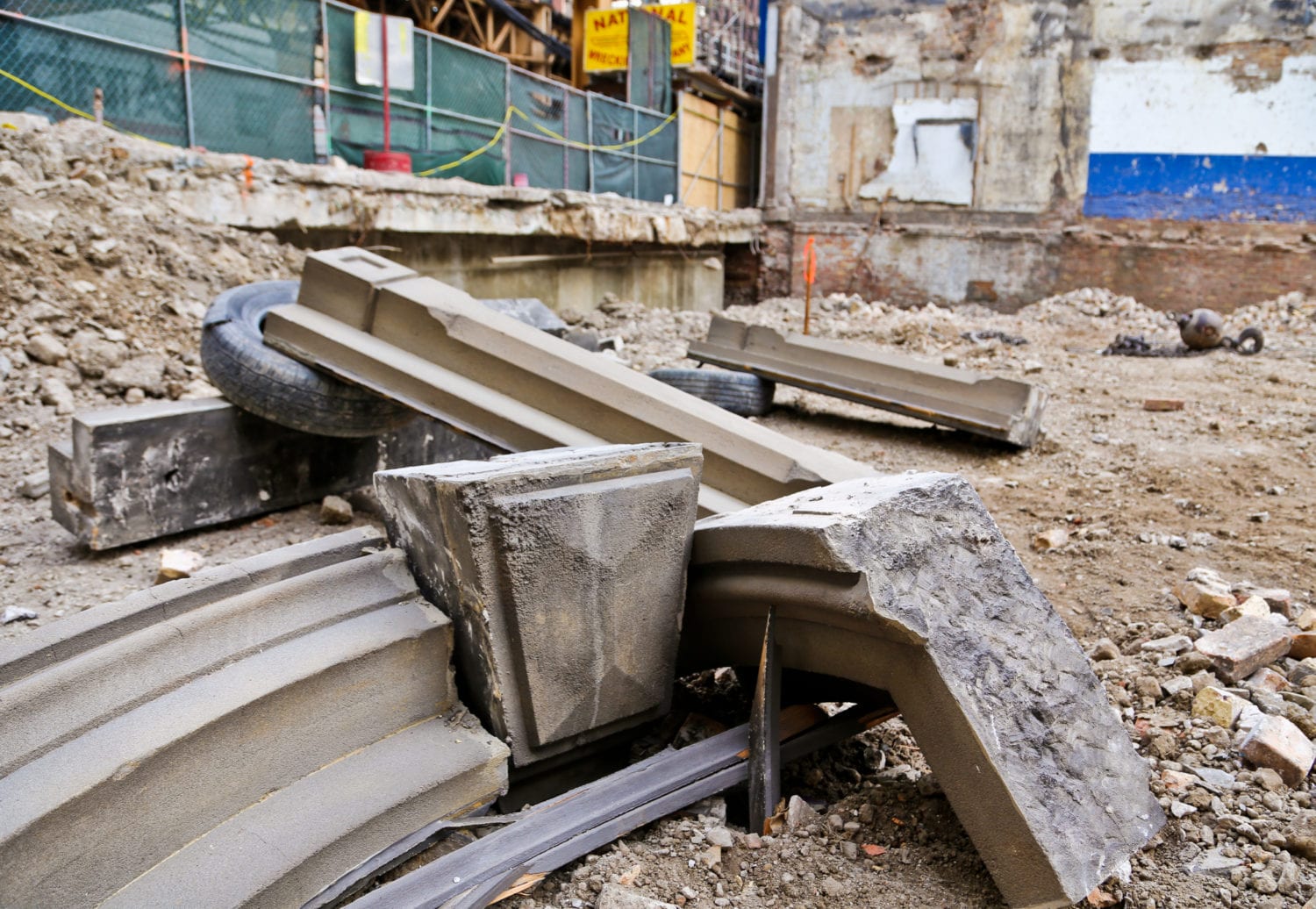
faceted exterior building (artificial and lemont limestone) keystones from chicago commercial loft buildings built shortly after the great chicago fire of 1871.
the osborne and adams loft building was one of the earliest (1872) post-fire structures erected in the “burnt district.” with so many stone quarries slammed with orders for rebuilding the city after the great chicago fire of 1871, many buildings resorted to the use of of “artificial stone.” so in demand were all construction materials that in some cases, buildings were simply erected without a facade, until materials became available. osdel chose artificial stone for the entire facade, whereas most building during that time limited its use to window hoods, headers, or keystones.
clearly the loft’s material makeup was singular and informative, a reminder of the city’s fortitude, and a clue to the resources tapped in that historic moment. since it could not be preserved, the only solace is in having rescued several important remainders, to be able to tell its story and reiterate the senselessness of its destruction.

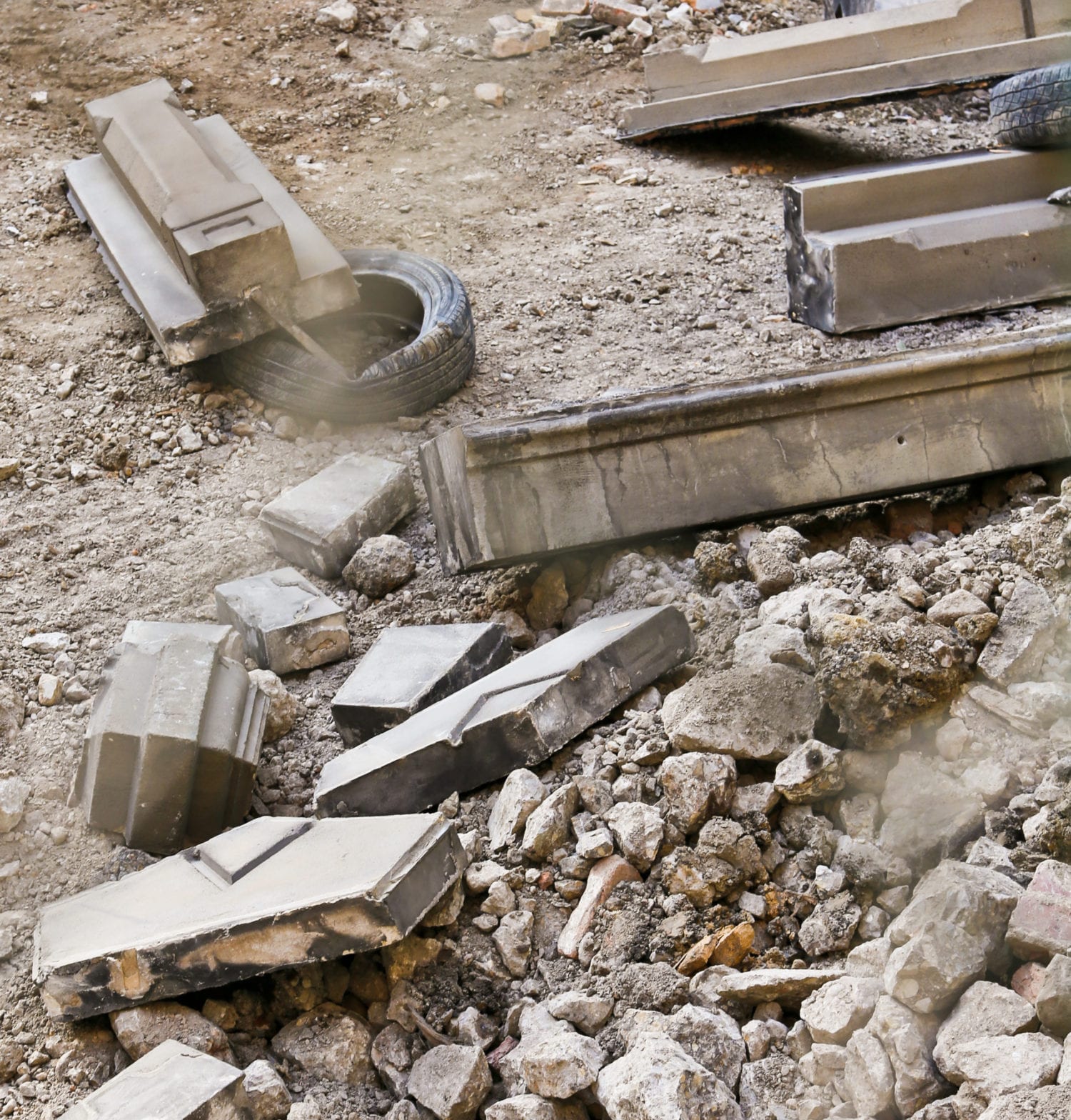
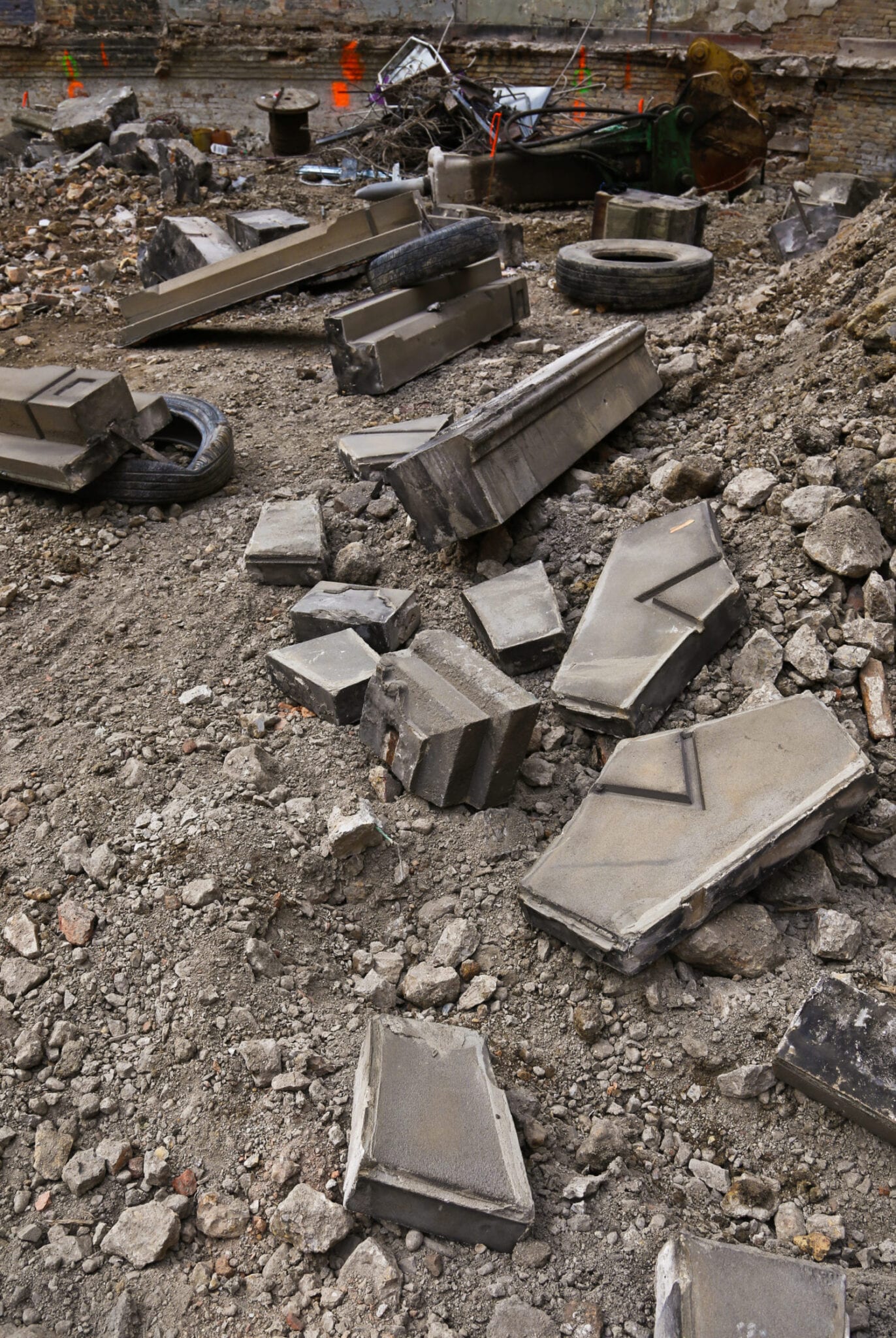
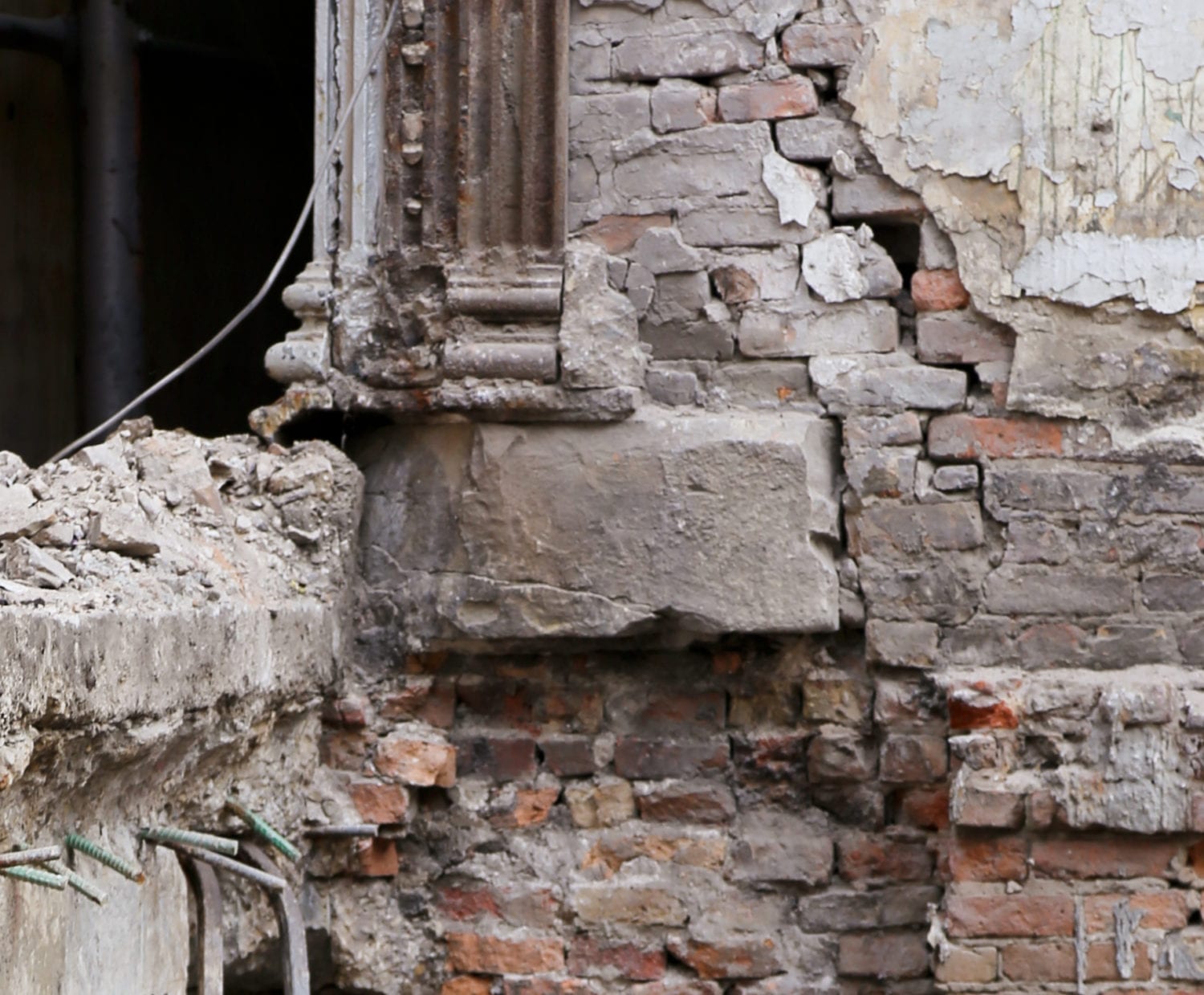
history of the building, including early use of luxfer prism tiles installed in the late 19th century, will be addressed in a future post.
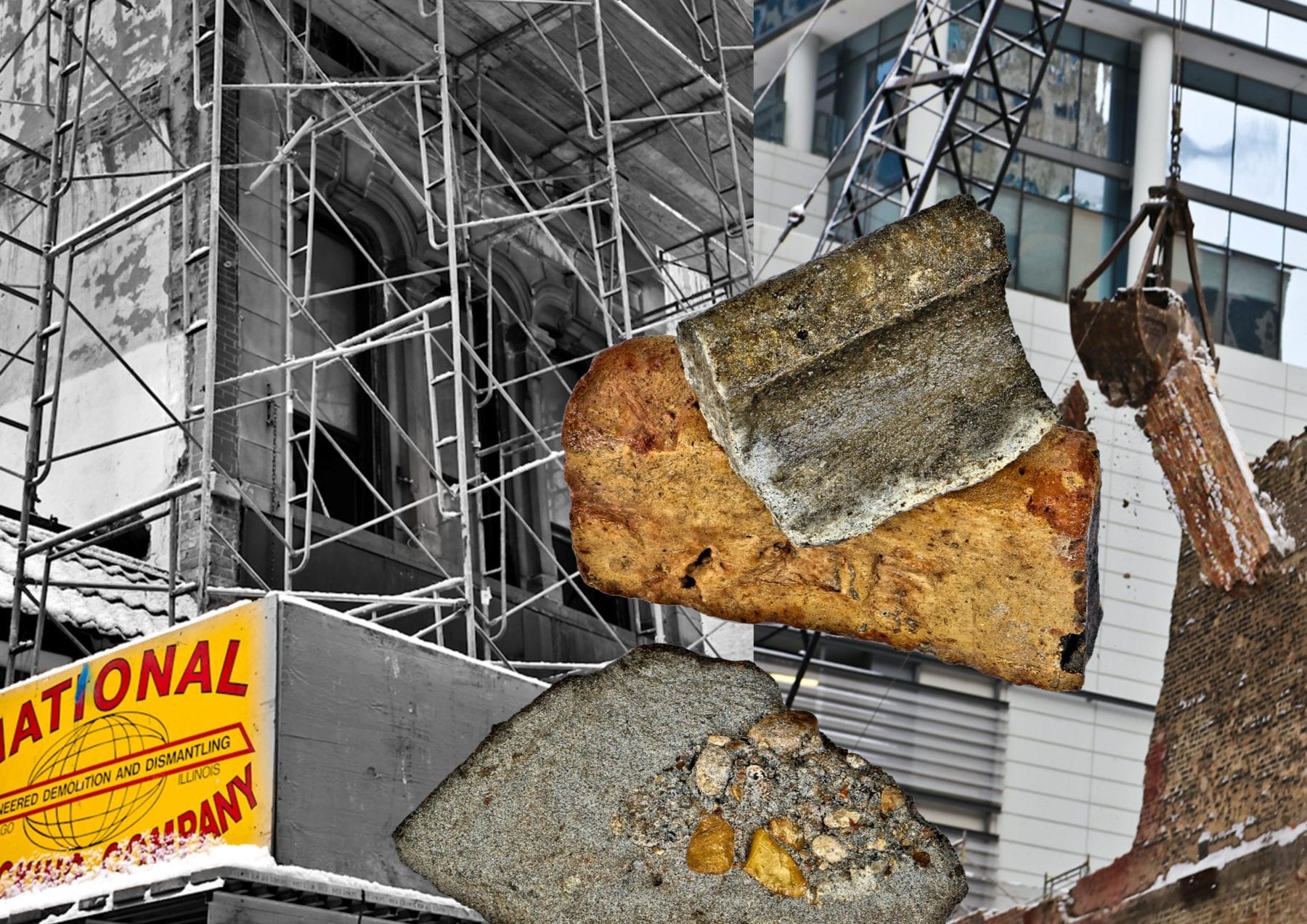
several fragments and sections of the facade were acquired by the bldg. 51 artifact museum courtesy of the national wrecking company. it is my hope that future architectural historians specializing in historic building materials will find them invaluable in their research.
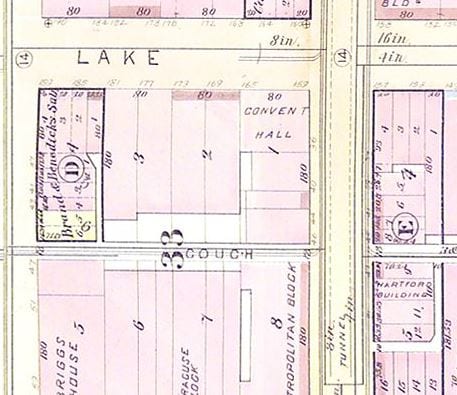
1886 sanborn showing the location of the osborne and adams post-fire loft building.
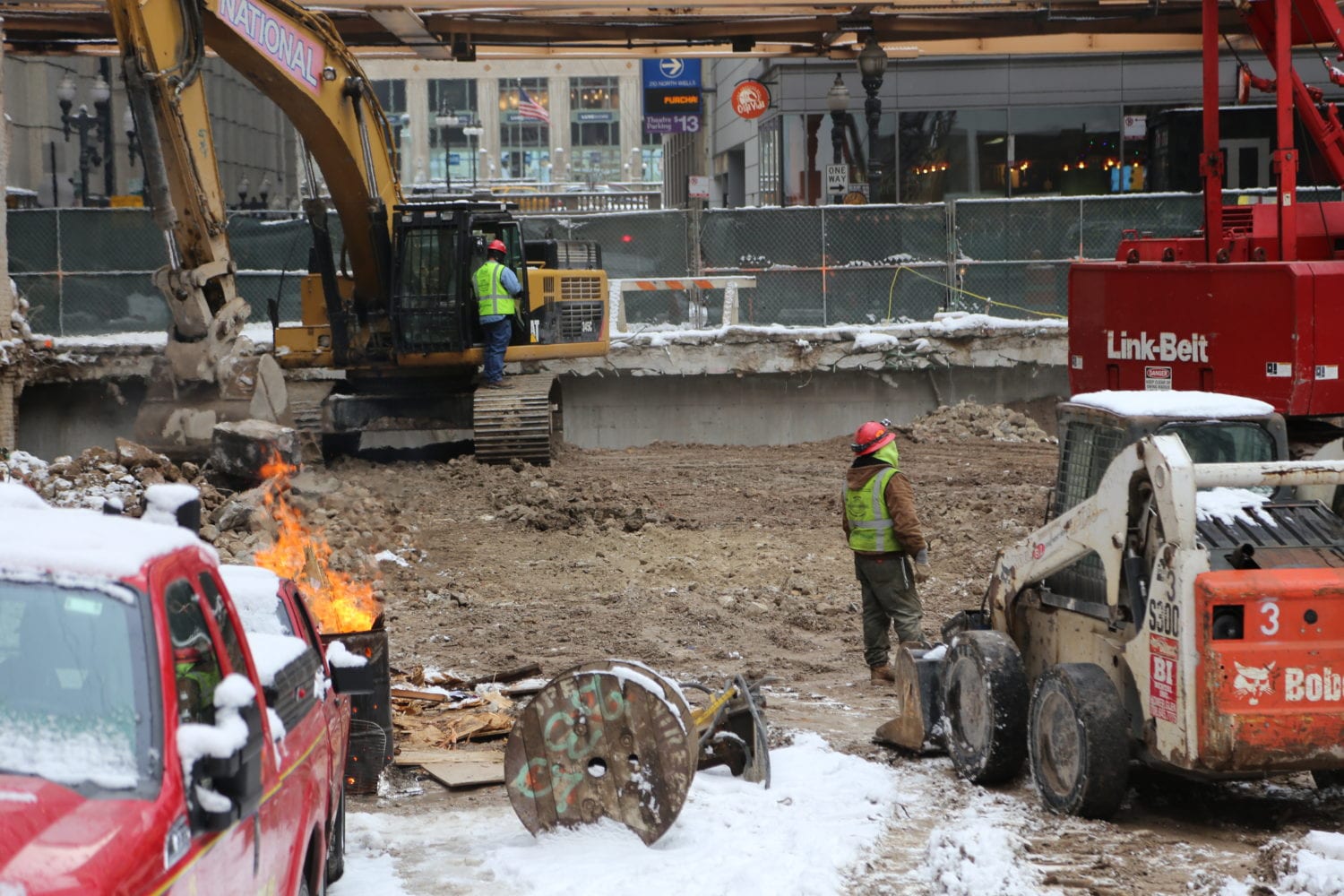
brutal weather made it difficult to document the building’s death for prolonged periods of time.
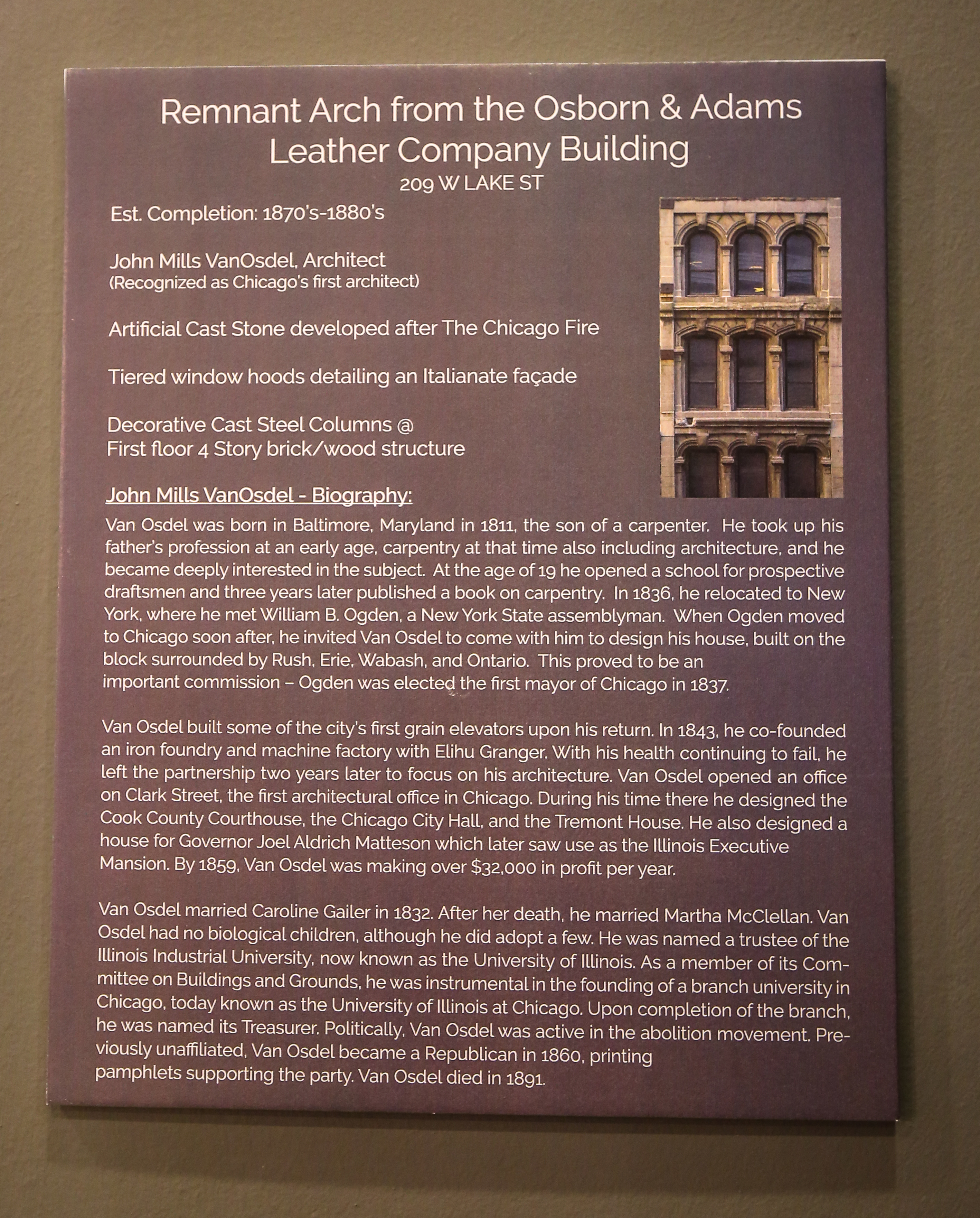
not sure why the placard says 1870’s-1880’s as the “established completion.” i’m glad they at least mention artificial stone, but nothing pertaining to its significance. the fact that the building’s facade was comprised entirely of artificial stone – an experimental alternative used on buildings in the “burnt district” when quarries where slammed with orders during rapid reconstruction – is perhaps the most notable feature.
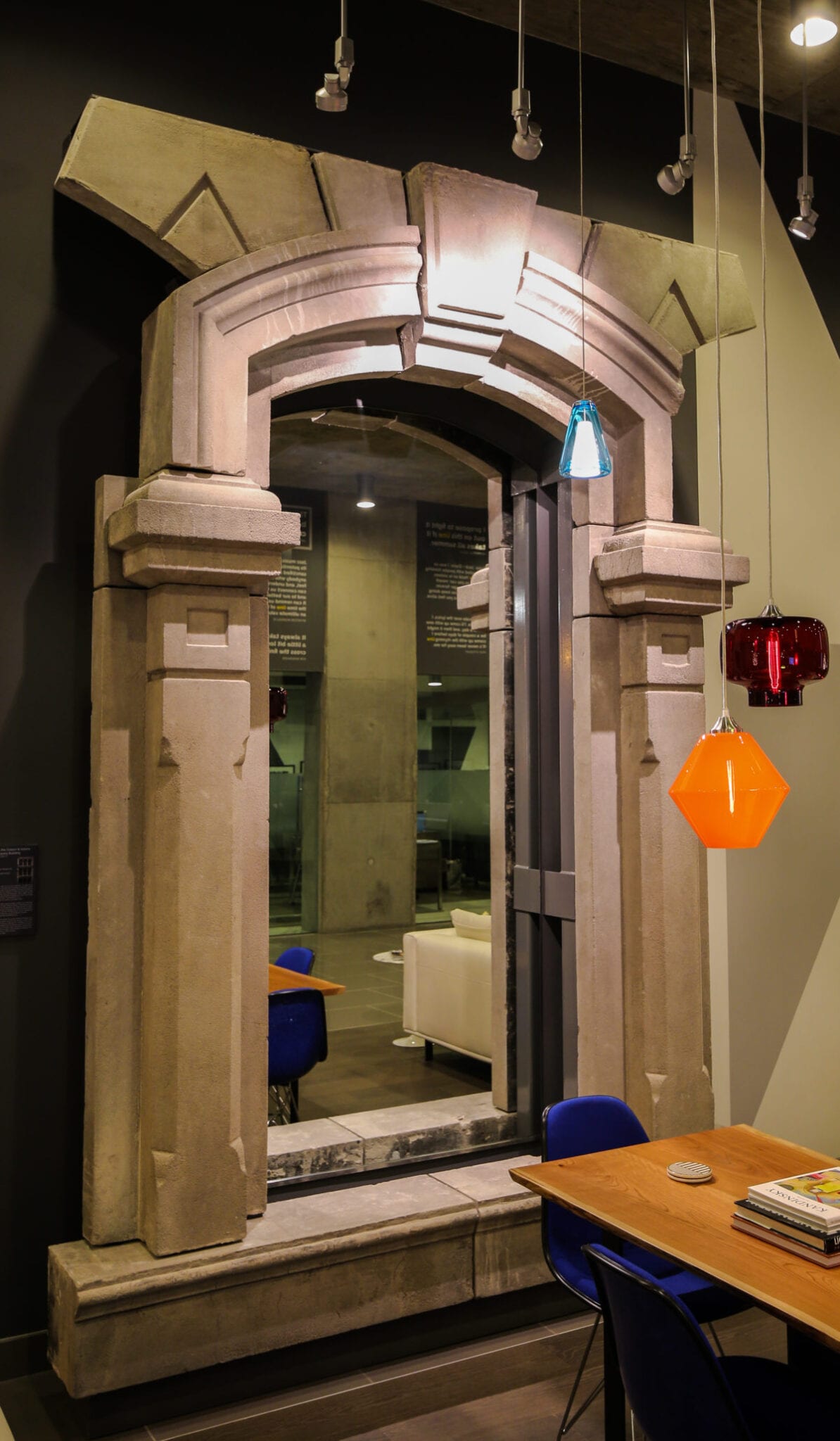
john mills van osdel’s osborne and adams loft build (built in 1872) is long gone, but the developers (linea?) requested a window assemblage to incorporate into their new structure. updated on 5-23-2017.