

01 Feb storytelling through object photography and narrativity
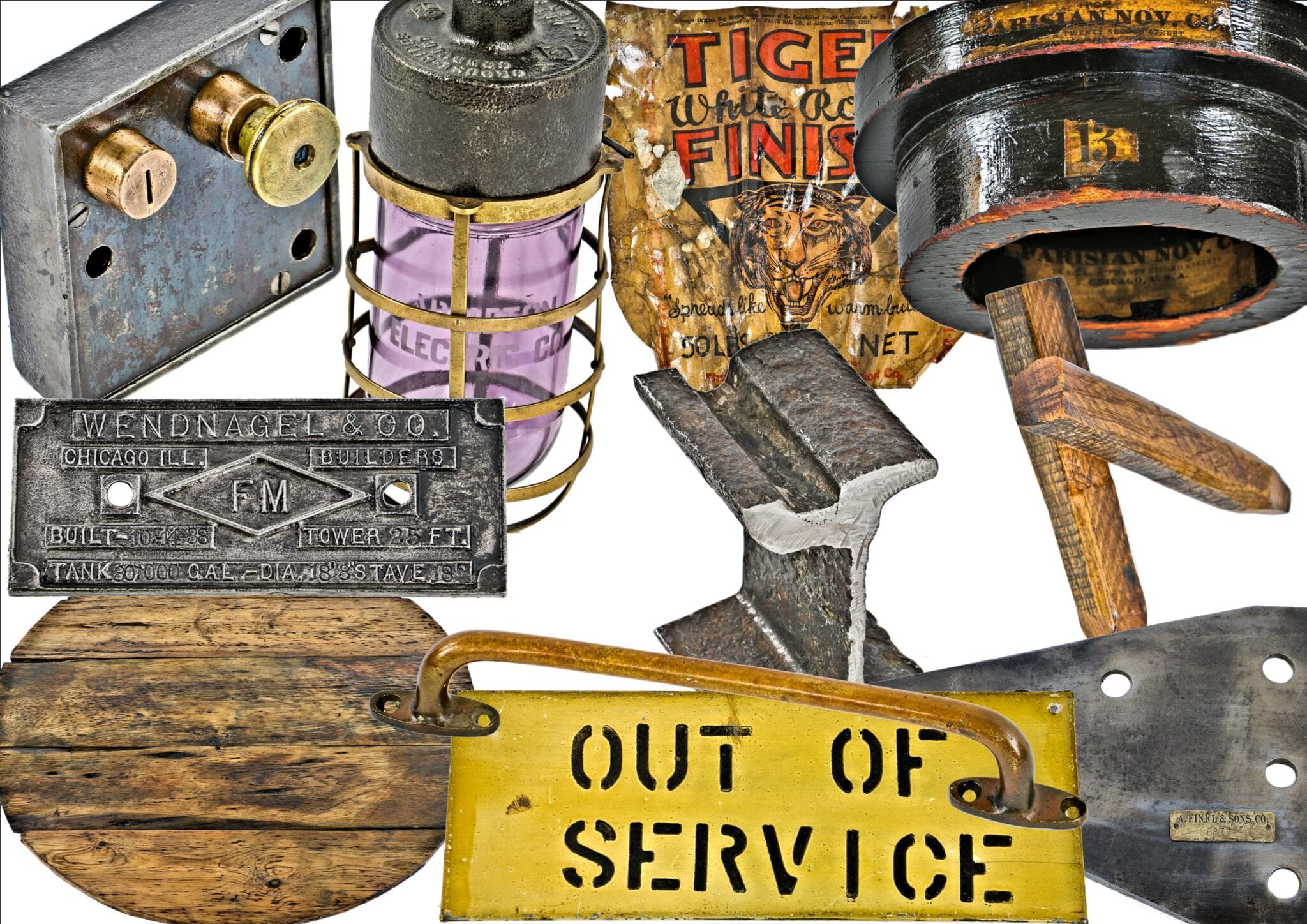
the following objects, culled from various ongoing projects, were selected and assembled as a hodgepodge cohered by the single theme of being utilitarian objects from chicago’s past. when we can flesh out the context in which these originally existed, they take on a new meaning as functional pieces of a larger whole, and are harder to discard. even so, objects can at times inspire curiosity and interest before a narrative has even been untangled. while i find that to research and excavate the history in each object is paramount to good storytelling, the following images standalone as a gallery that might evoke a sense of the textures and material weight involved in rediscovering the city’s history.
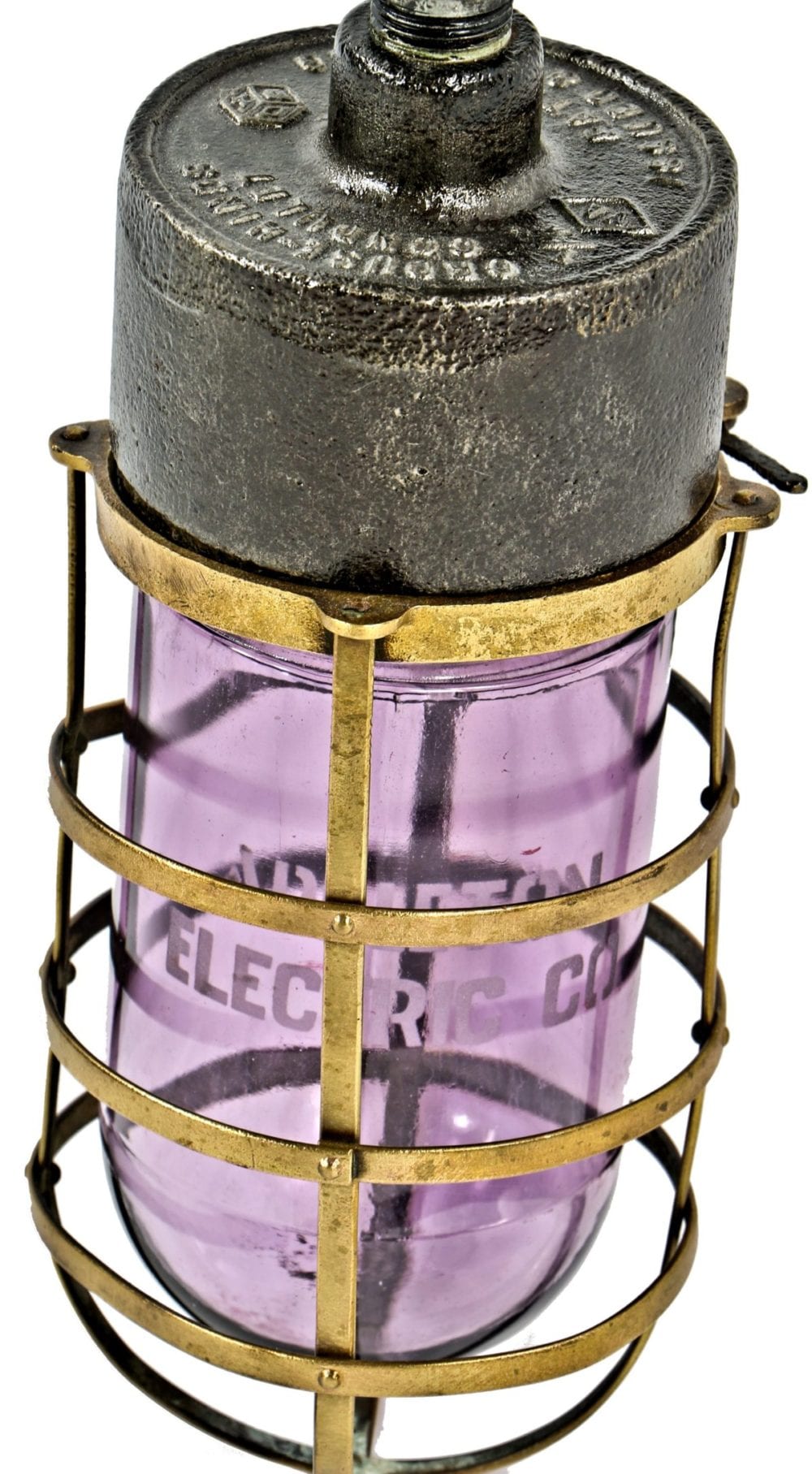
early 20th century appleton “explosion proof” caged light found affixed to the underside of a gantry crane housed in the old cook county hospital power plant. the fixture – untouched since it was installed, still retained the original working tipped” light bub with tungsten “squirrel cage” filament. the riveted joint yellow brass cage is most unusual (they are more often found comprised of strap steel).
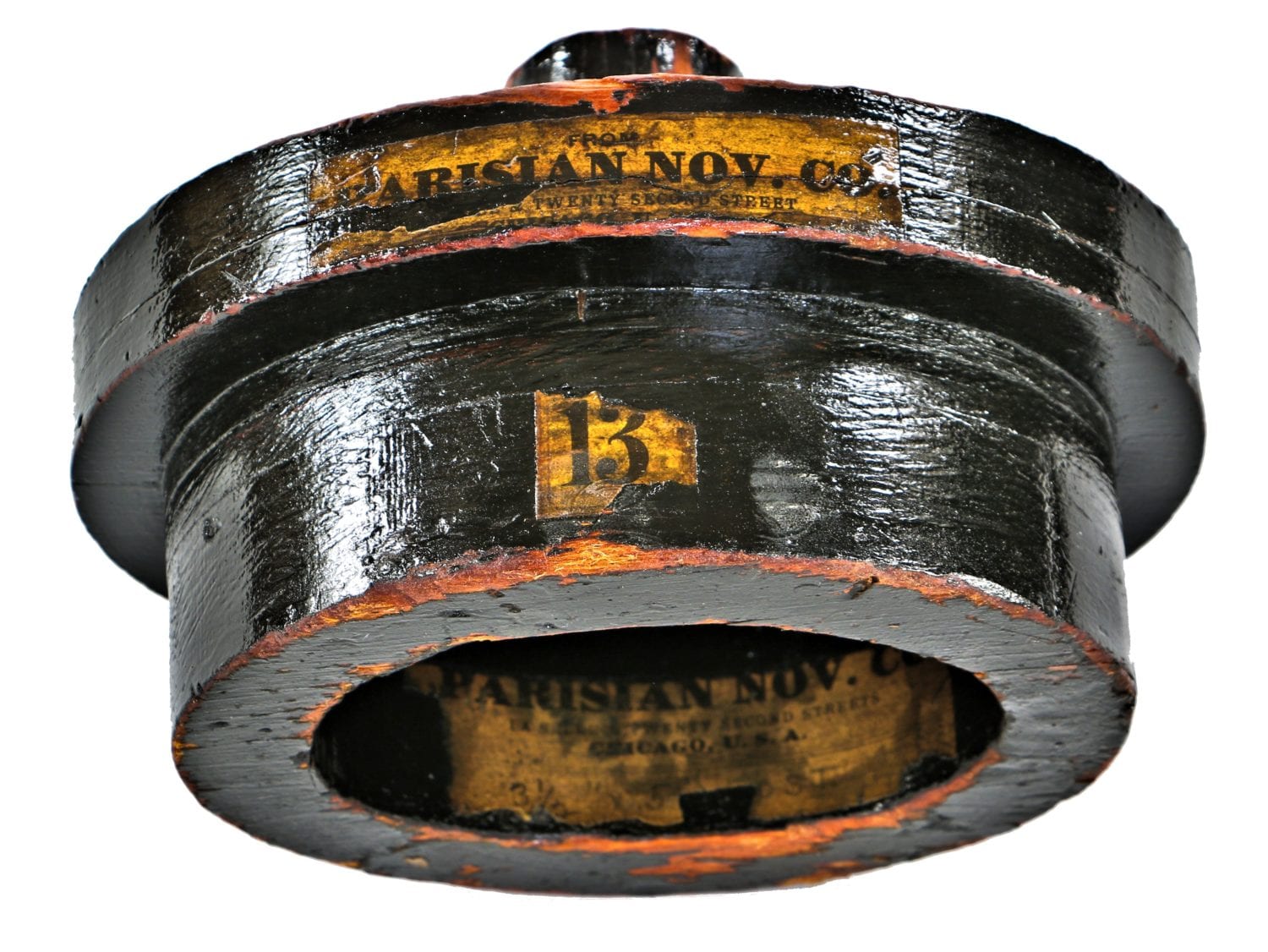
c. 1900-1910 painted pine wood advertising celluloid button no. 13 pattern made exclusively for the parisian novelty company, chicago, ills.
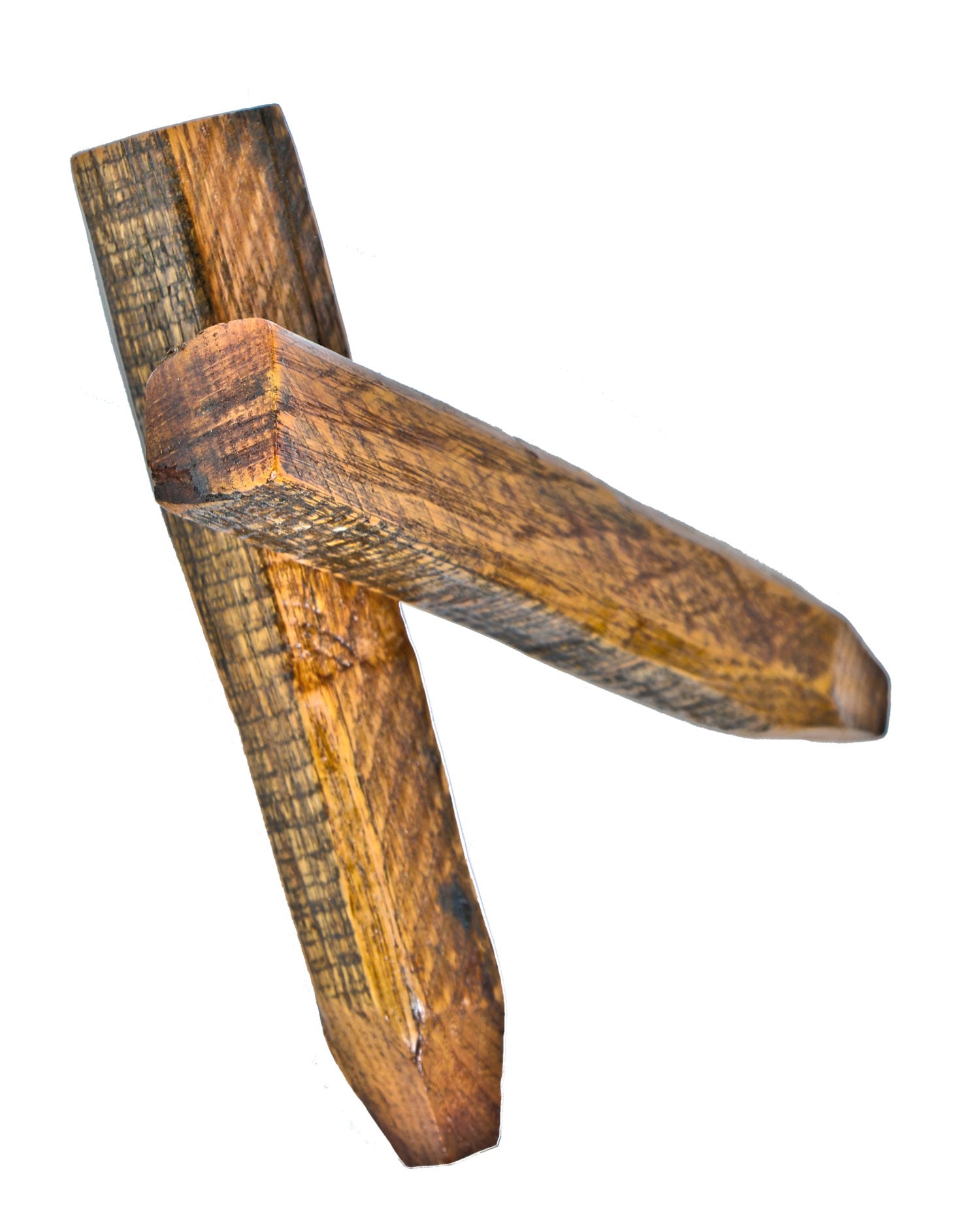
two nearly identical c. 1850-1860 solid white oak wood “treenails” or “pegs” extracted from a chicago wood-framed hybrid cottage during its demolition. the pegs were used to secure interlocking (e.g., mortise and tenon) sill plates.
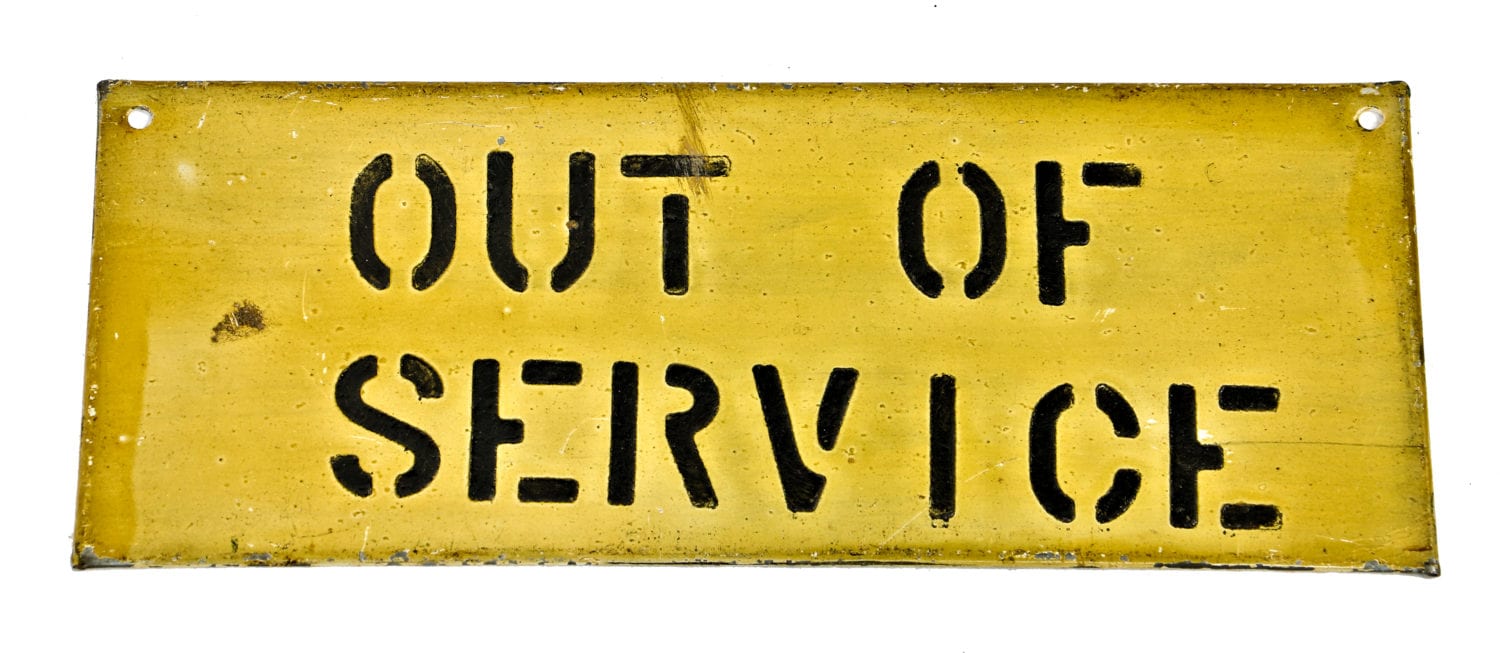
discolored c. 1930’s stamped and folded “out of service” handmade informational sign with black stenciled lettering. the sign contained a chain that was used to hang it on valve handles within the old bunte candy factory powerhouse.
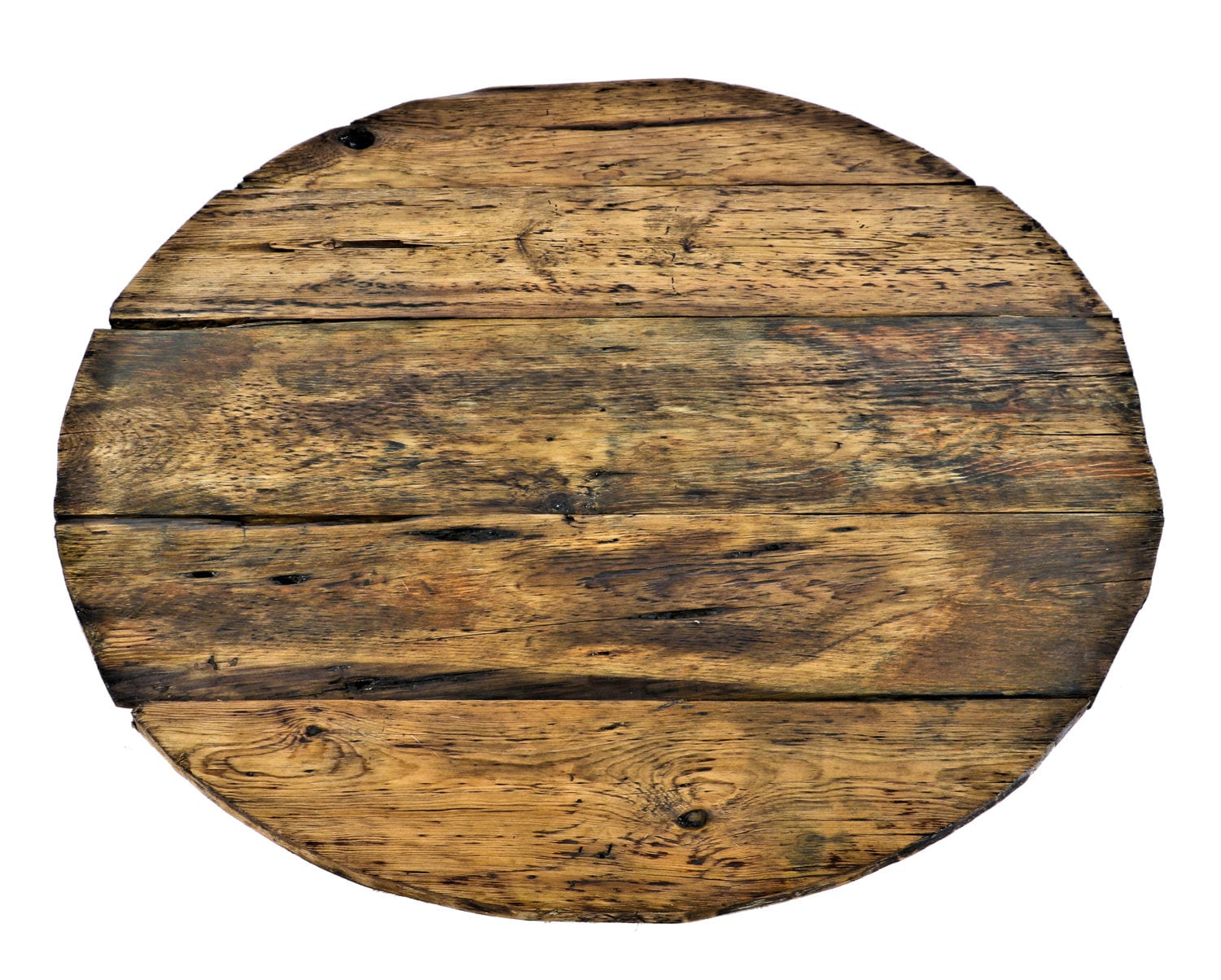
reconstructed original mid-19th century chicago subterranean privy “vault” or pit pine wood floor, comprised of pine wood boards configured to the size and shape of the vault. before indoor plumbing, chicagoans would have to relieve themselves in their backyards where the outhouse was located (above ground). a “night scanvenger” was hired to clean or “dip” the vaults from human waste, trash (e.g., bottles), etc.
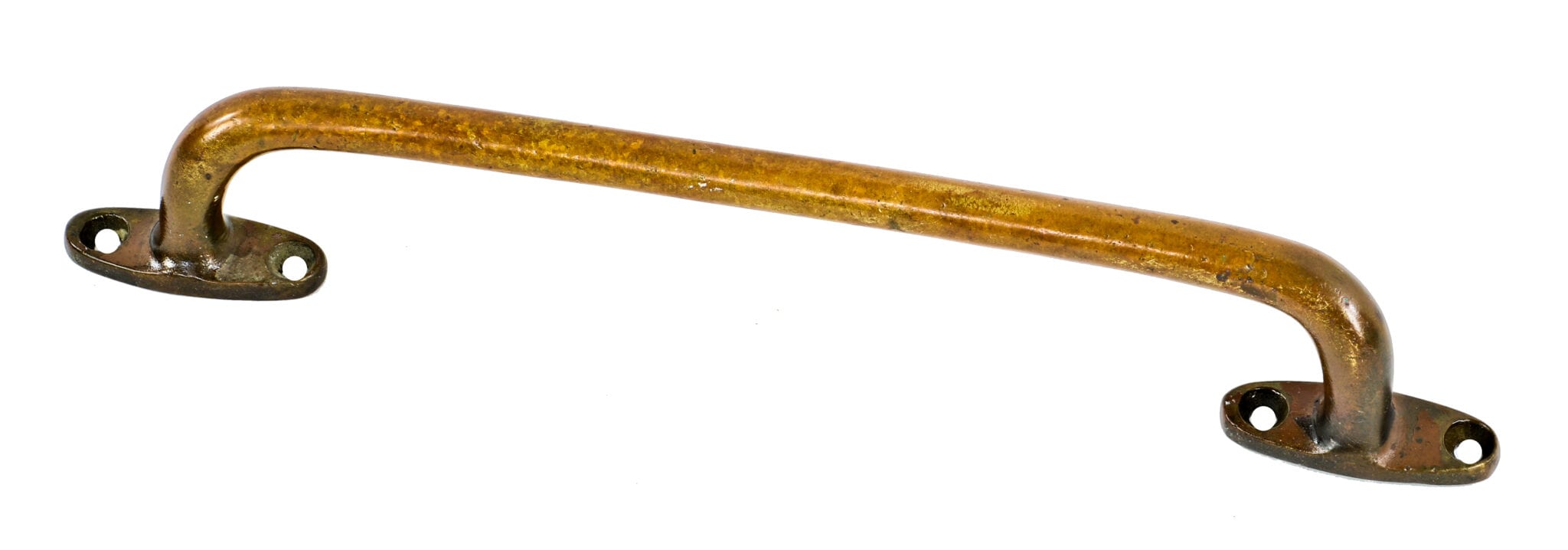
c. 1910 un-ornamented cast bronze chicago street car door pull handle.
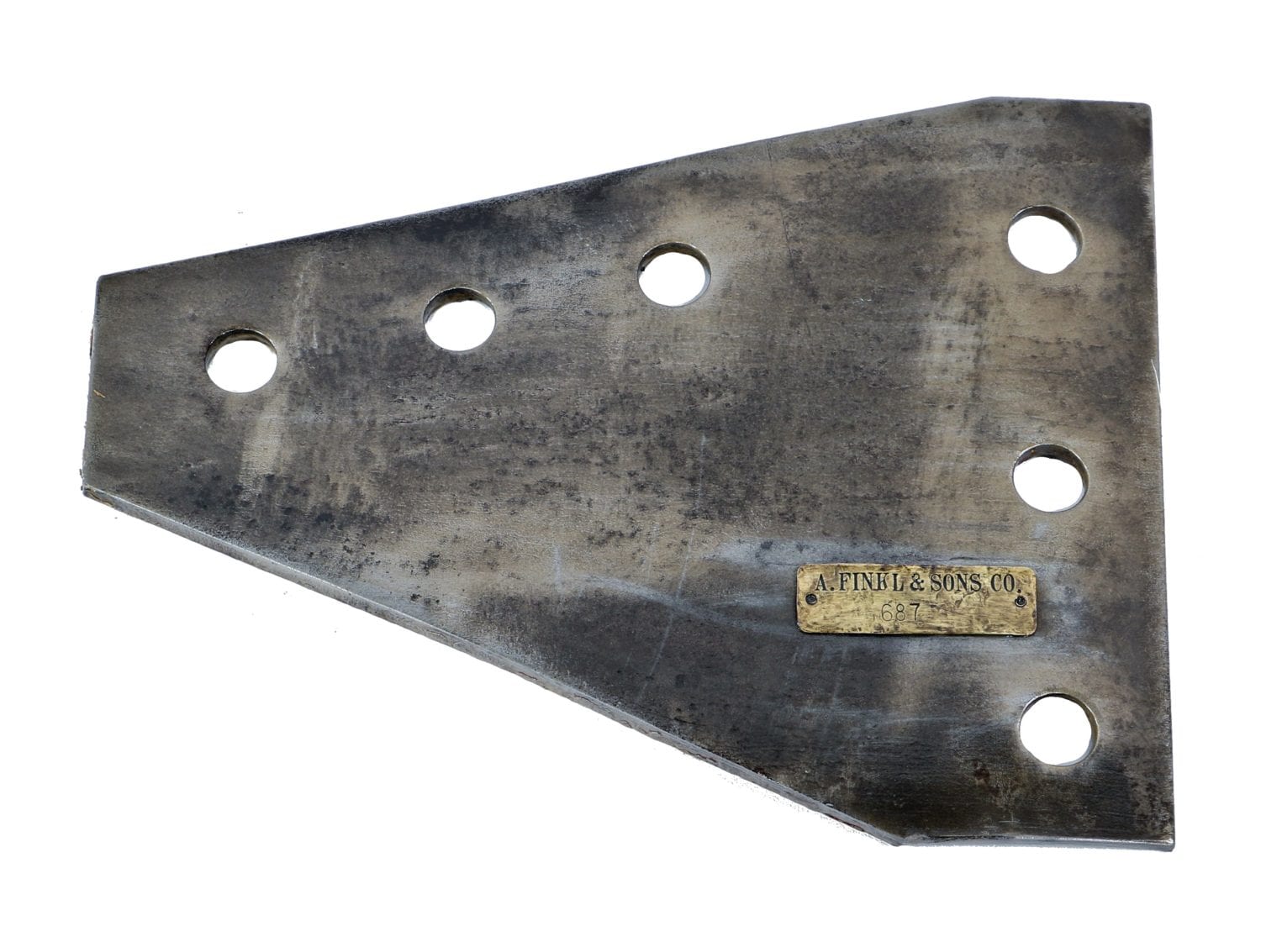
refinished solid steel a. finkl & sons foundry building gusset plate or connector used between a perlin and rafter beam. the punches holes originally held rivets.
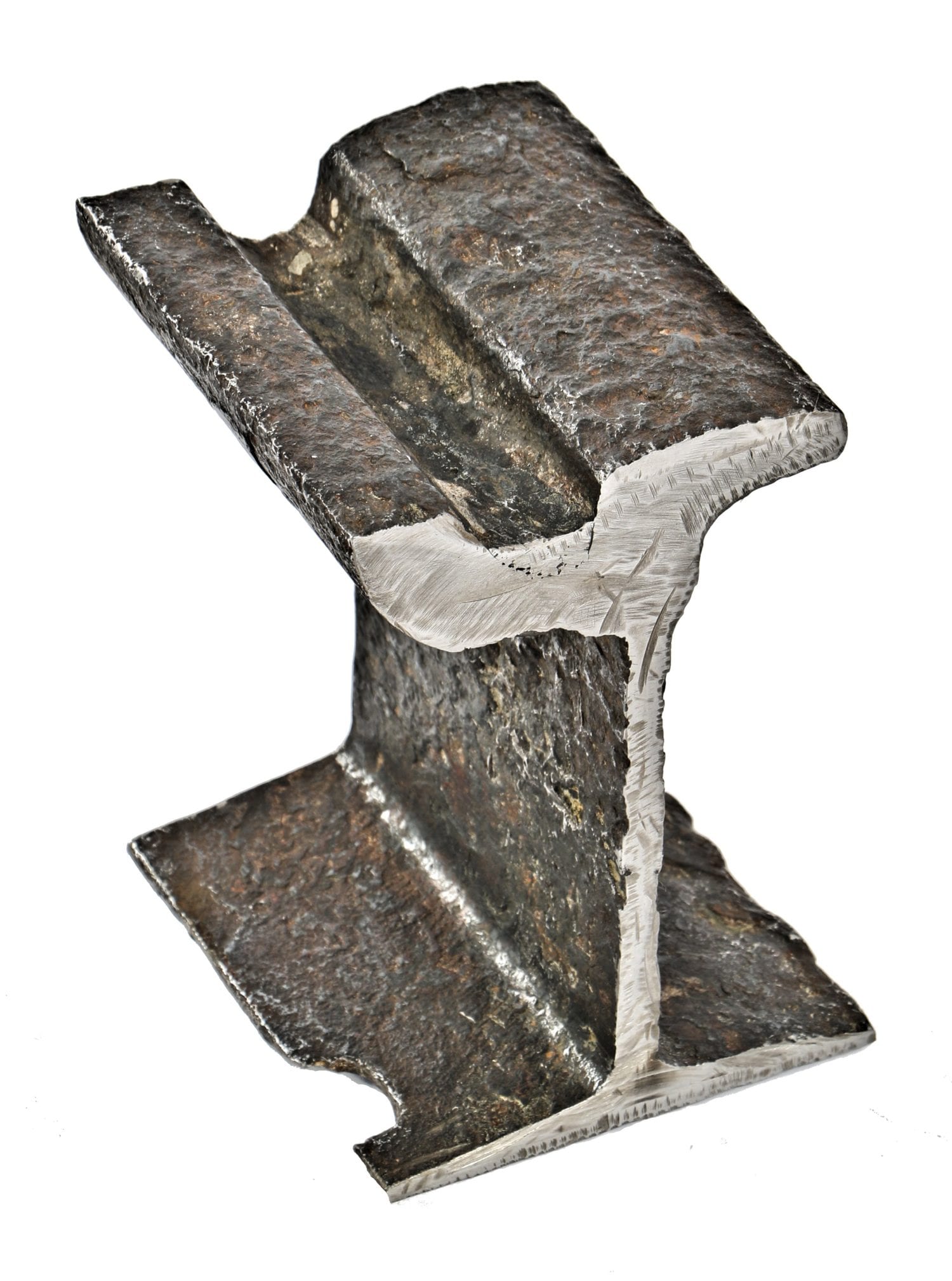
19th century chicago street and/or cable passenger car track comprised of cast iron. the section was extracted from franklin street, between granite pavers.
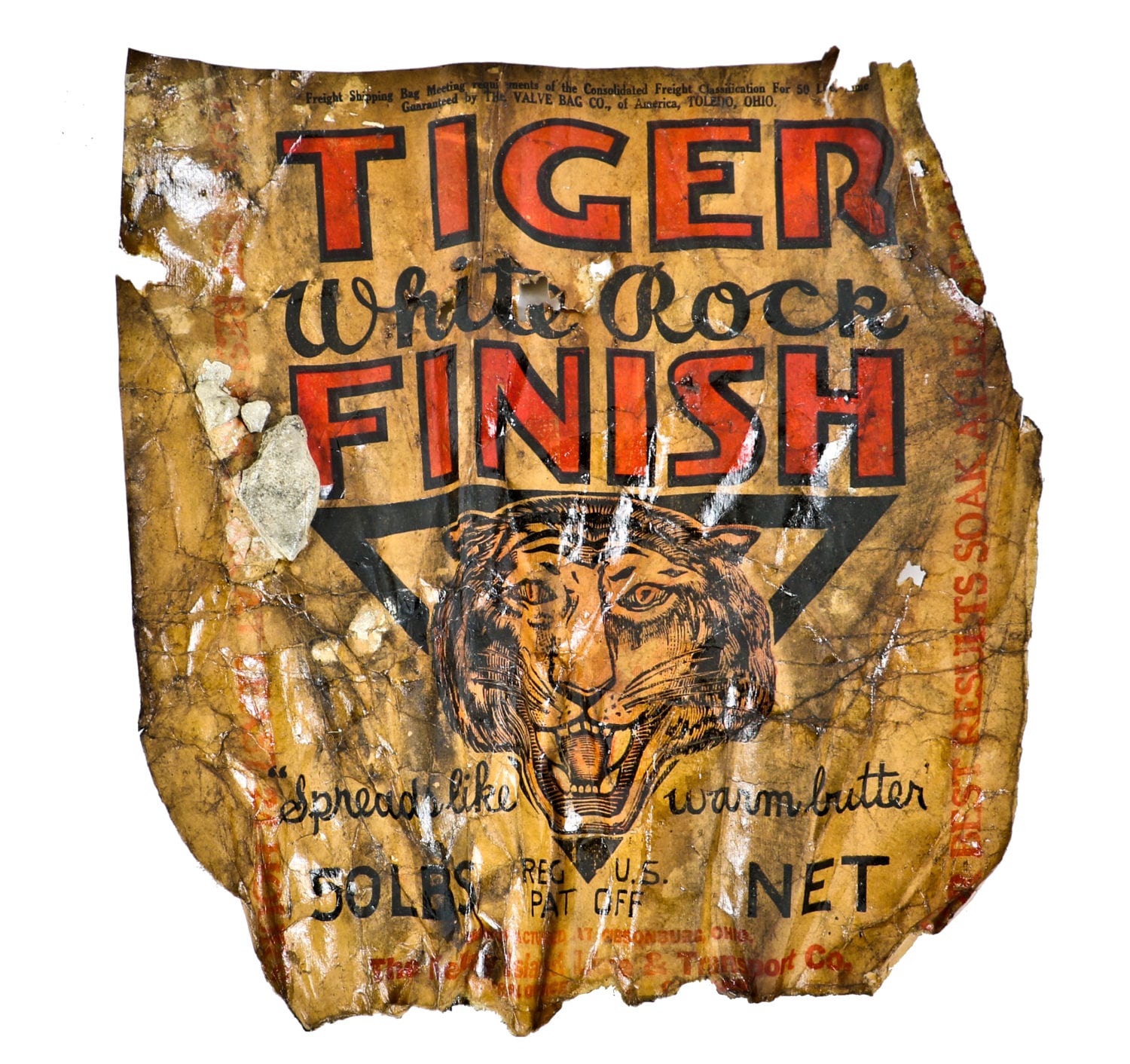
partially intact “tiger” white rock finish bag once containing hydrated lime for use in applying a base coat of plaster. the reinforced paper bag was stuffed in the cavity of a cast plaster ornament by a plasterer tradesman who participated in constructing the lawndale theater (1931) interior ornament.
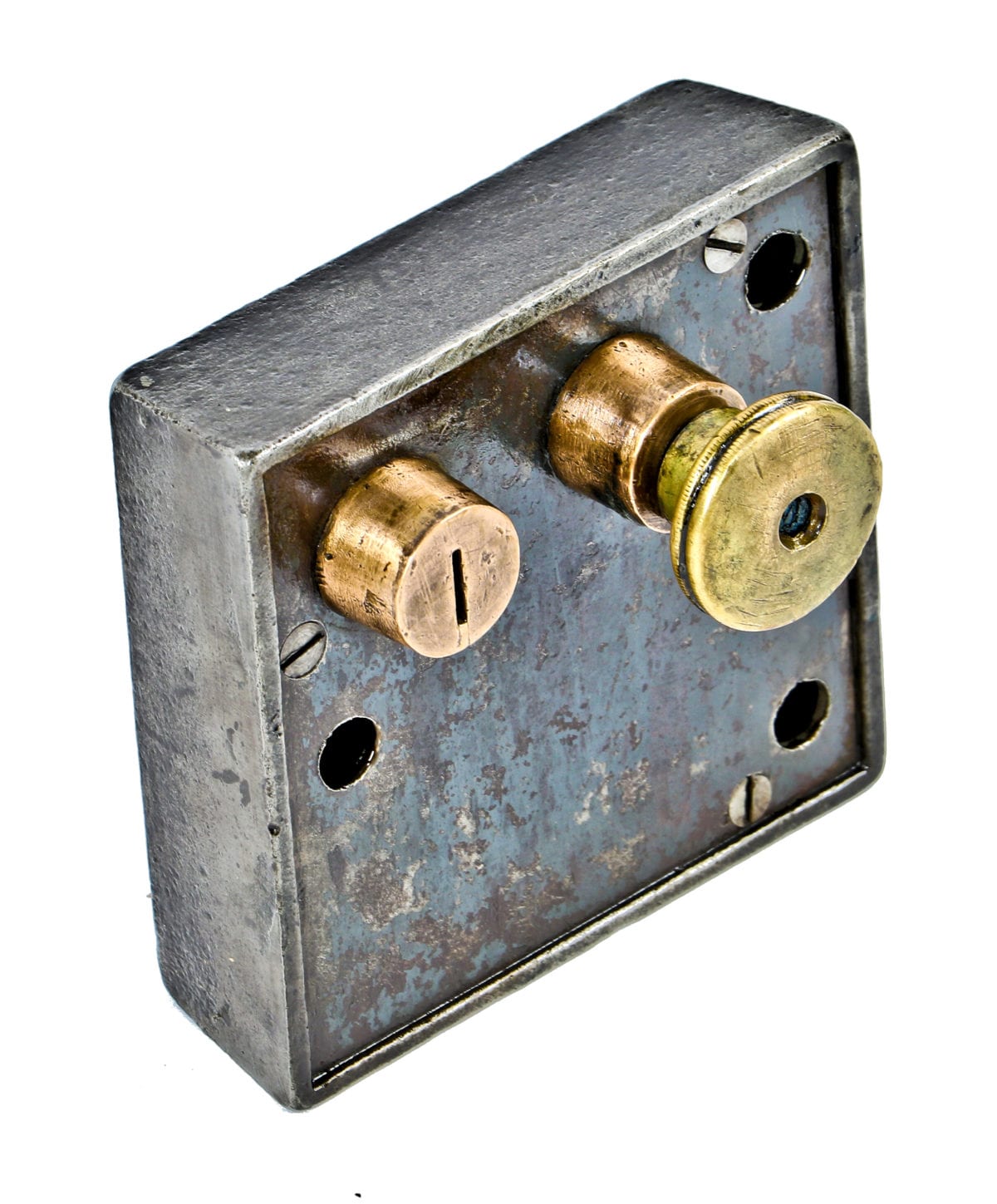
c. 1869-70 custom-built crane company “dead bolt” with iron case and bronze and brass components. the lockable device was originally mounted flush against a vault door located in the crane company’s addition, built in 1870. each floor contained a brick-lined vault with cast and wrought iron doors employing different locking mechanisms. the lock was removed from the 3rd floor vault door (the floor was dedicated to wood pattern making for cast iron plumbing components) shortly before the pre-chicago fire building was demolished in 2016.