

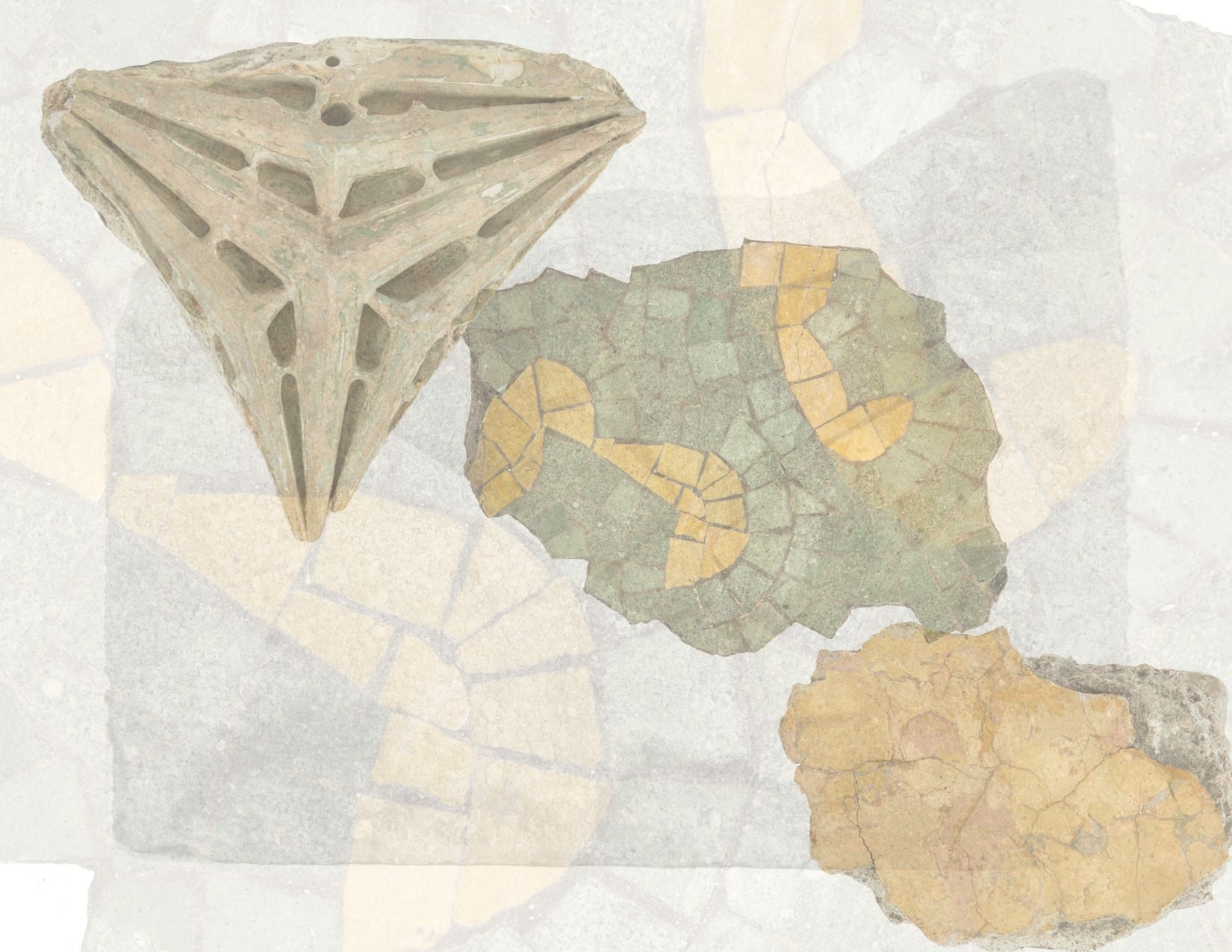
21 Feb seven historically important architectural building fragments from chicago’s past
SEVEN FRAGMENTS FROM CHICAGO’S PAST:
seven historically important fragments salvaged from chicago buildings designed in the 19th and early 20th century. every building has been demolished and largely forgotten.
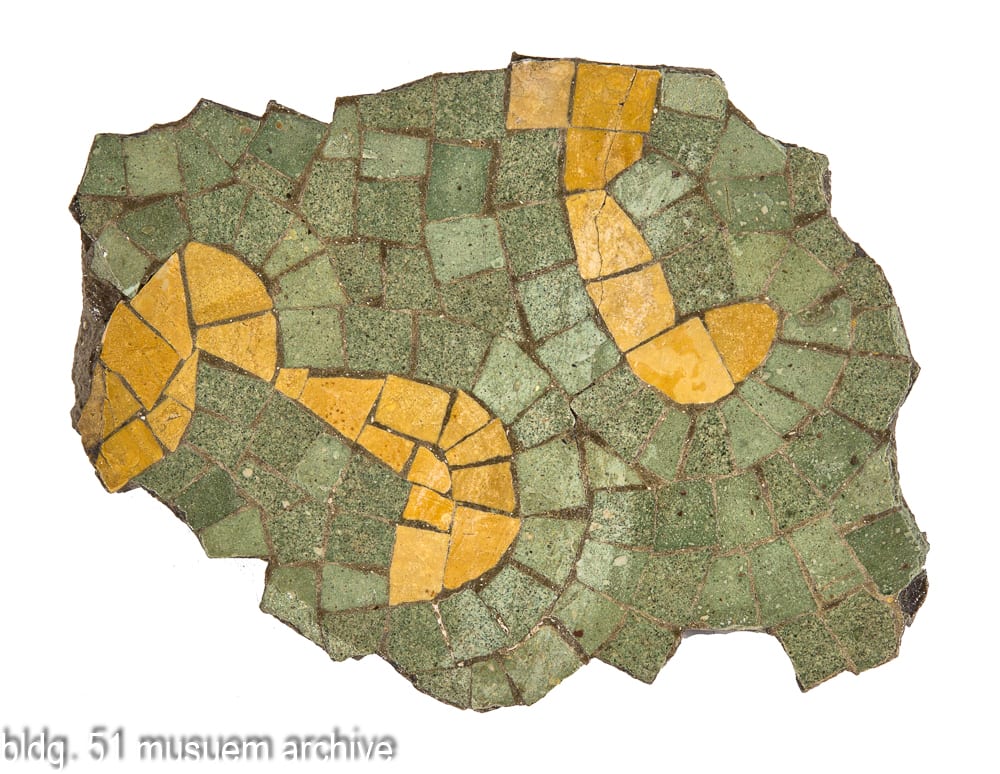
mosaic tile fragment from one of two interior staircase landings. schiller building (1892), adler and sullivan, architects. the fragment was salvaged by john norris, richard nickel and john vinci during the building’s demolition in 1961.
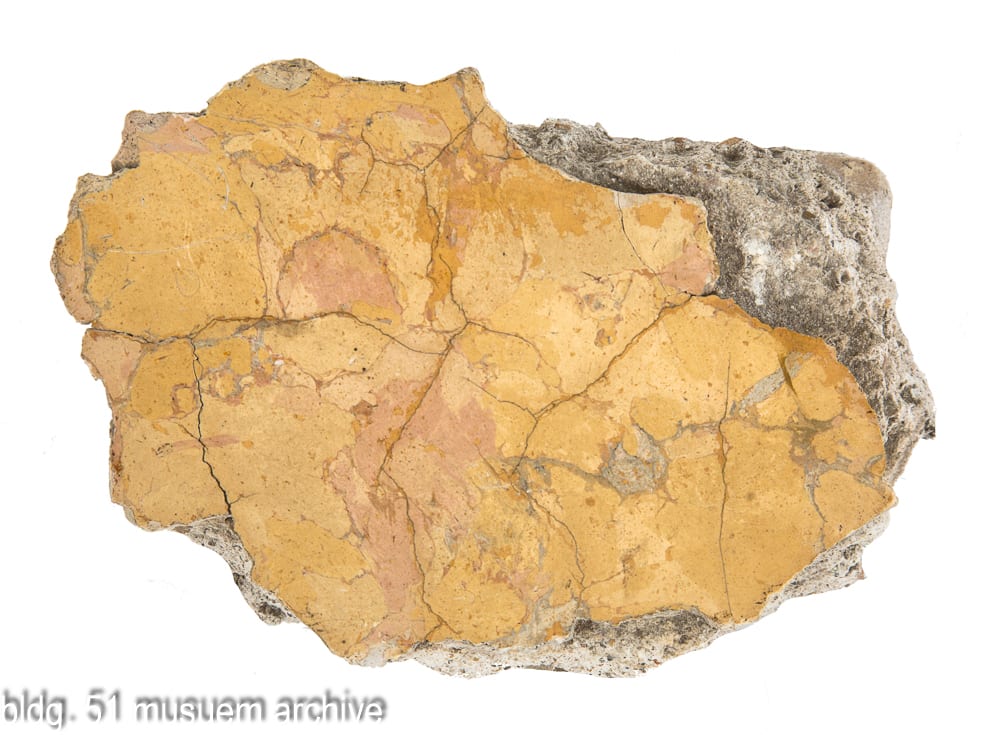
hand-painted scagolia column fragment from one of four trading room columns in chicago stock exchange building (1894), adler and sullivan, architects. the fragment was salvaged by richard nickel and john vinci during building’s demolition in 1972.
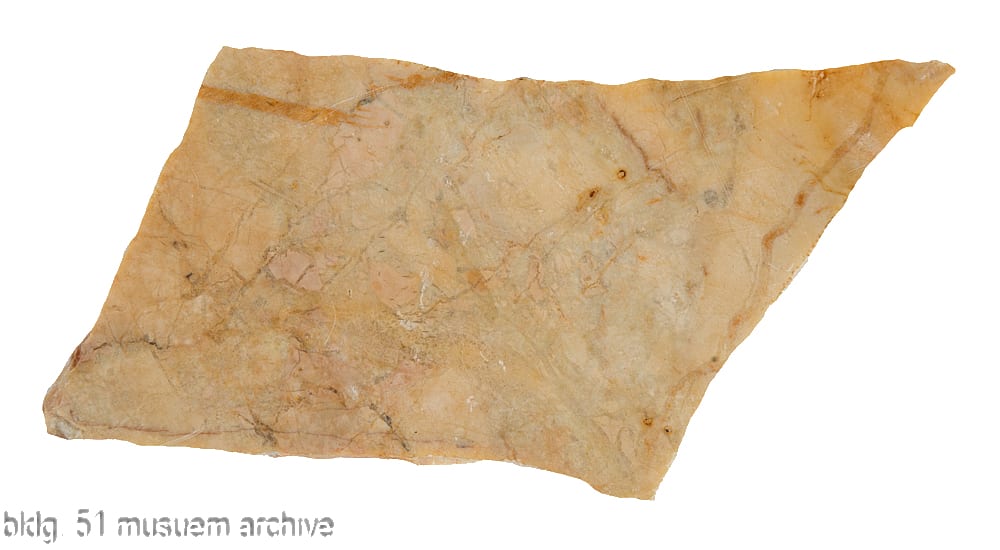
original tennesse marble fragment from an interior lobby wall in the columbus memorial building (1893), william boyington, architect. the fragment was salvaged by the building’s engineer during its demolition in 1957.
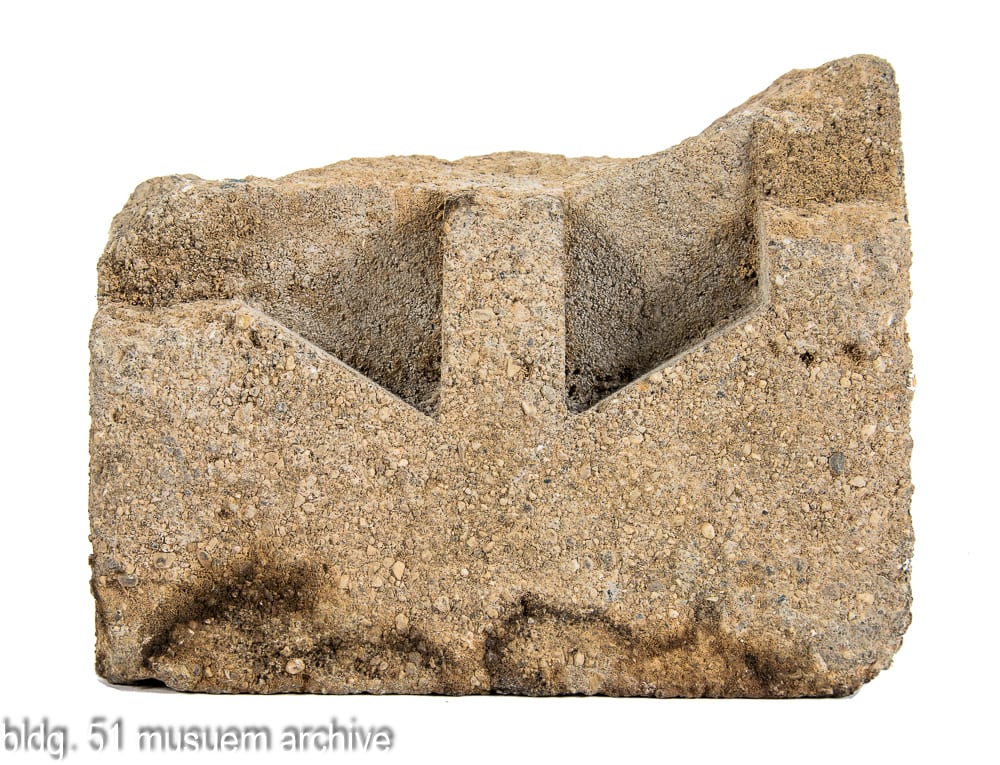
exterior cast concrete fragment from an unknown location within midway garden (1914), frank lloyd wright, architect. the fragment, along with a complete panel, was salvaged by the wrecker, xxx, during its demolition in 1929.
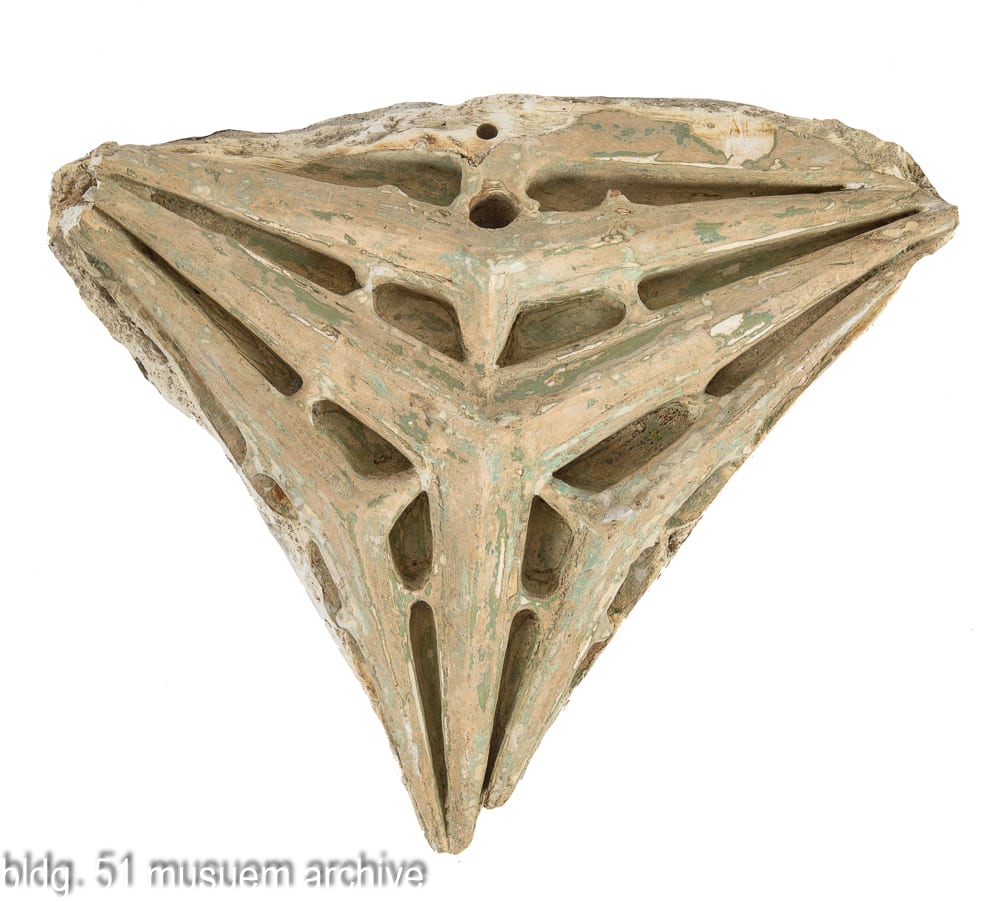
hugh garden-designed cast plaster fragment from one of four interior column capitals located within the lobby of michael reese hospital (1907), schmidt, garden & martin, architects. the fragment was salvaged by eric j. nordstrom during the building’s demolition in 2010.
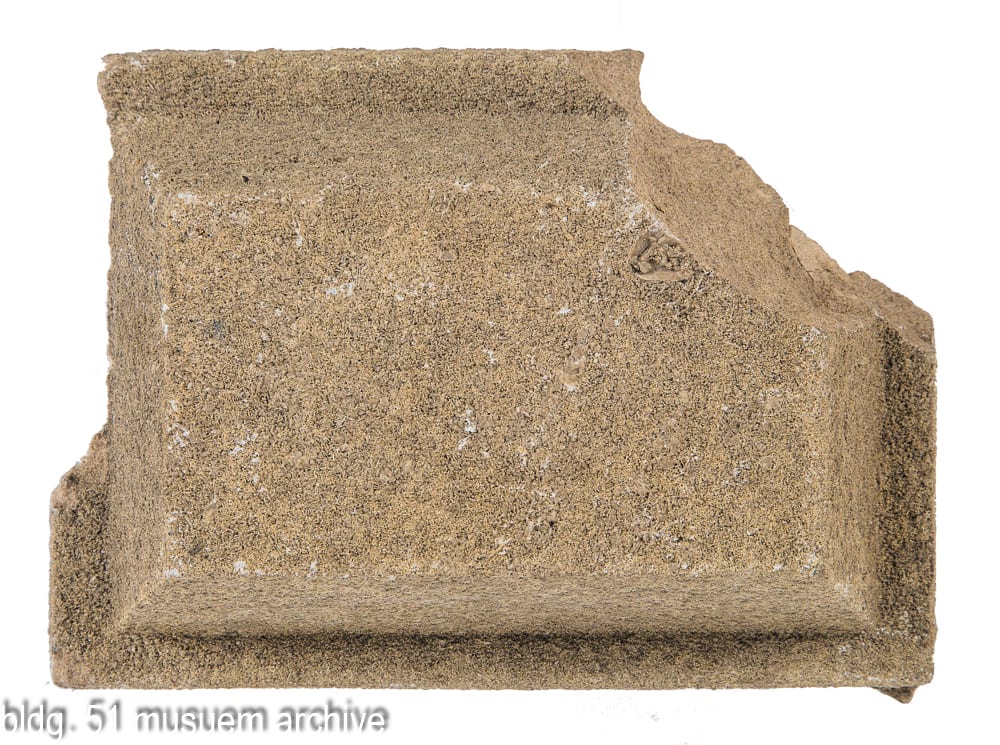
exterior carved bedford limestone fragment from one of six hugh garden-designed “wrightesque” panels located beneath the six spread-winged stone eagles surrounding the tower of bunte candy factory (1919), schmidt, garden & martin. the fragment was salvaged by eric j. nordstrom during the building’s demolition in 2007.
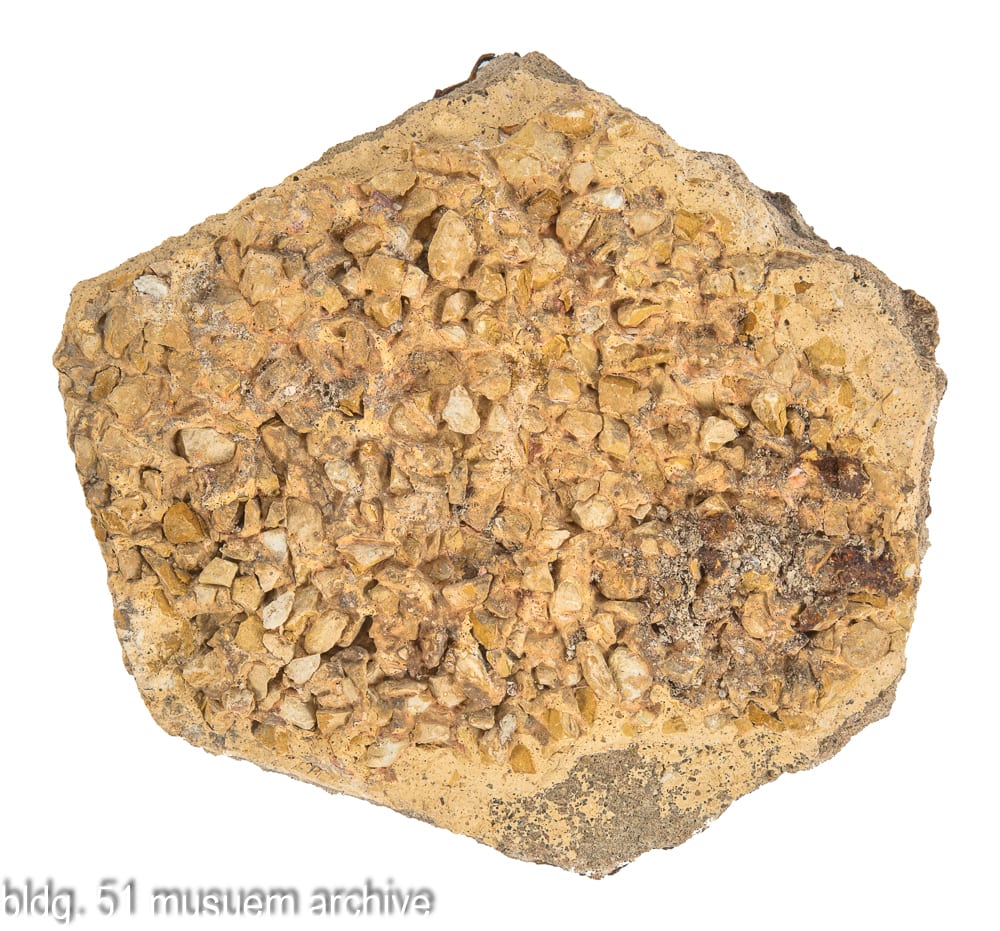
hand-painted crushed rock and plaster fragment from an unidentified room within washington porter jr.’s kiosk sphinx (1934). the interior wall fragment was unearthed by timothy j. samuelson during excavation of the site where it stood until demolished in 1957