
15 May important building ornament from chicago’s mecca flats and reebie storage warehouse join bld. 51 museum collection
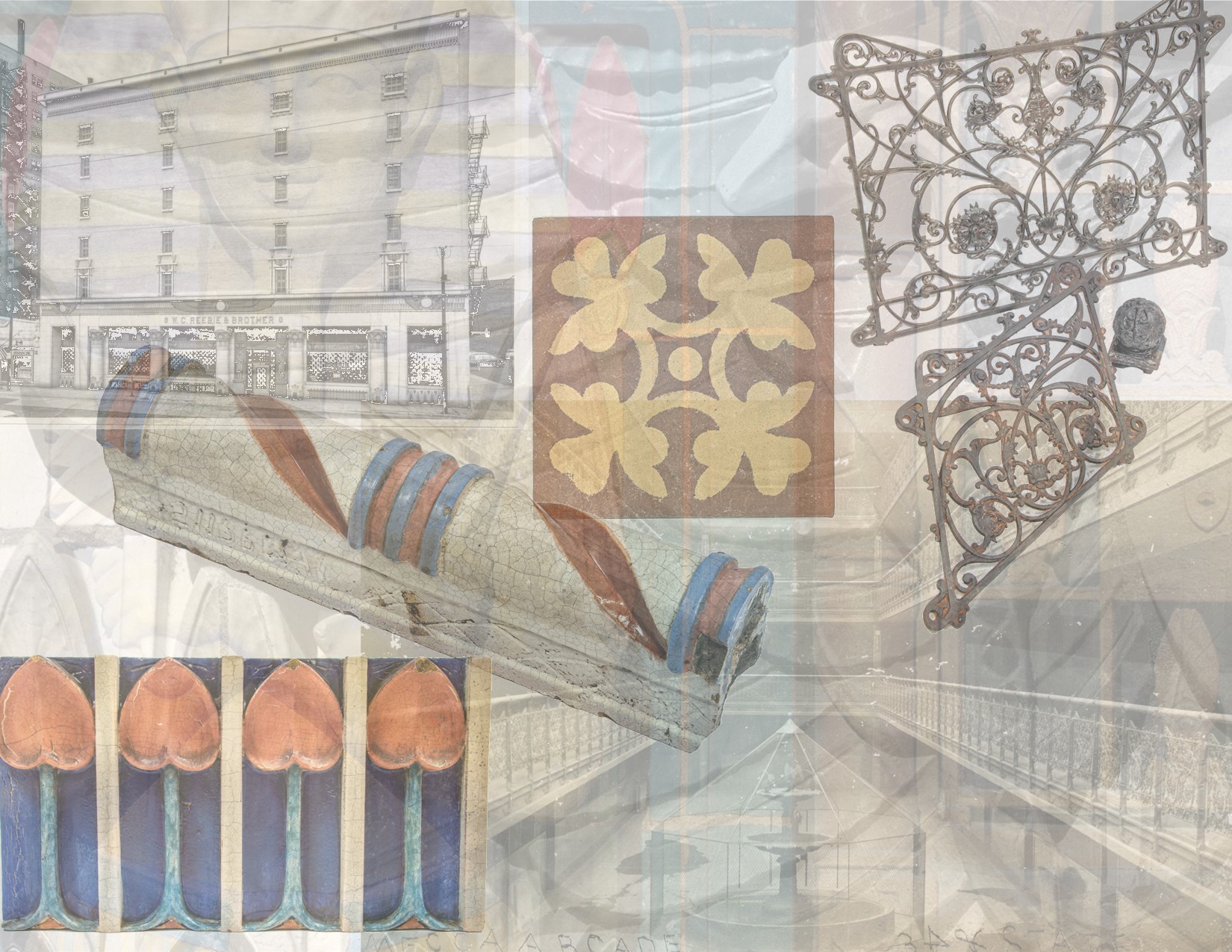
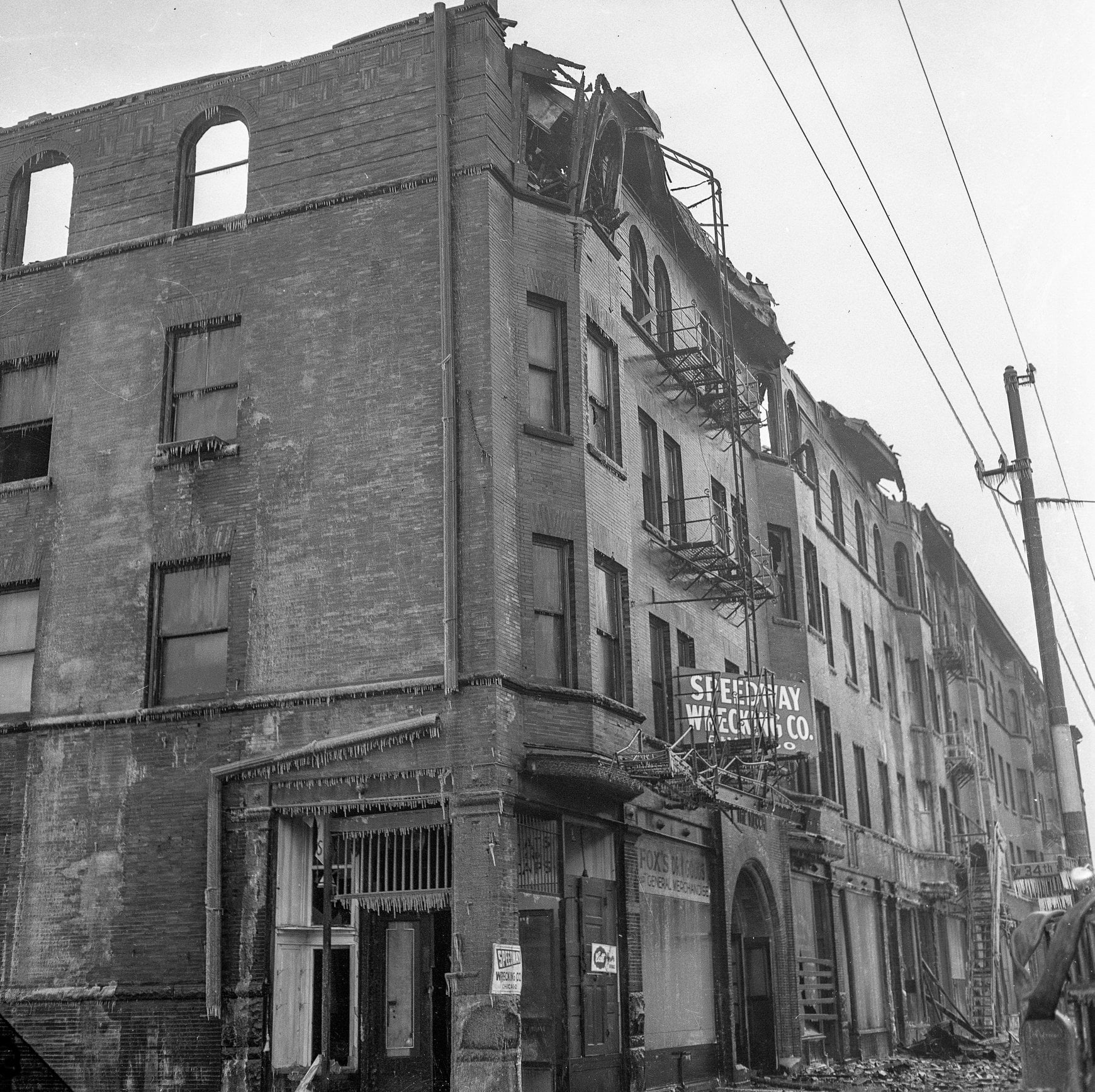
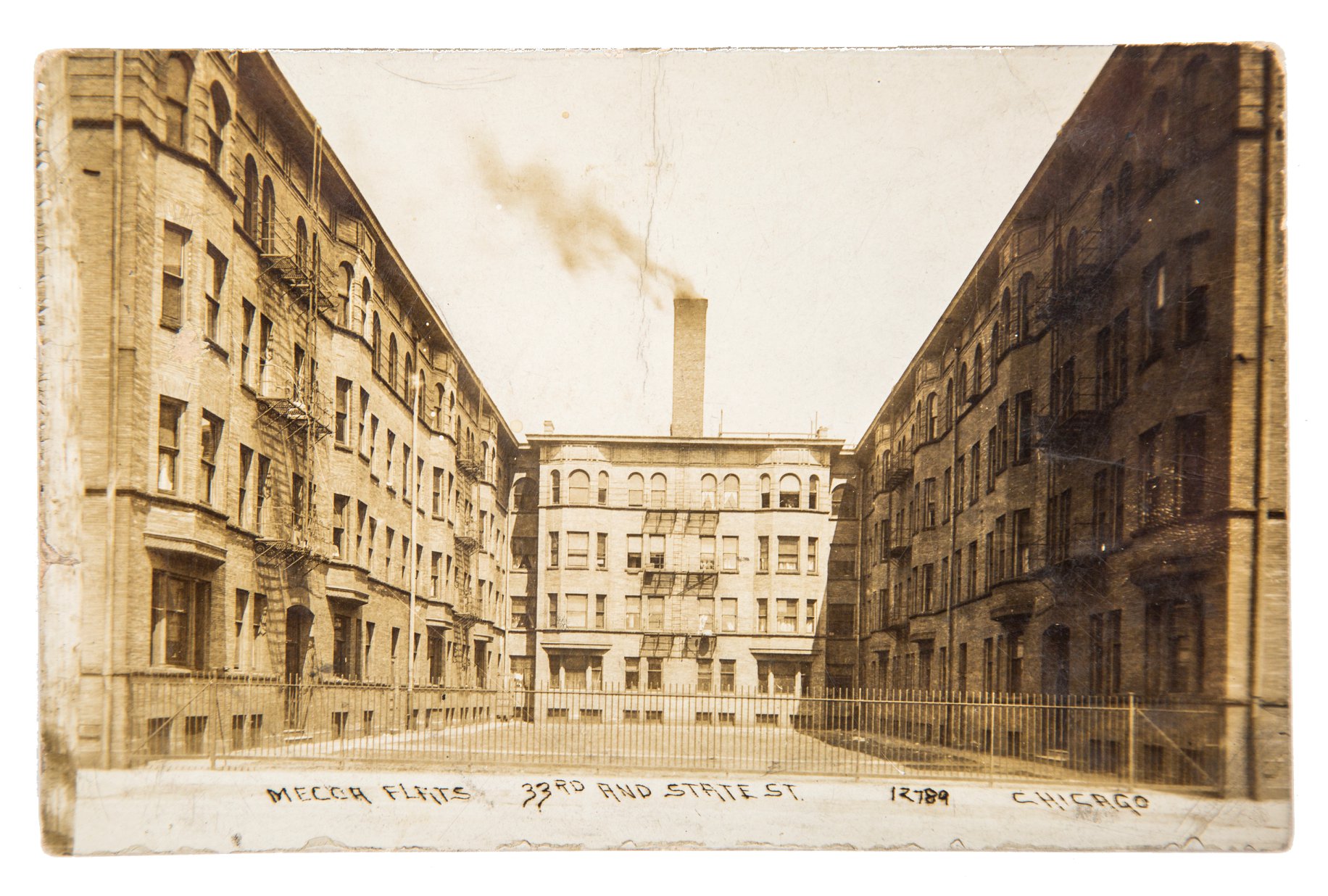
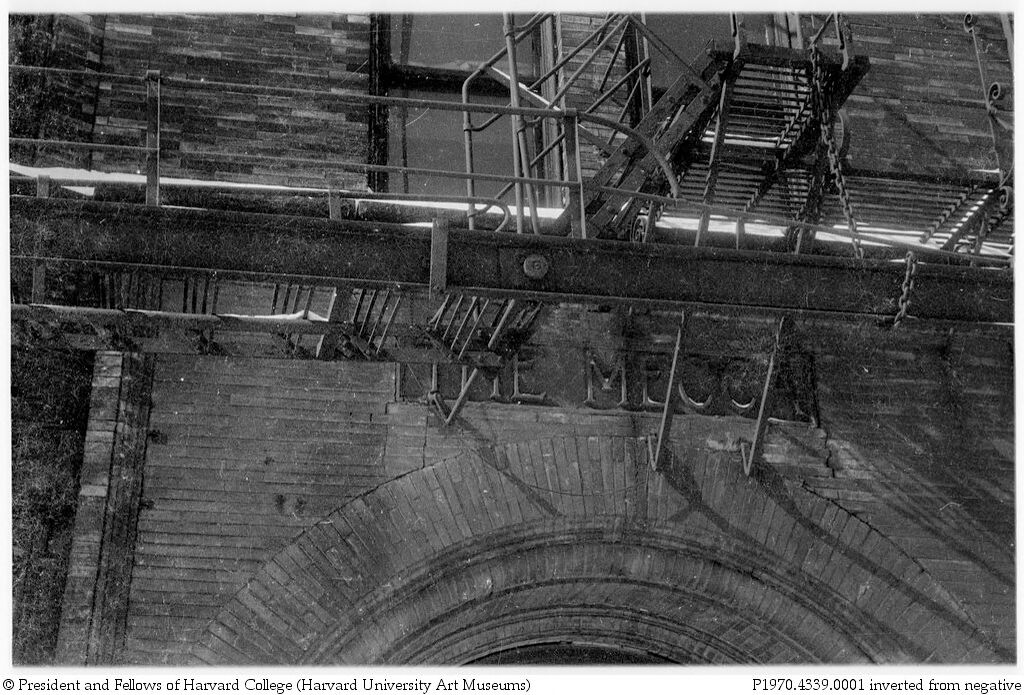
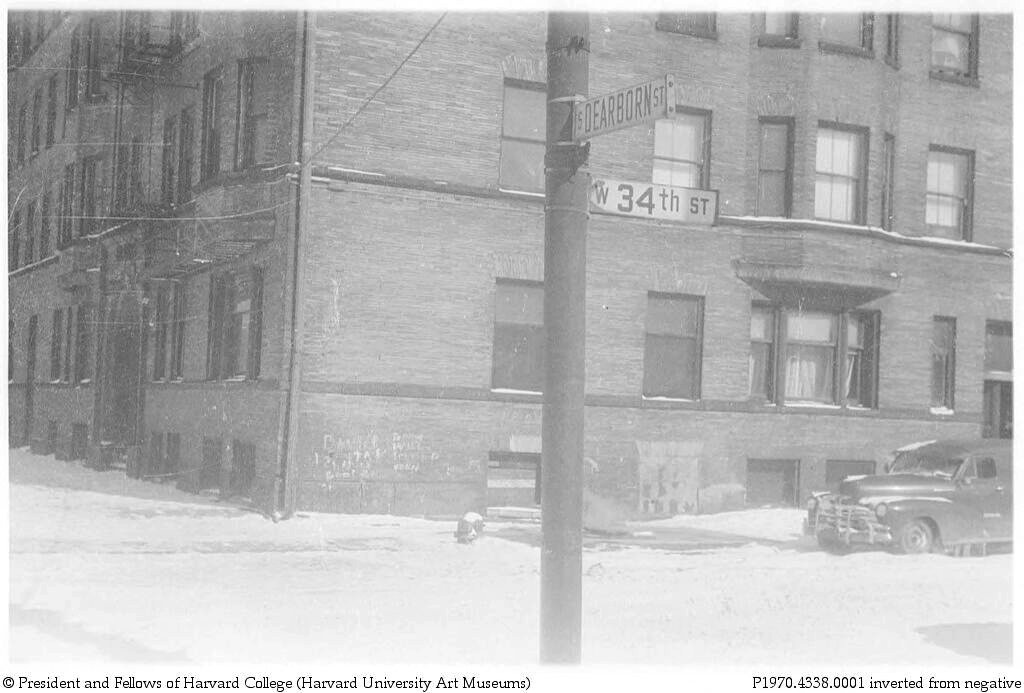
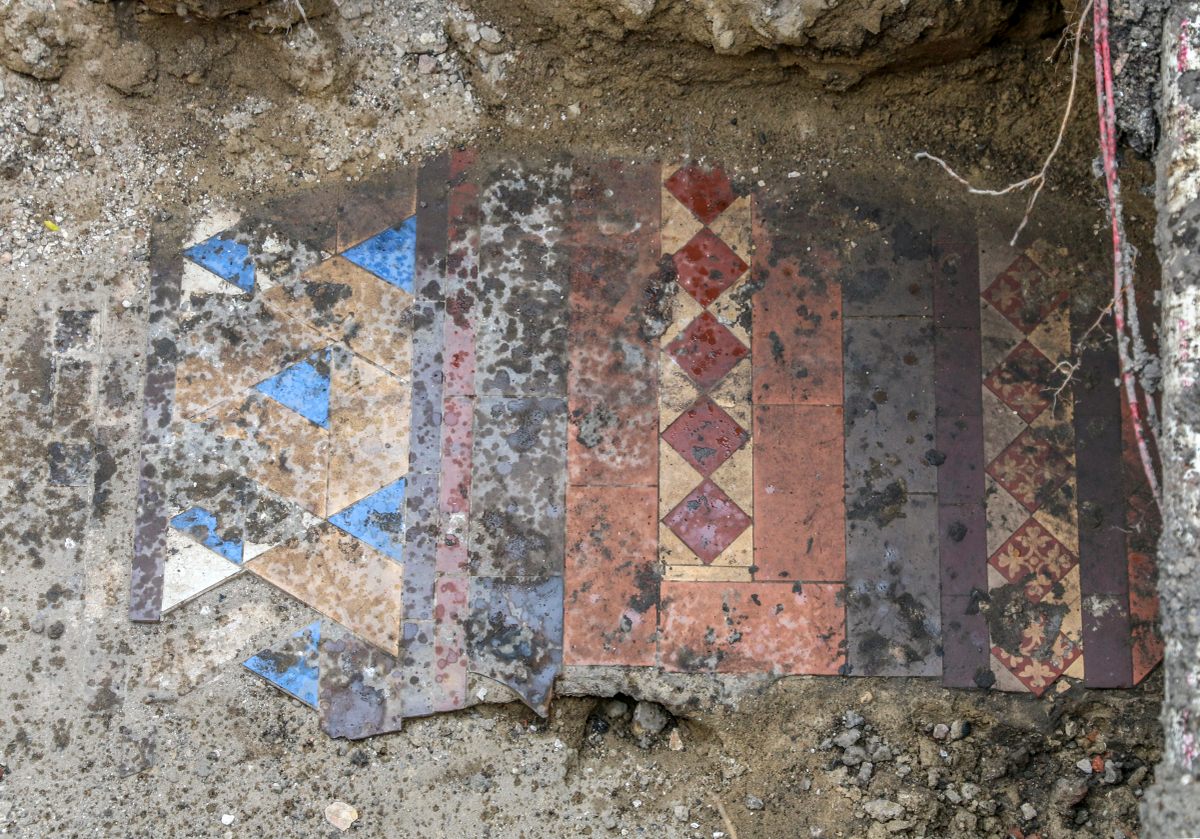
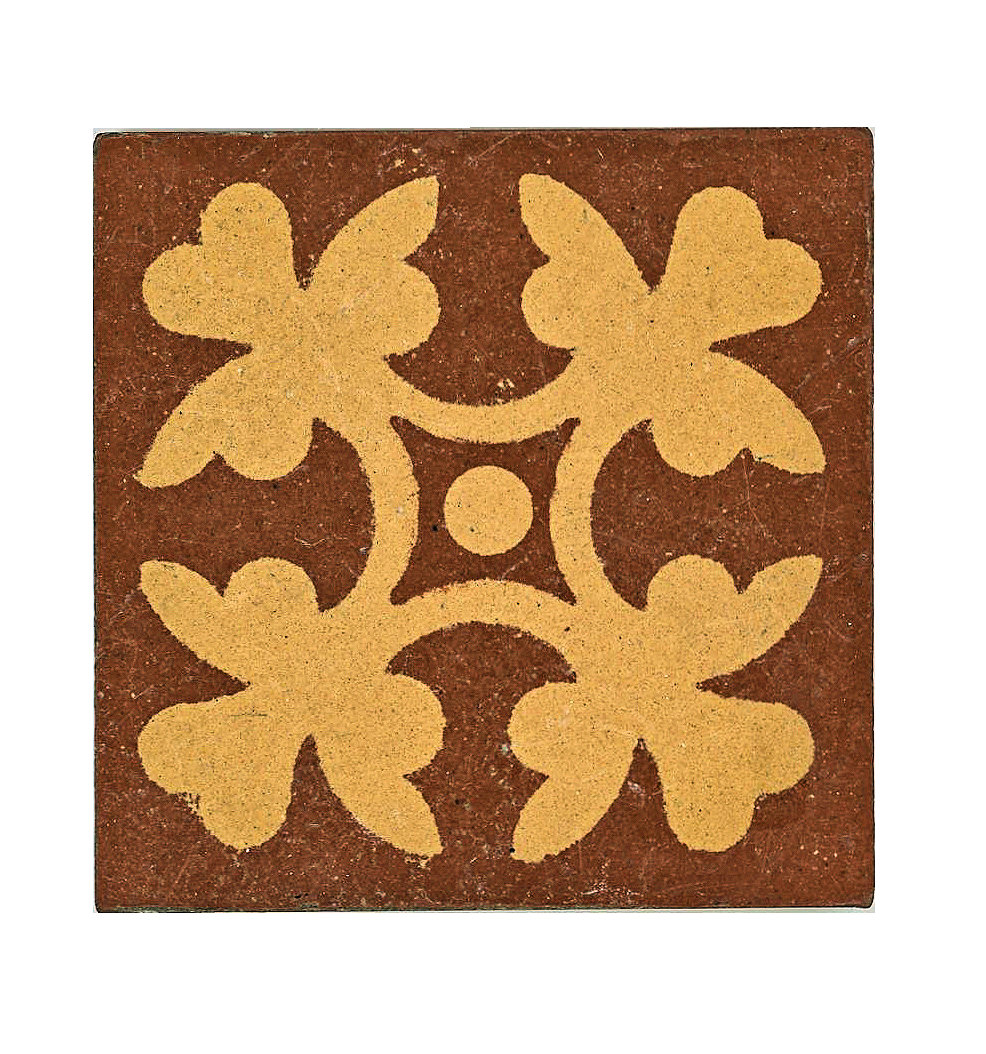
an original custom-designed, black enameled ornamental cast iron interior angled staircase baluster and basement encaustic floor tile – salvaged from edbrooke and burnham’s mecca hotel or flats (1892) during its untimely demolition in 1952 – joined the bldg. 51 museum last month.
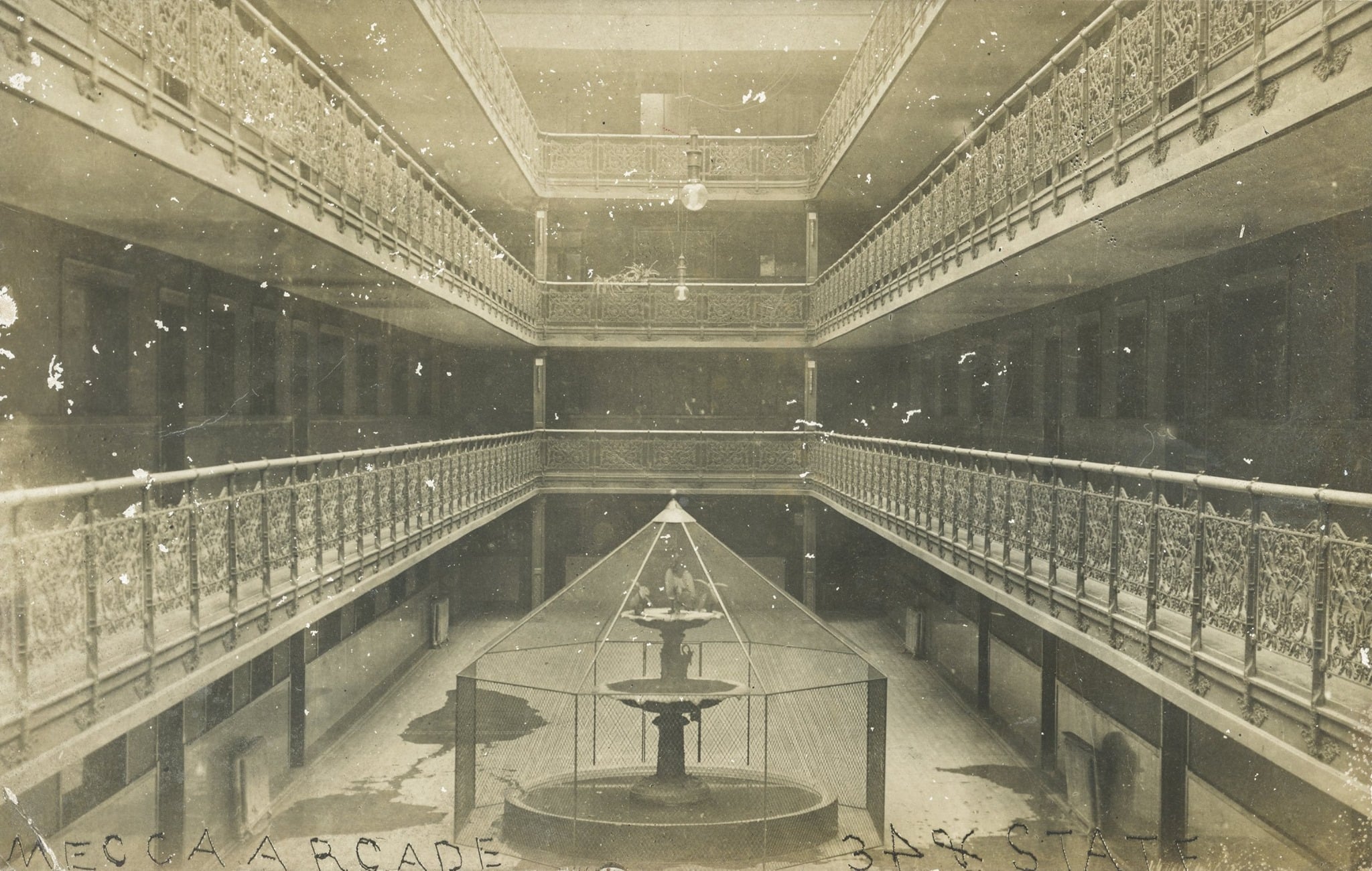
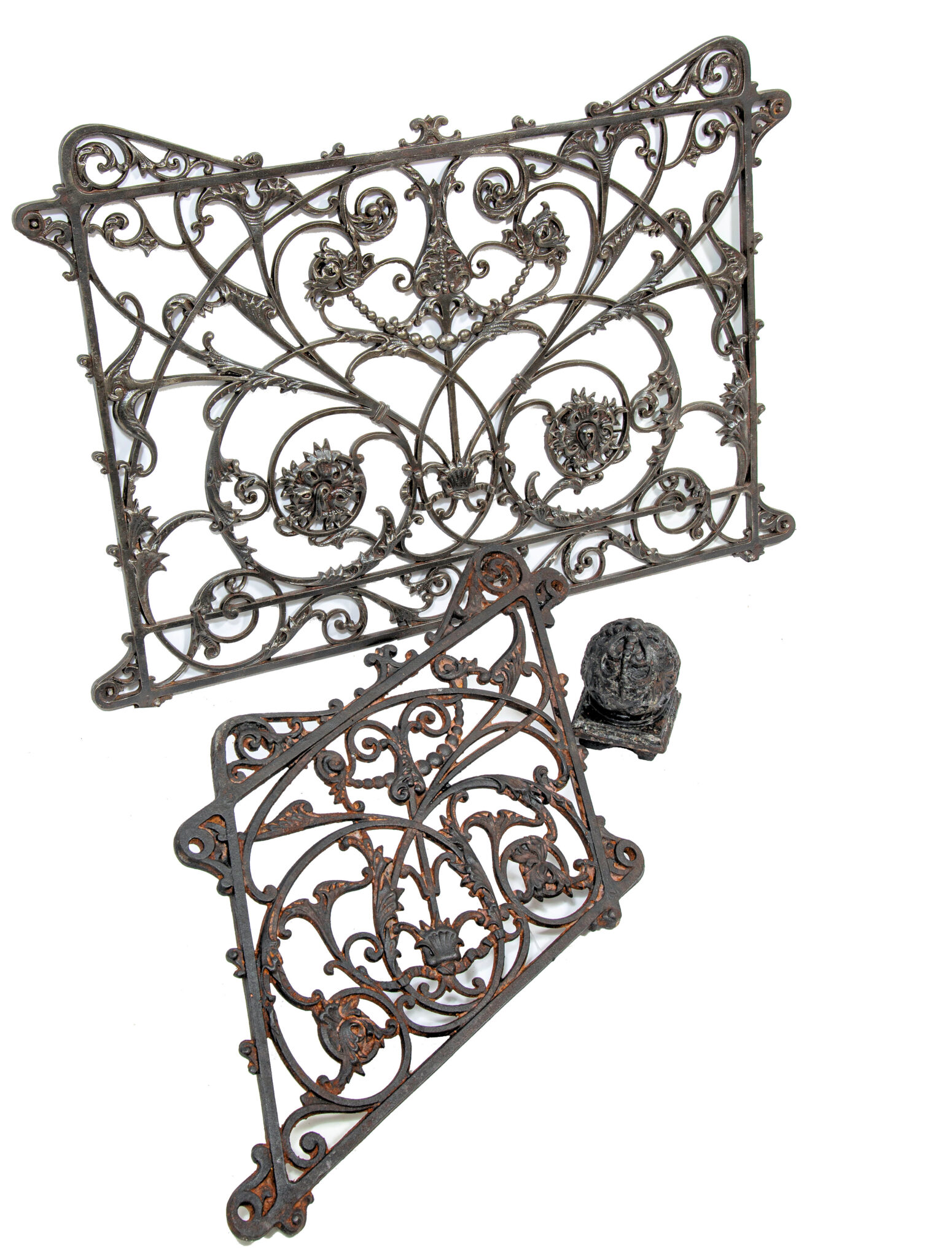
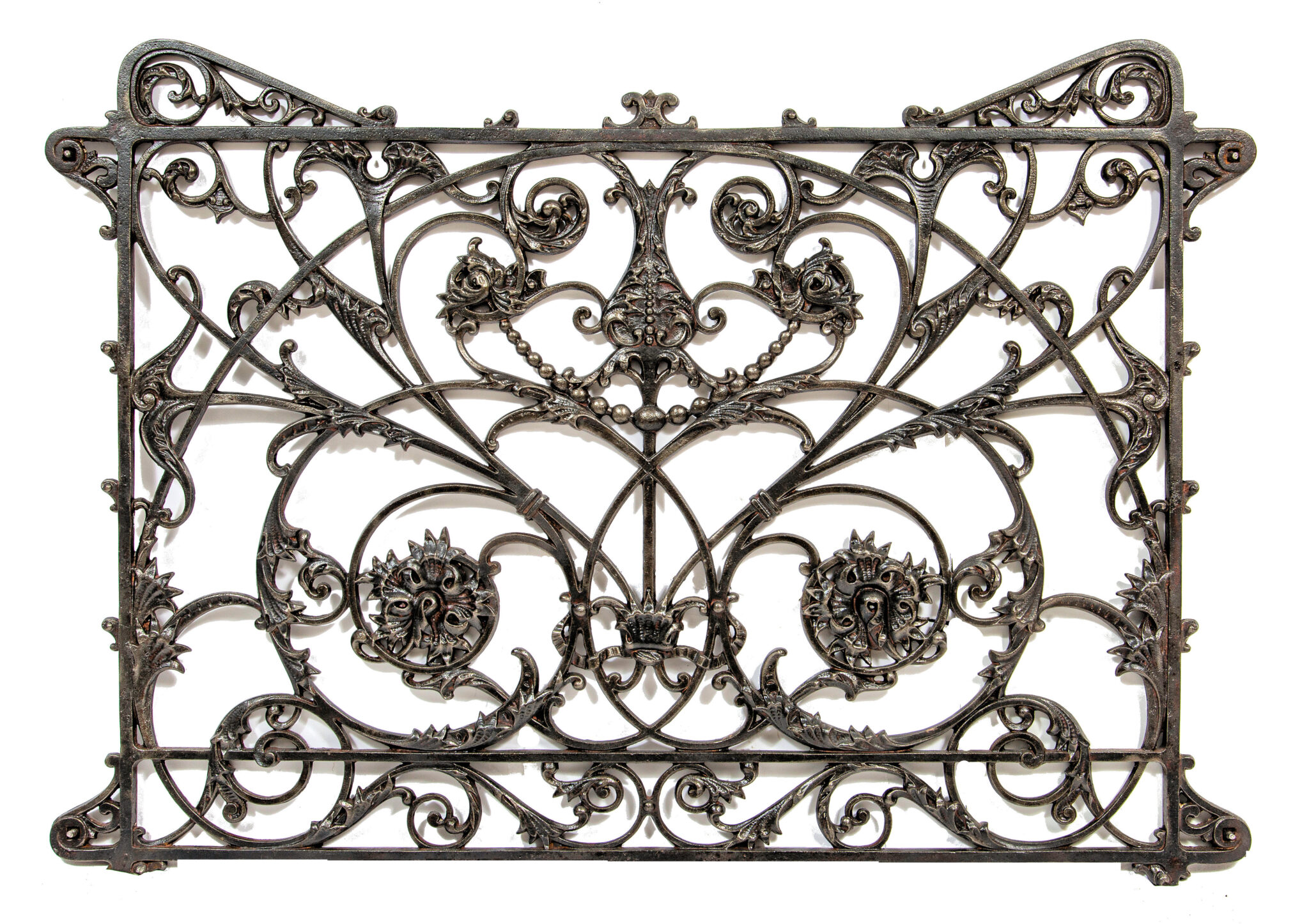
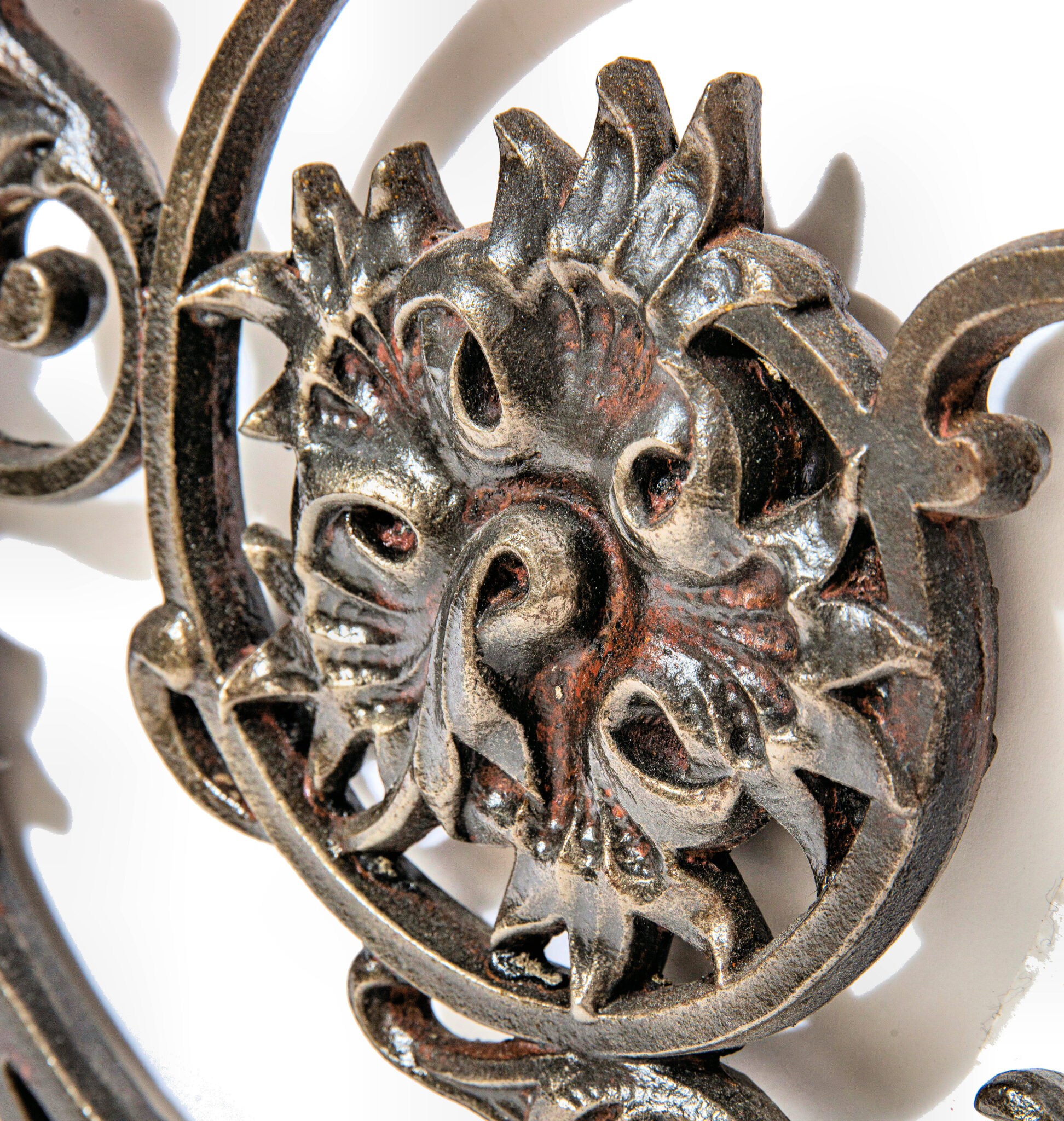
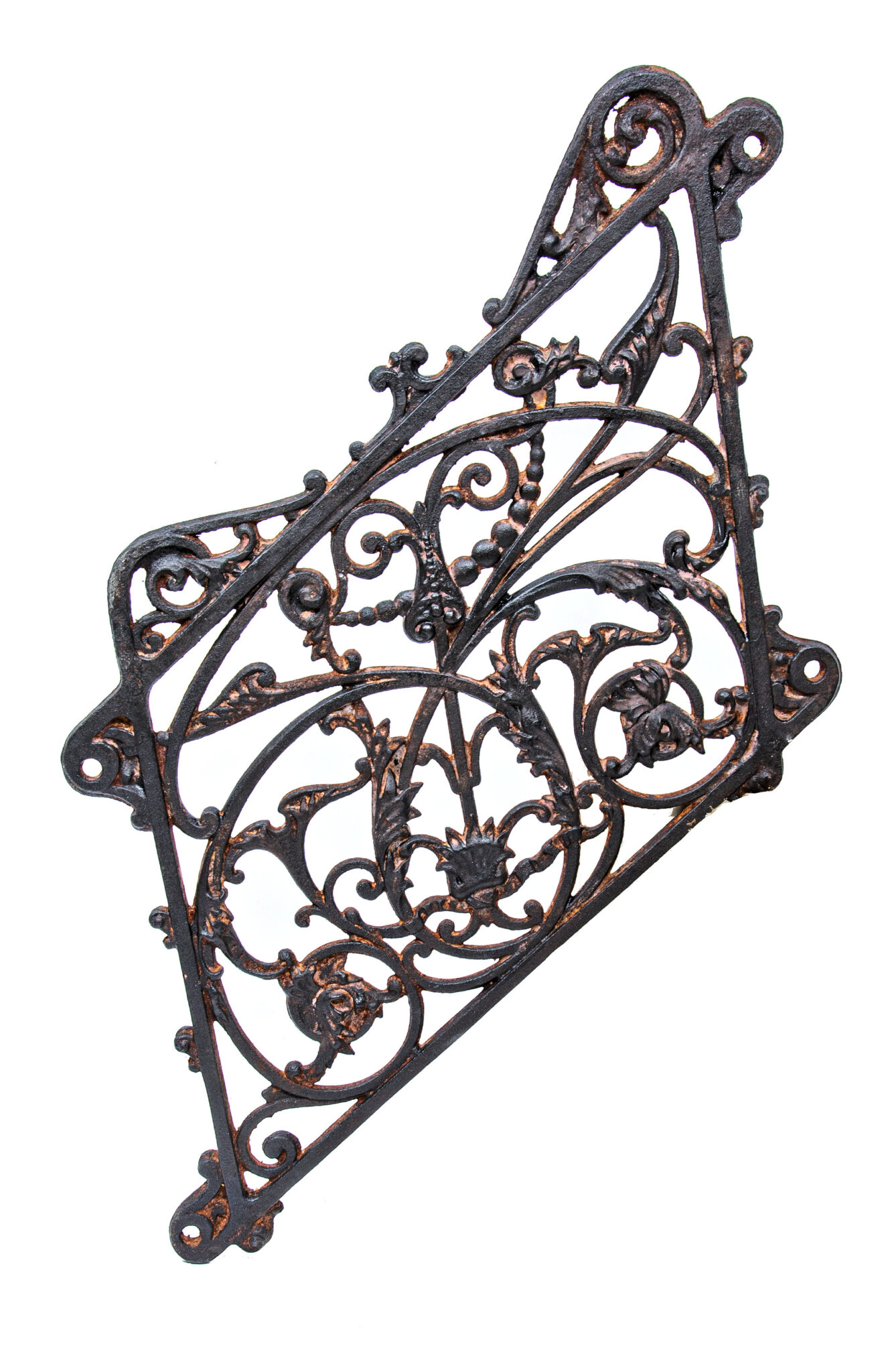
the exact fabricator or foundry is not known. the building’s ironwork was finished with applied black paint – not bower-barff, which is unusual, given the number of chicago buildings of this size or bigger that readily embraced the use of bower-barff or copper-plating for ornamental iron and hardware. given my research on the matter, i suspect it was either a cost-cutting measure, or the foundry didn’t have the skill and/or equipment to finish their iron using bower-barff – at least at the time the iron was executed for the mecca.
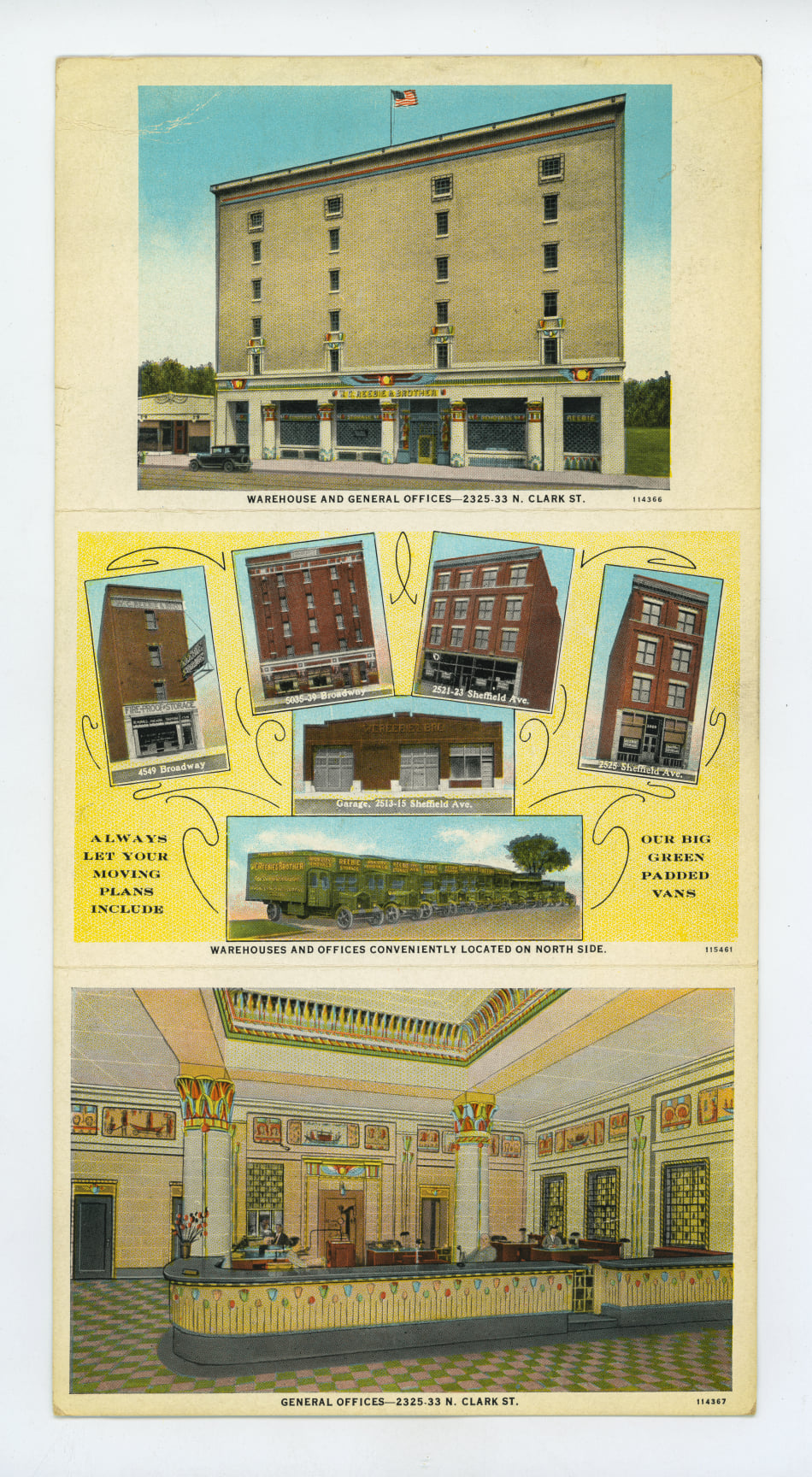
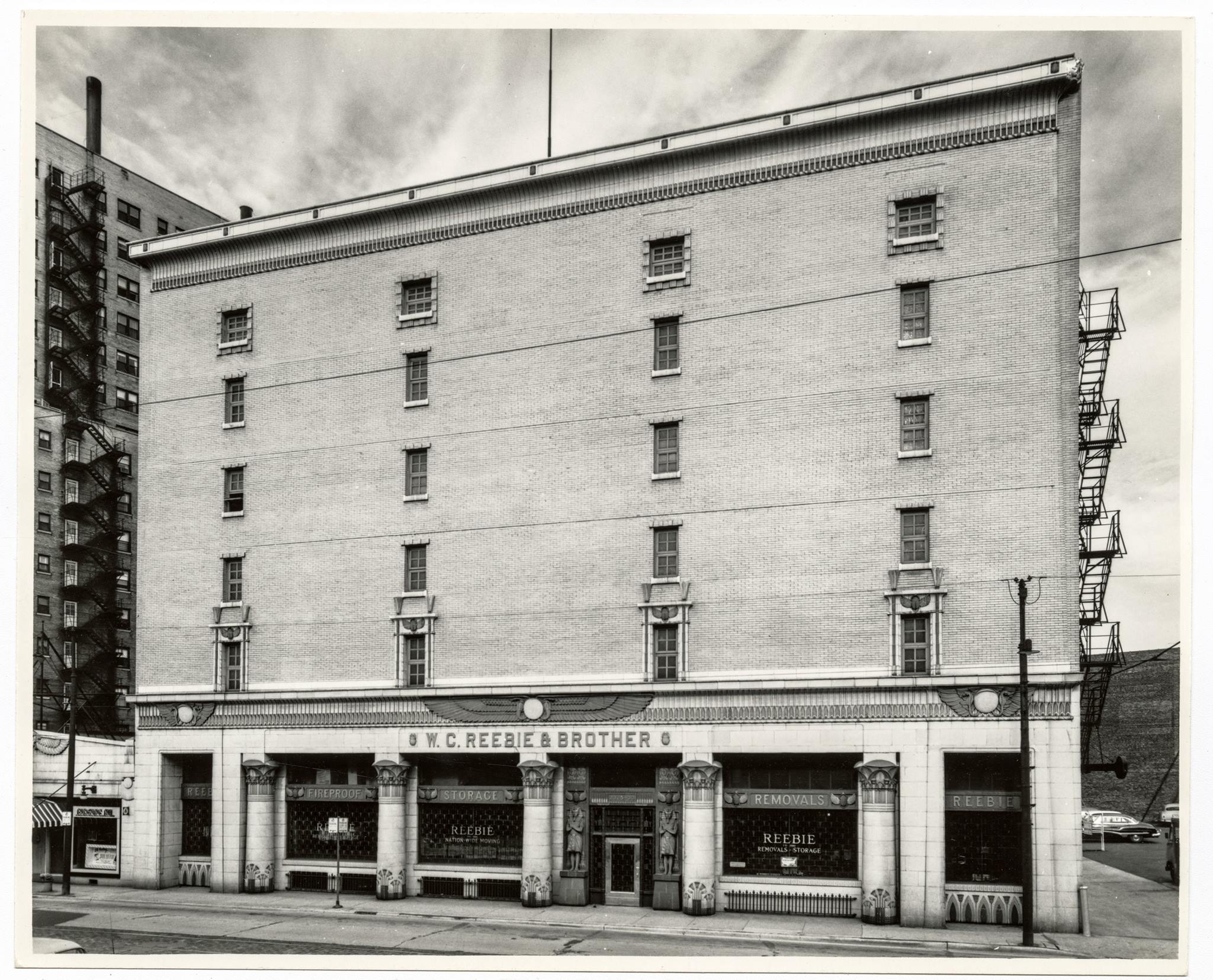
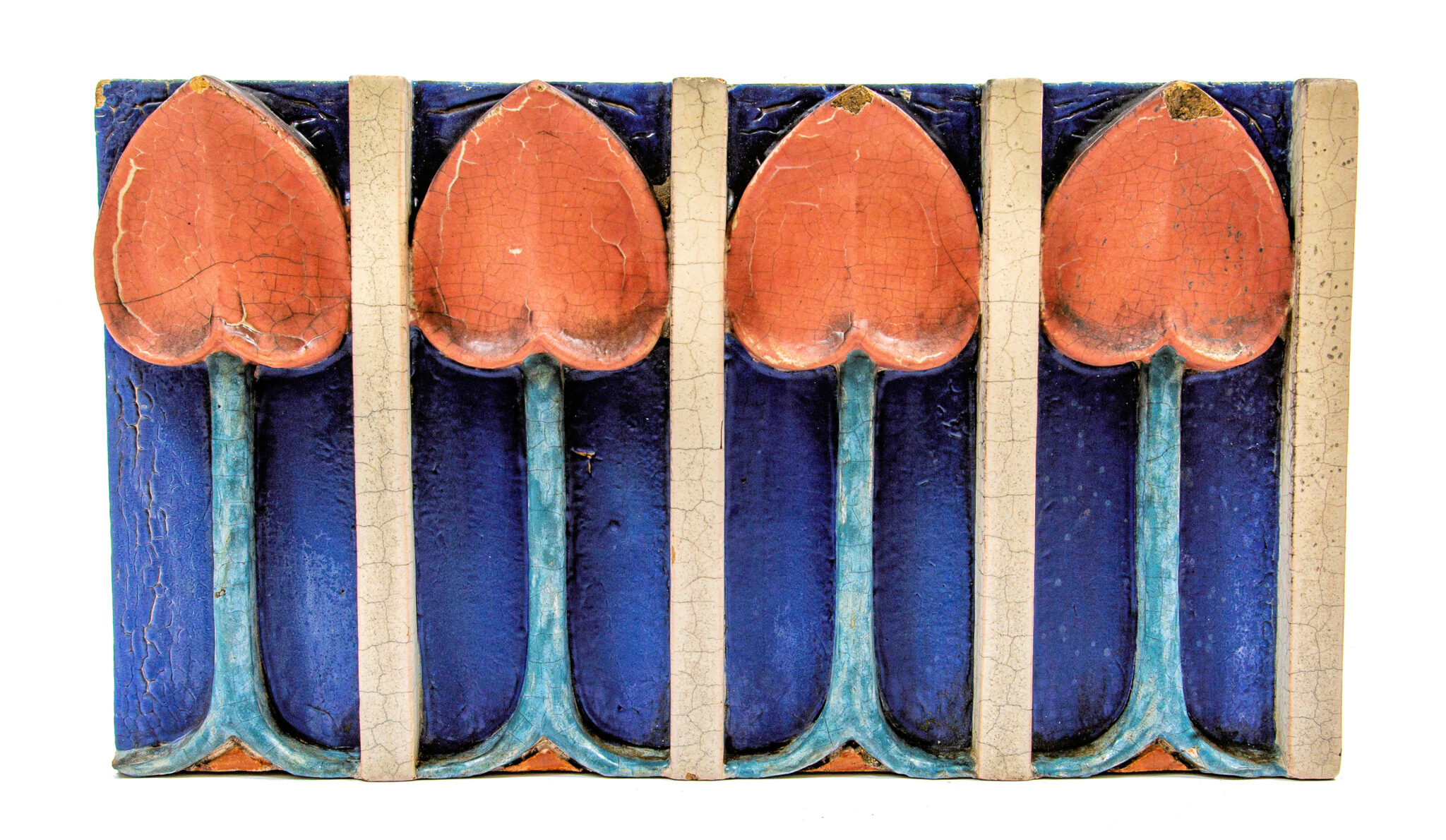
in addition to mecca flats ornament, a single original and amazingly intact polychromatic egyptian revival style terra cotta ornament salvaged from george s. kingsley’s reebie storage and moving warehouse (1922) located at 2325 n. clark street, was added to the ever-growing terra cotta building ornament collection within the bldg. 51 museum.
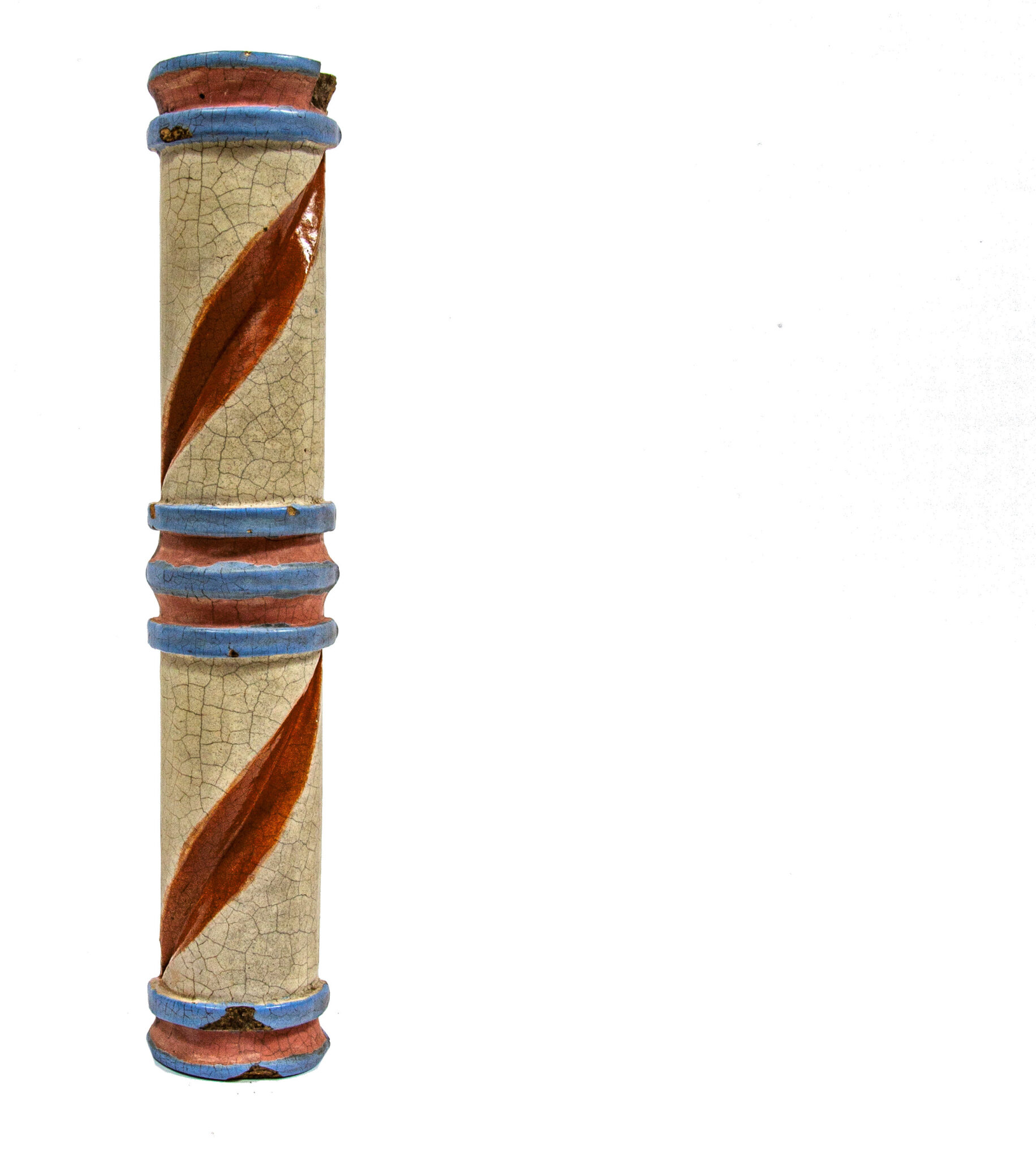
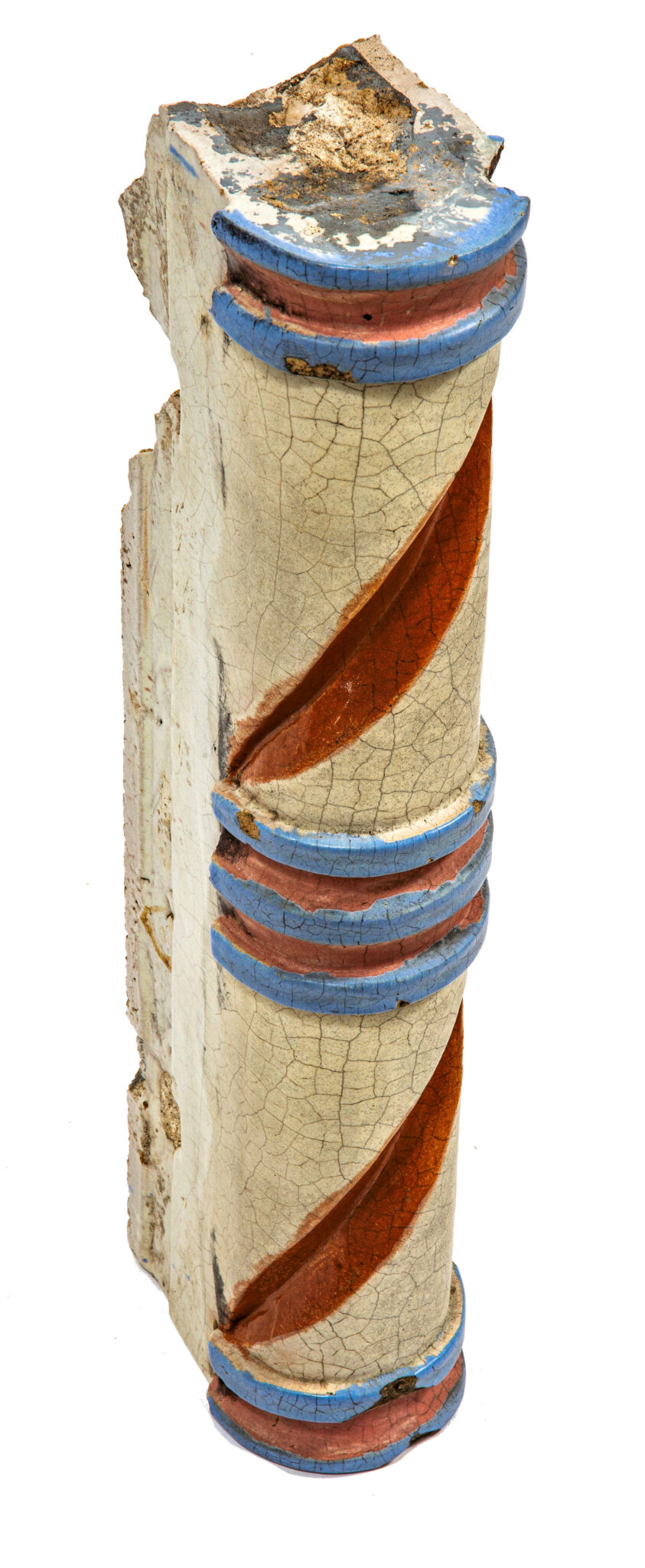
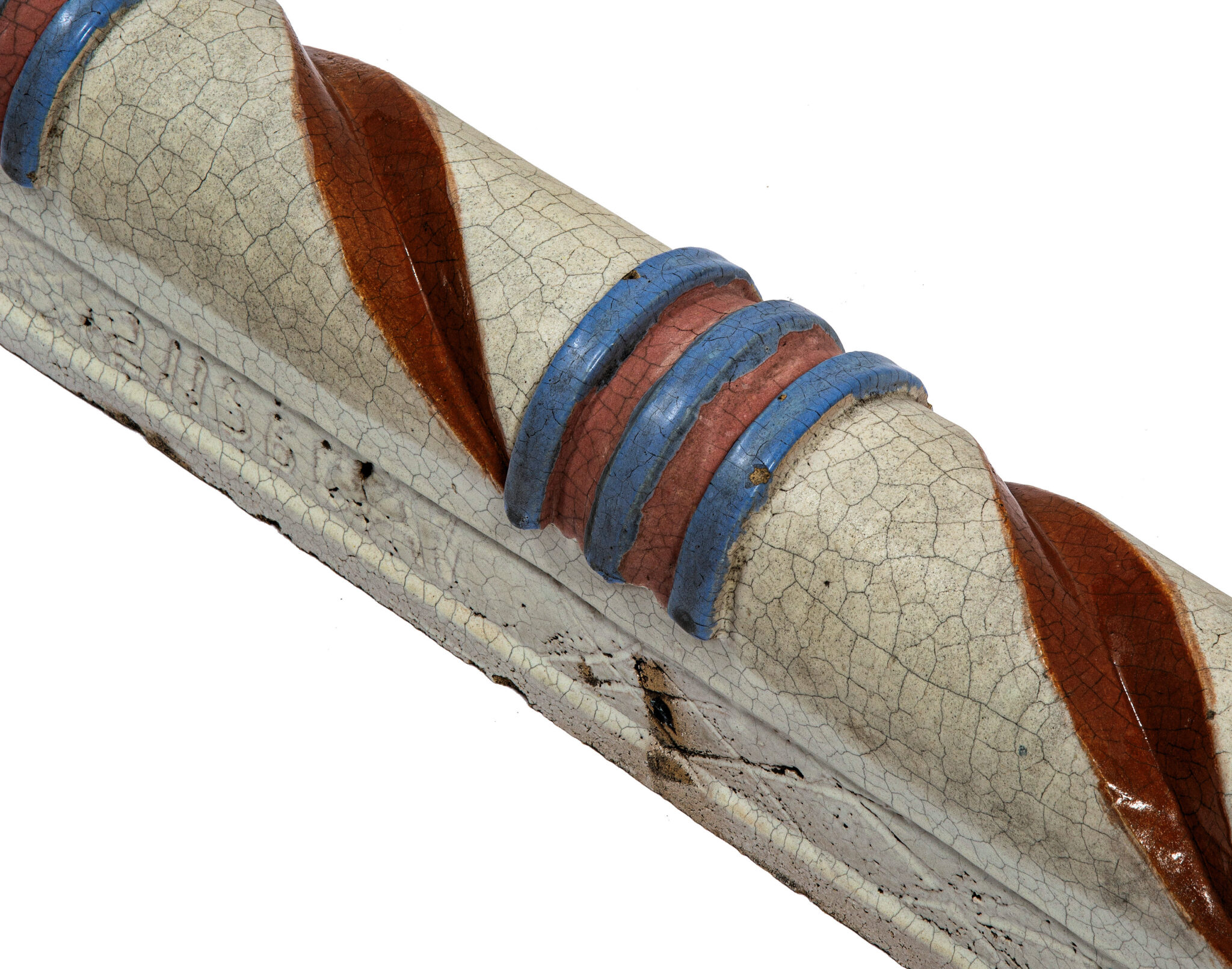
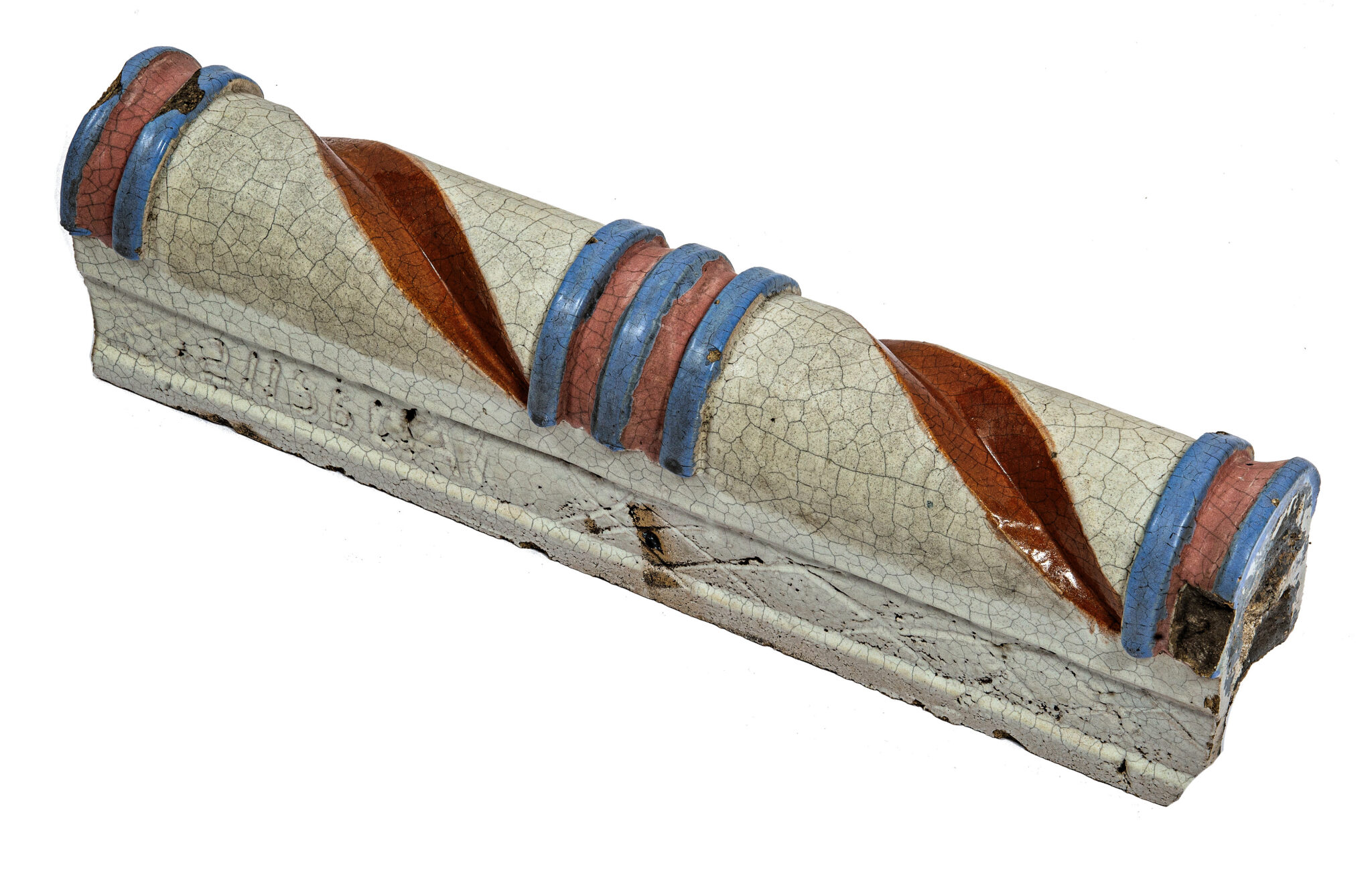
the fritz albert-designed terra cotta ornament exhibits brightly colored glazed egyptian revival-style elements in pastel pink, blue and a burnt orange.
the semi-circular column segment was removed from the cornice during renovations performed on the building during the 1970’s. the warehouse was designated a historic building in 1979 and a chicago landmark in 1999. the terra cotta segment was executed by the northwestern terra cotta company, chicago, il.
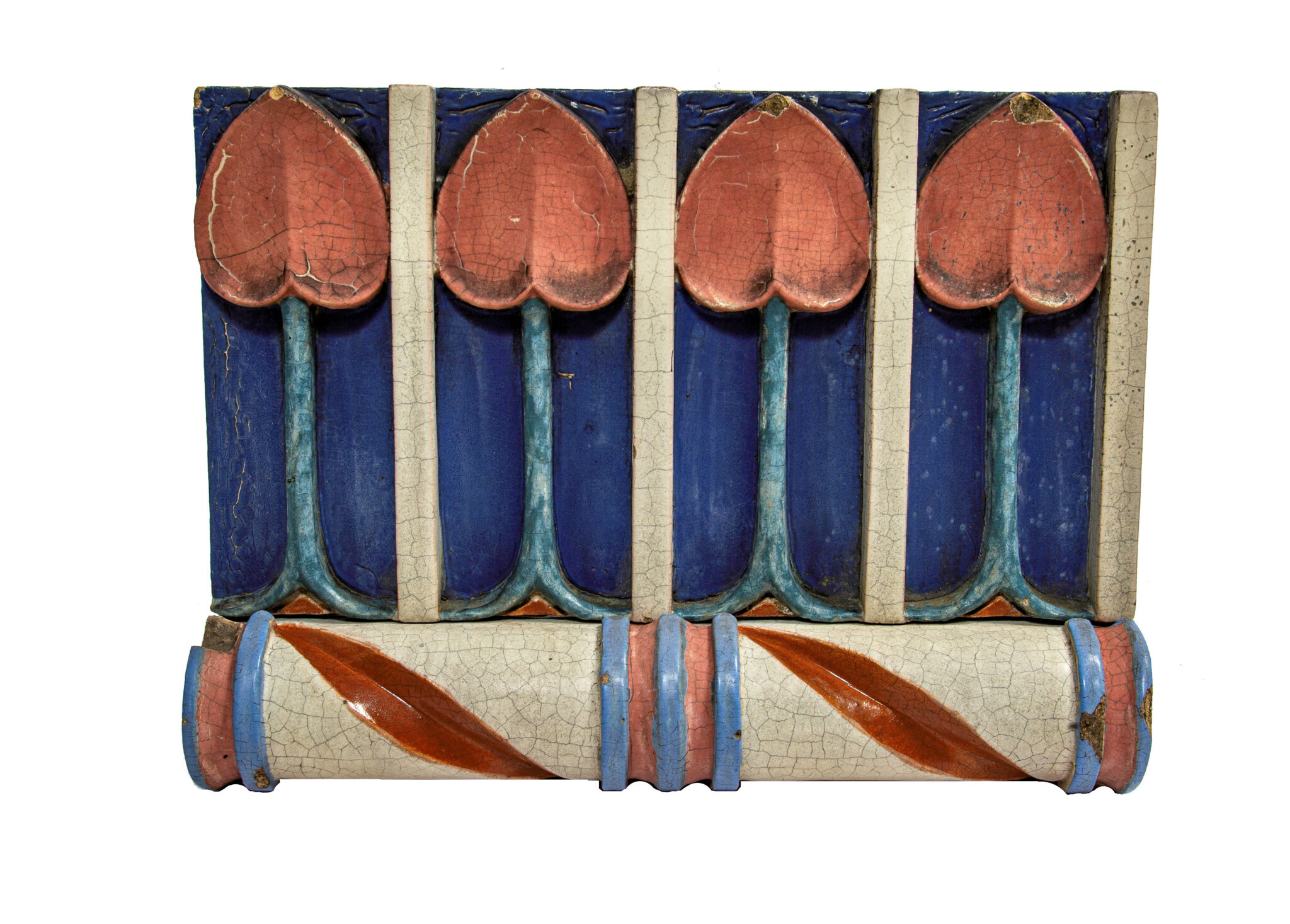
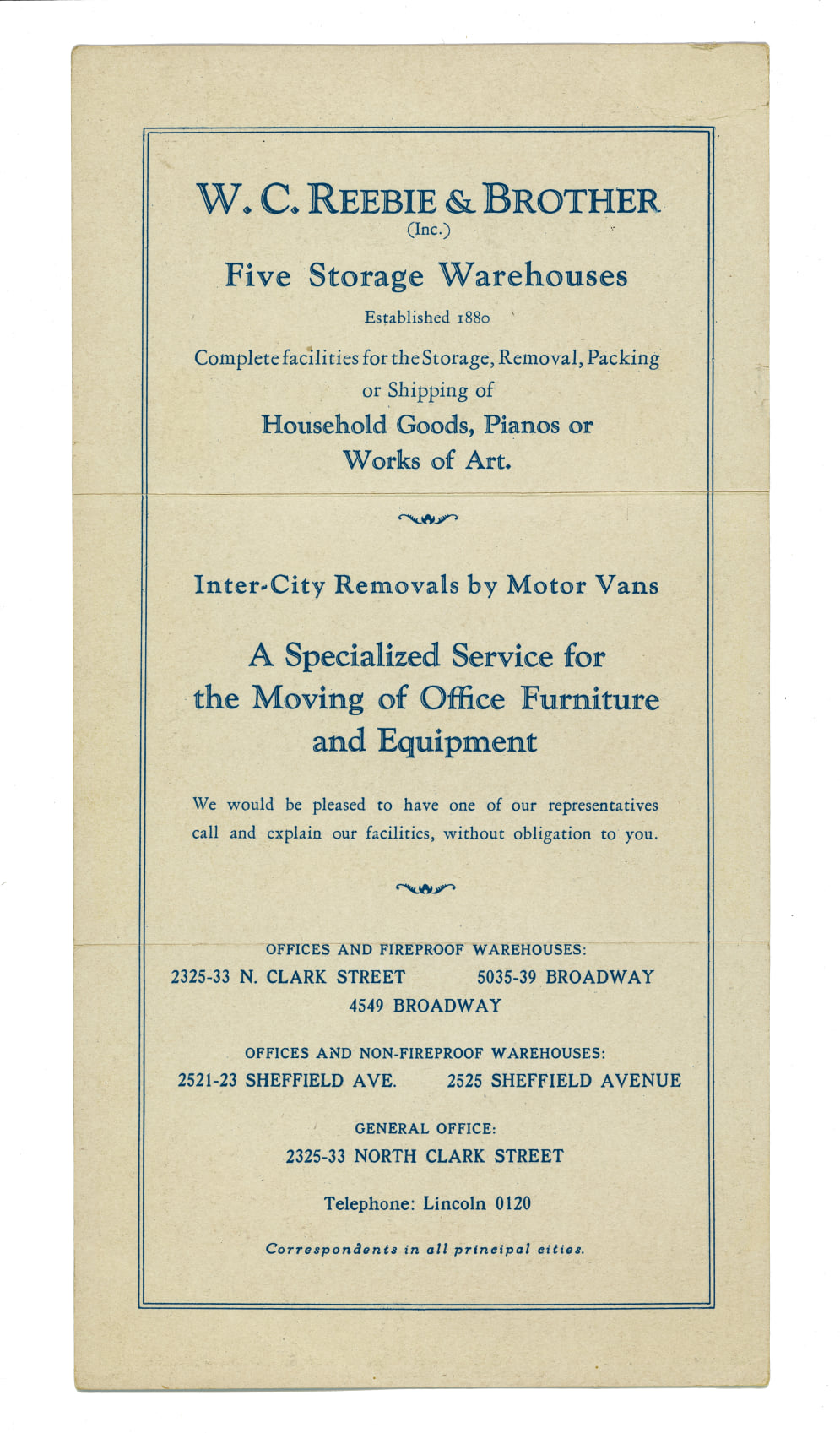
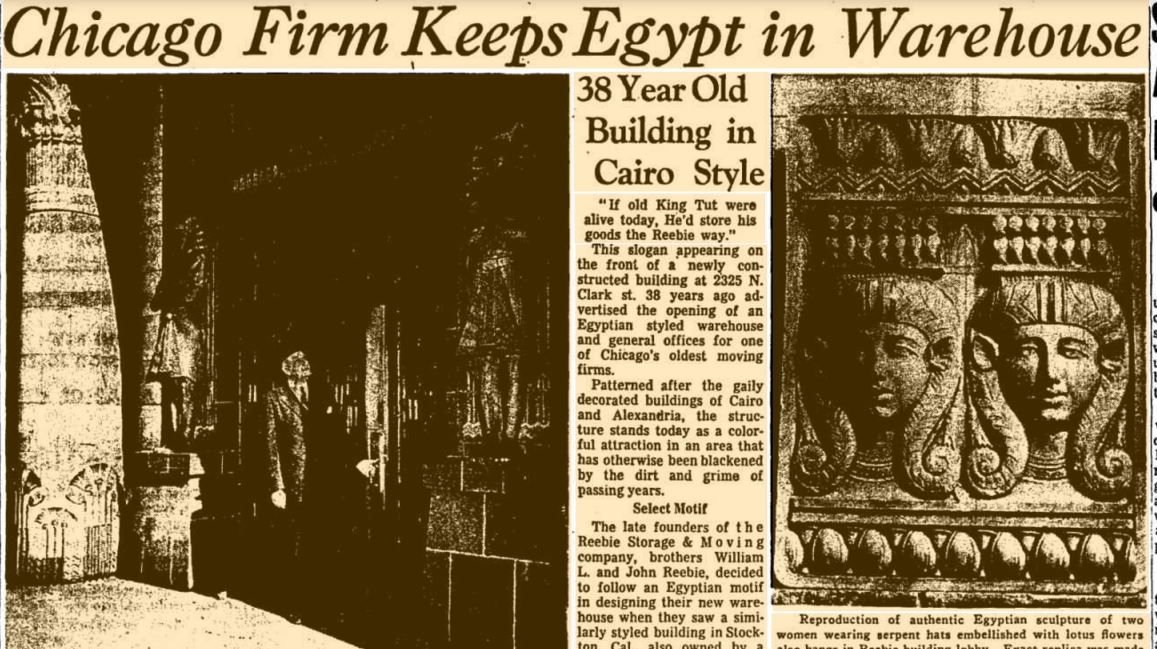
reebie storage and moving was founded in 1880 by william reebie, who was later joined by his brother john. it still operates out of the same building, with a sphinx in their logo. the reebie structure was built in 1922, less than a year after the discovery of tutankhamen’s tomb. in the wake of this and several other archaeological discoveries, there arose a strong wave of interest in egyptology. though egyptian inspired architecture had arrived to america in the early 19th century, it wasn’t until the 1920’s that public fascination permeated arts and crafts fields as well as architecture, with buildings and decorative objects utilizing symbolism of the ancient civilization.
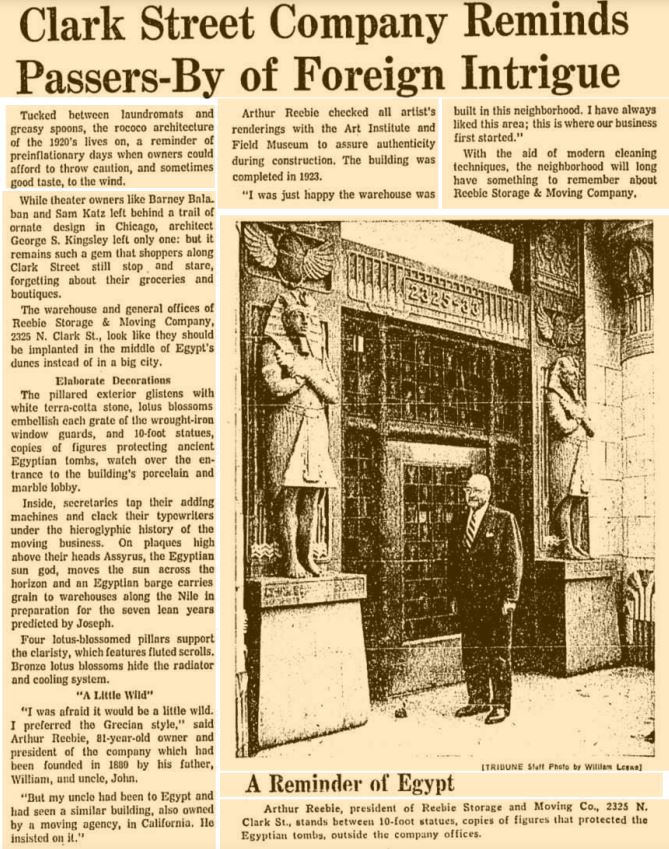
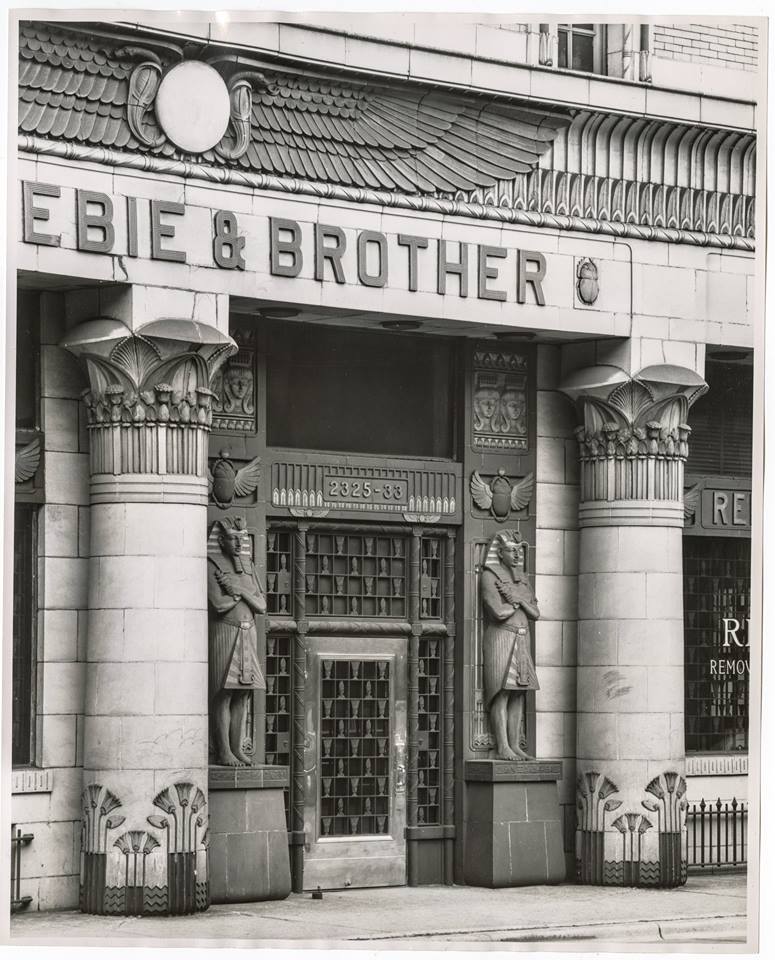
art deco was greatly influenced by this current too, and in particular, over 100 theaters were built and decorated to be egyptian revival. the reebie storage and moving building is unique in having incorporated explicit egyptian elements that were not only picturesque but attempting historical accuracy (it is thus dubbed academic-style egyptian revival) based on two ancient temples, dendera and edfu, the reebie building included ornamentation on the exterior, with columns that replicated a composite of those two structures. symbolism on the interior plaster and decor and on the facade allude to egyptian themes, as well as to the building’s use.
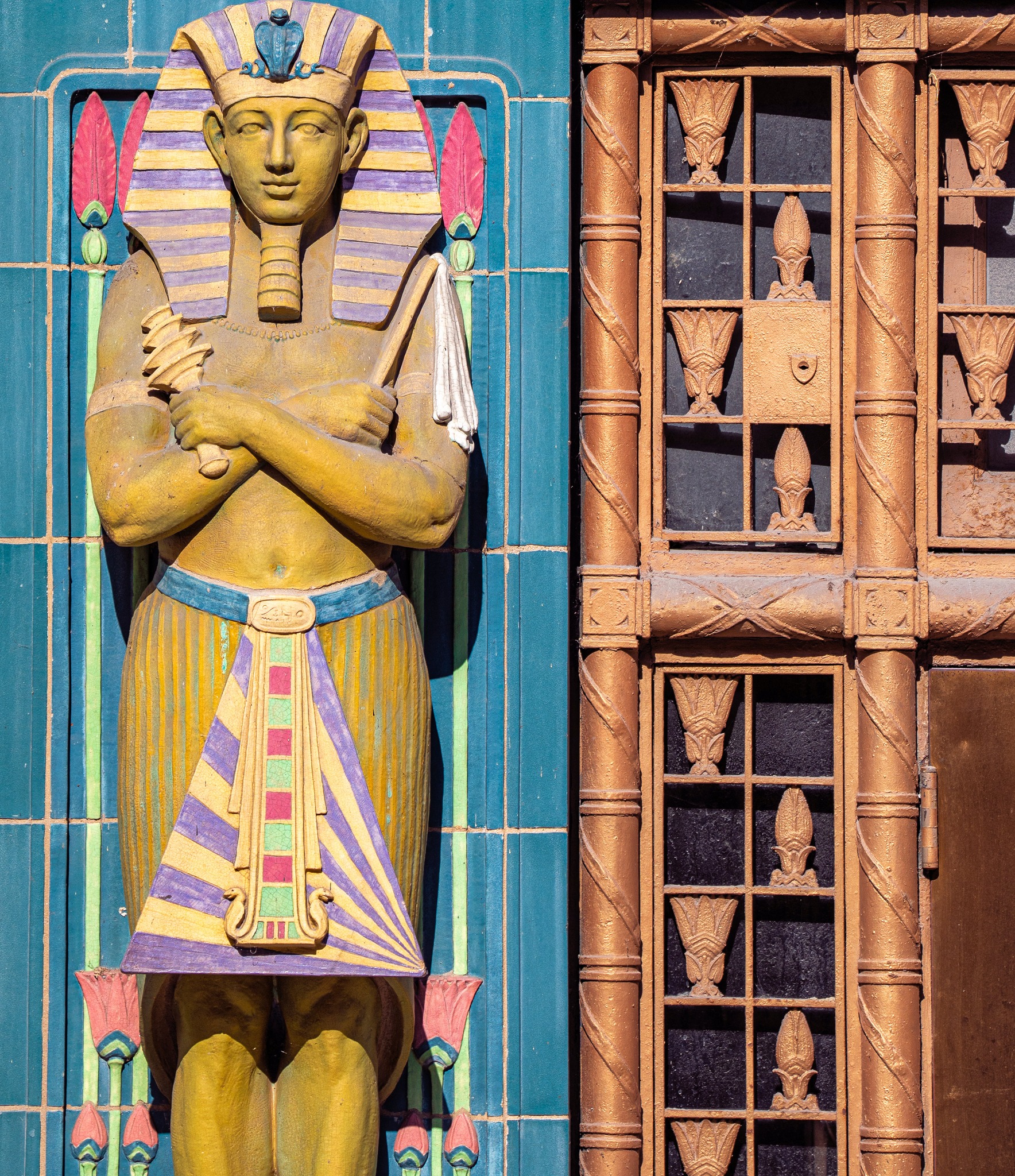
twin statues of ramses II on either side of the entryway stand in for the reebie brothers, william and john; beneath these, their names are spelled out in hieroglyphics equivalent to the phonetic spellings. above the statues are a high-relief scarab and two faces representing the goddess hathor. papyrus plants decorate the base and capitals of the columns. all the ornamental drawings for the reebie warehouse were reviewed for accuracy by both the field museum and art institute prior to their implementation.