
15 Jul henry j. schlack’s endangered gothic style 1895 st. martin of tours german church glass windows need further protection
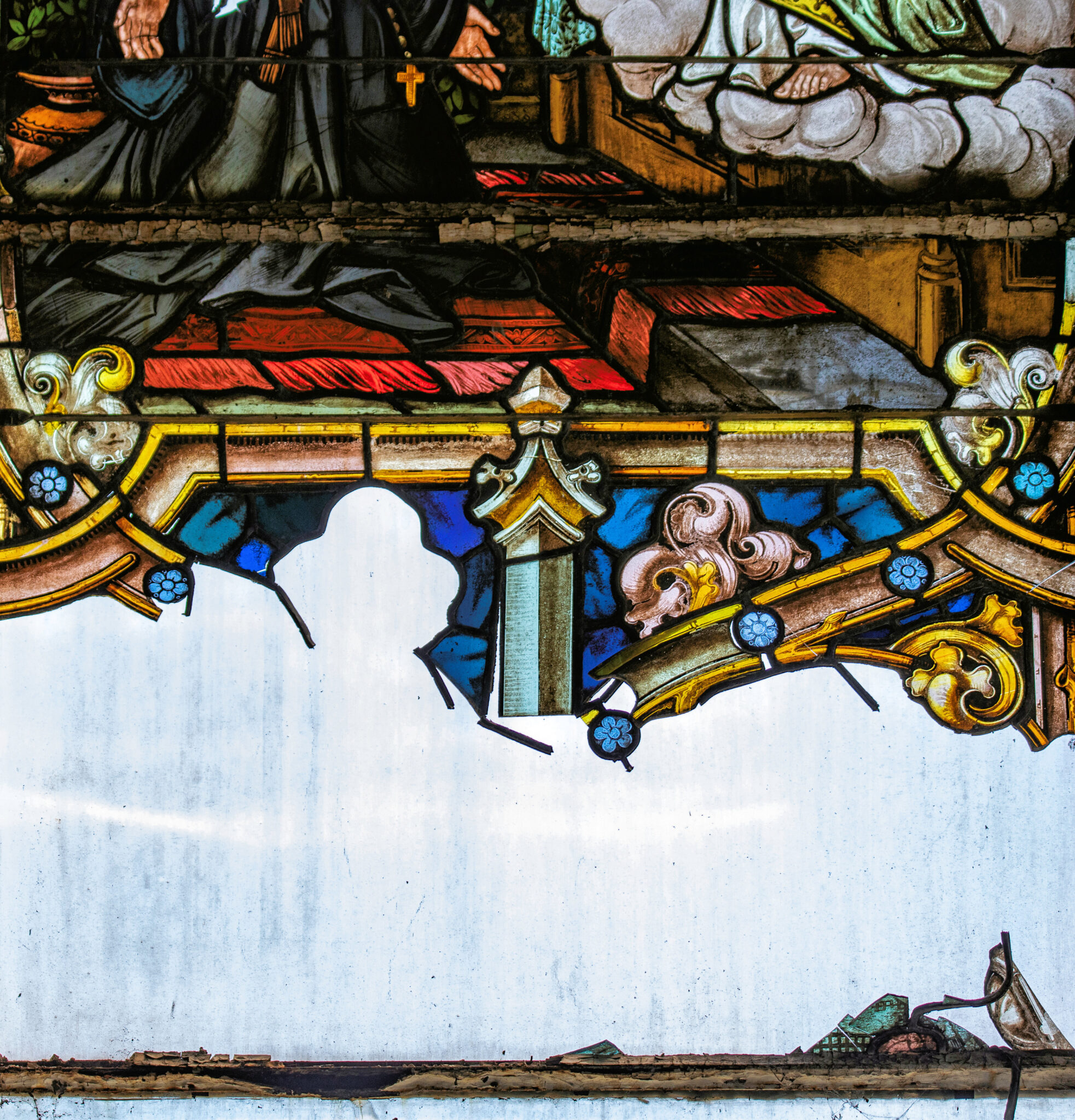
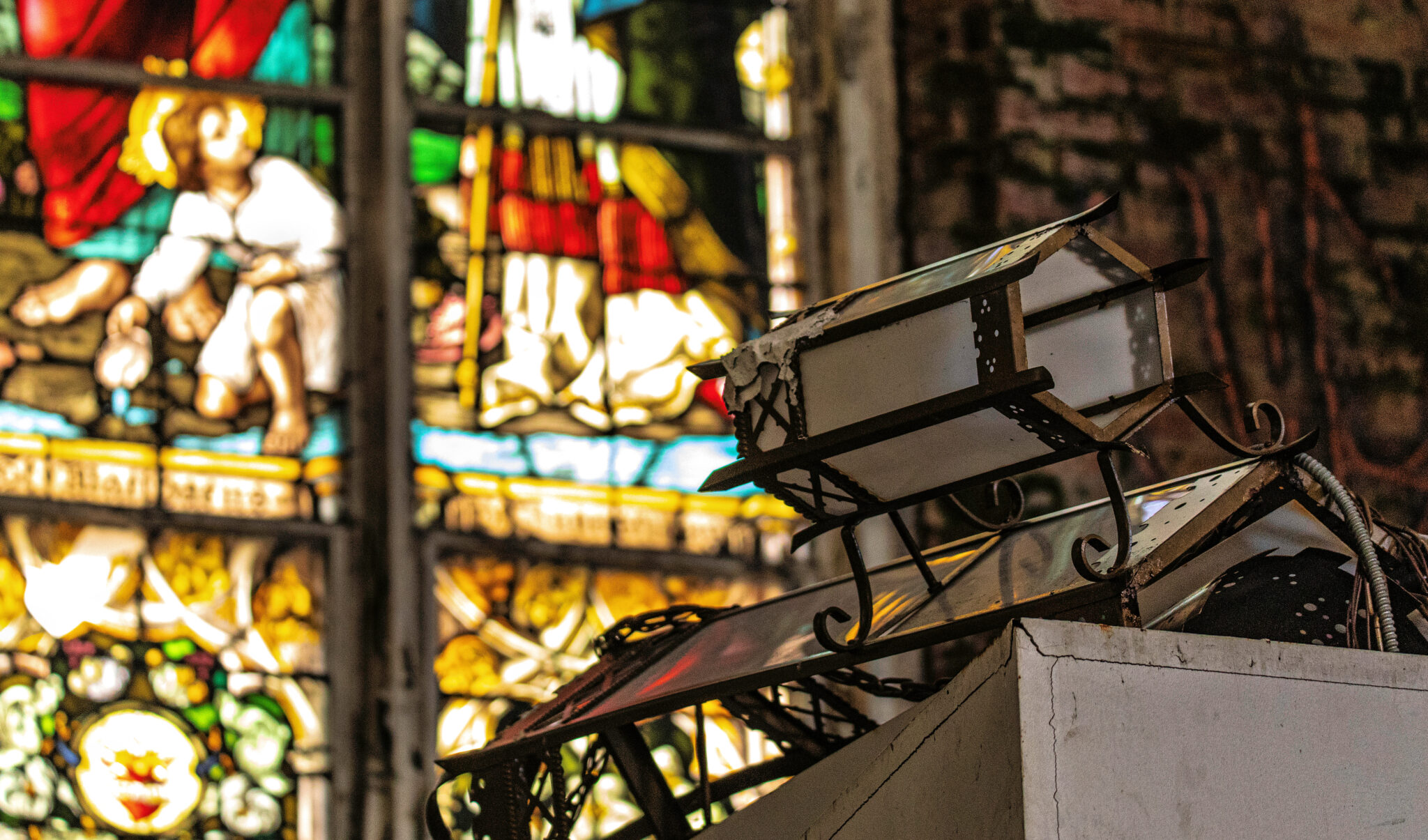
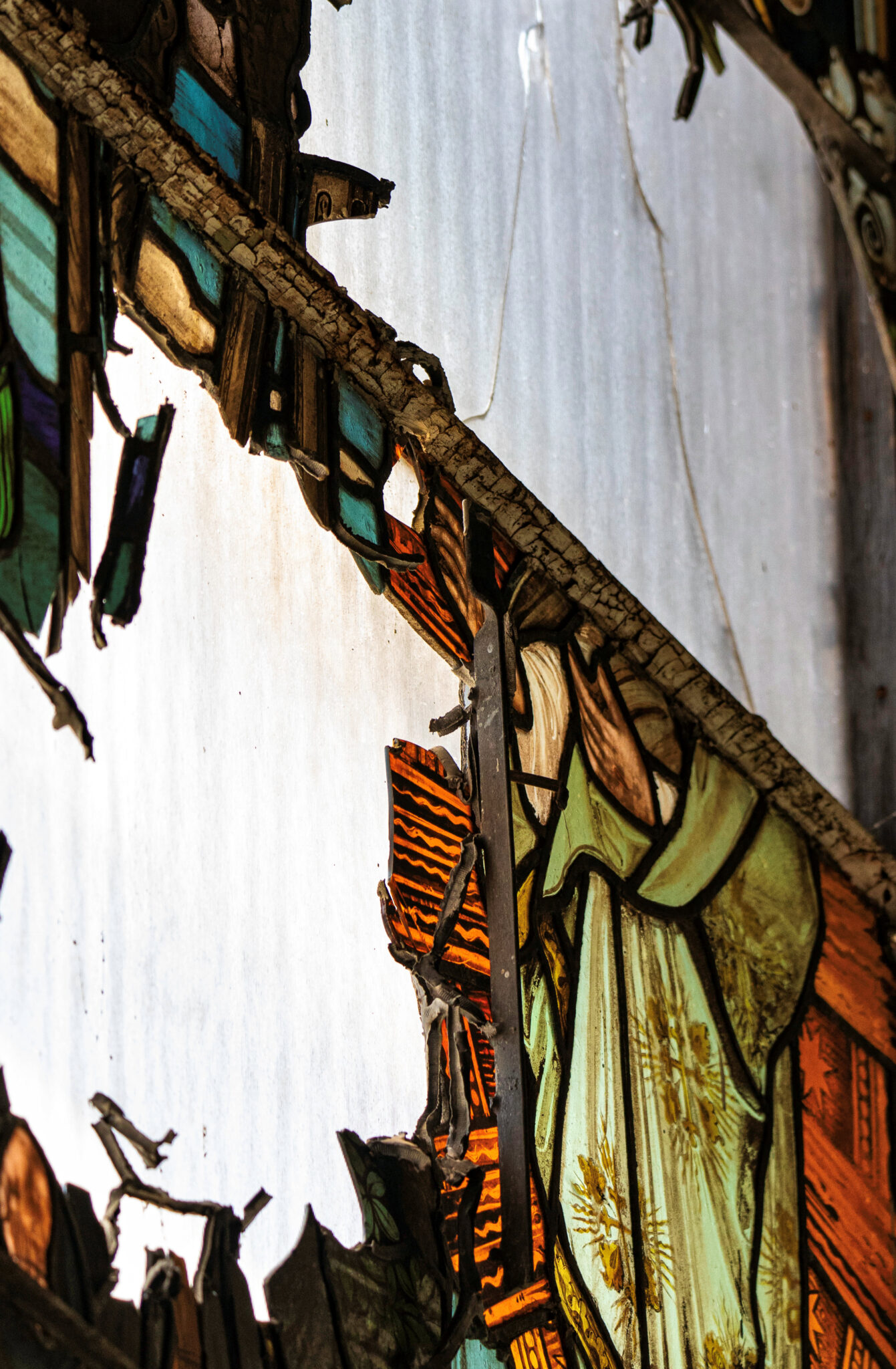
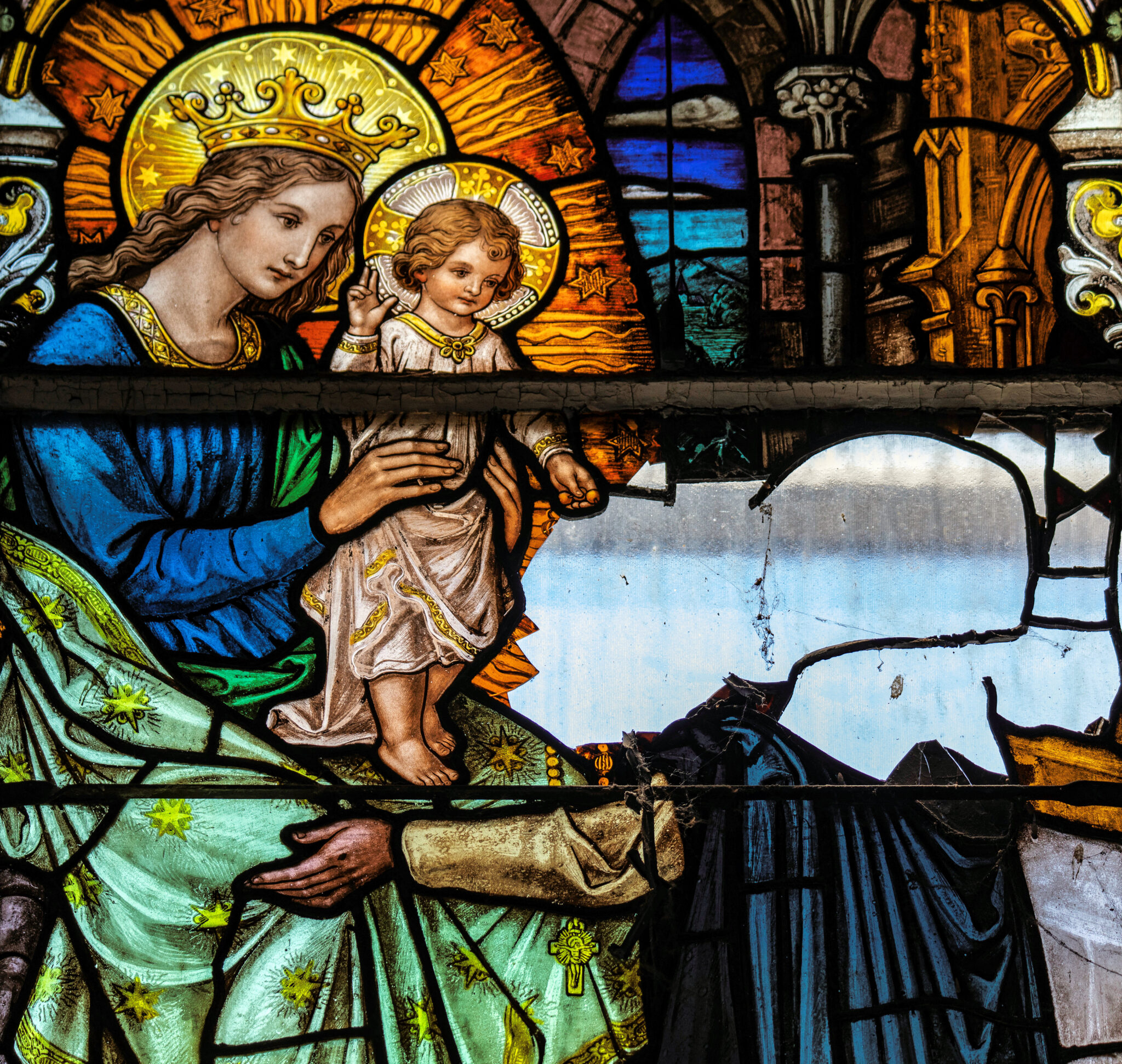
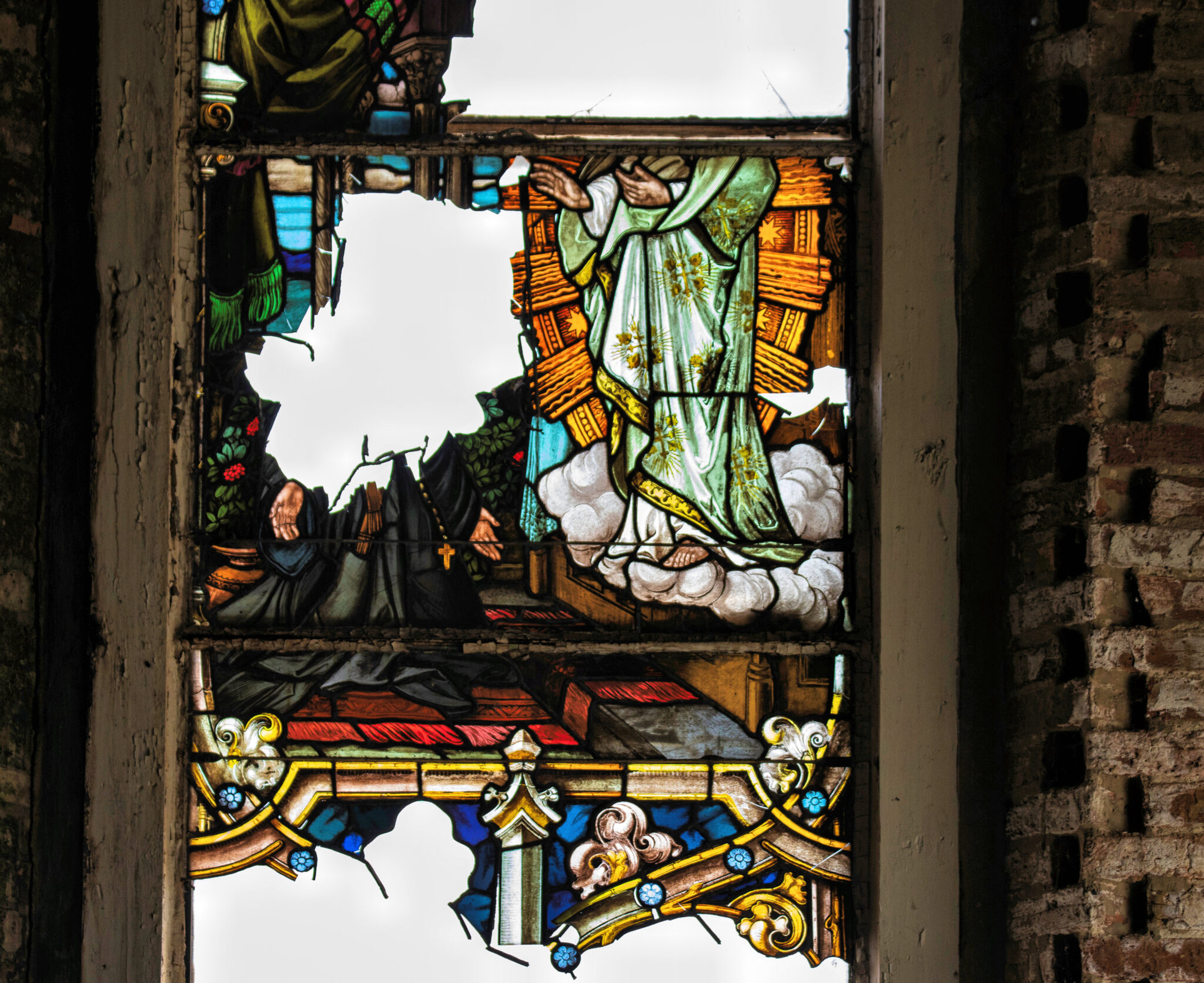
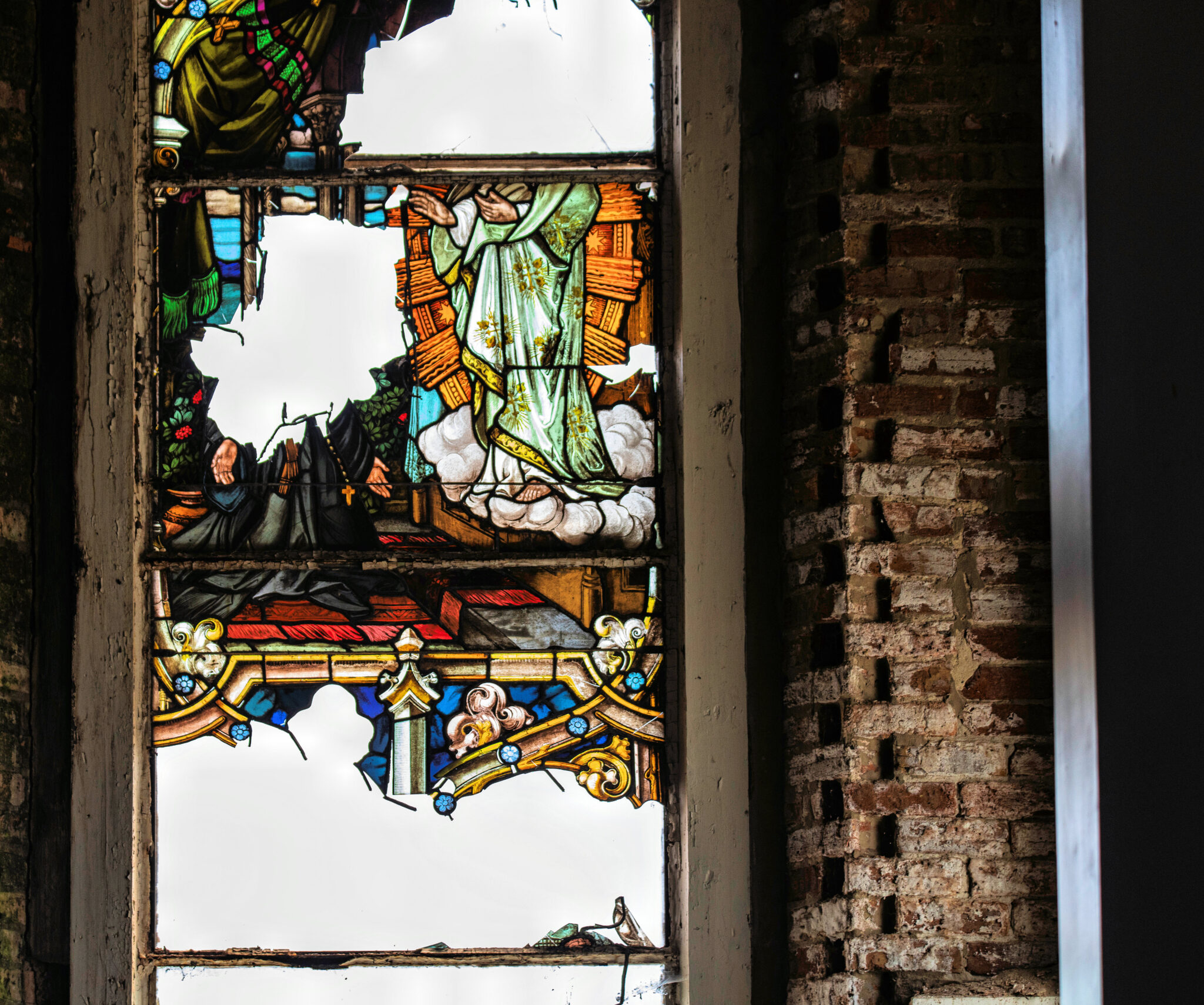
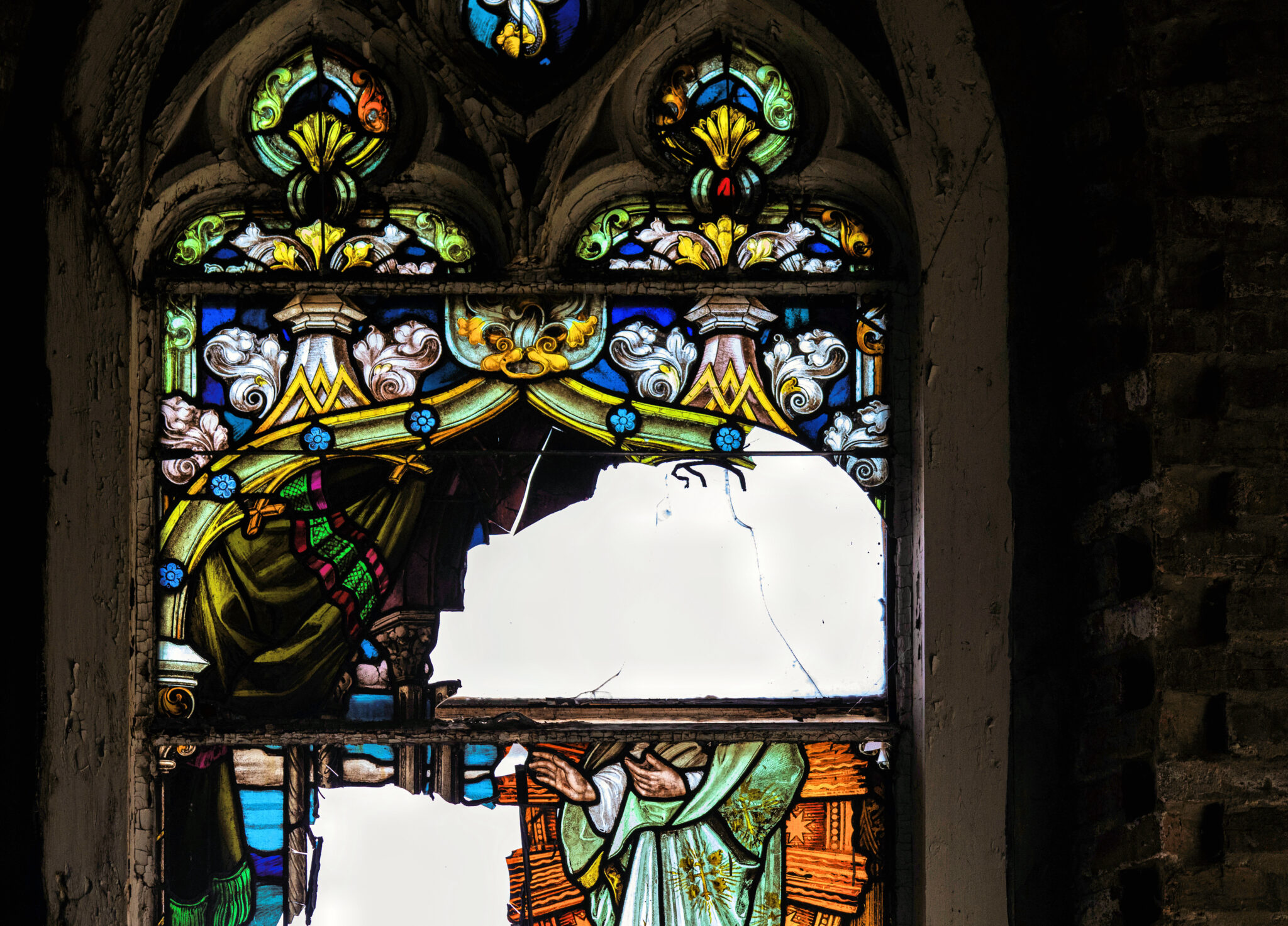
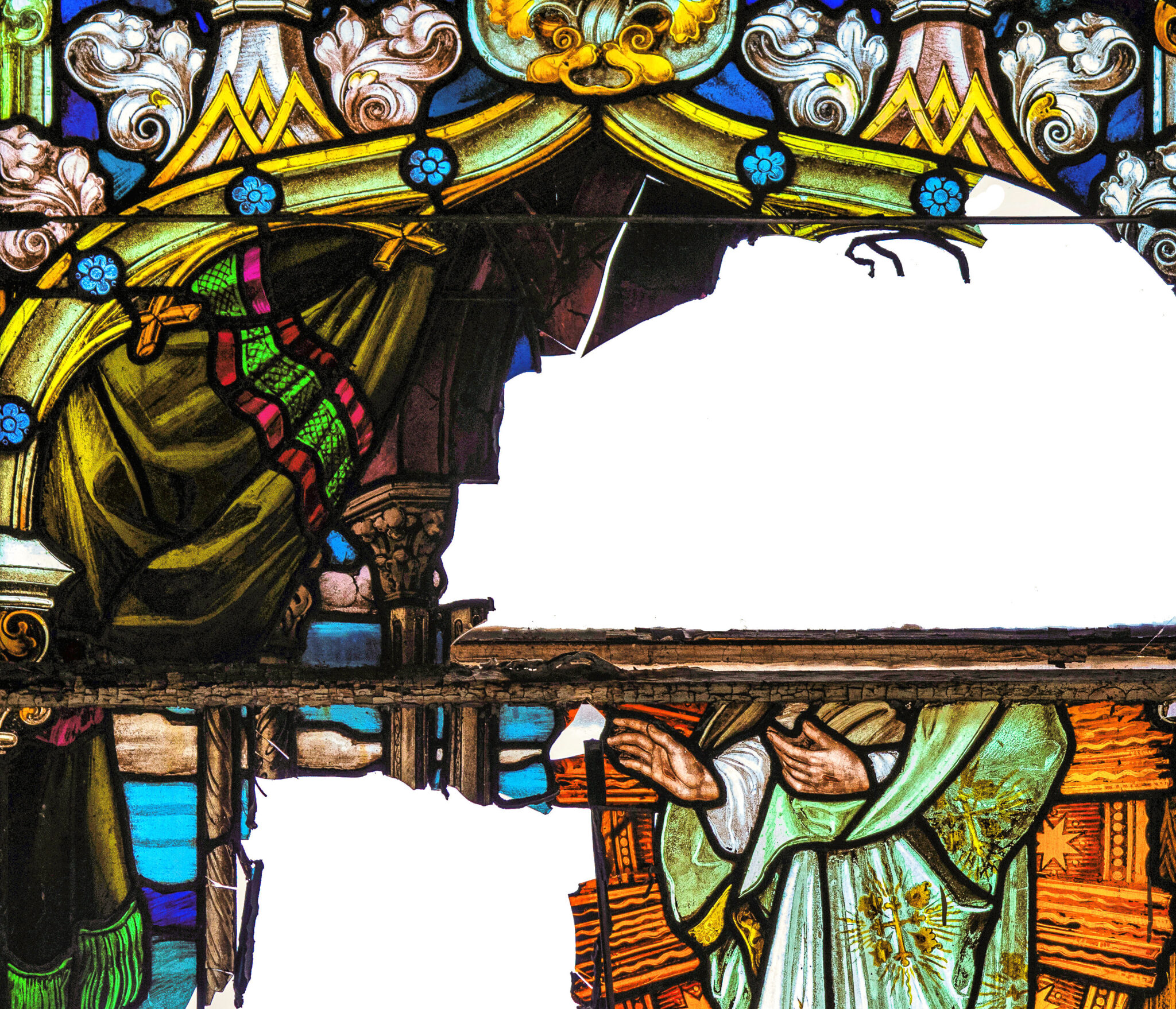
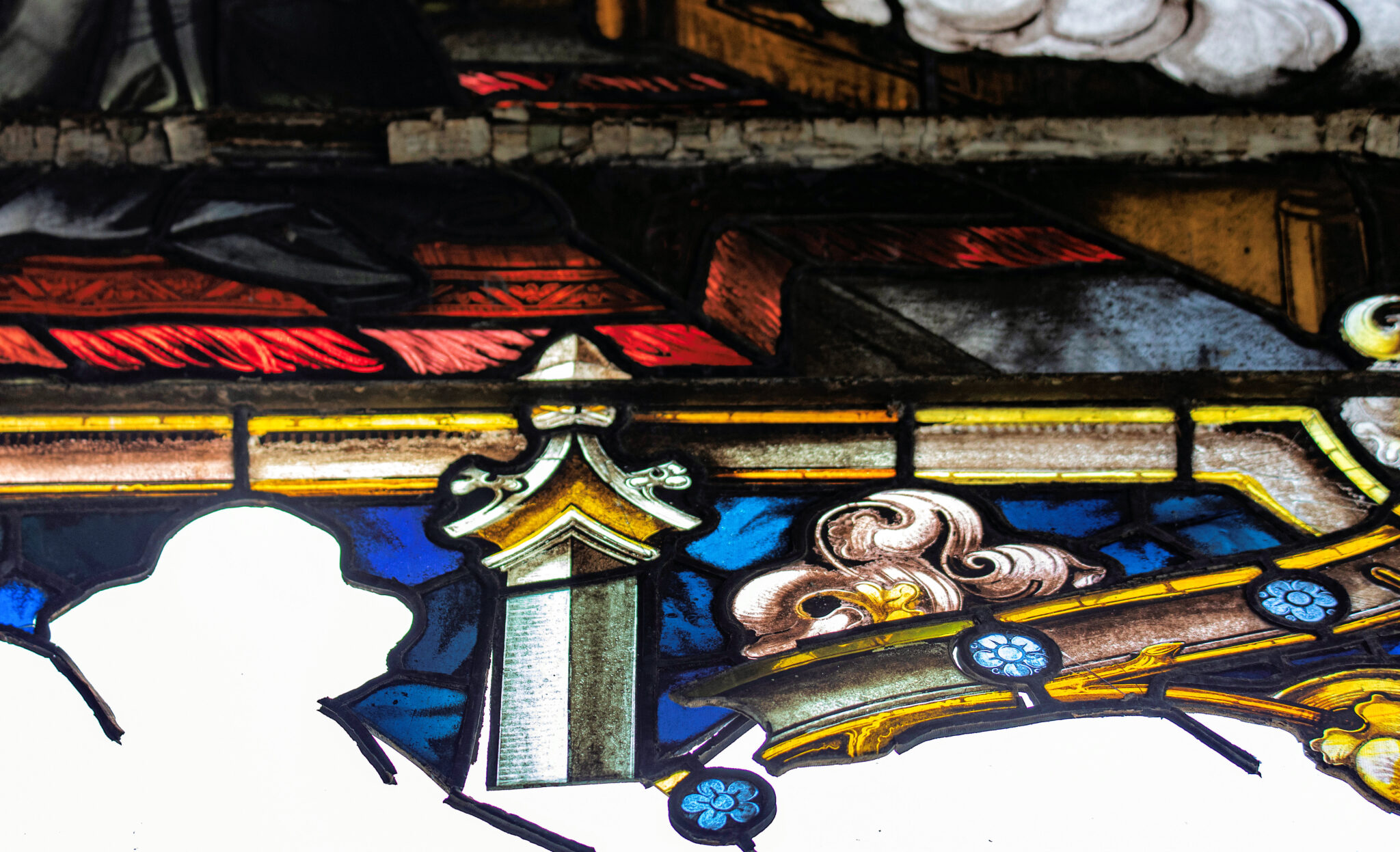
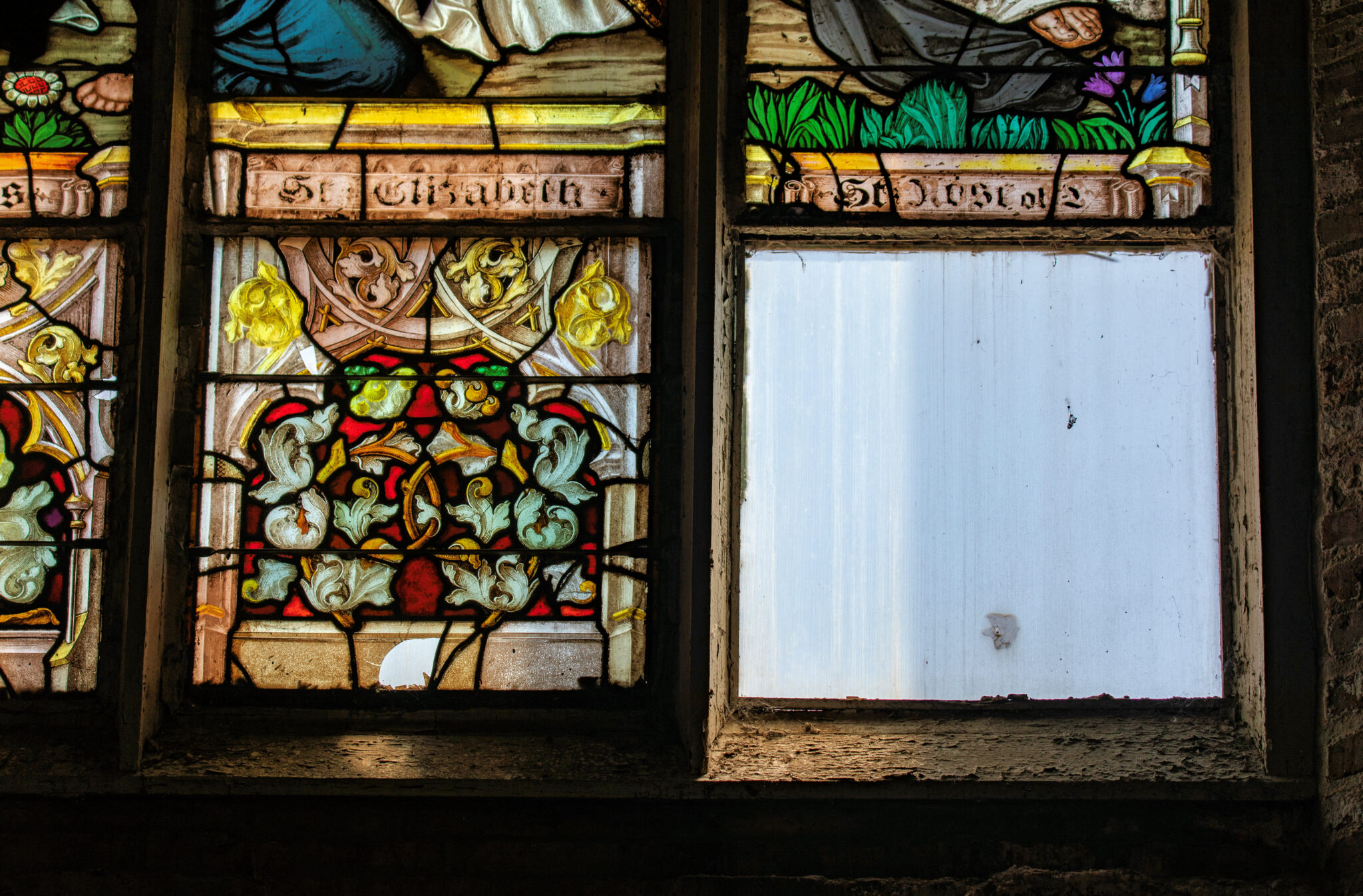
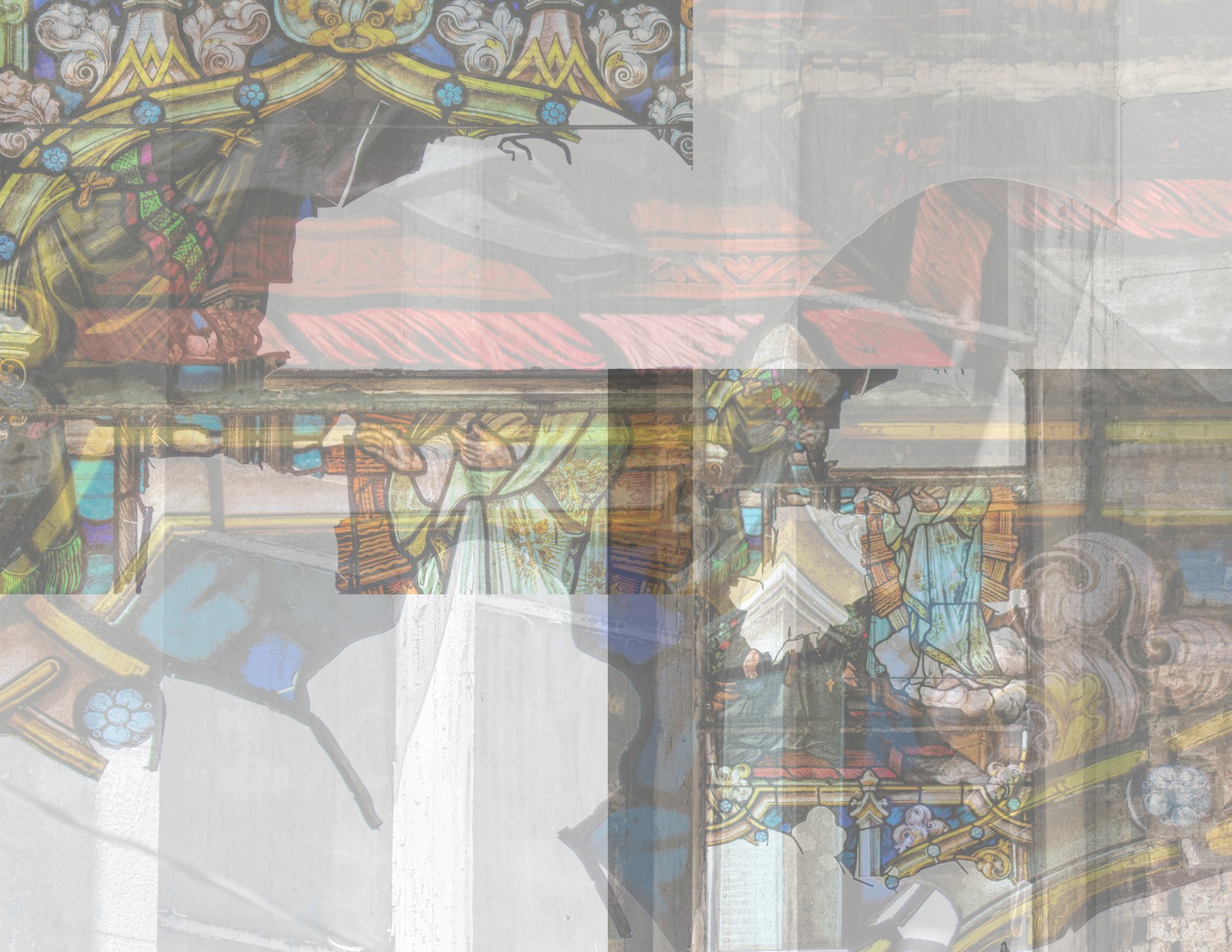
detailed photographic documentation of leaded glass windows within henry j. schlack’s endangered gothic style st. martin of tours german catholic church (1895), located at 5848 south princeton avenue, chicago, il.
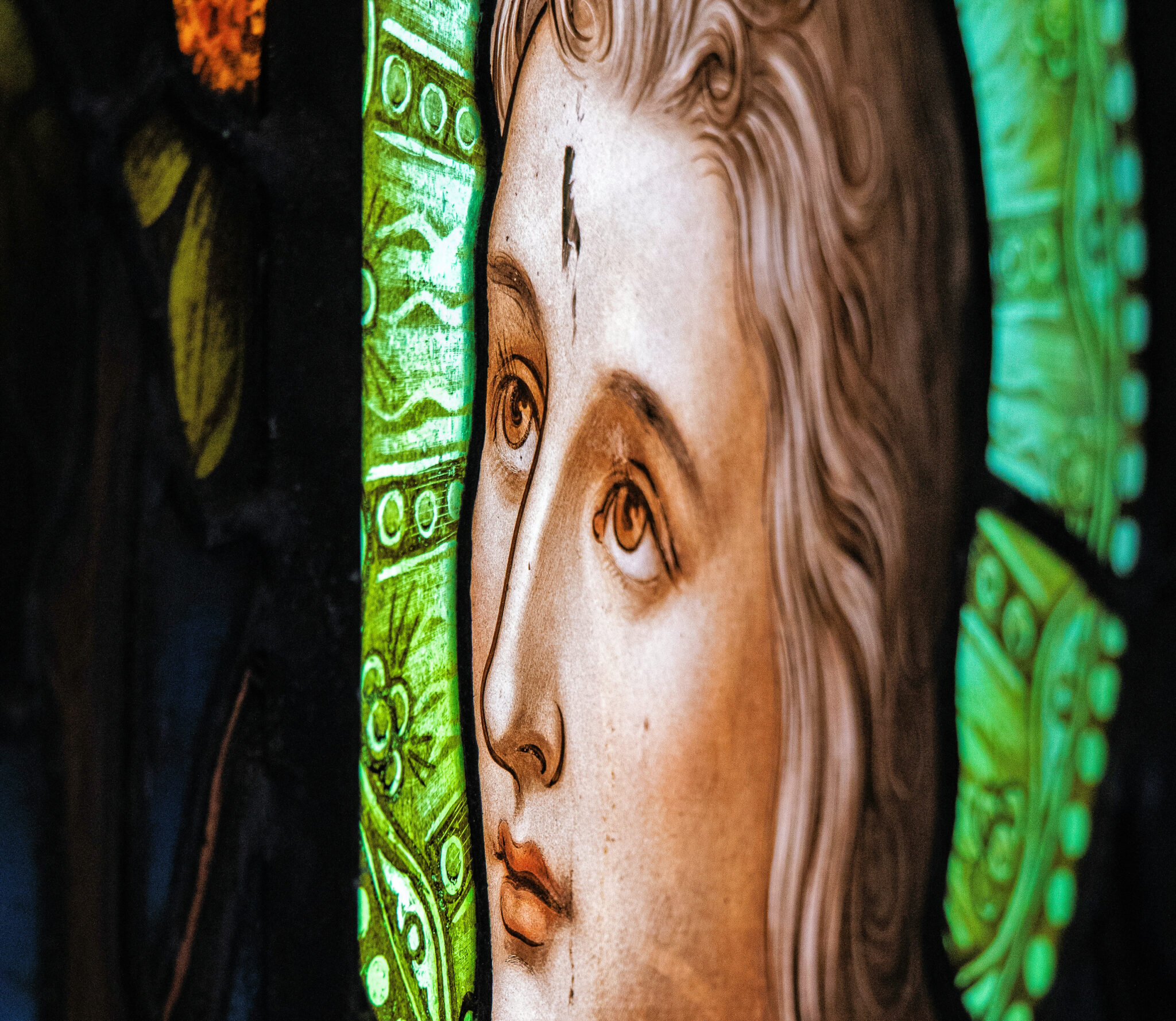
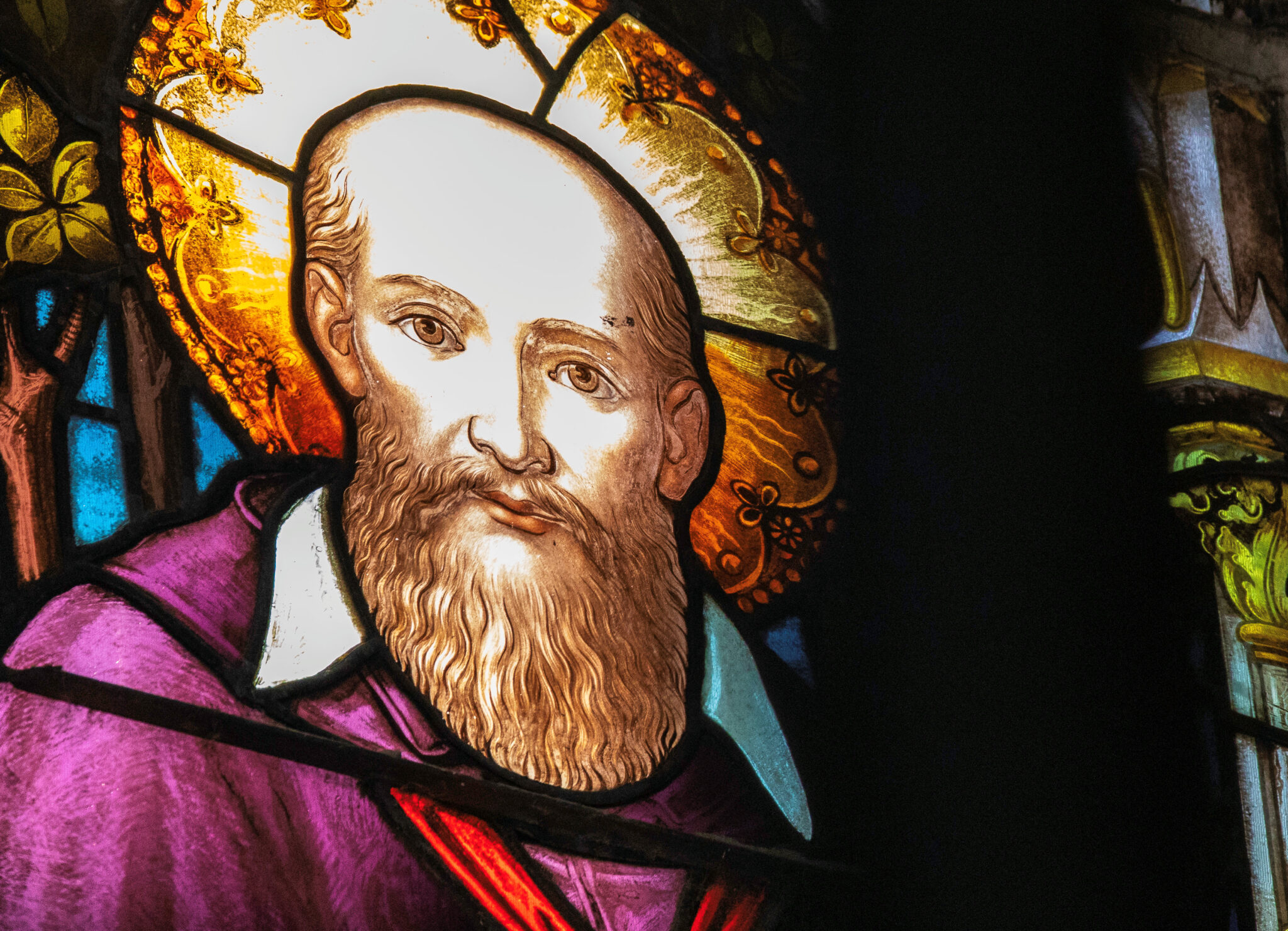
the “munich style” leaded art glass windows were likely executed by zettler studios.
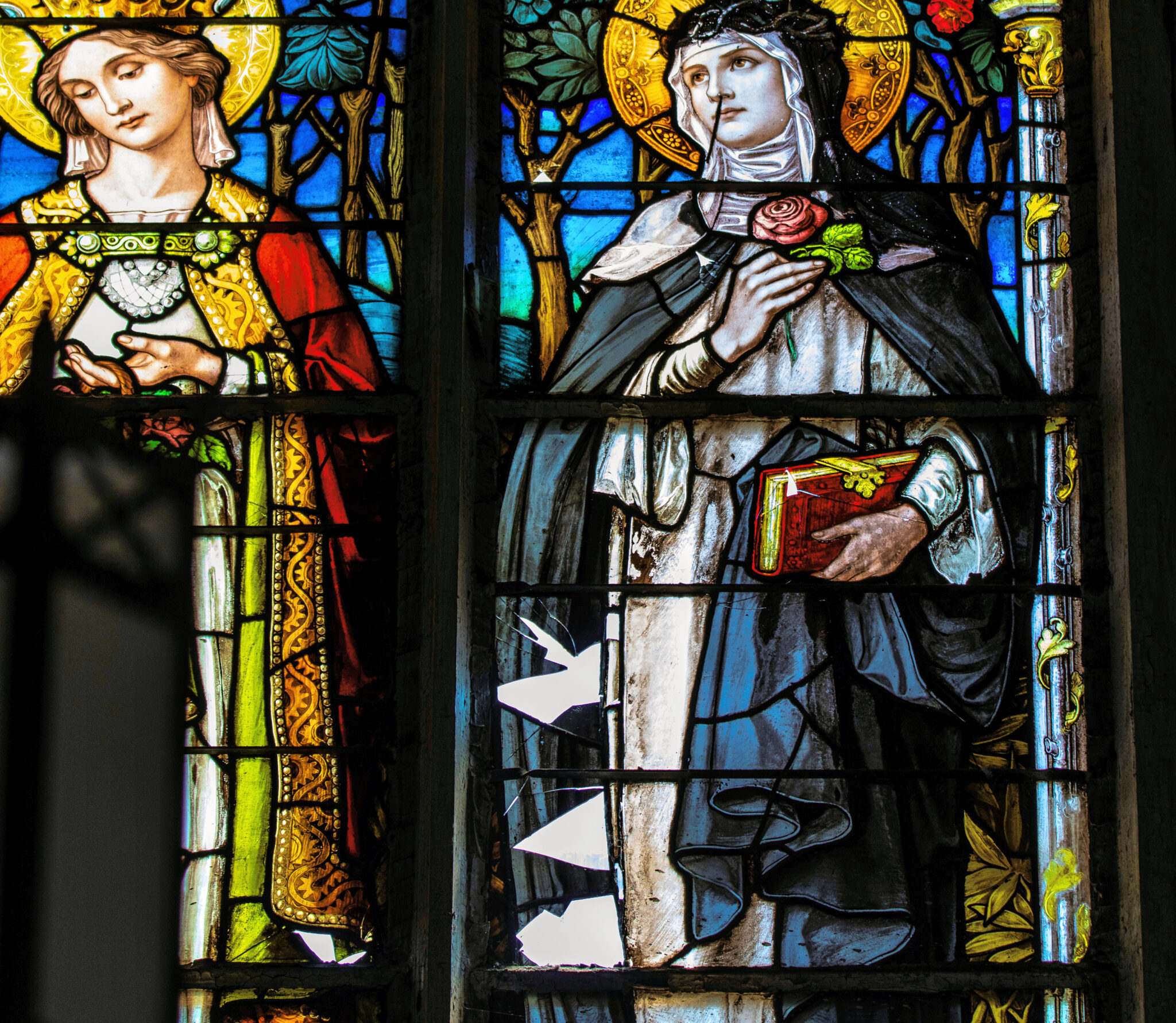
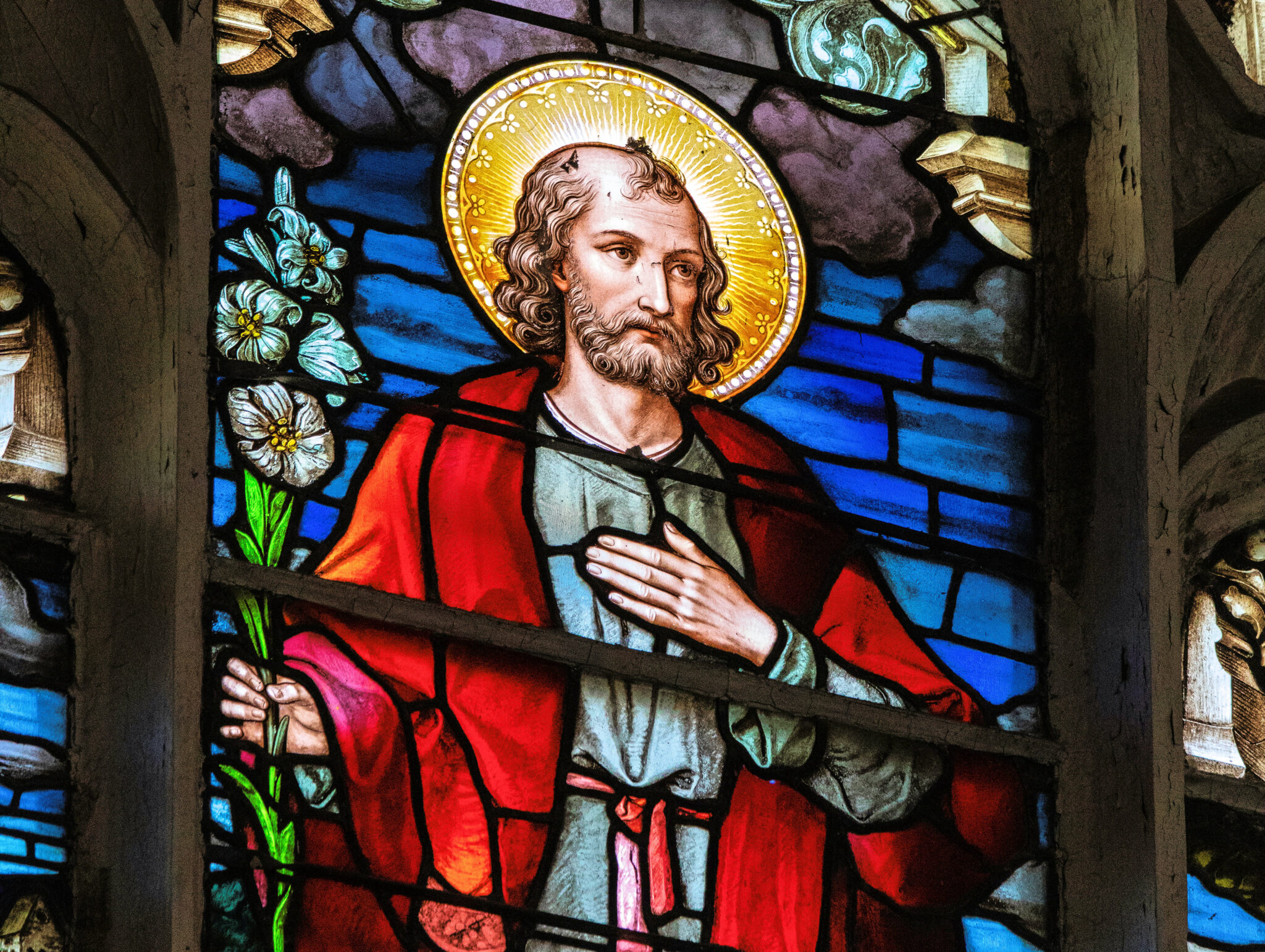
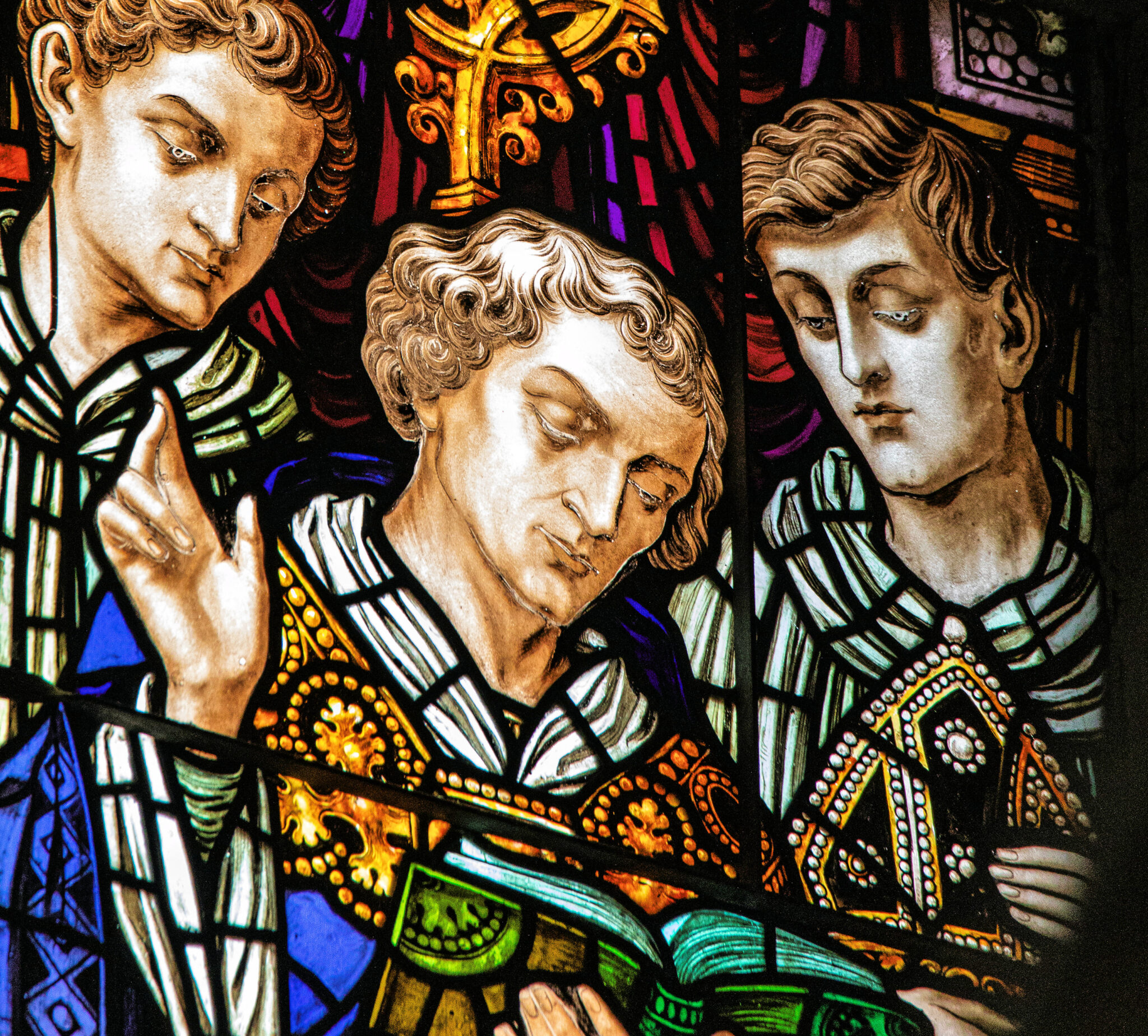
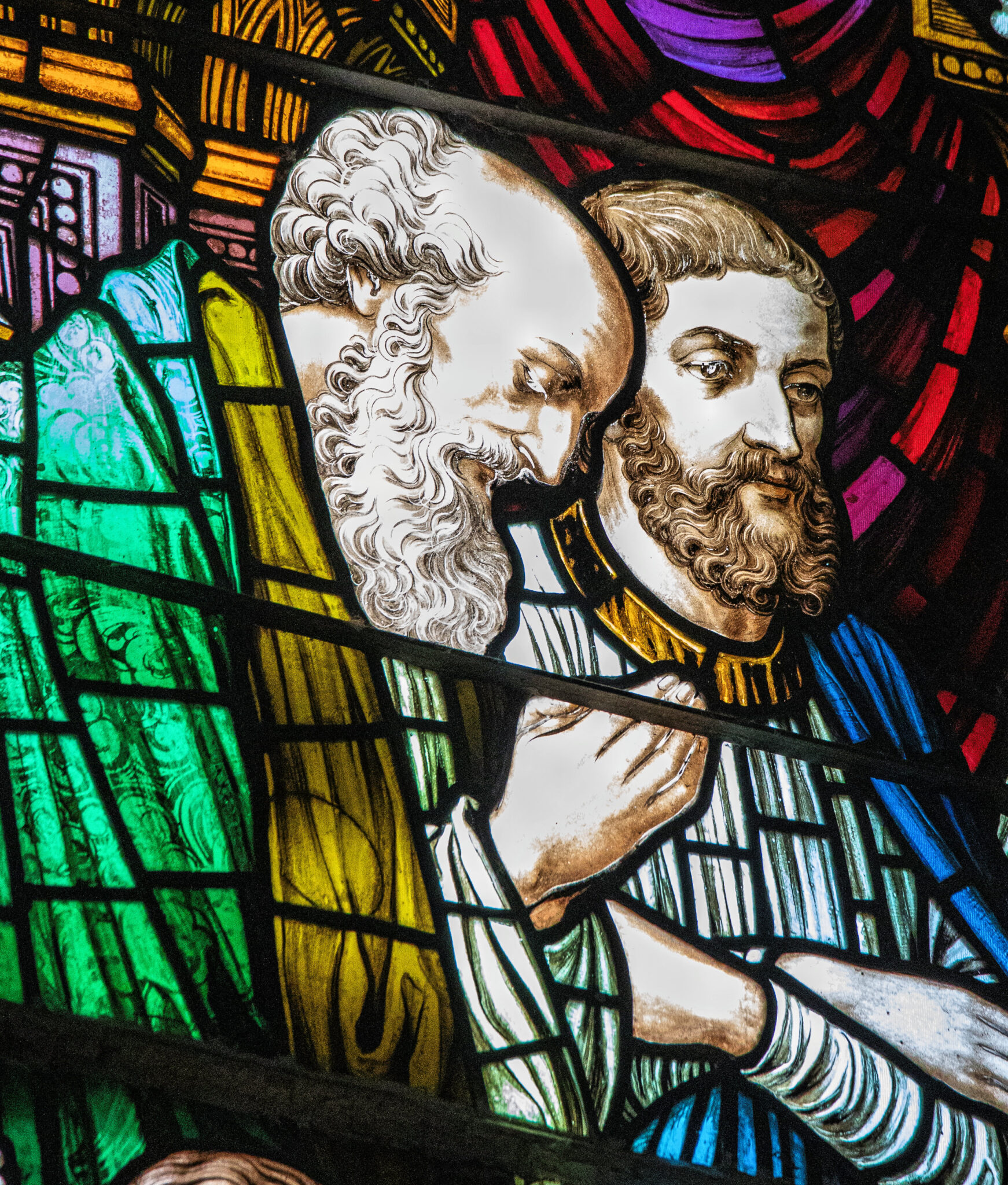


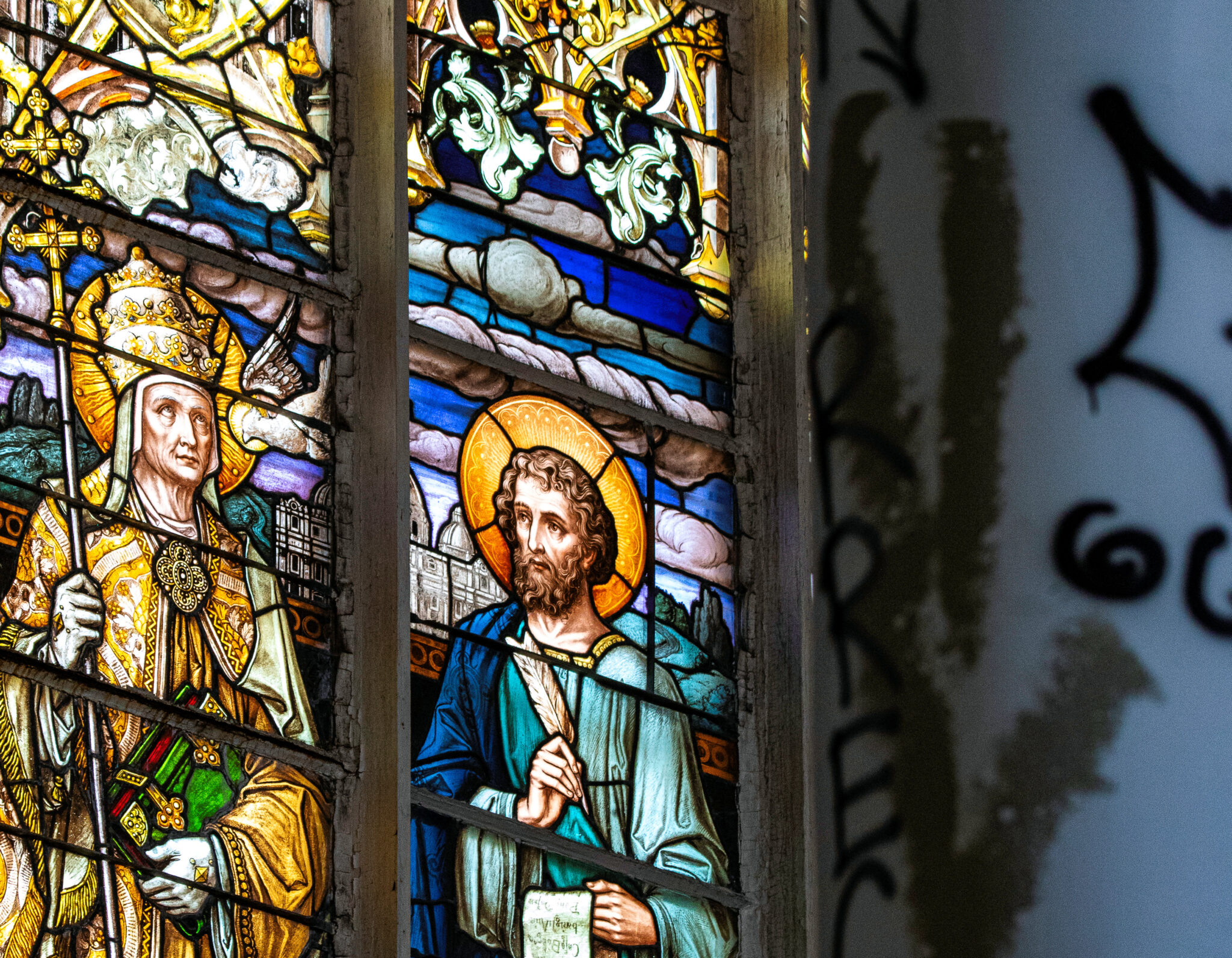
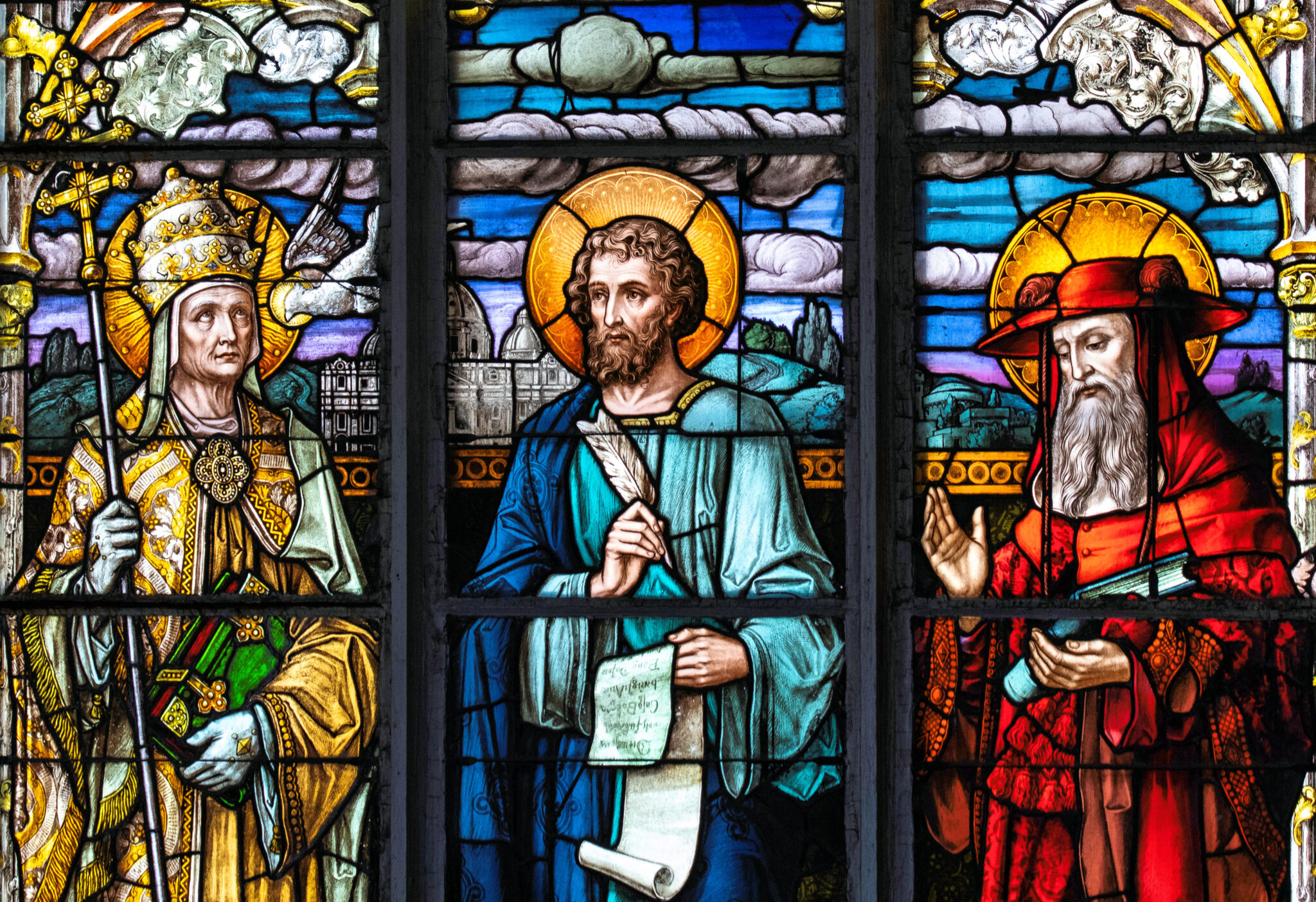
franz xavier zettler established his stained glass company in 1870 during a time when the rebirth of “gothic revival” was gaining momentum through the munich institute of stained glass applied to church art in europe and the united states.
zettler’s company achieved its first success with award-winning windows displayed at the 1873 international exhibition at vienna. by the early 1880’s, zettler’s glass studio employed 150 artisans. in 1882 the company was appointed as the “royal bavarian art institute for stained glass” by king ludwig.
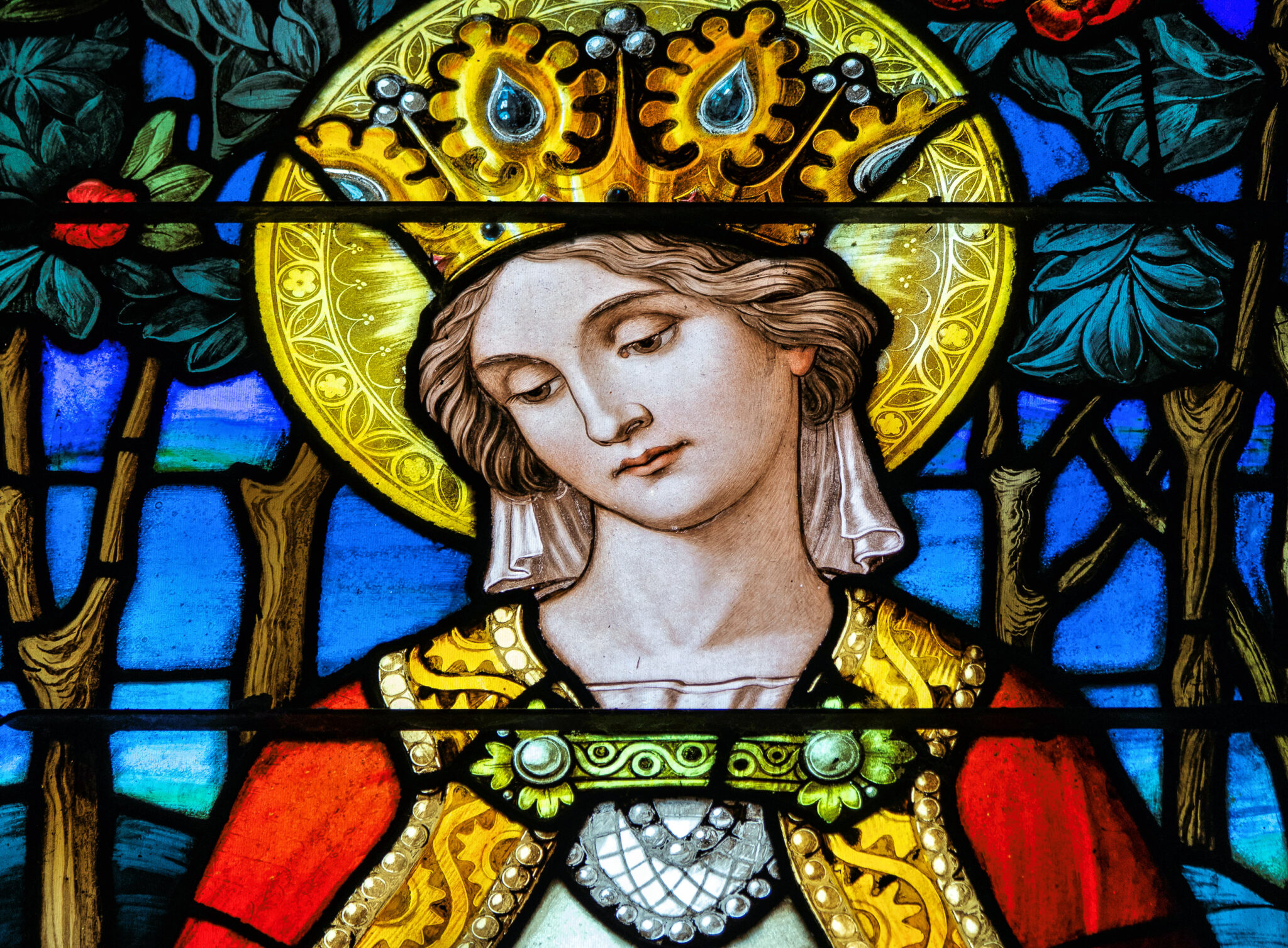
zettler studios eventually perfected what became known as the “munich style,” which was a method where religious scenes were painted on larger sheets of glass and then fused to the glass through firing in intense heat. this process allowed for a blending of colors not attainable by the old “medieval style,” in which any change of color in a scene required a separate piece of colored glass that had to be cut to size and fitted in its own leaded framework.
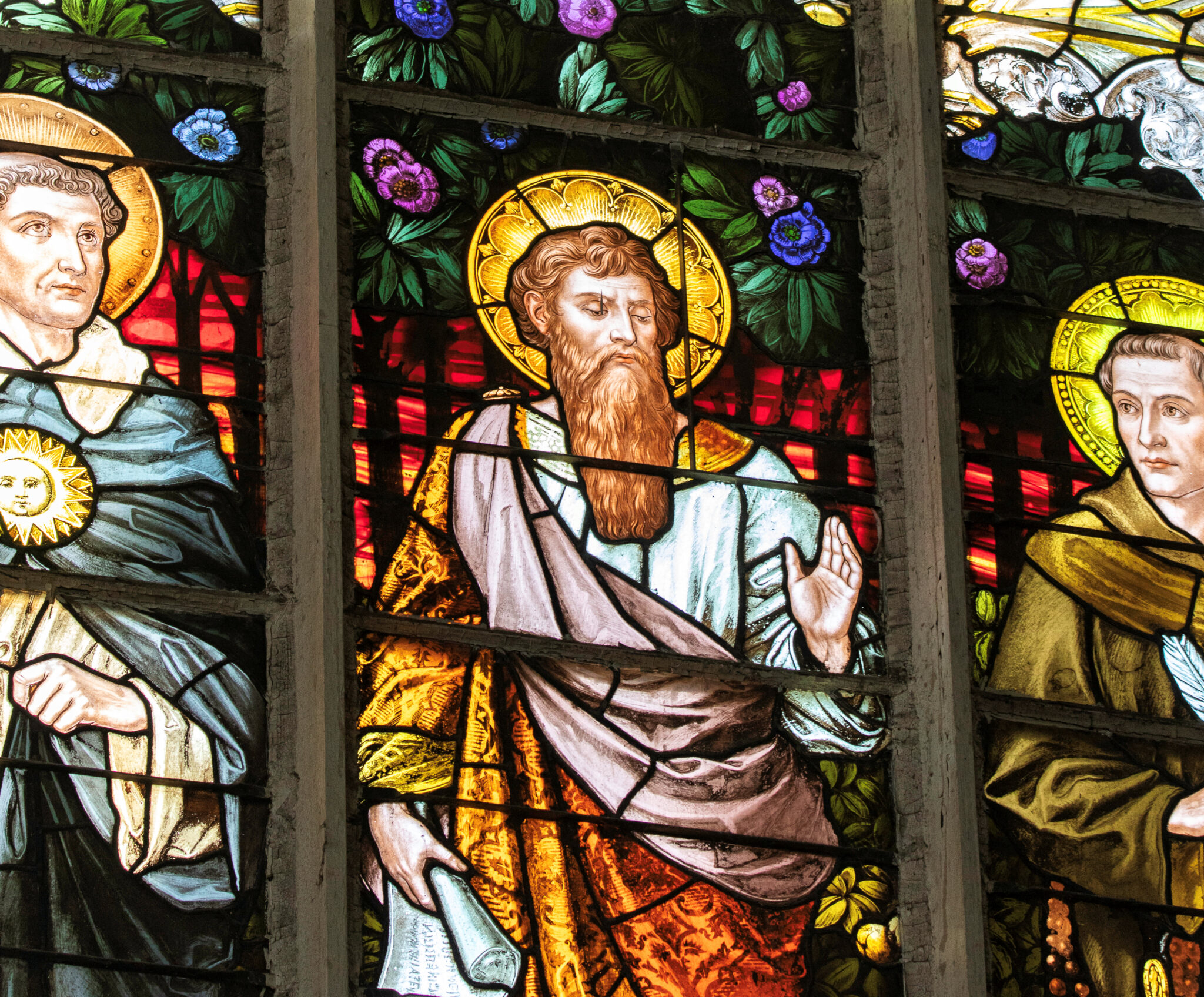
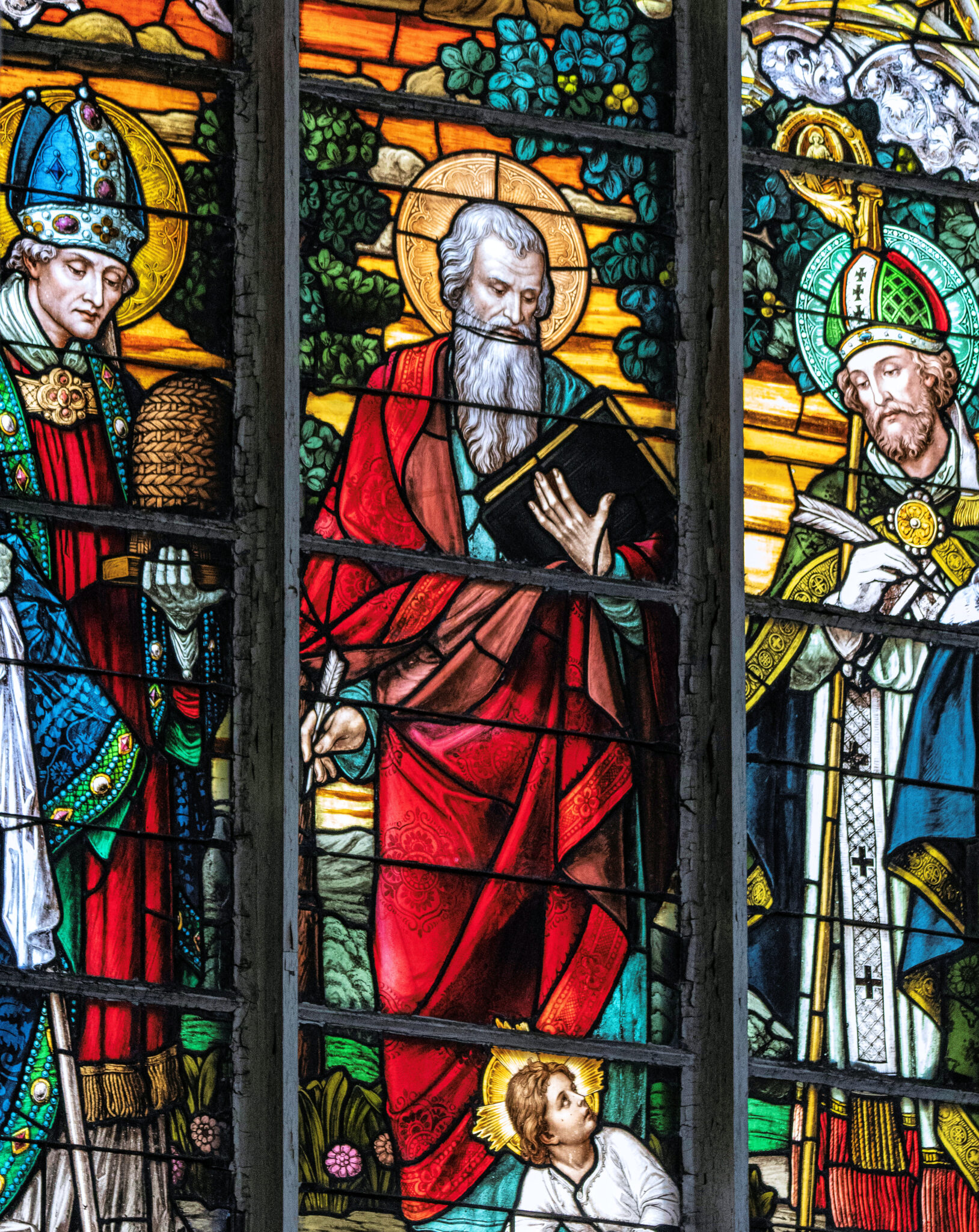
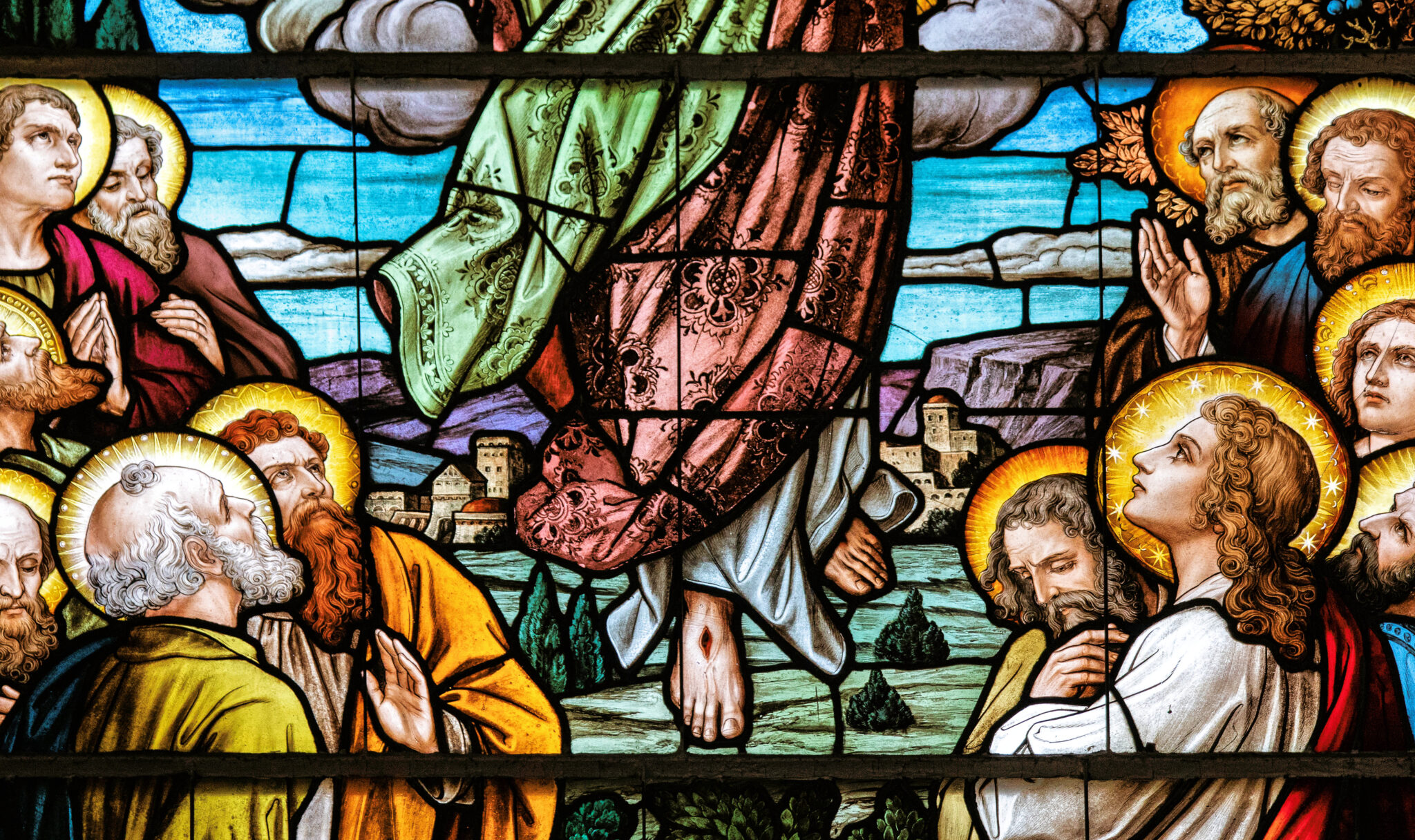
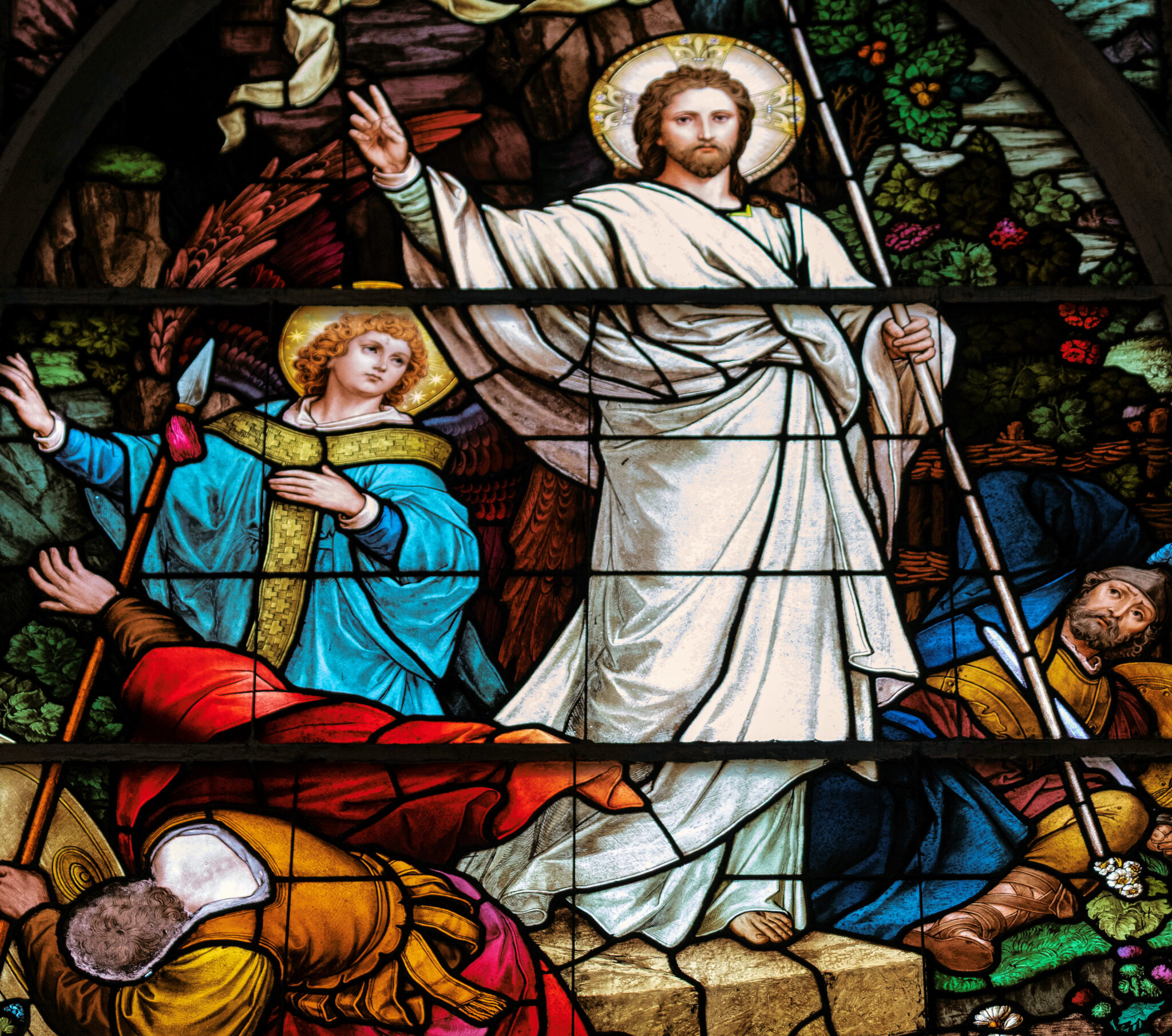
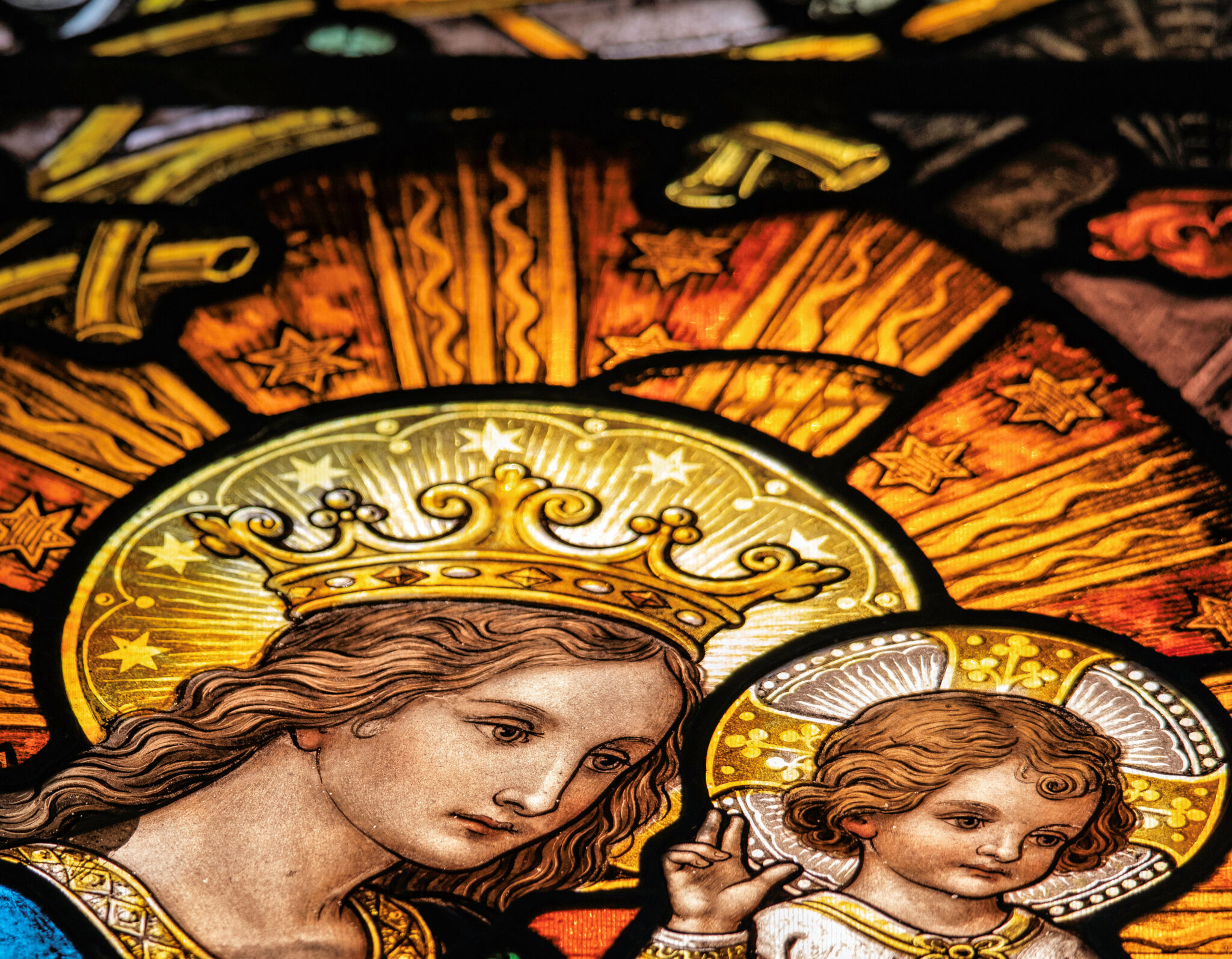
munich style art glass windows contained leaded seams that did not interrupt upon the intricate and heavily detailed scenes portrayed. instead, they were incorporated into the design that made them substantially less noticeable.
the munich style allowed for extremely detailed depictions of their subjects. the scenes depicted were heavily influenced by a combination of 19th century european romantic style of painting, along with german baroque style.
zettler, and his royal bavarian art institute, became known for the quality and execution of their designs, clarity of glass despite the utilization of rich use of colors, and their conscious employment of the medium to realize harmonious decorative effects.
the firm also gained a reputation for technological innovations and familiarity with christian iconography. this allowed them to dominate the “munich style” market in producing windows for churches around the world.

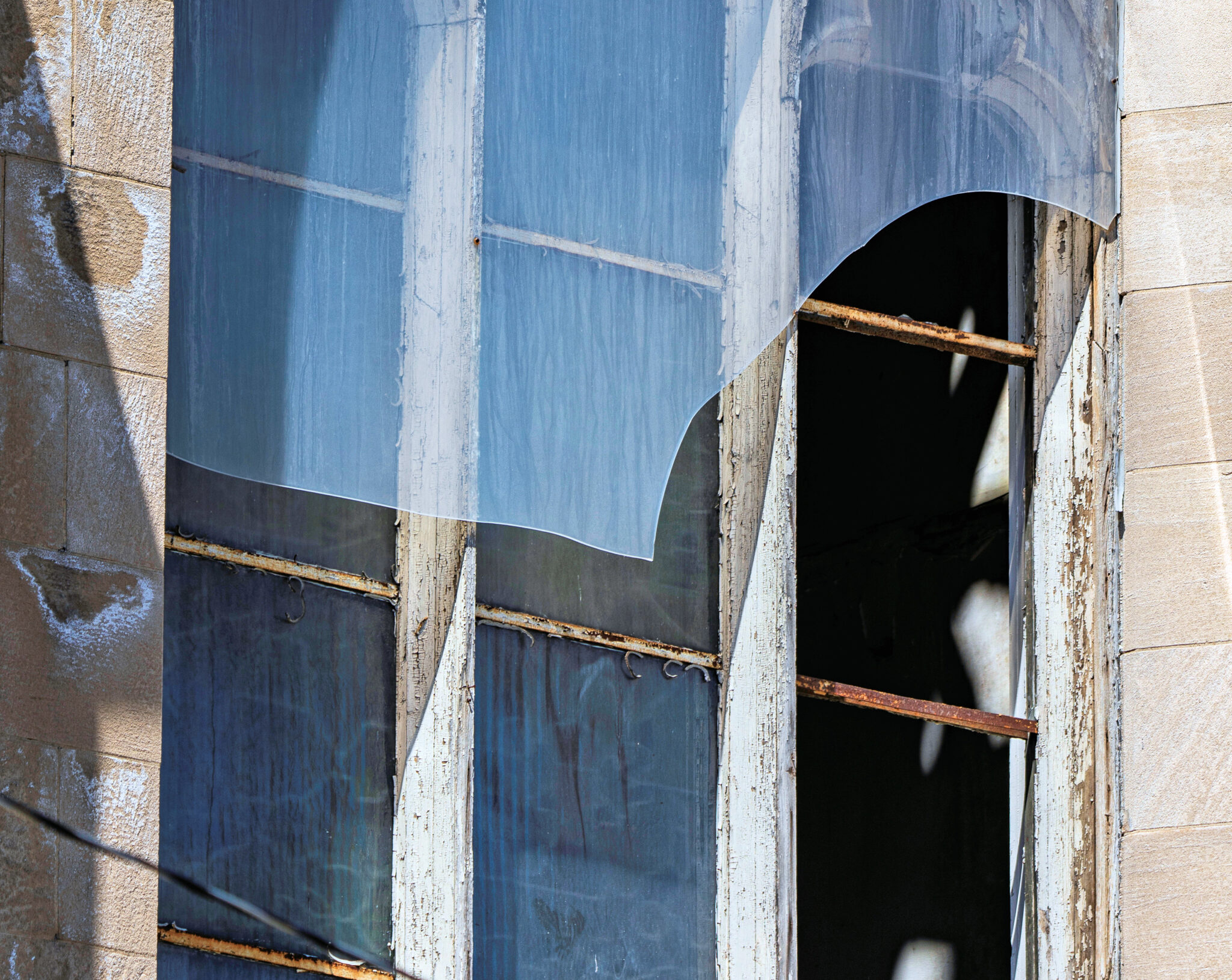
most of the royal bavarian art institute’s windows found in this country date from after 1900. however, the windows in st. martin of tours church were installed by zettler’s firm between 1893-1895.
the fact that st. martin’s was among the institute’s early american customers can probably be attributed to the parish’s german immigrants already being familiar with the firm’s work in the “fatherland.”