
10 Jan bldg. 51 museum secures collection of historically important terra cotta ornament from burnam and root’s downtown chicago rookery building (1887)
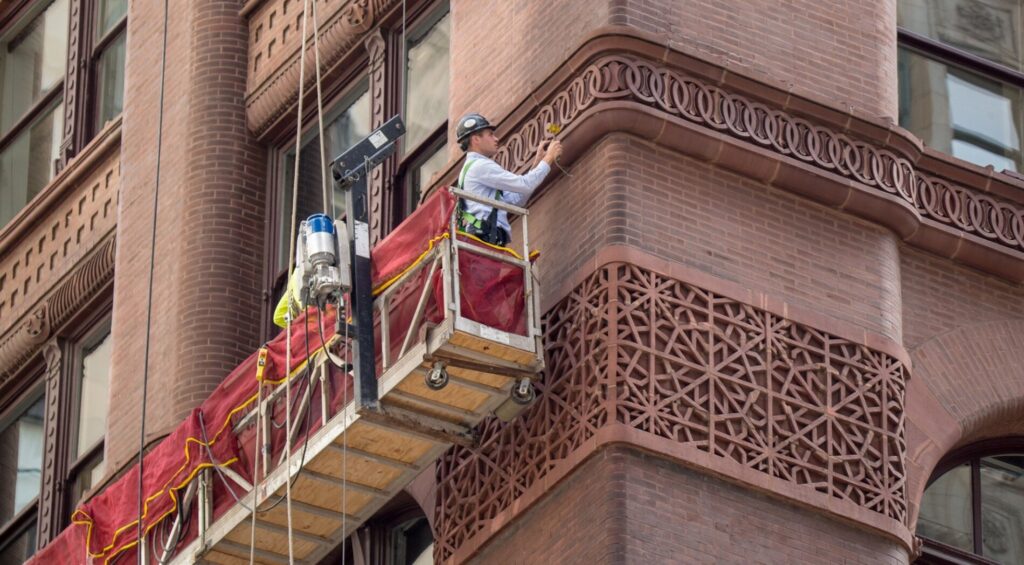
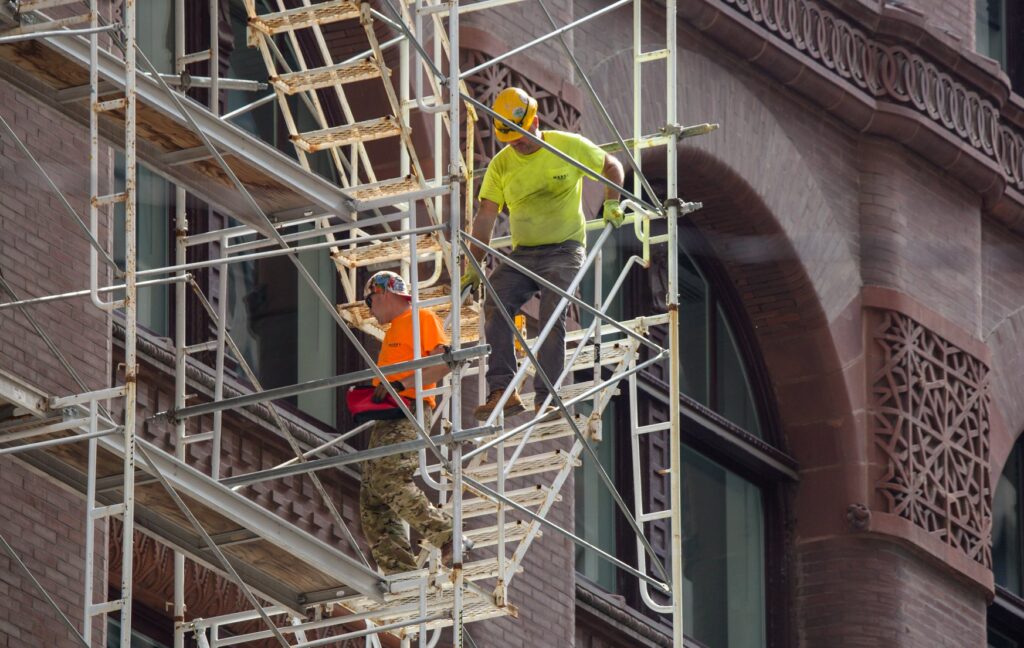
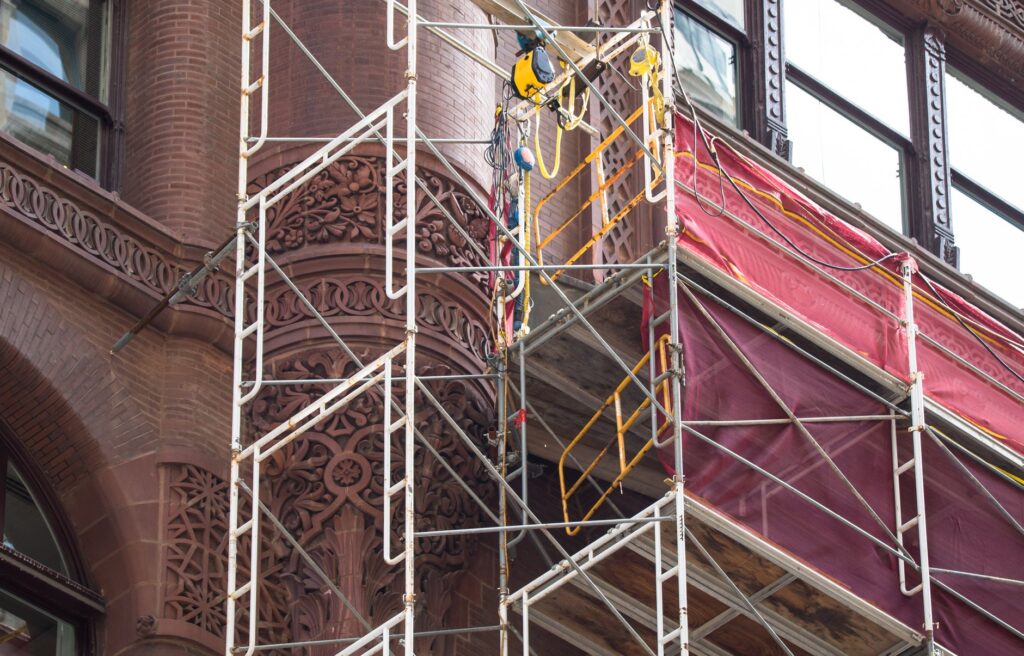
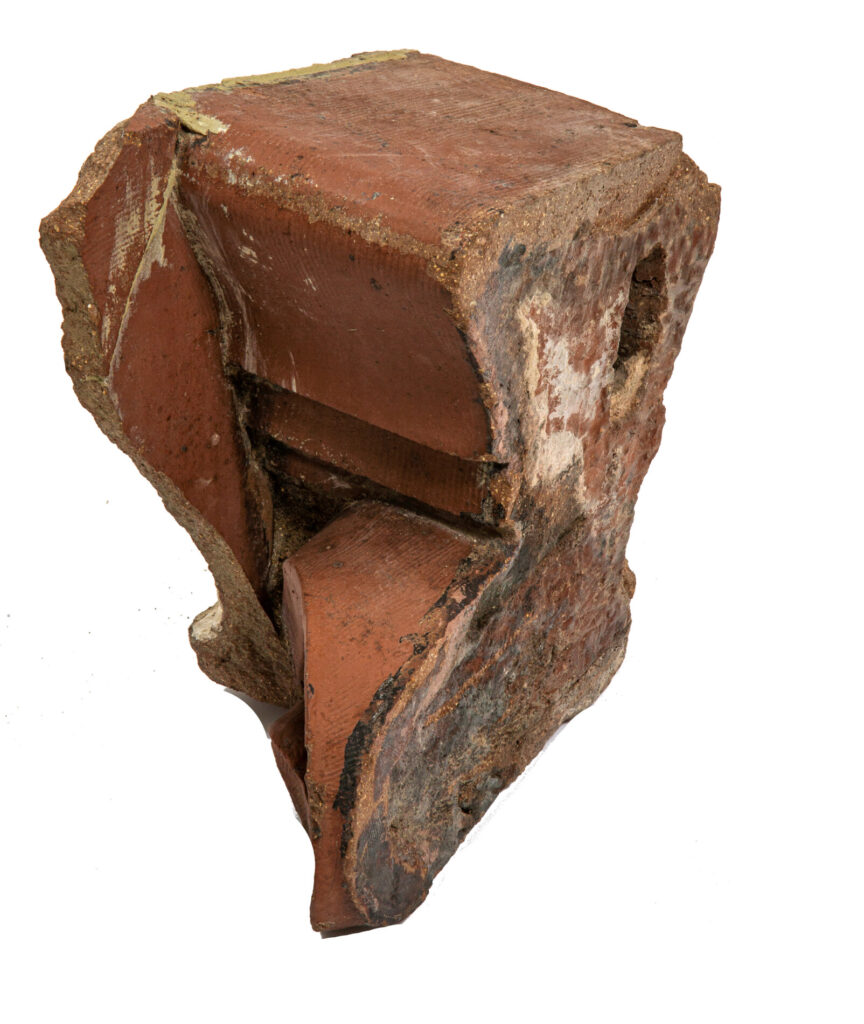
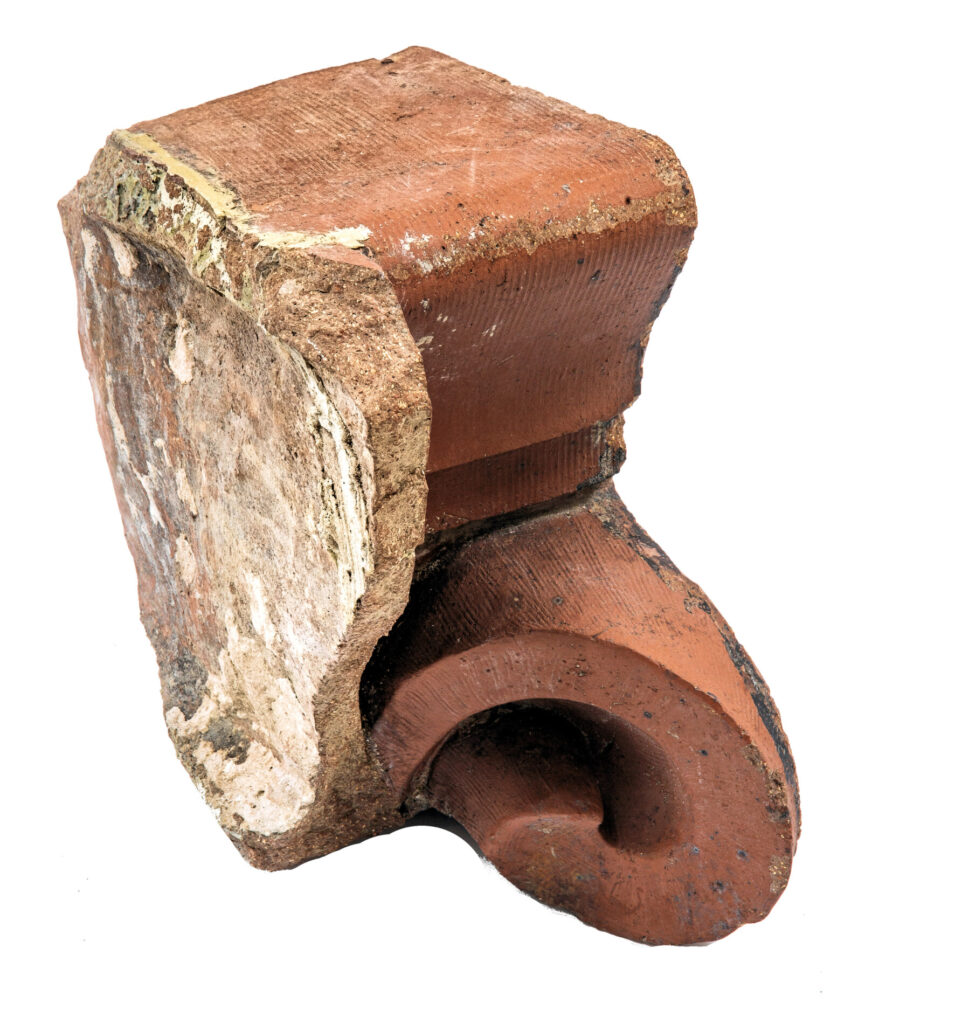
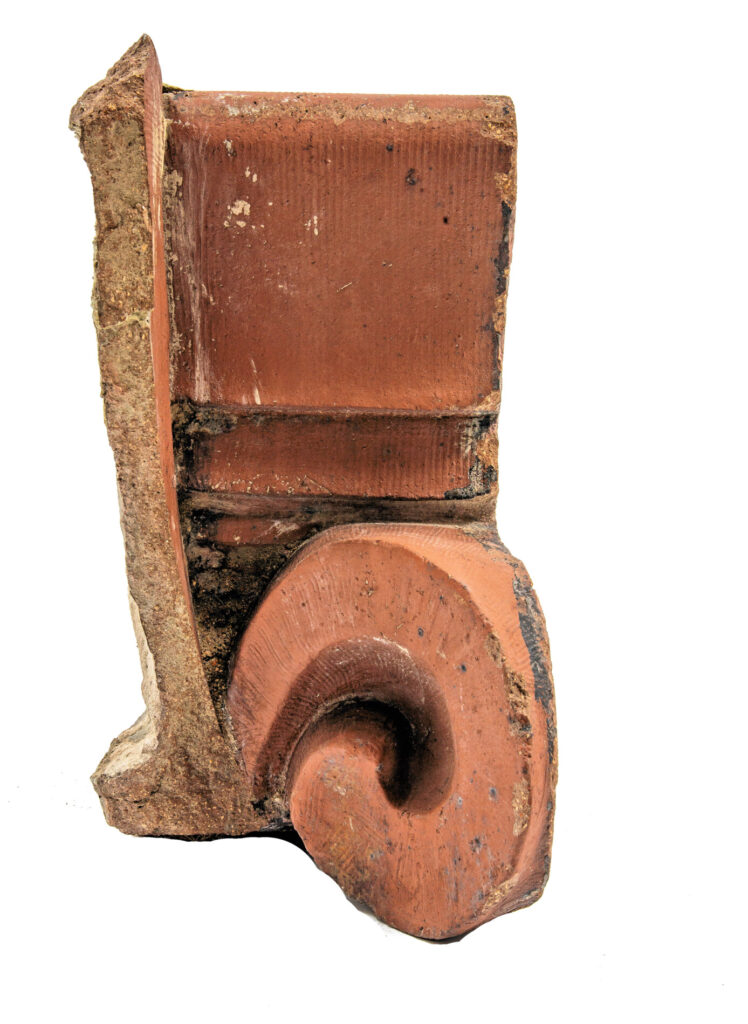
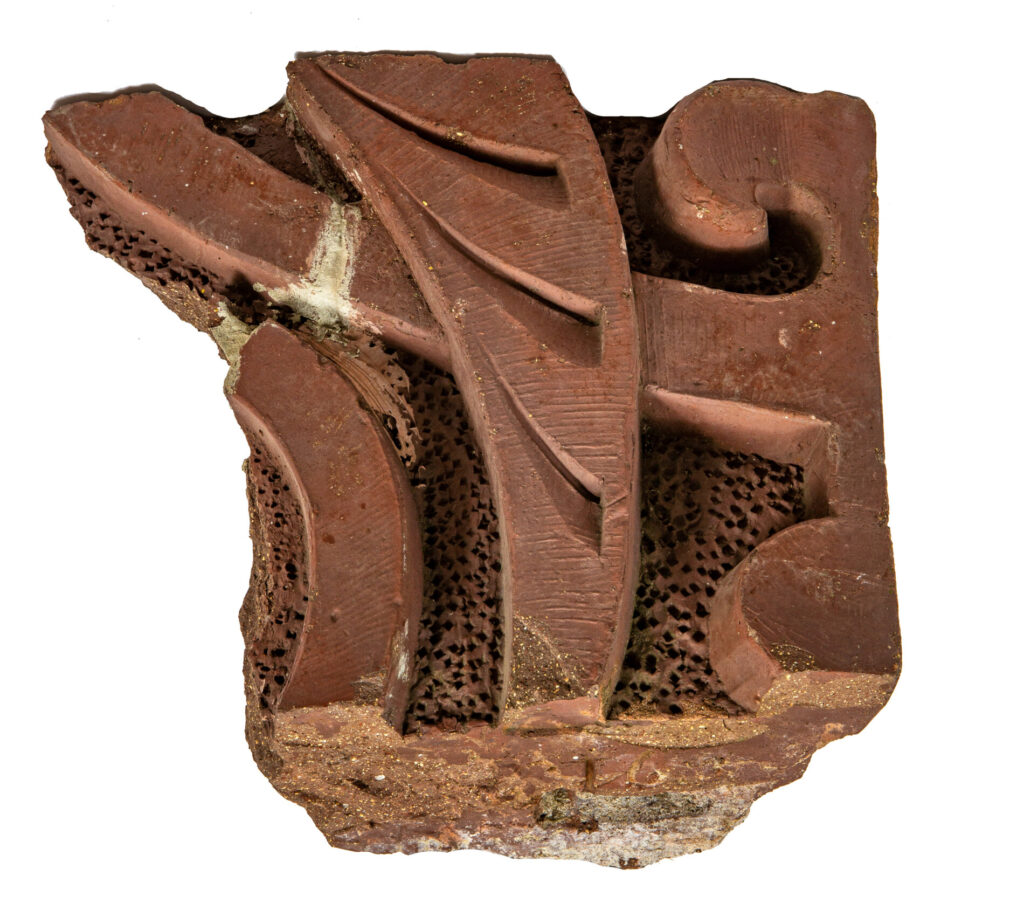
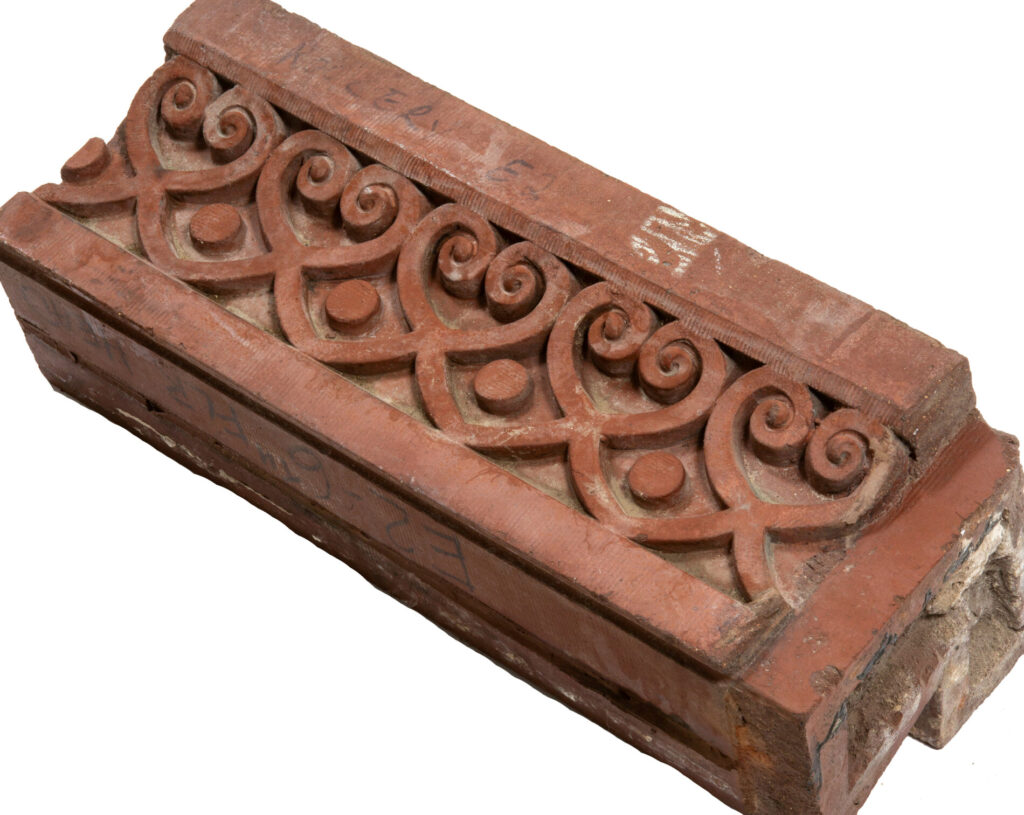
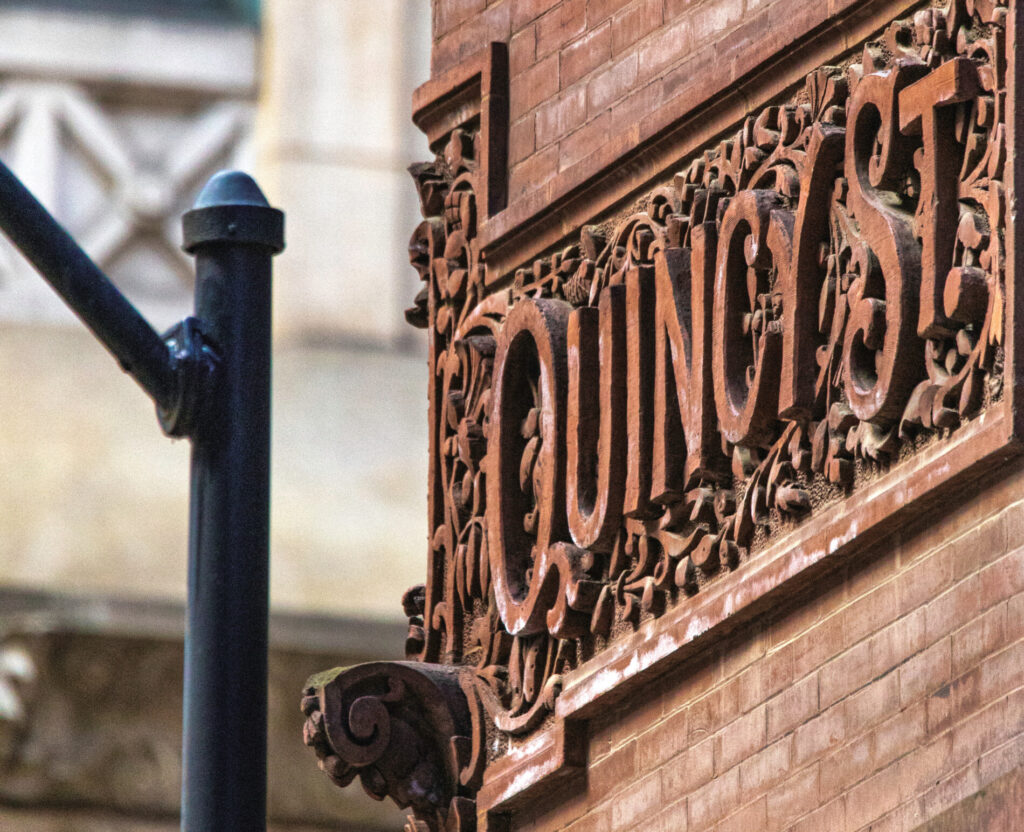
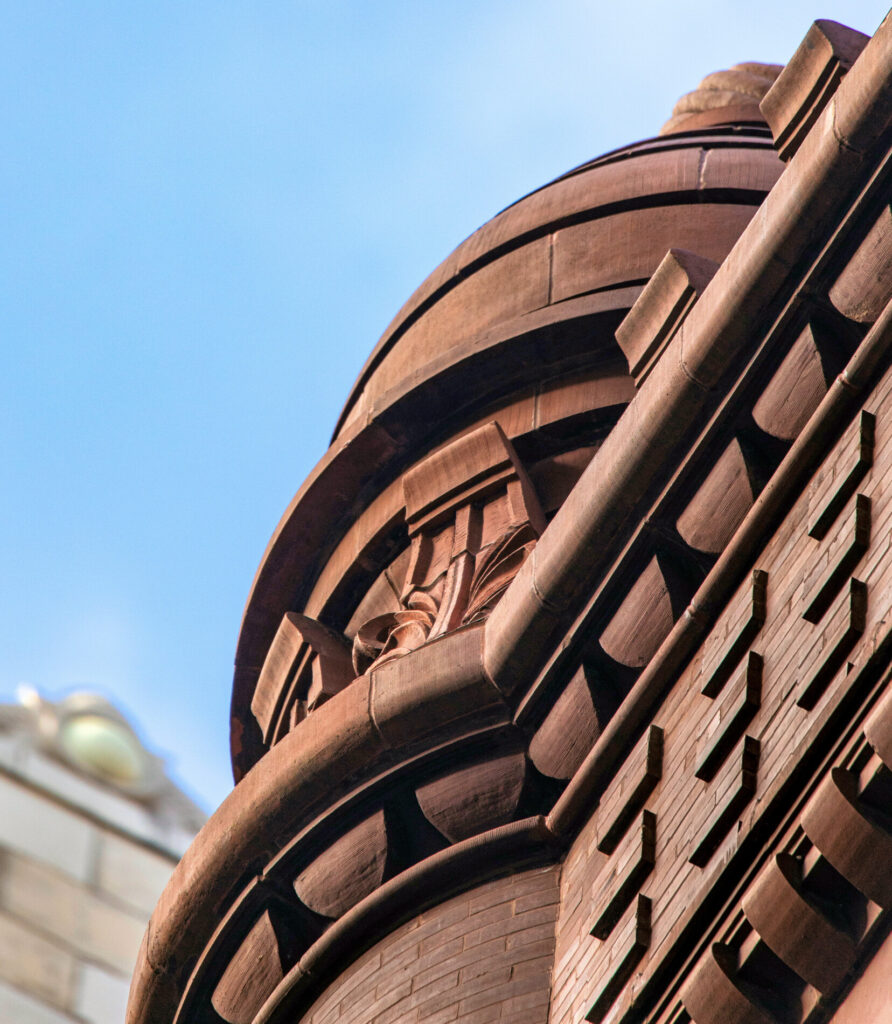
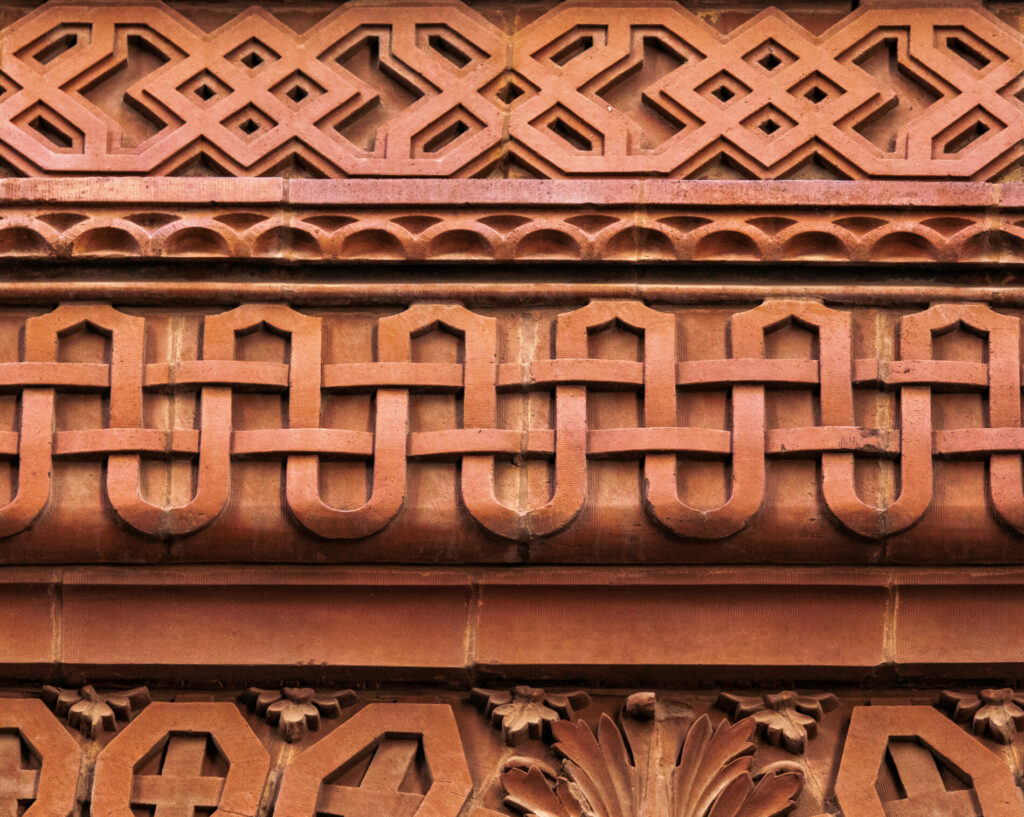
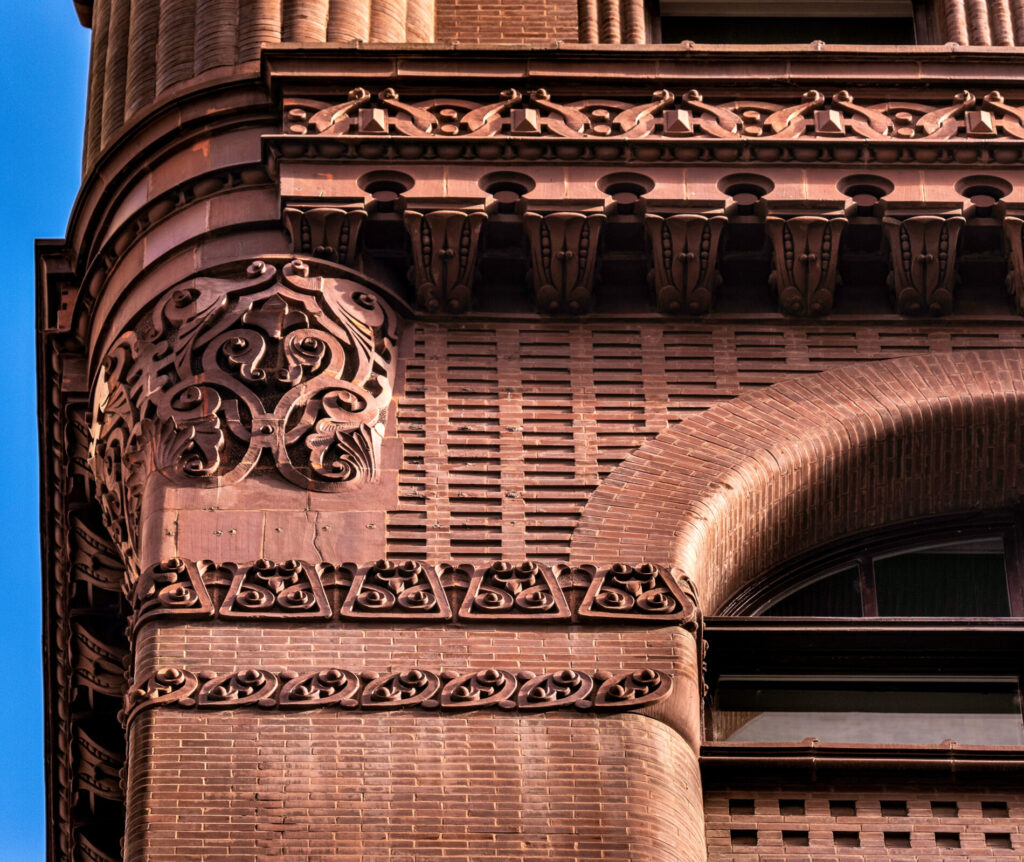
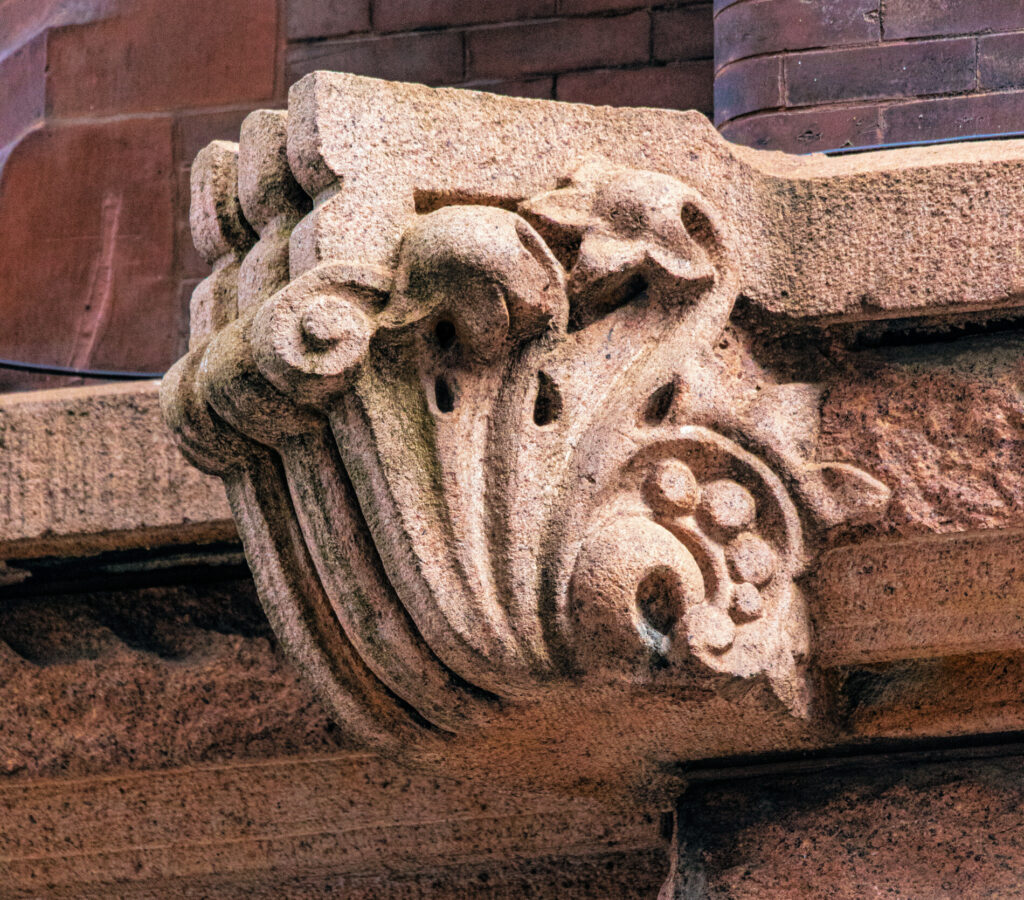
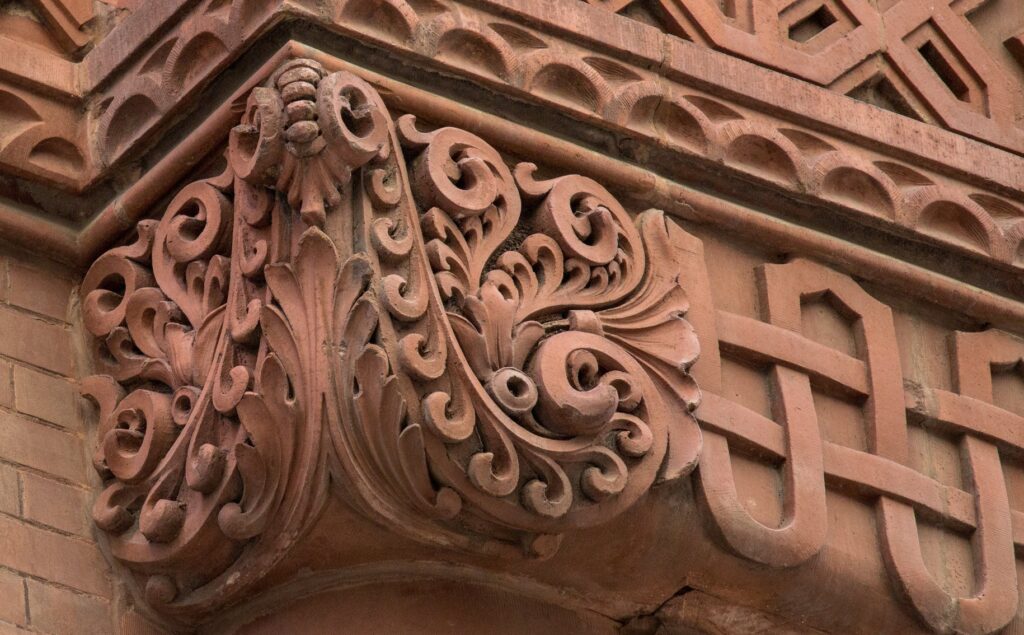
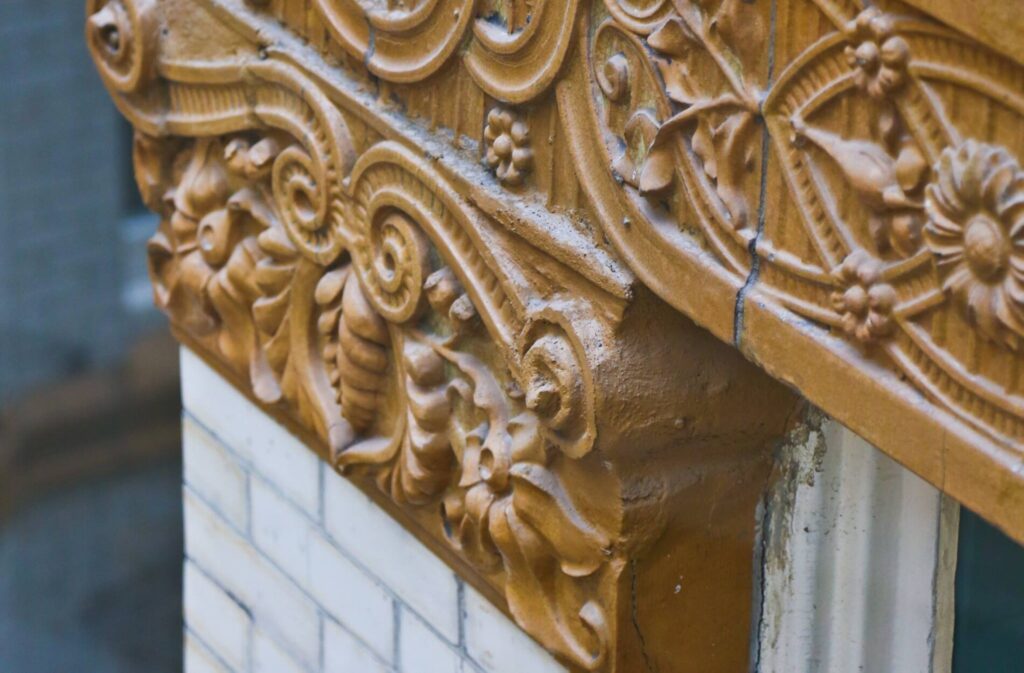
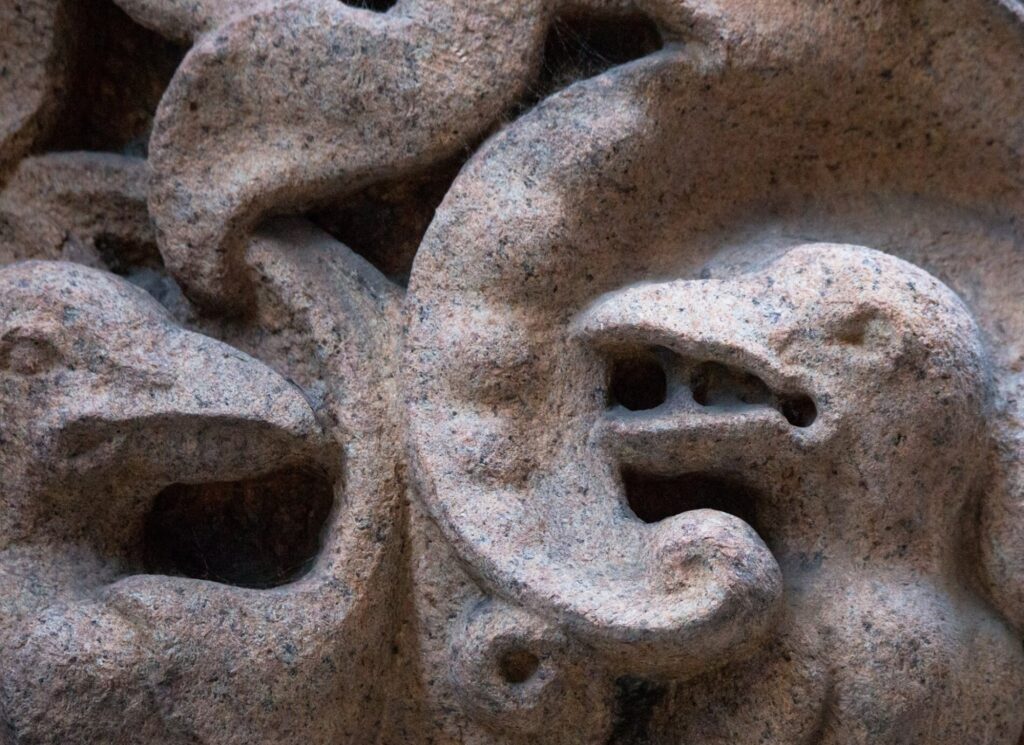
the bld. 51 museum and archive recently obtained original, historically significant terra cotta panels and fragments from burnham and root’s 1887 rookery building facade in downtown chicago, recovered during repairs performed over the last few decades. like many 19th- and early 20th-century terra cotta-clad commercial buildings, the rookery requires regular evaluation to ensure its facade remains stable amid changing weather and freeze/thaw cycles.
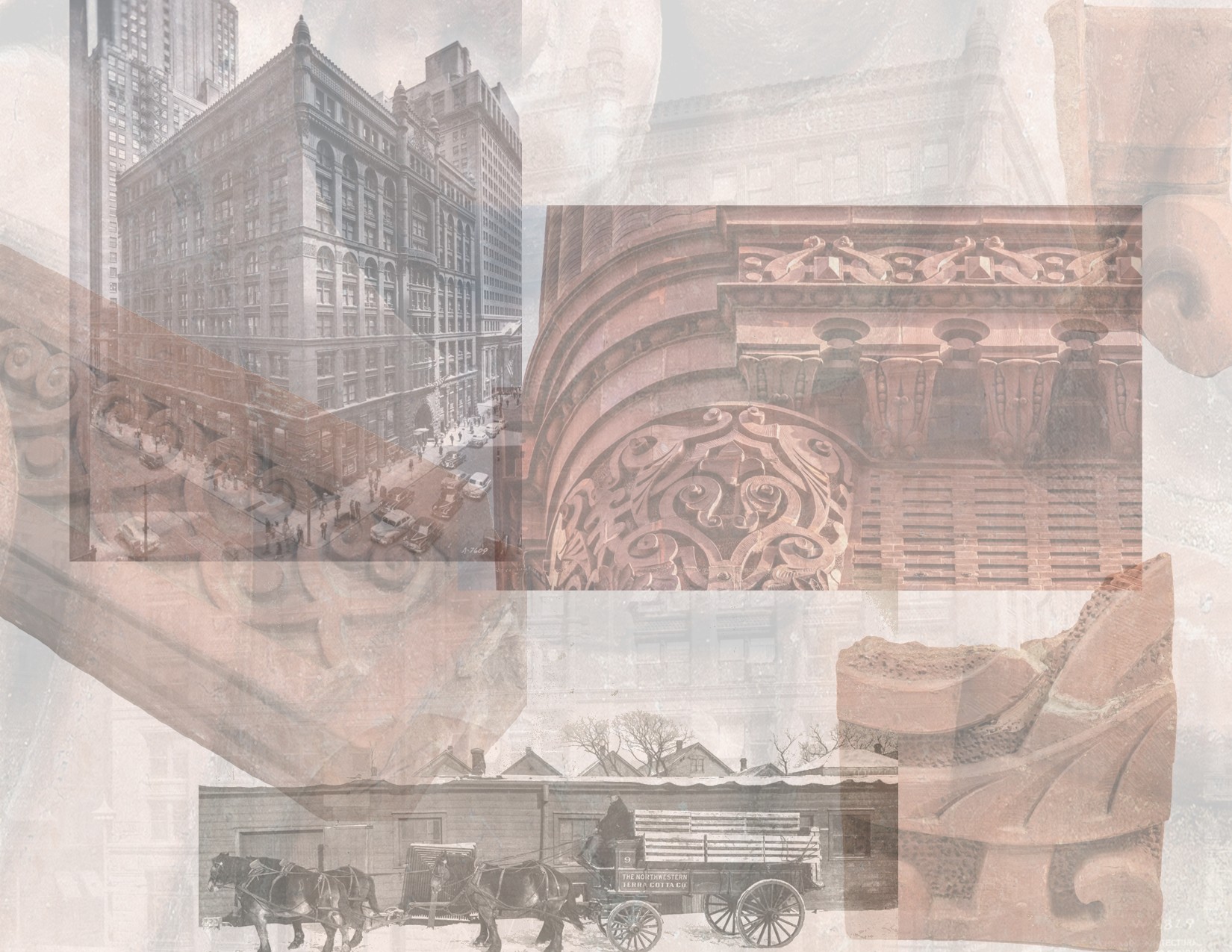
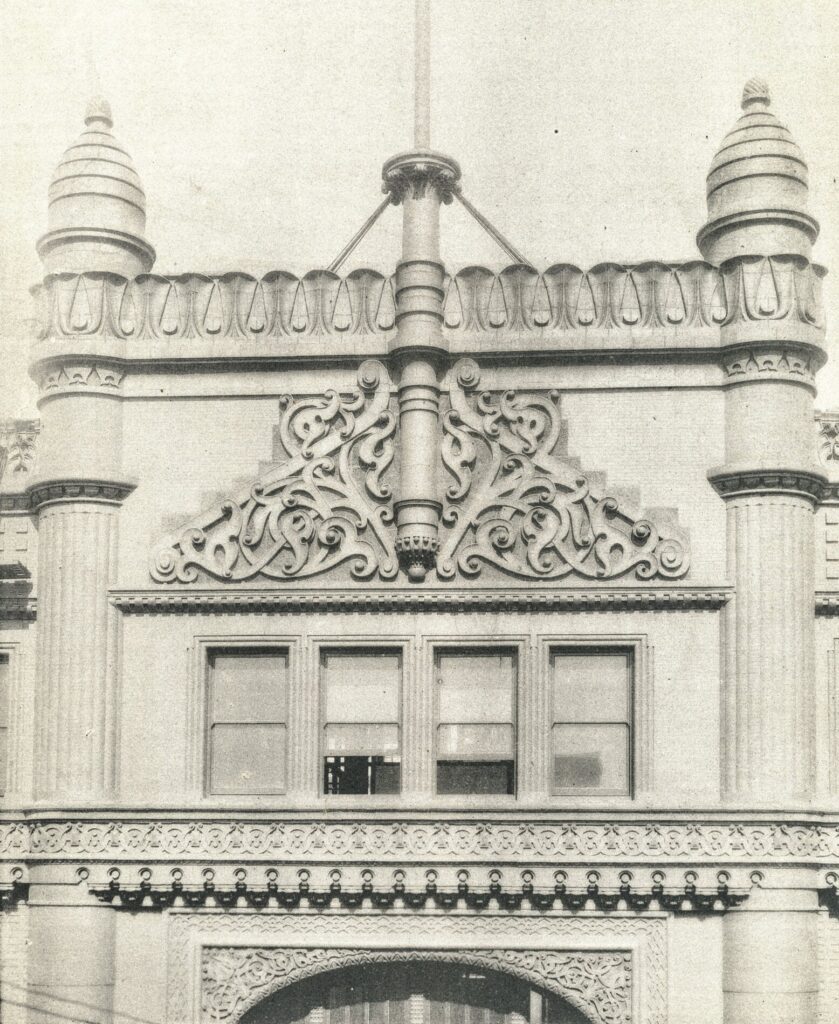
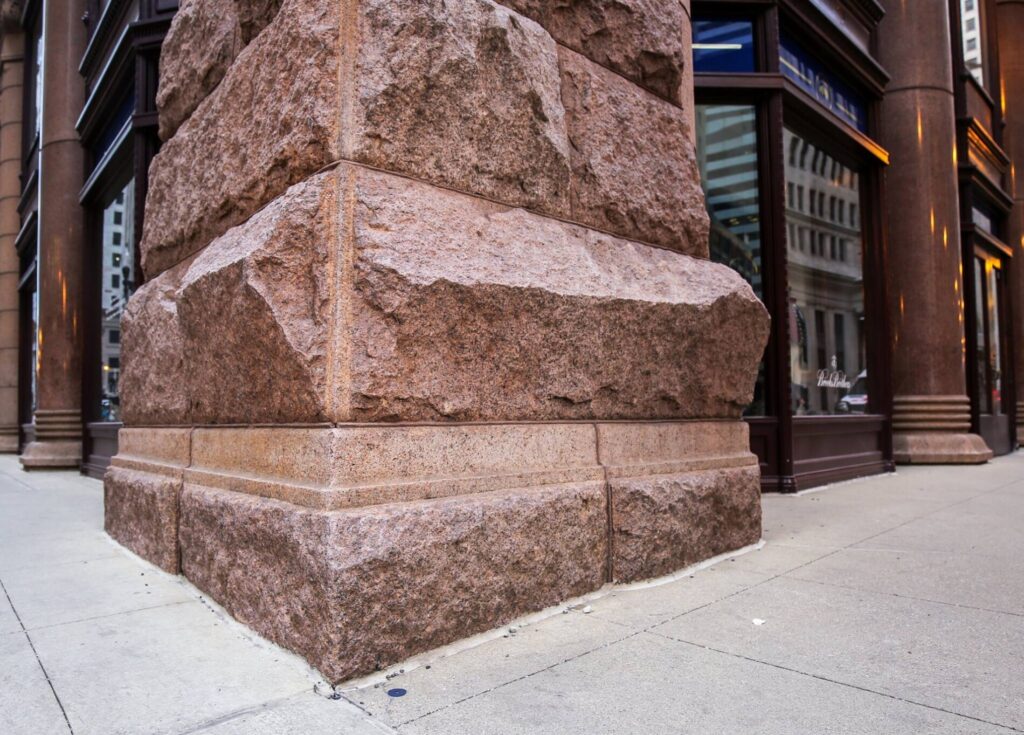
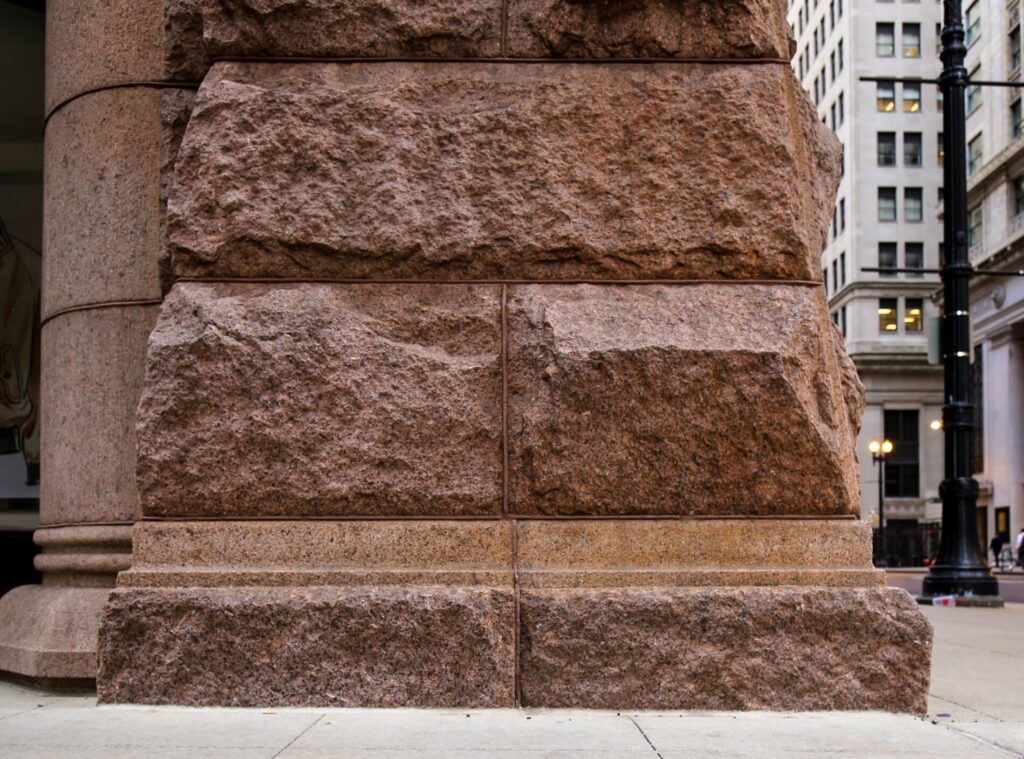
the reddish-brown terra cotta ornament (designed by john wellborn root), was fabricated by the northwestern terra cotta company, chicago, il. the pieces acquired by the bld. 51 museum are original from 1887, when the terra cotta facade was built, and their locations were promptly identified and documented with photographs.
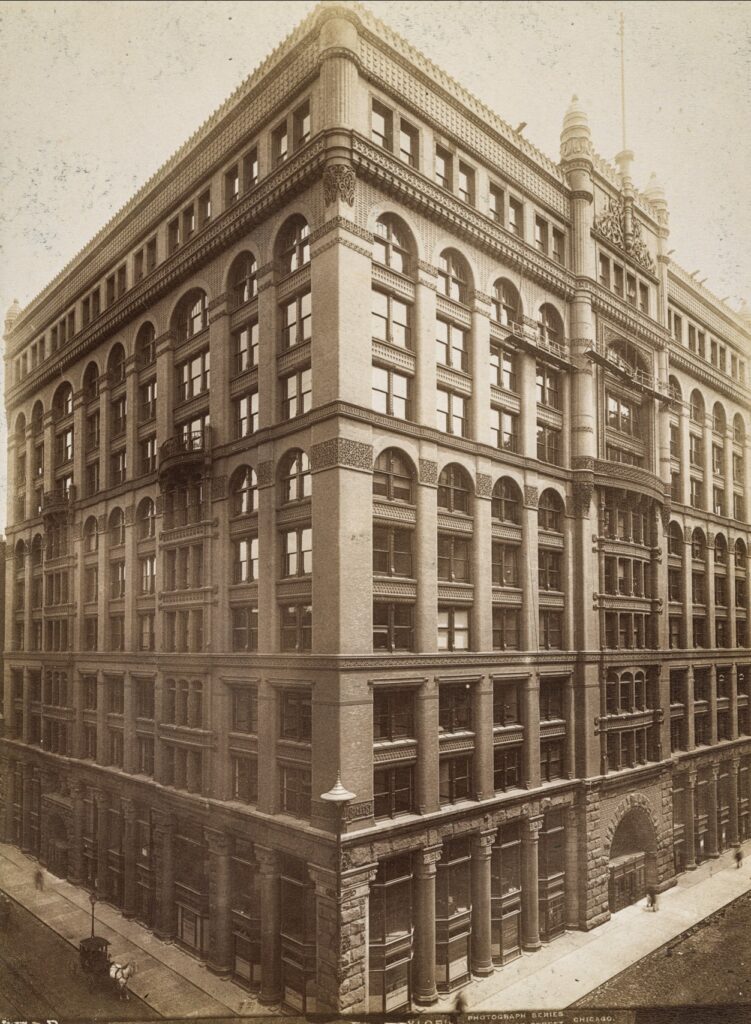
bldg. 51 museum secures collection of historically important terra cotta ornament from burnam and root’s downtown chicago rookery building (1887).
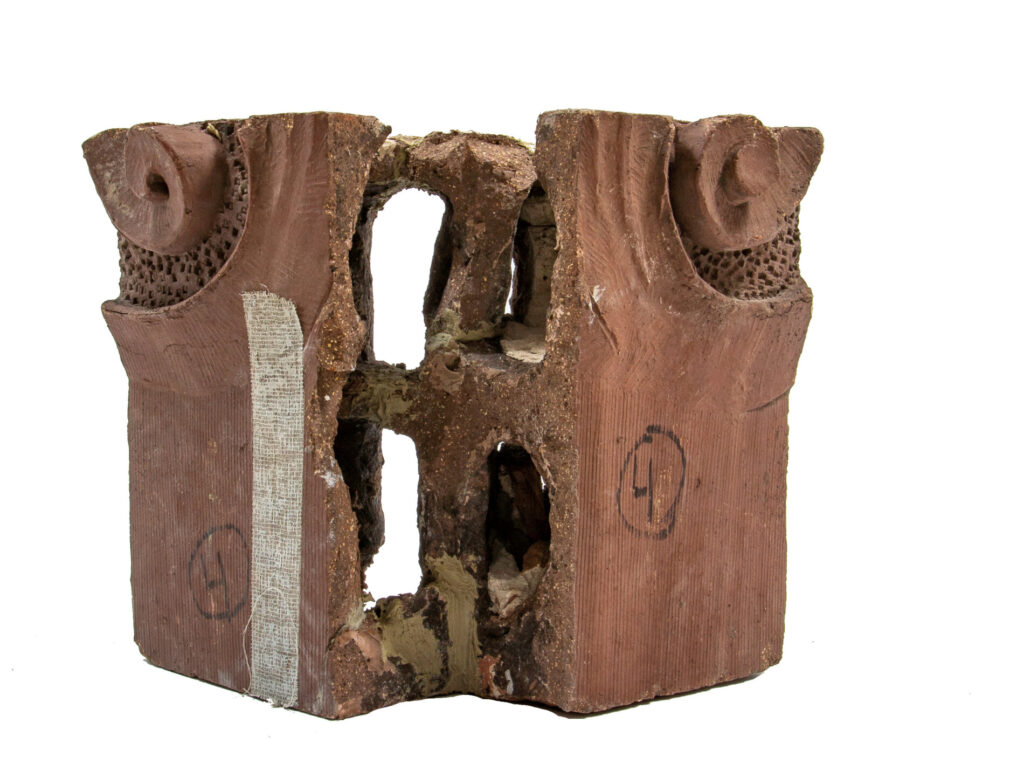
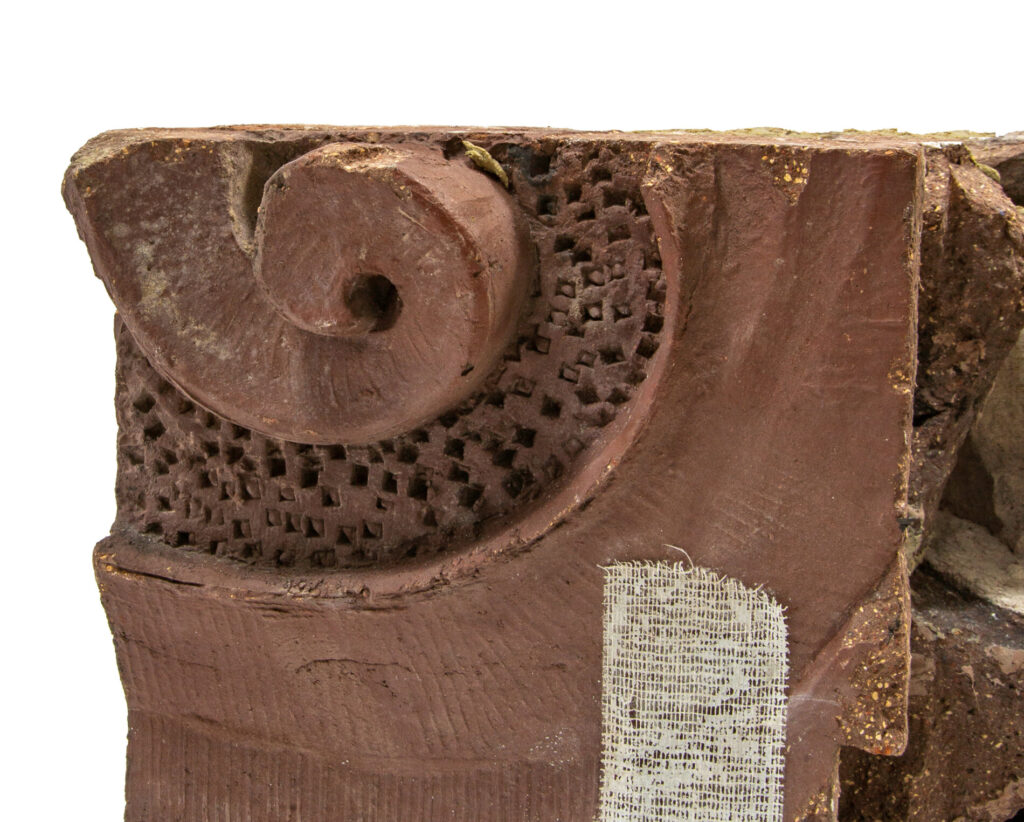
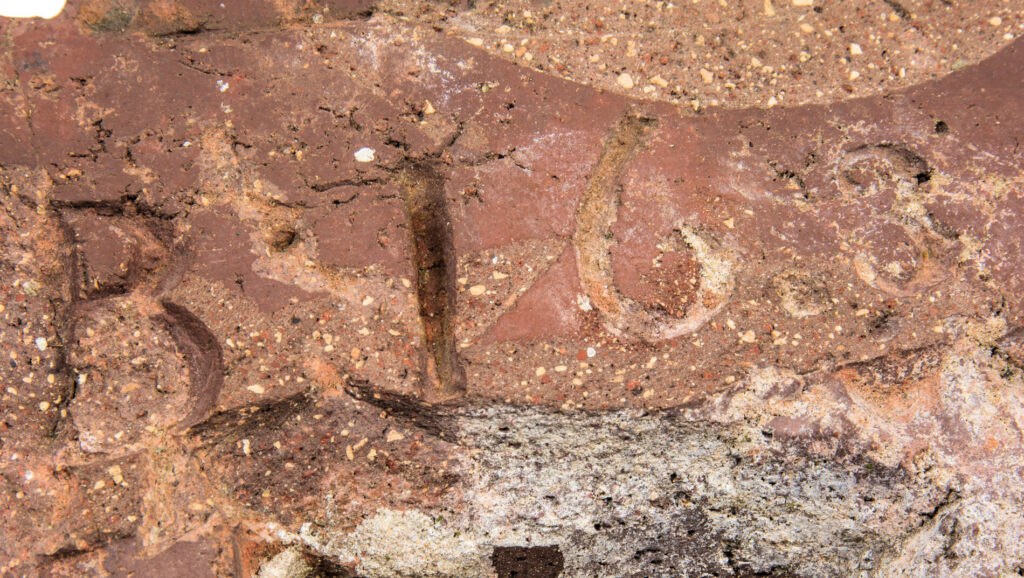
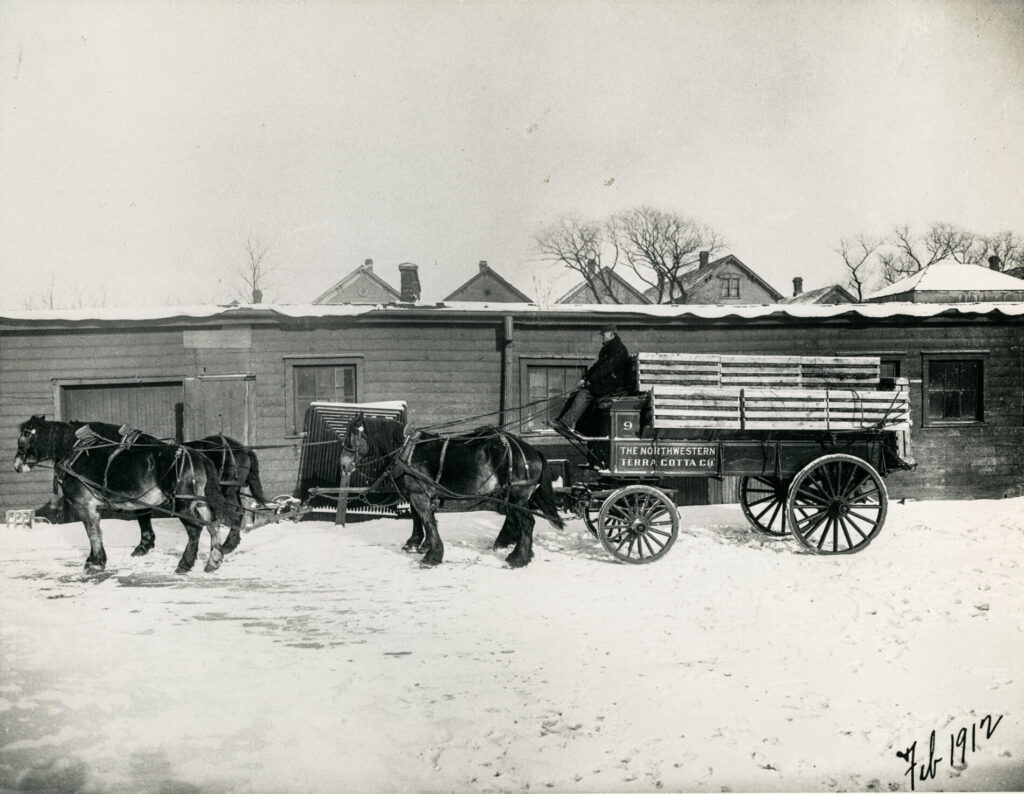
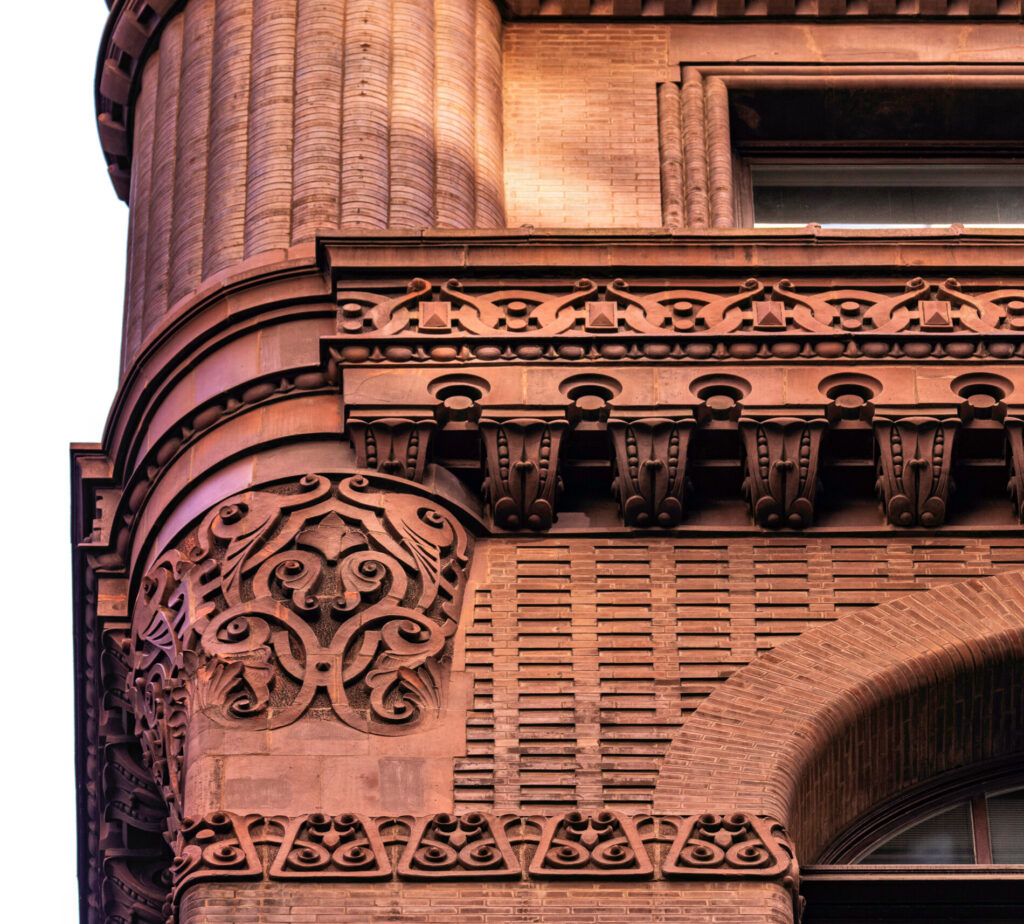
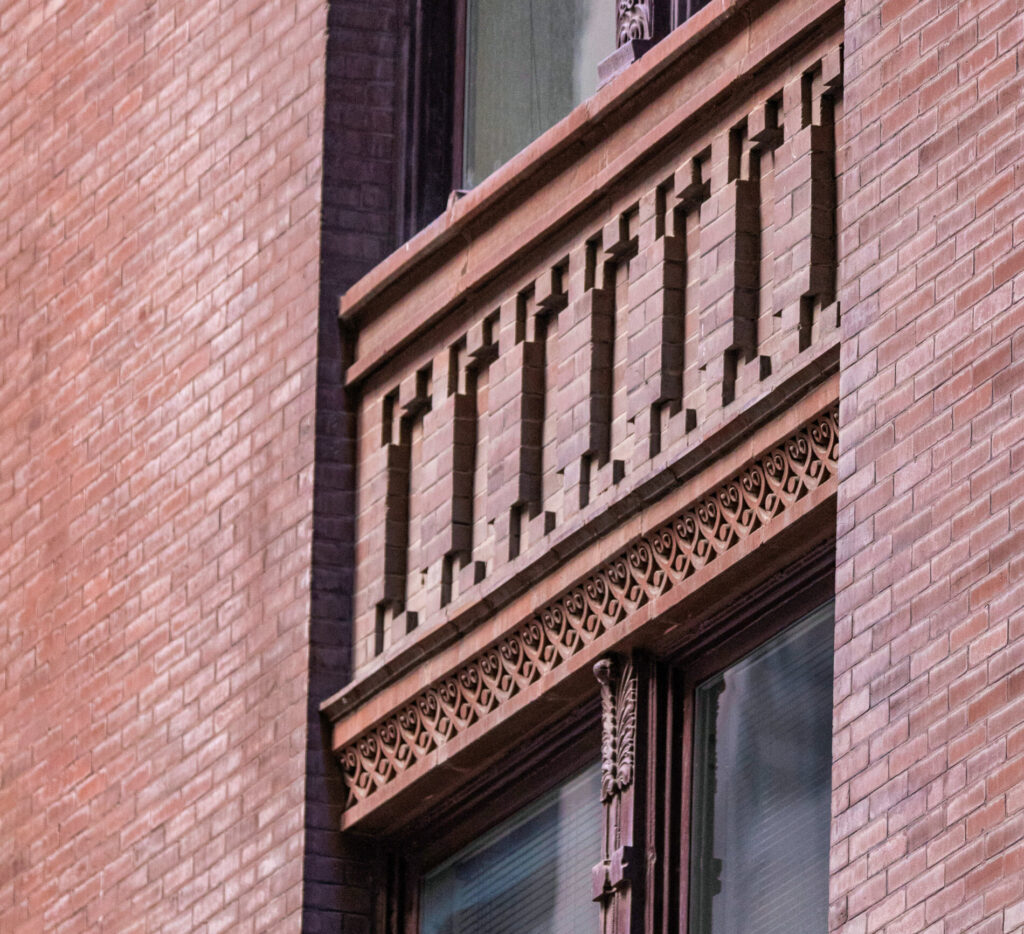
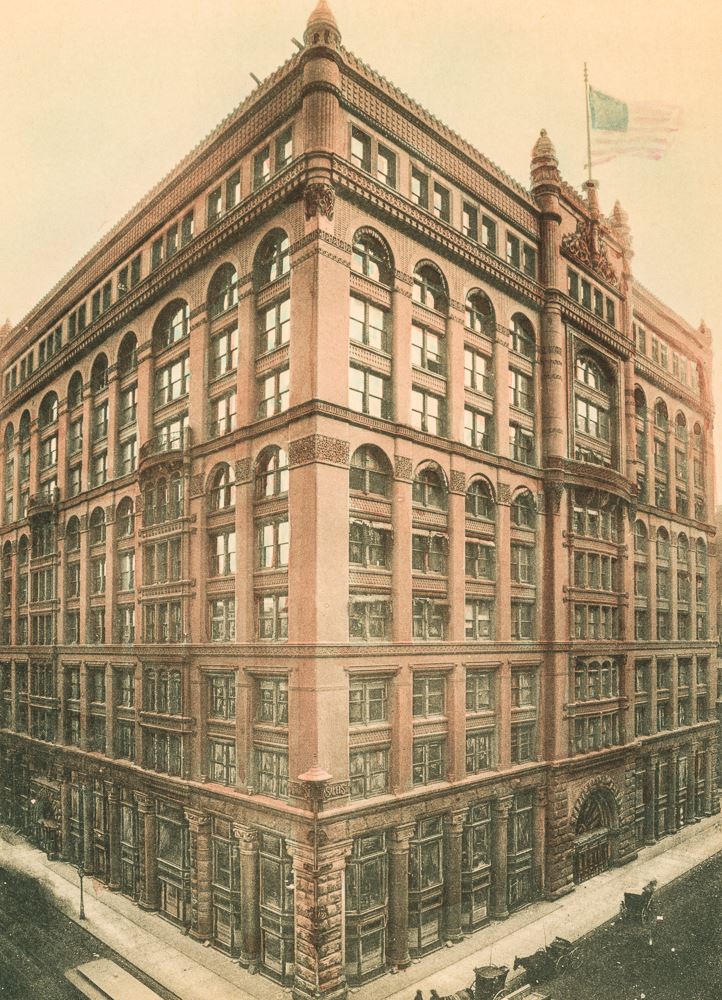
the rookery building at 209 south lasalle street in downtown chicago is a historic twelve-story office building completed by architects daniel burnham and john wellborn root in 1888. noted as chicago’s oldest surviving high-rise, it features exterior load-bearing walls, an interior steel frame, and a central light court illuminating its two-story atrium lobby. recognized as a chicago landmark and a national historic landmark, the building has undergone several renovations—including lobby remodels by frank lloyd wright and later restorations. ownership has changed multiple times since its initial lease in 1885, with significant renovations occurring into the 2010s.
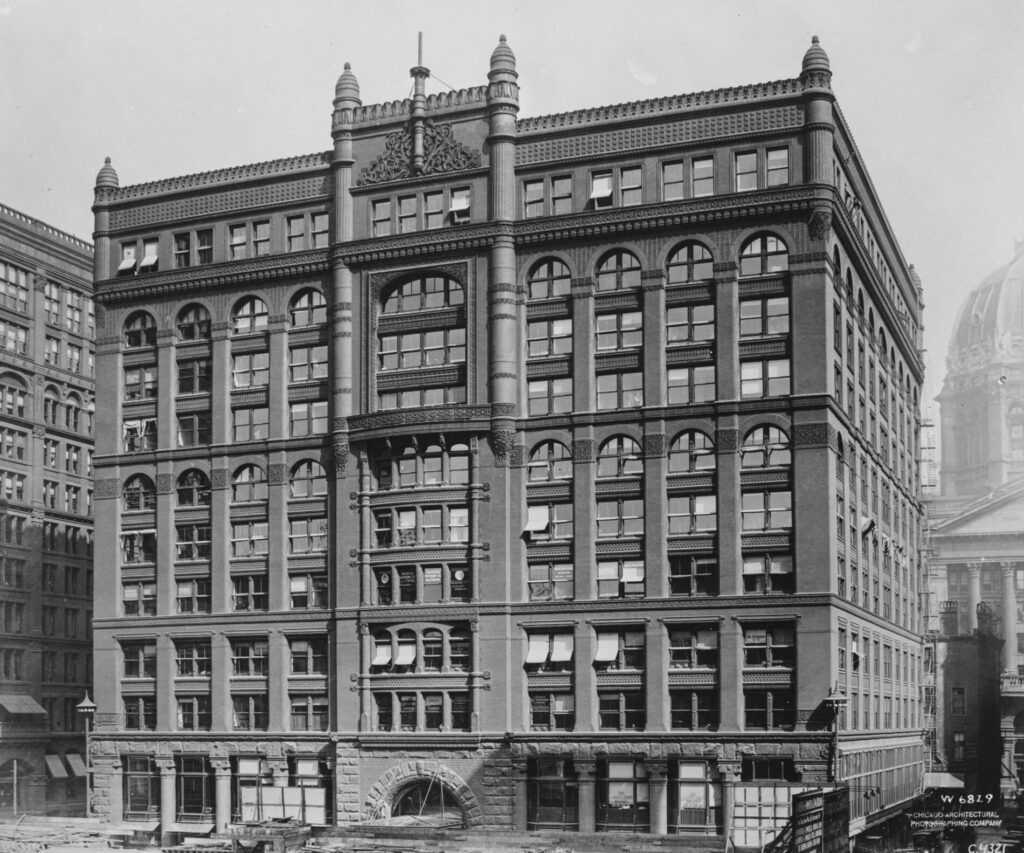
the rookery is situated at 209 south lasalle street in the loop area of downtown chicago, illinois, united states. designed by the architectural firm of daniel h. burnham and john wellborn root, known as burnham and root, the building represents the chicago school tradition of architecture. it stands as one of the few remaining examples of their partnership. although much of the loop’s 19th-century architecture has been lost, the rookery has been preserved and renovated over time.
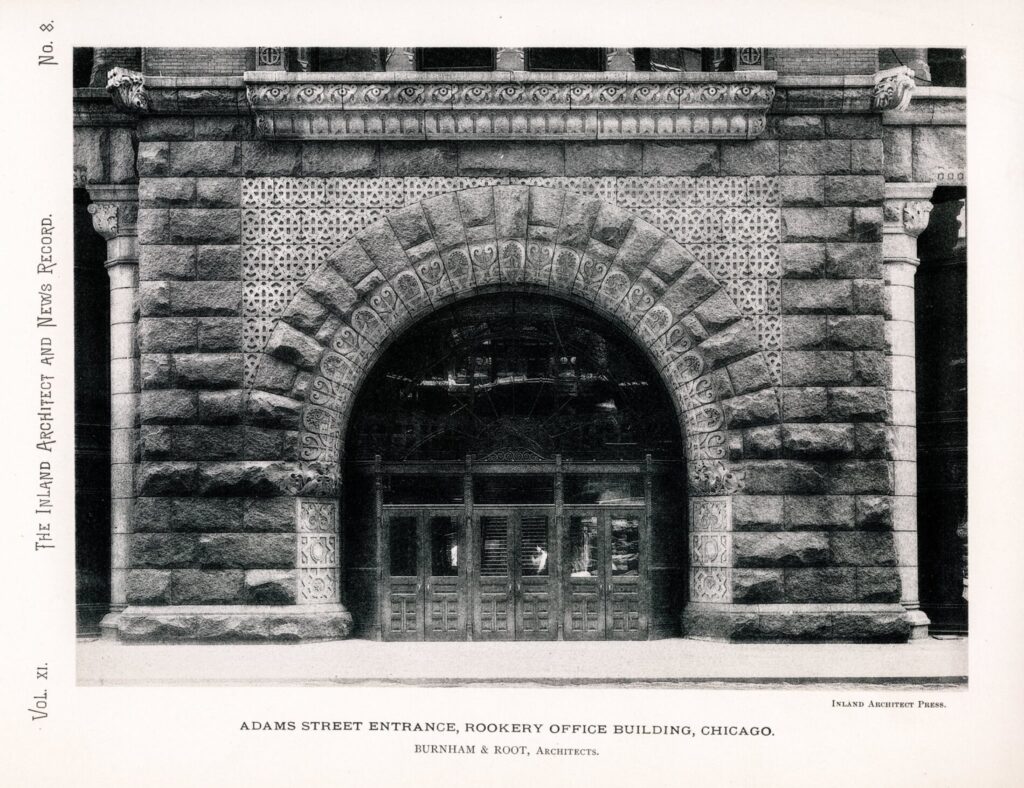
during the post-great chicago fire building boom, architects associated with what became known as the chicago school competed to create the earliest skyscrapers. in designing the rookery, burnham and root combined innovative methods like metal framing, fireproofing, elevators, and plate glass with traditional materials such as brick facades and decorative ornamentation. they also aimed to ensure that their buildings were commercially viable. root, serving as master designer, drew inspiration from a variety of sources when shaping both the interior and exterior spaces, including moorish, byzantine, venetian, and romanesque motifs.
the building features a “floating” foundation, which is essentially a reinforced concrete slab providing stable support atop chicago’s notoriously marshy ground. root introduced a grillage foundation design, combining iron rails and structural beams in a crisscross formation encased in concrete. this system supports the building’s immense weight without the need for massive foundation stones. such construction methods are particularly beneficial when high structural loads meet soil with a low natural bearing capacity.
its structure incorporates both cast and wrought iron framing, together with masonry bearing walls. this approach marked a significant shift from traditional masonry toward steel skeleton frameworks, and according to architectural critic paul goldberger, it paved the way for early skyscraper steel frames. the landmarks commission highlights the innovative use of cast iron columns, wrought iron spandrel beams, and steel beams that support party walls and interior floors. interestingly, metal-framed perimeter walls appear only on two sides and two floors of the building; the remaining walls are constructed from masonry. developers were cautious that metal framing might not be sturdy enough for the building’s weight.
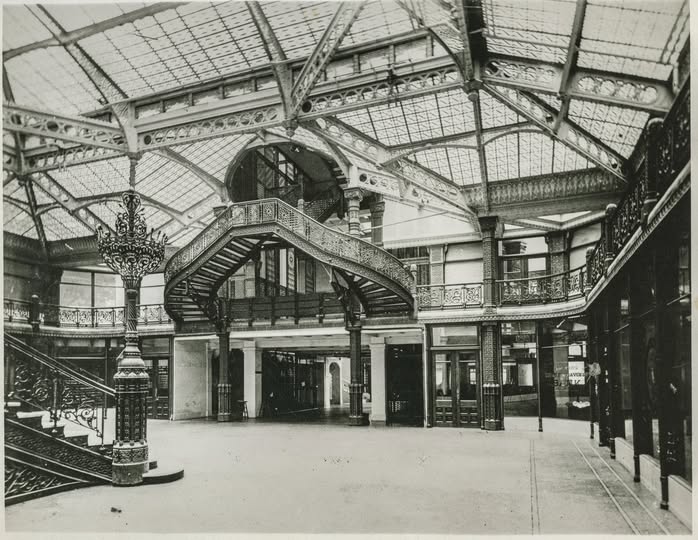
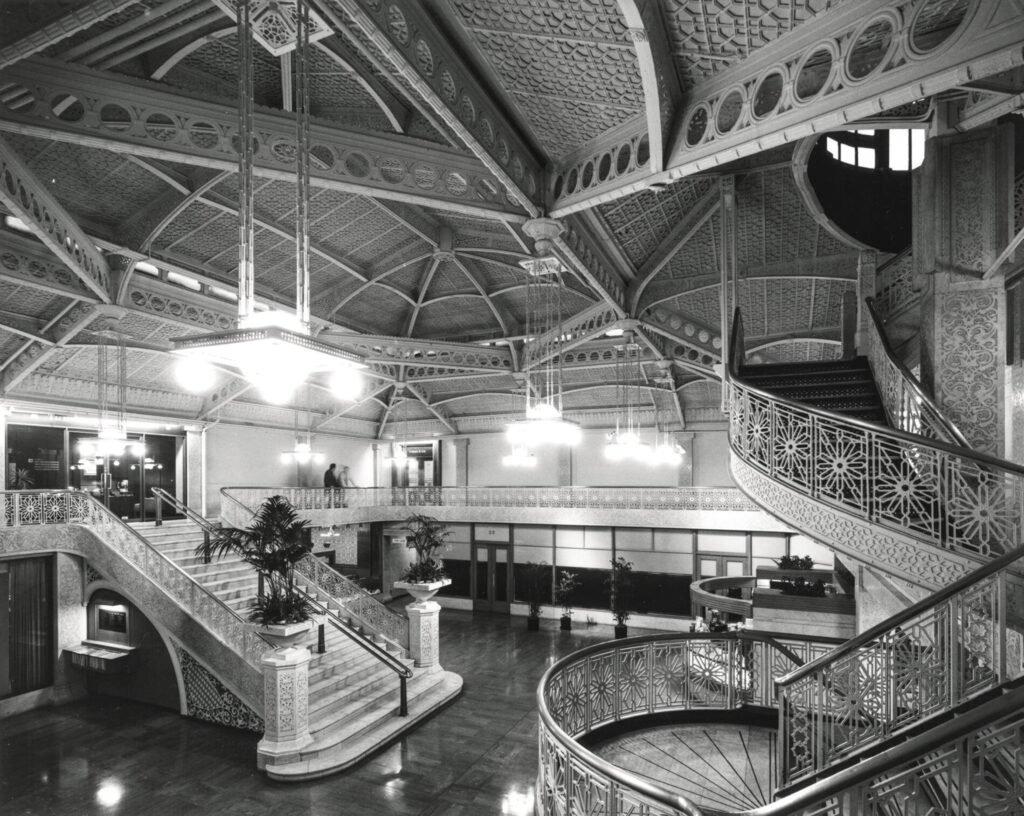
root and burnham designed a distinctive two-story central light court to bring natural daylight into interior offices. clad in white terracotta, the light court ensures bright illumination throughout. its skylight consists of 5,000 glass panes. the lower levels once featured a retail arcade, considered by some as the first indoor arcade in the united states.
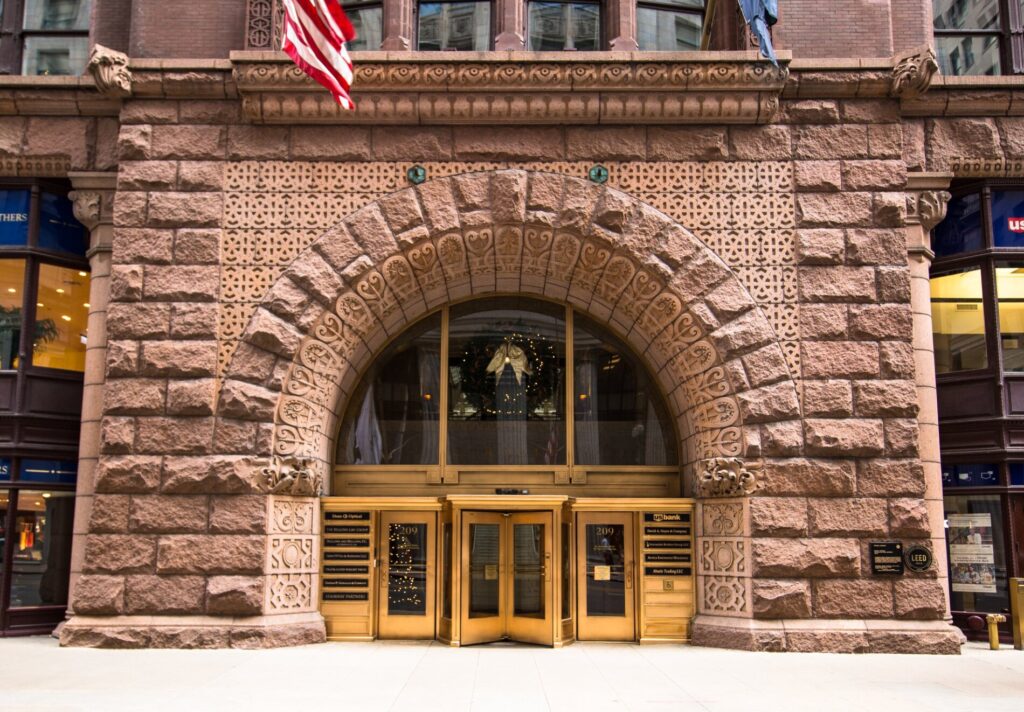
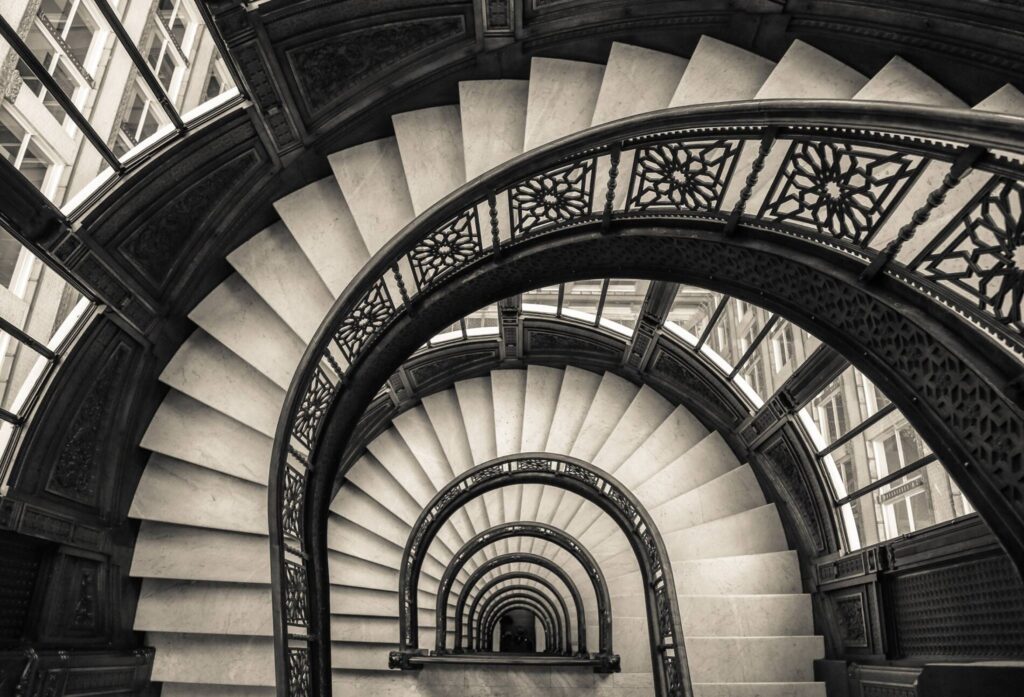
originally, the lobby showcased a mosaic-tile floor. in 1905, frank lloyd wright redesigned the entryway in his signature prairie style, adding sleek, modern lighting. notably, the rookery atrium is wright’s only project in the chicago loop, since much of his work in the metropolitan area was located in outlying neighborhoods or suburbs. among his most influential changes were the addition of white marble with persian-inspired ornamentation, complemented by brown steel and golden decorative elements. these enhancements brought an air of luxury to the lobby’s steel-accented space, accentuated by burnham and root’s skeletal ribbing. a grand double staircase—curved and heavily decorated—rises from the second floor, complete with ornamental urns at its base. a second-floor balcony encircles the lobby.
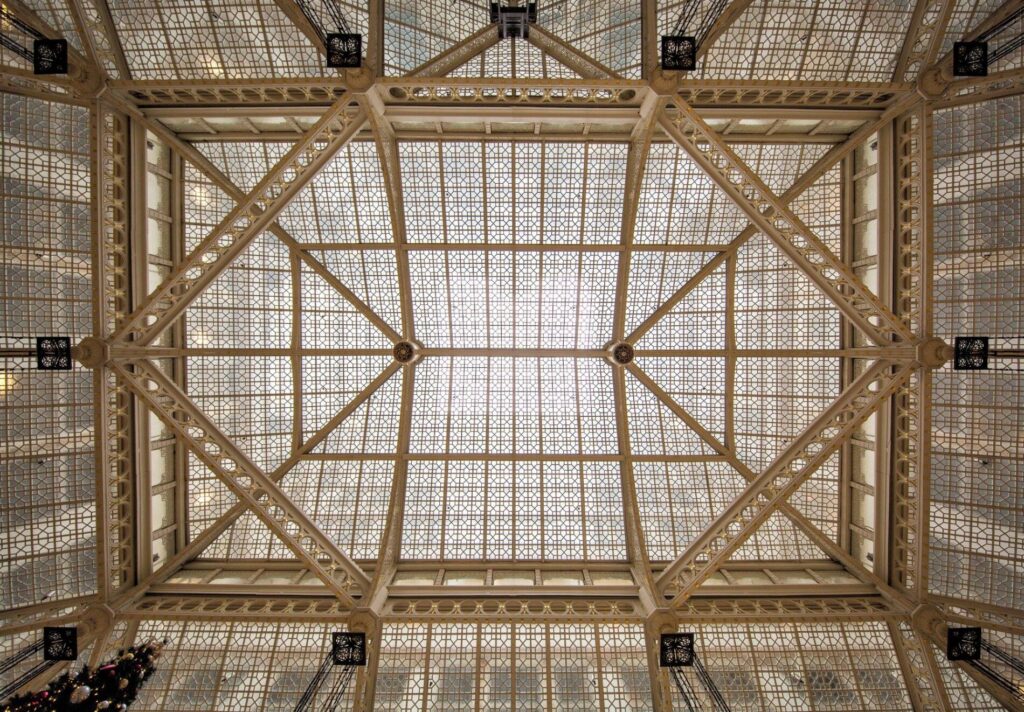
on each upper floor, there’s 24,500 square feet of space surrounding an open-air lightwell above the central court. the eleventh floor houses a library that originally belonged to burnham and root, who were among the building’s first tenants. hydraulic elevators provided service upon the building’s completion. there’s also a semi-circular staircase located west of the light court.
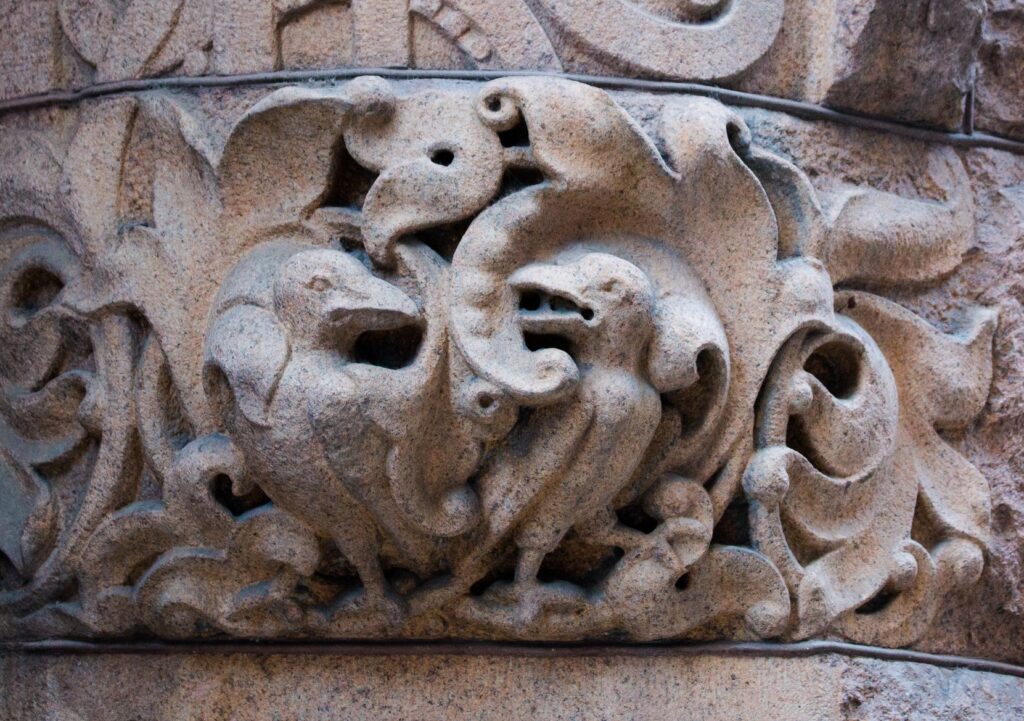
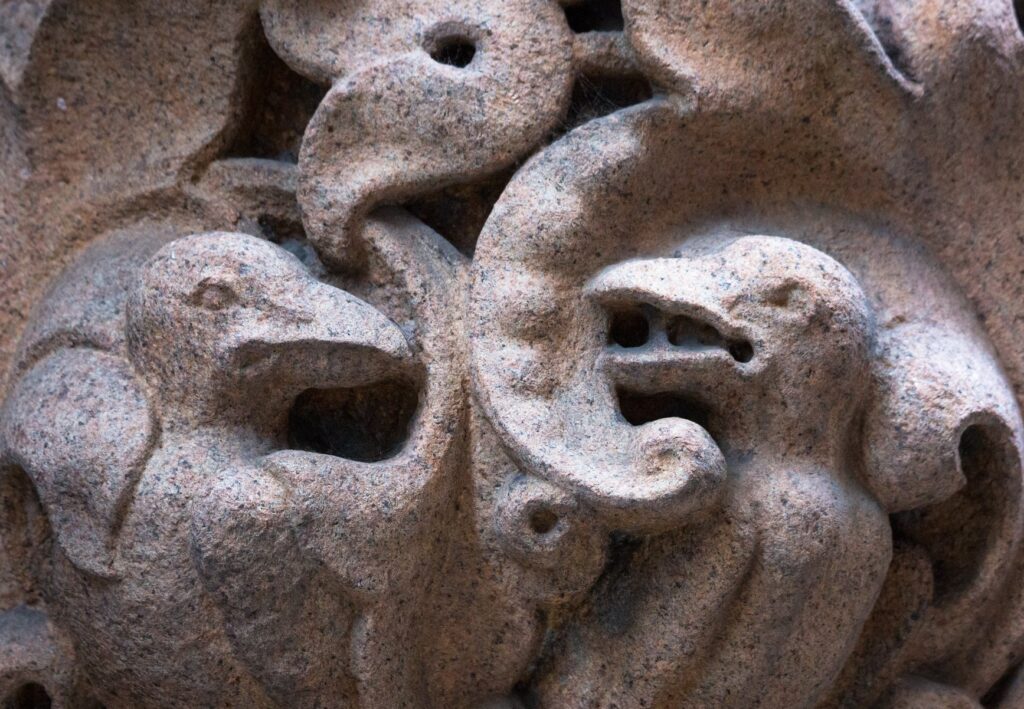
chicago’s city government acquired the site in 1852, which previously functioned as a reservoir.[32] the name “the rookery” may reference the pigeons nesting on the old reservoir, or the temporary city hall that later occupied the spot. following the great chicago fire, a provisional city hall was erected around a surviving water tank, earning the nickname “rookery” due to the crows and pigeons—and, allegedly, corrupt politicians—it attracted.while other names were considered for the new building, “the rookery” prevailed; birds, possibly rooks, are depicted in some decorative stonework. at one time, this water tank housed part of the chicago public library’s collection.
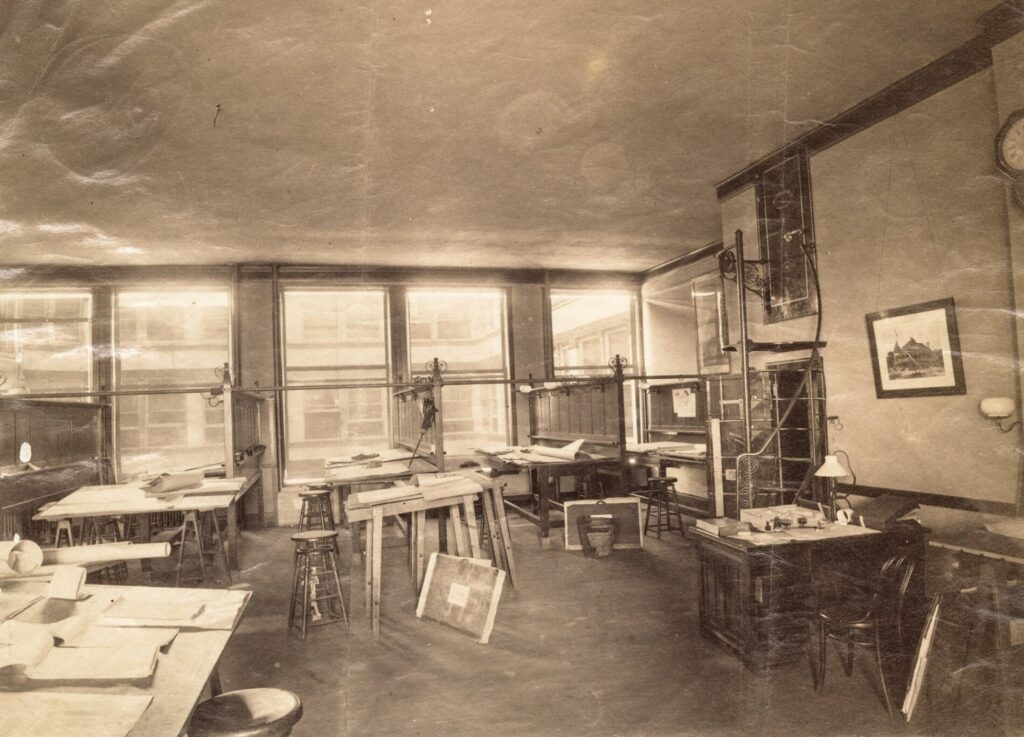
edward c. waller leased the site in 1885 for 99 years at $35,000 annually, hiring burnham & root to design the rookery, with root commissioning william henry burke for its mosaic tile floor. originally owned by boston investor peter brooks, who considered a native american name before settling on “the rookery,” the building was completed in 1888. early tenants included major banks, law offices, and businesses such as northern trust, illinois trust & savings bank, continental illinois national bank, and notable figures like frank lloyd wright, carter harrison iii & iv, samuel insull, and john warne gates.
frank lloyd wright redesigned the lobby and mezzanine between 1905–1907, adding marble surfaces and signature features. in 1931, william drummond modernized interiors with art deco elements and new elevators. subsequent decades saw further updates, including a glass-roof replacement and interior enhancements.
in 1981, an auction led continental illinois to purchase the structure, investing heavily in restoration. the city mandated preservation due to landmark status and offered tax credits. renovations throughout the 1980s and ’90s restored original design elements, added a twelfth floor, and converted lower levels to retail use. baldwin development acquired the building in 1989, securing dutch financing and overseeing comprehensive restoration managed by broadacre development and mcclier corp. upon completion in 1992, mcclier received a preservation award from the american institute of architects.