
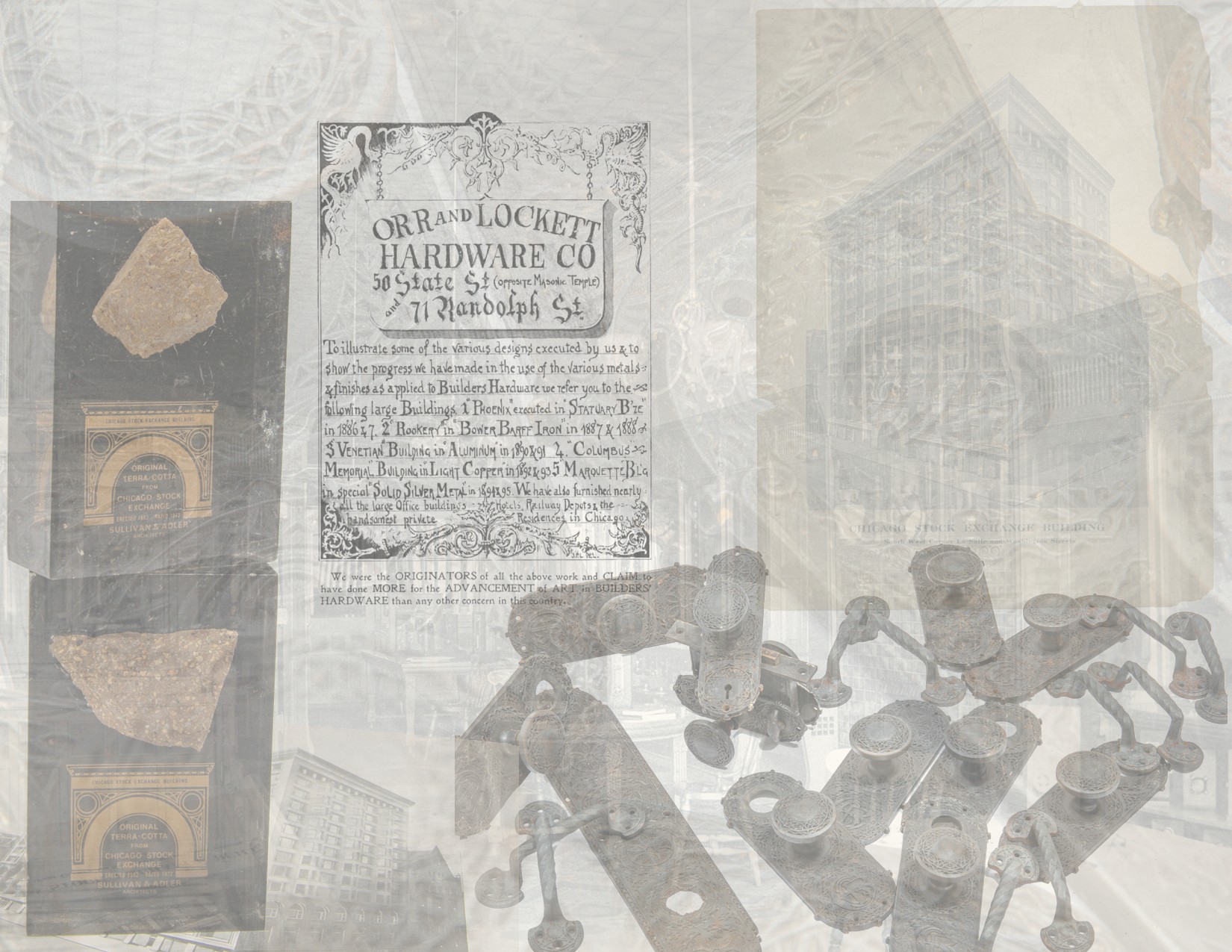
15 Jan bld. 51 museum acquires sizeable collection of louis h. sullivan-designed chicago stock exchange building door hardware and related ephemera salvaged by three oaks wrecking company
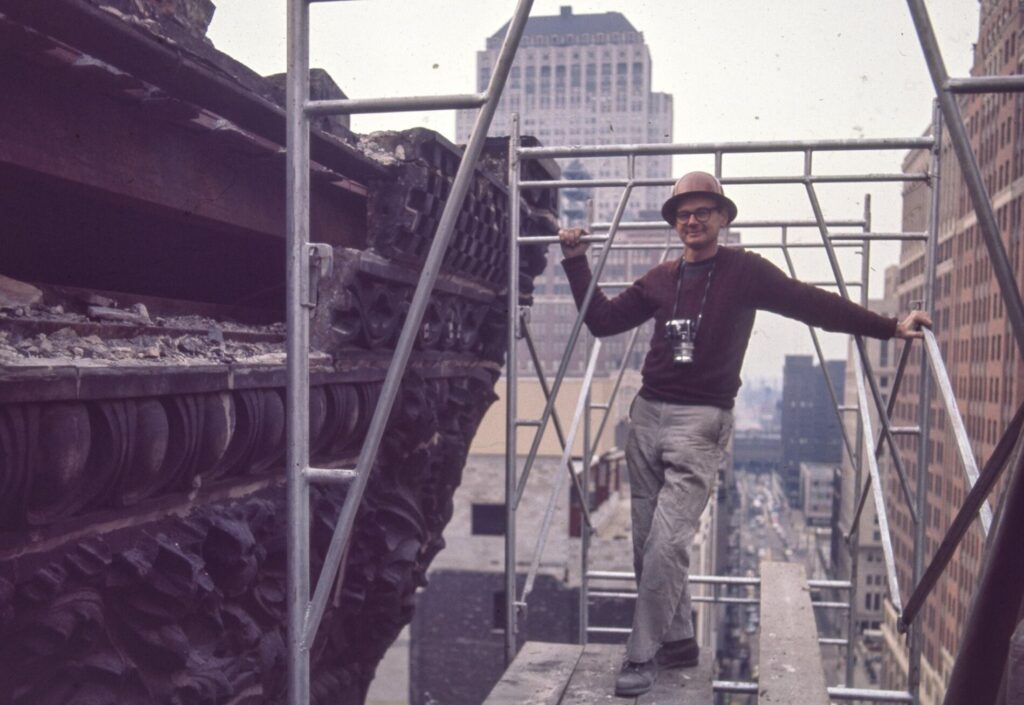
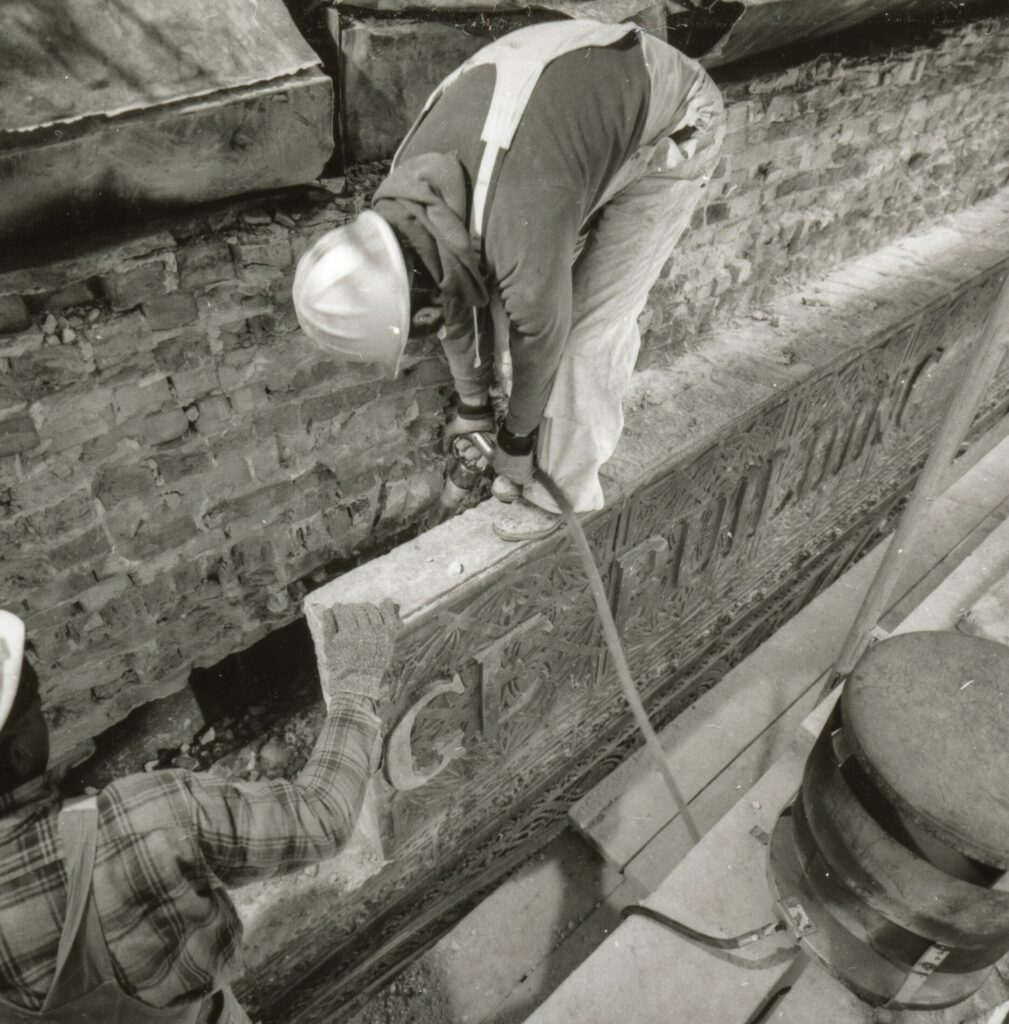
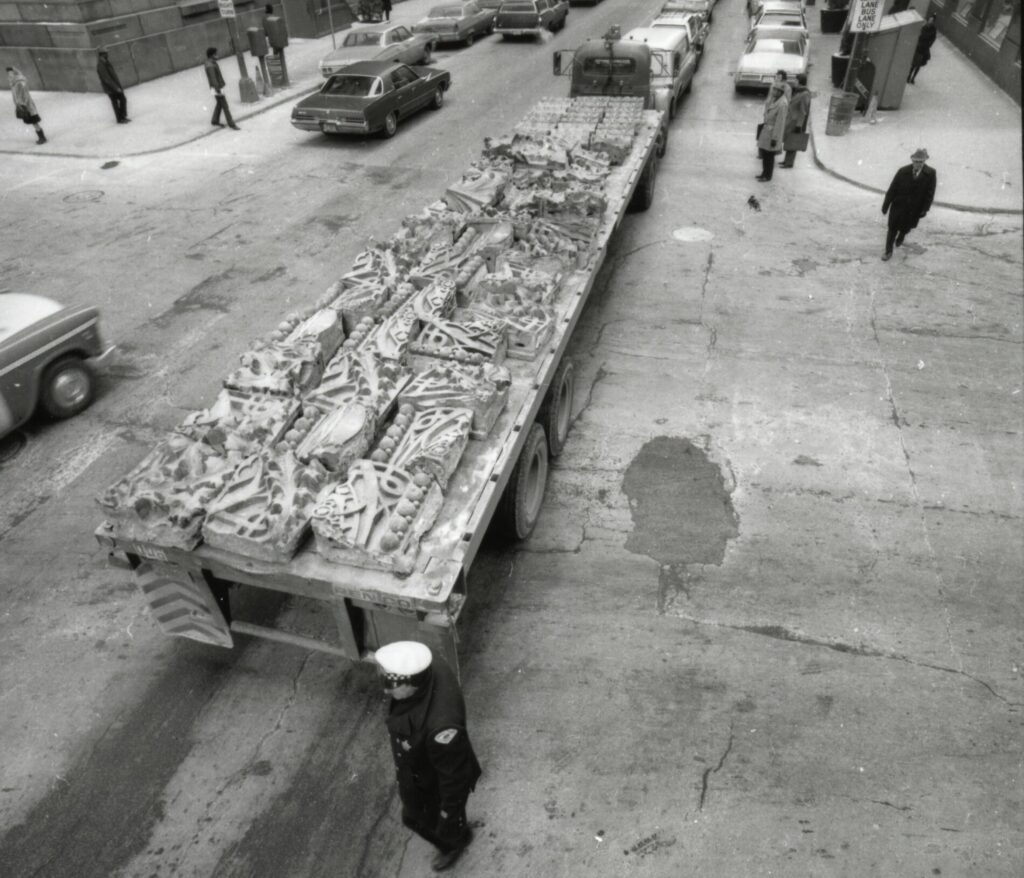
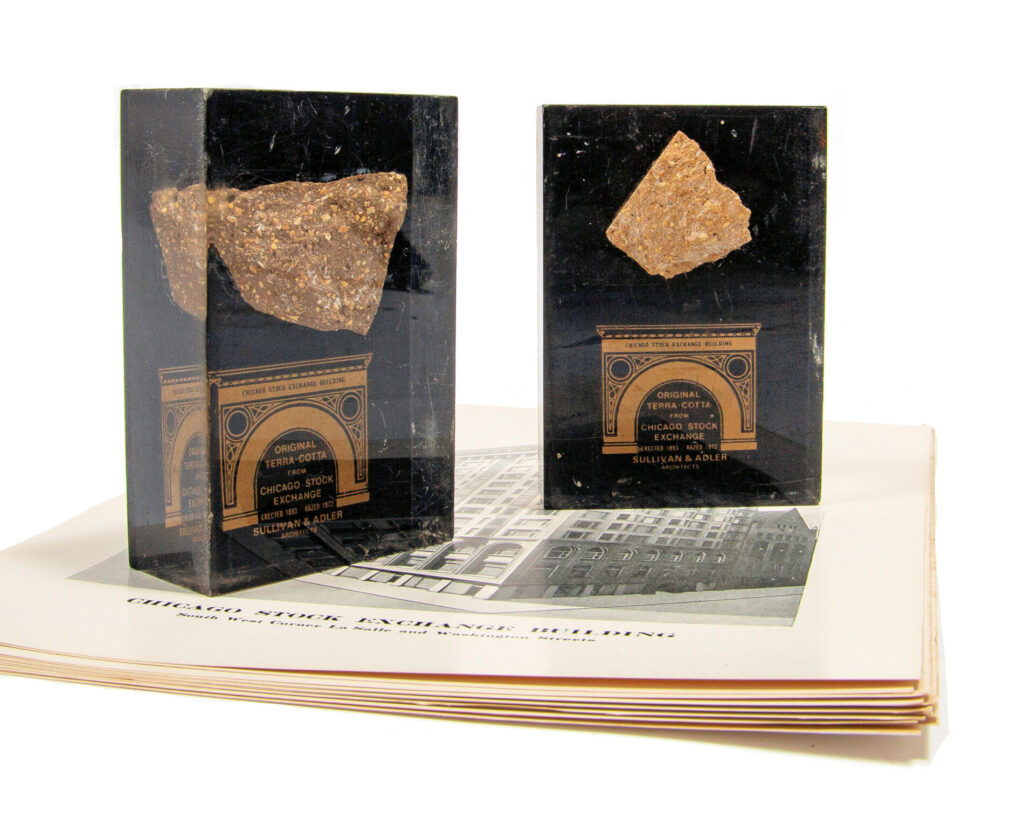
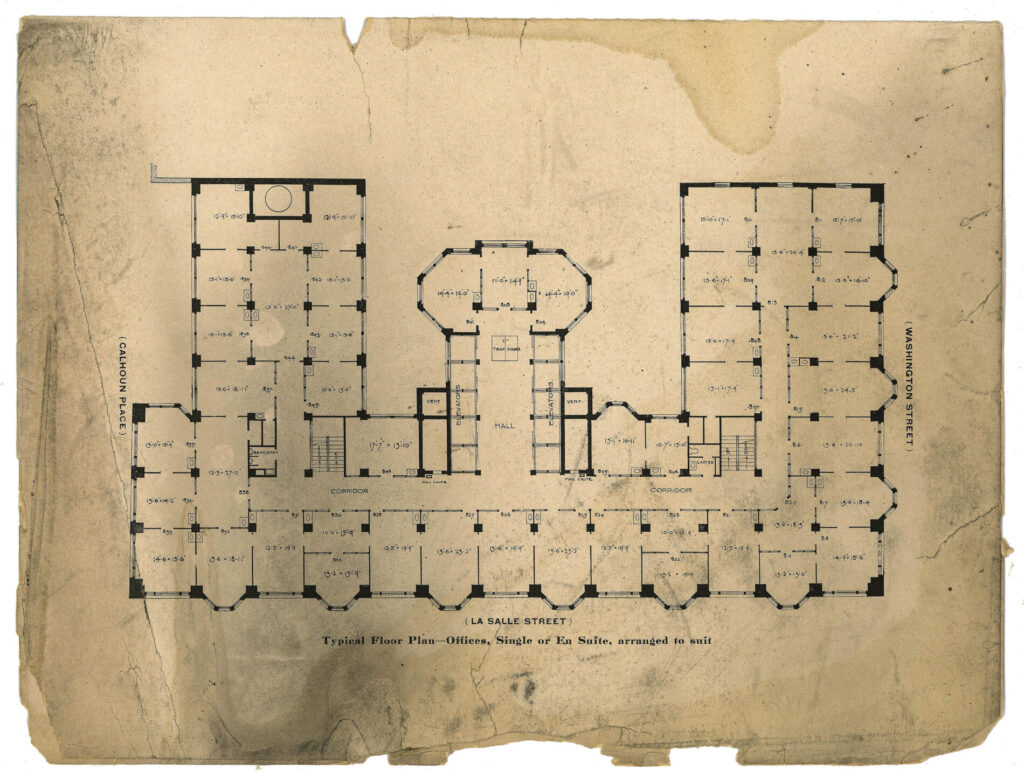
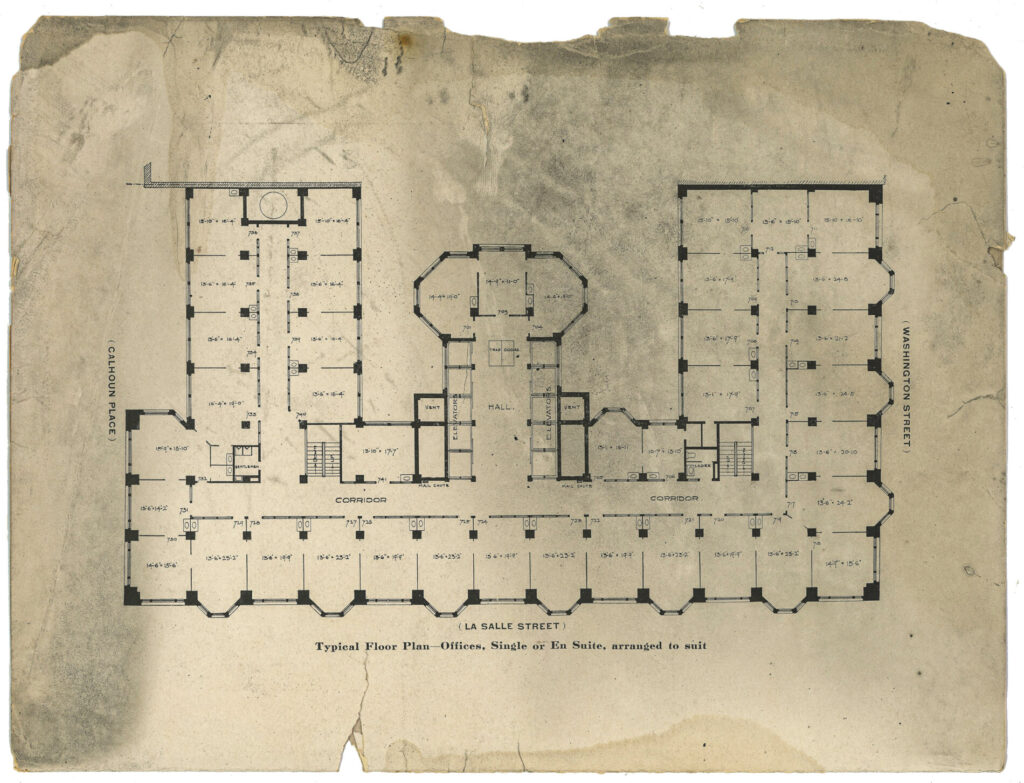
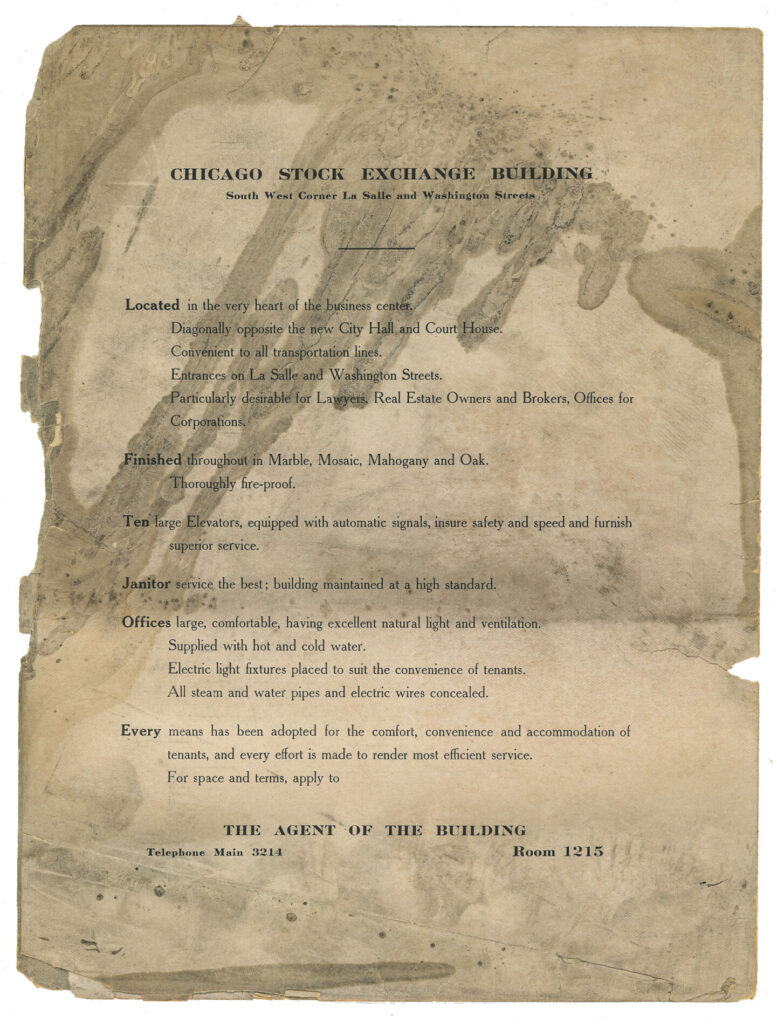
several boxes of original louis h. sullivan-designed chicago stock exchange building custom door hardware were obtained for the bld. 51 museum and archive – all of it salvaged by three oaks wrecking company. the plethora of historically important hardware had been in storage since the building’s demolition in 1972. in addition, various souvenirs and rental brochures were included in the boxes. the image gallery below offers a glimpse at what was uncovered and documented when the boxes were opened.
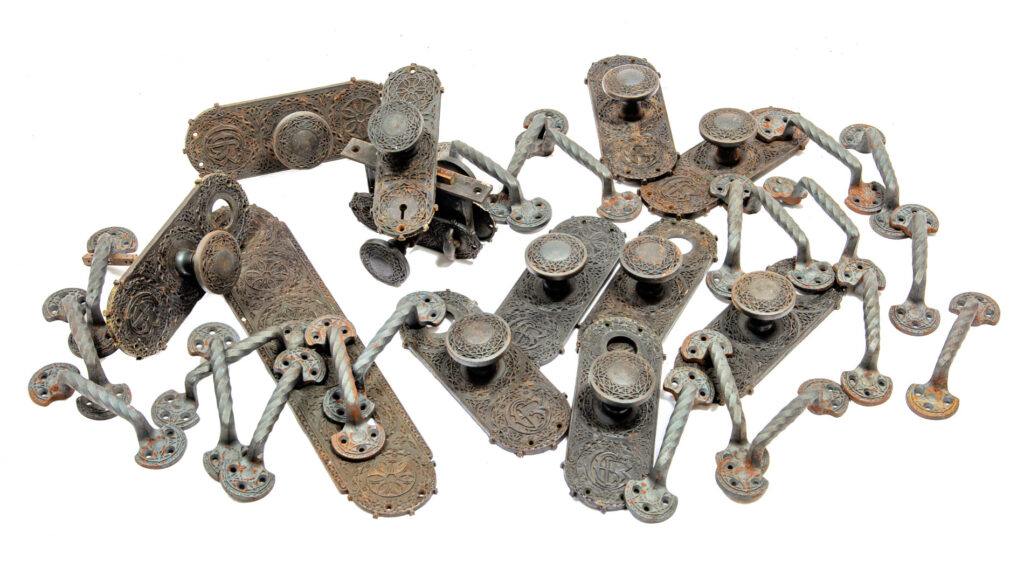
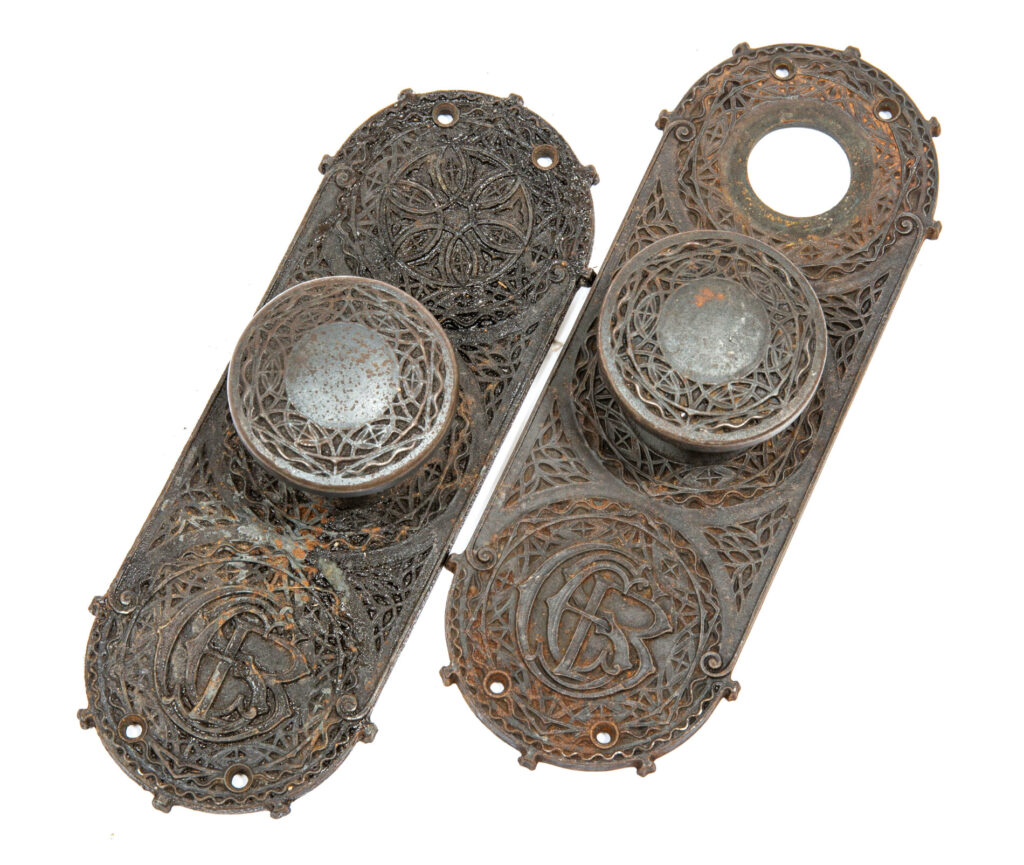
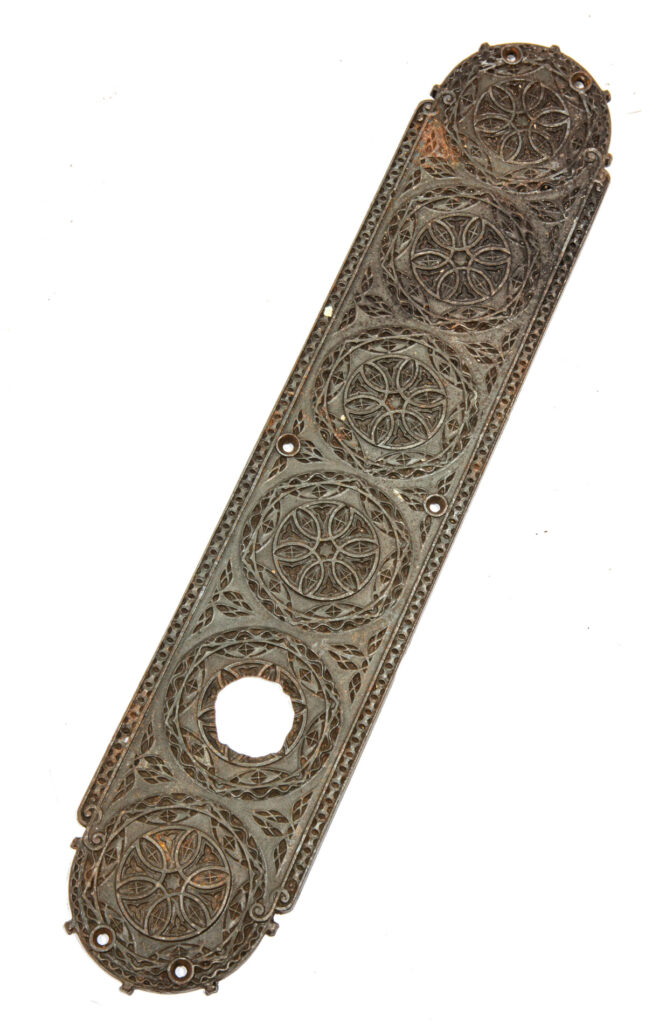
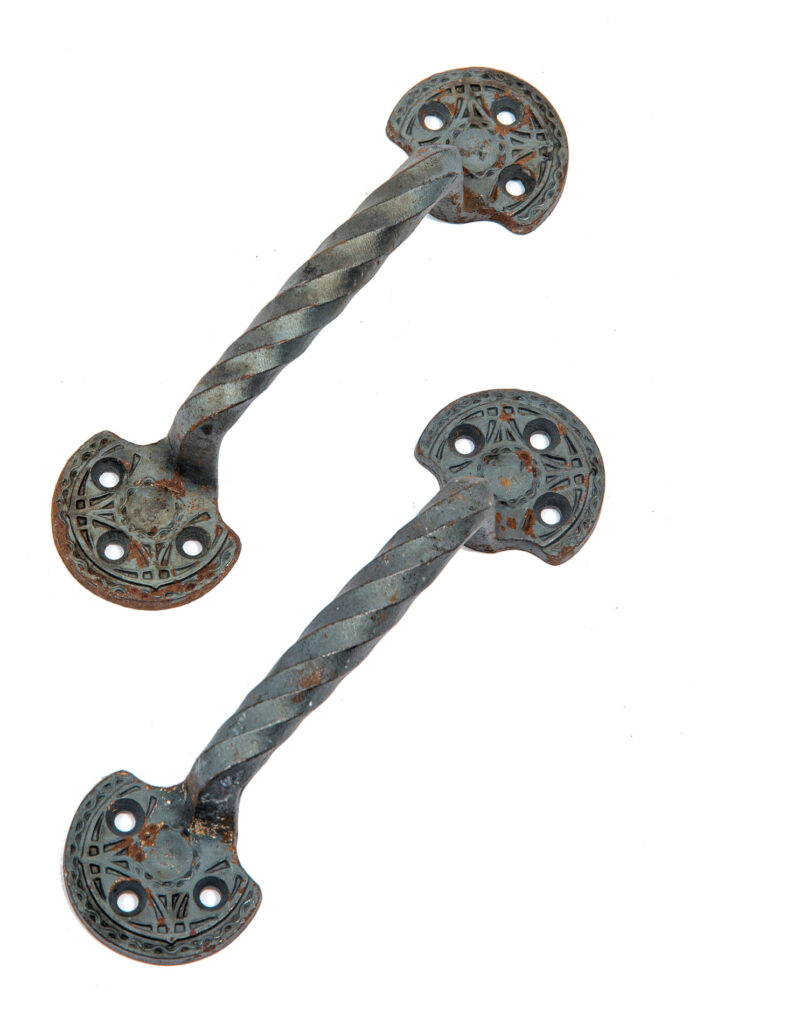
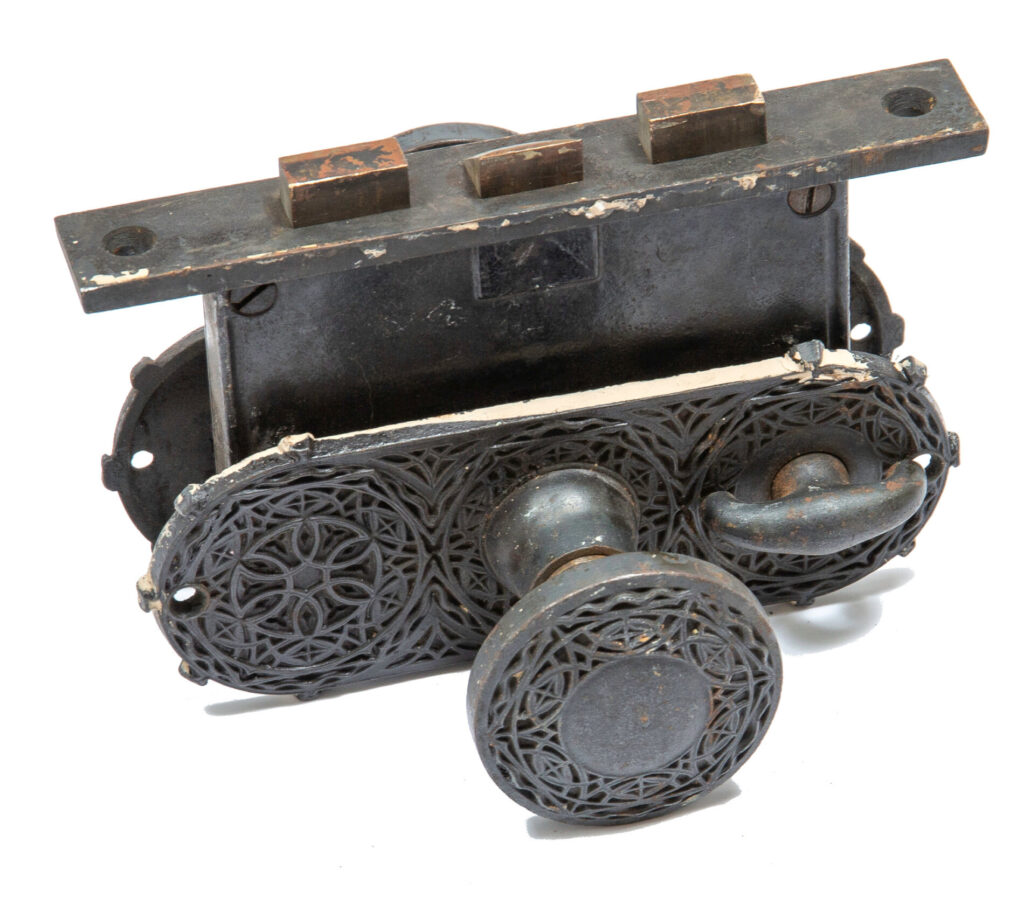
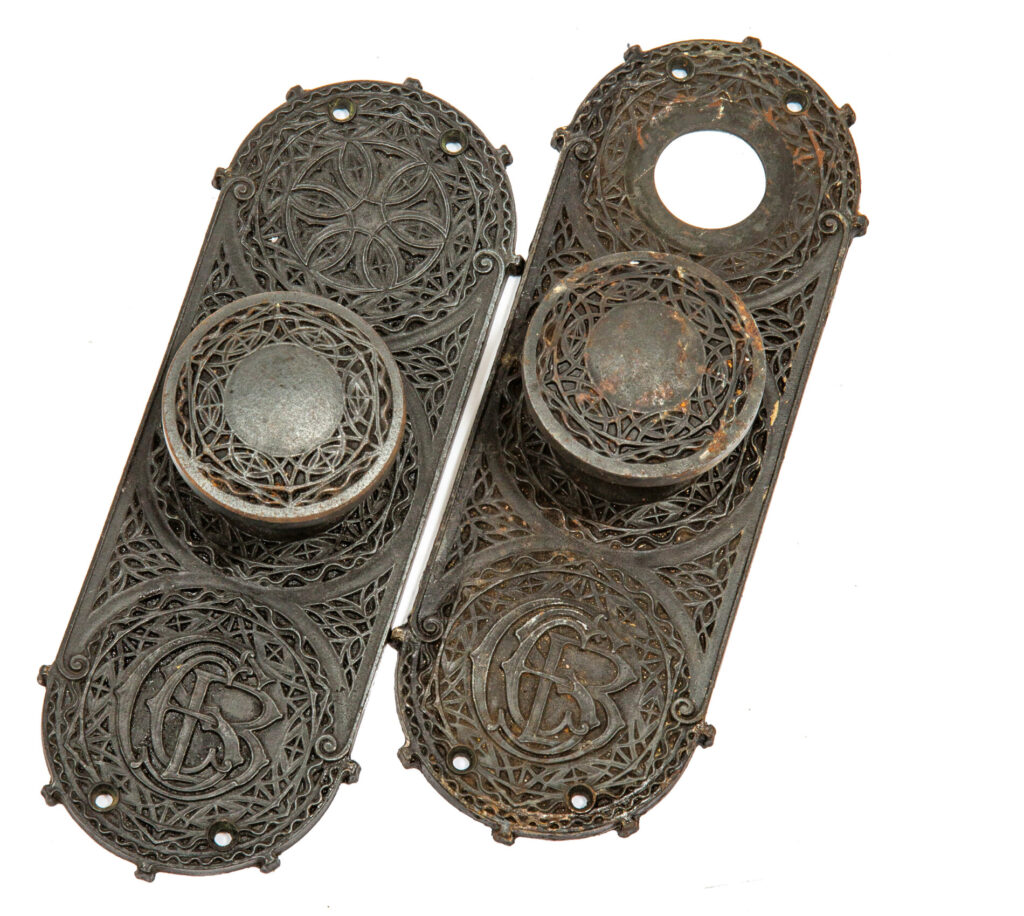
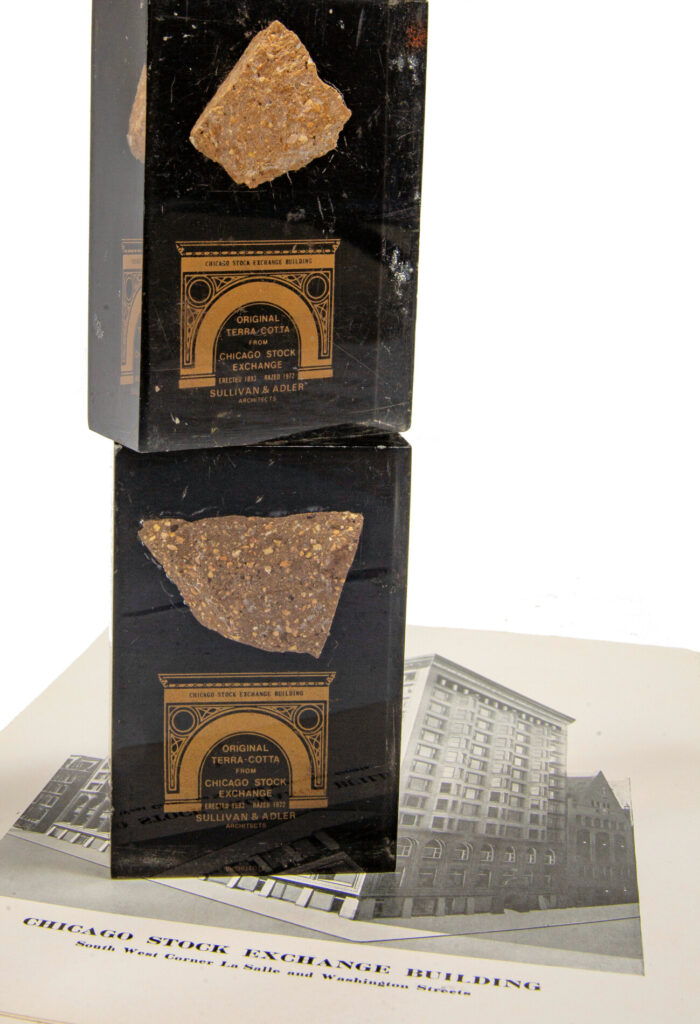
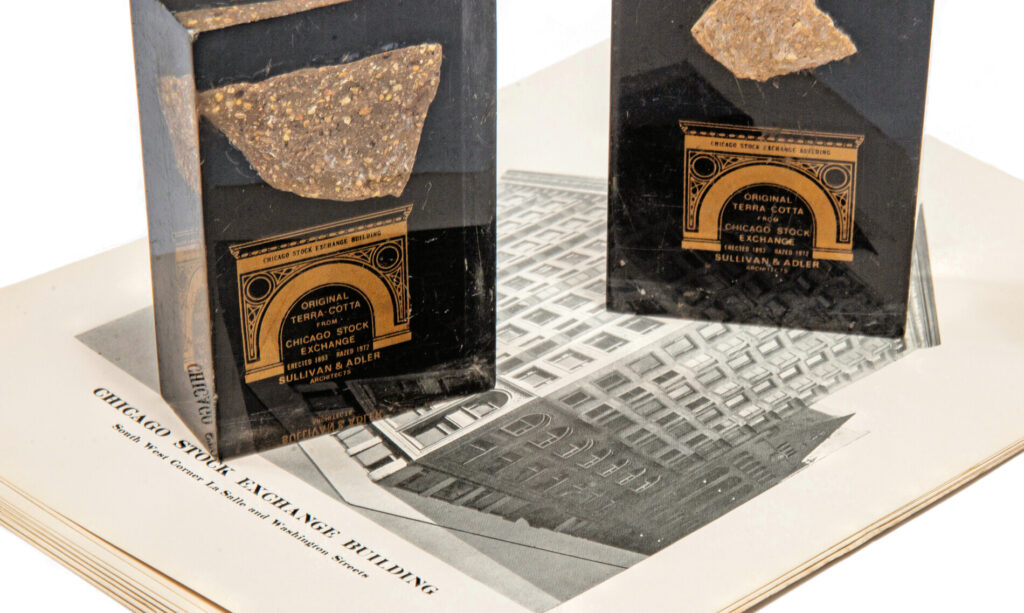
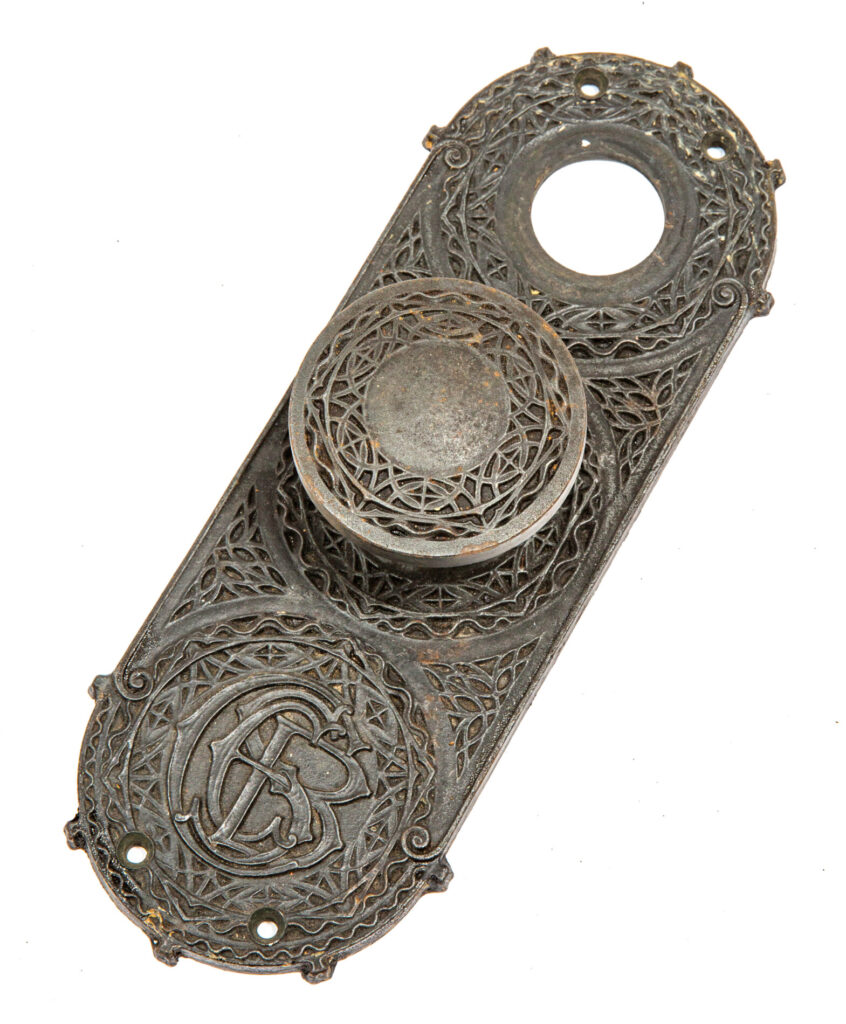
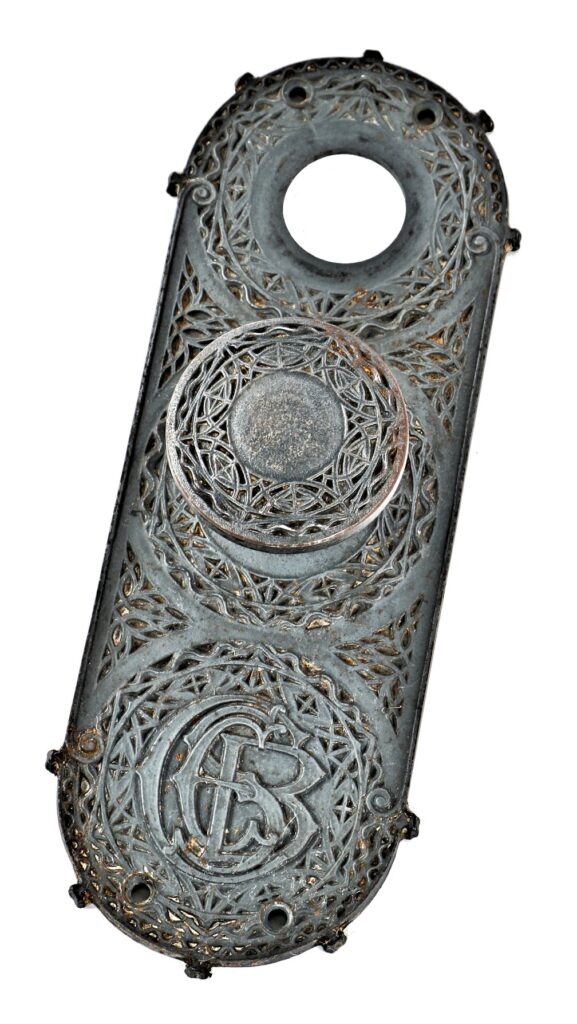
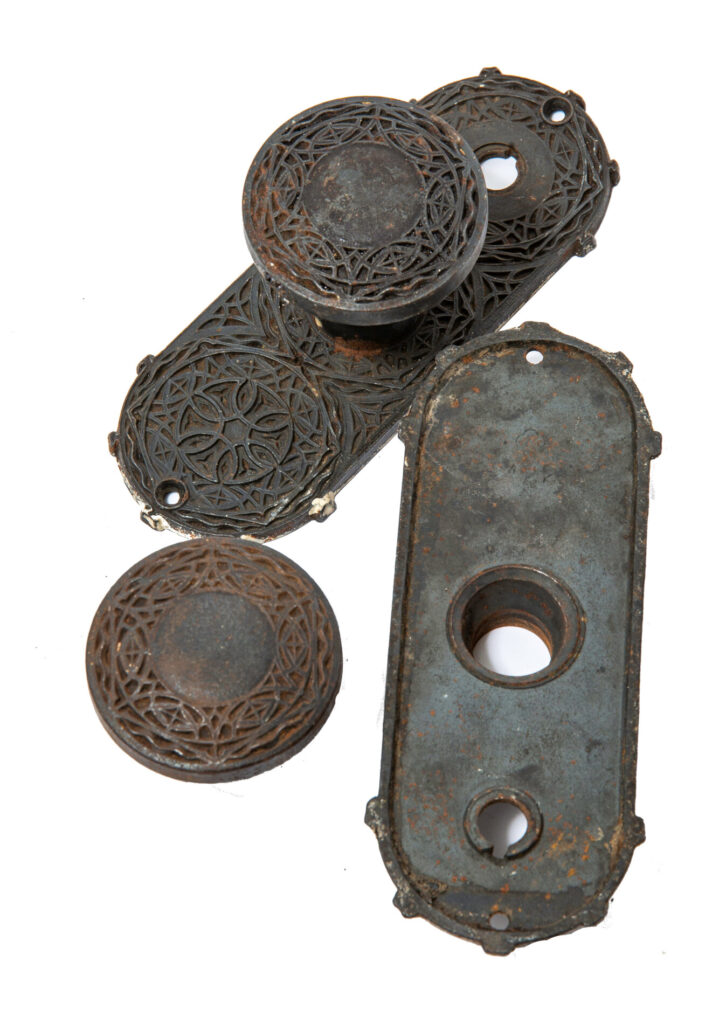
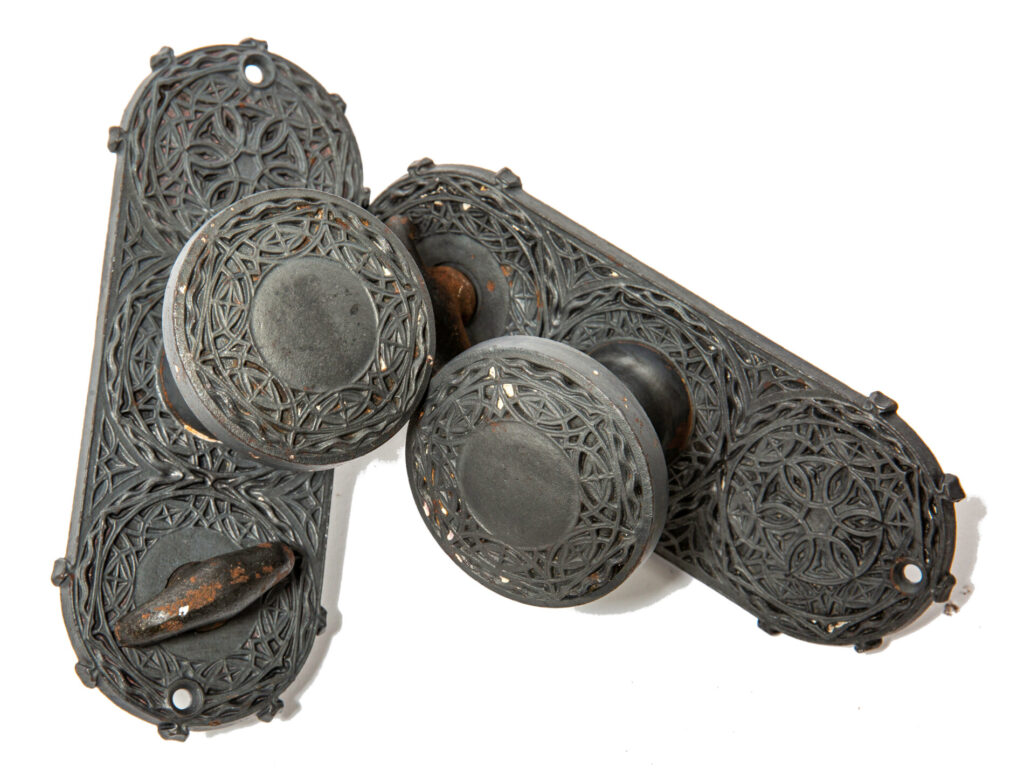
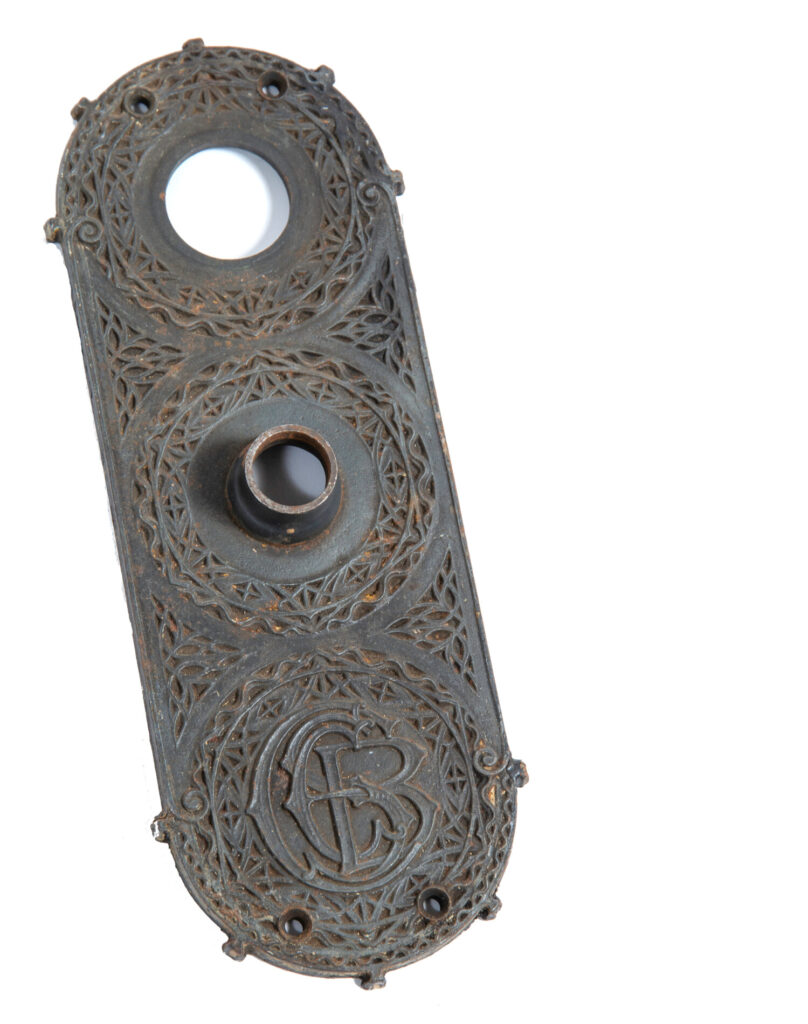
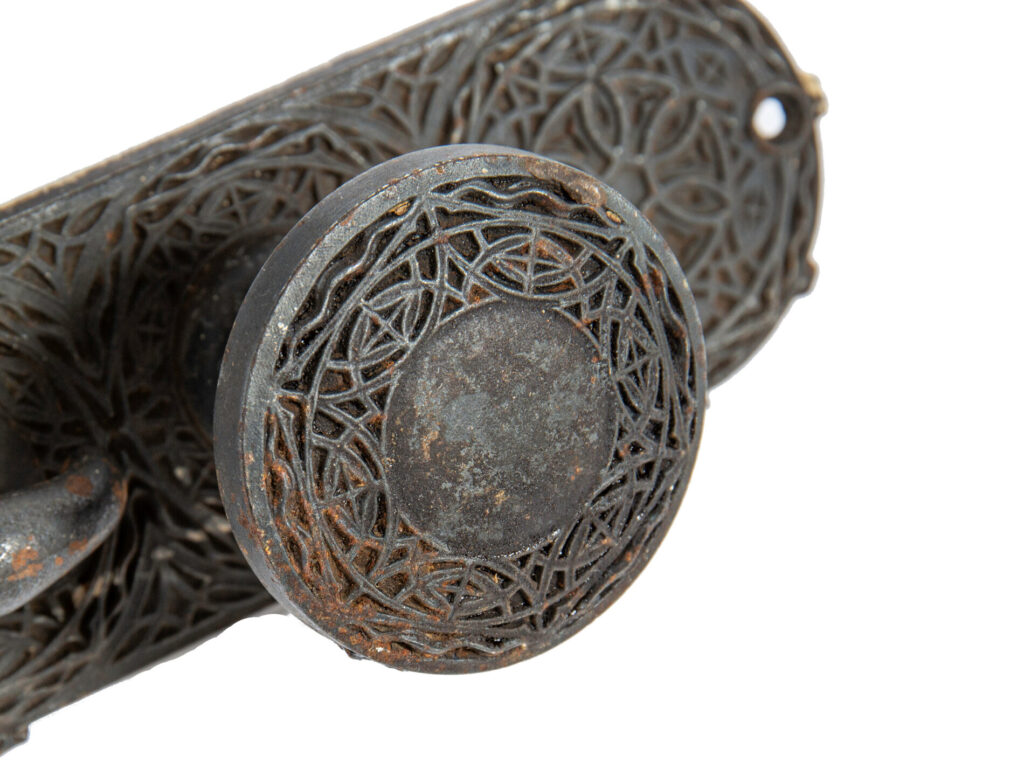
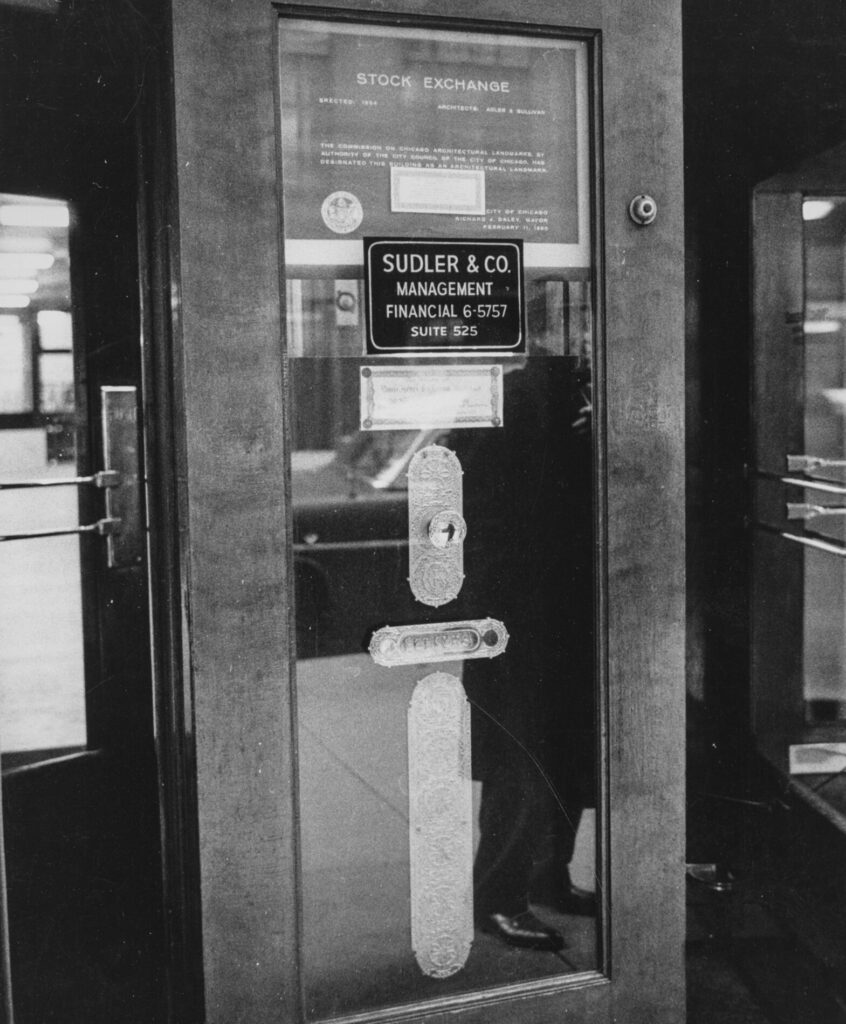
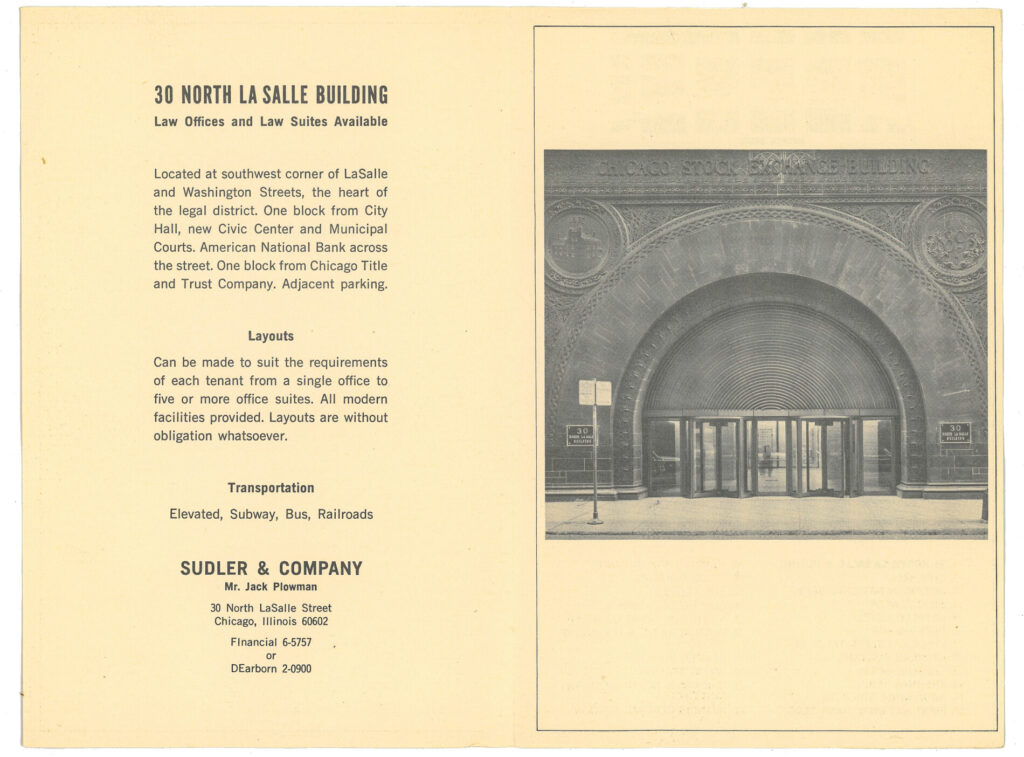
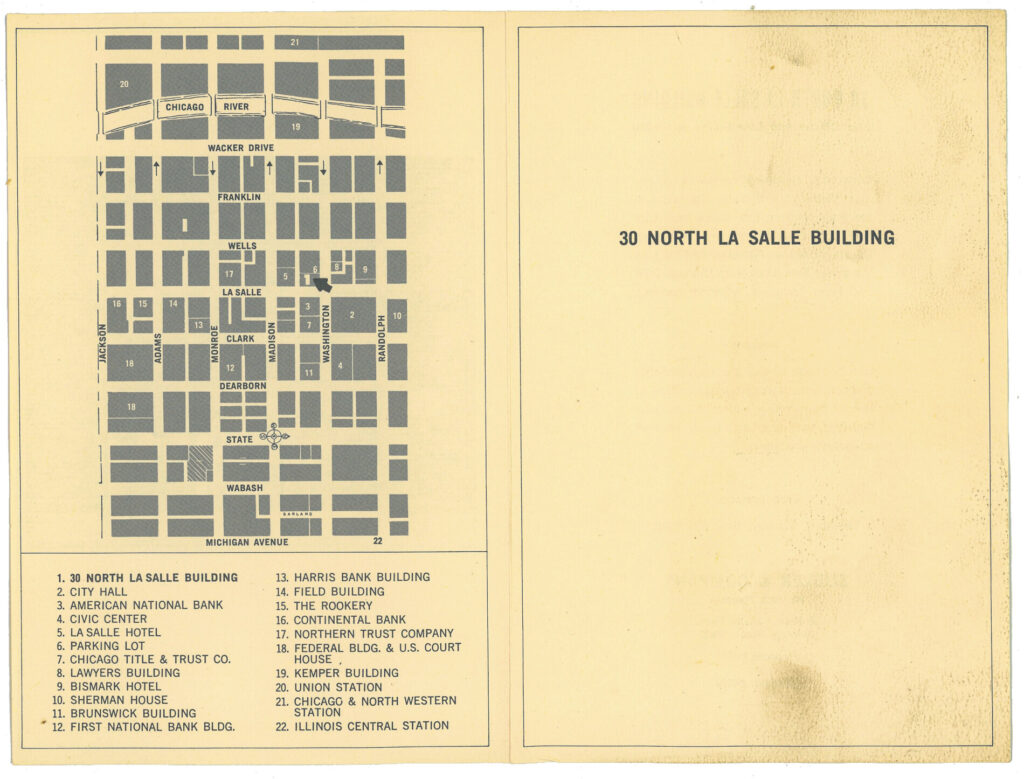
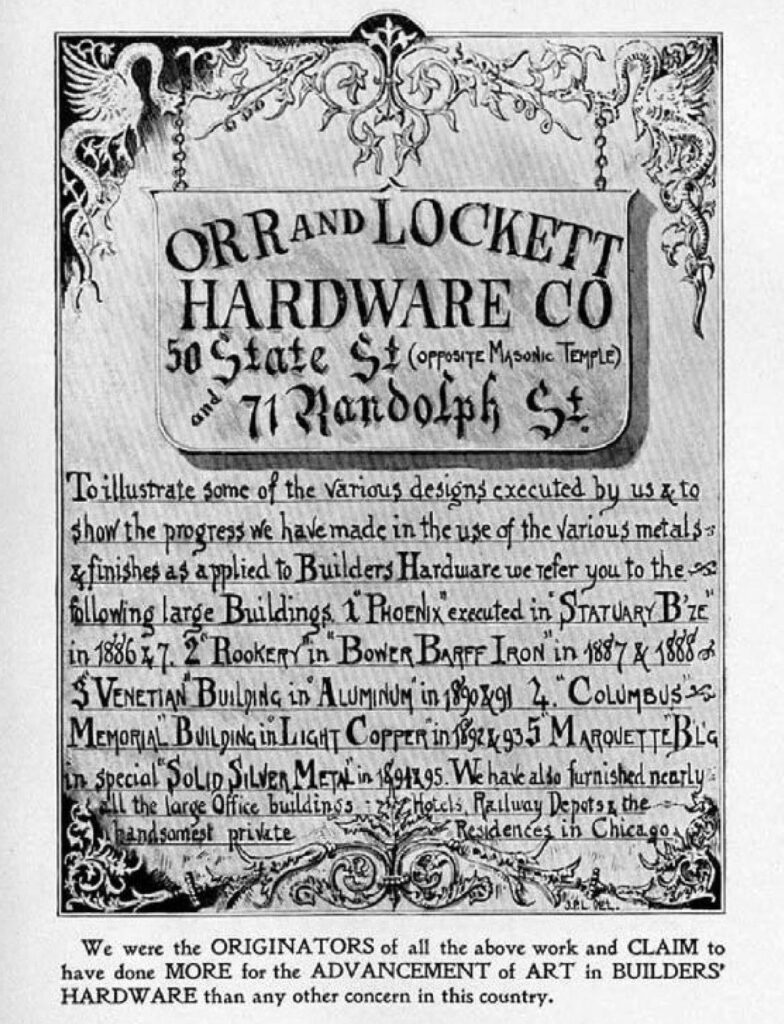
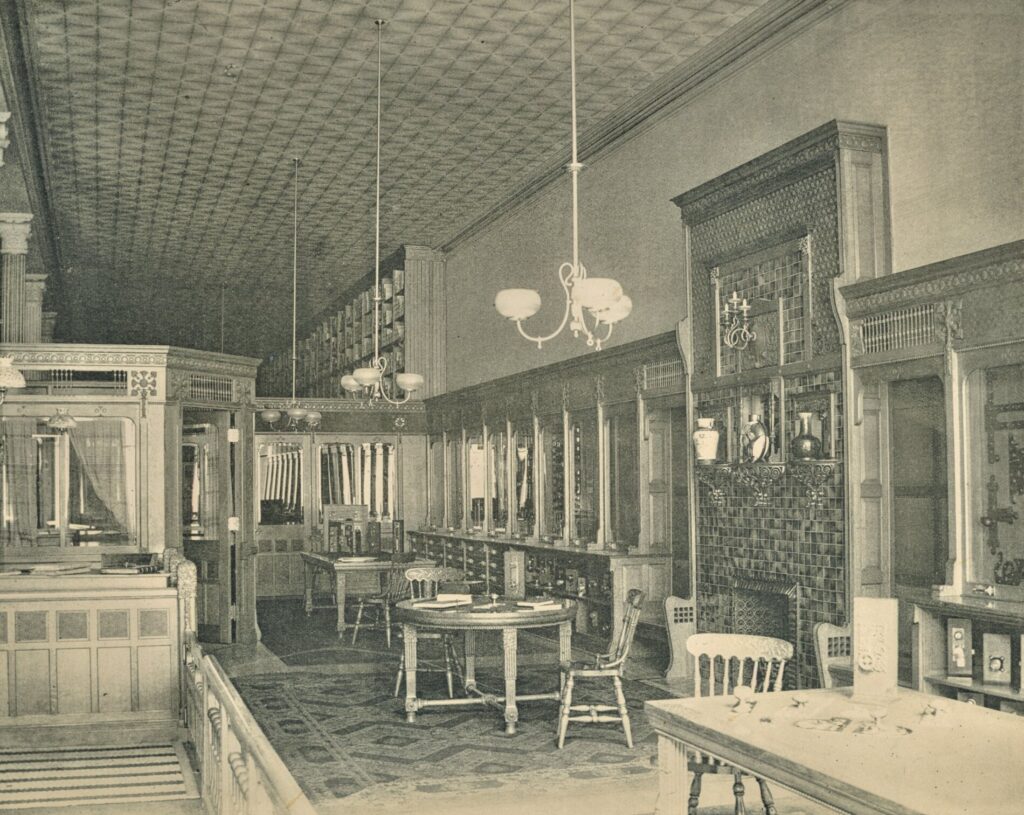
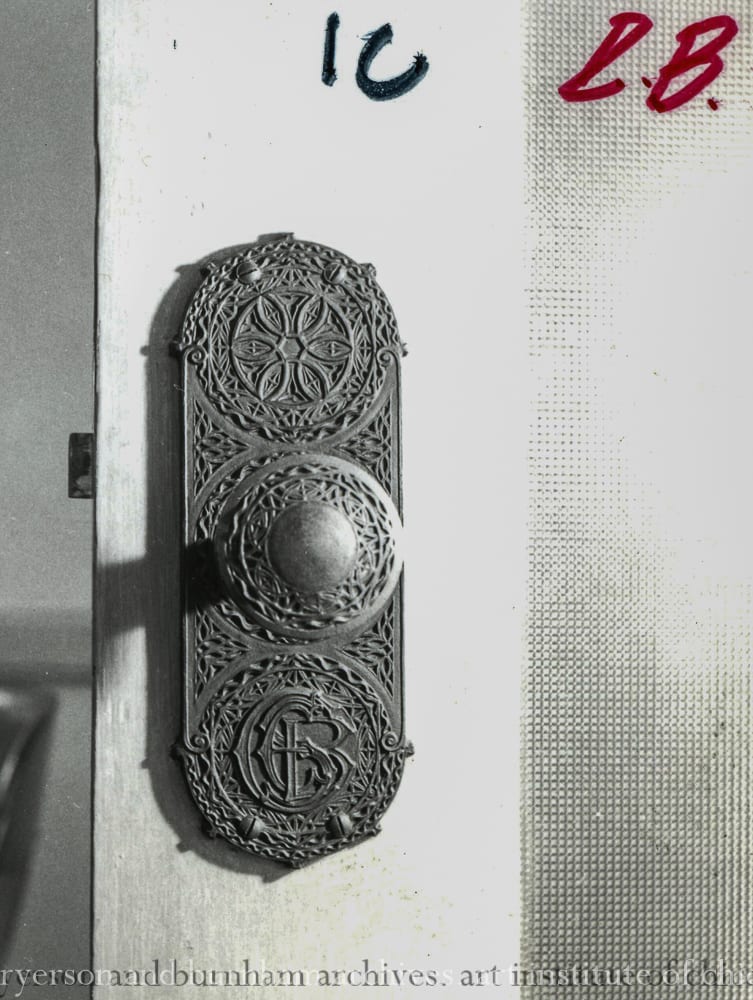
adler and sullivan’s chicago stock exchange (1894) was outfitted with sullivan-designed cast iron hardware with a bower-barff “rust-proof” finish. the main office doors contained oversized knobs and backplates with monogram. yale and towne fabricated the hardware under the supervision of orr & lockett.
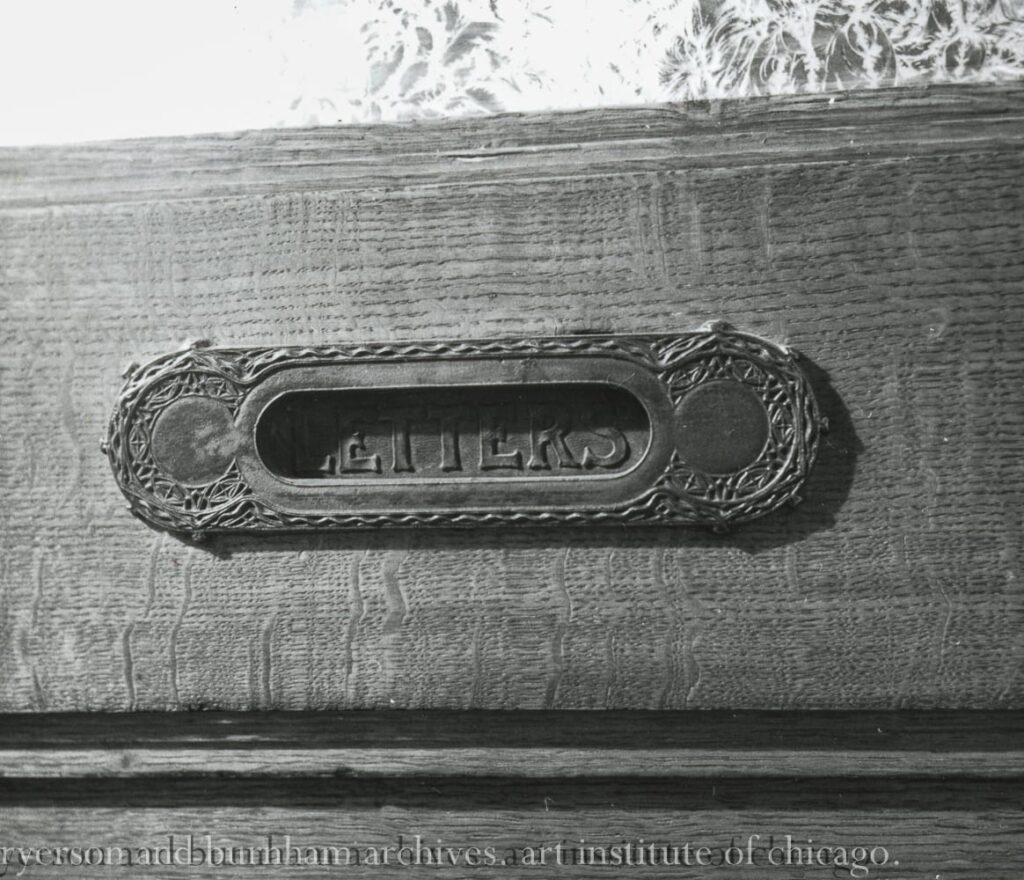
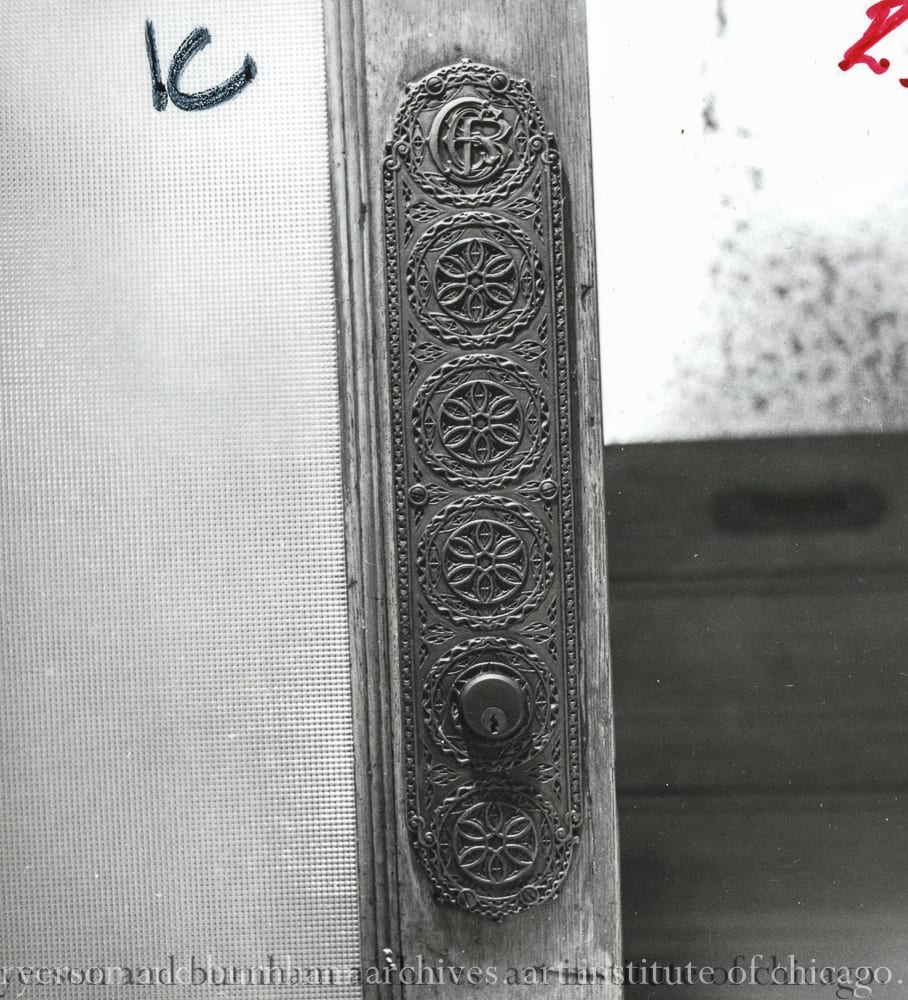
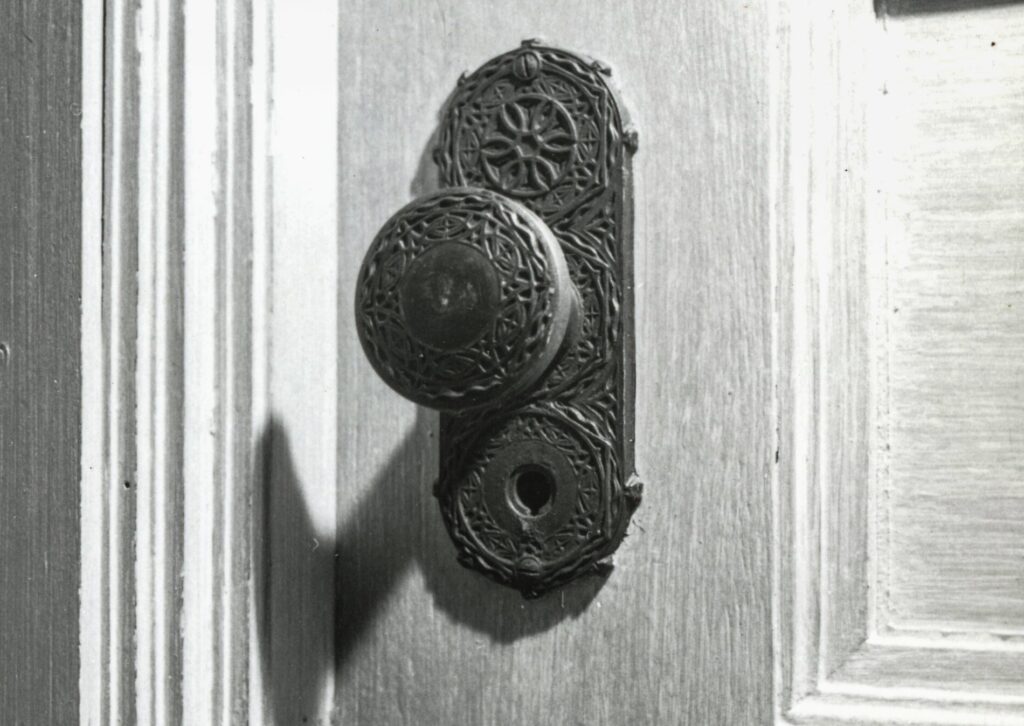
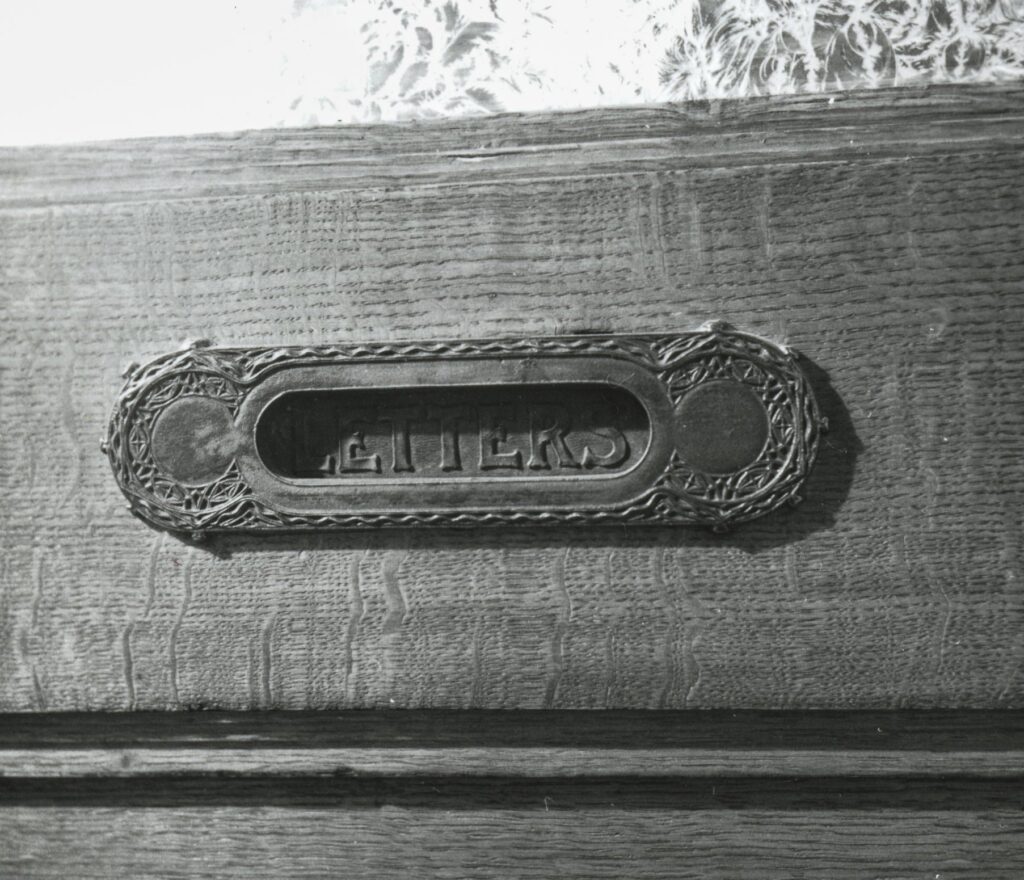
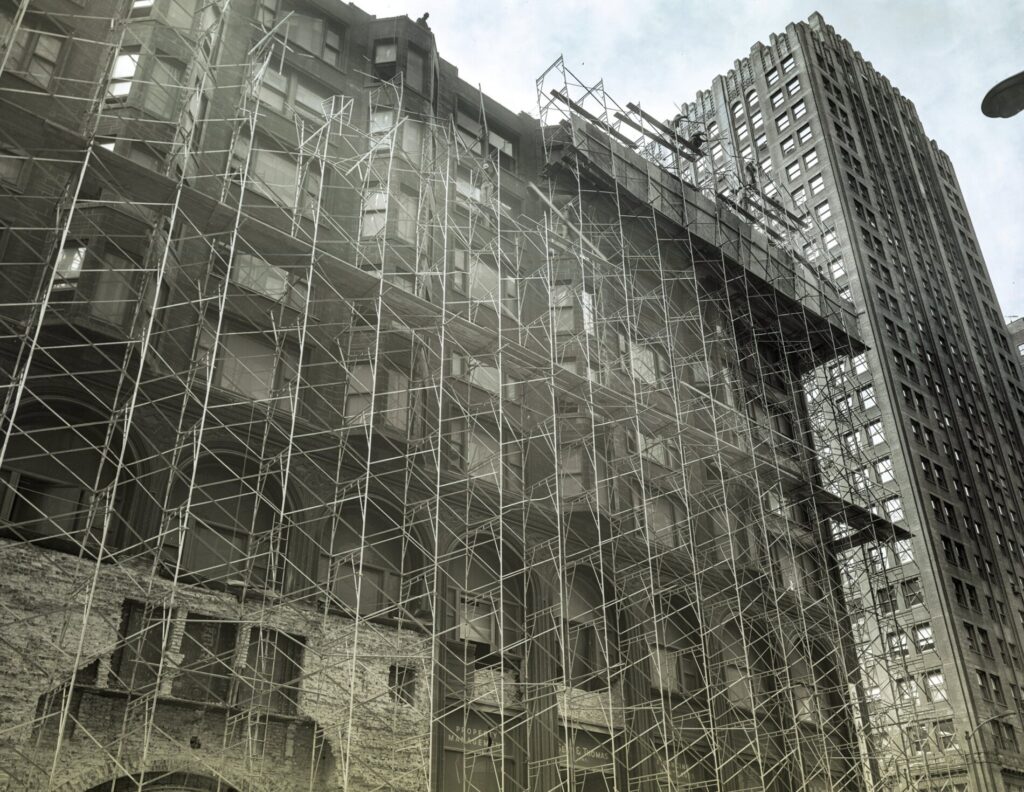
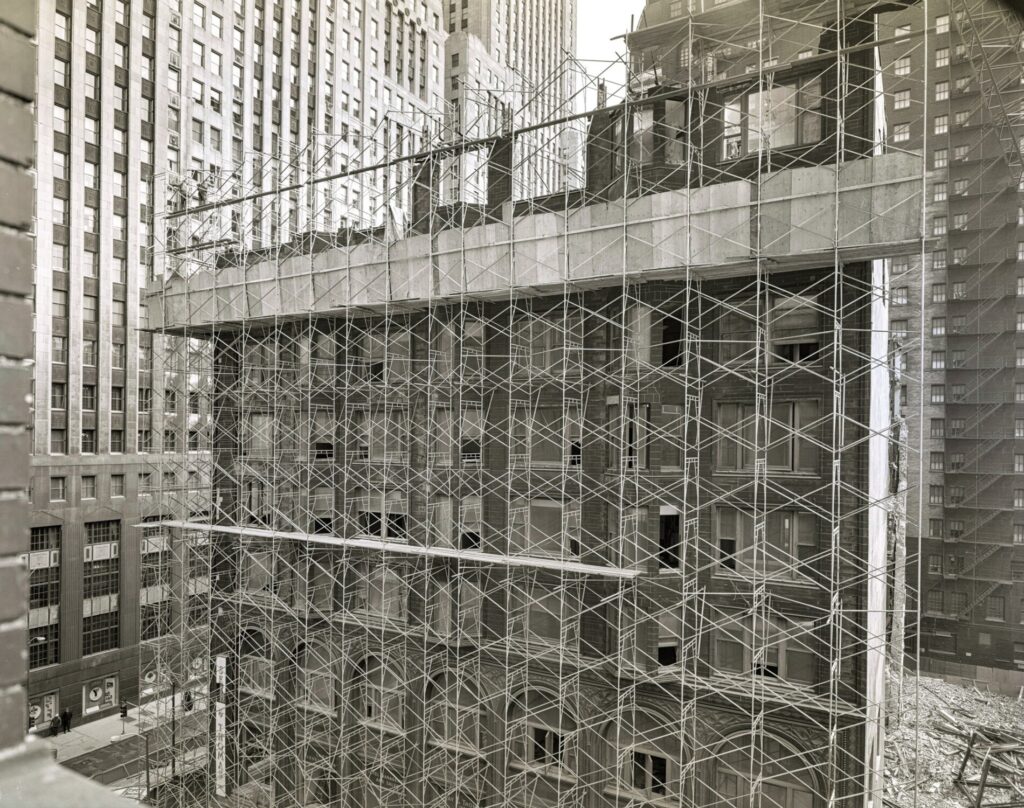
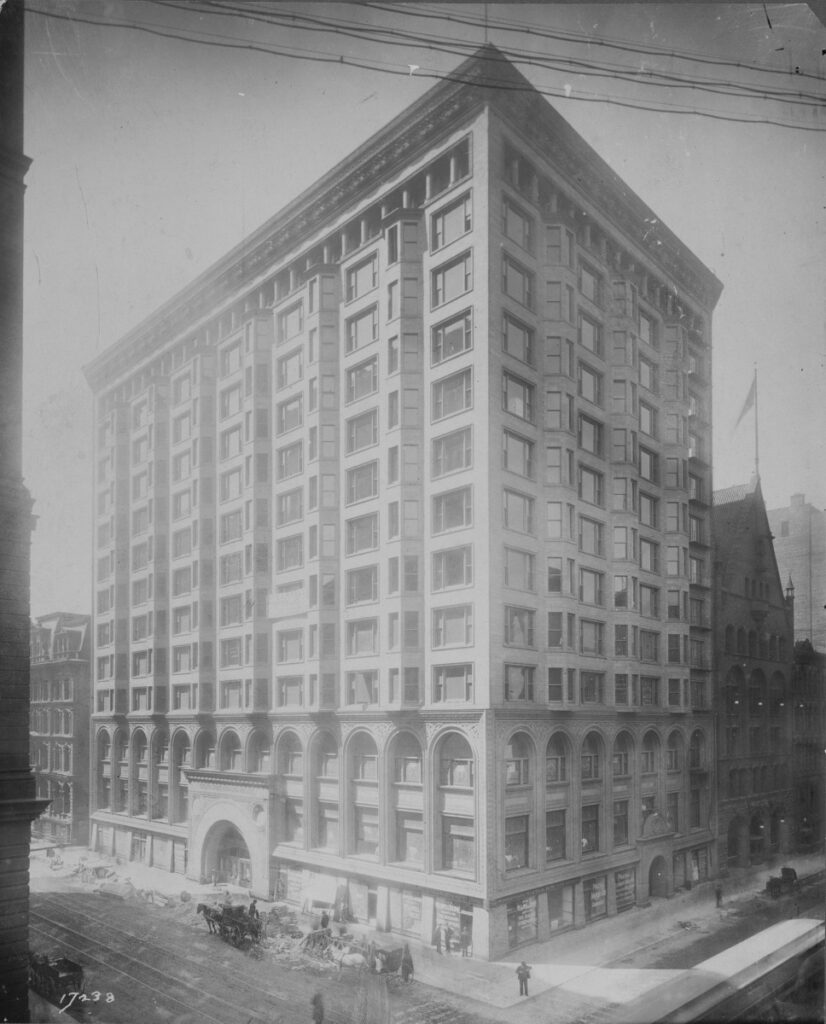
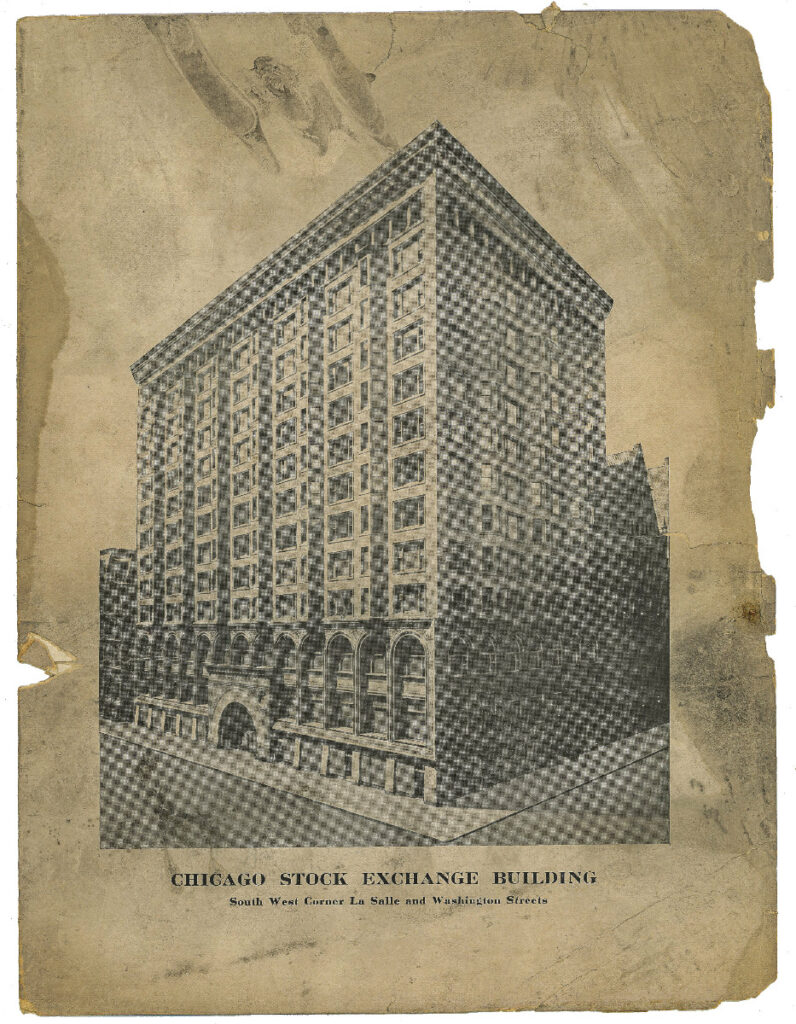
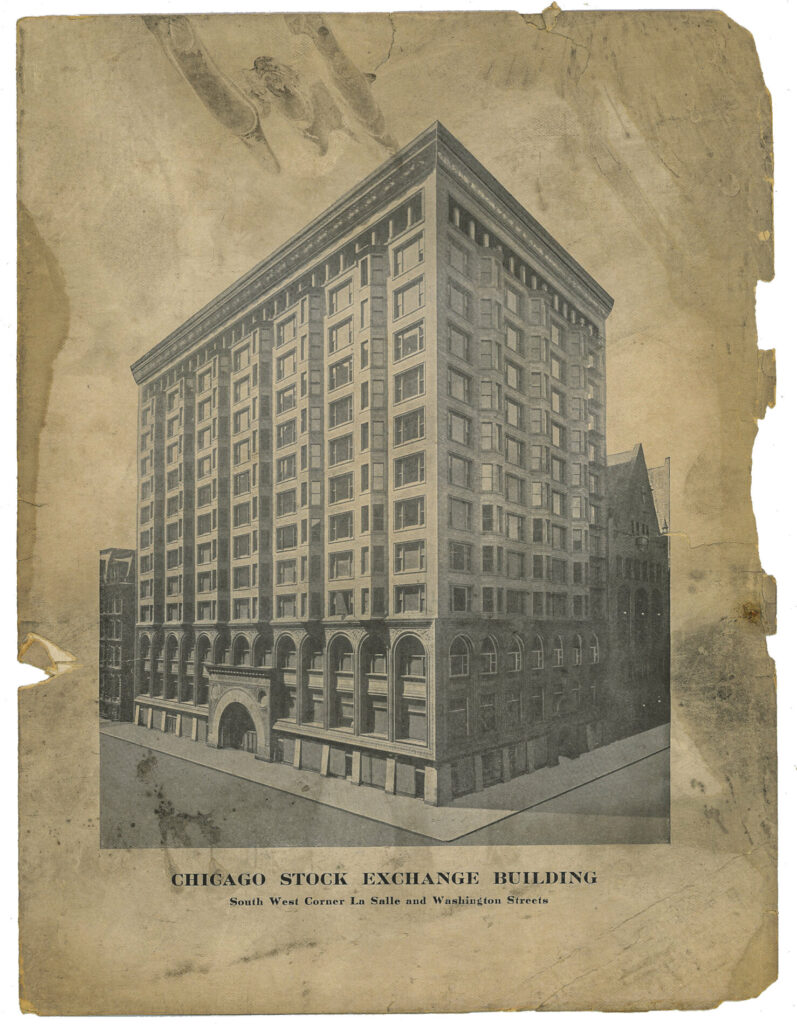
the original chicago stock exchange building was finished in 1894, designerd by the architectural firm of dankmar adler and louis sullivan. this 13-story marvel exemplified the chicago school of architecture. though it was demolished in 1972 after a determined preservation effort, its most iconic components—the magnificent trading room and imposing entrance arch—were saved and are now on permanent display at the art institute of chicago.

architecture and significance:
design and structure: with 13 floors, this building stood out as one of the pioneering skyscrapers in chicago. adler introduced the use of caisson foundations—hand-excavated down to bedrock—a groundbreaking engineering feat that later became a norm for high-rise construction.
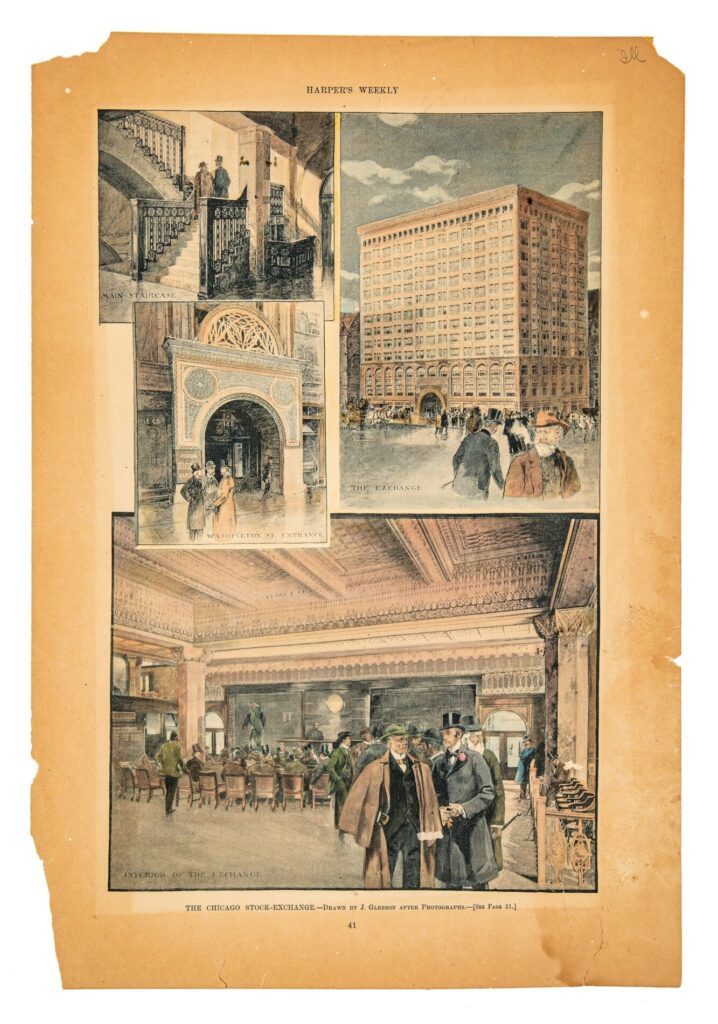
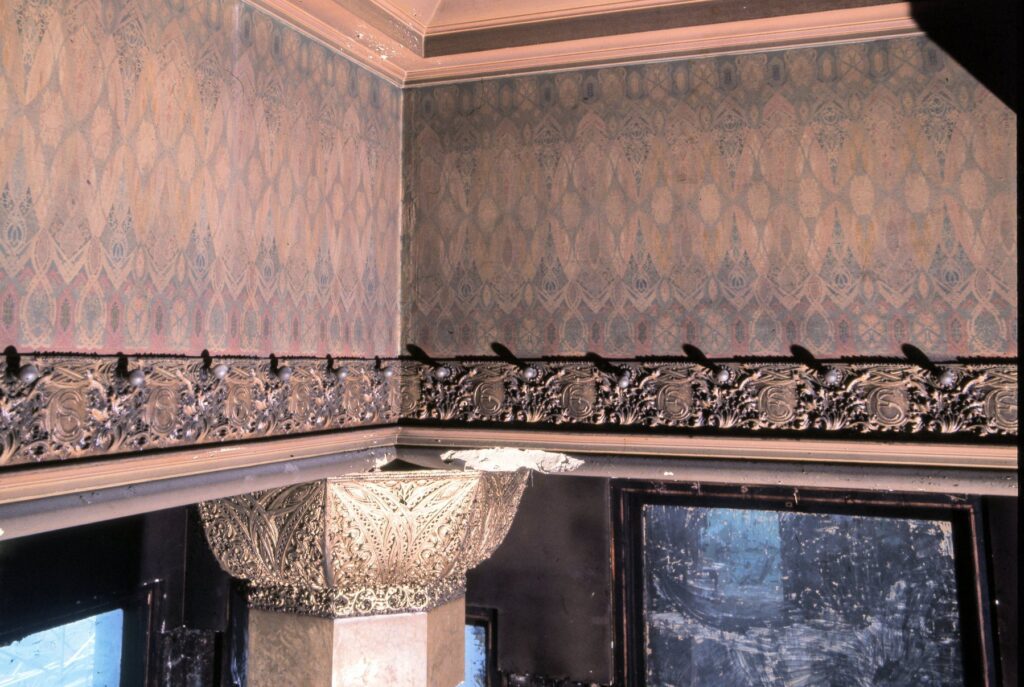
the trading room: at its core, the building featured a striking double-height room on the second floor. famous for its “organic ornamentation,” it showcased detailed stenciling in 52 unique colours along with ornate plaster capitals.
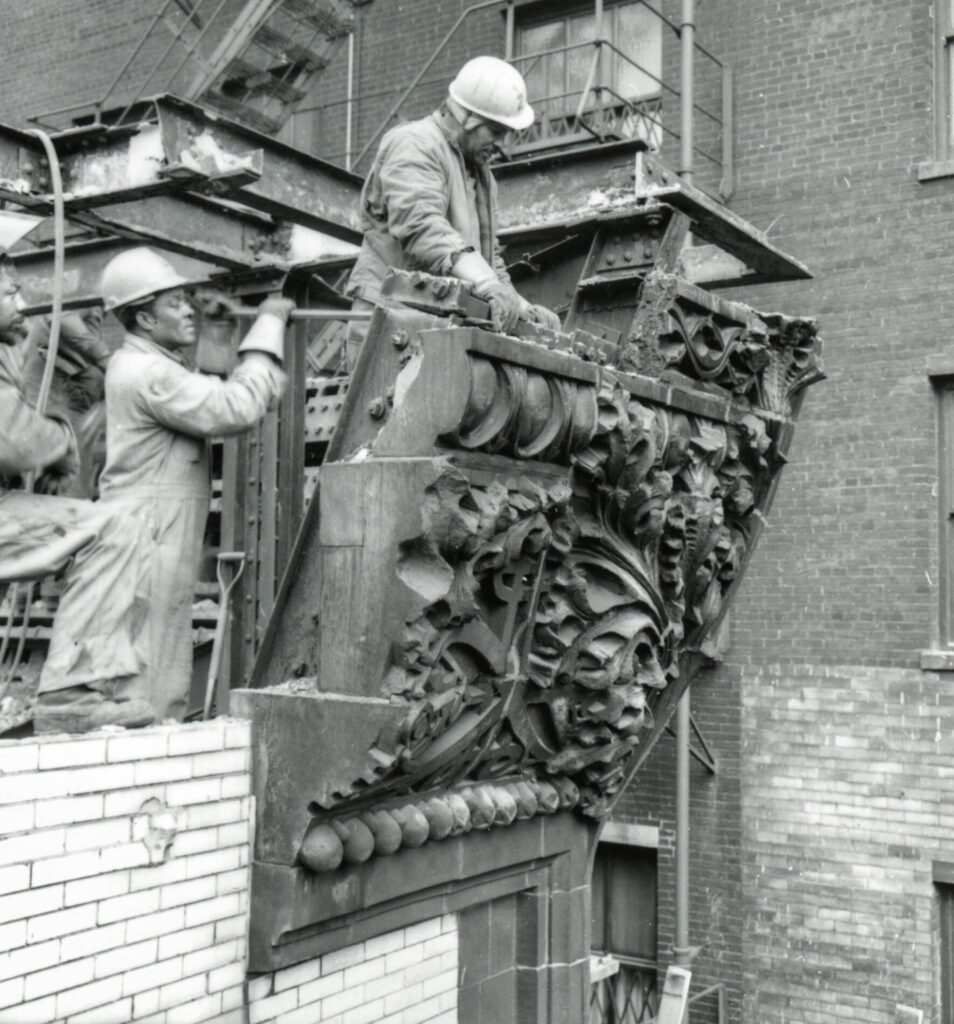
the building’s exterior boasted a bold cornice, extended window bays, and a richly decorated terracotta entrance arch.
demolition and legacy:
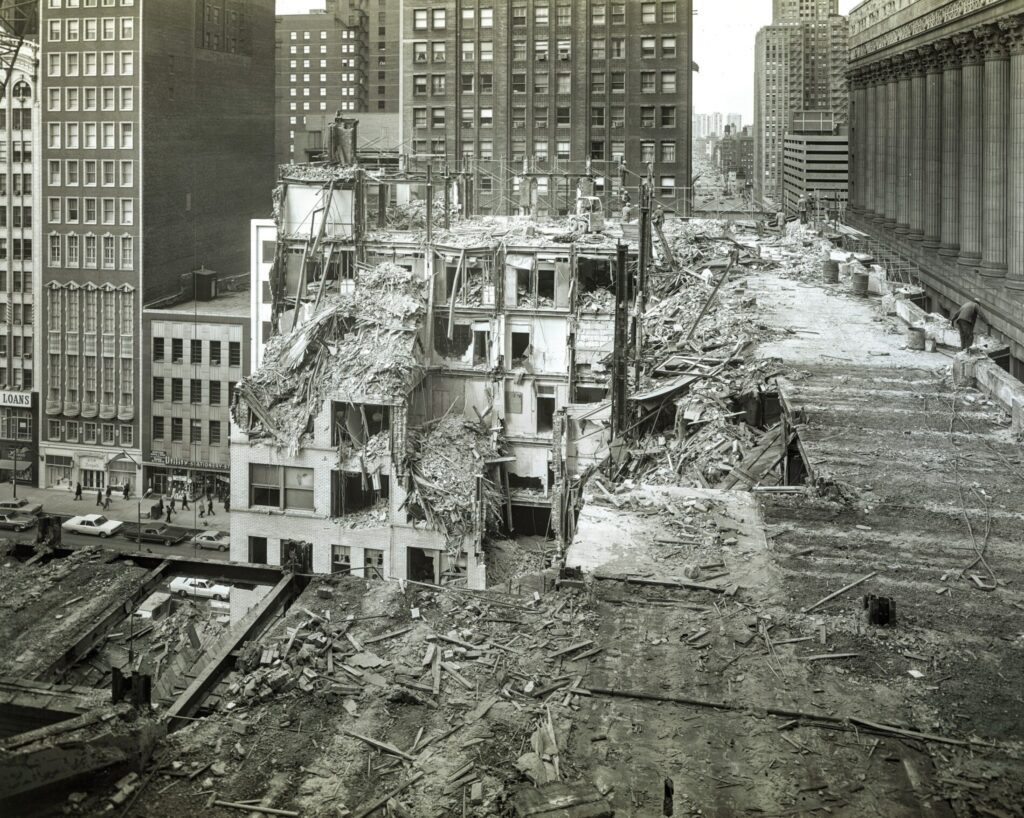
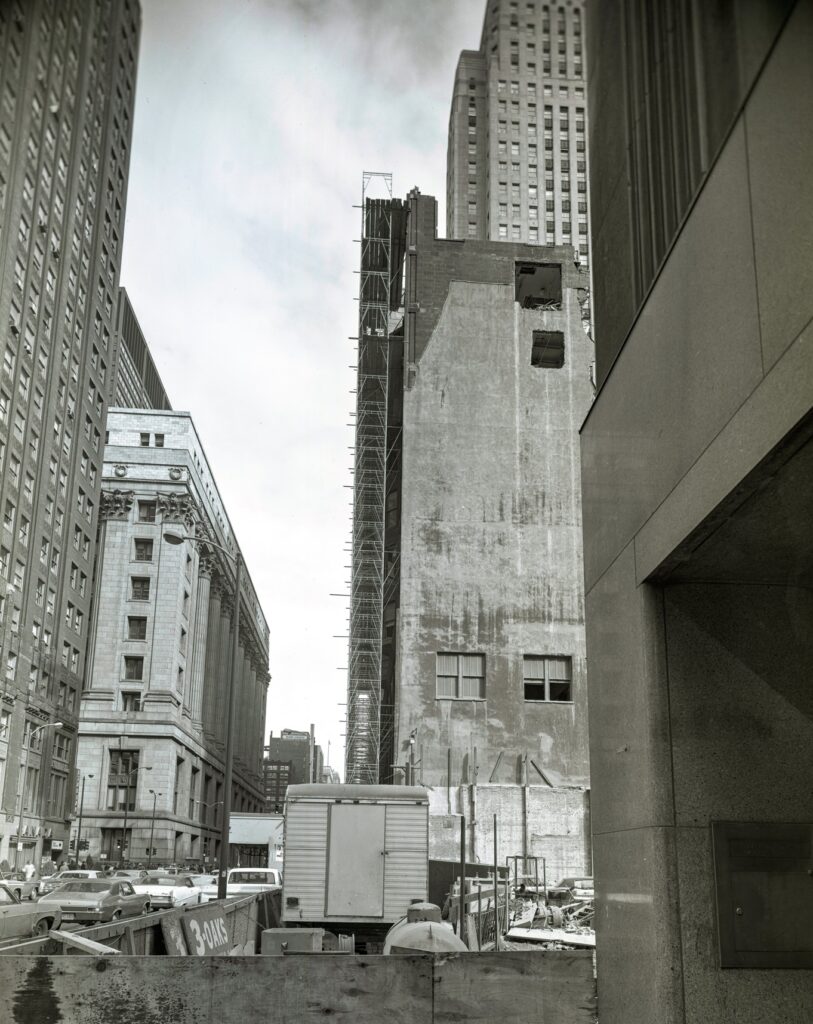
1972 demolition: during the late 1960s, the building was at the center of a passionate but unsuccessful preservation movement. it was ultimately torn down in 1972, making way for the 43-story tower now located at 30 north lasalle. sadly, photographer and salvager richard nickel lost his life during the building’s demolition.