
22 Jan red slip-glazed terra cotta from charles sumner frost’s chicago and northwestern lake front depot joins bld. 51 museum collection
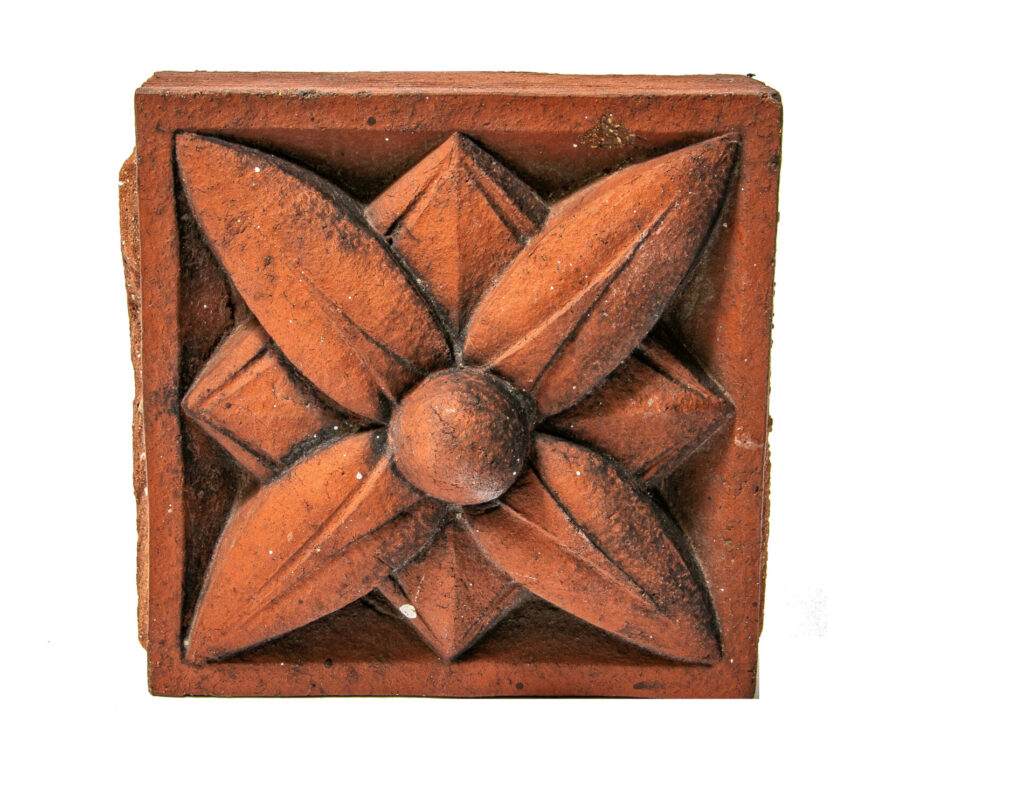
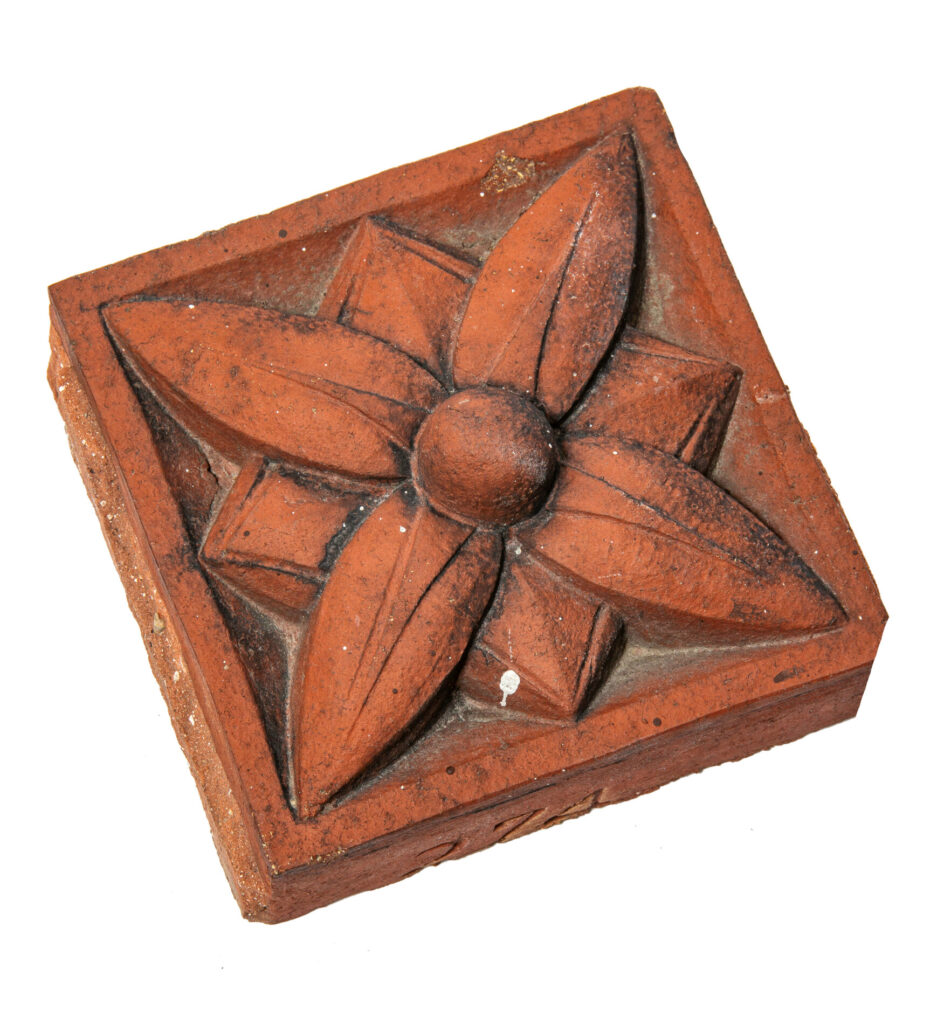
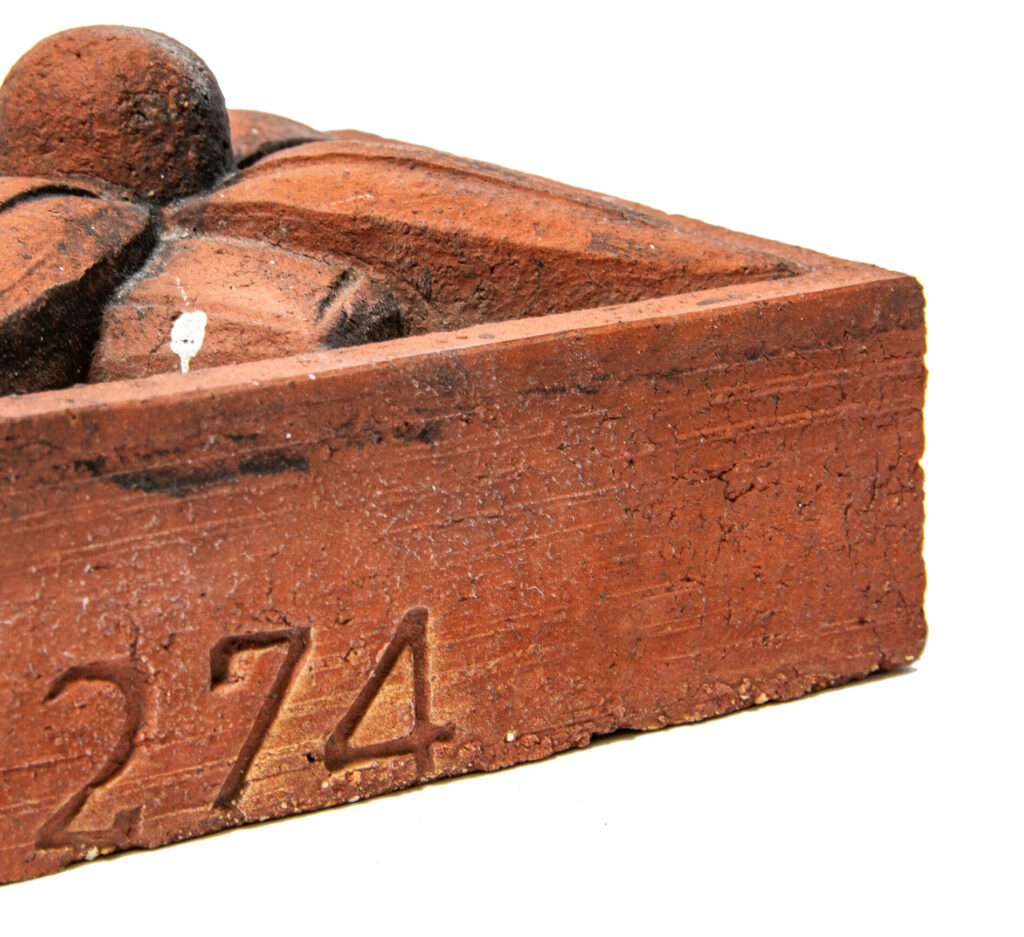
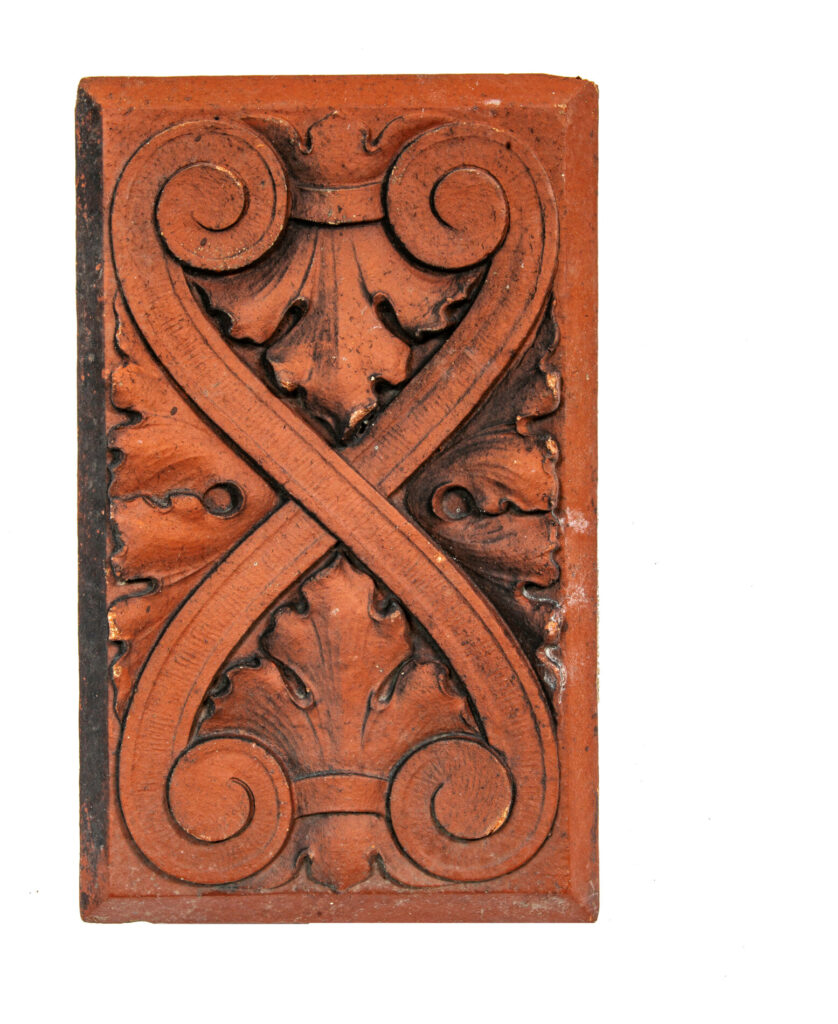
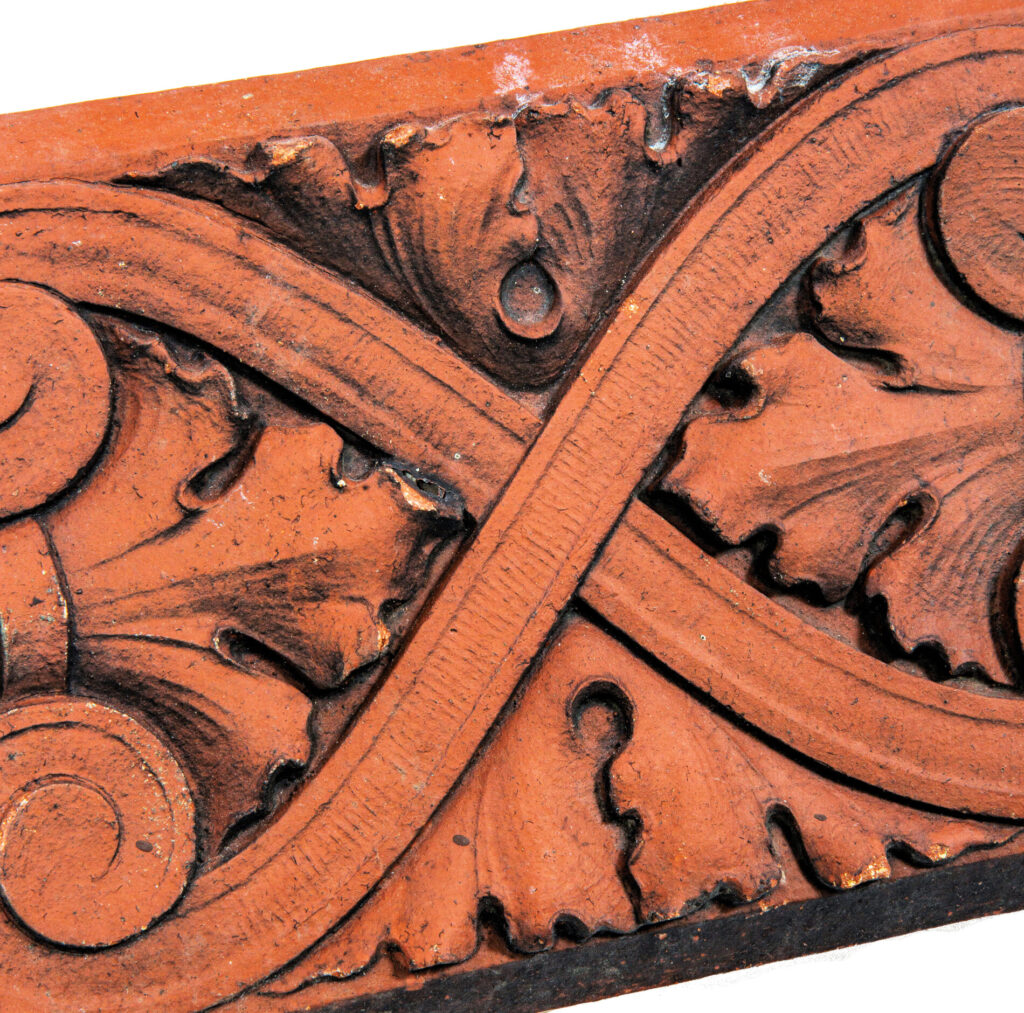
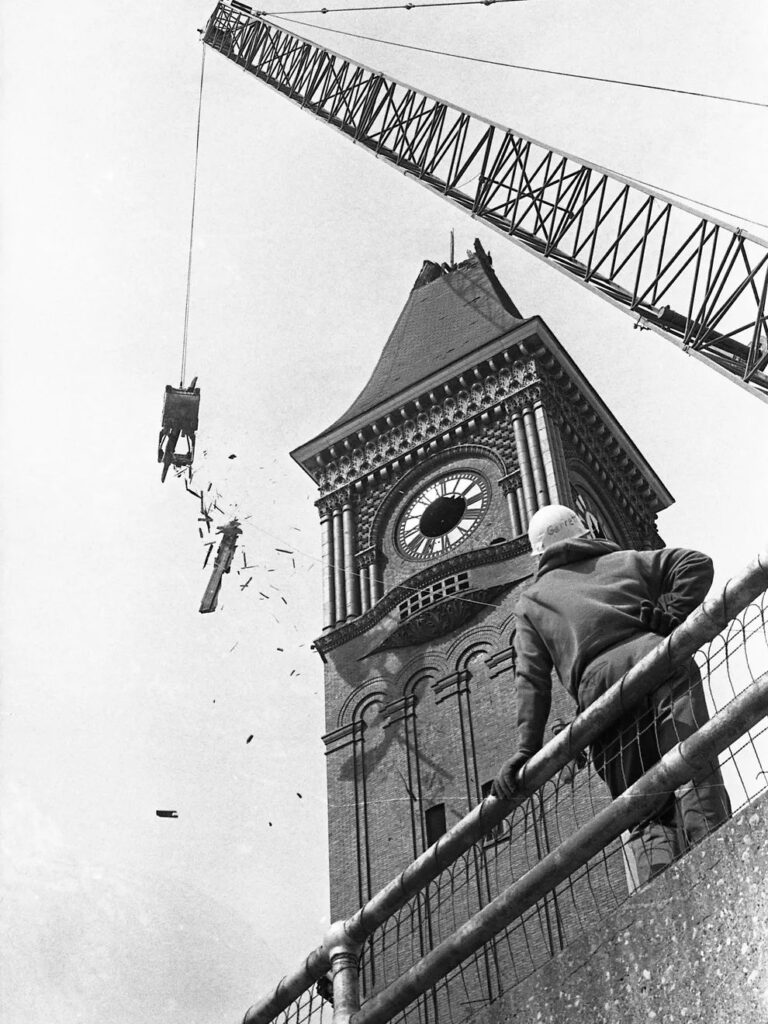
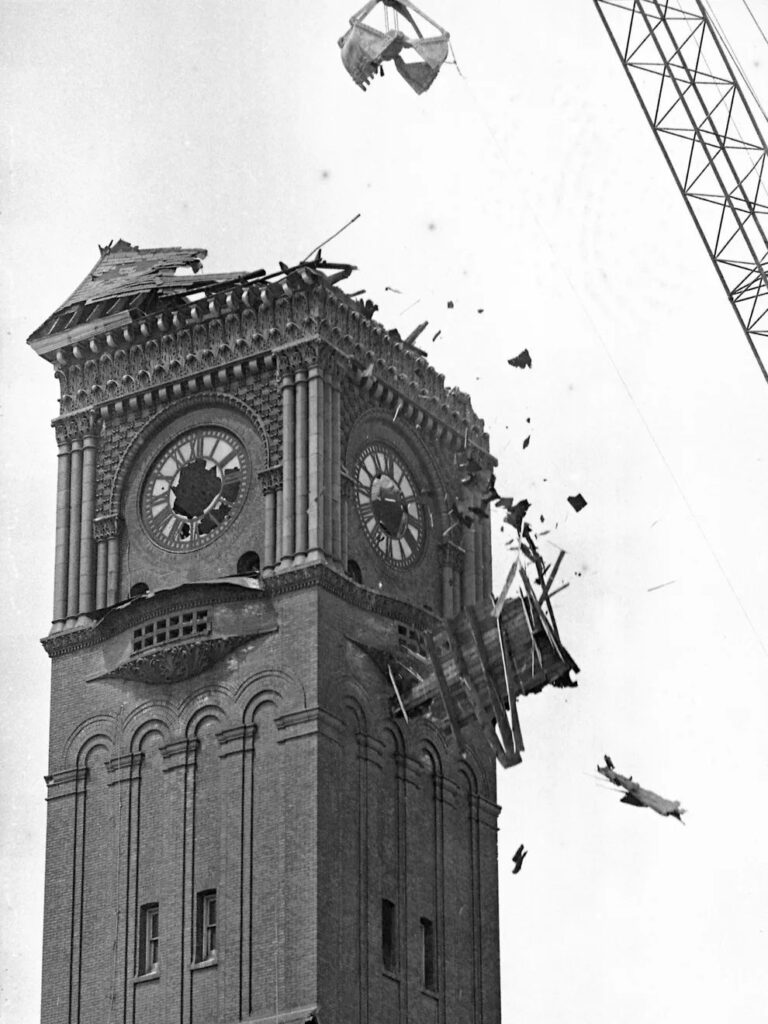
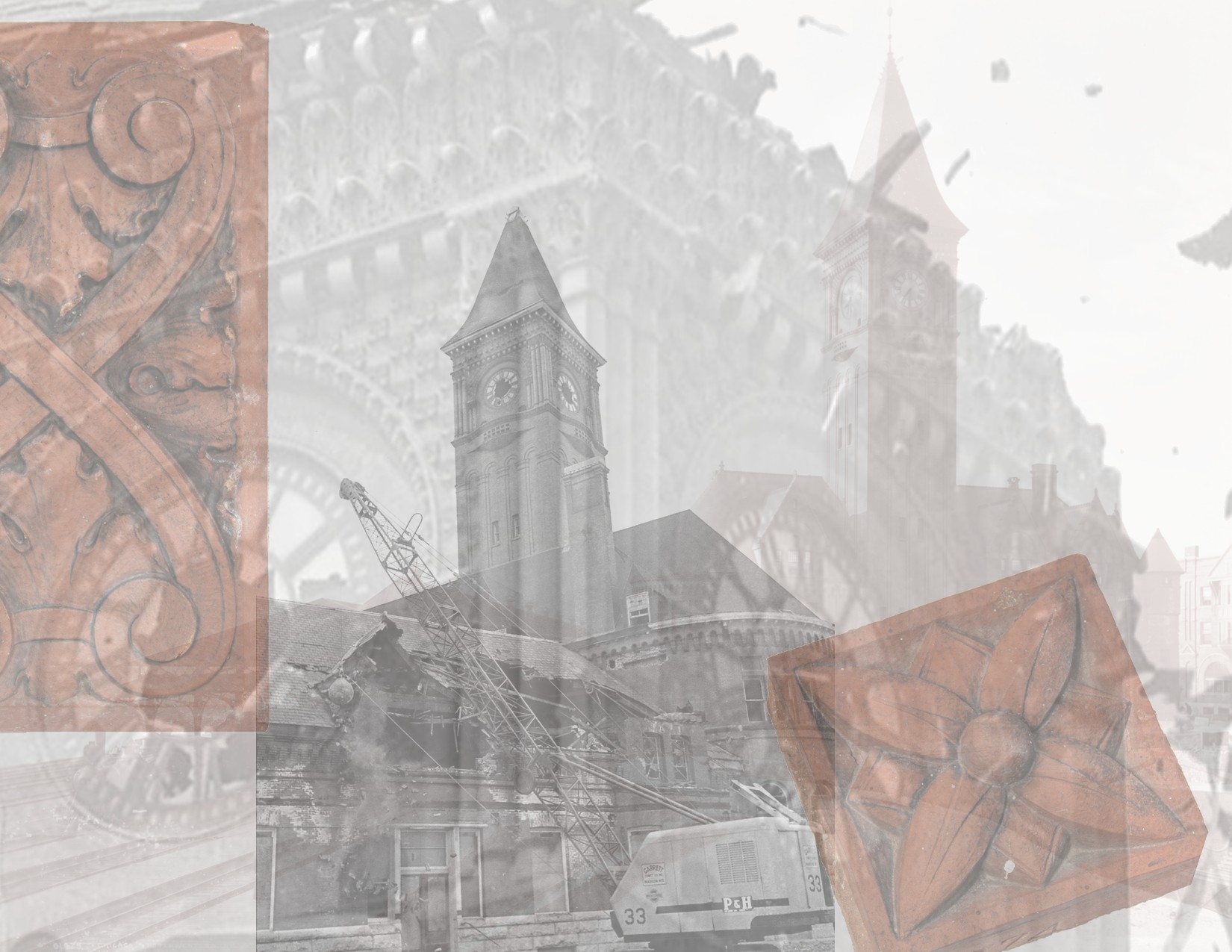
the bldg. 51 museum collection recently acquired additional historically important redl slip terra cotta ornament from milwaukee’s former main passenger rail station, the chicago & north western lake front depot. designed by charles sumner frost in a romanesque style, the brick and terra cotta-clad depot with distinctive clock tower operated from 1890 to 1966 and was demolished in 1968.
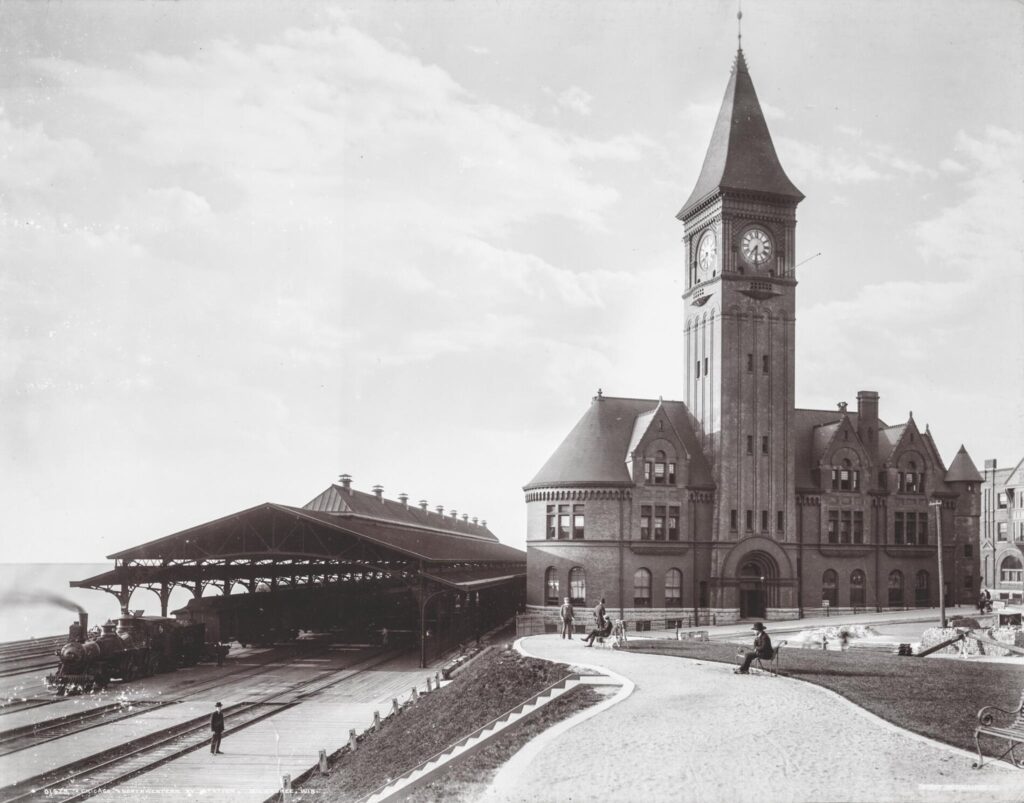
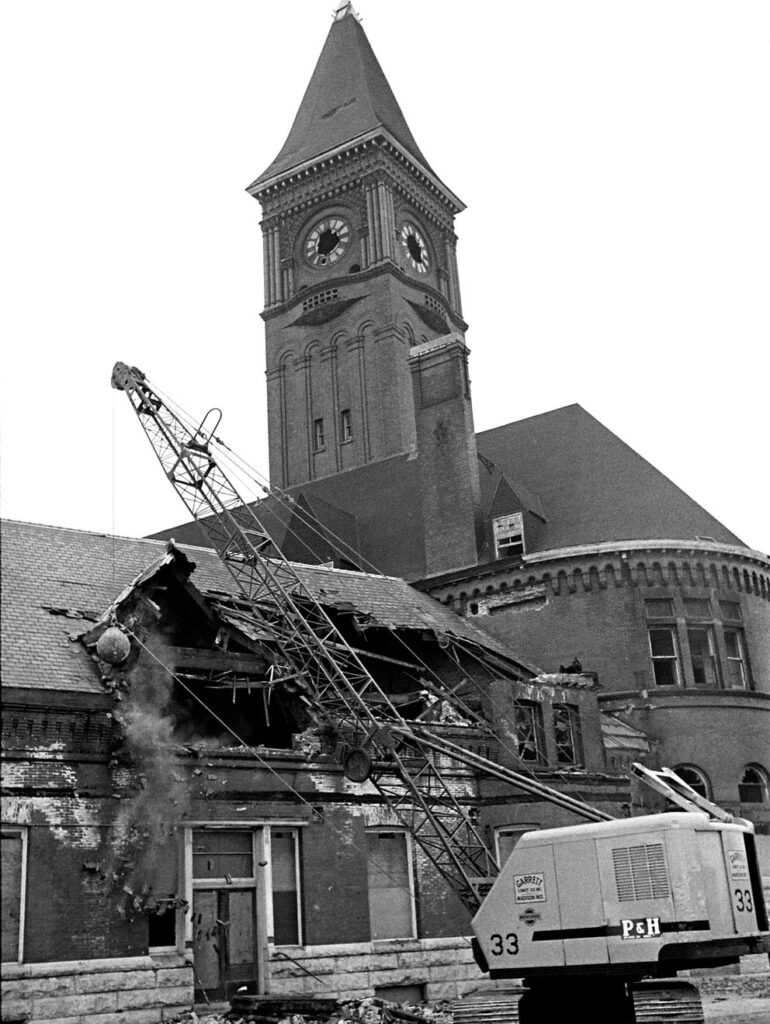
the station showcased architectural decorations such as red slip-glazed terra cotta corbels (decorative support brackets), which were sculpted with ornamental grotesque faces placed around the building’s facade.
before the station was demolished, two of these original red slip-glazed terra cotta grotesques—most likely crafted by the northwestern terra cotta company of chicago—were preserved and are now held in museum collections as examples of historic architectural artifacts.
these features exemplify the intricate decorative quality and skilled craftsmanship characteristic of late-19th-century railroad terminals, where terra cotta frequently enhanced the sculptural detail of masonry structures.
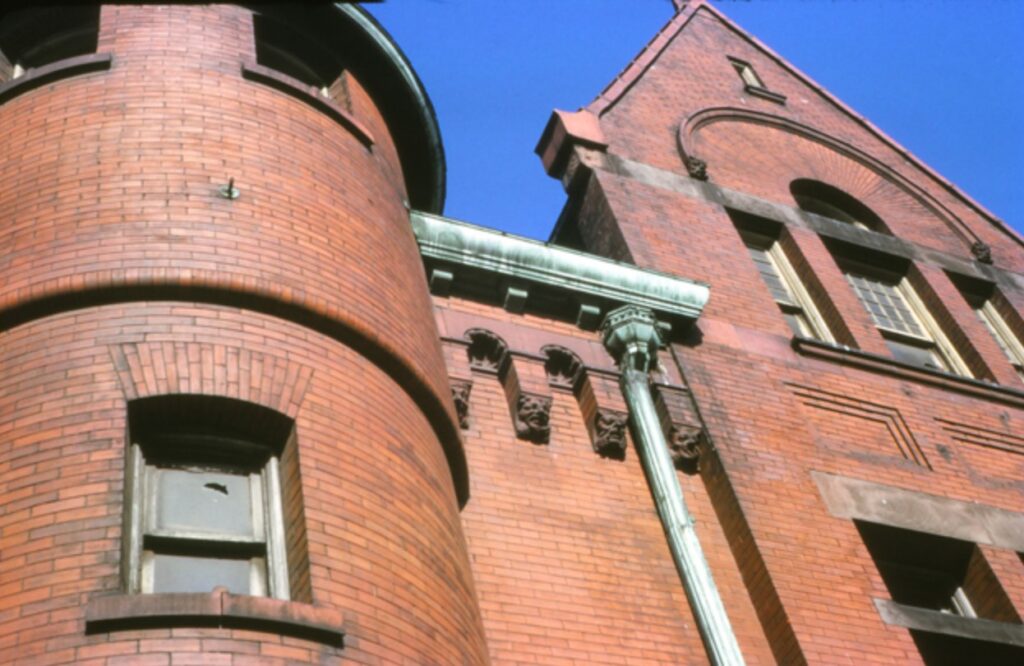
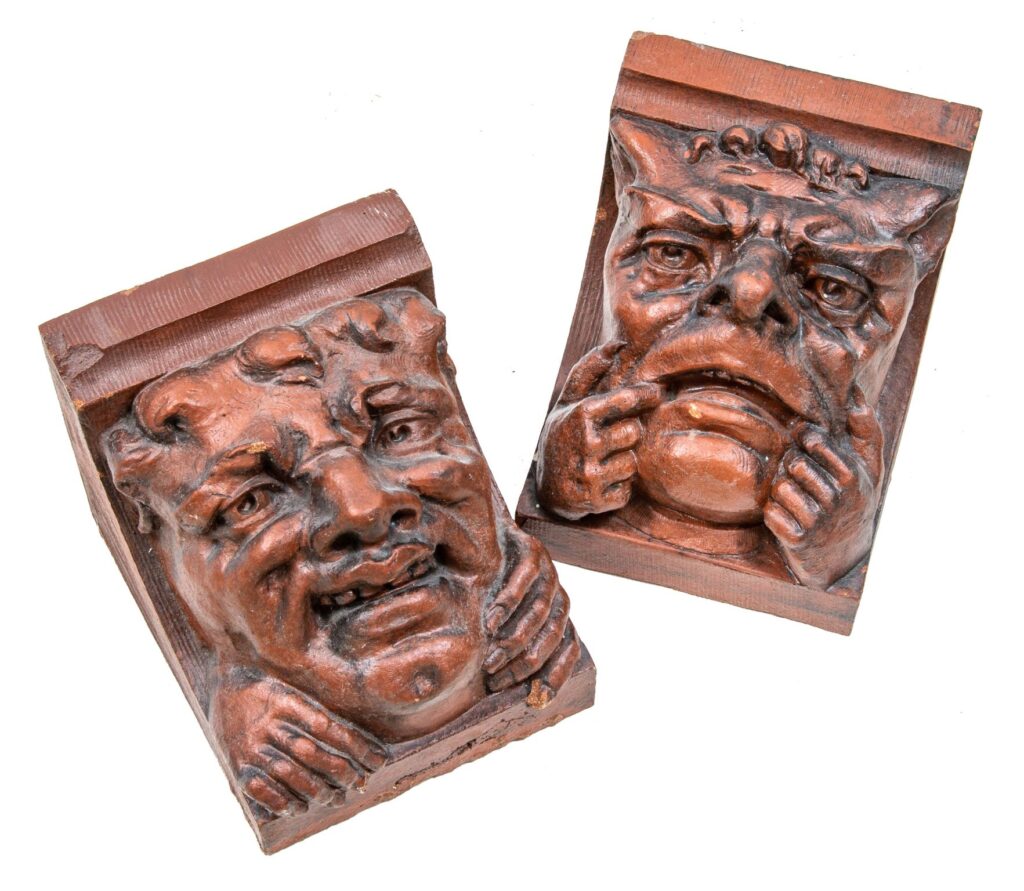
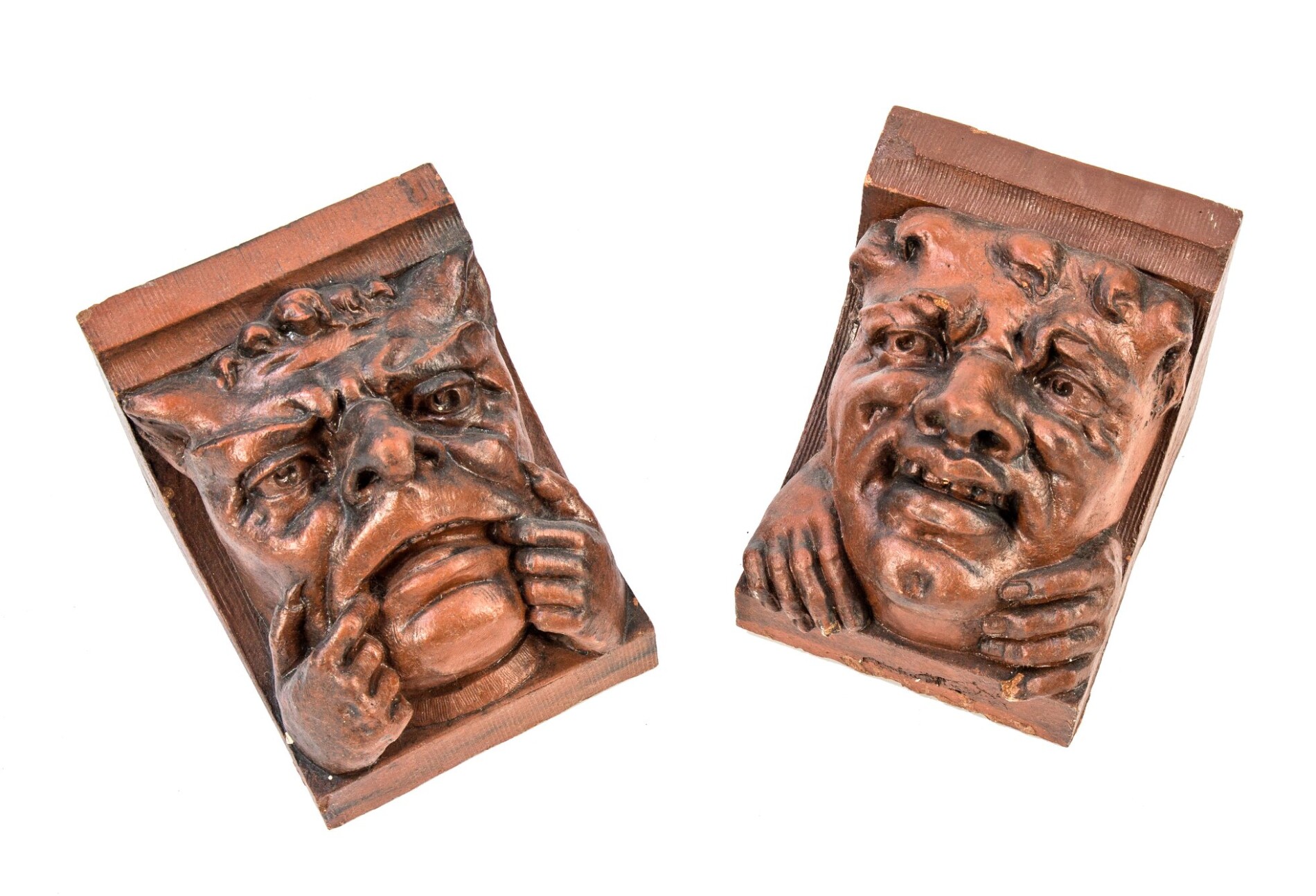
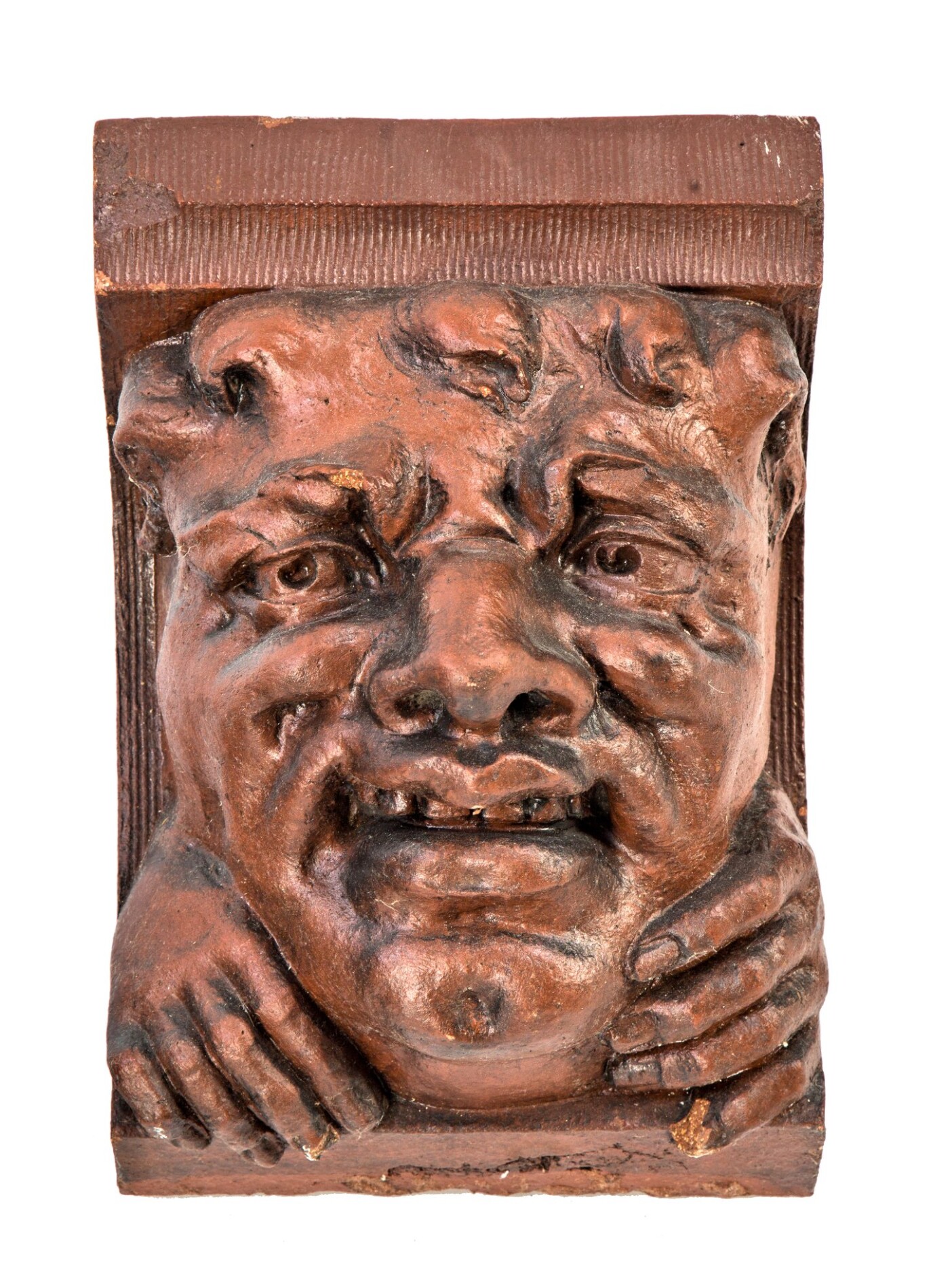
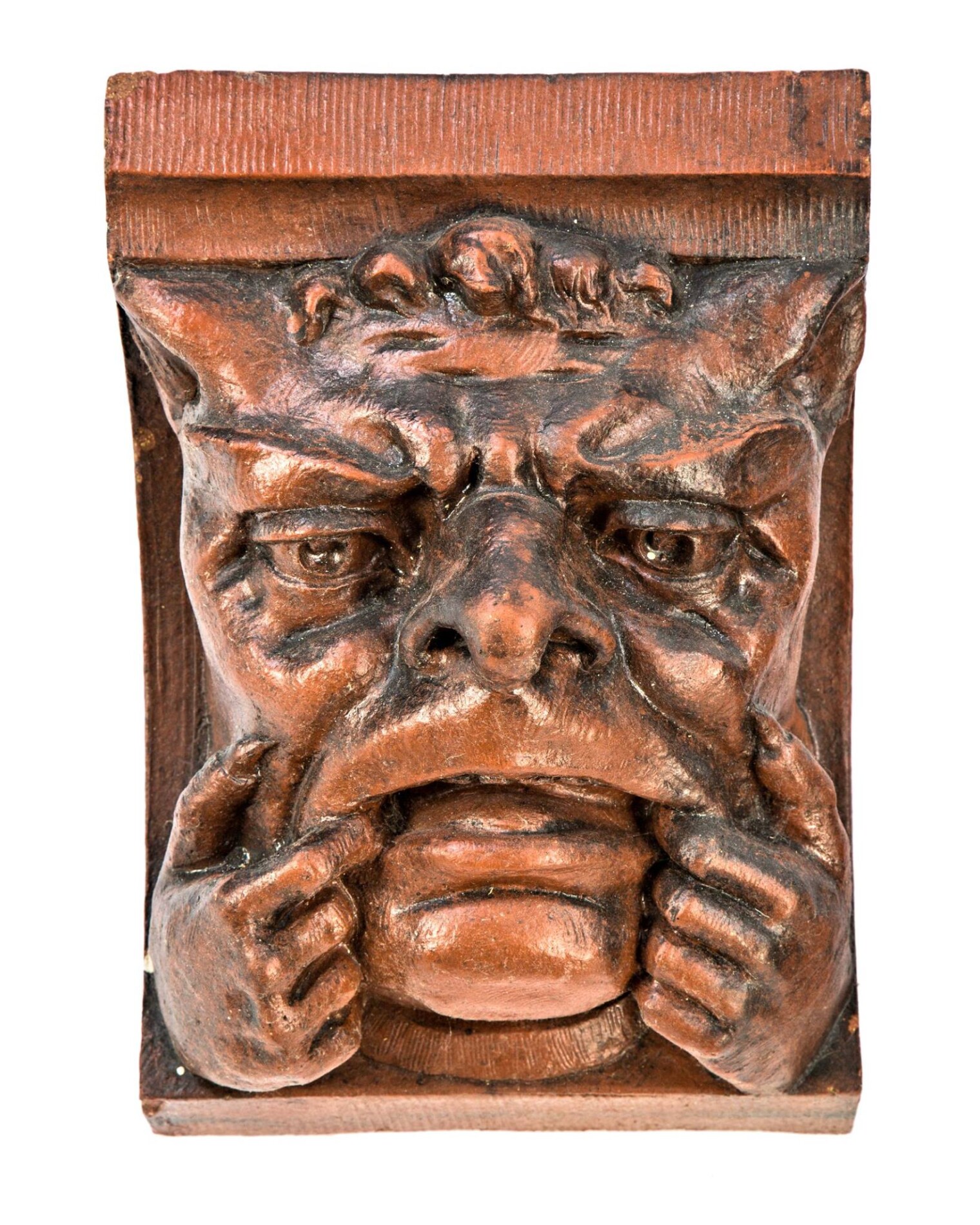
designed in the romanesque revival fashion, the station’s ornament played an important role in establishing its identity and its function as a prominent civic entry point. the terra cotta elements, like the grotesques, added visual interest and reflected the industrial-era excellence in architectural ceramics.
using red slip (a glazed red finish) terra cotta was common in late-1800s ornamental architecture, providing durable, kiln-fired clay details for cornices, corbels, and other decorative sculpture.