
27 Jan 2026 photographic survey of long and kees’s 8-story ohio sandstone masonic temple building
January 27, 2026
in Bldg. 51, Events & Announcements, Featured Posts, Miscellaneous, Travel, Uncategorized
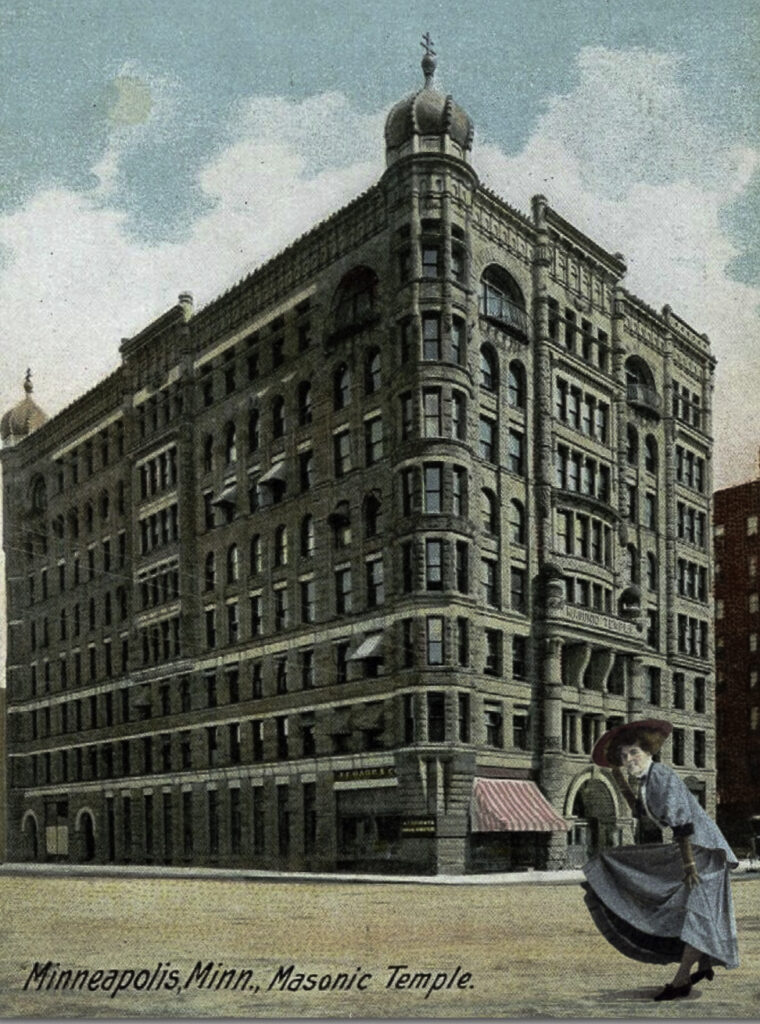
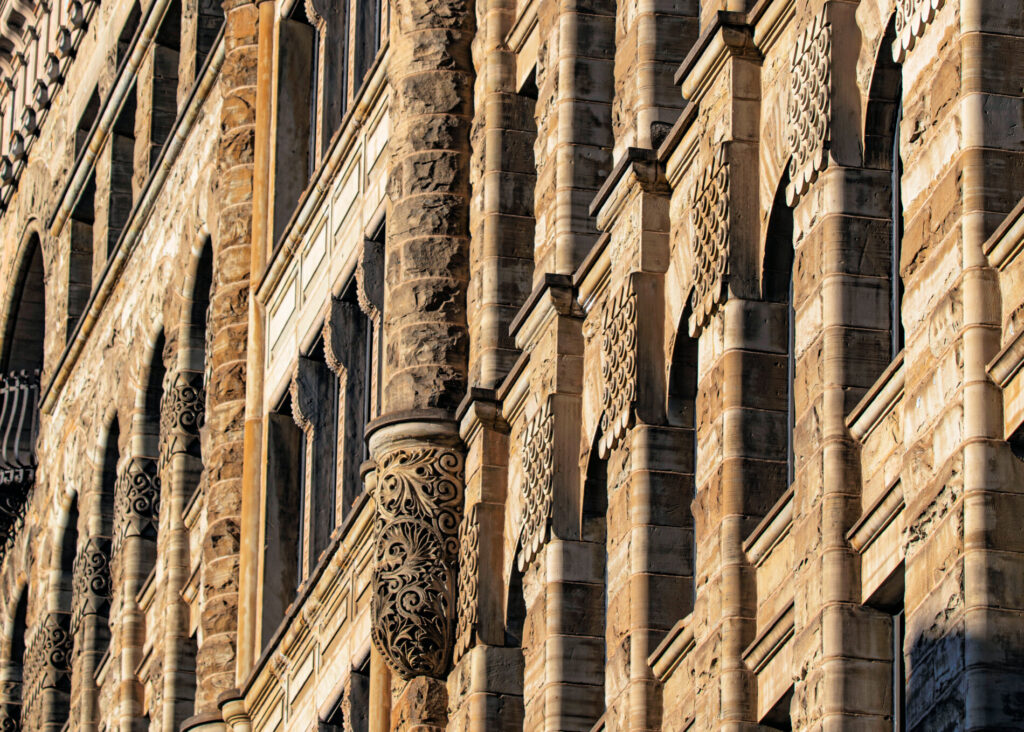
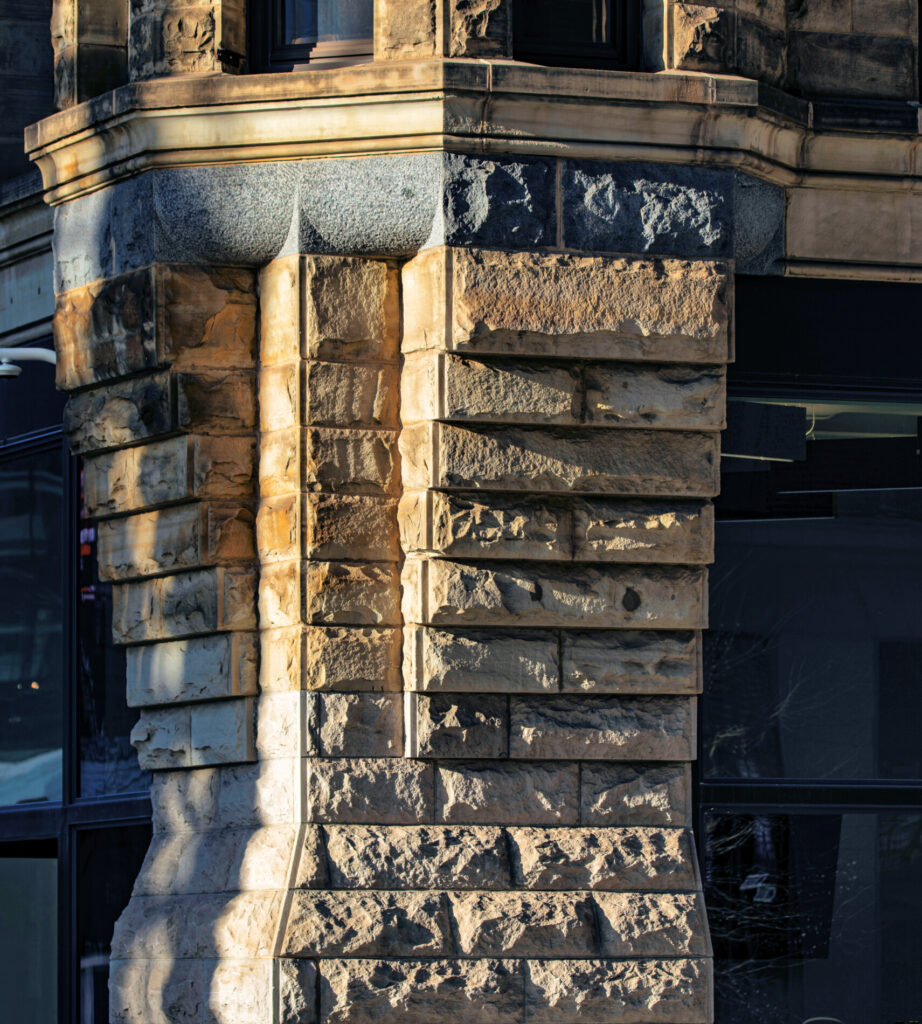
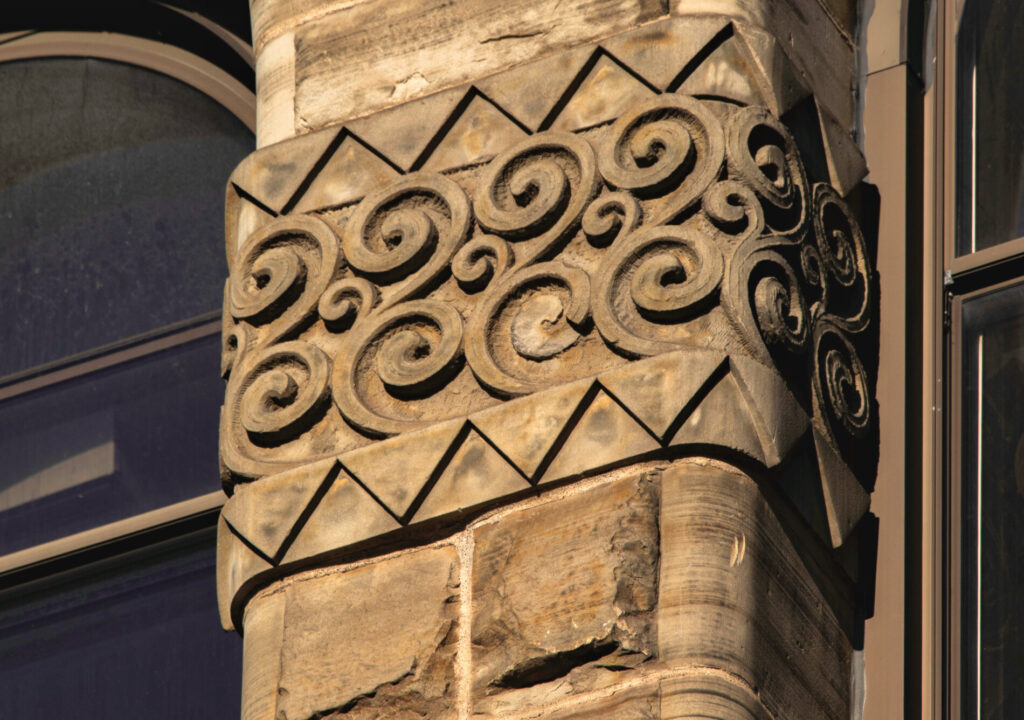
the masonic temple, presently known as the hennepin center for the arts, was constructed in 1890 at the intersection of hennepin avenue and sixth street north. recognized as an exemplary representation of richardsonian romanesque architecture, the building initially served as a masonic lodge for the freemasons and has subsequently been repurposed as an arts center within the city.
while its primary purpose was to serve the masonic fraternity, the building also accommodated the knights of pythias, rawlins post g.a.r., and numerous office spaces. the main feature of the temple was its suite of rooms dedicated to masonic lodges. notably, the blue lodge room located on the second floor spans two stories and measures 44 by 48 feet; this central and rear apartment boasted elaborate frescoes and luxurious furnishings. adjacent to this space was the masonic library.
the lodge rooms on the fourth and fifth floors were allocated to the scottish rite, offering two elegant halls, while a commandery and additional blue lodge occupied halls on the sixth and seventh floors, with the armory situated along the seventh-floor corridors.
the eighth floor housed a spacious ballroom designed for banquets, dances, drills, and the activities of the mystic shrine. at the southern end of the hall, there was a gallery seating 150 people, alongside a parlor and a banquet hall capable of accommodating 200 guests, with adjoining kitchen for catering purposes.
the initiative to construct the temple began in 1885 through the efforts of the masonic temple association of minneapolis. the site was acquired for $61,000, and the cornerstone was laid on september 4, 1888, marked by ceremonial proceedings. the total construction cost amounted to $300,000.
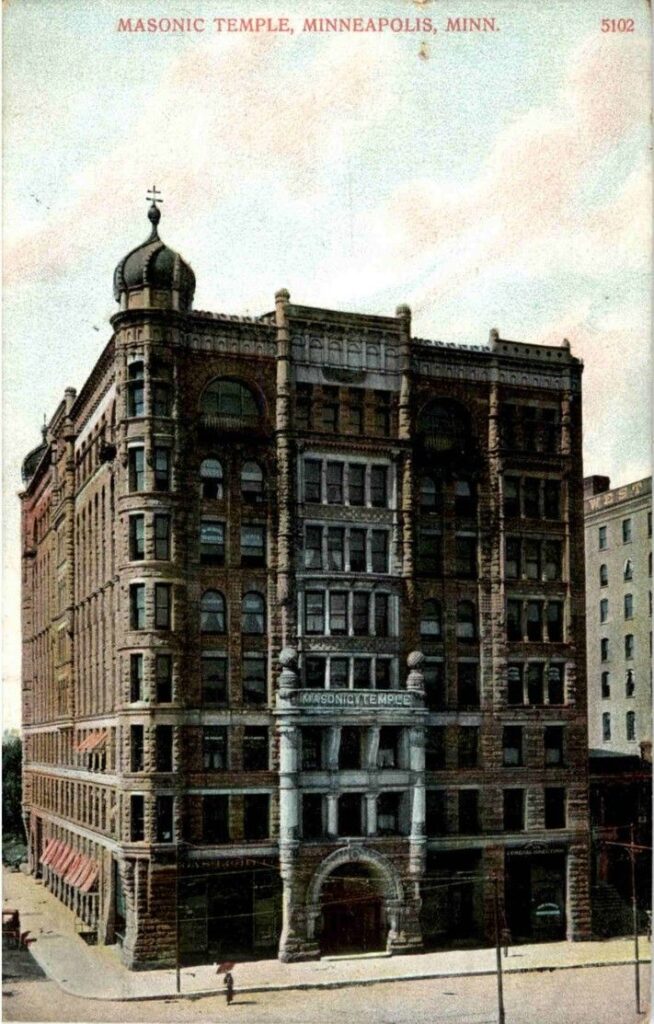
freemasonry has a longstanding history in minnesota, predating statehood, with the first documented meeting occurring in st. paul in 1849. the minnesota grand lodge was founded in 1853 to function as the central authority for local lodges across the state. currently, minnesota is home to over 150 local masonic lodges, comprising more than 20,000 members statewide.
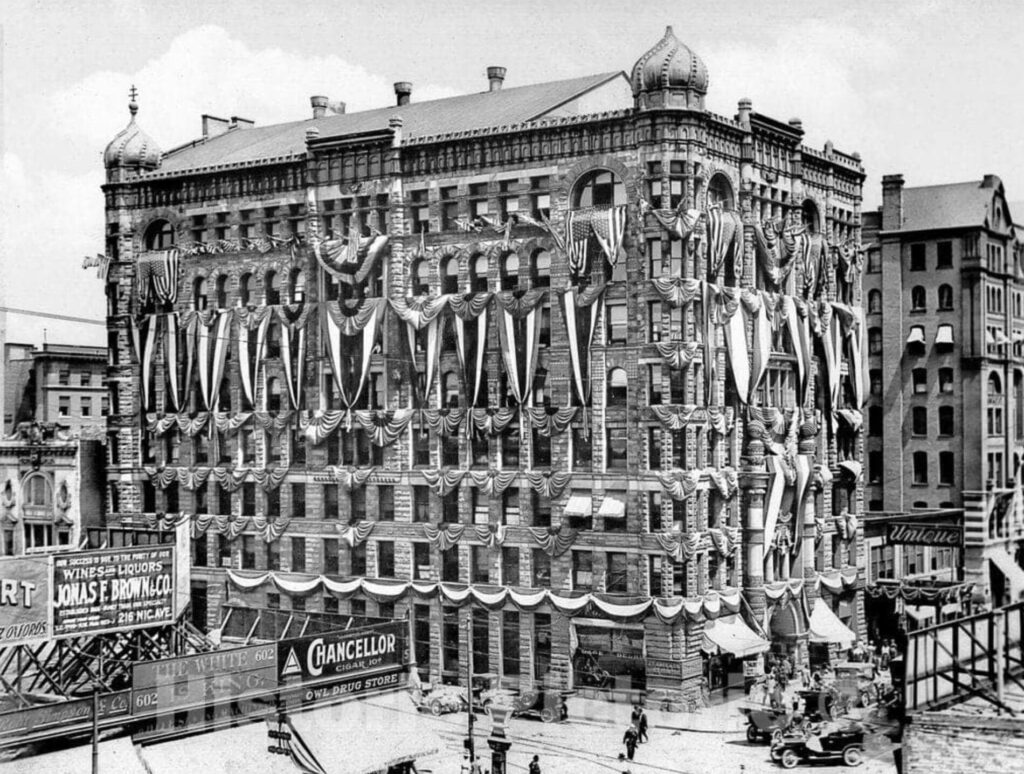
by the 1880s, the minneapolis freemasons sought a facility capable of accommodating their expanding membership. after securing funding, they commenced construction in 1888 on an eight-story structure at hennepin and sixth avenue north, designed by long and kees—renowned architects also responsible for minneapolis city hall and the lumber exchange.
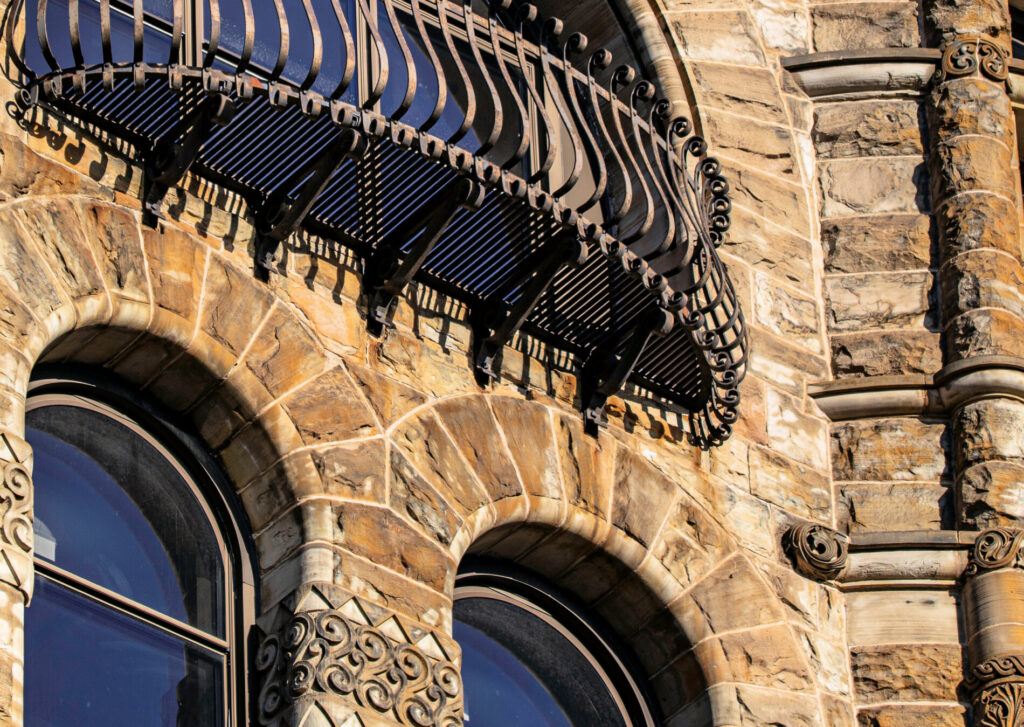
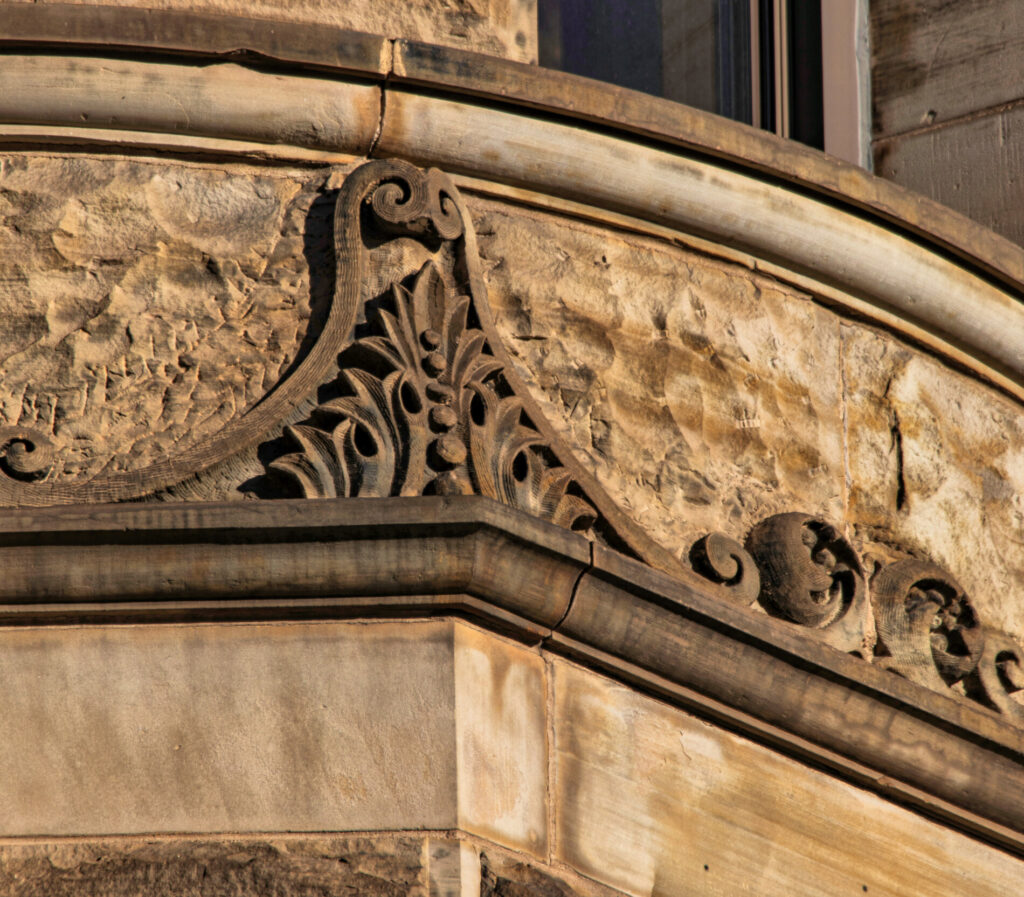
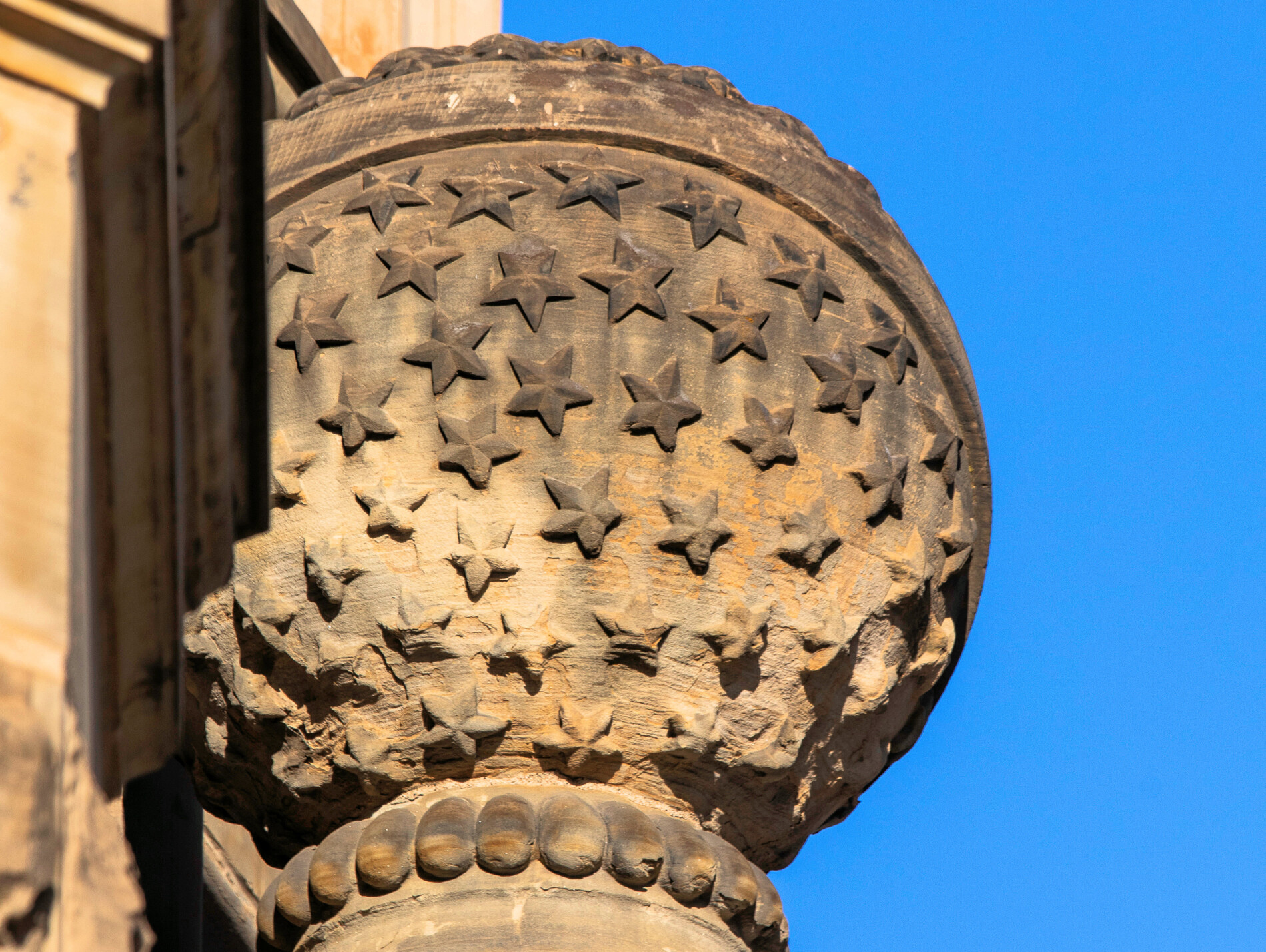
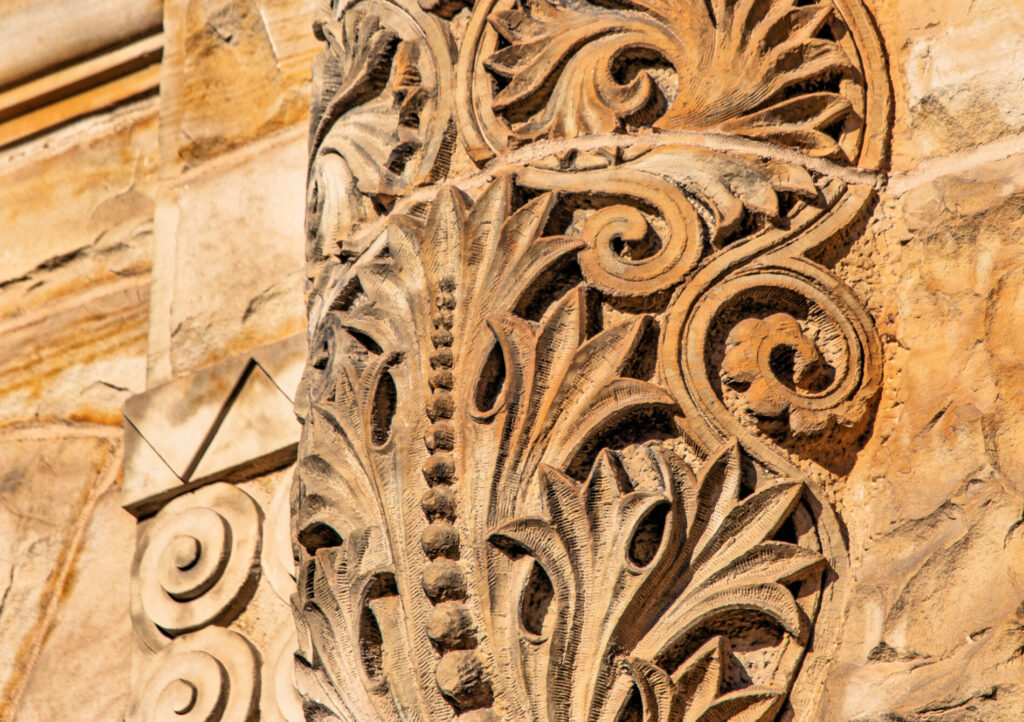
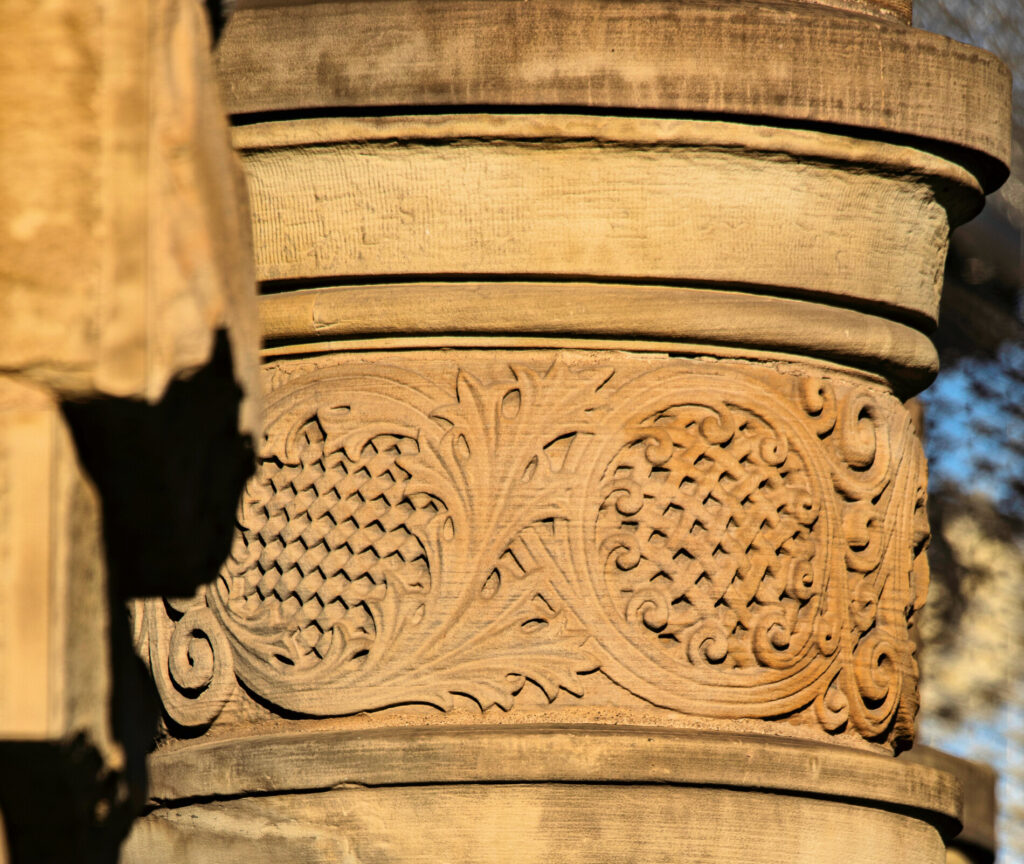
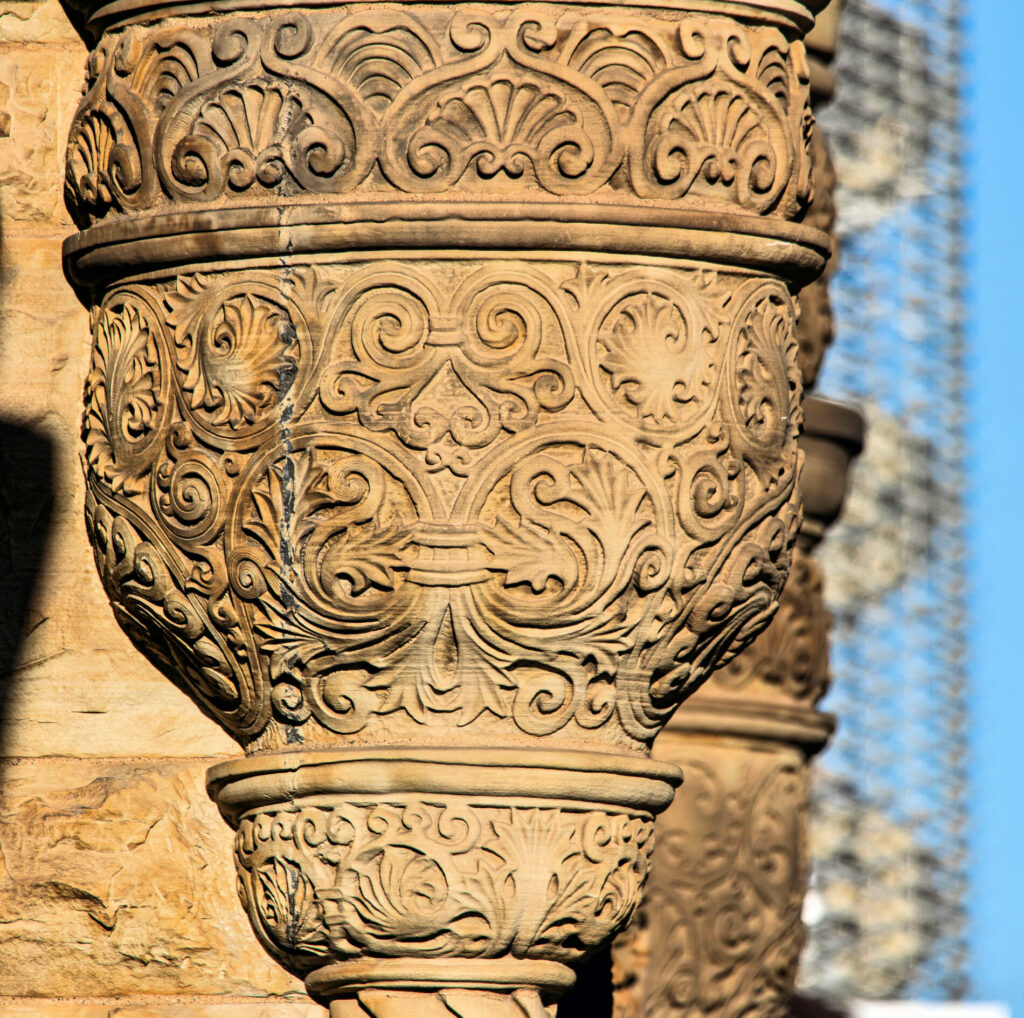
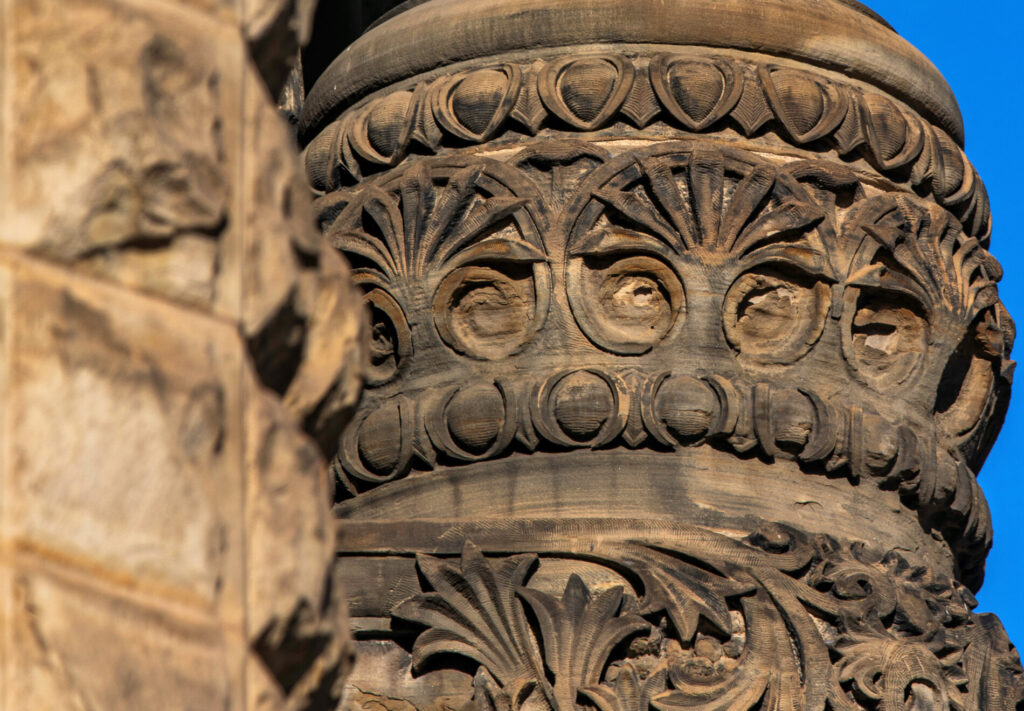
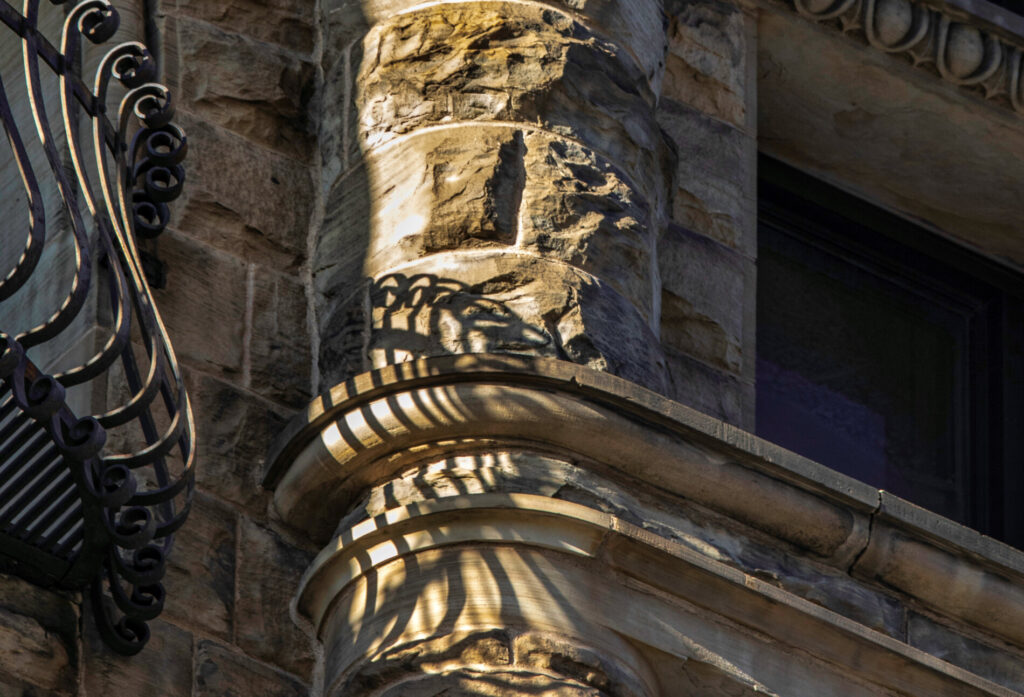
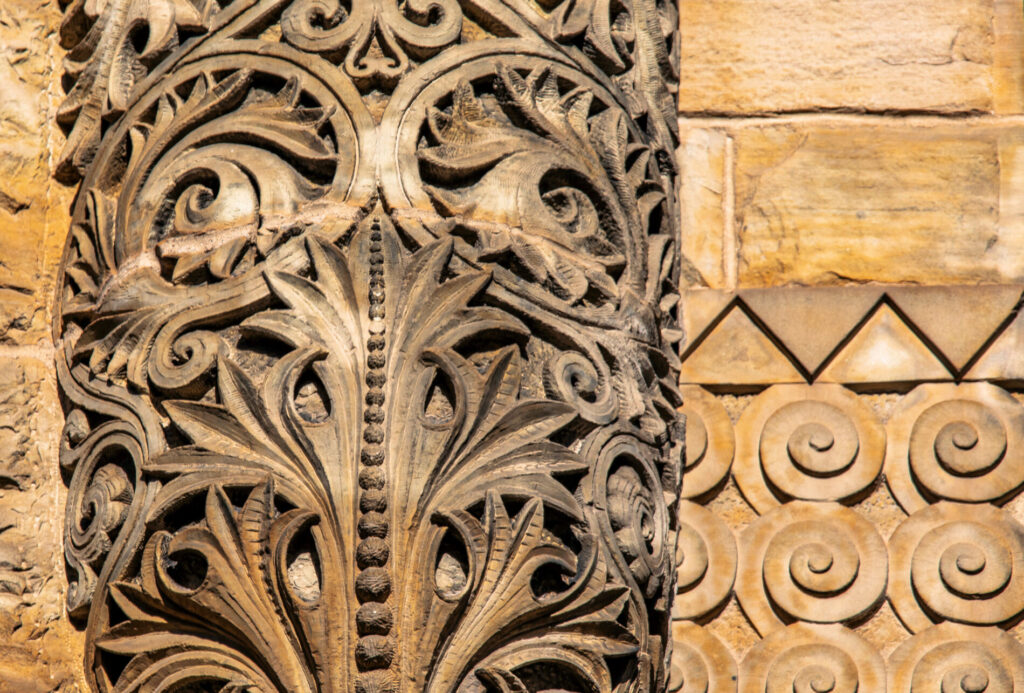
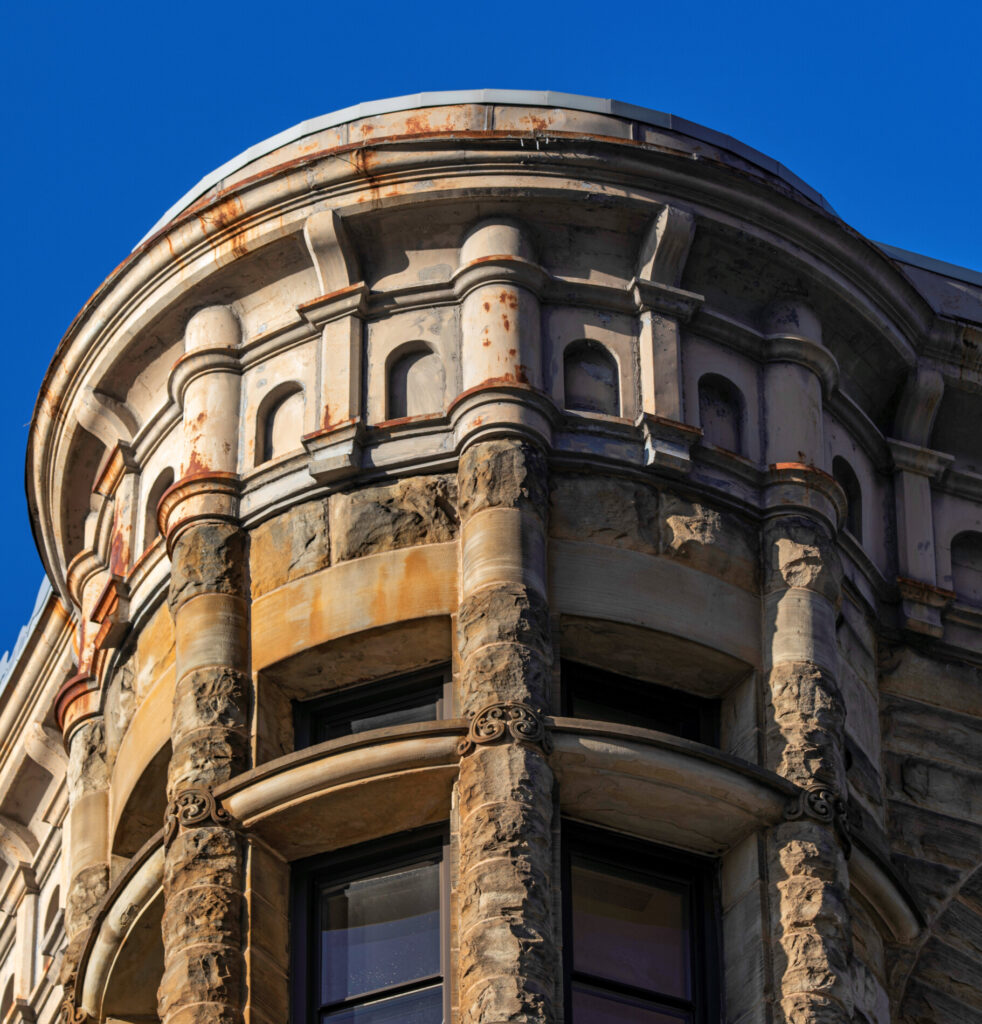
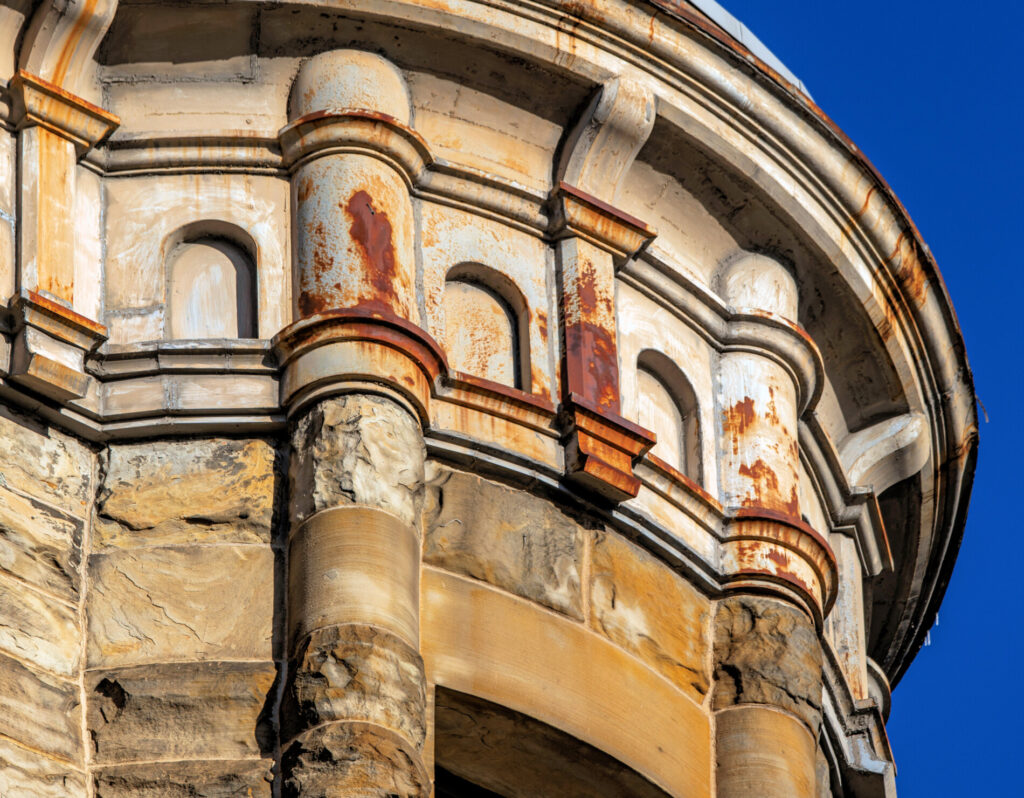
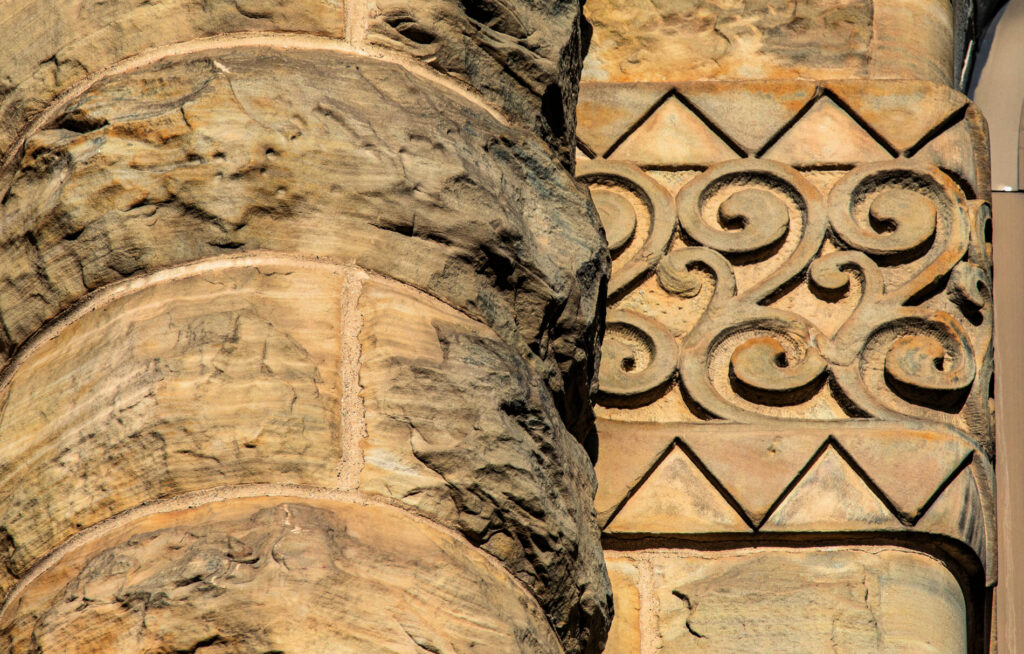
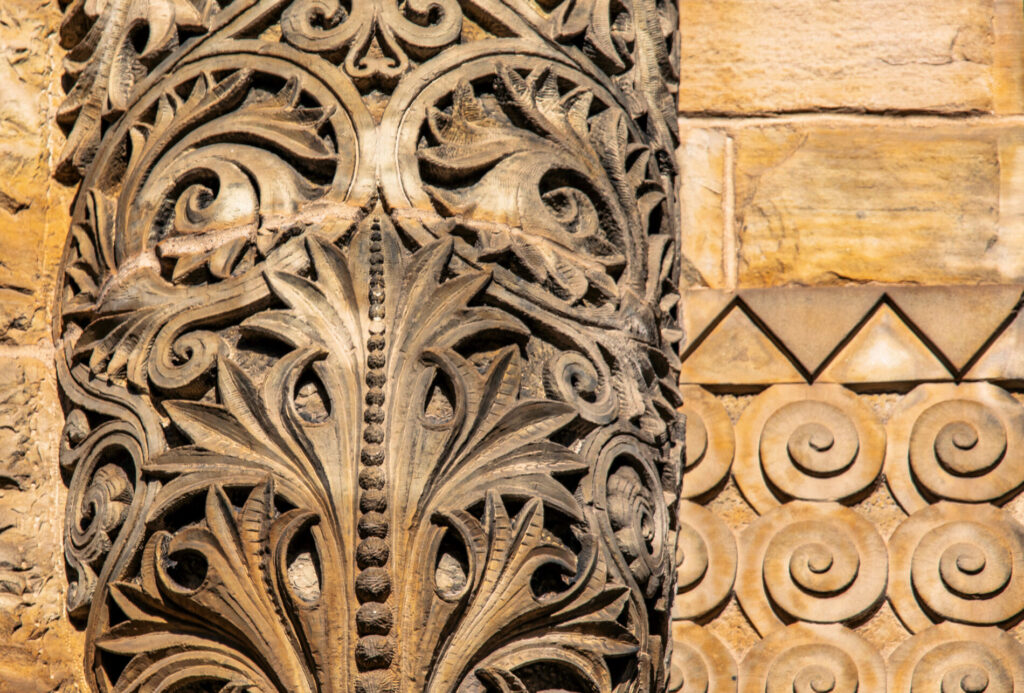
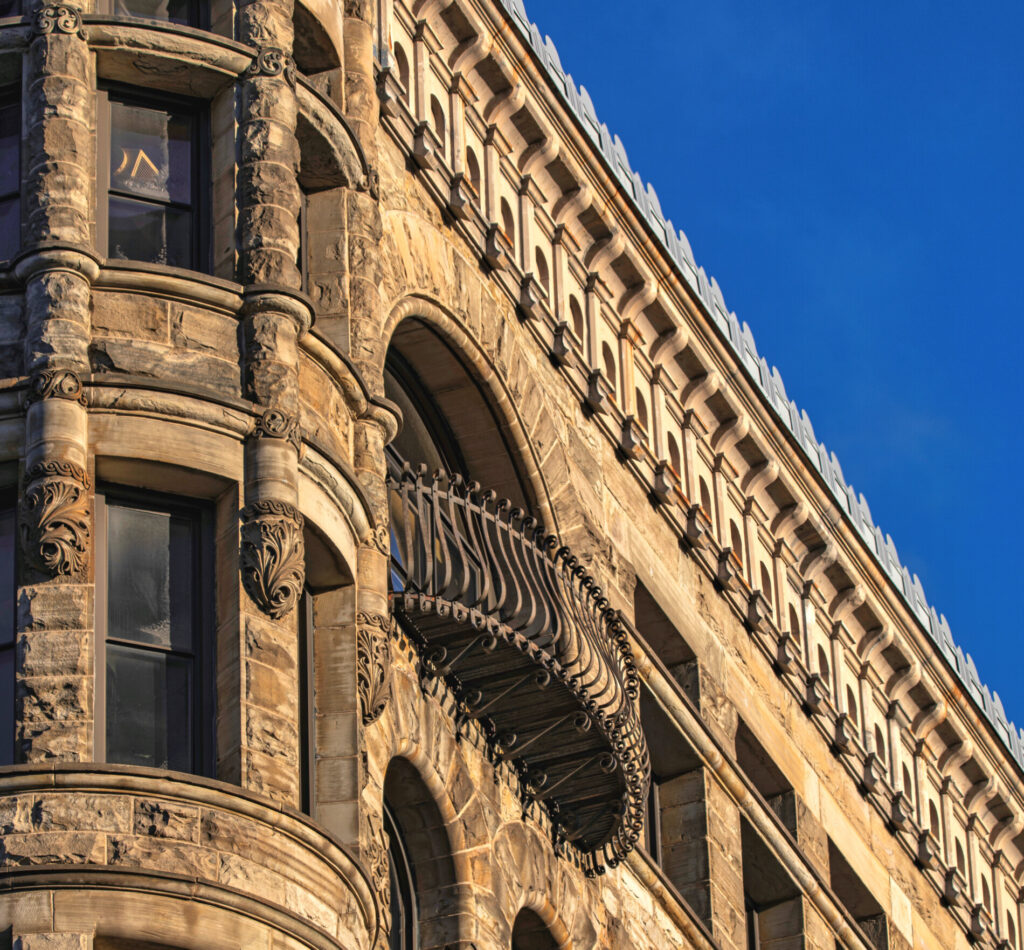
the exterior was crafted from ohio light sandstone and features intricate masonic symbolism, such as celestial and terrestrial motifs. originally, two onion domes adorned the roof, reflecting the distinctive character of the masonic order; these have since been removed due to deterioration. other architectural highlights include four syrian-arched balconies, one bearing the inscription “masonic temple,” and egyptian-winged sun motifs above the eighth-story windows.
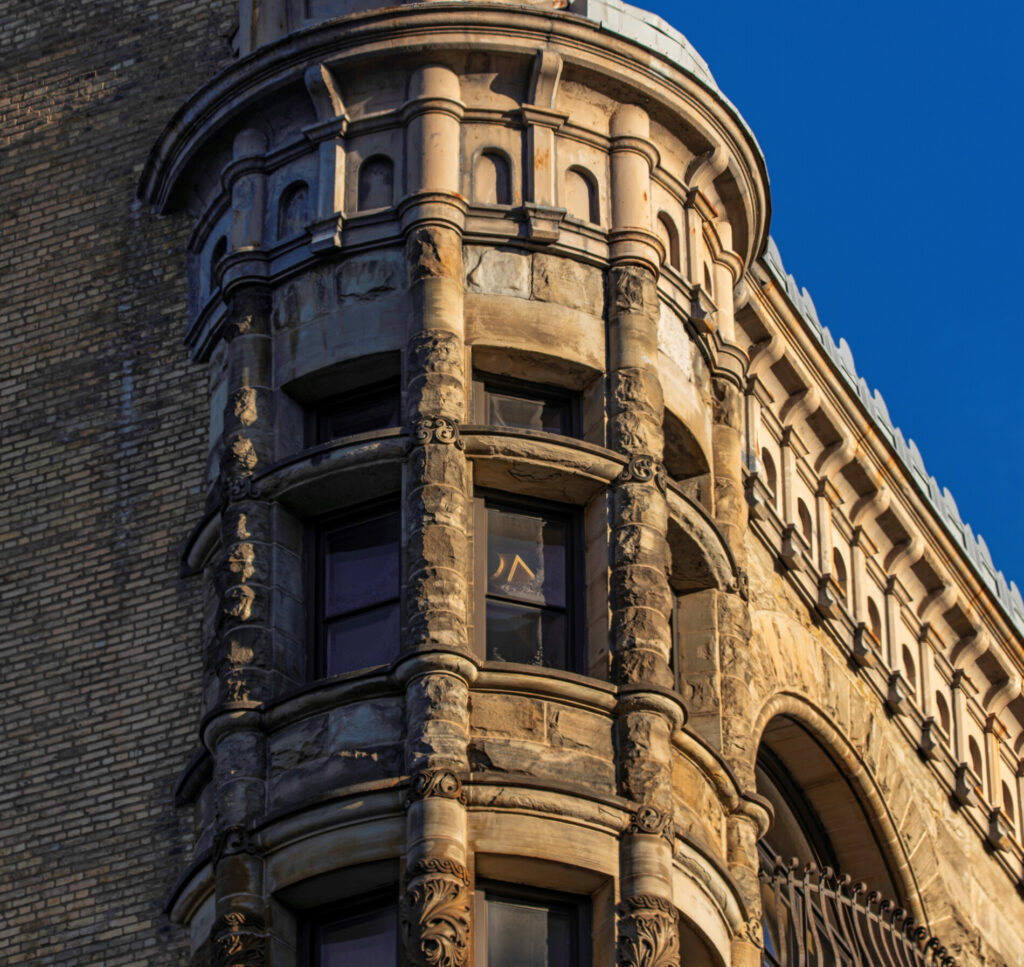
ownership remained with the masons until 1947, when the building was sold for $175,000 to lincoln mcwhinney, who converted it into a merchandise center and renamed it the merchandise building. notably, some masonic lodges continued to occupy space in the building following the sale. a minneapolis star article dated july 1, 1947, identified the property as a downtown minneapolis “landmark.”
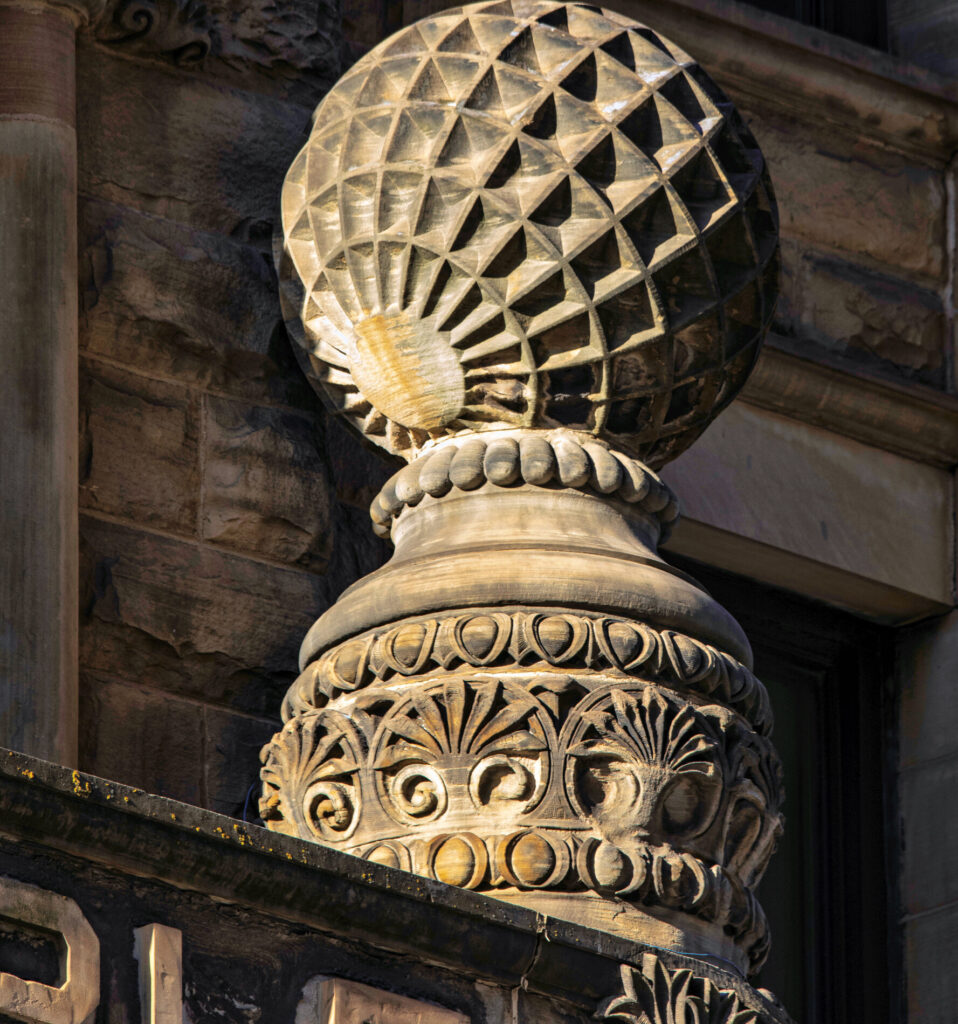
in 1975, the building achieved recognition with its inclusion on the national register of historic places, which proved significant during discussions about potential demolition due to its deteriorated condition. the hennepin center for the arts acquired the property in 1978 for $500,000 and undertook extensive renovations, costing several million dollars, to transform it into a venue supporting non-profit organizations through performing, teaching, studio, and office facilities. renovations encompassed roofing replacements, new windows, and the chemical cleaning of the sandstone exterior.
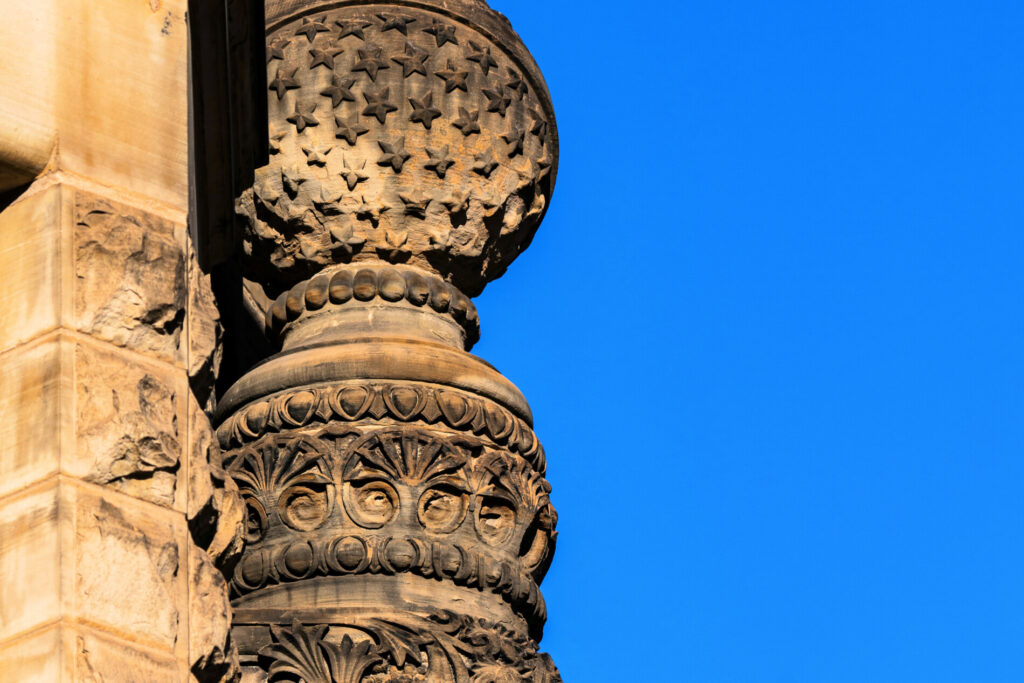
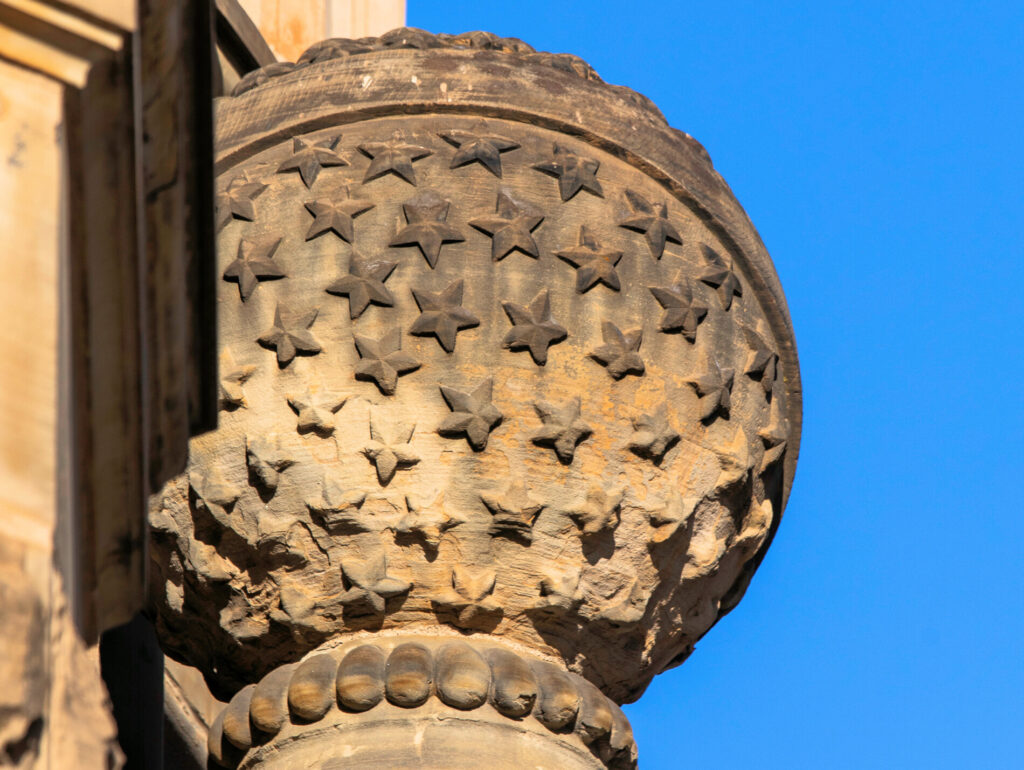
since 1978, the facility has continually operated as an arts center and now forms part of the cowles center for dance and the performing arts. the cowles center integrates the original masonic temple, a modern atrium constructed in 2011, and the shubert theatre, which was relocated adjacent to the temple in 1999. today, the former masonic event hall on the eighth floor serves as an elegant theatre, with additional performance spaces distributed throughout the complex.