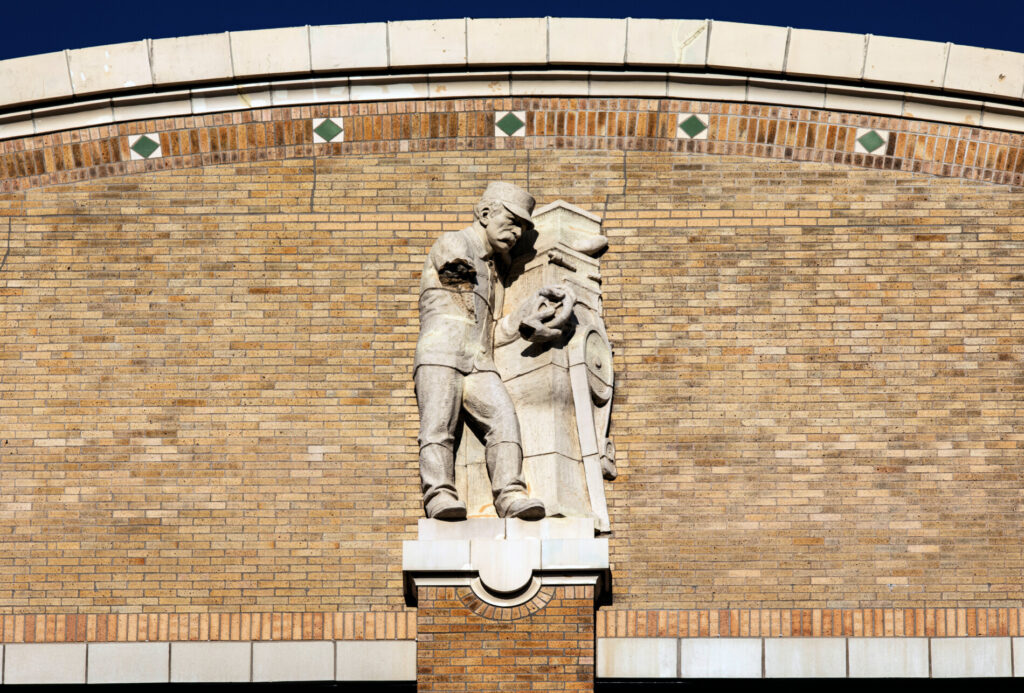

30 Jan the missing arm of a john karl daniels terra cotta building sculpture
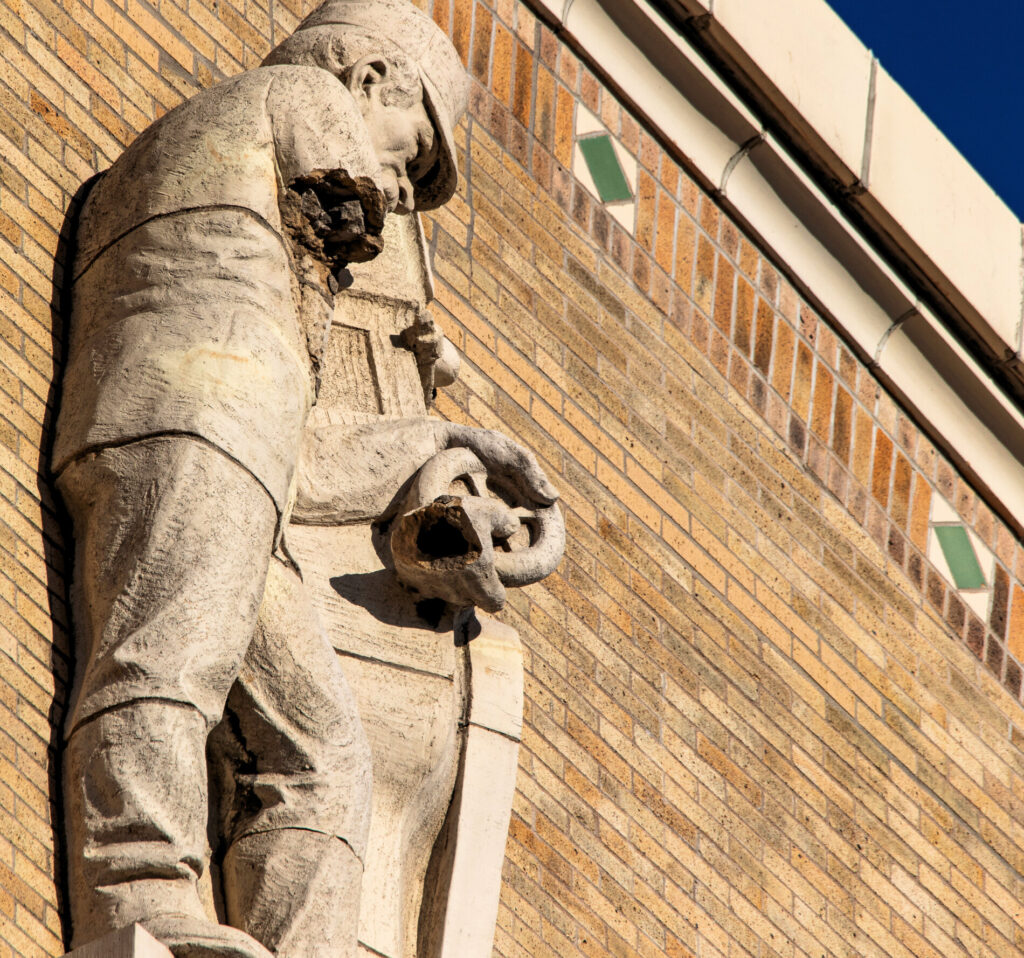
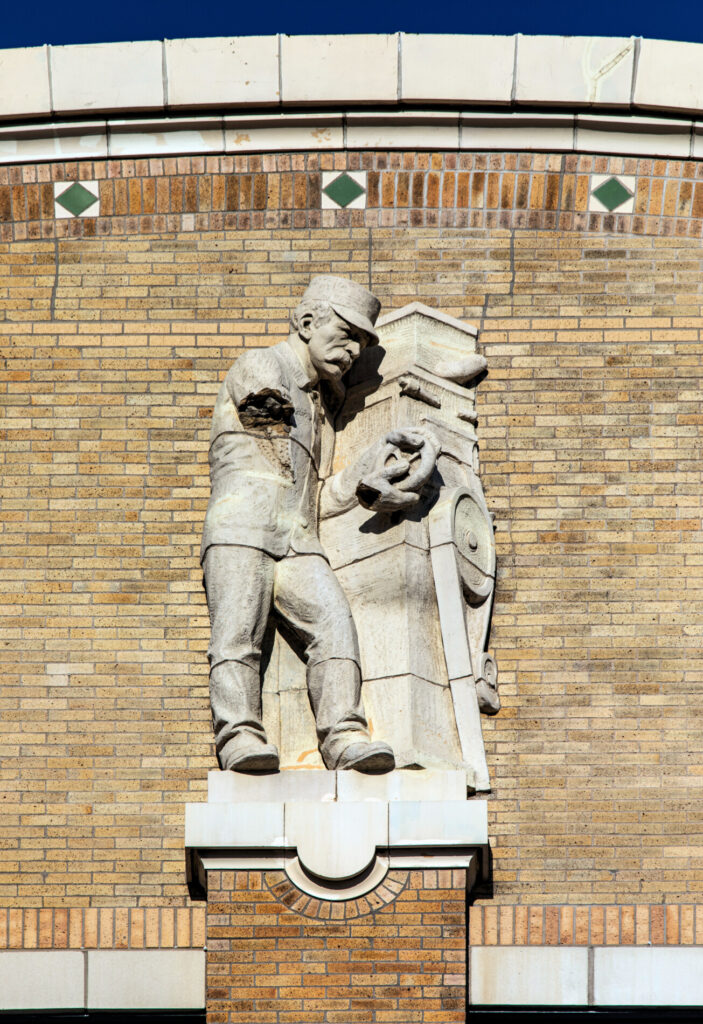
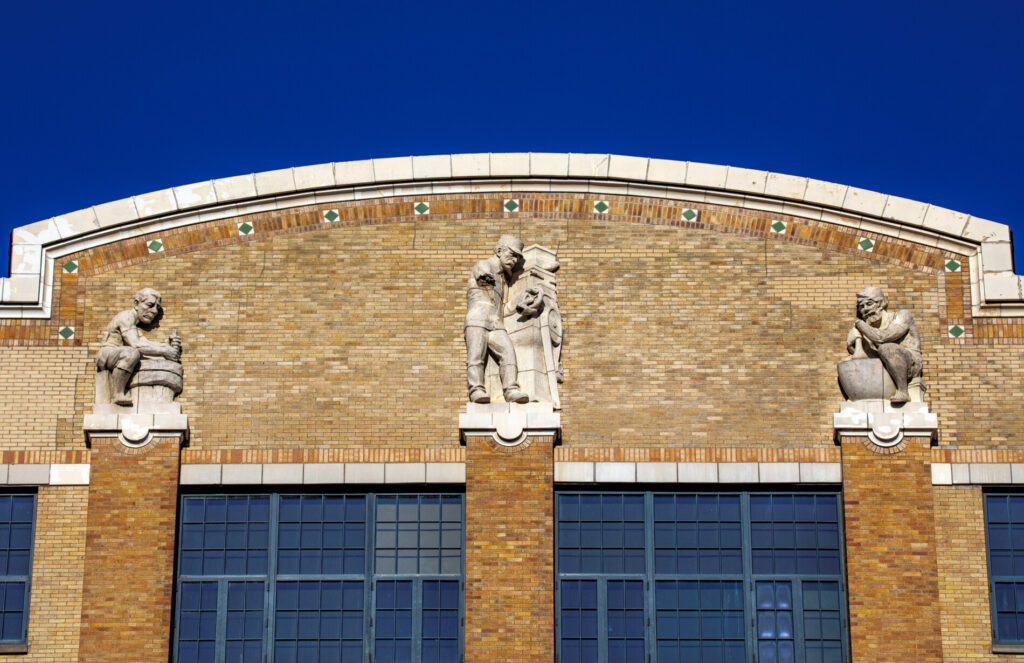
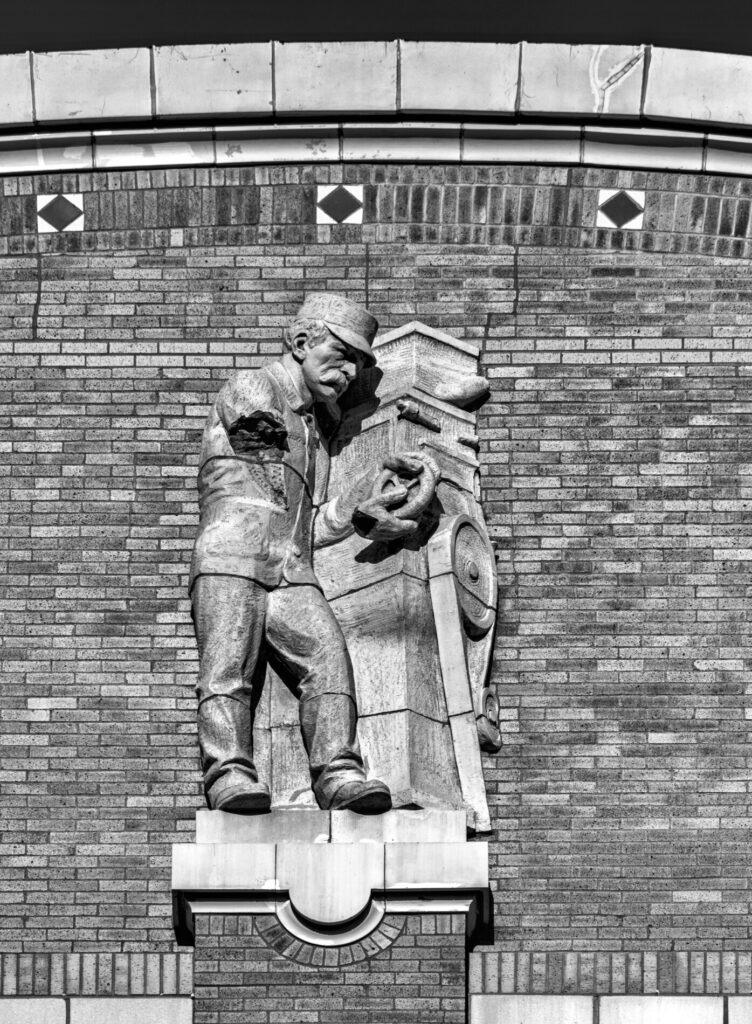
for many years, if not decades, if documented the three john karl daniels’s white glazed terra cotta figures adorning hewitt and brown’s 1914 washburn crosby utility building, located at 700 second street, minneapolis, mn. i’m both amused and mystifed over the circumstances surrounding the disappearance of the centrally located “modern miller” missing arm. the hand is present, but the arm has joined the realms of the non-existent.
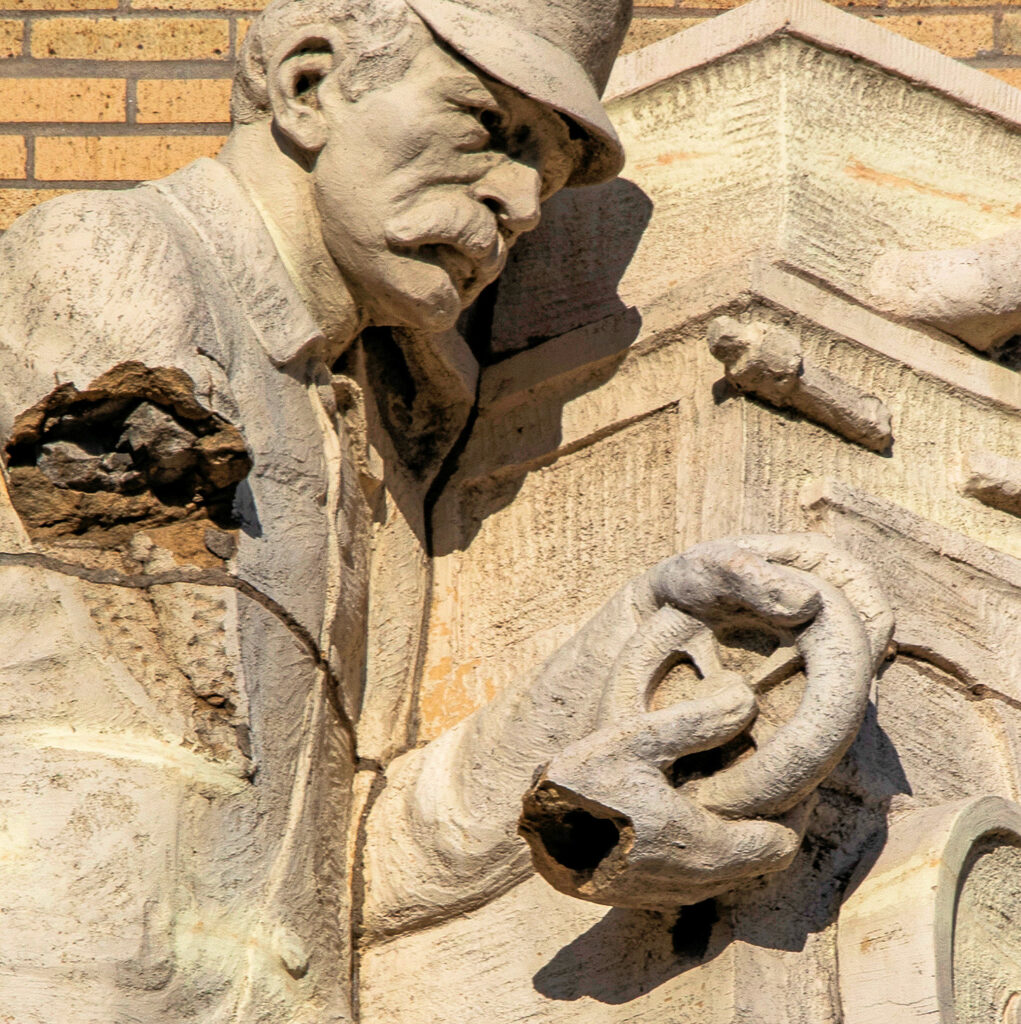
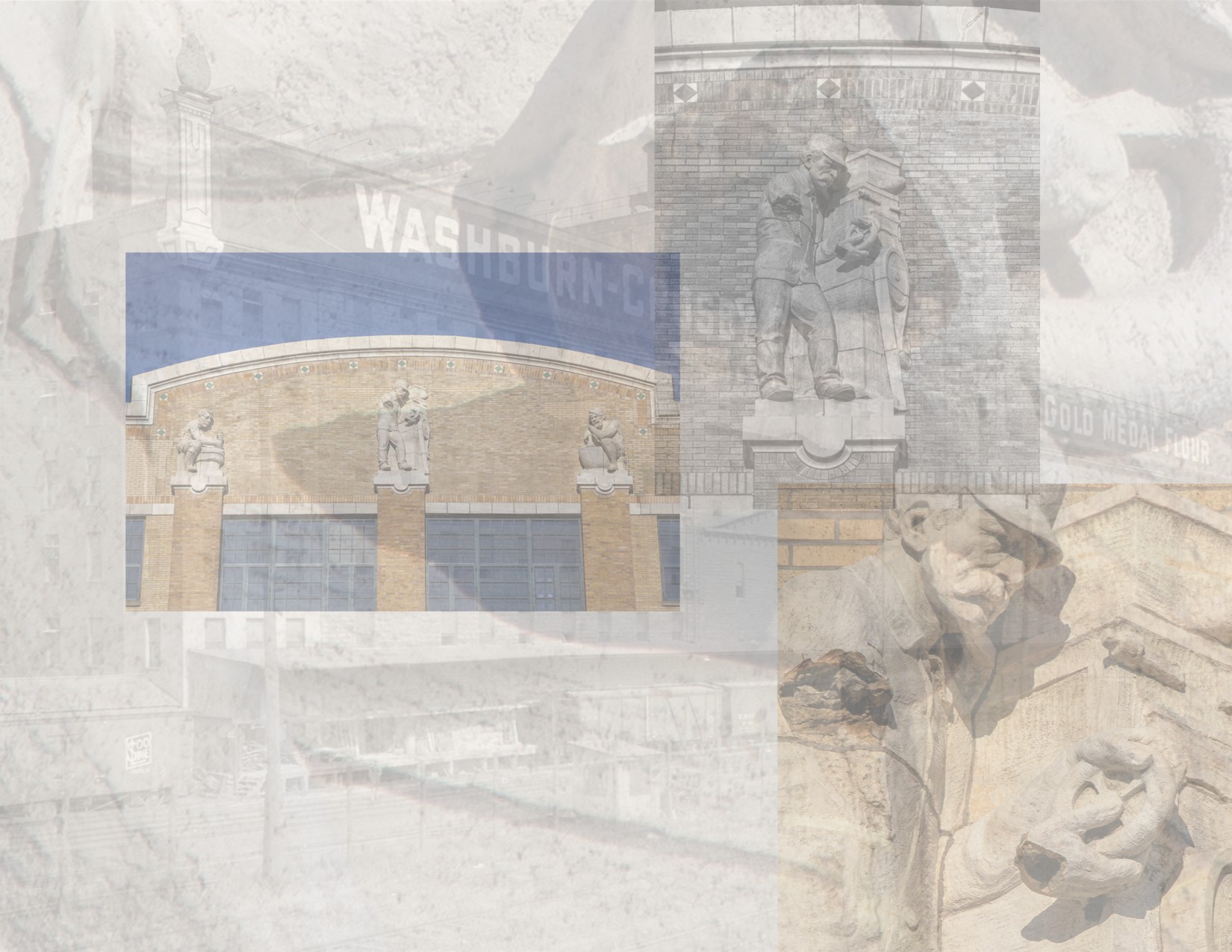
the 1914 washburn crosby utility building, designed by minneapolis architects hewitt and brown, is an eleven-story, pale-yellow brick and reinforced concrete structure located at 700 2nd st s. constructed by the pike and cook company for $135,000, it features distinctive terracotta figures by john karl daniels representing the evolution of milling, from primitive quern to modern machine.
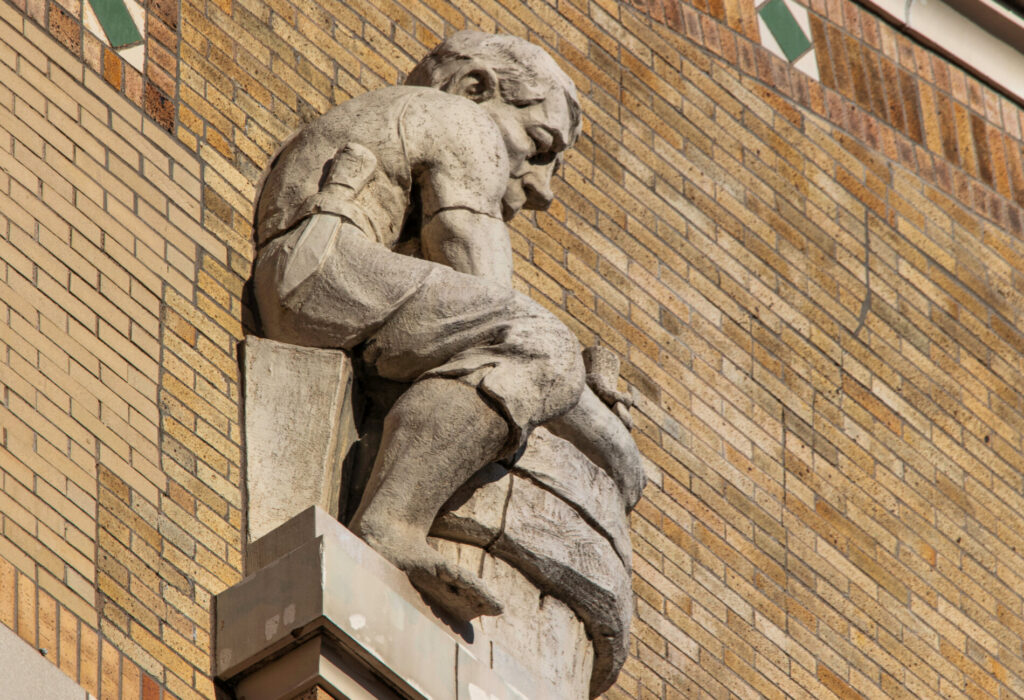
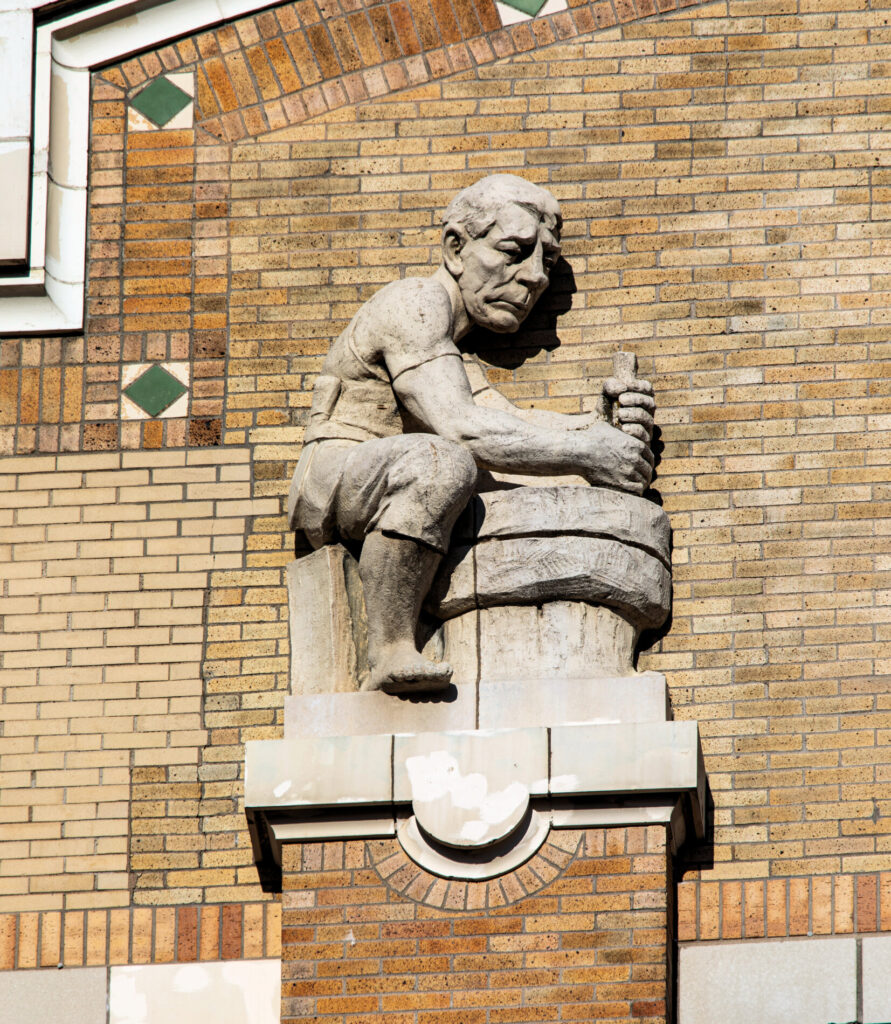
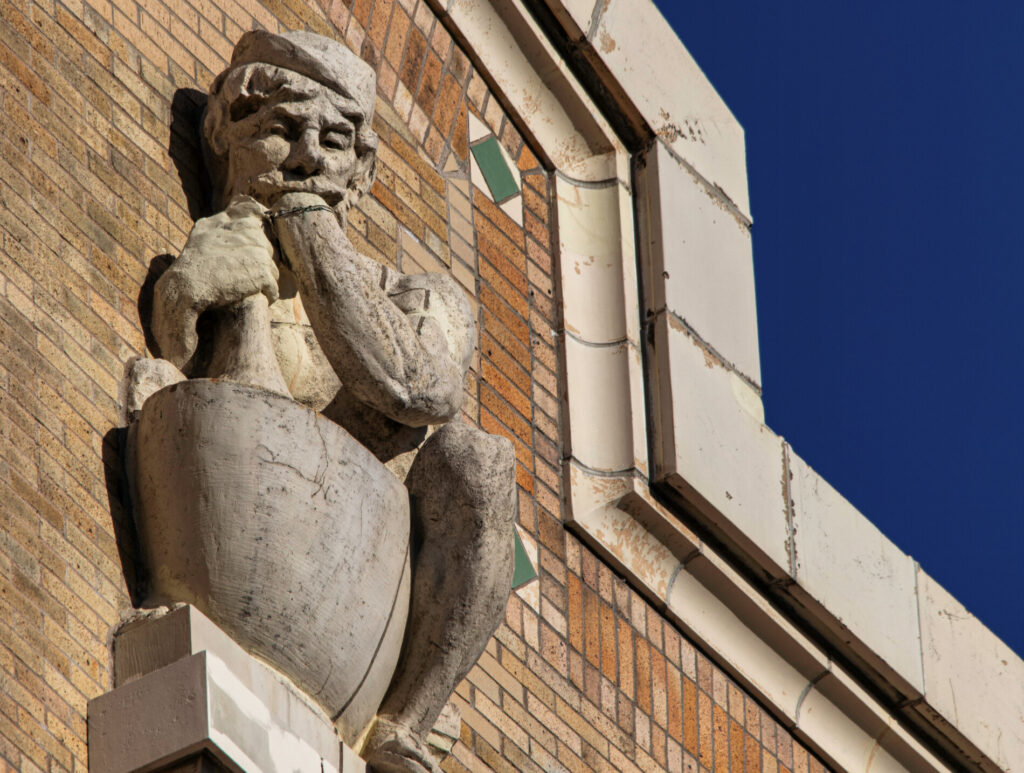
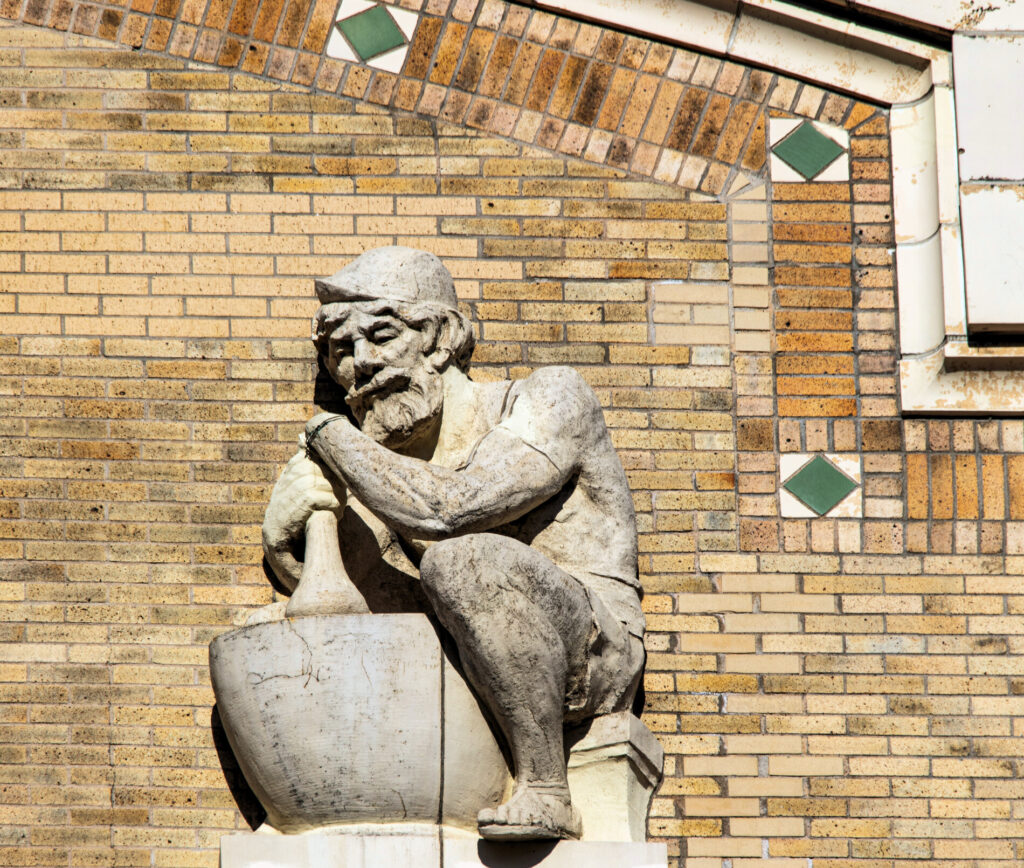
key details of the utility building include:
design and structure: the building features three terracotta figures of a 1914 modern miller, a primitive mortar user, and a quern user.
architects: edwin hewitt (1874–1939) and edwin brown (1875–1930) were notable minneapolis architects who also designed the nearby washburn crosby company buildings.
historical significance: it is part of the industrial history of the washburn crosby company (predecessor to general mills) and is located in the minneapolis milling district.
architectural features: the building is characterized by its tall, narrow design with large, centrally placed windows.
the building is located at 700 2nd street, a historic industrial area, commonly referred to as the “mill ruins” district.
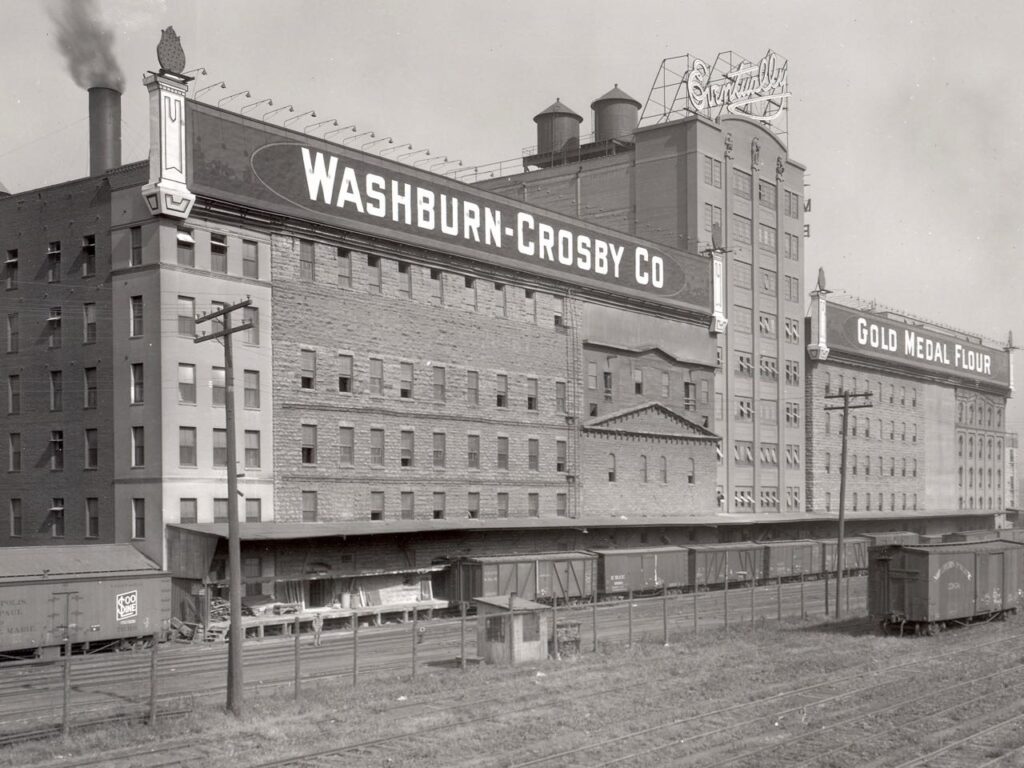
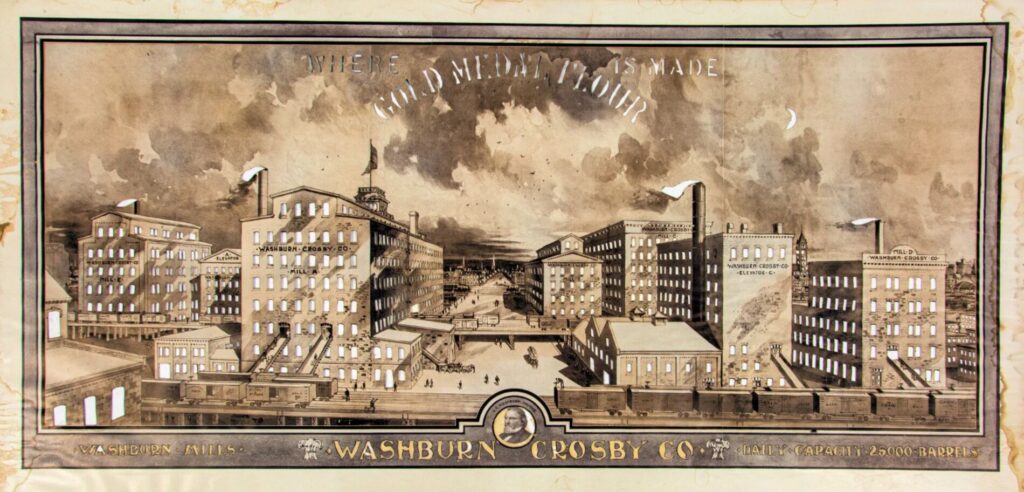
the washburn crosby utility building was constructed in 1914 by pike and cook for $135,000 to support the washburn-crosby milling company, which later became general mills. it housed packaging, belt, and sheet metal operations, as well as a power plant and cafeteria. hewitt and brown designed the building, with edwin hewitt—also recognized for projects like st. mark’s cathedral—contributing his expertise. the south facade rises eleven stories and displays three terra-cotta milling figures that represent various flour milling methods throughout history.
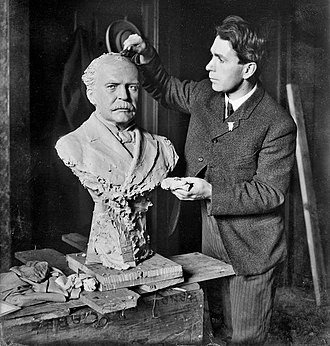
sculptor john karl daniels created these figures by observing mill workers rather than working from models. initially carved at half-size (three to four feet tall), they were then doubled and reproduced in glazed terra-cotta. daniels was compensated $200 to $300 for one and a half months of work. the building’s design features two large central windows within a horizontal band, balanced by two smaller windows on each end.
on april 22, 1918, the roof received two 25,000-gallon water tanks, costing $6,000, and in 1920, a brick-and-concrete band room was added atop the building. in the fall of 1924, washburn-crosby co launched wcco radio station after being encouraged to do so by executives from the twin cities civic and commerce association, agreeing to cover three years of its operating costs.
a prominent neon sign reading “eventually” was installed atop the building in the 1930s, referencing gold medal flour’s slogan: “eventually you’ll try gold medal flour, why not now?” this memorable advertising phrase stood out among many others. in 1935, a steel frame addition for flour storage bins was built between the washburn “a” mill and the utility building at a cost of $20,000.
after general mills ended its riverfront milling operations in 1965, riverside industries took ownership and repurposed the building as a warehouse. during the 1980s, minneapolis acquired much of the riverfront, including the washburn crosby mill complex where the utility building was located, for redevelopment. the structure was boarded up, but interest from the minnesota historical society grew due to its historical significance. in 1983, the complex gained national recognition as a historic landmark.
in february of 1991, fire destroyed many of the neighboring mill buildings. the utility building, however, was spared with little fire damage. the building sat vacant for several years, during which time vagrants passed through the building and added their own décor in the form of graffiti. when the building was converted into resident condominium use in 2002, the residents saved samples.