


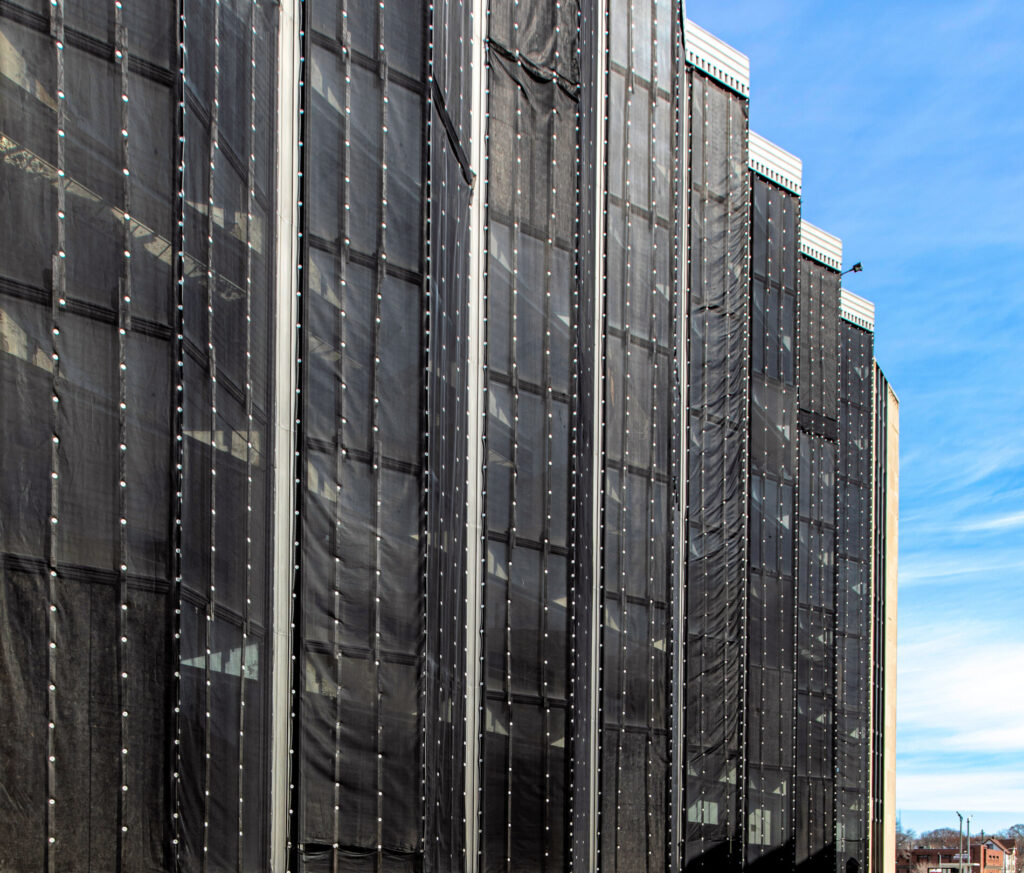
02 Apr holabird and root’s 7-story art deco style a.o. smith research and engineering building (1930) with distincitve zig-zag-shaped glass and aluminum curtain wall
April 2, 2026
in Bldg. 51, Events & Announcements, Featured Posts, Miscellaneous, Travel, Uncategorized

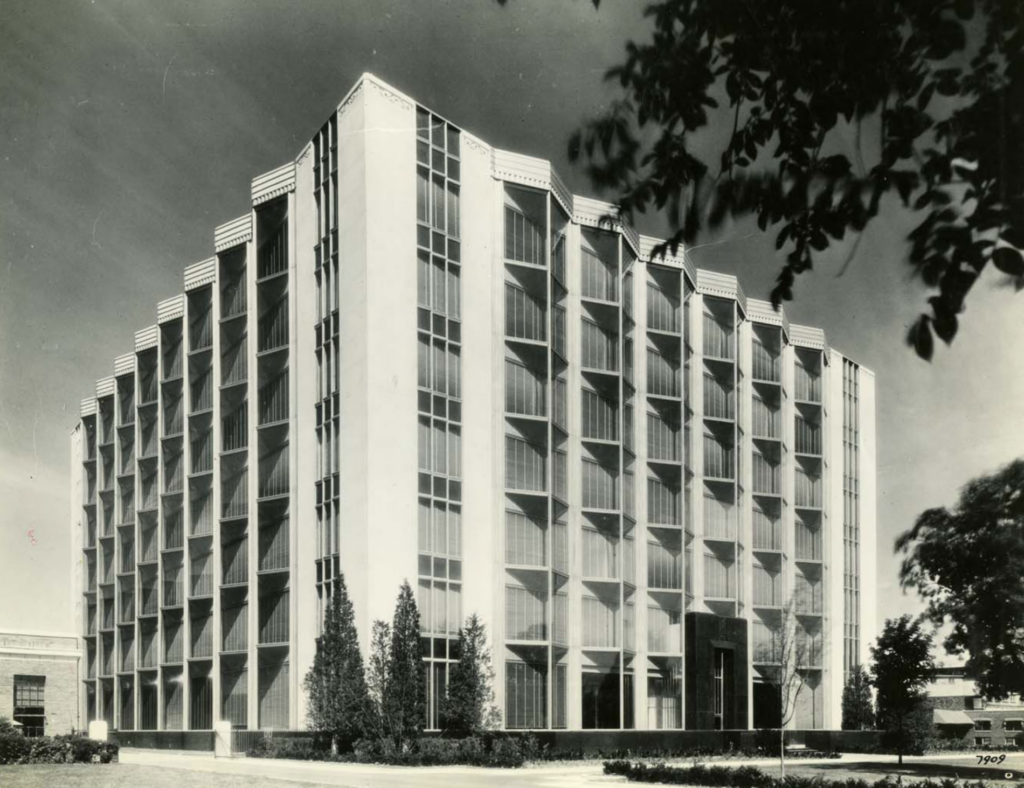
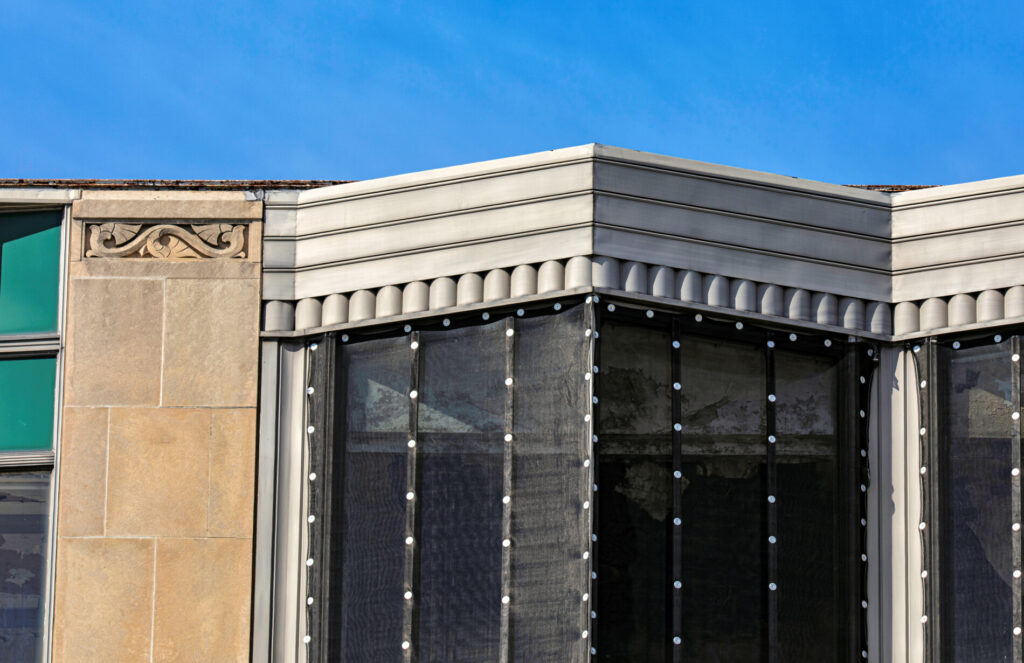
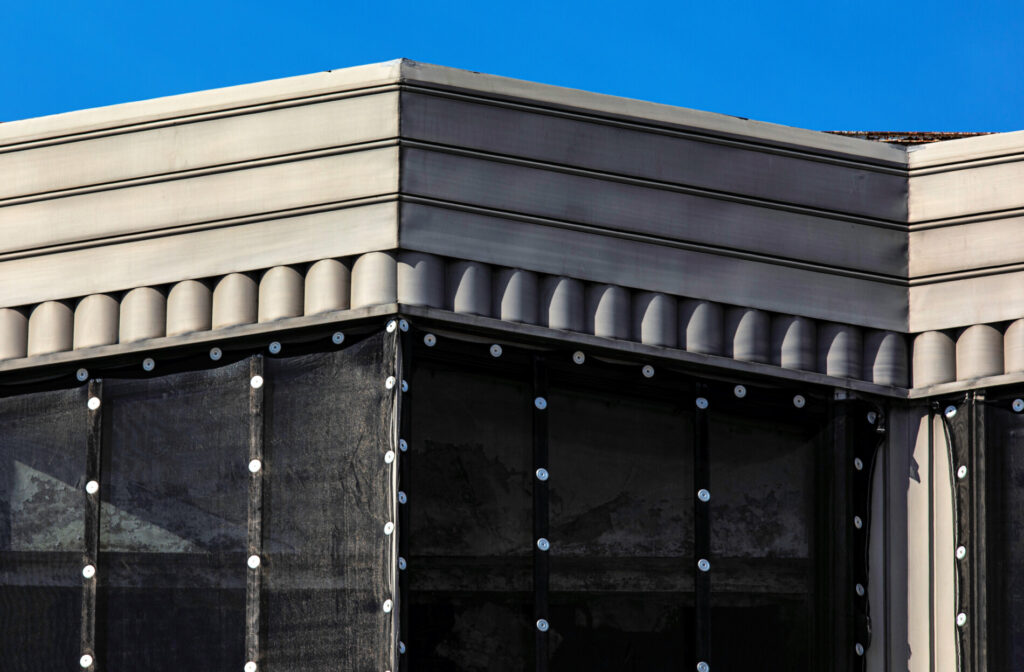
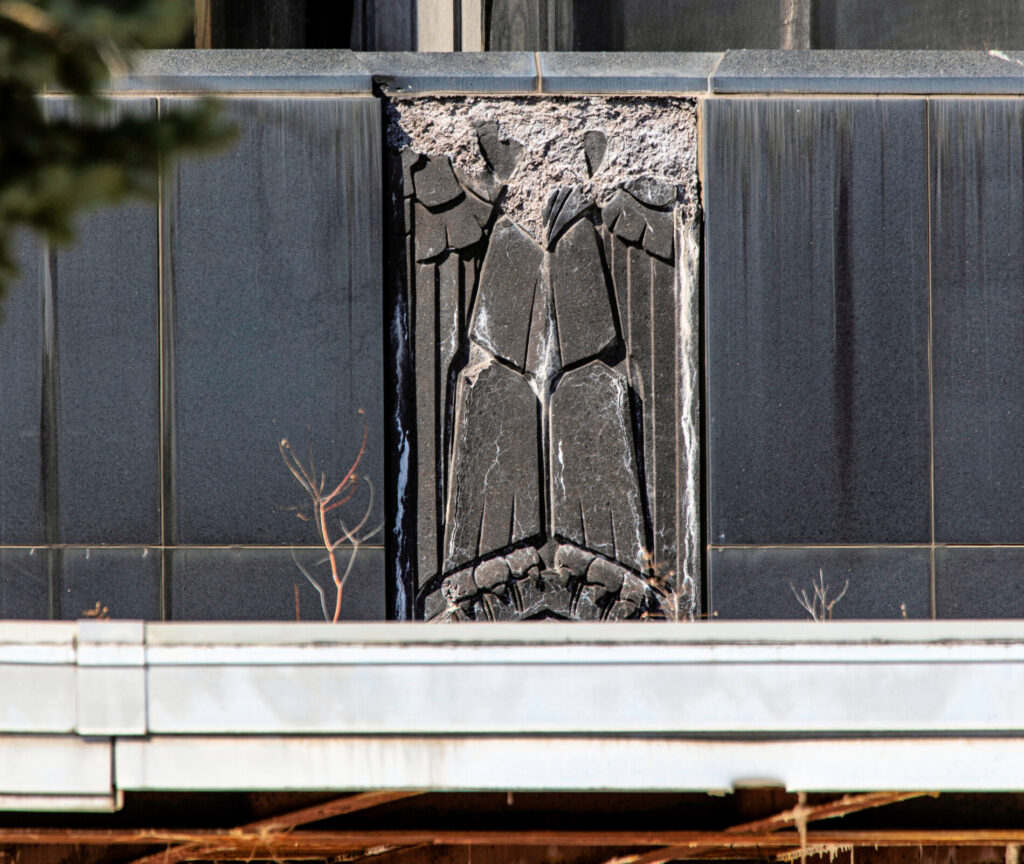
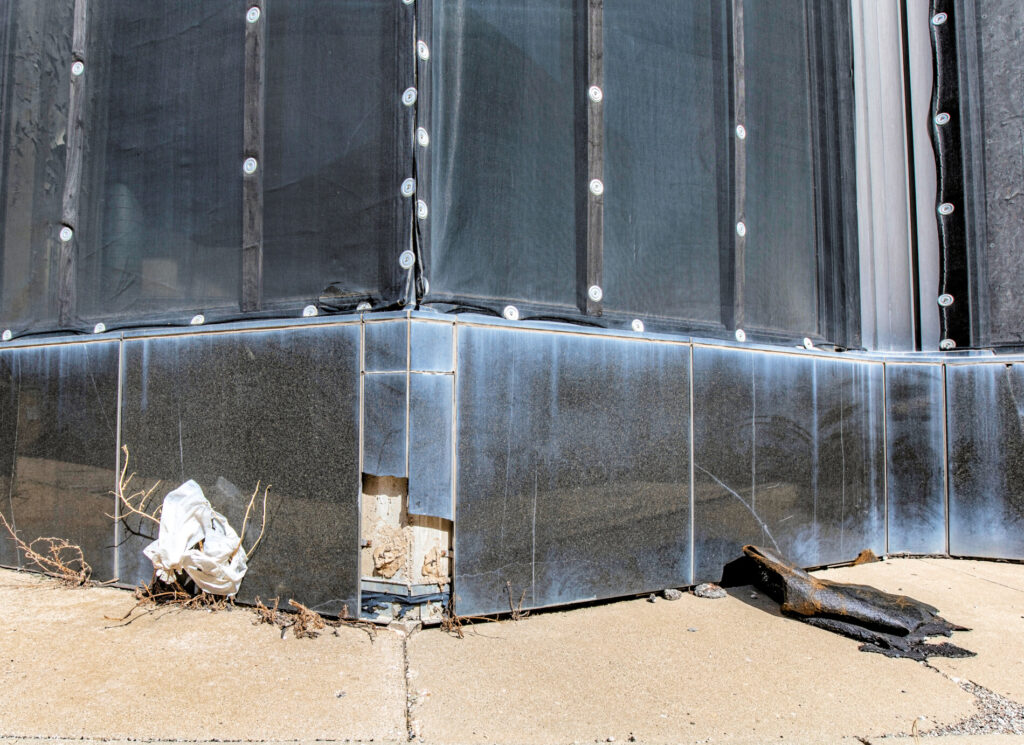
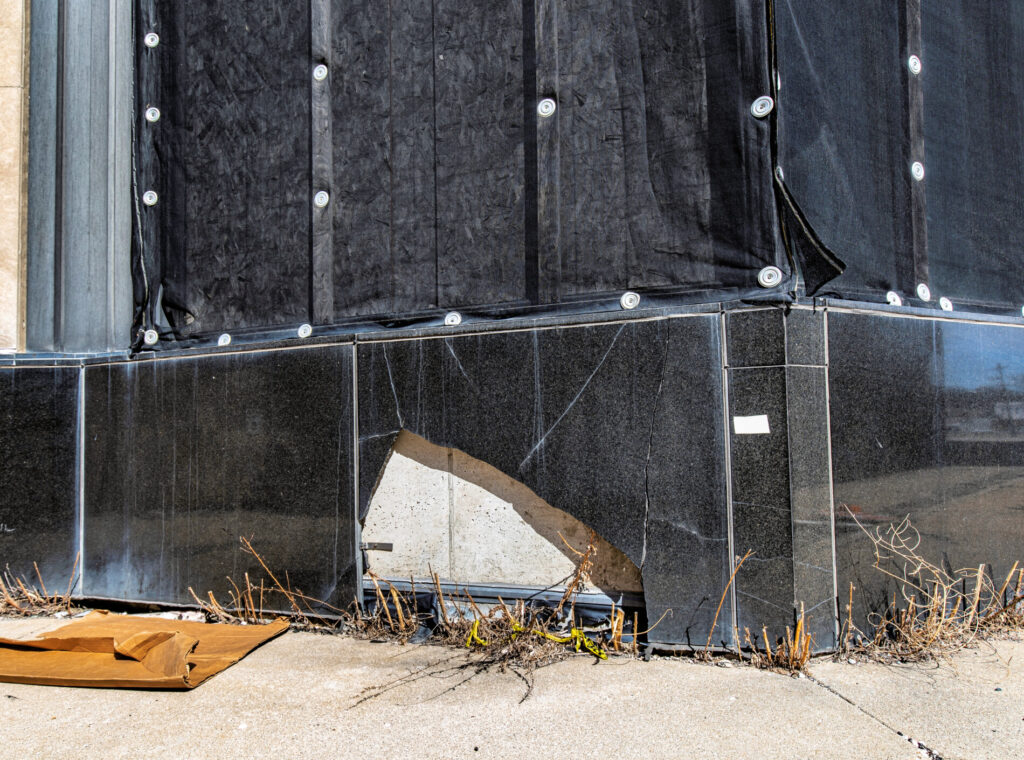
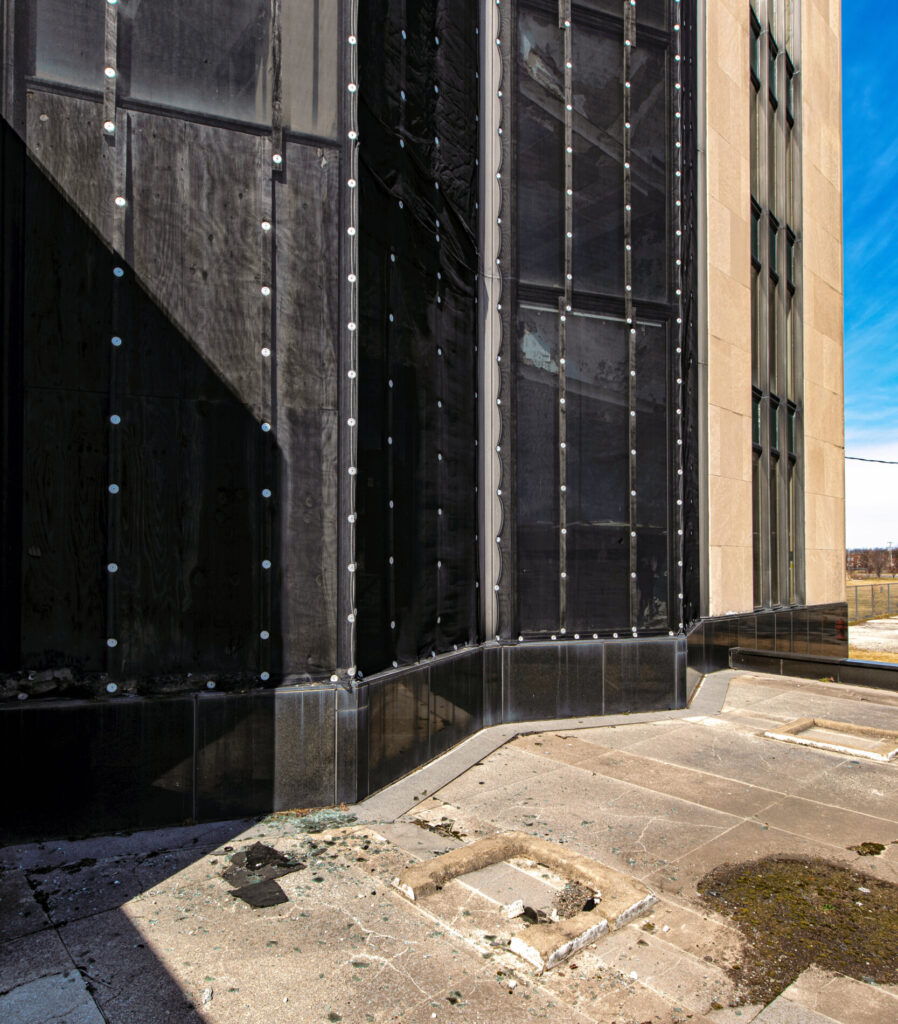
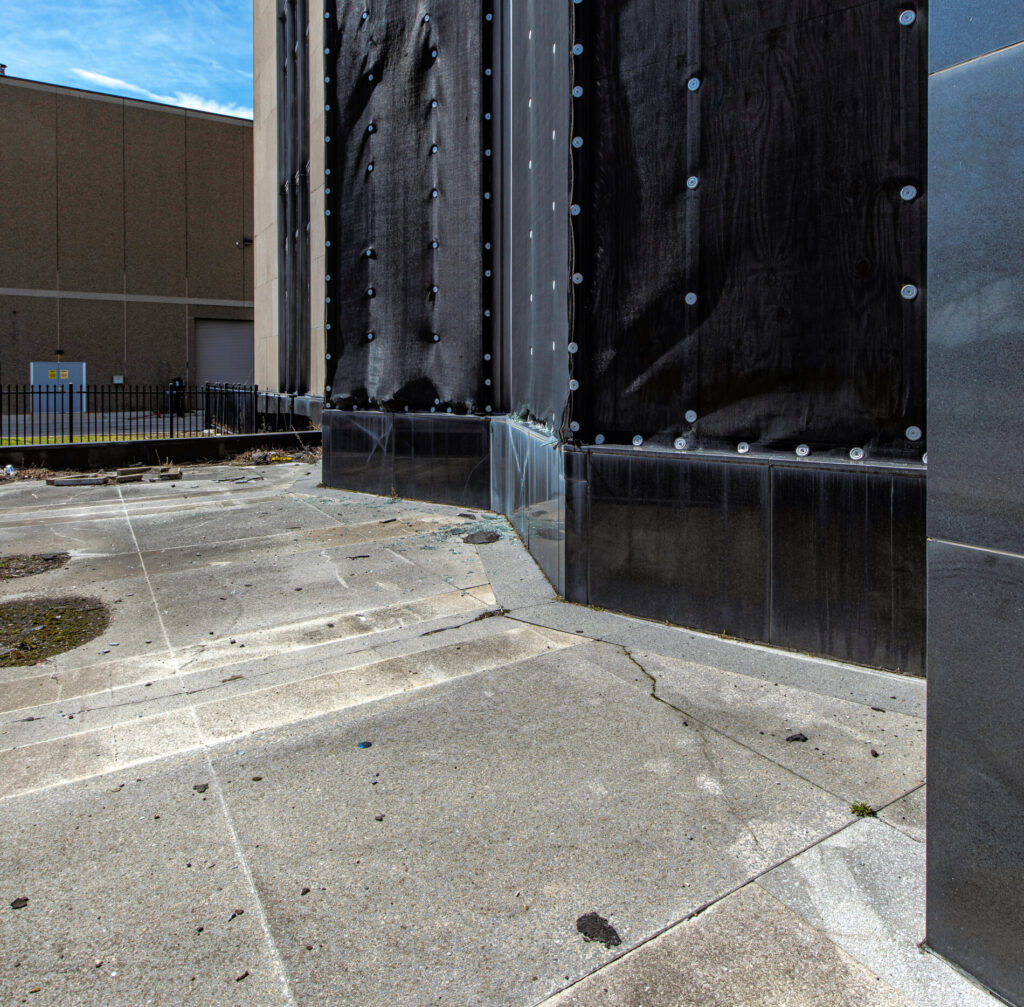
spring of 2026 exterior photographic images of holabird and root’s 7-story art deco style a.o. smith research and engineering building (1930) with distincitve zig-zag-shaped glass and aluminum curtain wall.

completed in 1930, the abandoned and largely forgotten building is located at 3533 n. 27th street in milwaukee, wisconsin.



one of the greatest images taken of this building was by ken hedrich of the interior lobby shortly after it was completed.
holabird and root used hedrich-blessing for most of their work.
the illuminated logo embedded in the terrazzo floor and custom-designed brushed aluminum furniture looks stunning.
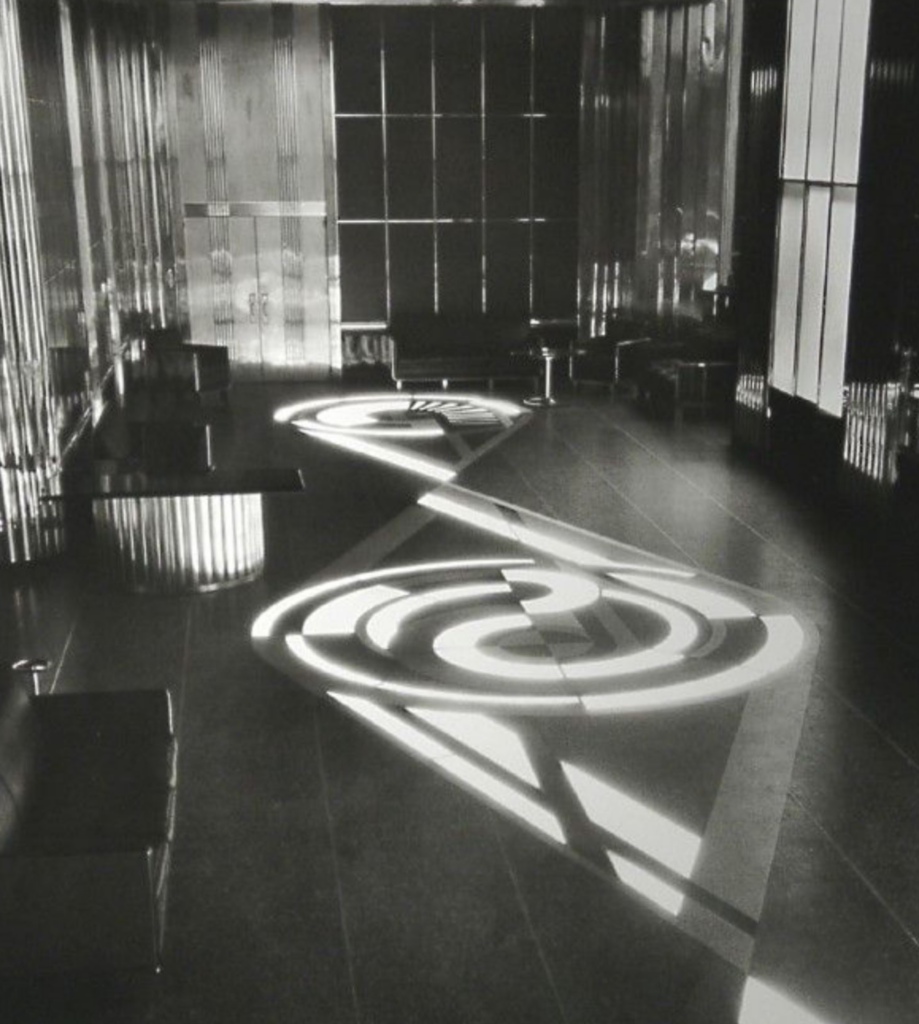
the a.o. smith research and engineering building (1930) in milwaukee, designed by holabird & root, is a pioneering 7-story art deco, zig-zag-shaped aluminum and glass curtain-wall structure. located at 3533 n. 27th st., it featured innovative, integrated industrial design, including welded steel-plate floors, hollow structural columns, and specialized metal fabrication.







key features & significancedesign & structure: the building features a distinctive “accordion” appearance created by v-shaped bay windows that run from base to cornice. it is considered an early, advanced example of a metal-and-glass curtain wall, with aluminum frames used extensively. architectural firm: designed by the influential chicago firm holabird & root, who were known for other art deco landmarks like the chicago board of trade and palmolive building.



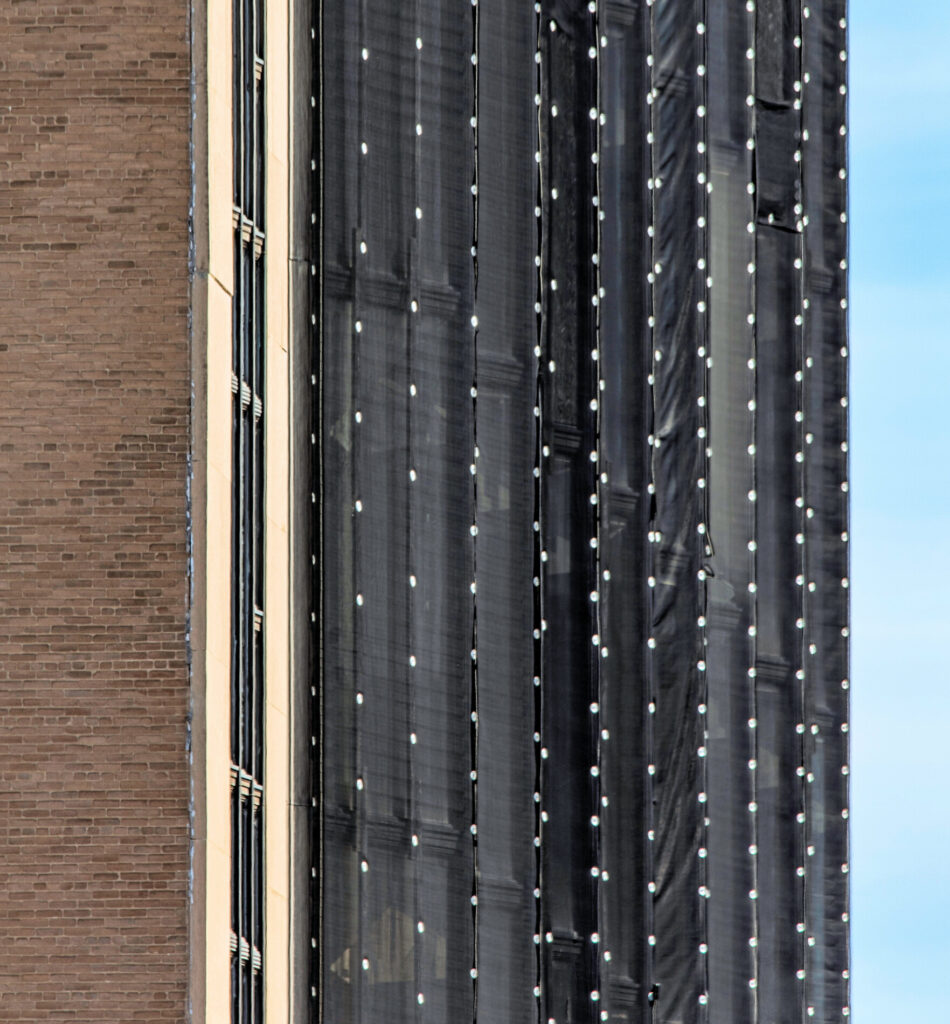




interior & function: the interior included a grand, arched-ceiling display hall with a 20-ton overhead crane and innovative “hausermann” steel, movable wall partitions.

technological innovations: it featured an early, integrated track-mounted window-washing system. the building was designated to support a.o. smith’s engineering and research initiatives, reflecting the industrial, innovative style of the early 1930s.