
08 May poor man’s frank lloyd wright architect john randal mcdonald’s first family home (1949)
May 8, 2026
in Bldg. 51, Events & Announcements, Featured Posts, Miscellaneous, Travel, Uncategorized
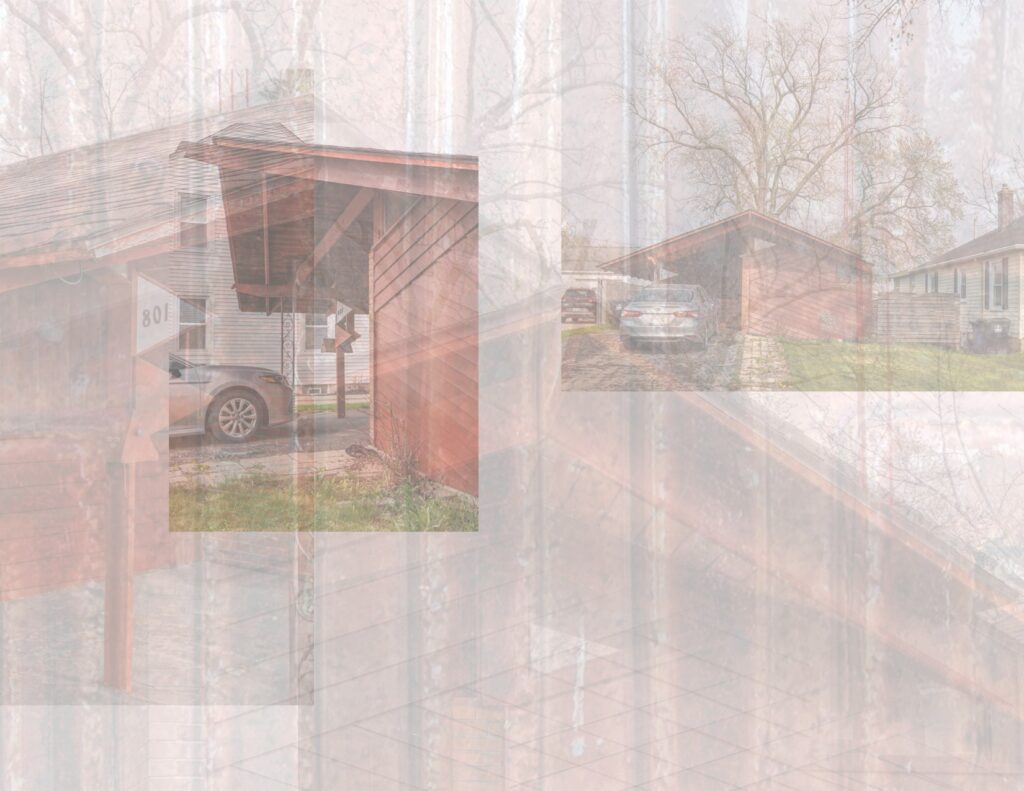
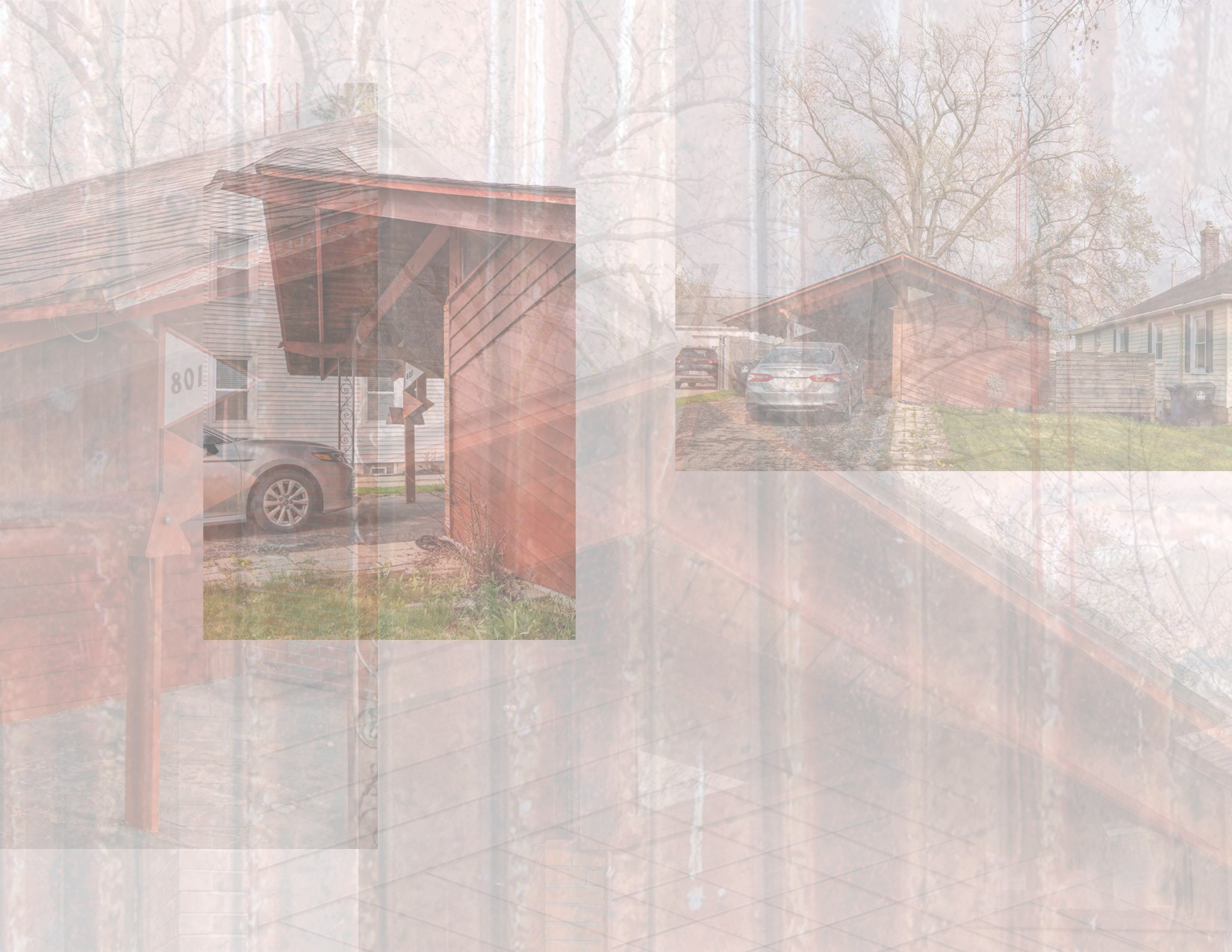
john randal mcdonald’s first house.
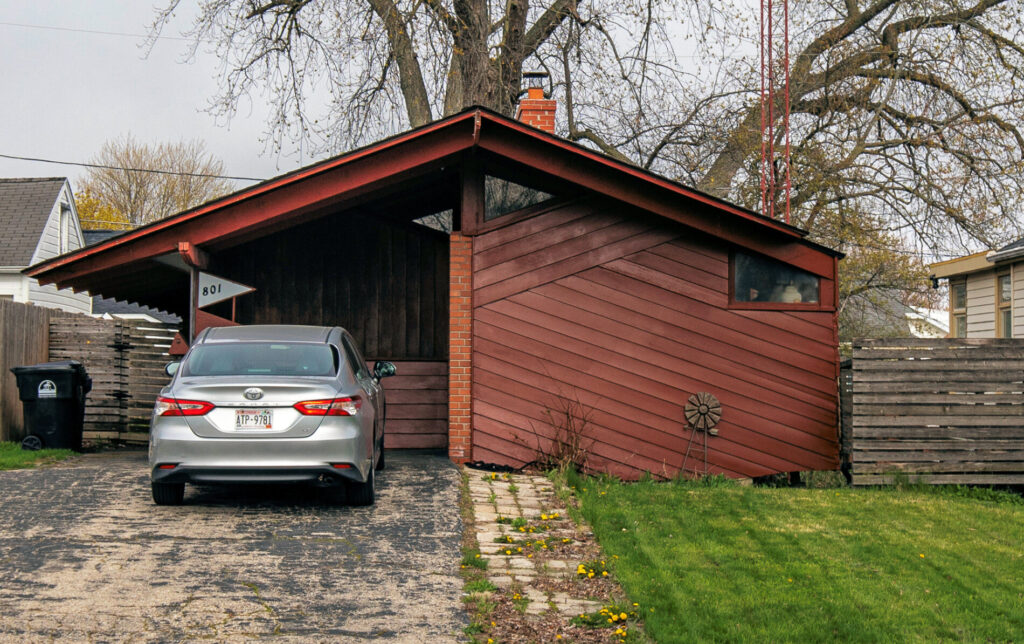
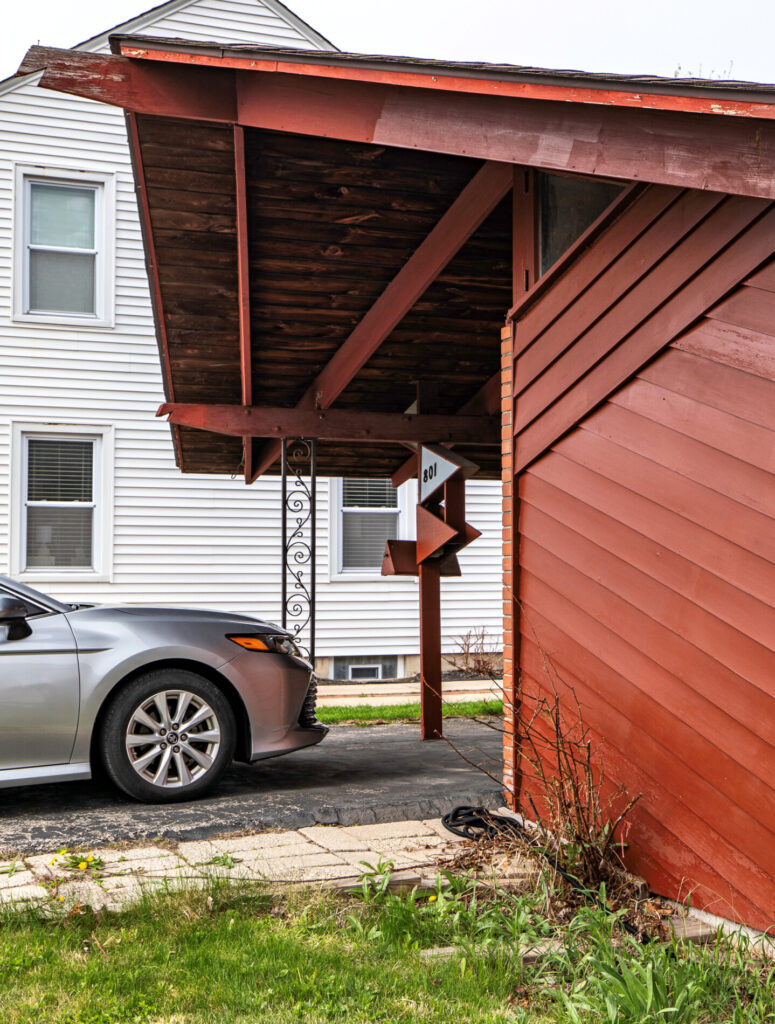
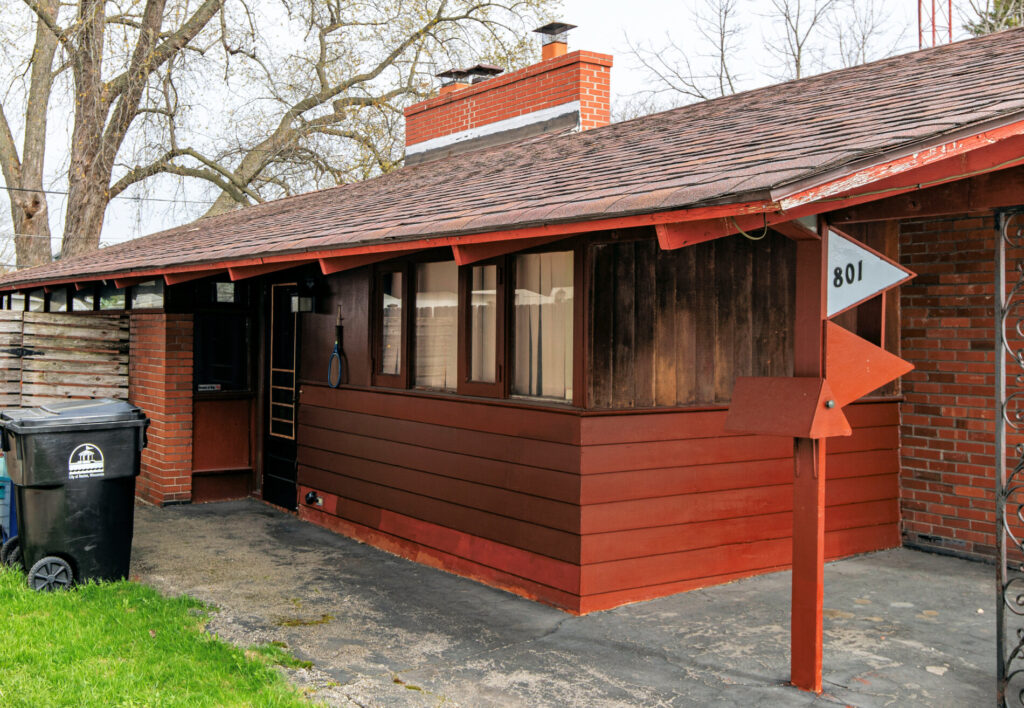
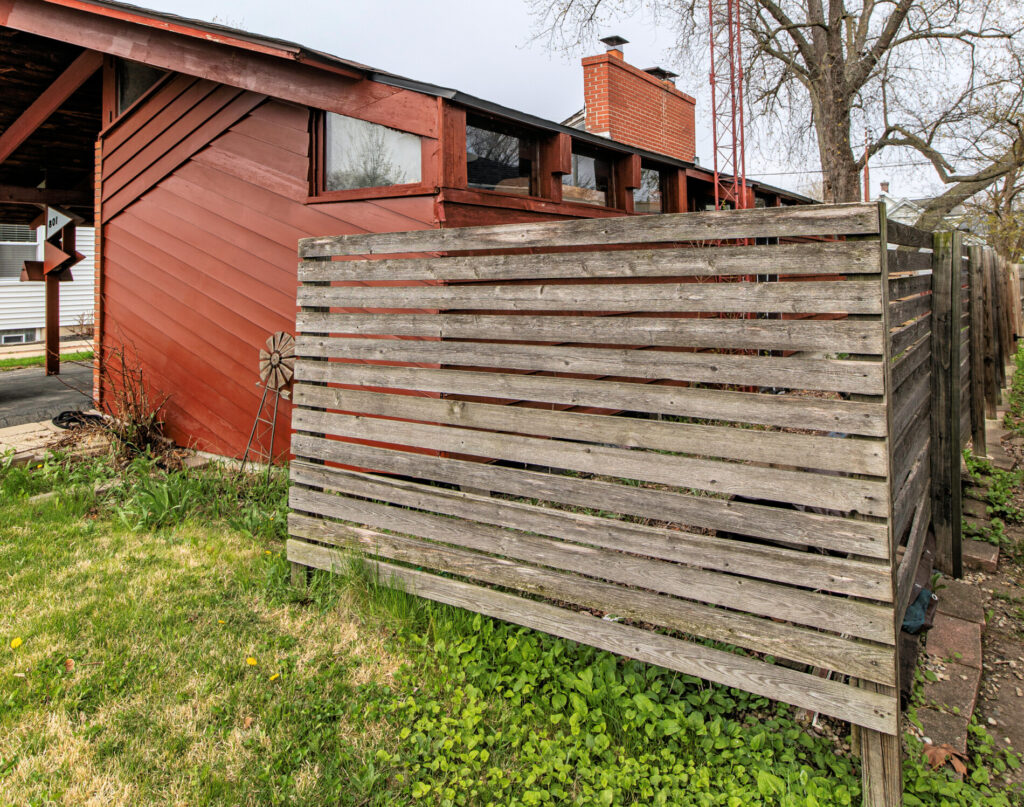
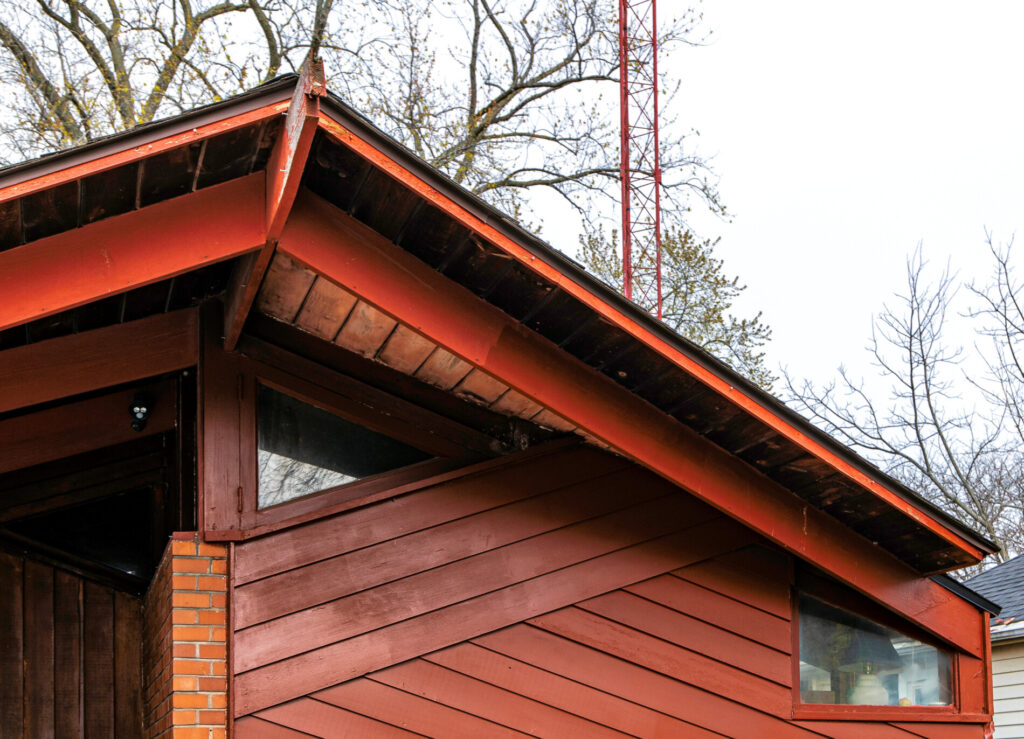
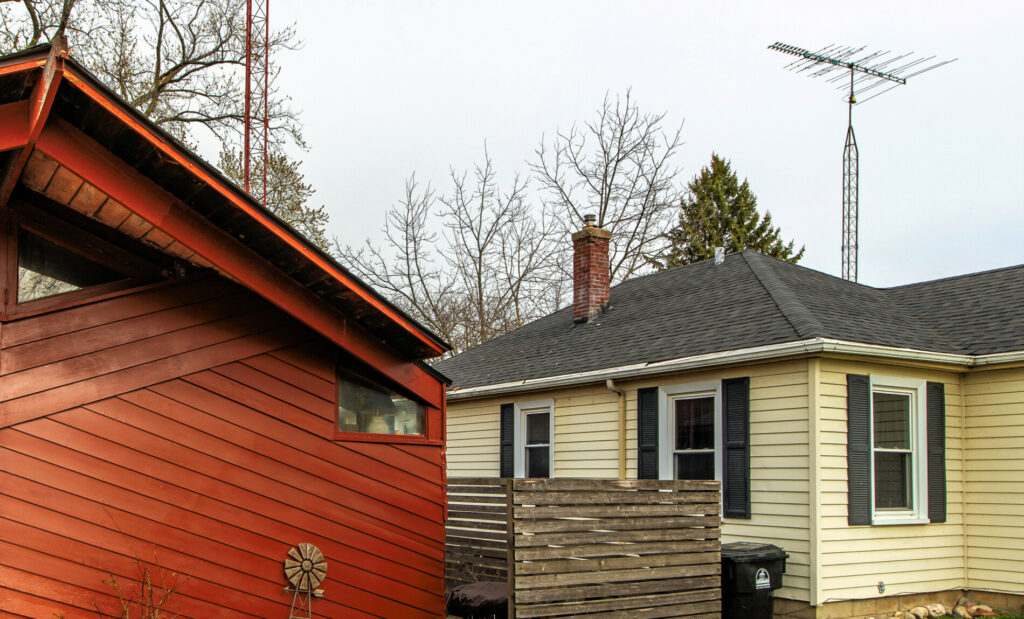
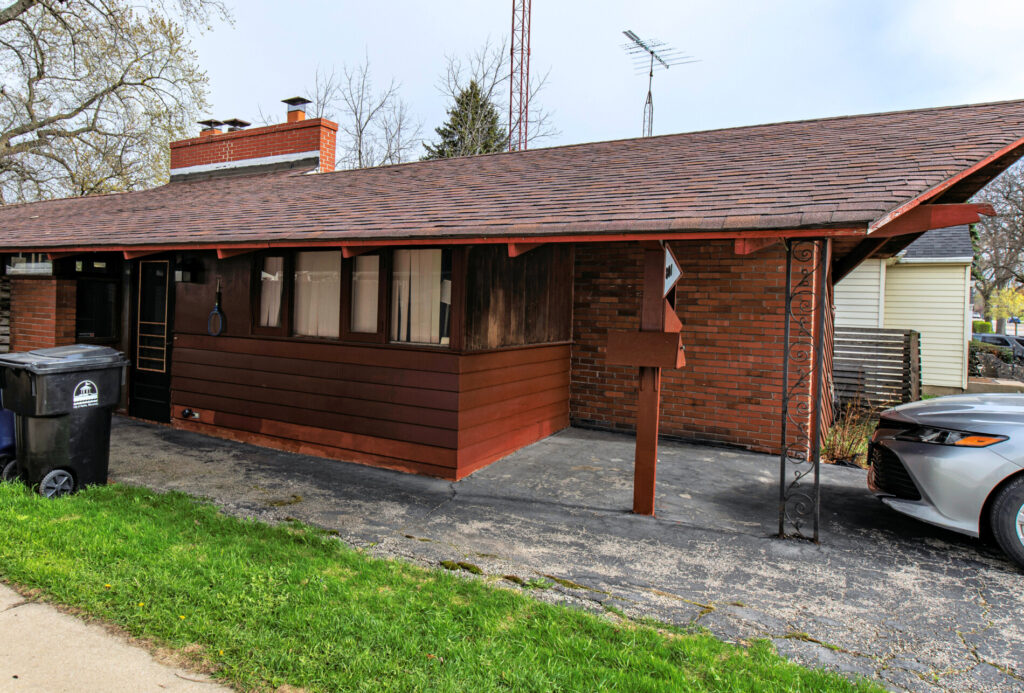
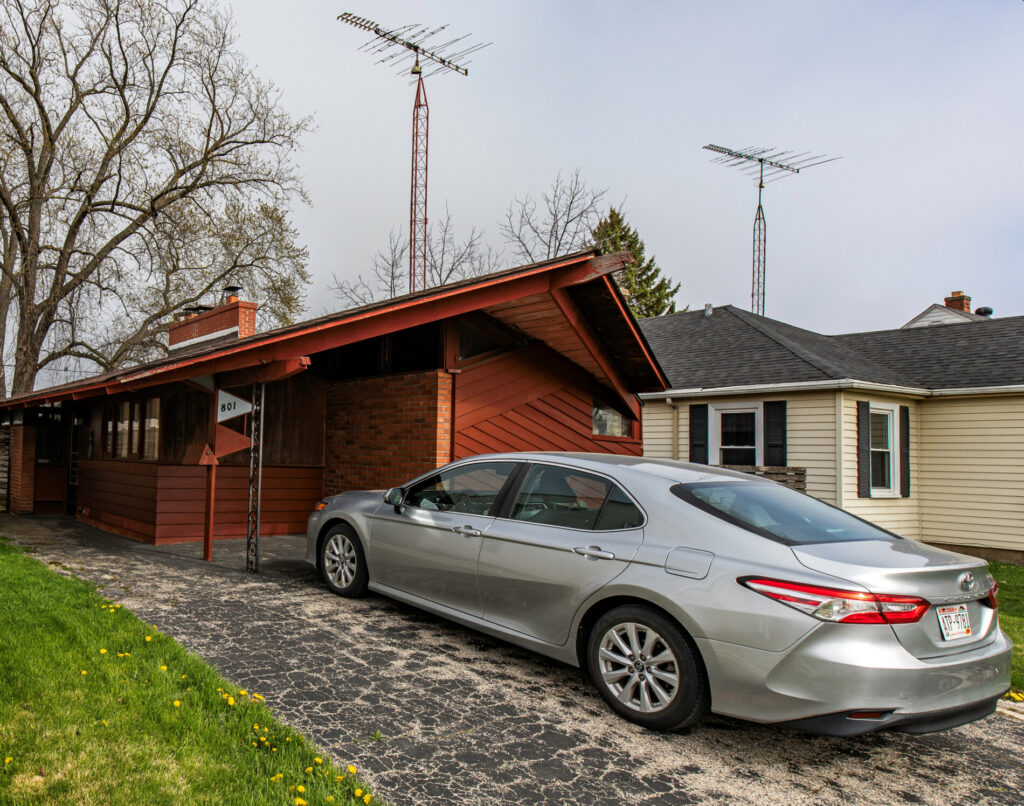
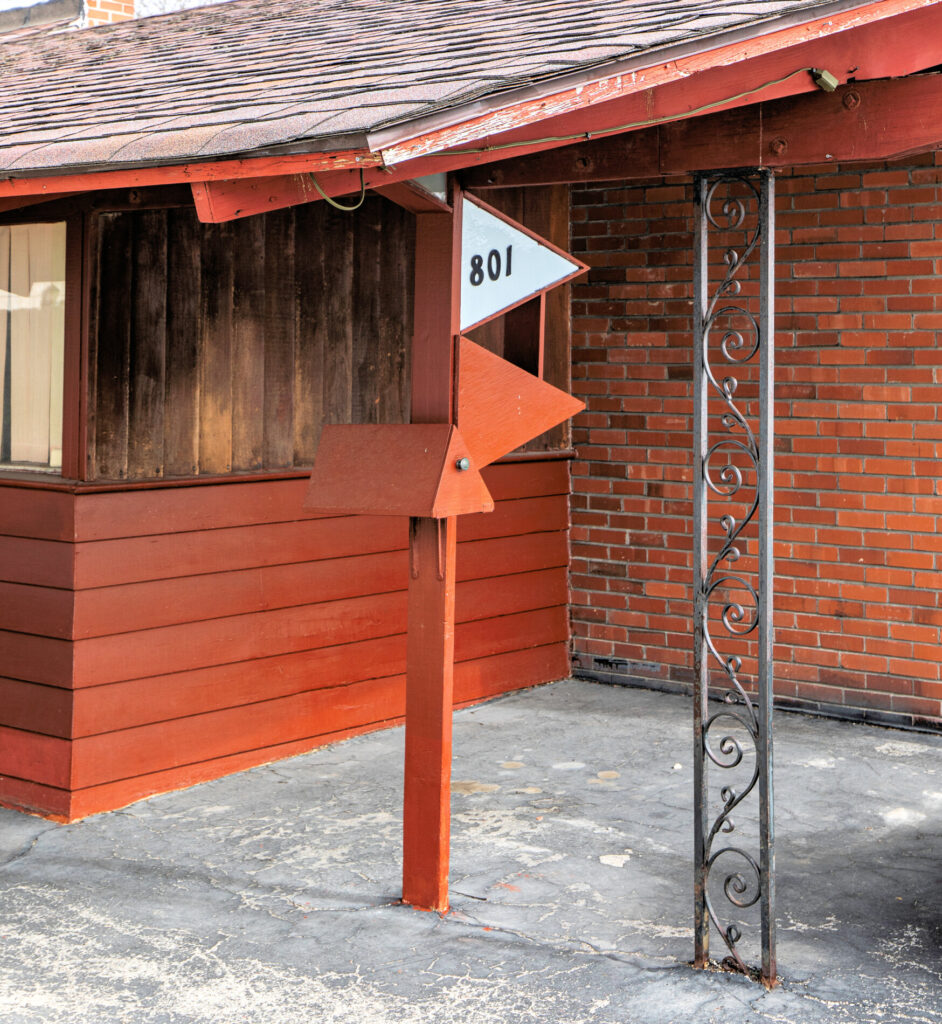
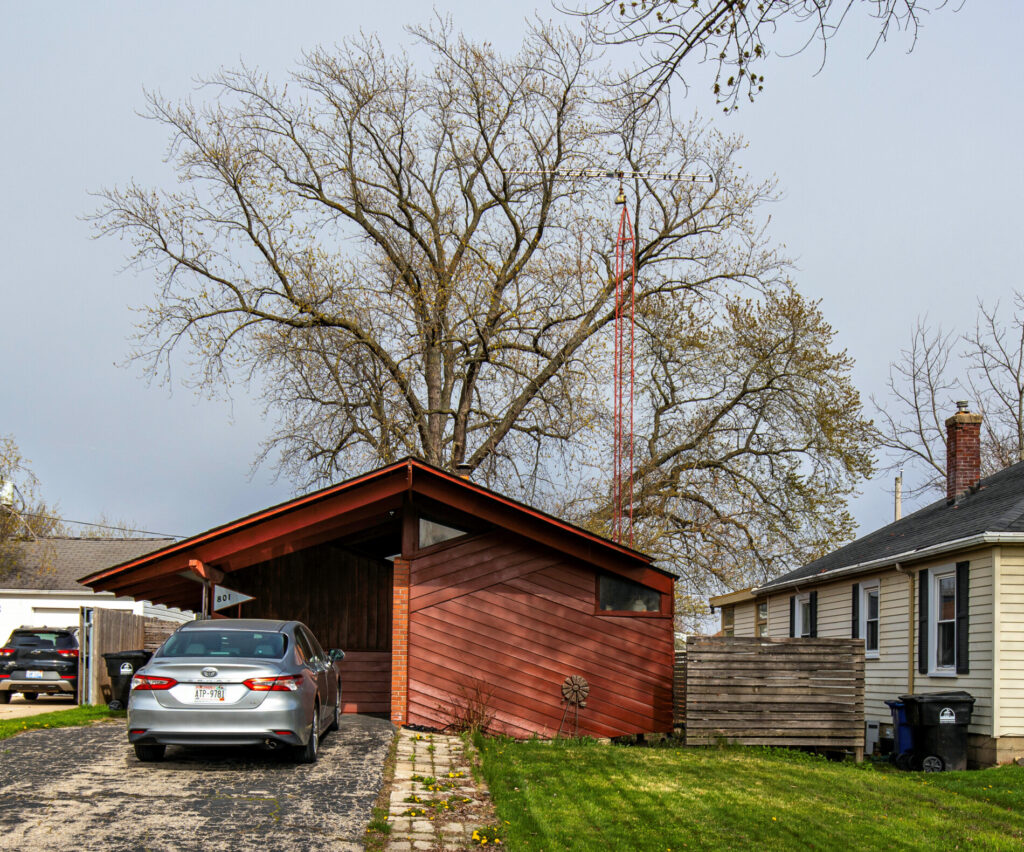
exterior photographic survey of john randal mcdonald’s one-story famiy house (1949), located at located at 801 lathrop avenue, racine, wisc.
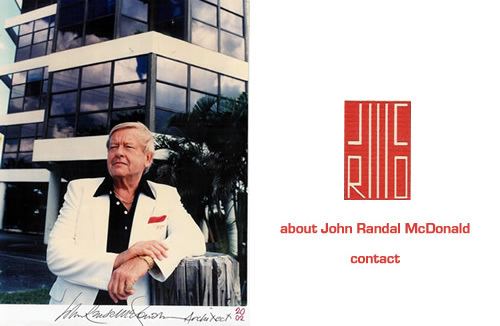
john randal mcdonald (1922–2003) was an american architect known for adapting frank lloyd wright’s prairie style into affordable mid-century modern homes. born in milwaukee, wisconsin, mcdonald served as a u.s. navy navigator during world war ii and earned degrees from both the university of wisconsin-milwaukee and yale university. he opened his architectural practice in racine, wisconsin in the late 1940s, designing more than 100 homes by 1958 and eventually expanding his work nationally and internationally. in 1963, he moved to florida and took on various commercial and public projects across several states. often called the “poor man’s frank lloyd wright,” mcdonald favored minimalism, natural materials, and japanese-inspired design, while avoiding traditional ranch house layouts. he remained committed to analog architectural methods until his passing in 2003; his legacy is now preserved at the wisconsin historical society.
born july 25, 1922, mcdonald grew up in milwaukee during a time of industrial growth and the great depression. his practical upbringing and exposure to local architecture shaped his interests, though his family wasn’t directly involved. he studied art and music harmony at the university of wisconsin-milwaukee before military service. at yale, he learned from prominent modernists who influenced his minimalist, organic approach. combining prairie-style elements with contemporary techniques, he created affordable, nature-inspired homes for middle-class families.
after serving as a naval officer in wwii, mcdonald completed his architectural studies at yale, learning from influential designers such as eames, aalto, mies van der rohe, saarinen, neutra, and kahn.[8] this advanced education complemented his earlier art degree and provided the blend of organic and minimalist principles that defined his work.[8] upon graduation, he returned to racine, wisconsin and began his practice in the late 1940s as the region recovered economically post-war.[8] the housing boom brought new opportunities, with veterans and families searching for stylish, affordable homes. mcdonald met this demand by using practical materials and functional layouts, earning recognition as the “poor man’s frank lloyd wright” for making quality design accessible during suburban expansion.
following his yale graduation in 1949, mcdonald partnered with attorney and homebuilder robert c. albert in racine. from 1949-1951, they focused on residential projects featuring simple designs built from wood, brick, glass, and concrete, always adapting to each site and client’s needs. after their partnership ended around 1952, mcdonald operated independently, designing around 100 homes between 1949 and 1958, mostly for middle-class clients in wisconsin and illinois. his early creations drew inspiration from wright, with horizontal lines, ribbon windows, asymmetrical one-story layouts, and low-pitched roofs—moving away from typical ranch houses. his first major commission was his own home at 801 lathrop avenue in racine, completed in 1949 with albert’s help. this usonian-style residence reflected mcdonald’s innovative yet modest approach: a single-story, wood-clad structure harmonizing
with its sloped site through careful placement and minimal decoration. although interior details are sparse, the design maximized natural light and efficient use of space, mirroring mcdonald’s post-war focus on material conservation. photographs and drawings reveal clean lines and purposeful layout, which became a hallmark of his later works.
other notable wisconsin commissions from the late 1940s and early 1950s showcased mcdonald’s growing interest in integrating landscapes and open, functional spaces. the 1949 homes for robert goodman and robert silver in racine featured low profiles and horizontal massing that blended with wooded lots, highlighted by local stone and expansive glass for connecting interiors and outdoor views. the irene wawrzynowski residence in milwaukee shared these traits, boasting an asymmetrical plan and open living areas oriented to the site’s contours for greater privacy and sunlight. by 1951, the dr. and mrs. postorino house in racine further advanced mcdonald’s ideas, using brick and wood veneers to ground the building and cantilevered roofs plus terraced entries for fluid transitions between indoors and outdoors. through sketches and photographs, these projects established mcdonald as a leader in accessible modernism tailored to wisconsin’s suburban environment.
following his early success with residential commissions in wisconsin, which established a reputation for affordable, modern designs inspired by prairie school principles, john randal mcdonald broadened his practice geographically during the 1950s and 1960s. this expansion was fueled by a growing national interest in post-world war ii modernist architecture, particularly among middle-class clients seeking nature-integrated homes at accessible costs, and was supported by expanding client networks through referrals across the midwest. mcdonald’s work extended into several other midwest states, where he undertook numerous residential projects between 1955 and 1965, often traveling from his racine base to meet clients and oversee construction. in illinois, for instance, he designed homes such as the warren householder residence in niles (built 1961) and the eugene sjostrom residence in rockford (built 1955), alongside nonresidential additions like the walther motors expansion in wilmette (1957). similar commissions appeared in indiana, including the fred federspiel family home in fort wayne (built 1955); iowa, with the h.l. hughes “riverhome” in dubuque (built 1958); kansas, such as the w.w. taylor residence in wichita (1956); michigan, like the walter orwin home in kalamazoo (1957); and ohio, including a proposed residence for dr. paul sartick in salem (1960, not built).
these projects relied on logistical arrangements like regional travel by car or train, leveraging client connections from professional associations and word-of-mouth to secure work without establishing permanent outposts. by the mid-1950s, mcdonald began receiving commissions in florida, adapting his designs to subtropical conditions through features like elevated foundations to mitigate flooding and humidity-resistant materials, though specific early projects in areas like miami remain sparsely documented. his presence in the state grew significantly after relocating his business there in 1963, opening offices in boca raton while maintaining a wisconsin presence; this move was influenced by family considerations and the booming demand for modern resorts, hotels, banks, and marinas amid florida’s post-war population surge. representative works from this period include the jama motel and adjacent family home in dunedin (drawings 1958, built 1959), commissioned by the robert jackman family, which incorporated site-specific adjustments for coastal budgets and ambitions. client networks from midwestern vacations and investments facilitated these opportunities, with mcdonald handling logistics via periodic site visits. mcdonald’s expansion also reached the united states virgin islands, particularly st. croix, where he designed over 40 built projects by the late 20th century, with early commissions emerging in the 1950s-1960s driven by affluent clients seeking tropical adaptations of his horizontal, open-plan style. examples include the joseph bertram “seahome – judith’s fancy” residence and his personal aquaries studio, both undated but aligned with this era’s exploratory work; these featured elevated structures and breeze-promoting layouts suited to island climates. travel to the islands involved air and sea routes from the mainland, supported by networks of vacationing midwestern clients who commissioned vacation homes, marking a shift toward international-scale practice. following the 1963 relocation to florida, mcdonald broadened his portfolio beyond residences to include significant non-residential projects, such as hotels and marinas in florida, banks and factories in the midwest and california, churches like saint therese parish in kenosha, wisconsin (1961), and public buildings including schools and dormitories in new jersey and the united states virgin islands. these works, documented in his collections, reflected adaptations of his modernist style to commercial and institutional needs, contributing to his global reach.
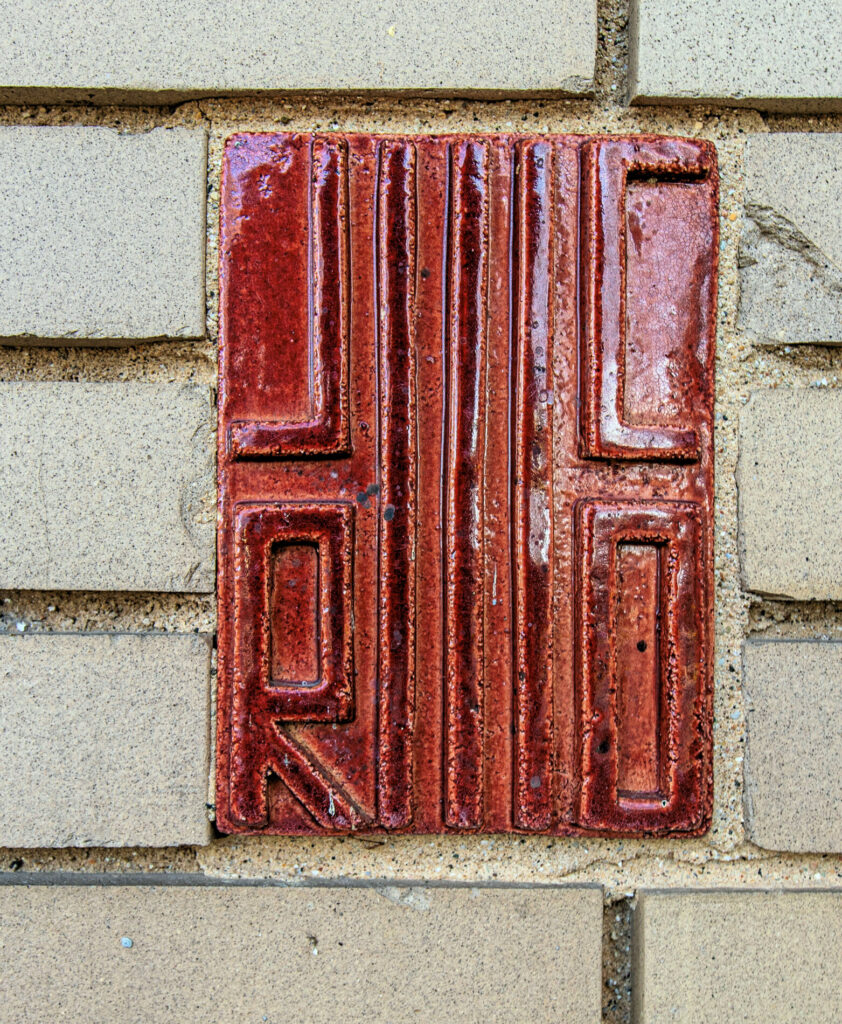
one of john randal mcdonald’s early notable residential designs is the george and angeline blair house in cudahy, wisconsin, completed in 1953. commissioned by the blairs, this mid-century modern home exemplifies mcdonald’s approach to adapting prairie school influences for post-war suburban living, featuring horizontal lines, expansive windows, and seamless indoor-outdoor connections. the structure, part of a cluster of four mcdonald-designed homes in the neighborhood, was documented in architectural drawings and photographs held by the wisconsin historical society, highlighting its low-pitched roof and integration with the site’s natural contours. another iconic project is the robert johns residence, known as “spindrift” (also referred to as “sailfish”), located at 4929 lighthouse drive in wind point, racine county, wisconsin, designed circa 1952 and built in 1956. designed for robert and margaret johns, who resided there from at least 1956 until 1994, the usonian-style house incorporates stone walls and thematic interior elements evoking nautical motifs, such as perspectives of sailing ships and lakes in the living room, mezzanine, fireplace, and kitchen areas. original drawings, including interior renderings and conceptual sketches, reveal a multi-level layout with open spaces that emphasize light and views of lake michigan, constructed using locally sourced materials to blend with the ravine setting. the home remains extant, though not listed on national or state registers, and its design challenged traditional post-war ranch styles by prioritizing asymmetry and environmental harmony. in brookfield, wisconsin, the donald and mrs. gallagher house, completed in 1955, showcases mcdonald’s skill in creating compact yet dynamic family homes on modest lots. this project, documented through drawings and transparencies, featured wood and glass elements to maximize natural light, with floor plans that included efficient kitchen-living integrations typical of his 1950s wisconsin commissions. construction navigated the site’s sloping terrain, resulting in a structure that cantilevered over the landscape for enhanced views. the armour family home in fox point, wisconsin, built in 1957, further highlights mcdonald’s residential portfolio with its multi-level plans and emphasis on textural materials like wood cladding and stone accents. commissioned for the armour family, the design included upper and mid-level layouts that promoted family interaction through open sightlines, and it faced challenges in sourcing materials during the post-war building boom. photographs from 2013 capture its current condition, preserved as an example of mid-century modern architecture in the milwaukee area. expanding beyond the midwest, mcdonald’s 1959 commission for the jackman family residence in dunedin, florida, integrated with a motel project for clients robert and maurine jackman. this late-1950s design incorporated a glazed red ceramic plaque with mcdonald’s stylized initials at the entrance, using glass walls and concrete to adapt his style to the subtropical climate, allowing for shaded outdoor living spaces. the residence endured construction hurdles related to the adjacent commercial build but remains standing, though the motel was later altered and renamed the art hotel. these projects collectively demonstrate mcdonald’s versatility in residential design, prioritizing client needs and site-specific innovations across regions.
john randal mcdonald’s architectural vision was profoundly shaped by frank lloyd wright, whose organic architecture and prairie style resonated deeply through mcdonald’s wisconsin roots. although he never studied directly under wright, mcdonald adopted elements like horizontal lines, ribbon windows, and harmony with the natural landscape, adapting them for middle-class clients in the midwest. this influence is evident in his emphasis on integrating buildings with their sites, using motifs of sky, land, and water to evoke wright’s principles of environmental sensitivity. during his master’s studies at yale university in the late 1940s, mcdonald encountered european modernism through prominent figures such as ludwig mies van der rohe and louis kahn, alongside other modernists including charles eames, alvar aalto, eero saarinen, and richard neutra. these encounters introduced minimalist aesthetics, open spatial arrangements, and material honesty that complemented wright’s organicism, allowing mcdonald to blend structural simplicity with functional innovation. his exposure to these influences at yale marked a pivotal shift toward a broader modernist palette, prioritizing clean lines and natural light over ornate decoration. born and raised in milwaukee, mcdonald drew personal inspiration from the region’s natural surroundings, fostering a lifelong commitment to designs that blurred indoor and outdoor boundaries through expansive glass and site-responsive forms. the post-world war ii era, following his naval service, infused his work with optimism, manifesting in his self-described “american architecture”—affordable, homegrown expressions of mid-century vitality tailored to everyday living. this personal ethos evolved his style from the rigorous geometries of european modernism toward regionally adapted, nature-centric american designs that emphasized accessibility and environmental attunement.
john randal mcdonald’s architectural designs were characterized by a strong emphasis on natural materials and site-specific adaptations, creating structures that harmonized with their environments through organic forms and expansive views. he frequently employed wood, stone, and glass to achieve textured silhouettes that emerged from the landscape, prioritizing simplicity, light, and spatial flow over rigid geometries. these elements fostered open interiors with great expanses of glass walls, allowing natural light and outdoor vistas to permeate living spaces, while playful artistic hand-drawn perspectives in his renderings often incorporated humorous touches to convey conceptual ideas. a hallmark of mcdonald’s style was his adaptation of prairie school principles for post-war residential efficiency, making high-design homes affordable for middle-class clients through economical use of ordinary materials and minimalist detailing. unlike typical ranch houses of the era, his works featured jutting rooflines, horizontal lines, ribbon windows, and repeating rectangular patterns, blending frank lloyd wright’s spatial arrangements with the austerity of modernists like ludwig mies van der rohe, but without ornate masonry or art glass. this approach innovated accessible housing by focusing on environmental harmony—described by mcdonald as balancing “one part sky, one part land, and one part water”—and incorporating modular elements for practical construction in mid-century contexts. in comparison to broader mid-century modern trends, mcdonald’s innovations stood out through his self-termed “american architecture,” which integrated asian influences like japanese shibui principles of naturalness and restraint, resulting in site-responsive designs that prioritized enduring natural elements over revivalist or standardized forms. his analog process, relying on pencil sketches and improvisational silhouettes, added a unique artistic layer, distinguishing his contributions by inviting inhabitants to experience architecture as living art. upon relocating to florida in 1963, mcdonald extended these principles to regional projects, adapting forms to local climates while maintaining his core focus on simplicity and material authenticity.
in the mid-1960s, mcdonald relocated his family from florida to st. croix in the united states virgin islands, where he undertook a series of innovative residential commissions adapted to the island’s tropical landscape and climate. one notable project was the outrigger, a dramatic mountainside residence featuring a cantilevered balcony supported by steel beams extending from the cliff and an integrated swimming pool that flowed from the interior living space to the exterior overlook. another example included a cluster of pentagon-shaped homes on the east end of the island, elevated on concrete bases with wraparound five-sided balconies to maximize views and ventilation; both the outrigger and this cluster were ultimately destroyed by hurricanes in the 1980s or 1990s. newspaper estimates suggest mcdonald designed over 40 built projects on st. croix alone during this period. as his career progressed into the 1970s and beyond, mcdonald shifted toward smaller-scale designs and consulting roles while maintaining an active practice, with his work emphasizing organic integration with natural surroundings in caribbean and florida settings. family homes he designed during this time, such as those in st. croix, reflected his philosophy of fluid indoor-outdoor living, incorporating expansive window walls and elevated structures to capture breezes and vistas, which suited the mcdonald family’s island lifestyle. mcdonald was married to josephine mcdonald from 1945 until his death, a partnership of 58 years in which she played a key role managing the administrative and operational aspects of his architectural firm, allowing him to focus on creative design. the couple raised five children—karen, jan, lin, randy, and mark—several of whom grew up in mcdonald-designed residences that embodied his modernist ideals of functionality and harmony with the environment. josephine’s practical support extended to their st. croix ventures. mcdonald continued practicing architecture until his unexpected death on december 3, 2003, in boca raton, florida, at age 81, with no formal retirement announced; by then, he had completed over 400 documented designs across five decades. in his final years, he resided in florida, where josephine later passed away in 2017.