
15 Sep master colorist and architectural conservator robert a. furhoff dies
September 15, 2026
in Bldg. 51, Events & Announcements, Featured Posts, Miscellaneous, Uncategorized
an obituary that honors a life well lived.
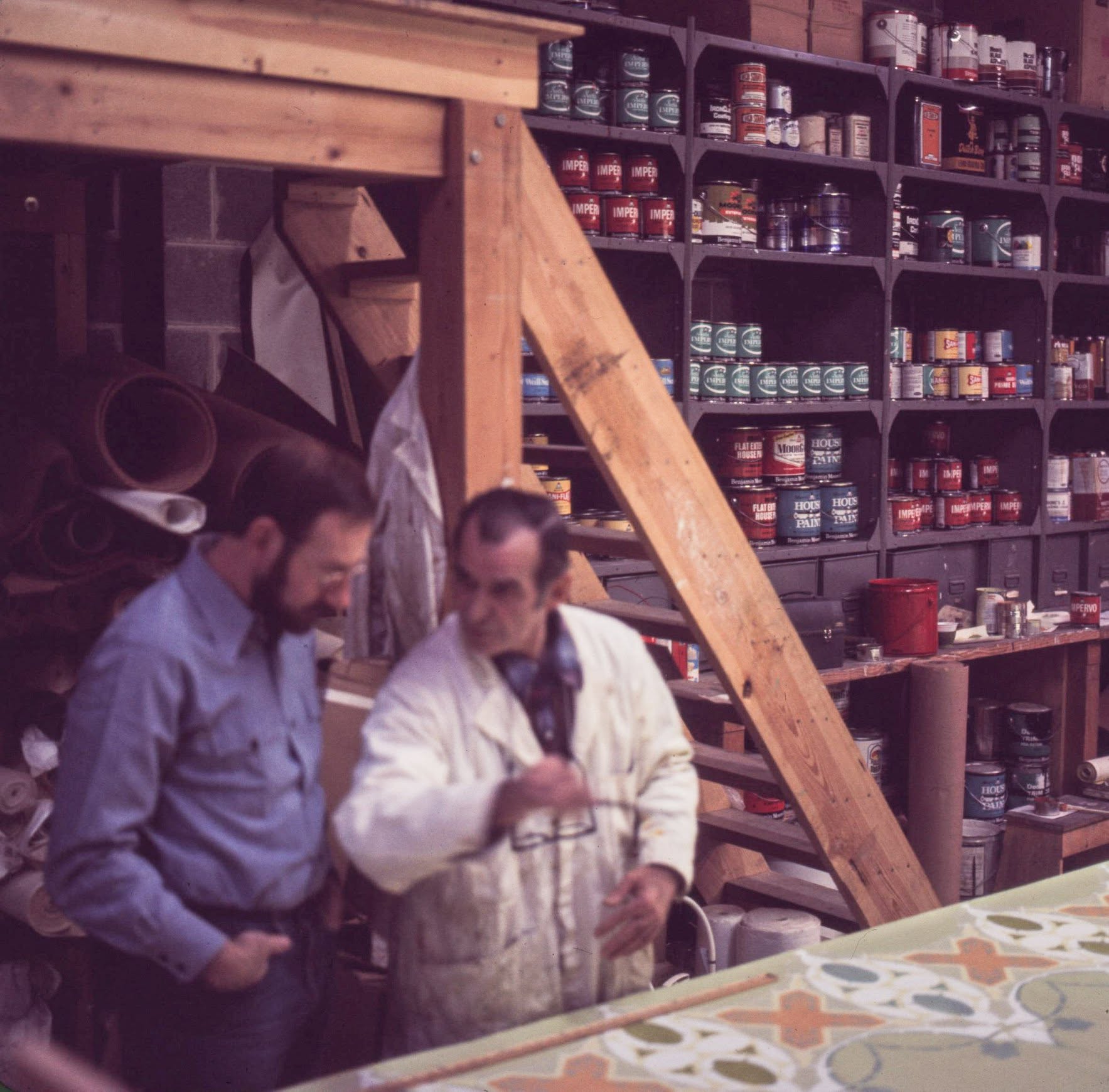
robert a. furhoff was a legendary chicago-based historic paint analyst, architectural conservator, and interior restoration expert. from 1973 until his retirement in 2009, his firm restoration of interiors meticulously decoded and reconstructed the original, highly complex historic color schemes and stenciling of a few hundred landmarks throughout the midwest.


his diagnostic work on the iconic structures mentioned reveals how he helped “uncover” architectural history:
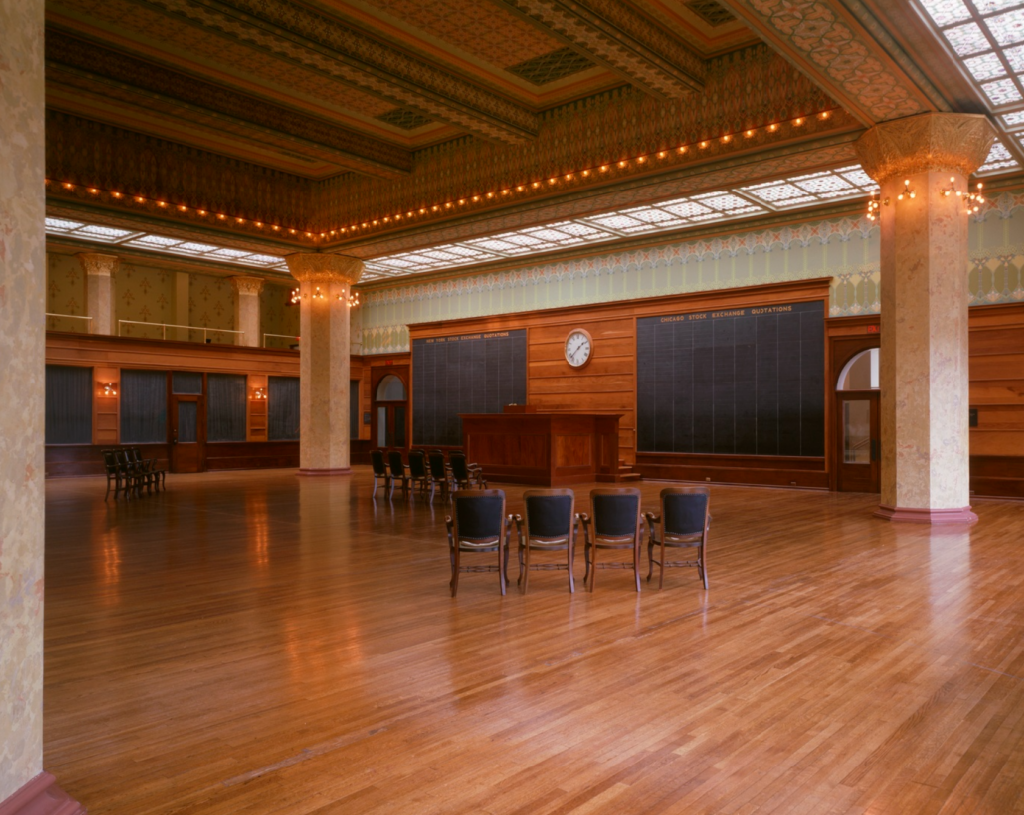
working alongside architect john vinci, furhoff spearheaded the investigation, cleaning, and repair of the trading room’s intricate stencils before its reassembly at the art institute of chicago. his analysis revealed 15 individual stencil patterns, the most complex of which contained an astonishing 52 different colors. he and his team recreated missing patterns onto canvas to execute a flawless historical restoration.

clarke-ford house:
in preparation for its massive 1980s restoration museum debut, furhoff spent three months analyzing 27 layers of paint and searching through piles of debris. by isolating these microscopic layers and discovering remnants like original wallpaper scraps, he accurately pinpointed and brought back the authentic mid-19th-century color palettes favored by the original settlers.

schiller building / garrick theater:
decades after adler and sullivan’s masterpiece was tragically demolished in 1961, furhoff teamed up with historic preservationist tim samuelson to analyze salvaged fragments from the theater’s auditorium walls. they successfully decoded the original, long-lost hand-painted stencil color scheme with pinpoint accuracy, allowing for the faithful reproduction of sullivan’s signature overlapping rose stencils.


as part of his extensive portfolio documenting elite gilded age estates in illinois and wisconsin, furhoff’s meticulous microscopic layer paint analysis provided the foundational roadmaps used to peel back decades of institutional paint and church-era alterations. this research allowed preservationists to confidently recreate the vibrant, multi-hued original gilded age interior schemes and patterns.


furhoff’s methodology was part detective work and part chemistry. rather than guessing historic colors based on faded black-and-white photography, his technique relied on harvesting tiny finish samples from deep within the architectural millwork, molding crevices, and plaster. by examining these cross-sections under high-powered microscopy, he could isolate individual historic paint campaigns, account for chemical color shifting over centuries, and accurately map out the exact progression of a building’s design history. his complete collection of architectural stencils, paint samples, and site files is permanently preserved within the art institute of chicago archival collection.
