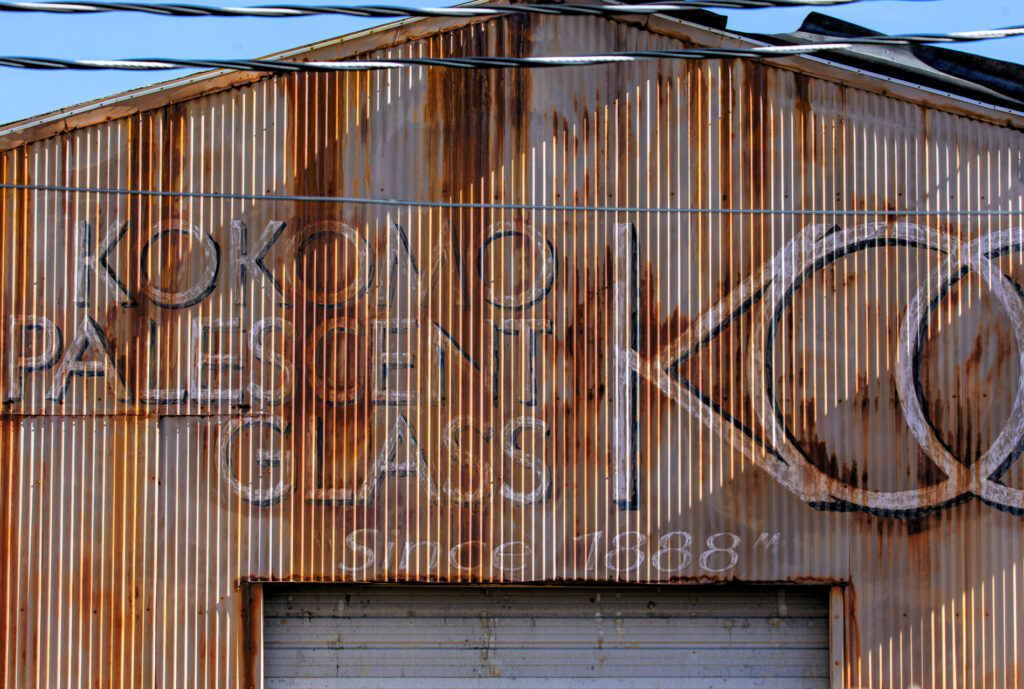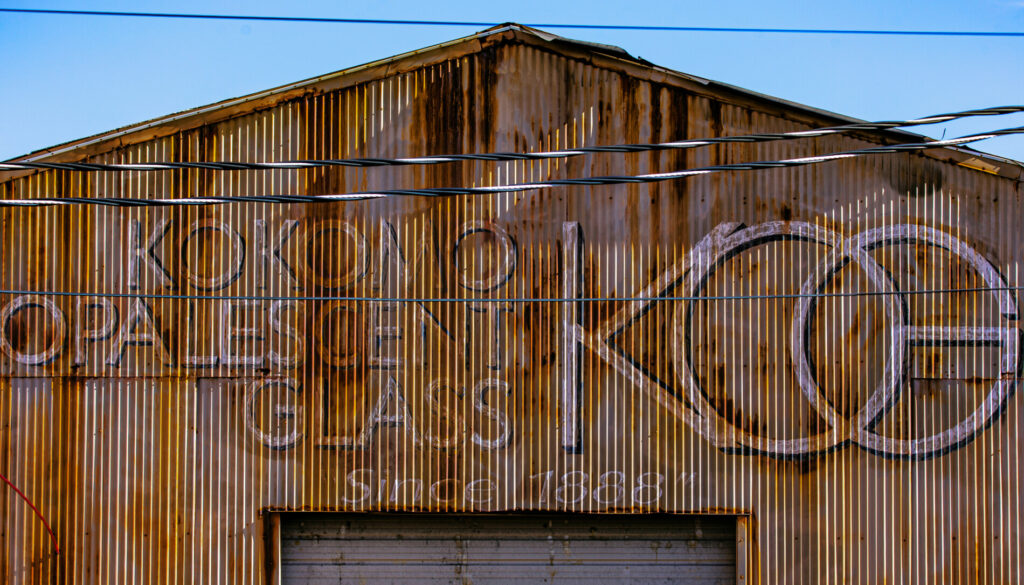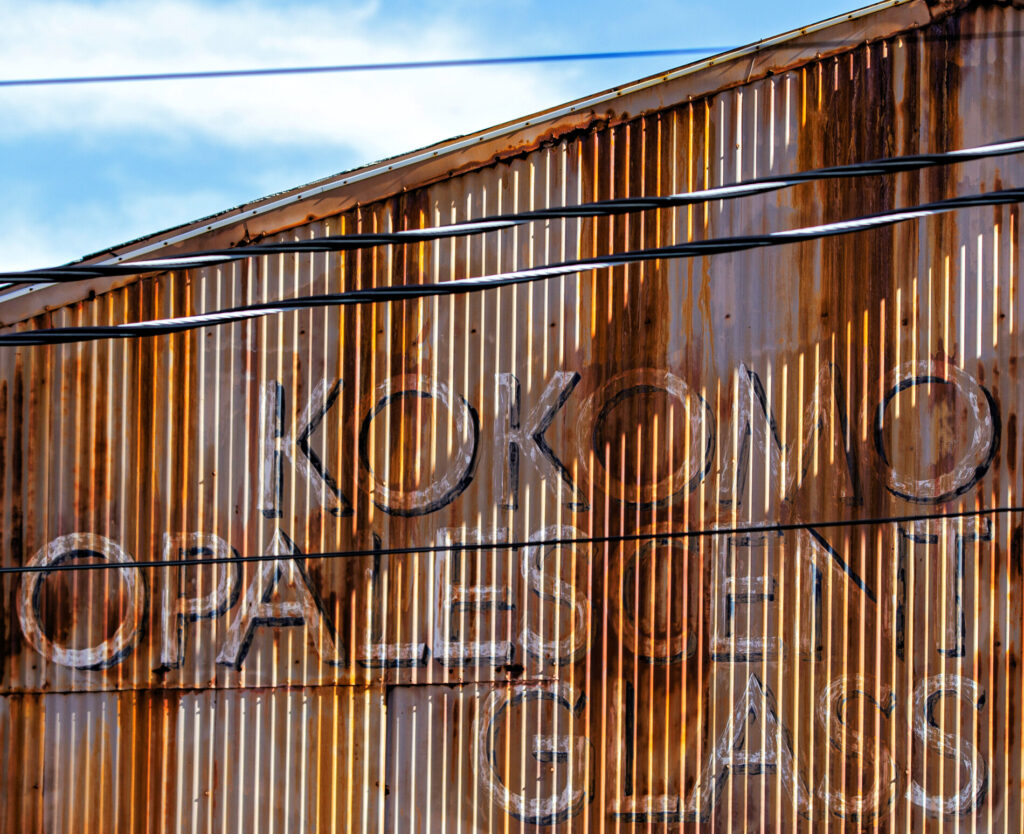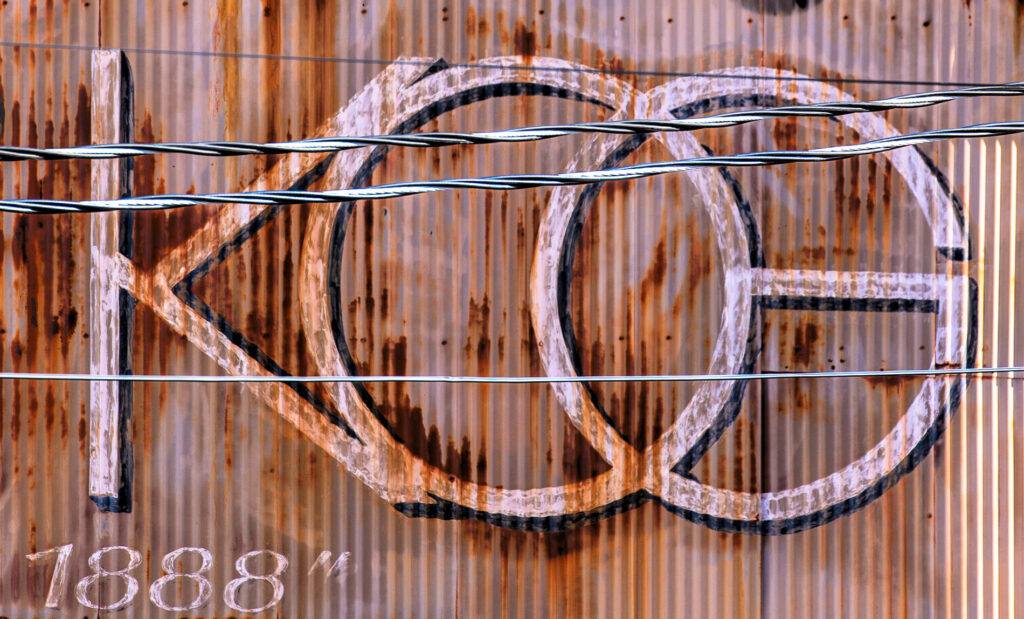

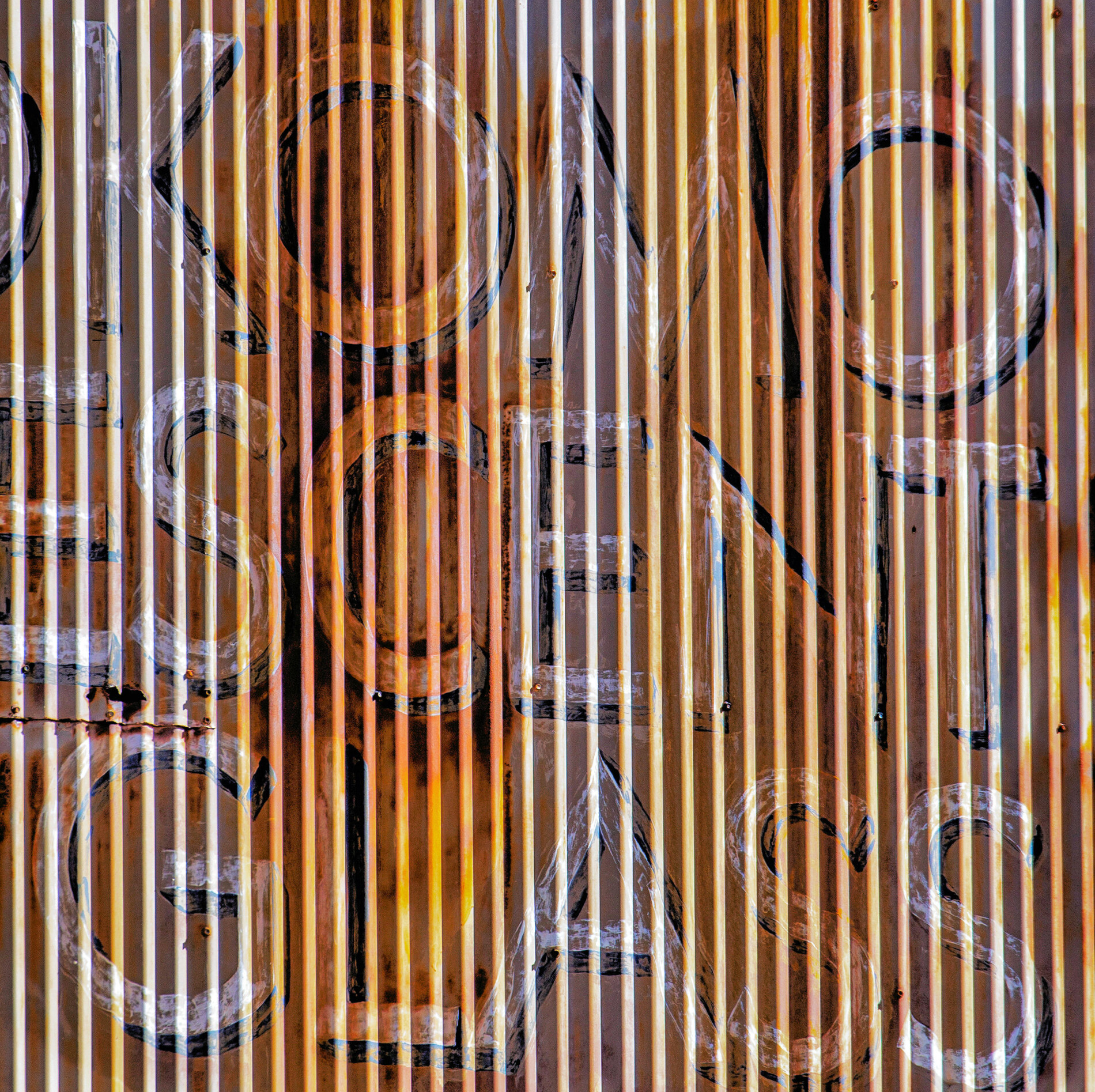
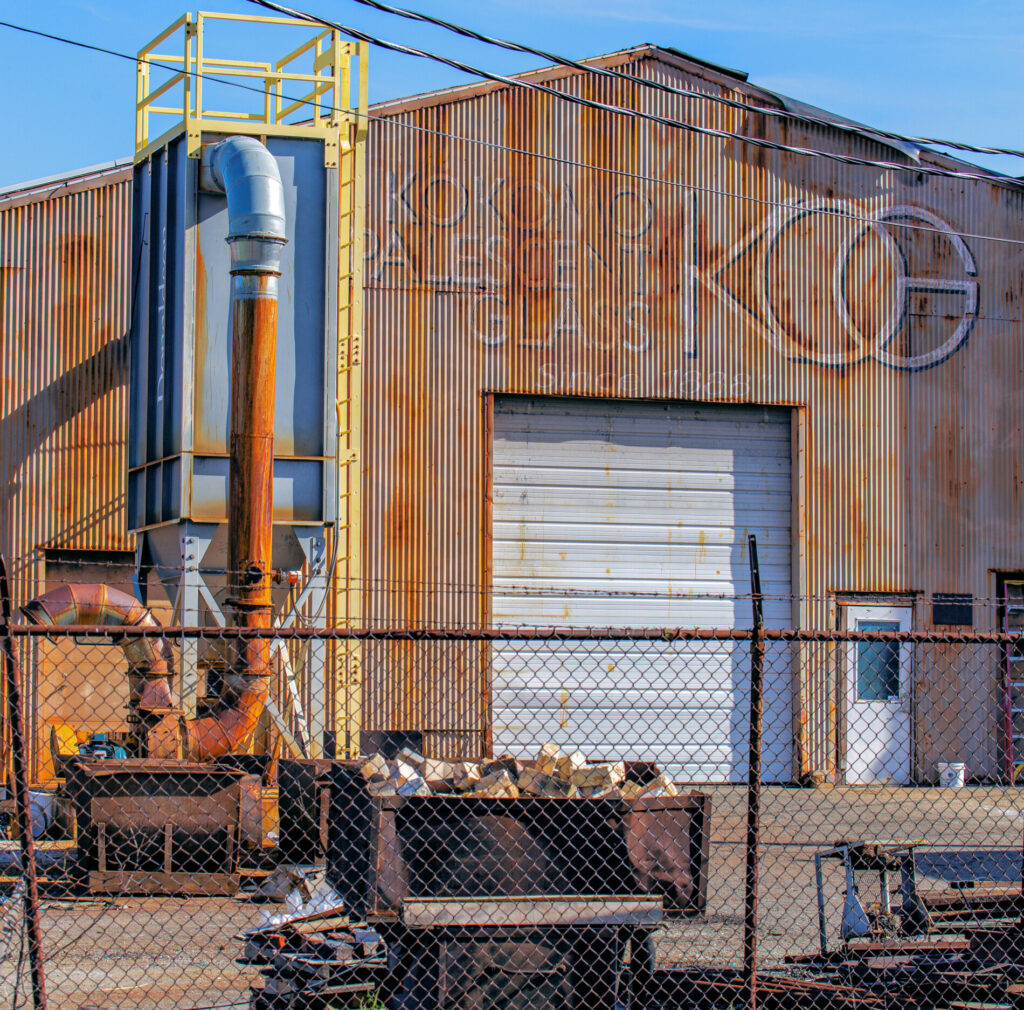
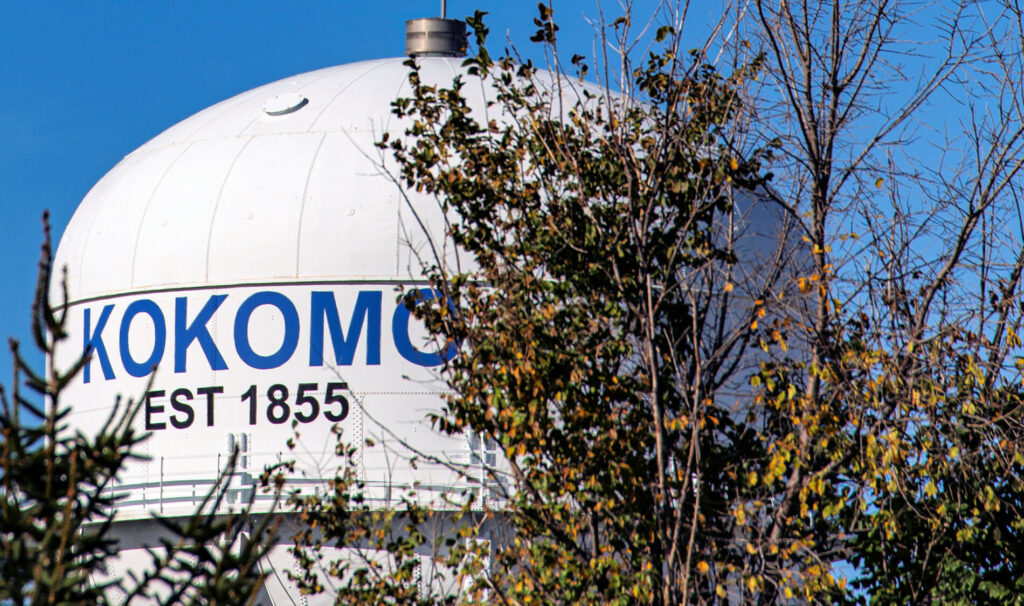
10 Nov In September 2026, the Kokomo Opalescent Glass factory closed indefinitely after 137 years of art glass production.
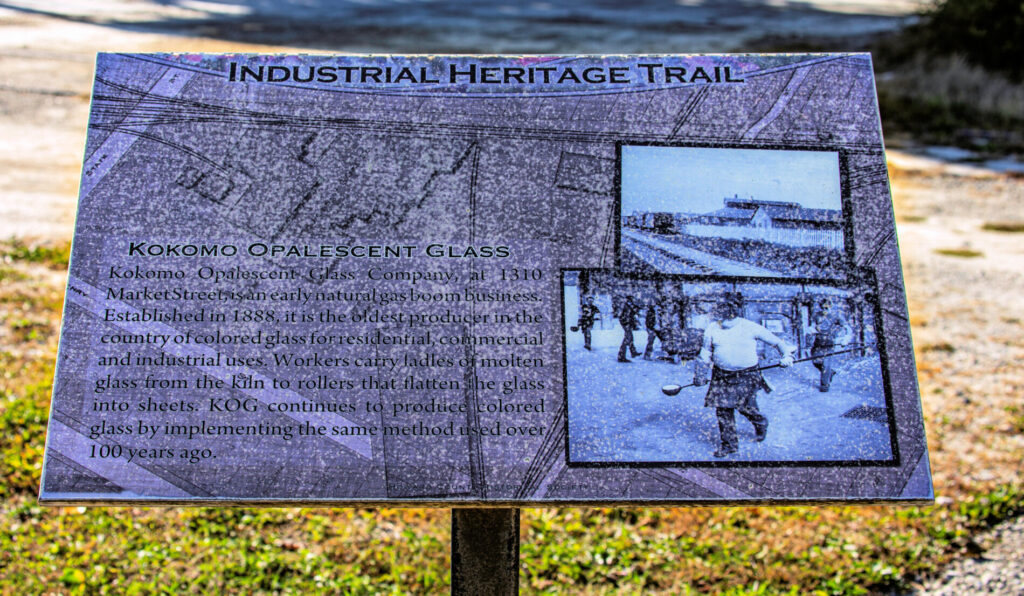
French glass chemist Charles Edward Henry founded Kokomo Opalescent Glass (KOG) in Kokomo, Indiana, drawn by the Indiana Natural Gas Boom and its abundant, free kiln fuel. Within 24 hours of arriving, he secured a plant site and gas deposits. In the historic brick factory, workers melted precise mixtures of sand, oxides, and pigments in brick beehive ovens reaching 2,550°F, then hand-ladled molten glass onto rollers to produce distinctive textures and variations.
Louis Comfort Tiffany, KOG’s first and largest early customer, bought thousands of pounds of custom streak glass, multilayered opalescent sheets, drapery glass, and glass “jewels” for his lamps and windows.
After 137 consecutive years, KOG permanently ended sheet glass manufacturing, citing rising costs, ongoing infrastructure repairs, and economic pressures.

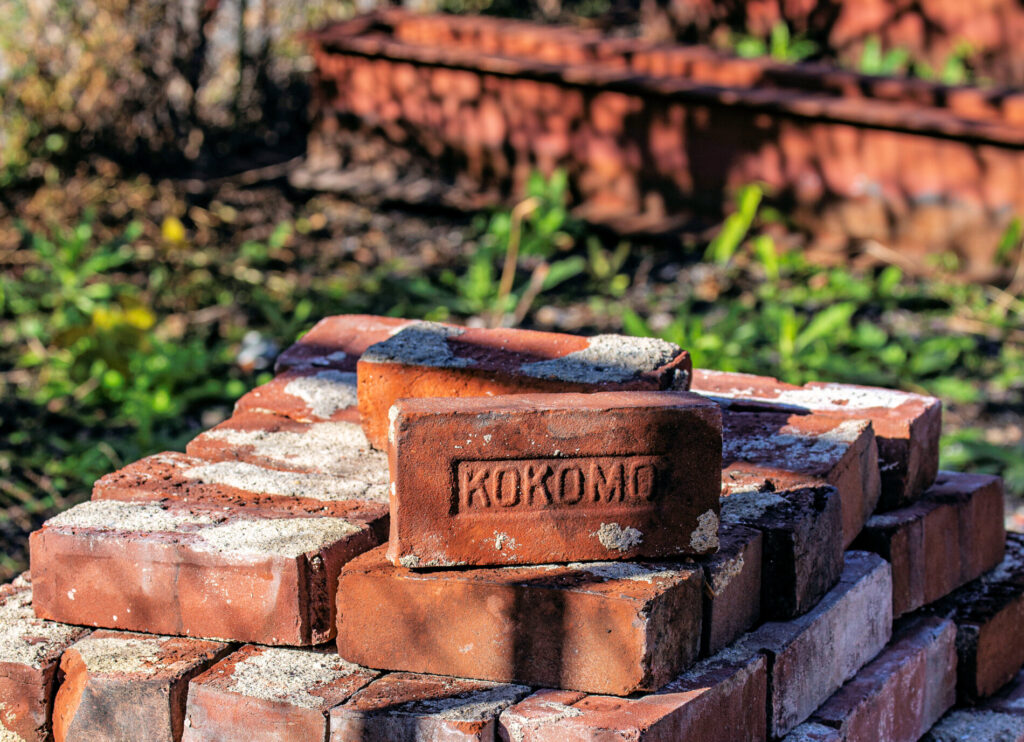
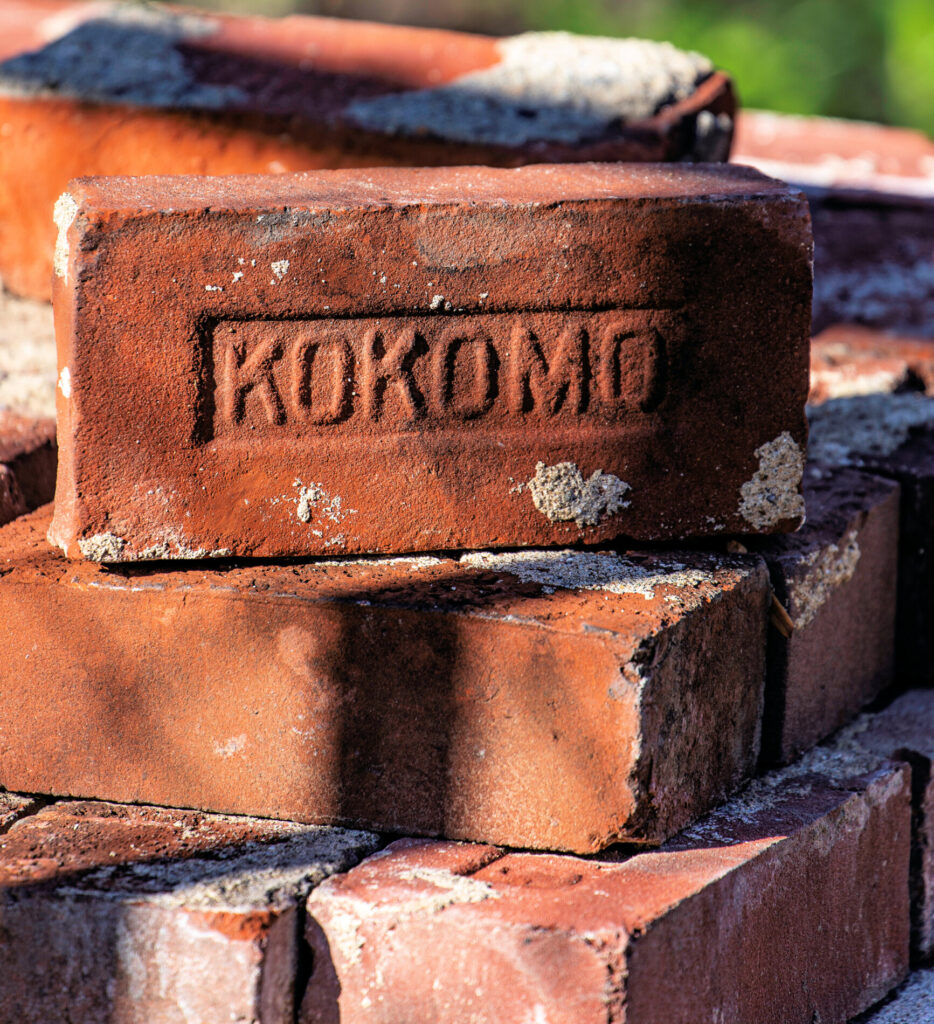
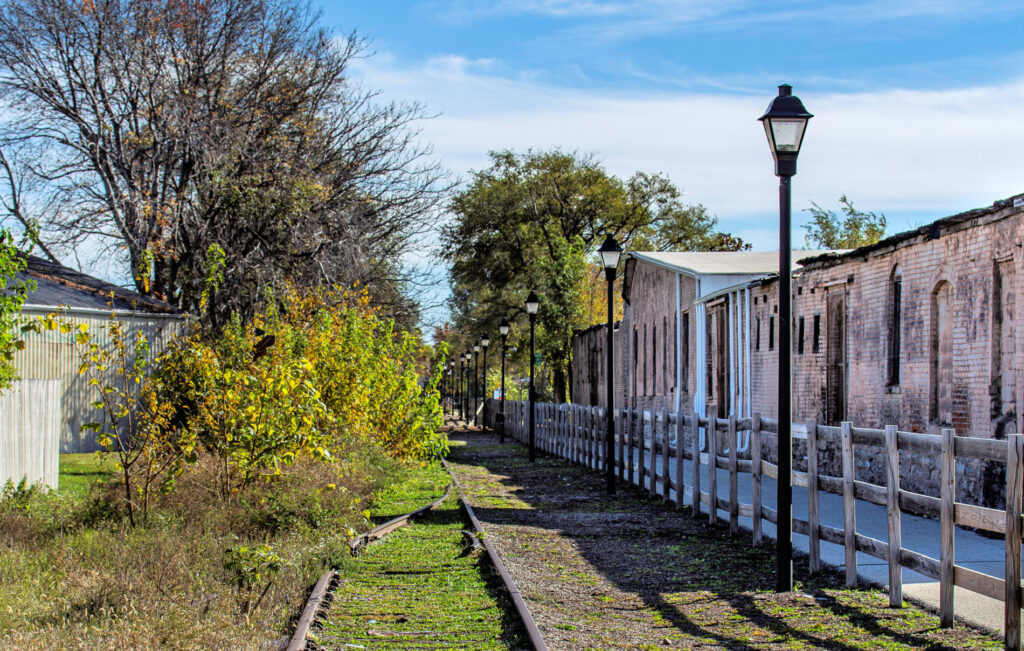
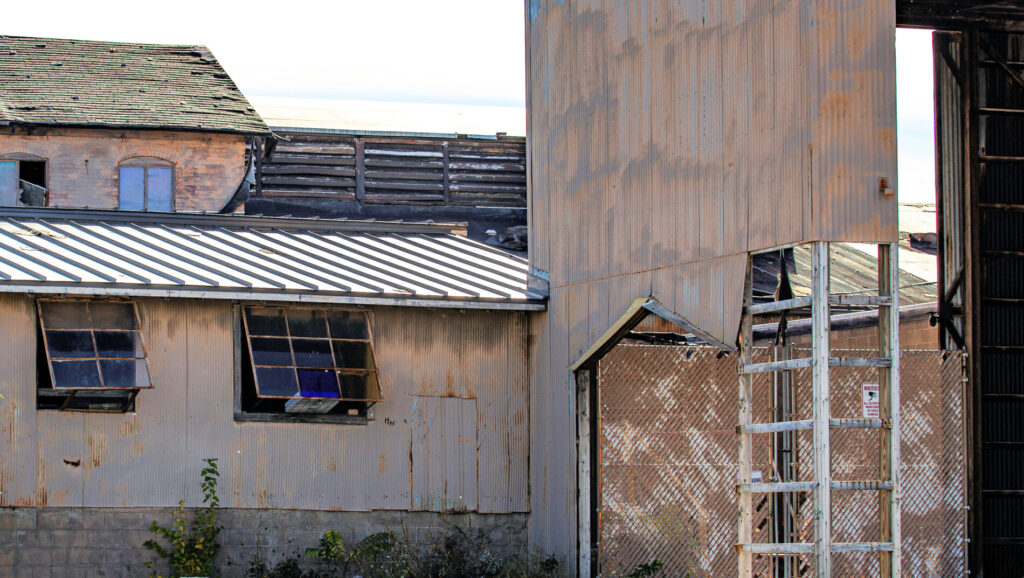

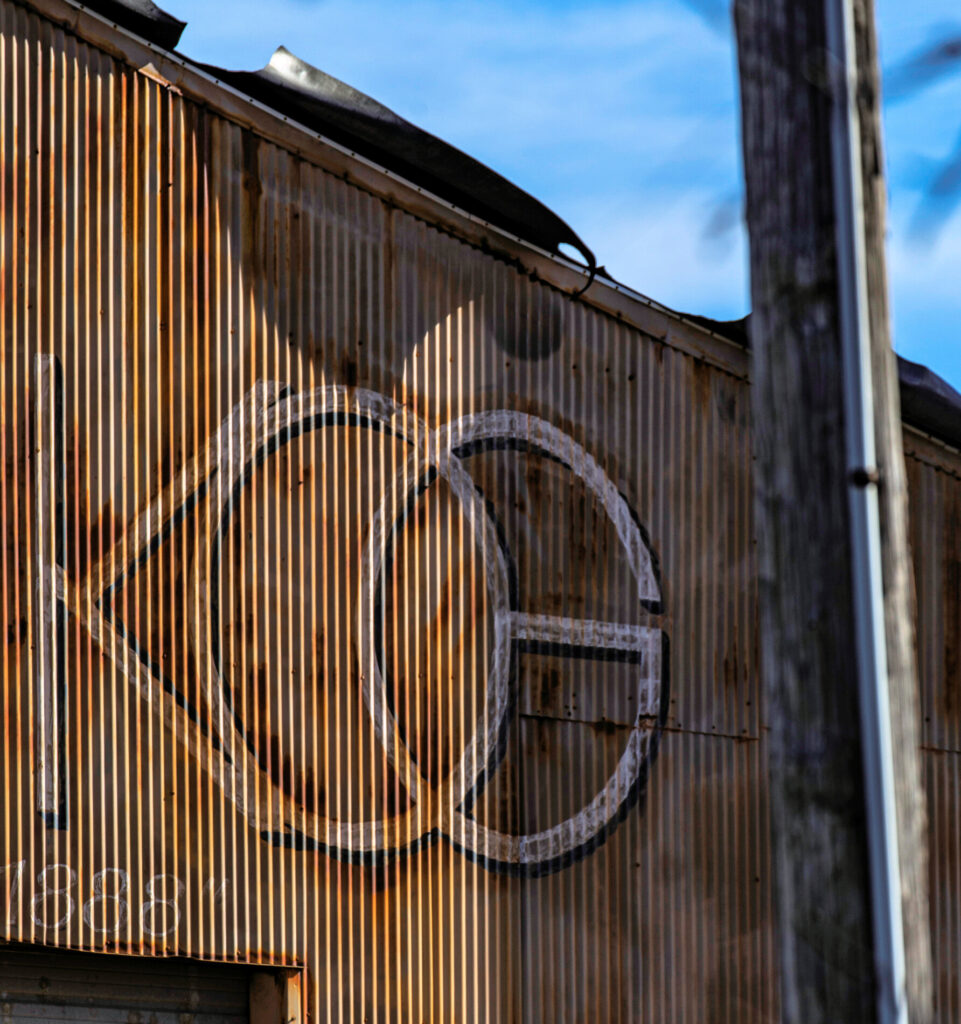
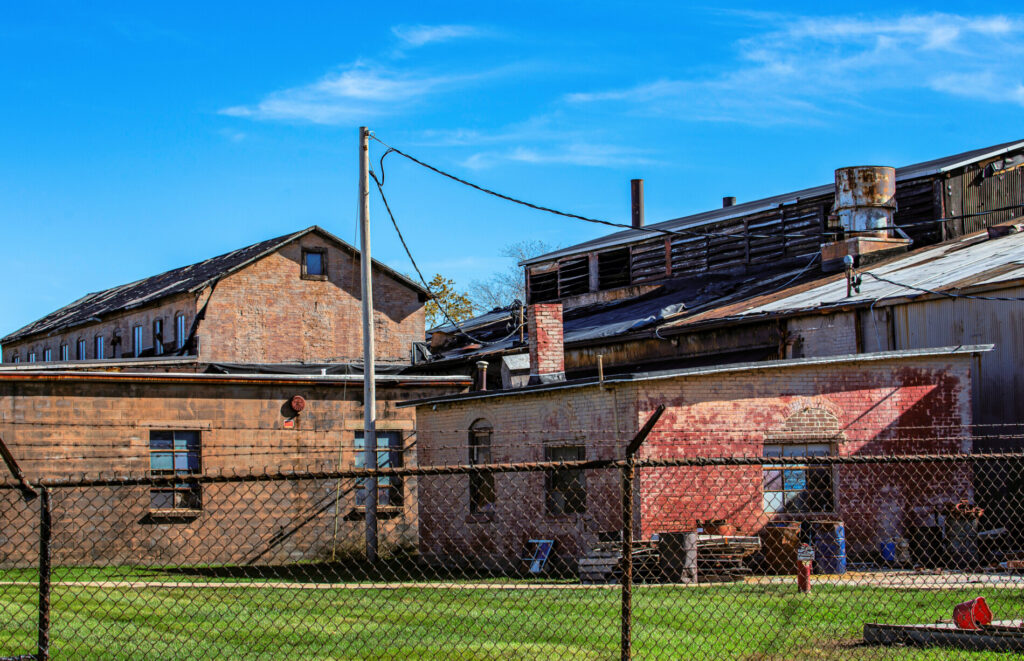
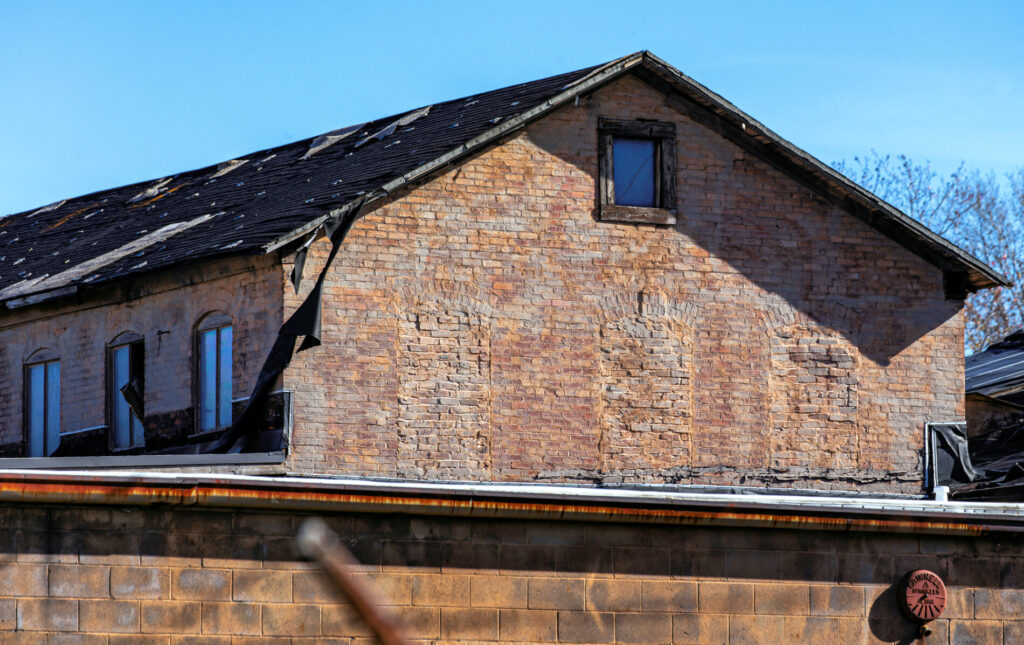
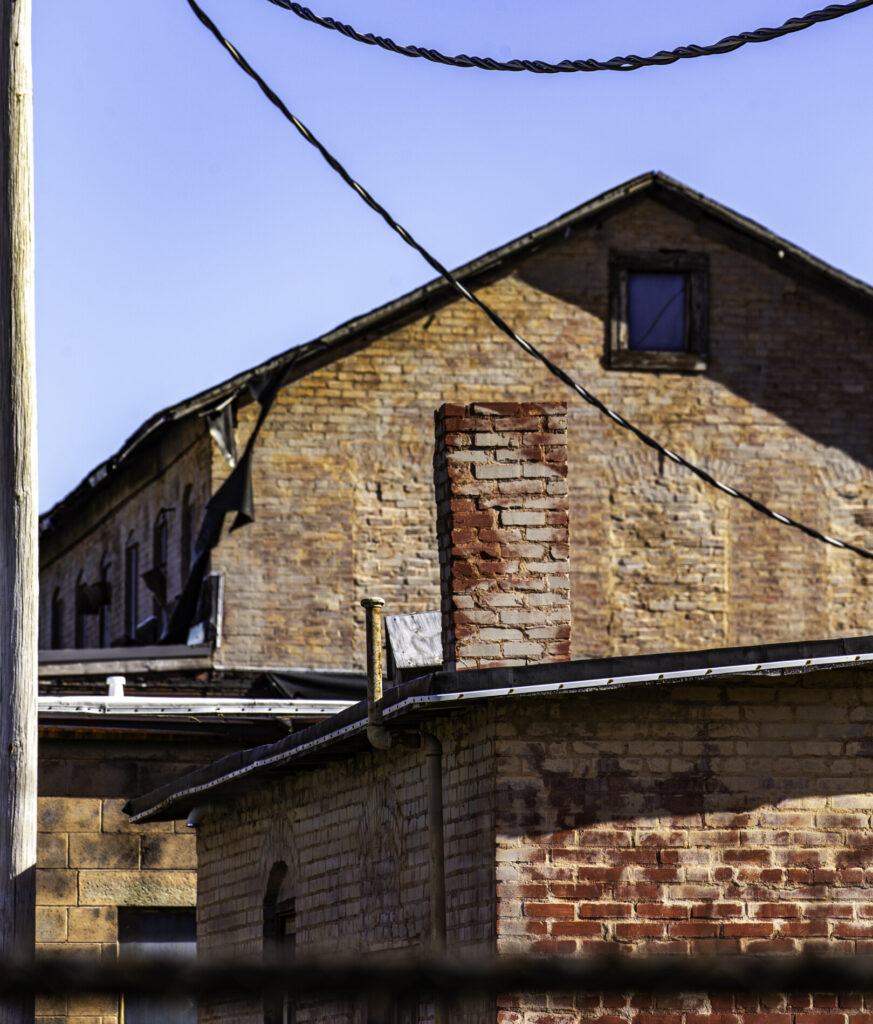
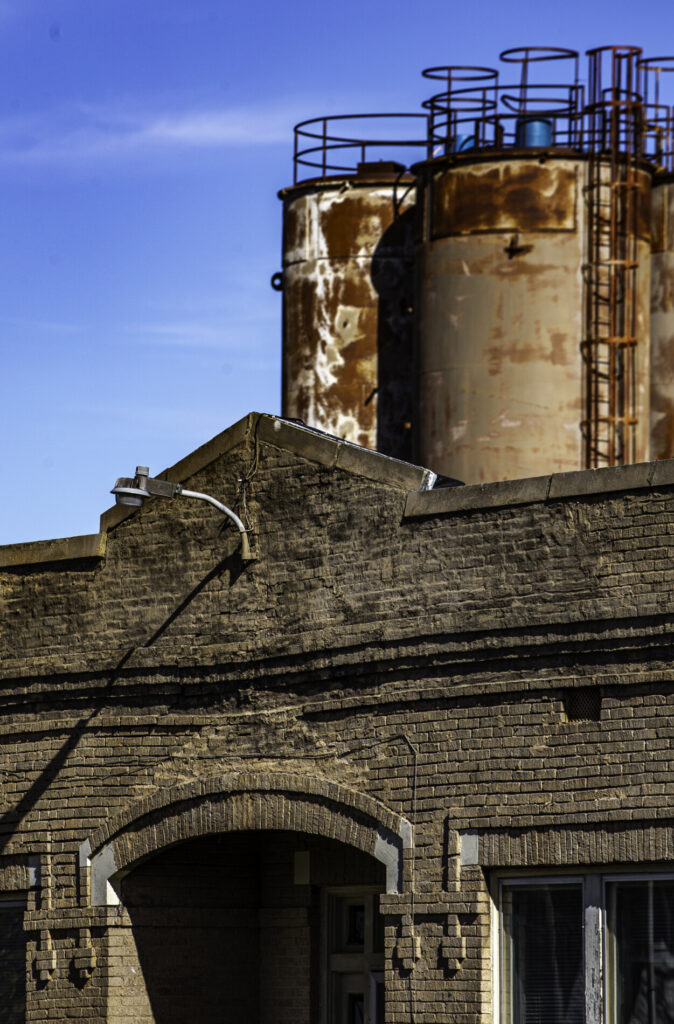
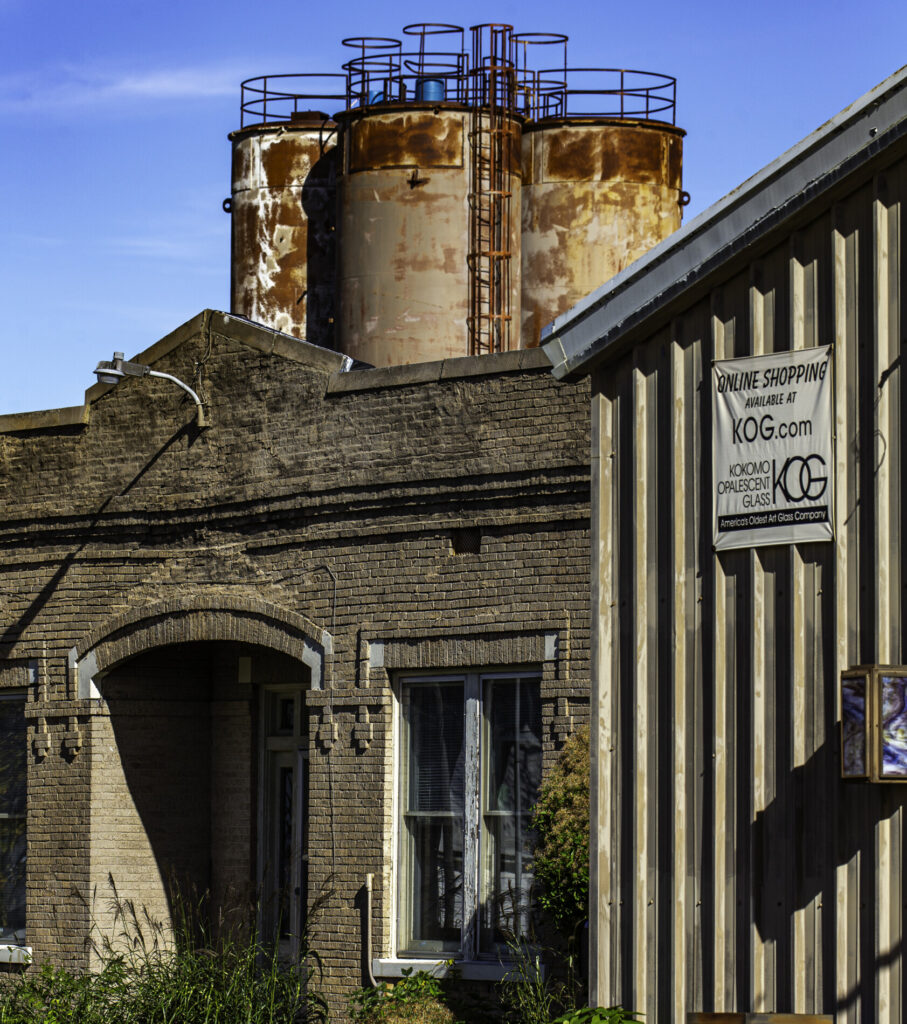
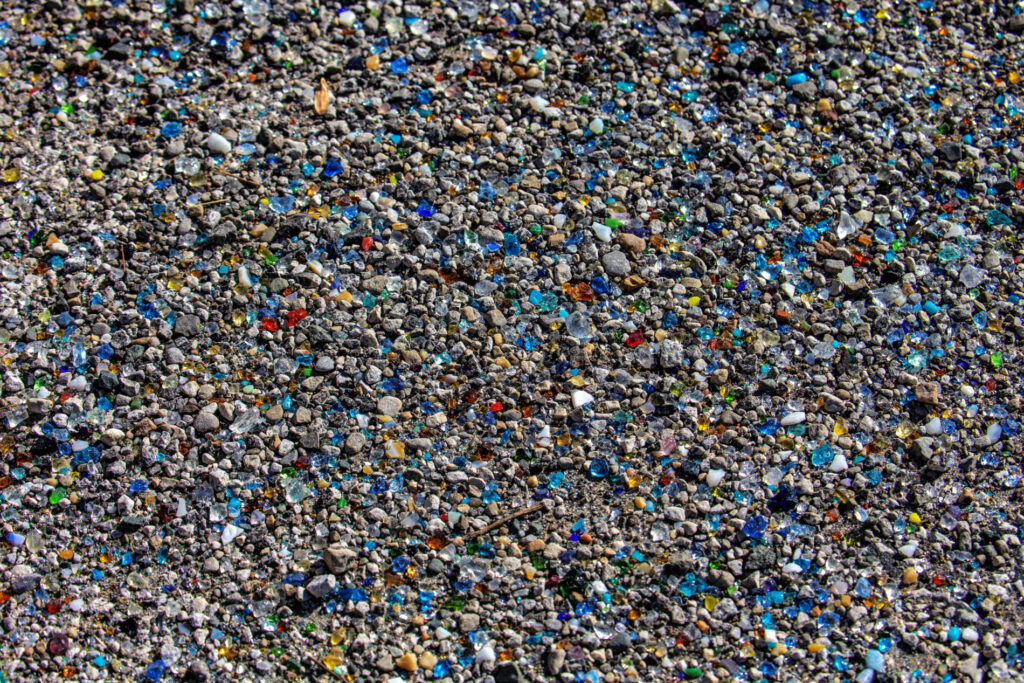
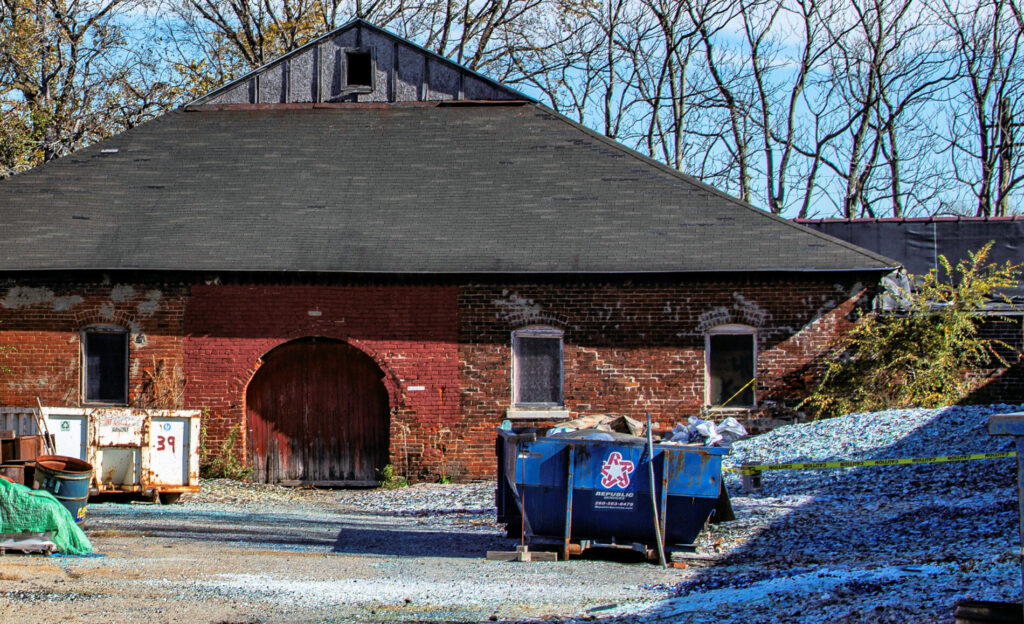

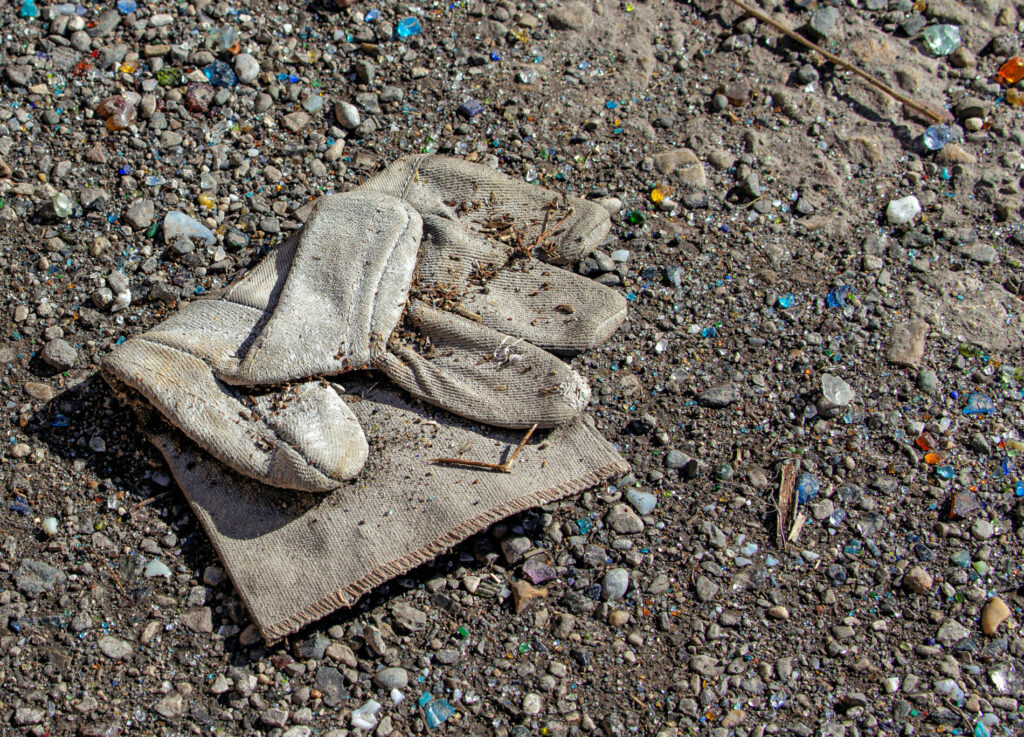
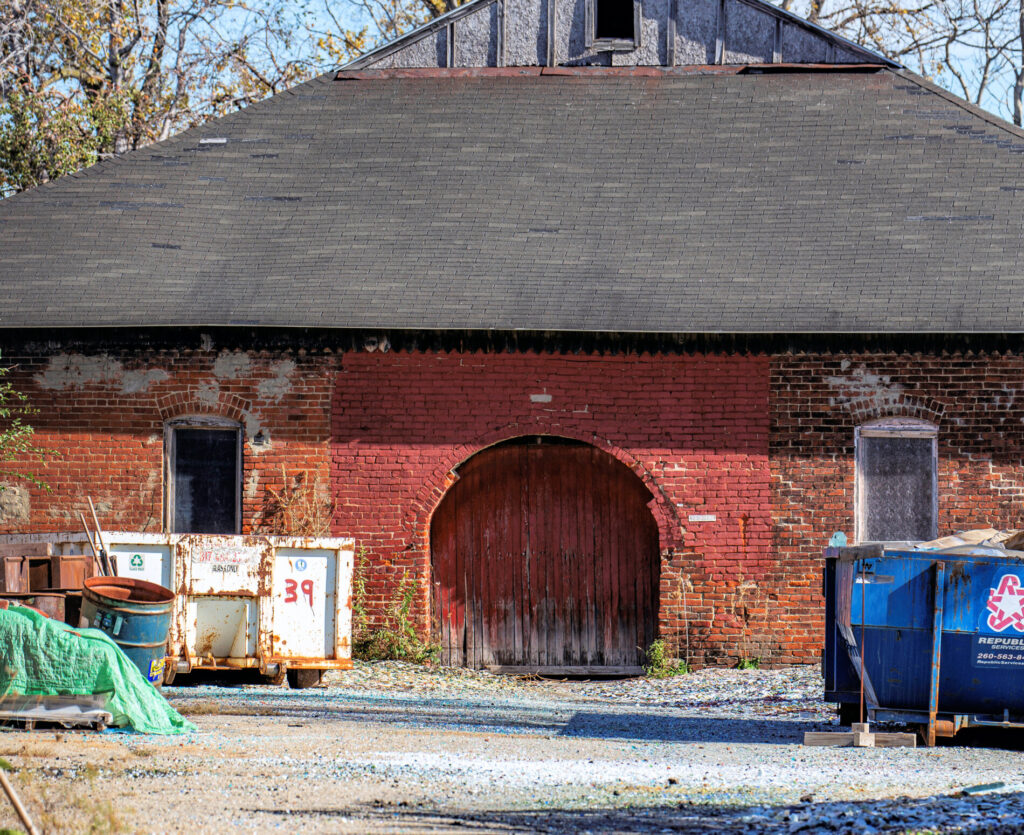
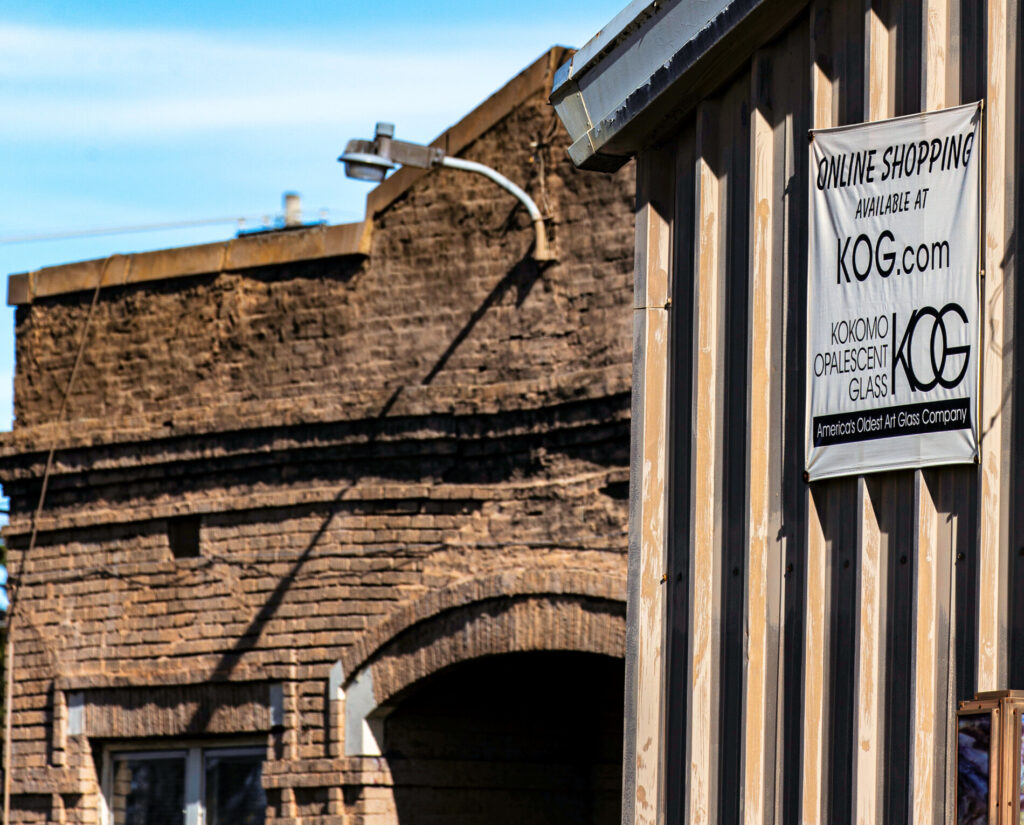
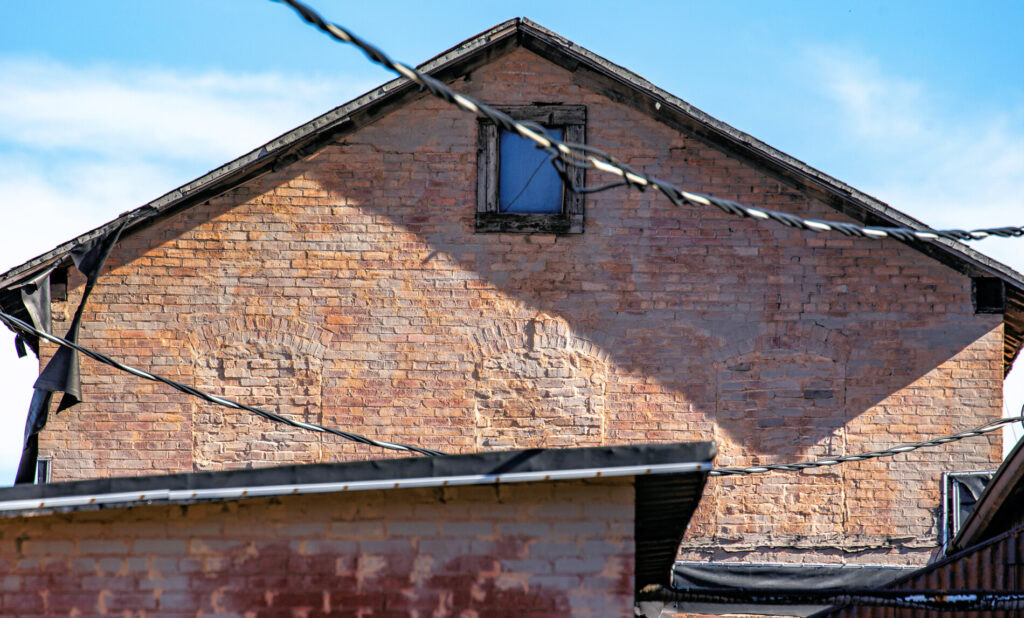
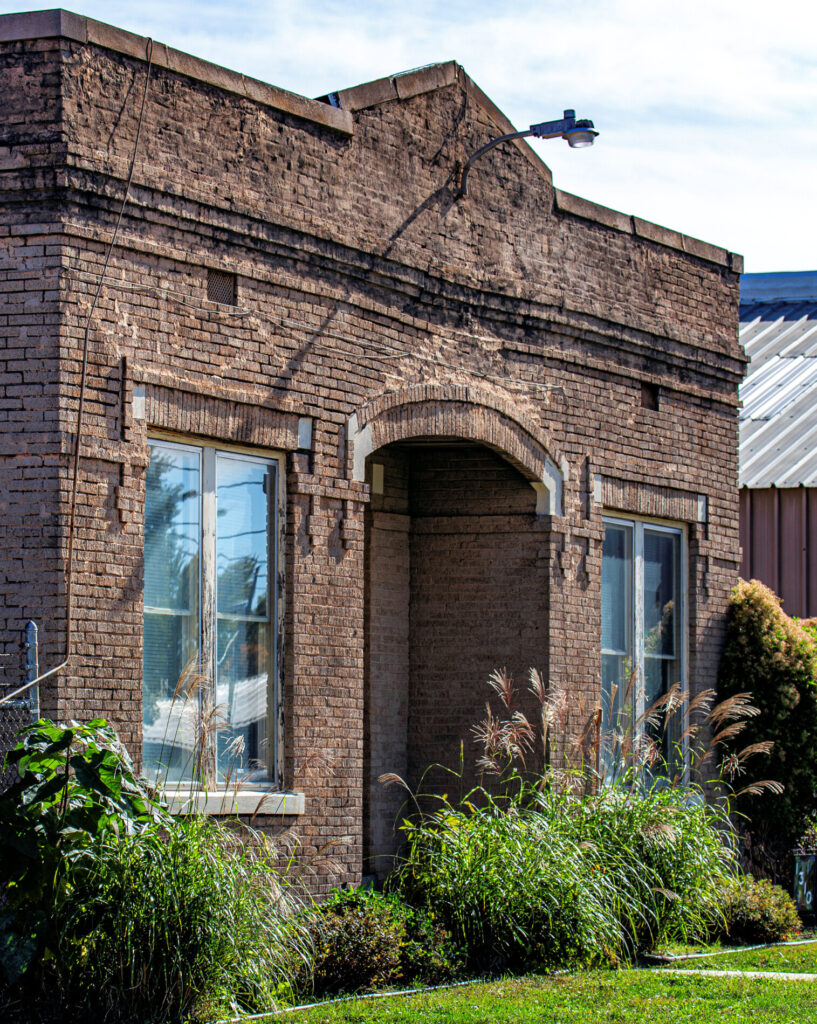
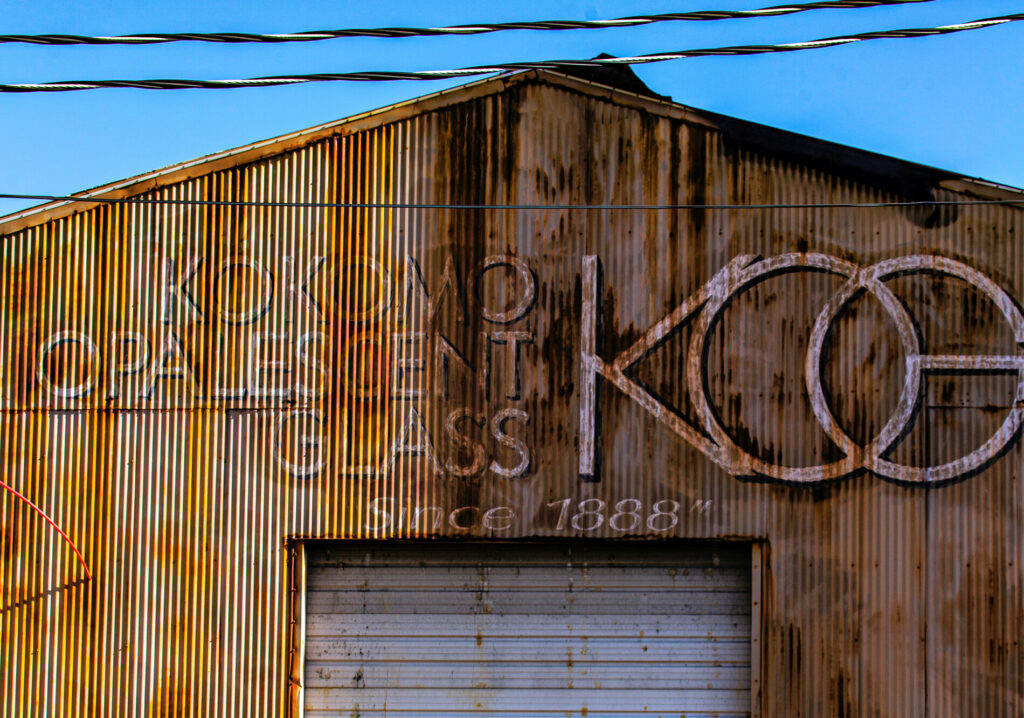
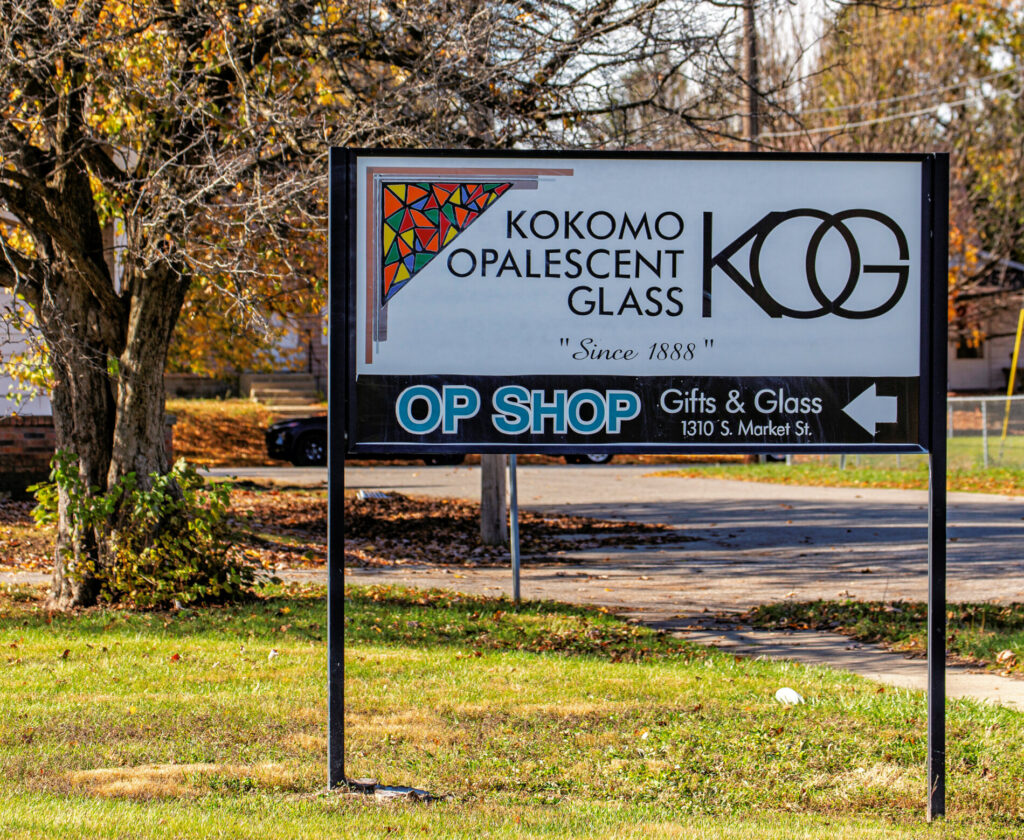
Production has stopped and tours are canceled, but the retail “Op Shop” continues selling remaining new-old-stock sheets, rondels, and blown glass while ownership seeks a buyer to preserve the company’s legacy.
During the Gilded Age and the rise of Arts & Crafts and Prairie Style, Chicago and the Midwest became a center of architectural stained glass. Studios used Kokomo cathedral glass, streak glass, and textured rondels to create innovative organic illumination.
| Architect / Studio | Key Innovations & Visual Style | Iconic Works Utilizing Art Glass |
| Frank Lloyd Wright | Prairie Style: Linear geometric patterns with zinc or copper cames, combining clear glass with rich amber and green opalescent accents. Wright sourced much of his glass from KOG. | Dana-Thomas House (Springfield, Illinois), with signature Dana lamps; Avery Coonley Playhouse (Riverside, Illinois), with balloon and flag patterns. |
| Louis Sullivan & Dankmar Adler | “Form Follows Function”: Ornate botanical motifs paired with structural geometry, extensive layered glass, and dramatic skylights. | Auditorium Building (Chicago); Guaranty Building (Buffalo, New York); and numerous Midwestern “Jewel Box” banks. |
| Healy & Millet | Leading Chicago glass studio closely associated with Adler & Sullivan, known for skilled color gradation and complex architectural glasswork. | Interior stained glass and acoustical plaster light panels for the Chicago Auditorium Theater. |
| Linden Glass Co. | Renowned Chicago studio that fabricated many of Frank Lloyd Wright’s intricate geometric windows. | Art glass for the Dana-Thomas House and other early Wright commissions. |
| John La Farge | Tiffany’s fierce rival, La Farge patented the use of opalescent glass in windows before Tiffany popularized it worldwide. He sourced premium sheets from KOG. | Extensive installations in 19th-century mansions, churches, and public institutions in Cleveland, Minneapolis, and New York. |
| Lamb Studios / Morris & Co. | Leading contemporary studios—Lamb in the United States and Morris in the United Kingdom—that set standards for ecclesiastical cathedral glass and residential slag glass. | Church windows worldwide, high-end residential triptychs, and historic art restoration. |
The end of Kokomo’s furnace production marks a major shift for stained glass artists worldwide, making its remaining sheets and distinctive glass formulations highly sought after by studios and artisans.