
02 Nov final farewell to chicago’s legendary historic paint analyst robert “bob” a. furhoff at glessner house
Final Farewell.

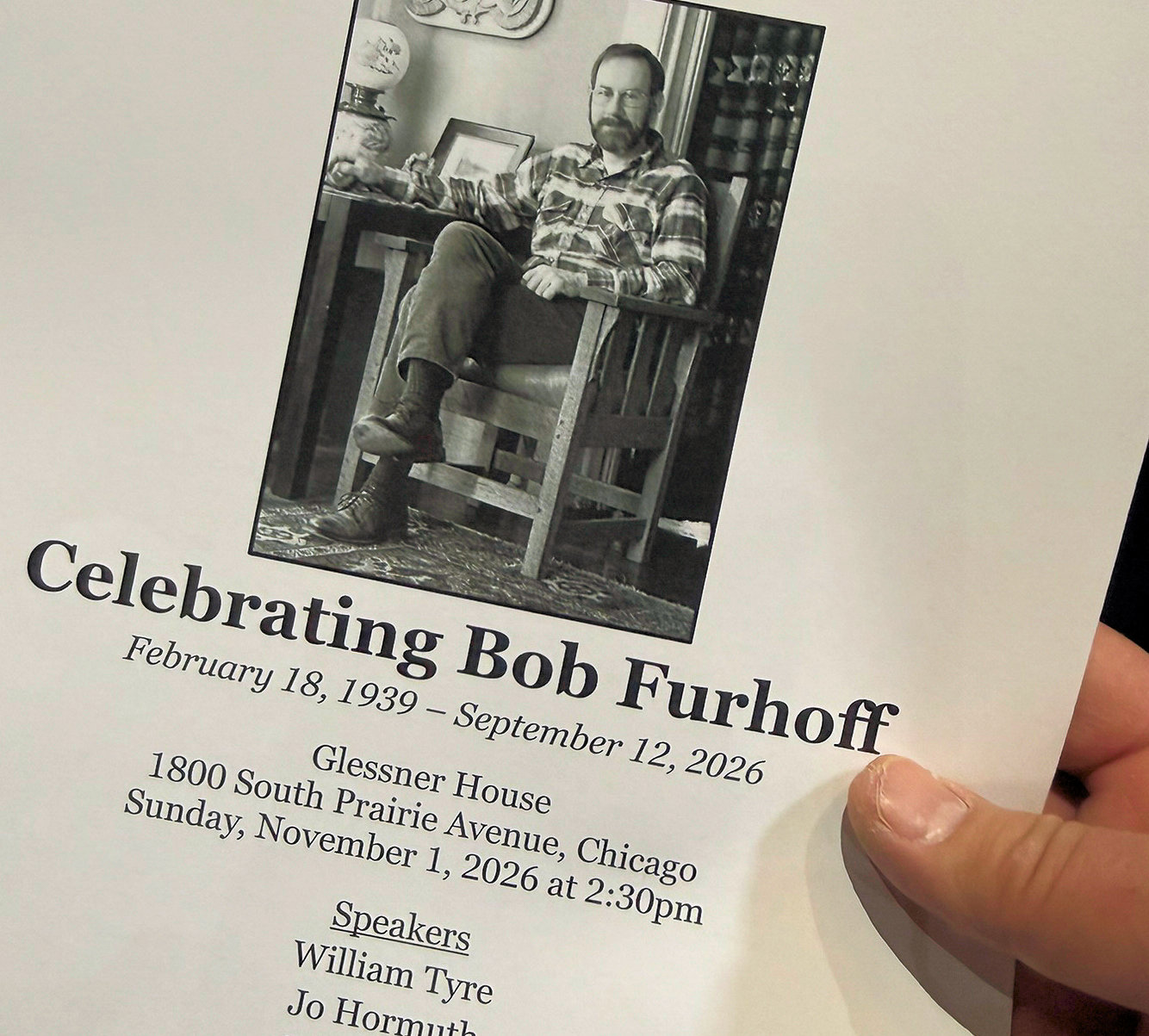
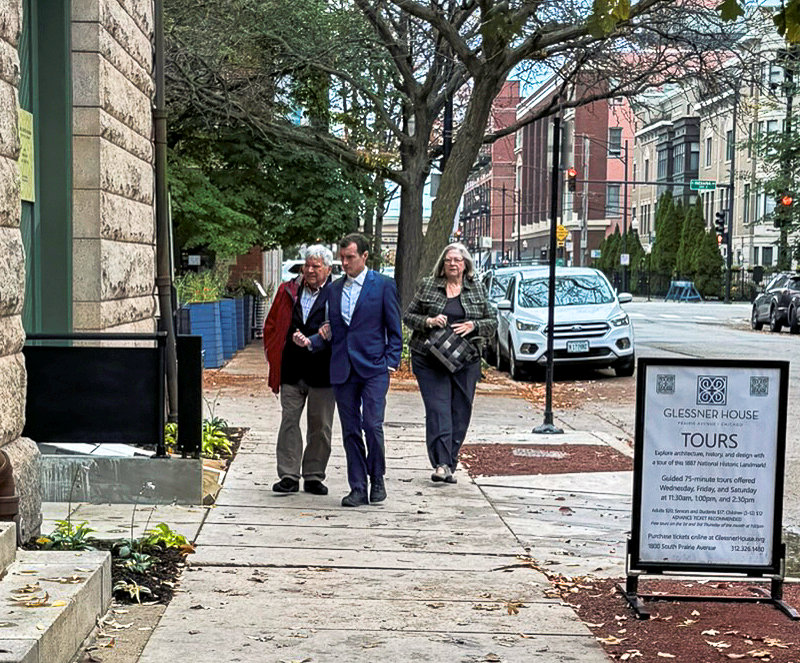
Bill Tyre hosted a lovely gathering at Glessner House on November 1 to honor the late Bob Furhoff. It was heartening to see so many familiar faces paying their respects. Tyre, Hormuth, Sullivan, and Vinci shared thoughtful memories of working with Bob in historic restoration.


Robert A. Furhoff was a renowned Chicago-based historic paint analyst, architectural conservator, and interior restoration specialist. From 1973 until his retirement in 2009, his firm, Restoration of Interiors, deciphered and recreated intricate historic color schemes and stenciling at roughly 100 landmarks across the Midwest.


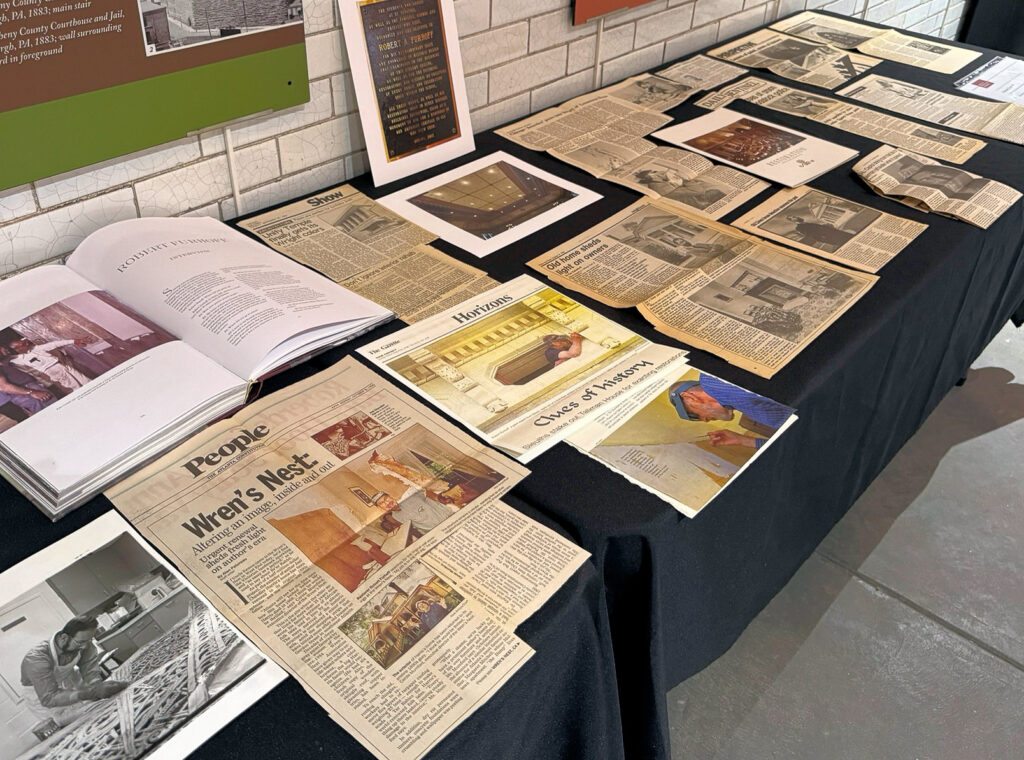
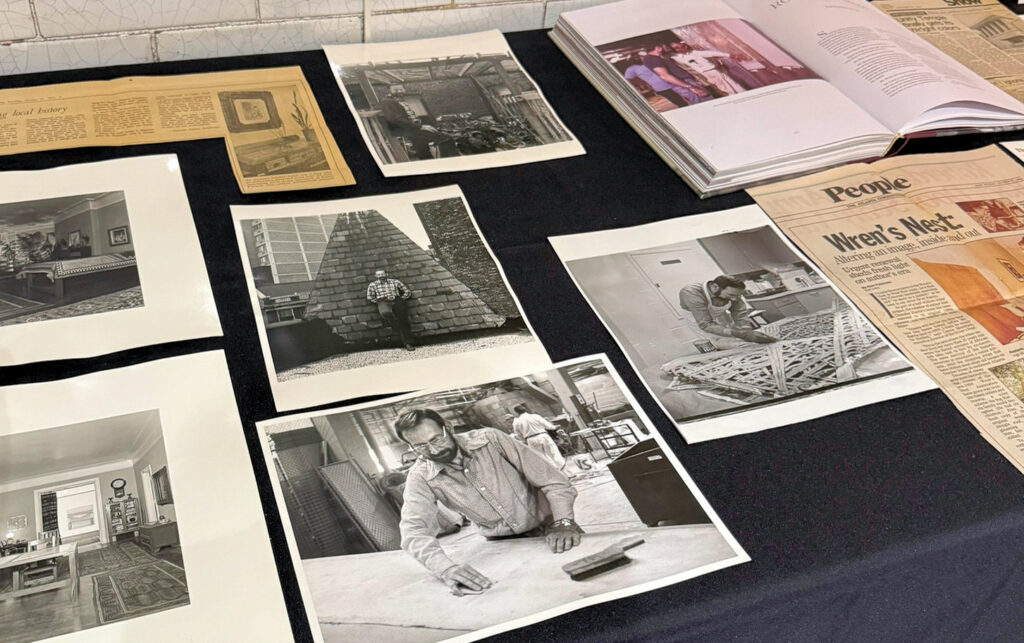

His investigations of these landmark structures show how he brought architectural history to light:
Working with architect John Vinci, Furhoff led the investigation, cleaning, and repair of the trading room’s intricate stencils before its reassembly at the Art Institute of Chicago. He identified 15 stencil patterns, the most elaborate incorporating 52 colors. His team recreated missing patterns on canvas to restore the room faithfully.
Clarke-Ford House:
Before the house’s restoration and museum debut in the 1980s, Furhoff spent three months examining 27 layers of paint and searching debris for clues. Microscopic analysis and discoveries such as original wallpaper scraps helped him identify and restore the mid-19th-century colors chosen by the original residents.
Schiller Building / Garrick Theater:
Decades after Adler and Sullivan’s landmark was demolished in 1961, Furhoff and preservationist Tim Samuelson examined salvaged fragments of the auditorium walls. They identified the original hand-painted stencil colors, enabling faithful reproductions of Sullivan’s distinctive overlapping rose patterns.
Furhoff also documented grand Gilded Age estates in Illinois and Wisconsin. His microscopic paint analysis guided restorers through layers of institutional paint and church-era alterations, allowing them to recreate the interiors’ original rich colors and patterns.
Furhoff’s approach combined detective work with chemistry. Rather than infer colors from faded black-and-white photographs, he collected tiny finish samples from millwork, molding crevices, and plaster. Under high-powered microscopy, these cross-sections revealed successive paint layers and helped him account for chemical color changes over time, tracing each building’s decorative history. His complete collection of architectural stencils, paint samples, and site files is permanently preserved in the Art Institute of Chicago’s archives.