

08 Sep john kent russell house (1855-71) building material traveling teaching aid kit
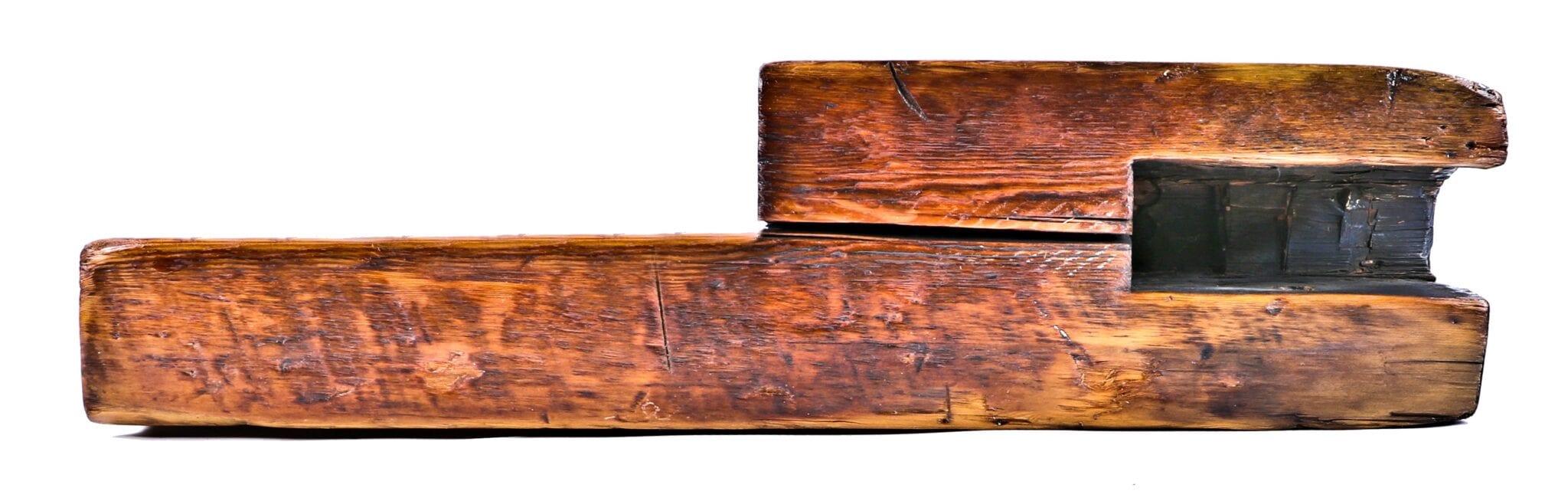
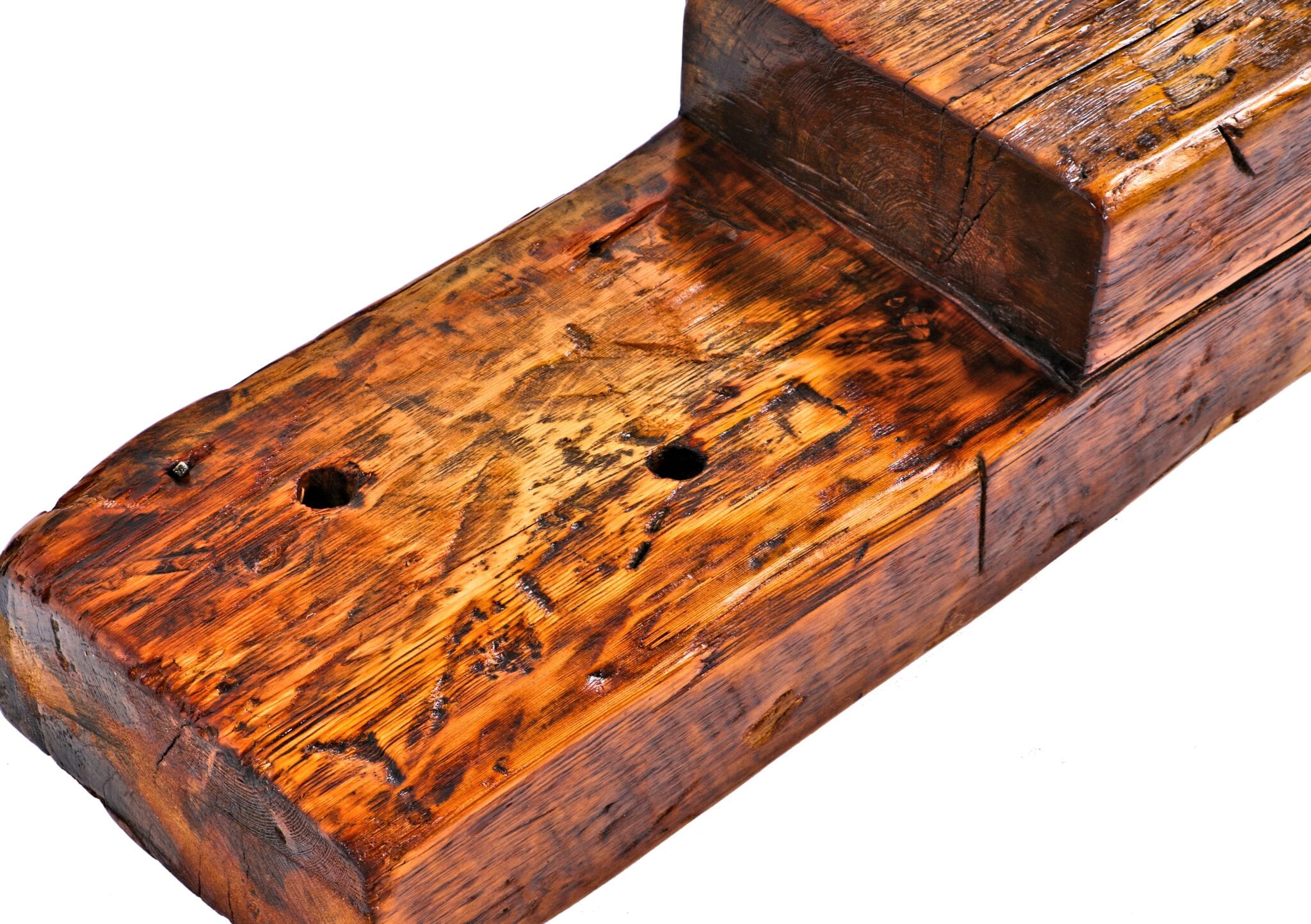
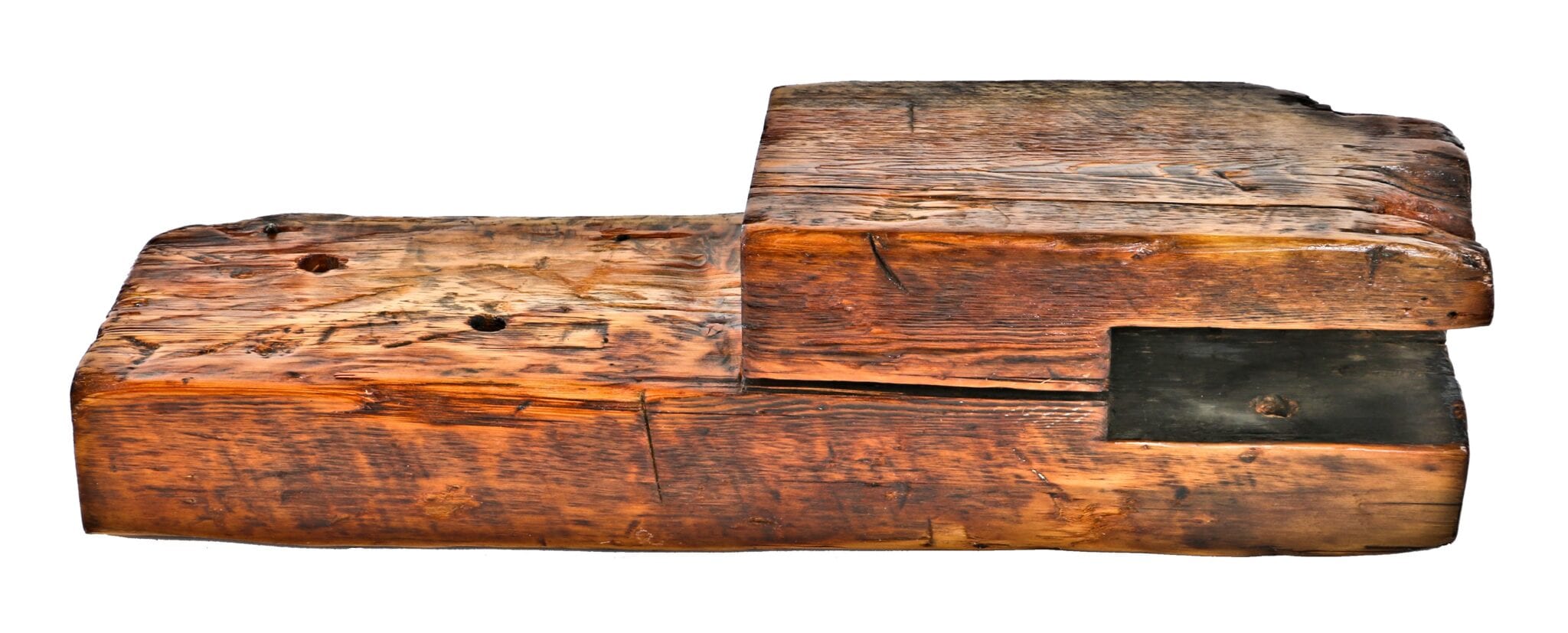
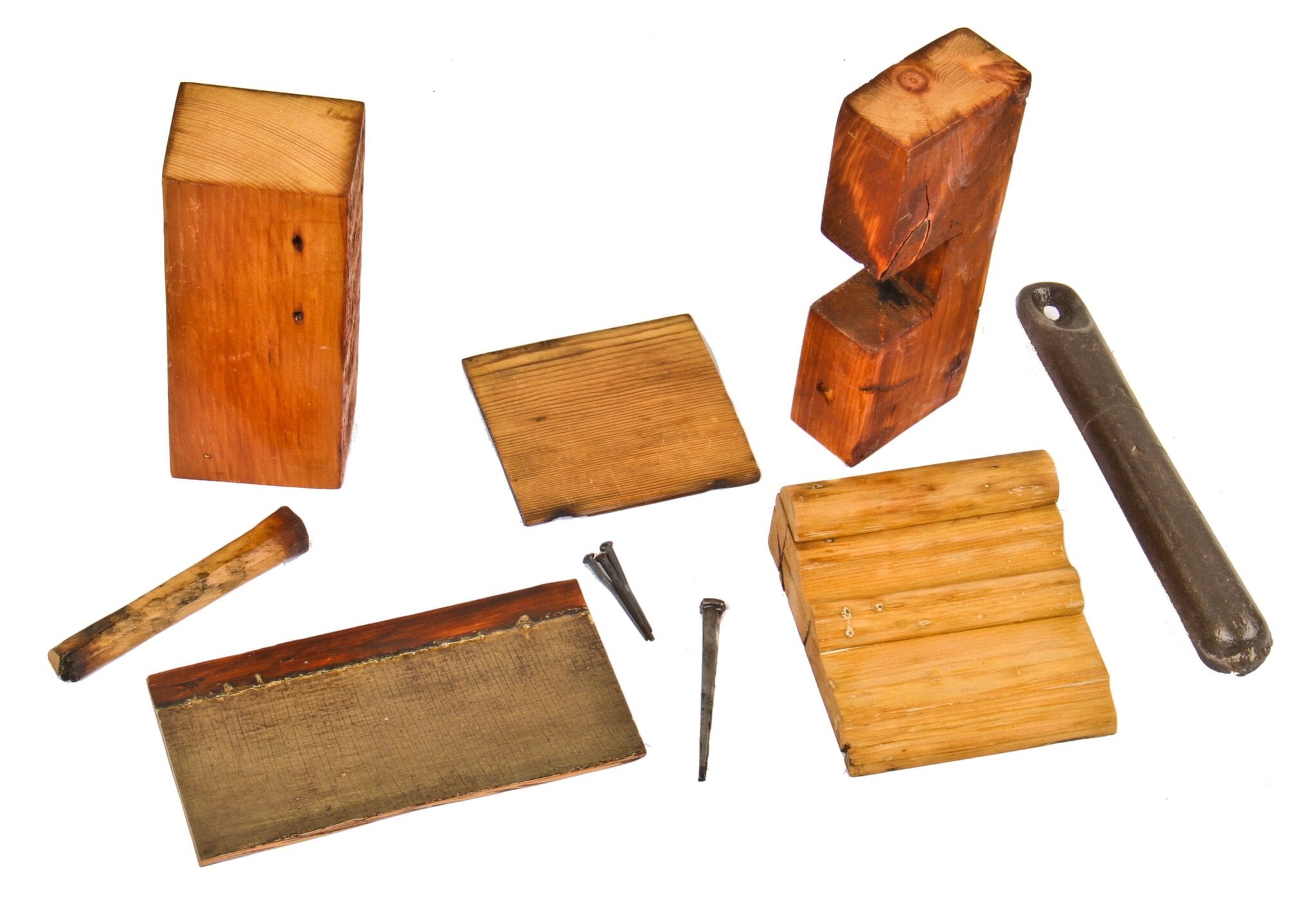
my travel companion consists of an agglomeration of small but important fragmented building materials, carefully salvaged from both interior and exterior “systems” used in the construction of the wood framed two-story john kent russell house (1855), and any subsequent additions prior to the great chicago fire of 1871. whether it’s a section of rough-sawn white pine wood lath or finished hand-turned pine wood “bulls eye” rondels used on the exterior cornice brackets, each and every component not only contributed to the completion of this historically important early chicago city residence, but offers tremendous insight into construction methodologies, material availability and fabrication. it is perhaps a snapshot of both construction materials and methodologies used during 1850’s construction in chicago.

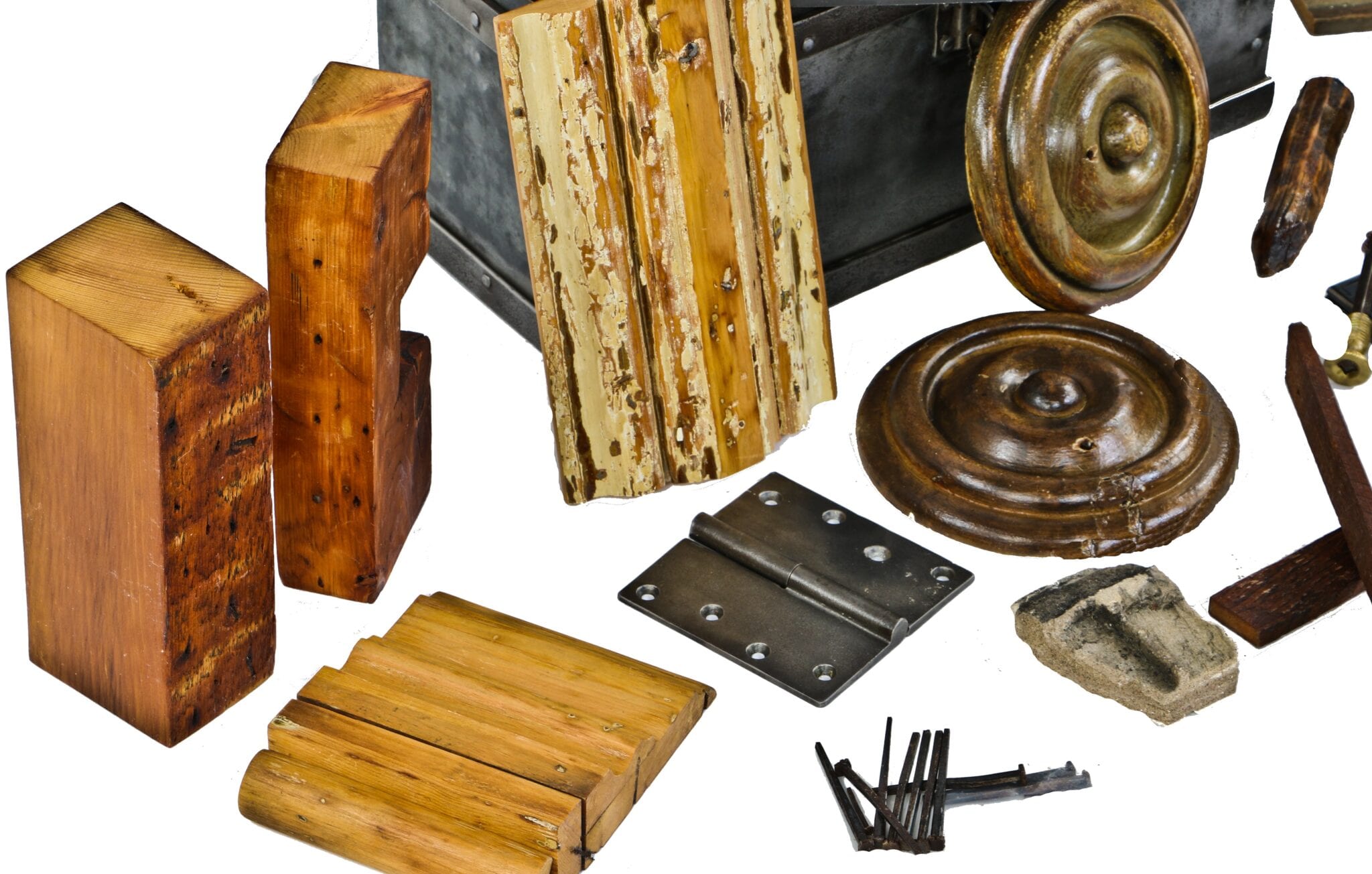

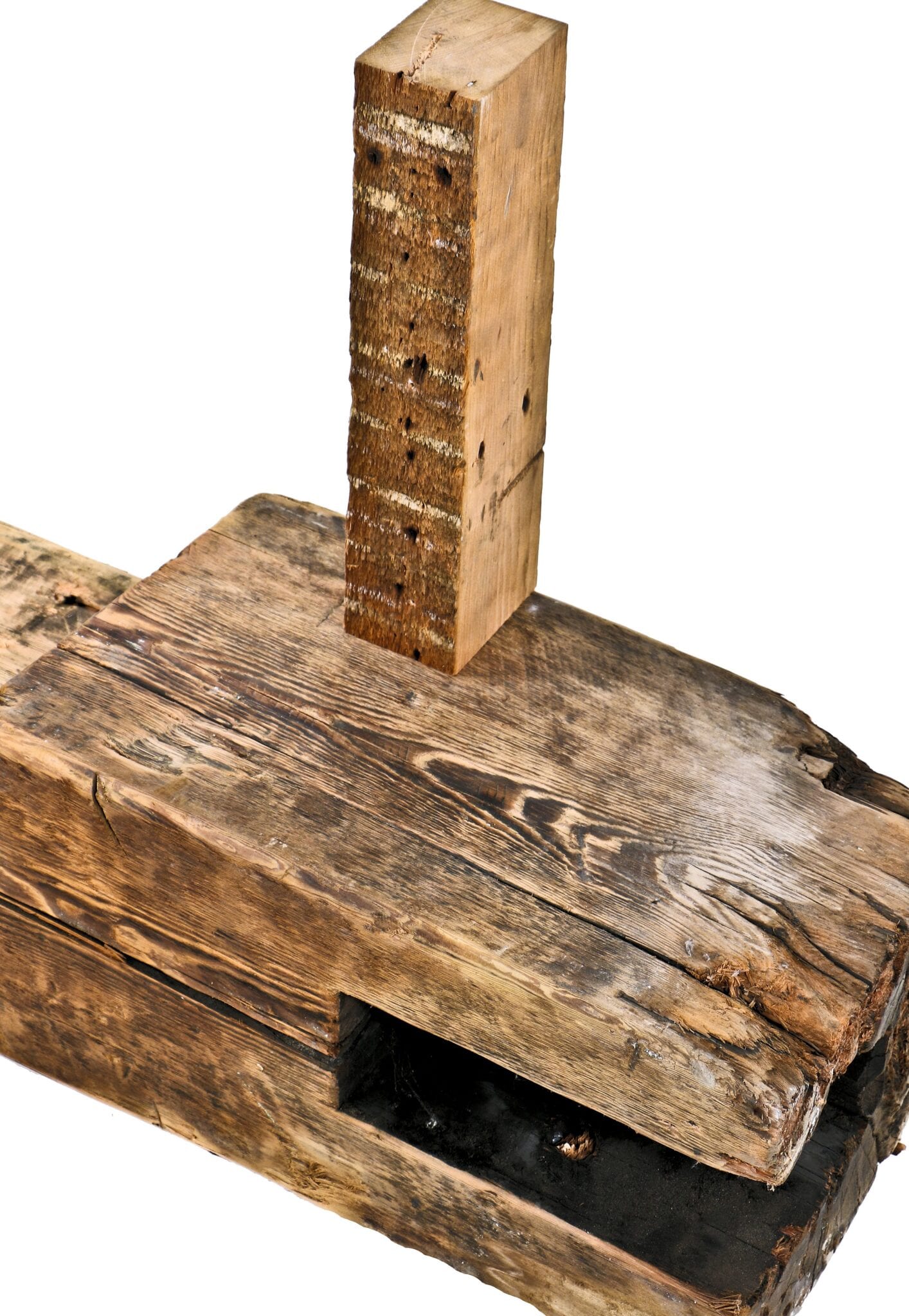
the purpose of assembling these materials in my traveling teaching kit, along with other, much larger fragments and whole “systems” (e.g., sill plate joinery, hand-planed clapboard with sheathing, etc.), is first and foremost to make the materials accessible to researchers or scholars who do not participate in field work. along with this, i hope to highlight the experimental nature of materials used, especially during a time when construction was still considered trial-and-error, in light of bridging beam and balloon framing technologies together. this “chicago method” of framing was used shortly after the abandonment of log construction in the early to mid-1830’s, and until the late 19th century. at that point advancements in machinery led to more and more mass-produced dimensional wood, hardware, and materials made with a greater degree of accuracy and consistency.