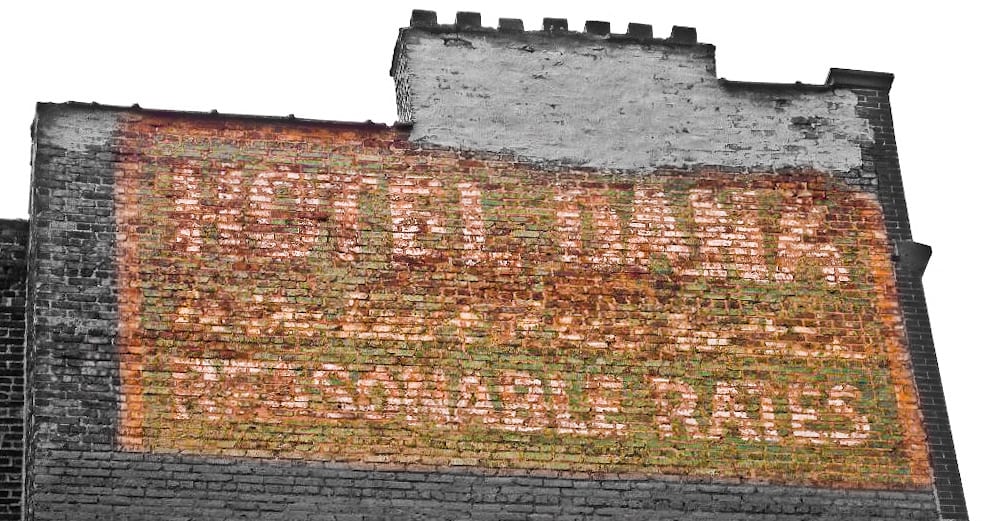

09 Mar documenting the late 19th century queen anne style downtown chicago dana hotel before its demolition
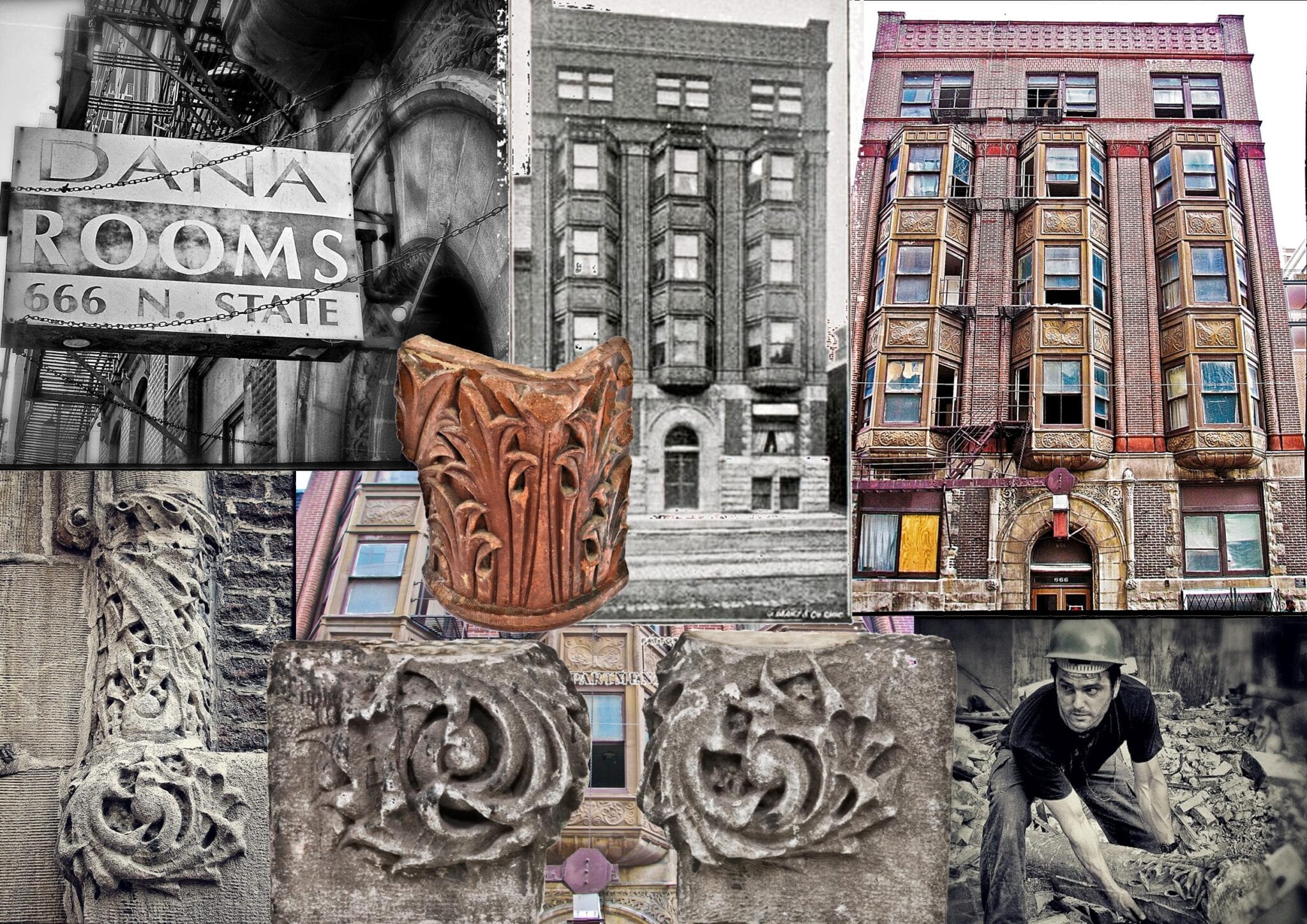
before it was demolished nearly 10 years ago, the patton and fisher-designed dana hotel (built as the erie apartment building in 1891) was chicago’s oldest continuously-running hotel, and one of the oldest extant hotel structures in the city. it was furthermore, a remarkable queen anne style flat constructed in 1891 that had not been significantly altered.
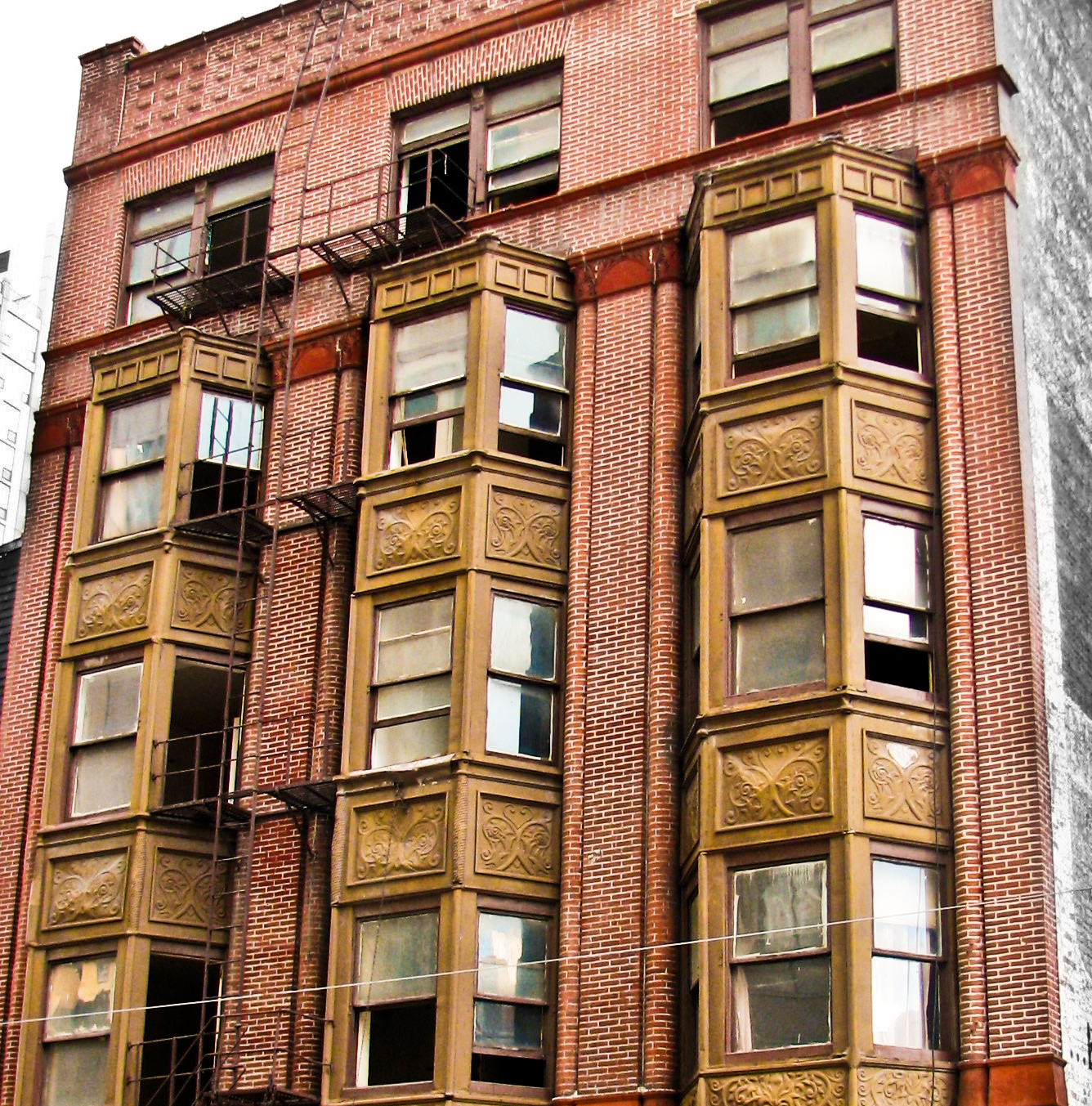
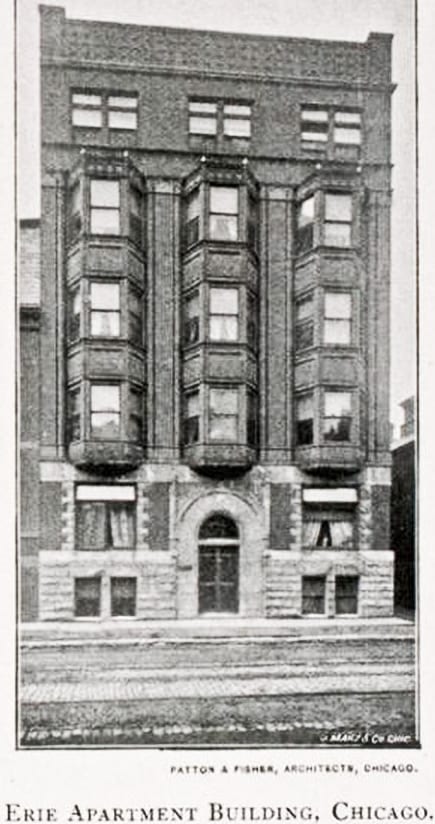
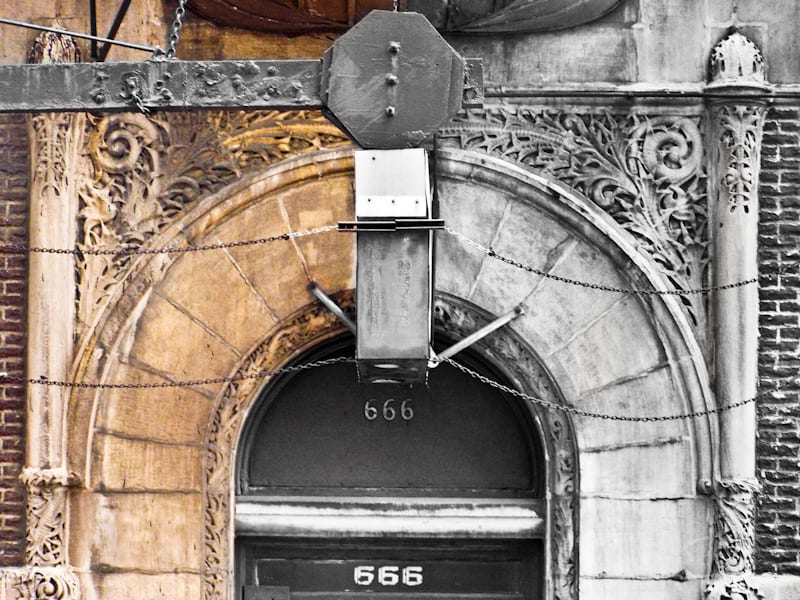
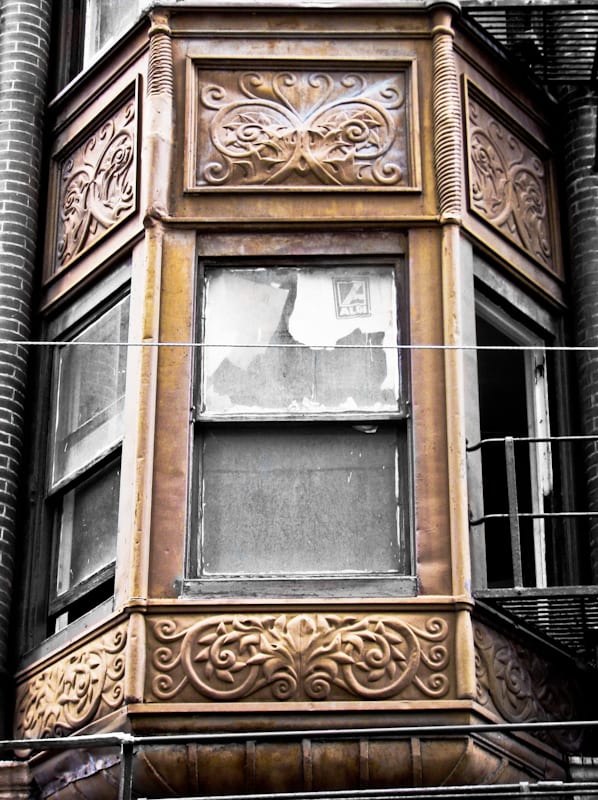
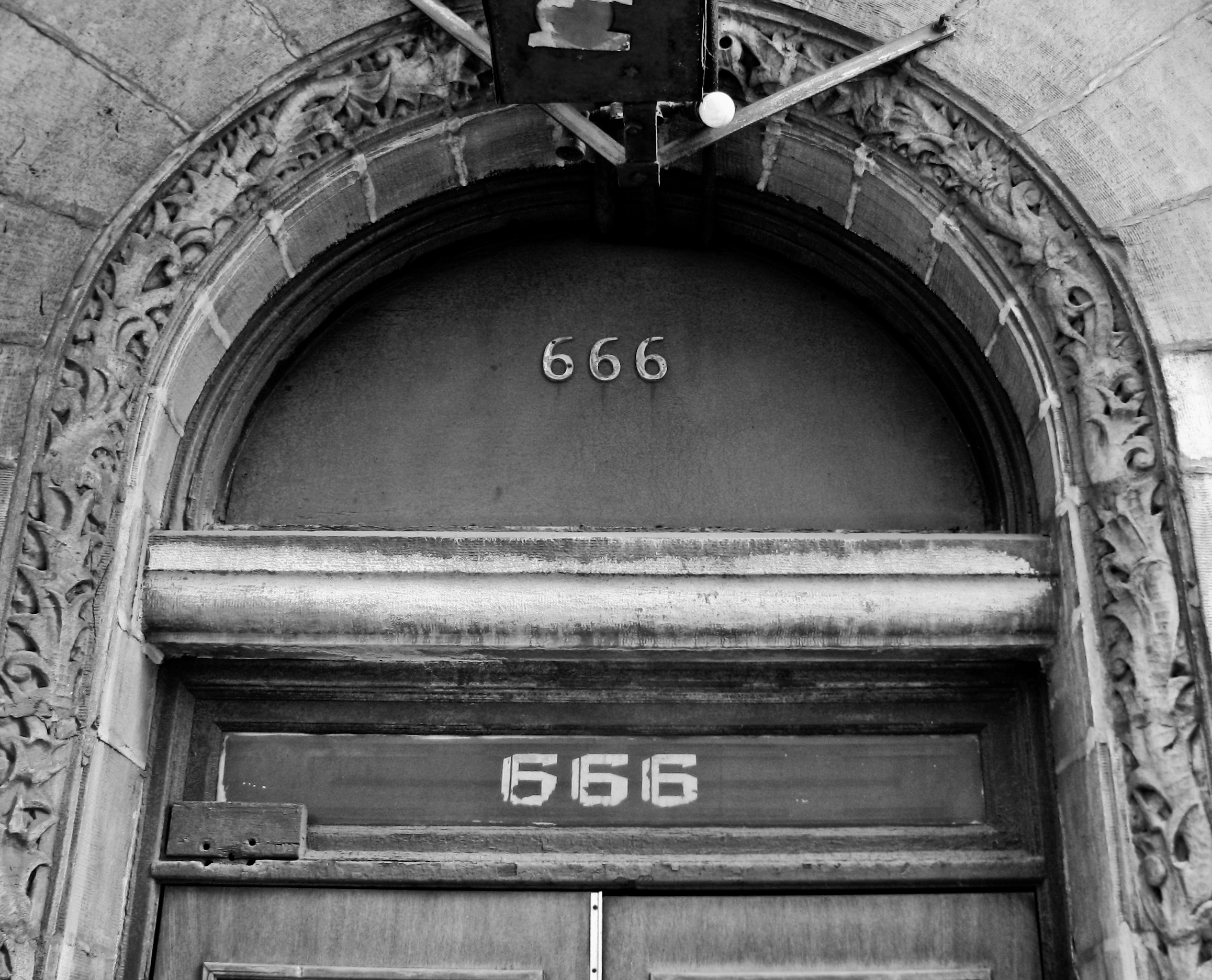
the five and a half story structure located at 666 n. state street was one of the few remaining downtown buildings in this style, a vestige of an older neighborhood and the building trends of another century. its three projecting ornamental tin paneled bay window configuration was flanked by red brick pilasters atop a finely carved limestone base with rusticated slabs and a centrally located, monumental archway.
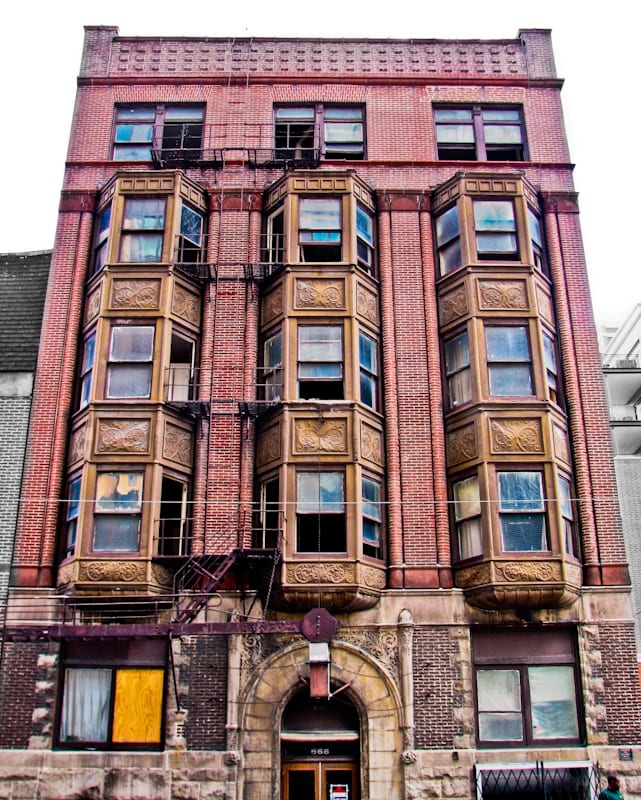
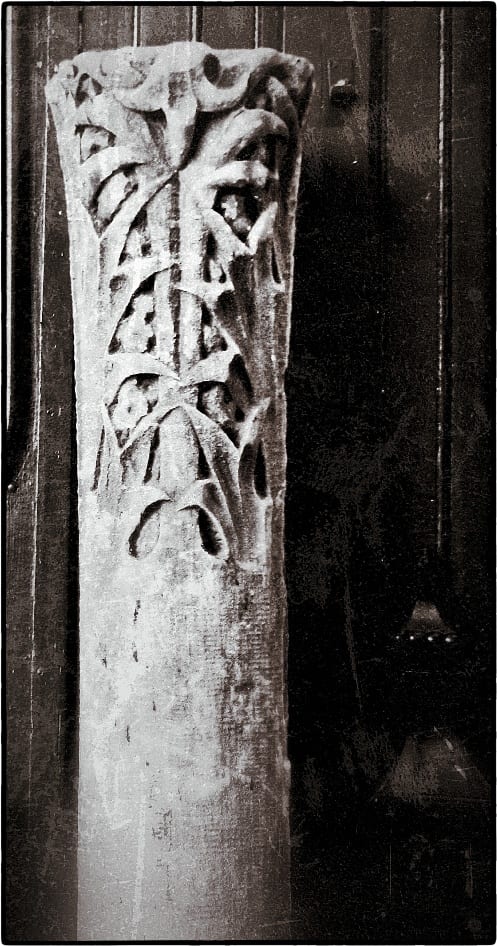
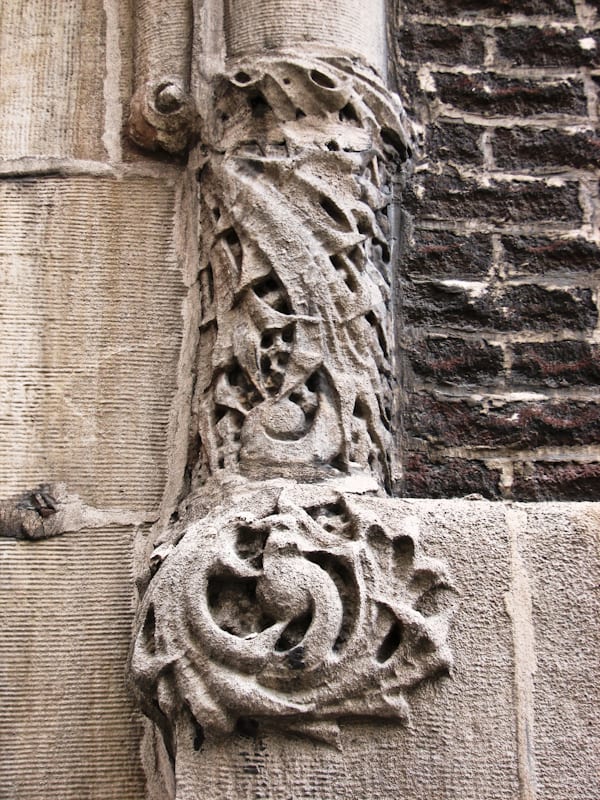
the impressive carved limestone arch featured high-relief richardsonian romanesque foliated scrollwork surrounding the rounded entry and along its inner border. the entrance was flanked by tapered limestone pilasters with elegantly designed finials and endcaps.
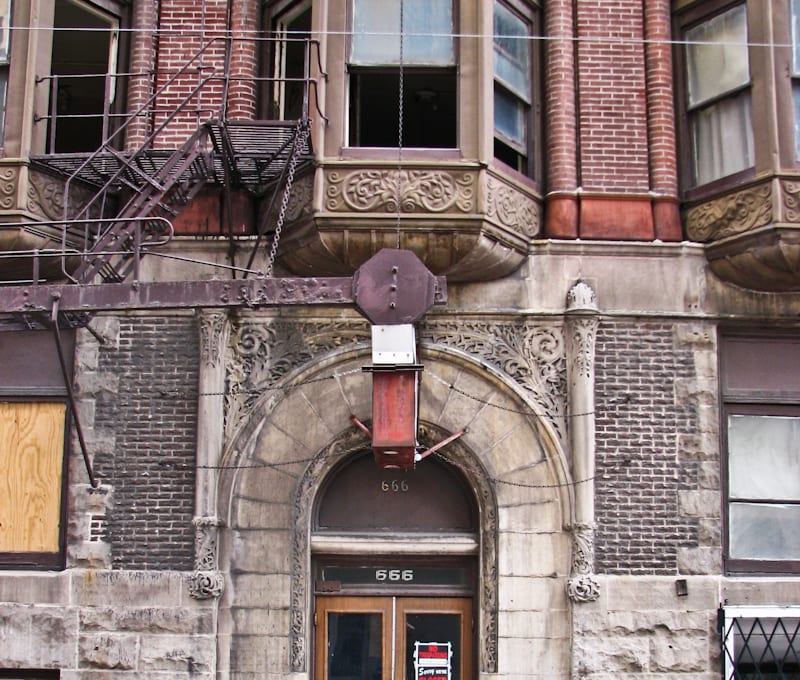
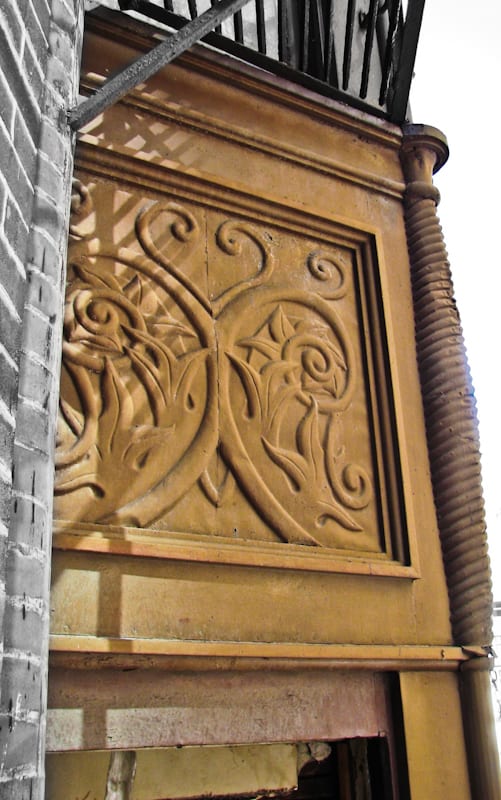
the exterior stamped metal panels surrounding each bay window along the facade complemented the entrance design with a combination of distinctive oversized square-shaped symmetrical foliated scroll panels, along with rectangular-shaped lower bay panels exhibiting a more expansive alternative to the larger panel designs.
the hotel dana was designed by normand s. patton and reynolds fisher, a firm noted for buildings in queen anne and classical revival architectural styles. normand patton, in particular, had gotten his start as a draftsman for william le baron jenney (architect of the first skyscraper and founder of the chicago school), and went on to be appointed for a time as the chicago board of education’s school architect. together patton & fisher designed buildings throughout the midwest, among them the illinois institue of technology, the main building of the armour institute, and numerous residences in oak park.
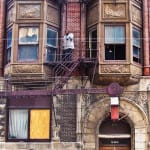
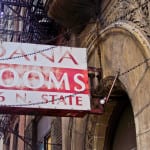
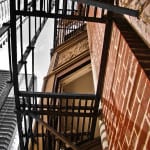
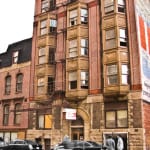
in 2006, while urban remains was still in its infancy, the dana hotel was succumbing to an aggressive push for demolition. the building was considered unfit for restoration for a number of reasons, and a glimpse of the inside during the photo-documentation stage of the salvage certainly corroborated the disrepair or neglect, but for the most part, it was mostly cosmetic in nature. the prolonged interior neglect was one thing, but the more prominent reason to raze the hotel was to make way for a modern hotel building (aptly named “hotel dana”), with elevators, 20 more floors, bigger rooms, and a generally more profitable space. the inspection that deemed the dana hotel impossible to restore was suspect, to say the least, being funded by the developers themselves.
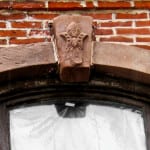
as i recounted in a prior blog about the hotel, my salvage effort was still largely experimental at that point in time, my relationship with the wrecker newer, and i wasn’t able to save as much of the exterior as i would have today, with the time necessary to detach myself from the shop. as is, i managed to secure two red terra cotta capitals or endcaps, intact and fragmented carved limestone sections from the remarkably ornamented arched entrance, and protruding bay window pressed tin panels, during its fast-paced demolition 10 years ago. despite the shortcomings of these efforts — which pale in comparison to the methods i’ve established today — any and all ornament from the facade would have been hauled to the landfill had i not been there to salvage.
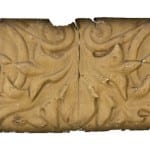
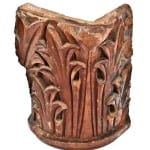
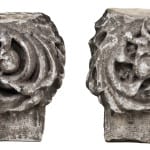
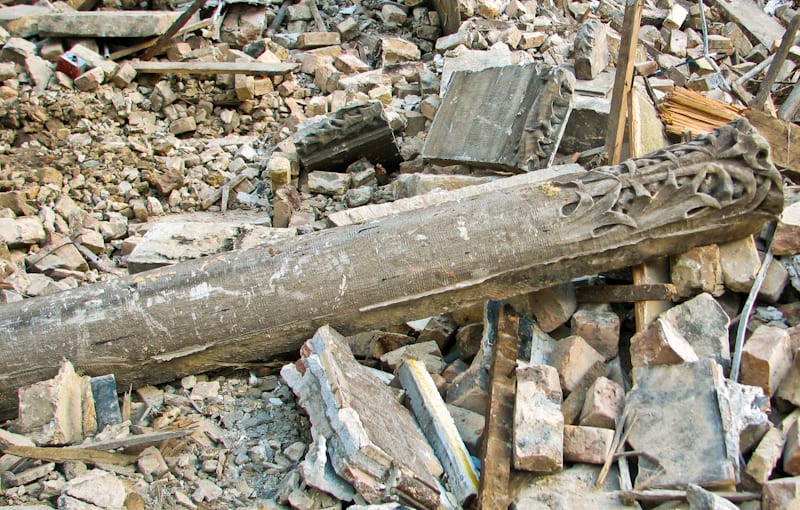
perhaps the impetus for this post and the only remaining puzzle from that experience is a nagging curiosity about the buildings directly south and east of the the dana hotel; two beautiful post-fire mansions (1872-1874) that were seemingly overlooked and drastically downplayed in descriptions, by some of the preservationists and developers alike. in fact, preservation chicago dubbed the residences as a “small victorian house now used for commercial purposes,” which wrongly identifies them and fails to address its equally stunning neighbors facing erie street, as well as glosses over its architecturally significant features, and any possible historical narratives (e.g., owners, architects, etc.) associated with them. a walk through both buildings before they were reduced to rubble impressed a strong interest in the residents who inhabited this area, and a follow-up blog post will be devoted to research on these neighboring mansions, brought down within the same span of time as the hotel dana.