
10 Jul deconstructing michael reese hospital’s nurses’ residence shortly before its death
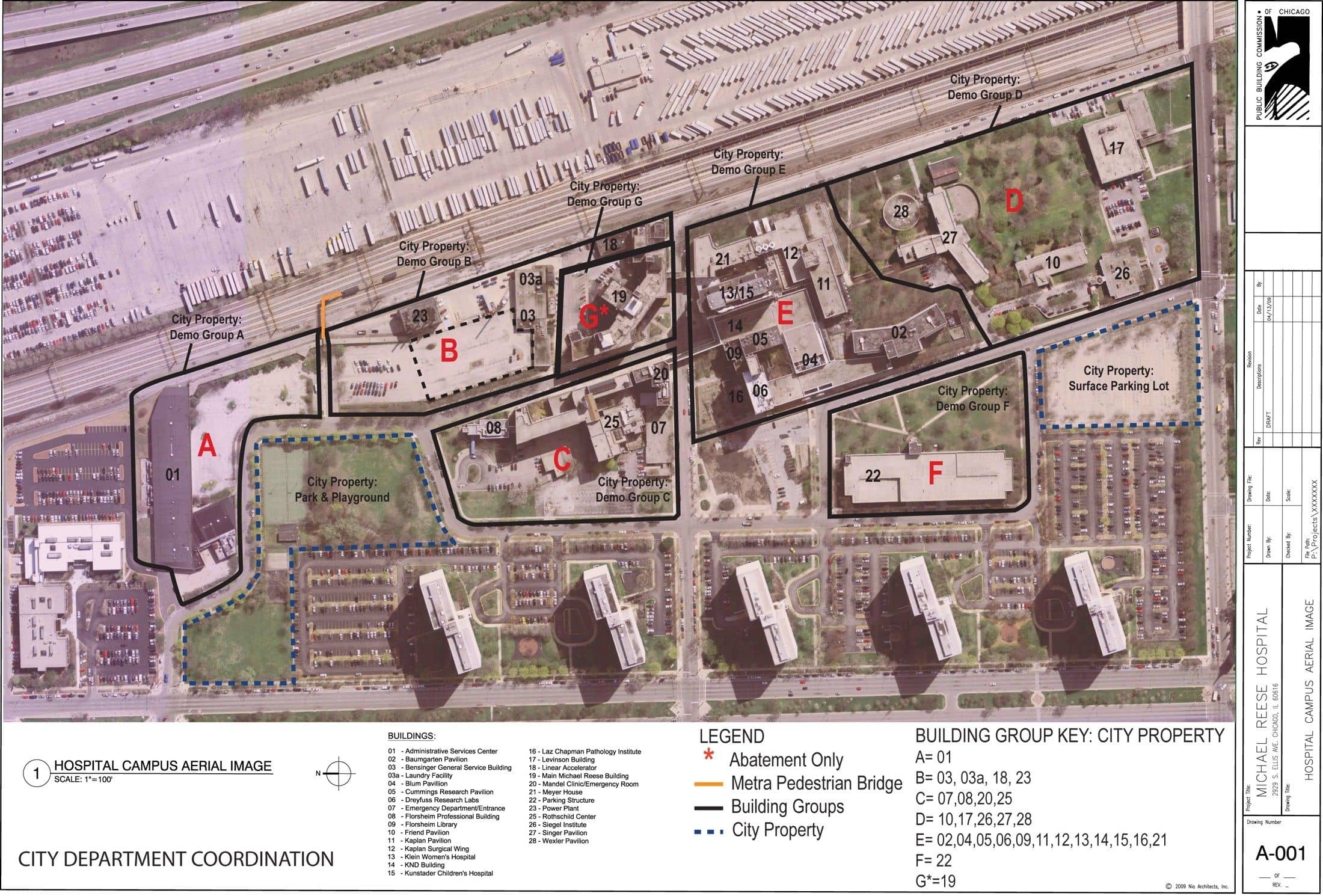
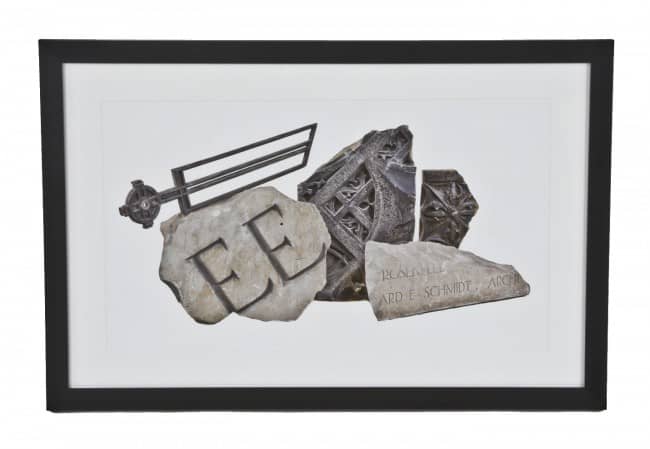
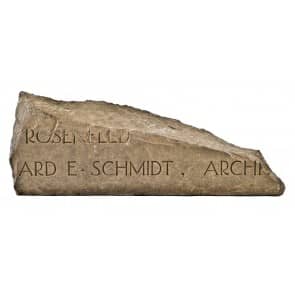
tragedy, or perhaps irony, characterizes many of chicago’s largest construction and demolition efforts in recent history. just six years ago, vying to be the next host to the olympics, the city chose to demonstrate its bid by preemptively razing a 130-year old compound of historically important medical facilities (in the end the olympics went to brazil). the michael reese hospital complex not only held architectural merit, but a plenitude of information about the time in which it operated. one can glean a story of the 19th and early 20th century illustrating immigrant fortune, rampant disease and medical innovation, and a philanthropic project that created much-needed infrastructure for egalitarian healthcare. prior blog posts have been devoted to several aspects of the hospital’s salvage, detailing the exterior ornament in situ, rescued architectural fragments, the simon wexler psychiatric pavilion, and the main building — of which only a fragmented cornerstone remains. having recently re-discovered a booklet documenting the nurses’ residence, it seems appropriate to revisit that building in specific and share photographs from its salvage.
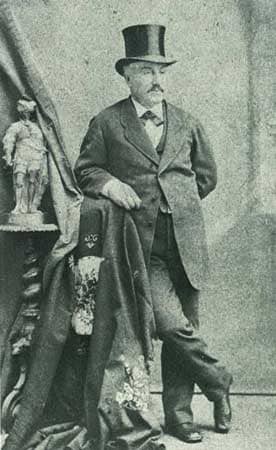 the hospital’s inception began early in the nineteenth century with its founder. michael reese was a bavarian immigrant, born in 1817, who traveled to the united states at the age of nineteen. upon arrival to the continent, he quickly caught smallpox and spent his first weeks in baltimore, near death. after recovering, the next several years were spent in the tanning trade and peddling goods. around 1838 he started an import business in new york city. the money earned from this endeavor allowed him to bring over nine of his siblings from bavaria, who mainly settled in chicago (where a large contingent of jewish and bavarian immigrants were likewise pouring in). reese, meanwhile, headed elsewhere. a number of failed business attempts later, the catalyst to his success was a foray into land speculation — the purchase of thousands of acres in minnesota brought another small fortune. the pull of the gold rush brought michael reese to san francisco by 1850, where he invested in the shipping business. this was an ill-fated venture, as his ships were wrecked in a storm, and the remaining money slipped away with several concurrent financial crises and natural disaster (i.e. the first major san francisco fire). the following year, however, gold was discovered in british columbia, and reese’s business acumen proved successful. as hordes of miners departed for canada and brought land values down, he bought up land in san francisco, counting rightly on its value upon their return. when the demand for real estate once again soared, michael reese became a millionaire.
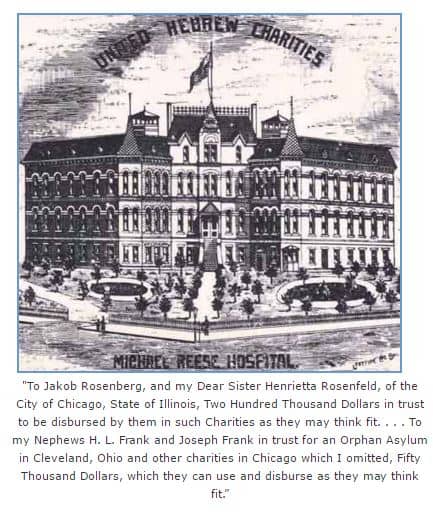
nearly twenty years later, reese would die en route to bavaria, traveling to visit his parents’ graves. the property and wealth which he had gained in america was distributed among relatives, and donated to several hospitals and orphanages. though he never lived in chicago, his legacy would be felt through his beneficiaries, who shared reese’s philanthropic leanings and began the project of founding a jewish hospital for the city (surely in response to the great surrounding poverty of european and jewish immigrants). their first effort was destroyed during the chicago fire of 1871, but jacob rosenberg (reese’s brother-in-law) devoted his new-found wealth to rebuilding the hospital (two of his nephews as well as his sister contributed funds for the second hospital).
cornerstone ceremonies for the new building took place november 4, 1880, where rabbi emil g. hirsch announced that the two conditions under which the reese funds had been given were that the hospital be named for michael reese, and that it treat all patients based on need, regardless of background.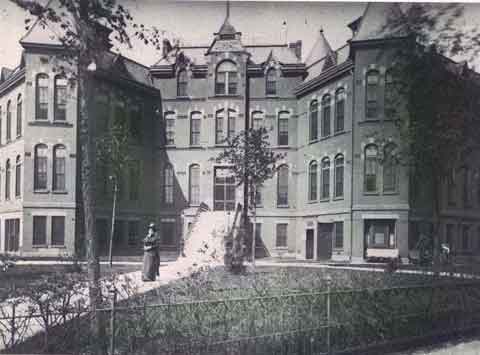
the original building was planned by john h. cochrane, an architect specializing in “modern gothic” style. the 3-story structure would house 60 patients, opening the following year for patient care. throughout its first decade of existence, the hospital struggled financially and came to rely upon donations for its continued operation (monetary and material, including linens, bandages, and towels, from ladies’ sewing societies, and magazines, newspapers, and flowers for patients from other aid organizations).
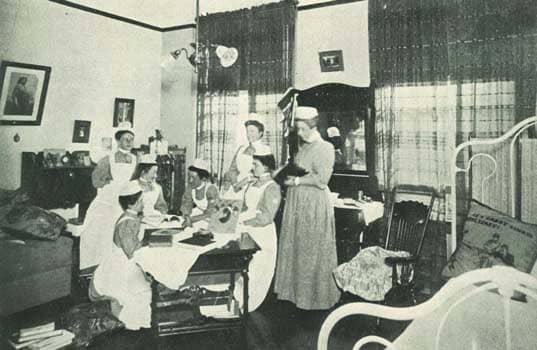
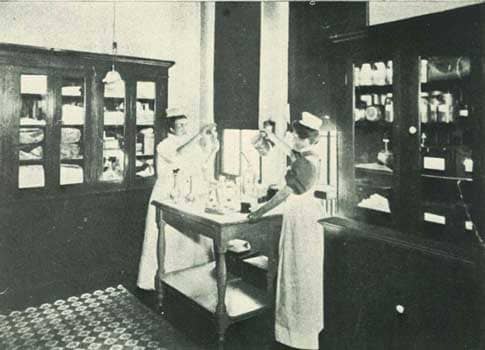
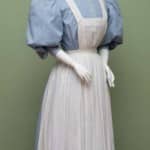
in 1890 the school of nursing was opened, as a means of training new hospital workers. an initial 15 trainees were accepted, hired through ads in local publications that called for women aged 12-35 years old, unmarried, and fluent in english or german. the nurses apparently lived in the hospital under spartan conditions, until in 1892 a separate building was constructed for housing 40 nurses on the west side of groveland avenue at 29th street.
by turn of the century, michael reese hospital had expanded to include an isolation ward, an annex for women and children, a lab facility, a morgue, laundry, and a dispensary. still, it had become clear that the hospital was too small to accommodate patient and educational needs. by 1905 the main hospital was being razed to rebuild. within two years, the newer facility reopened, a 6-story structure with beds for up to 300 patients.
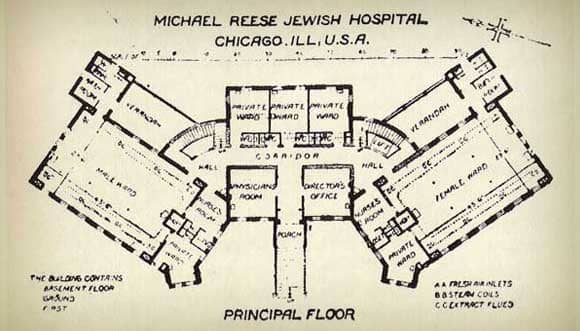
the 1920’s brought about new fundraising that allowed for another series of expansions. in 1928, support from the mandel family financed three more buildings– a new residence for nurses, a private-patient pavilion and a clinic on the site of the original housing for nurses.
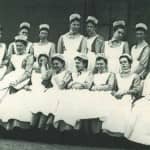
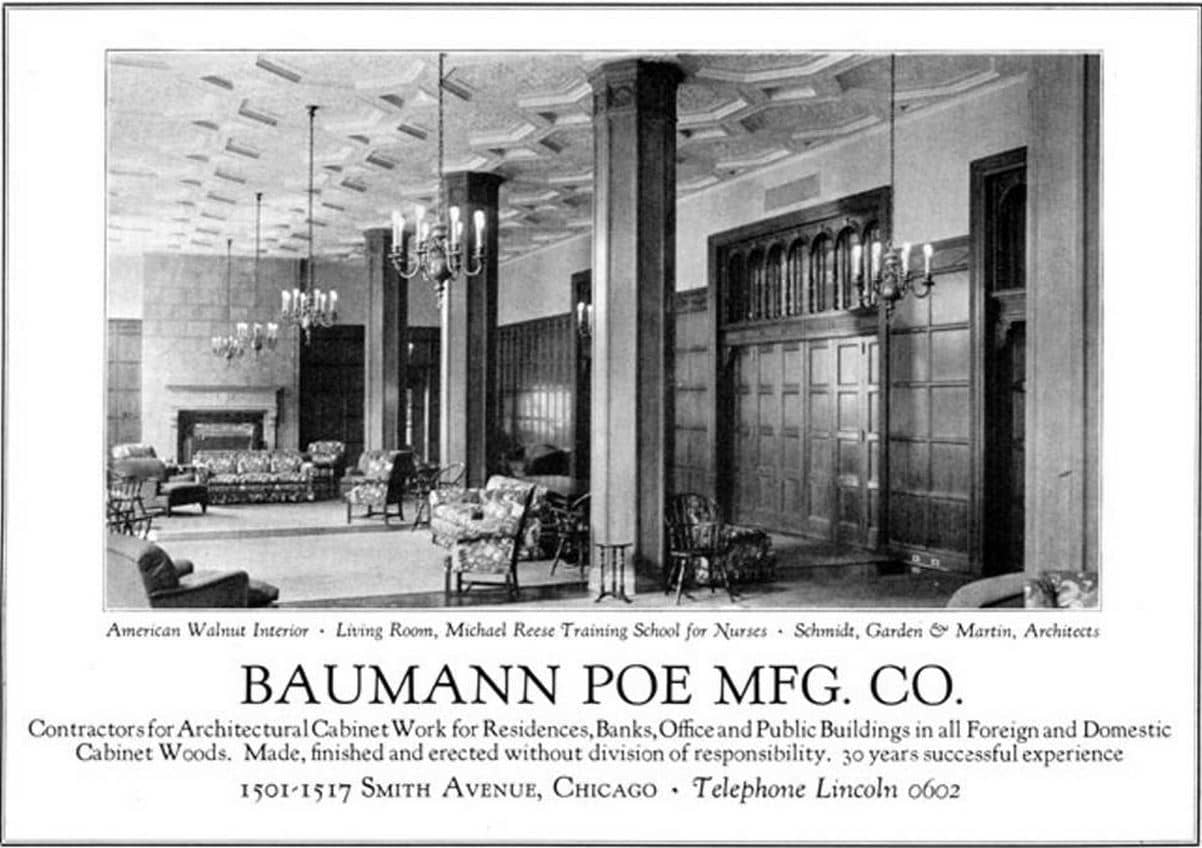
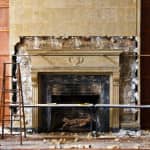
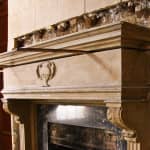
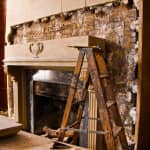
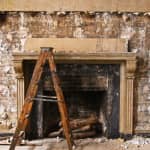
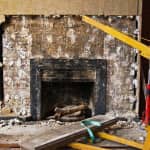
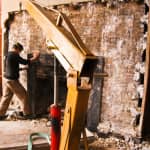
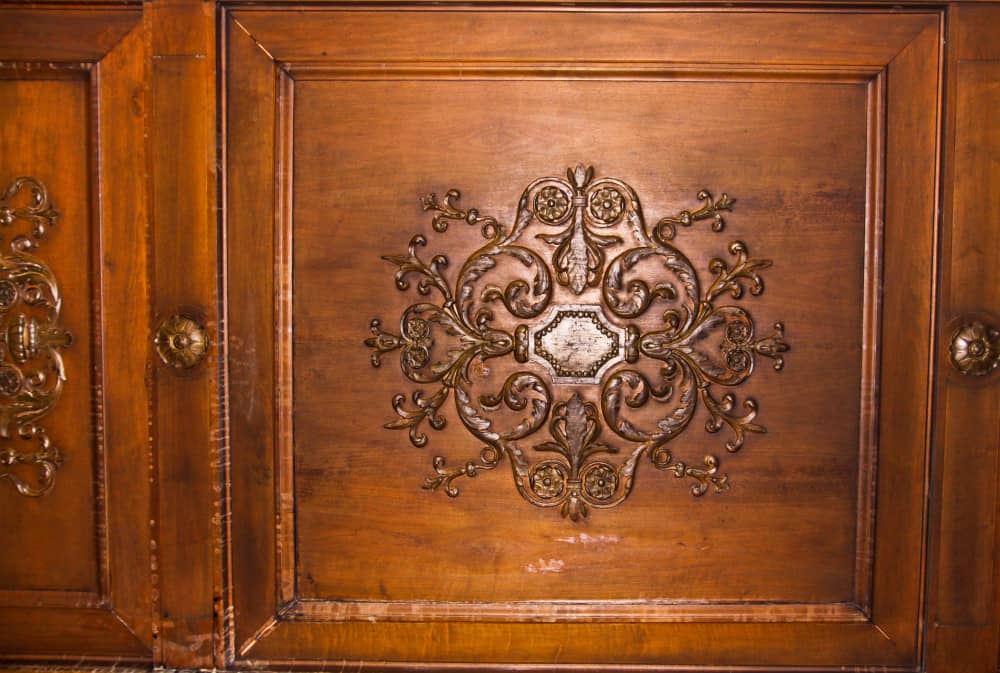
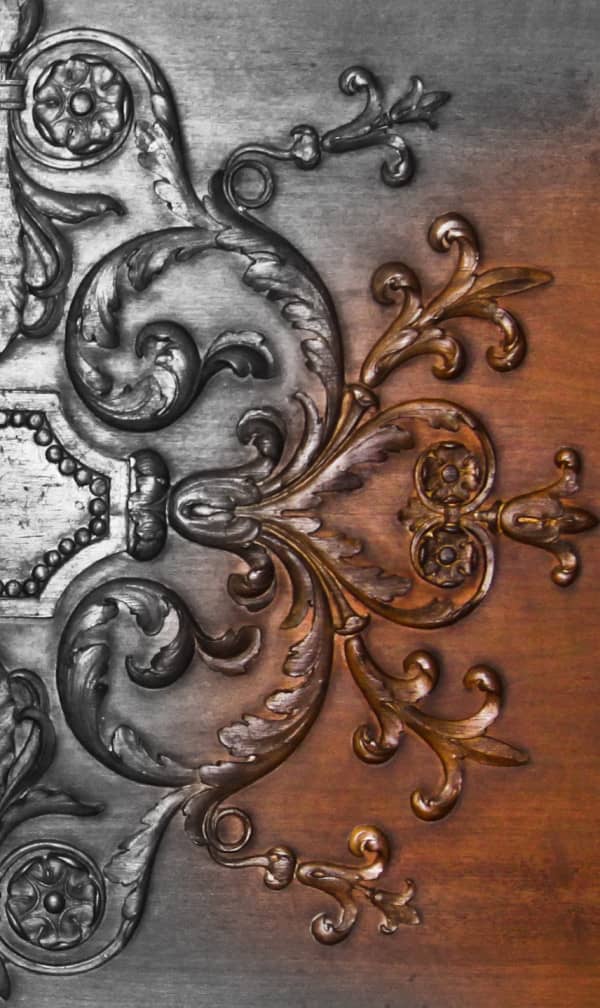
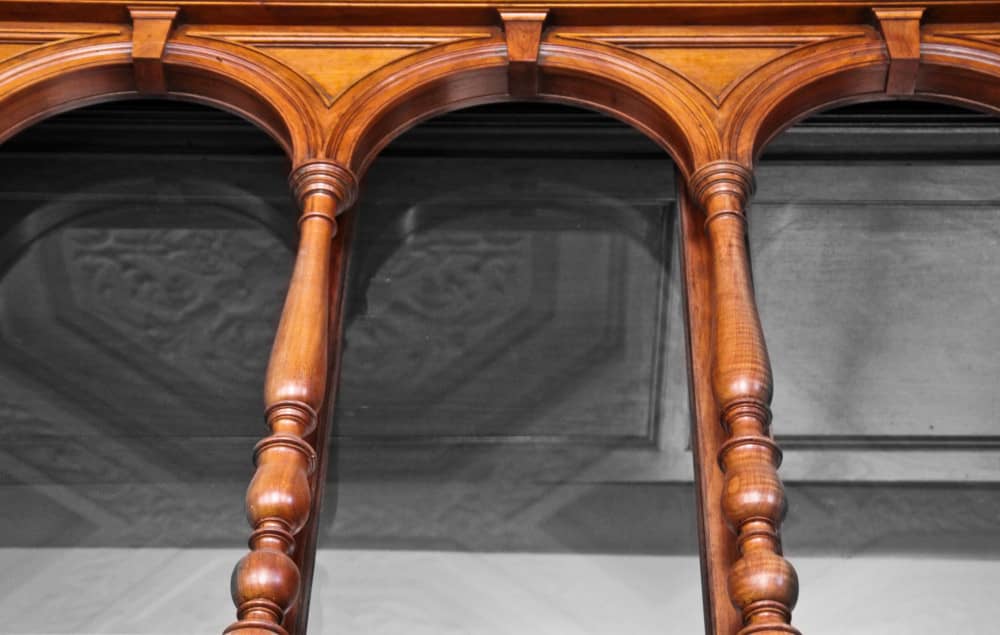
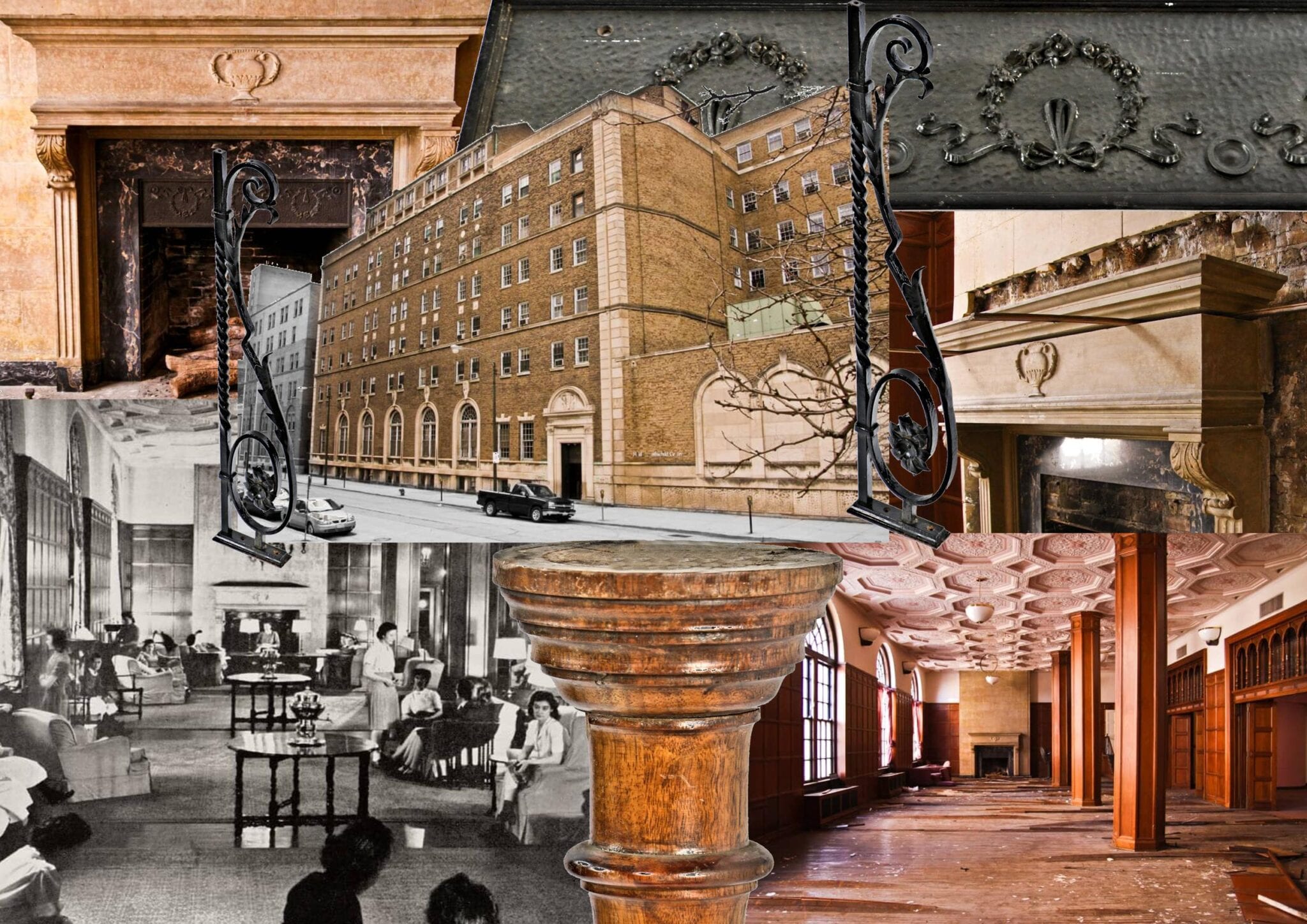
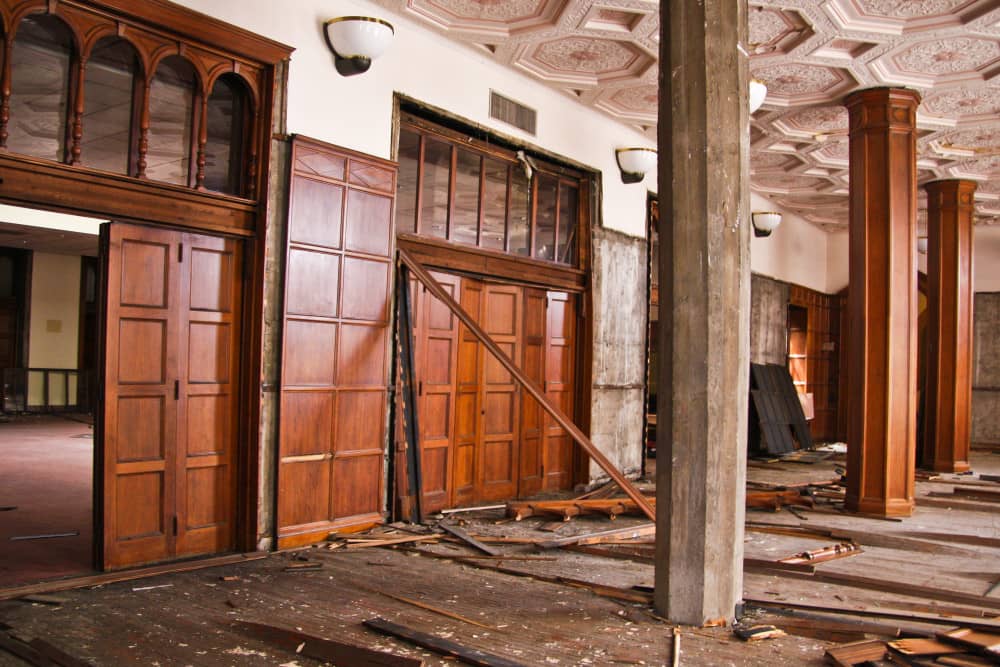
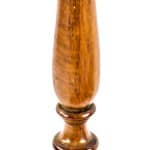
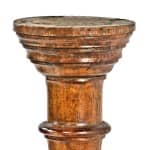
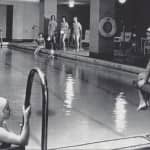
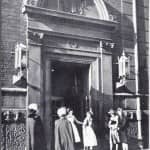
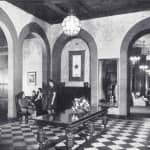
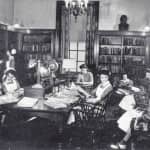
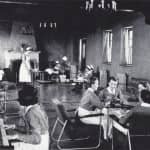
a recently recovered and rather interesting artifact of the nurses’ housing is a depression-era publication put out by the physicians’ record company. the booklet documents the schmidt, garden & erikson-designed facade and interior detail of the building as well as inhabitants using the space. in particular, prints of the lounge and entryway provide a great parallel to images taken during the salvage process. the spacious interior is shown to have contained rich woodwork and decorative elements, some of which was extracted during the hectic salvage, and subsequently either sold or folded into the bldg. 51 collection.
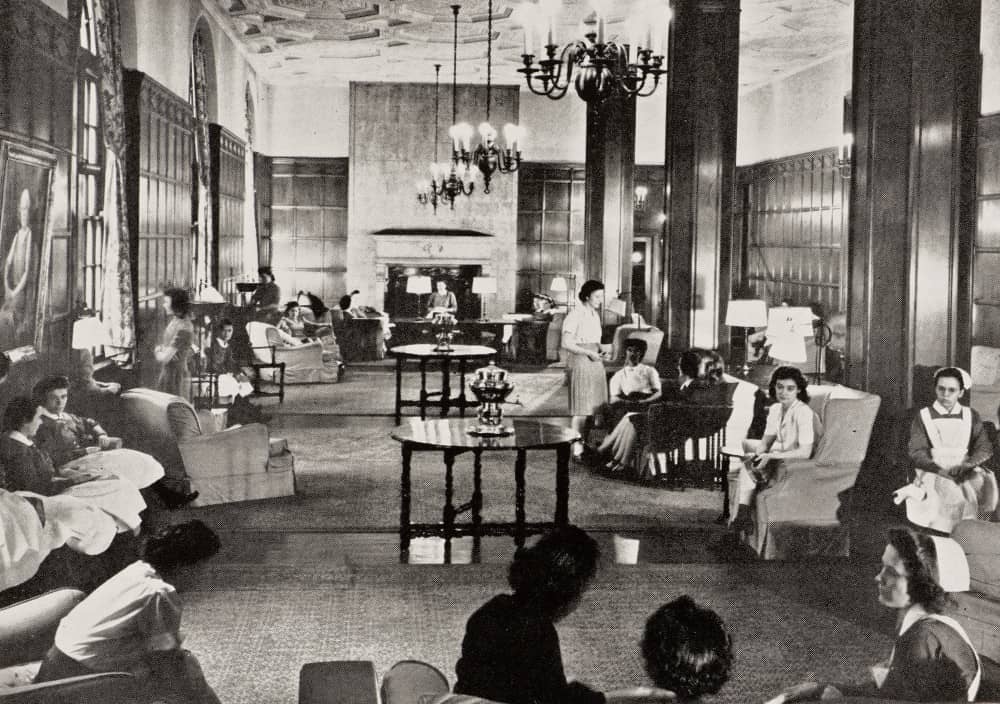
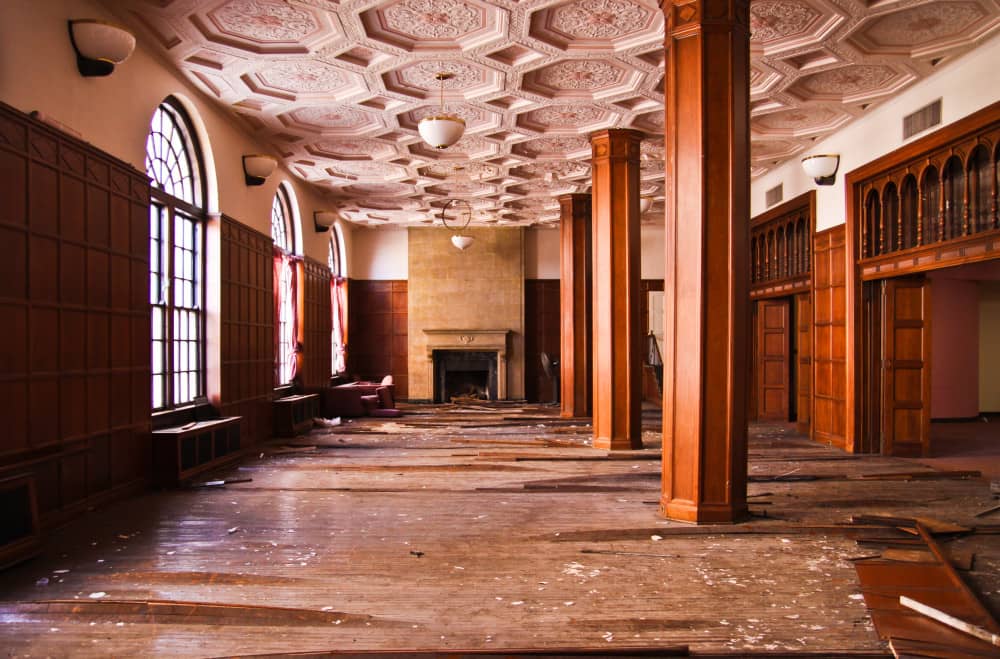
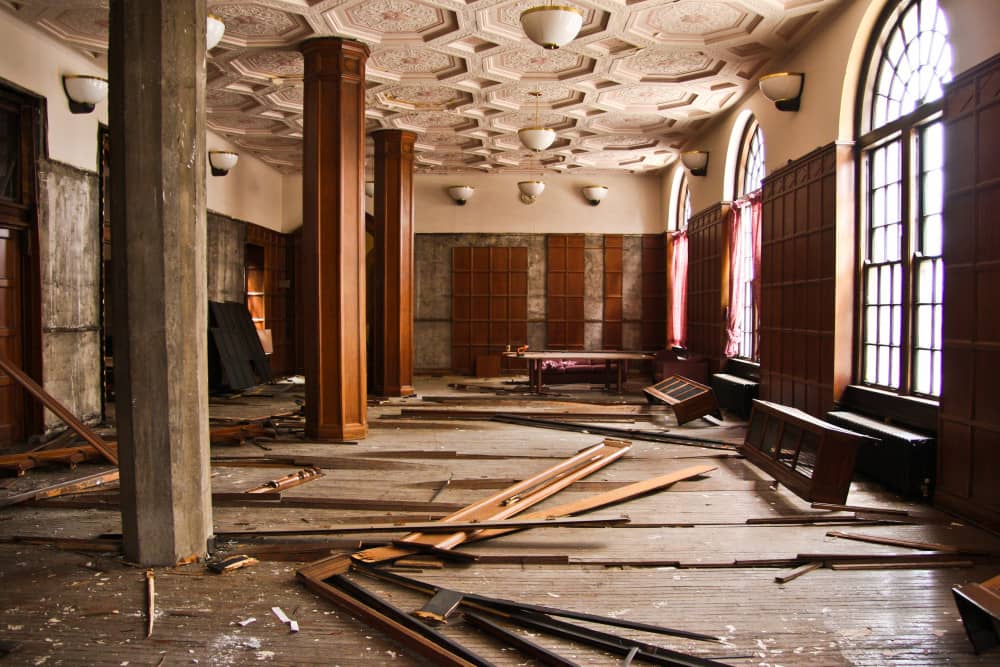

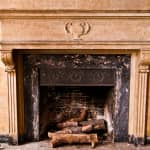
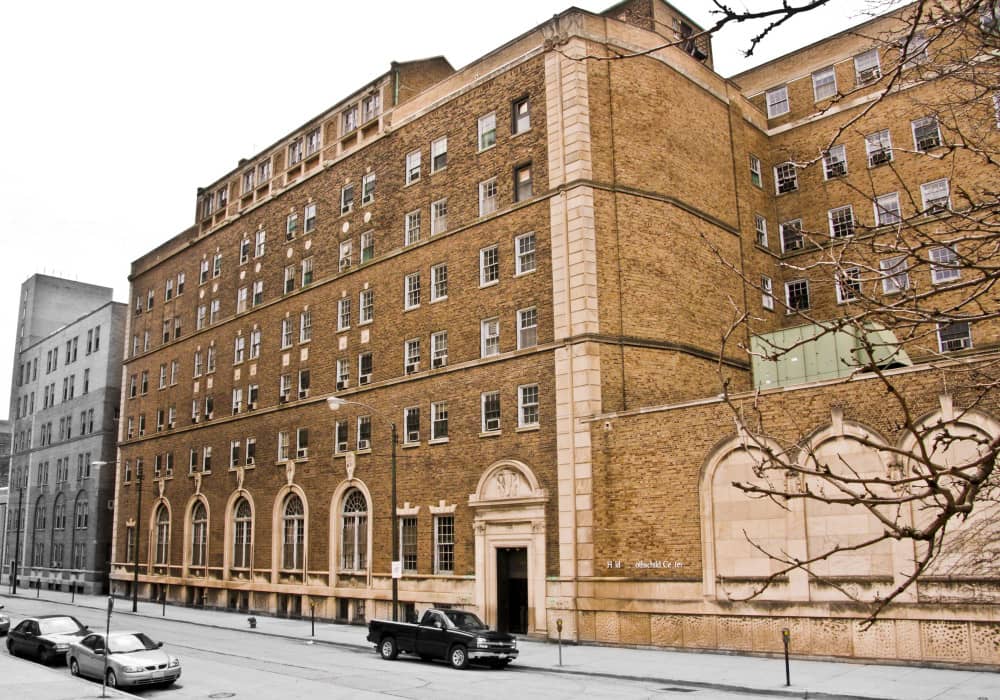
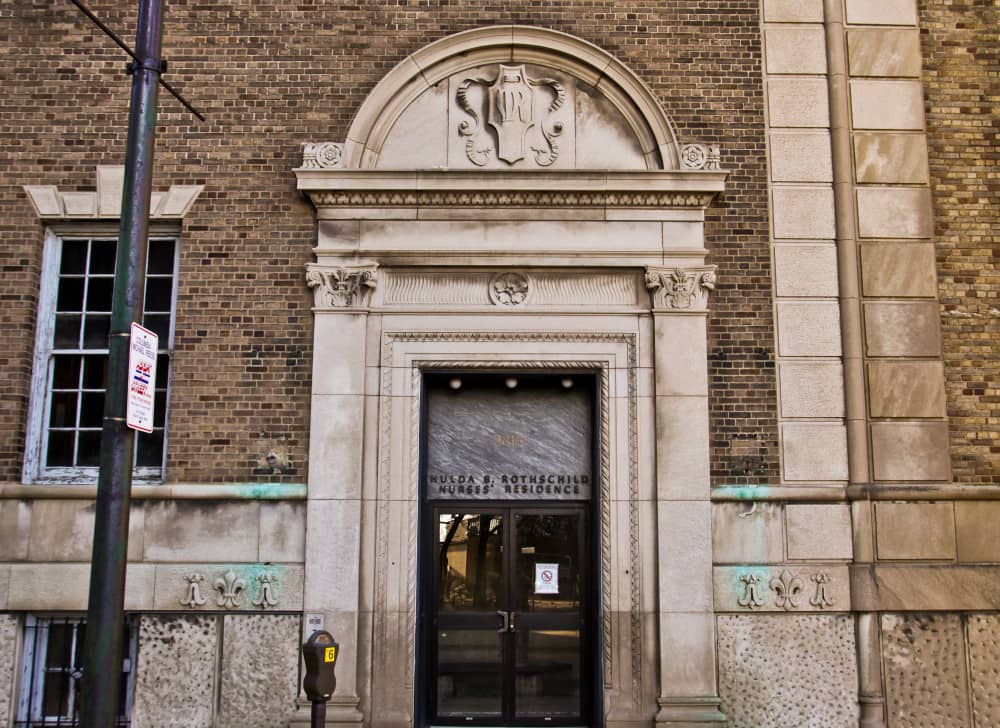
the nurses’ residence and emanuel mandel clinic bordered one another, and together made up a stretch of 29th street and ellis avenue. the nurses’ seven-story residence included a large arched limestone entryway featuring a number of decorative elements, including a fleur de lis pattern at the street level, rosettes, a decorative lintel connecting two columns, and a carved stone crest bearing the initials “nr” for “nurses’ residence” in the pediment. the building was exceptionally well-furnished, offering a reception lobby with a tudor fireplace, laboratories, a library, auditorium, gymnasium, and a rooftop garden.
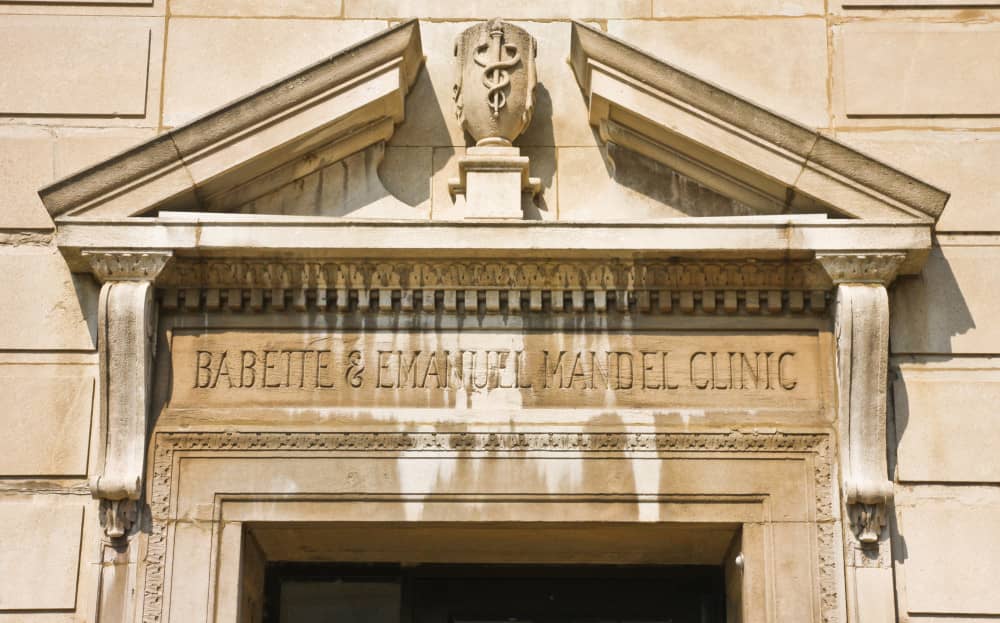
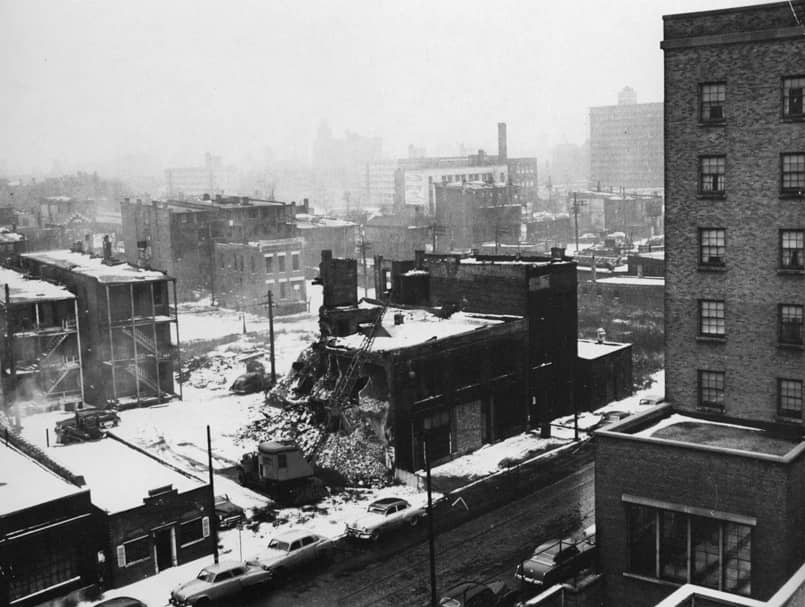
the mandel clinic was itself an out-patient clinic that expanded the services and scope of michael reese hospital, incorporating social services as an integral component. the outmoded west side dispensary was in turn deeded to another charitable organization. it had been originally established in 1893 by babette and emanuel mandel, and continued to be funded by the mandel family even into the 1960’s, when it received a nearly half-million dollar addition. the facility served 16,000 patients, many poor and uninsured immigrants, for free or at low cost. into the mid-twentieth century, frank mandel was president of the hospital, and the family had collectively contributed over $1 million to the clinic.
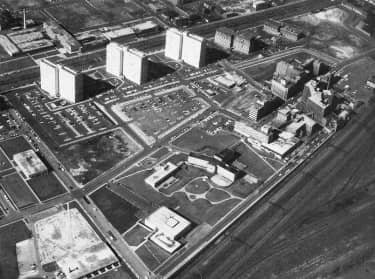
though it still stands to be seen how the ground will be developed, the thirty plus buildings that once existed there will continue to provide historical material that deserves to be delved into time and again.
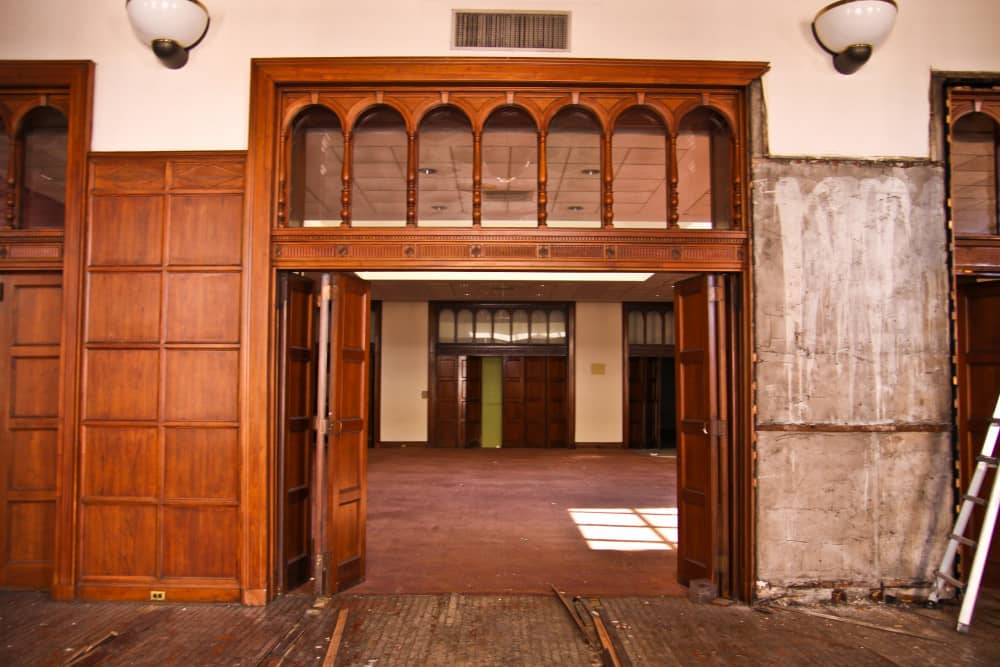 given the lack of time and manpower at the time – urban remains was still in its infancy – i’m amazed that we managed to salvage what we did, despite having a skeleton crew. my only regret is not documenting the demolition of the campus more thoroughly, but then again, maybe that was for the best, since this was one of the most stressful and utterly chaotic salvages i signed for. perhaps someday i will write a book on the entire experience, lasting on and off for a few years, with and without the city’s involvement. to this day i shake my head in disbelief when i think back to what i saw there. it was so tragic on countless levels and quite frankly, all of it was driven by money and an agenda no one really could define.