
27 Apr mid-19th century bottles unearthed during the demolition and subsequent excavation of chicago’s “s curve”
just this week i acquired two remarkably rare bottles dating to the mid-19th century, whose history is tied to the 1980’s demolition of chicago’s lake shore drive “s-curve.” in the world of excavation they represent small, yet important “portals to the past,” the scarce remnants of much larger changes made to the city’s topography. these small artifacts connect the centuries and reveal what abundant history exists around us in forgotten buildings and in a former generation’s trash, which now lies just beneath the surface of a built wall or an expanse of empty ground.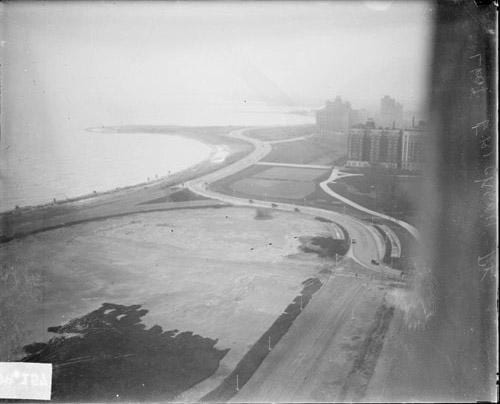
lake shore drive is one of the nation’s first superhighways, a waterfront boulevard which was first campaigned for at the turn of the century (1899), when chicago mogul potter palmer pursued street improvements in front of his 1350 n. lake shore drive mansion (ostensibly to improve the value of his property).
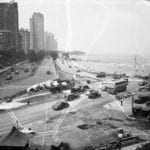
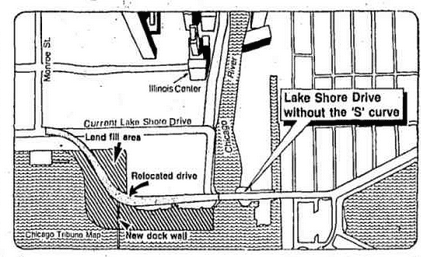
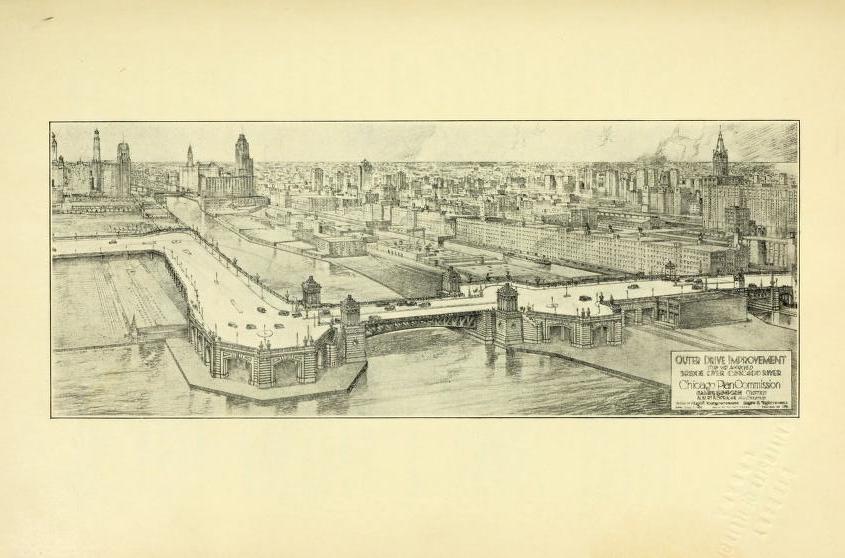
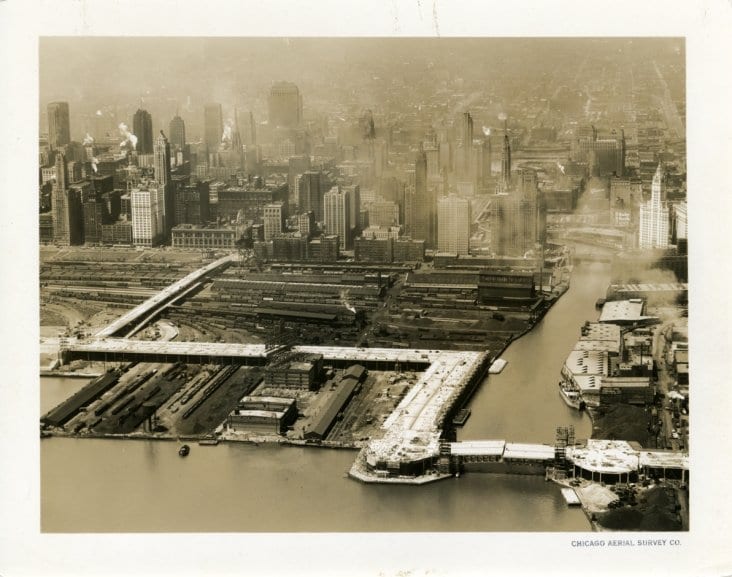
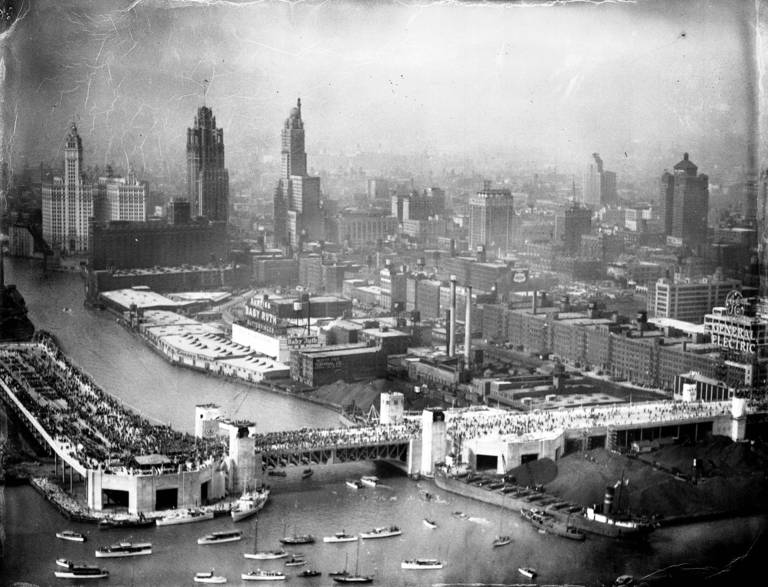
simultaneously, montgomery ward famously led a vigorous campaign against development along the lakefront, in hopes of keeping the area public. the tension between the two endeavors led eventually to a lake shore drive (lsd) boulevard flanked by beaches, parks, and fields. many decades later, in 1937, construction began under the auspices of the public works administration, to modify the highway and connect the north and south branches of the city via a bridge crossing the main branch of the chicago river. from the south, lake shore drive continued from monroe street onto a viaduct, and intersected randolph street at grade before continuing north above the illinois central railroad’s yard. at the river, it made two consecutive 90 degree turns onto the link bridge. critics of the bridge called for the lsd to be relocated even before it was completed, but after its construction, the first plans for rerouting weren’t formulated until the 1950’s.
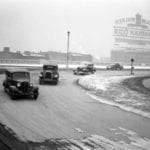
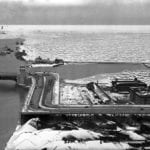
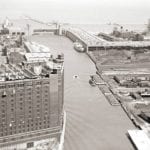
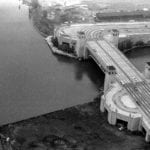
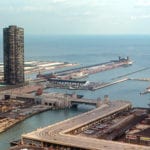
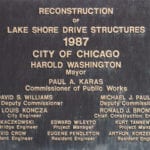
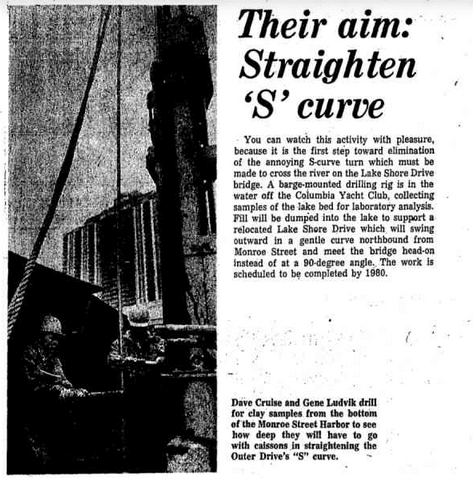 by 1980’s, the “s-curve” area of lake shore drive had troubled many drivers. as cars became faster, the turn became more hazardous and notoriously caused both bottleneck traffic and numerous accidents. the project of straightening the oddly shaped bridge was undertaken by the city over the course of several years, to finally reach completion in 1986. it was initiated by a steel wall raised in lake michigan, between monroe street and the chicago river — the 3,116-foot surface formed a large landfill to be the basis of the new stretch of lake shore drive.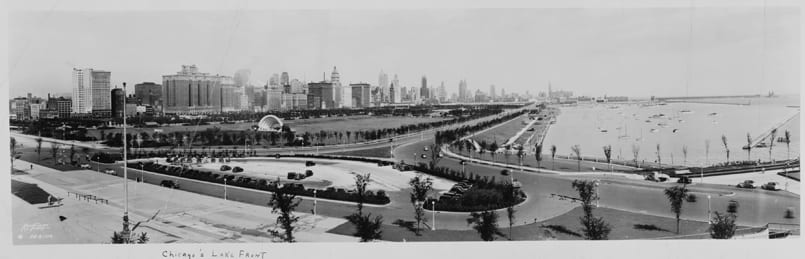
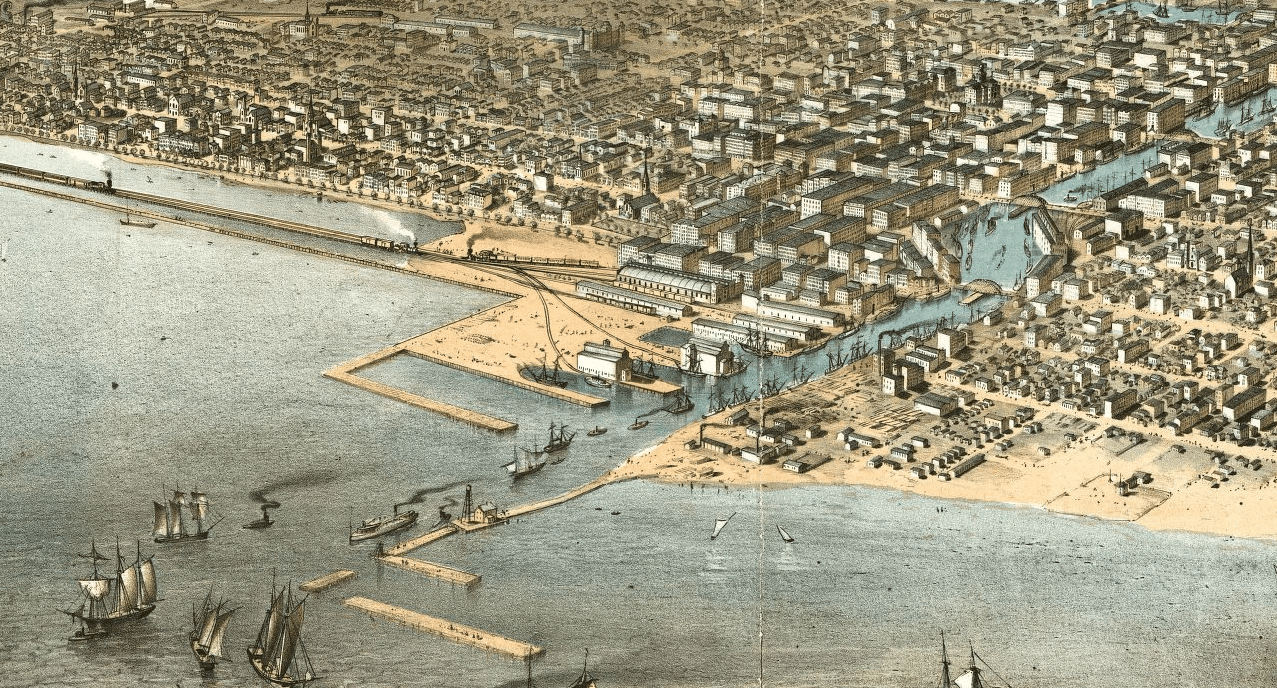
as this work was being done, artifacts would be unearthed which point to the era when chicago had one of the busiest ports in the country and this parcel of land was crucial to the city’s movement of goods and people via the lake and railroad.
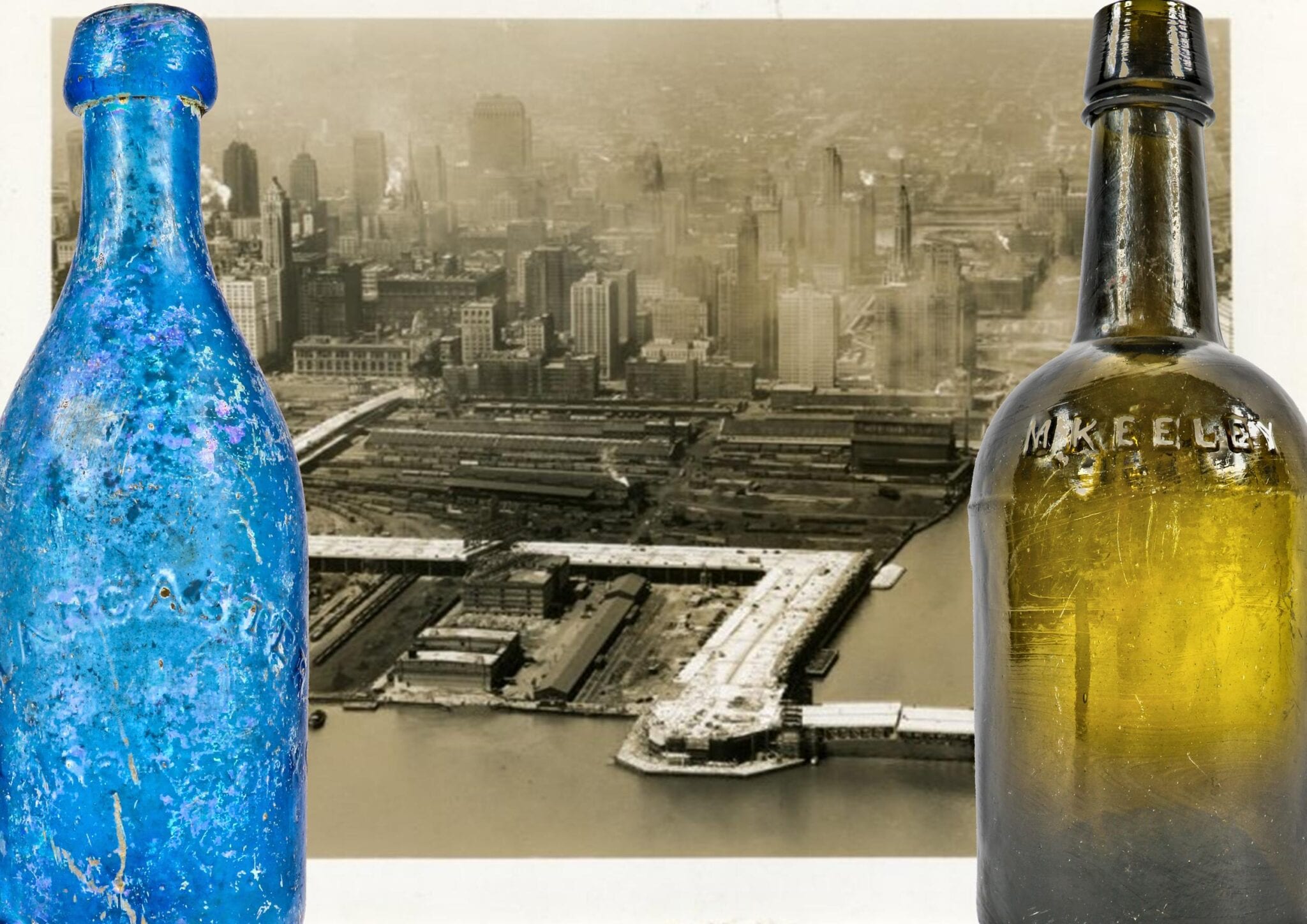
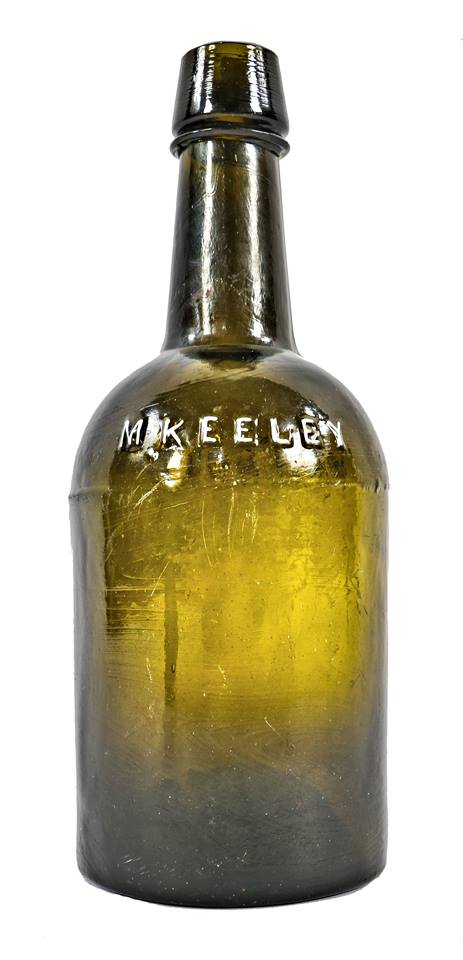
 recovered there, and opening a window to that time, was an exceptional olive green glass ale bottle with long neck and tapered collar and single ring finish, and exhibiting seams from being manufactured in a three-piece mold. embossing at the shoulder “m. keeley,” marks it as the product of a chicago bottler who first operated an ale & porter depot at 43 s. water street in 1858. keeley soon moved to 291 s. canal street, where he became a manufacturer of both soda water and ale. there are no keeley-embossed bottles that date after the time of the chicago fire, and thus the one unearthed just south of the river (in the lower level industrial yard), definitively dates to the early 1860’s.
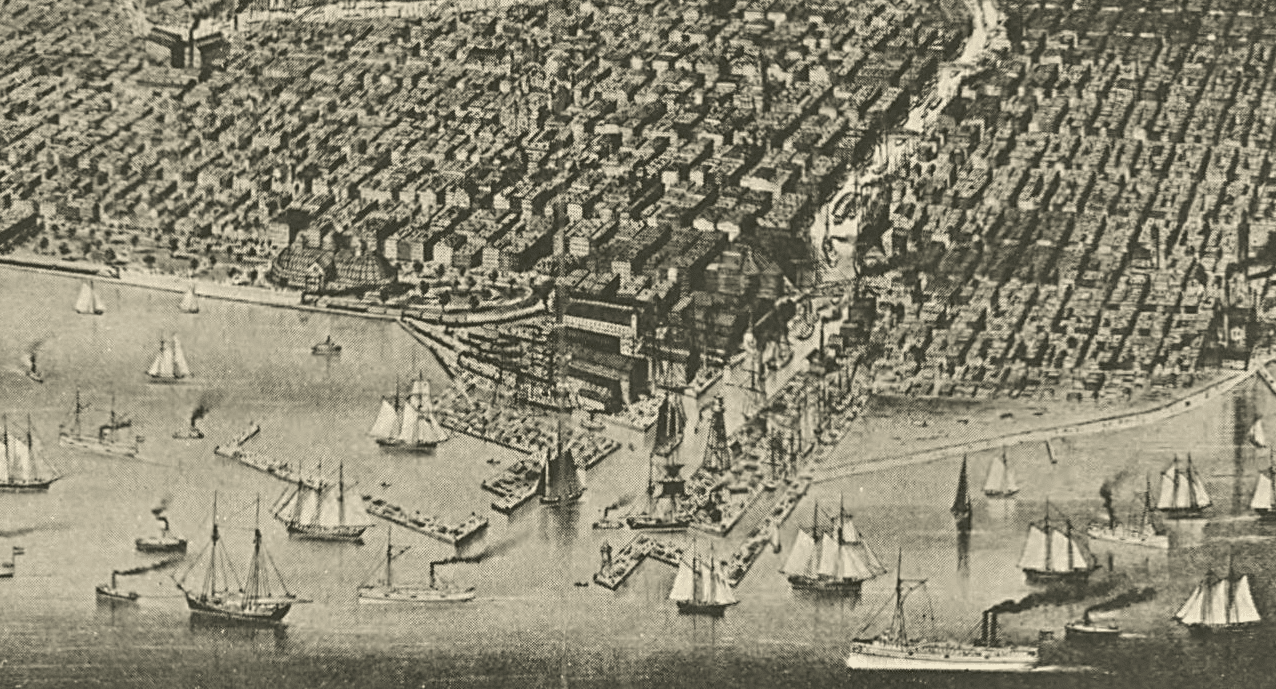
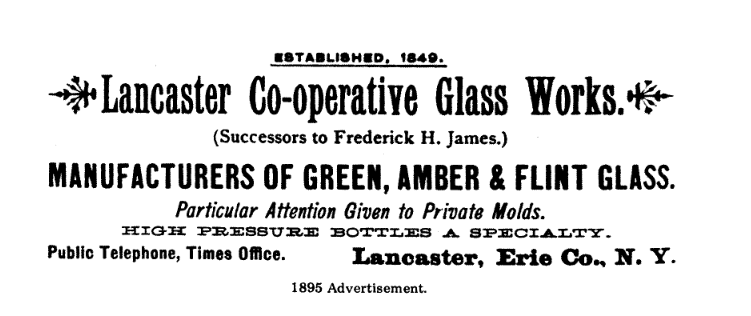
in addition to the keeley ale bottle, a rare iron pontiled pony style light cobalt blue glass soda bottle was also dug, its body embossed “lancaster glass works.” this was a pioneer glass factory in new york, established in 1849 by a group of glass blowers from pittsburgh. the bottle was dug just south of the chicago river, near the illinois central railroad yard, suggesting both pieces of antique glass could have been pitched from a schooner, the one having been transported from the east coast.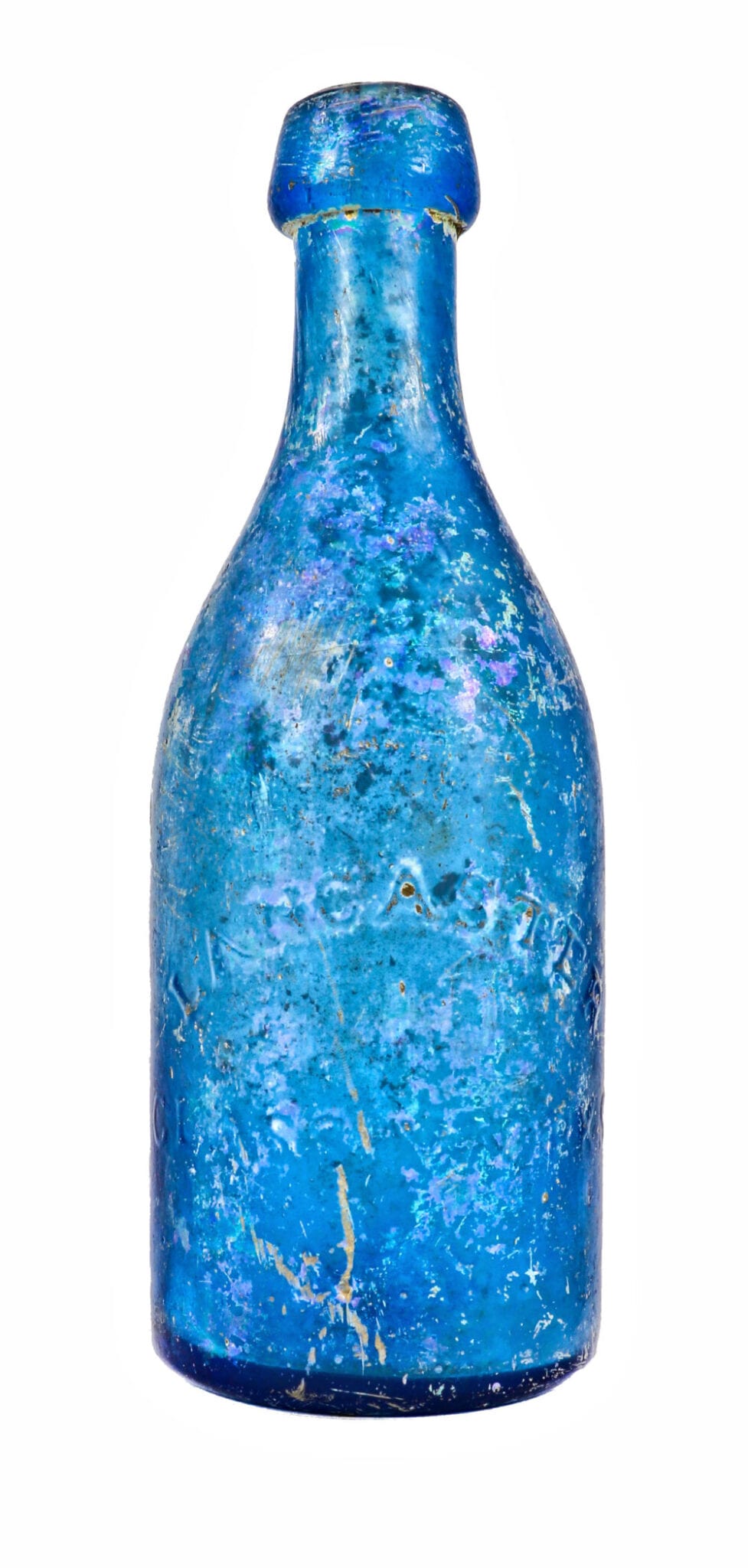
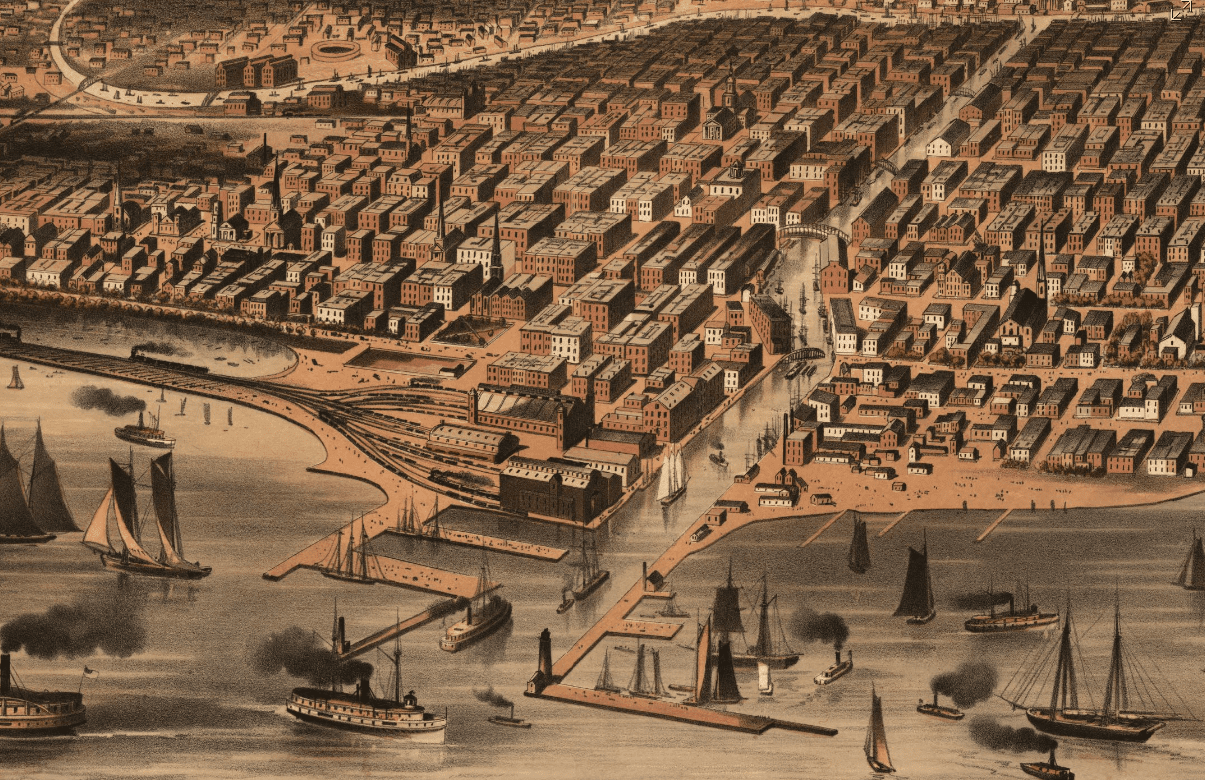
 both of these rare and highly sought after mid-19th century bottles sat undiscovered for more than a century. having been unearthed in the context of re-configuring chicago’s most important roadway, they unexpectedly tell multiple stories, and reinvigorate the age and meaning of a seemingly barren stretch of industrial land in downtown chicago.