

06 Nov from basement to bell tower: a photographic journey of holabird & roche’s lumber exchange building
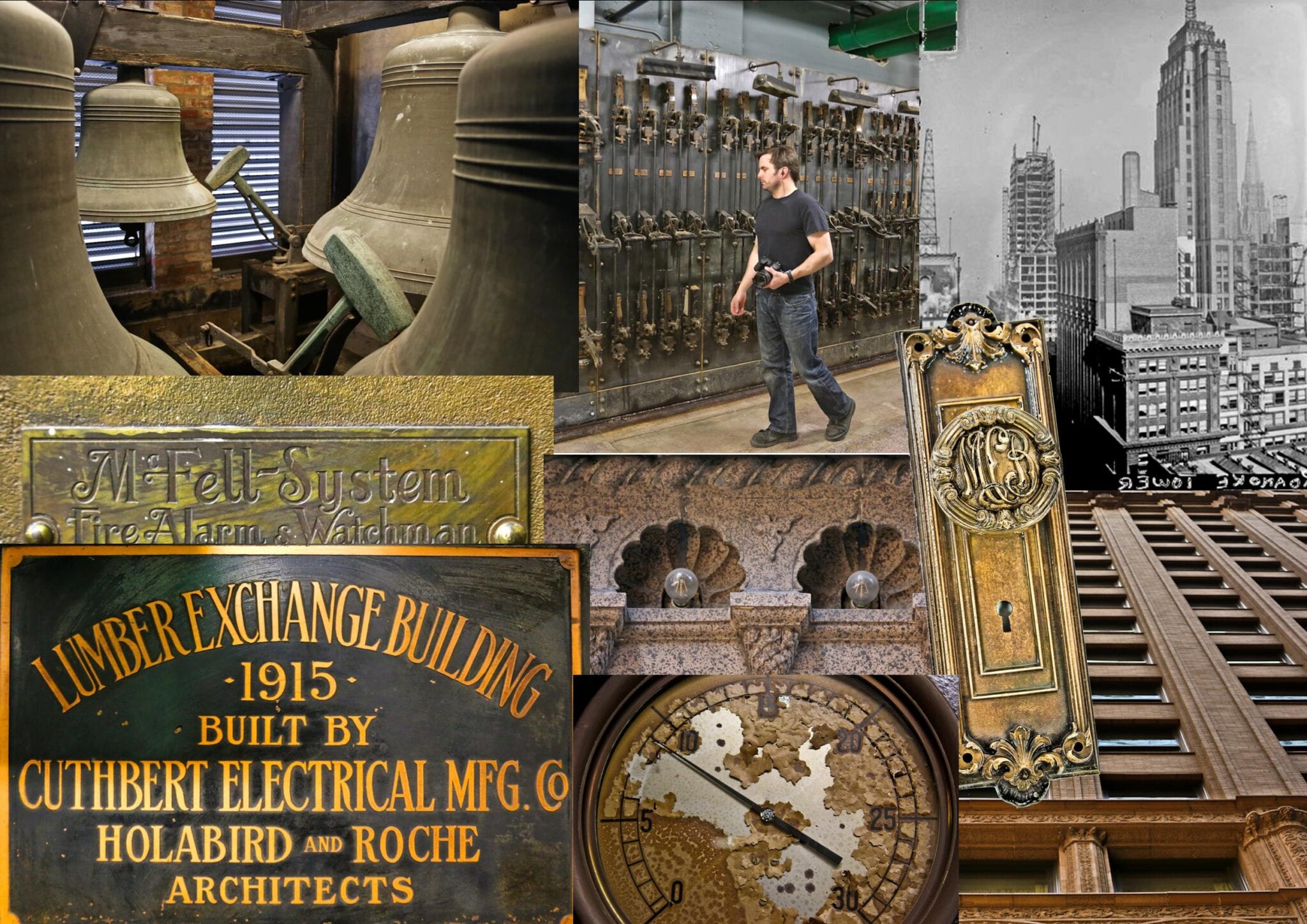
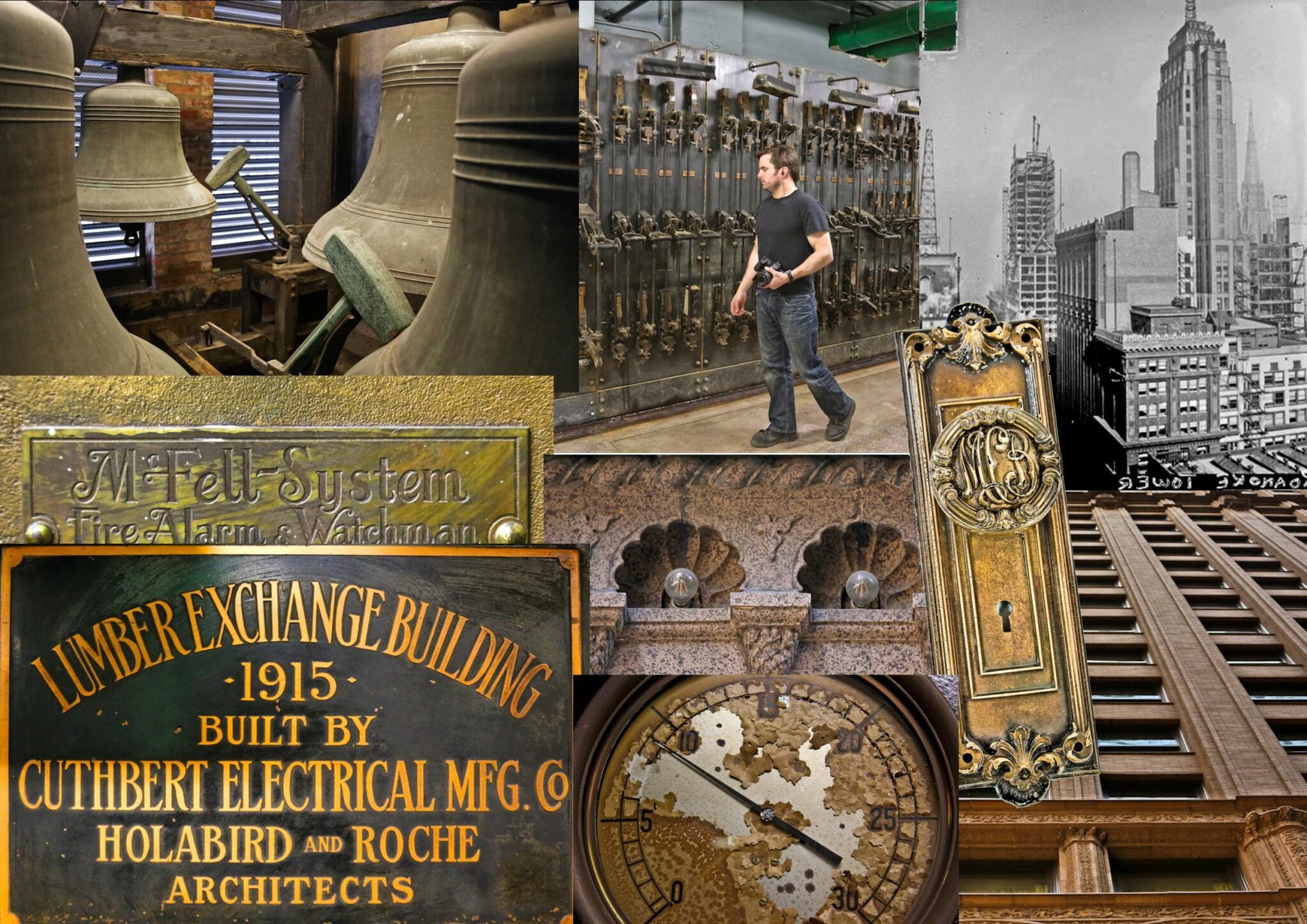
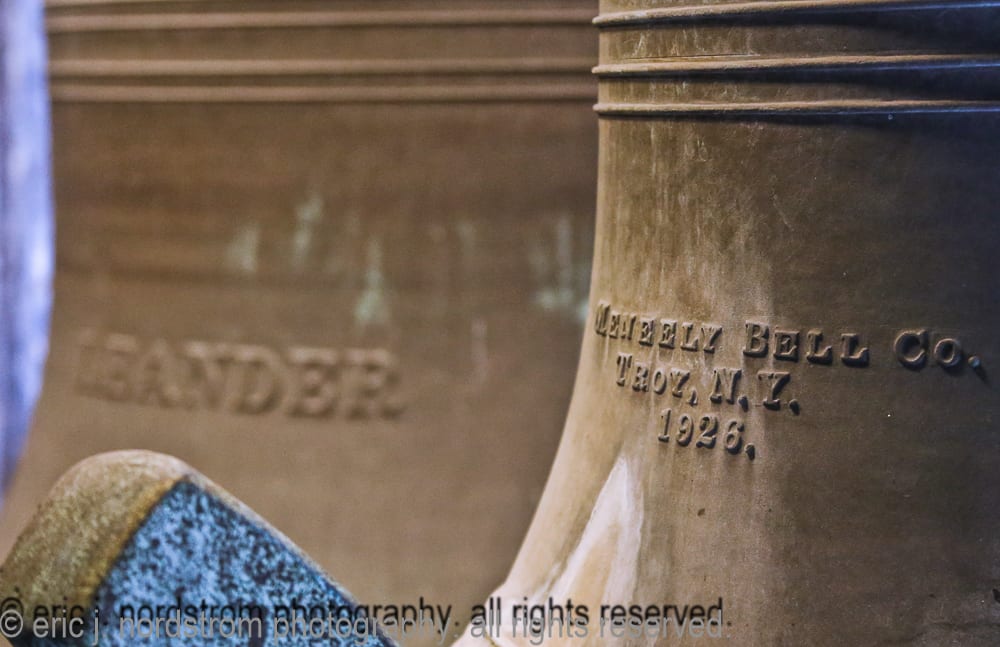
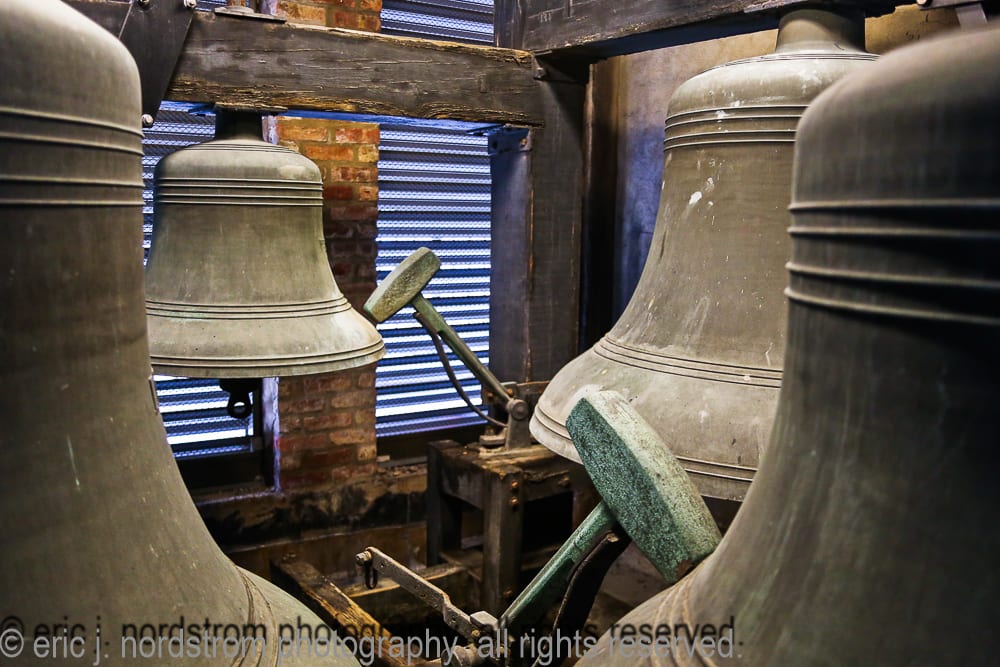
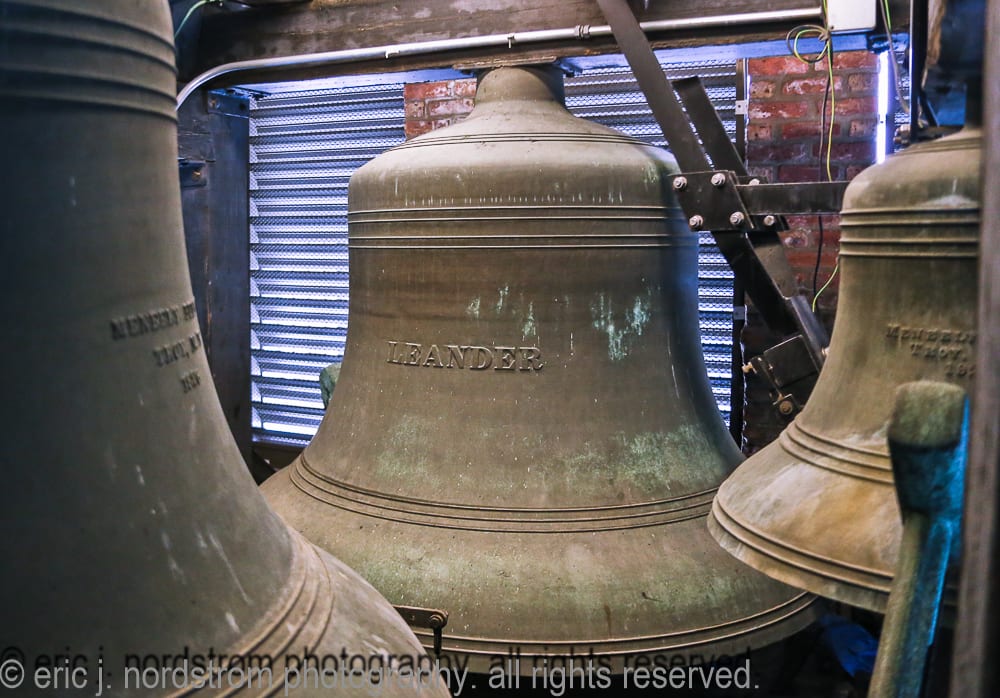
awhile back i was called over to the old lumber exchange building (more commonly known as the roanoke building & tower) when it was in the very early stages of transformation, going from a largely abandoned and decrepit office building to a boutique hotel, spearheaded by the architectural firm of voa & associates. the renovation would be sweeping, from deep within the building’s bowels, up high to the tower addition where several massive bronze bells with original manufacturer’s markings huddled together, silently awaiting the strike of giant mechanically operated bronze hammers.
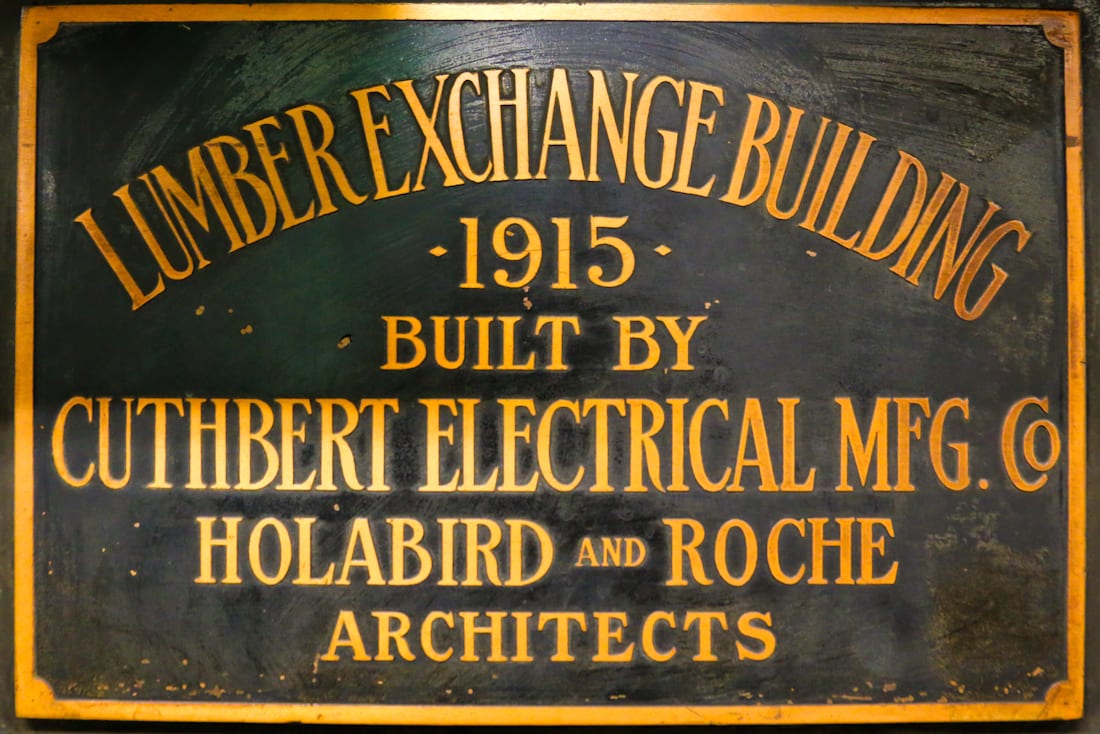
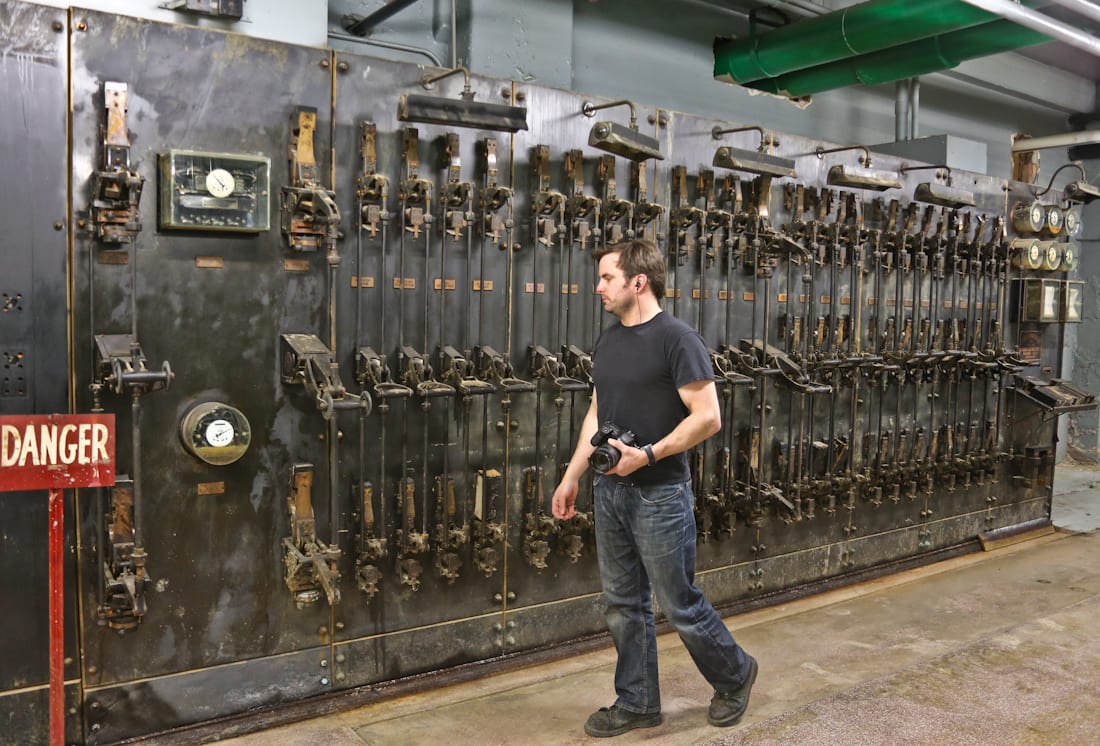
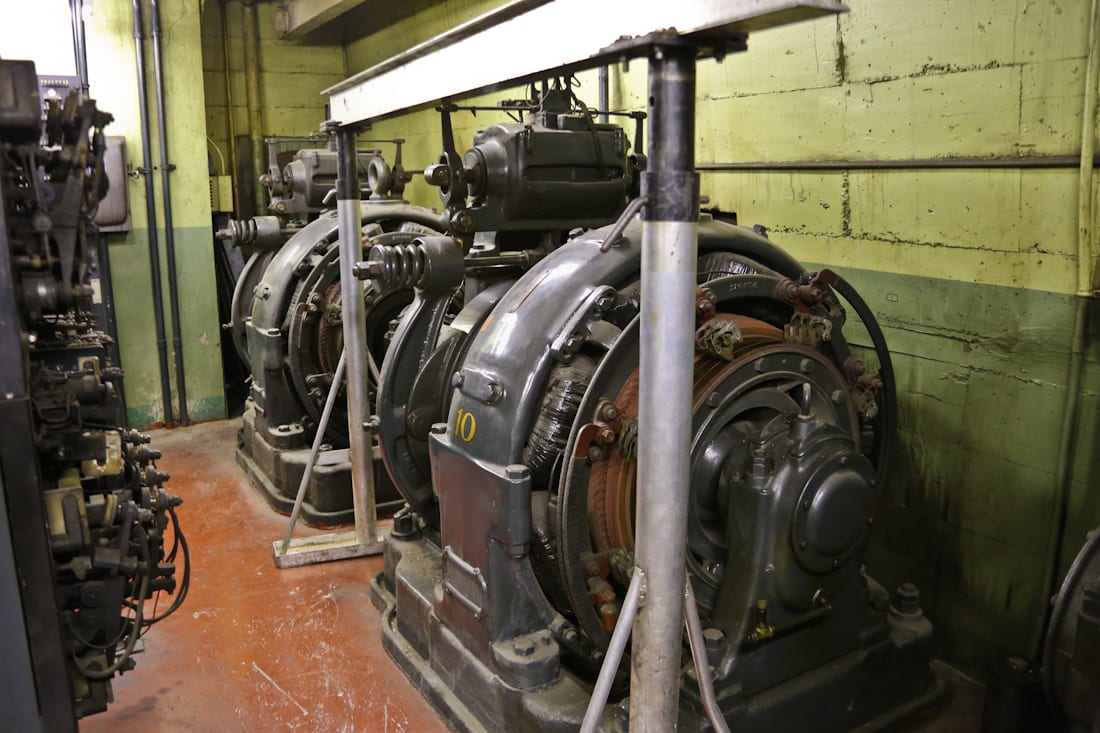
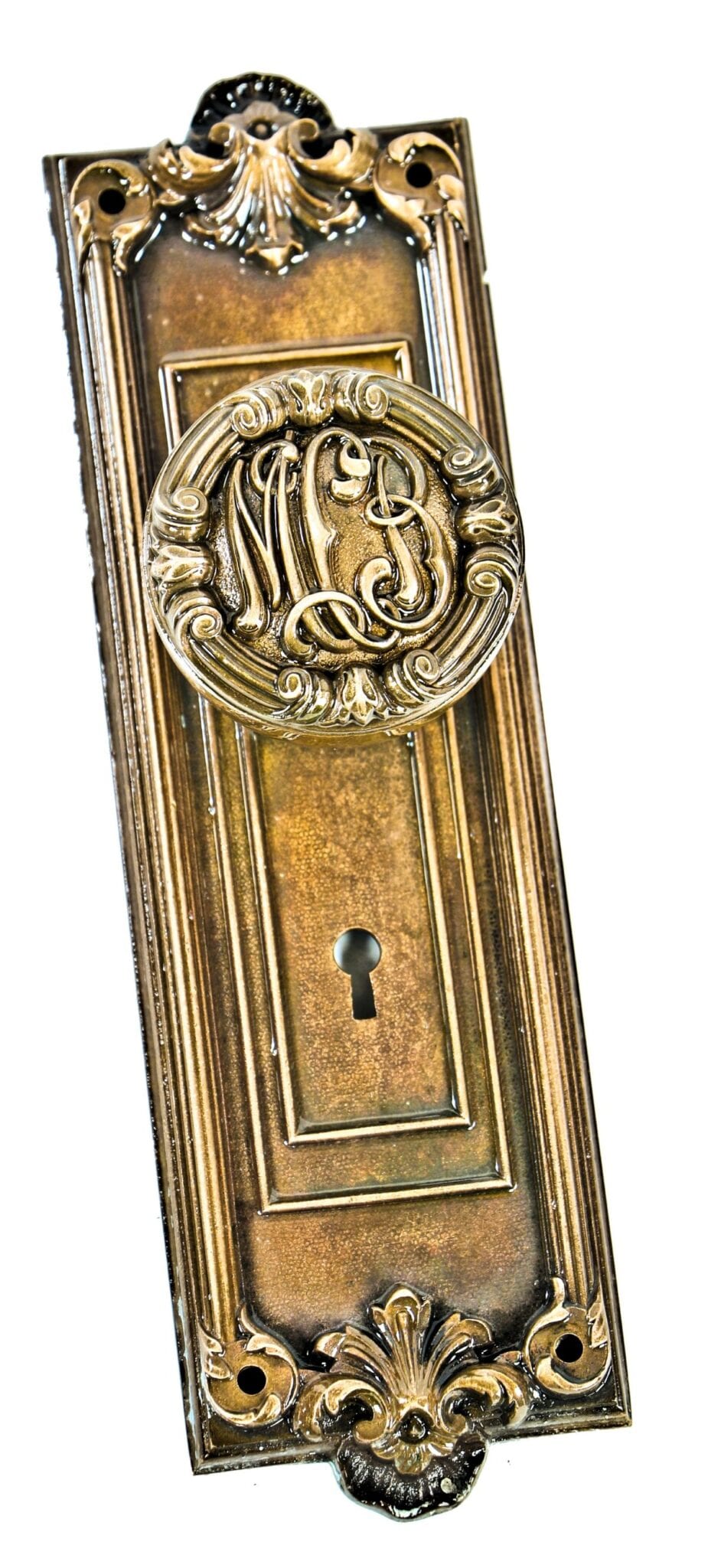
with alterations months away, the developers were in the process of determining what would stay and what should go. thanks to having unabridged access, i helped document the interior of the building and created an exhaustive list of items they were looking to discard, including old office doors, trimwork, monogrammed hardware, and the like. after we wrapped up, i was given permission to return and spend a few hours documenting the original, largely intact open-ended switch board that was disconnected sometime after world war ii. the interconnected slate panels, once illuminated by i.p. frinke mirrored reflectors, were adorned with copper “jack-knife” switches, glass-encased volt and watthour meters, and more. it was truly a sight to behold, and i took advantage of it by documenting from every angle i could. when i inquired about the fate of the switchboard, concerned it would get picked apart and scrapped, i got no definitive answers.
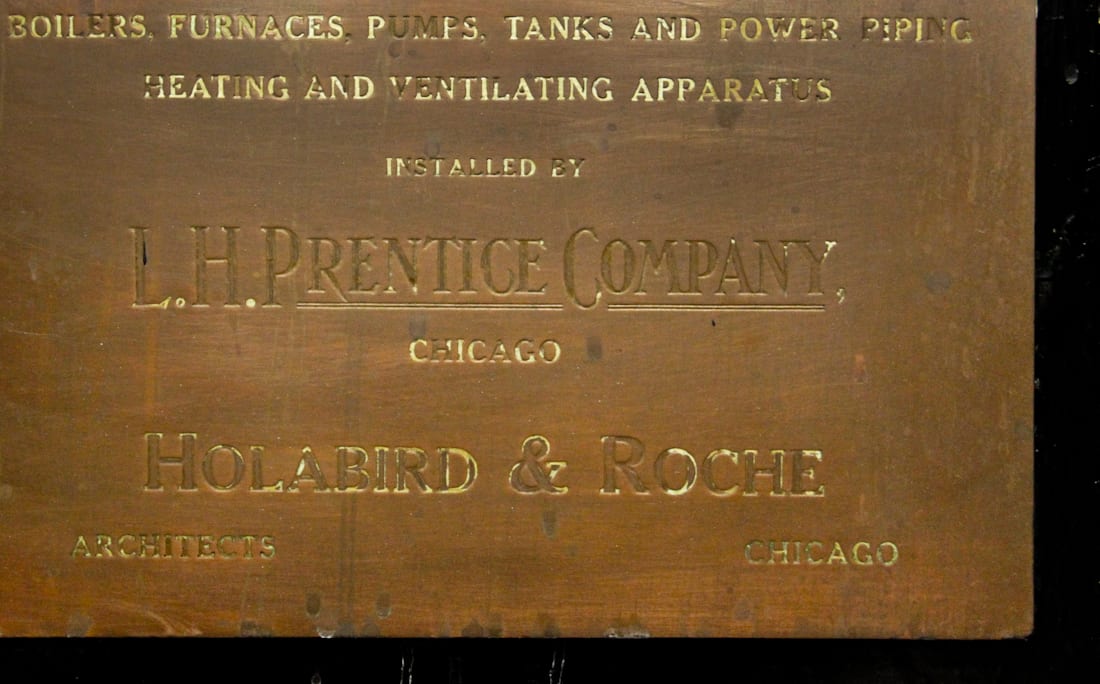
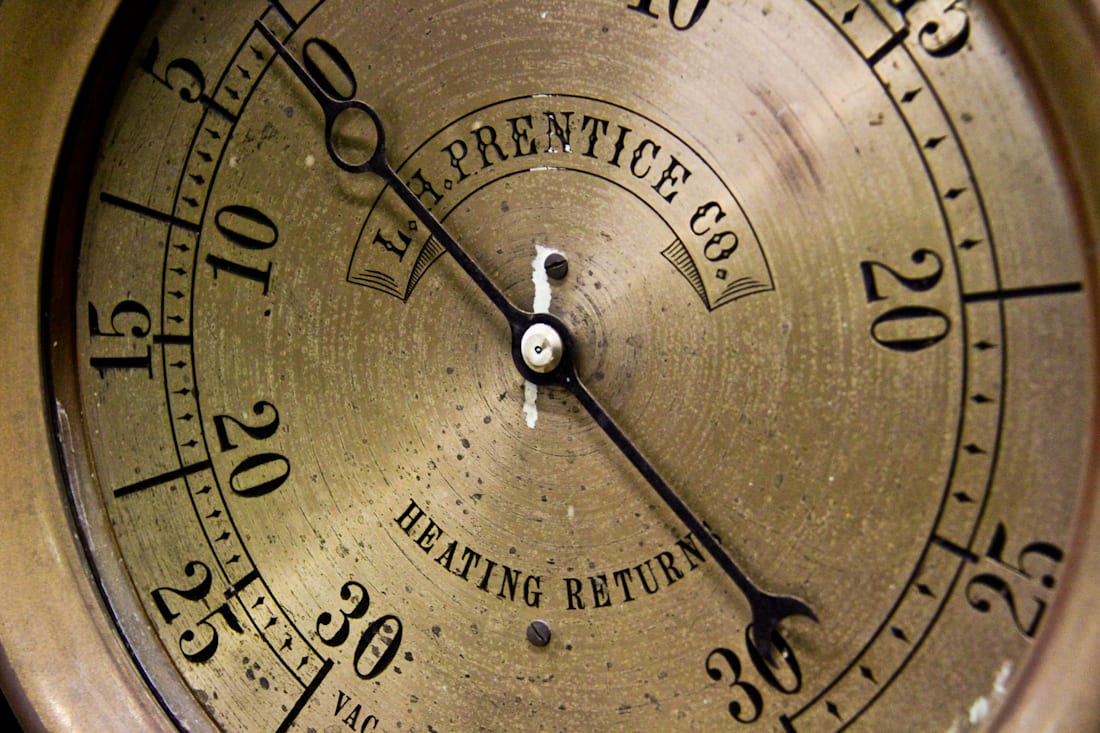
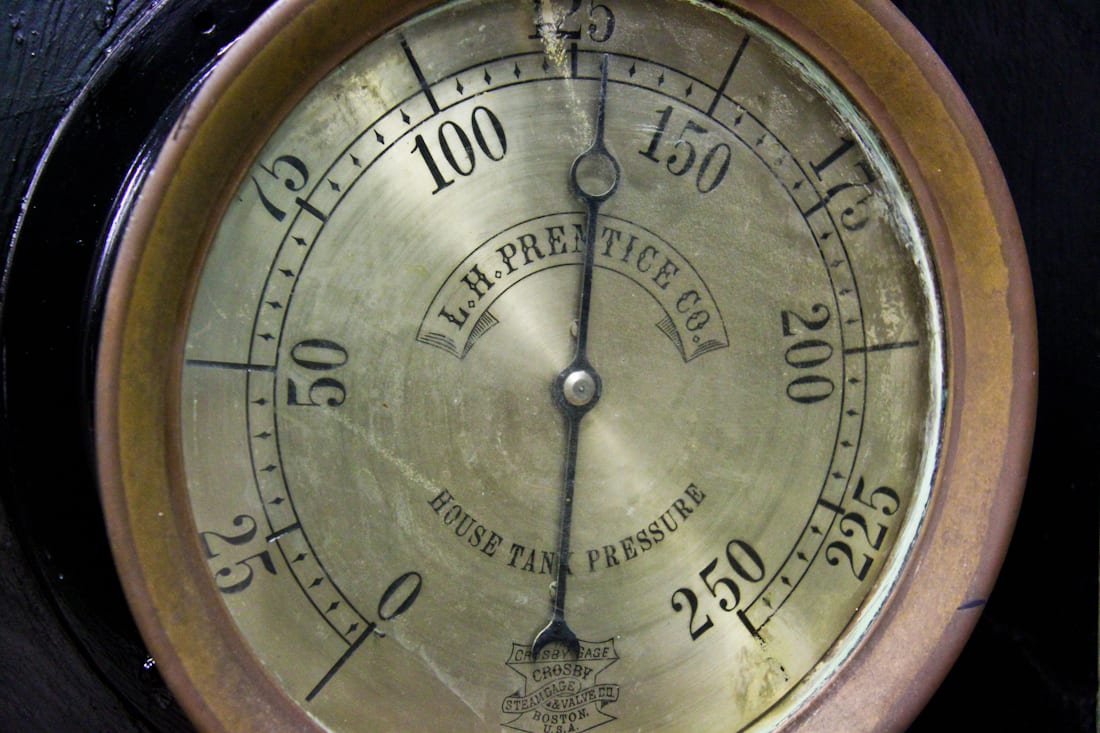
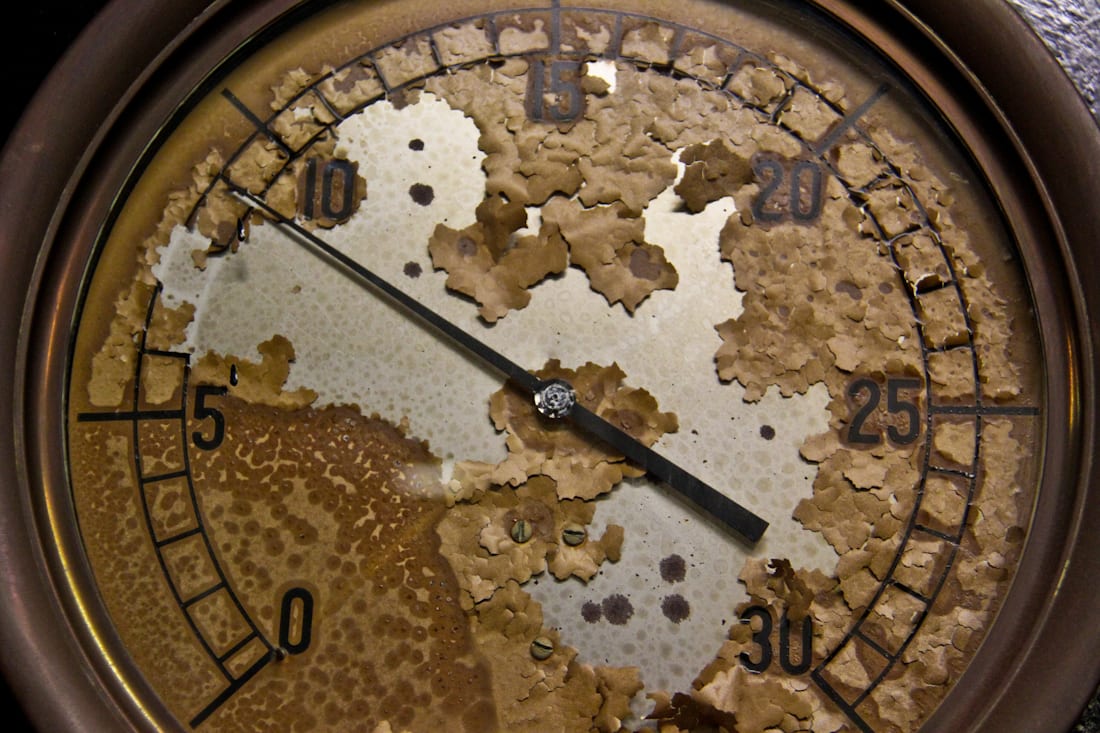
like the switchboard, i never received any follow-up responses pertaining to the other materials they were looking to salvage/sell. weeks and then months went by and i heard nothing. my biggest worry was that they figured it would be easier to toss all of these original architectural elements that would not be reintegrated into the building. sure enough this is exactly what happened. looking back, i realize my part to the developers was to provide a history lesson and something of an appraisal, to gauge what, if anything was of “value” and i believe they moved forward based on my feedback. i just hope they saved the massive switchboard in the basement, and if so, rehabilitated it for public display.
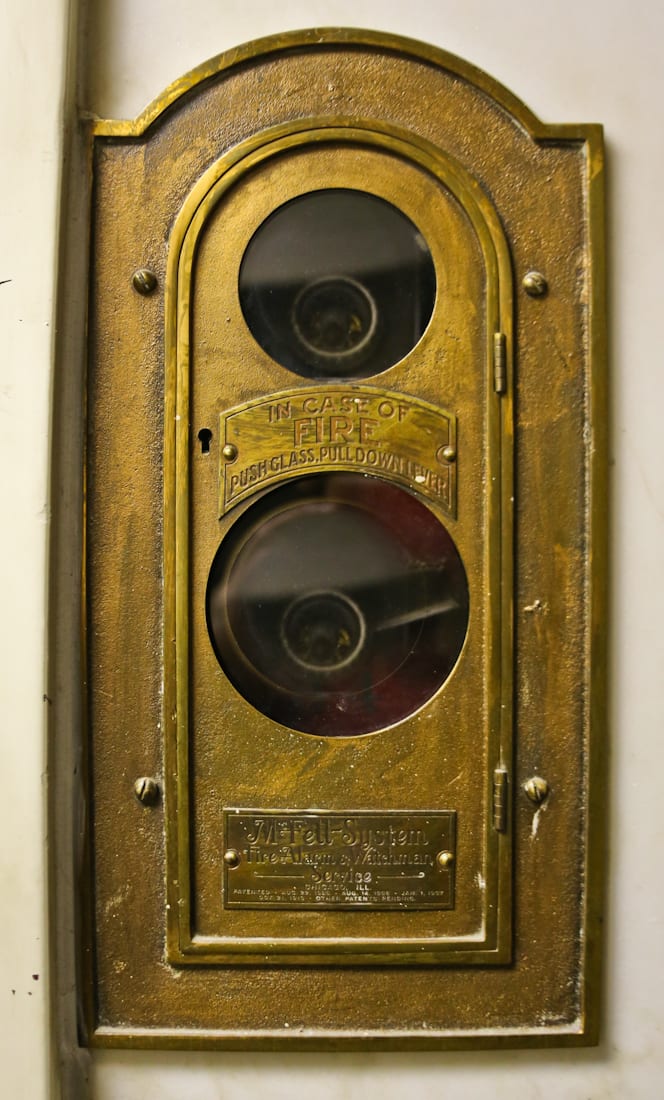
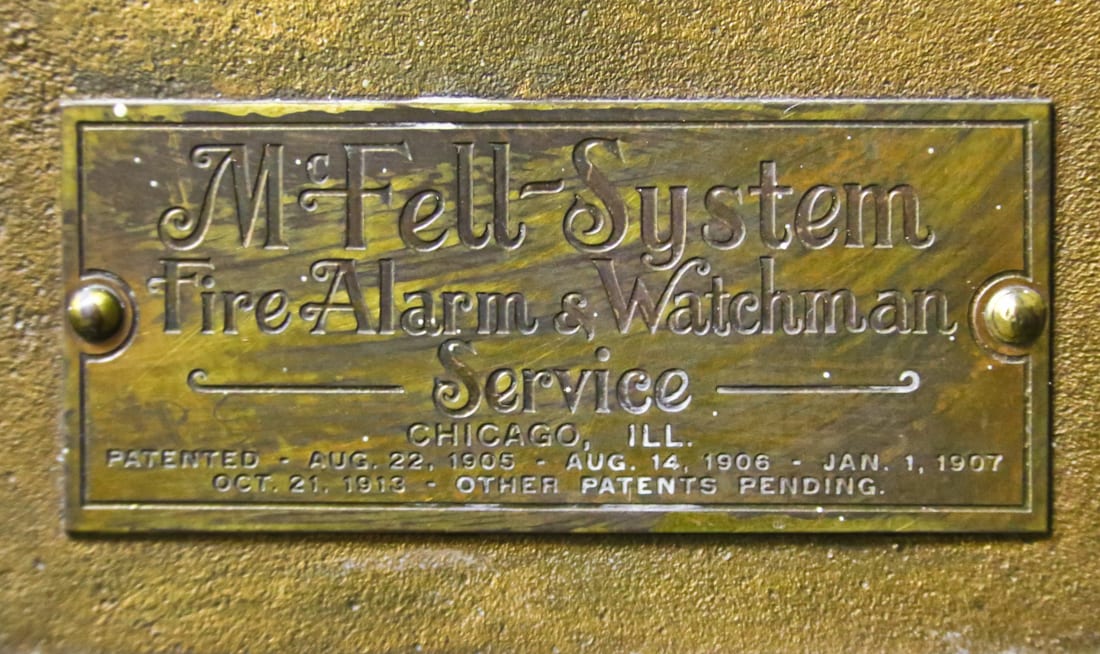
at the very least, i documented the interior – gaining access to spaces like the bell tower that i will likely never see again. the small collection of images below were from the first day, when the developers and i walked through both buildings, from top to bottom. images taken of the switchboard during my second and last visit are found here.
the roanoke building and tower, built as the lumber exchange building, sits on the site of a former roanoke building that once served the national weather service. additionally, it incorporates the lands of the former desoto building and former farewell hall. prior to the erection of the first roanoke building, a four-story building designed by t.v. widskier stood there until the great chicago fire of 1871. the original roanoke building stood from 1872–1912 as a seven-story building on spread foundations. it was designed by dixon & hamilton and had a length of 136 feet along south lasalle street and a width of 66 feet along west madison street. from june 8, 1873 to january 1, 1887 the original roanoke building served as the chicago location for the national weather service weather forecast official climate site.
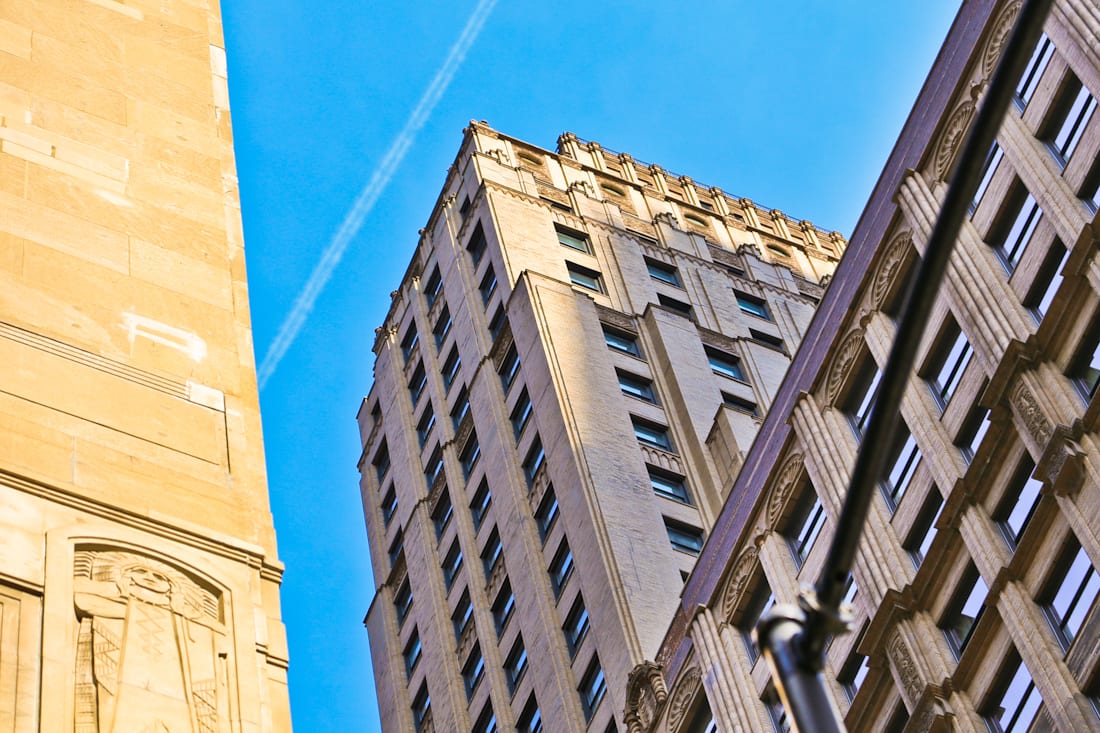
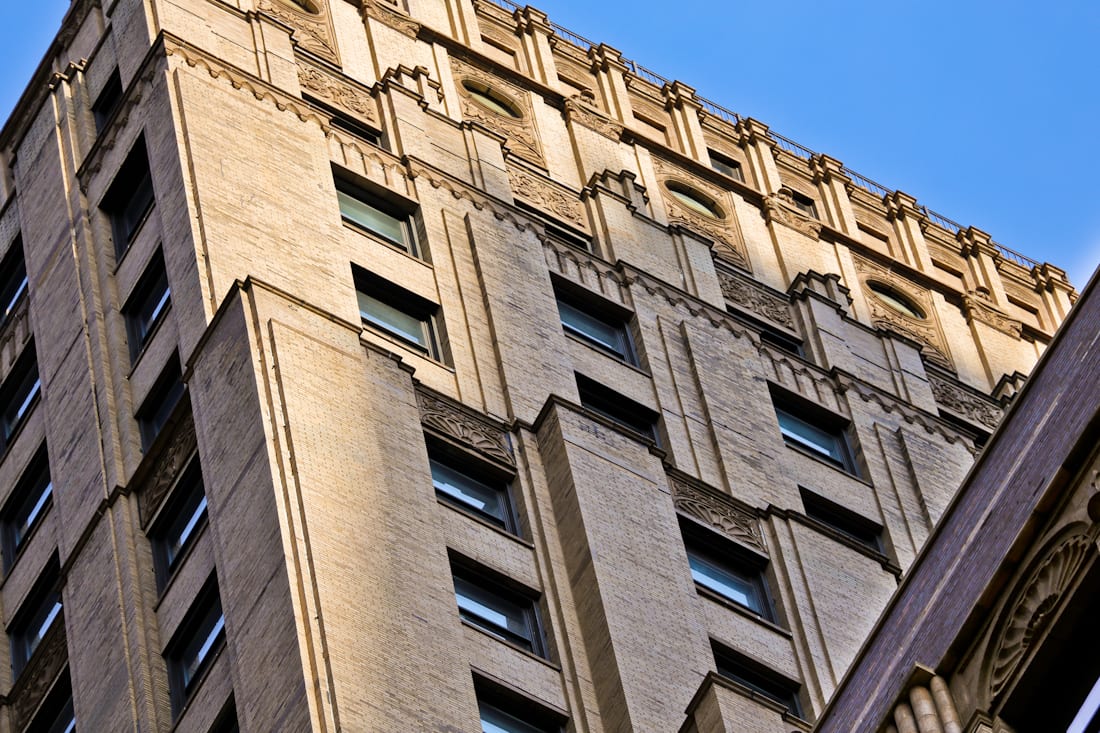
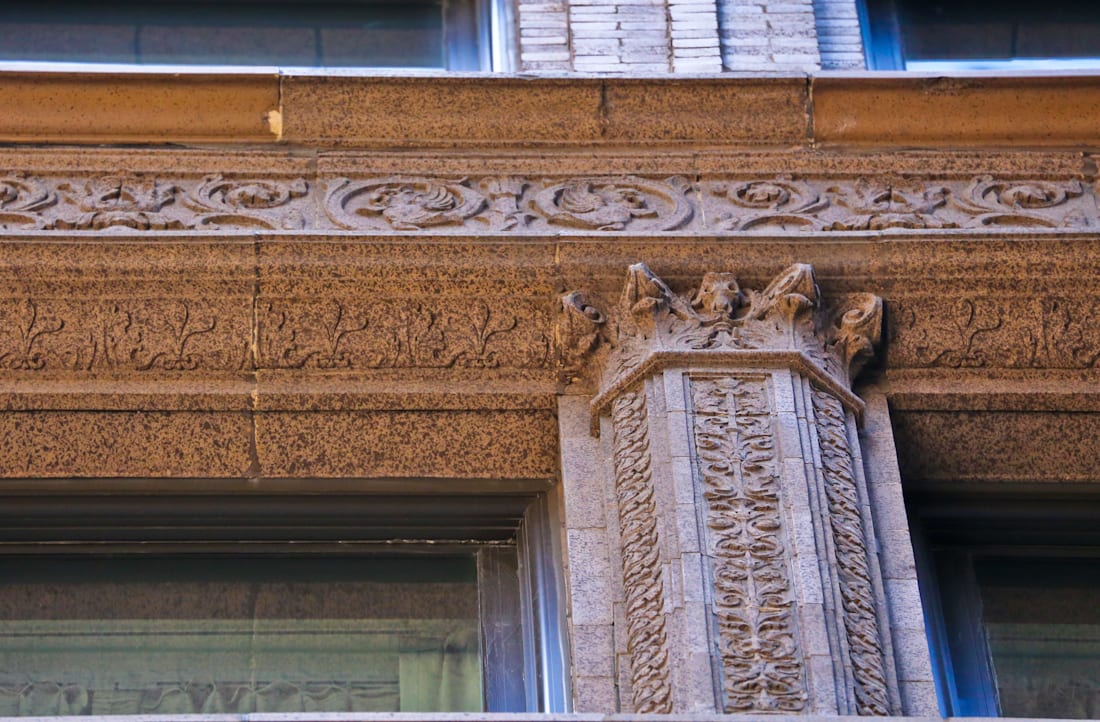
the current building was designed in three phases: in 1915 holabird & roche’s design for the first 16 floors was built, and five floors were added in 1922. it was built originally as the sixteen-story high lumber exchange building and later renamed as the 11 south lasalle street building. the holabird & roche design had three basements and rock caissons. the original 16-floor building was a late chicago school commercial building that incorporated arches at both the fourth and the top floor, but when the top five floors were added in 1922 under the original cornice, the top rank of arches disappeared. the building uses dark terra cotta with italianate designs. the vaulted ceiling and marble wall lobby contribute to what is described as a classical entrance and lobby. the palladian entrance uses contrasting white variegated and black marble.
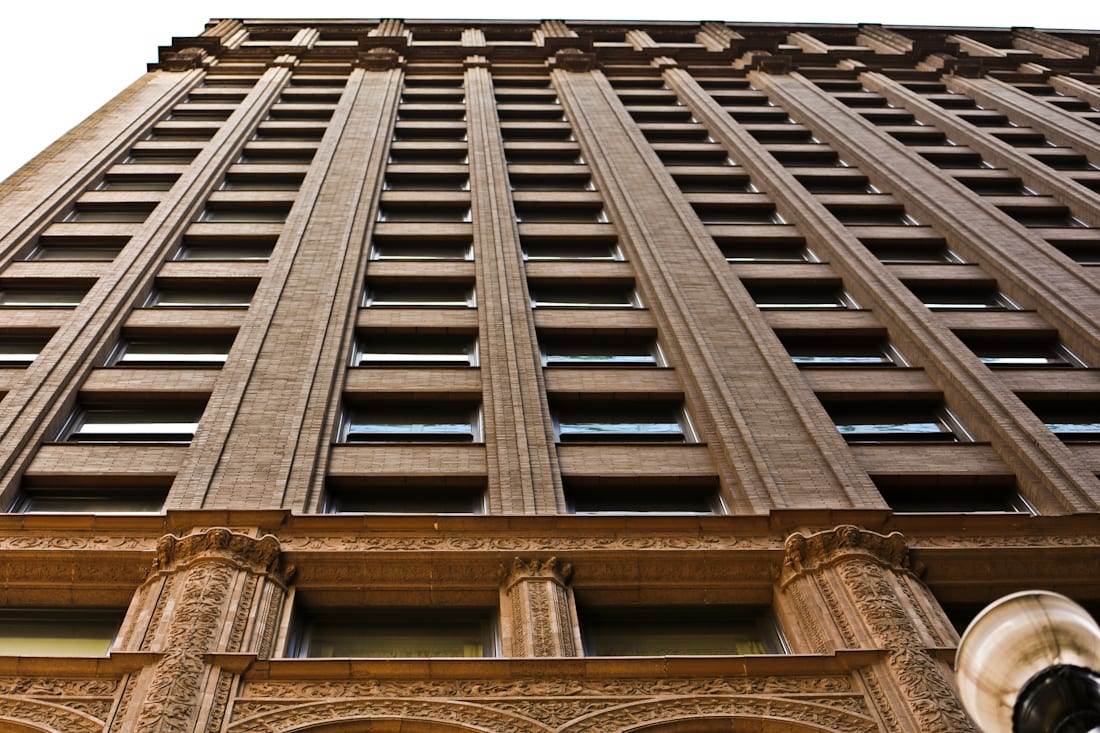
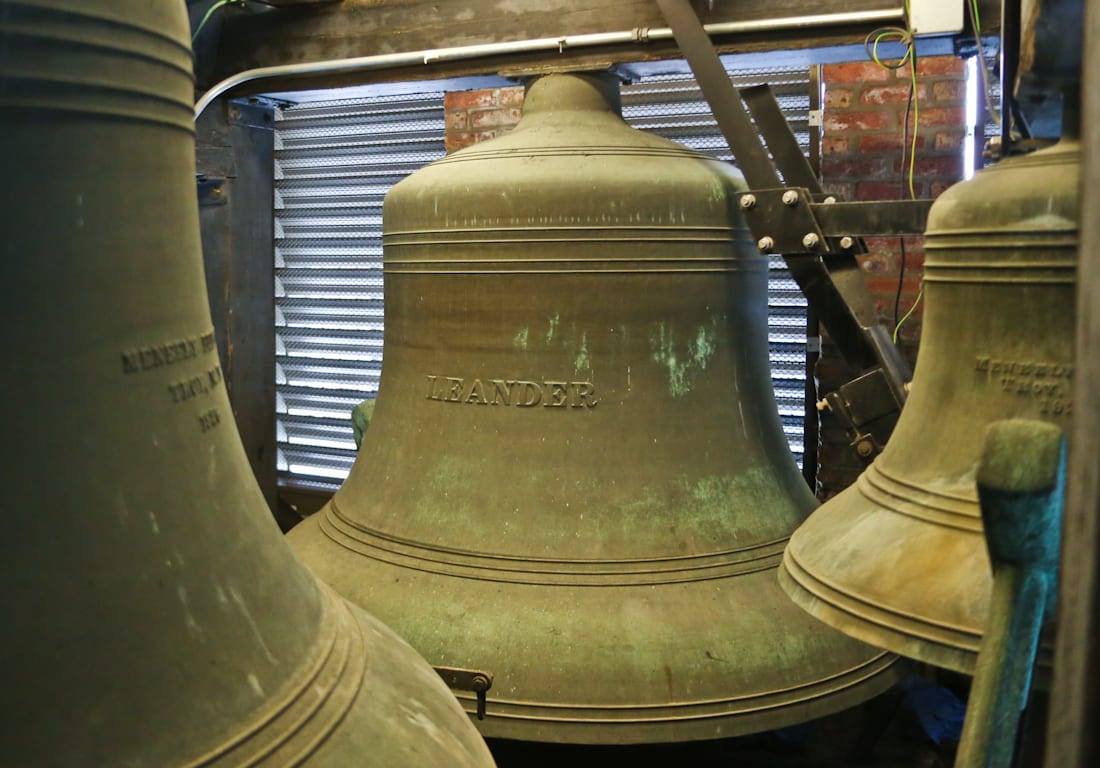
in 1925 the building was raised to its current 35 story height by the addition of an adjacent tower to the east of the madison street frontage. the 36-story tower was added east of the original structure on the site of the former desoto building at 125-129 west madison. the tower was an early example of the use of setbacks and it uses ranks of paired windows. when the tower was built, four bronze bells were cast by the meneely bell company (the second meneely bell foundry) and installed as a clock-chime. they were set to chime an original composition called “samheim”, which is norse for “tomorrow”, every quarter-hour. the largest of these bells weighs 7,201 pounds and is inscribed with the name “leander” in honor of leander mccormick.
the current roanoke building is the city’s only example of a structure in the style of portuguese gothic architecture. the building was modernized in the 1950’s and went through a postmodern renovation in 1984 to evoke the original ornamentation. the building has the same frontage as the original roanoke building plus that of the former farewell hall (built by william w. boyington at 131-3 west madison street). from 1920 until 1969 it hosted the offices of the law firm sidley & austin. today it is leased by small service industry firms, such as second-floor tenant thomas p. gohagan & co., which arranges travel trips and tours for non-profit organizations. extensive renovation to the lobby, the façade, the elevators and the exterior lighting occurred when it was converted into a “boutique” hotel.
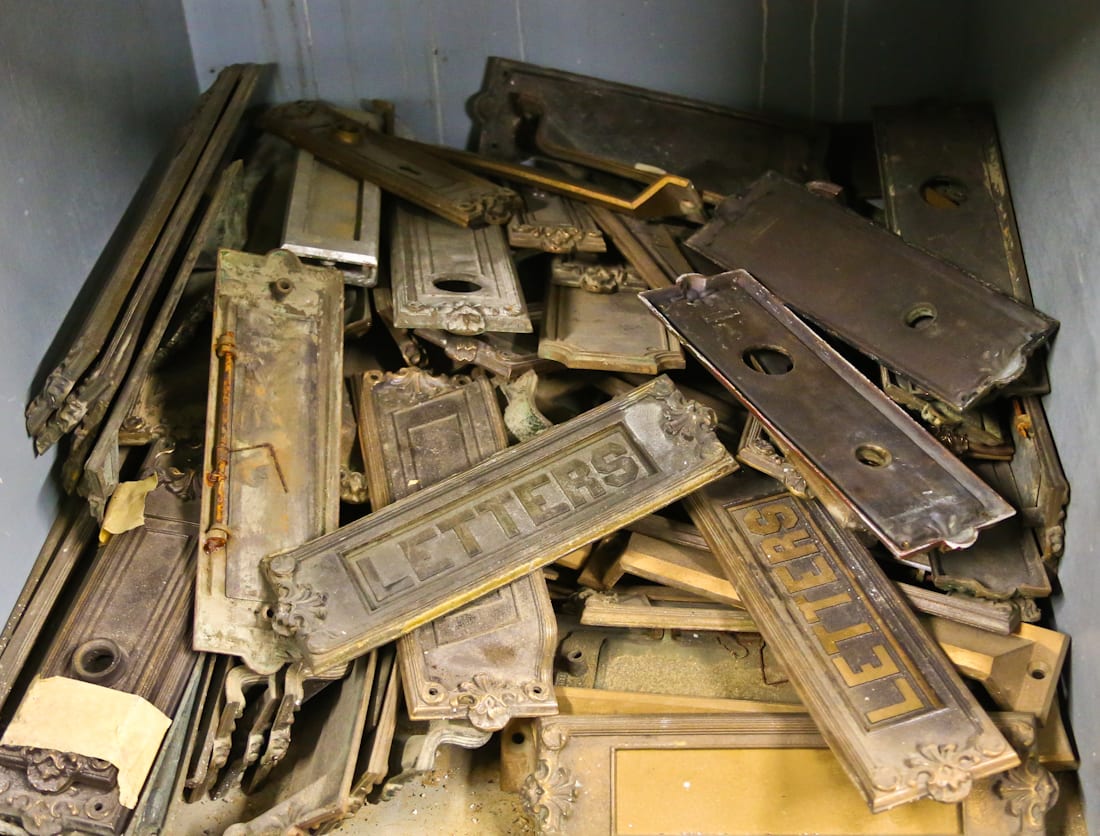
piles of original yale & towne “specialty” hardware was tucked away in the basement.
bld. 51 blog subscriber andrew mace, offers additional information pertaining to the fabrication of the building’s bells:You may already have all this data, but just in case you don’t, this is from the entry in the Kehn ledger (three generations of Kehn family members worked for Meneely doing installations for them; later they continued to do bell maintenance after the foundry shut down):
Roanoke Building [Seth Thomas Clock] Peal 4 – 7201#, 3176#, 1536#, 820# = 12,733# total weight
Installed December 15, 1926
{Comments} Bells are located in 36 storey tower, 450 feet above ground. Largest bell named Leander after Leander McCormick of the family who started the Chicago Tribune. The bells are ready to ring.
I continue to be fascinated by your web site and blog, so as soon as I saw the first photo, I knew they had to be “Troy” [Clinton] Meneely bells. I have been playing an 11-bell Troy Meneely chime at St. John’s Episcopal Church in Troy NY since 1965 and have played a number of other chime sets from both foundries in the Troy – Albany area; that is how I became so fascinated by both companies over the years. (Incidentally, the Troy foundry was only about two blocks from St. John’s!)
Do you know if there are plans to keep the bells in place and perhaps restore the ringing mechanism and clock? I truly hope so!
–Andy
Andrew Mace, Webmaster
Sand Lake Historical Society
SLHS Web Site
Find us on Facebook!
in response to andy’s question, i haven’t received any information and/or updates from building management about the current state of the bells – that is, whether they will be restored with working clock mechanism, or left untouched and sealed off.