
04 Aug bldg. 51 museum acquires “lost” records of architectural firm graven and mayger
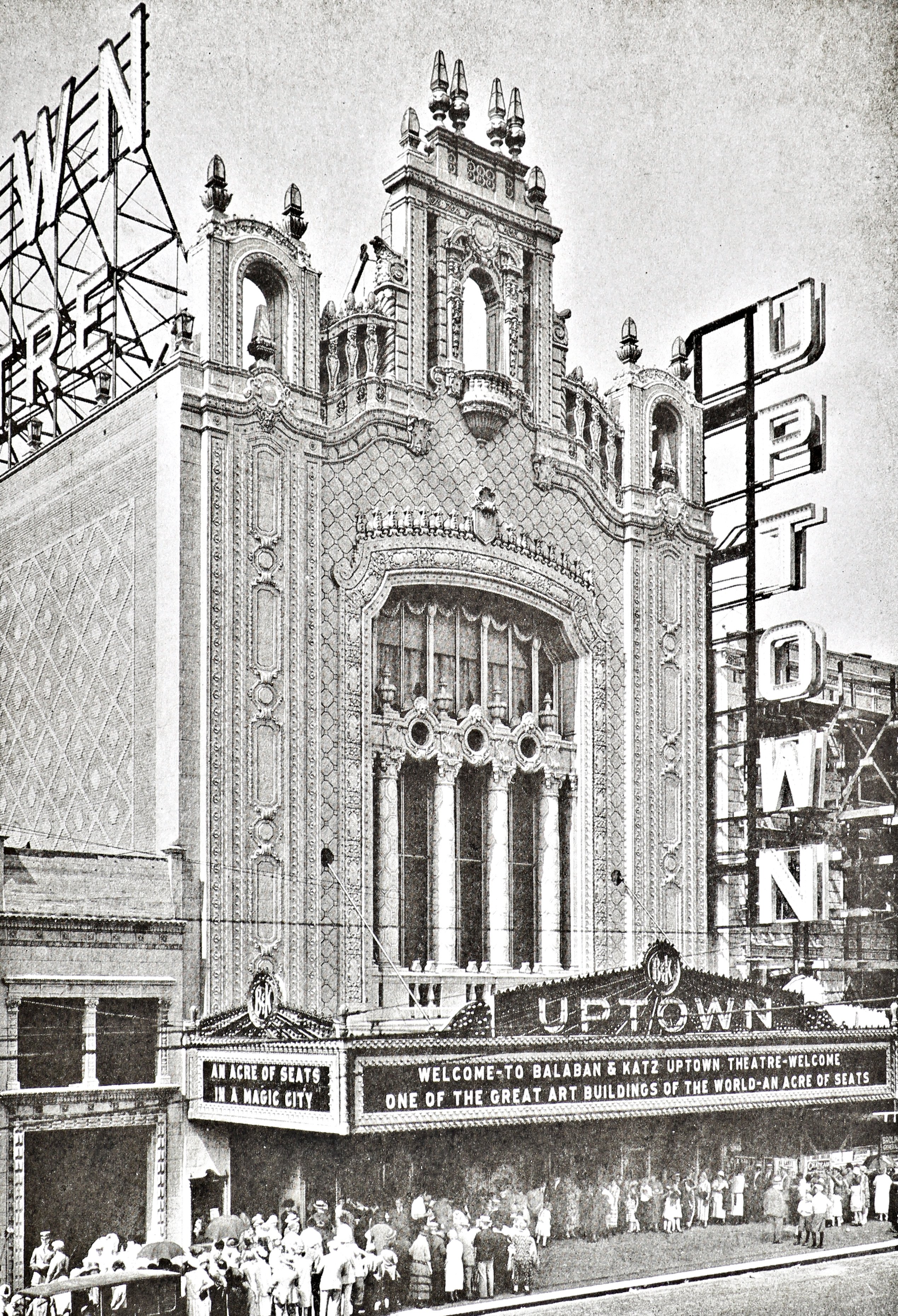
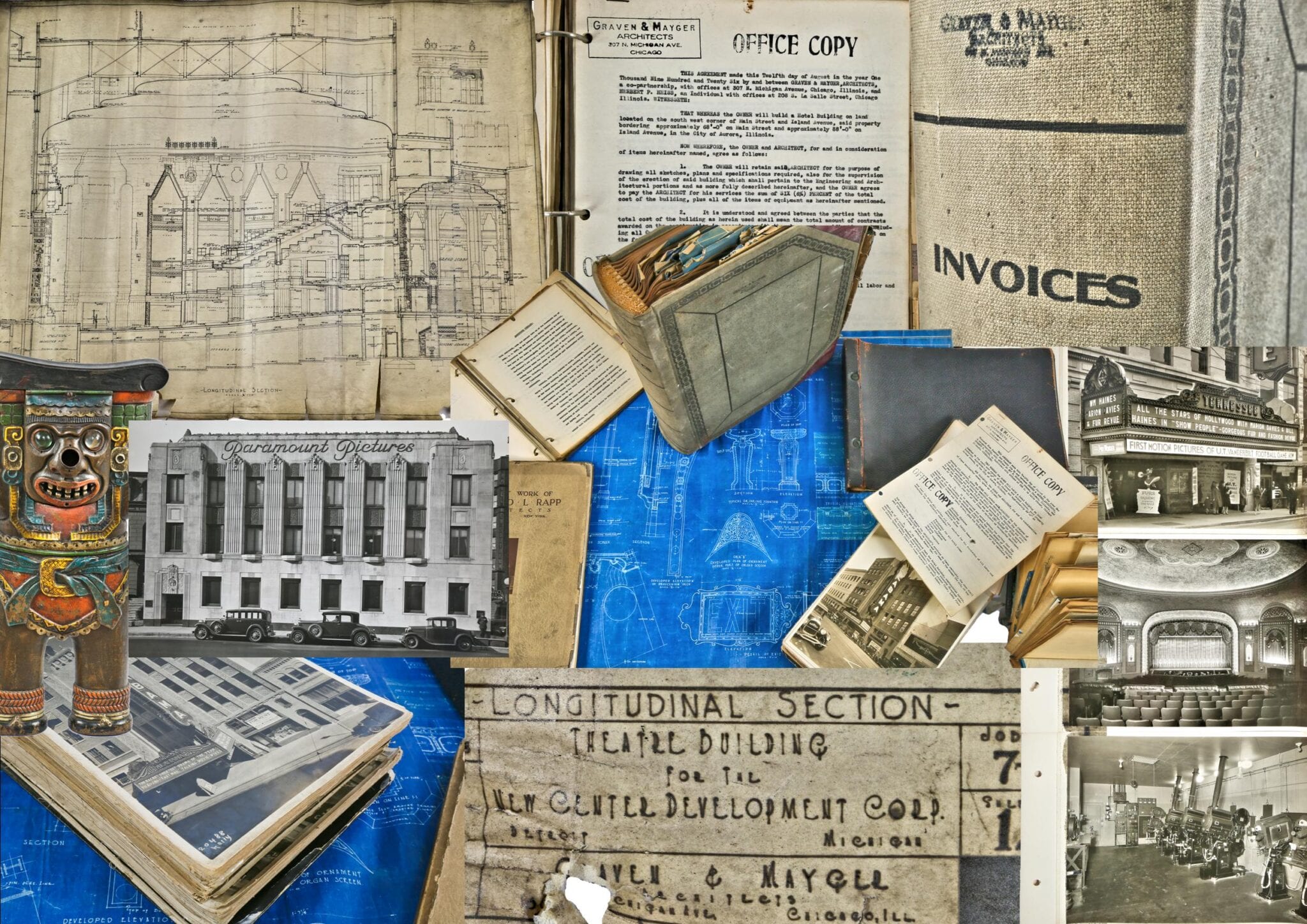
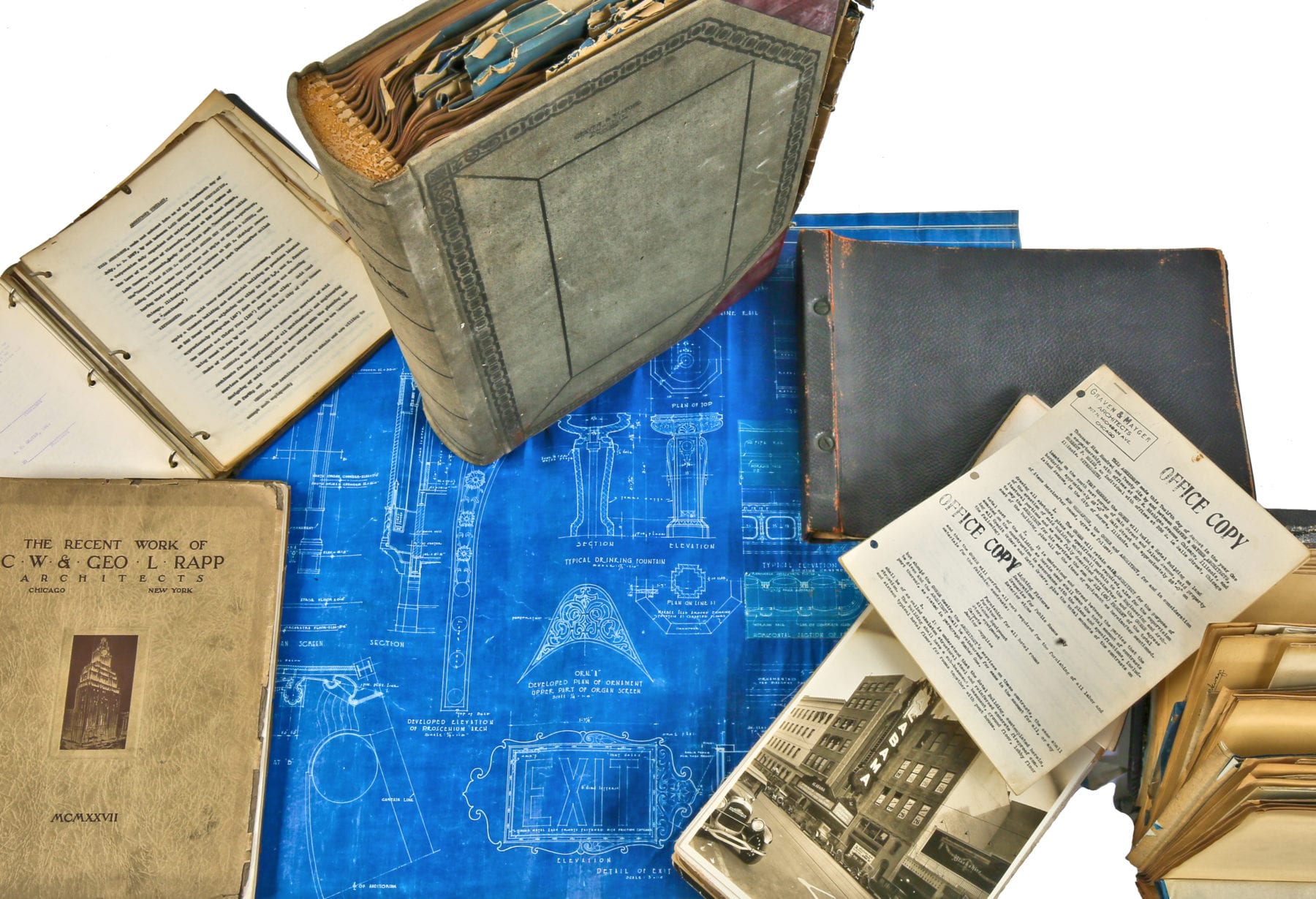
the bldg. 51 museum recently secured another important archive, containing previously undocumented materials belonging to the short-lived notable chicago-based architectural firm of graven and mayger. the drawings, ledgers, blueprints, photographs, and paperwork last belonged to edward rupinksi, who worked as a draftsman for the firm. a portion of the archive contains material from the prestigious firm of rapp and rapp, which was likely obtained during the time both anker graven and arthur mayger spent working for them. the expense sheets and contracts tied to rapp and rapp’s uptown and tivoli theaters are especially of interest. the core of the graven and mayger archive revolves around a gargantuan binder, acting as a portfolio for hundreds of silver-gelatin photographic prints. this includes most, if not all of their commissions; especially noteworthy are the extensive interior shots of several movie palaces shortly after their completion. the firm of graven and mayger split up in 1930, after the completion of a number of architecturally important theaters and buildings. from then on, the firm continued as a.s. graven, inc. architects and completed a number of subsequent commissions for paramount pictures. after graven’s passing in 1932, rupinski was left in charge of the firm’s records, and they remained in his possession until his death in 1961. discovered over fifty years later in his former residence here in chicago, little of this collection has ever been viewed by even the most prestigious architectural historians, let alone the general populace. all of the material is currently being digitized, after which it will be made available in the archive section of the bldg. 51 museum website.
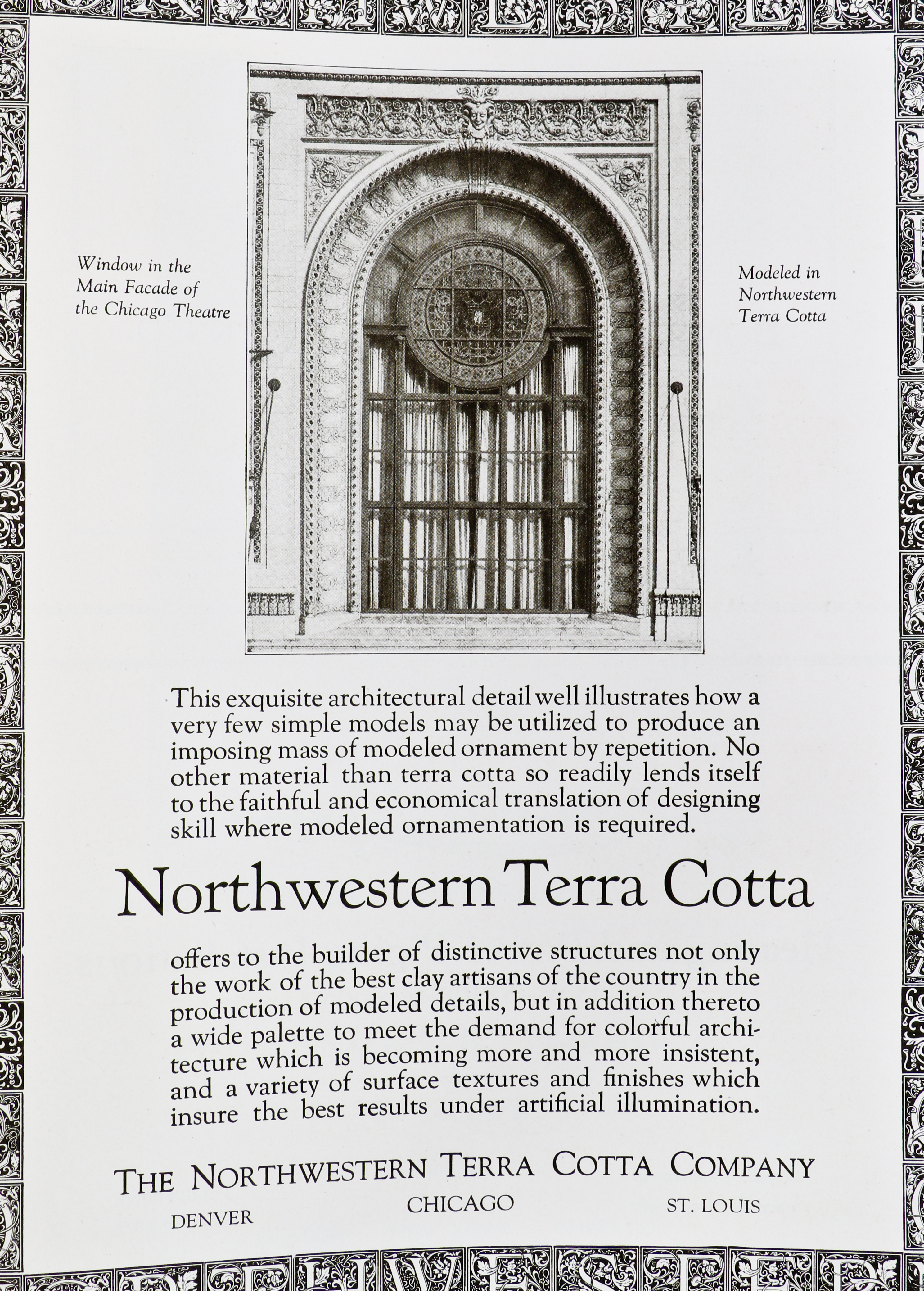
chicago architects graven and mayger had apprenticed with noted theater architects c.w. rapp and g.l. rapp, whose chicago firm designed some 400 movie palaces across the country, starting in 1921 with the lavish french baroque chicago theater (still a north loop fixture, elegantly restored in 1986). among their masterpieces is minneapolis’s orpheum theater (1927, restored 2000-2001). compared to rapp & rapp, the firm of graven & mayger was a flash in the pan. in a partnership spanning just 15 months in 1927-1928, the pair designed eight grand theaters across the country before finding their way to obscurity.
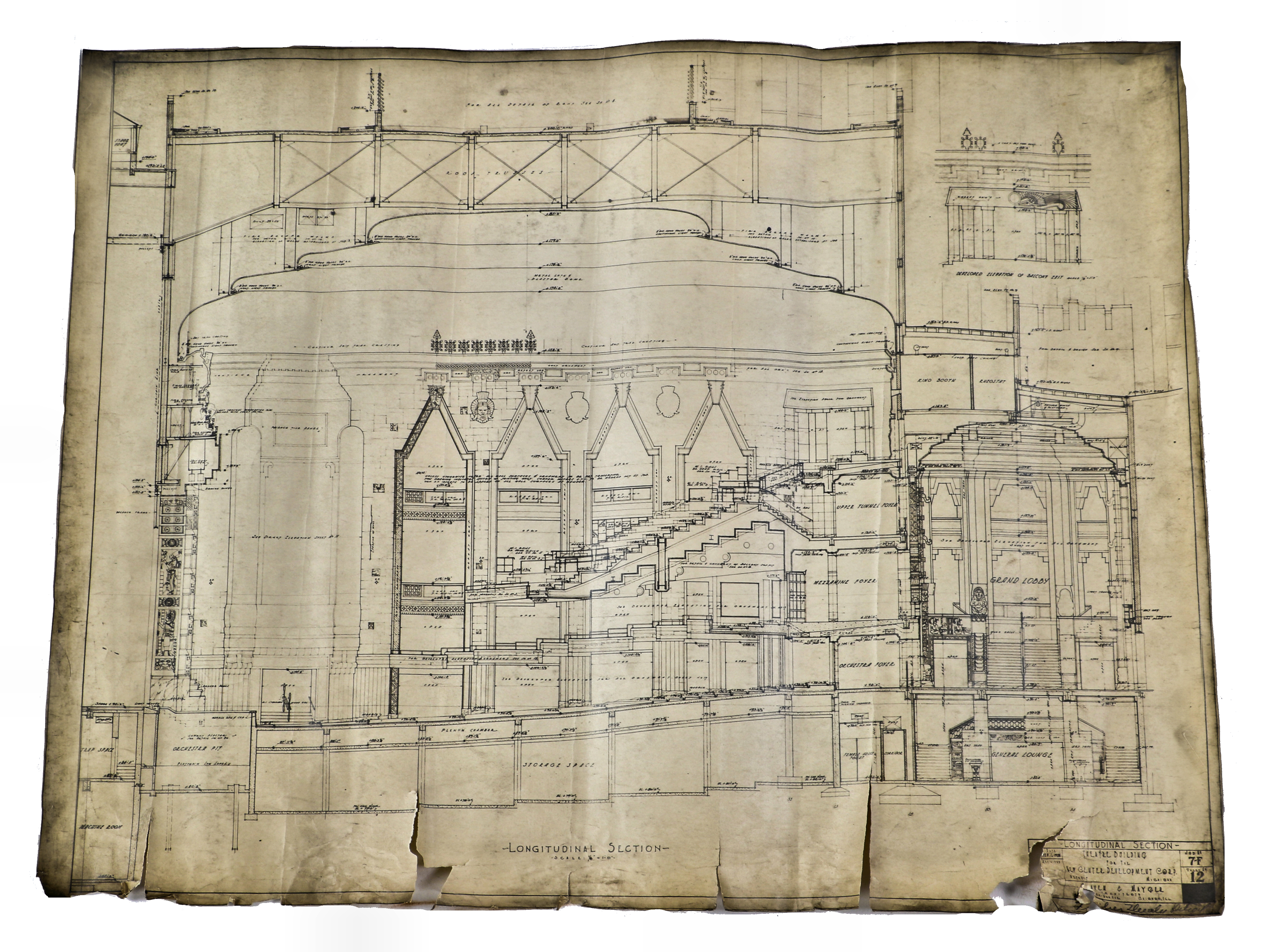
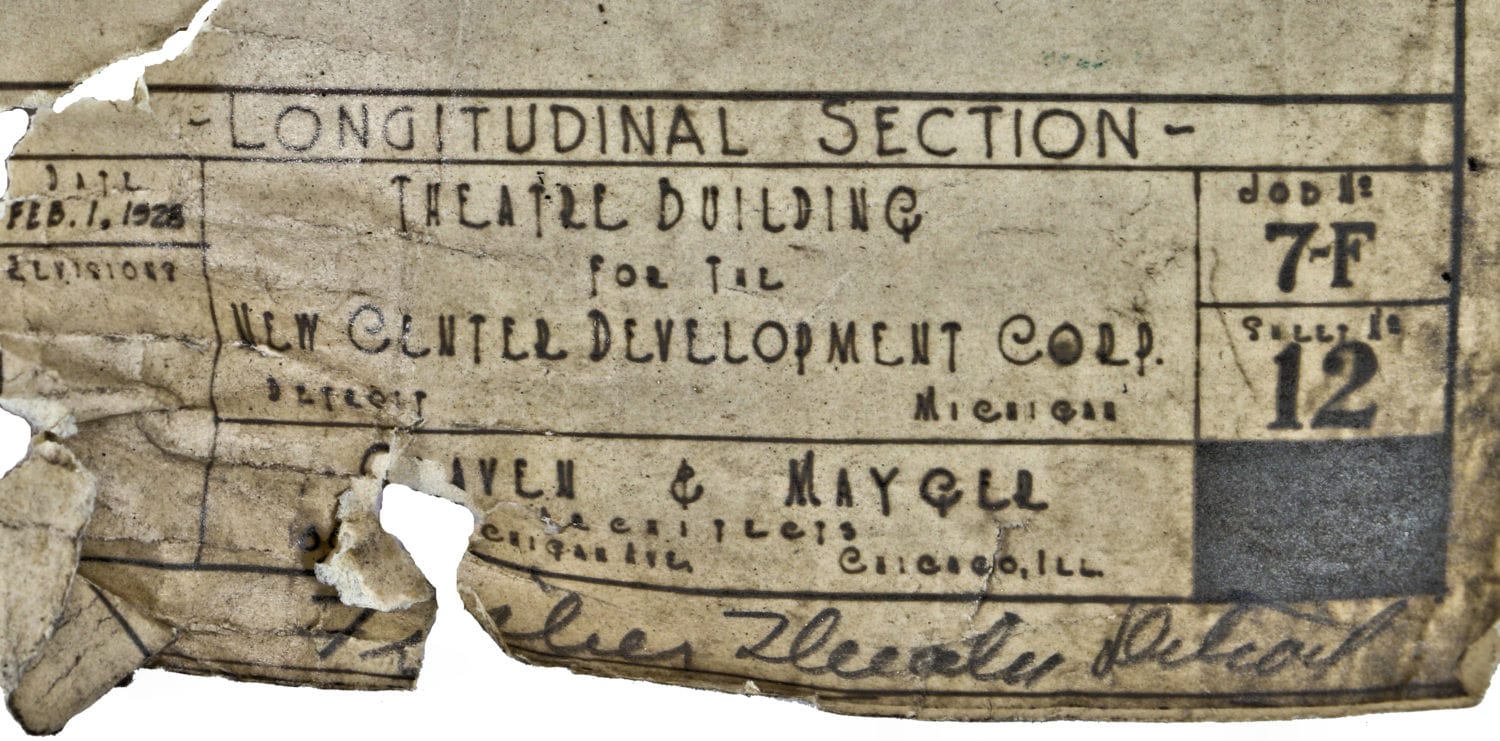
after working together for nearly a decade at rapp & rapp, anker sverre graven and arthur guy mayger eventually decided to strike out on their own. among graven & mayger’s earliest commissions was the original fisher theater, the jewel of the $35,000,000 fisher building in detroit designed by albert kahn and associates. a competition was offered for the theater that was to be its crowning touch, costing between $1.5m and $2m alone and containing 2,800 seats. graven & mayger won the commission, in what became a huge break for them – aiding in their establishment as theater architects across the country. opened as the centerpiece of the kunsky circuit in 1928 as a vaudeville and movie house, the fisher was a rare detroit example of a mayan-style palace. the interior featured two balconies, an orchestra pit, a 4-manual/36-rank wurlitzer organ, and in the lobby, a goldfish pond, real banana trees, and macaws which patrons could feed by hand while waiting for the next show. in the early 30s, the theater was operated by paramount-publix and became home to the 40-piece sam benavie orchestra as well as elaborate stage acts. by the 50s, the stage shows were gone, and the fisher began showing only films. its wurlitzer was removed in 1956 and installed in the senate theater. for the last few years of the 50s, the fisher became a second-run house and screened its final movie in 1960, ‘the magnificent seven’. the next year, the fisher was acquired by the nederlander theatrical corporation, which hired the firm of rapp & rapp to remodel the theater at a cost of nearly $4 million. it was decorated in an elegant, subdued style, using black marble, walnut paneling, imported crystal chandeliers and decorative metal-work.
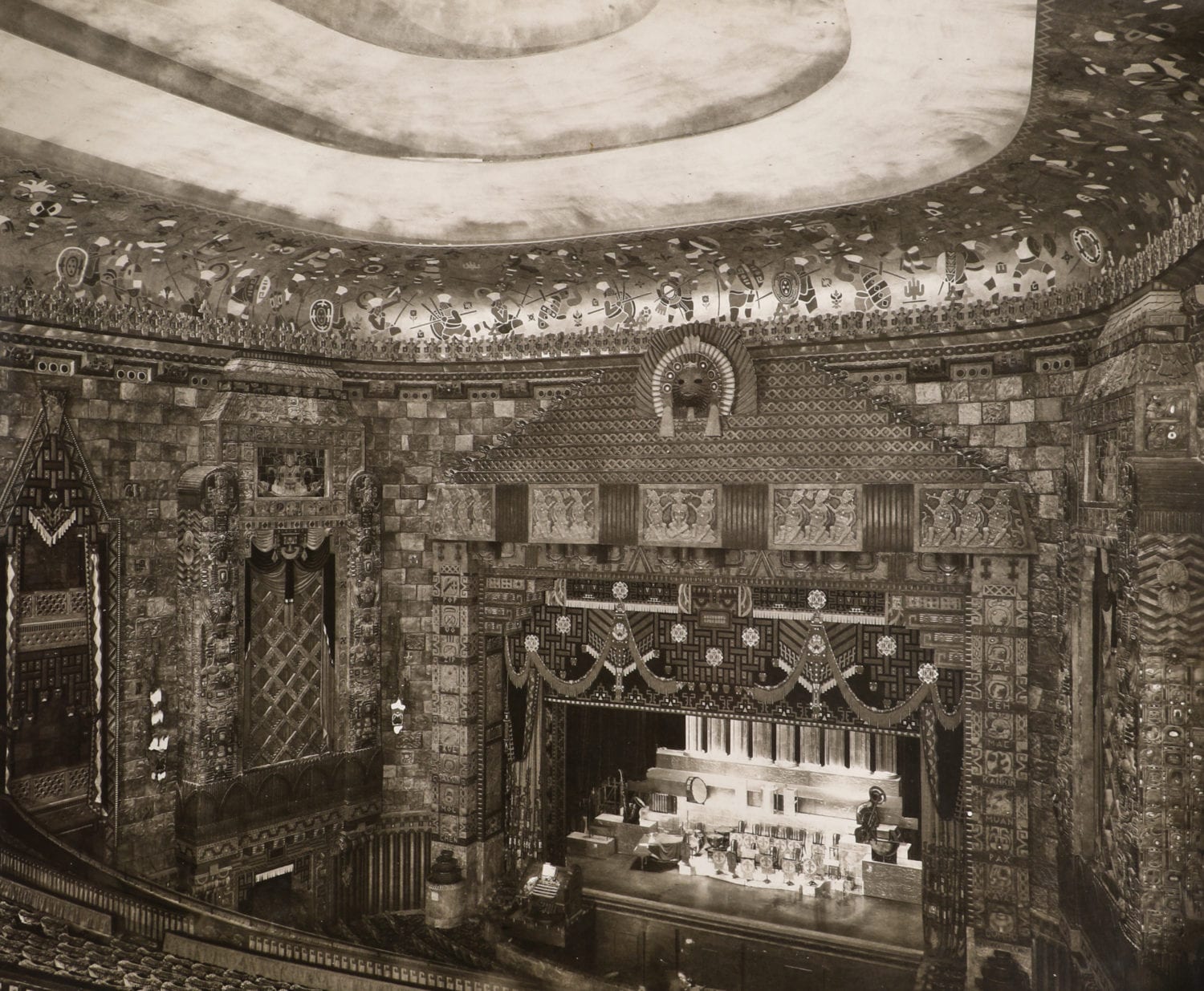
original silver gelatin photographic print of the fisher theater’s auditorium shortly after it was completed in 1928.
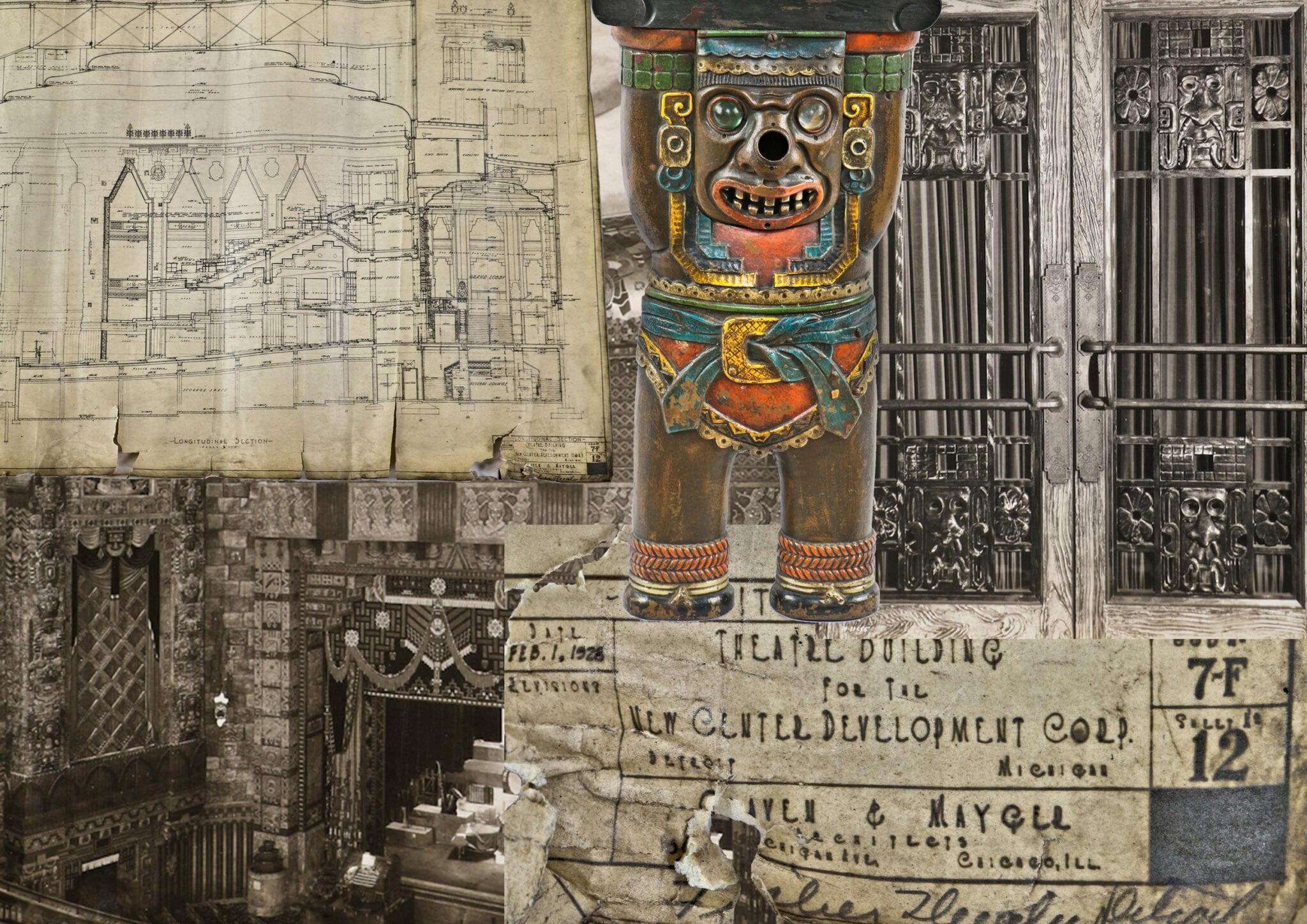
the fisher theater has been covered extensively in previous bldg. 51 blog posts.
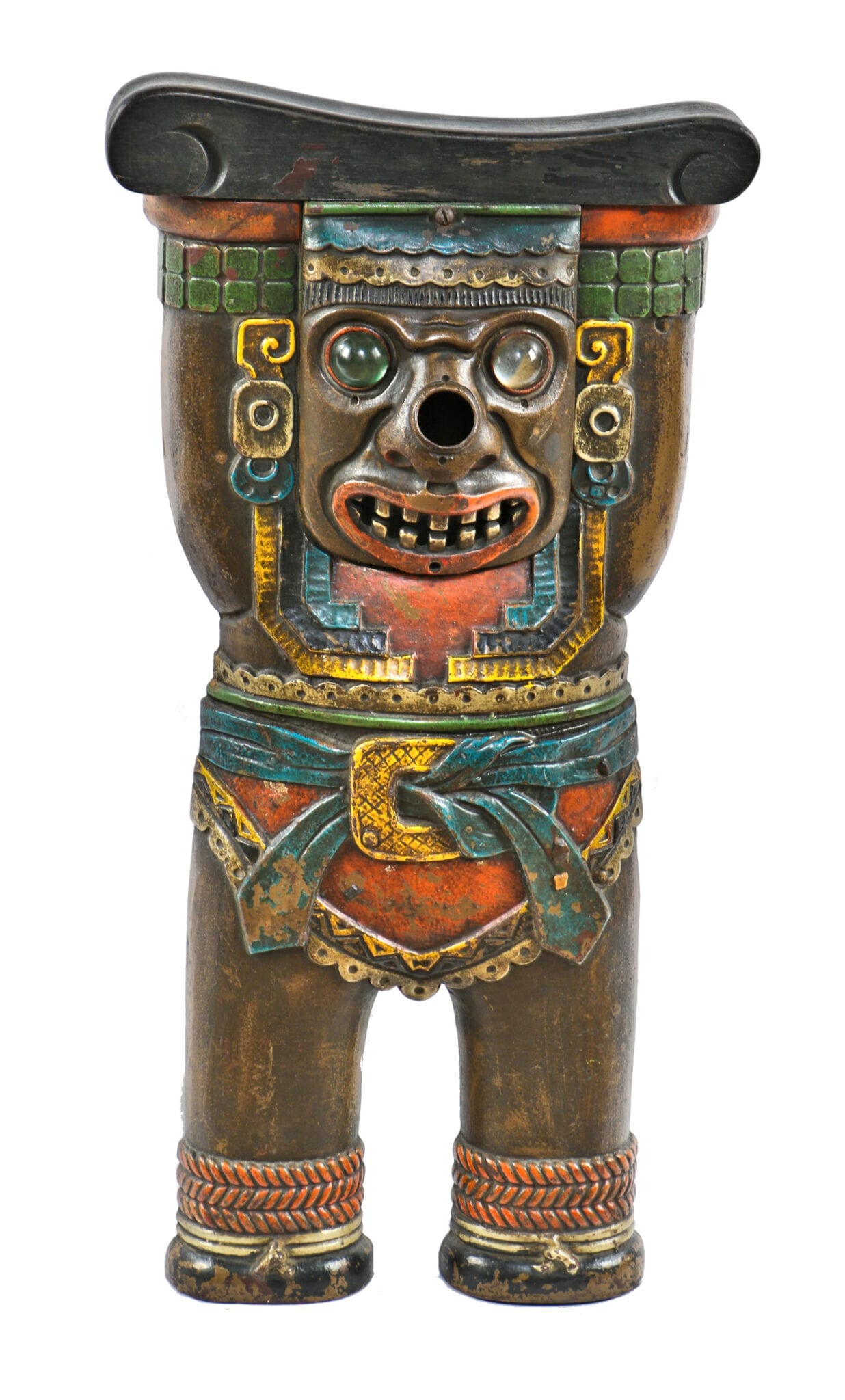
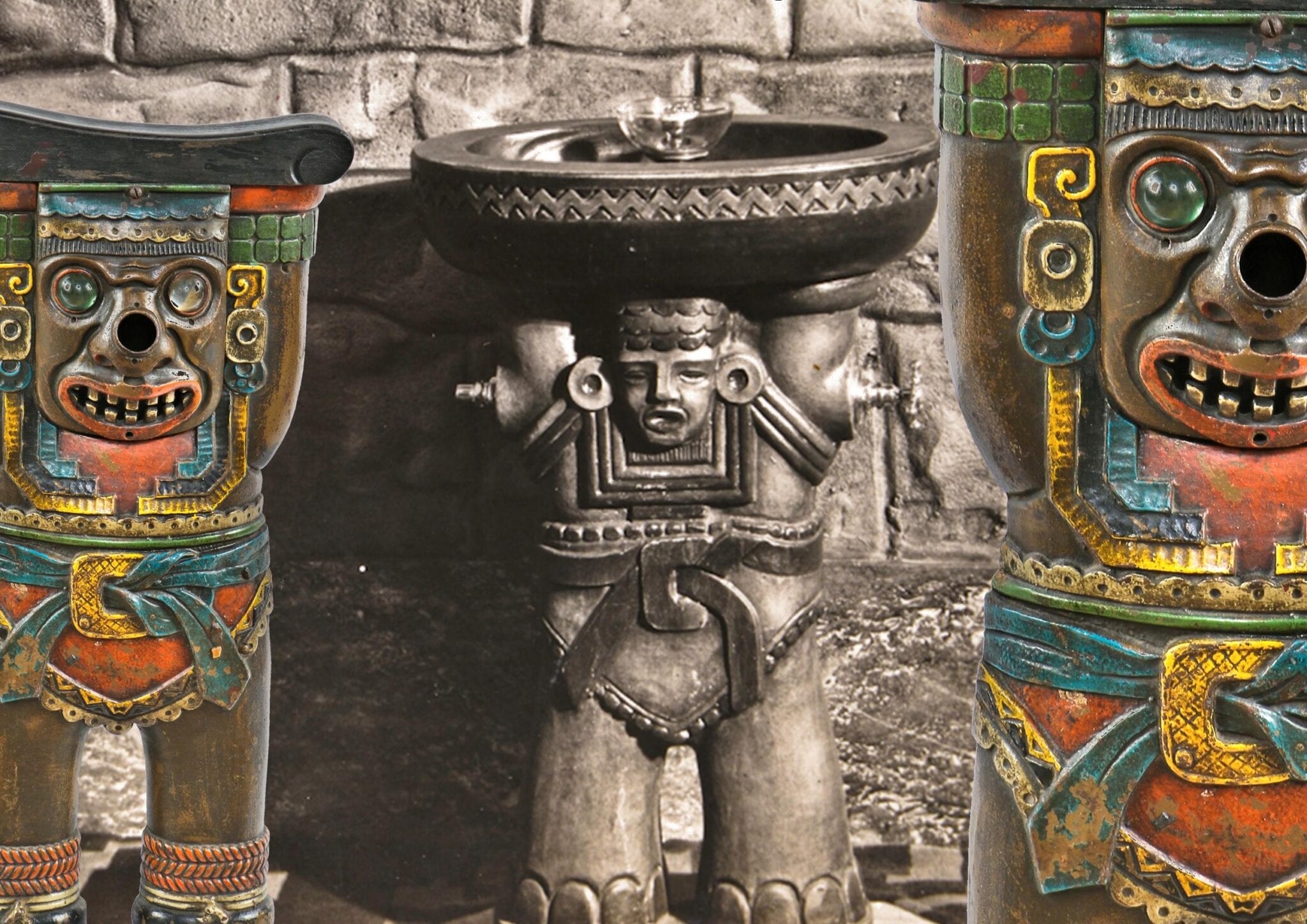
original polychromed ornamental cast iron figural fisher theater seat end with “jeweled” colored glass eyes and nose. the theater seat end was fabricated by heywood-wakefield specifically for use with the fisher theater. image courtesy of the bldg. 51 museum collection.
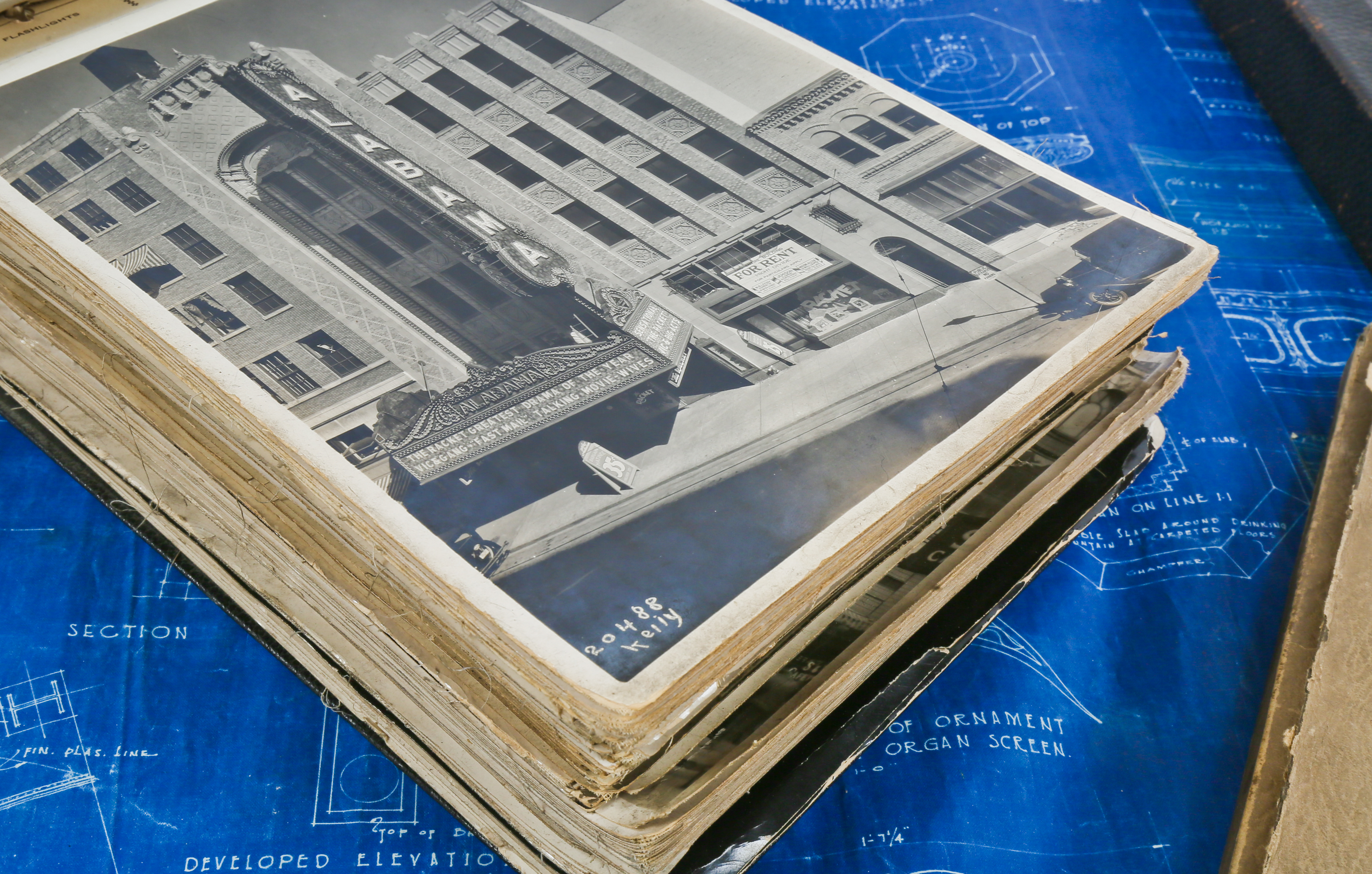
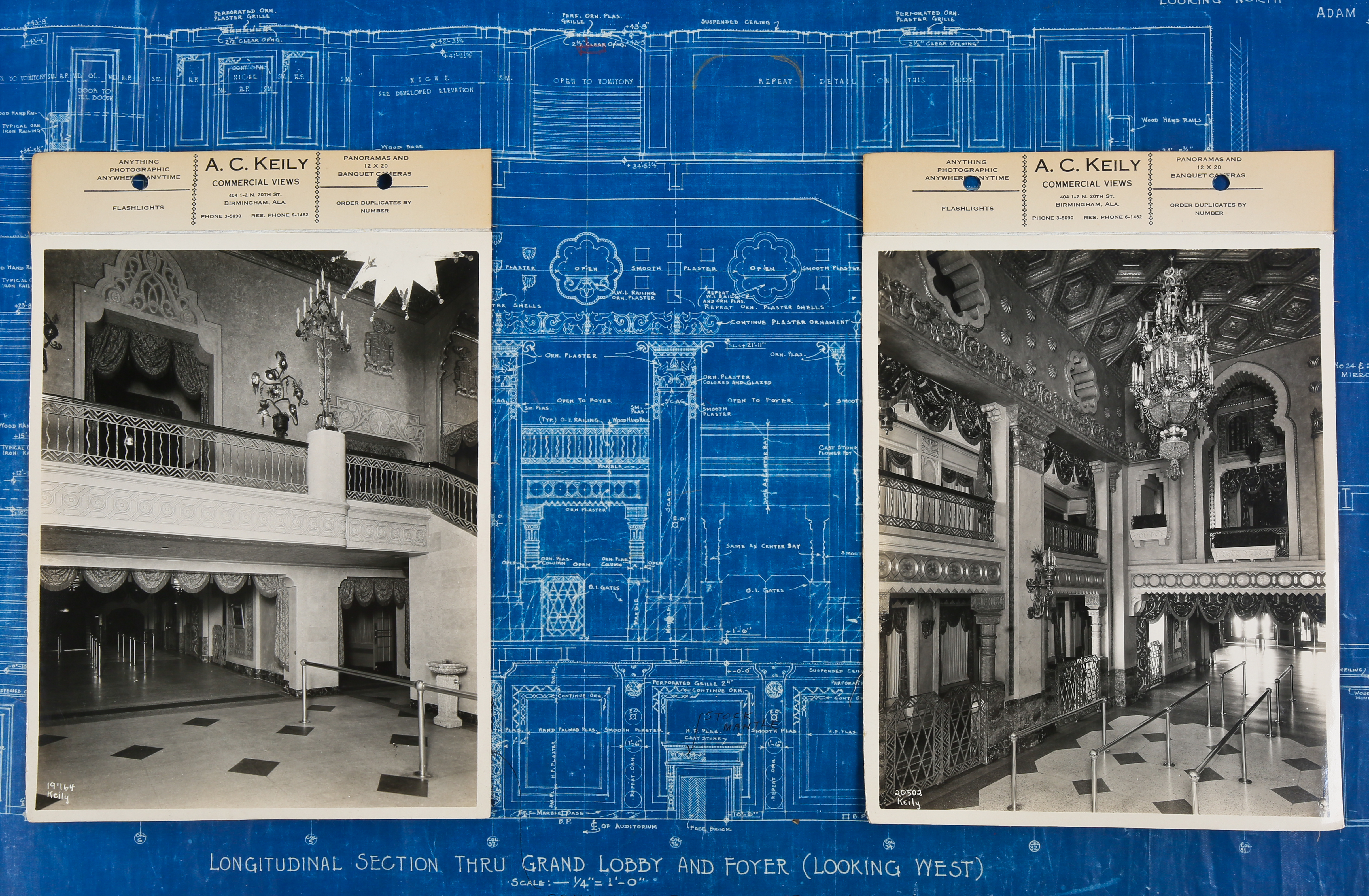
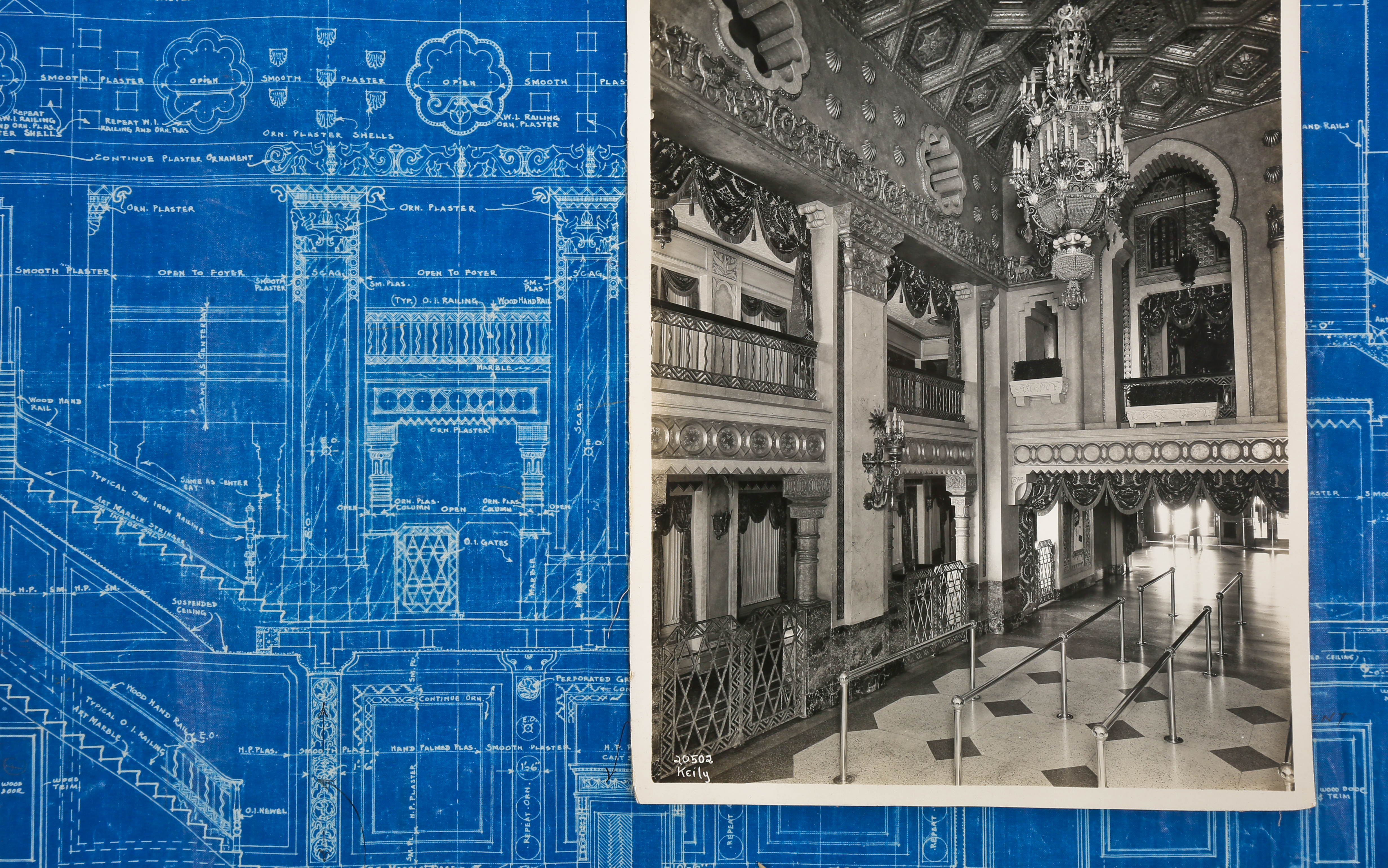
they also designed the alabama theater in birmingham, a spanish renaissance and baroque style structure with a seating capacity of 3,000 as well as retail and office space. when it opened in december of 1927, it was the largest and most opulent theater then constructed in the state.
graven & mayger’s streak of high-profile commissions continued in 1928. they designed an annex to nashville, tennessee’s burwell building to house the nearly 2,000-seat tennessee theatre. designed in a spanish style with moorish influences, the entertainment edifice was the first public building in the city to feature air conditioning.
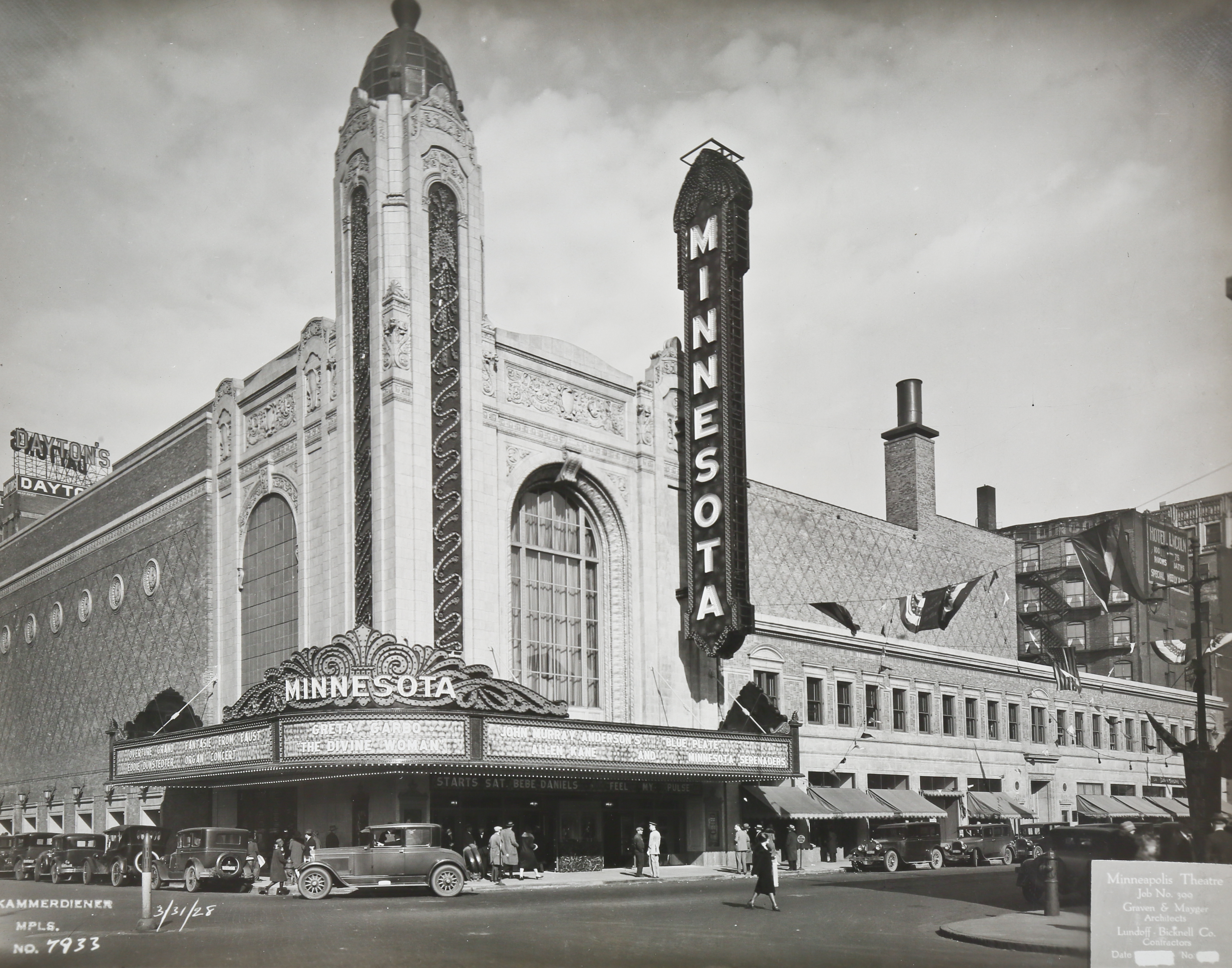
they then designed the now lost minnesota theater, a 4,000-seat monster in the twin cities; an italo-french renaissance masterpiece featuring a three-story grand lobby embellished with marble and an enormous crystal chandeliers, all based upon the sainte-chapelle at versailles. nearly the size of grand central station, at 150 ft long, 45 ft wide, and four stories high, it was larger than many downtown minneapolis theatres. the vaulted ceiling decorated with blue, rose, and gold coffered panels, as well as the grand marble staircase known as the ‘stairway to happiness’ provided the lobby with a properly sumptuous air. the auditorium itself was the fifth largest in the united states at the time, crowned with a spectacular dome full of hidden lights allowing it to take on various colors. the stage was more than sixty feet wide, and included a hydraulic orchestra lift as well as a four-manual wurlitzer organ. it’s exterior was clad in various shades of white terra cotta and topped by a domed tower with decorative polychromed terra cotta, which was illuminated at night. aside from this crowning feature, another standout was the 75 ft. marquee sign, said to have contained ten thousand lights. in part, the lighting helped doom the theater from the very beginning. its sheer size and massive overhead (at least 300 people were required to run the place, some of whom did nothing but change the light bulbs) made it virtually impossible to keep open. after over a decade of rotating ownerships and closures, the theater closed in 1958 and in 1959 was leveled and replaced by a parking ramp.
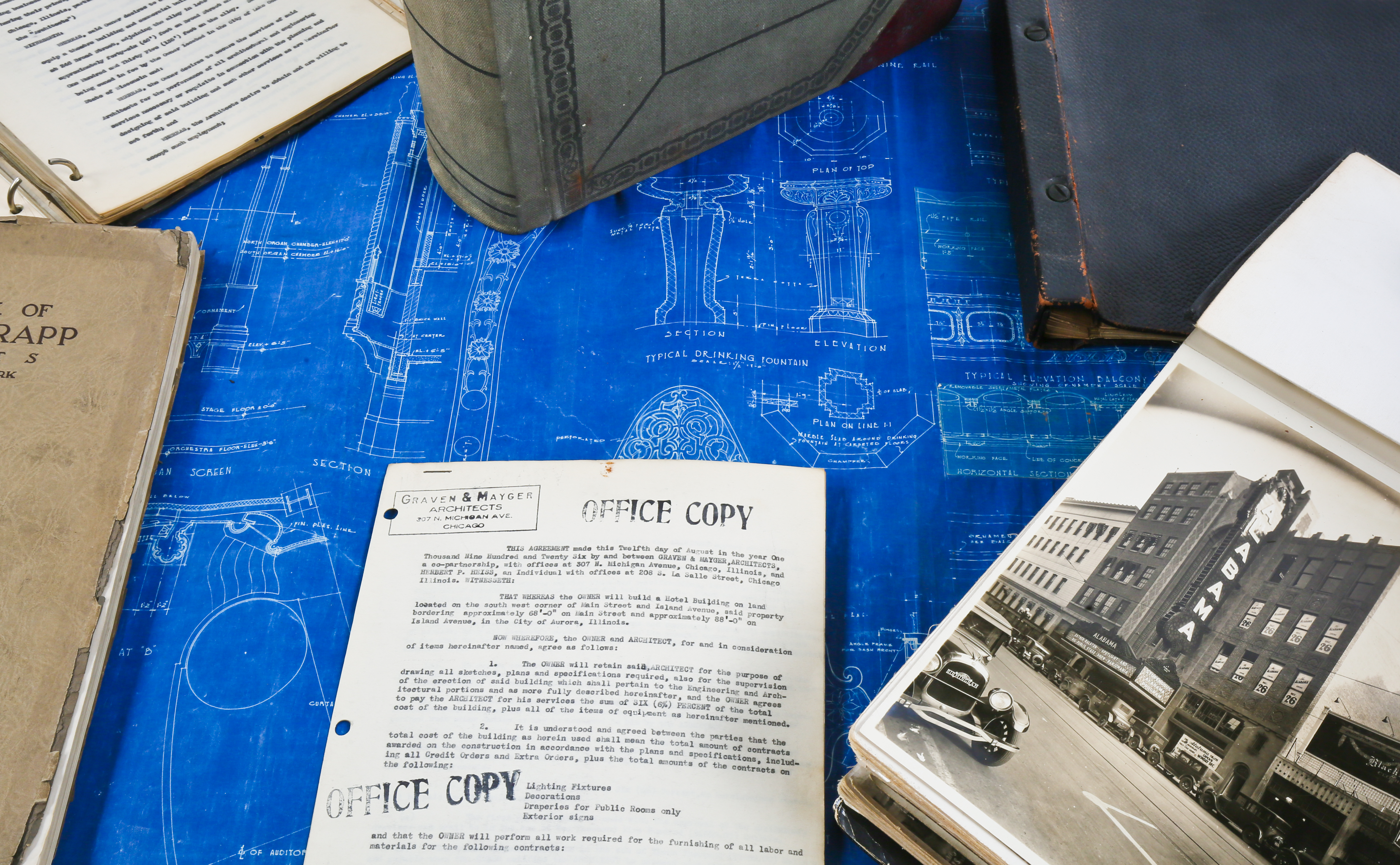
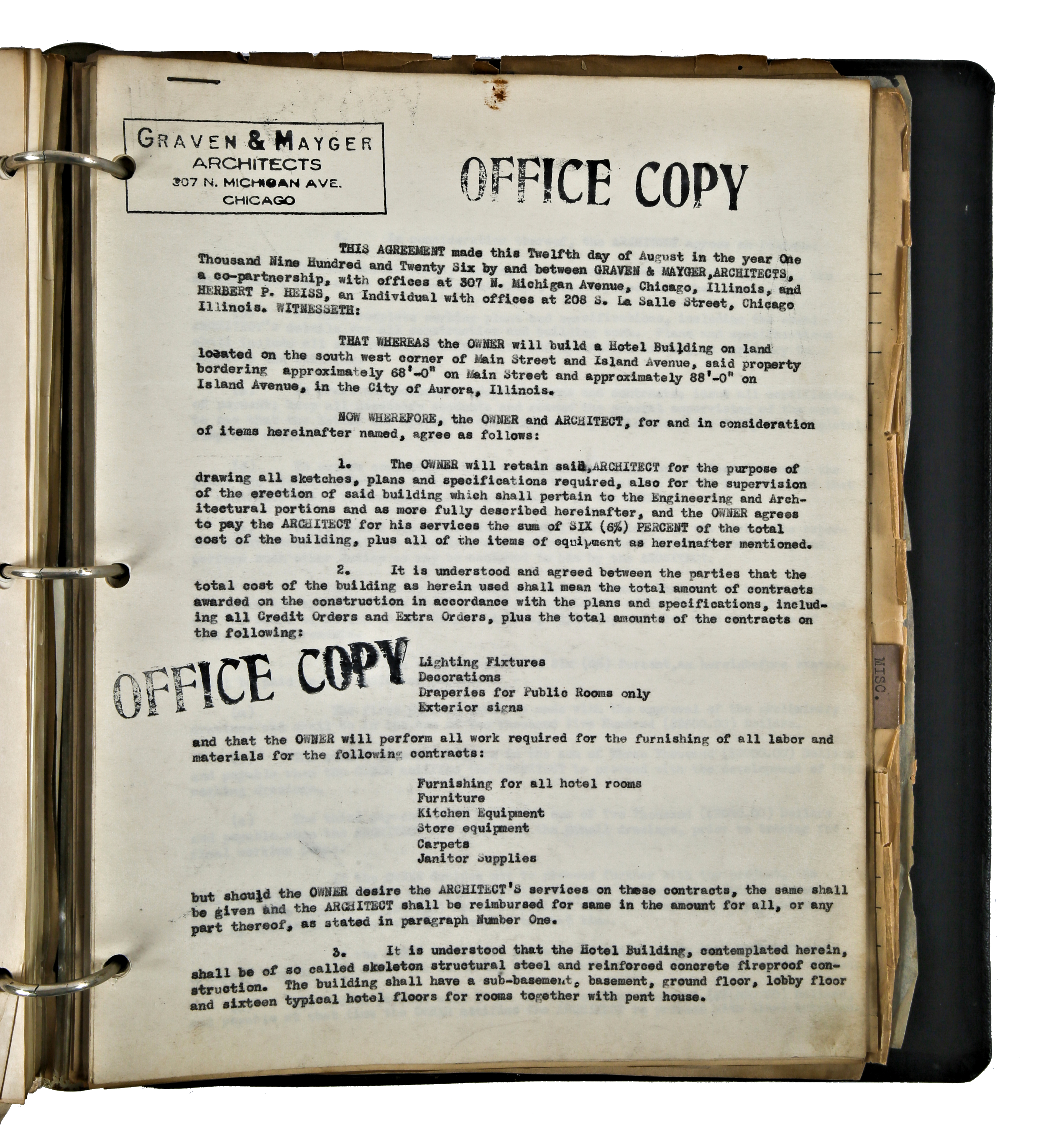
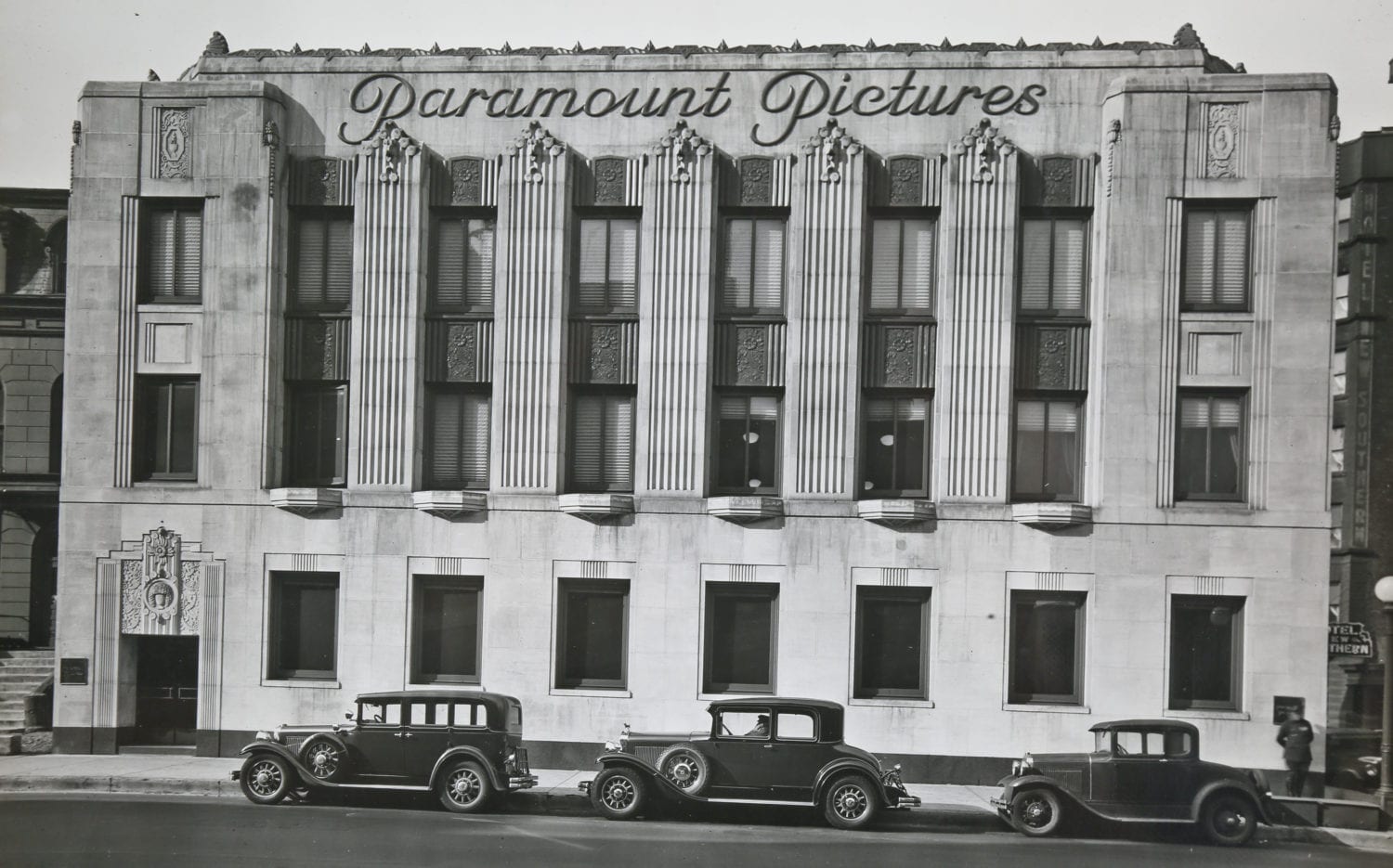
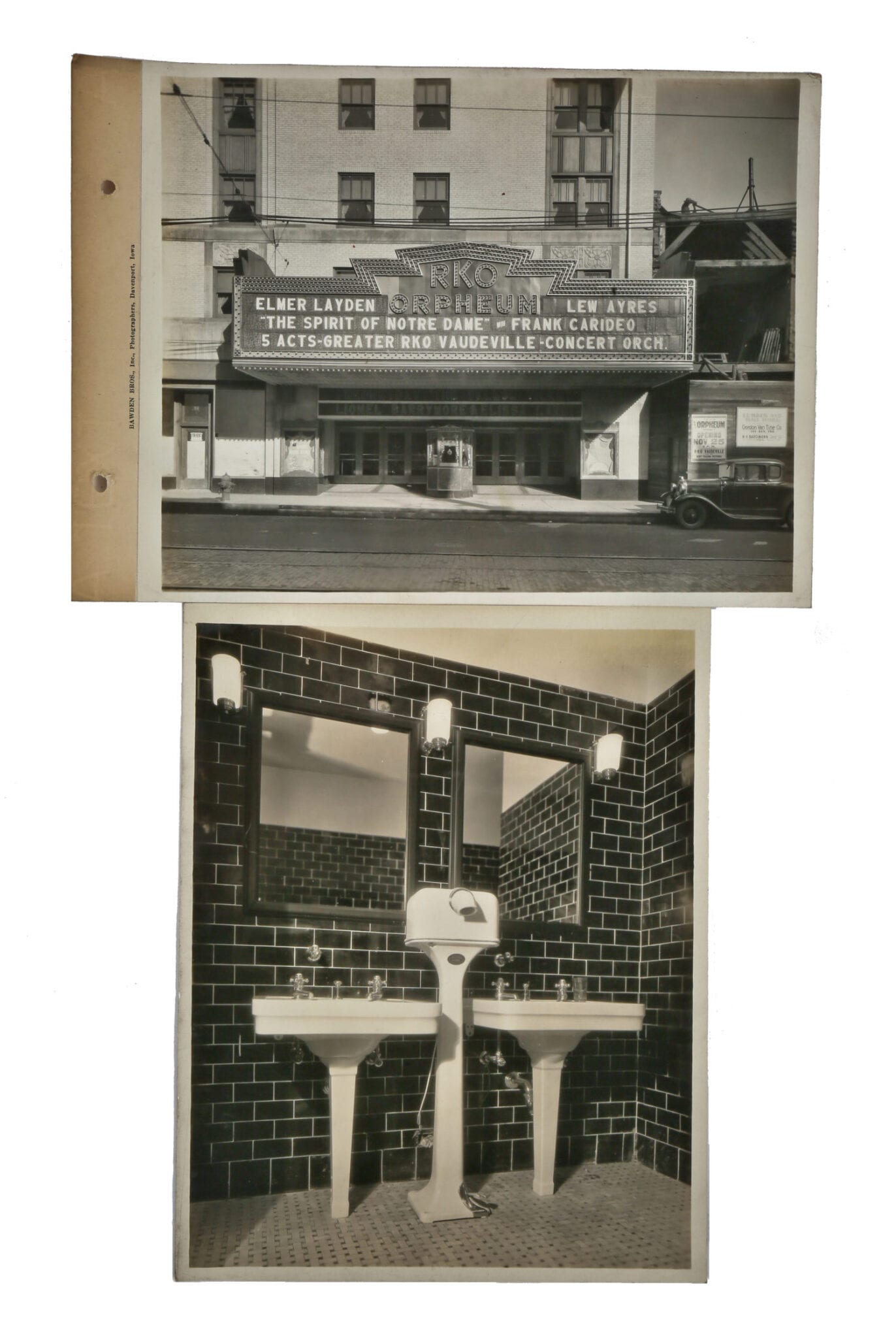
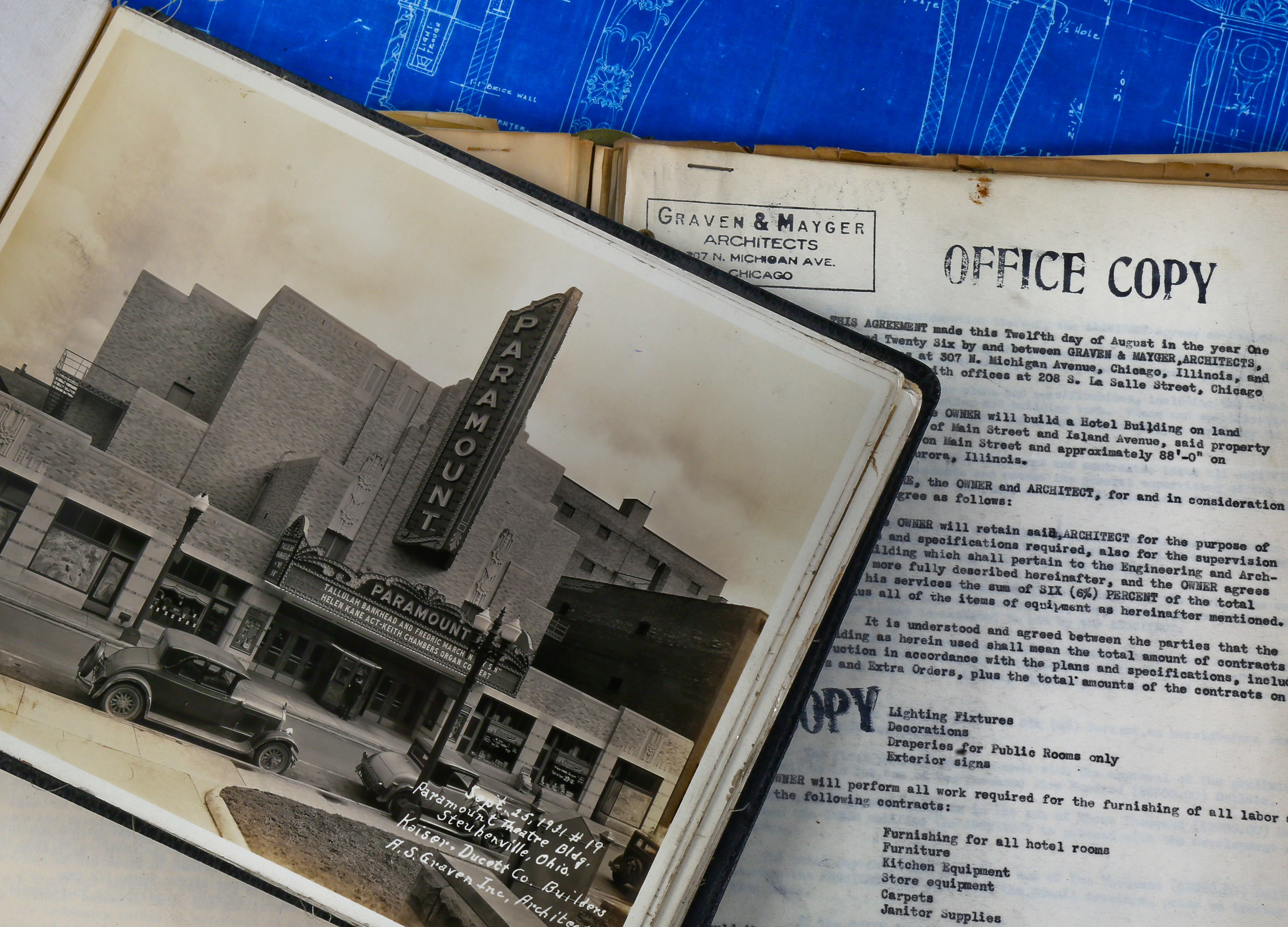
but as soon as the duo had gained momentum, the partnership had split, and both architects went their separate ways in 1930. going forward, the firm was simply known as, a.s. graven, inc. architects. paramount pictures hired the firm to design of the art deco film exchange building (1930), that still stands at the southwest corner of michigan ave. and 13th st. in chicago. they also executed three theaters for the chain in 1931, one in asheville, kentucky, another in north platte, nebraska, and the third, now lost, in steubenville, ohio.the firm’s final large commission was the 1931 mississippi river hotel and 2,700-seat rko orpheum theater in davenport, iowa. the 10-story art deco gem once featured 200 guest rooms and 50 apartments.
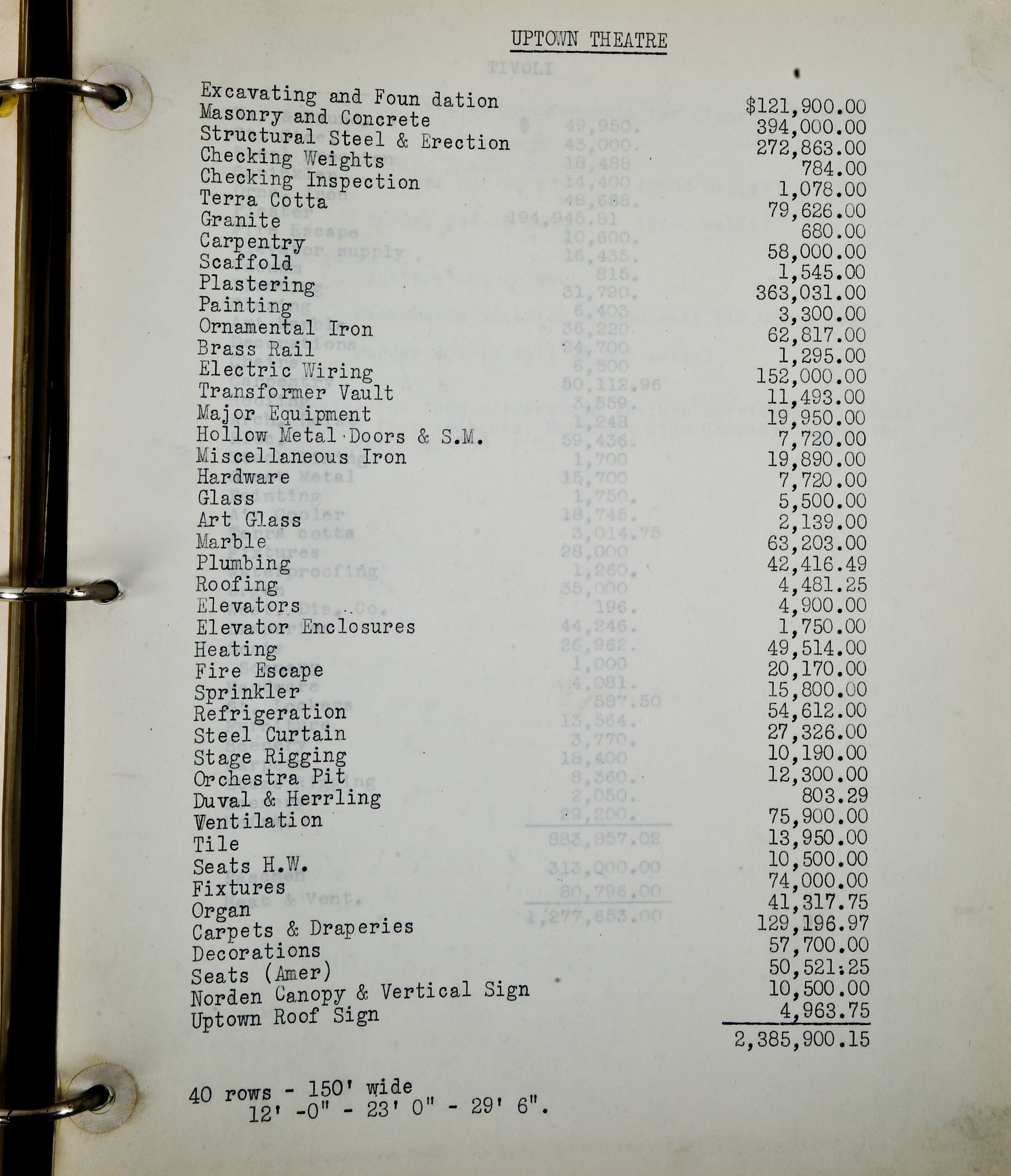
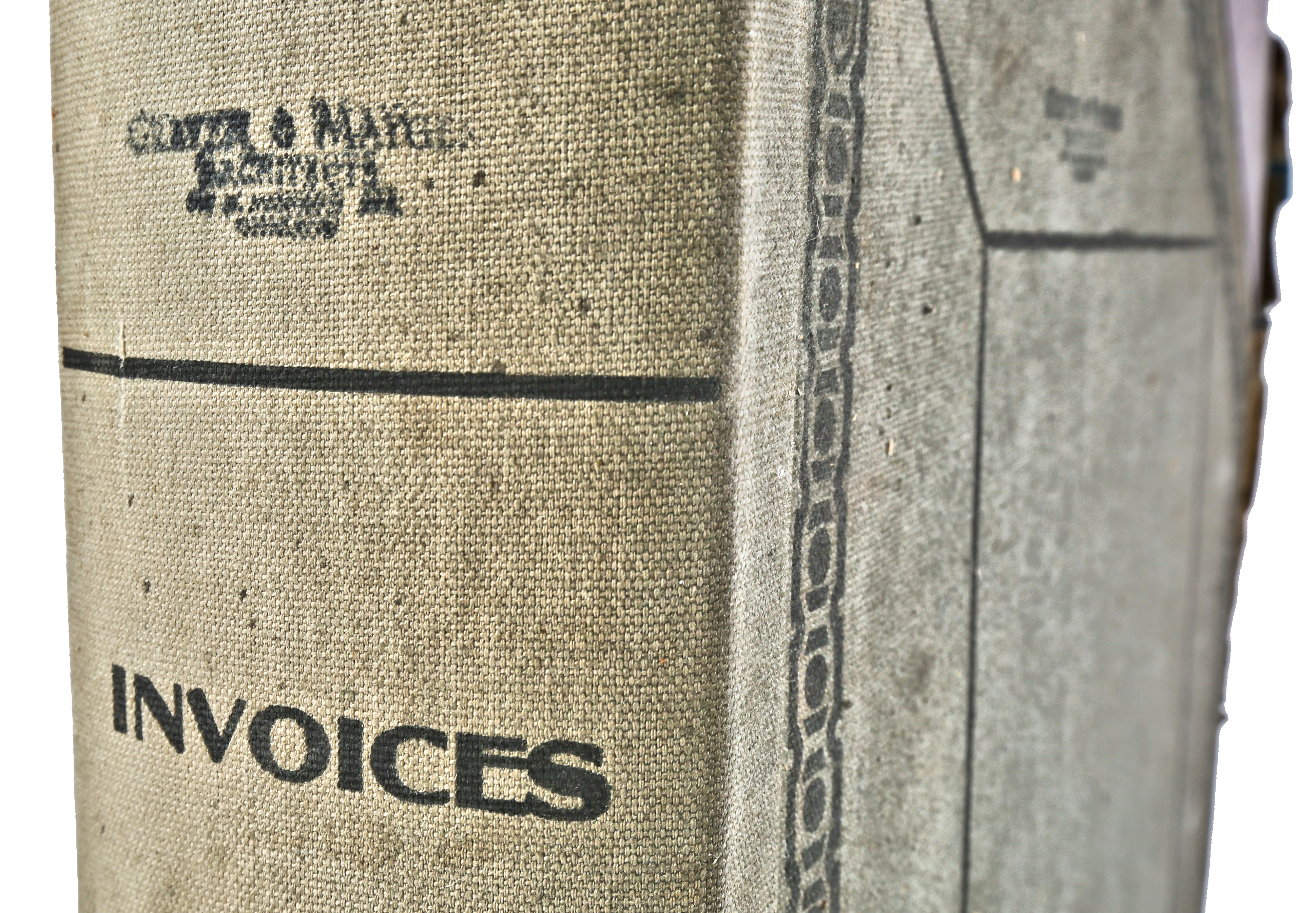
in october of 1932, anker sverre graven, went duck hunting and drowned. in the ensuing years, many of the firm’s buildings were demolished or disfigured. the firm’s focus on movie palaces, while undoubtedly lucrative in the days before television, meant that as tastes and culture changed, buildings that required substantial upkeep were doomed. of their buildings that survived, many ultimately were listed on the national register of historic places, but the architects themselves were often simply noted on a form or in a single sentence.
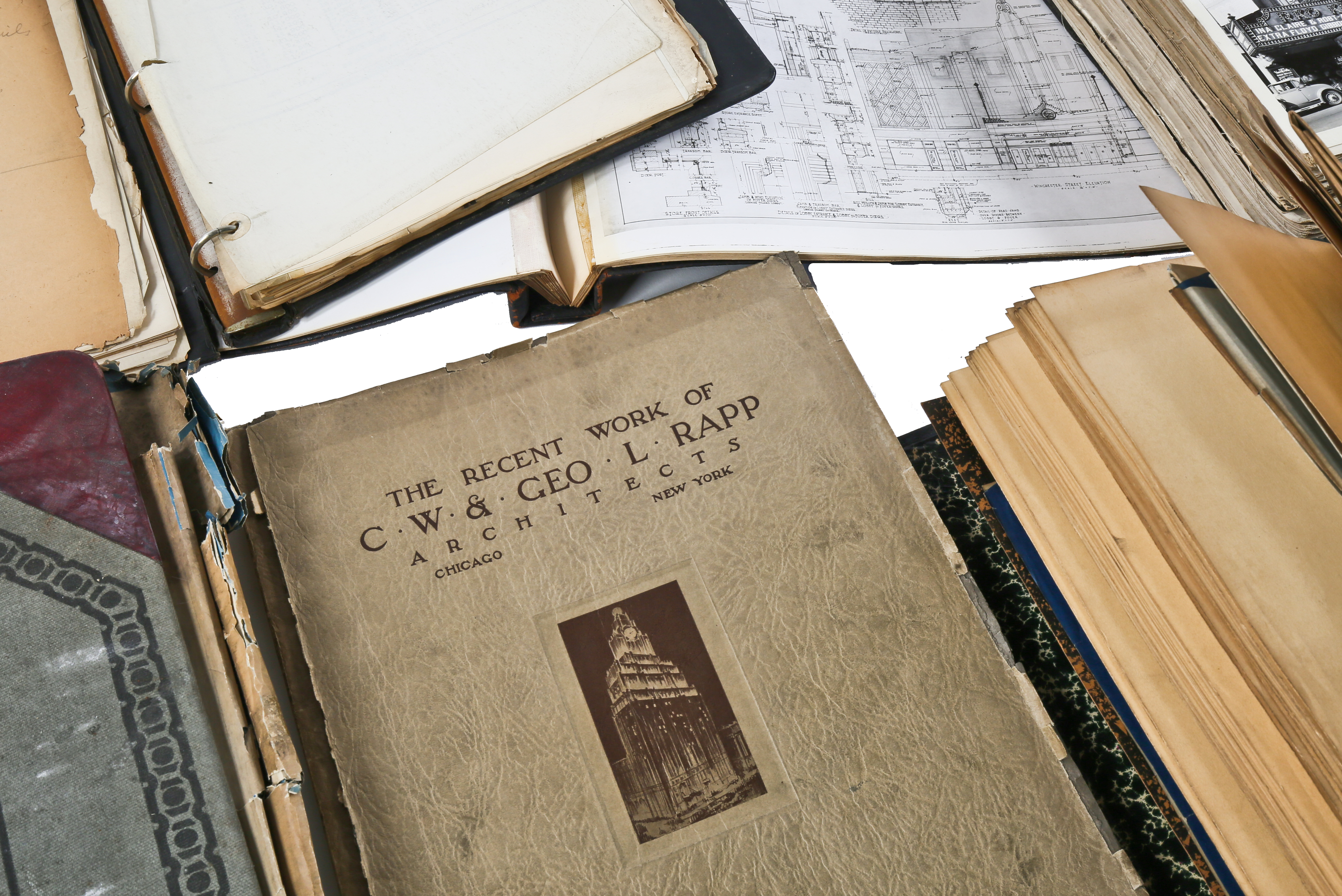
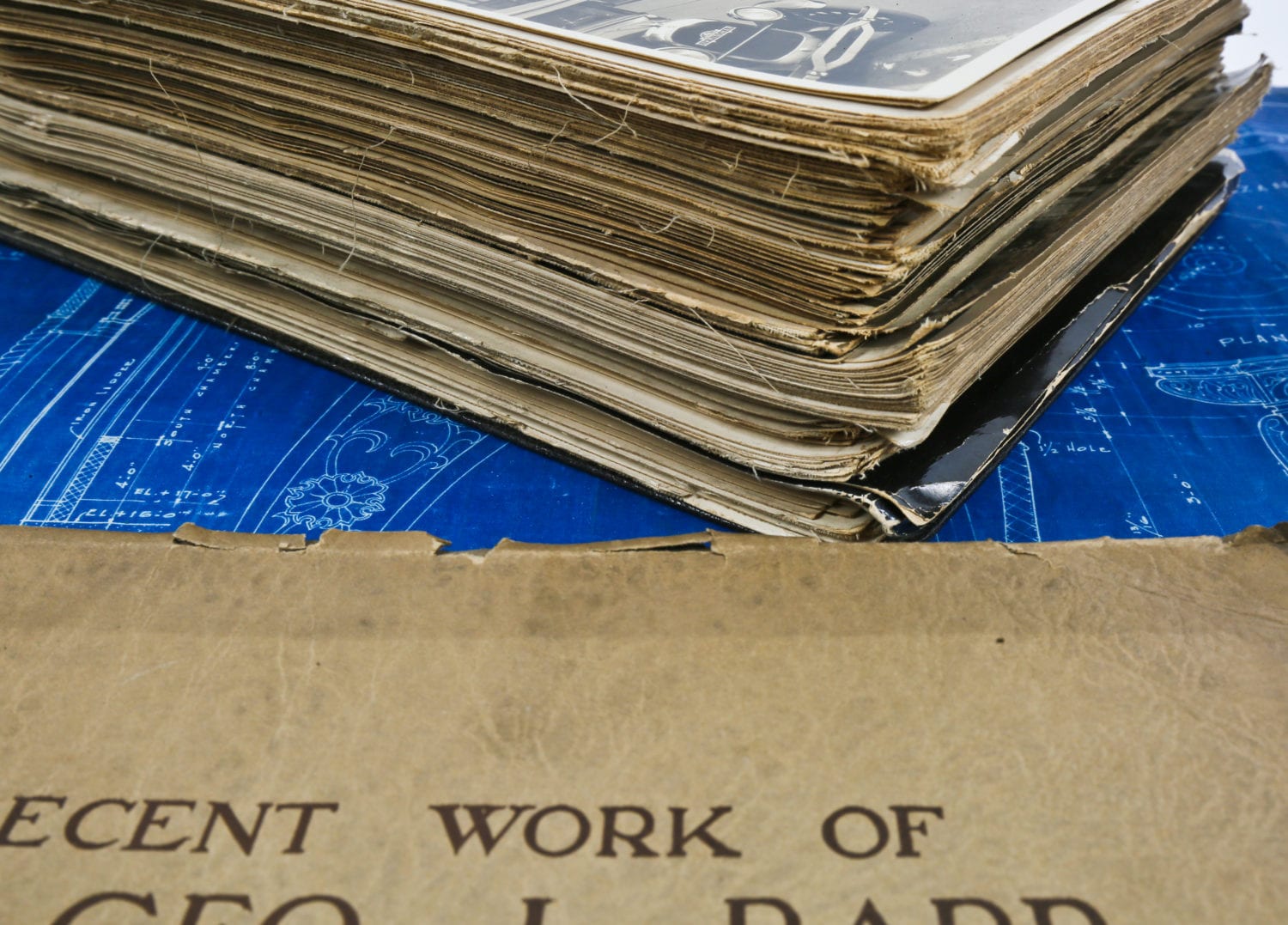
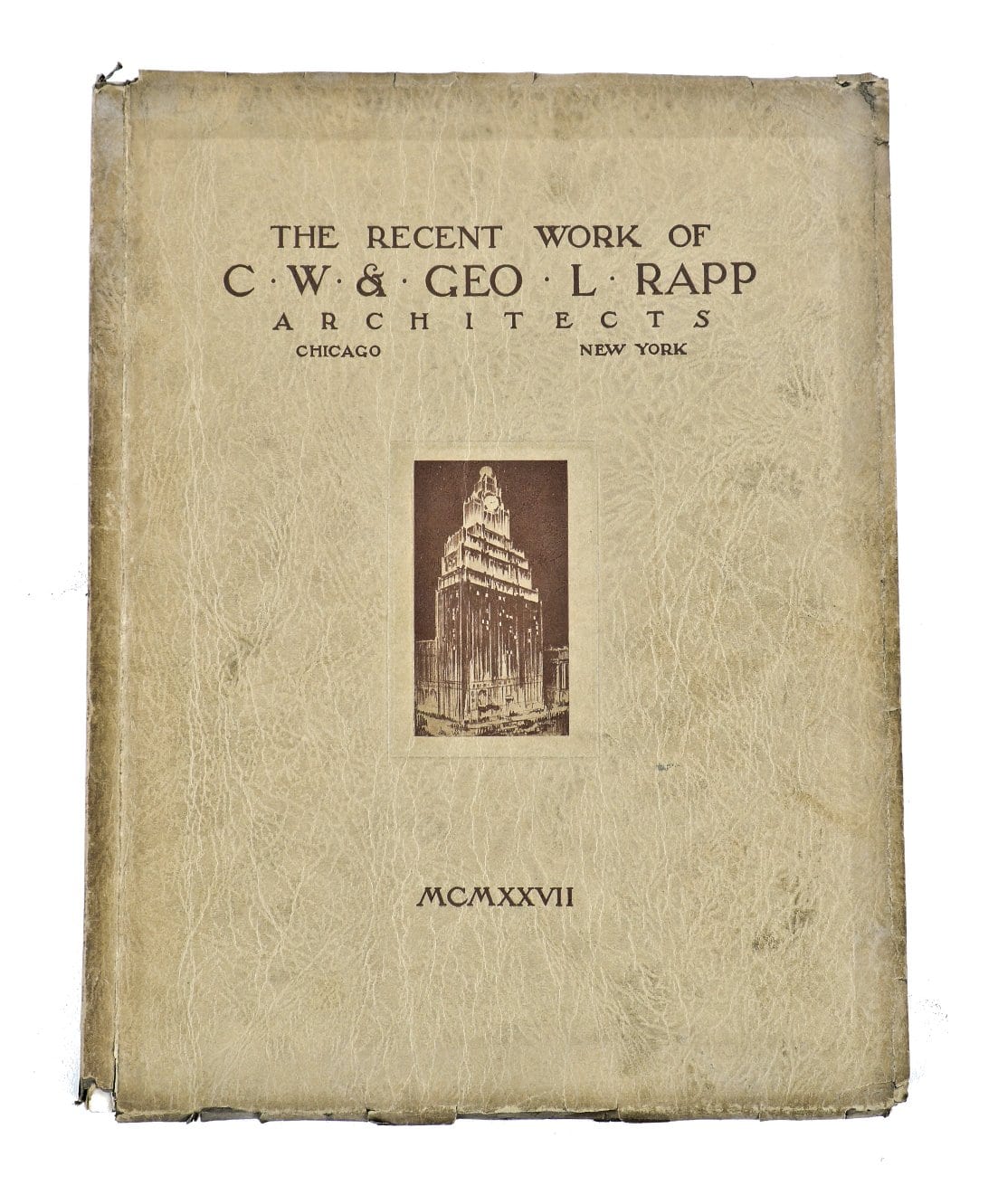
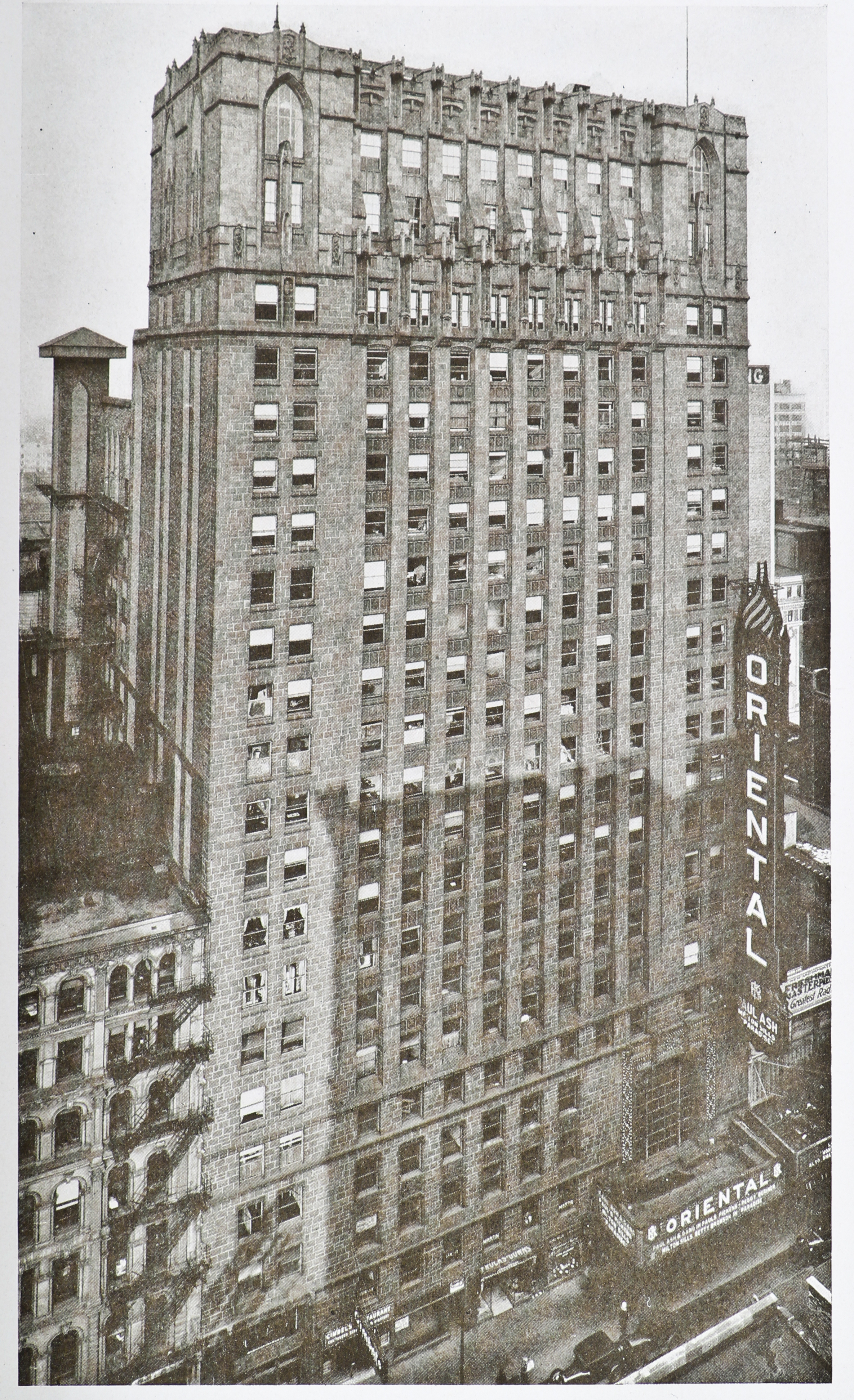
a selection of pages taken from 1927 softbound book compiling rapp and rapp’s theater work.