
15 Aug from ornament to ordinance: winslow brothers foundry and world war one
the winslow brothers were chicago’s leading architectural manufacturers, producing wrought and cast iron, and complex decorative metalwork for buildings across the region. while their work in this capacity is well-known, the company’s survival and transformation into the 20th century is less often examined.
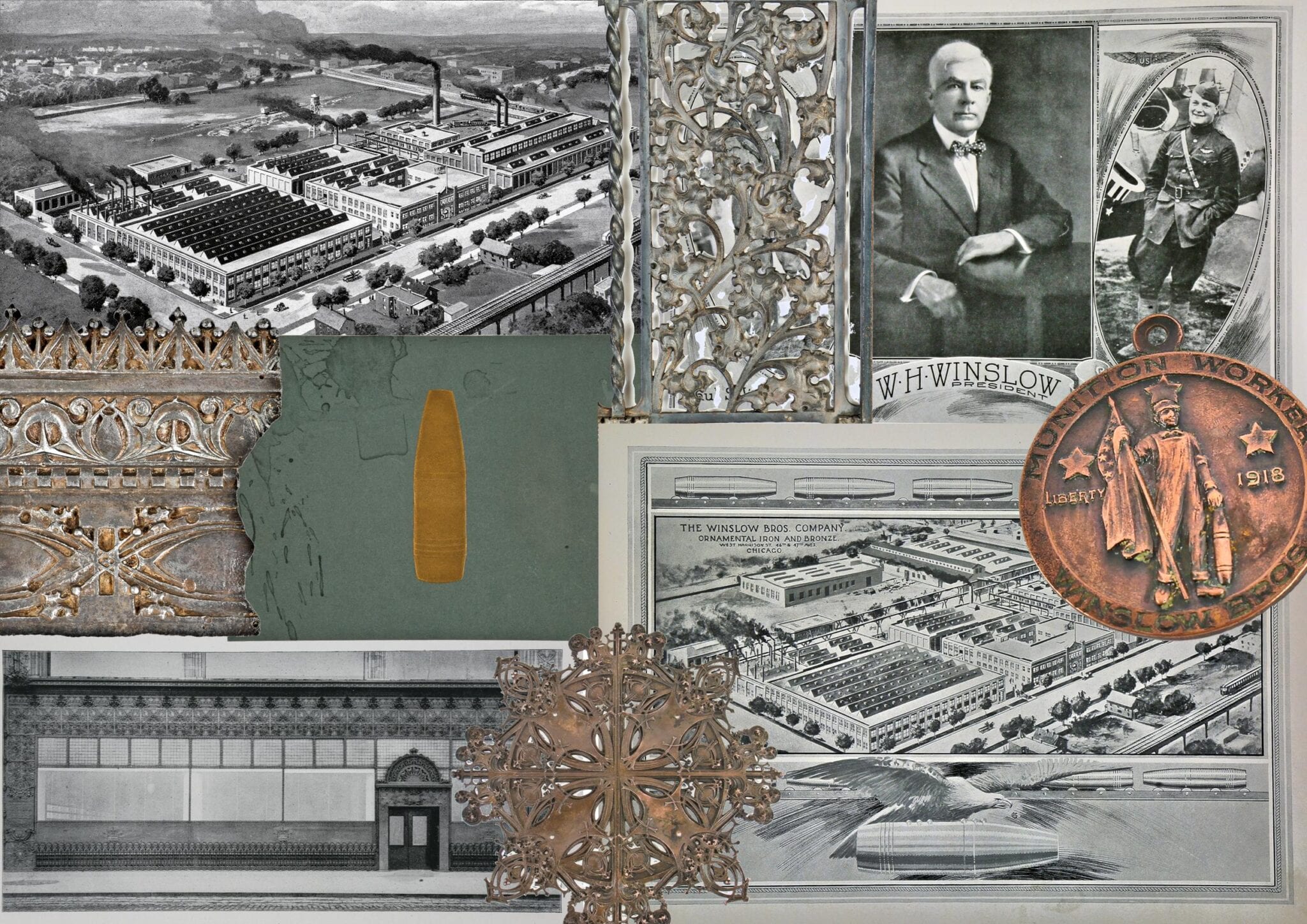
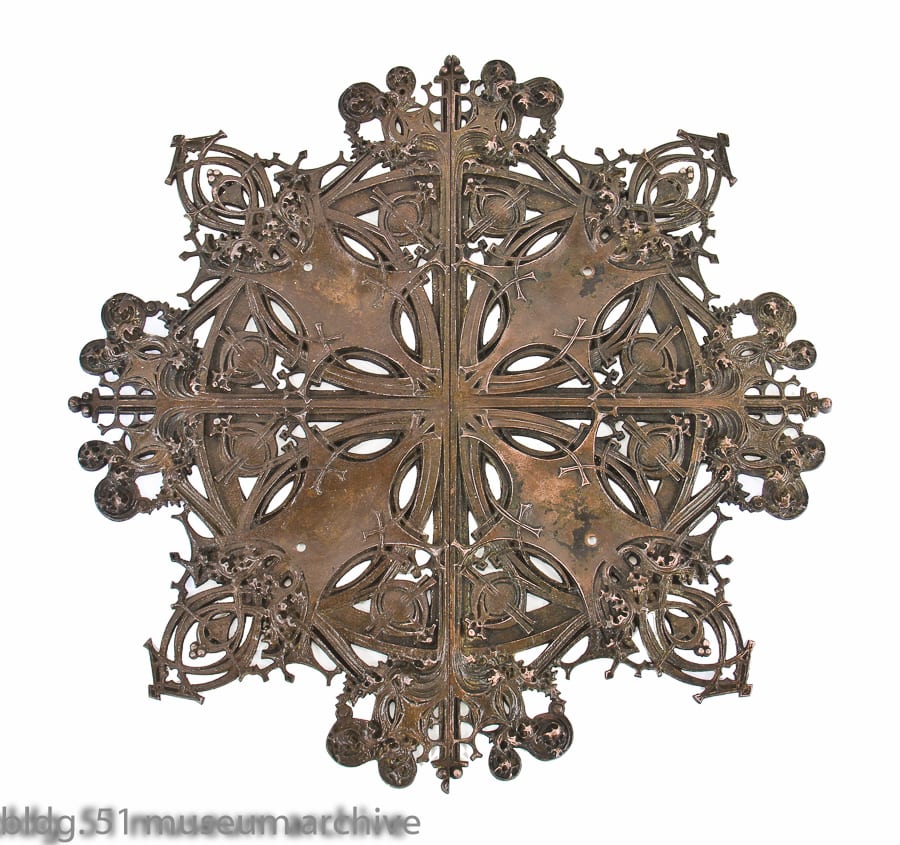
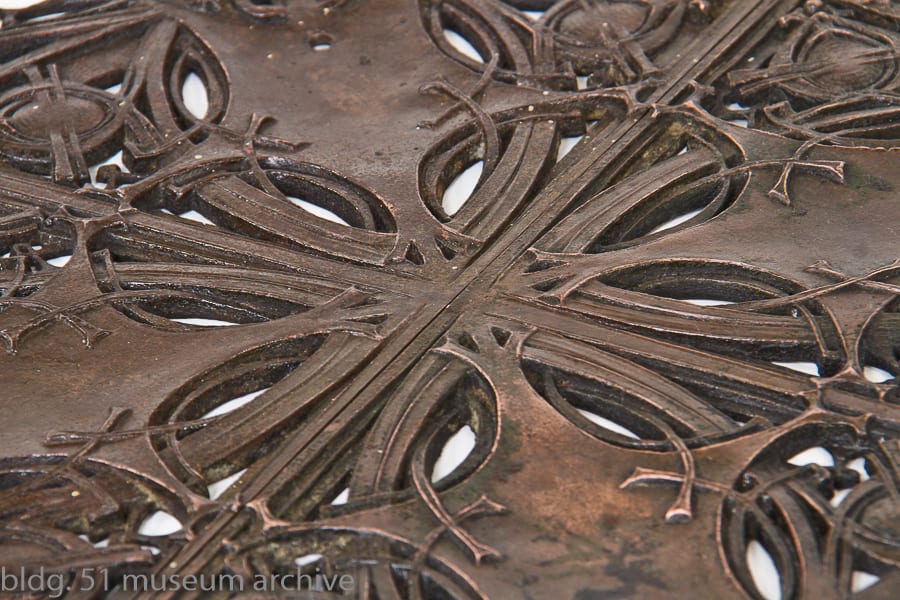
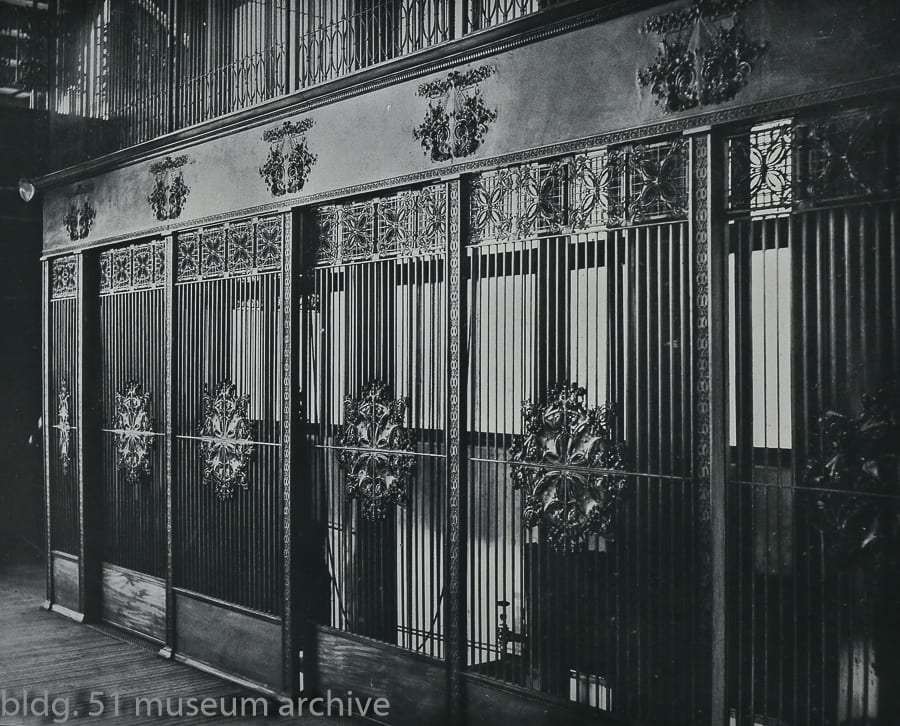
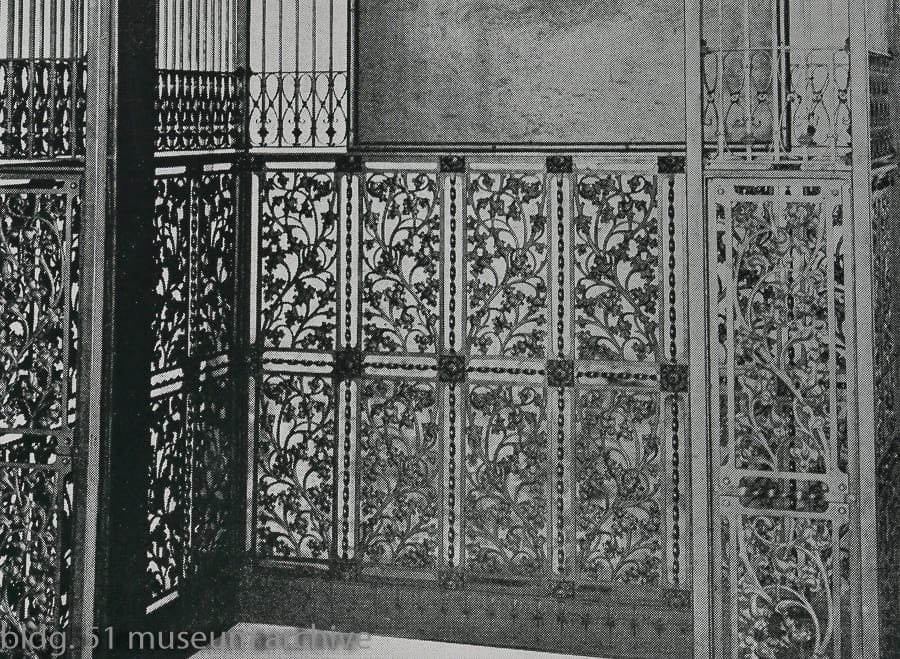
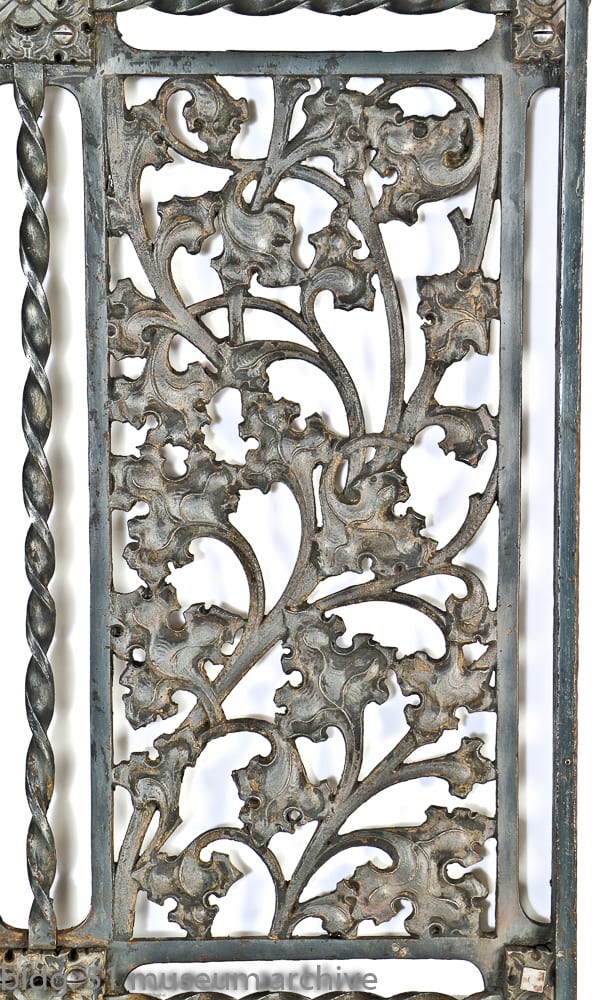
the winslow bros. foundry was instrumental in creating impressive interior and exterior ornament for countless chicago landmarks, including the schlesinger & mayer department store, the monadnock, and the stock exchange. their work intertwined significantly with legendary architects of the prairie school, as they collaborated with louis sullivan and george elmslie (among others) on multiple commissions, and in turn hired frank lloyd wright to design william winslow’s home in river forest (where they then printed wright’s influential “house beautiful” publication in their basement studio).
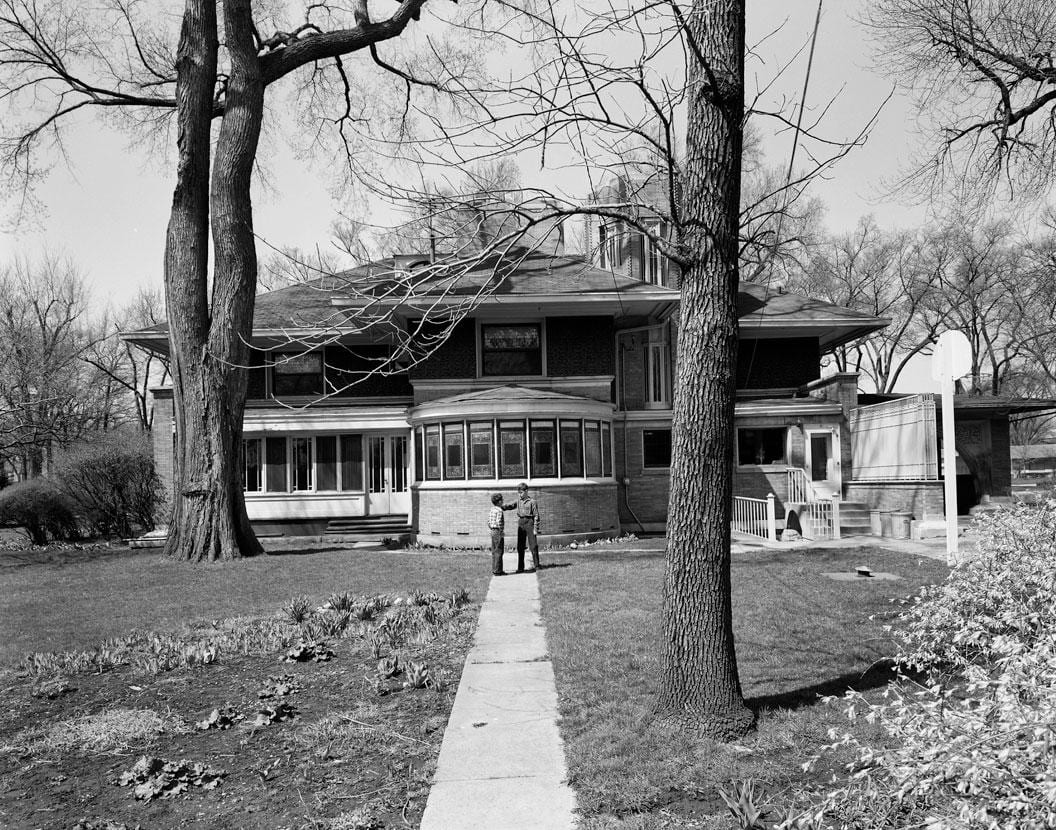
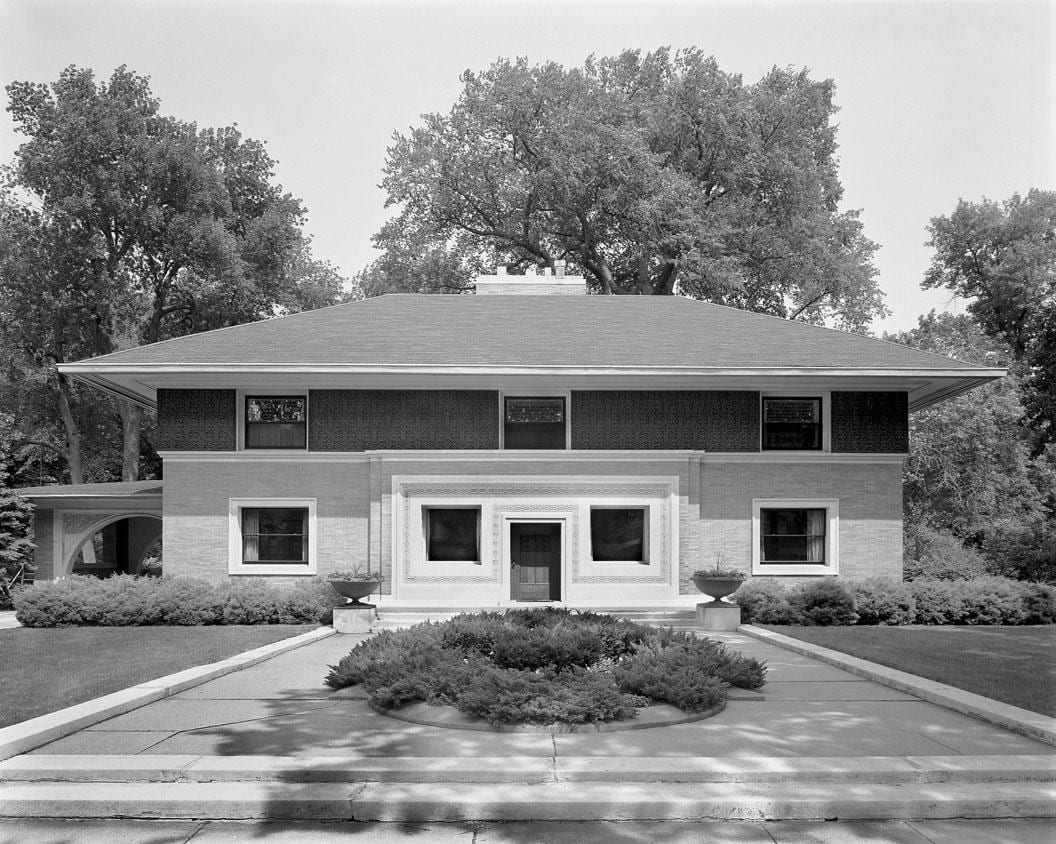
the company that william and francis winslow formed in 1887 would win eight medals in the 1893 columbian exposition, and further honors at the world exposition in paris seven years later. the highlights of the winslow brothers’ company are well-recorded in illustrated catalogs and extant buildings, but fewer artifacts document the effect of world war i on the winslow brothers, and on chicago’s architectural industries in general.
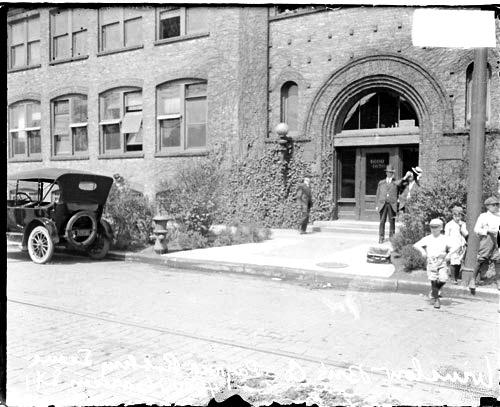
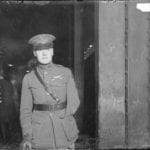
1917 winslow brothers company entrance, 4600 w. harrison
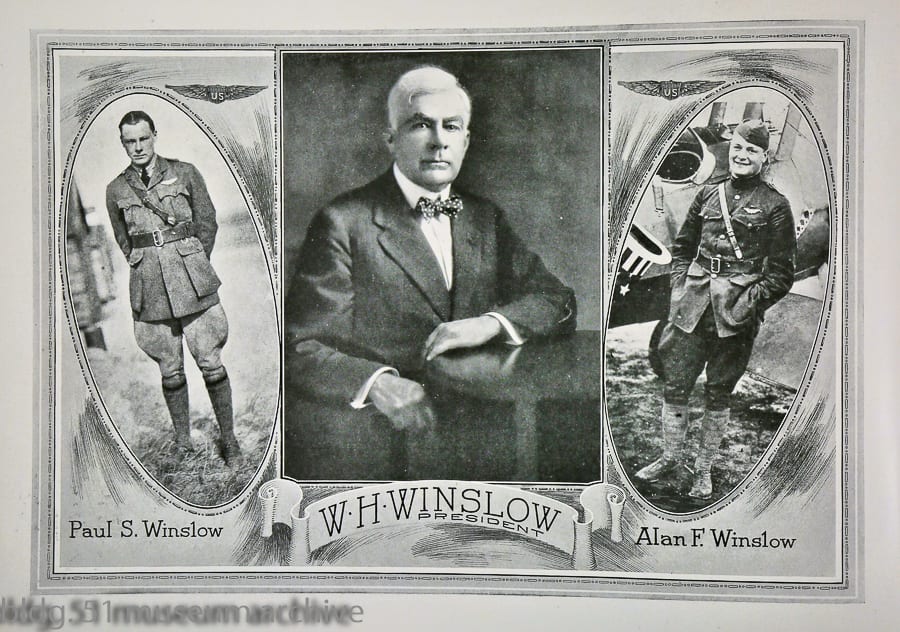
at the start of world war i in 1914, chicago’s multi-ethnic immigrant neighborhoods echoed the tensions happening all across europe. meanwhile, with building construction in a lull, the winslow brothers foundry approached a sharp decline in building construction by transforming their plant to the needs of the war. in actuality, the war was personal, not simply a business maneuver. w.h. winslow’s son alan winslow fought in the airforce during wwi, and was eventually credited as the first american “ace,” having shot down and captured the first german aircrafts; in 1918 alan winslow was himself shot down and taken to a POW camp, his shattered left arm amputated before he made his to return to chicago.
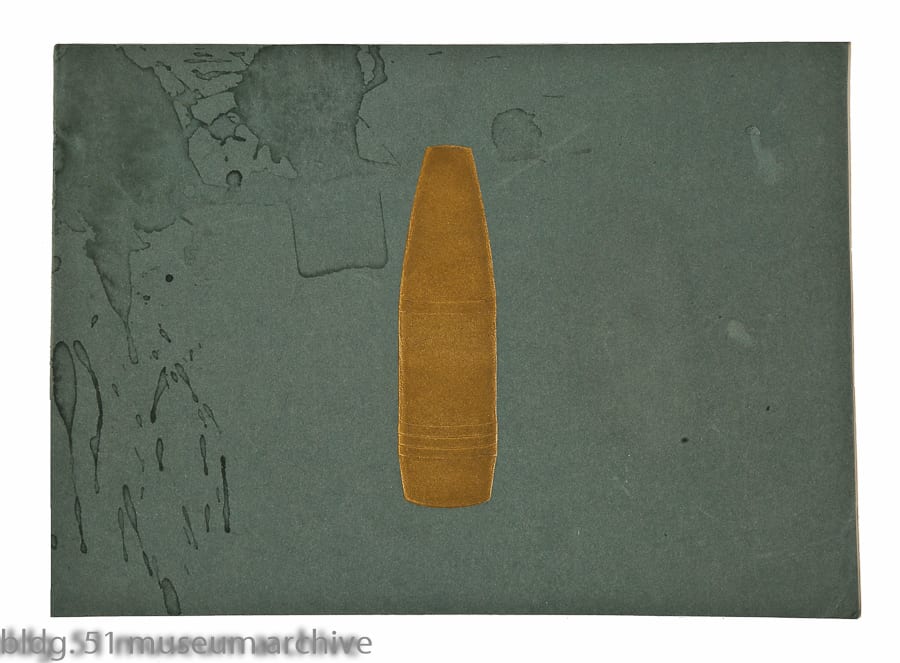
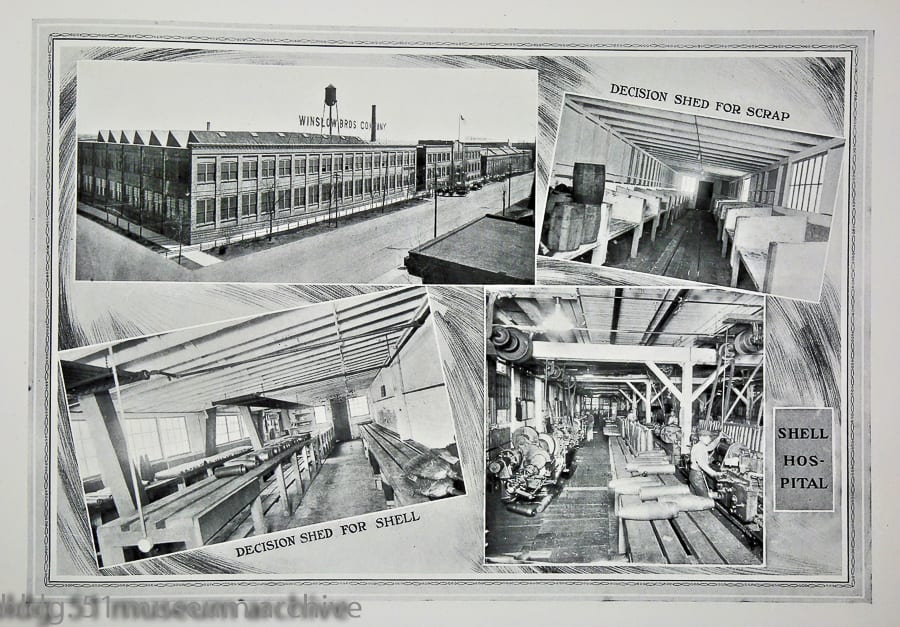
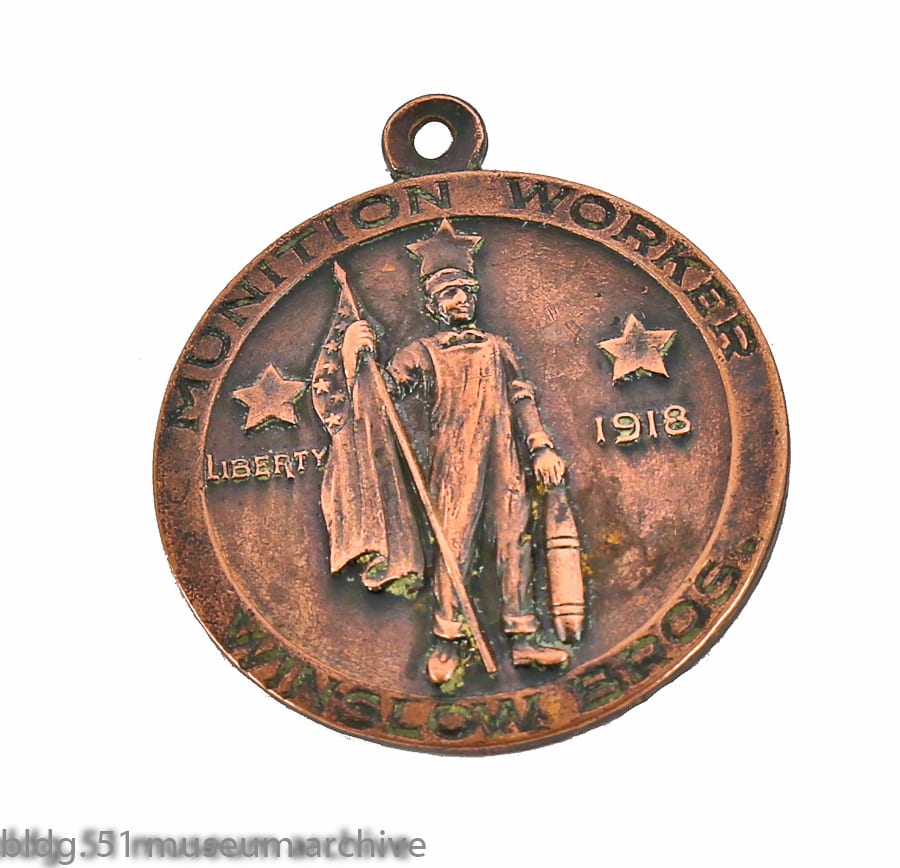
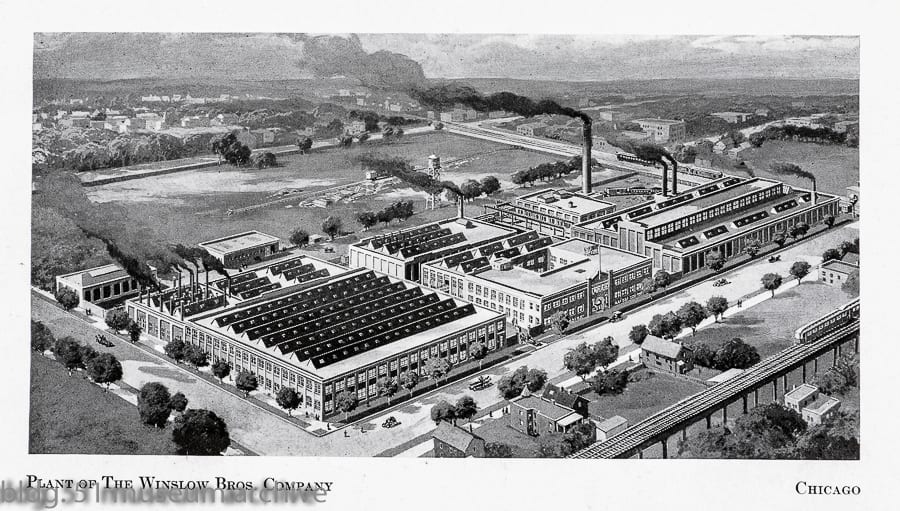
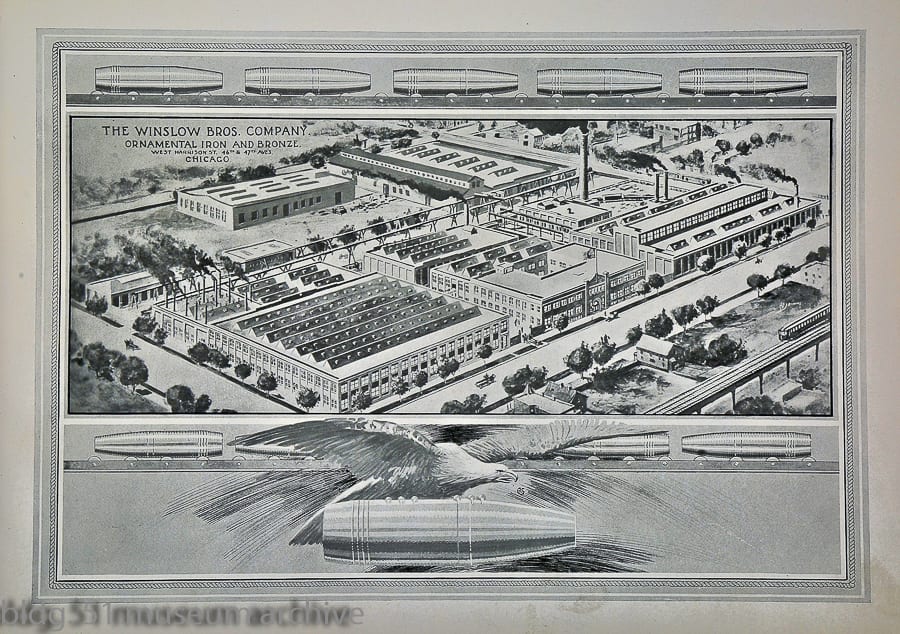
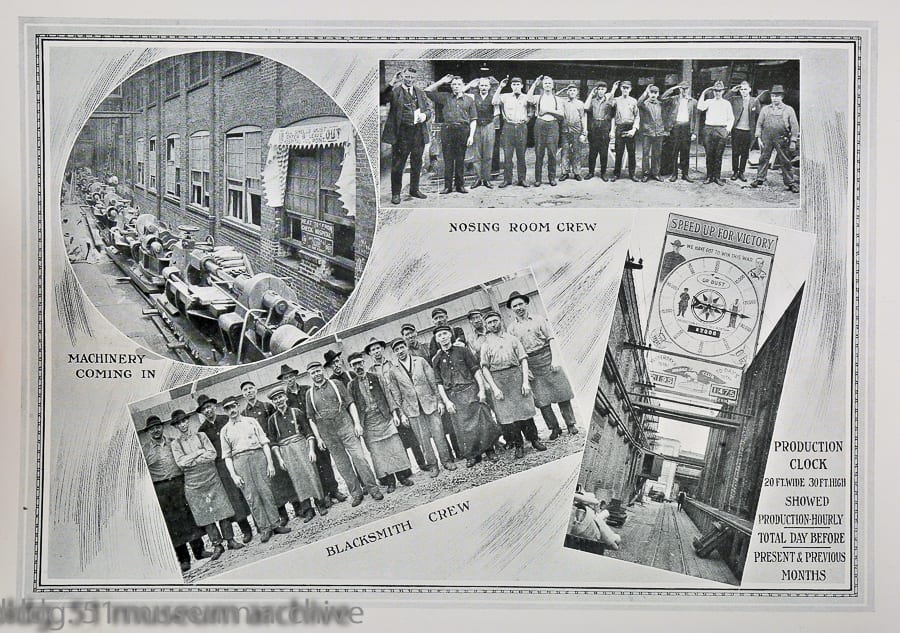
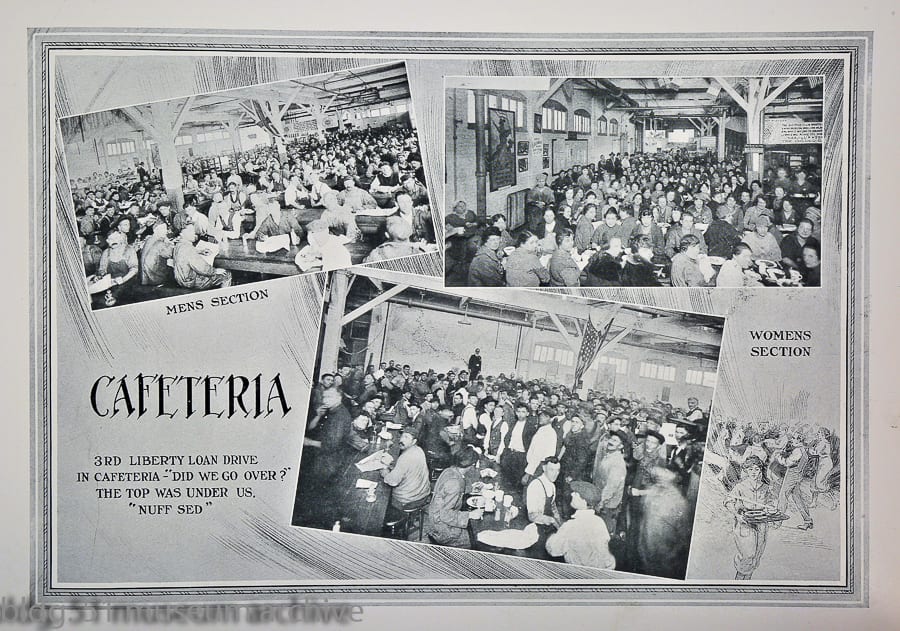
during this time, the winslow brothers established contracts with the u.s. government and converted their plant entirely to manufacturing munitions. with the installation of new equipment and some re-organization, according to a 1914 issue of “mine and quarry,” they were able to efficiently produce several thousand 155mm shells per day with their technologies (and up to 100,000 per month). this patriotic campaign is visible firsthand in a rare c. 1919 catalog devoted to the operations surrounding the war effort. the booklet eschews any mention of a historic architectural legacy, and instead depicts the banners and shells made in the same halls that once produced astounding ornament. the contents are represented by an austere icon, a single embossed gold shell casing on the cover. in addition to the catalog, a worker’s badge commemorates the company’s foray into munitions manufacturing during early 20th century. when the war drew to a close, the winslow brothers gradually shut down their remaining operations between 1919 and the early years of the 1920’s
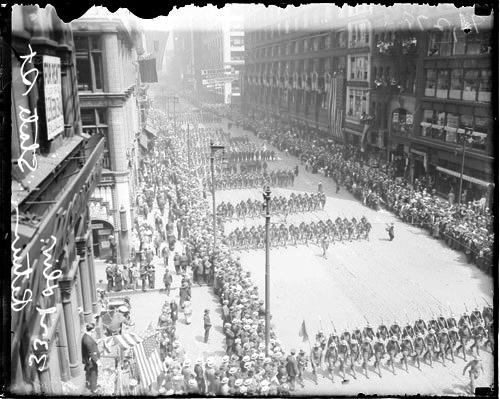
much remains to be examined about the crossover between architectural industry and wartime efforts in chicago. for one thing, innovation in craft and equipment for metalwork would certainly be useful in later military applications. there is also a correlation between materials that were economic in construction and those put toward combat. the second known use of cast aluminum, for instance, was executed by the winslow brothers on interior elements of the monadnock building in 1893. within the next couple decades, aluminum would see increased production and a decrease in cost that made its use in ornament as well as military aircraft feasible. the properties that made it ideal for building elements (evidenced in it strong appearance in art deco-style buildings), would also make it useful wartime technology. yet the winslow brothers were hardly the only company who effected and were effected by the war. a 1918 publication “iron age” mentions several other midwest manufacturers with contracts to make shells. among these, l. wolff mfg. co. of chicago, who were famous for their plumbing hardware in the 19th century, were also expected to produce munitions. the article states that the winslow bros. had already placed large orders for shell-making tools, adding “many chicago companies are expecting contracts for shells, hand grenades, depth bombs and other munitions.”