
18 May documenting cass gilbert’s woolworth building revisited
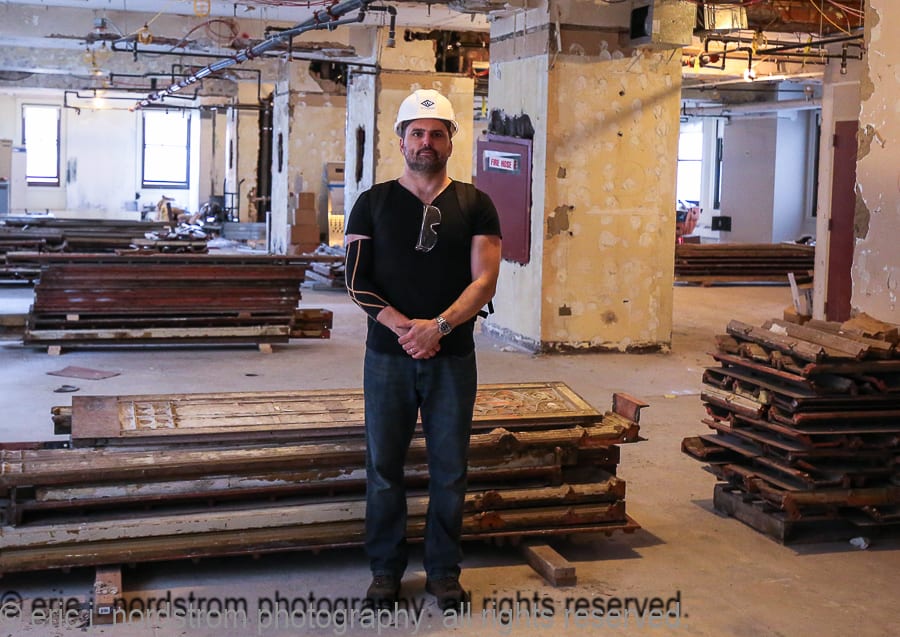
my initial motive for traveling to new york was to visit the woolworth building to carefully evaluate whether ornamental elevator ironwork, extracted from the upper floors of the building during its conversion to condominiums, would be a worthwhile acquisition for both urban remains and the bldg. 51 museum. i was especially interested in the ironwork’s fabricator, the chicago-based winslow brothers, since i’ve spent years researching founder william winslow and his company’s commissions and/or ornament tied to modeler kristian schneider, frank lloyd wright, and the architectural firm of adler and sullivan.
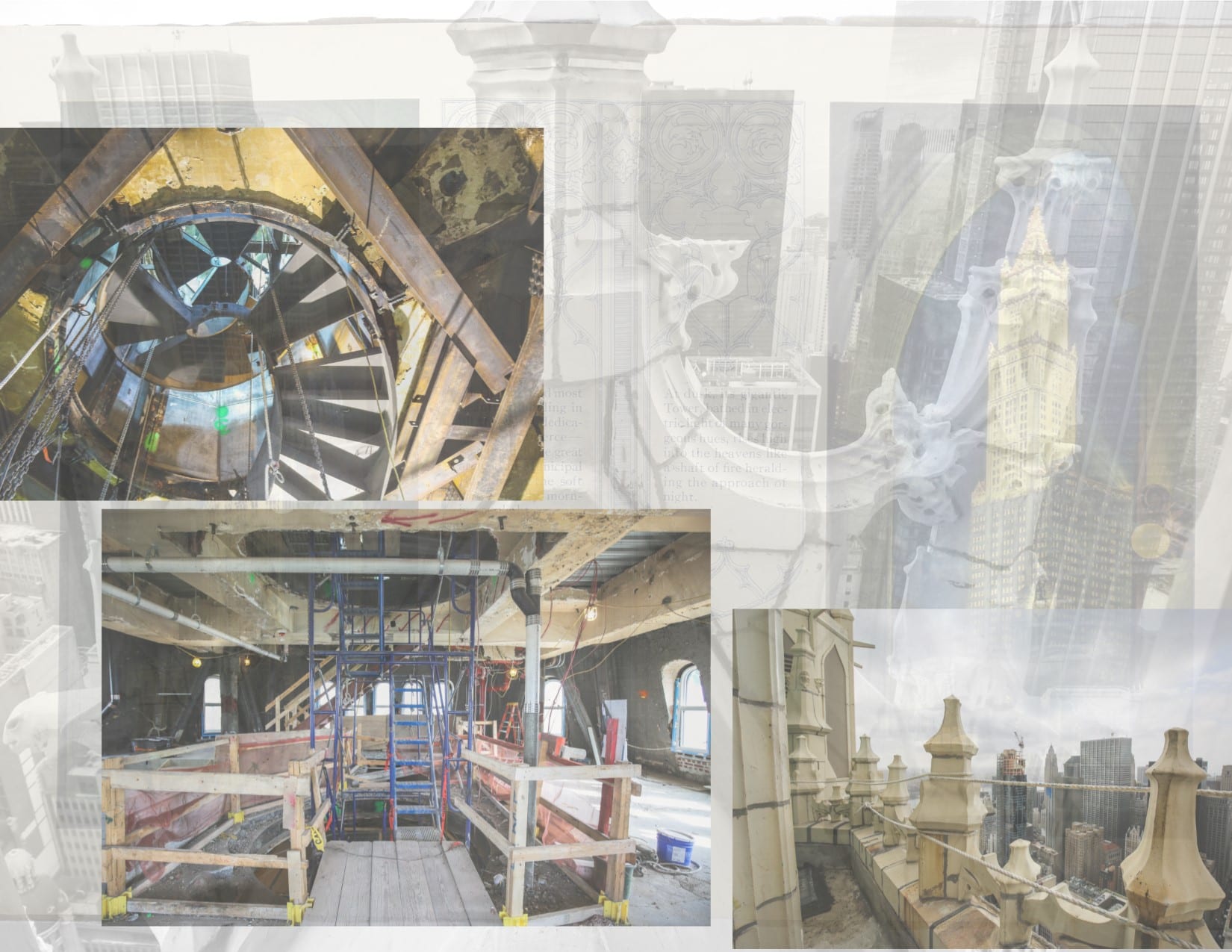
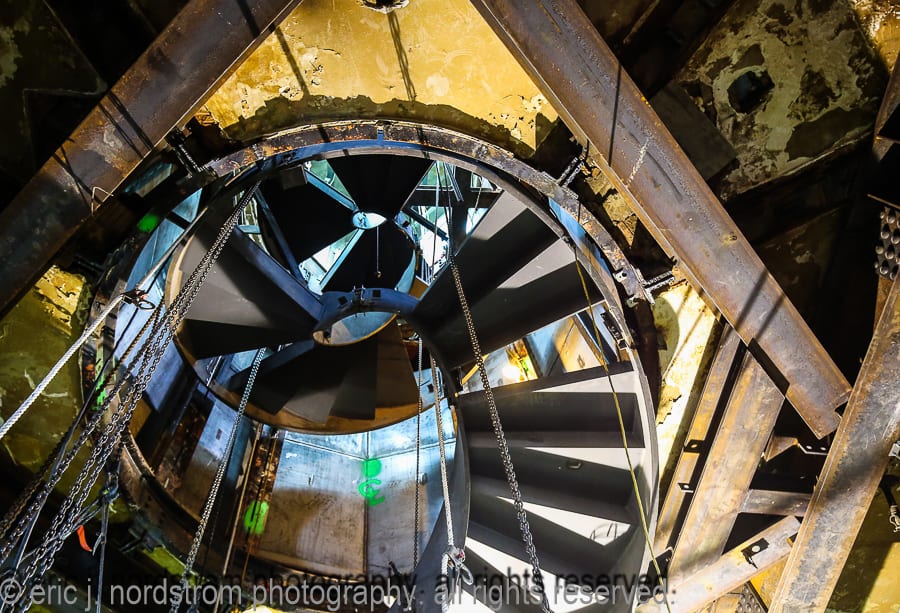
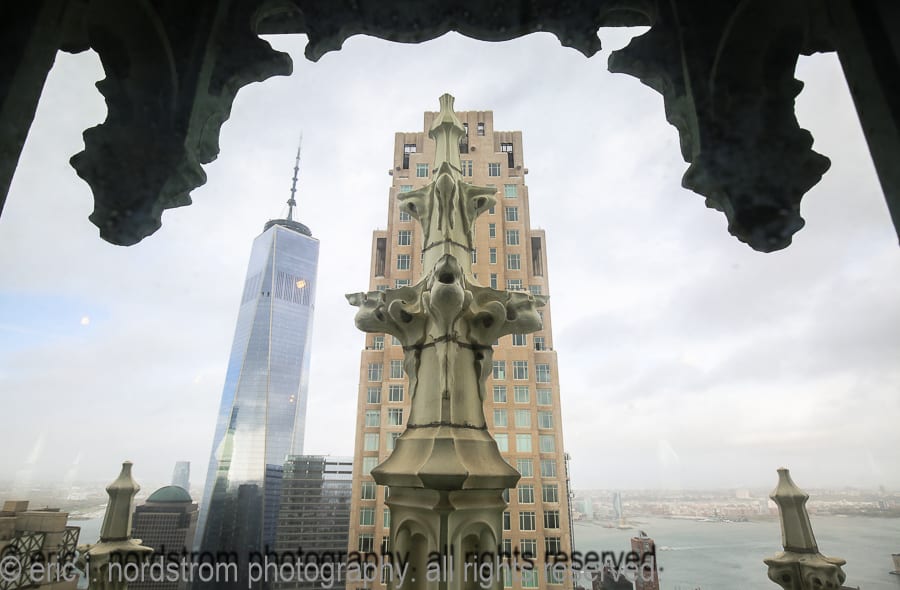
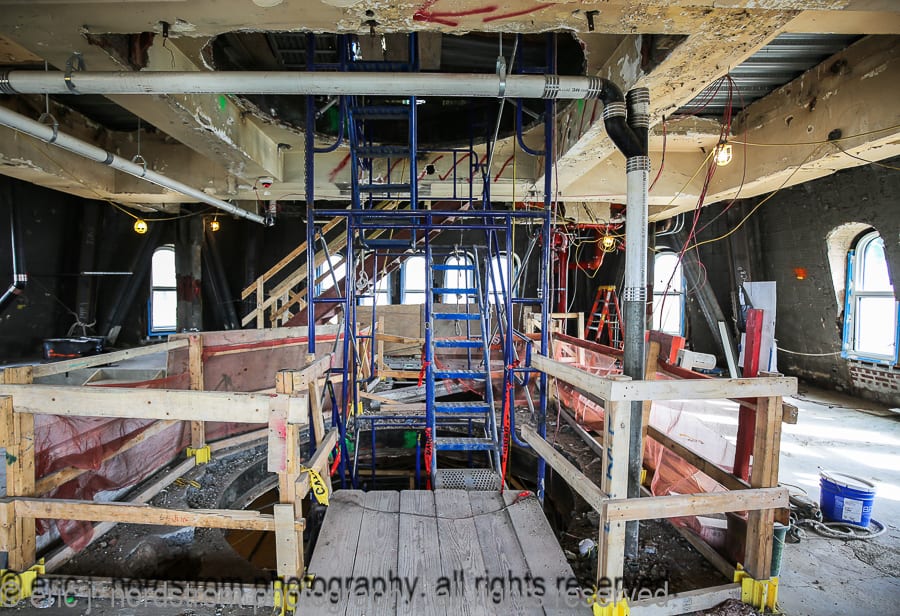
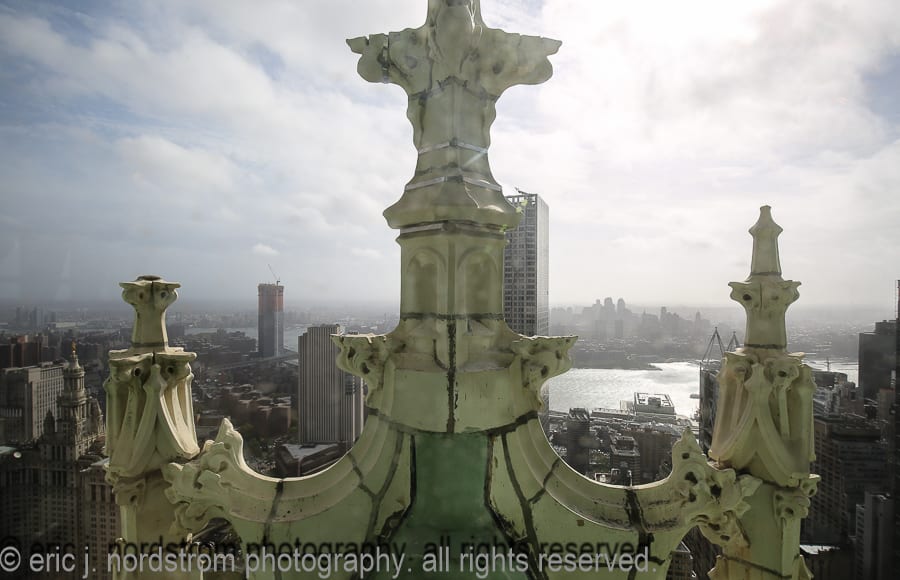
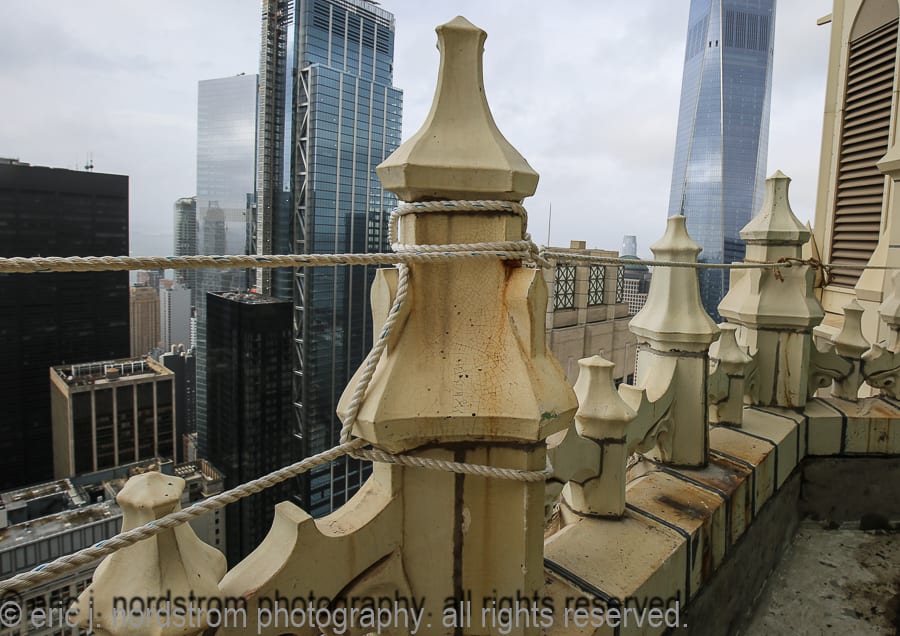
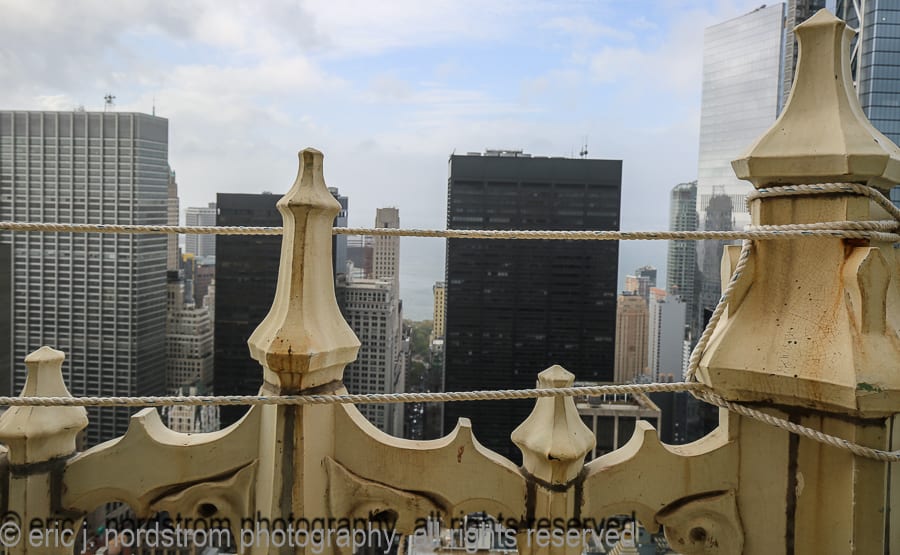
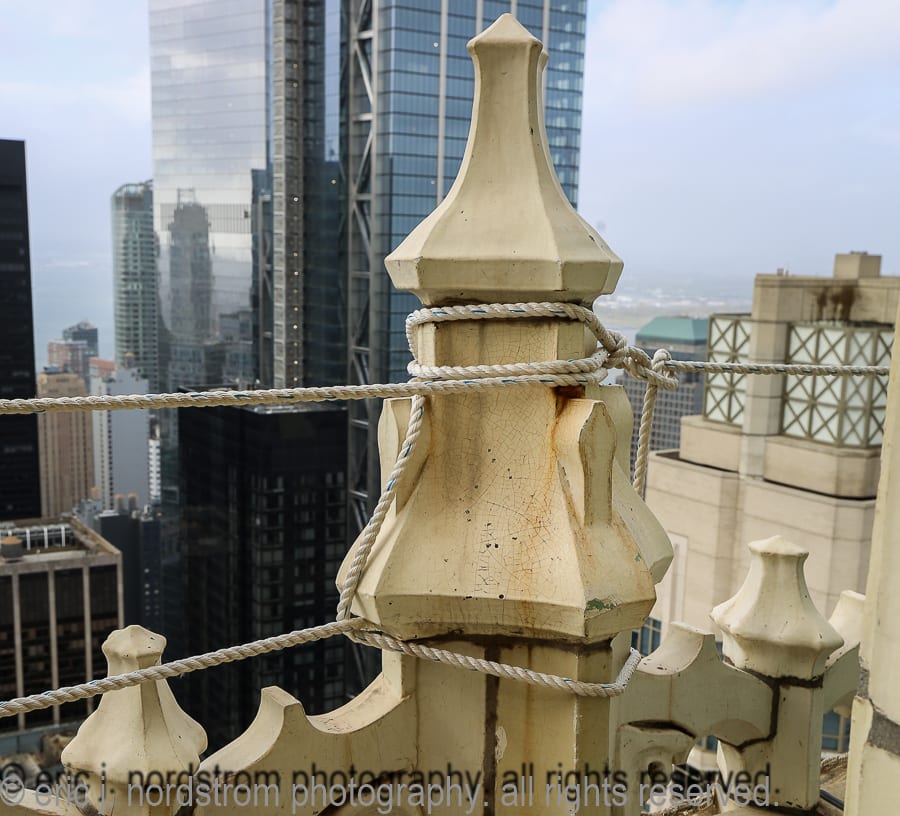
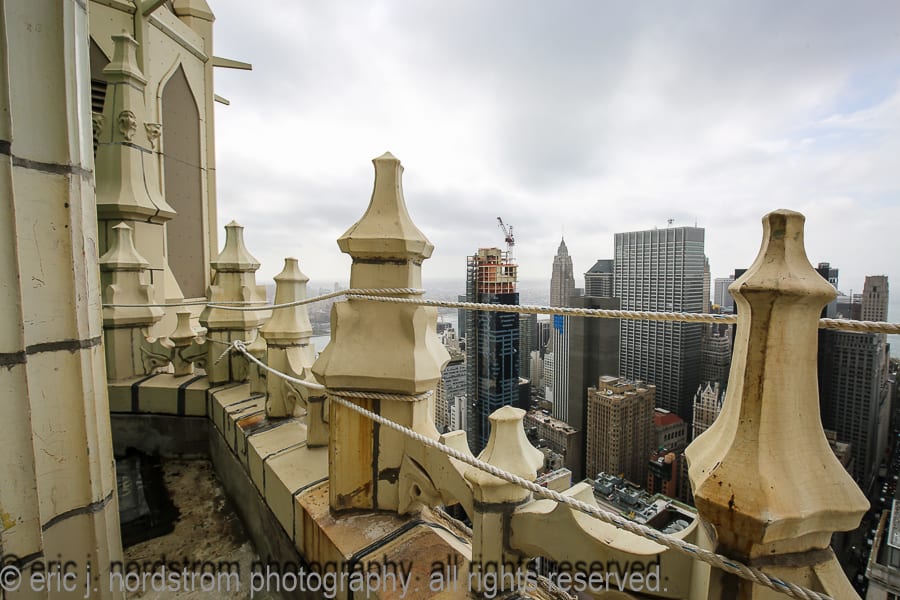
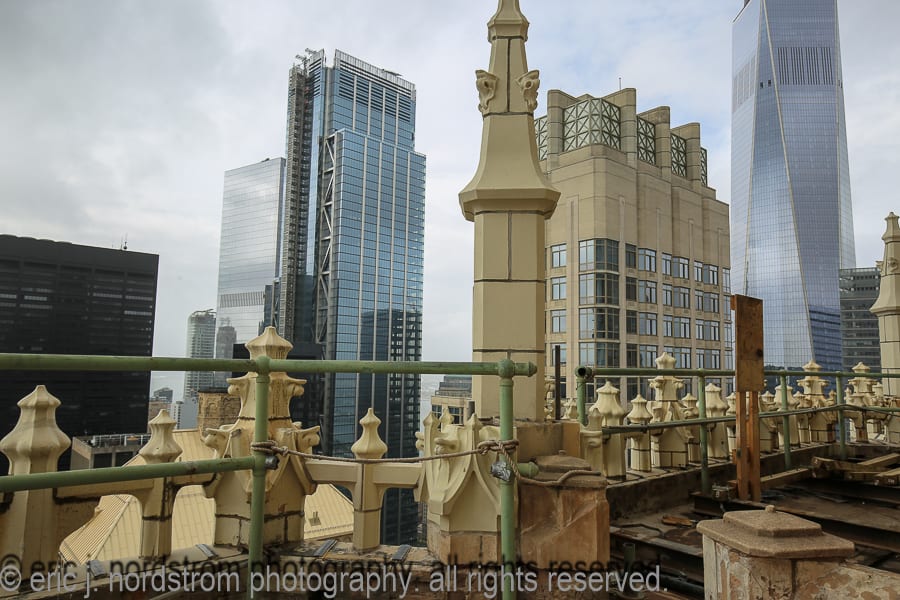
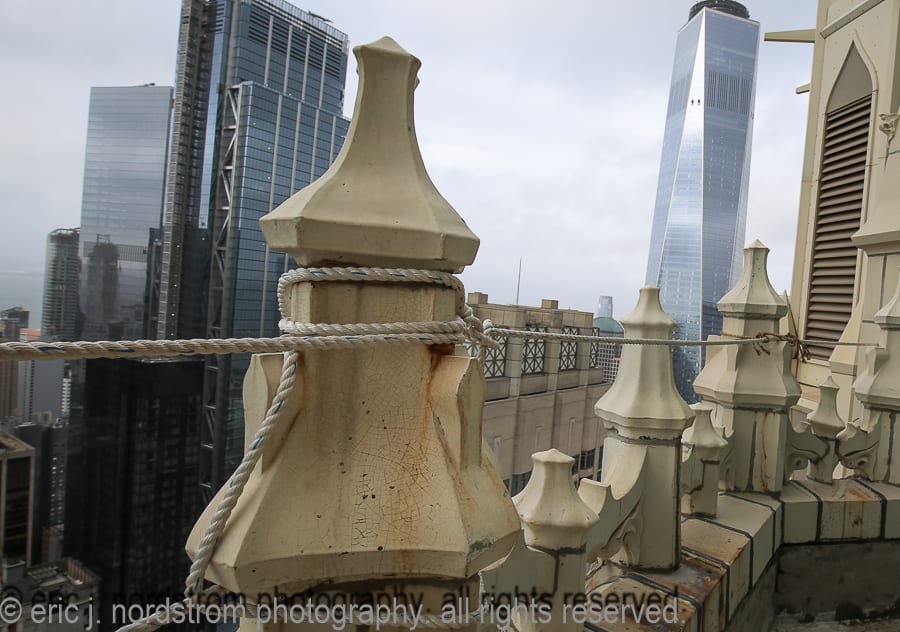
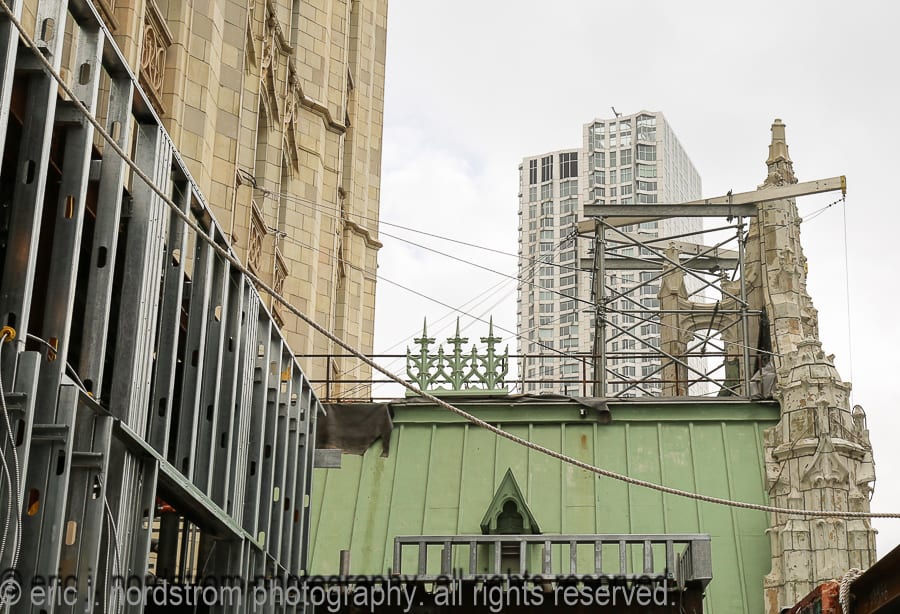
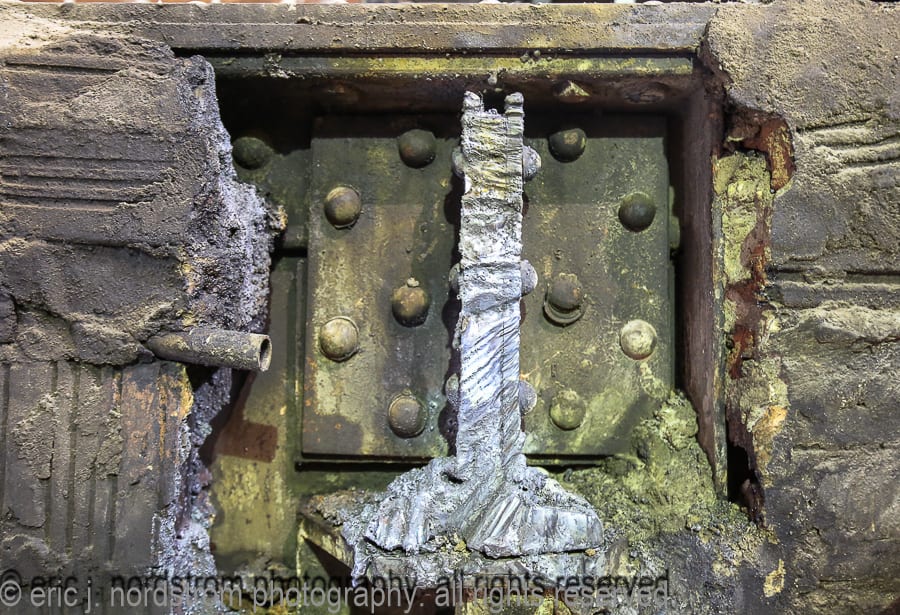
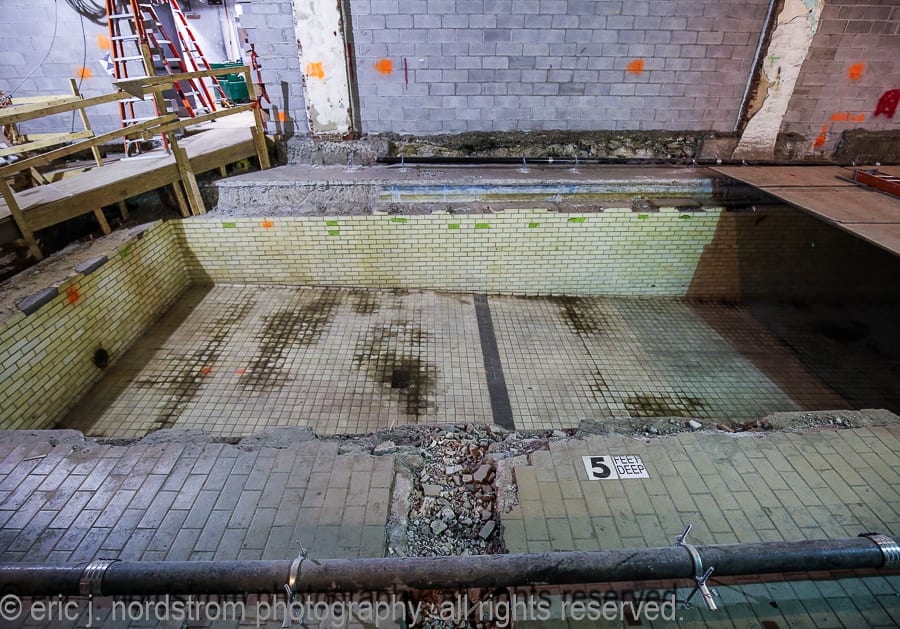
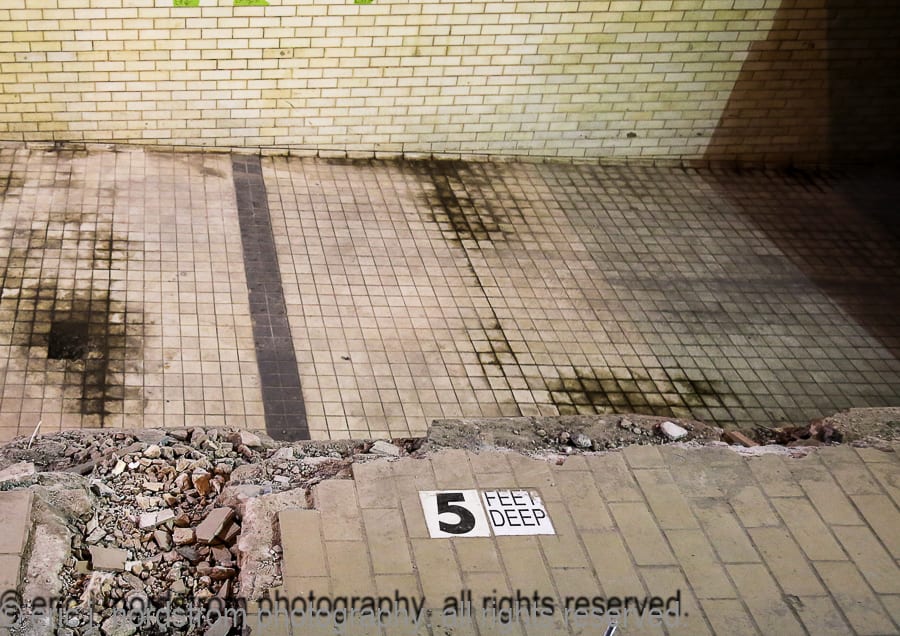
since i had both the time (albeit very limited) and access to other areas of the building outside of viewing the ornament stored away on a lower floor, i managed to document several restricted areas, beginning at the very top of the building where a multi-story penthouse was under construction, down to the basement, where a long-forgotten swimming pool was installed for woolworth’s employees to enjoy while not at work.
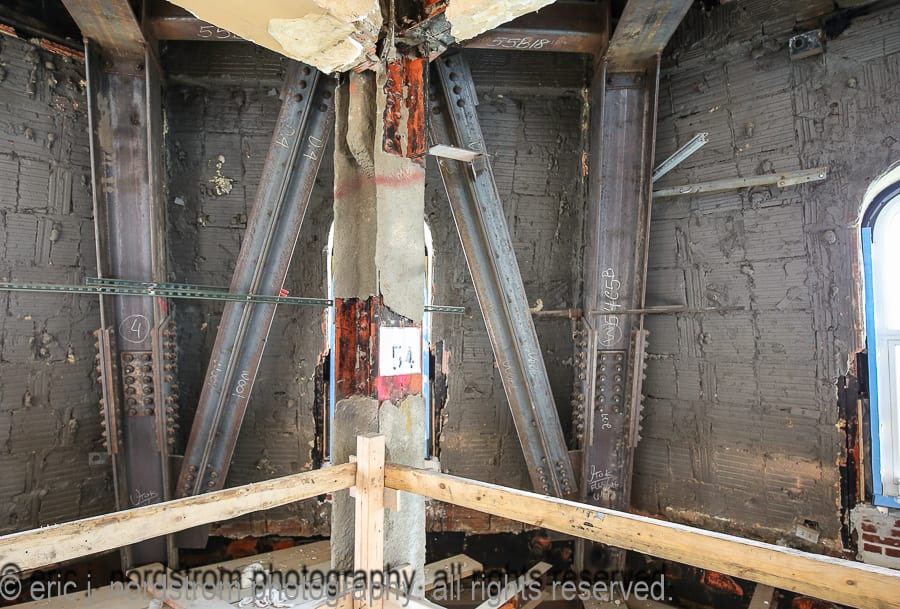
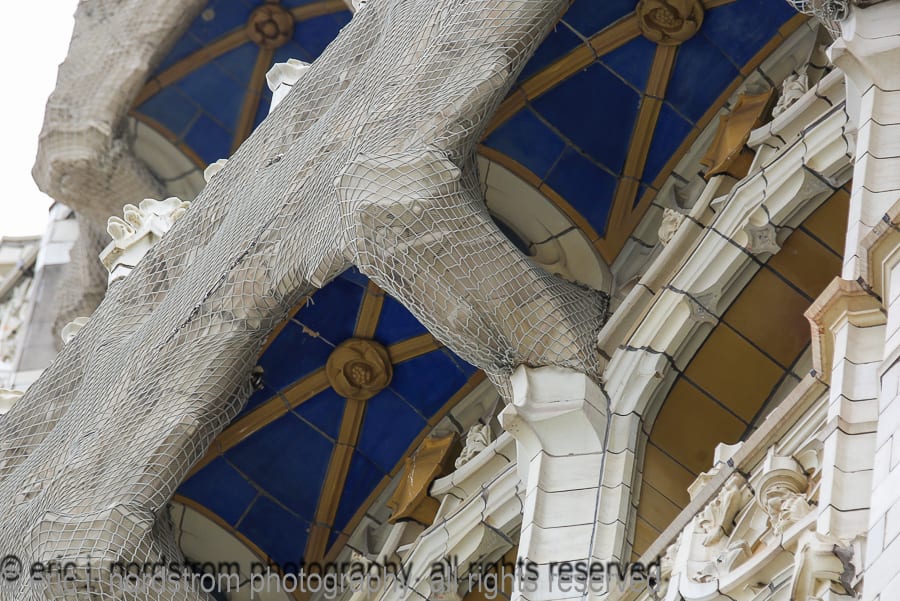
the following selection of images offer a glimpse of the building’s interior during its transition from commercial offices to residential living quarters. additional photos of the elevator ornament are included.

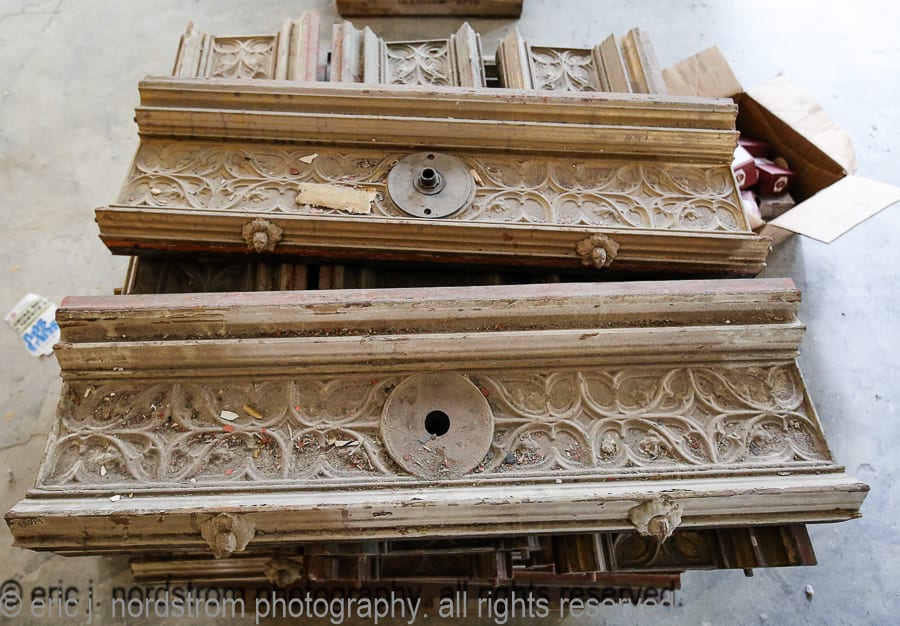
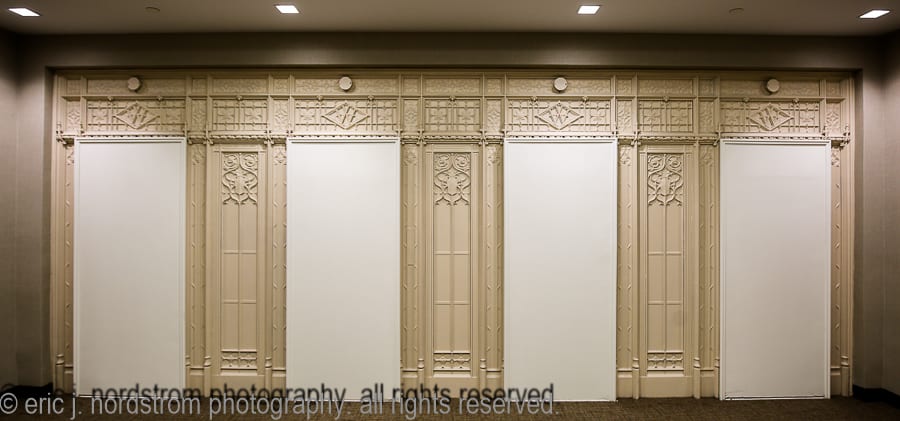
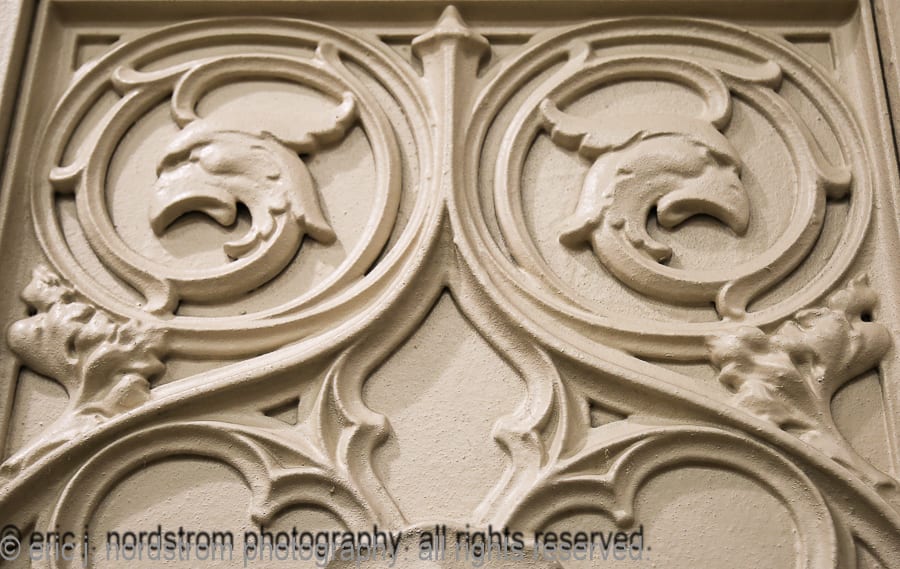
several pallets of richly detailed gothic revival style elevator surround sections executed by the chicago-based winslow brothers foundry were extracted from the building’s upper floors during conversion into condominiums. the monogrammed “w” elevator surround frieze panels were repurposed as kitchen backsplashes in each of the units.
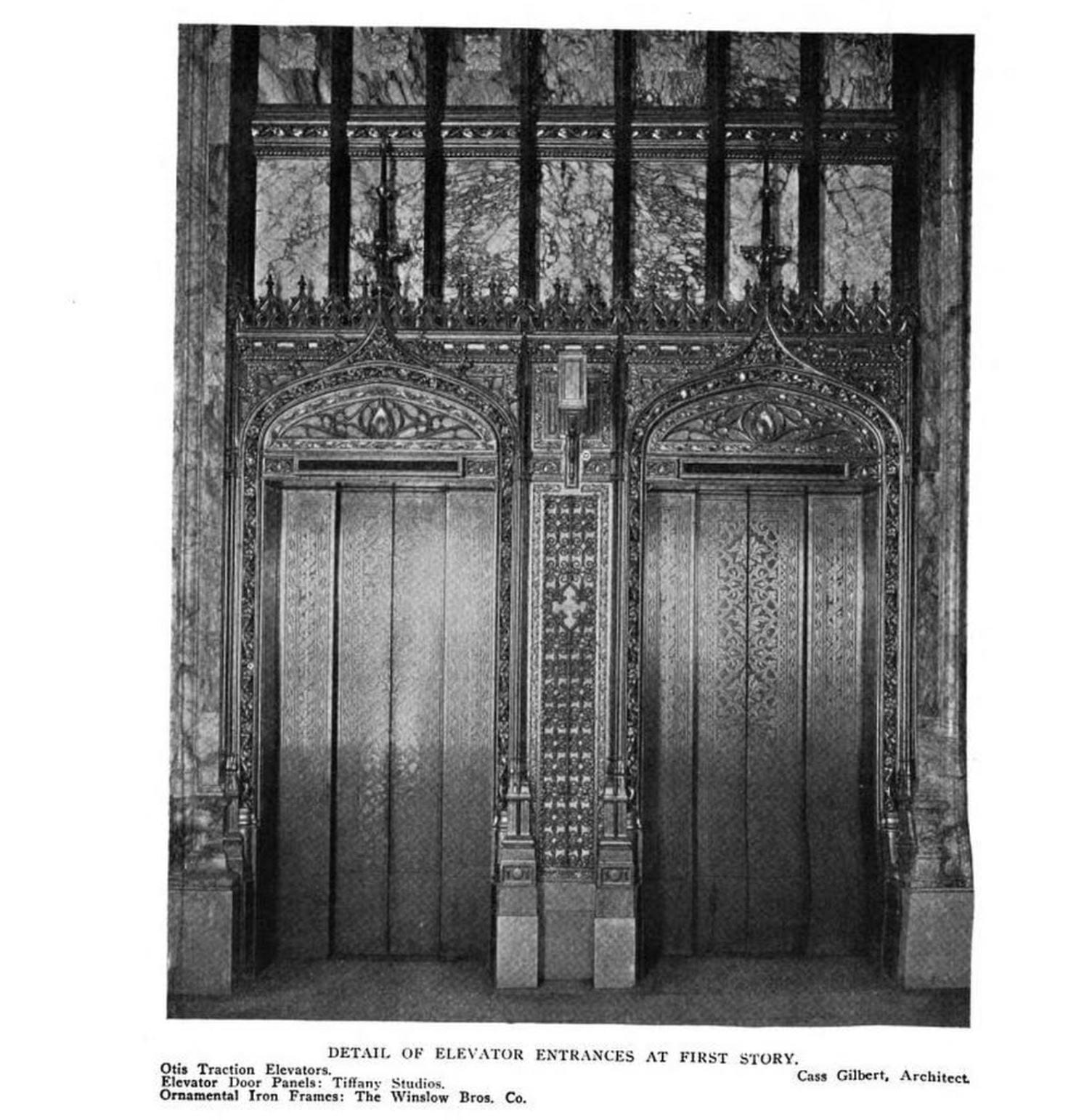
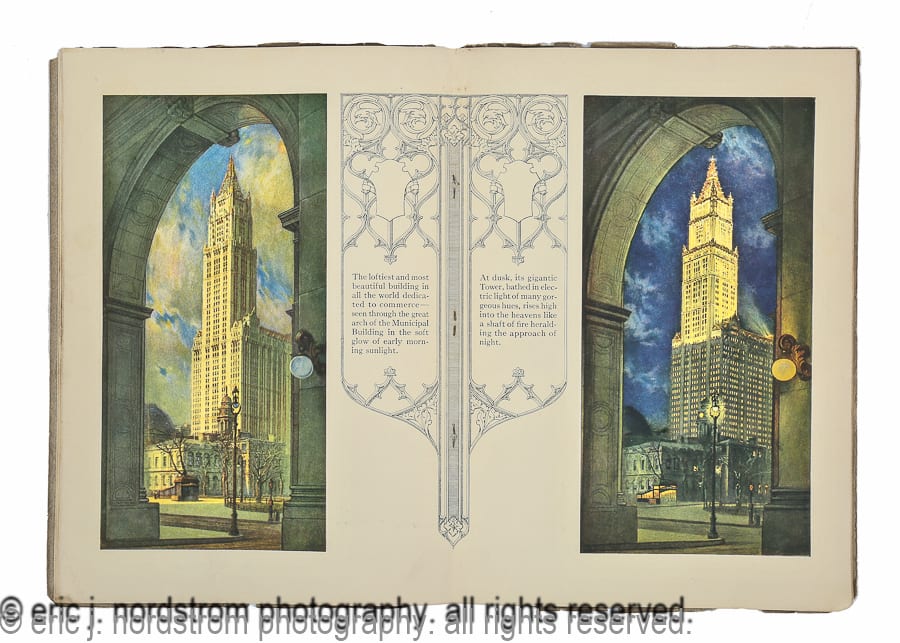
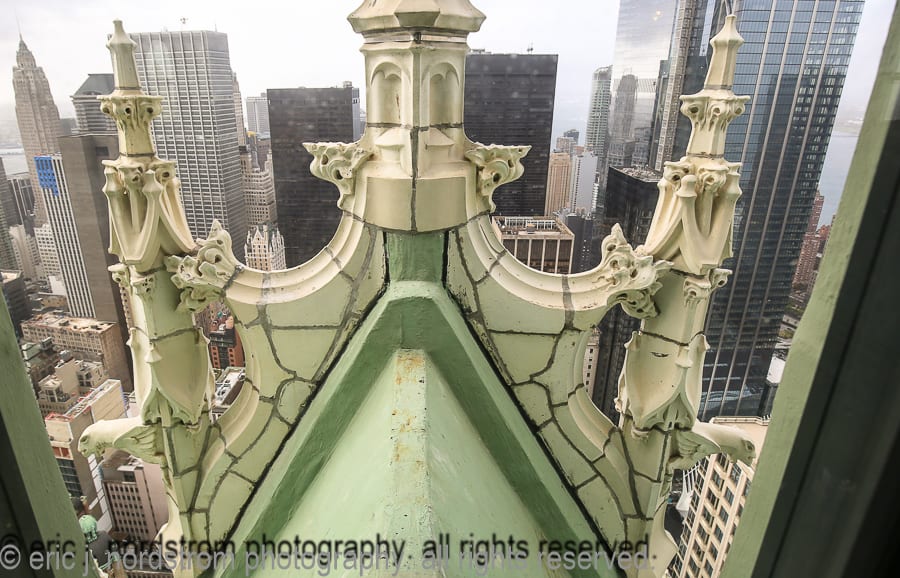
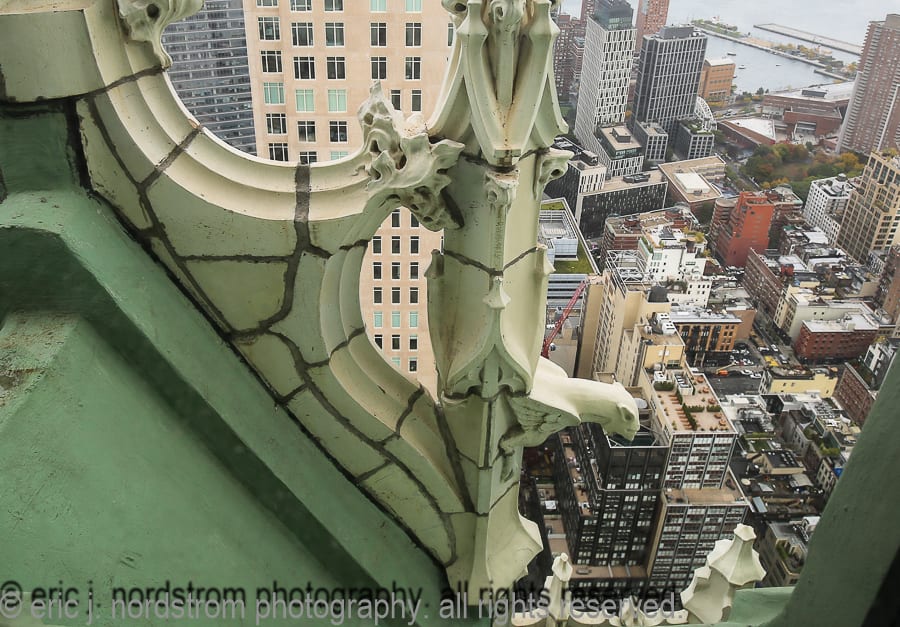
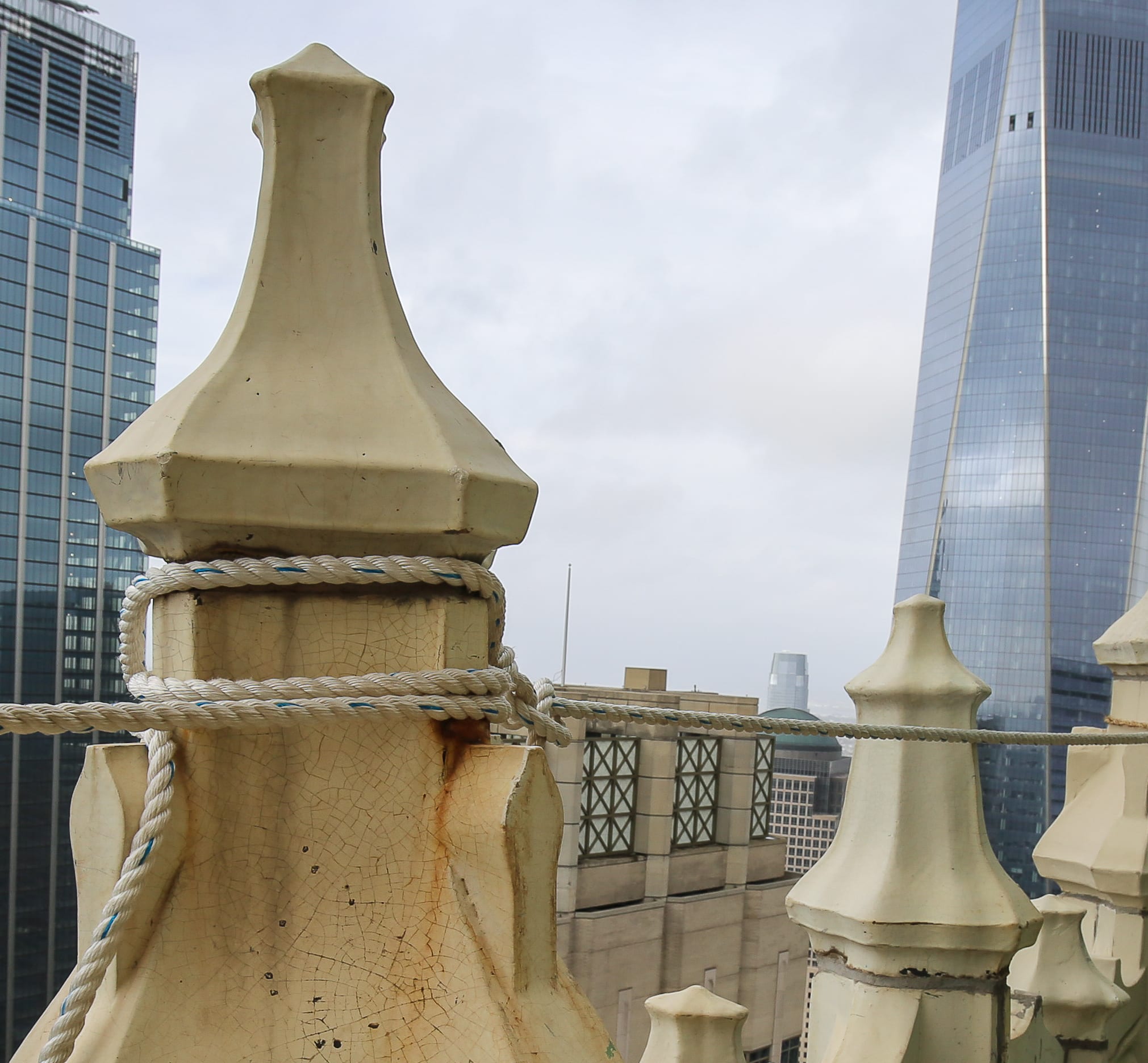
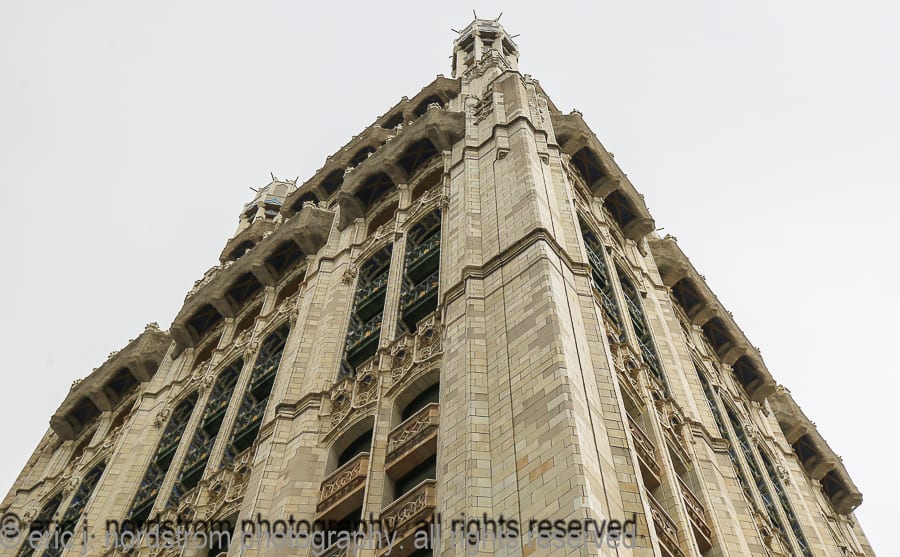
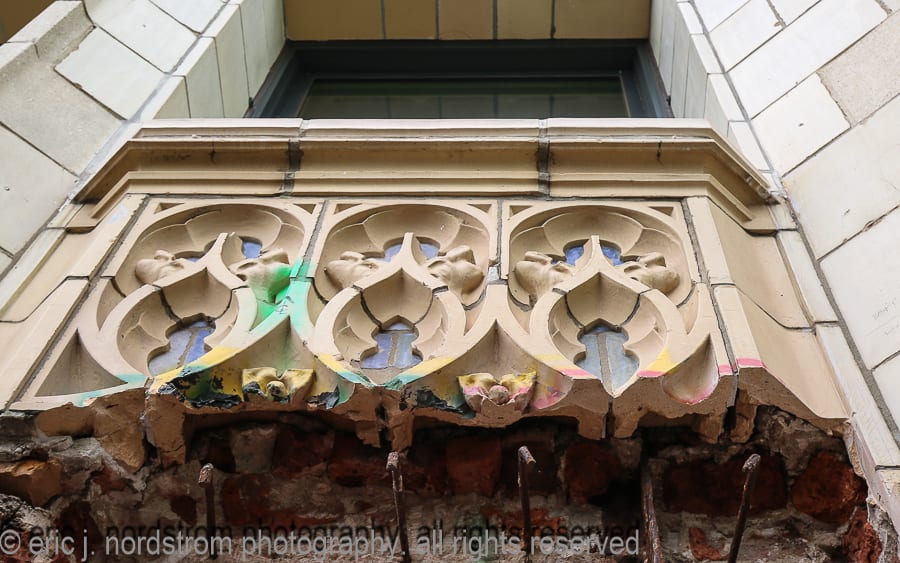
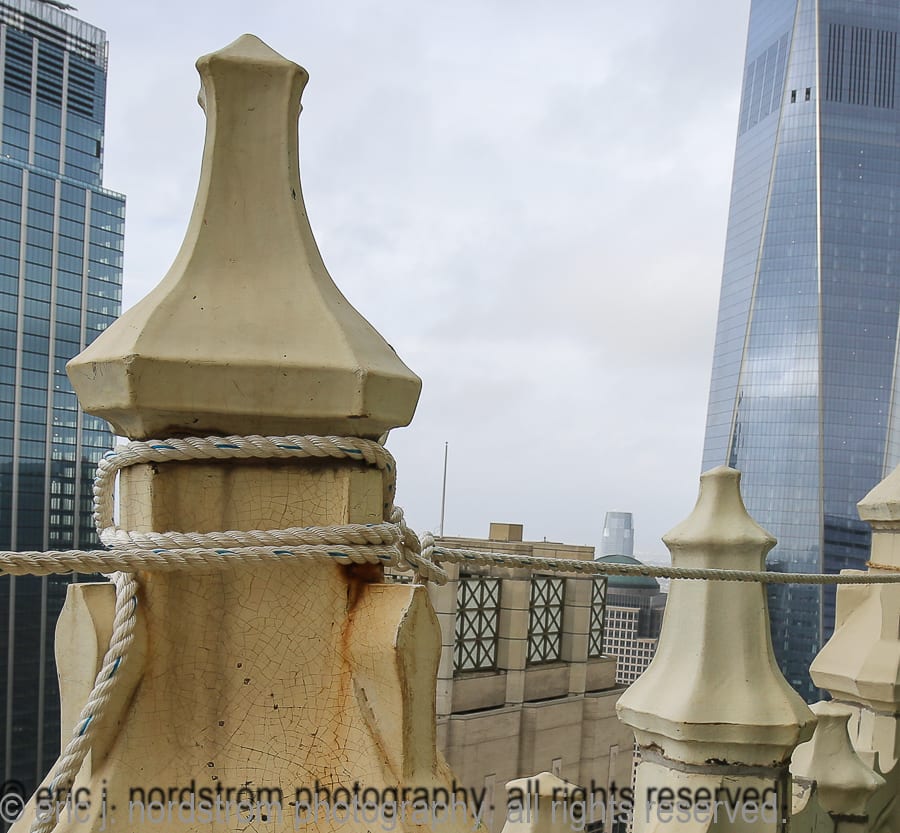
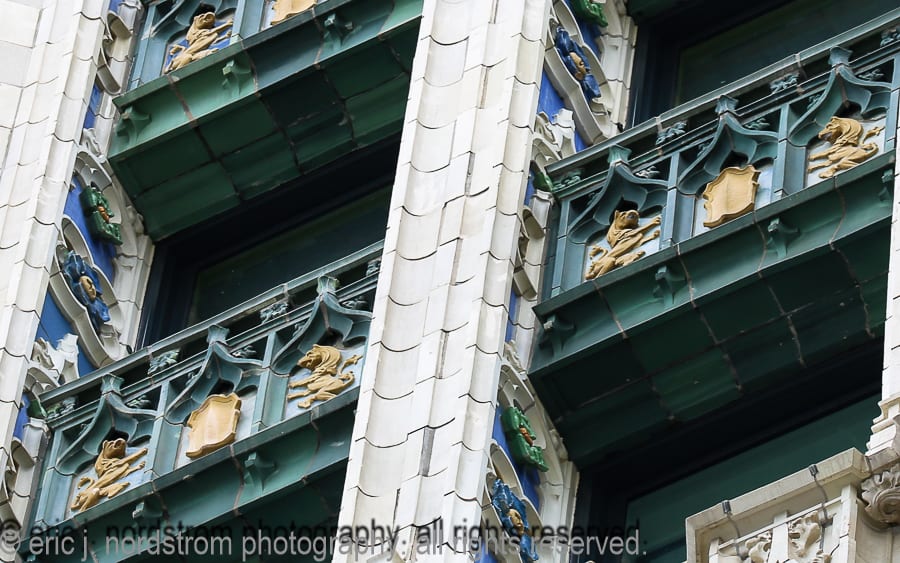
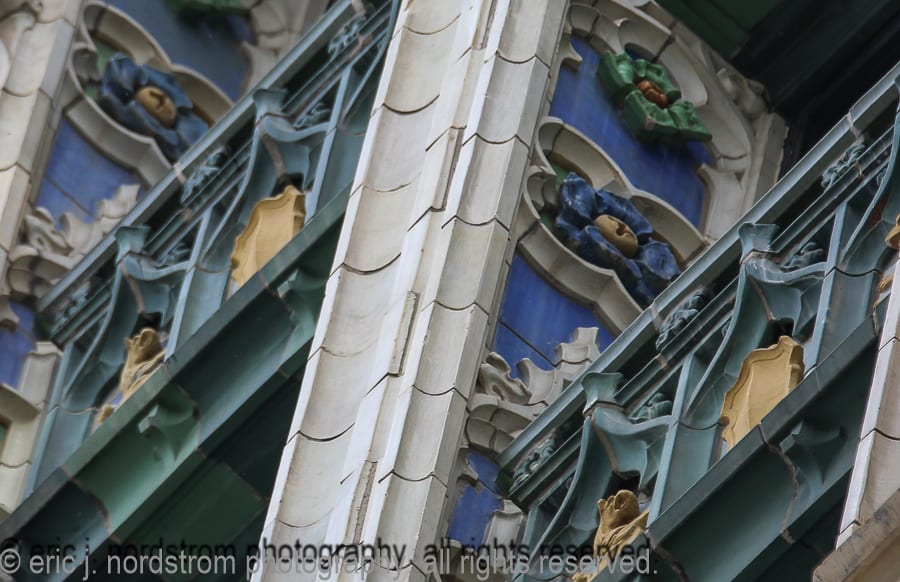
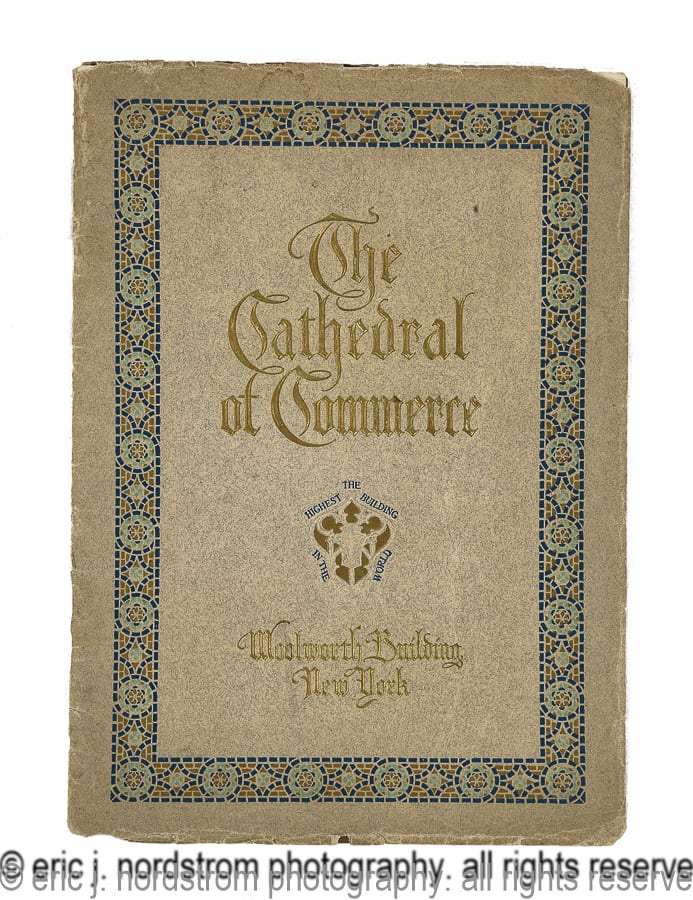
woolworth is a neo-gothic skyscraper designed by cass gilbert in the early 1910’s as corporate headquarters for one of the original five and dime stores, f.w. woolworth company. the 57-story “cathedral of commerce” remained the tallest building in the world until 1930 (when the chrysler building was constructed). outside the competition for airspace, the building’s merit is in its decorative facade and luxurious light-filled interiors.
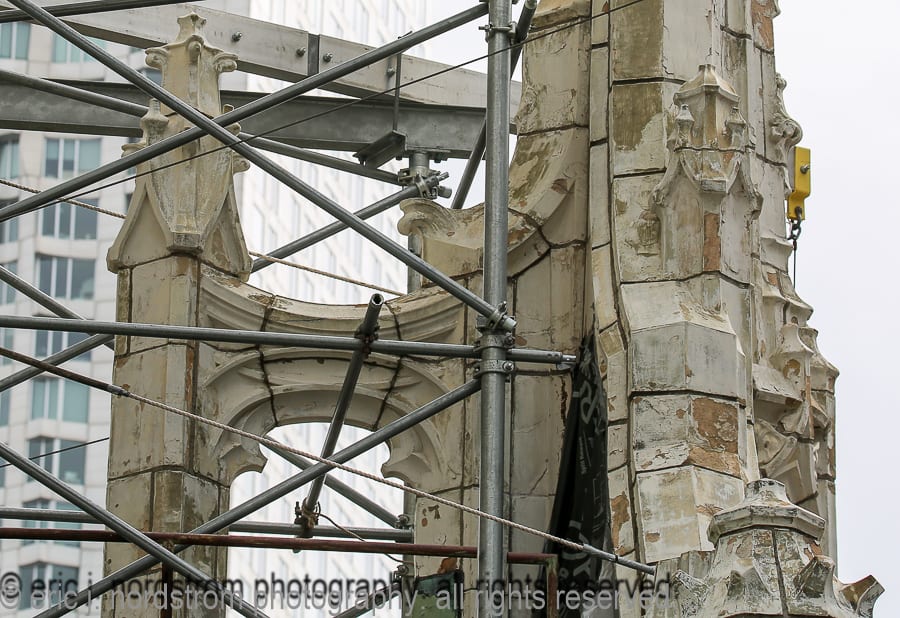
white or limestone-colored terra cotta panels are anchored to the façade of the steel structure, while visitors are immediately greeted in the lobby by gold ceilings, mosaics and sculptures that illustrate woolworth’s vision. the building also innovated exterior lighting and high-speed electric elevators for the many tenants who occupied the building (woolworth only occupied two floors).