

09 Feb featured period architectural and/or building trade catalogs housed in the bldg. 51 museum archive
February 9, 2022
in Bldg. 51, Events & Announcements, Featured Posts, Miscellaneous, New Acquisitions, New Products
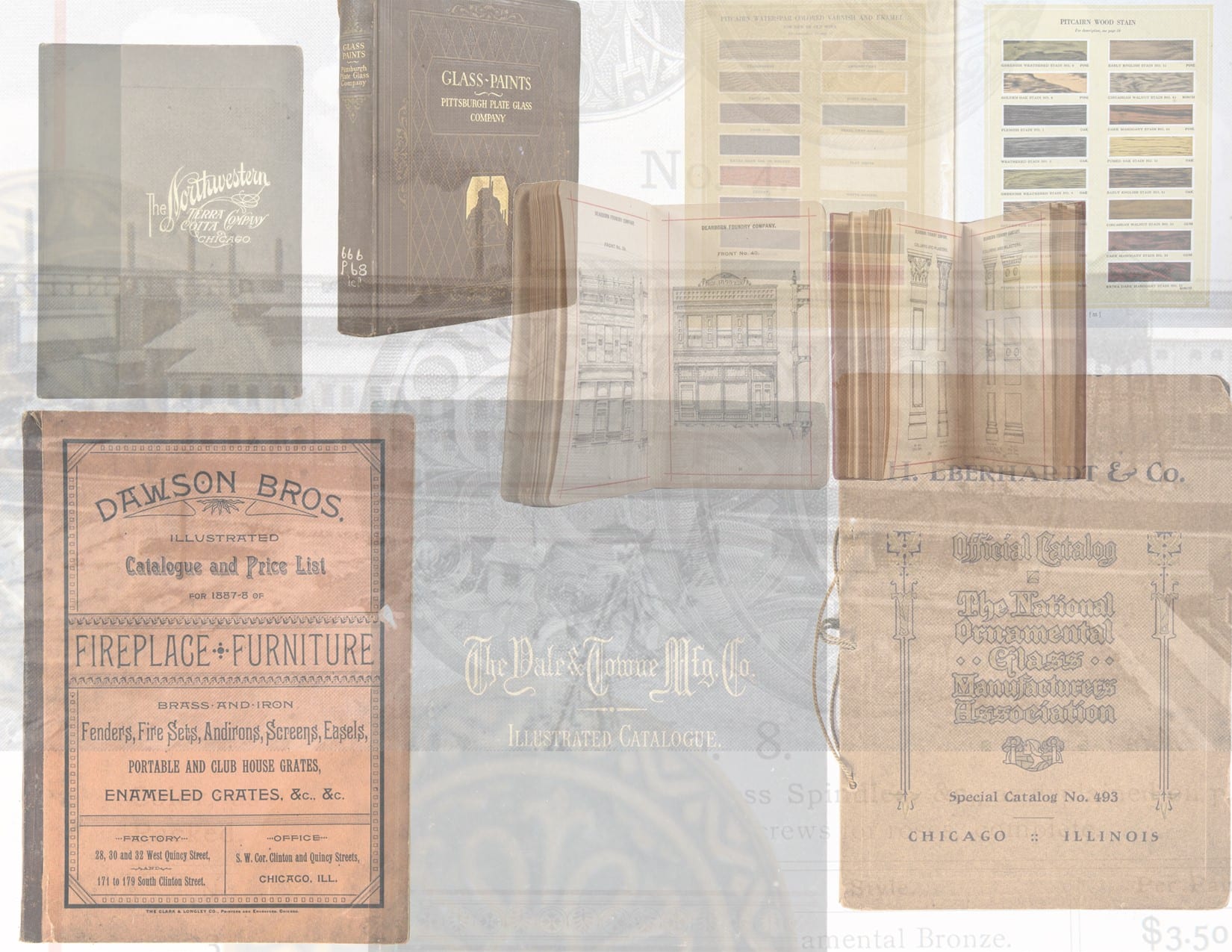
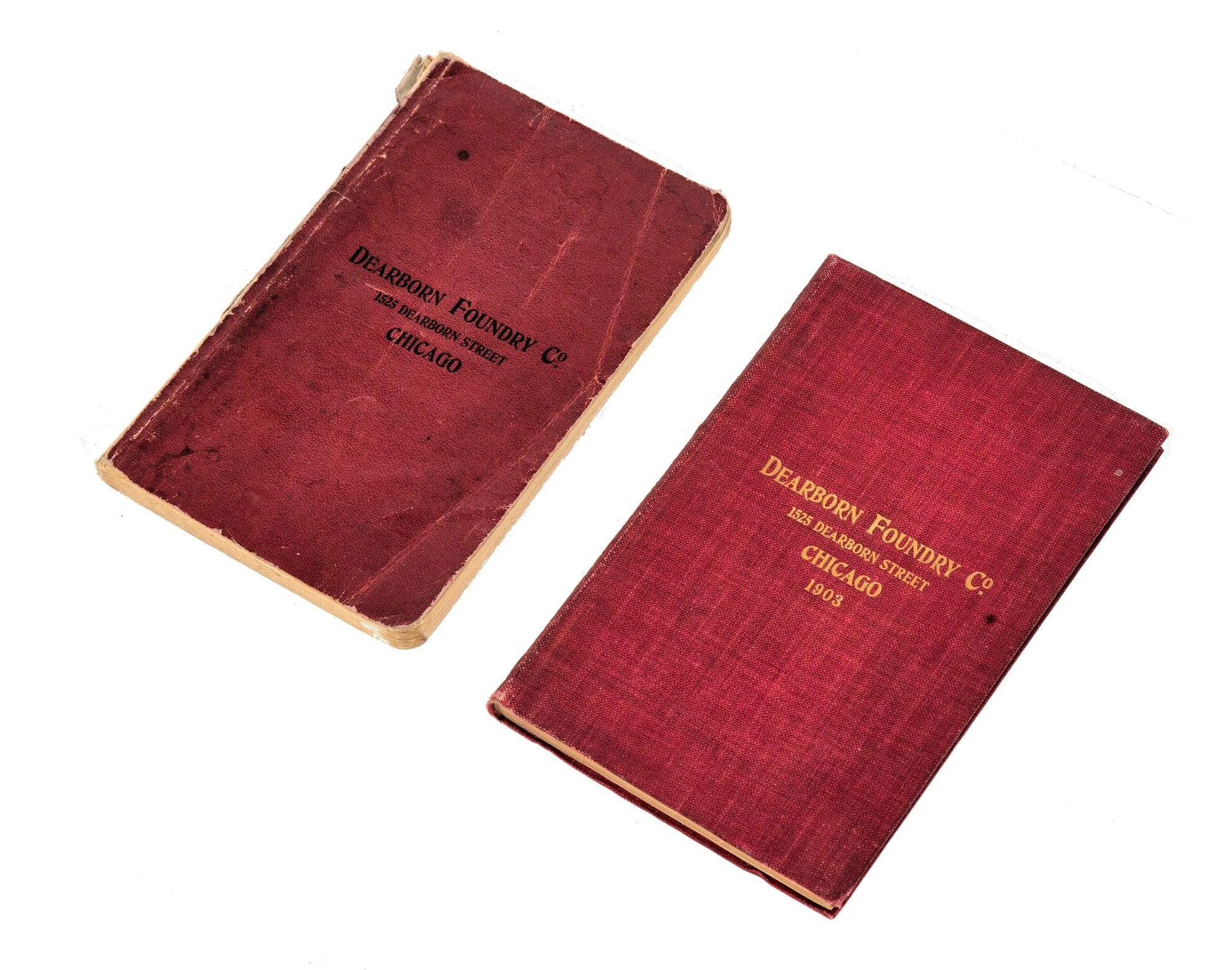
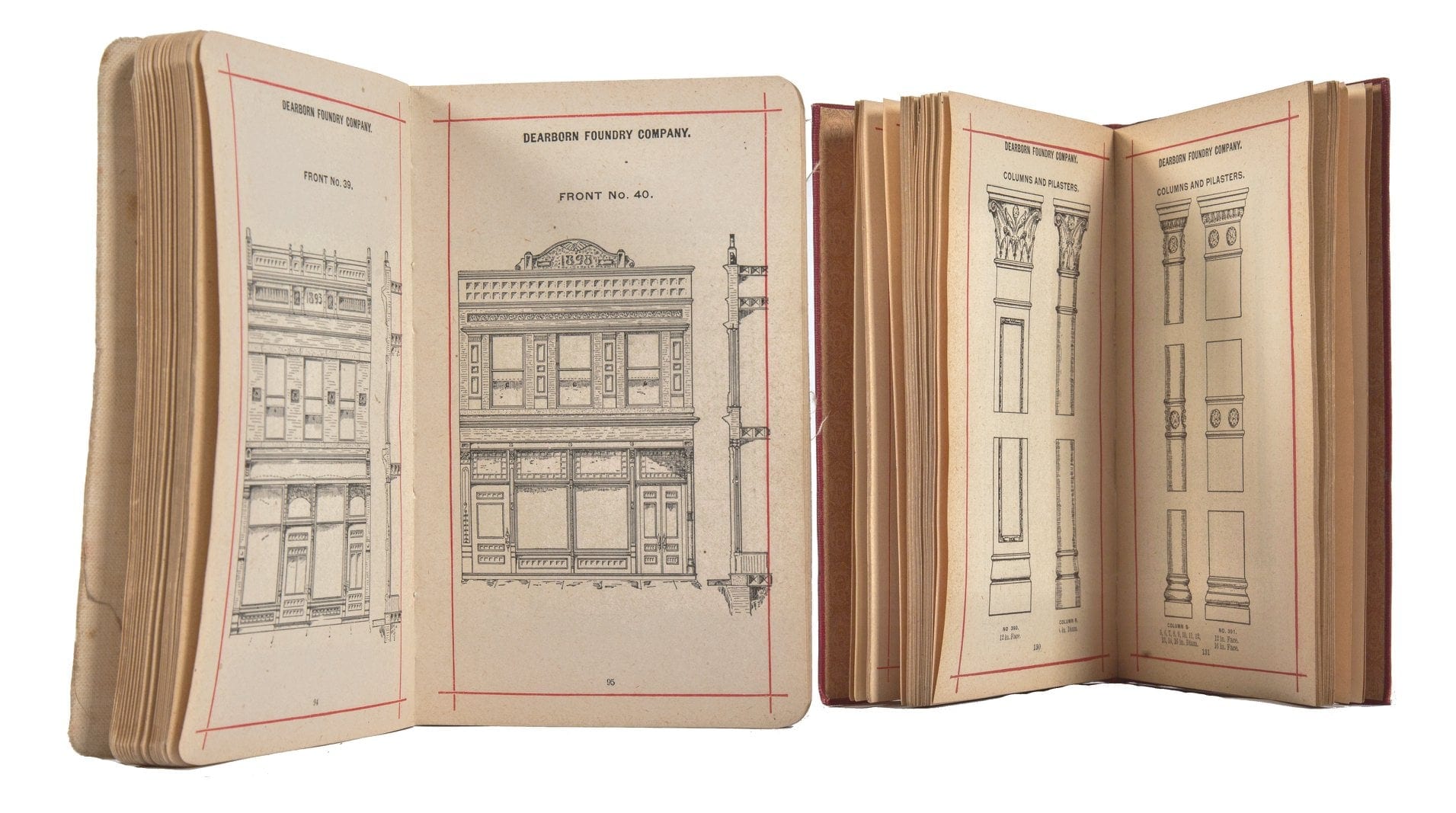
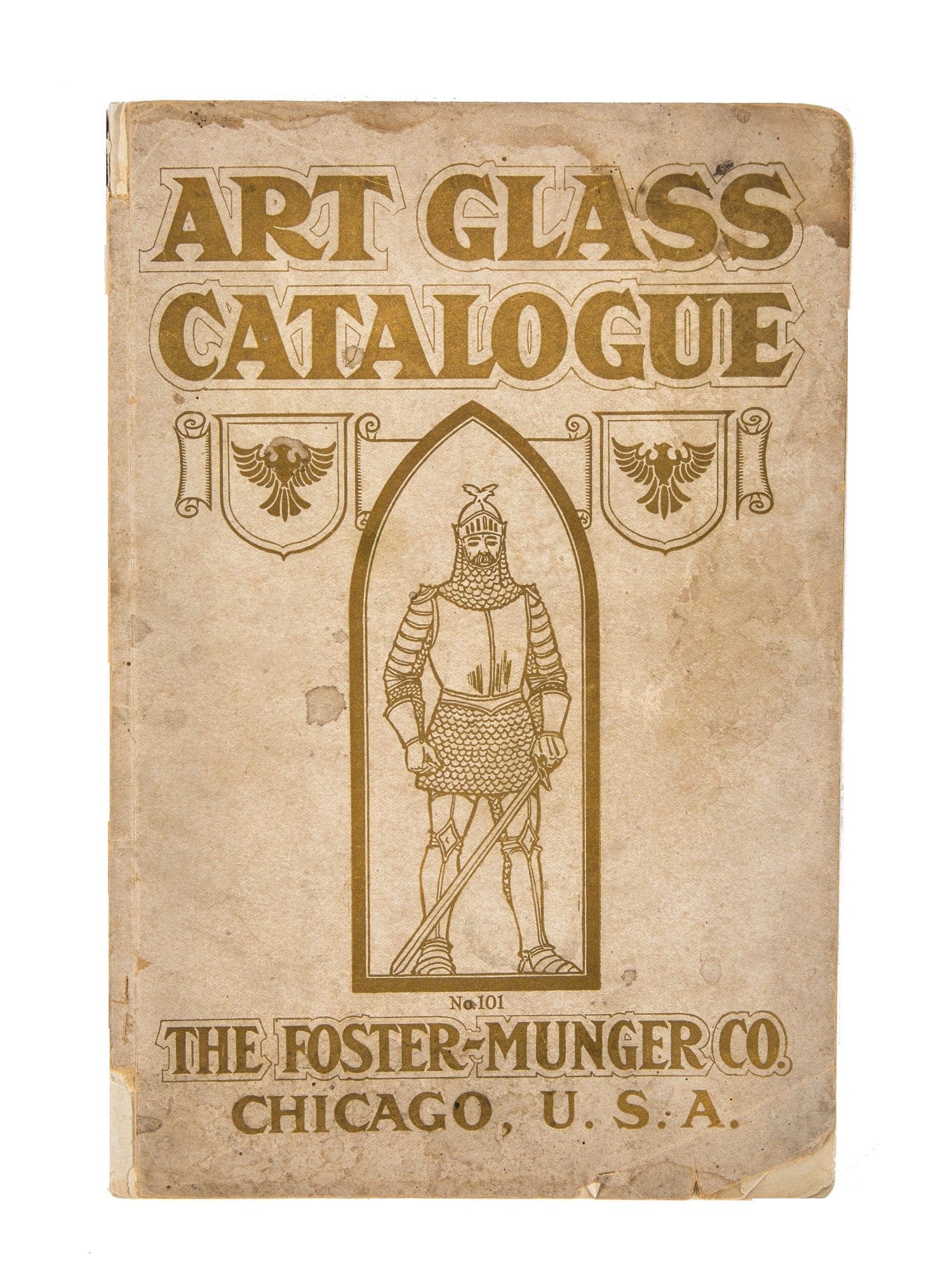
the following images and accompanying descriptions highlight the bldg. 51 museum archive’s universe of rare out-of-print period architectural and/or building trade catalogs awaiting to be fully scanned and made available on the bldg. 51 website within the next few years.
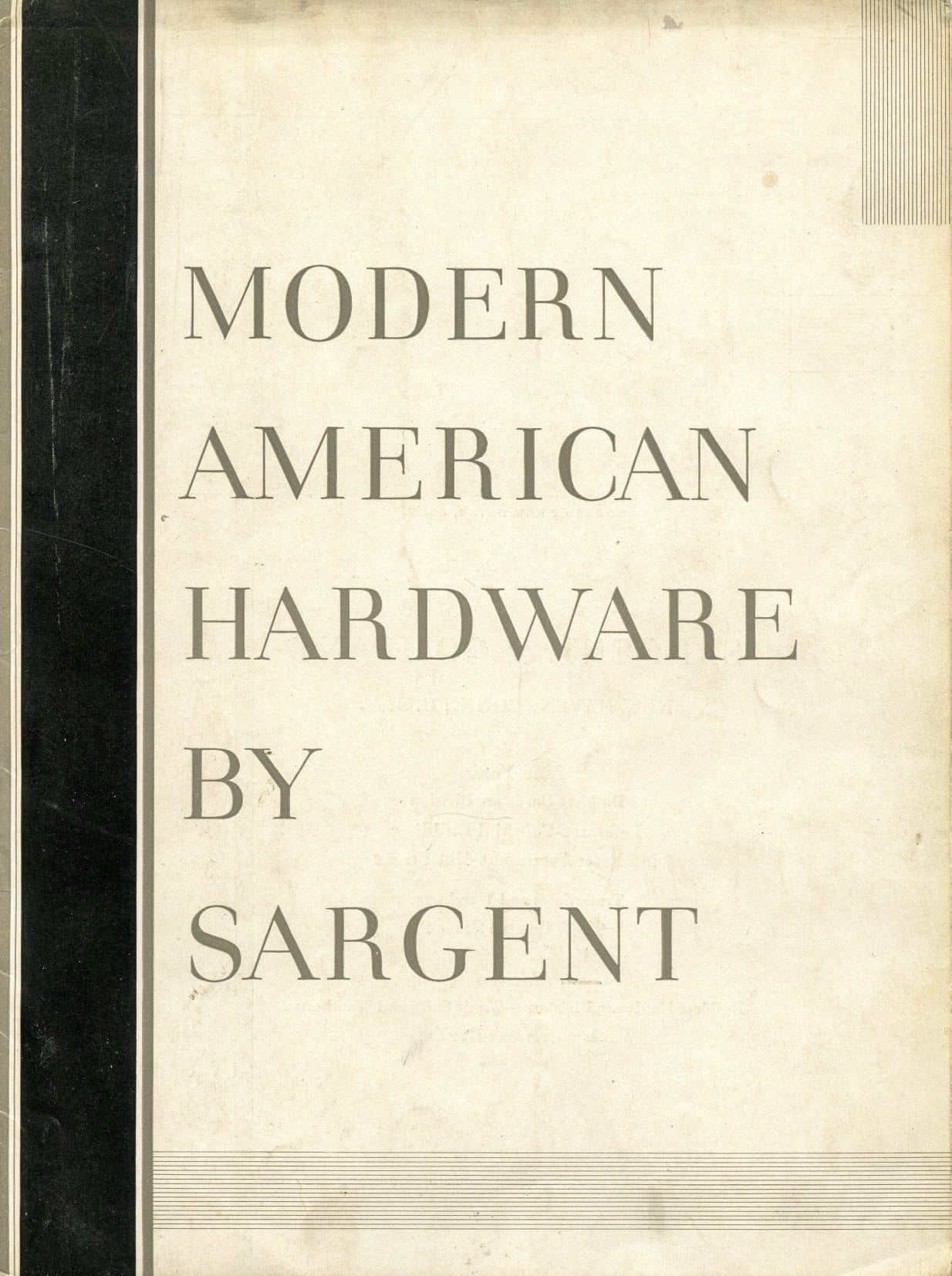
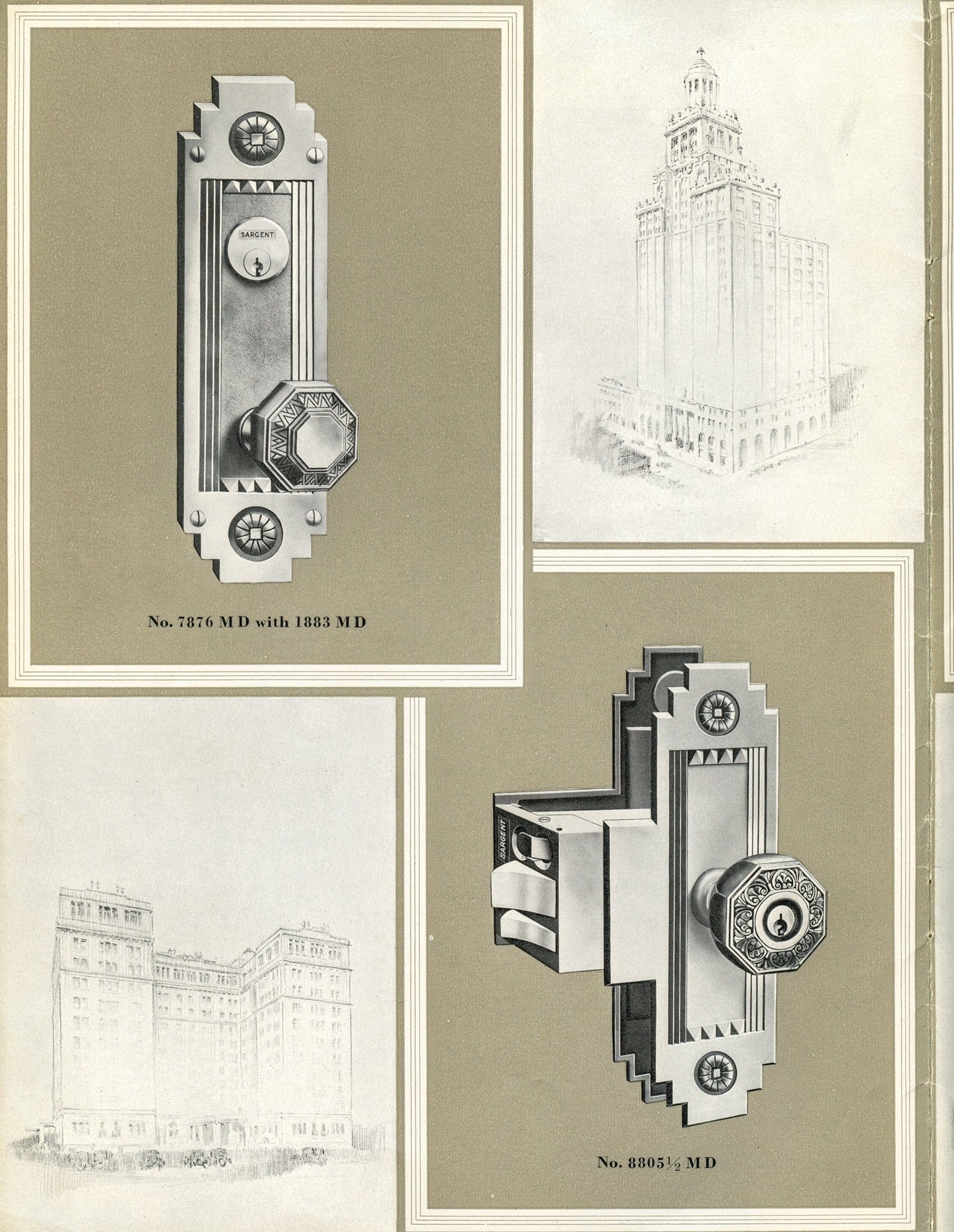
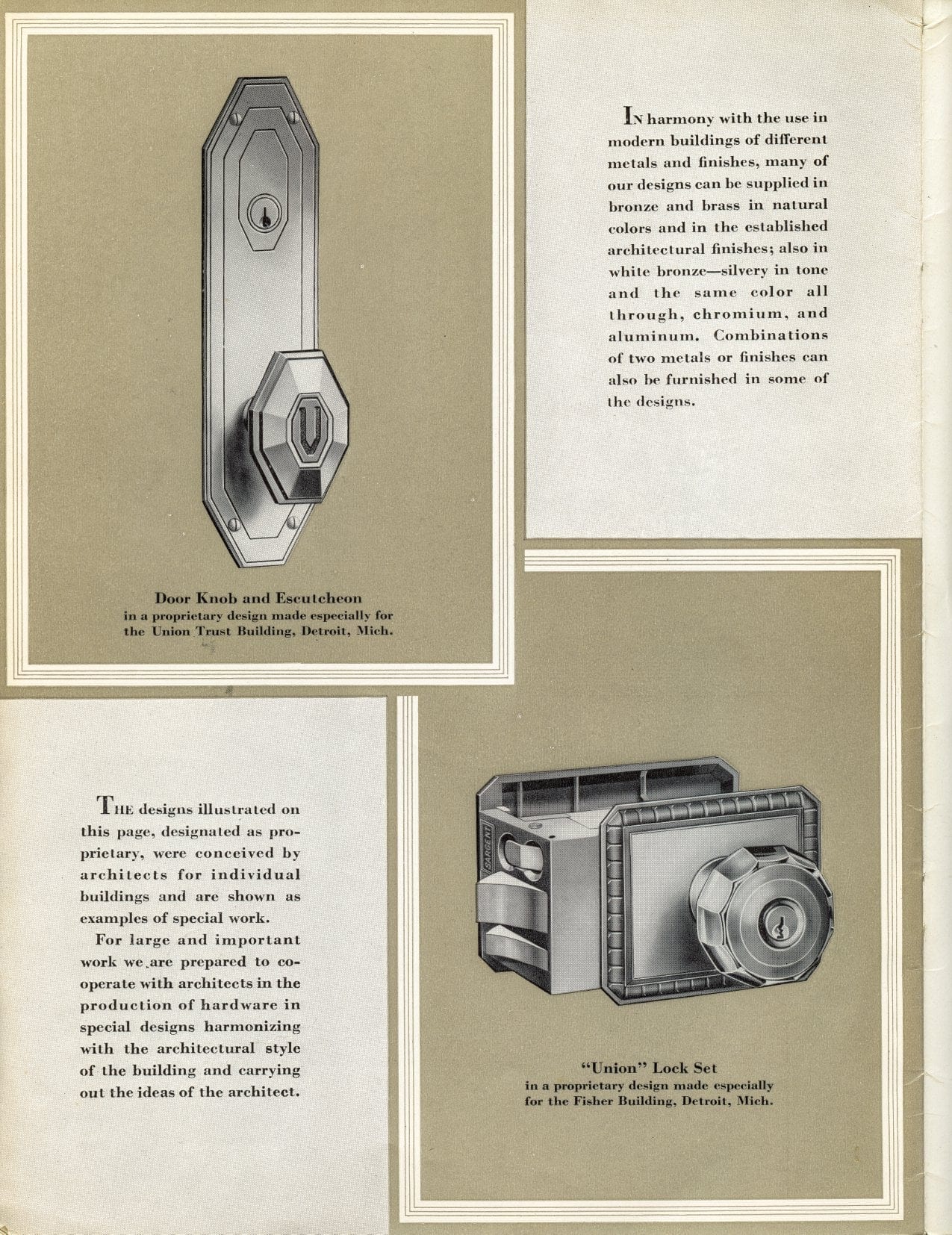
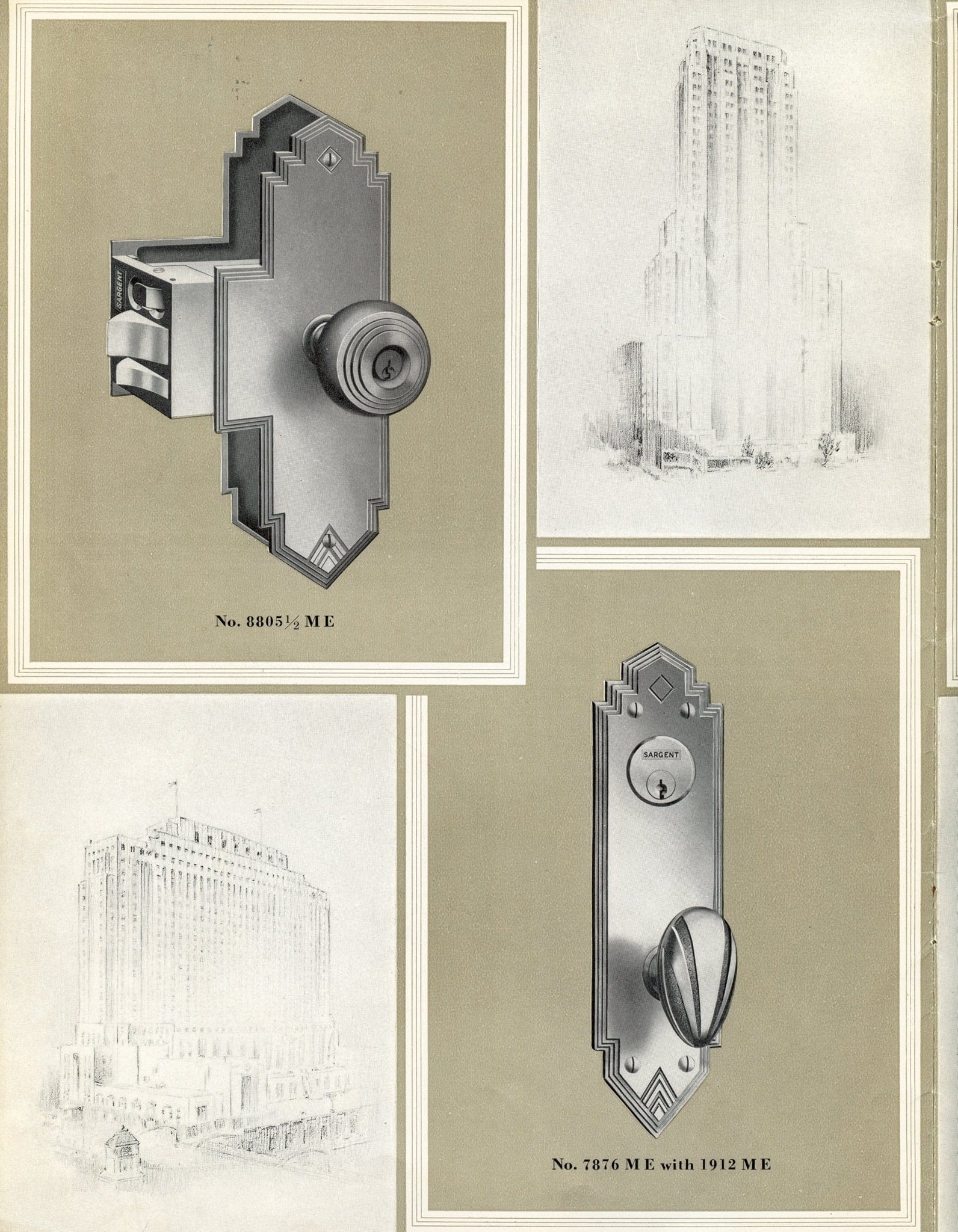
rare depression-era profusely illustrated softbound sargent hardware catalog offering a detailed selection of art deco or moderne designed hardware for commercial buildings.
i’ve included a cast bronze doorknob designed for holabird and root’s palmolive building, 1929) for reference.
courtesy of the bldg. 51 archive.
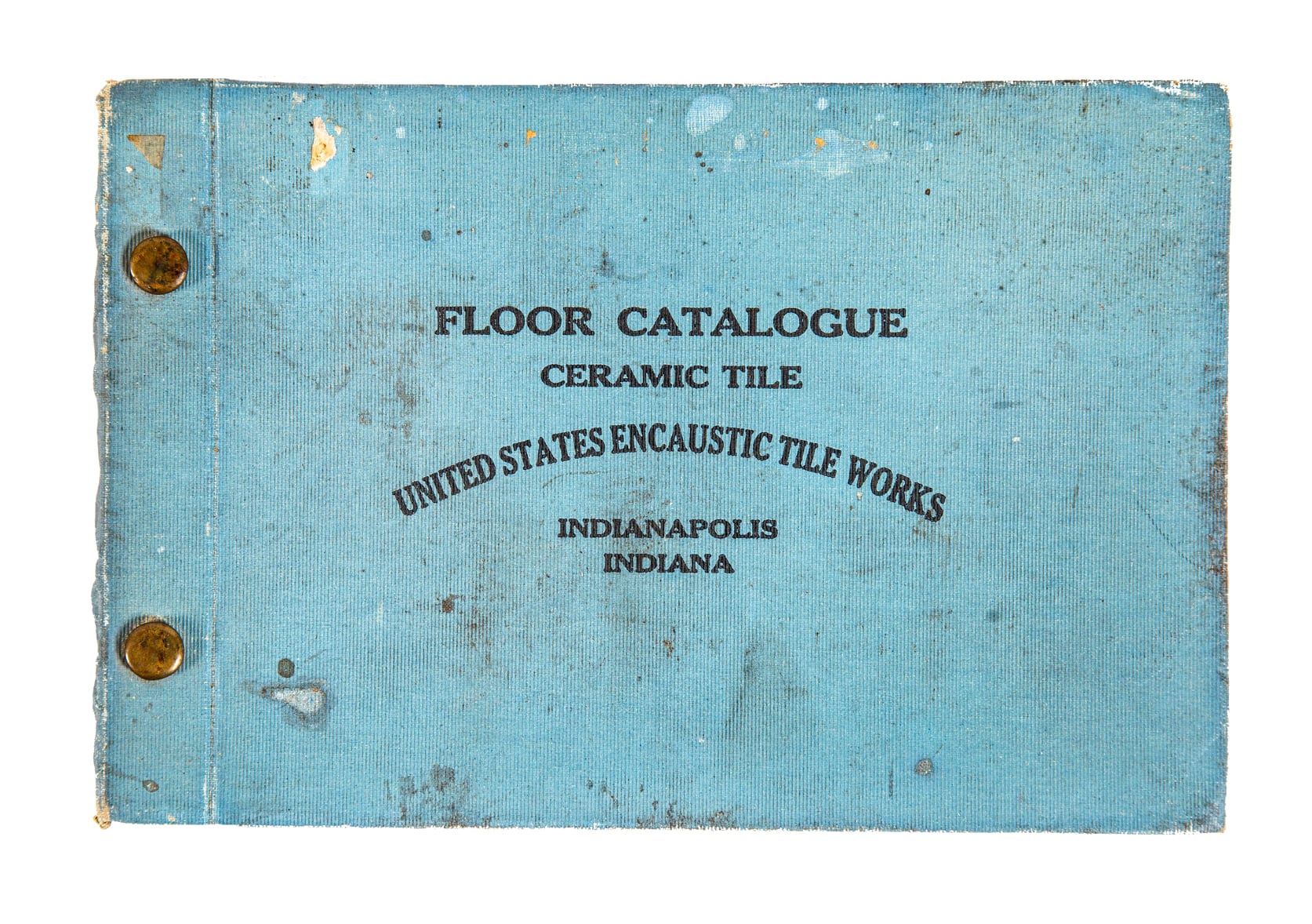
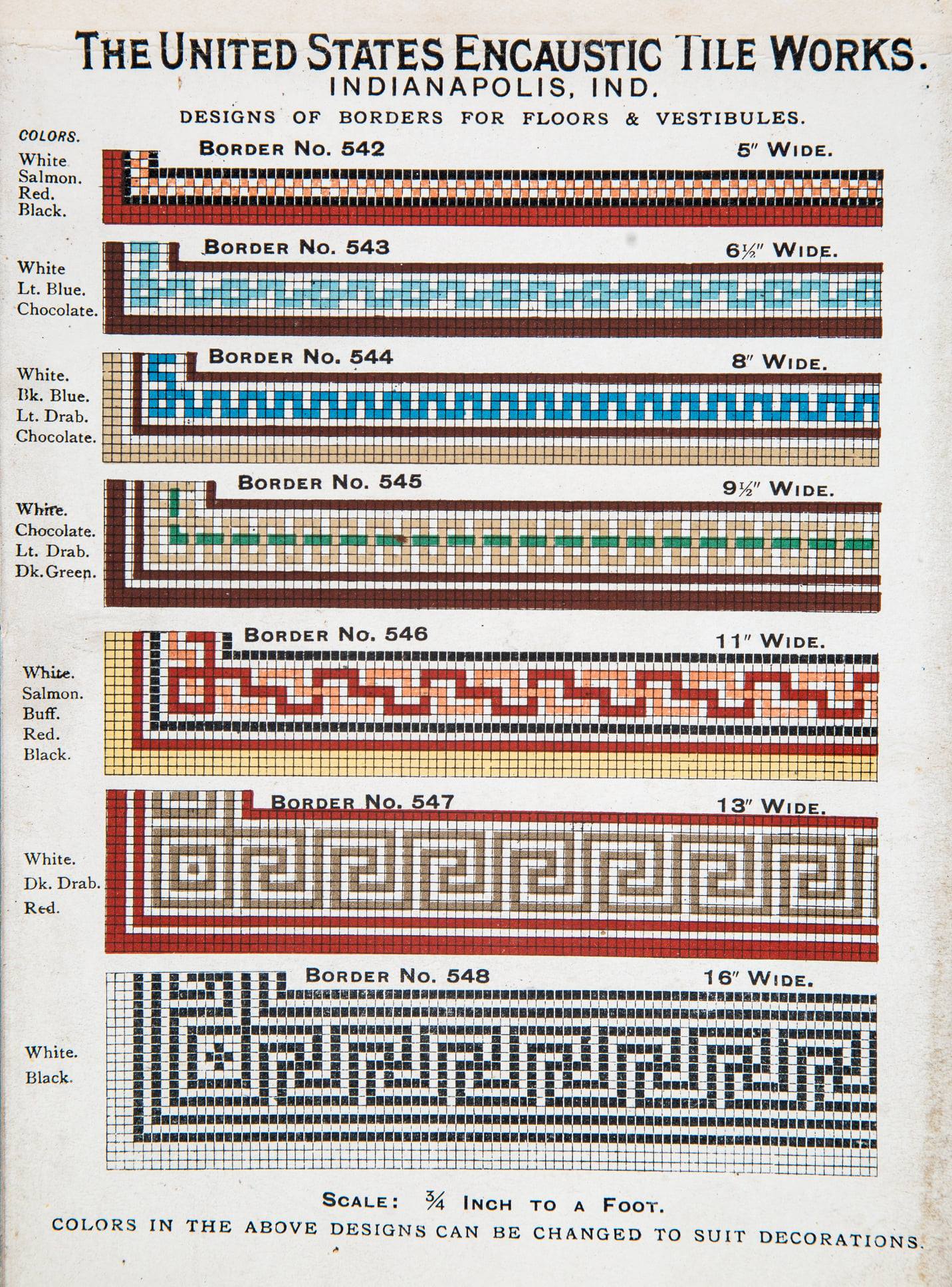
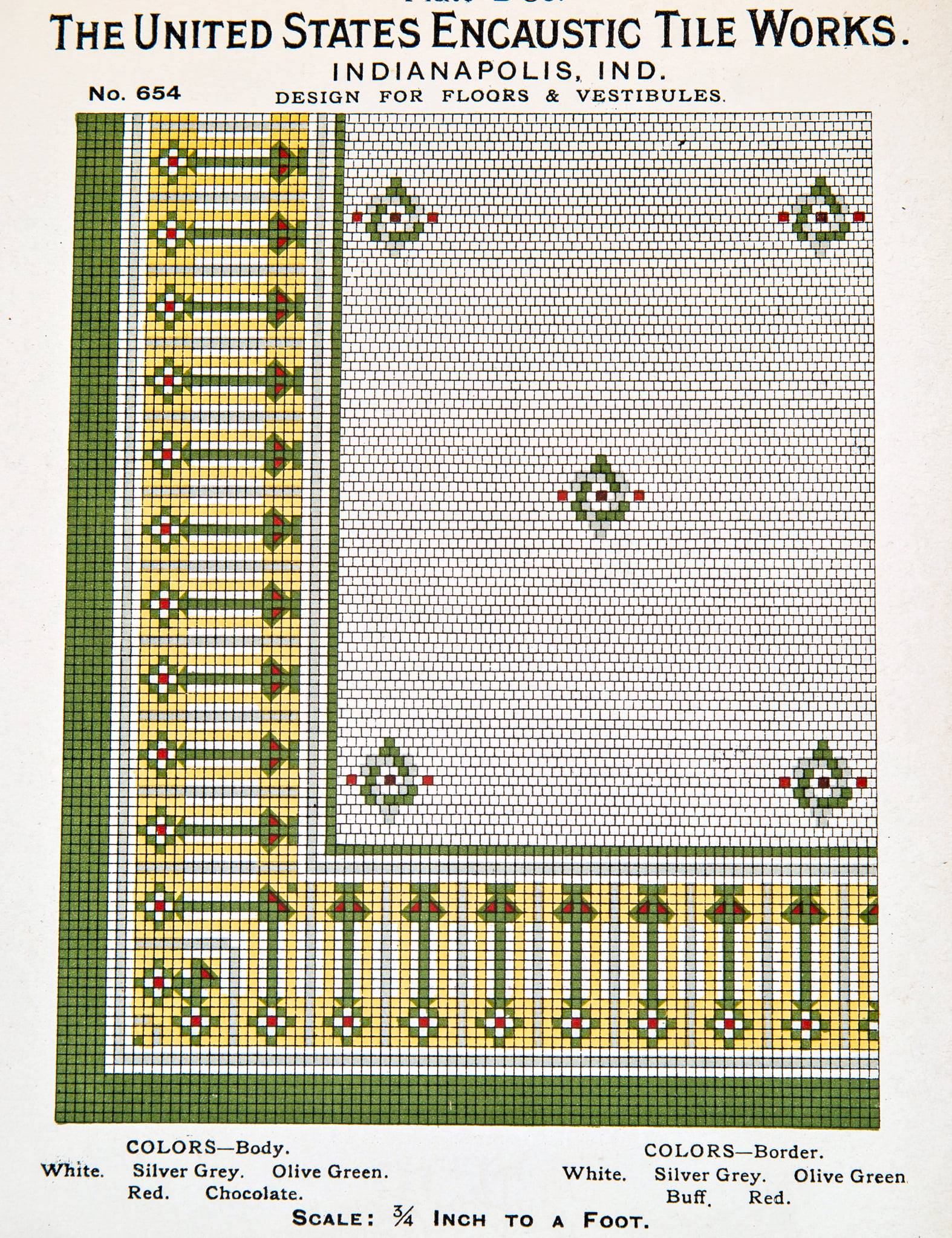
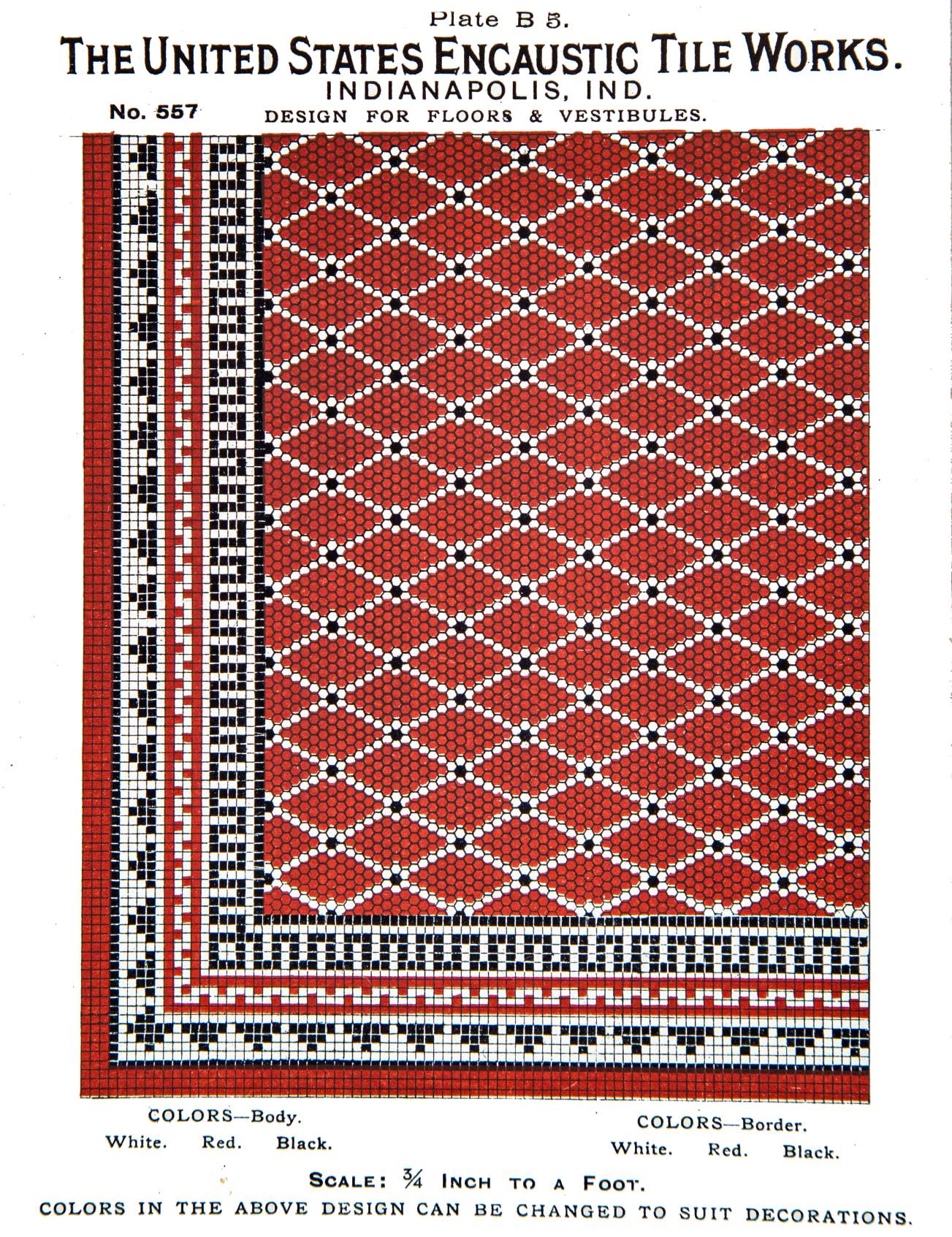
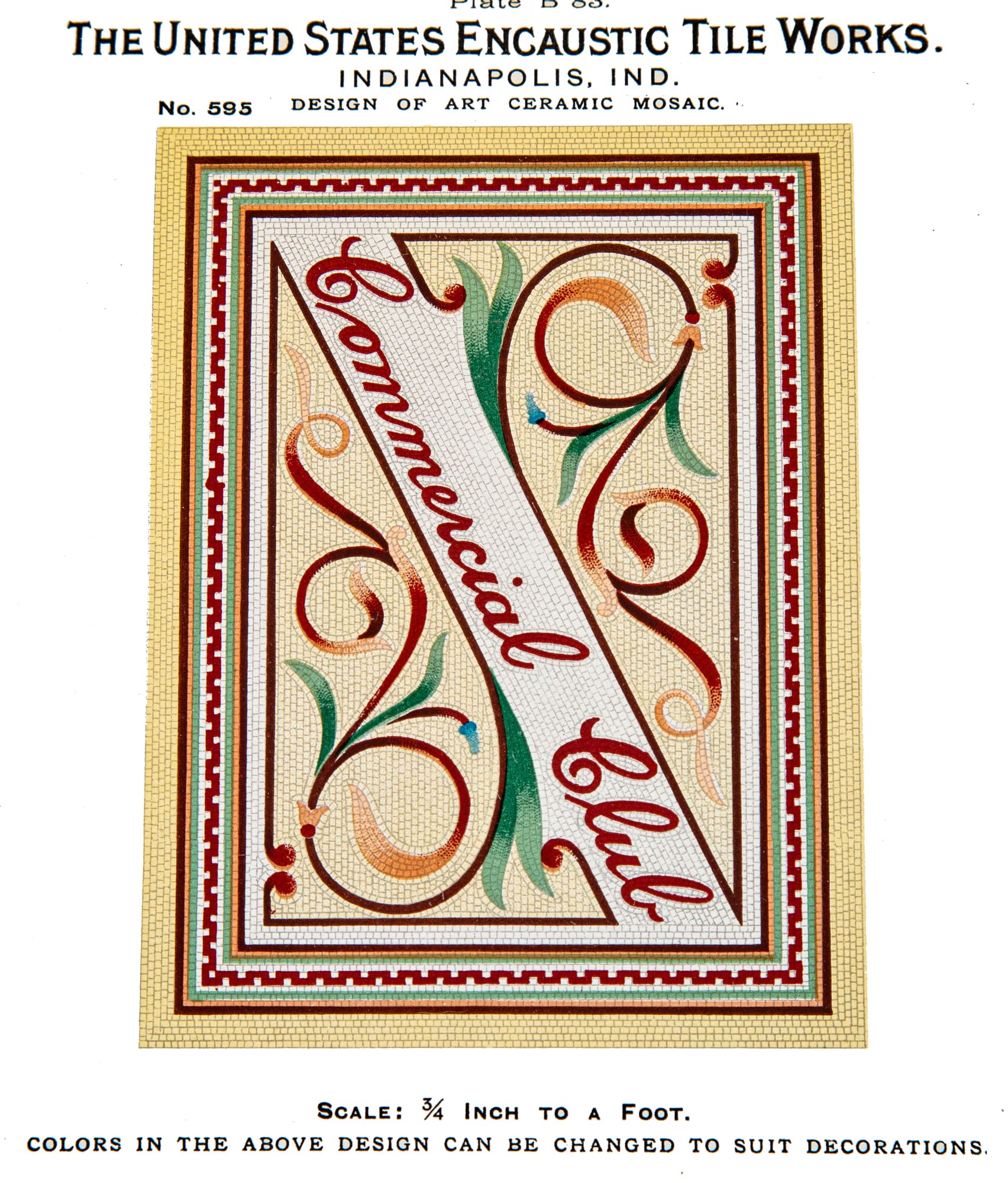
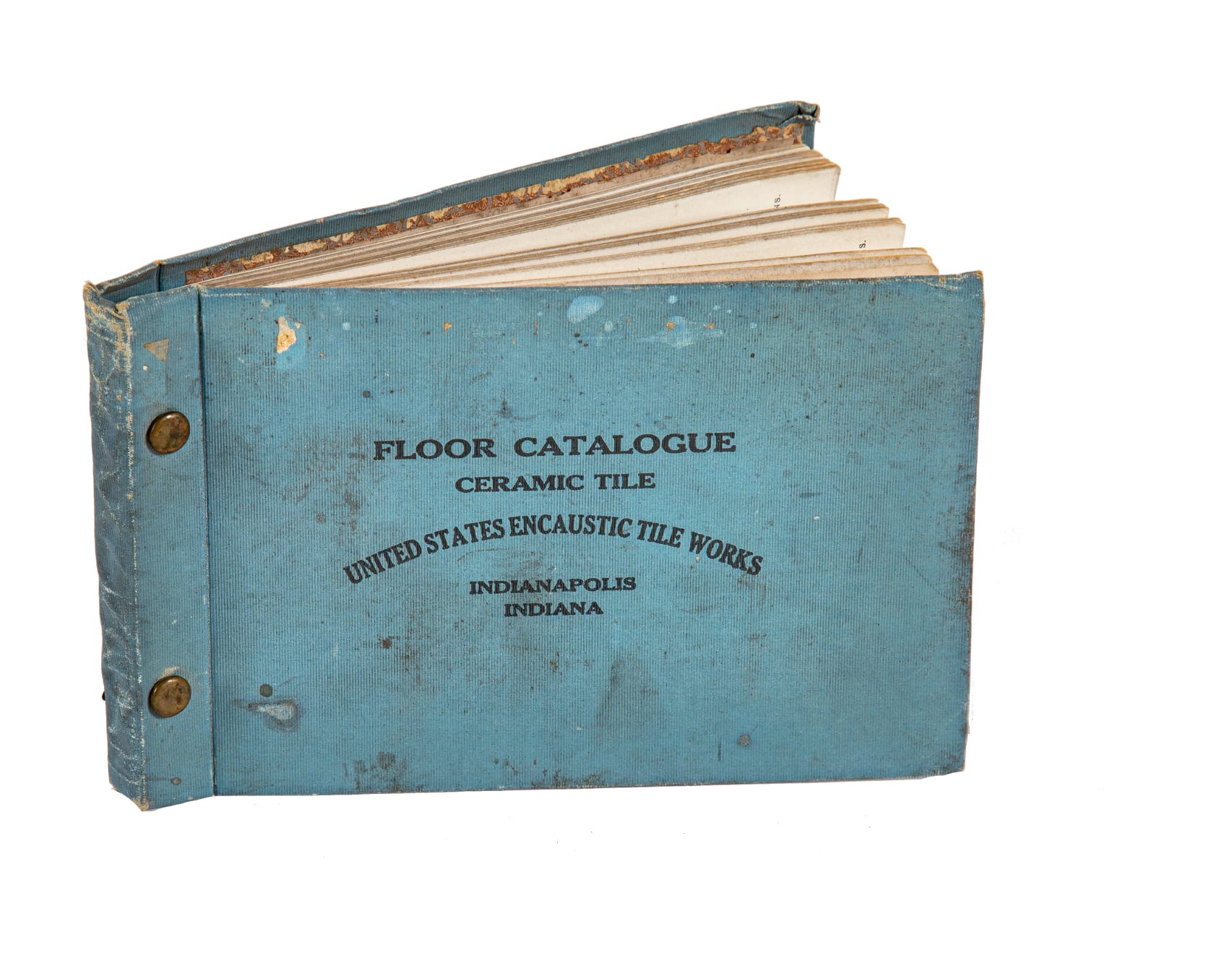
original early 20th century ceramic tile floor catalog published by or for the united states american encaustic tile company (uset), indianapolis, ind.
the largely intact trade catalog consists of a several richly colored plates offering a myriad of fanciful floor tile designs and/or configurations, including sizing, colors and numbers.
courtesy of the bldg. 51 archive.
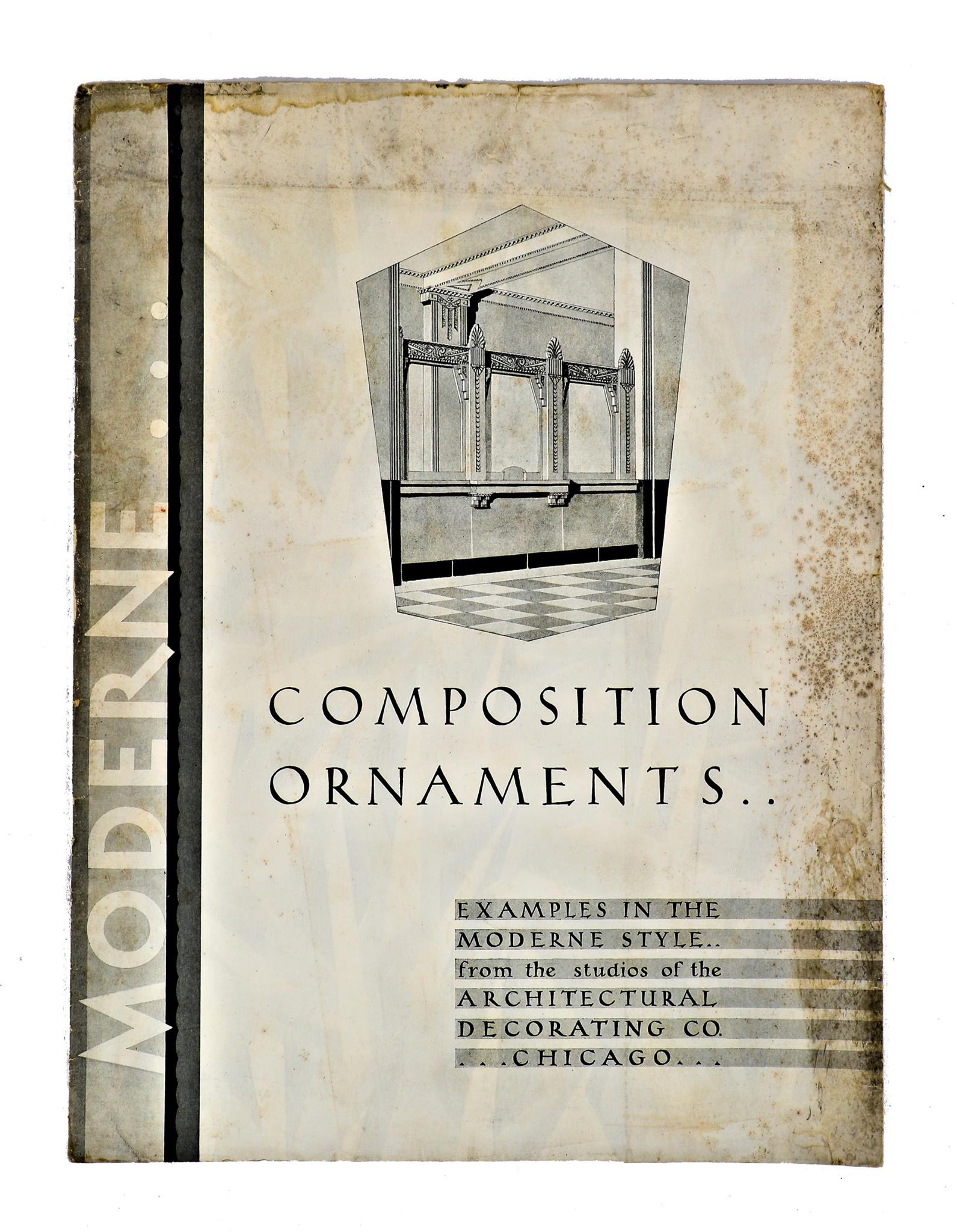
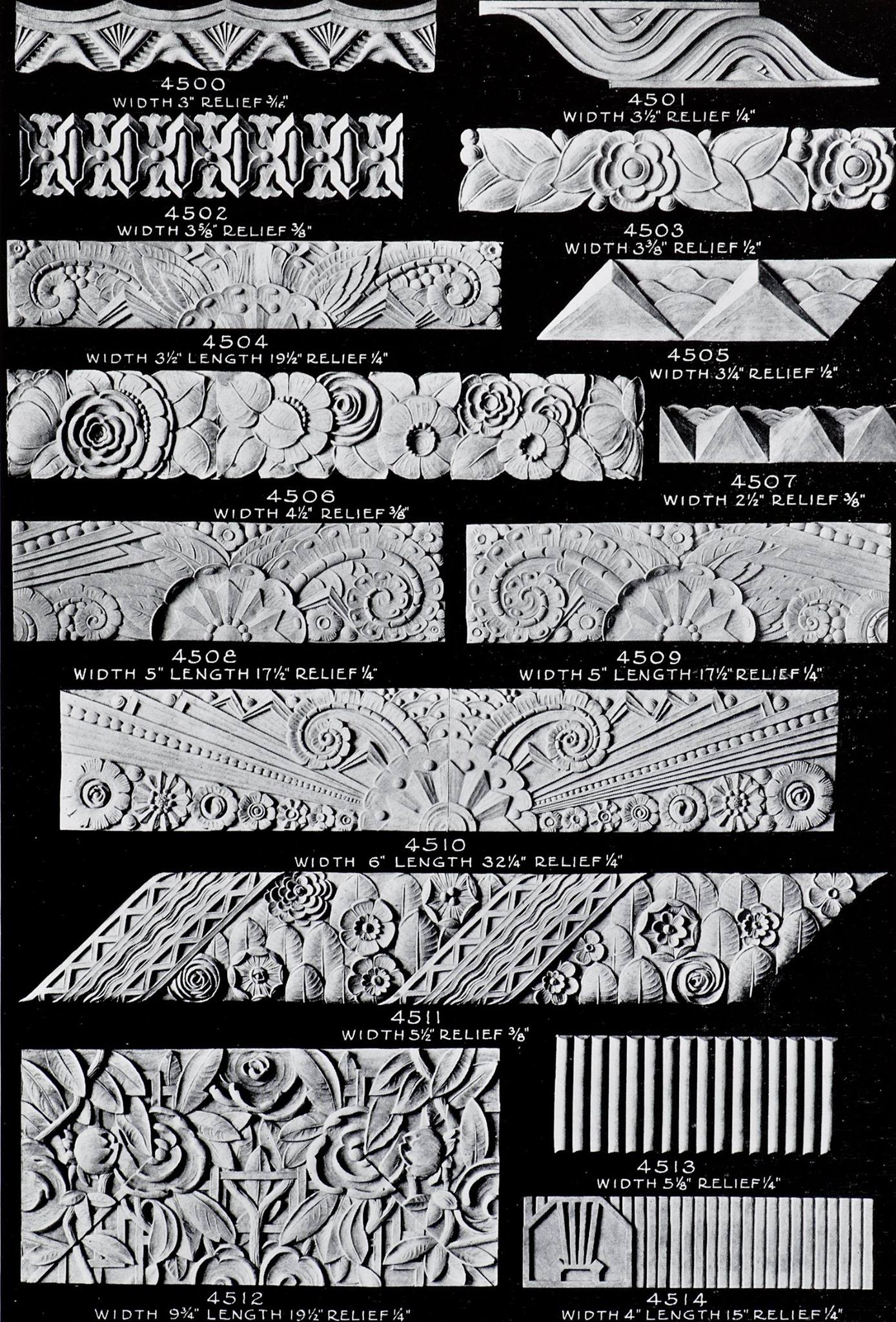
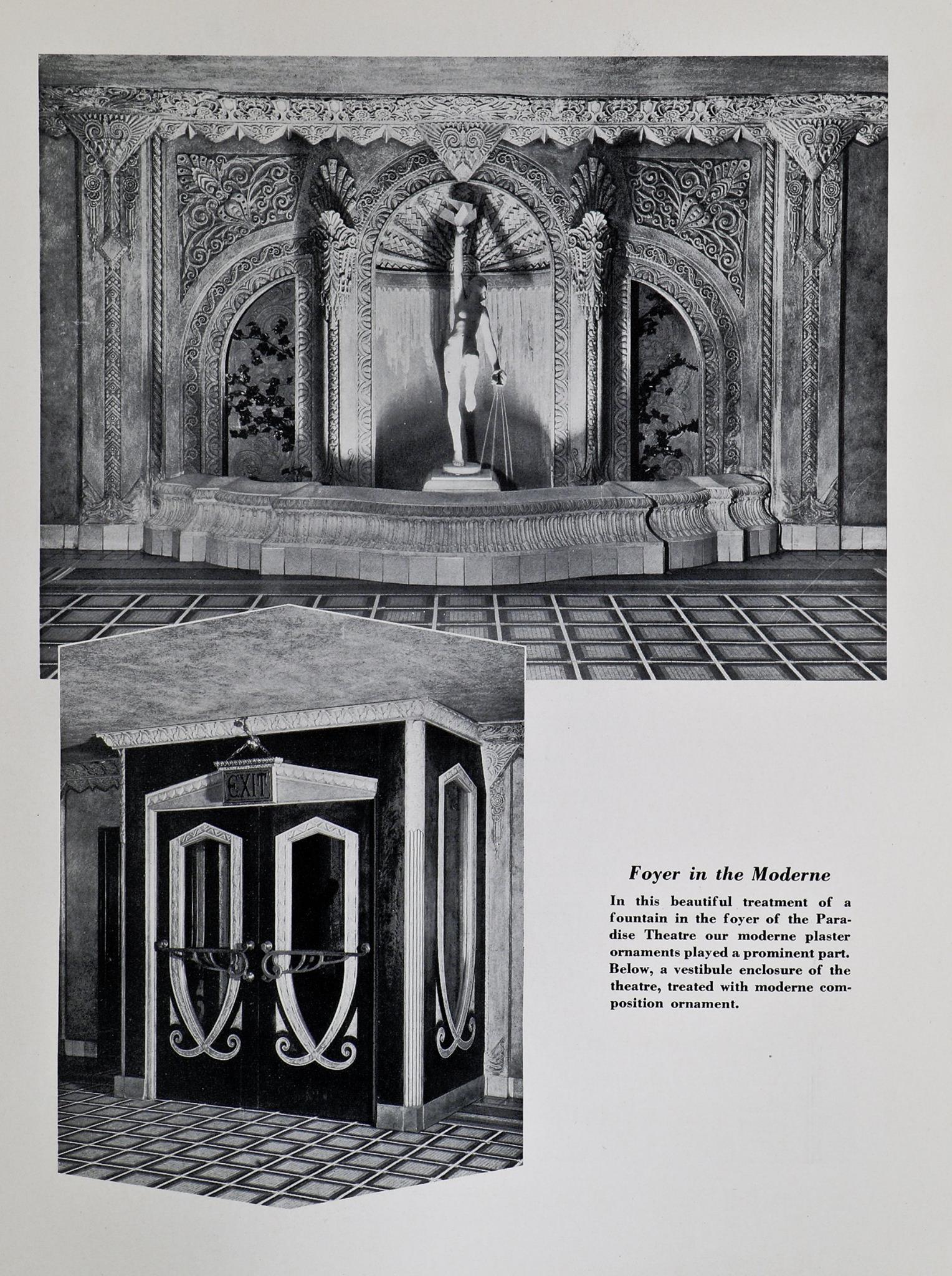
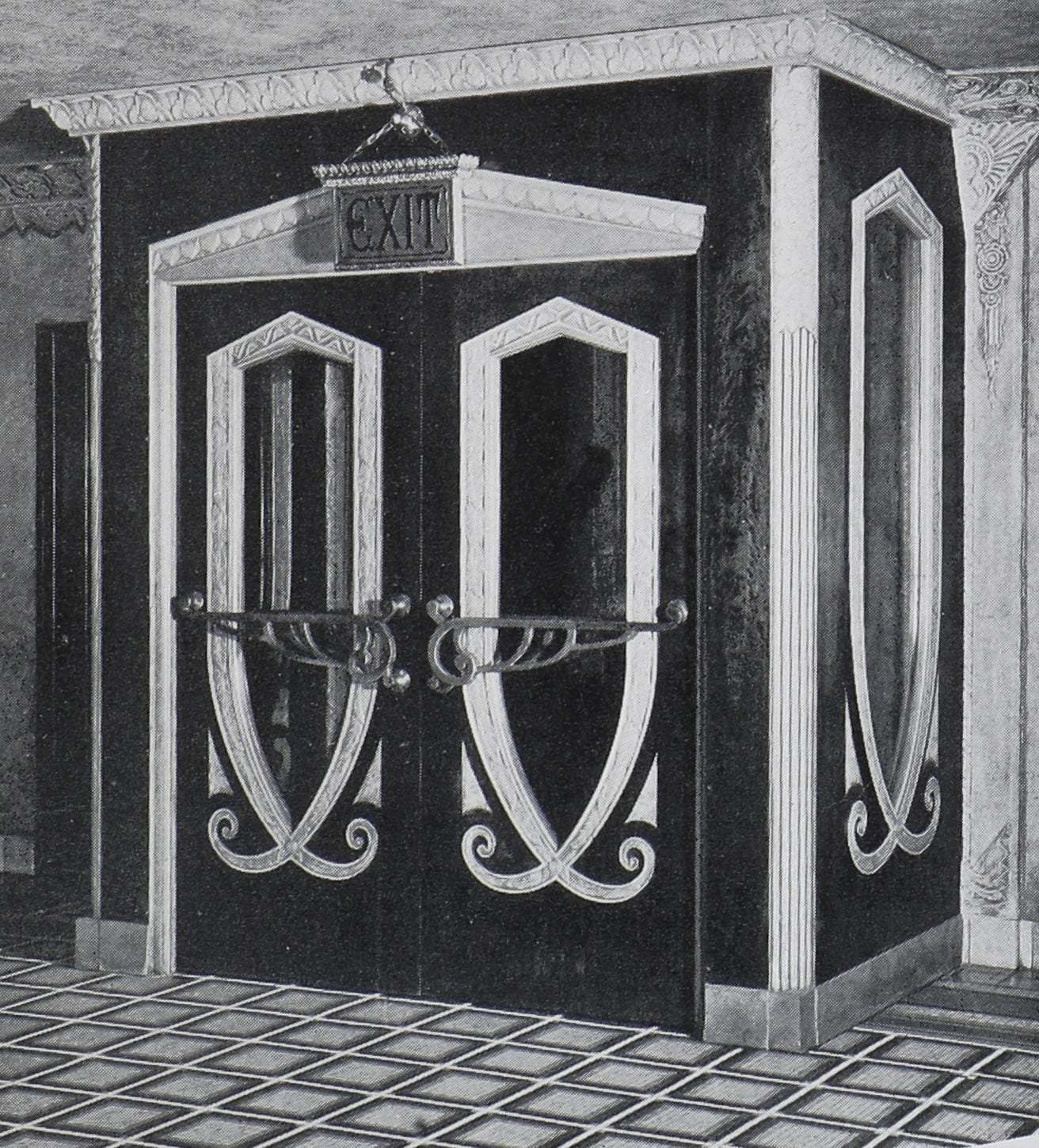
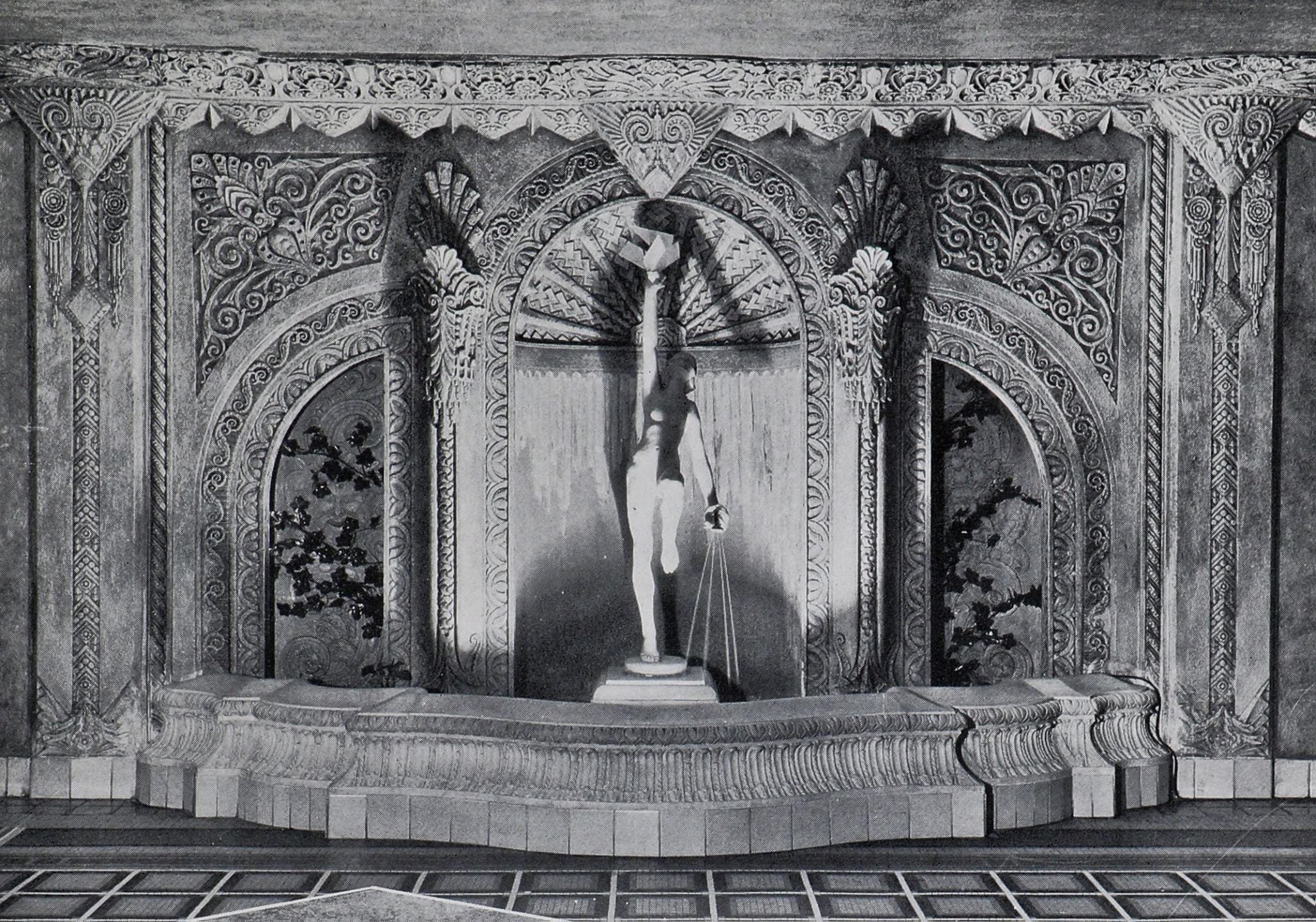
rare depression-era architectural decorating company stapled catalog showcasing their “moderne style” cast plaster ornament. the profusely illustrated catalog features images of chicago theater interiors, including paradise, southtown (see images of freestanding cast plaster female figure) and garrick.
booklet and statue courtesy of bldg. 51 archive.
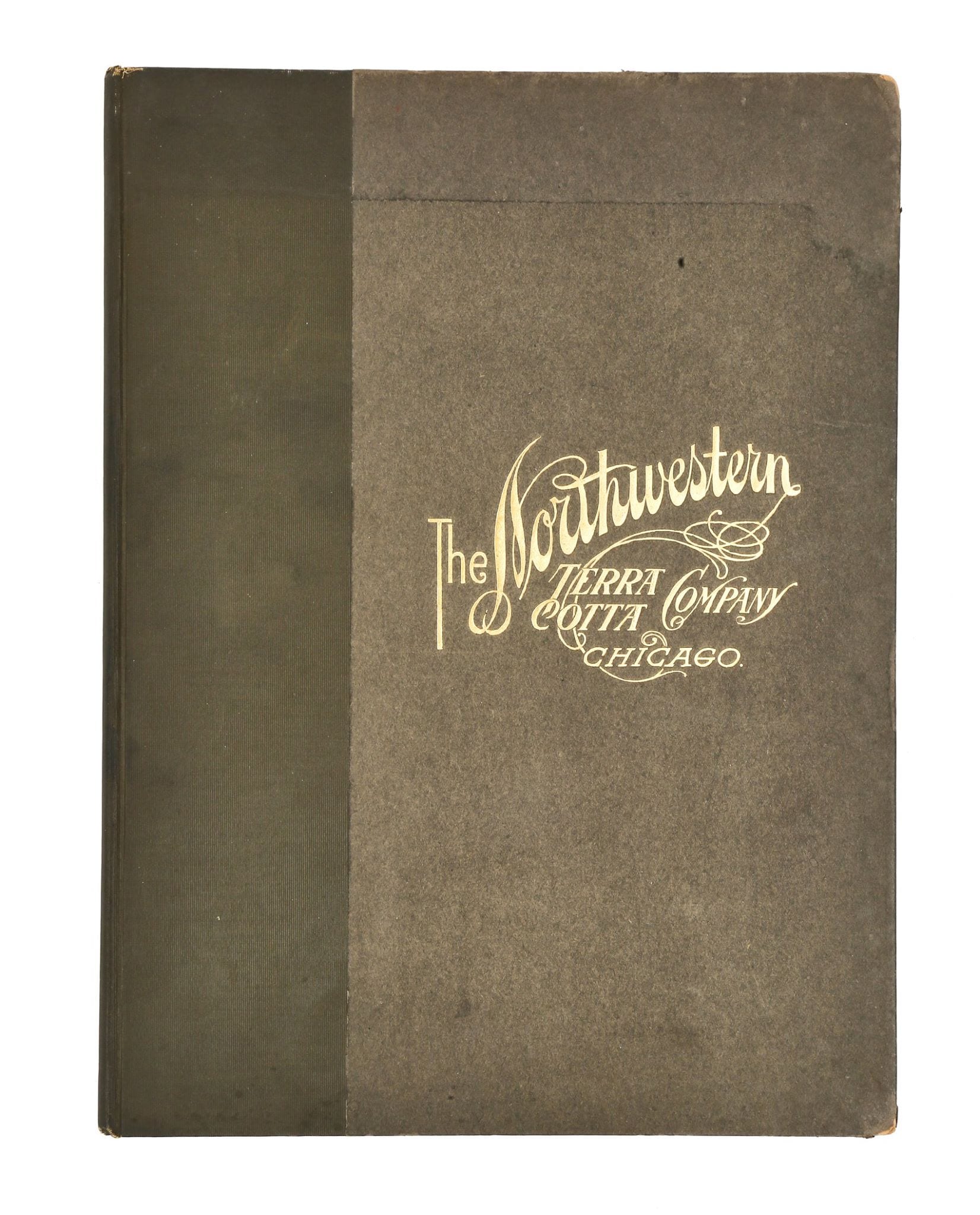
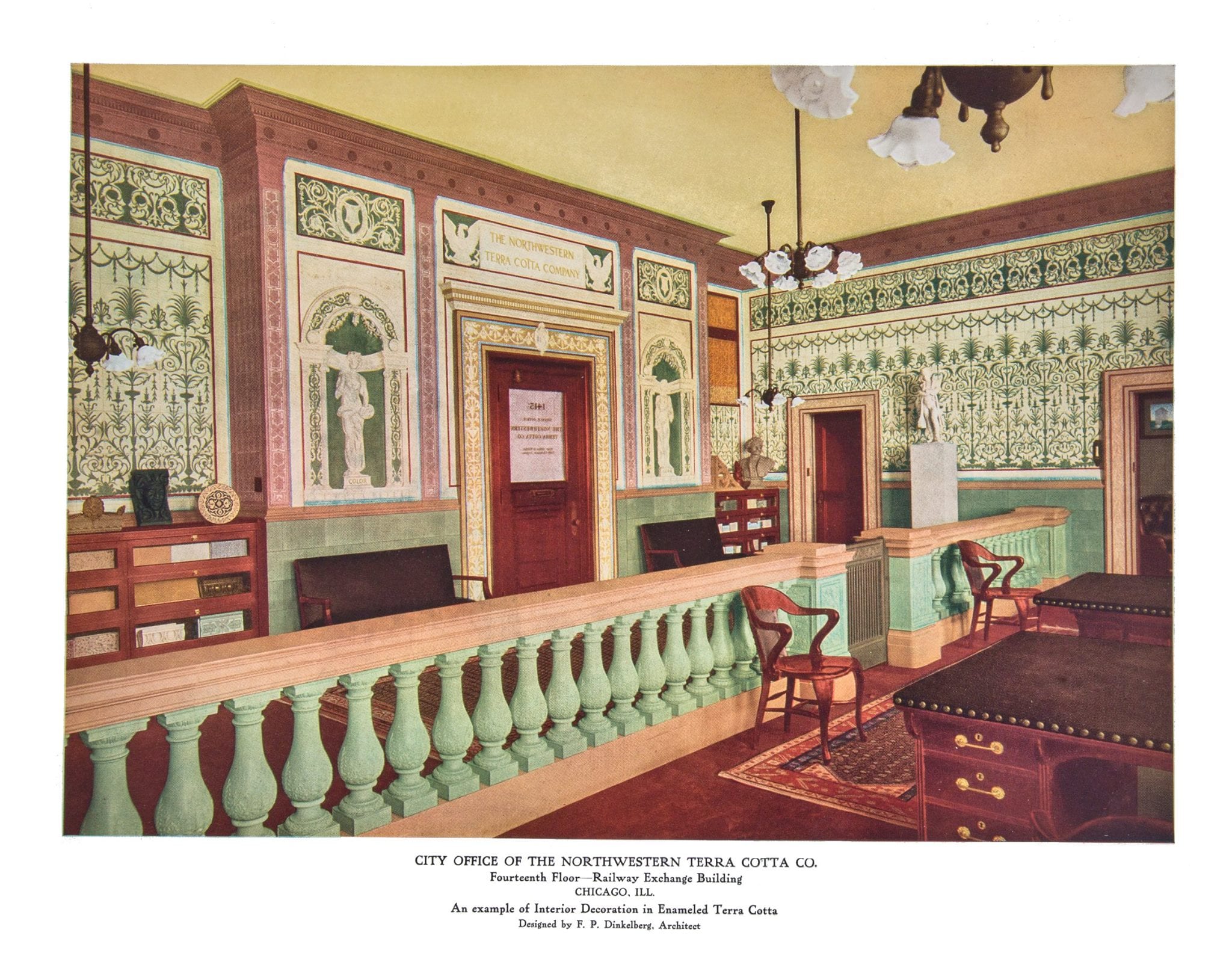
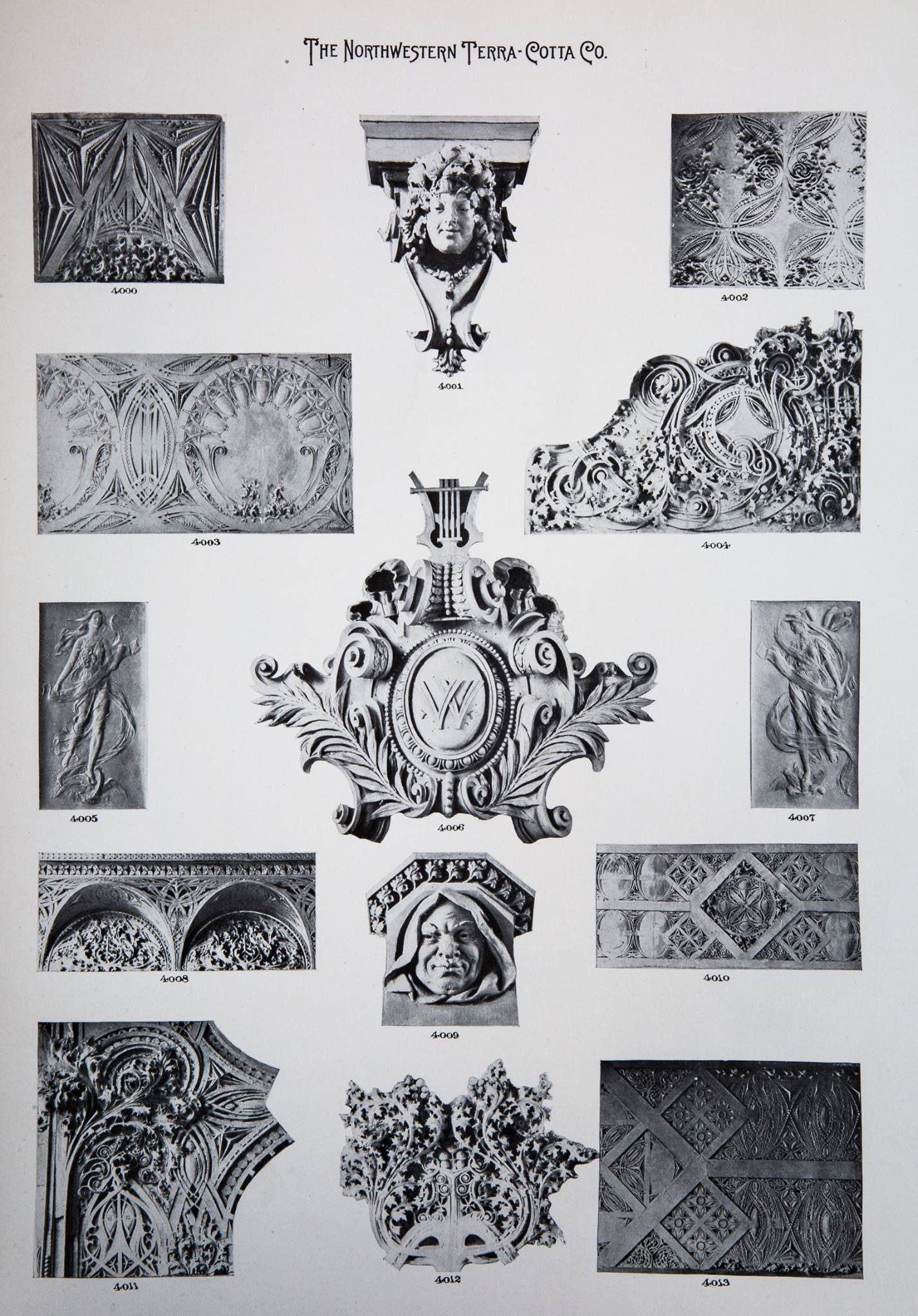
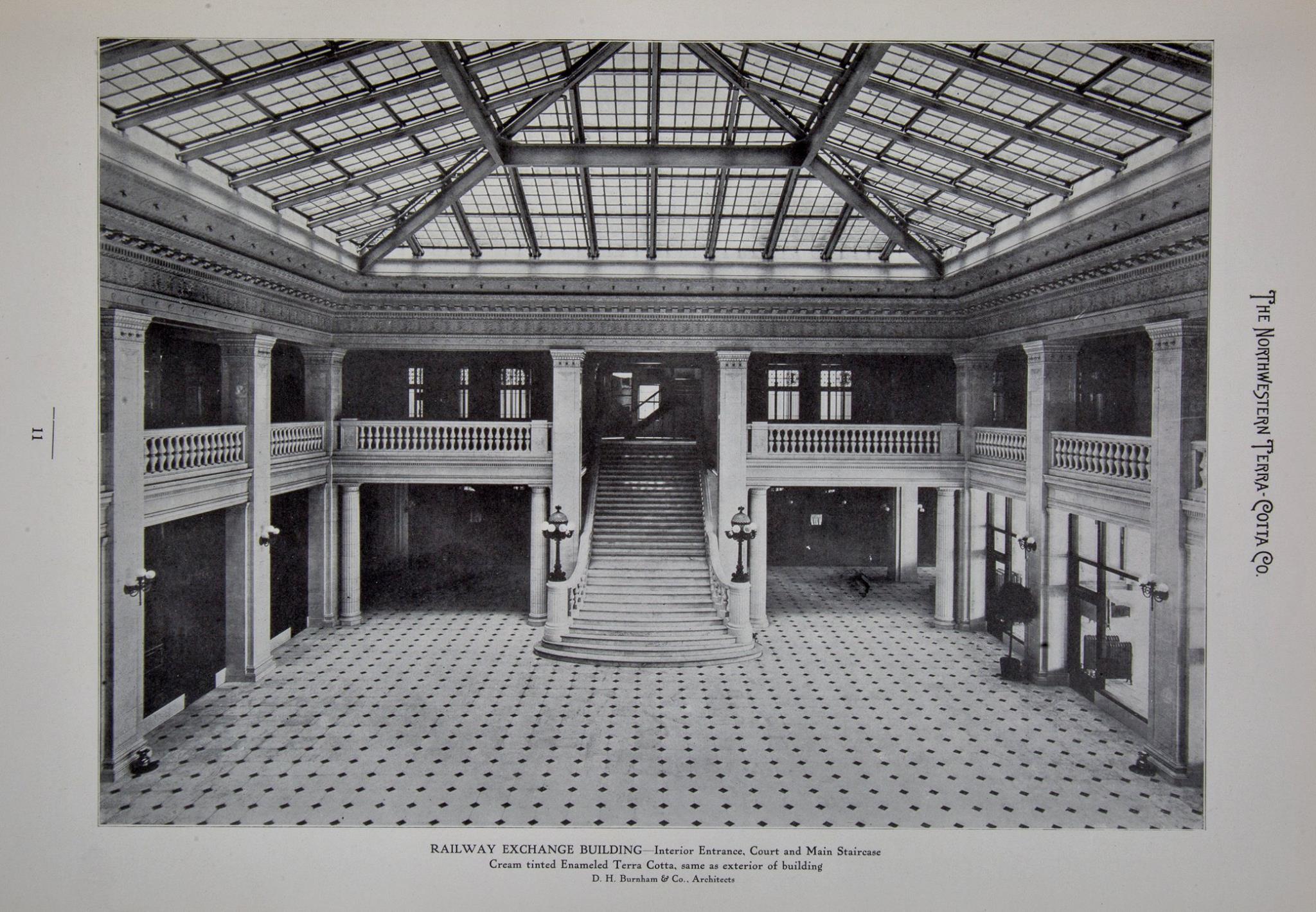
profusely illustrated 1910 northwestern terra cotta catalog with images of custom ornament executed for buildings across the country.
image descriptions:
c. 1910 northwestern terra cotta company catalog cover.
richly colored full plate (from catalog) image of northwestern’s office – located in the railway exchange building. the burnham & company-designed building was outfitted with terra cotta on the outside and interior atrium.
the cream-colored glazed terra cotta interior railway exchange building atrium as it appeared in 1910.
product page from the northwestern terra cotta company catalog. several examples of ornament were designed by louis h. sullivan.
matching set of original interior neoclassical style terra cotta blocks salvaged from the railway exchange building atrium during restoration. the greek key and checkered border were motifs used on both the building’s exterior and interior.
courtesy of bldg. 51 archive.
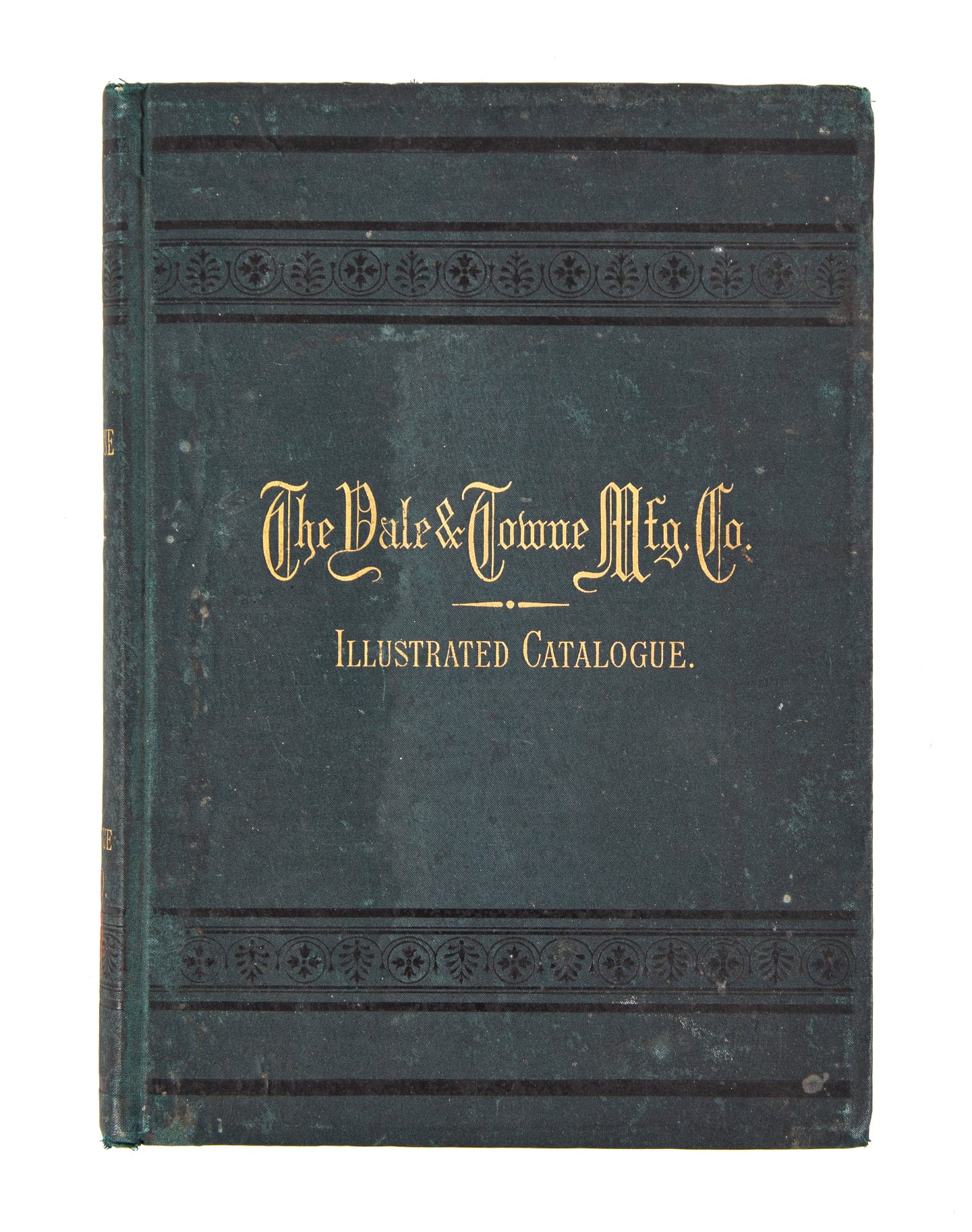
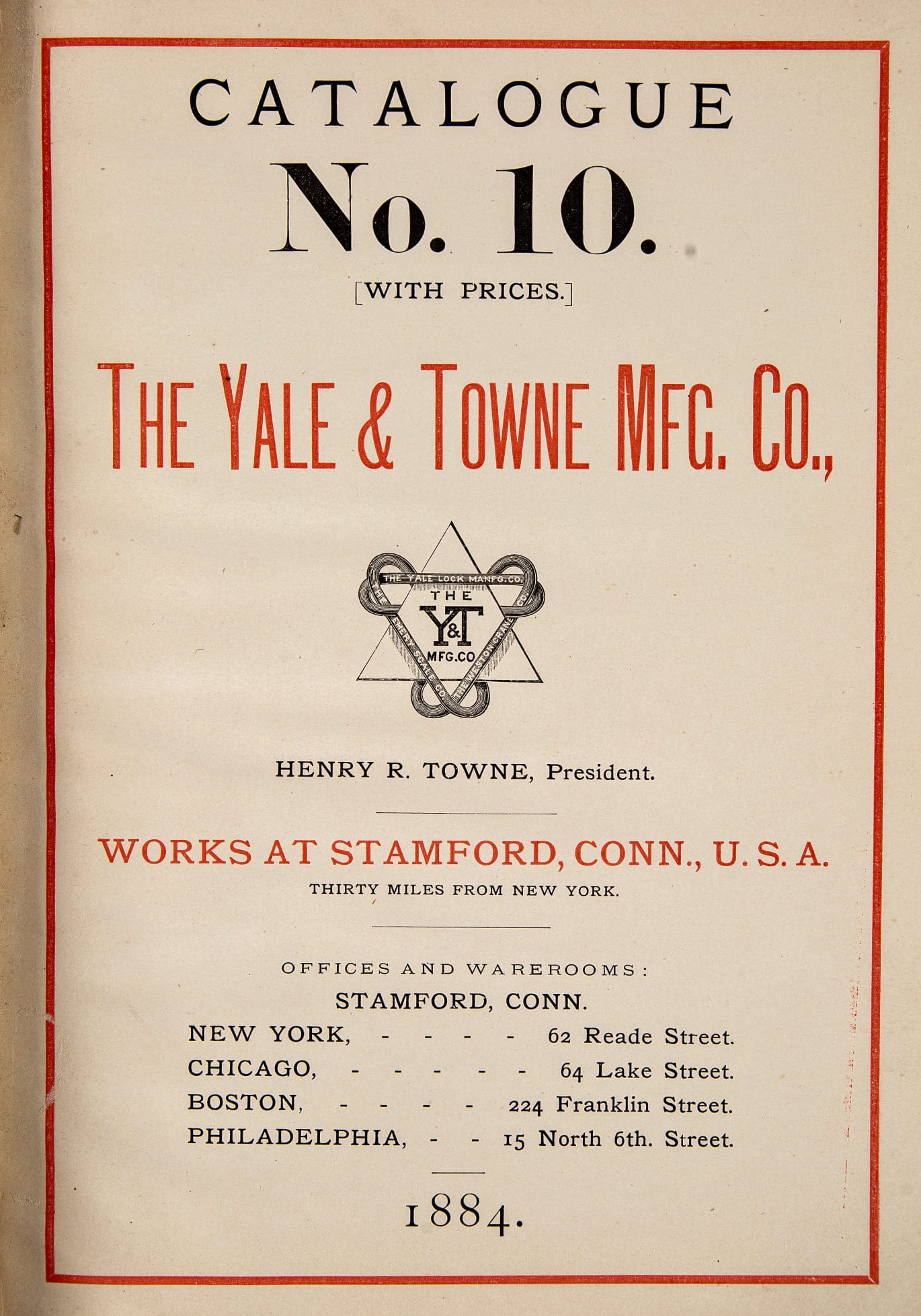
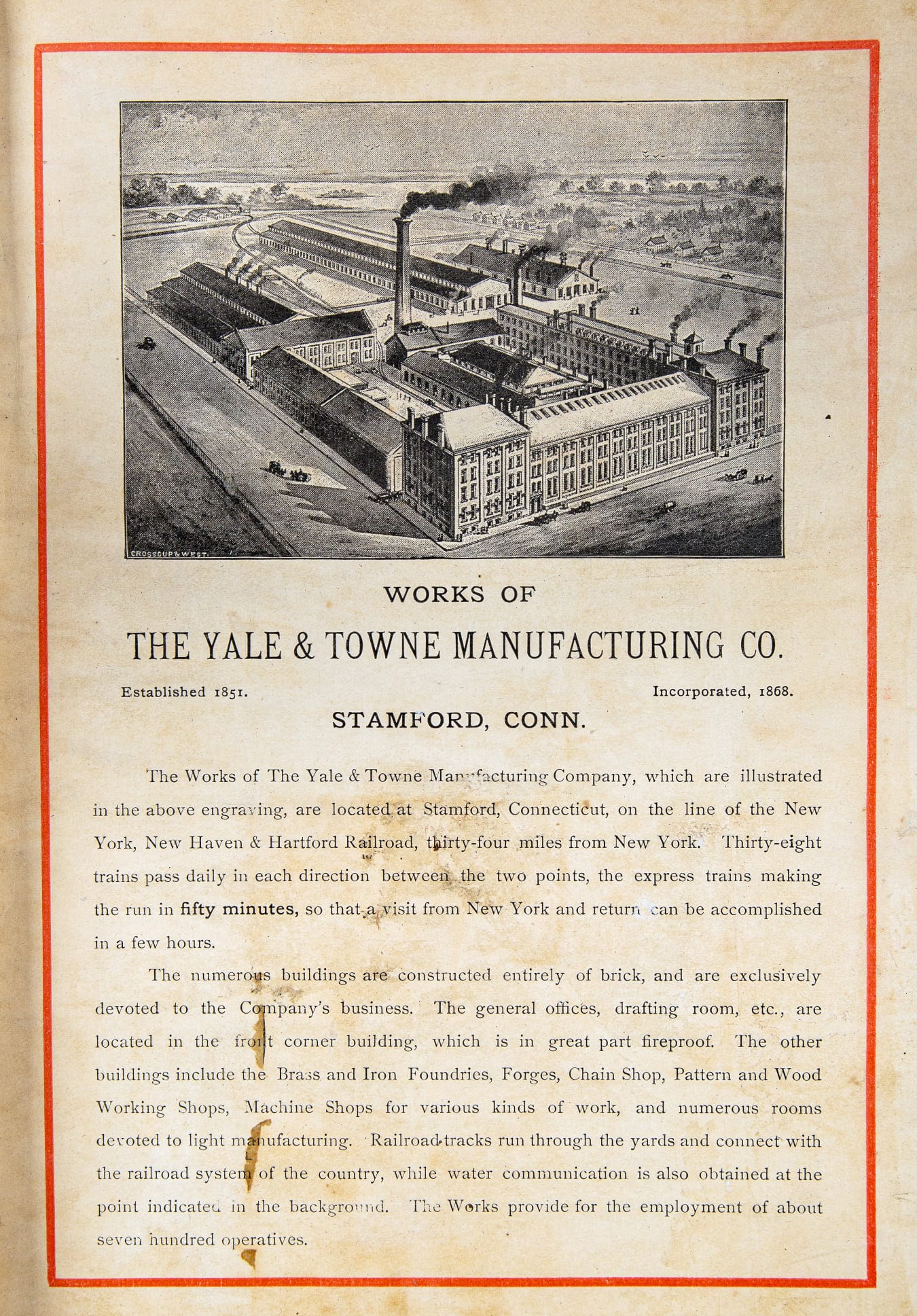
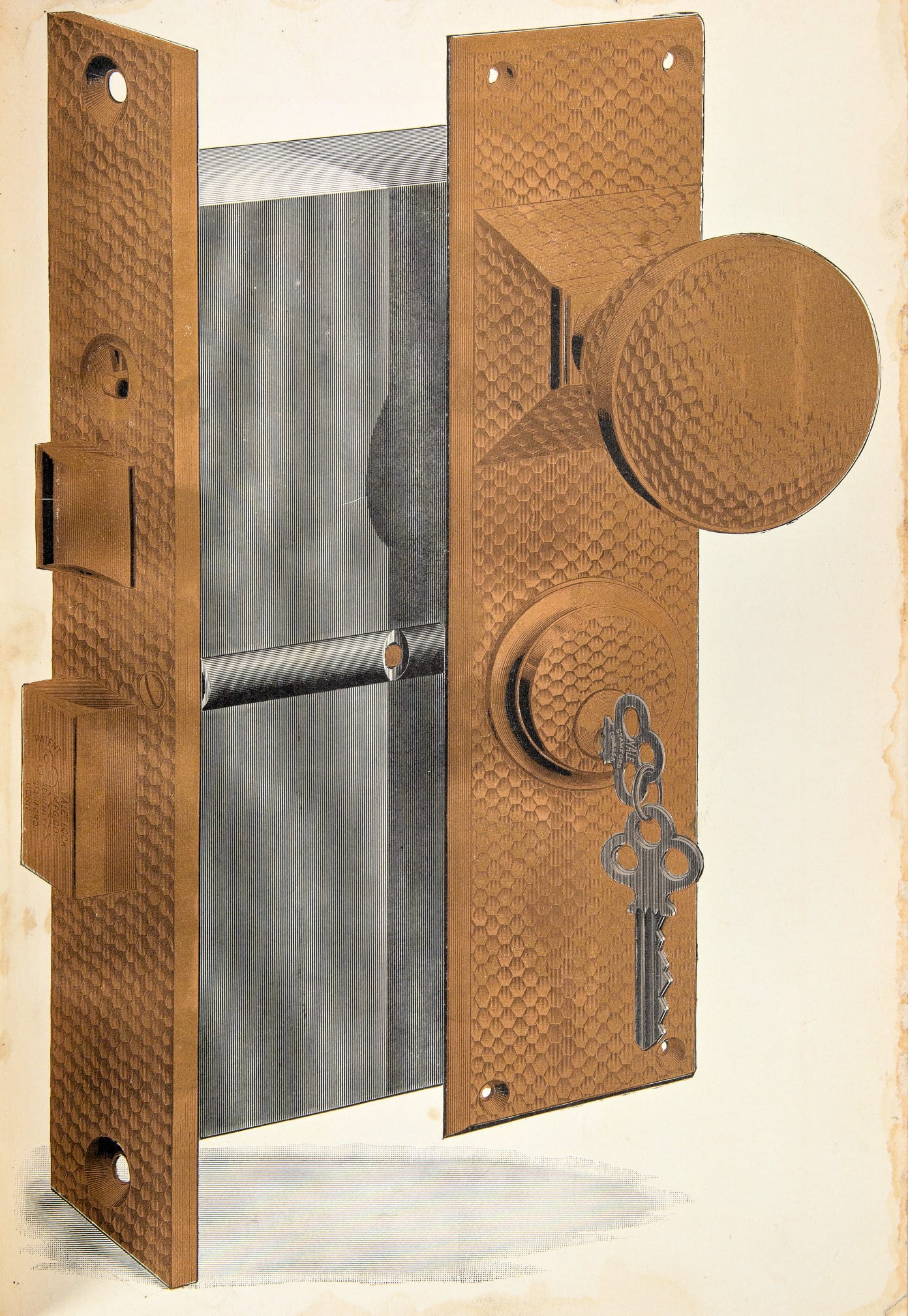
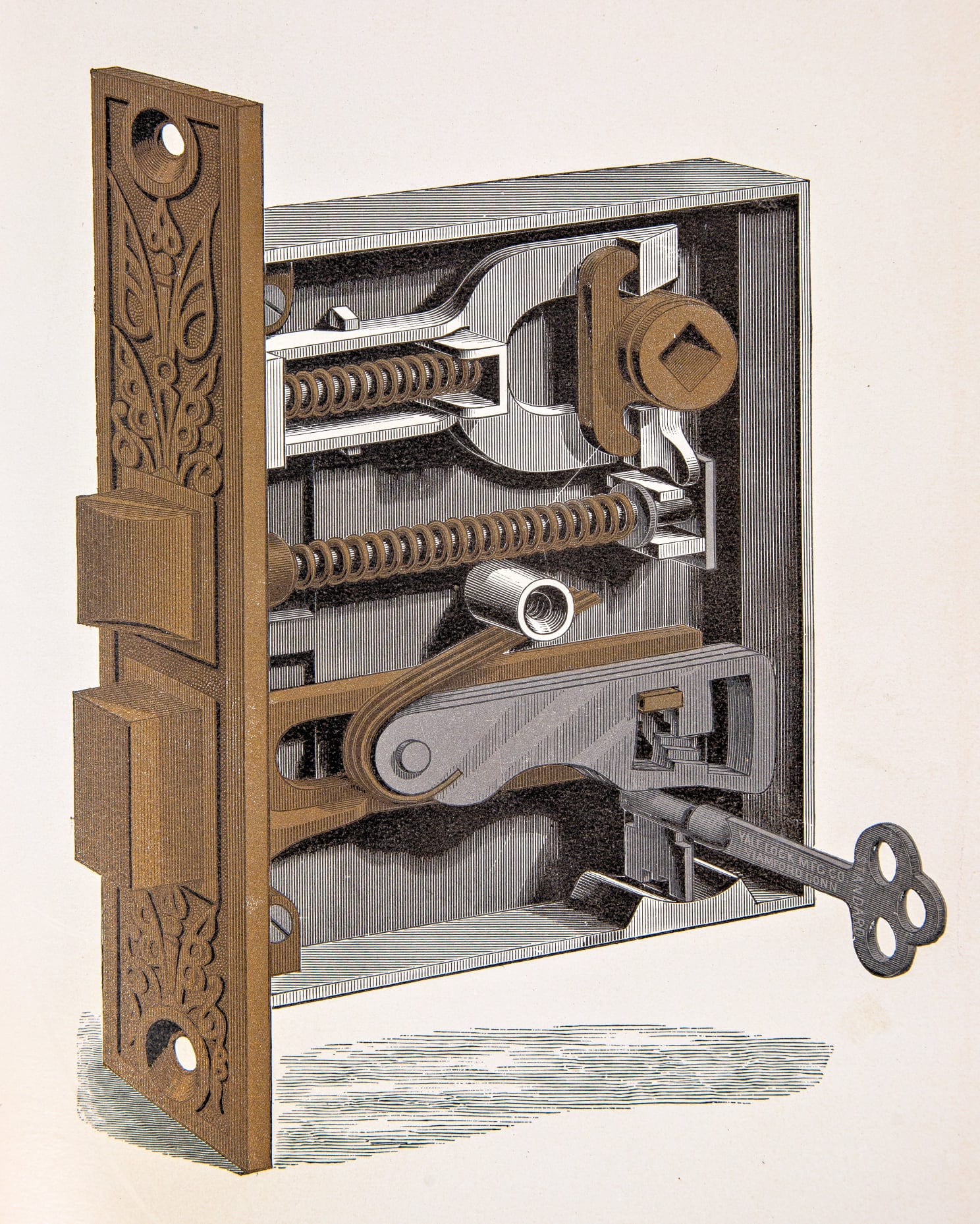
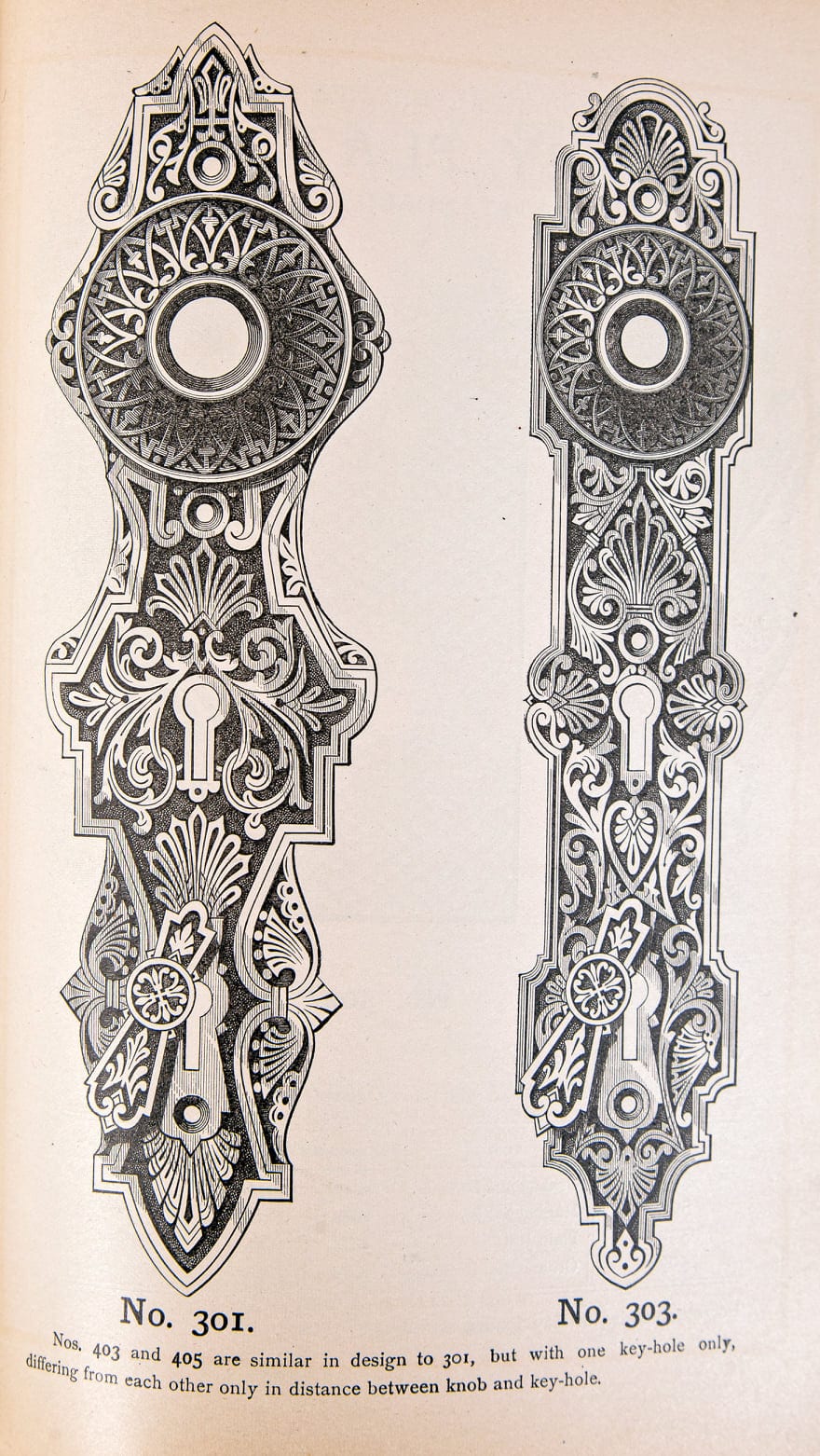
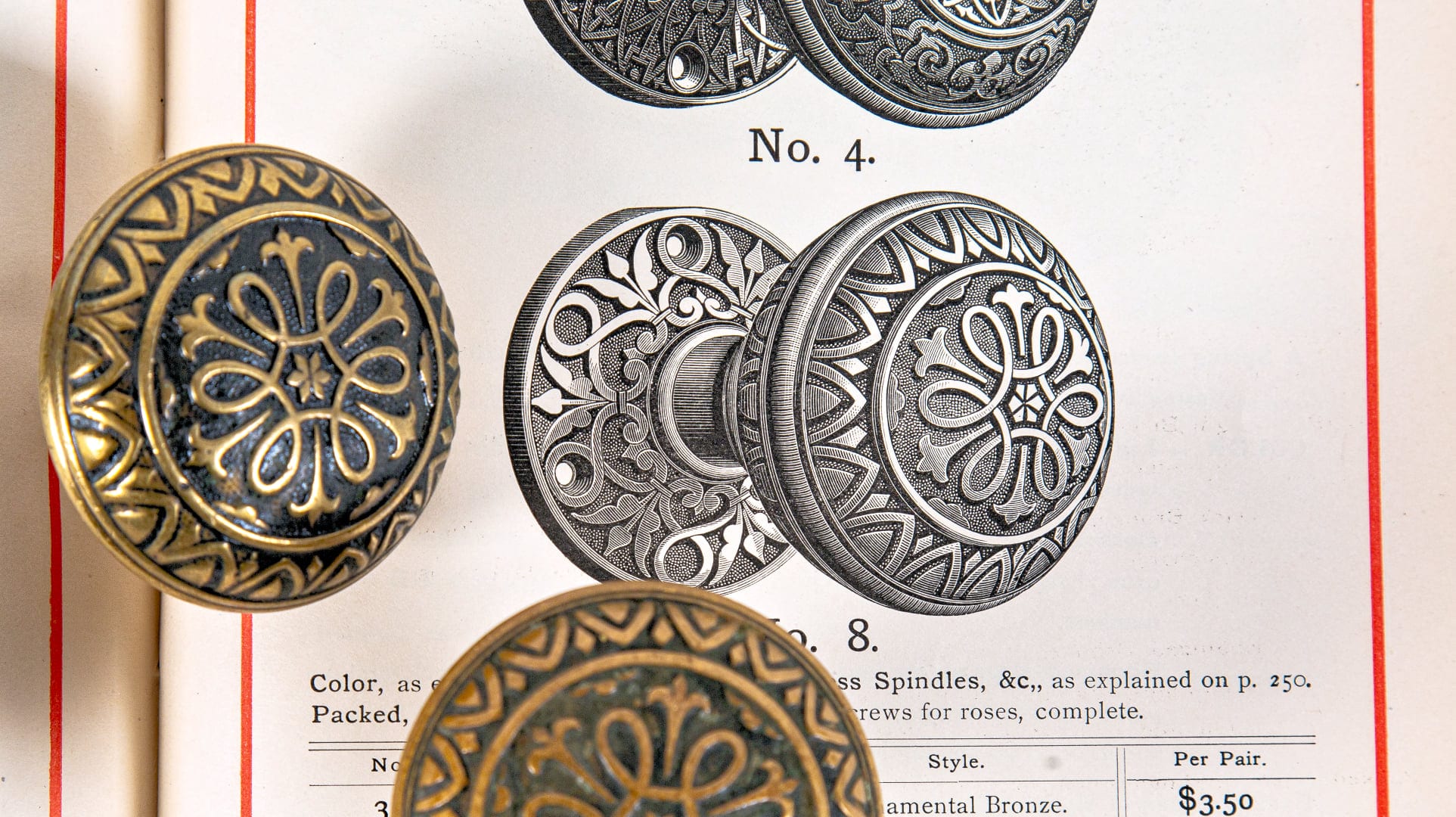
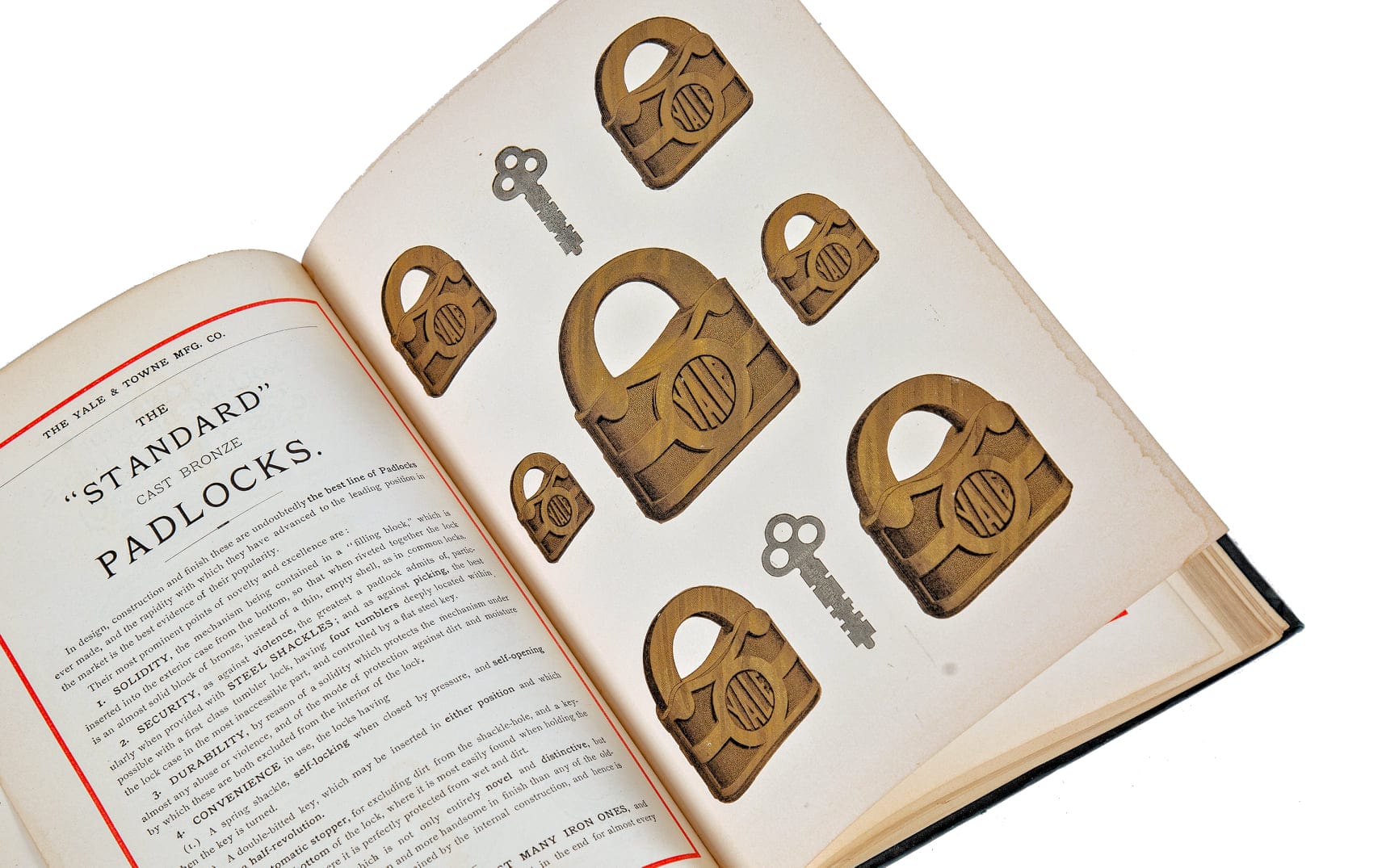
original and amazingly intact 1884 hardbound yale & towne hardware catalog. the profusely illustrated catalog contains several richly detailed chromolithographs of ornamental builders’ hardware for both commercial and residential application.
courtesy of the bldg. 51 archive.
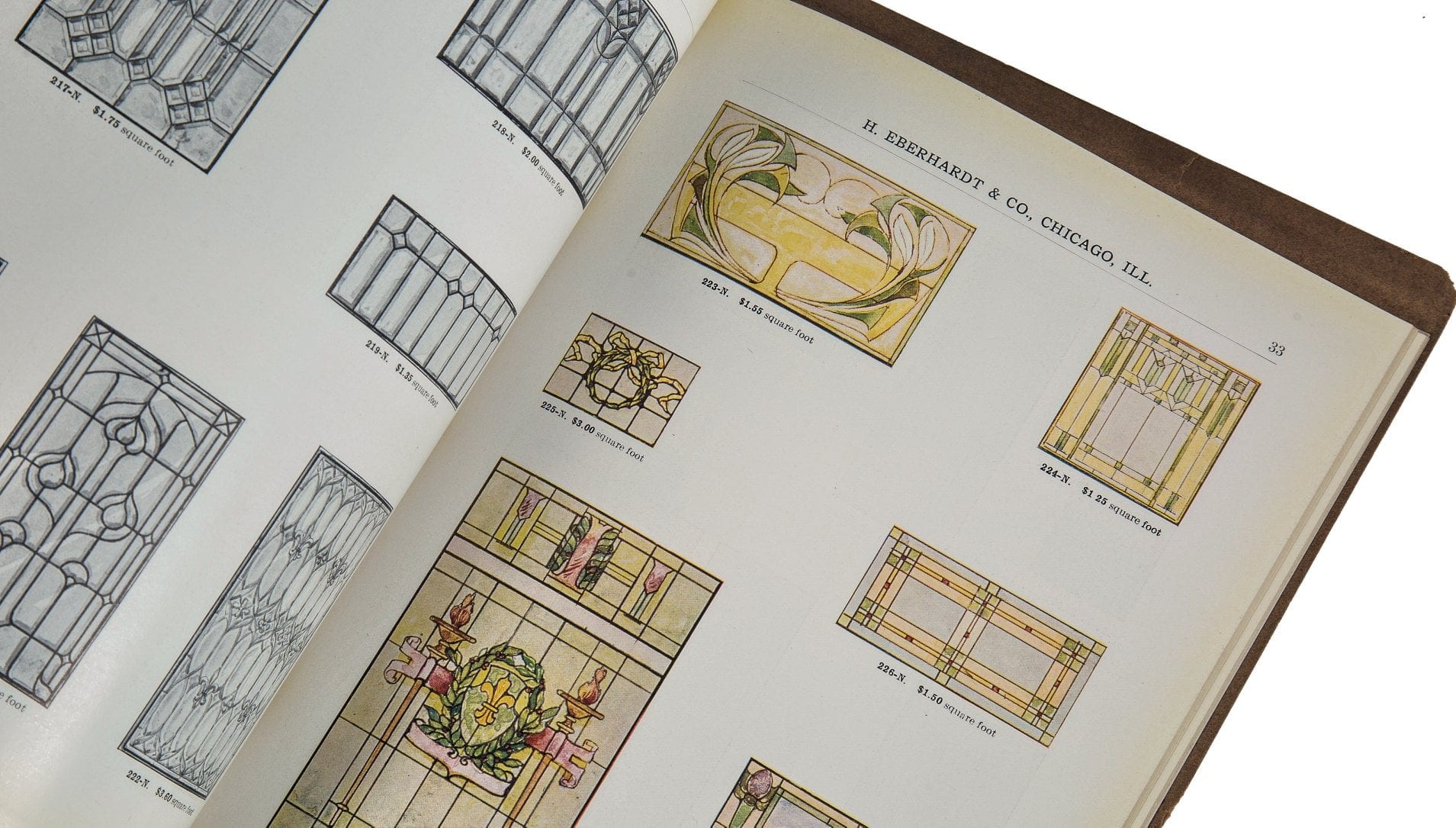
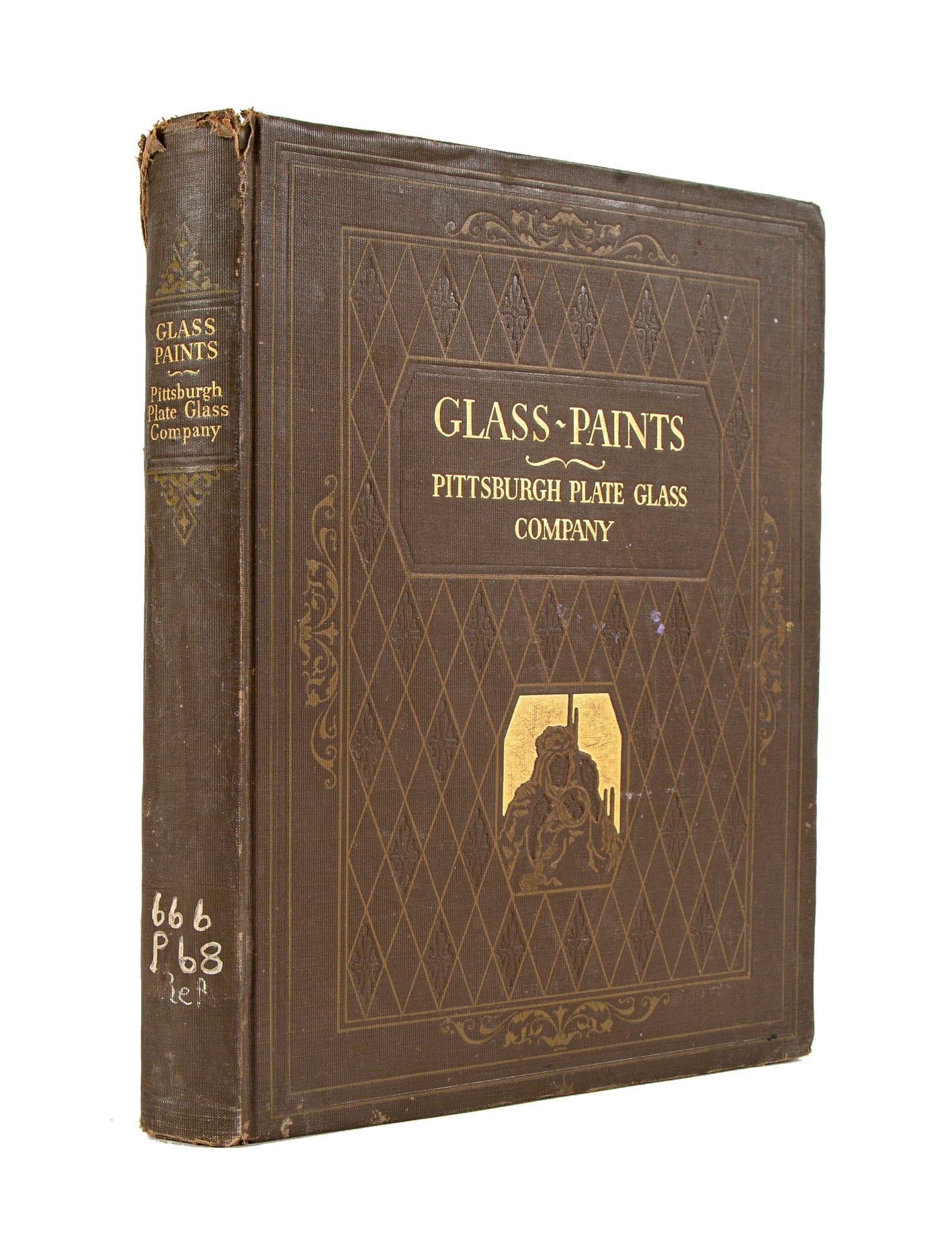
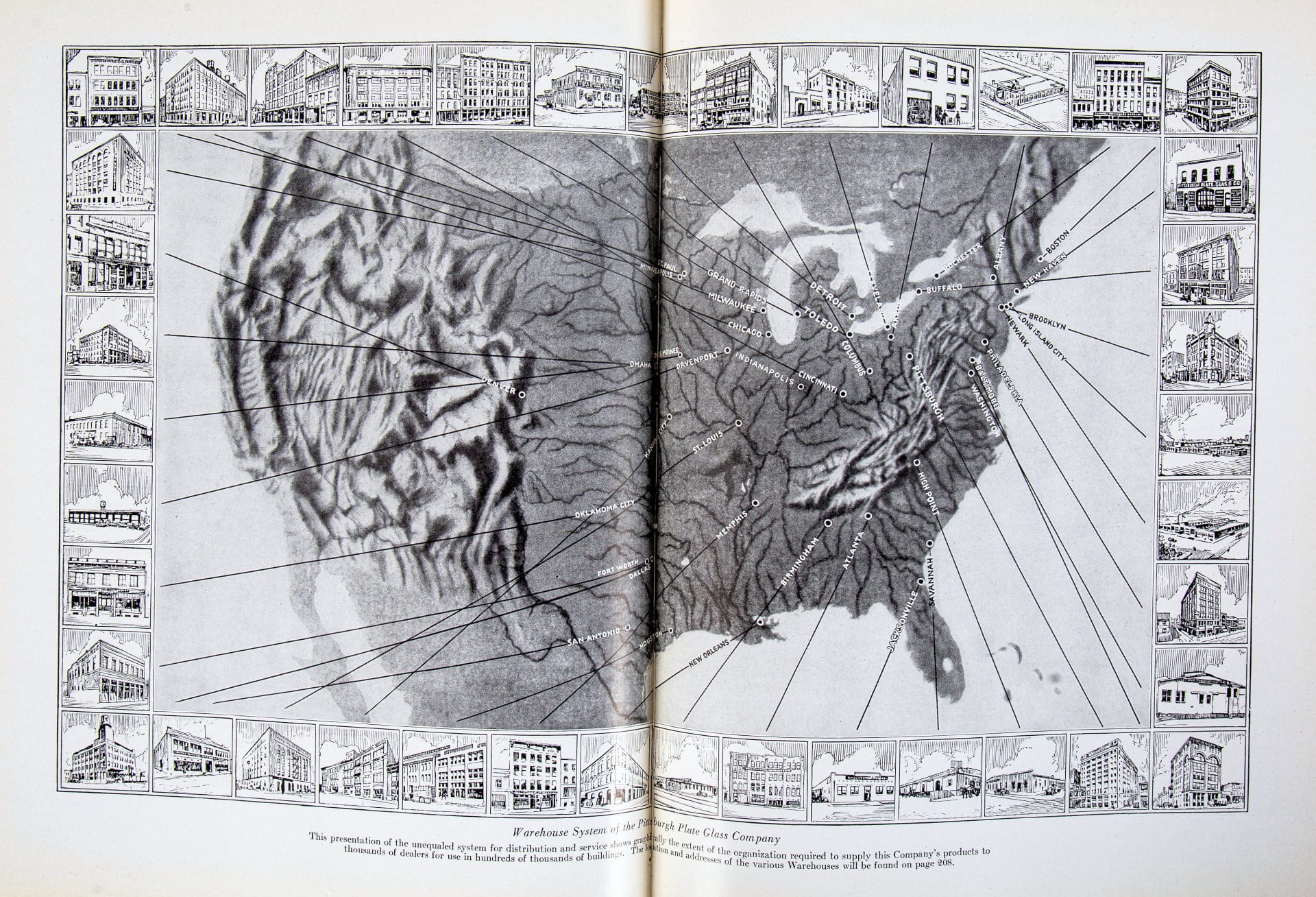
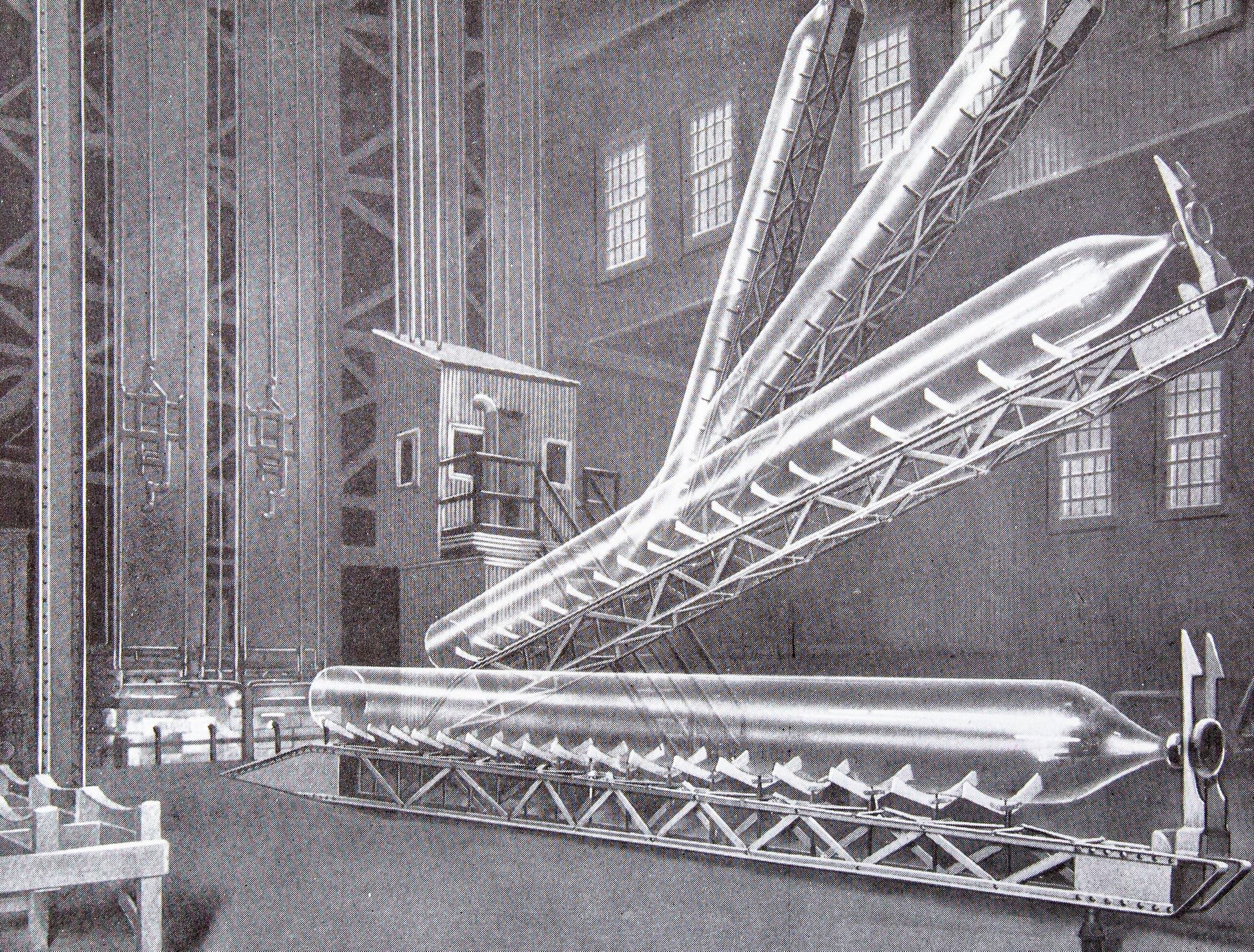
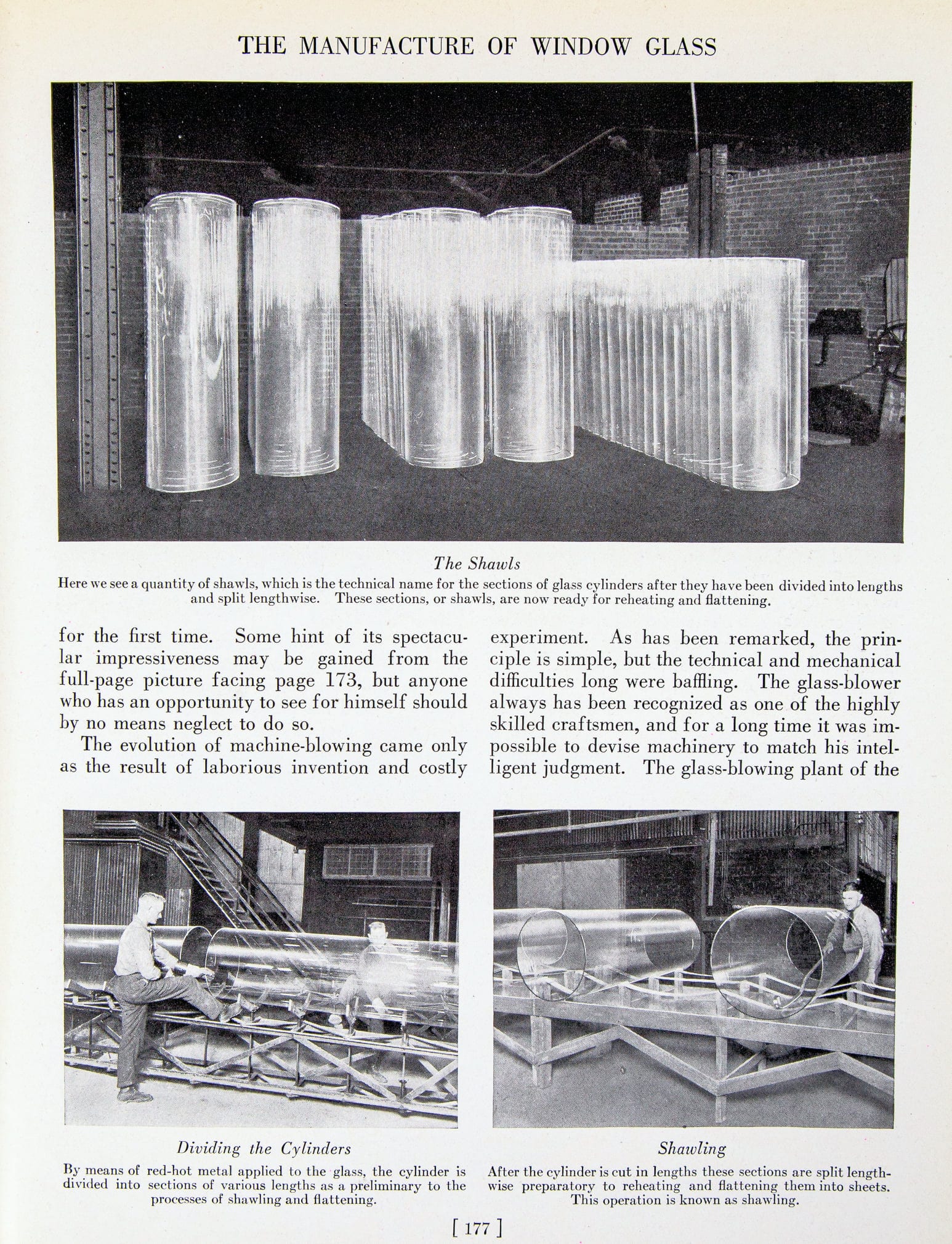
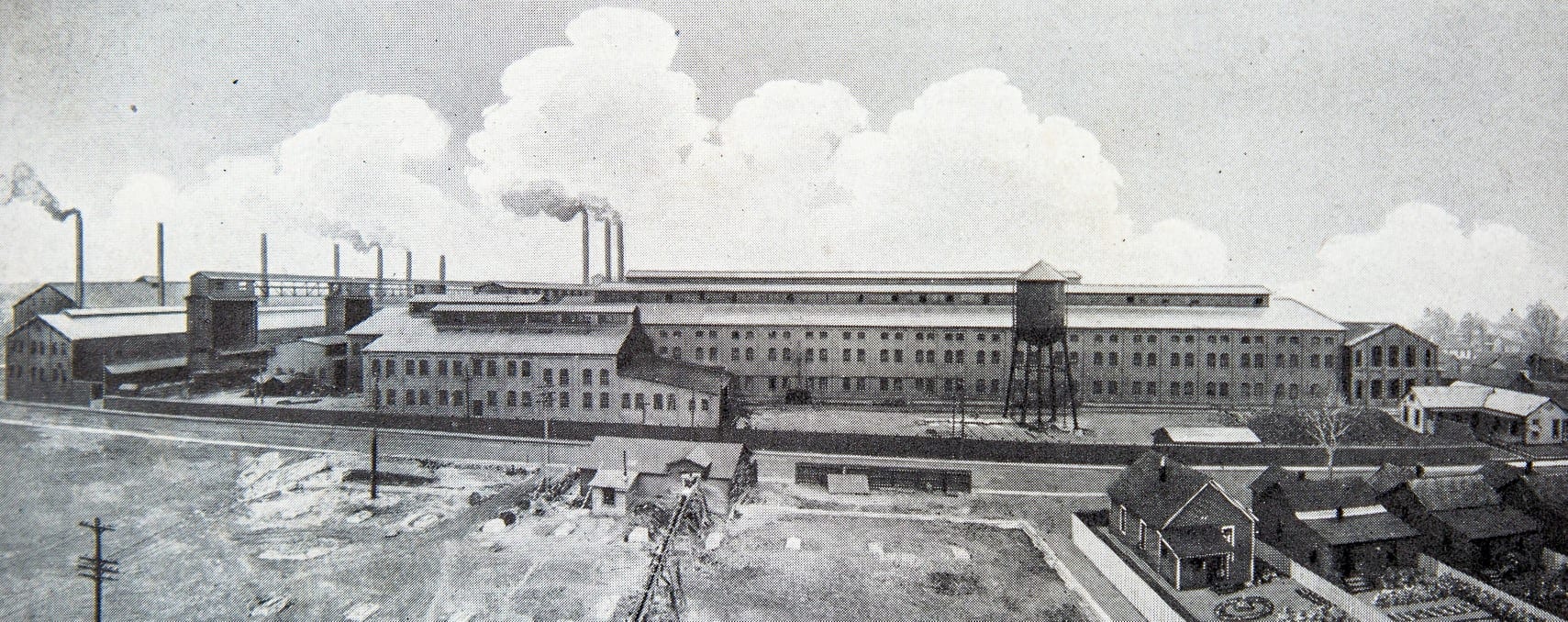
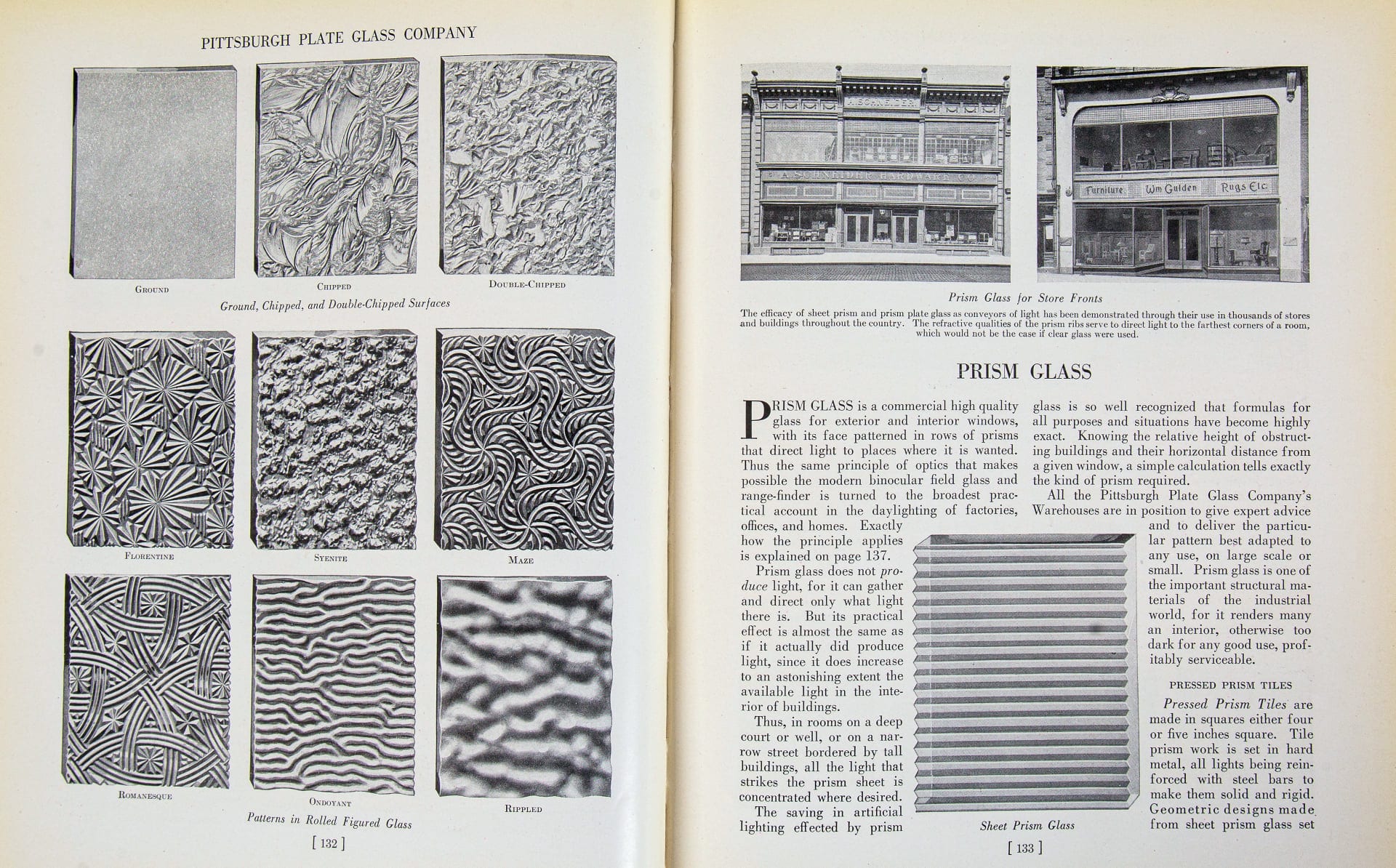
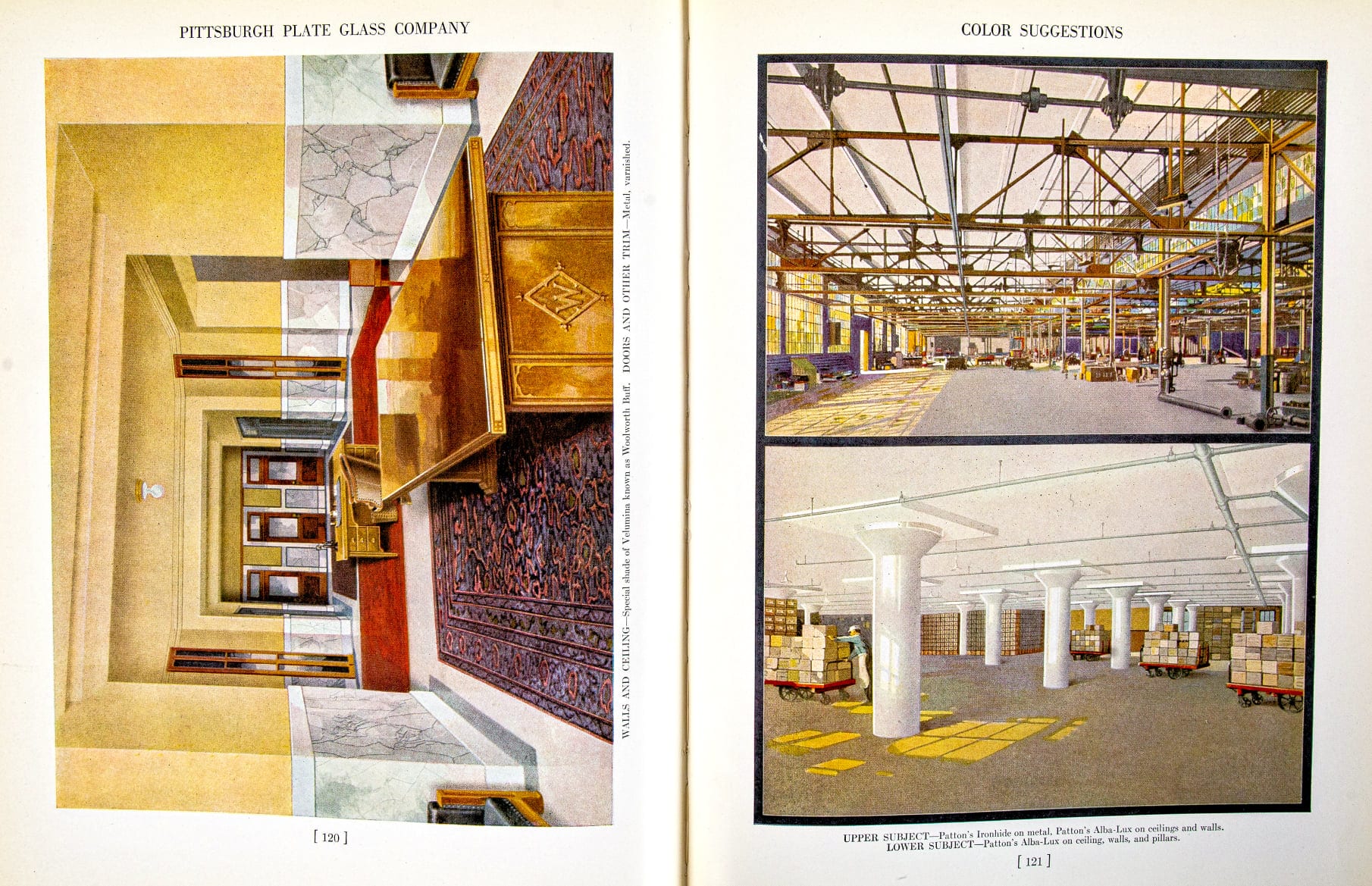
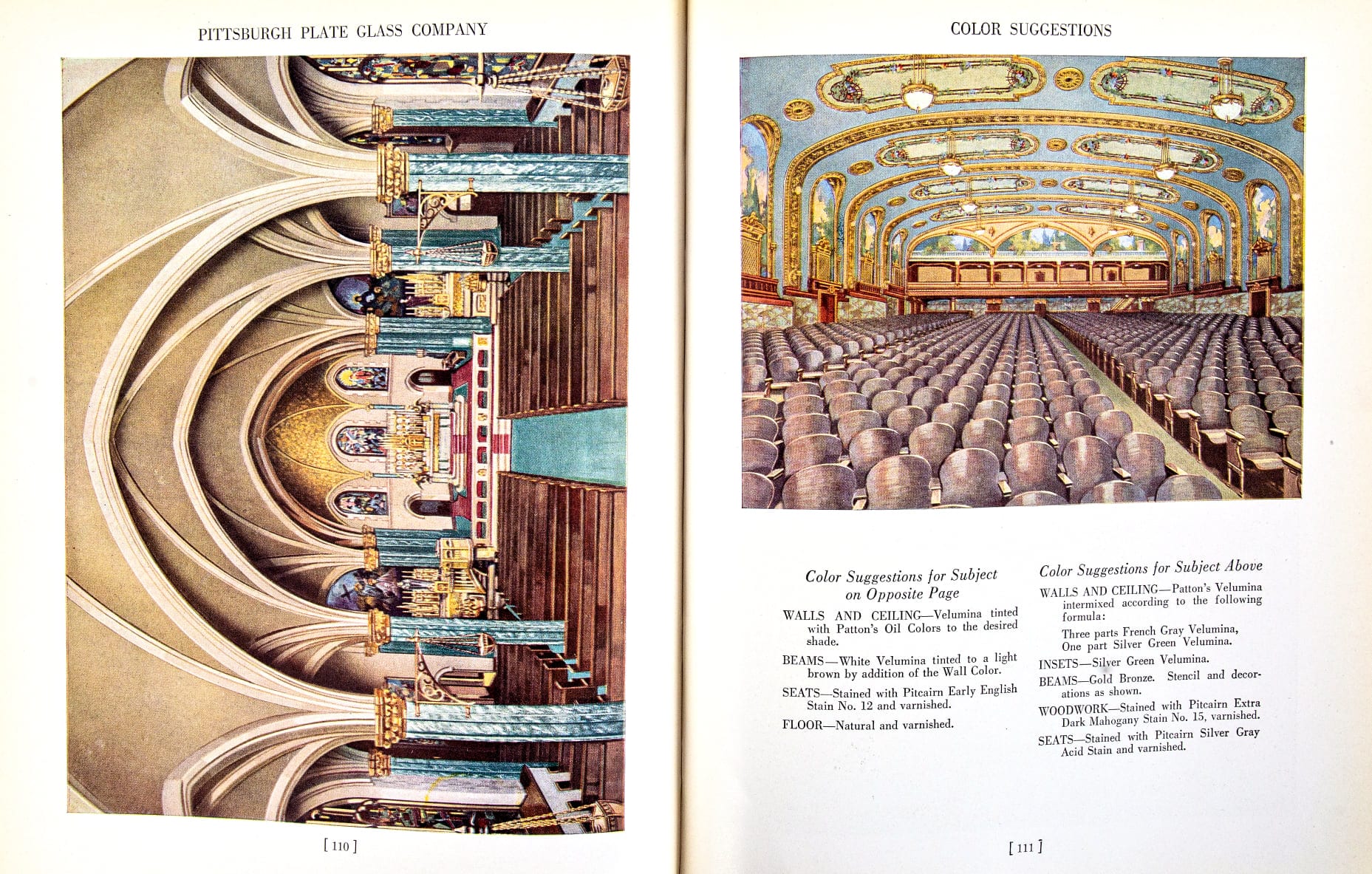
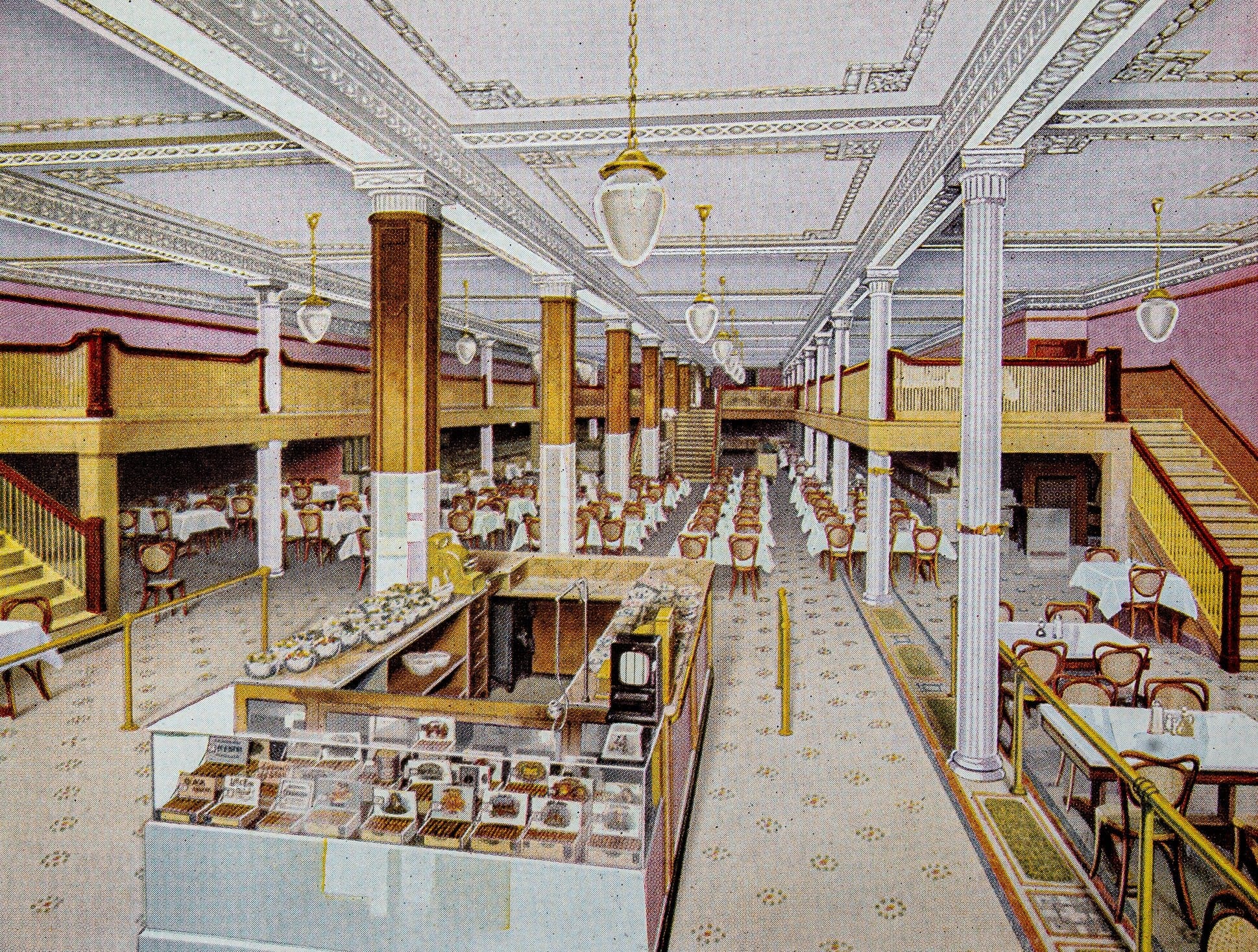
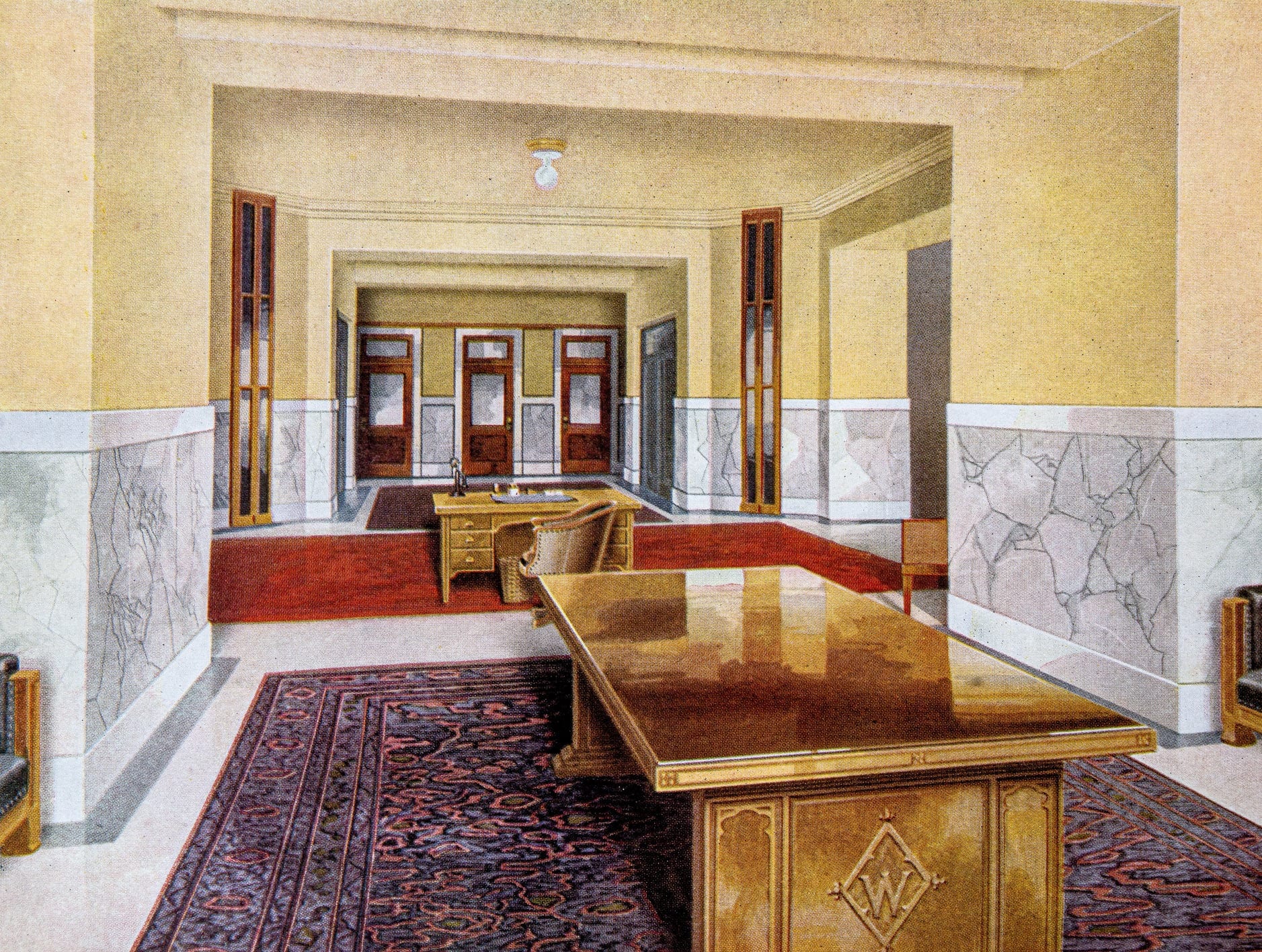
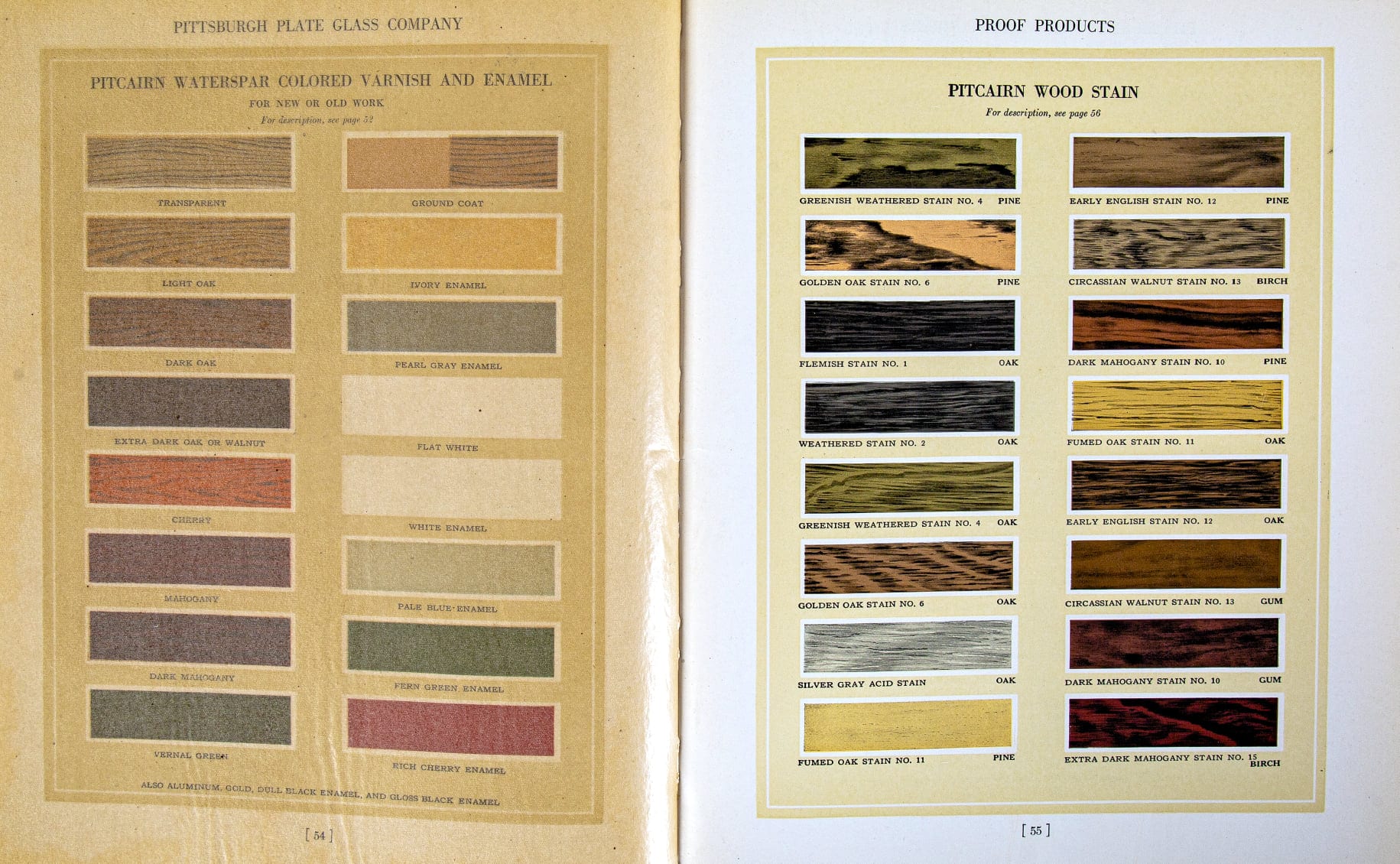
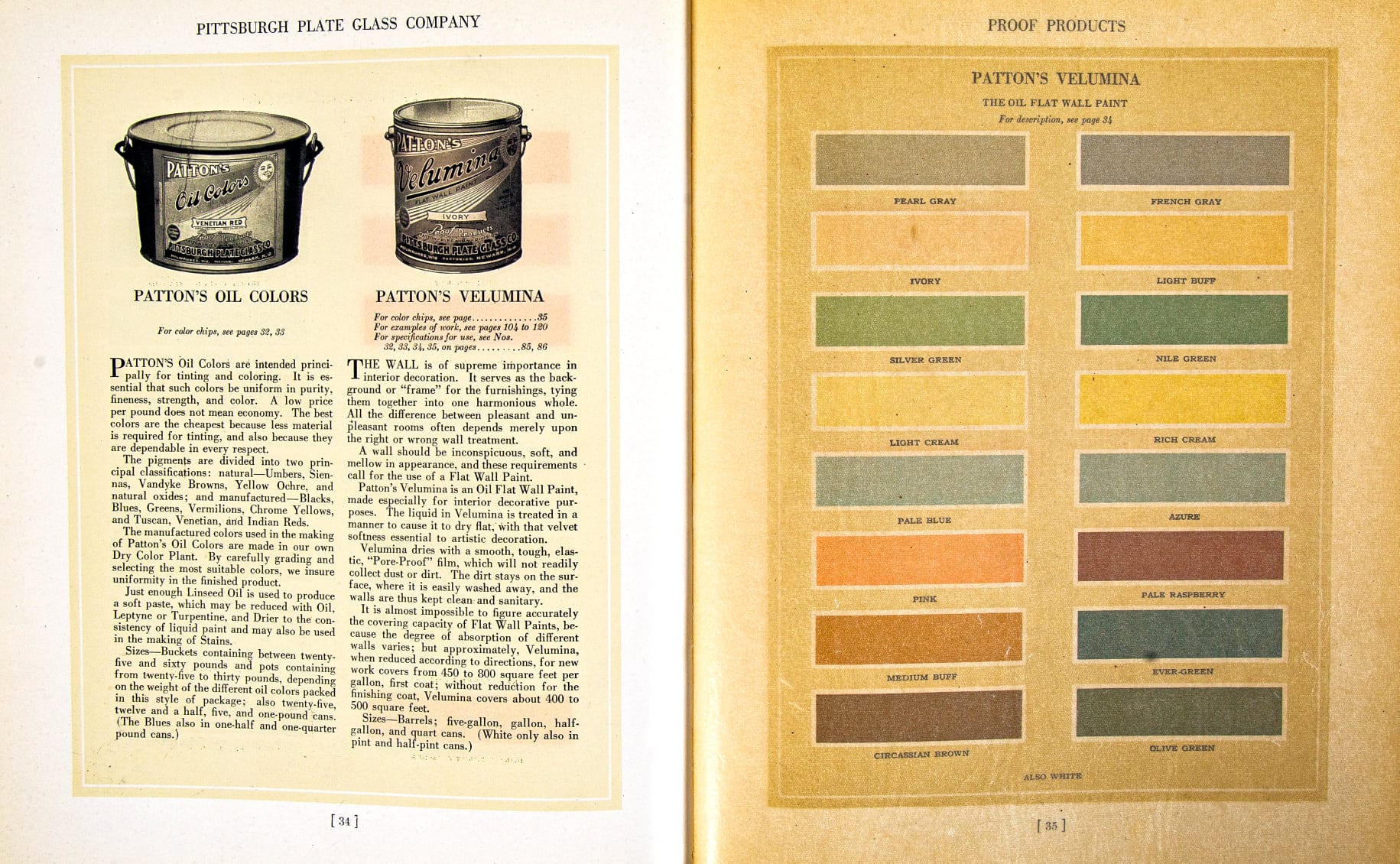
 rare early 20th century comprehensive and profusely illustrated pittsburgh plate glass company’s “glass paints, varnishes, and brushes: their history manufacture and use” hardbound book and/or catalog featuring an informative glance at the early beginnings of glassworks, paint development and distribution and the formation and establishment of their company, followed by an extensive listing of their product line and custom services.
the 1923 catalog edition was designed and published by pittsburgh plate glass company, which beautifully showcases their storefront glass, shop displays, leaded glass and paintworks with richly colored and highly detailed illustrations followed by detailed descriptions of each process and extensive options for customization.
the hardbound book remains in great overall condition for its age. the original ornate buckram cloth hard cover features gilded lettering over its dark olive green impressed or stamped design. the binding is tight with no loose pages evident. the book contains a total of 178 pages with only minor discoloration from age. slight bumping to the head and feet of the spine, along with the wear around the corners of the cover evident.
pittsburgh plate glass was founded in 1883 by captain john baptiste ford and john pitcairn, jr. as the pittsburgh plate glass company at creighton, pennsylvania. the company later changed its name to ppg industries, inc. in 1968. ppg industries is now an american global supplier of paints, coatings, optical products, specialty materials, chemicals, glass, and fiberglass with headquarters in pittsburgh, pennsylvania. the catalog measures 9 x 11 inches.
courtesy of bldg. 51 archive
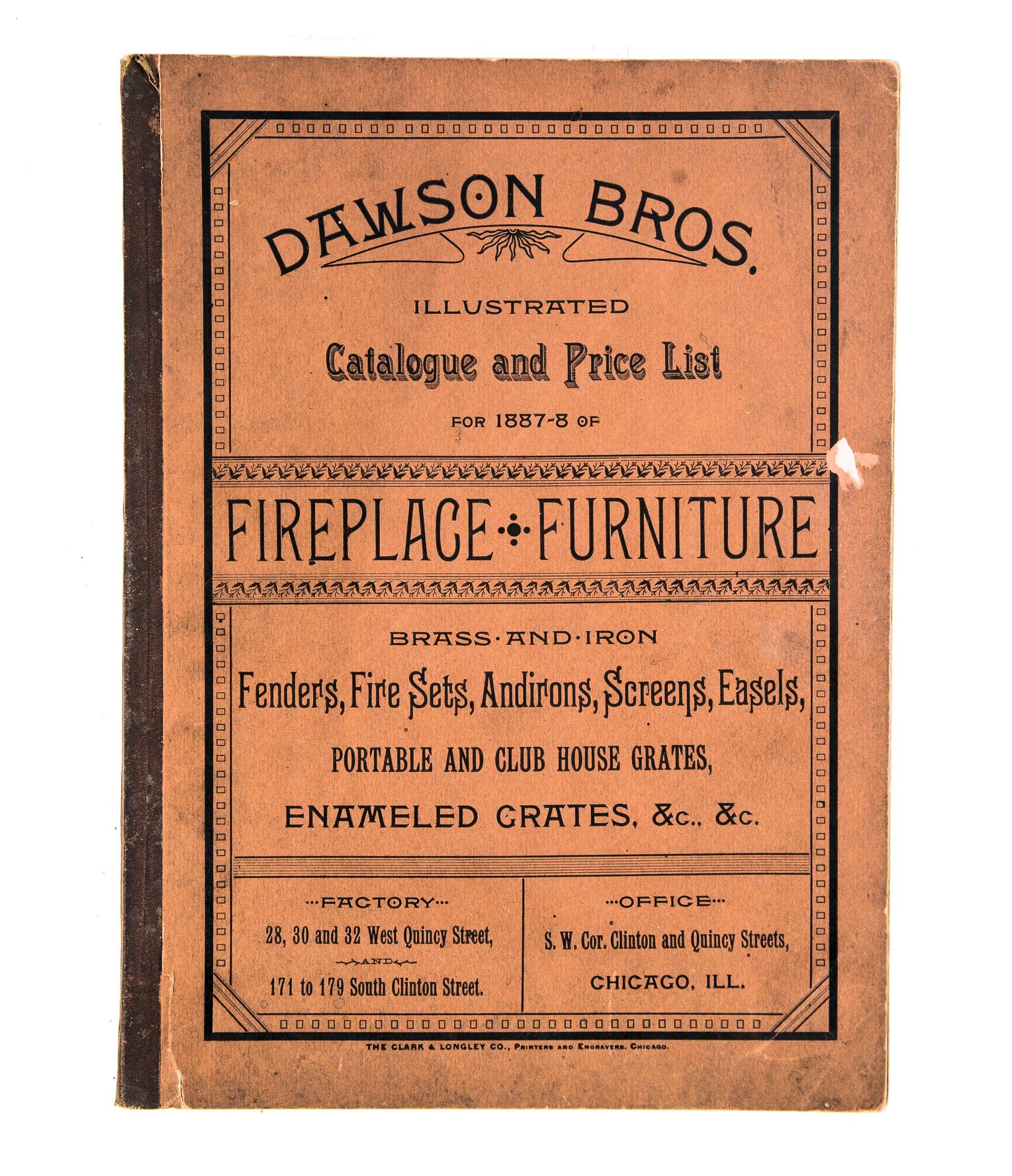
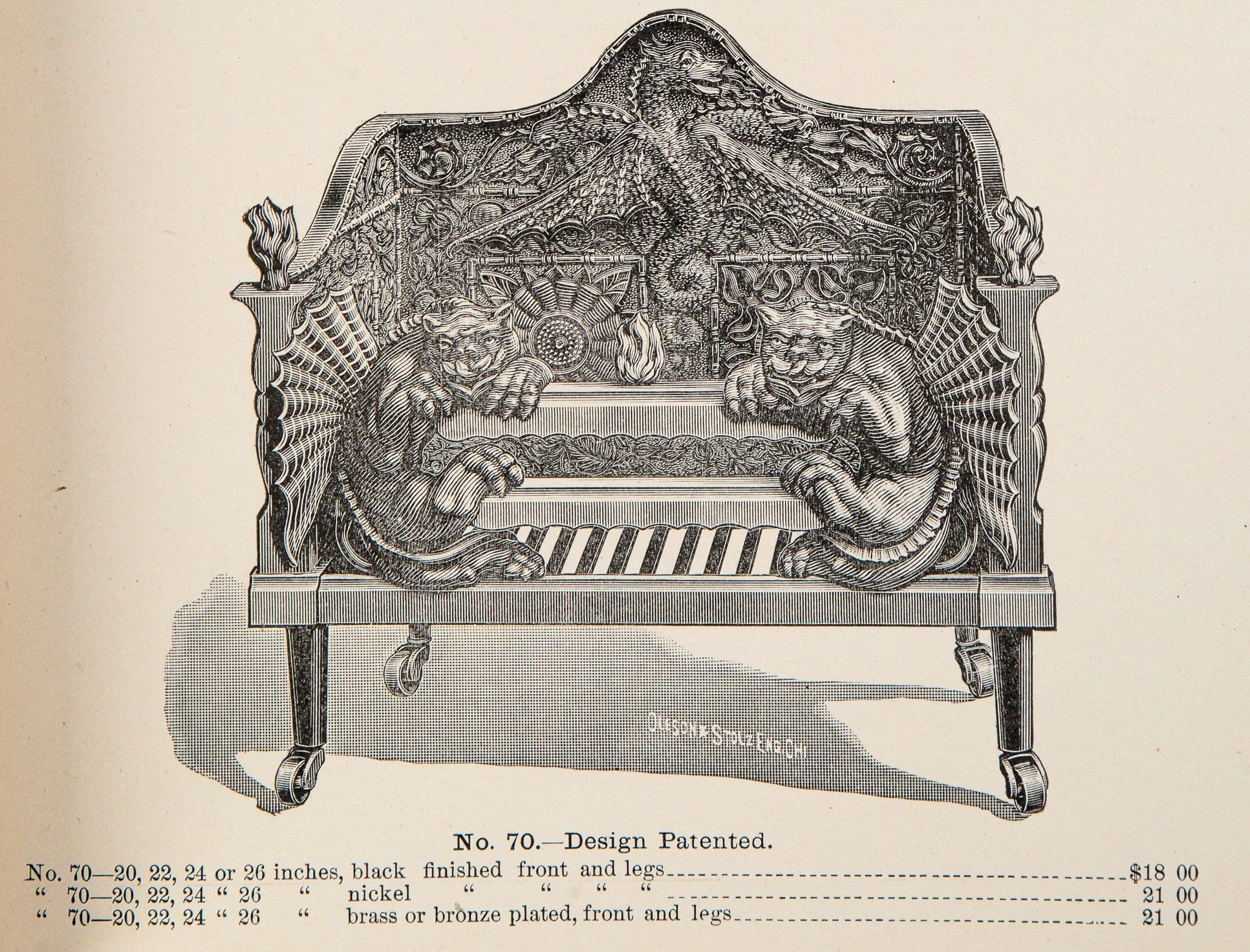
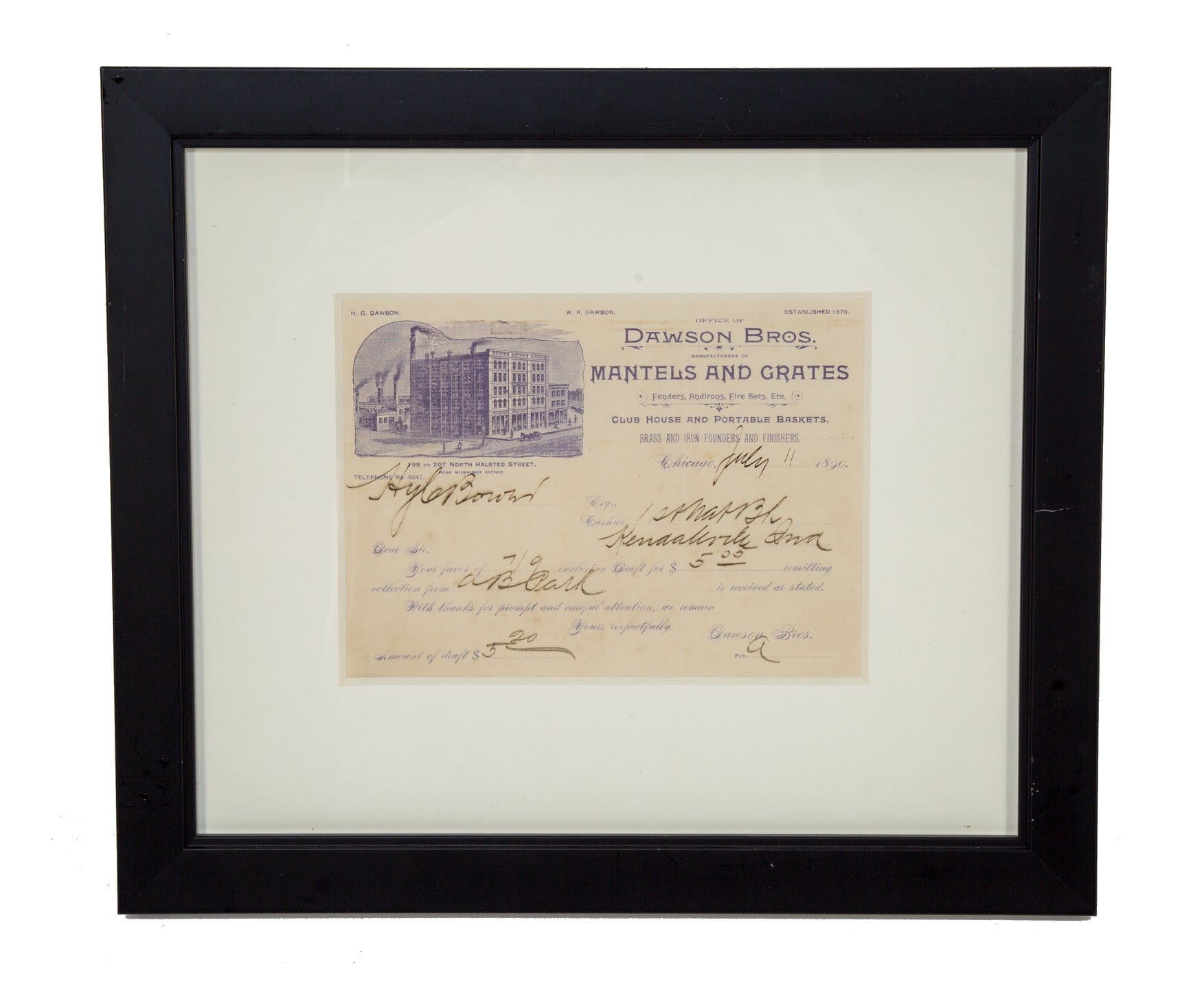
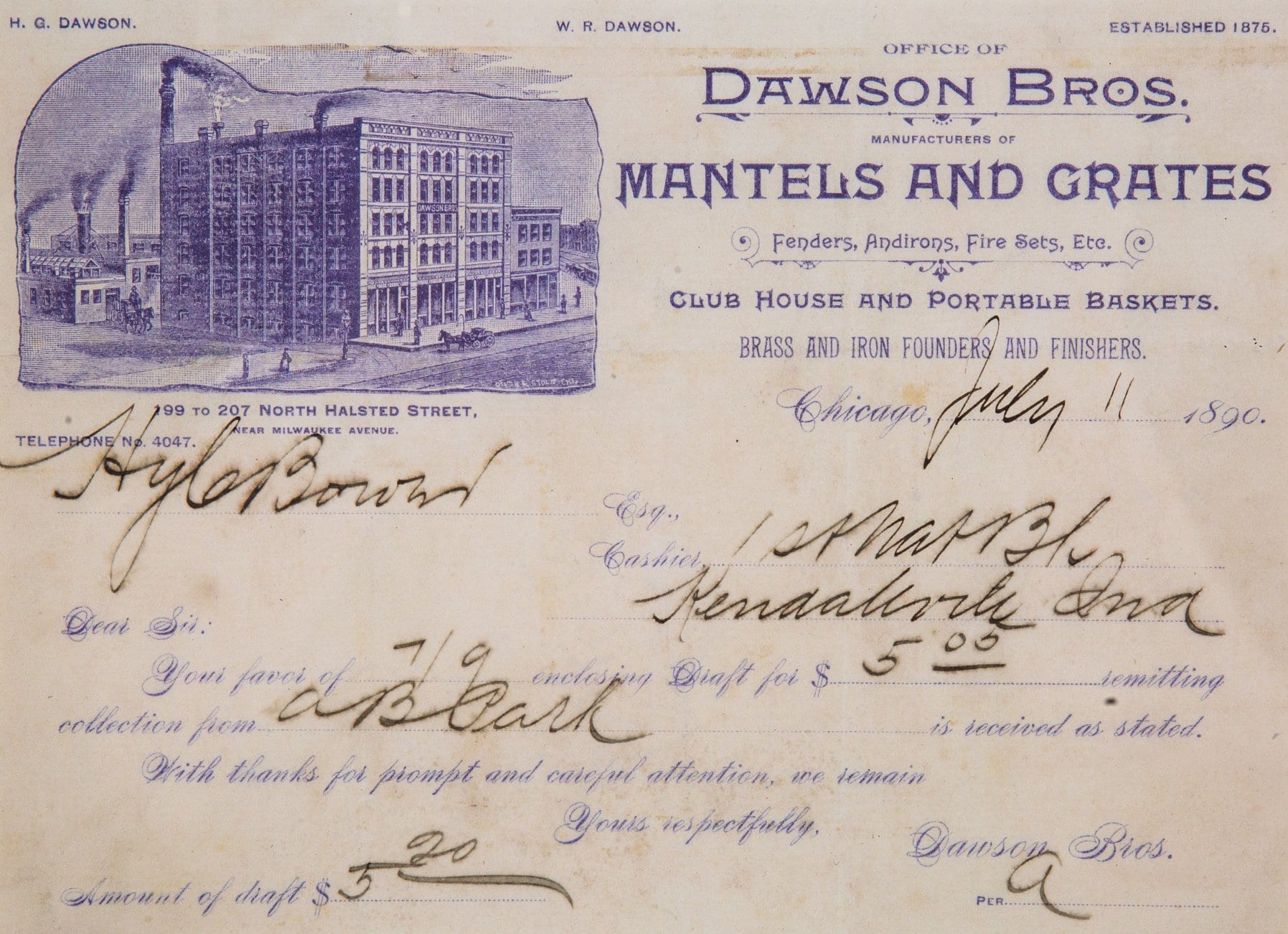
original 1887 dawson brothers catalog and framed receipt. courtesy of bldg. 51 museum archive.
restaurant owner billy lawless (gage, dawson, beacon tavern, etc.) visited my shop many times looking for dawson brothers mantels and inserts for his restaurant dawson (under construction at the time), located just south of the dawson brothers 1887 factory. their restaurant logo was inspired by a diminutive satyr fireplace chimney damper pull i sold him (see pic).
the firm of dawson brothers was established in 1875 by two brothers—henry g. and william r. dawson (the latter died in 1899). the business was continued by henry g. dawson until his retirement in 1915.
at its peak production, dawson brothers contained a workforce of over 500 hundred employees with several departments comprising an iron foundry, brass foundry, stamping rooms, cabinet shop, machine room, finishing and polishing rooms, and more. dawson ceased operations in 1921 when they were bought out by the standard chilled castings corporation based in lynchburg, va.
the extant dawson brothers factory and office building is located at 517-519 n. halsted street – just west of downtown chicago. the red brick factory was constructed in 1888 and designed by architect julius zittel. the five-story building has a cast iron facade on its first floor, along with decorative tie rods and a carved limestone embossed letter name plaque with date of construction.
the dawson brothers used the factory to fabricate highly specialized ornamental fireplace mantels and grates; the building also served as the company’s main showroom and offices. a six-story addition was added to the building in 1901, which mainly served as a storage and shipping area. the dawson brothers conducted business at the factory until 1921.
courtesy of bldg. 51 archive.
the winslow brothers were chicago’s leading architectural manufacturers, producing wrought and cast iron, and complex decorative metalwork for buildings across the region. while their work in this capacity is well-known, the company’s survival and transformation into the 20th century is less often examined.
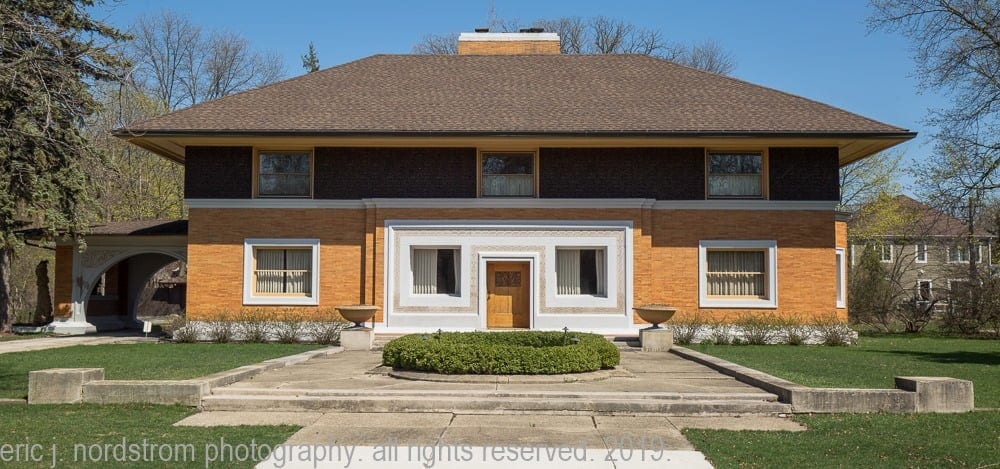
the winslow bros. foundry was instrumental in creating impressive interior and exterior ornament for countless chicago landmarks, including the schlesinger & mayer department store, the monadnock, and the stock exchange. their work intertwined significantly with legendary architects of the prairie school, as they collaborated with louis sullivan and george elmslie (among others) on multiple commissions, and in turn hired frank lloyd wright to design william winslow’s home in river forest (where they then printed wright’s influential “house beautiful” publication in their basement studio).
the company that william and francis winslow formed in 1887 would win eight medals in the 1893 columbian exposition, and further honors at the world exposition in paris seven years later. the highlights of the winslow brothers’ company are well-recorded in illustrated catalogs and extant buildings, but fewer artifacts document the effect of world war i on the winslow brothers, and on chicago’s architectural industries in general.
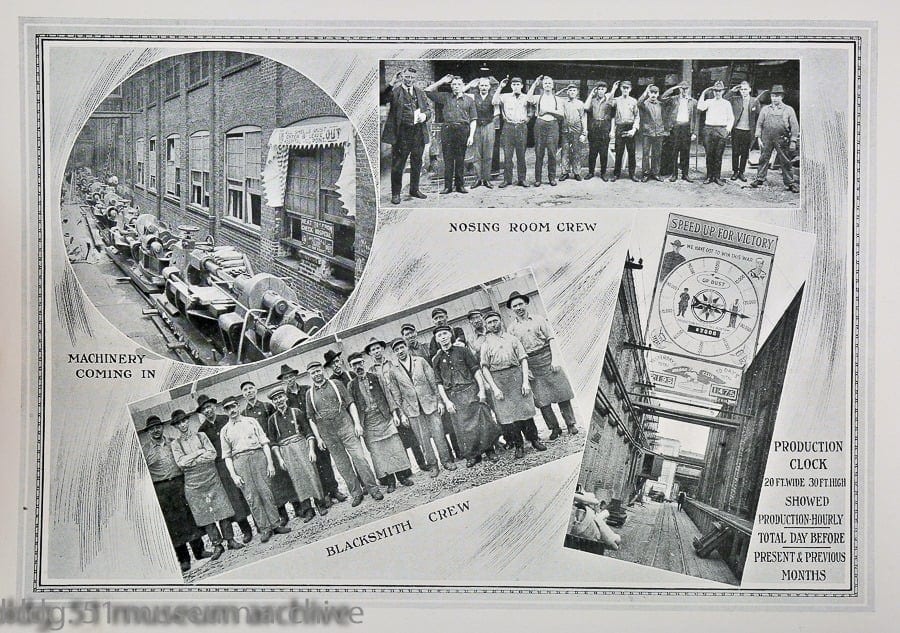
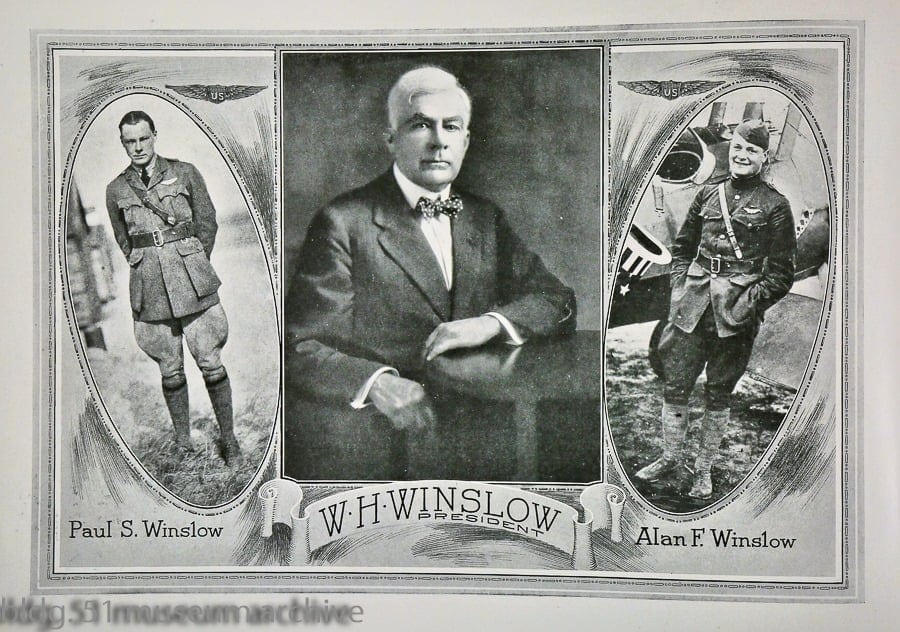
at the start of world war i in 1914, chicago’s multi-ethnic immigrant neighborhoods echoed the tensions happening all across europe. meanwhile, with building construction in a lull, the winslow brothers foundry approached a sharp decline in building construction by transforming their plant to the needs of the war. in actuality, the war was personal, not simply a business maneuver. w.h. winslow’s son alan winslow fought in the airforce during wwi, and was eventually credited as the first american “ace,” having shot down and captured the first german aircrafts; in 1918 alan winslow was himself shot down and taken to a POW camp, his shattered left arm amputated before he made his to return to chicago.
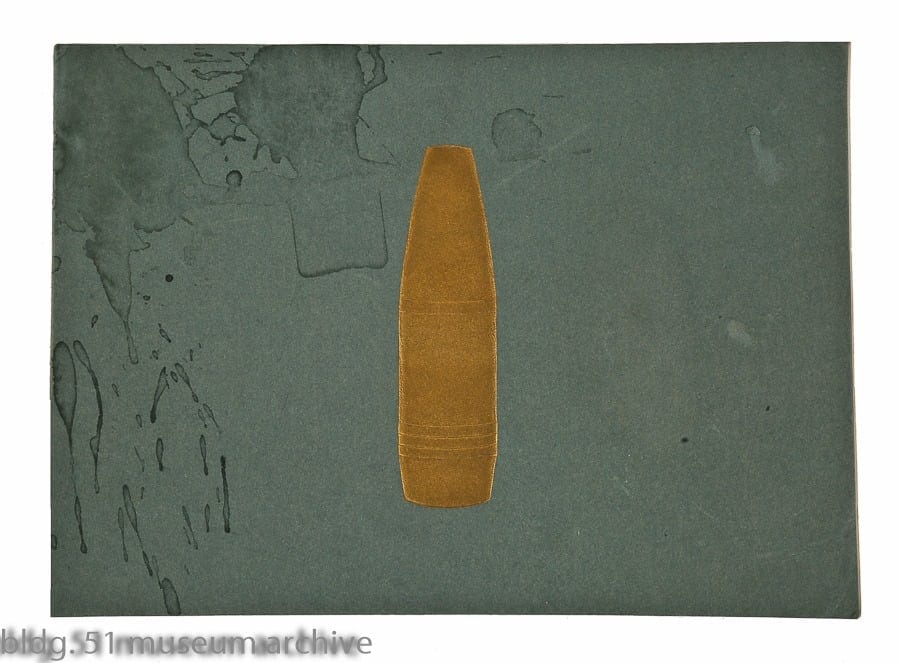
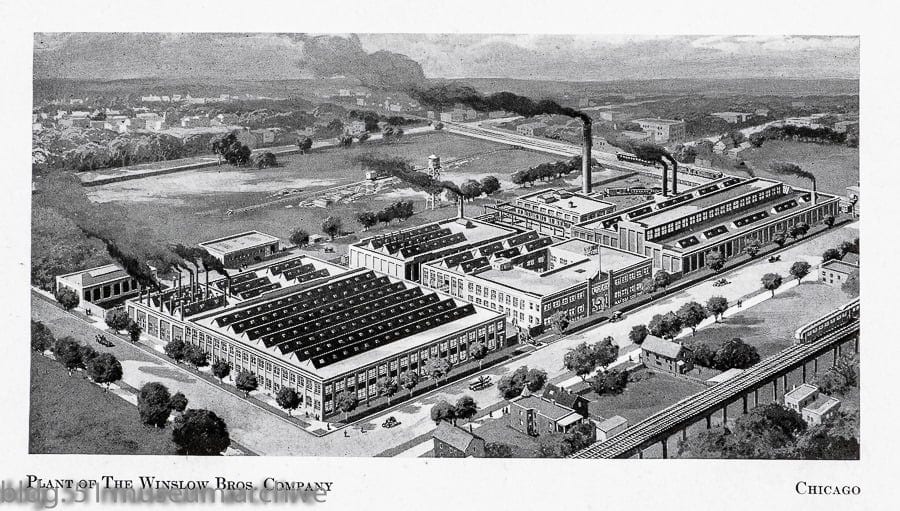
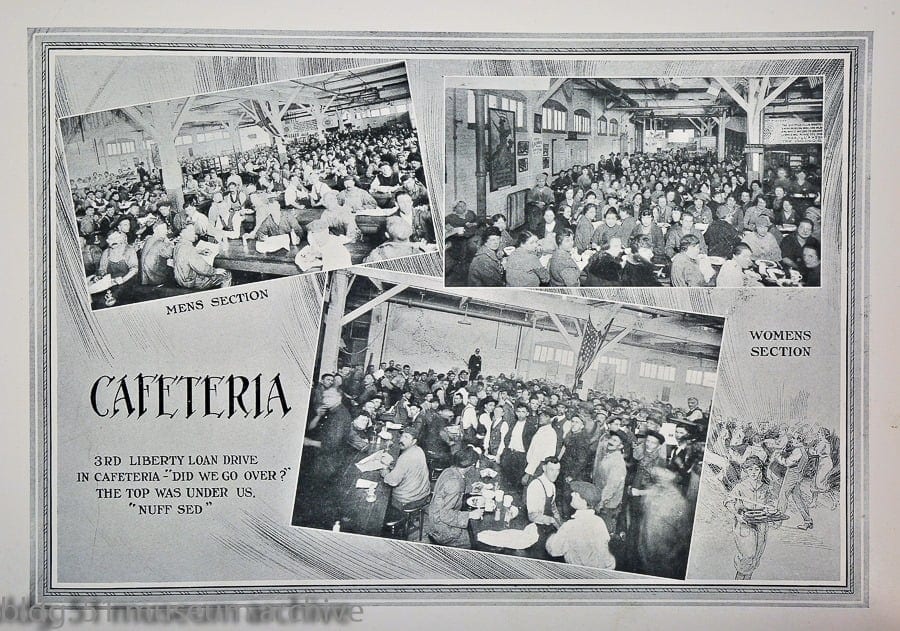
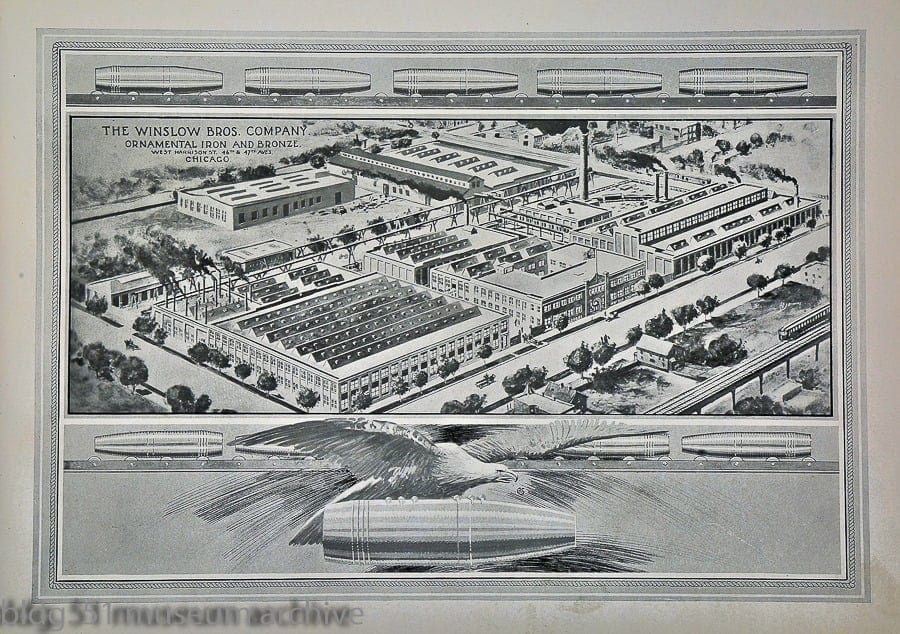
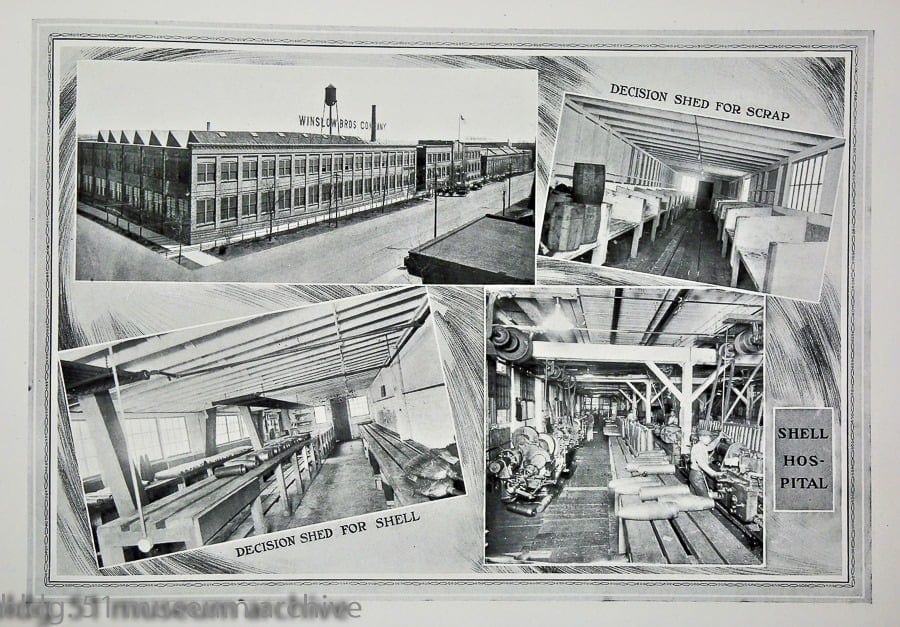
during this time, the winslow brothers established contracts with the u.s. government and converted their plant entirely to manufacturing munitions. with the installation of new equipment and some re-organization, according to a 1914 issue of “mine and quarry,” they were able to efficiently produce several thousand 155mm shells per day with their technologies (and up to 100,000 per month). this patriotic campaign is visible firsthand in a rare c. 1919 catalog devoted to the operations surrounding the war effort. the booklet eschews any mention of a historic architectural legacy, and instead depicts the banners and shells made in the same halls that once produced astounding ornament. the contents are represented by an austere icon, a single embossed gold shell casing on the cover. in addition to the catalog, a worker’s badge commemorates the company’s foray into munitions manufacturing during early 20th century. when the war drew to a close, the winslow brothers gradually shut down their remaining operations between 1919 and the early years of the 1920’s
much remains to be examined about the crossover between architectural industry and wartime efforts in chicago. for one thing, innovation in craft and equipment for metalwork would certainly be useful in later military applications. there is also a correlation between materials that were economic in construction and those put toward combat. the second known use of cast aluminum, for instance, was executed by the winslow brothers on interior elements of the monadnock building in 1893. within the next couple decades, aluminum would see increased production and a decrease in cost that made its use in ornament as well as military aircraft feasible. the properties that made it ideal for building elements (evidenced in it strong appearance in art deco-style buildings), would also make it useful wartime technology. yet the winslow brothers were hardly the only company who effected and were effected by the war. a 1918 publication “iron age” mentions several other midwest manufacturers with contracts to make shells. among these, l. wolff mfg. co. of chicago, who were famous for their plumbing hardware in the 19th century, were also expected to produce munitions. the article states that the winslow bros. had already placed large orders for shell-making tools, adding “many chicago companies are expecting contracts for shells, hand grenades, depth bombs and other munitions.”
all images and artifacts courtesy of bldg. 51 archive.
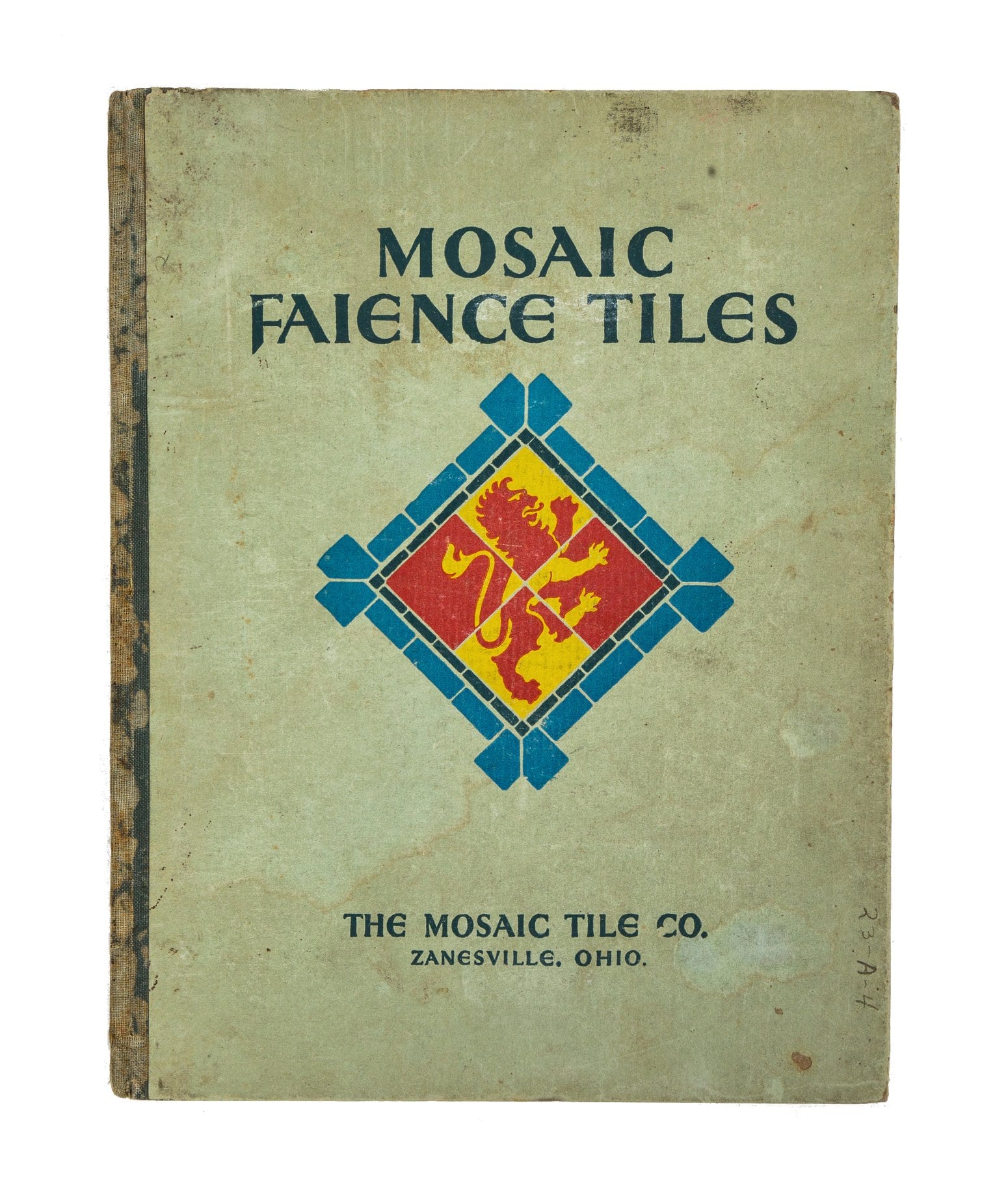
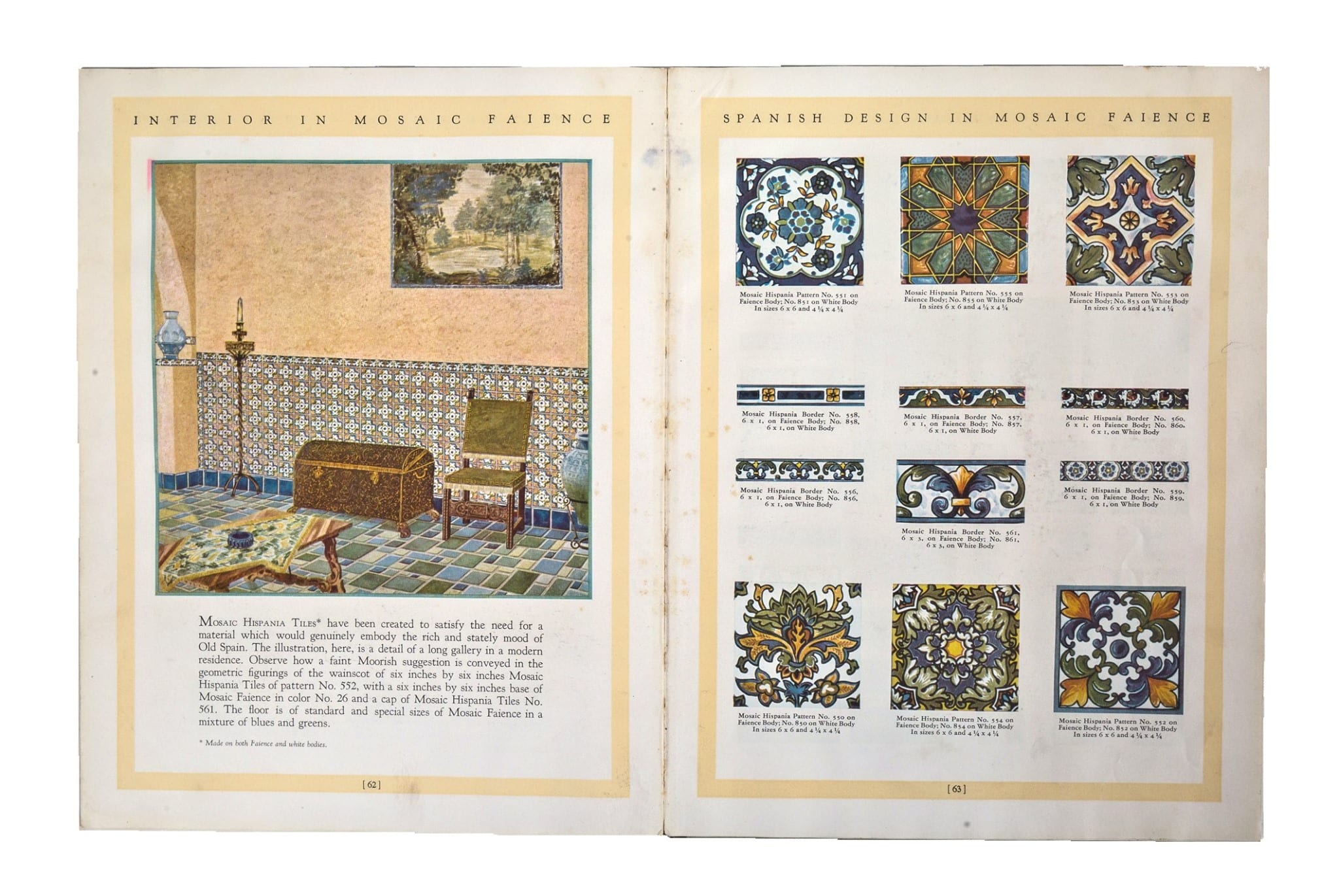
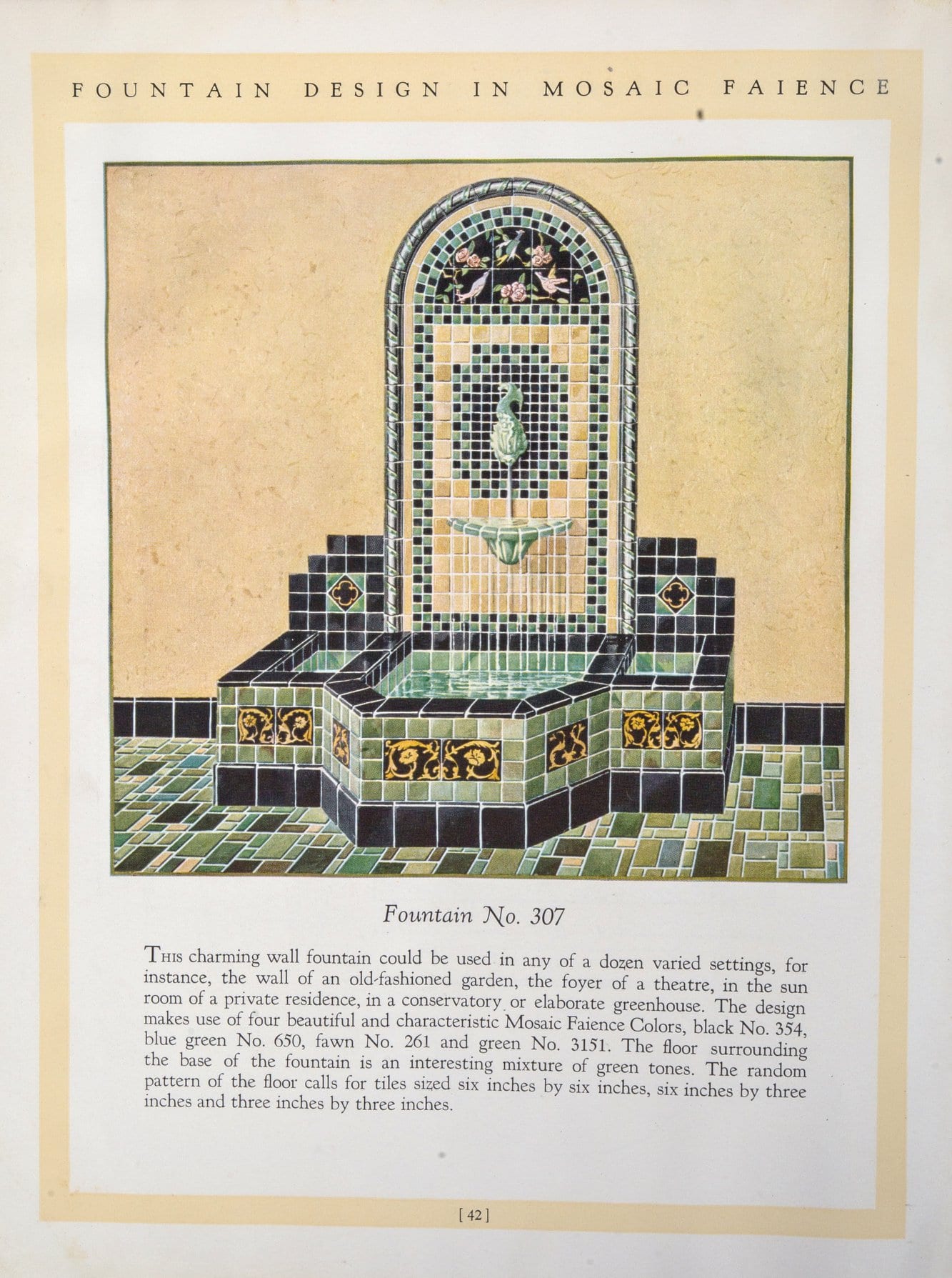
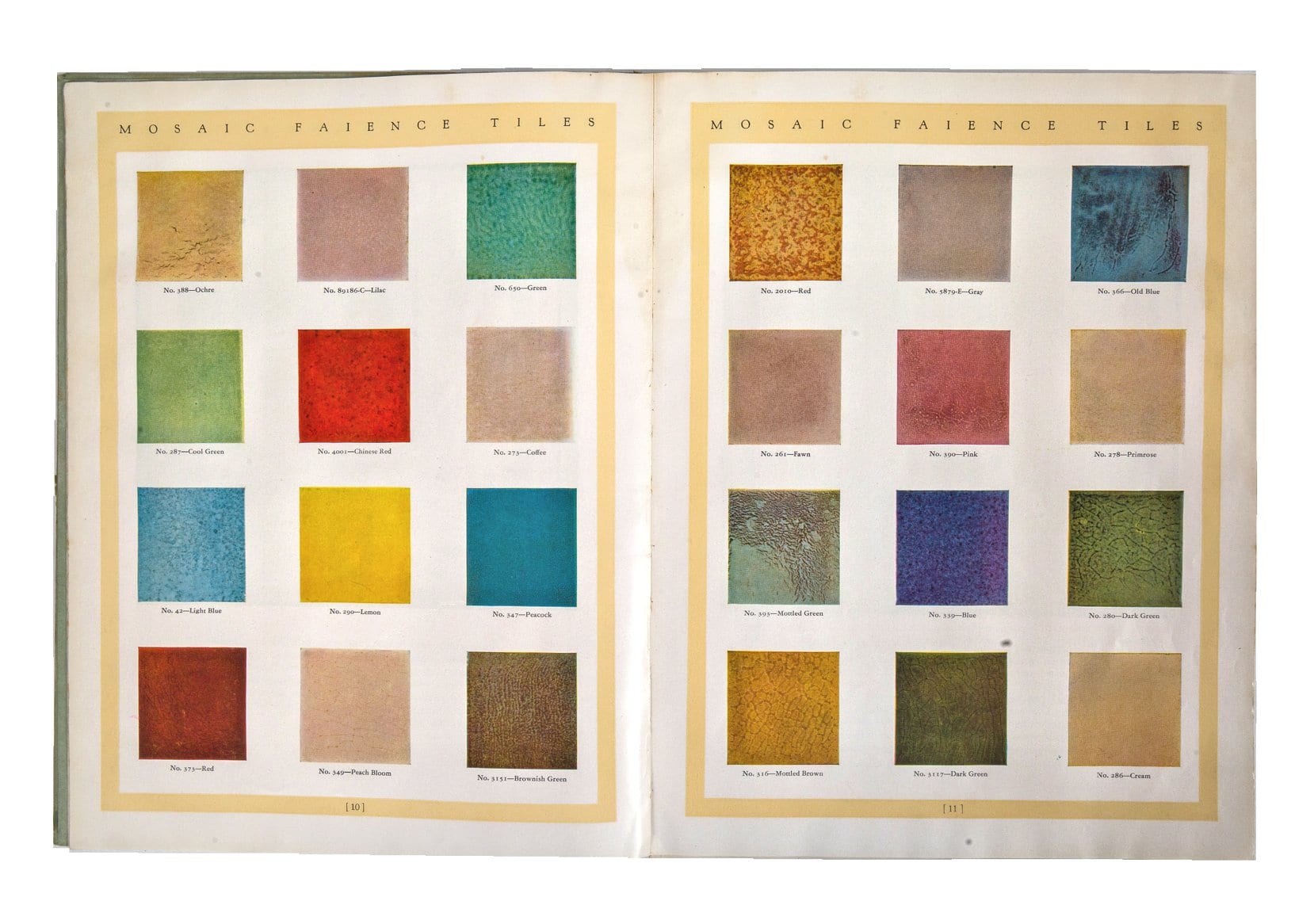
recently acquired profusely illustrated 1929 mosaic tile company mosaic faience tile product catalog. i hope to have it completely digitized by end of week.
the bldg. 51 archive has amassed well over a thousand period catalogs, brochures, and periodicals (dating from 1850 to 1940) over the past few years.
courtesy of bldg. 51 archive.
further reading: