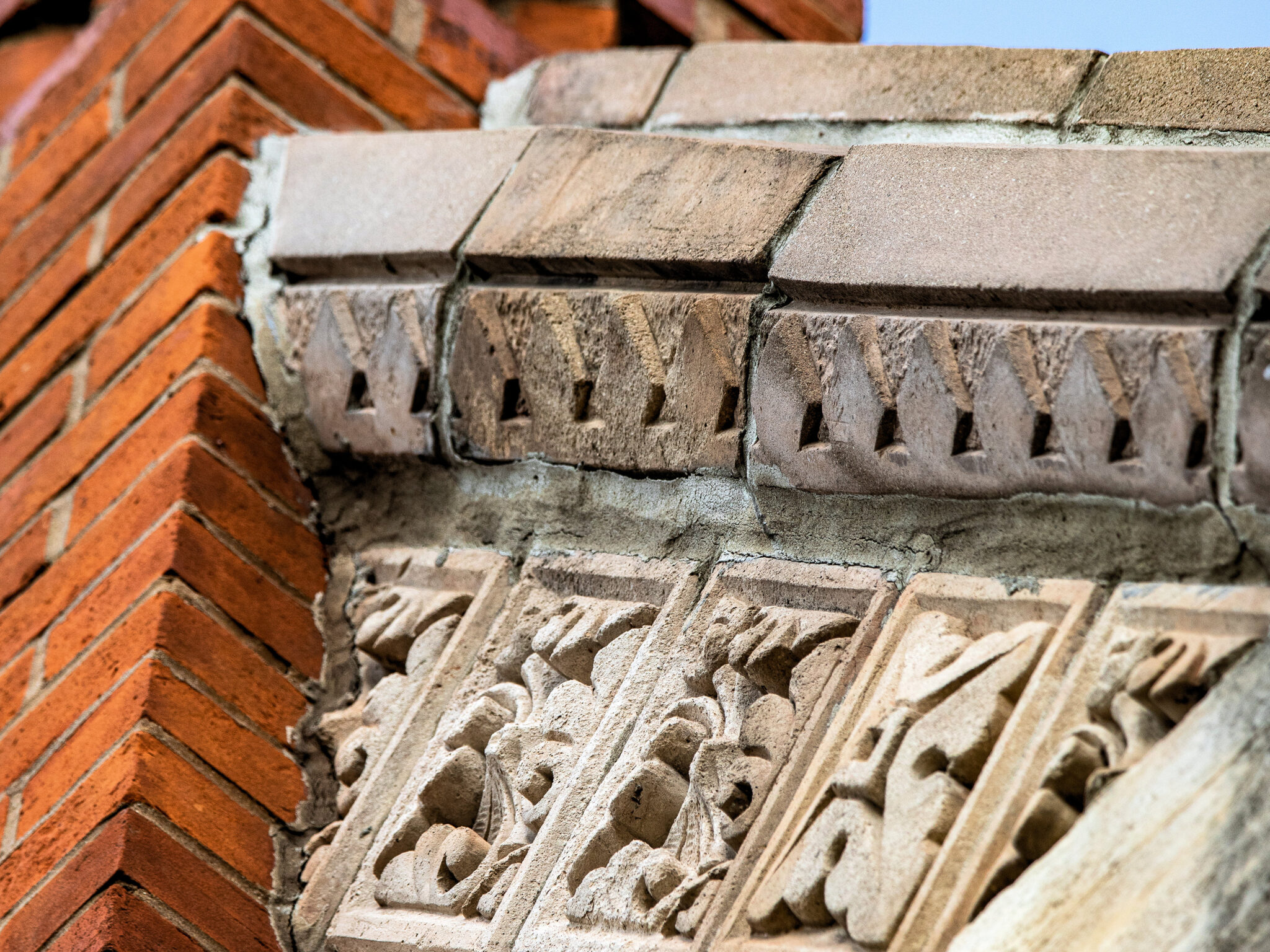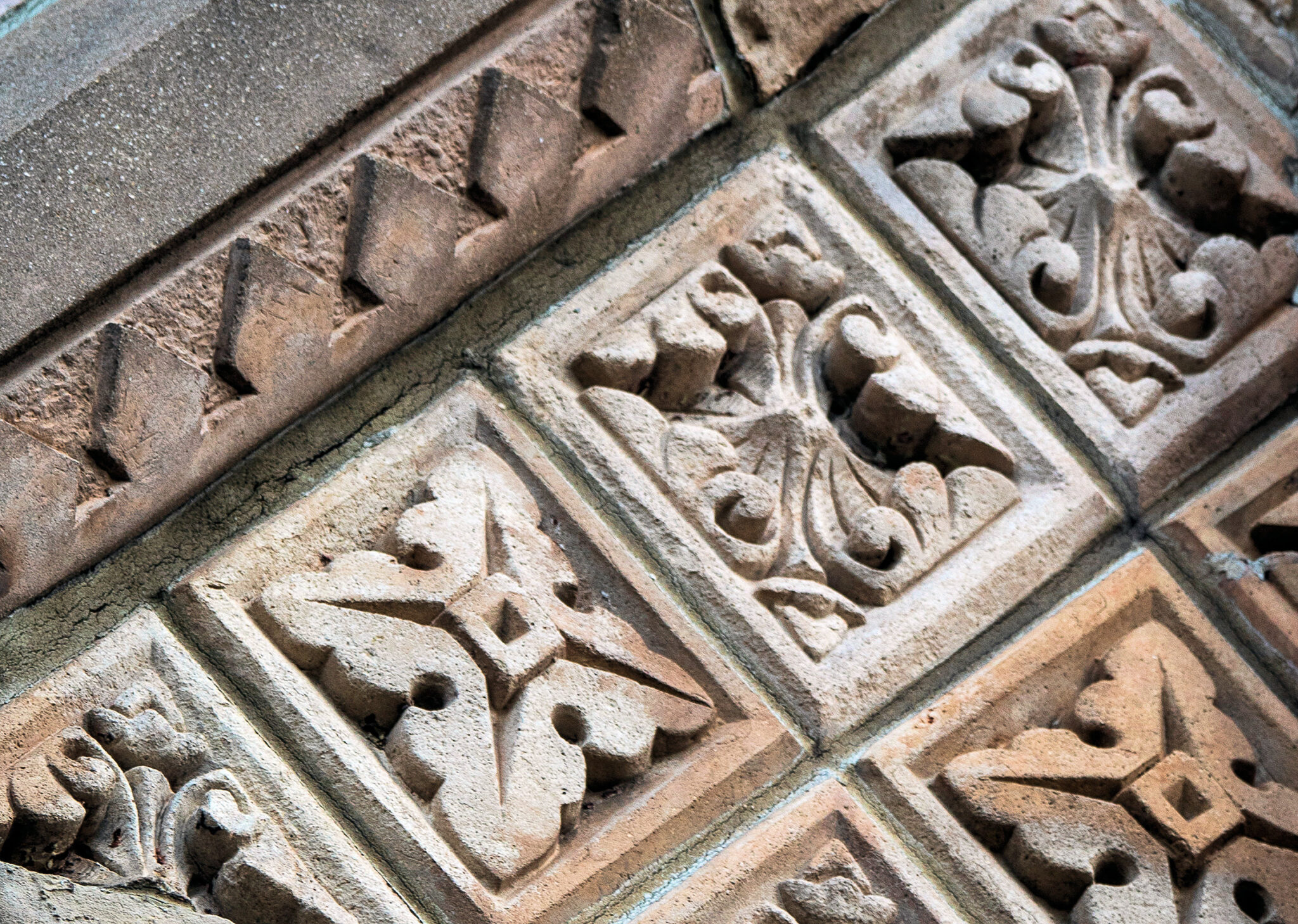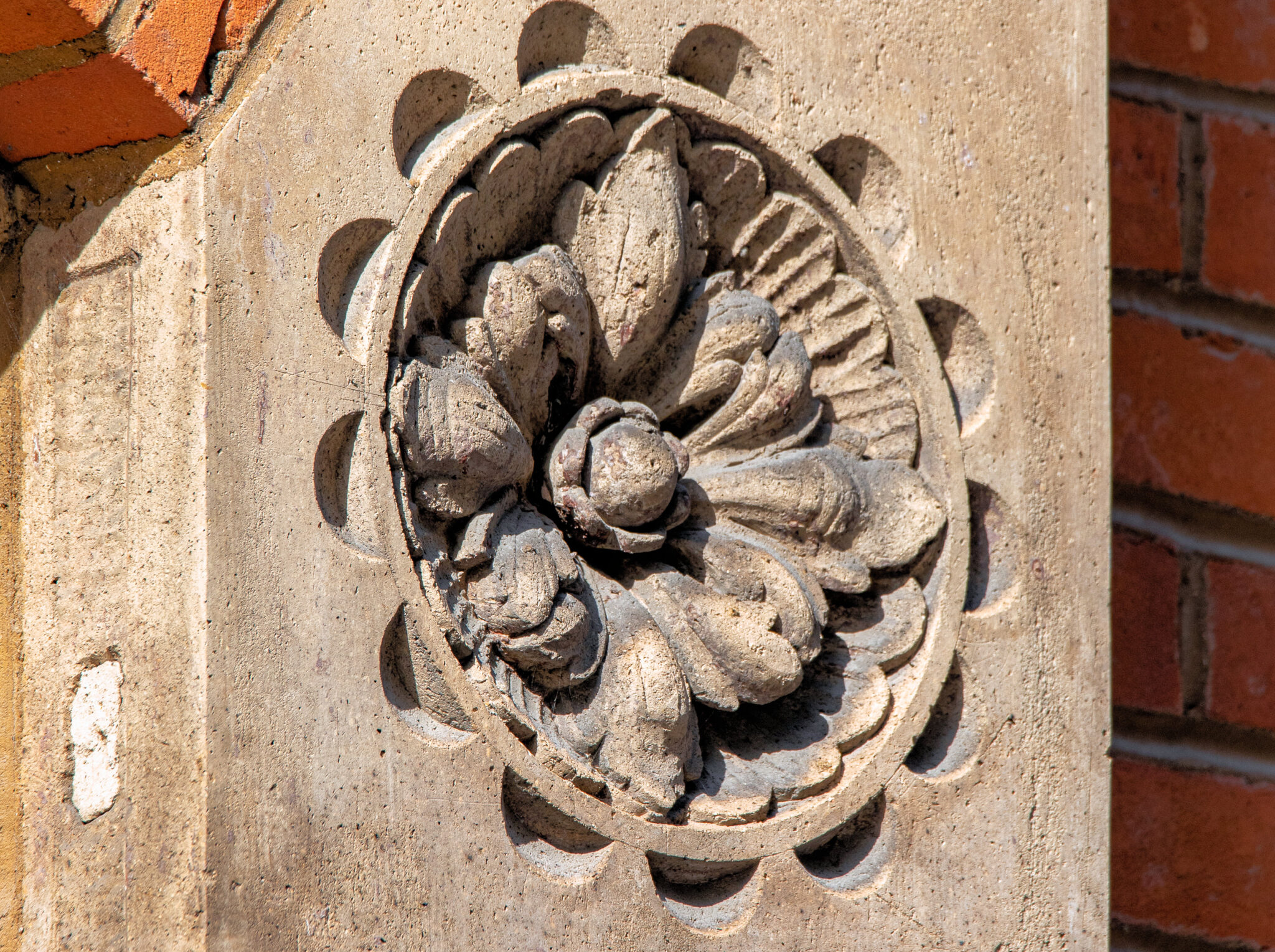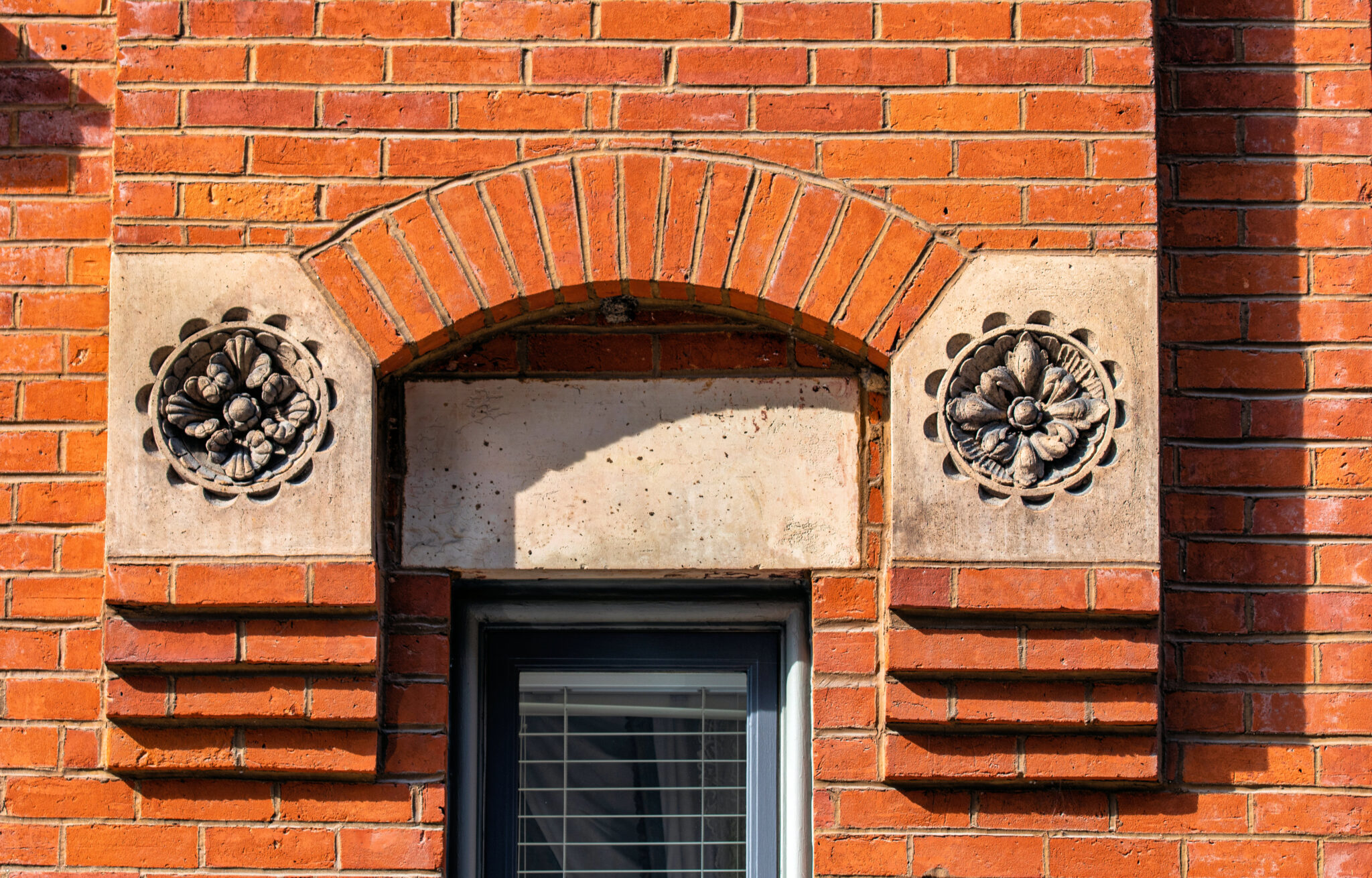

16 Sep detailed exterior photographic survey of post-fire chicago commercial building and residence showcasing chicago terra cotta company ornament
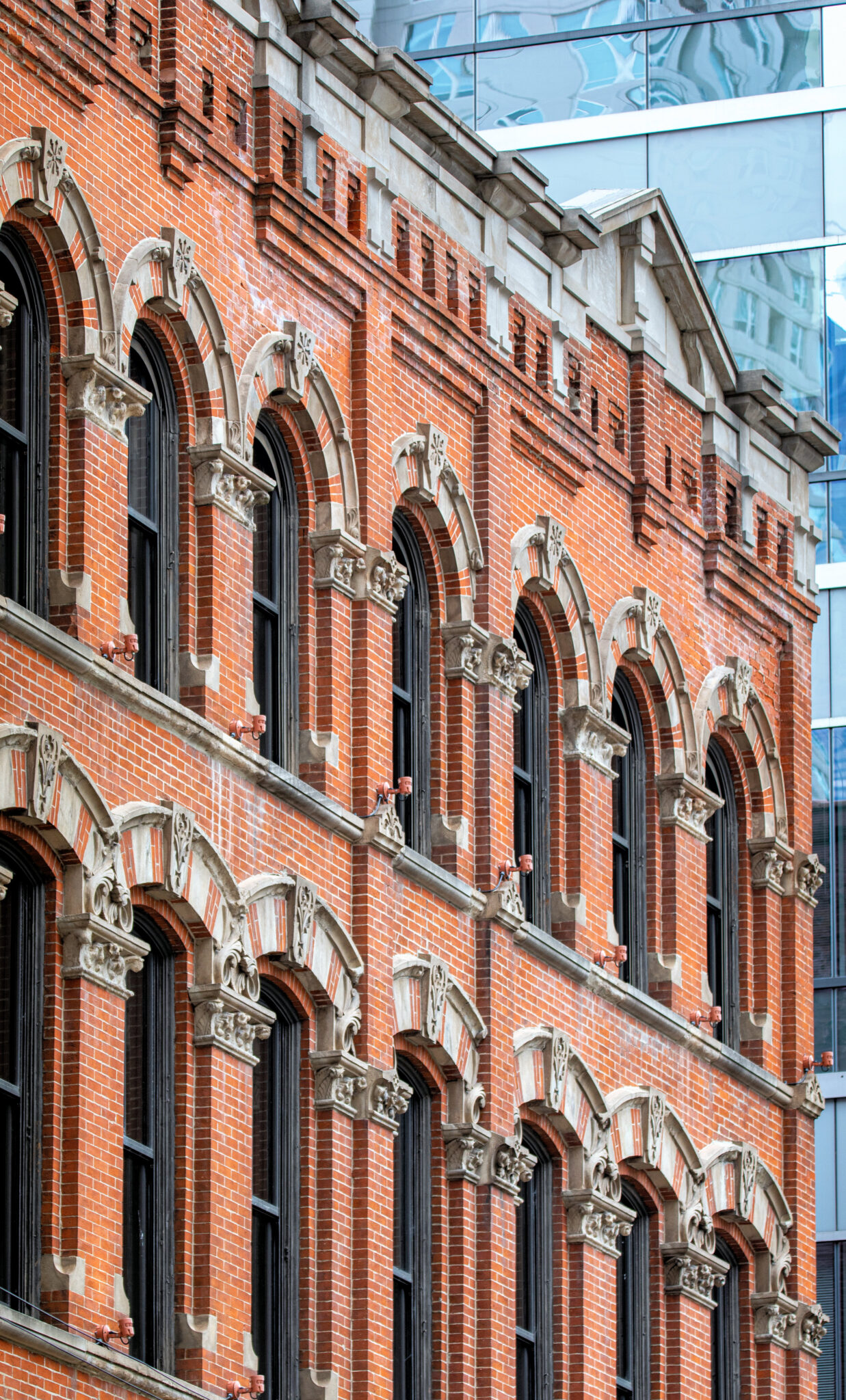
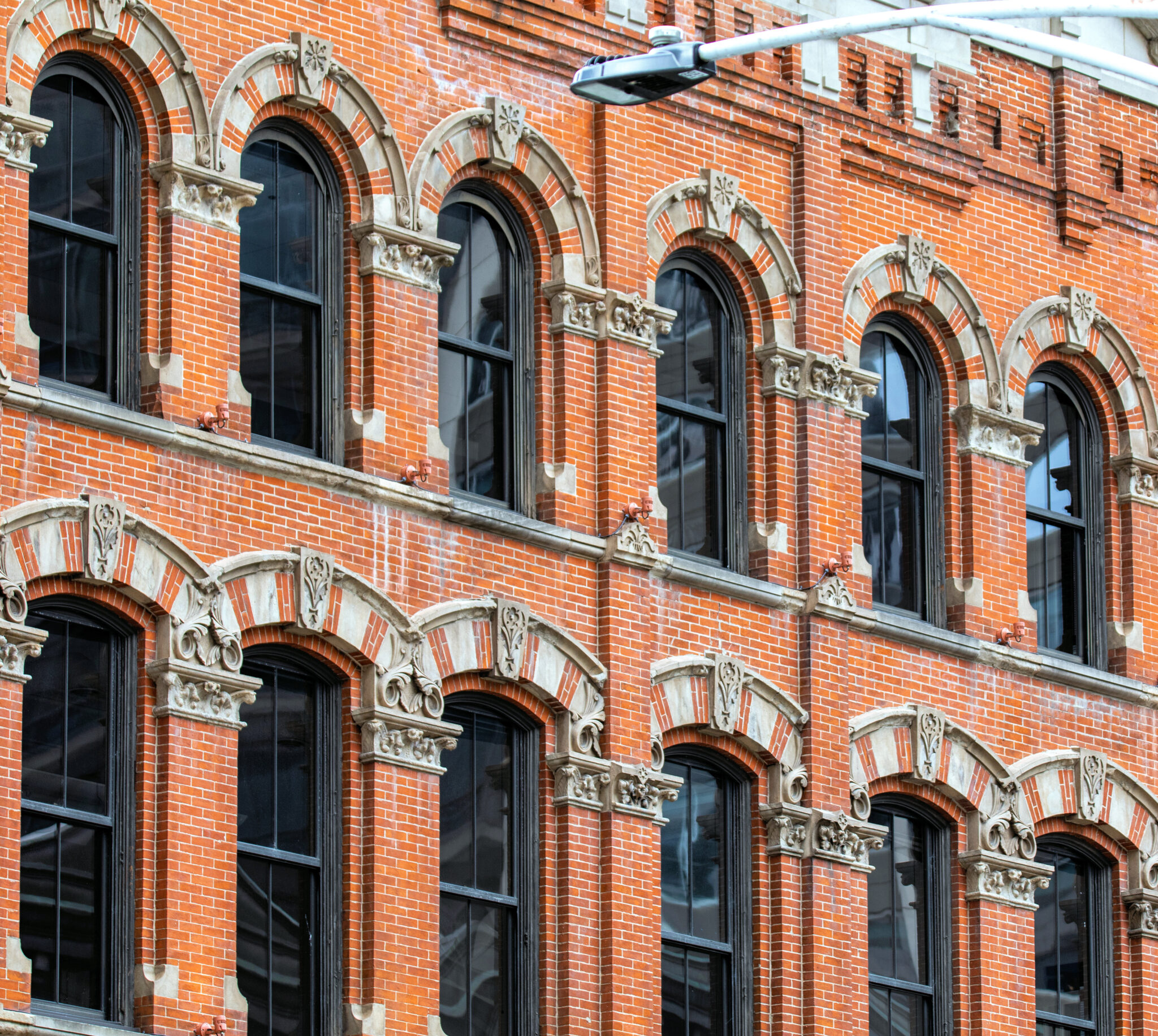
photographic images of the post-fire edward k. rogers commercial block (436 north clark street), designed in 1872 by architect wm. w. boyington.
it’s only one of a few known extant chicago buildings that showcases widespread use of ornamental “gray body” terra cotta on its facade.
the custom-designed ornament was executed by the chicago terra cotta company, which was founded in 1866, but did not begin operations in chicago until 1868. the company later became the northwestern terra cotta works, with their first factory built in 1881-82 in lakeview.
chicago terra cotta company’s distinctive colored clay (see examples of salvaged ornament from jenney’s 1874 starkweather building and “stock” pattern keystone from an 1870s catalog)
was sourced from abundant clay deposits in indiana.
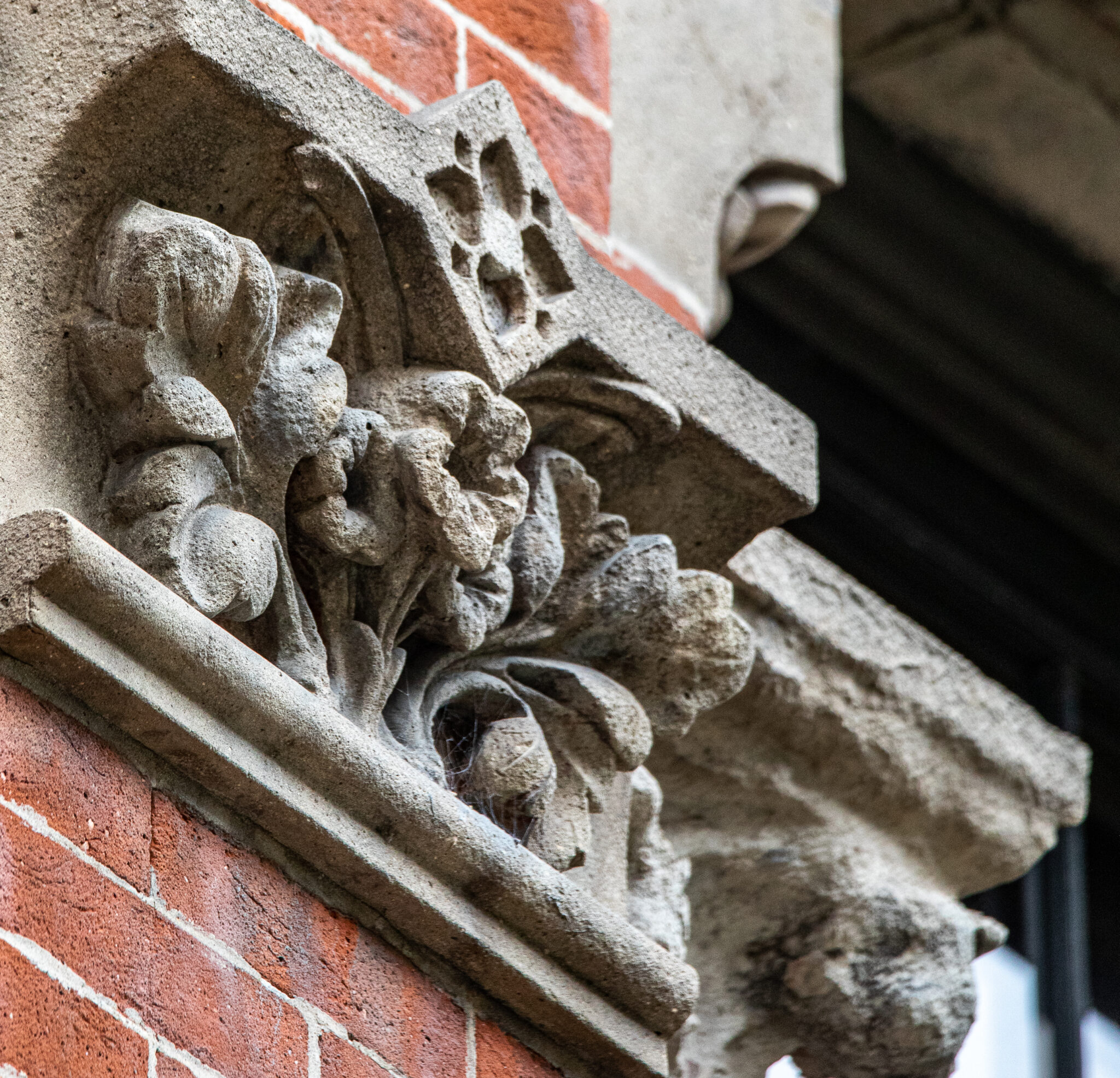
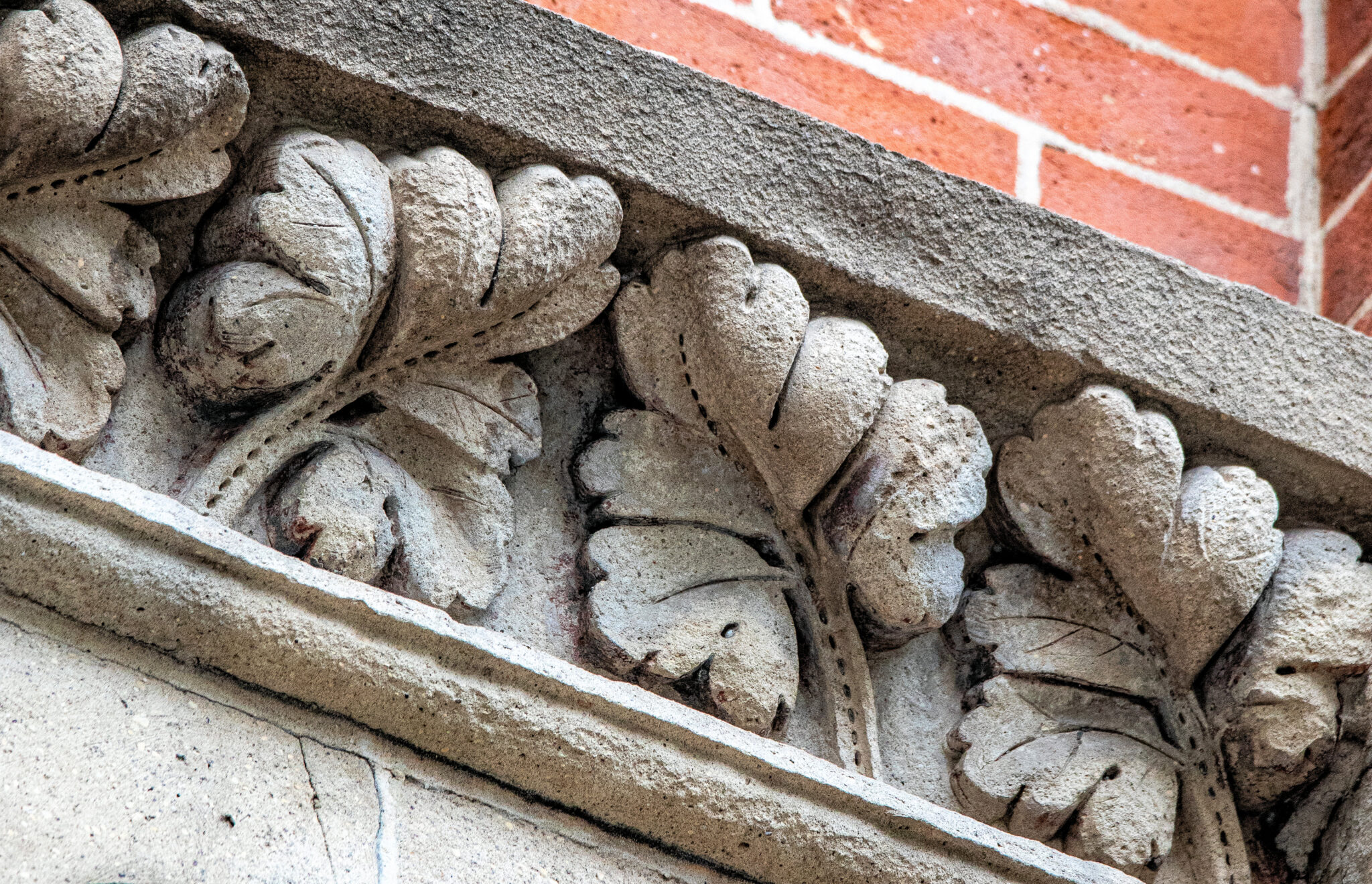
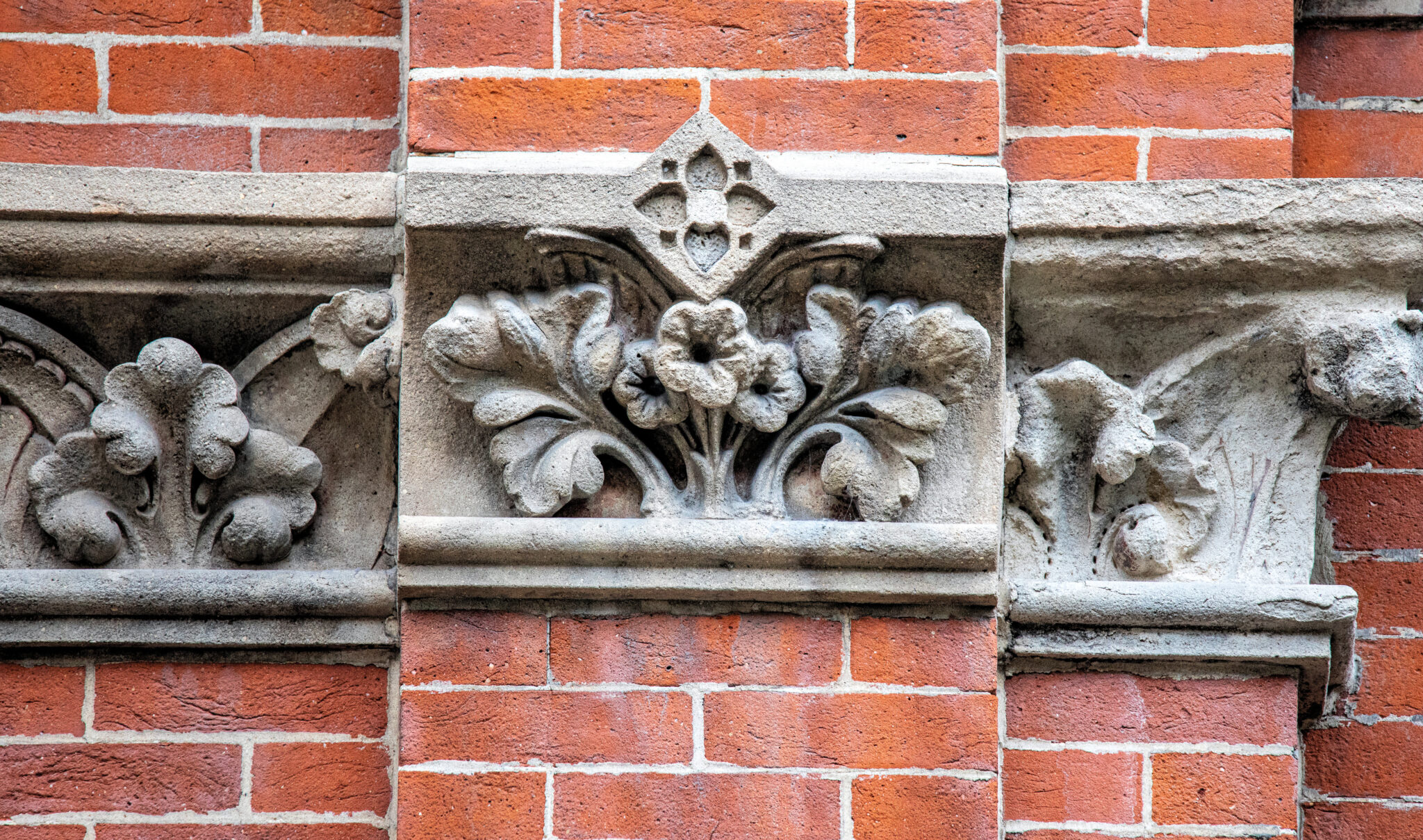
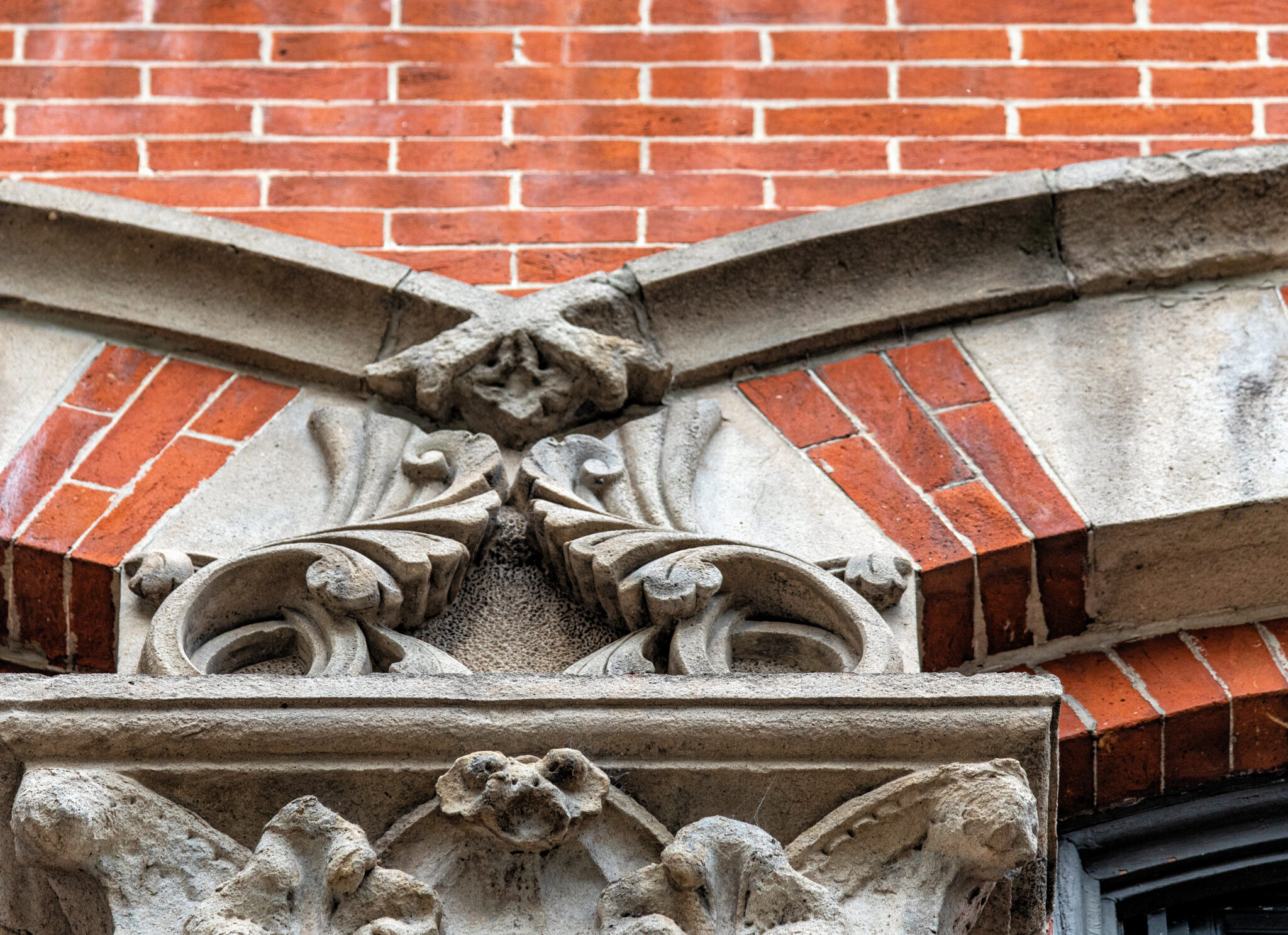
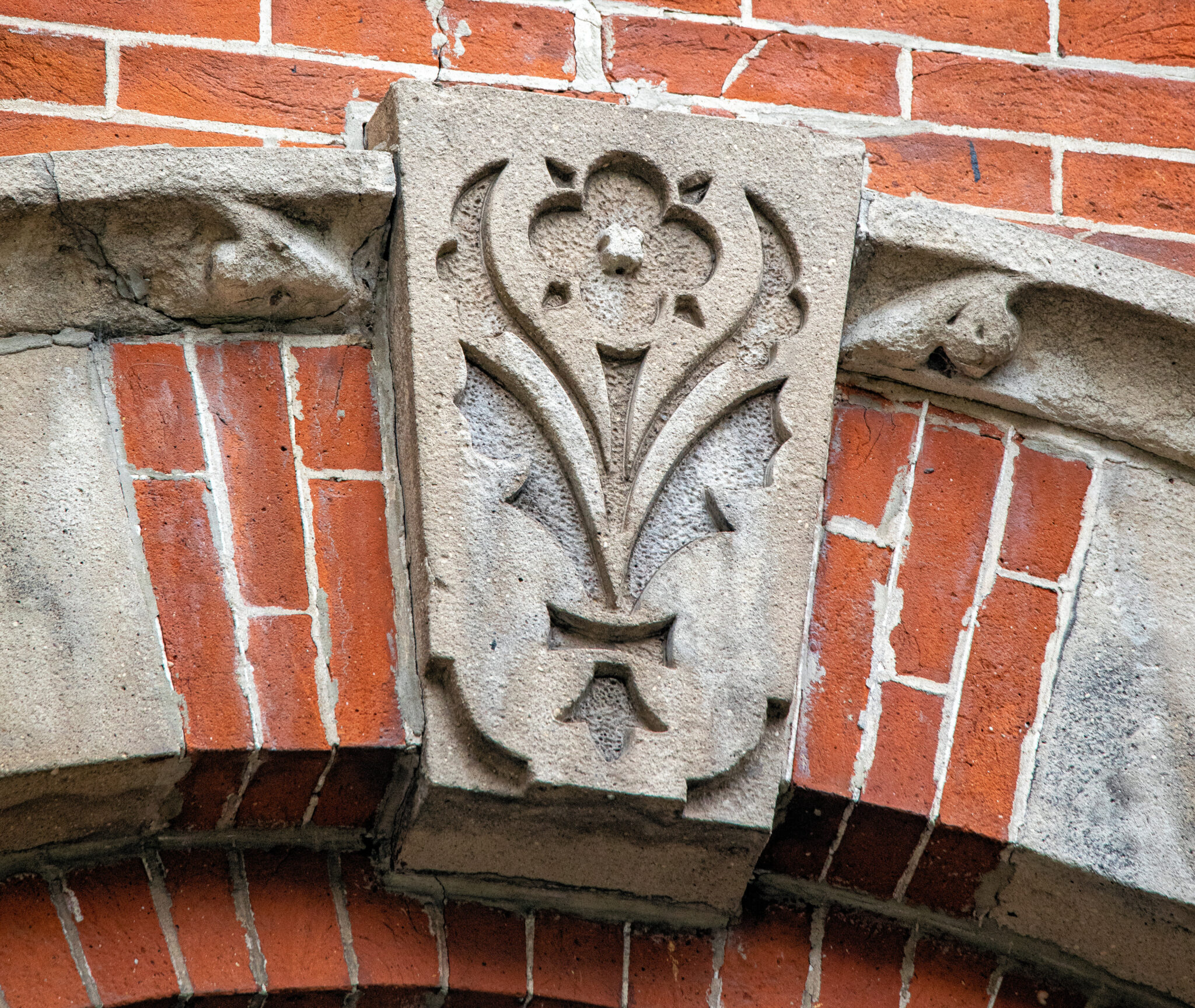
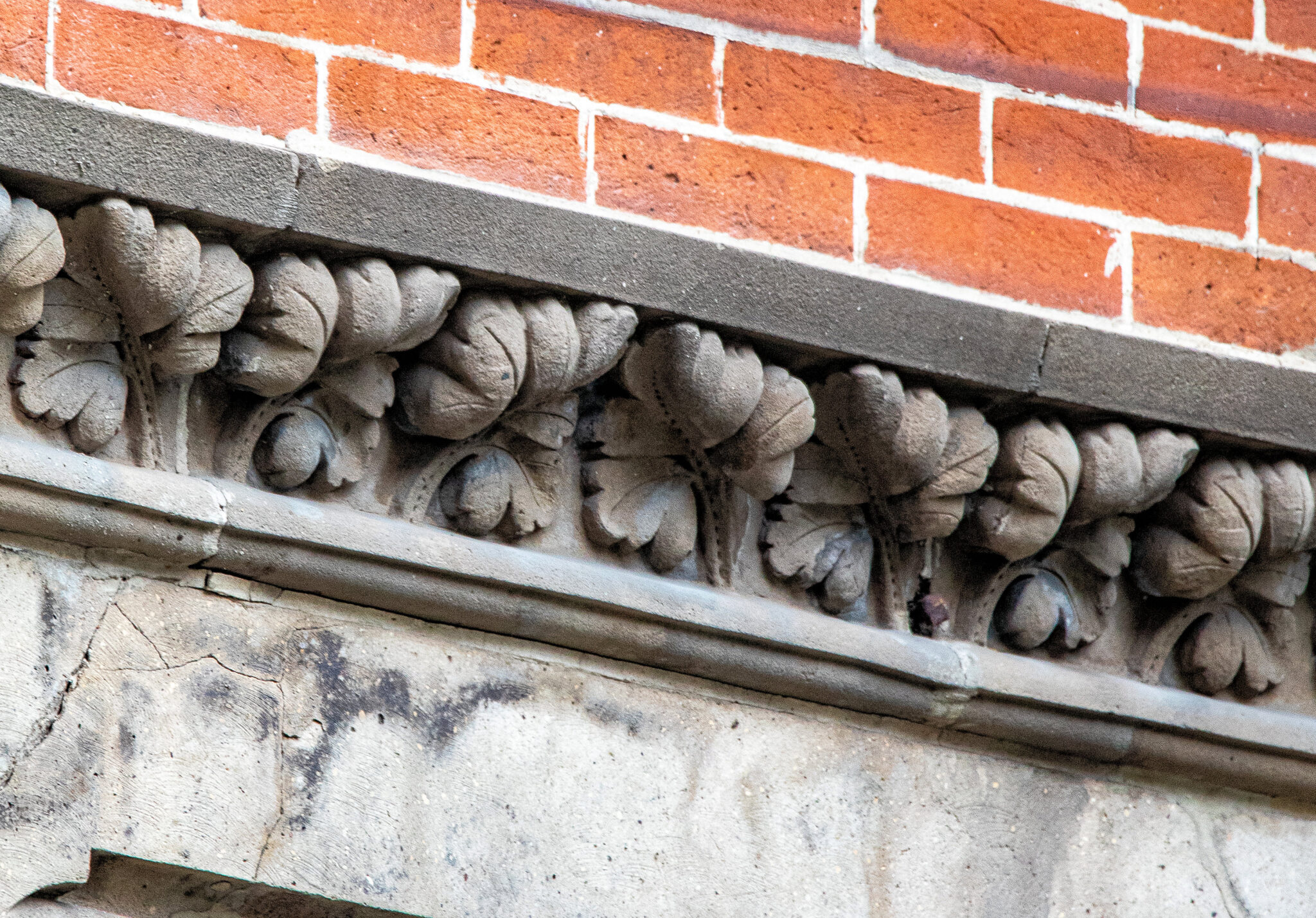
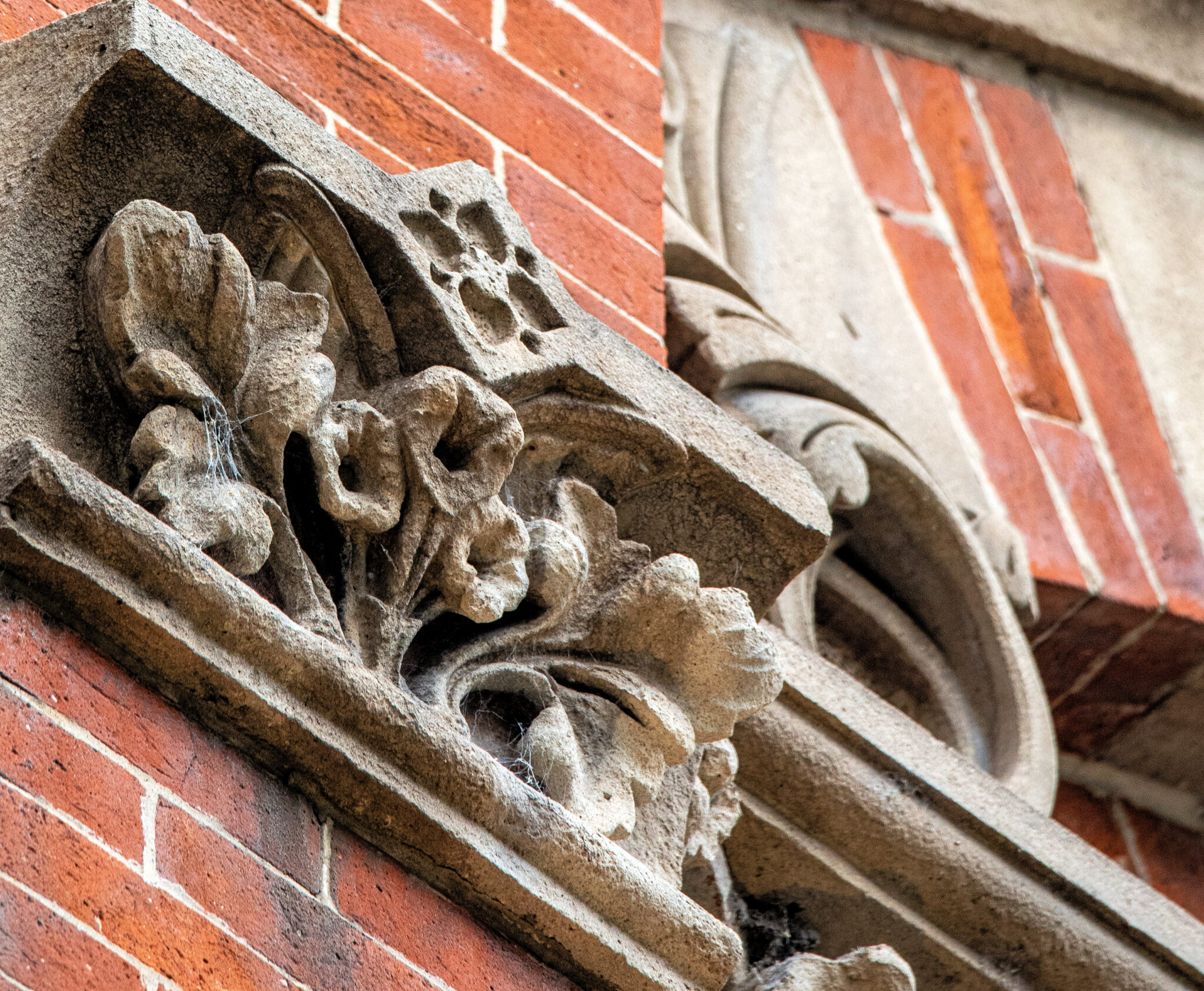
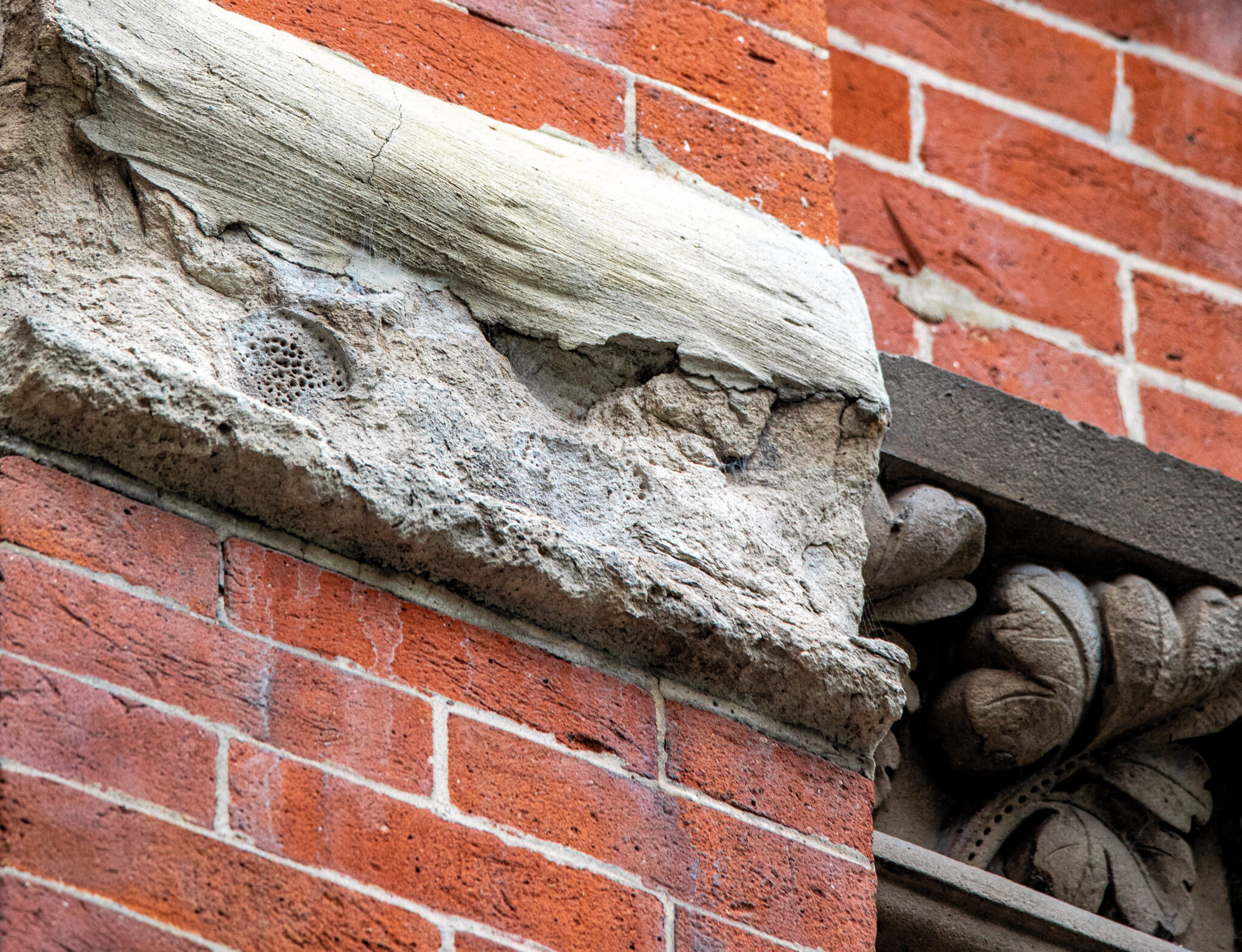
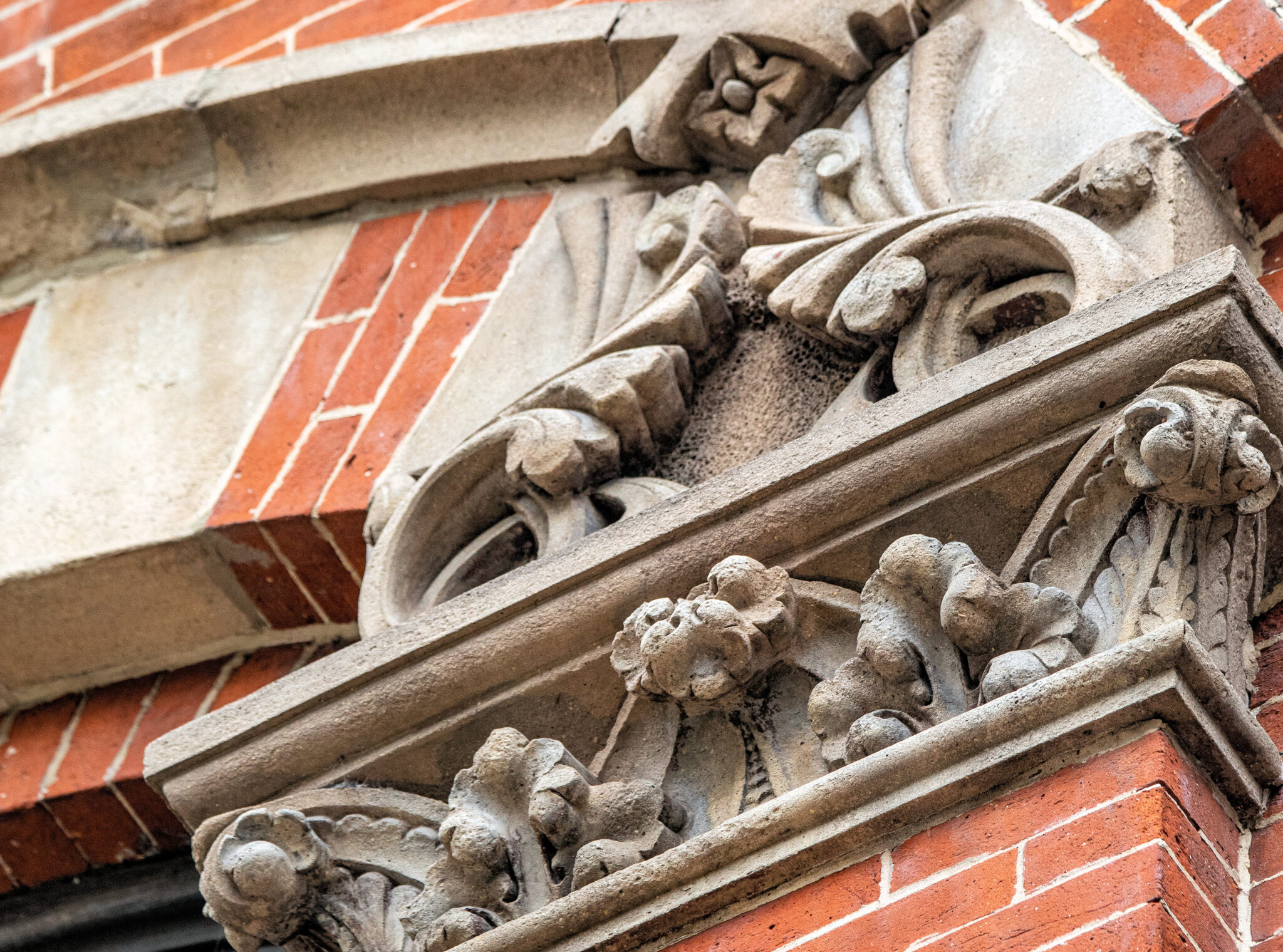
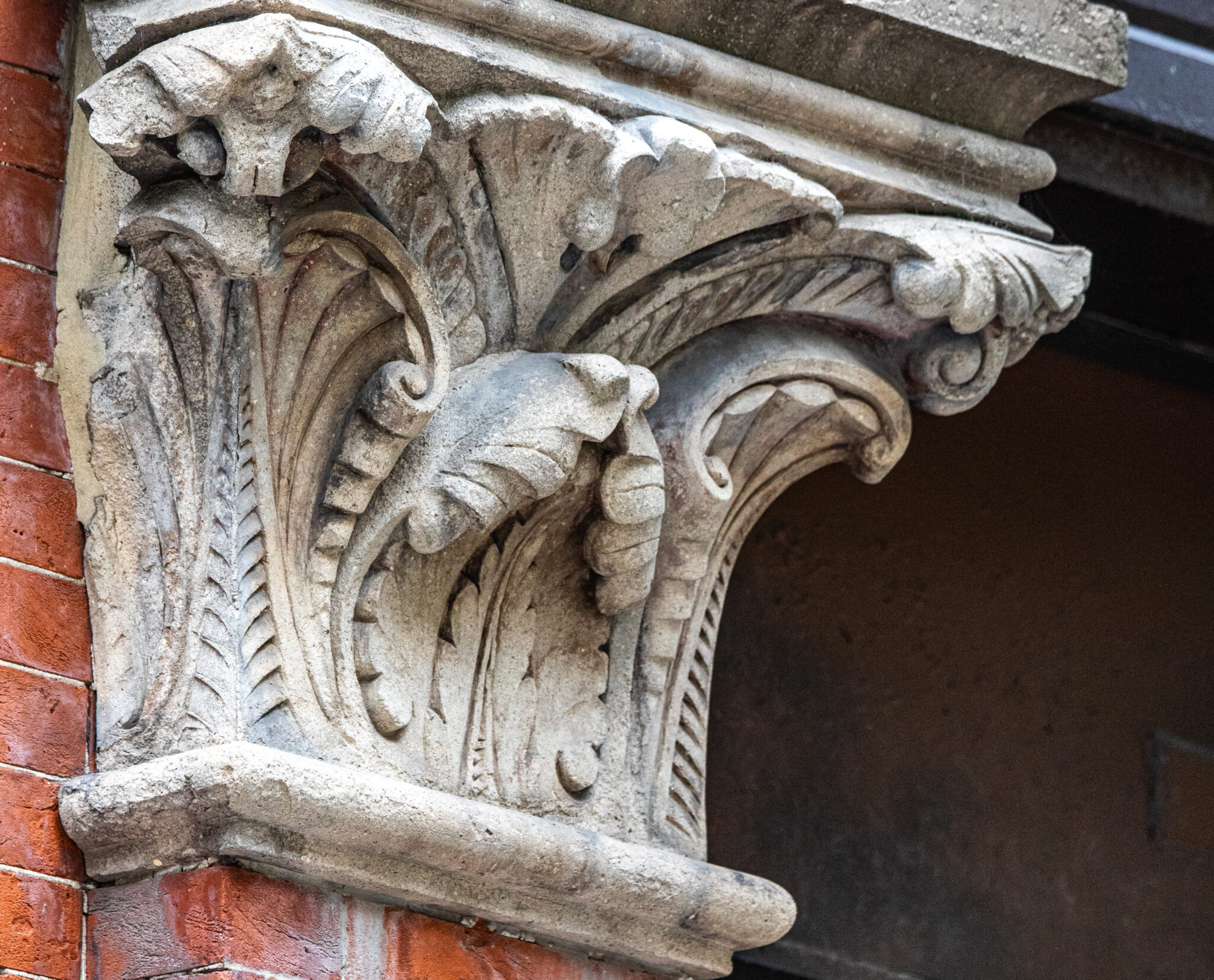
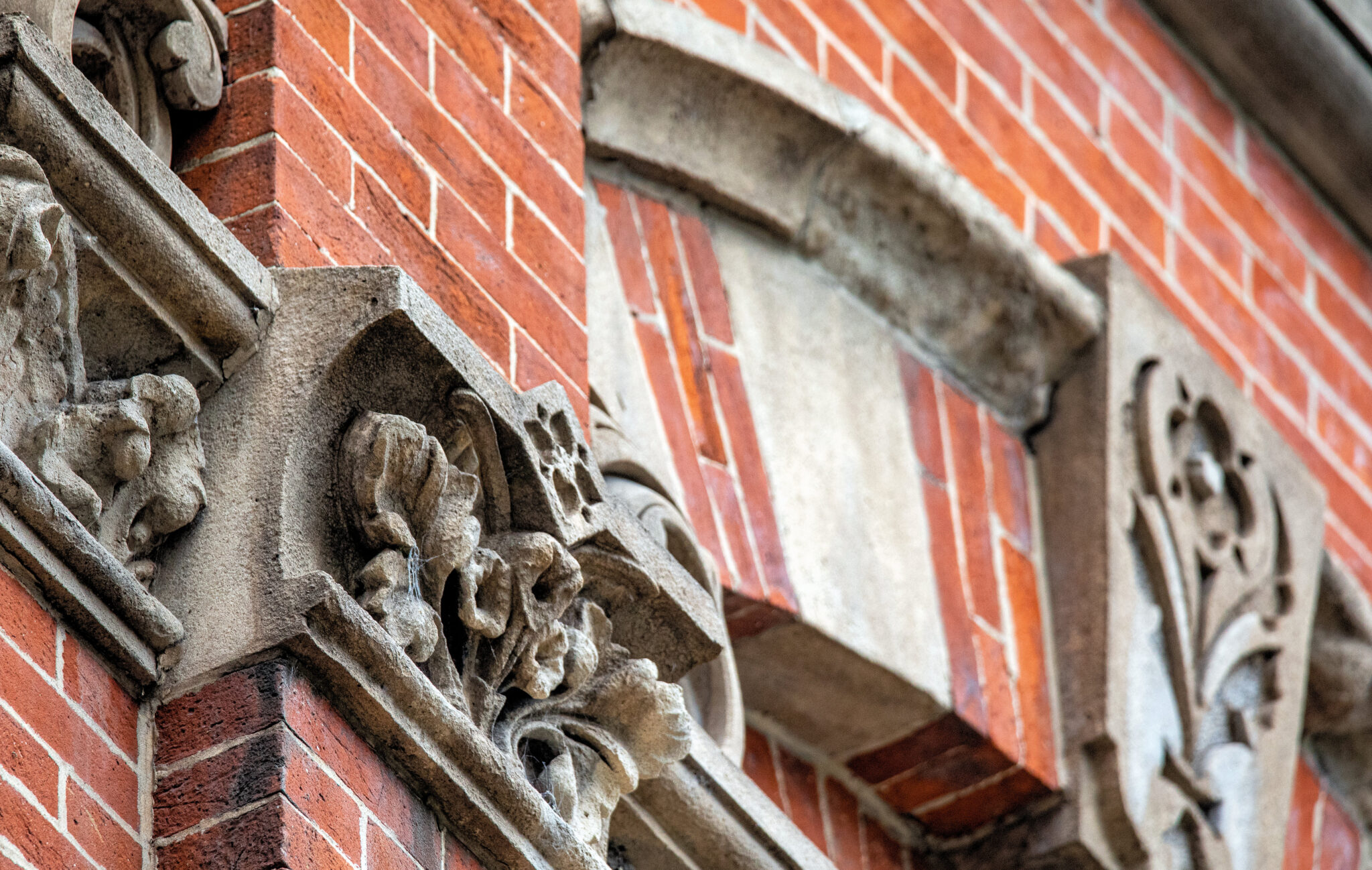
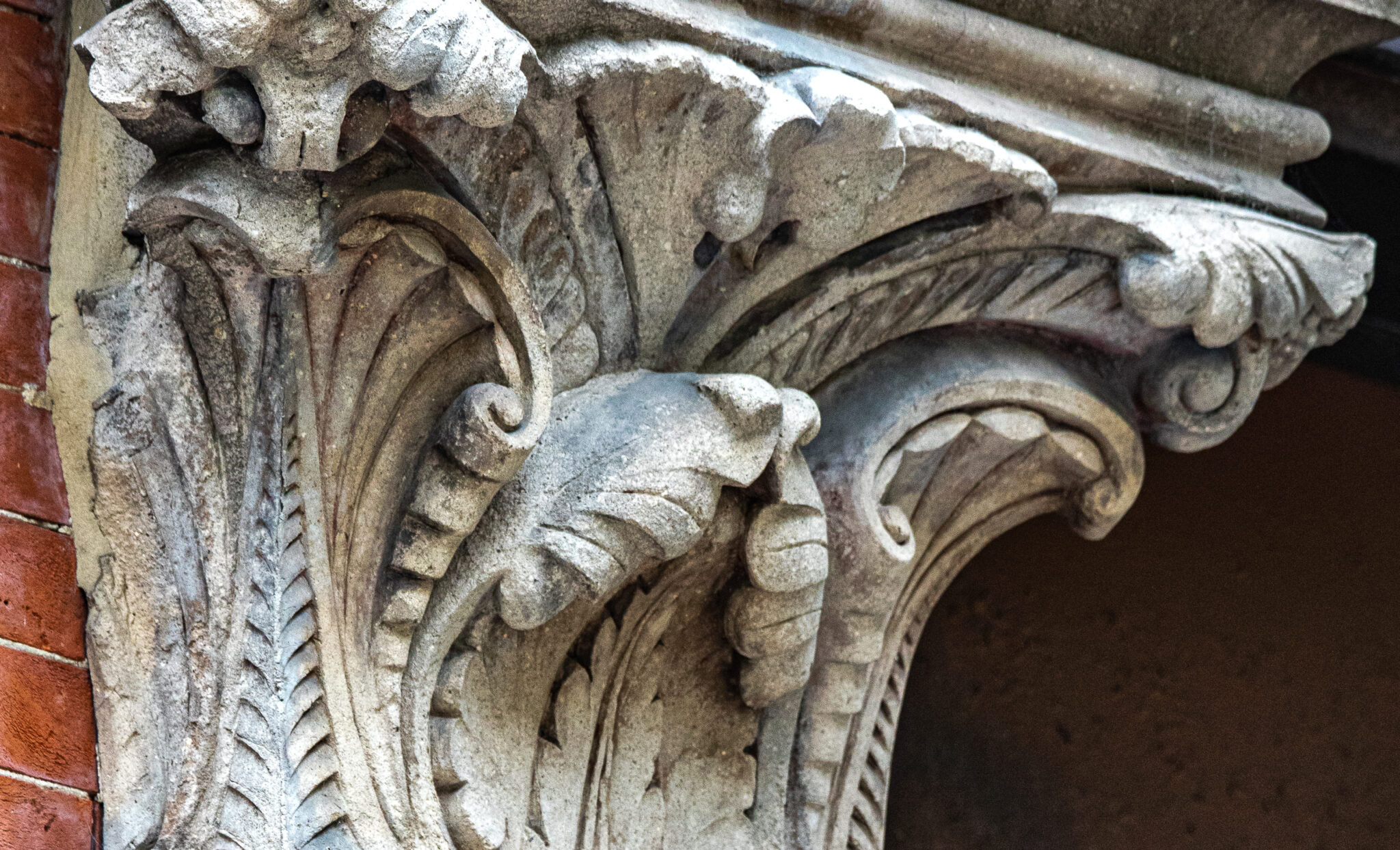
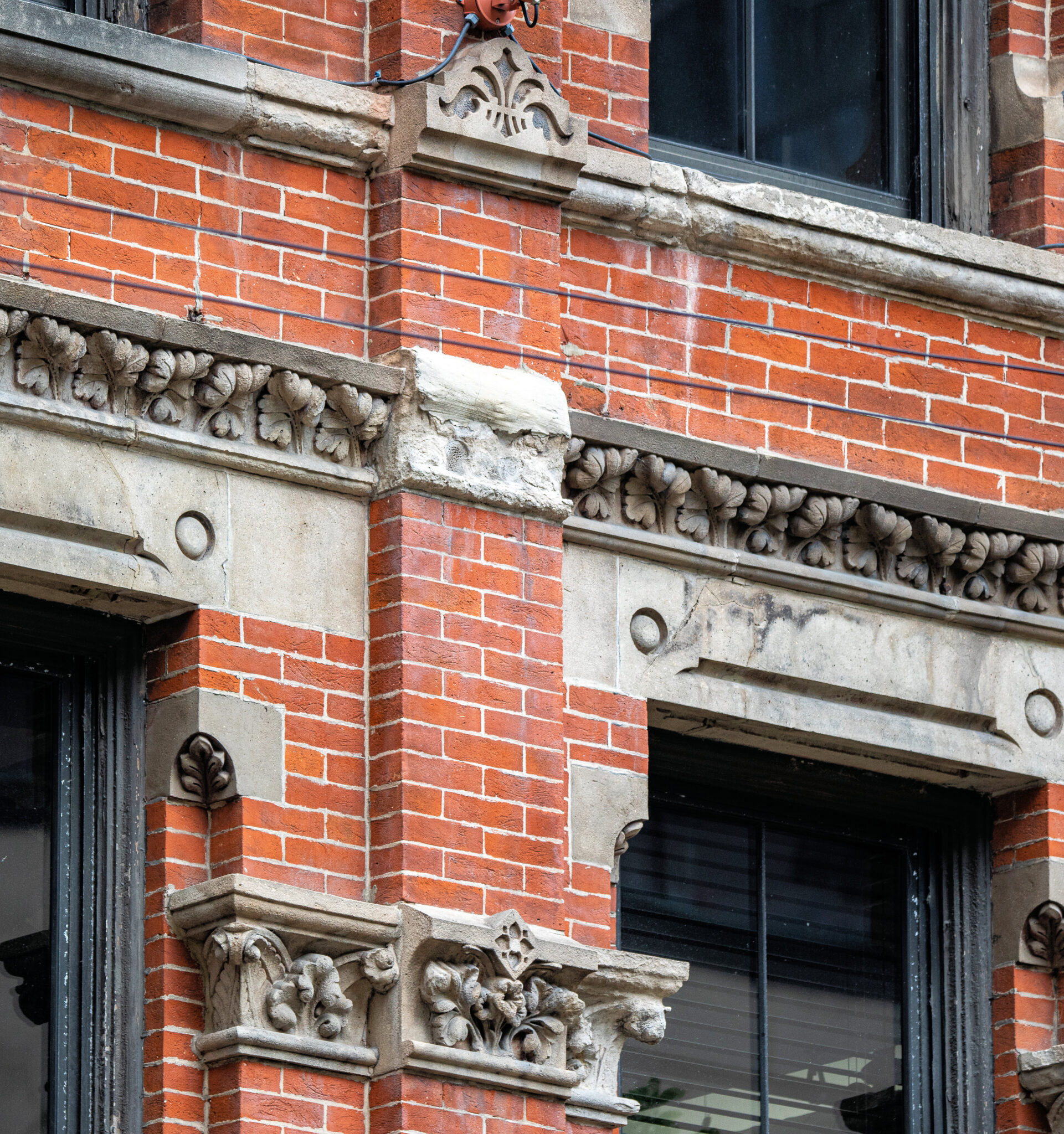
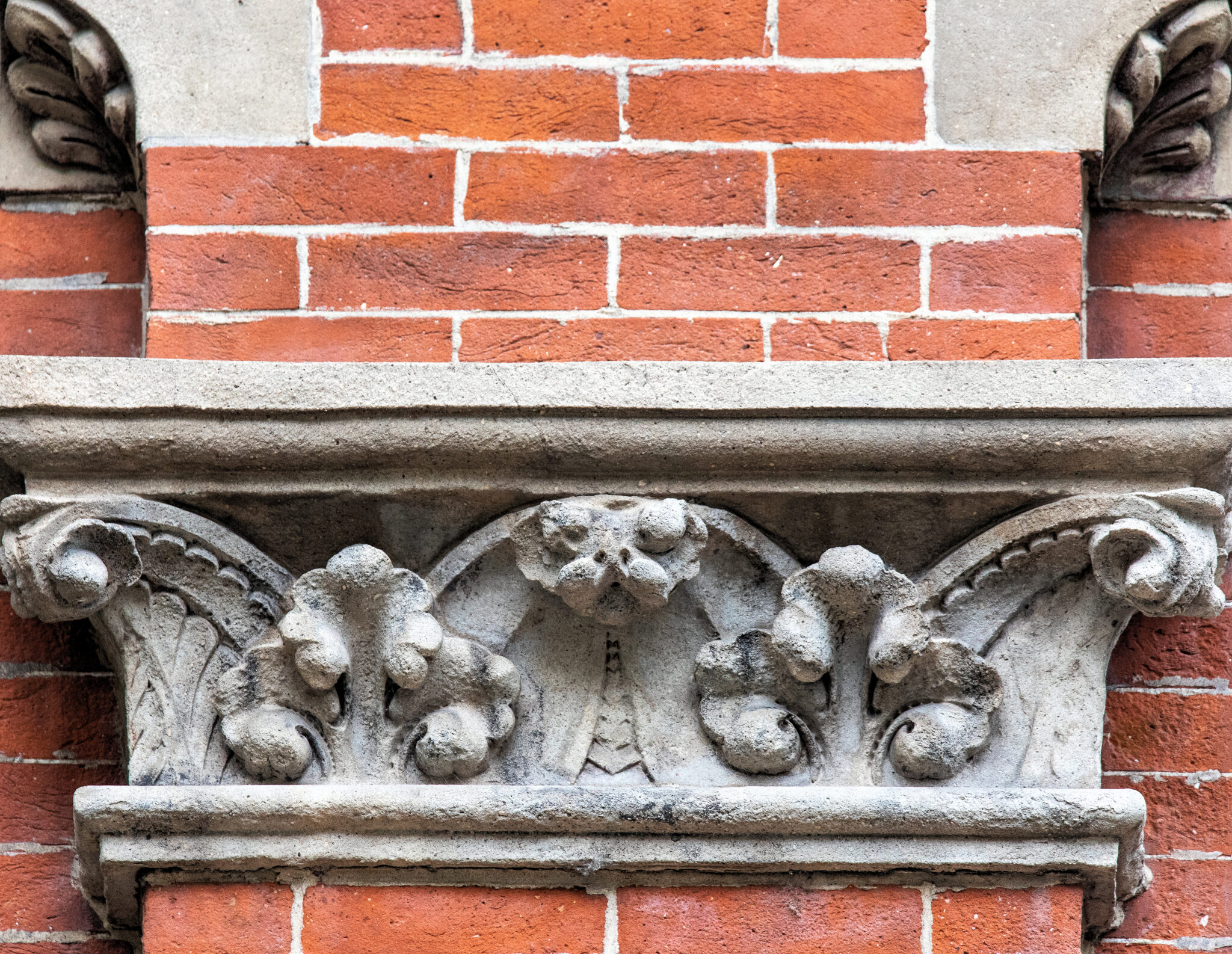
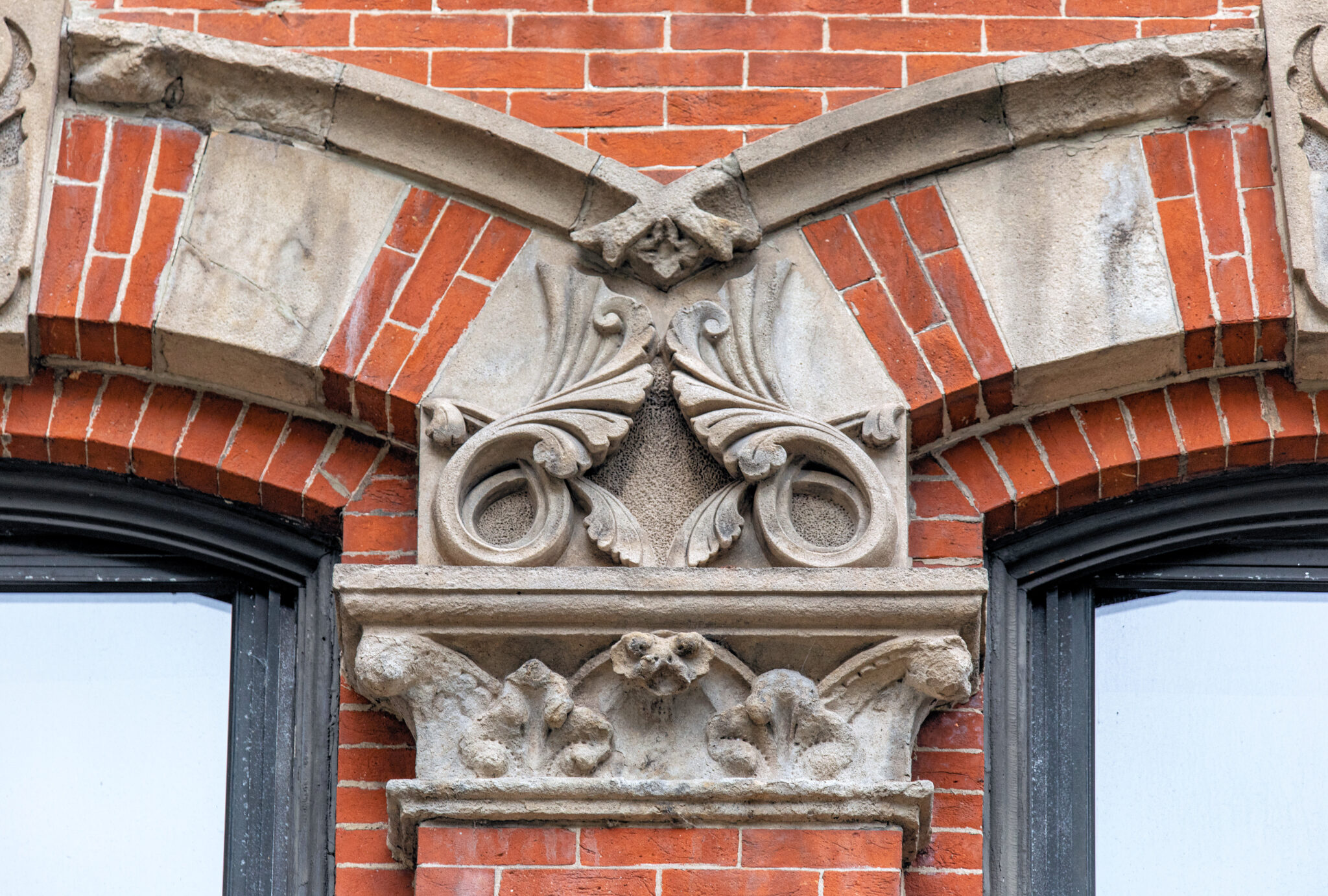
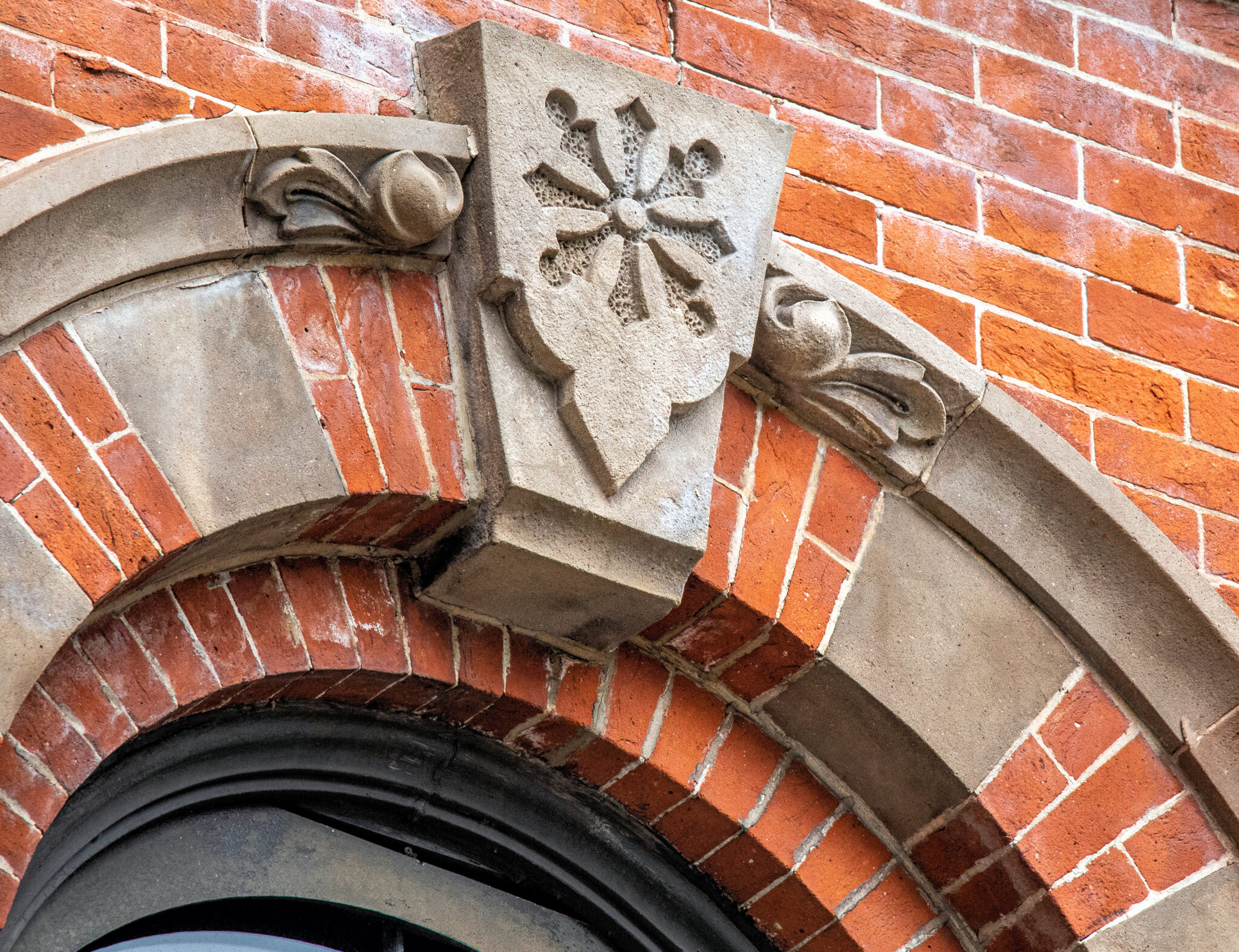
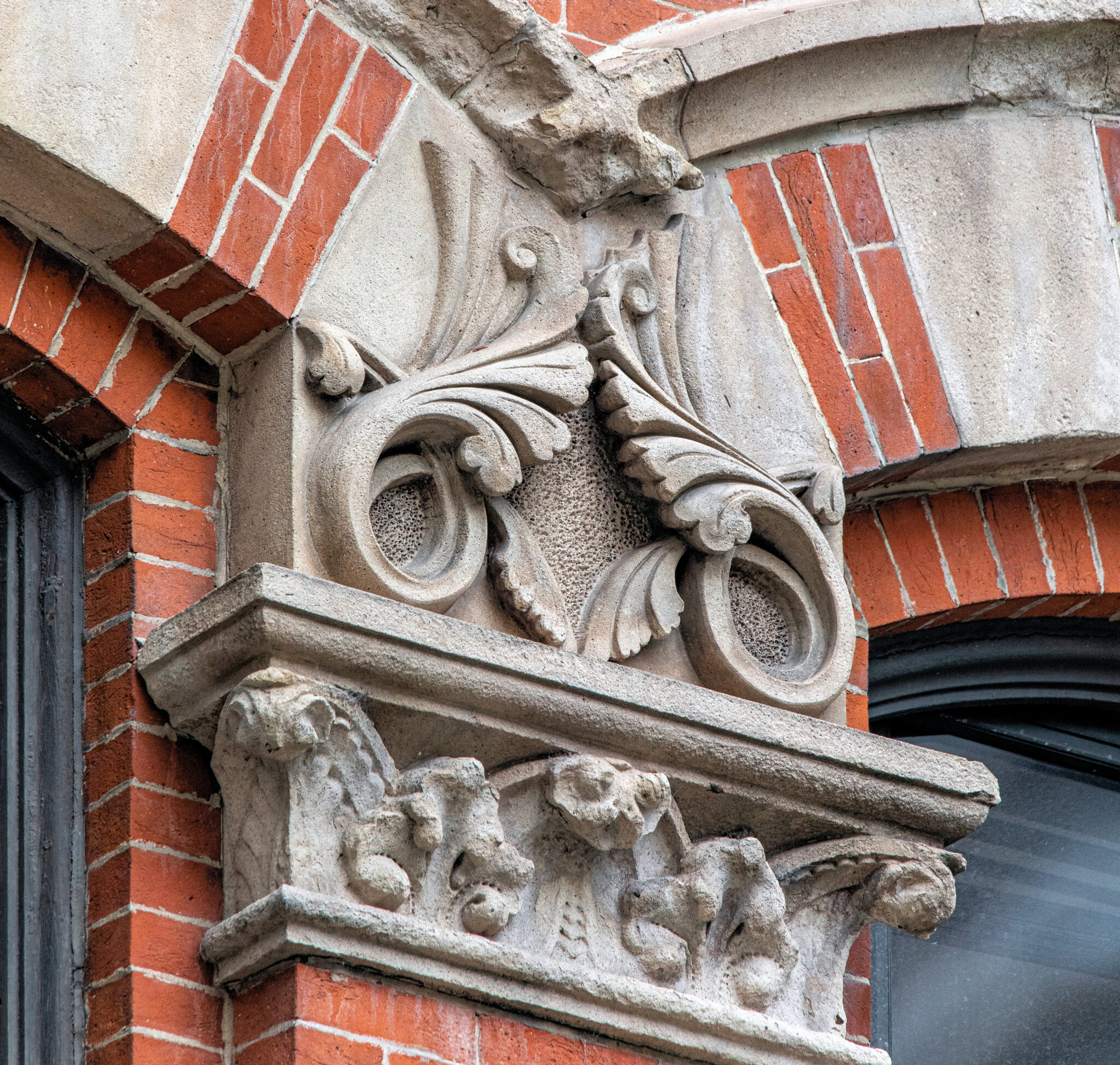
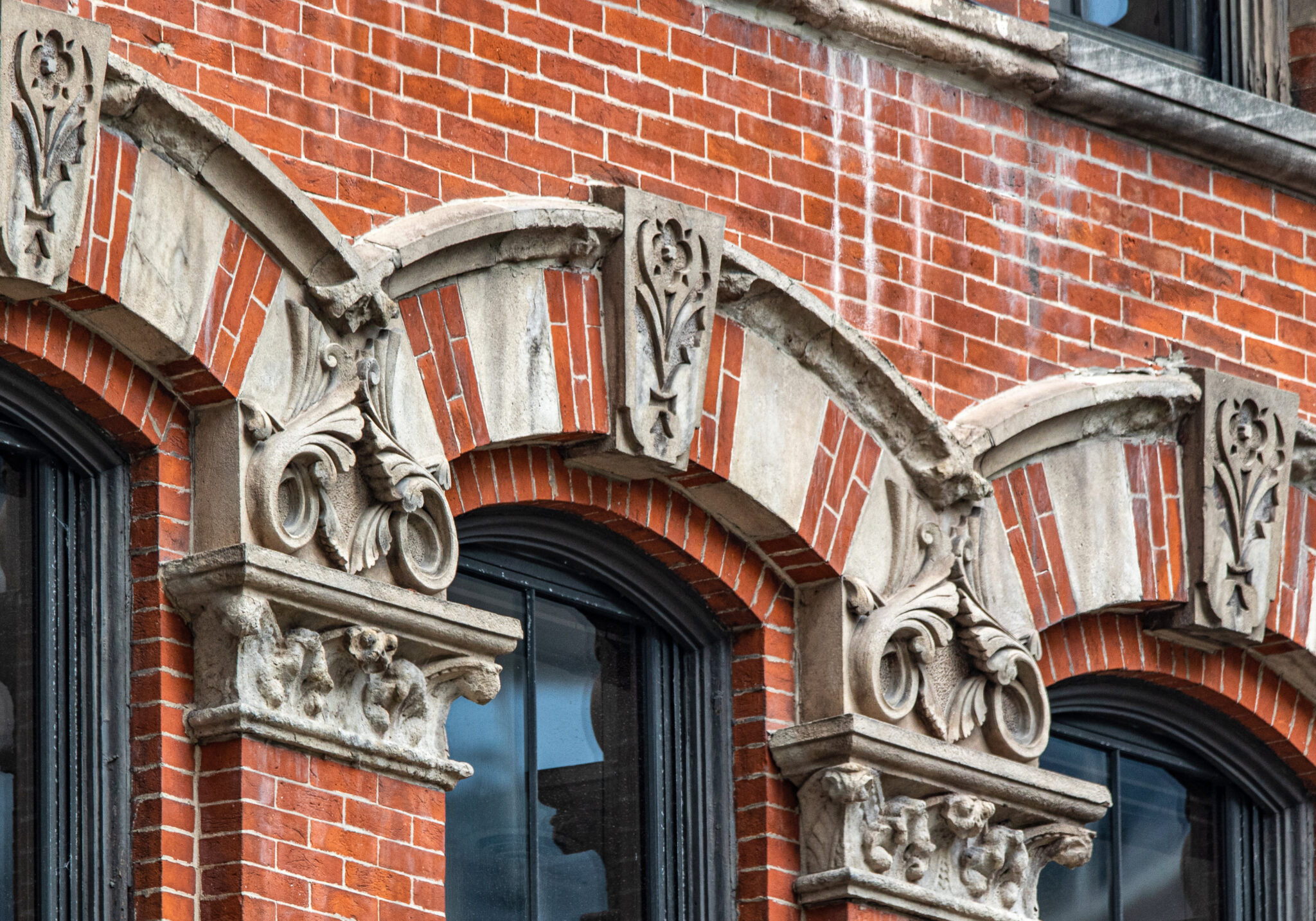
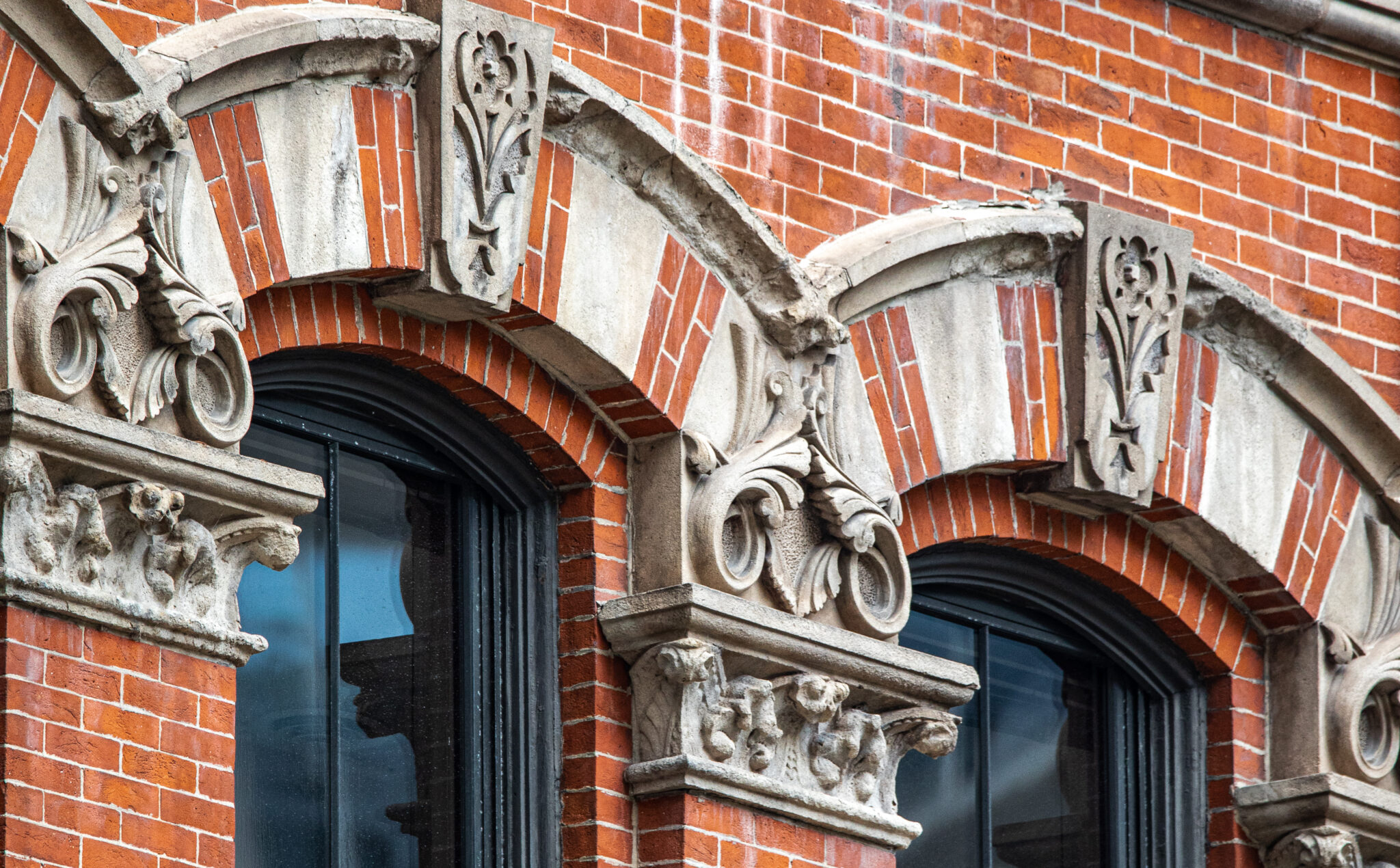
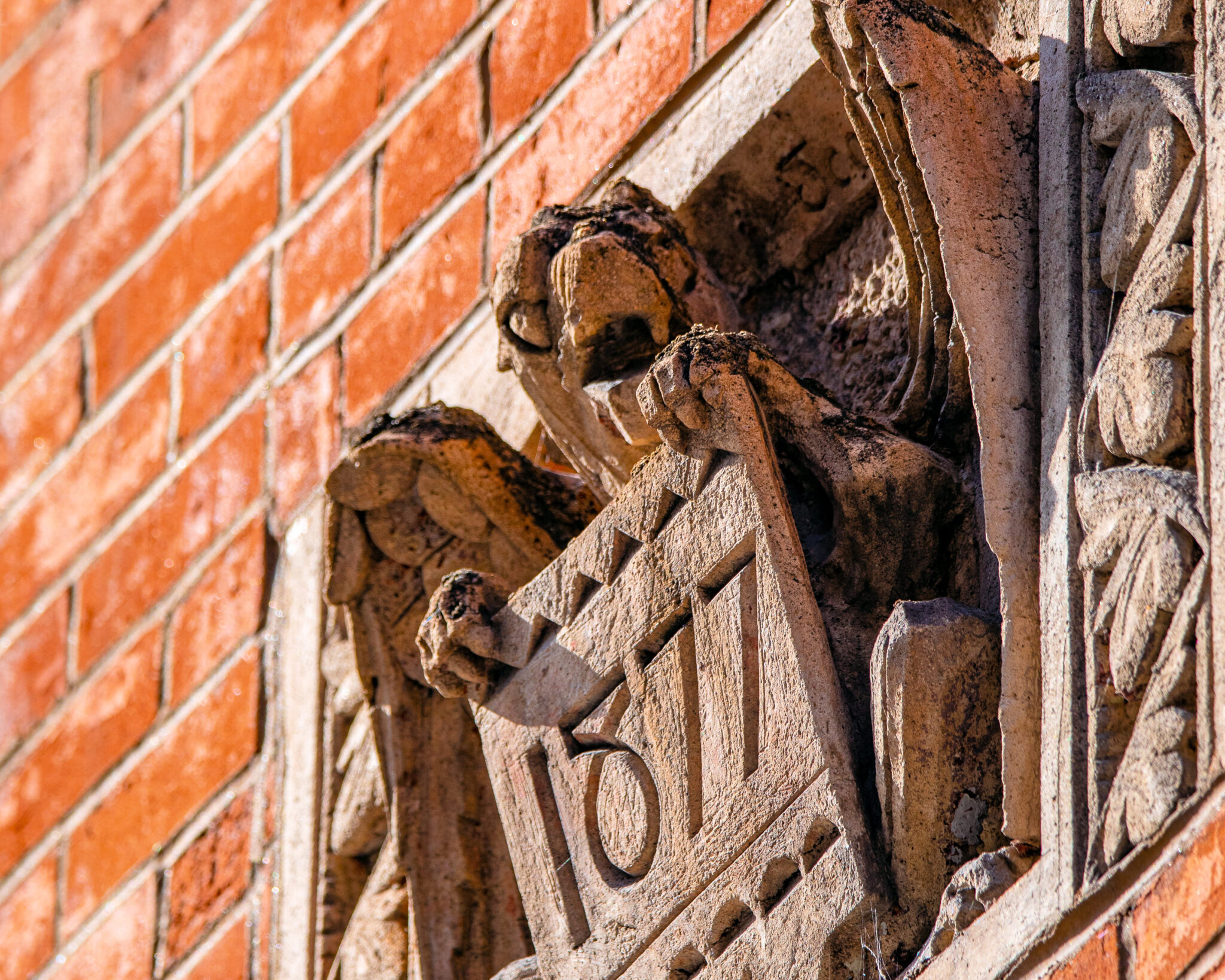
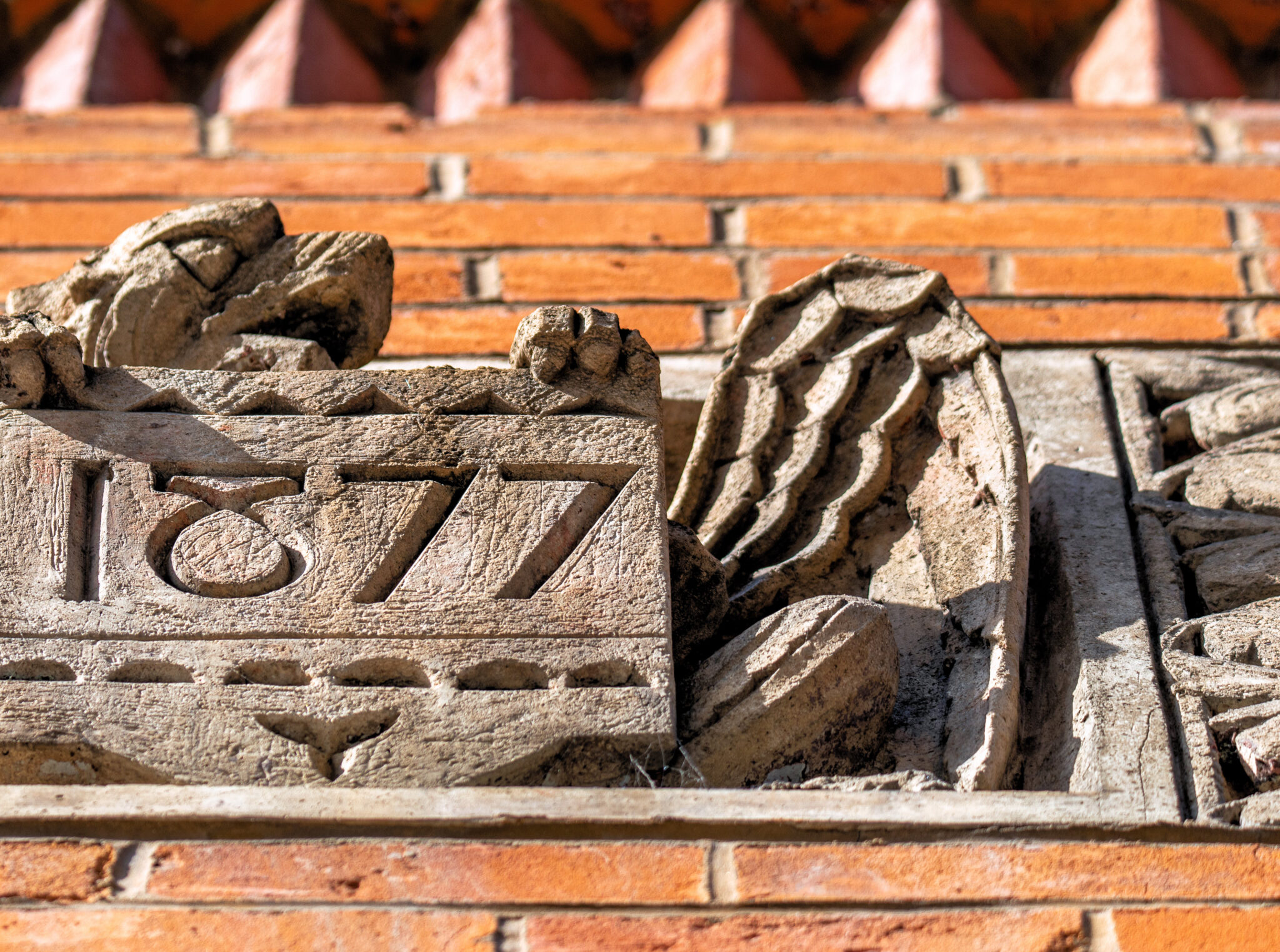
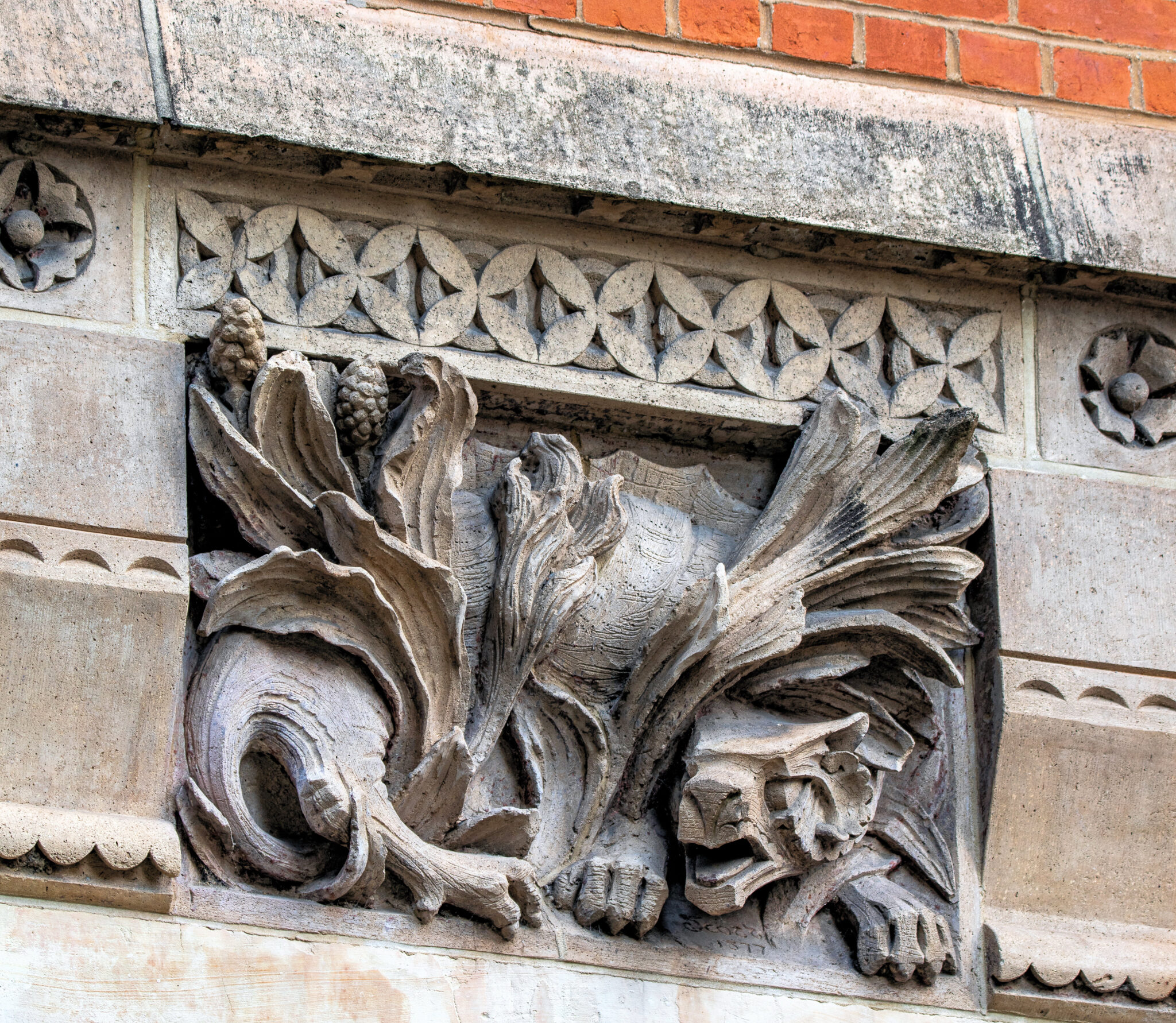
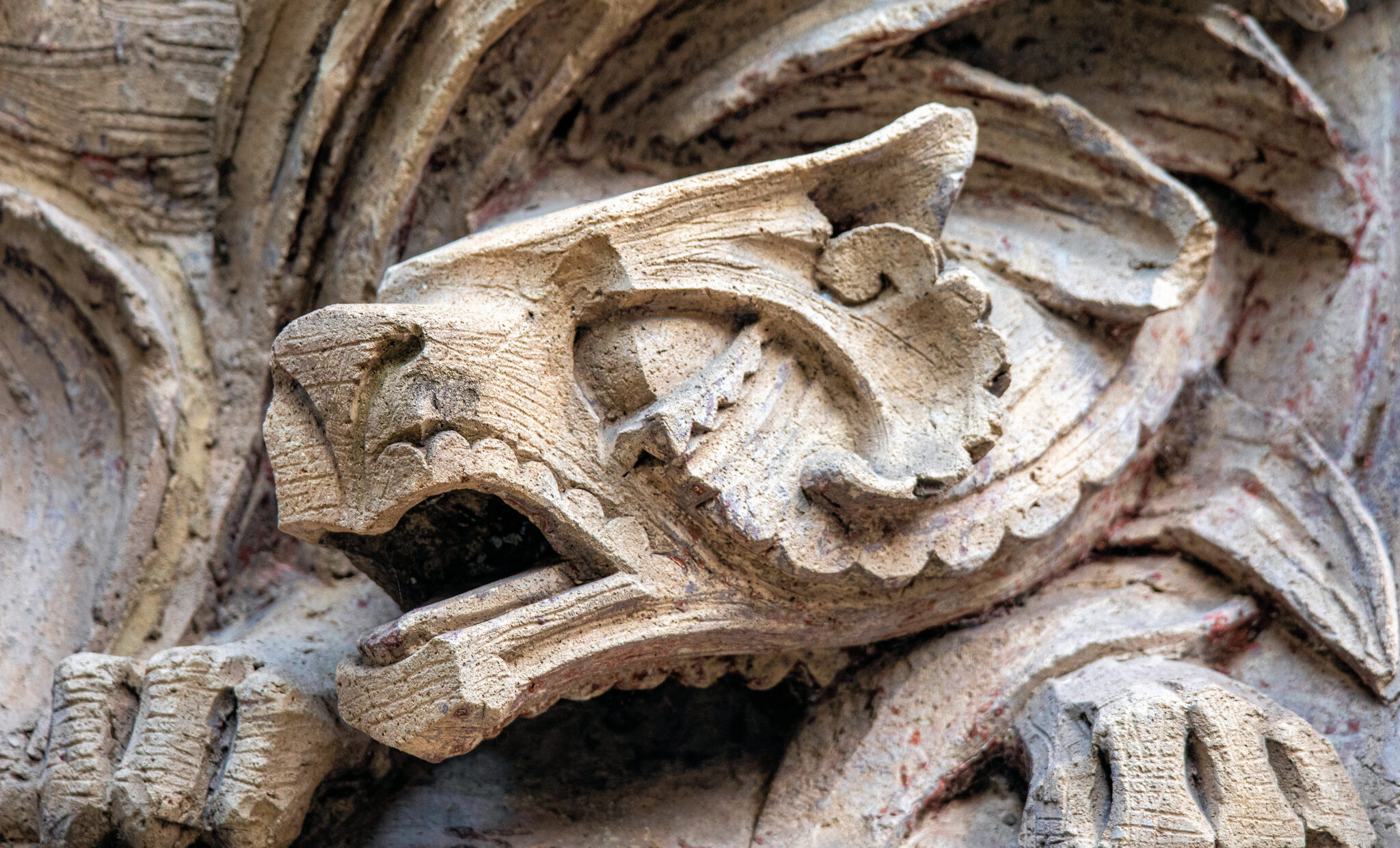
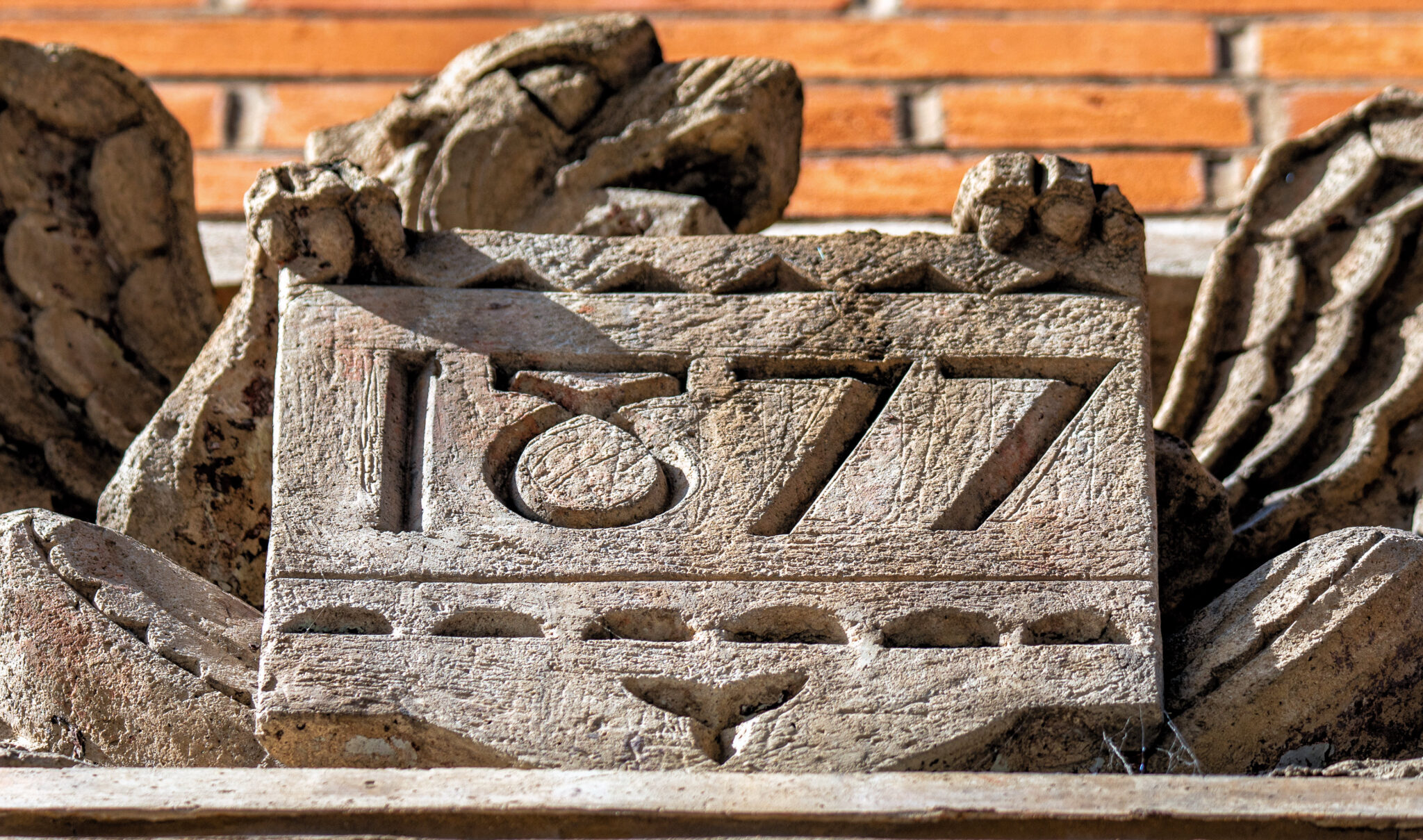
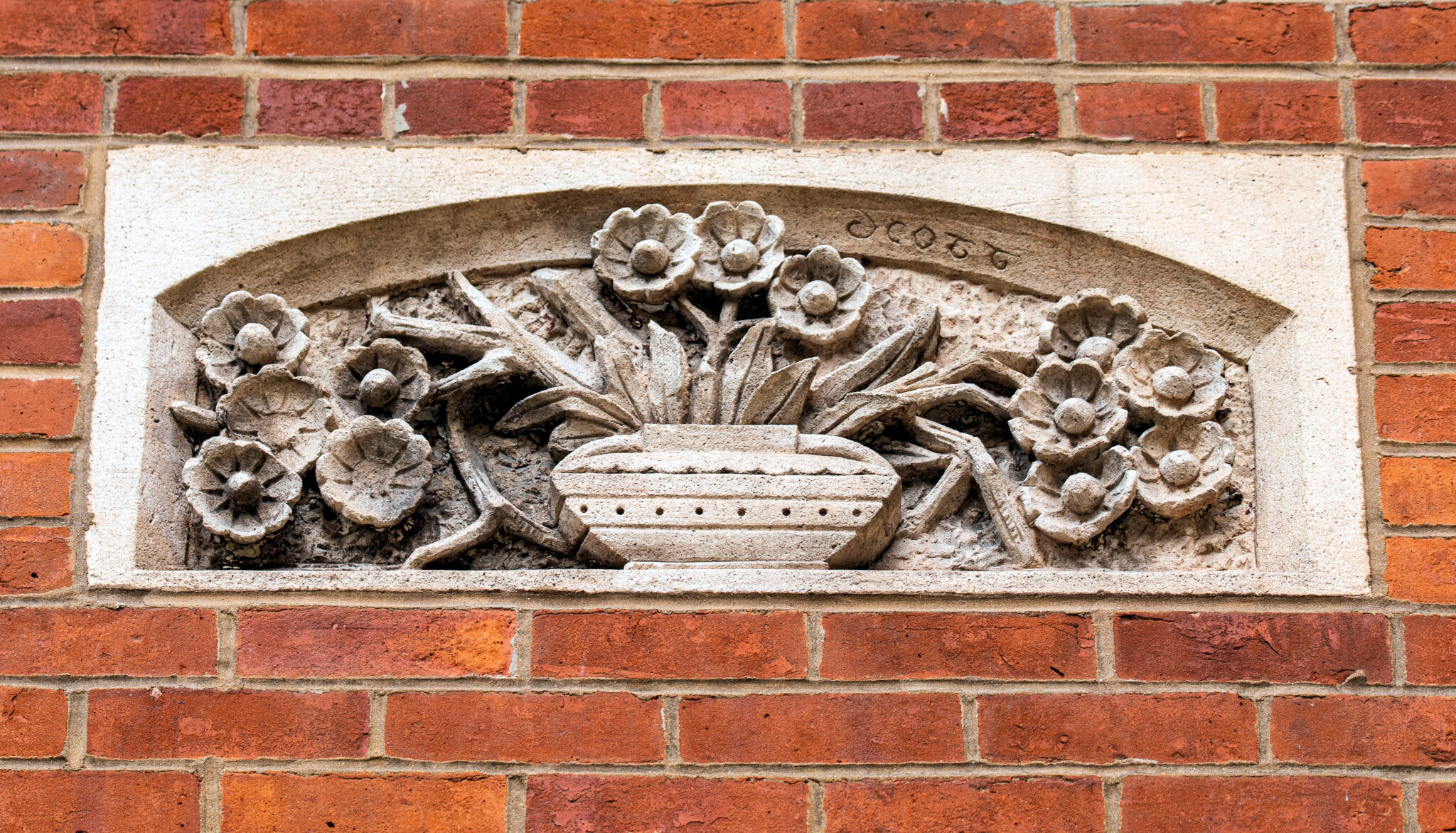
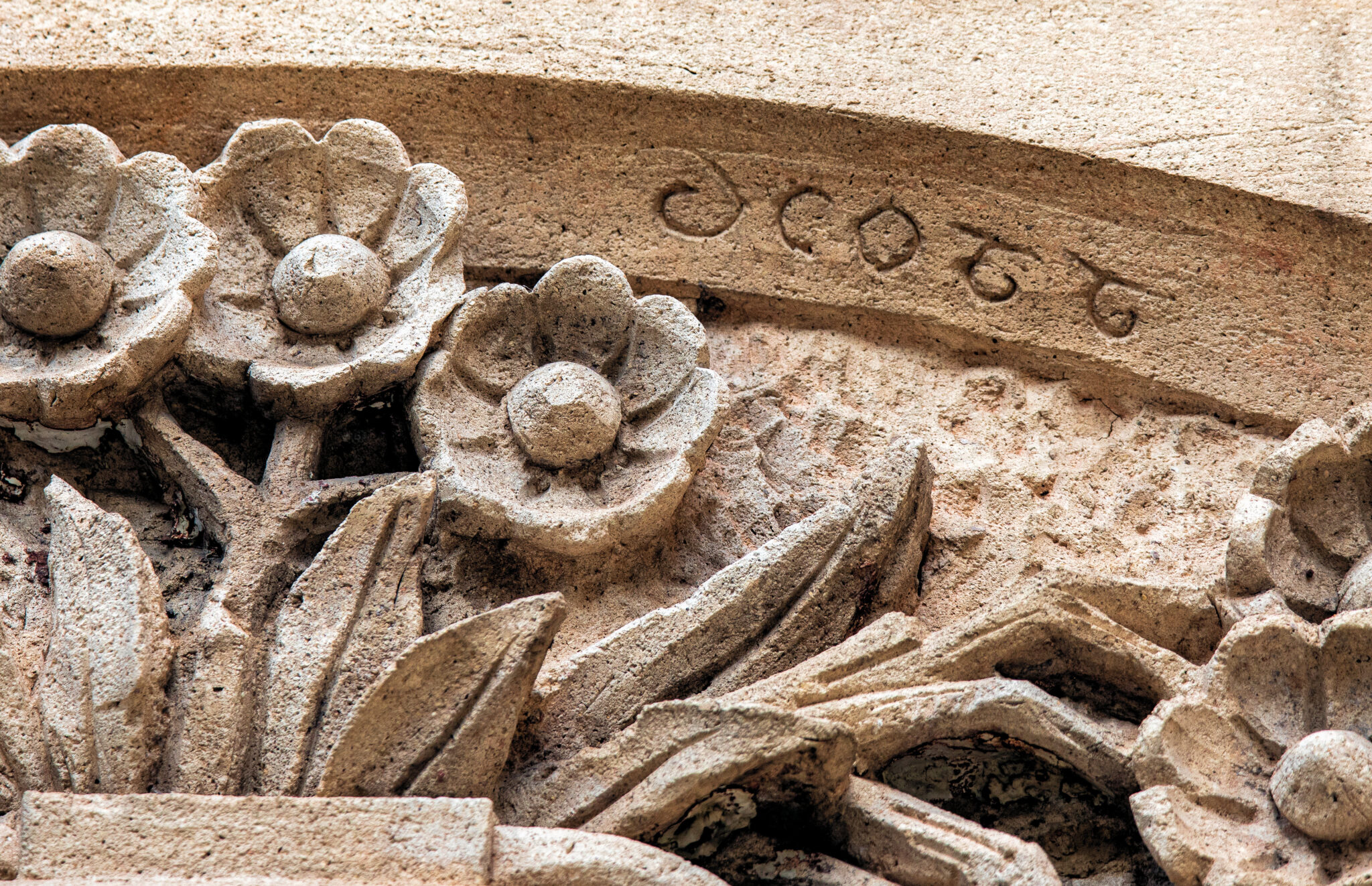
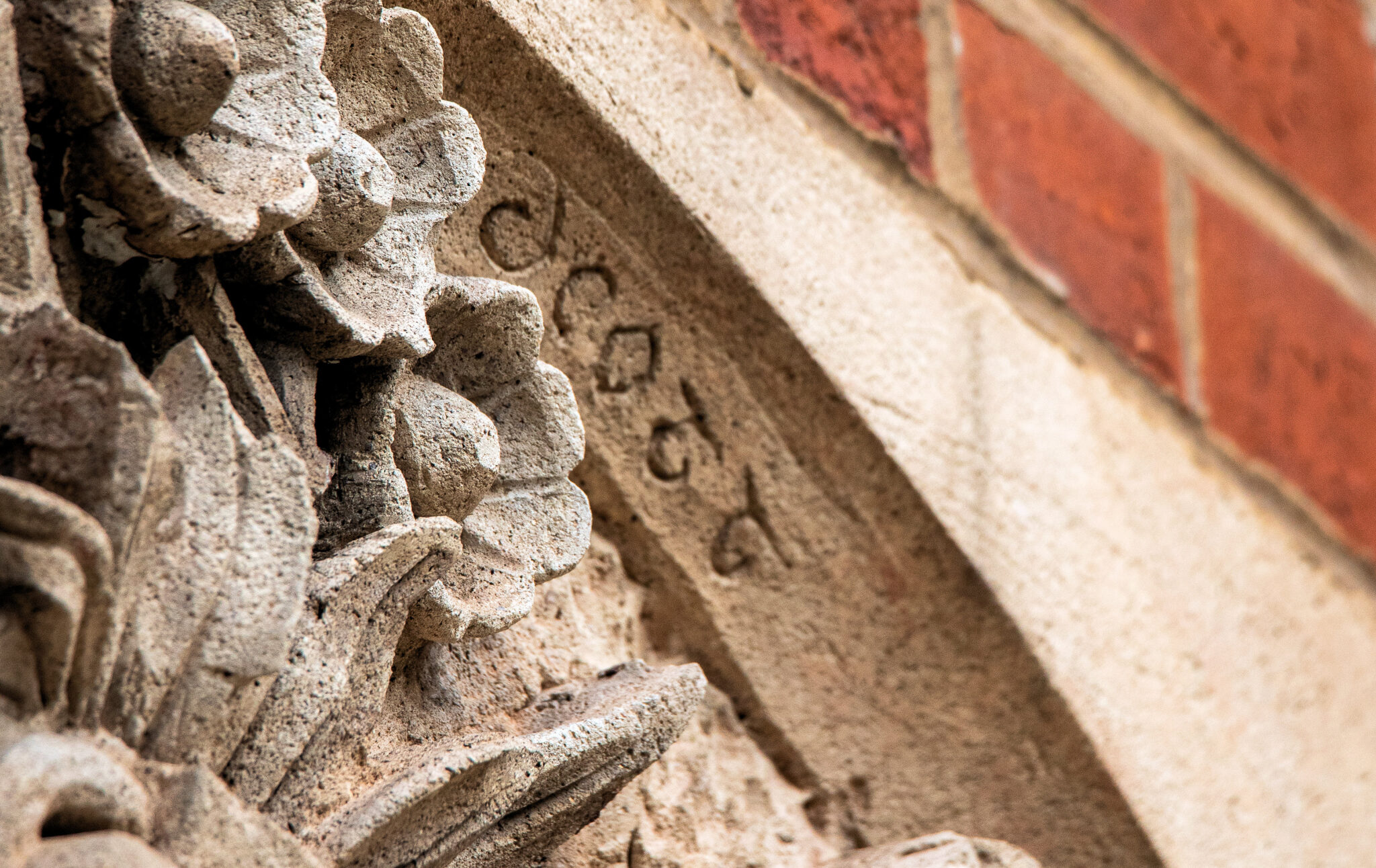
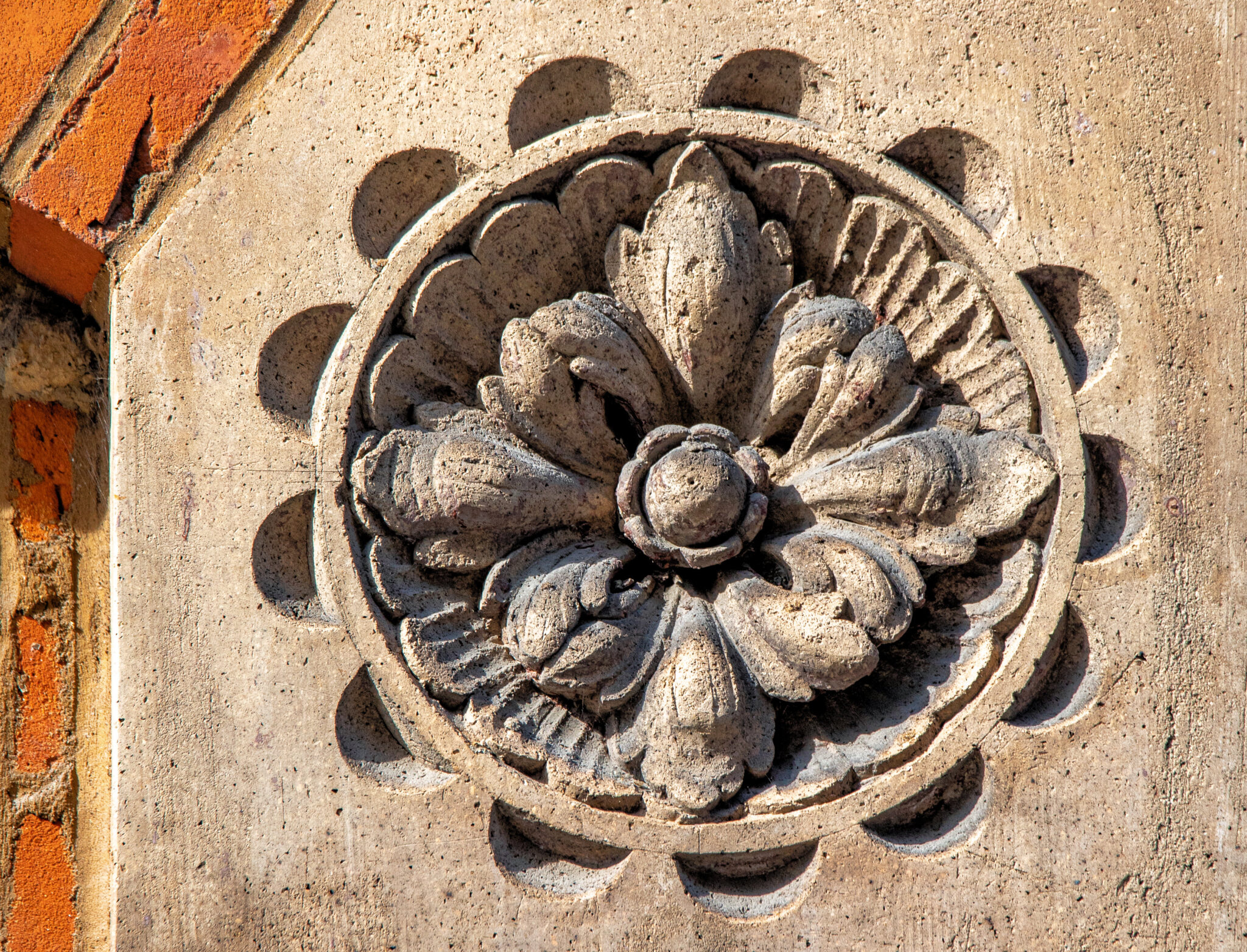
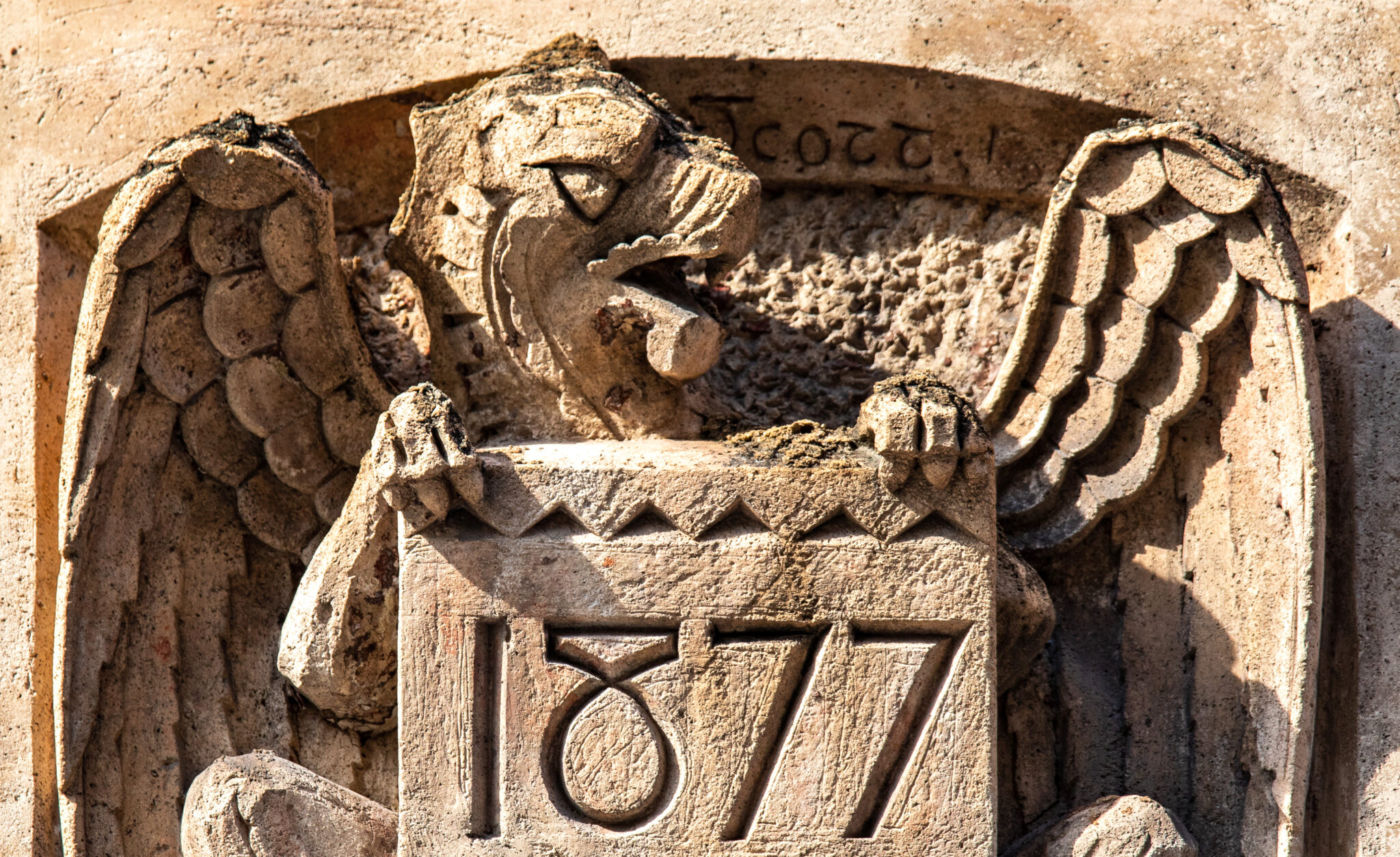
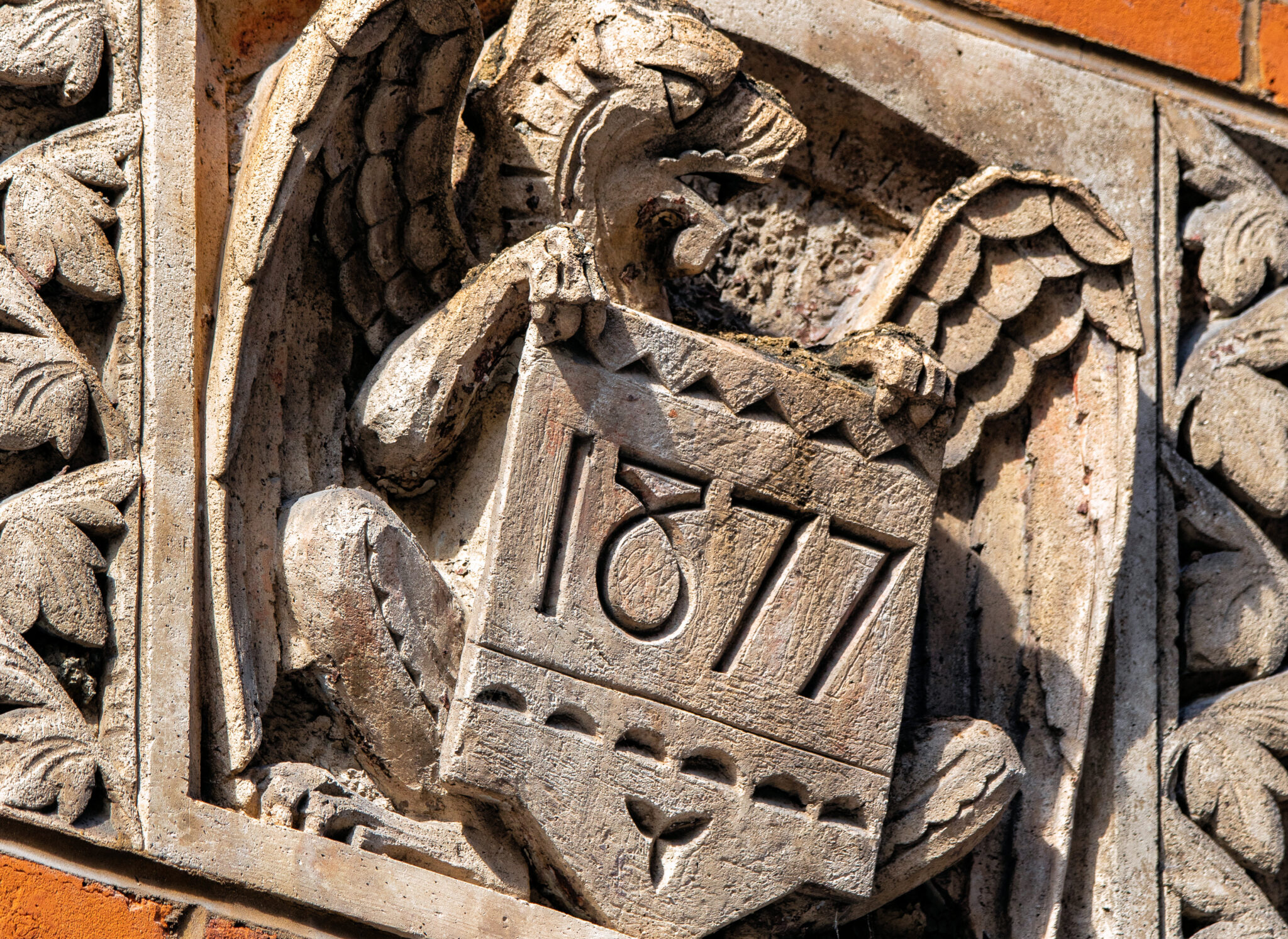
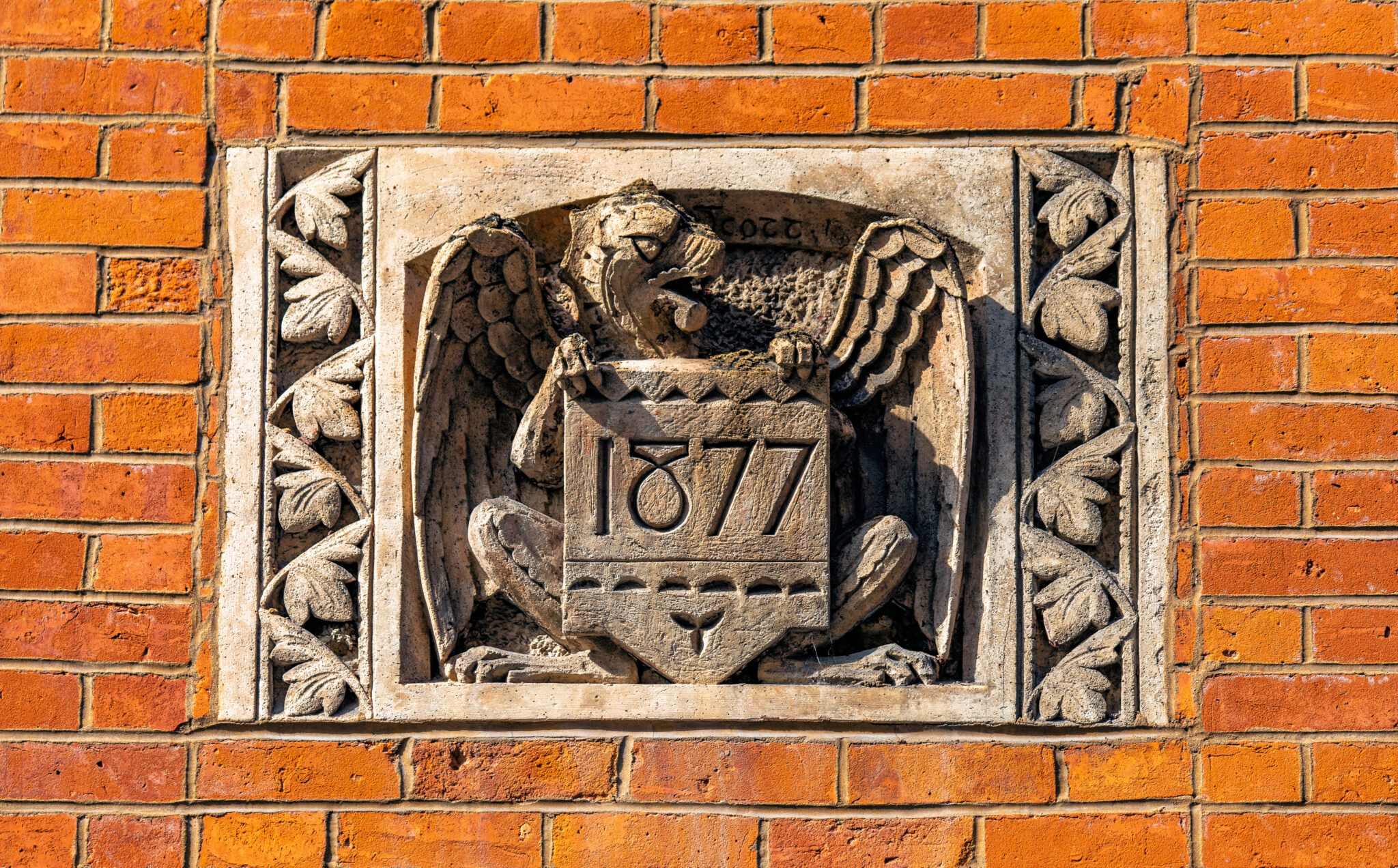
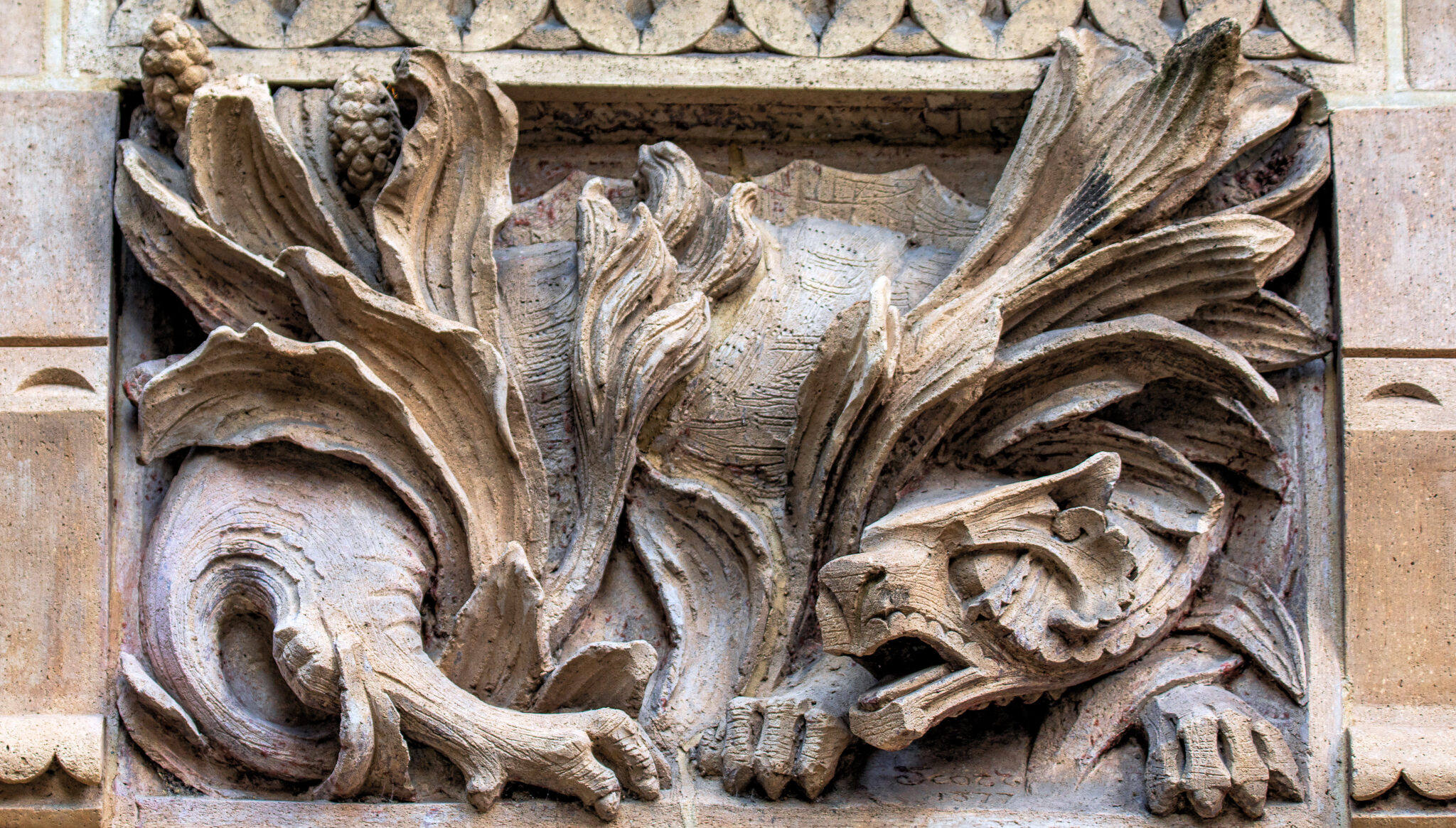
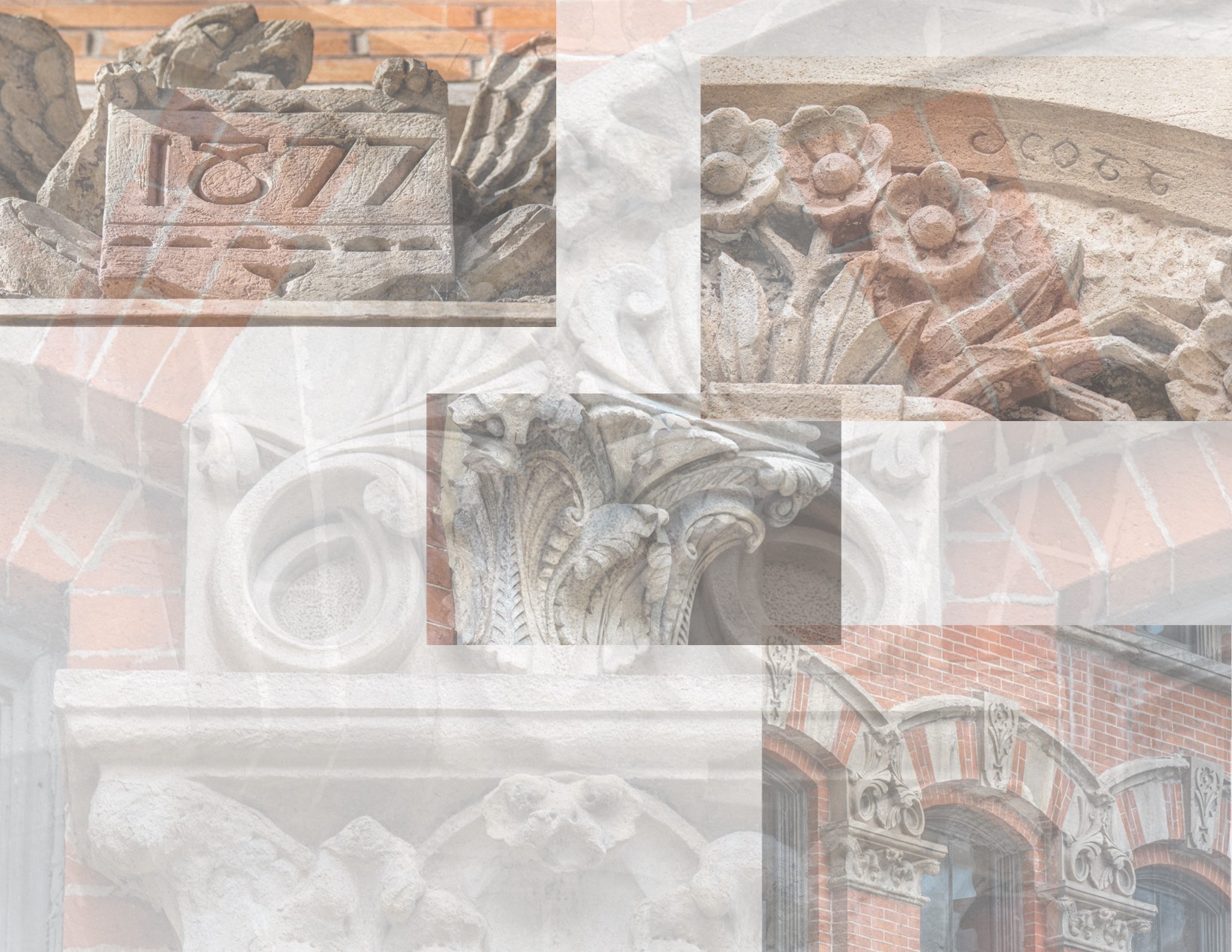
recent detailed photographic images of hand-carved “gray body” terra cotta panels sculpted by isaac elwood scott for the chicago terra cotta company. the custom-designed panels and “stock” terra cotta blocks punctuate the facade of asa lyon’s luther mcconell house (1877) located at 1401 north dearborn street, chicago, il.
isaac scott, a self-taught wood carver from philadelphia, moved to chicago in 1873, shortly after the great chicago fire. within a few years after arriving in chicago, scott became a partner with architect frederick w. copeland, which according to city directories, lists the firm as “scott and copeland, designers, carvers, and art wood workers.” a display featuring scott’s carved household furnishings was organized by architects william le baron jenney and p.b. wright for the 1875 inter-state industrial exposition.
scott went on to create furniture for the architectural firm of burnham and root as well as jenney throughout the 1870’s. in addition to furniture, scott was hired on as a modeler of architectural ornament for the chicago terra cotta company.
note: the ornament i photographed is original to the house. the other design elements that look similar were recreated – either in cast concrete or stone.