
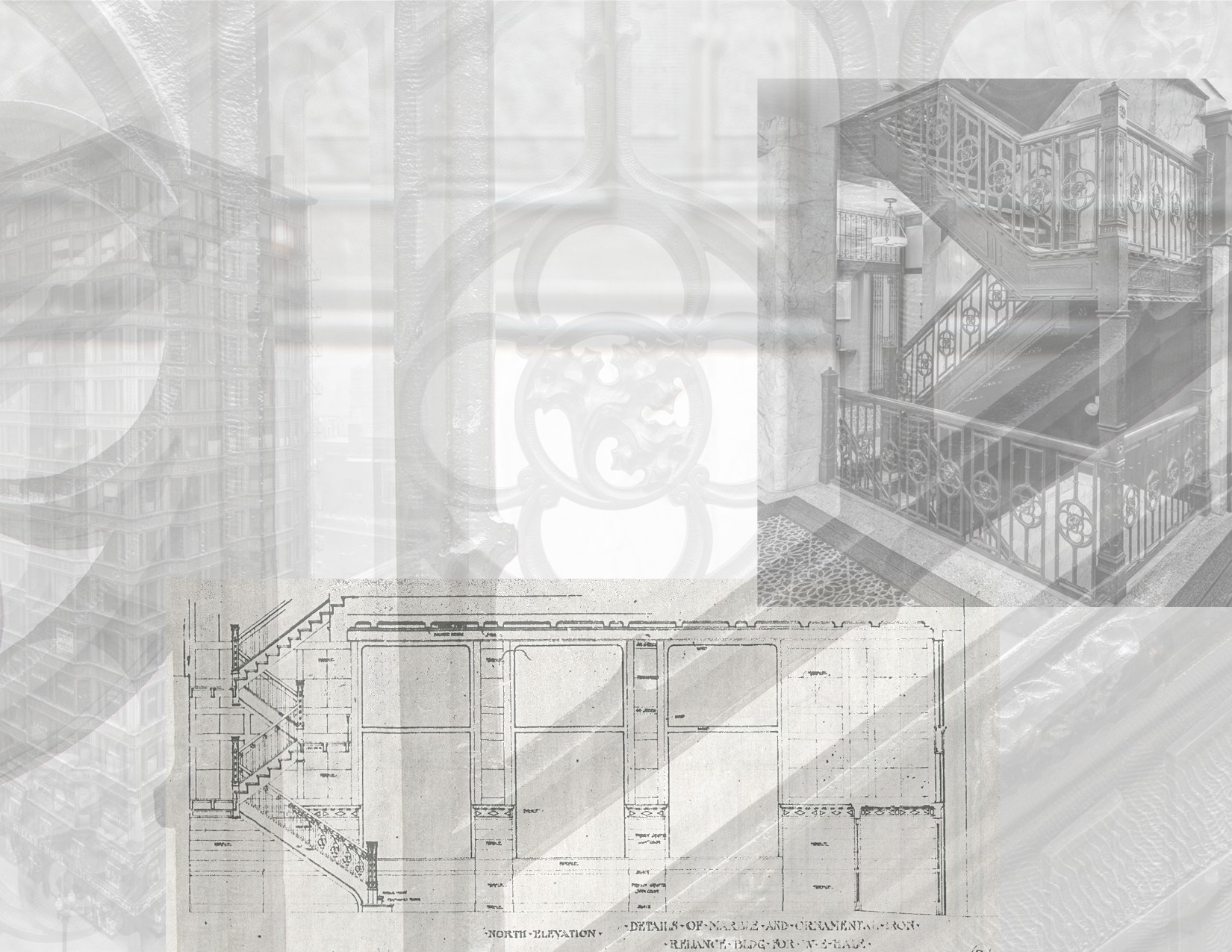
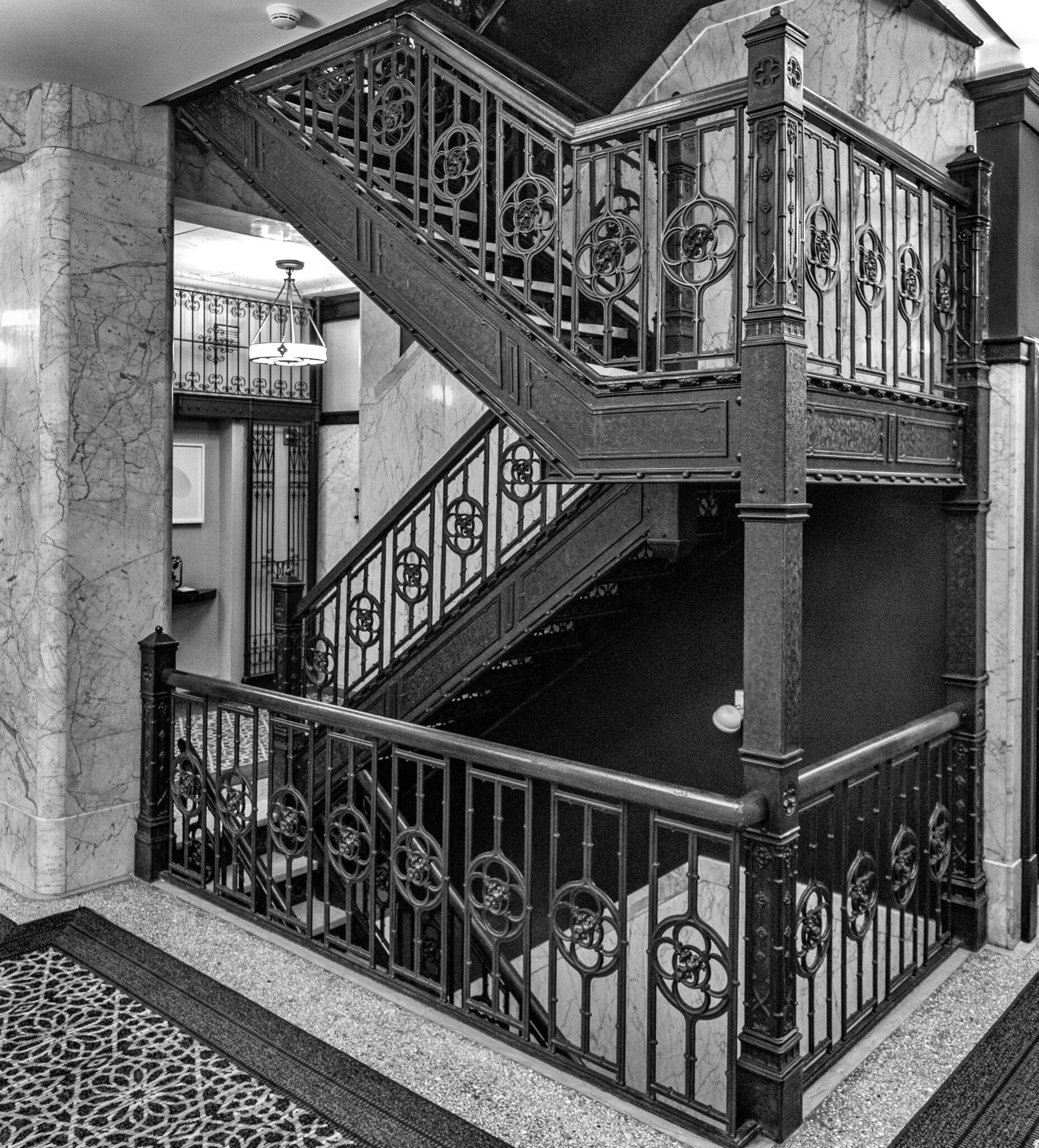
10 Nov photographic survey of charles b. atwood-designed reliance building bower-barff-plated interior cast iron staircase
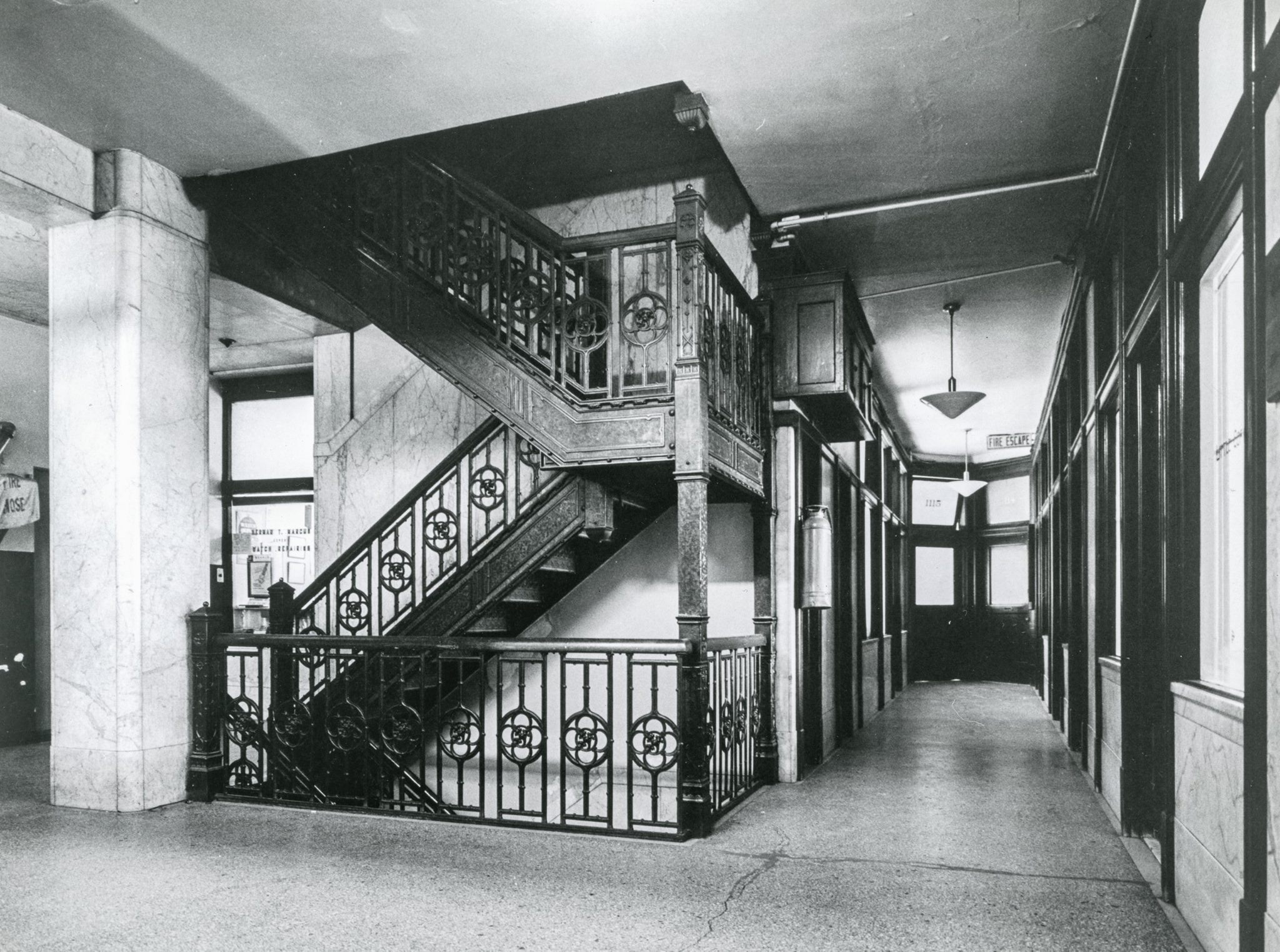
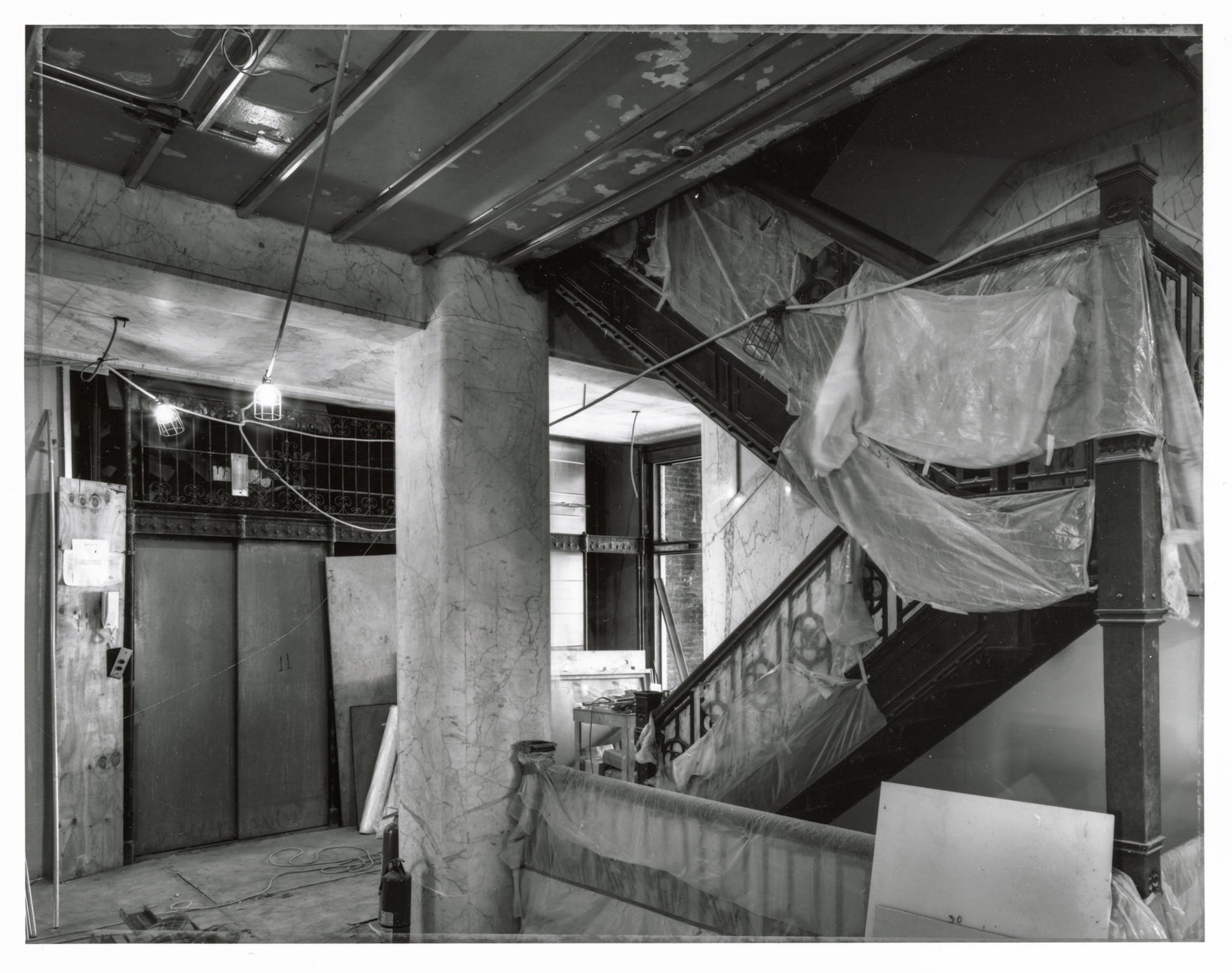
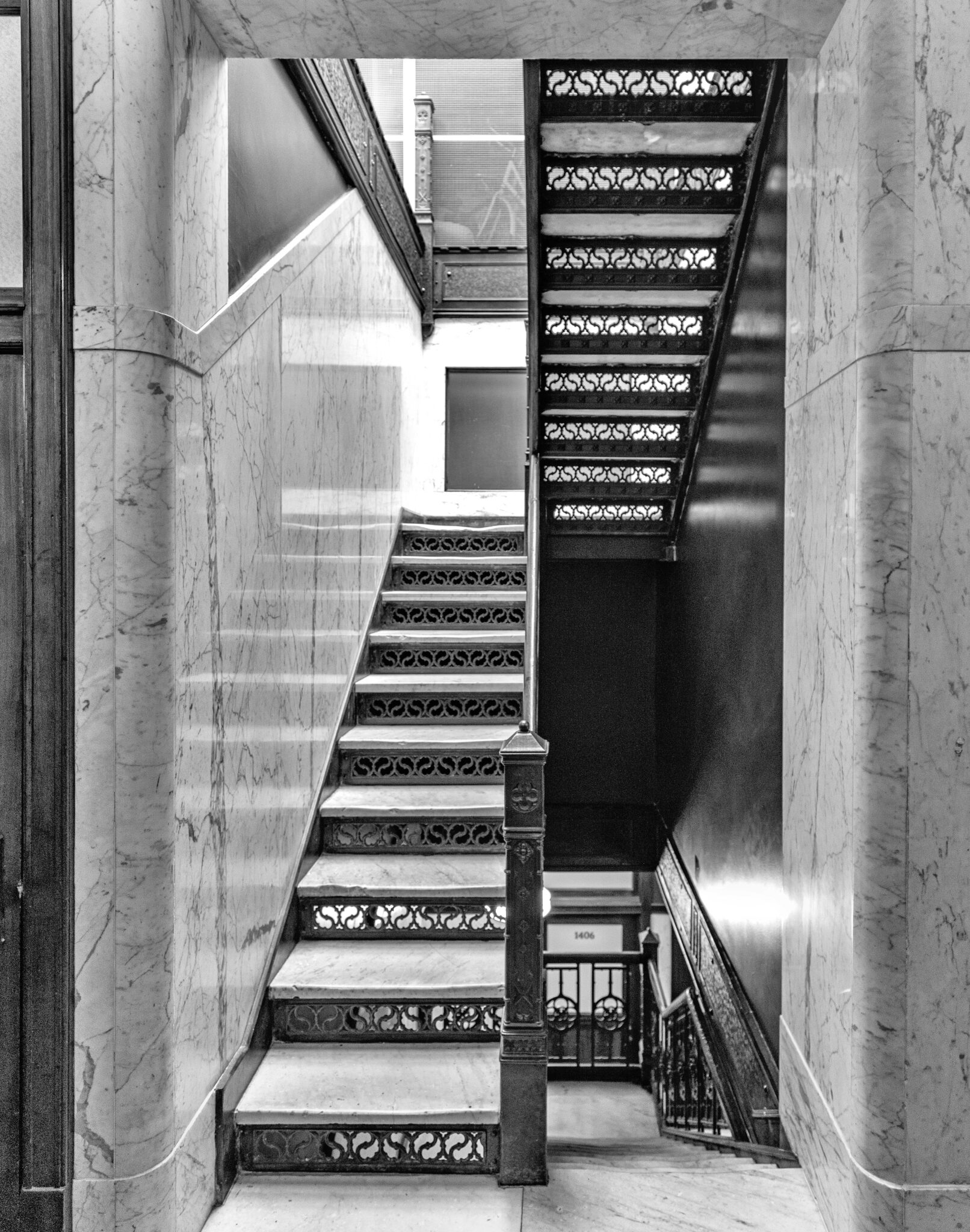
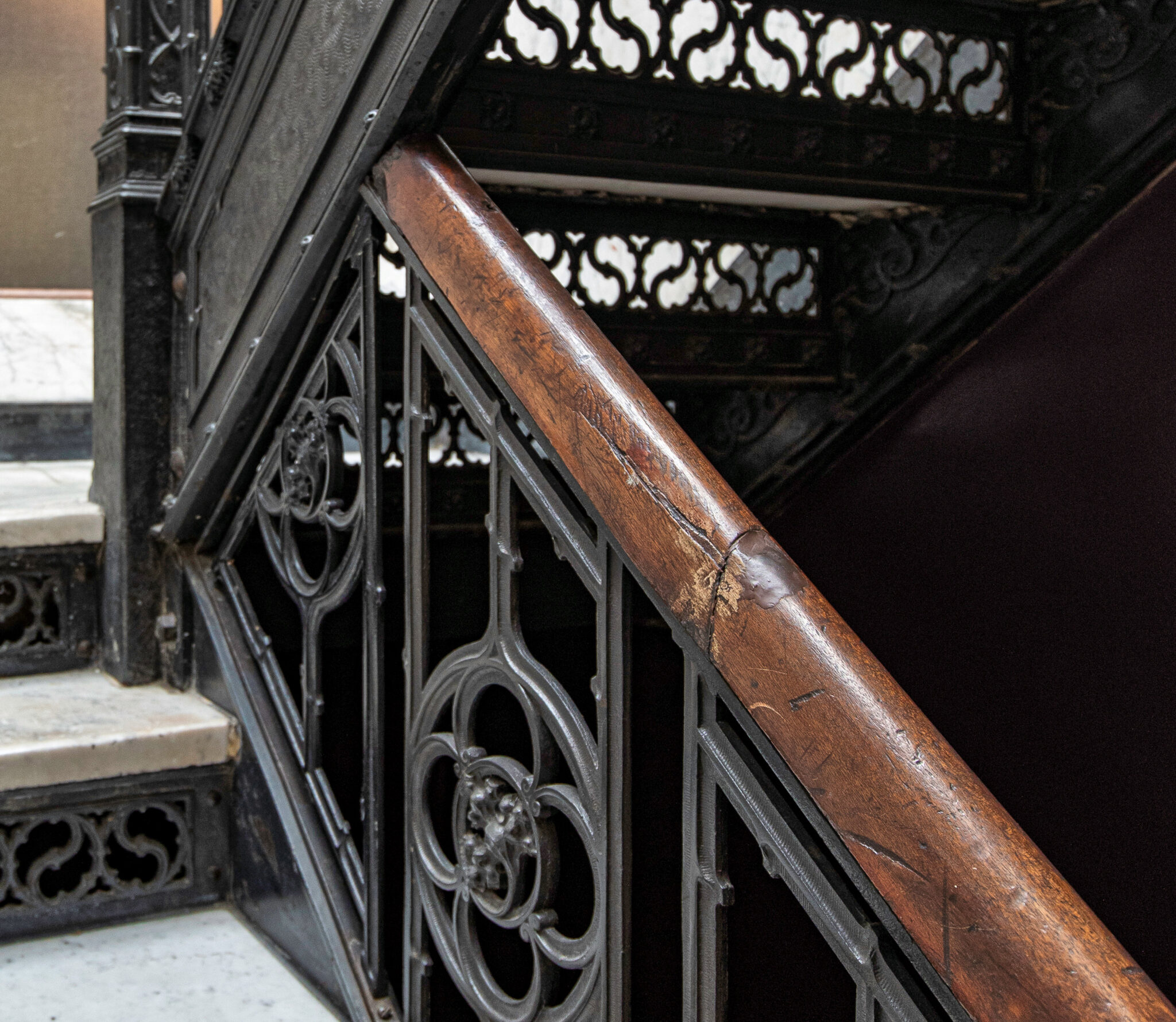
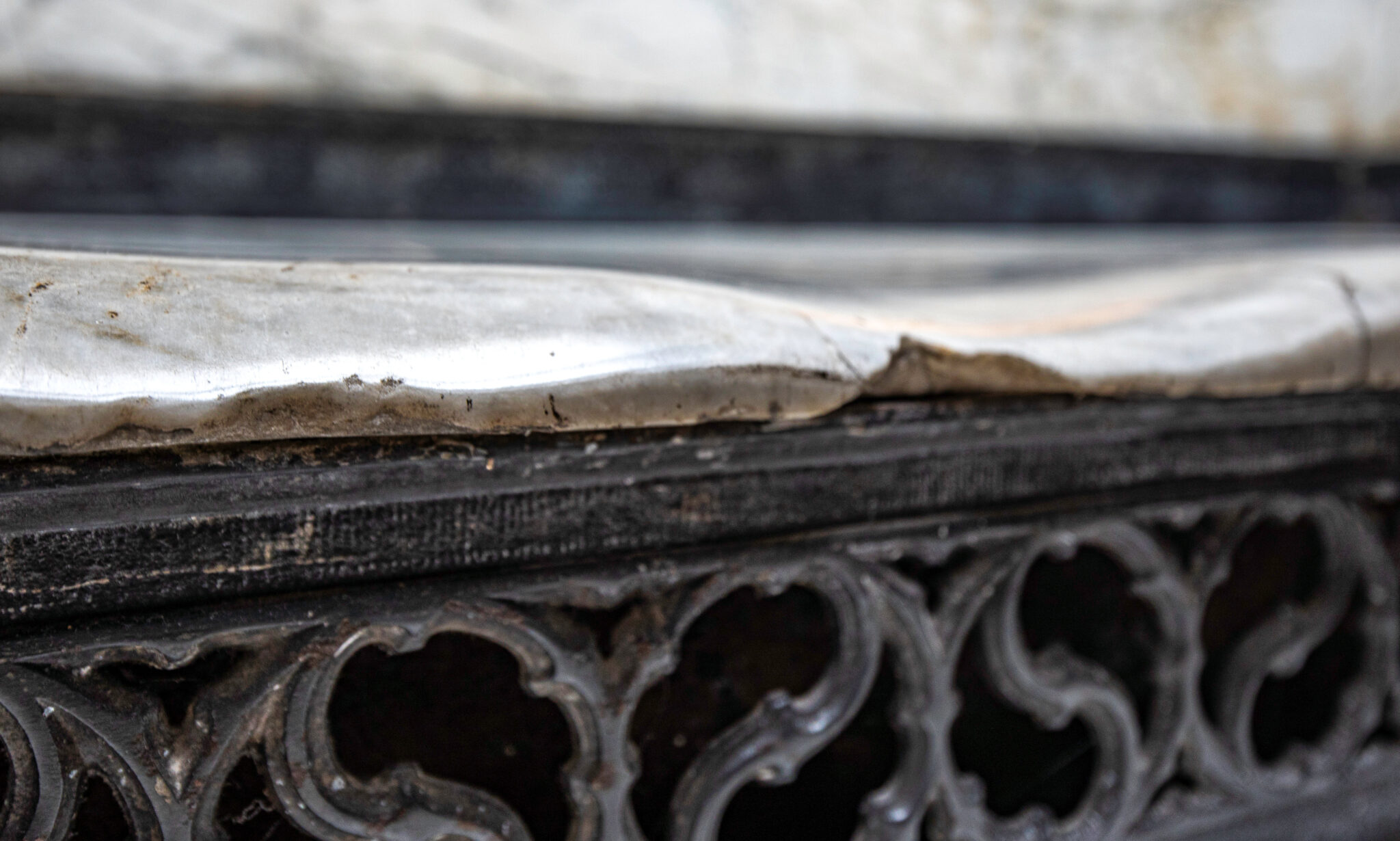
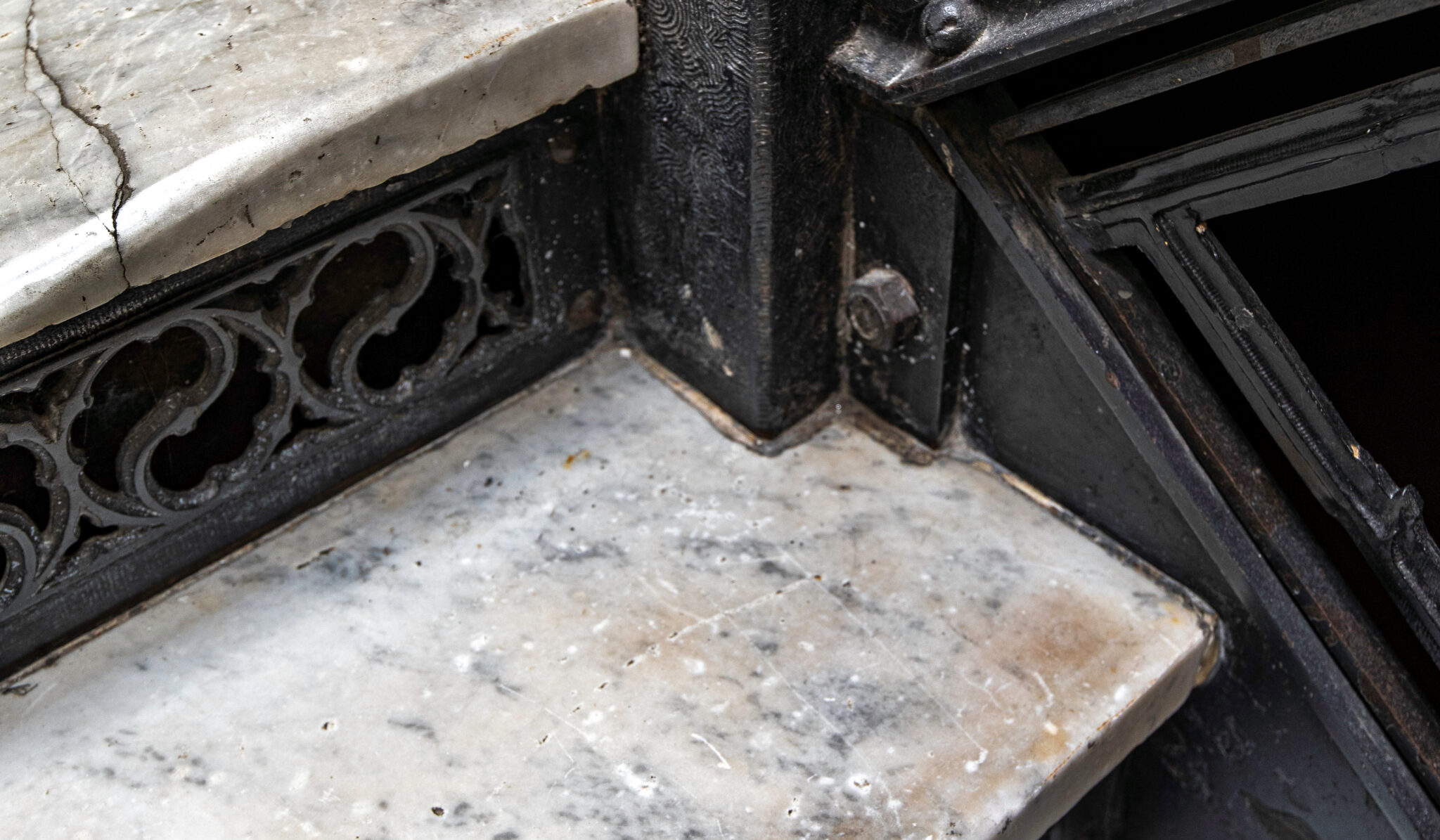
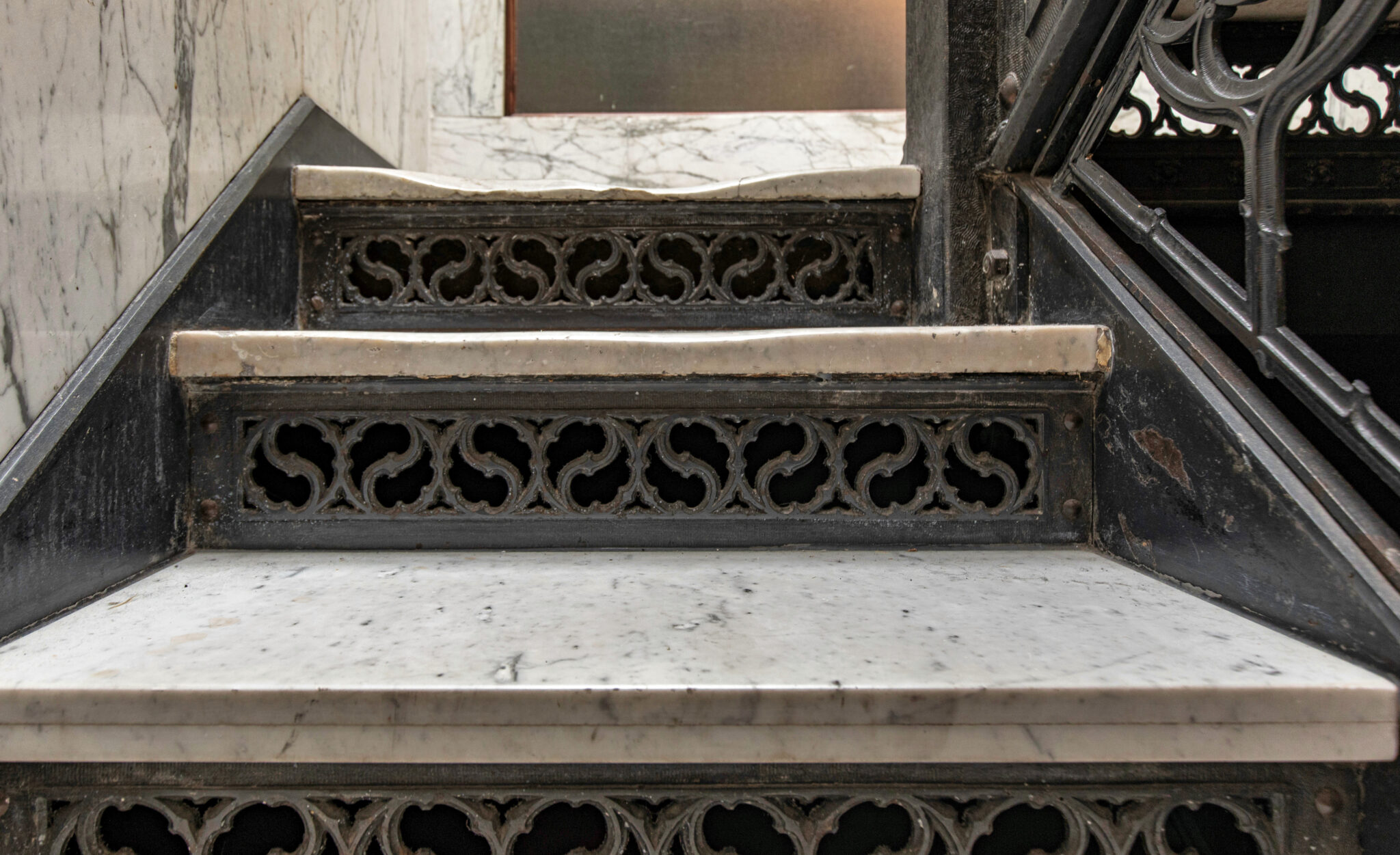
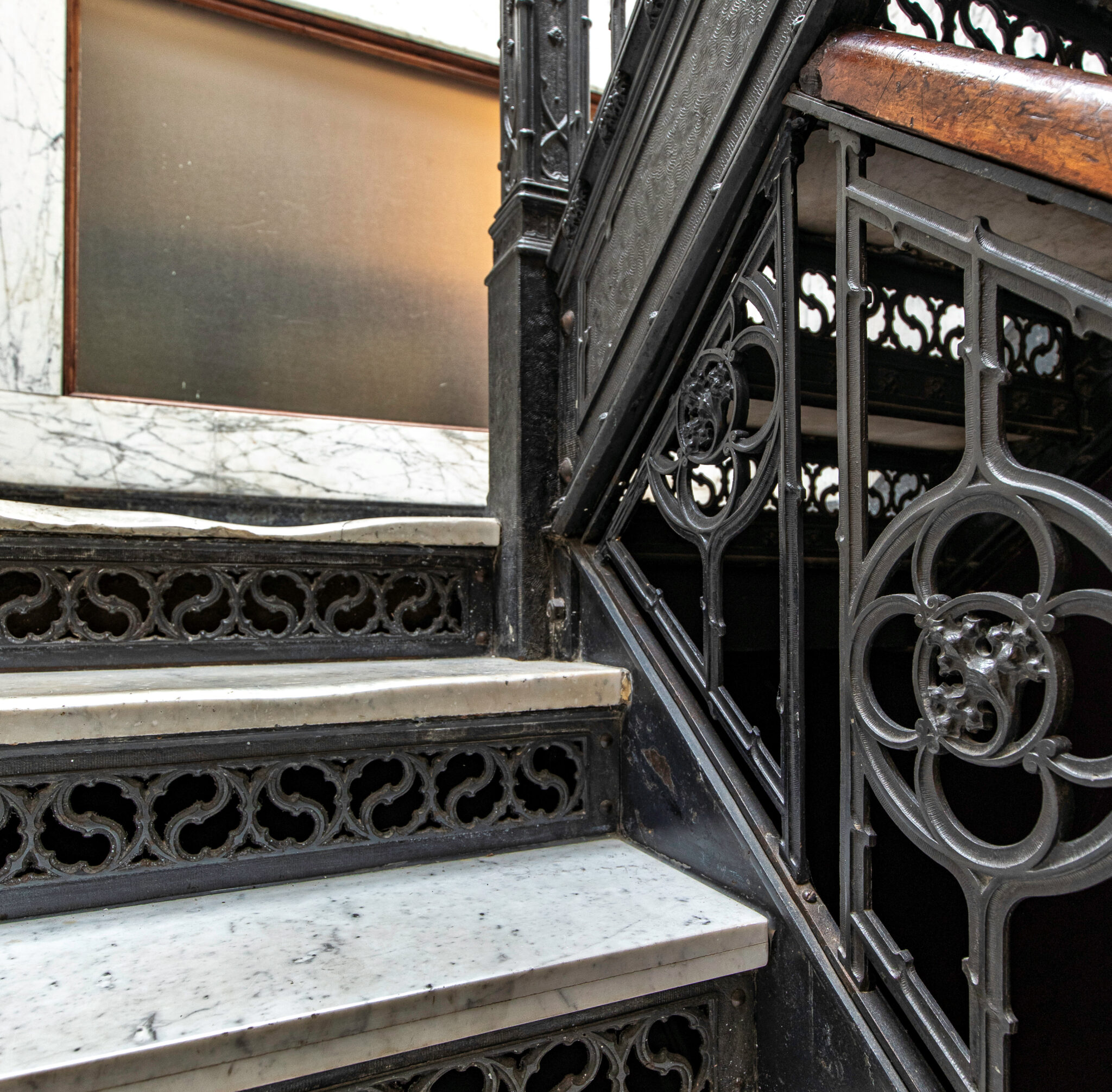
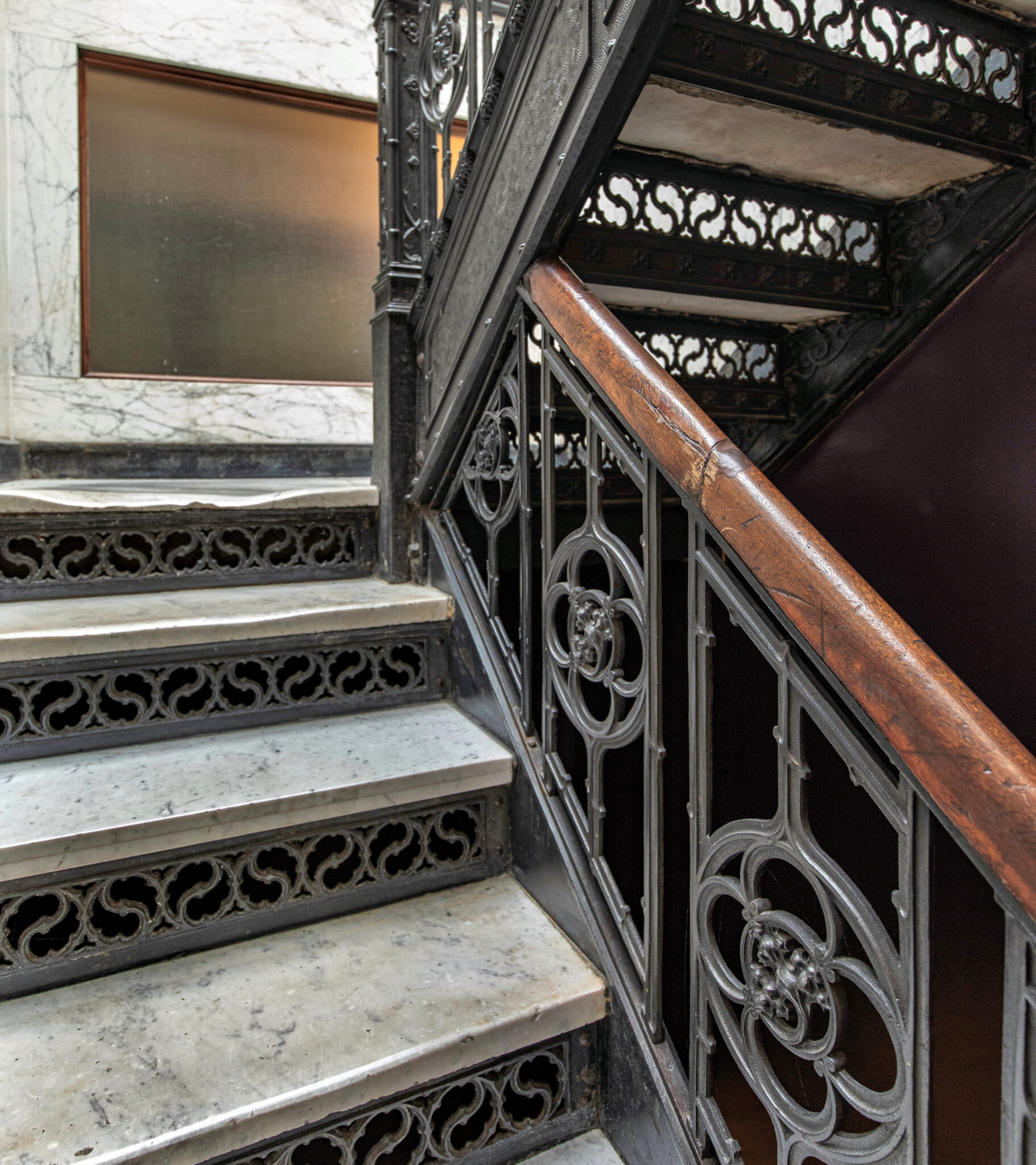
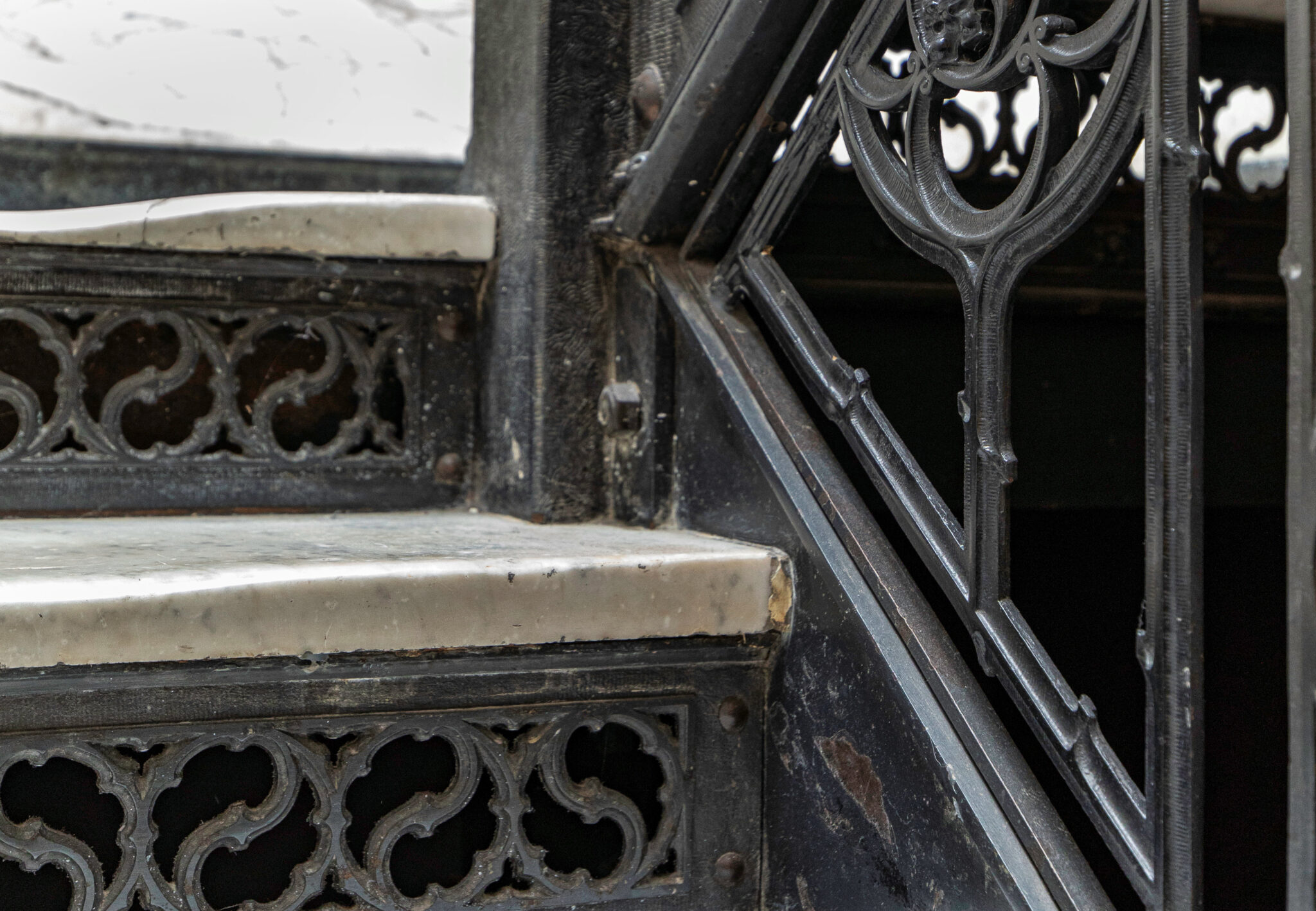
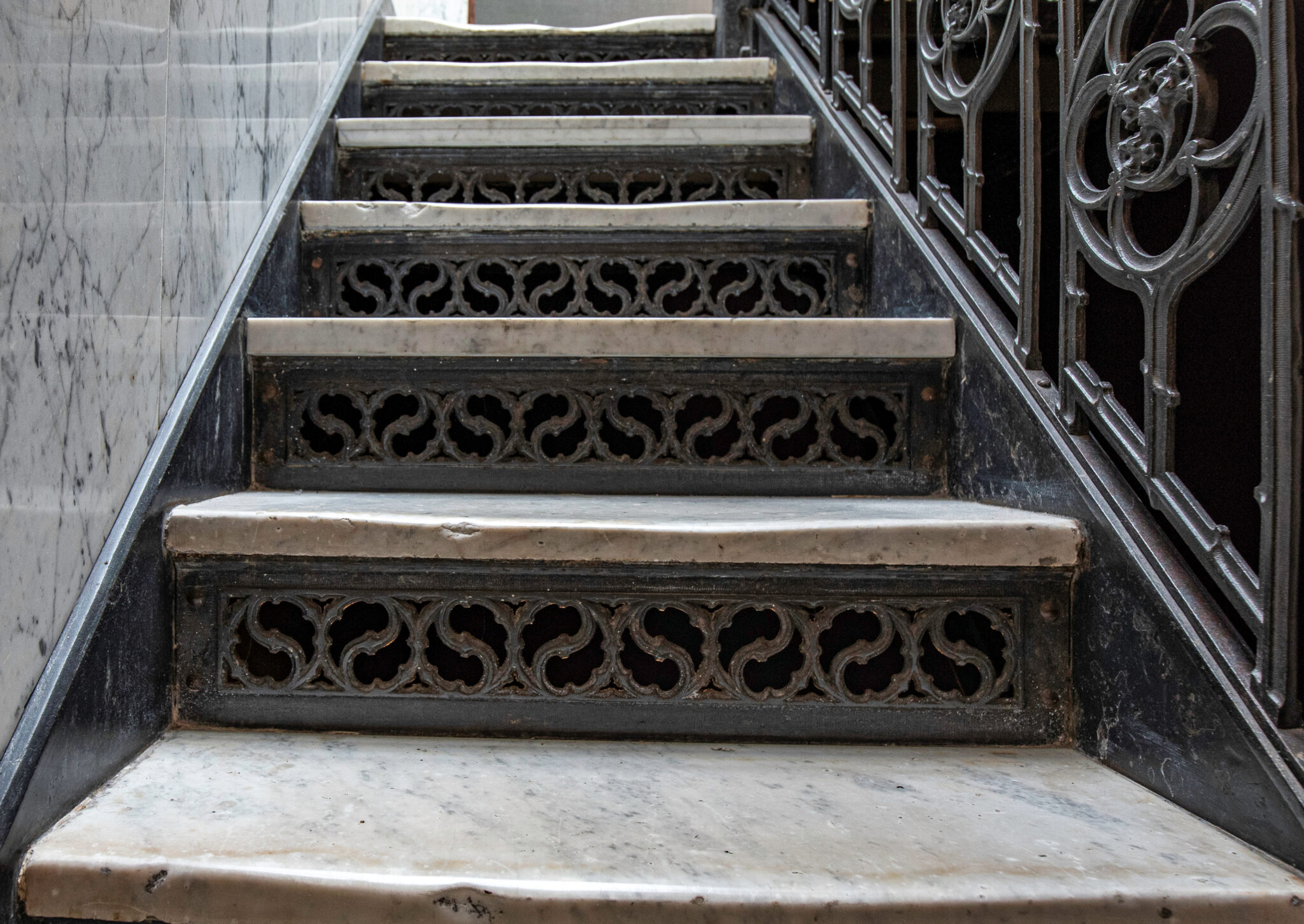
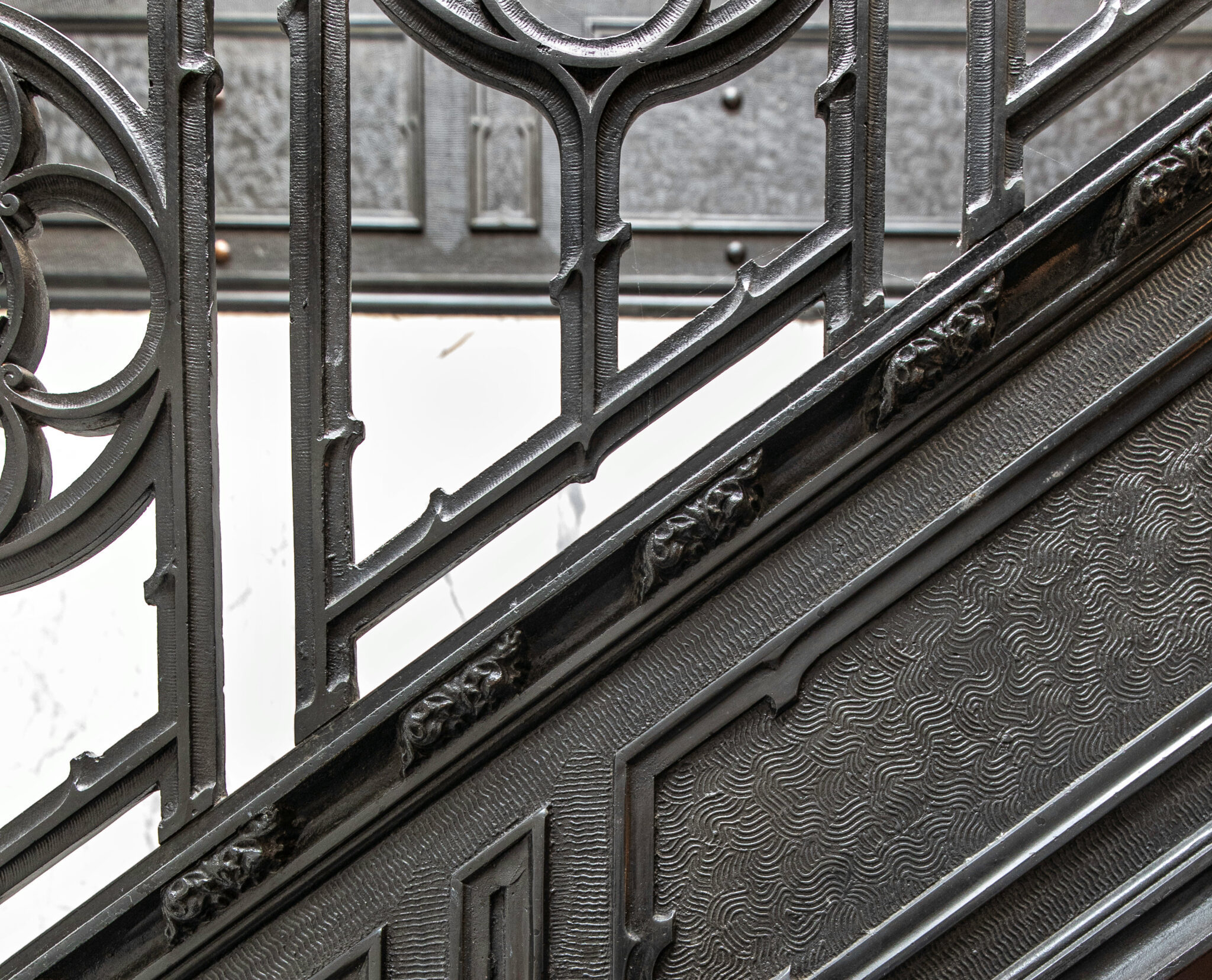
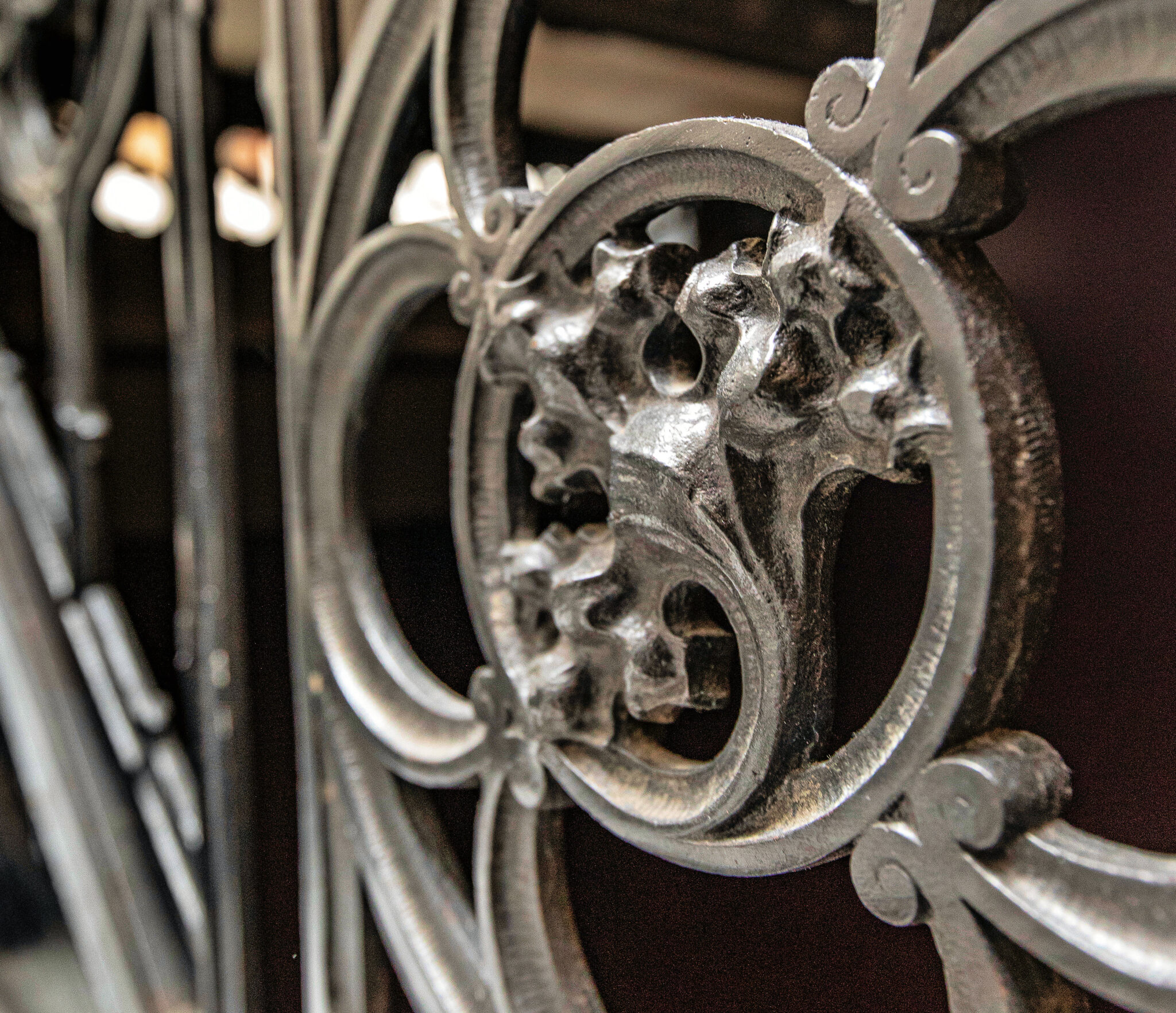
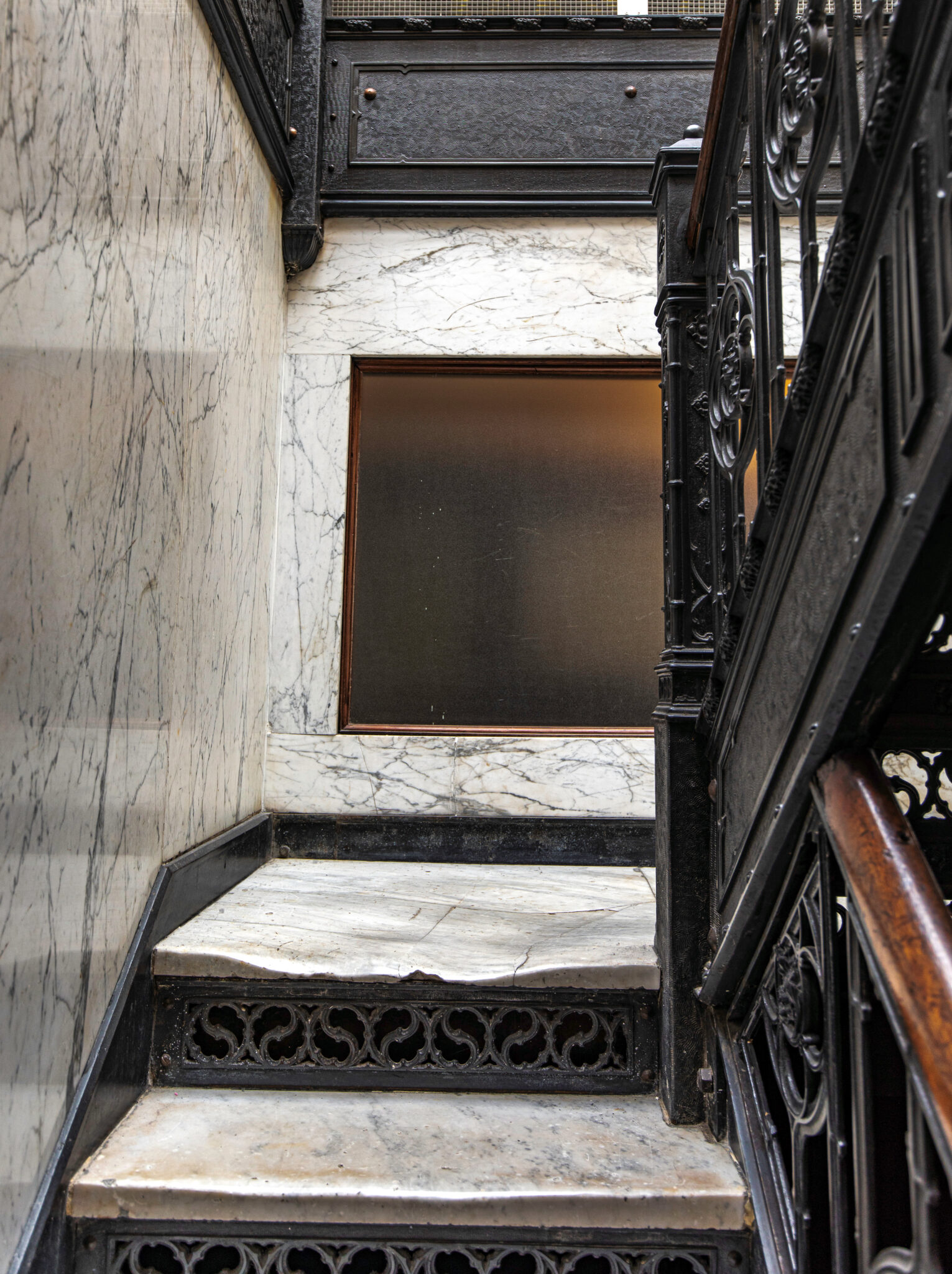
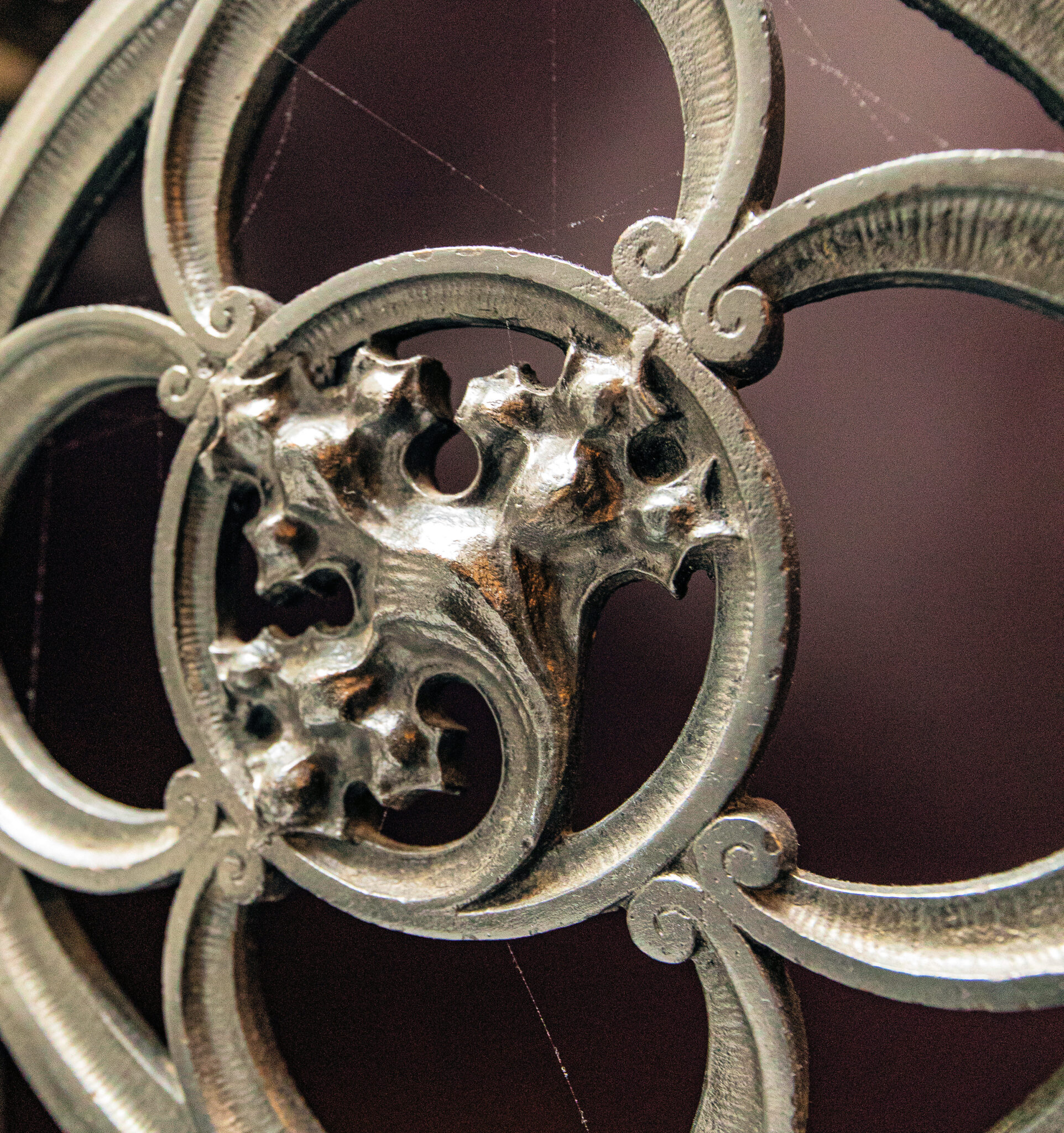
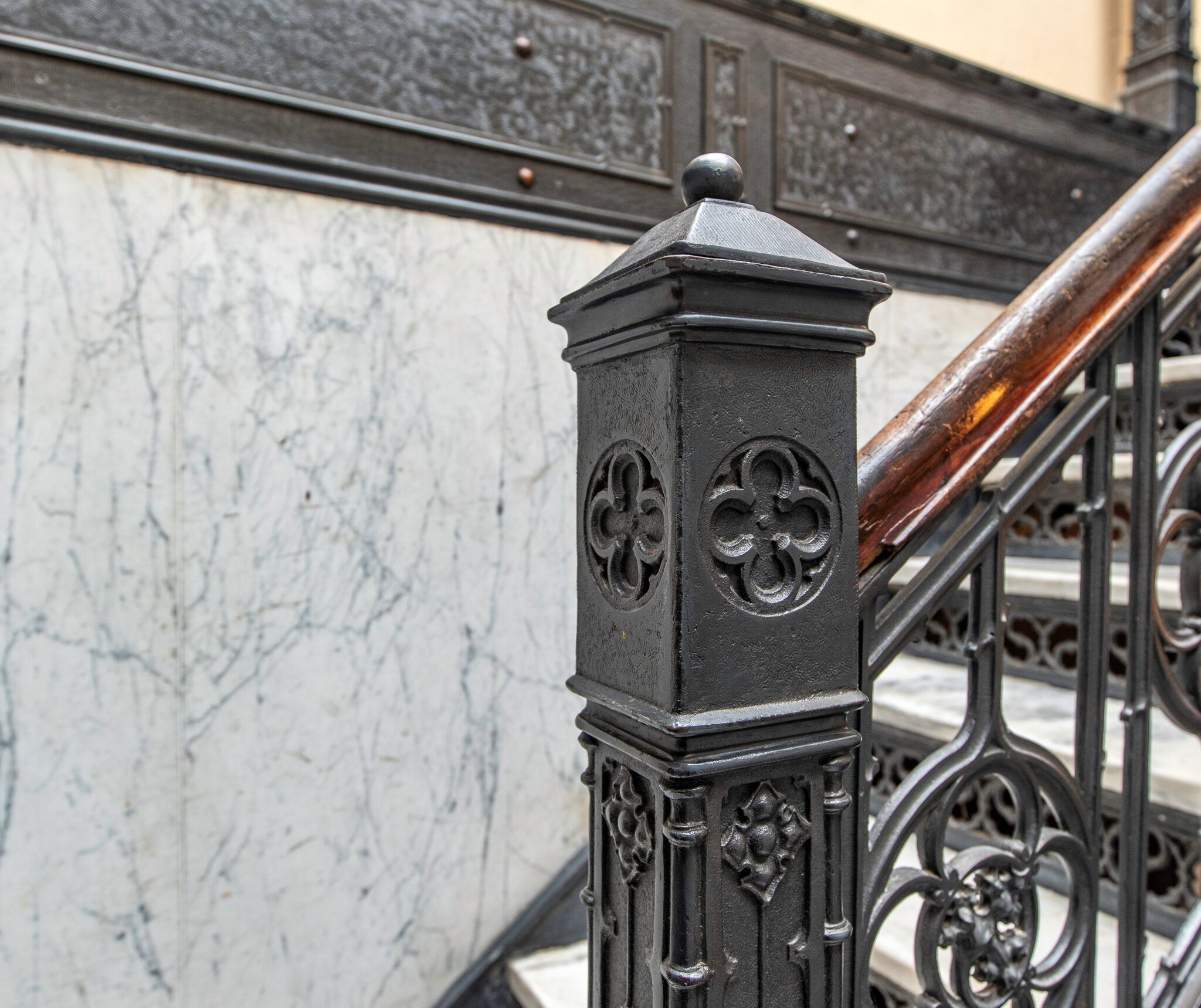
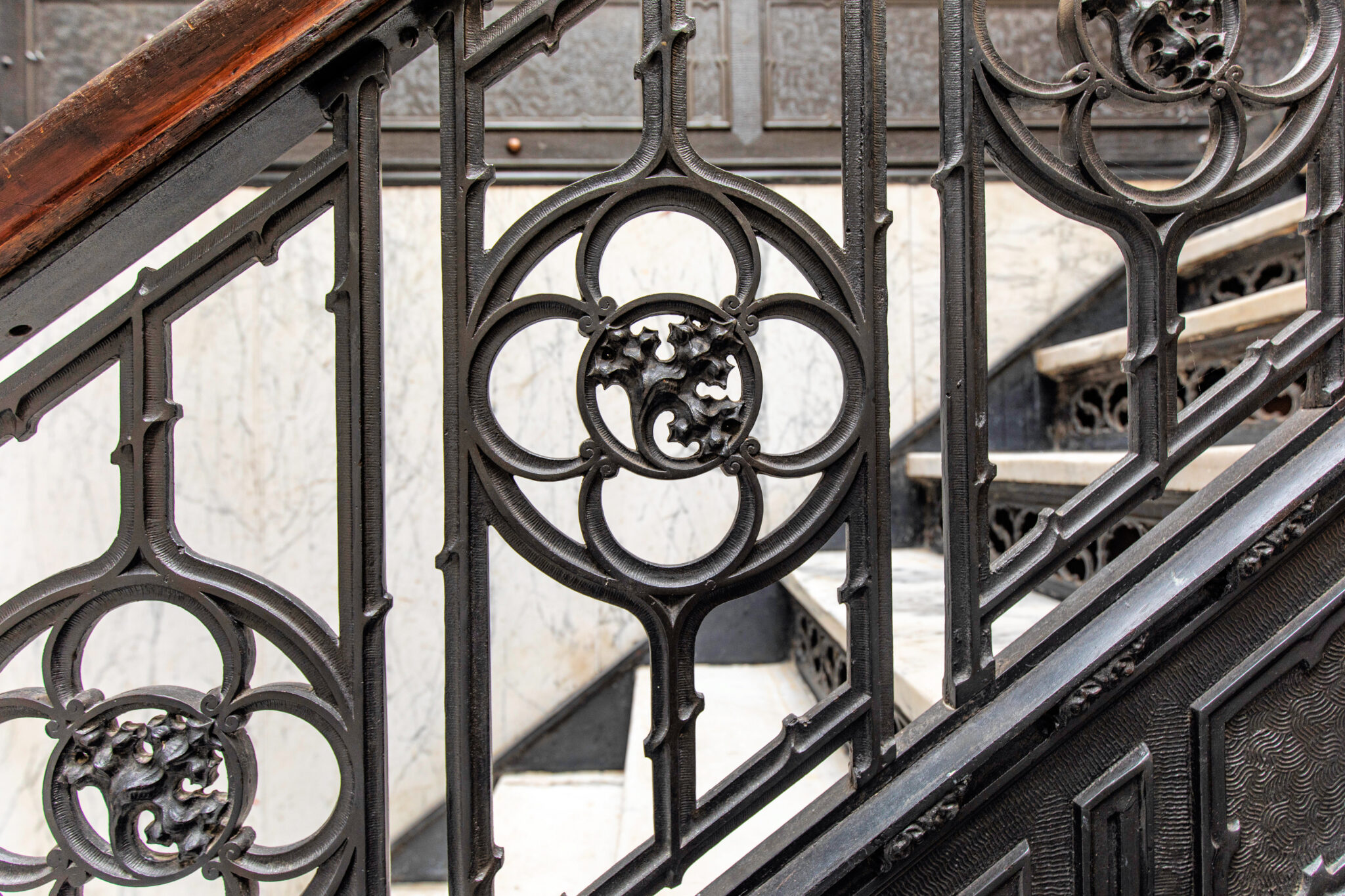
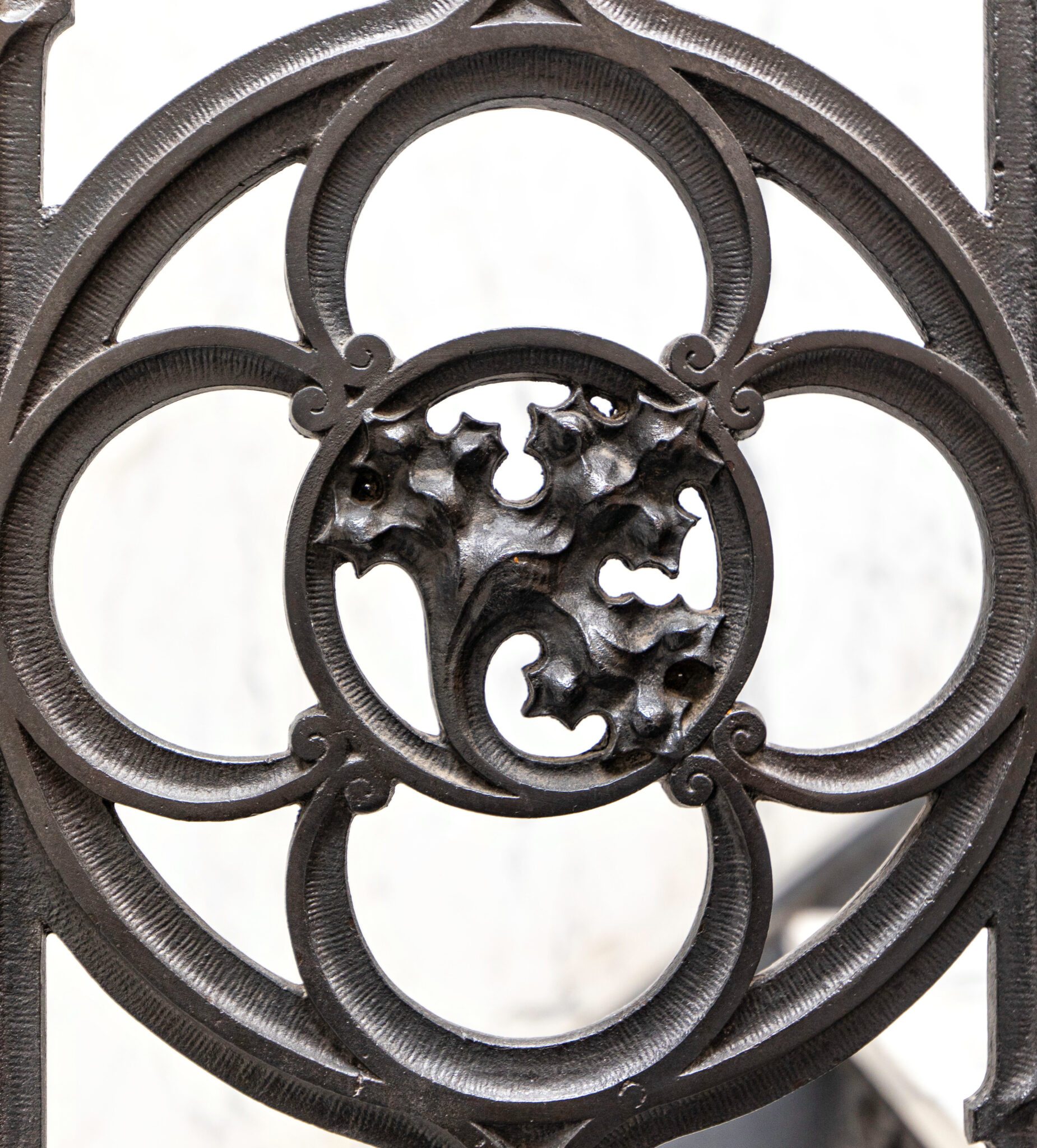
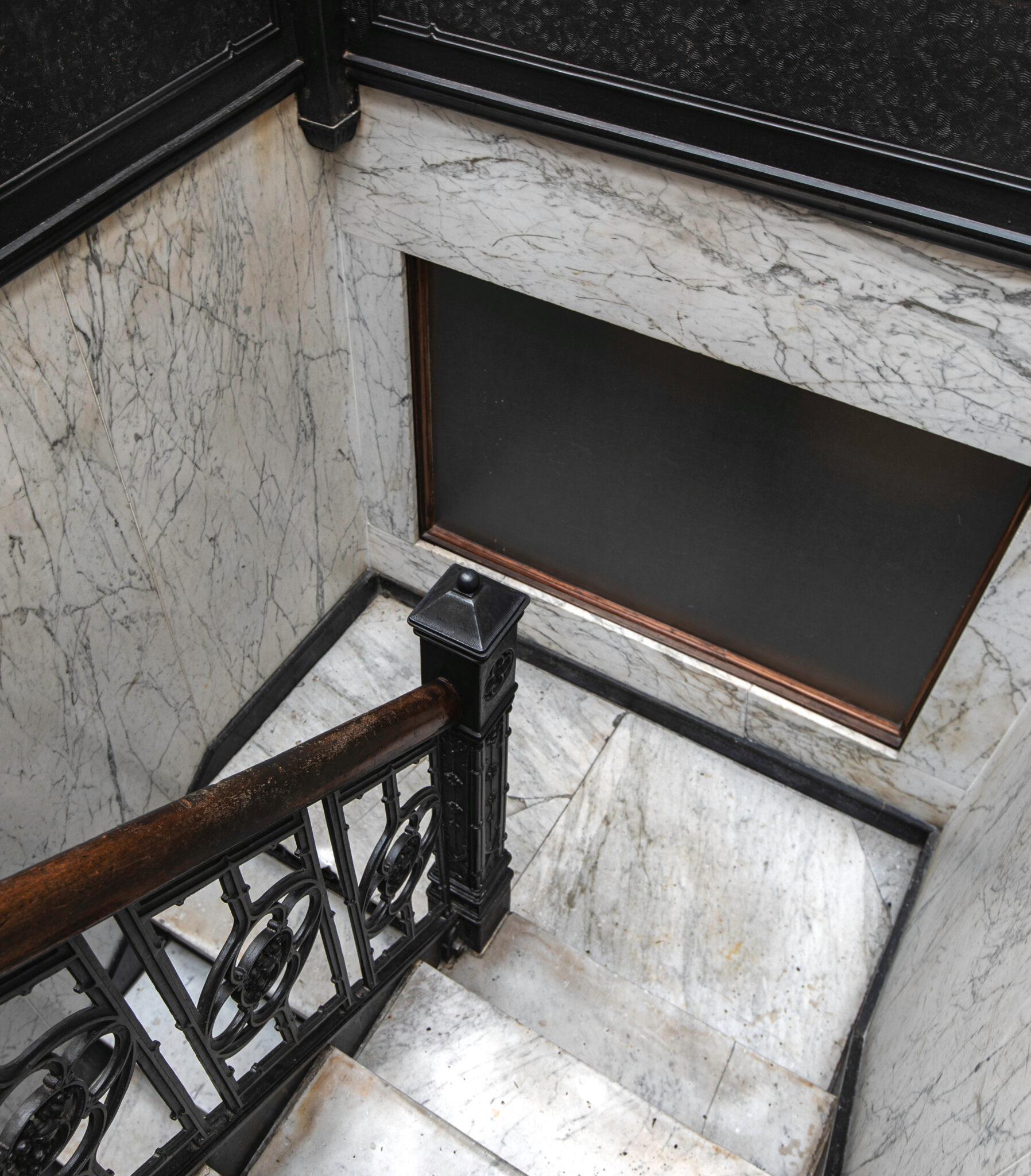
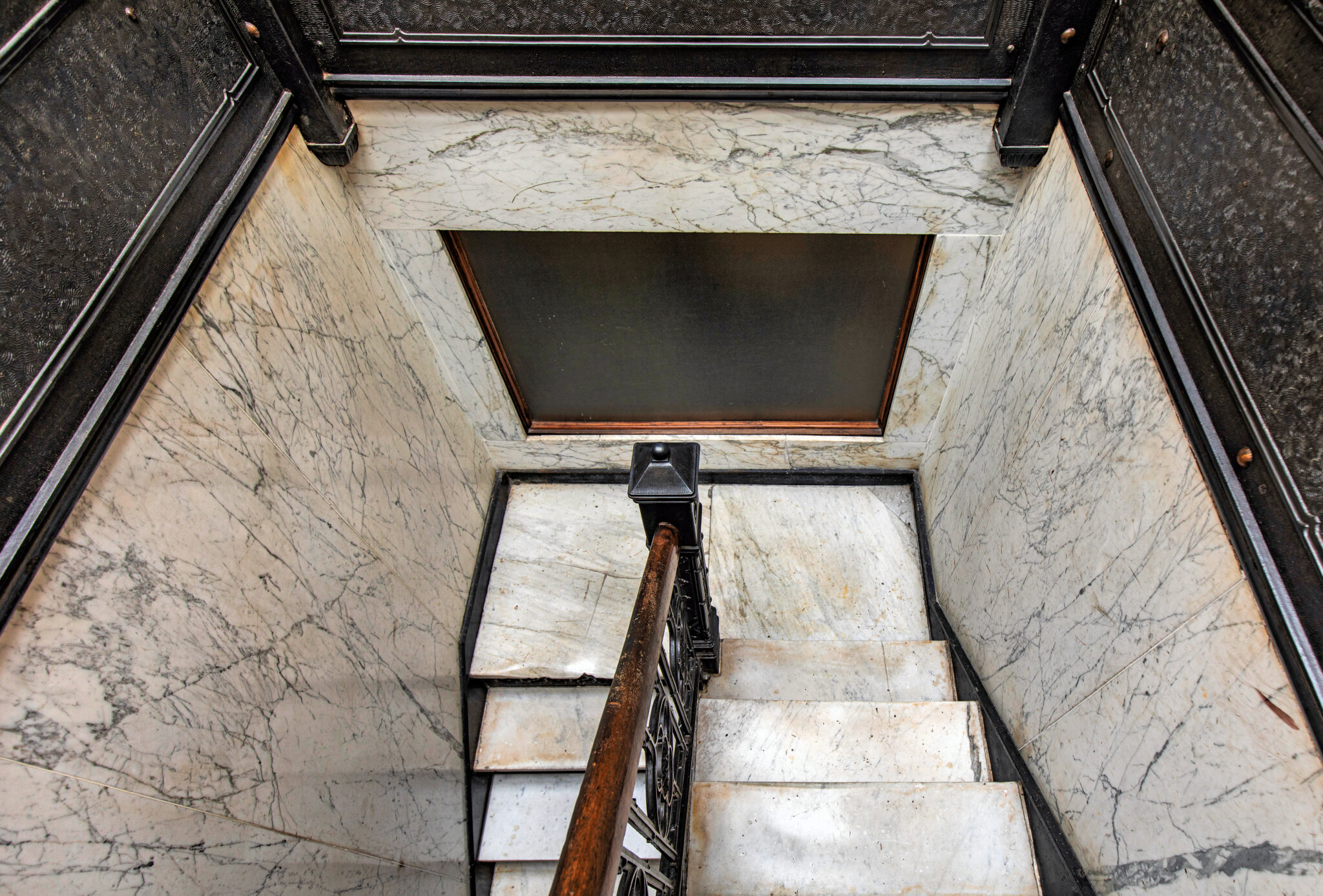
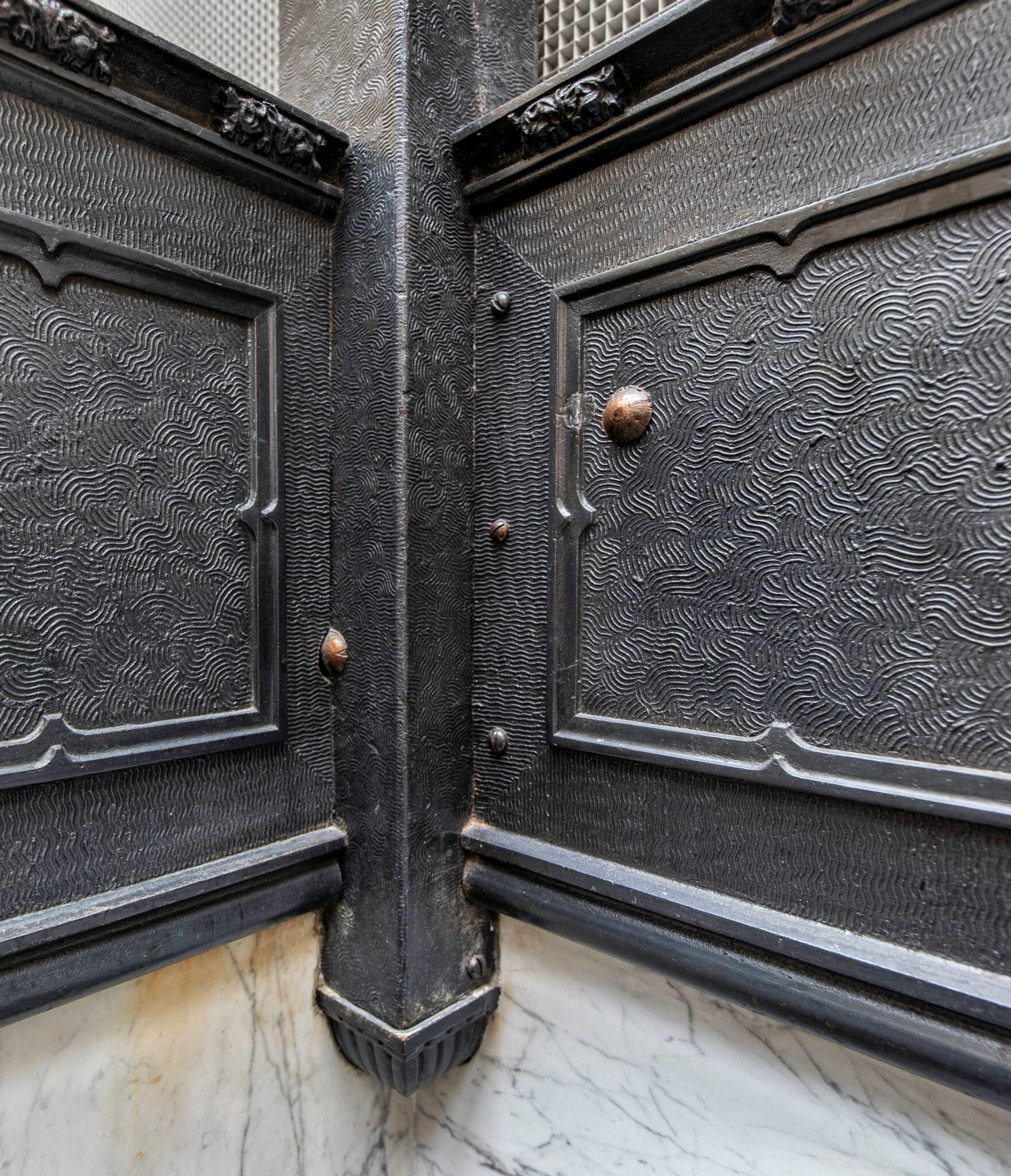
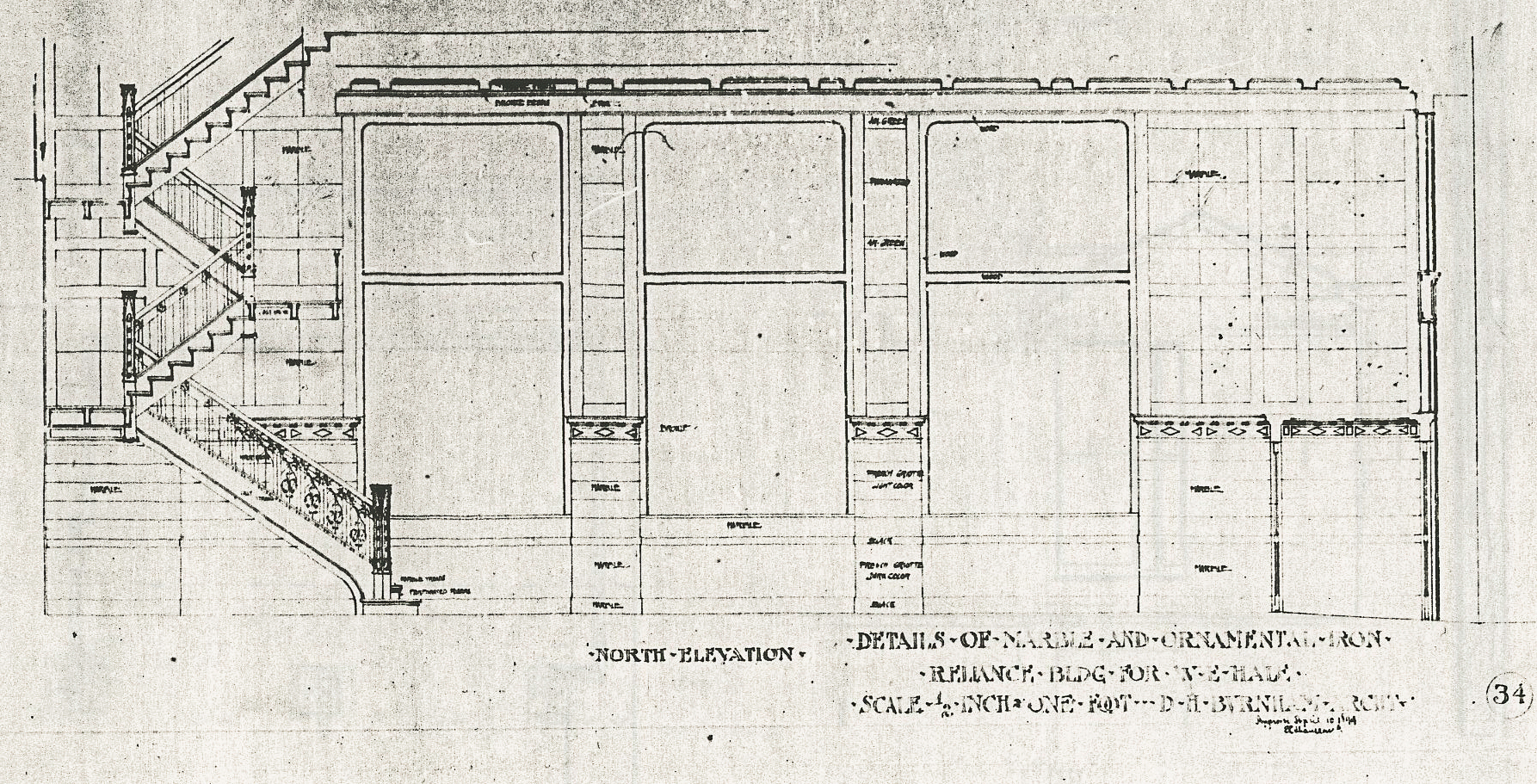
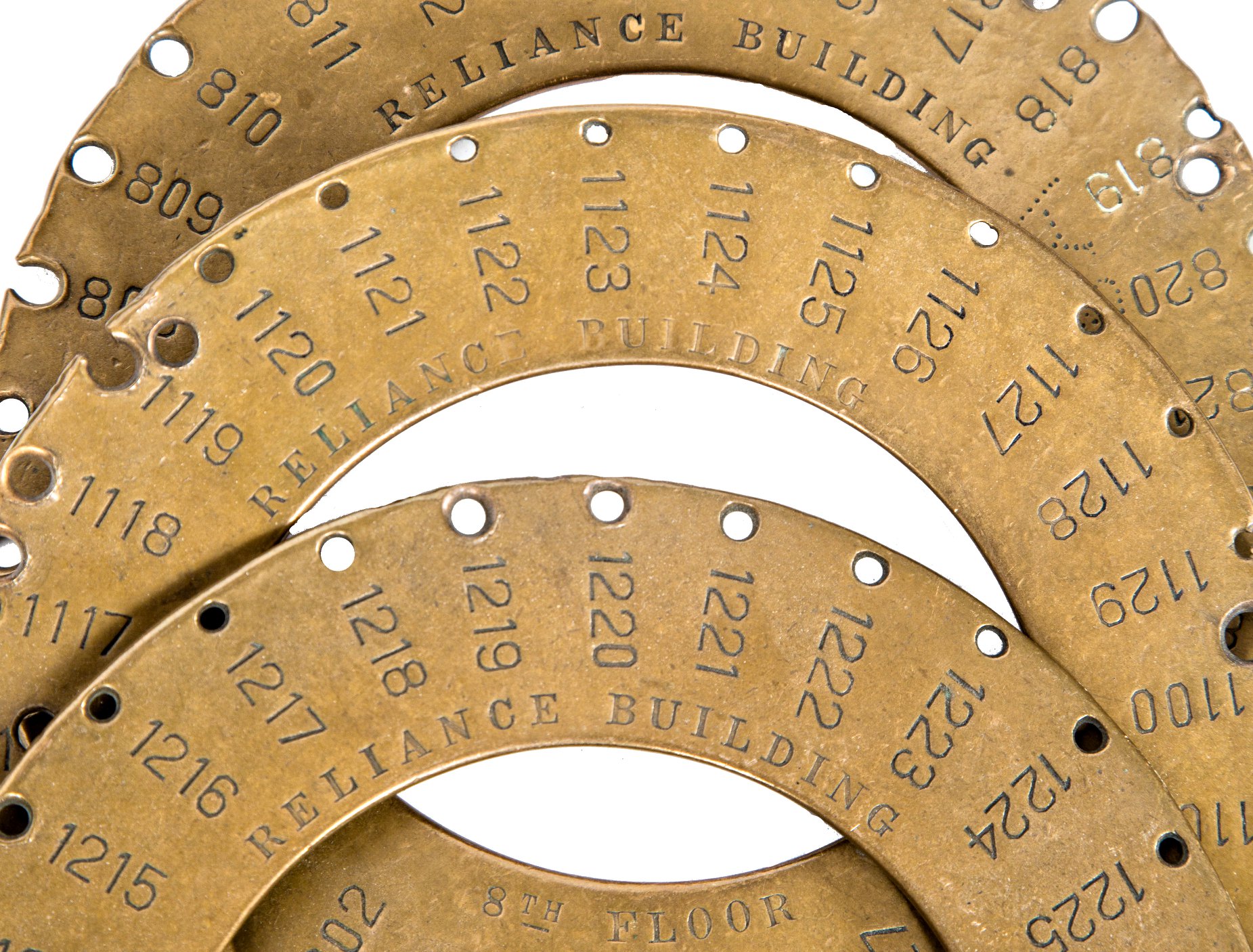
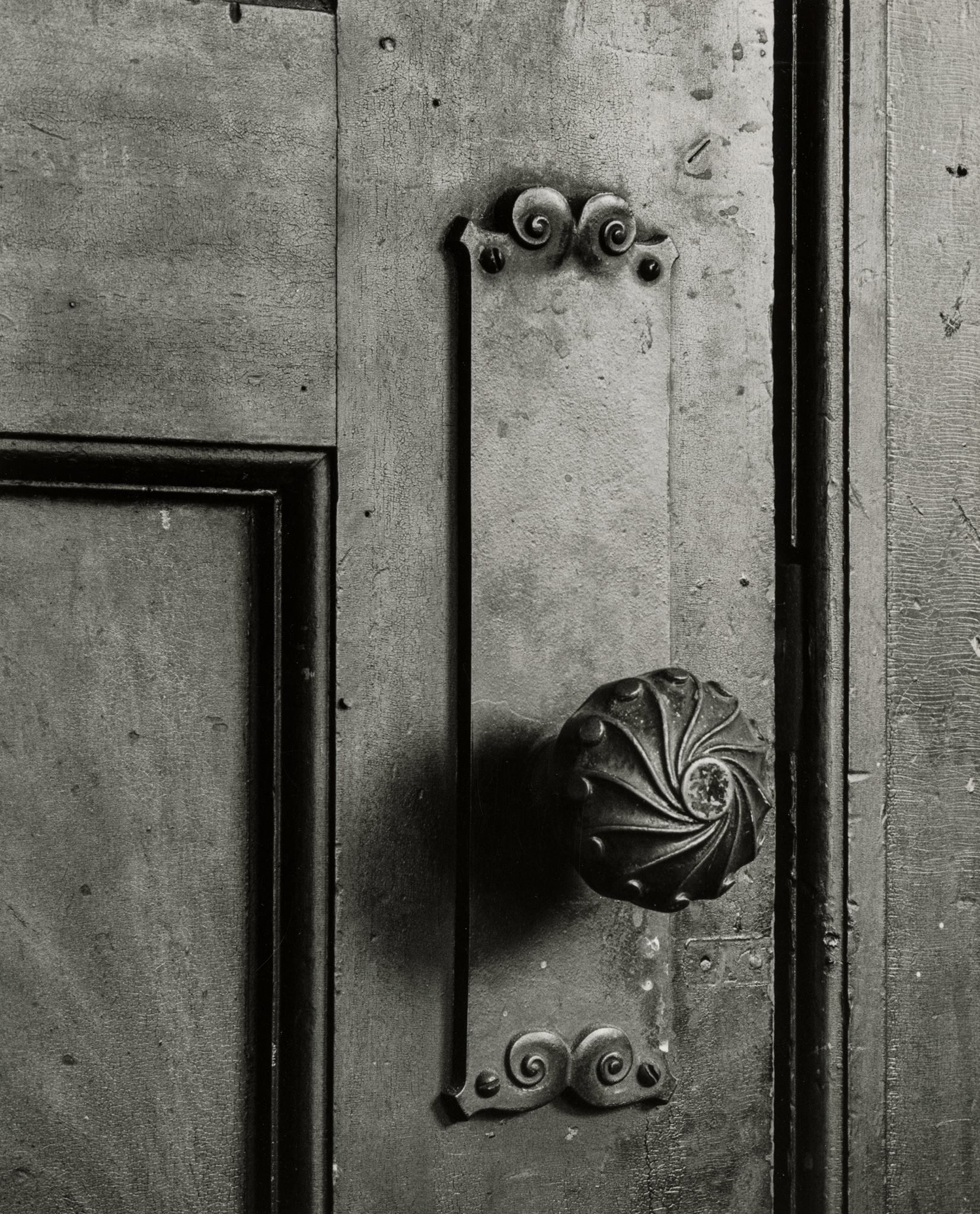
recent photographic survey of the nicely worn reliance building (atwood, burnham and root, 1895) interior gothic style staircase, fabricated in cast iron with bower-barff “rust-proof” finish largely intact by william winslow’s chicago-based winslow brothers foundry.
-
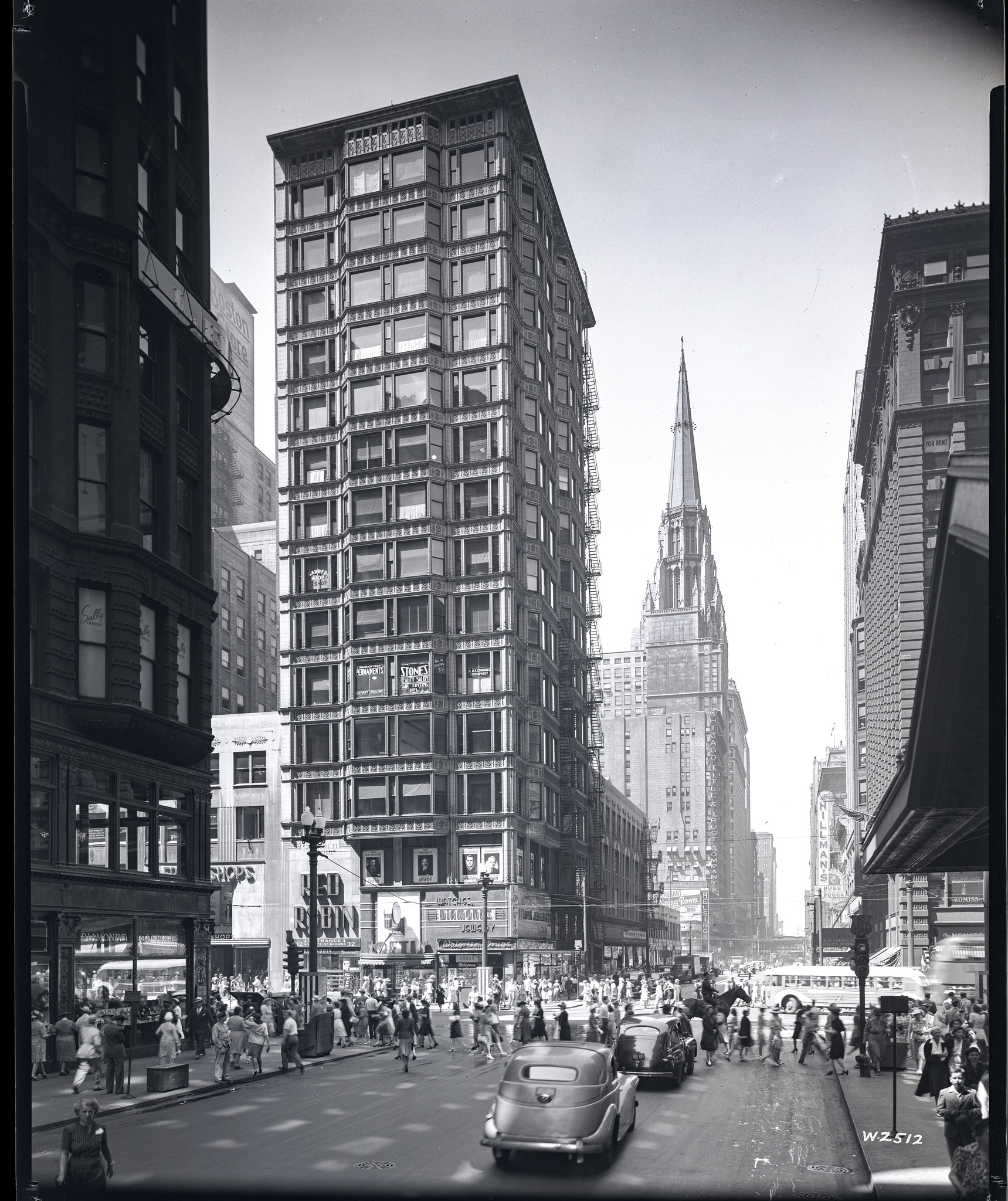
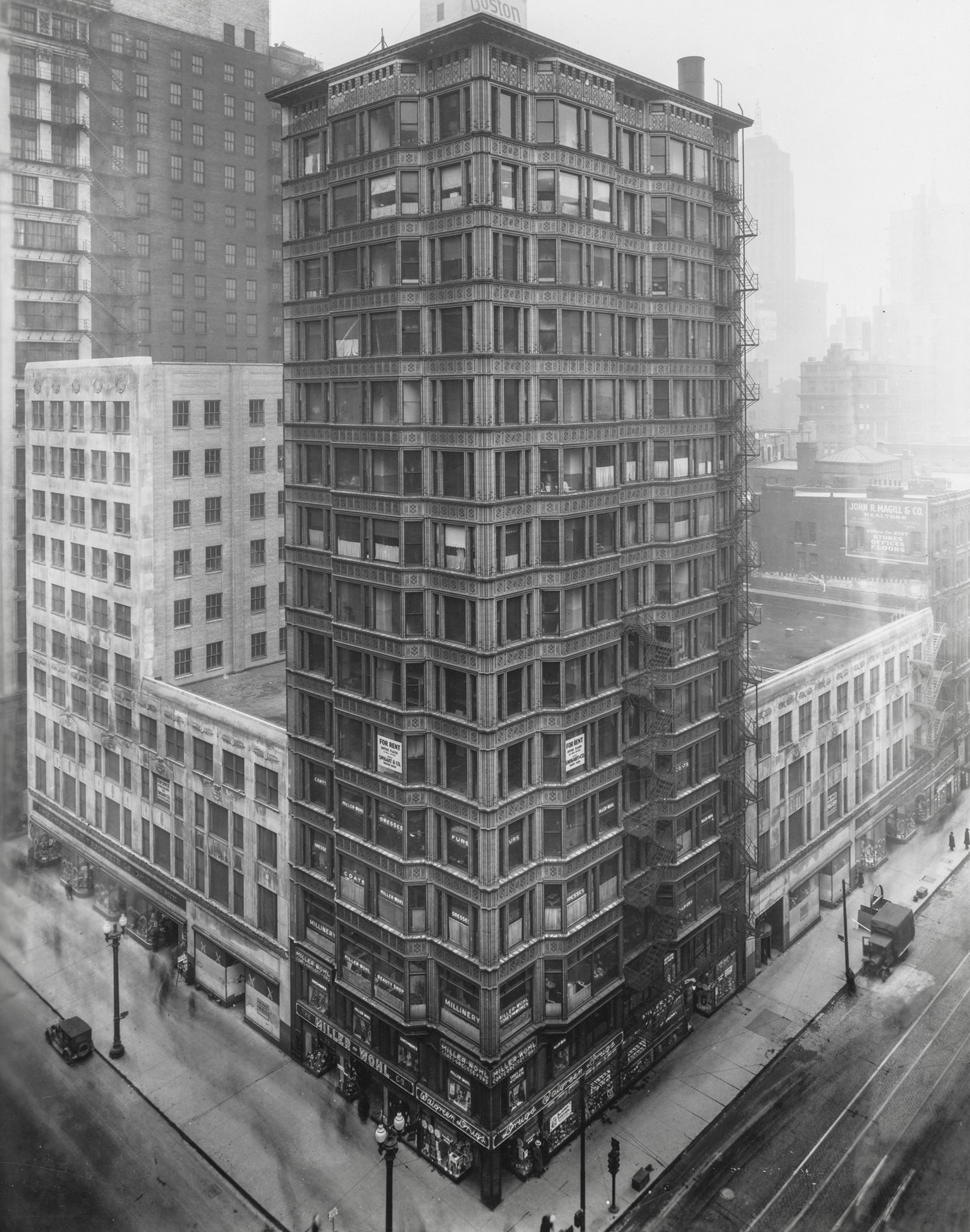
- steel-frame construction: the reliance building was one of the first skyscrapers to use an all-steel frame, which allowed for a lighter, more fire-resistant structure compared to traditional masonry buildings. this technology made it possible to build taller buildings with larger windows.
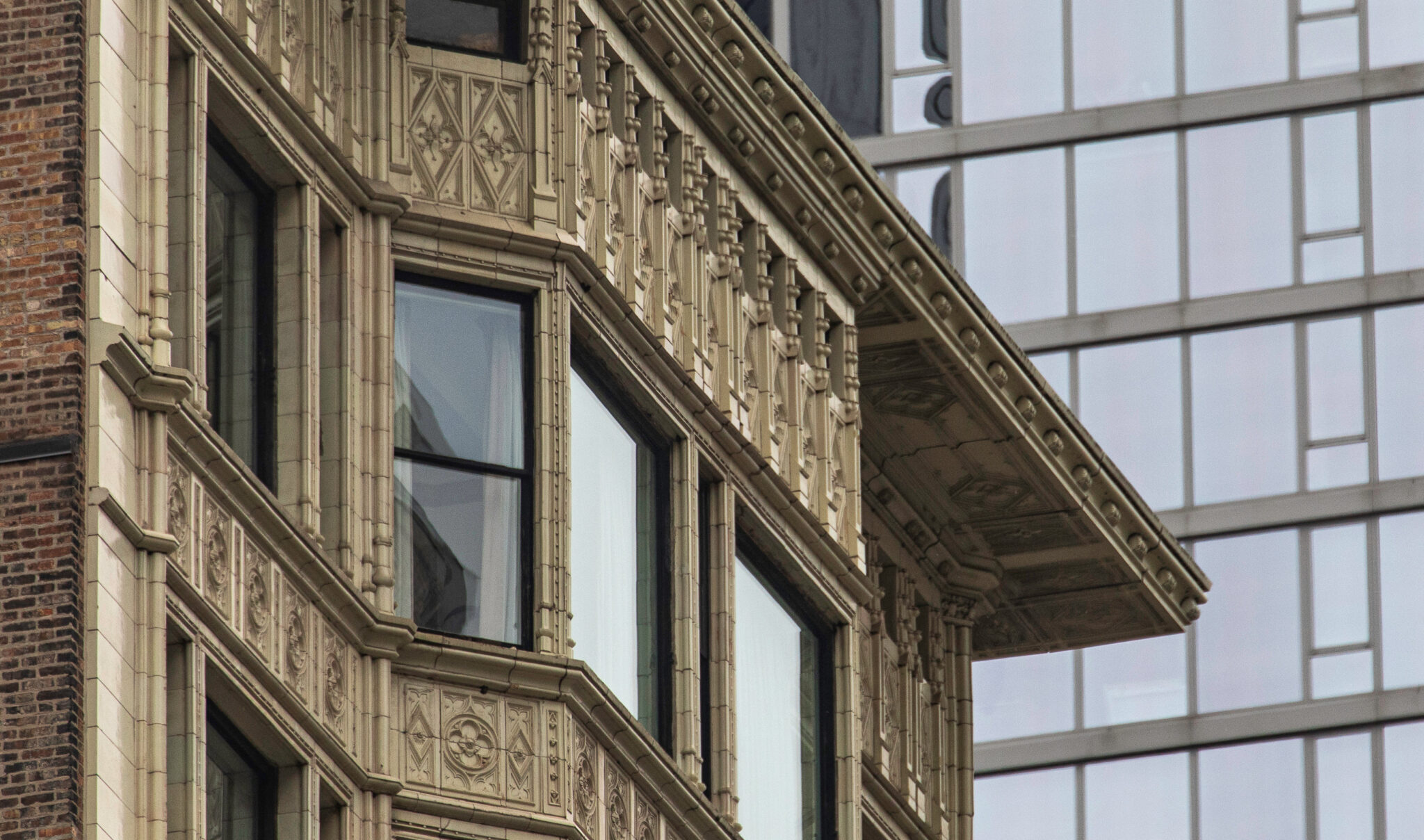
- expansive windows: completed in 1895, the 14-story building was astonishing to many at the time because it appeared to have more windows than building. this visionary use of large plate-glass windows maximized natural light and foreshadowed modern glass-and-steel skyscrapers.
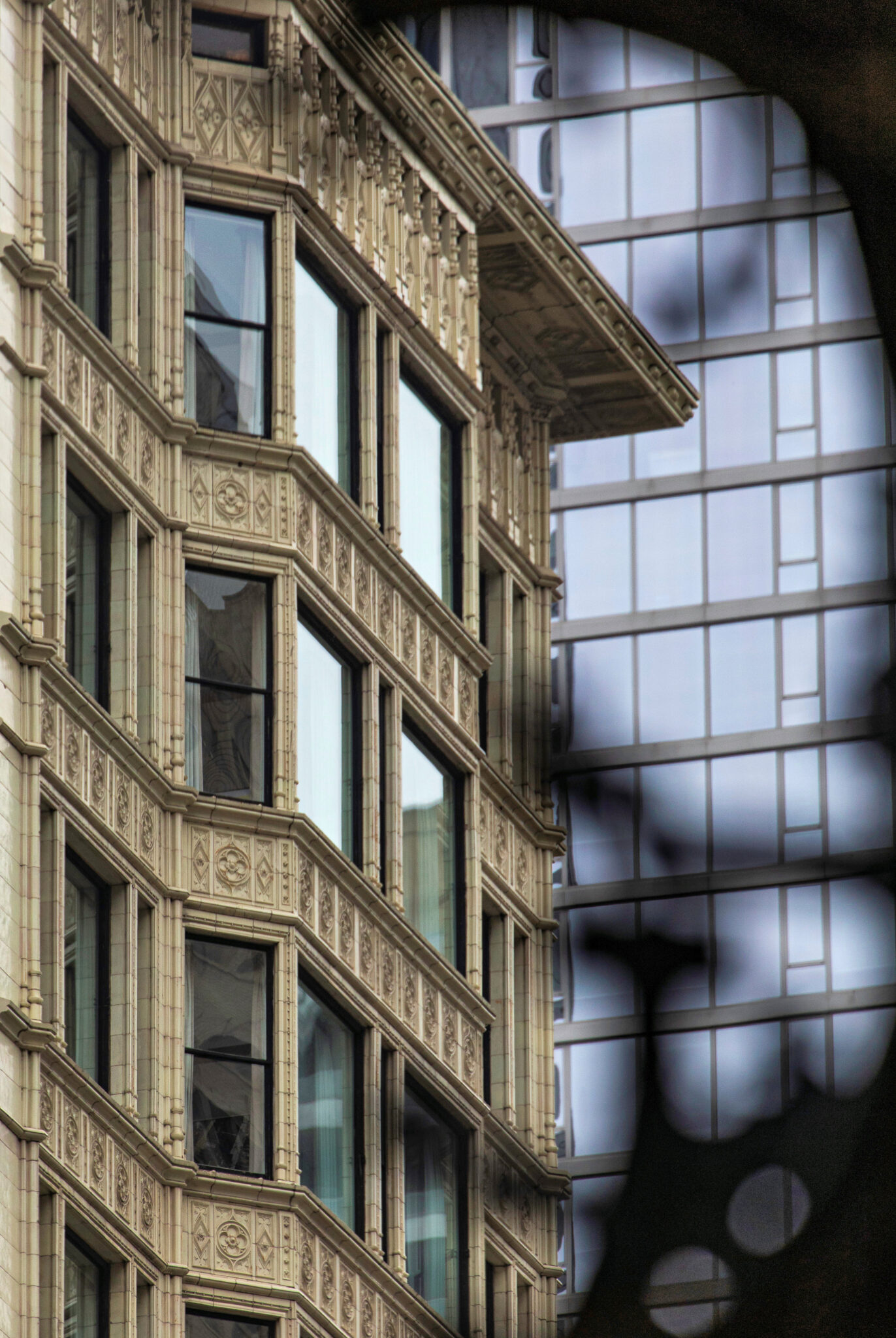
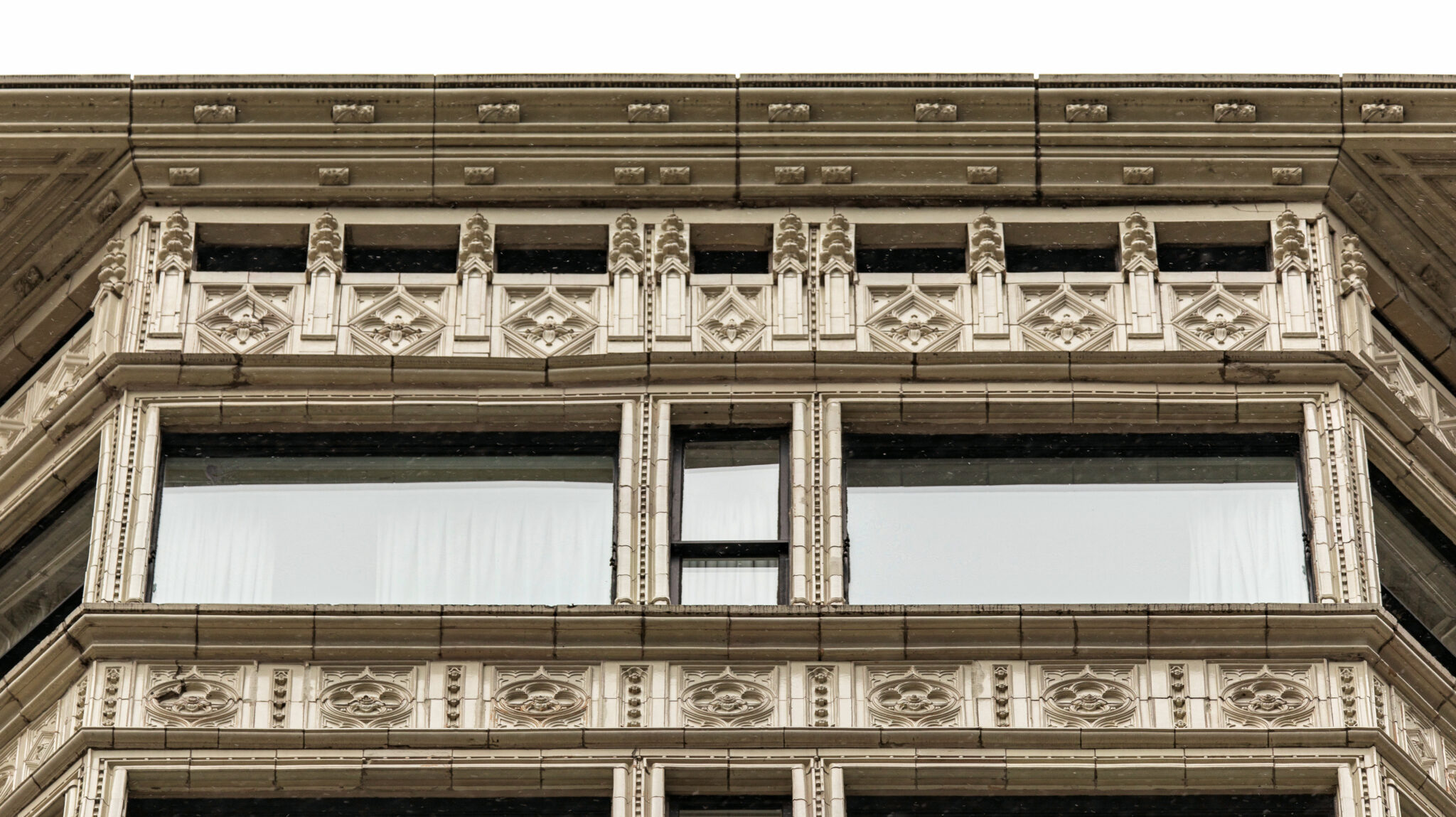
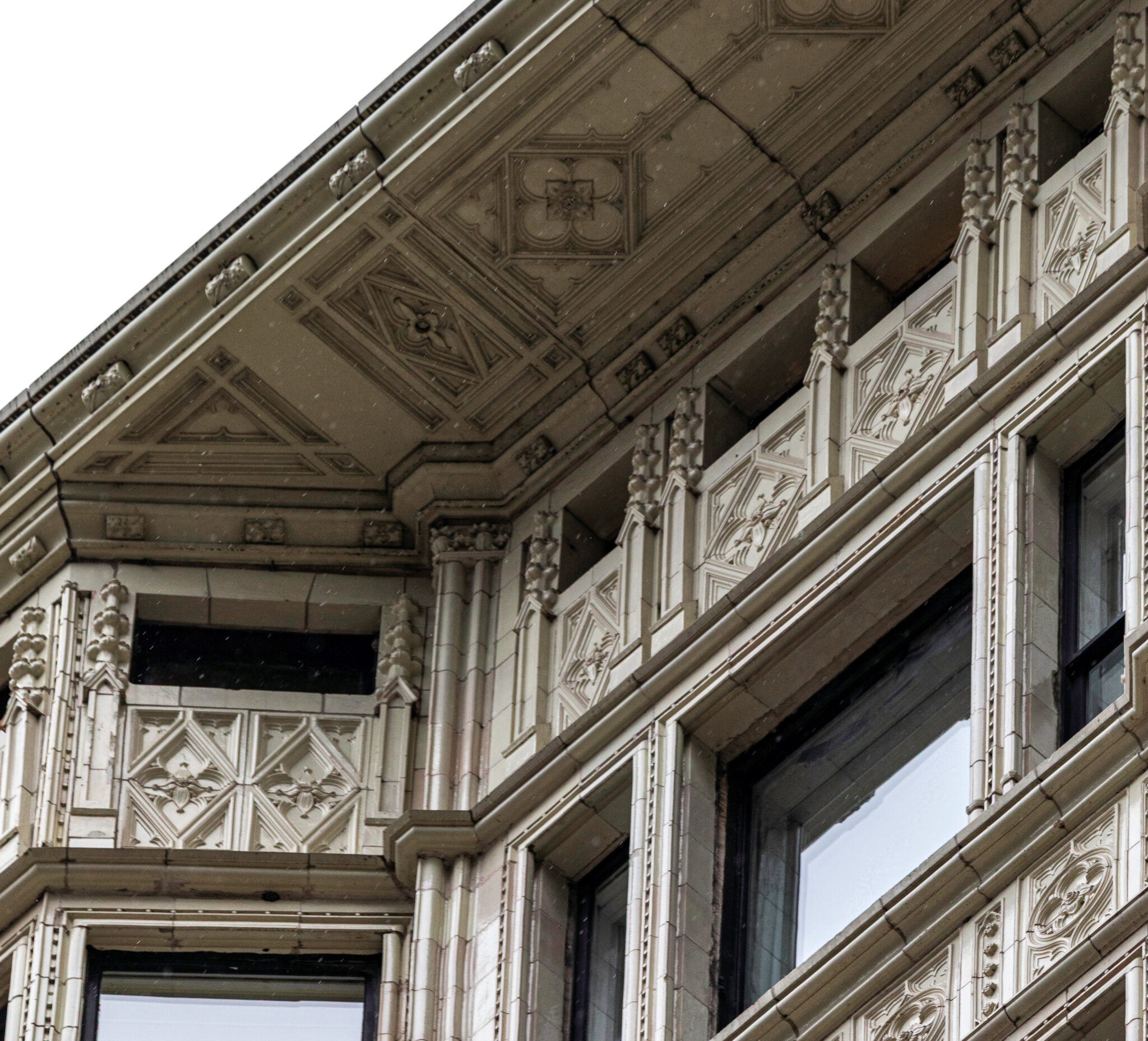
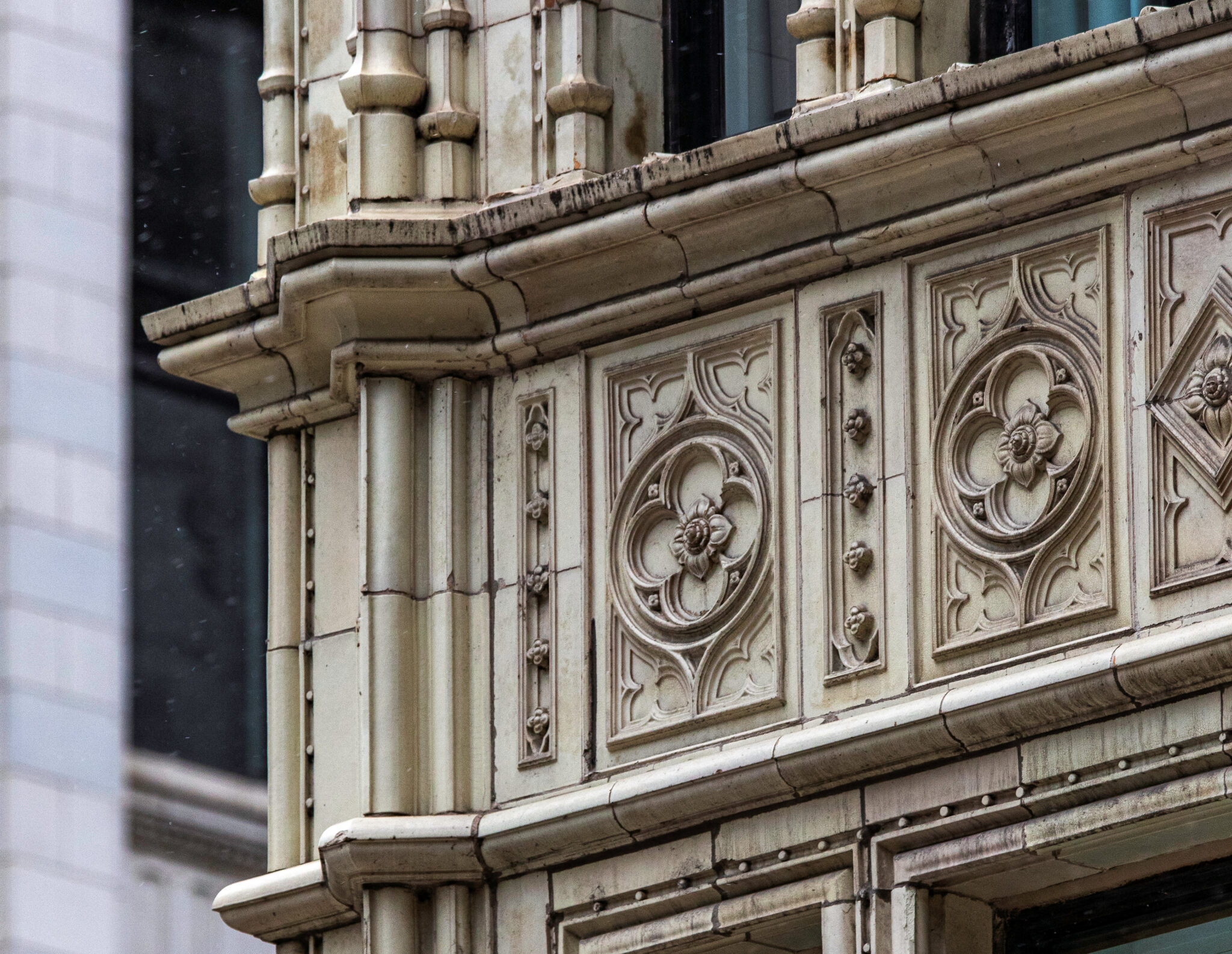
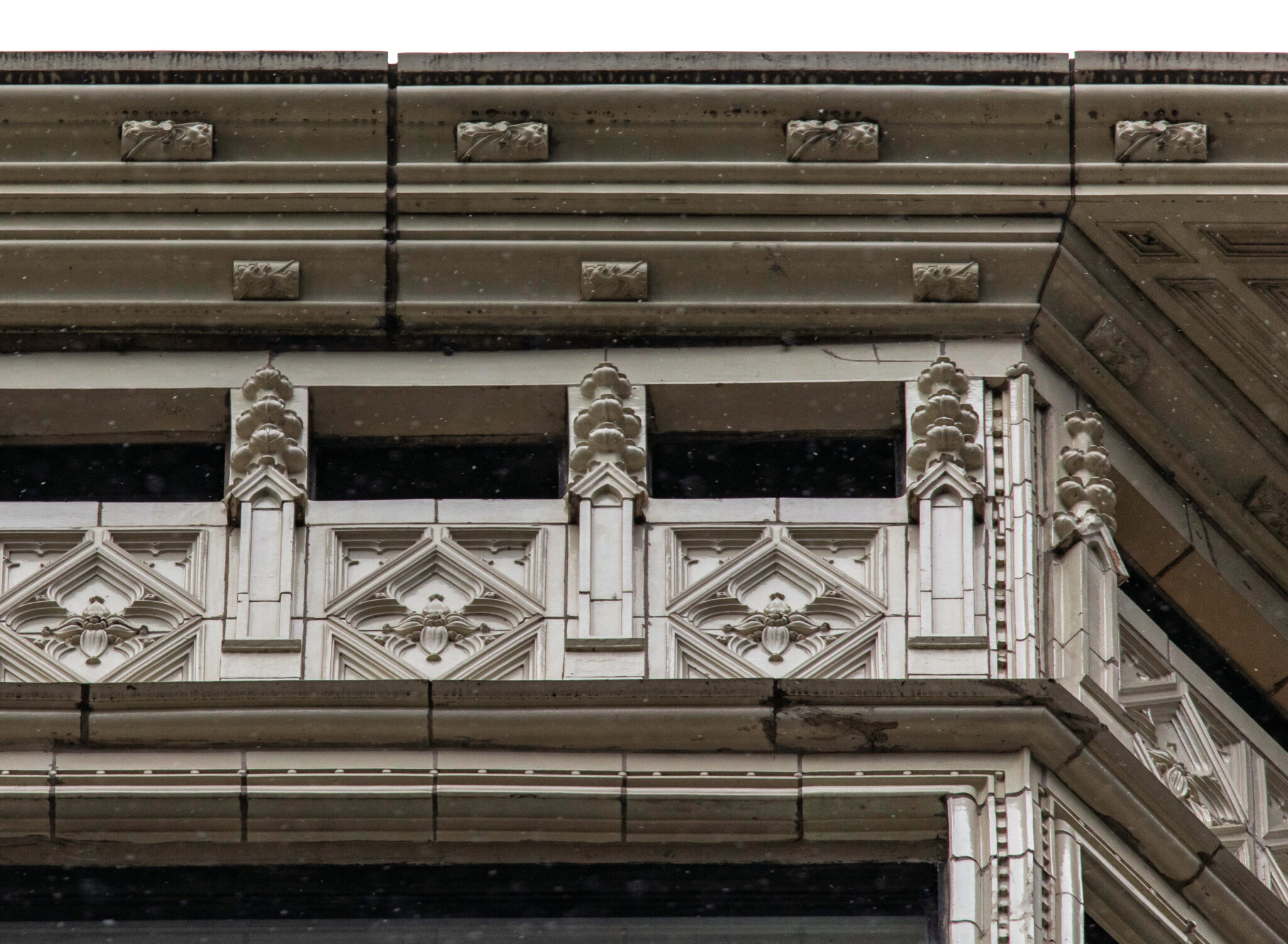
- terra-cotta facade: the exterior is clad in white glazed terra-cotta, a lightweight and fire-resistant material. the architects believed the smooth, “self-cleaning” surface would allow dirt to wash away in the rain, which gave the building a bright, hygienic appearance appreciated by the many doctors and dentists who originally rented office space.
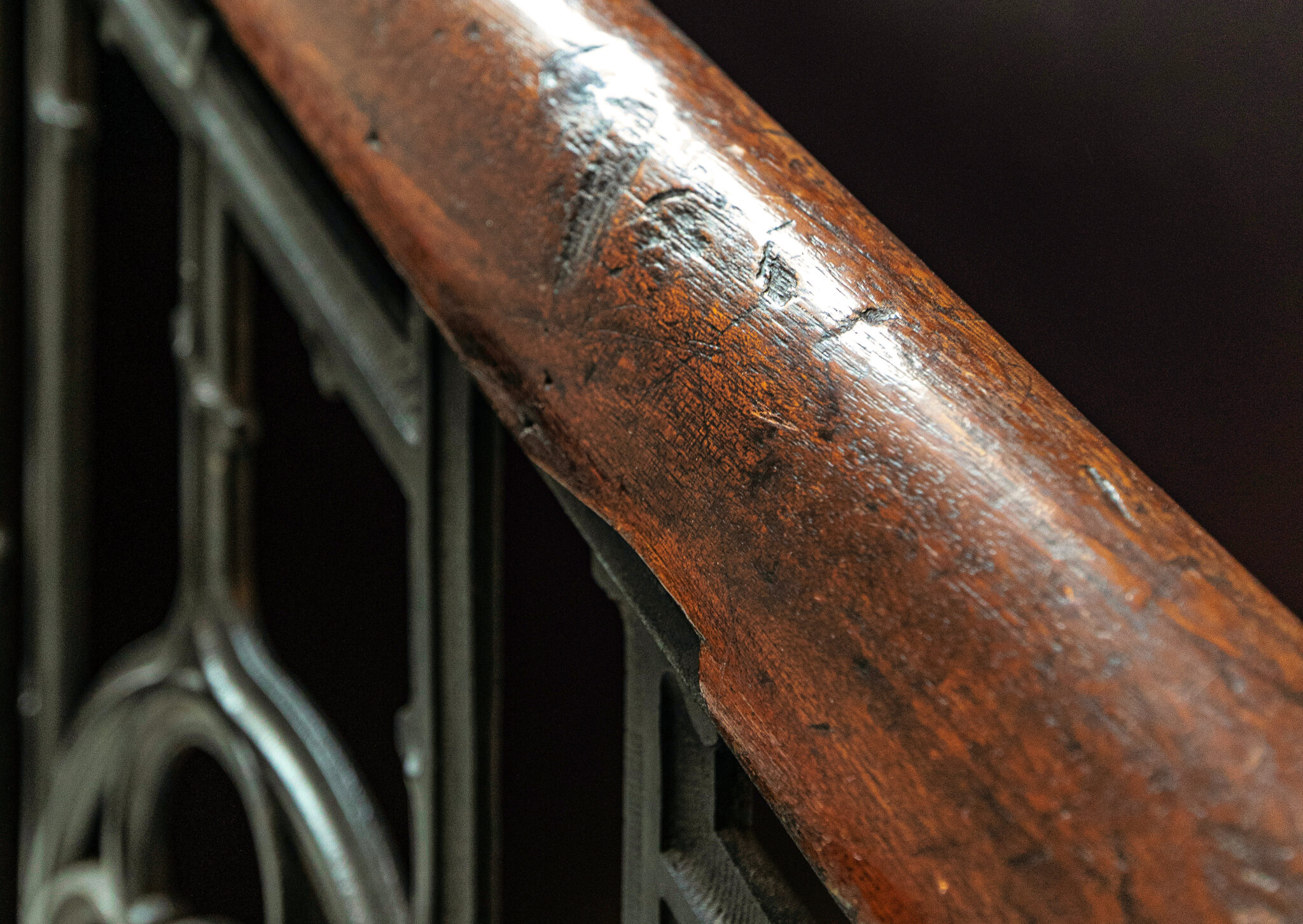
the solid mahogany wood handrails and carrara marble treads are also original with visually appealing and distinctive wear and tear from well over a century of use.
unique construction history
- the construction of the reliance building had an unusual start. when investor william hale commissioned a new building in the late 1880s, tenants with long-term leases still occupied the upper floors of the existing building on the site.
- to begin construction, the upper stories of the original building were temporarily jacked up while the old basement and first floor were demolished. construction on the new steel frame and foundation began underneath the occupied floors.
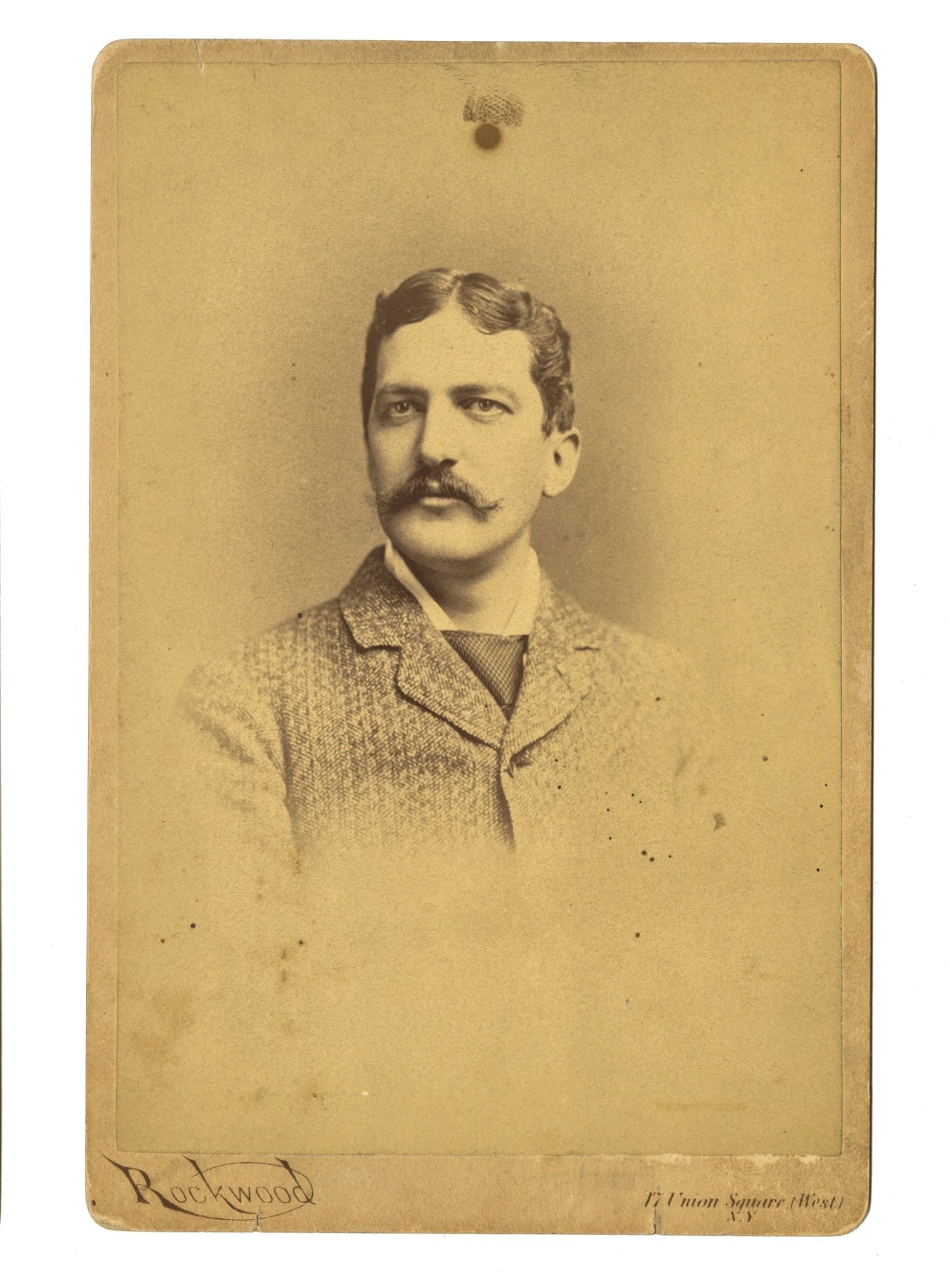
- the project was further complicated by the death of original architect john root in 1891. charles atwood took over the design, and the building was completed in 1895 after the last tenants moved out.
landmark status and restoration
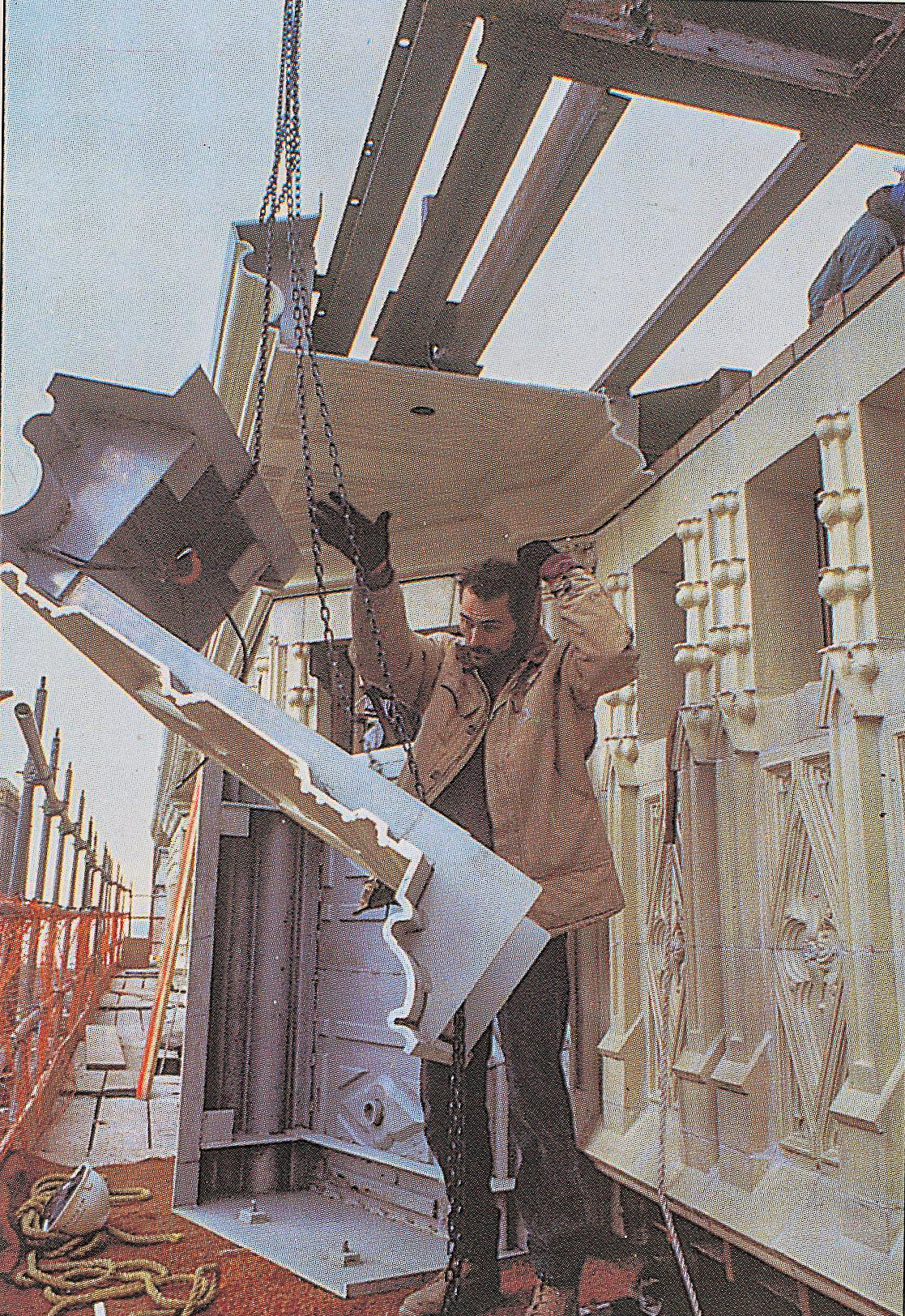
- after falling into disrepair in the mid-20th century, the building was purchased by the city of chicago and beautifully restored in the late 1990s.
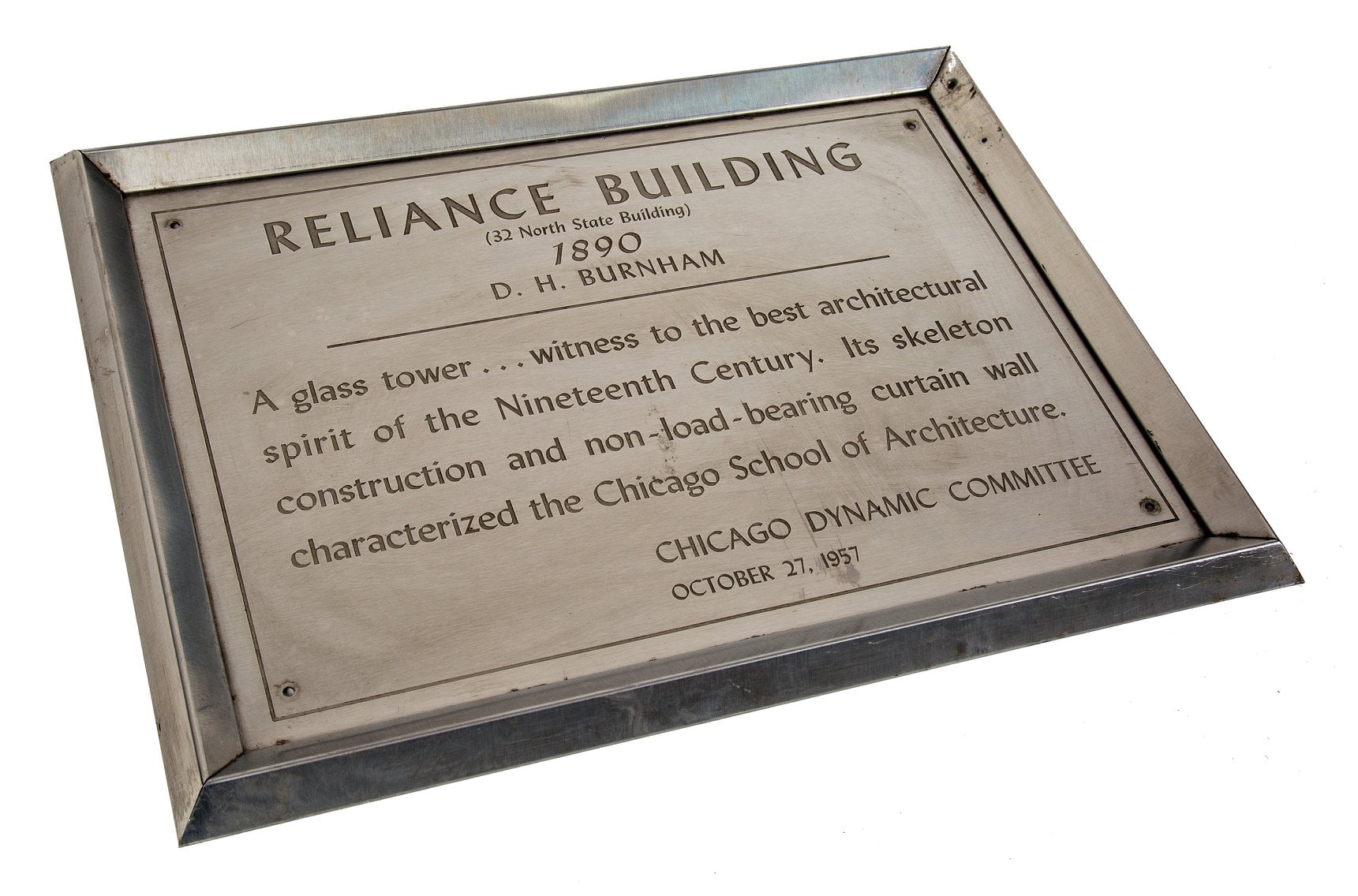
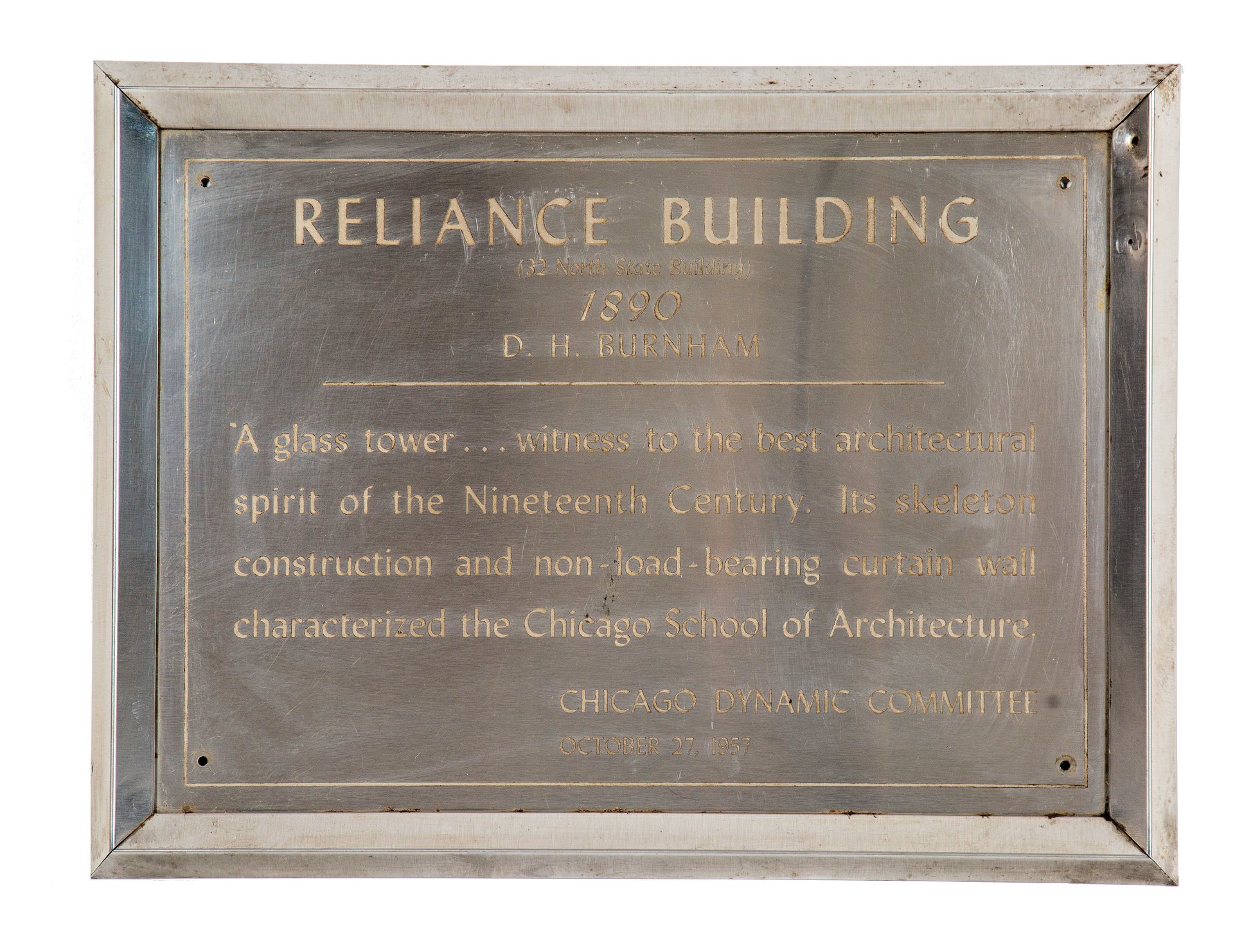
- the reliance building is a national historic landmark, listed on the national register of historic places, and is also a chicago landmark.
- since 1999, the building has operated as a boutique hotel.
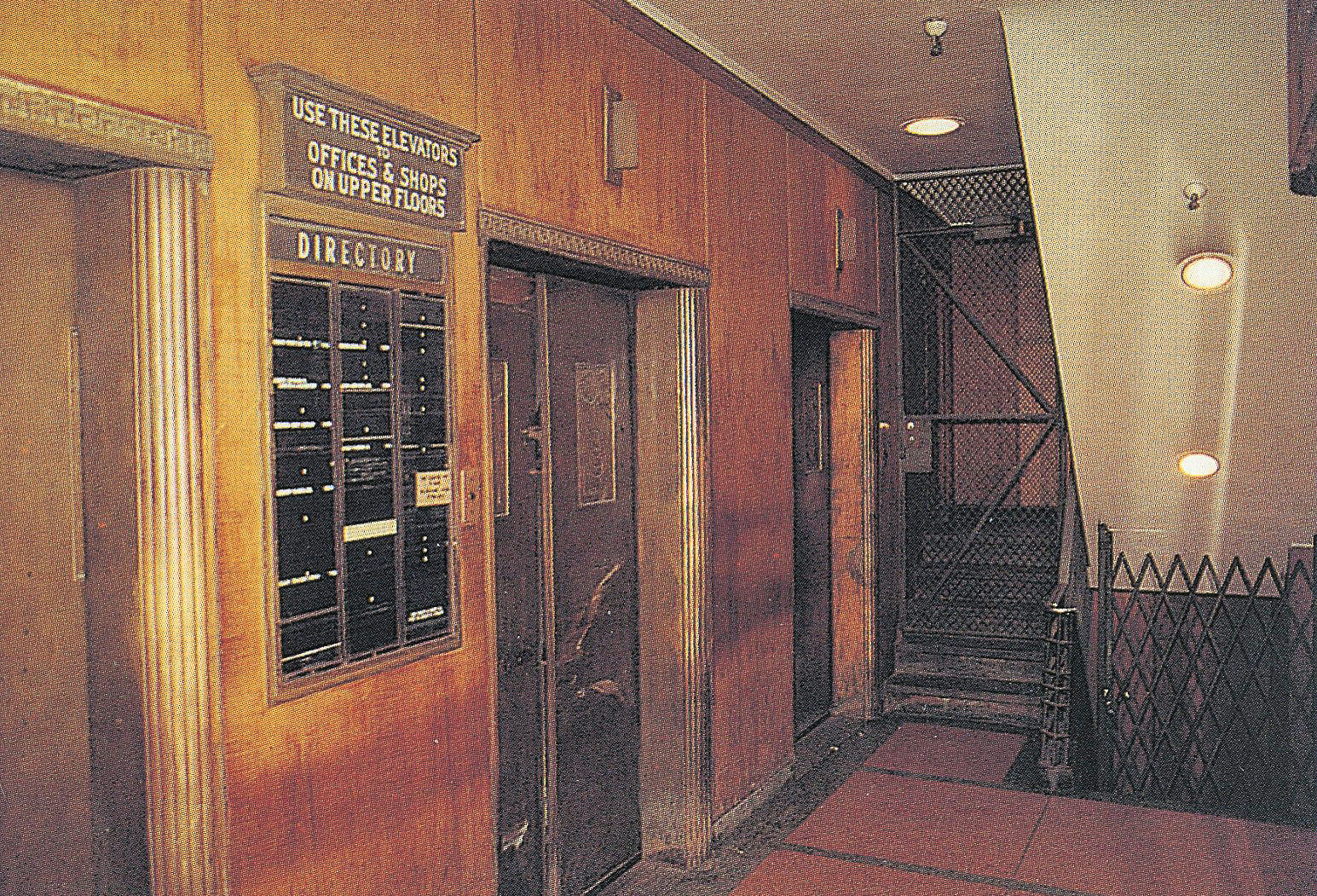
- visitors can view the restored interior, including the mosaic tile floor and ornate elevator lobby, by entering from either the state street or washington street entrance.