

15 Nov exchanging historically important building fragments from chicago’s past
i spent the afternoon last week helping my friend tim samuelson transport an ornamental terra cotta figural rondel head salvaged from sullivan & adler’s schiller building (garrick theater) to be repaired by another mutual friend, mike gruzca, in preparation for an upcoming exhibit. gruzca is the “go to” guy for any and all repairs/restoration of architectural artifacts. this included, at one point, restoration of the bldg. 51 museum’s highly coveted sullivan-designed mccormick radiator grille executed by the winslow brothers, chicago, ills.
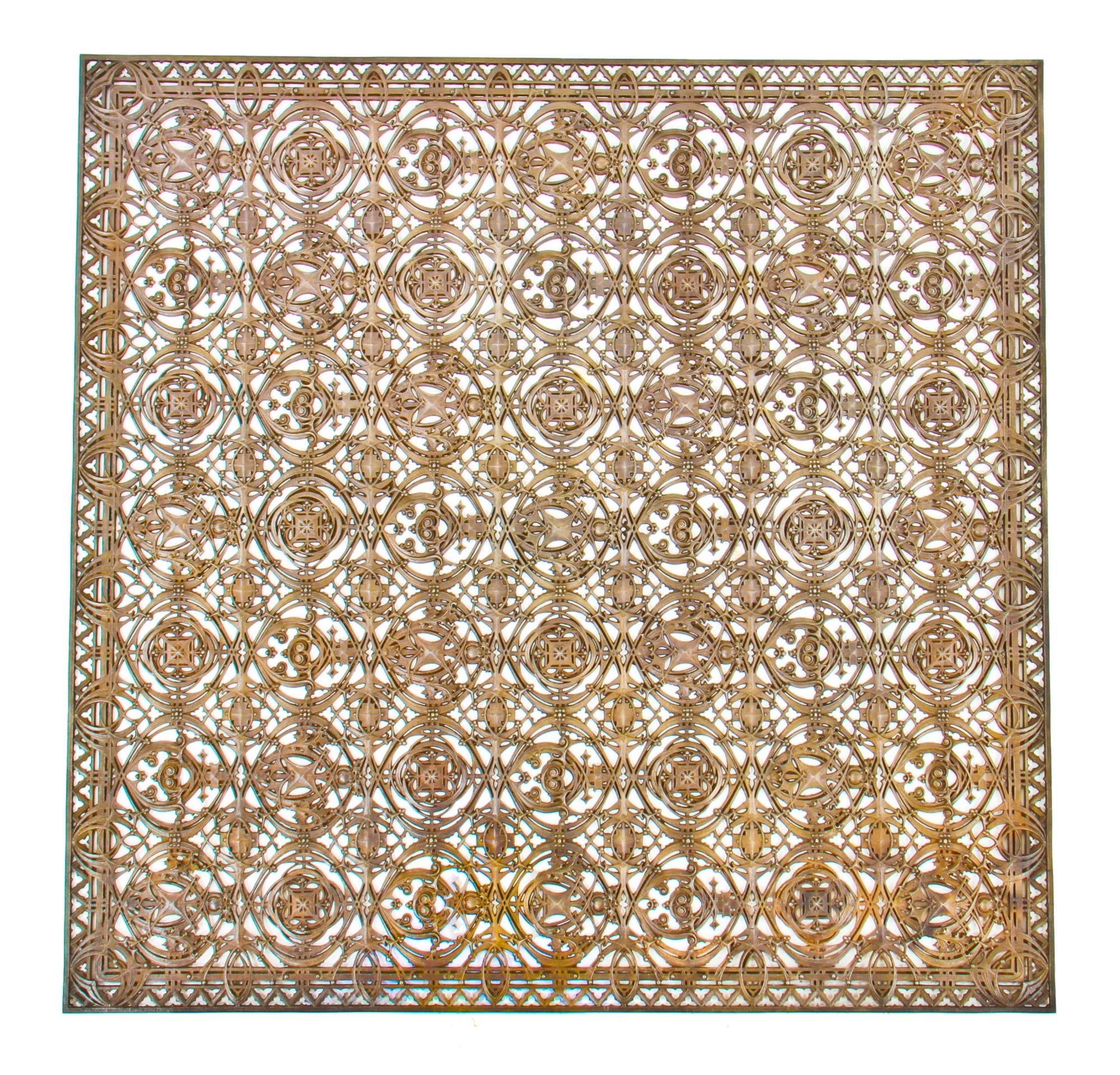
ornamental cast iron radiator grille – copper plated. sullivan design. executed by winslow. only 3 known to exist (the 4th was scrapped). this grille was actually installed in the mccormick house. the other two were made by winslow himself, and louis sullivan.
my connection to samuelson has afforded some incredible experiences, such as assisting in the rediscovery and rearranging of his artifact collection. deep within the cavernous underbelly of an old storage warehouse, we sifted through items from buildings demolished in the 1960’s and on, some items dating to the time when richard nickel and his associates were documenting and salvaging ornament from dilapidated and condemned houses designed by architectural firms like burnham & root and adler and sullivan. i vividly recall being so immersed in the process of opening and carefully examining each slew of fragments, buried in boxes that altogether held such great historical significance. these were from another era of demolition, when both nickel and samuelson were collecting the remnants of a city being senselessly obliterated through urban renewal decades ago. i was amazed at the amount of ornament – big and small – that had been painstakingly removed and stored safely away for so many years.
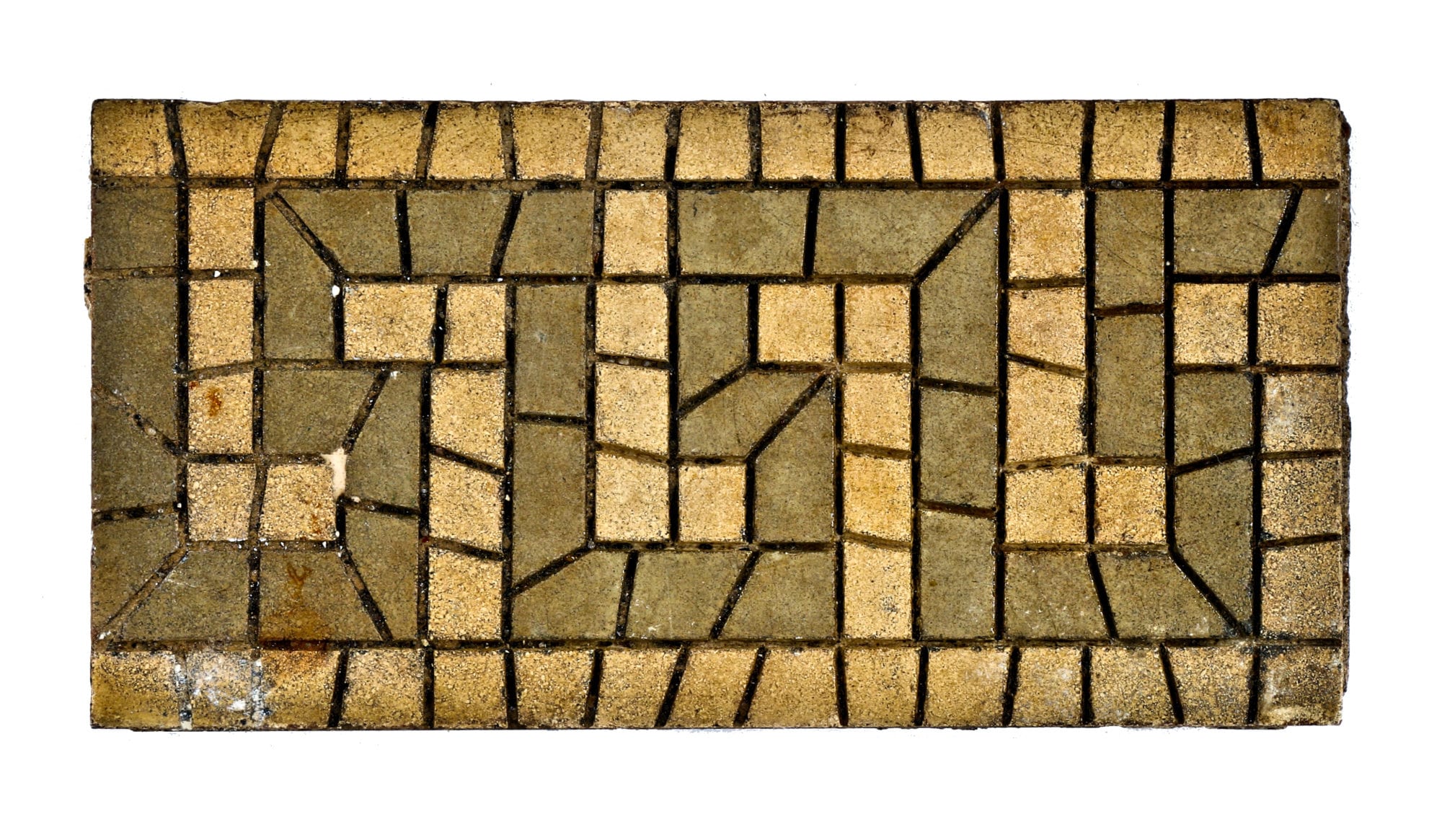
mosiac floor tile from st. louis union station built in 1894. theodore c. link, architect.
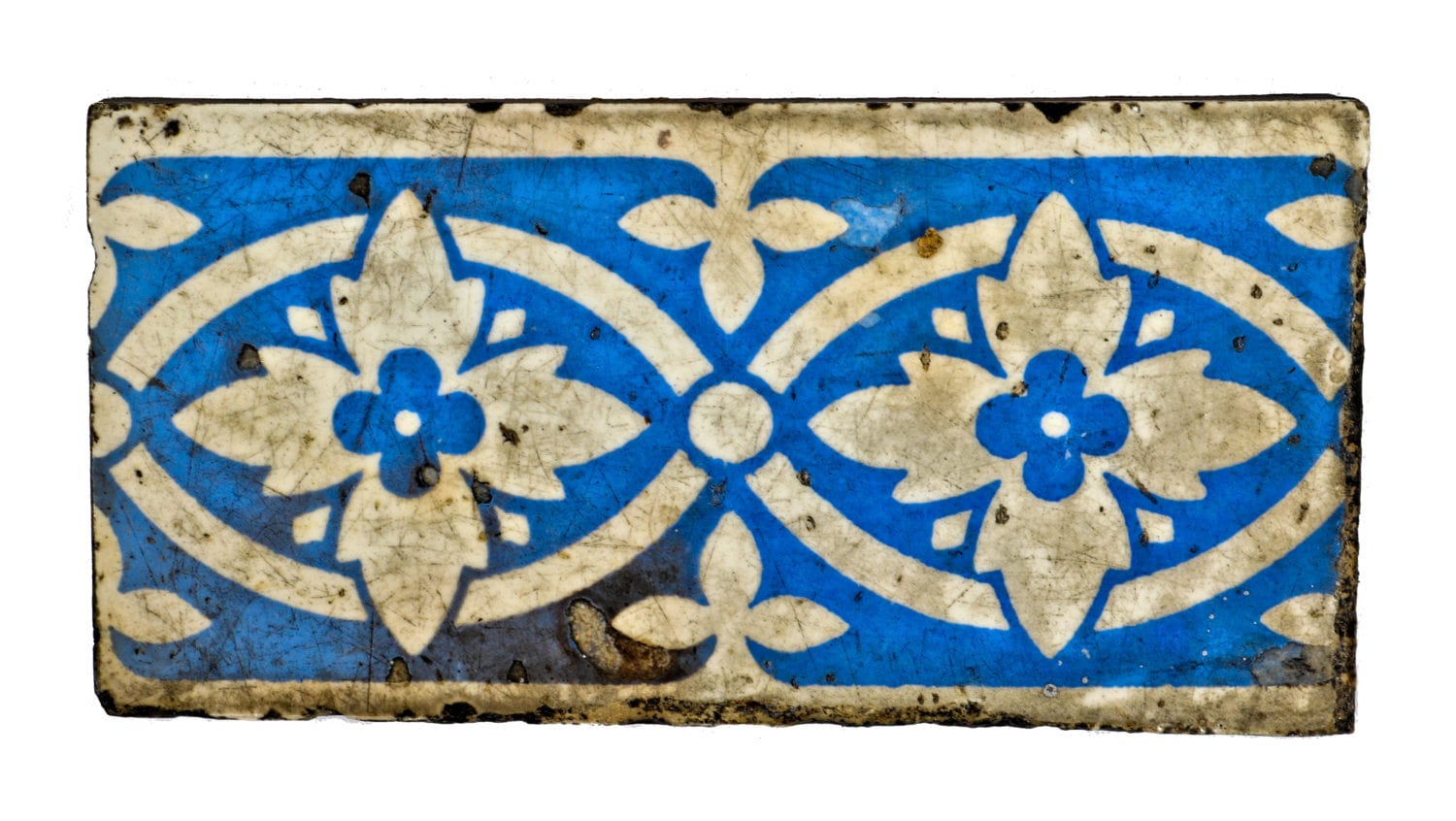
albert h. hayden house (1879). fireplace floor tile, minton tile works. burnham and root, architects. destroyed.
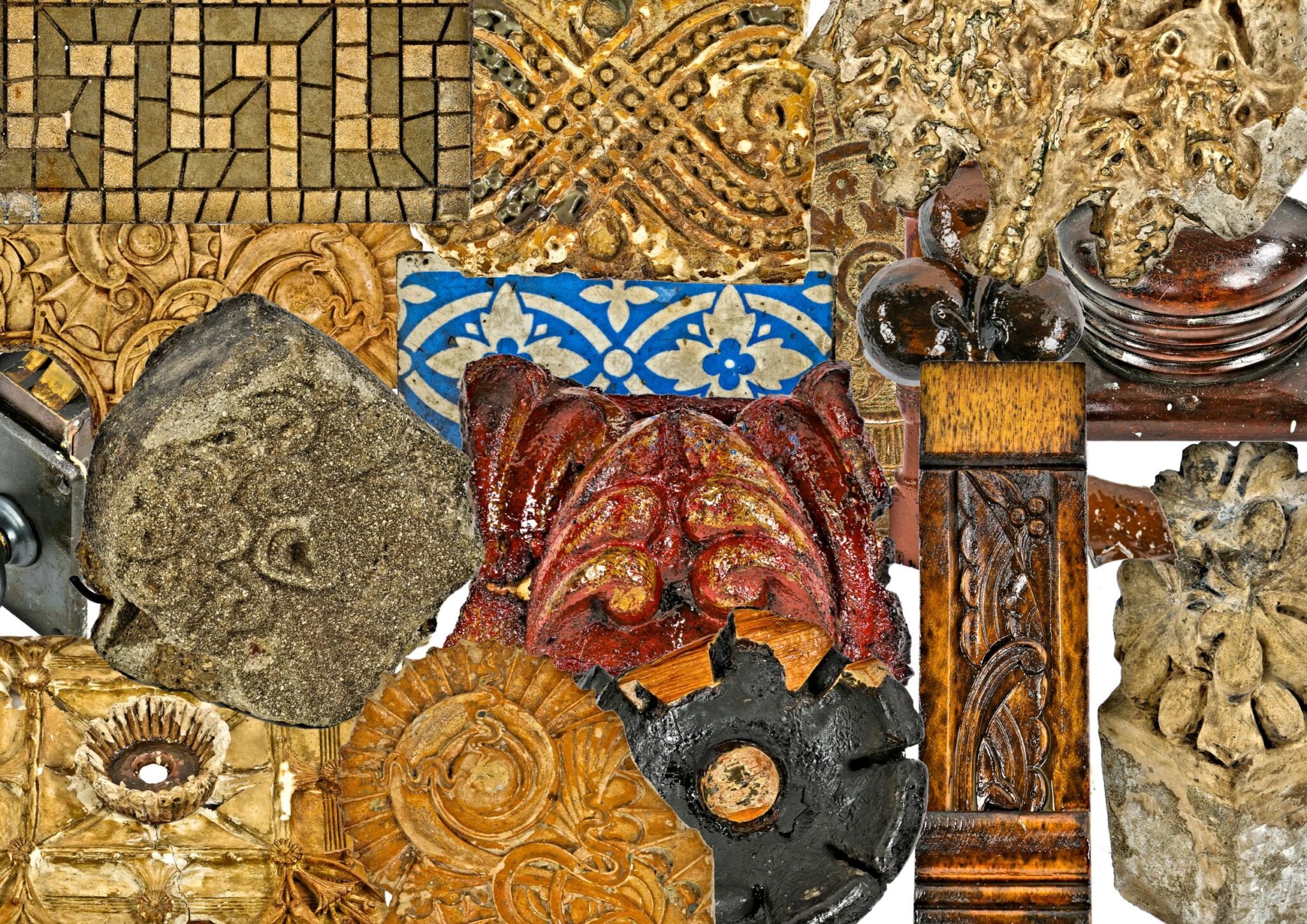
tim was unbelievably gracious, and “passed down” several fragments from within this collection. no matter, samuelson always knew exactly what each piece was, where it came from, and the circumstances surrounding its removal. there were fragments i managed to identify on my own, but with so many others tim filled in the blanks. the wood and plaster fragments from adler & sullivan’s south side chicago houses were by far the most exciting to see and feel. the plaster medallions from the louis frank house (1884) and the ann halsted flats (1884-1885) were among the objects that made my heart skip a beat; i’ve since reassembled them, but a thorough restoration will be required before they are placed in the bldg. 51 collection.
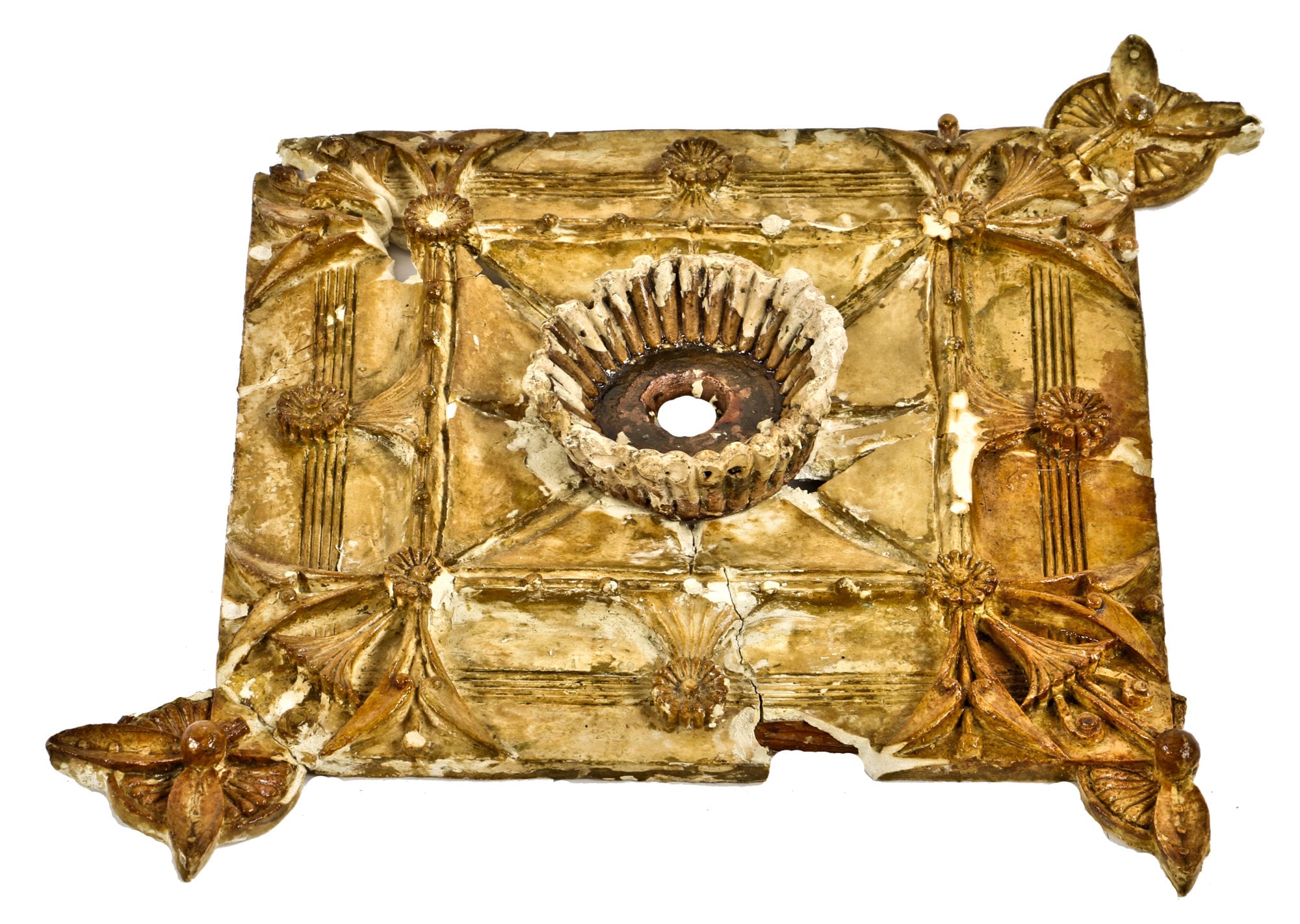
largely intact original 1884-1885 cast plaster ann halsted flats ceiling medallion. fabricator unknown. sullivan & adler, architects. salvaged in 1980.
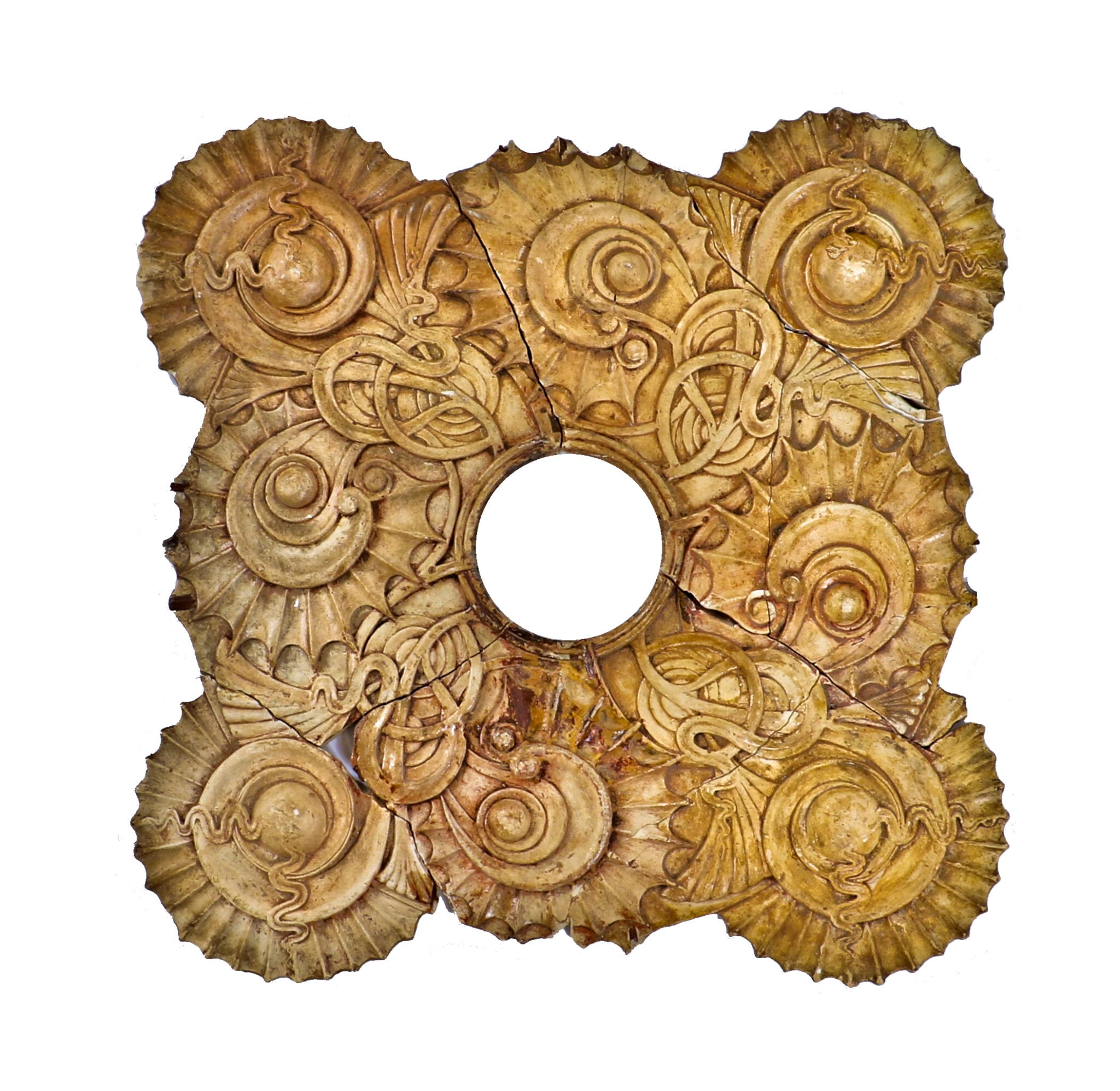
louis frank house (1884) interior ceiling medallion. salvaged by richard nickel in 1968. adler and sullivan, architects. demolished.
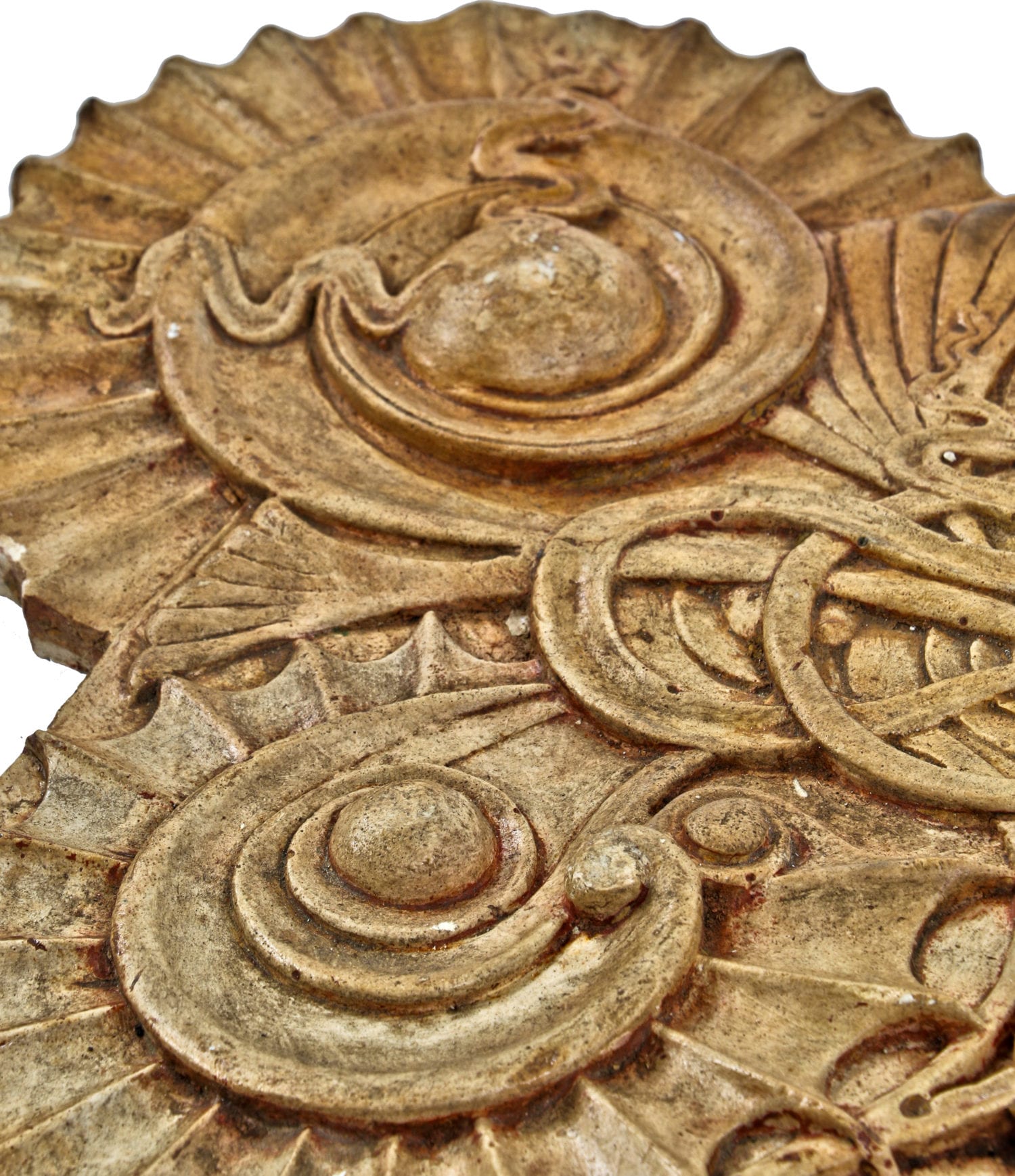
detail of louis frank house ceiling medallion designed by louis h. sullivan (1884).
when we made a stop at the urban remains warehouse and showroom, i offered my thanks by giving tim several building fragments that i felt would compliment his future exhibits and/or strengthen his collection. not once, over the past few years, have we ever discussed financial compensation when exchanging architectural elements. in fact, it would be somewhat insulting. monetary value simply does not figure into the equation during our trades.
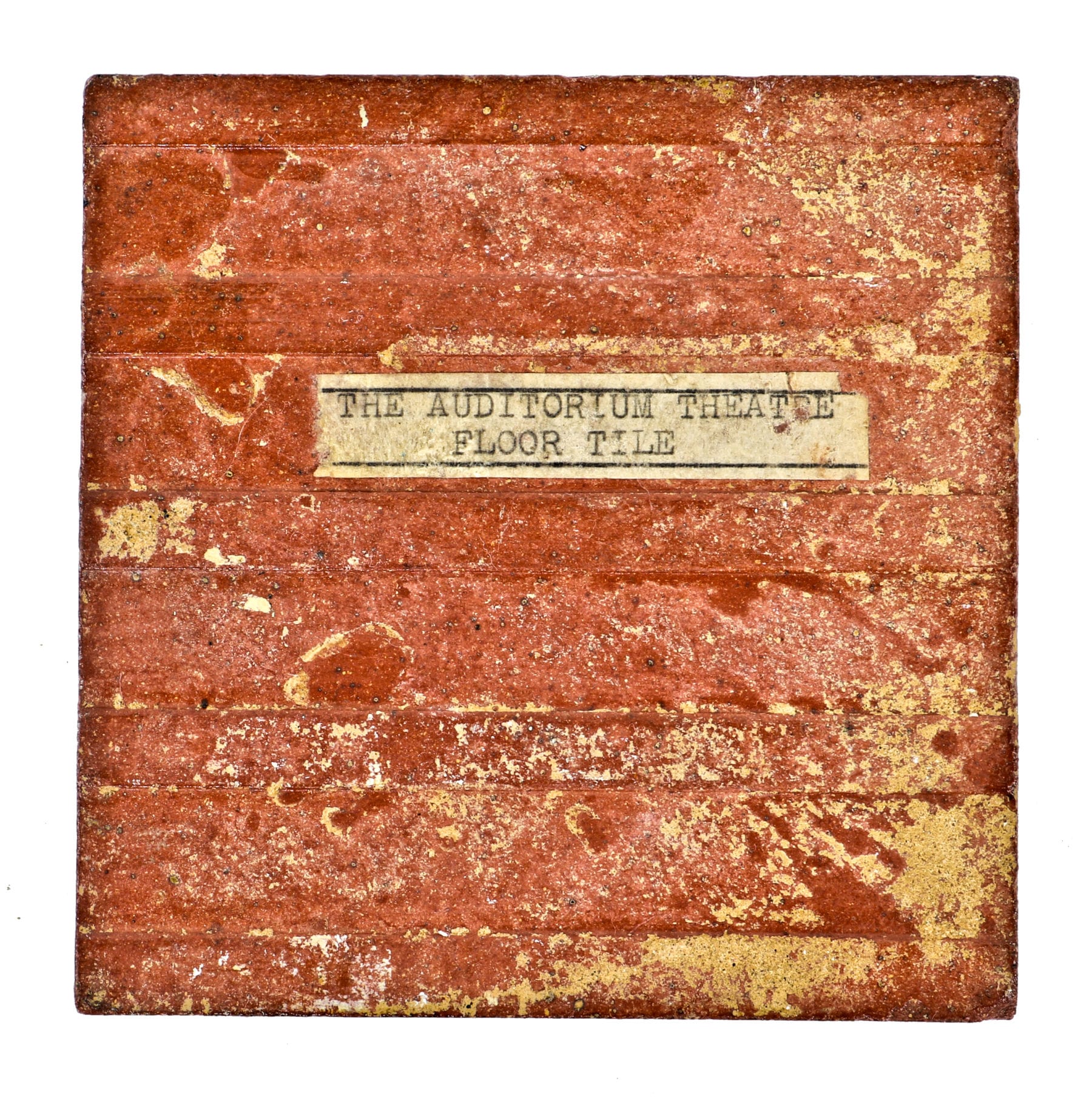
original auditorium theater exit stairwell floor tile. adler and sullivan, architects. the building was completed in 1889. possibly trent tile works.
our mutually intense and unrelenting passion for these objects motivates us to ensure we have what we need to accomplish our objectives, which in one way or another, is to further educate others and advocate for the importance of historic architecture. the buildings are remnants of architects and tradesman, people who designed and built chicago’s houses and/or commercial buildings and left an important mark on the city we live in. our work of appreciating and sharing knowledge of those buildings goes on, long after the demolition death sentence wipes them away. i’m motivated each and every day to document and catalog any collections of “chicago’s past” in the hopes that our rich architectural heritage will never be forgotten. in addition, it’s my hope that greater preventative measures are put into place to protect and preserve what remains. unfortunately, at the current rate of demolition that seems like wishful thinking.
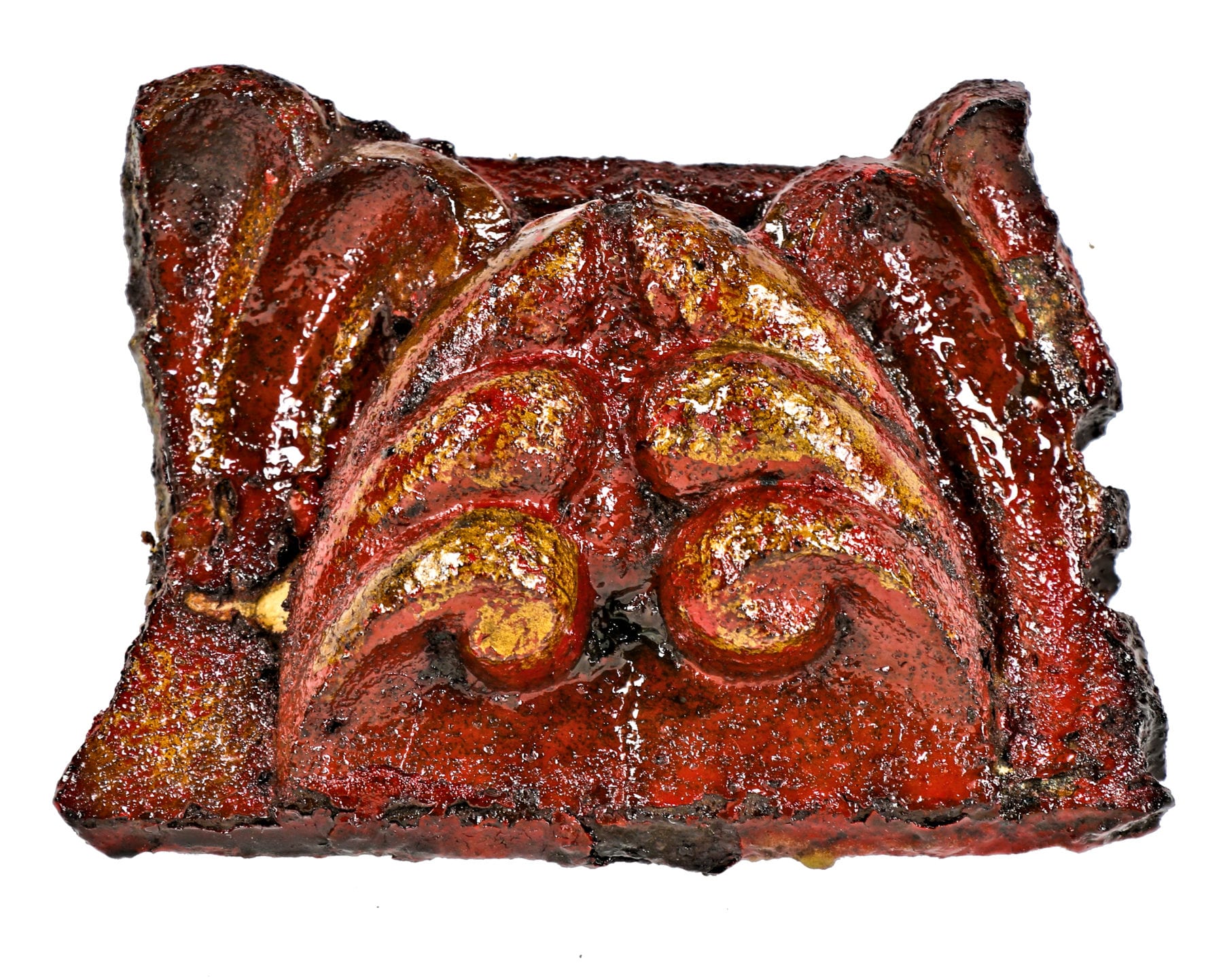
painted ornamental cast iron exterior facade fragment from the pullman-jennings building (1883). solon spencer beman, architect. destroyed.
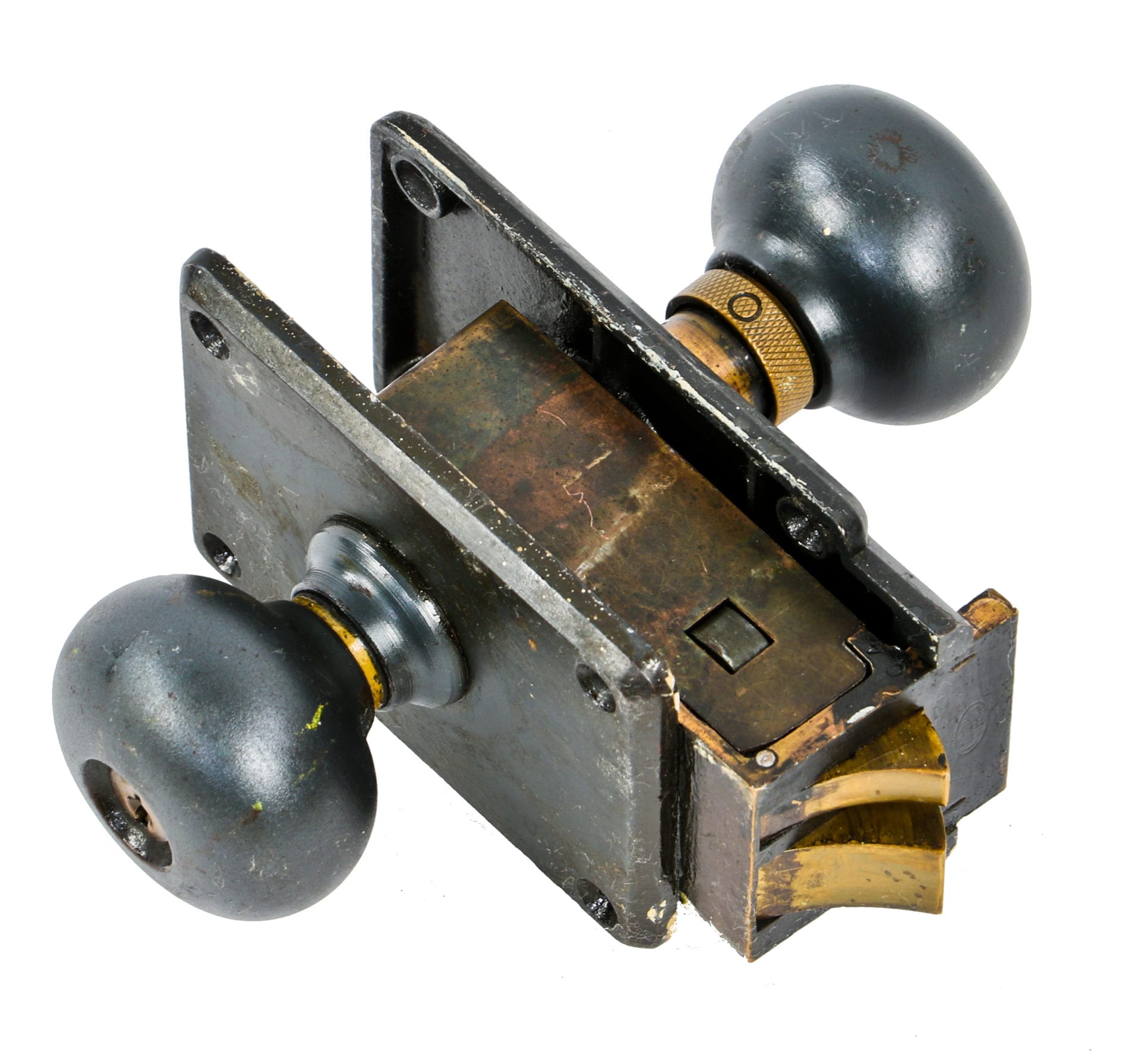
original unornamented “unit lock” removed from a wrigley office building door during renovations. graham, anderson, probst & white, architects. completed in 1924. hardware fabricated by the sargent hardware company. bower-barff finish.
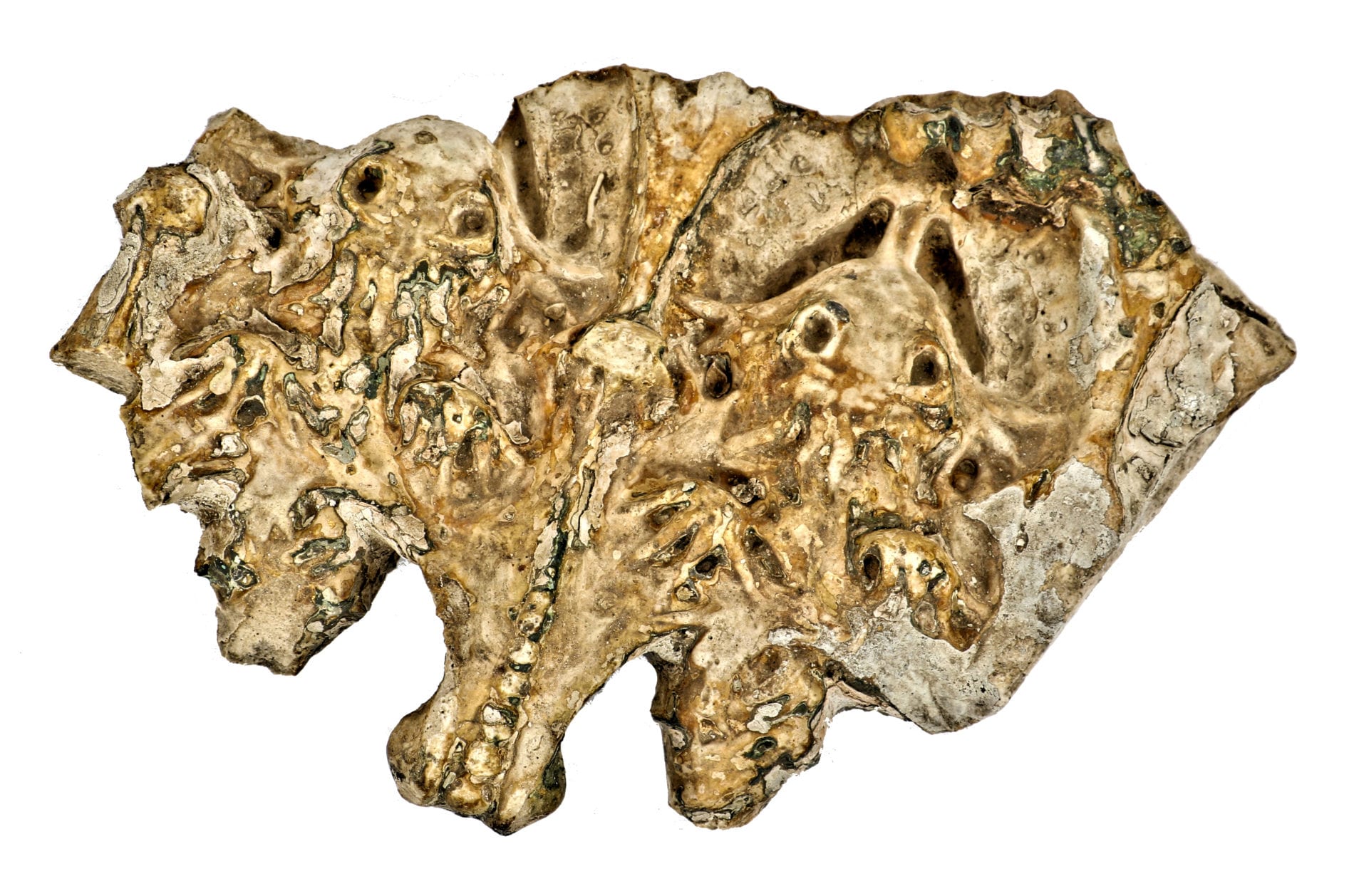
original auditorium building (1889) 7th floor dining room interior fragment. partially stripped of old paint. adler & sullivan, architects.
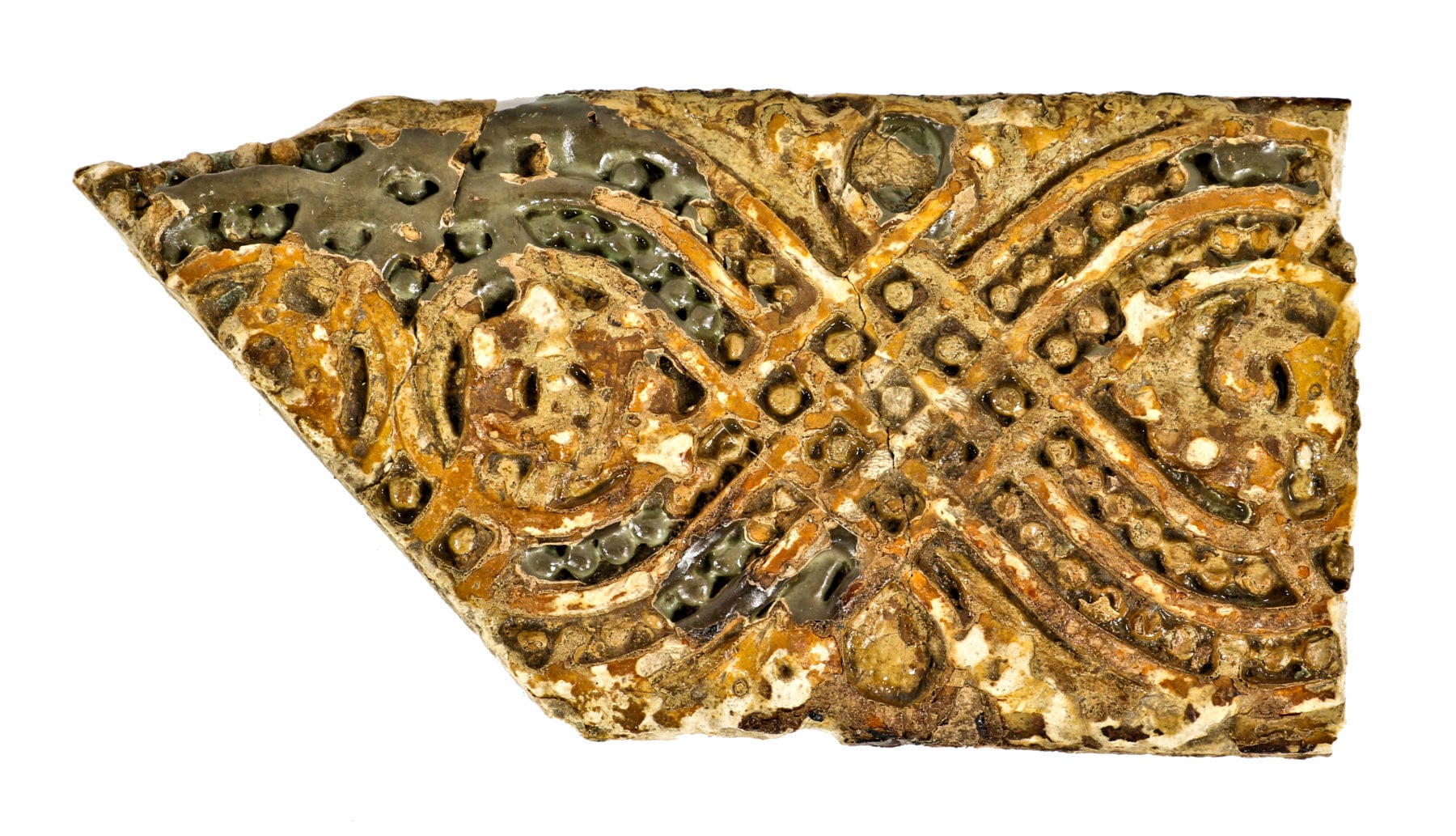
cast plaster fragment. auditorium building (1889). adler & sullivan, architects.
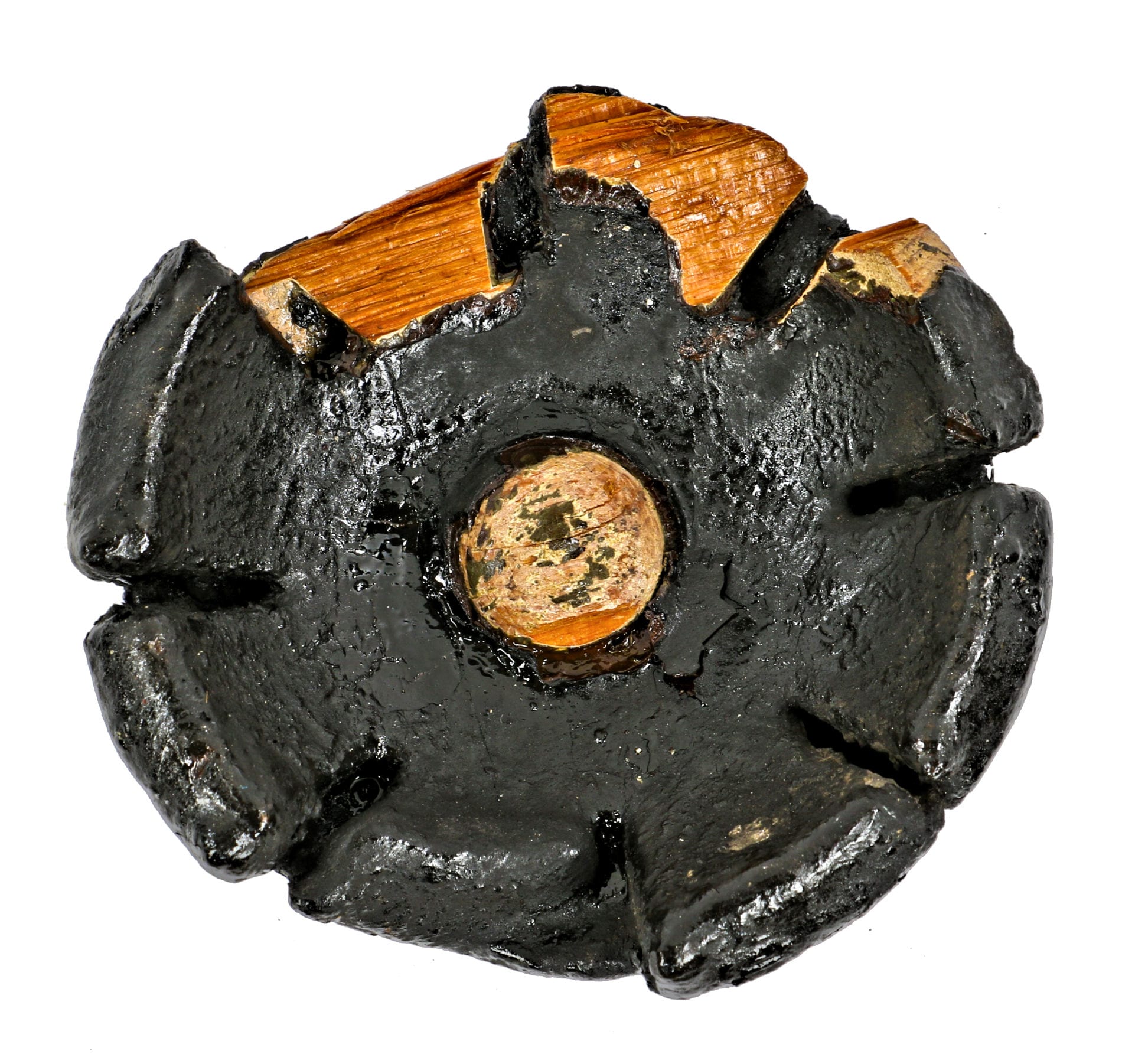
exterior painted wood floral rosette extracted from george h. rozet house (1878) exterior residential bracket. burnham and root, architects.
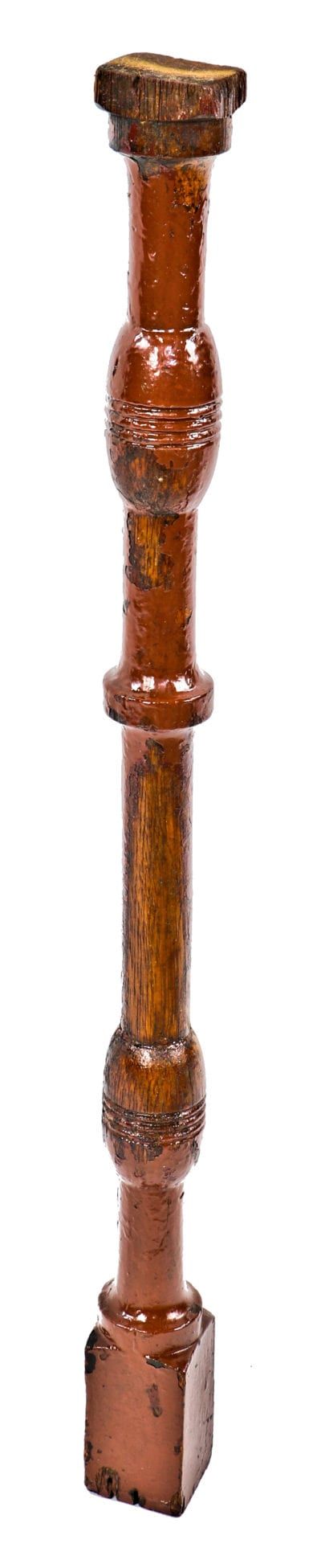
original painted oak wood interior max rothschild row houses (1883). adler & sullivan, architects. salvaged in 1978. destroyed.
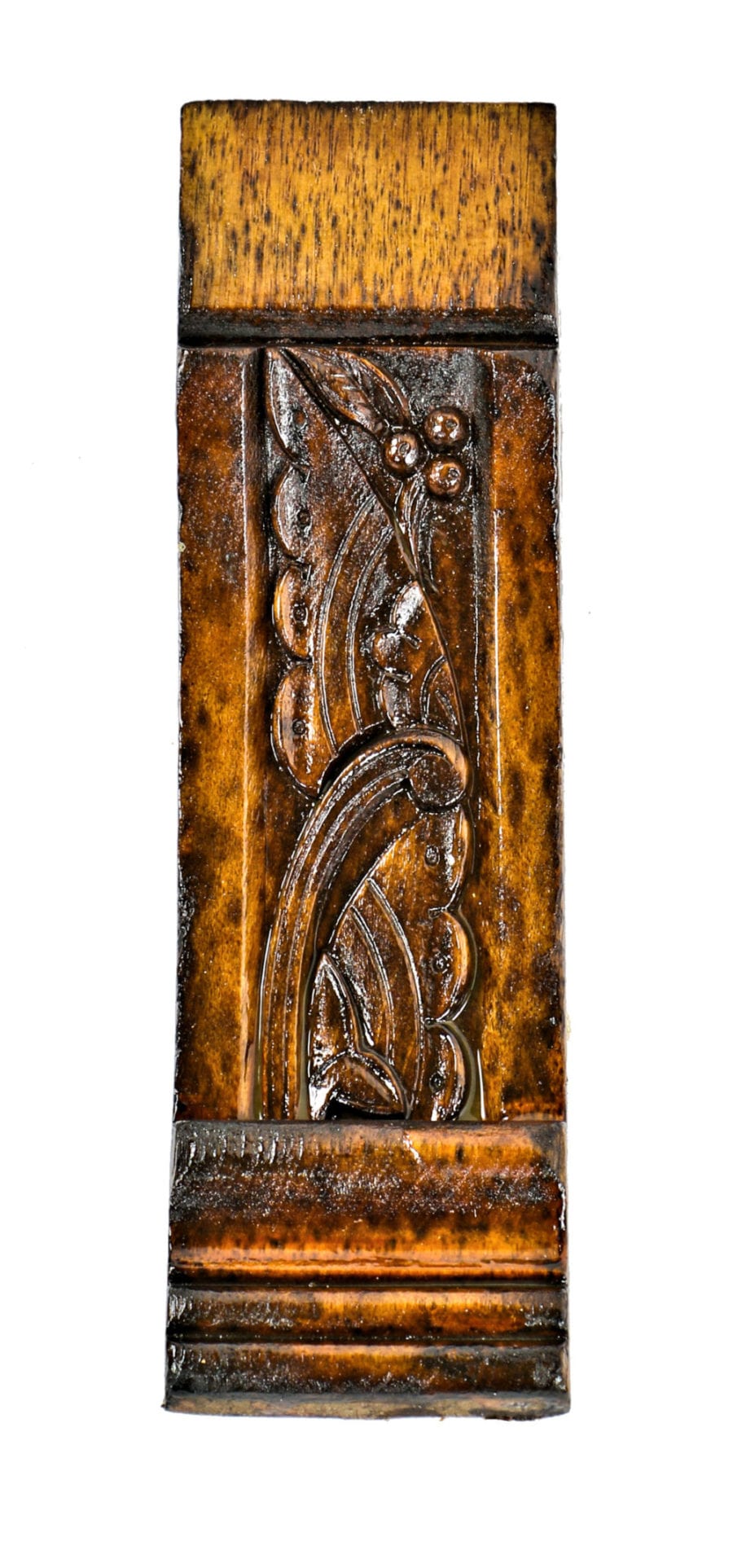
albert h. hayden house (1879). hand-carved corbel salvaged from interior china cabinet. burnham and root, architects. destroyed.
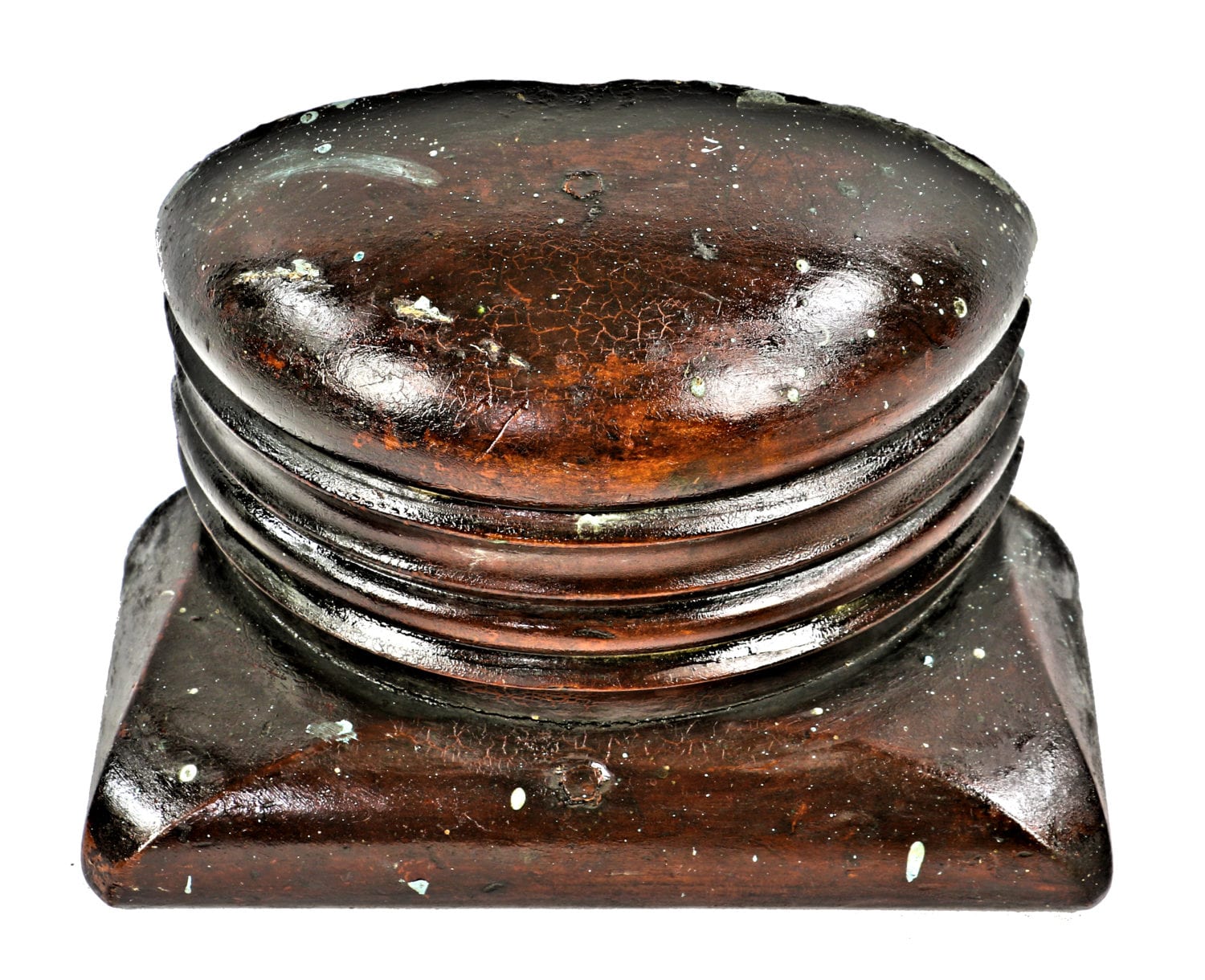
albert h. hayden house (1879). hand-carved staircase newel post “cap” salvaged from the grand staircase. burnham and root, architects. destroyed.
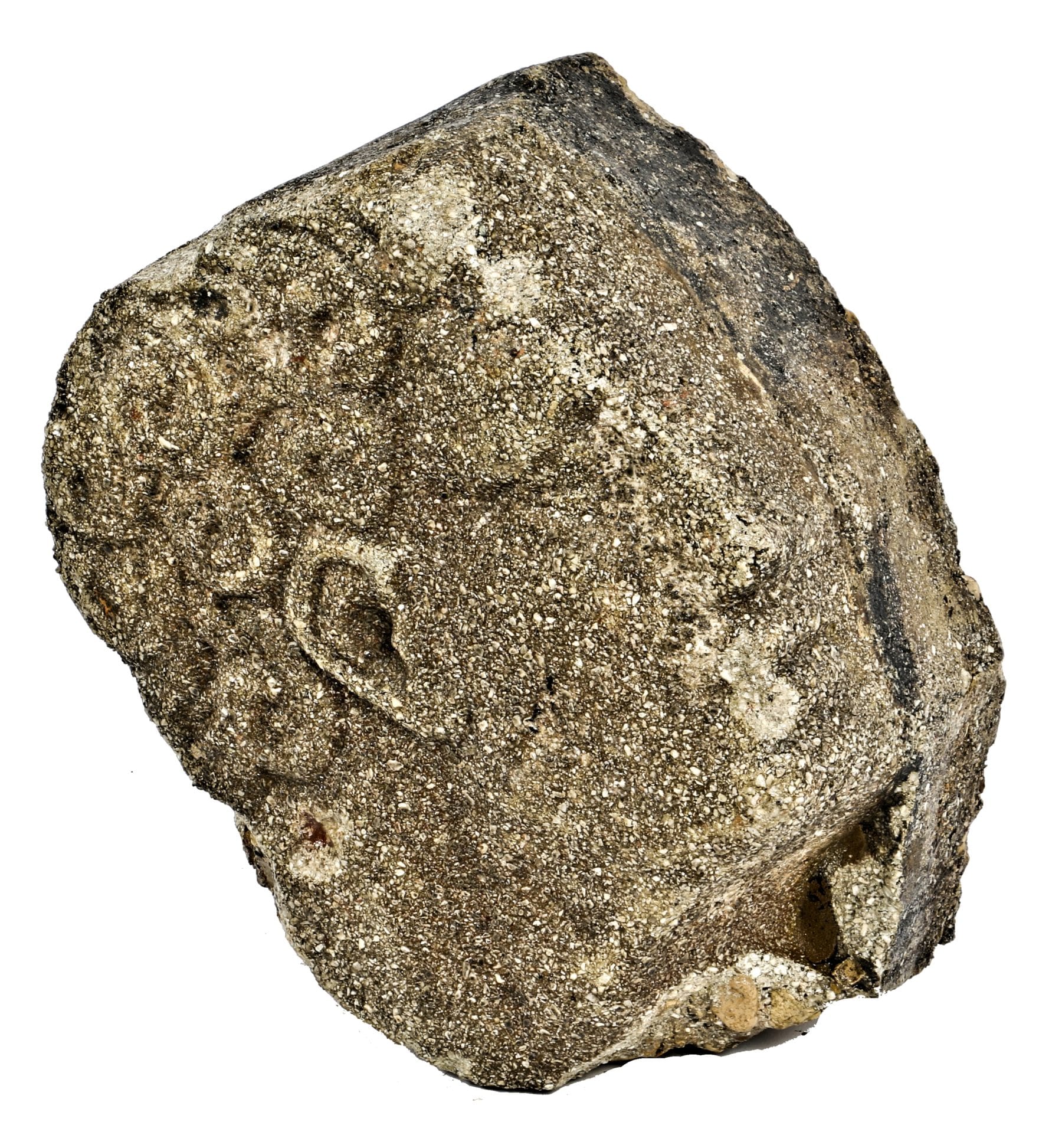
cast concrete (aggregate) head recovered from a badly damaged chicago stadium (1928) panel depicting athletes. several massive panels were mounted on the stadium’s exterior, along the cornice. hall, lawrence & ratcliffe, architects. the stadium closed in 1994 and was demolished shortly after.
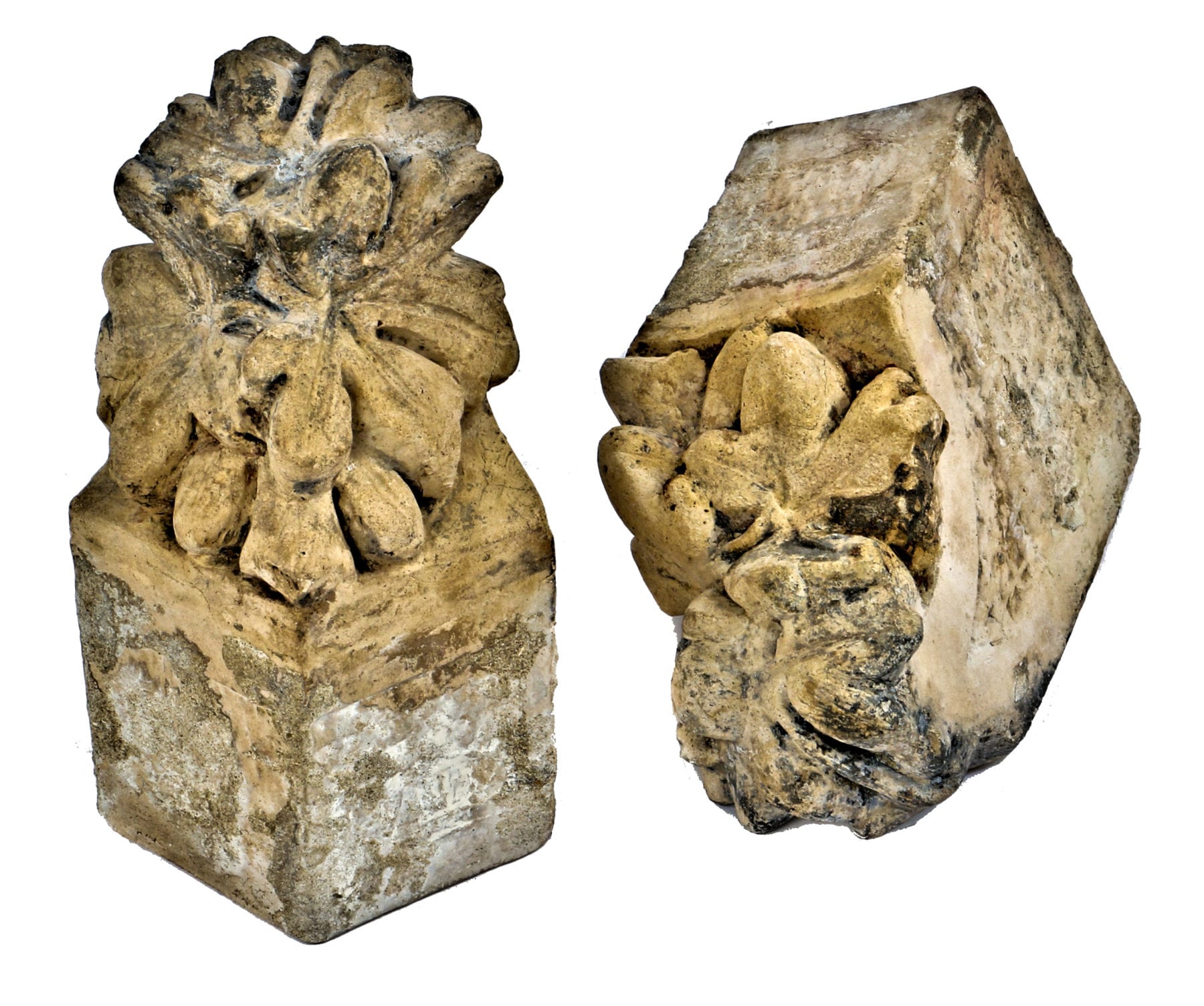
starkweather building (1875) terra cotta blocks. william le baron jenney, architect. the early terra cotta blocks are a rare example of post-fire terra cotta fabricated by the chicago terra cotta works.