


24 Aug searching for, and recovering hidden history buried deep within the walls of chicago cottages
anticipating another year of lost buildings through demolition, i’ve already prepared additional storage space for the ever-growing collection of lost or discarded objects found under attic floorboards, ledger and sill plates, foundation walls, and stud cavities within those 19th century chicago cottages that are faced with demolition, or which have already been eradicated from the cityscape.
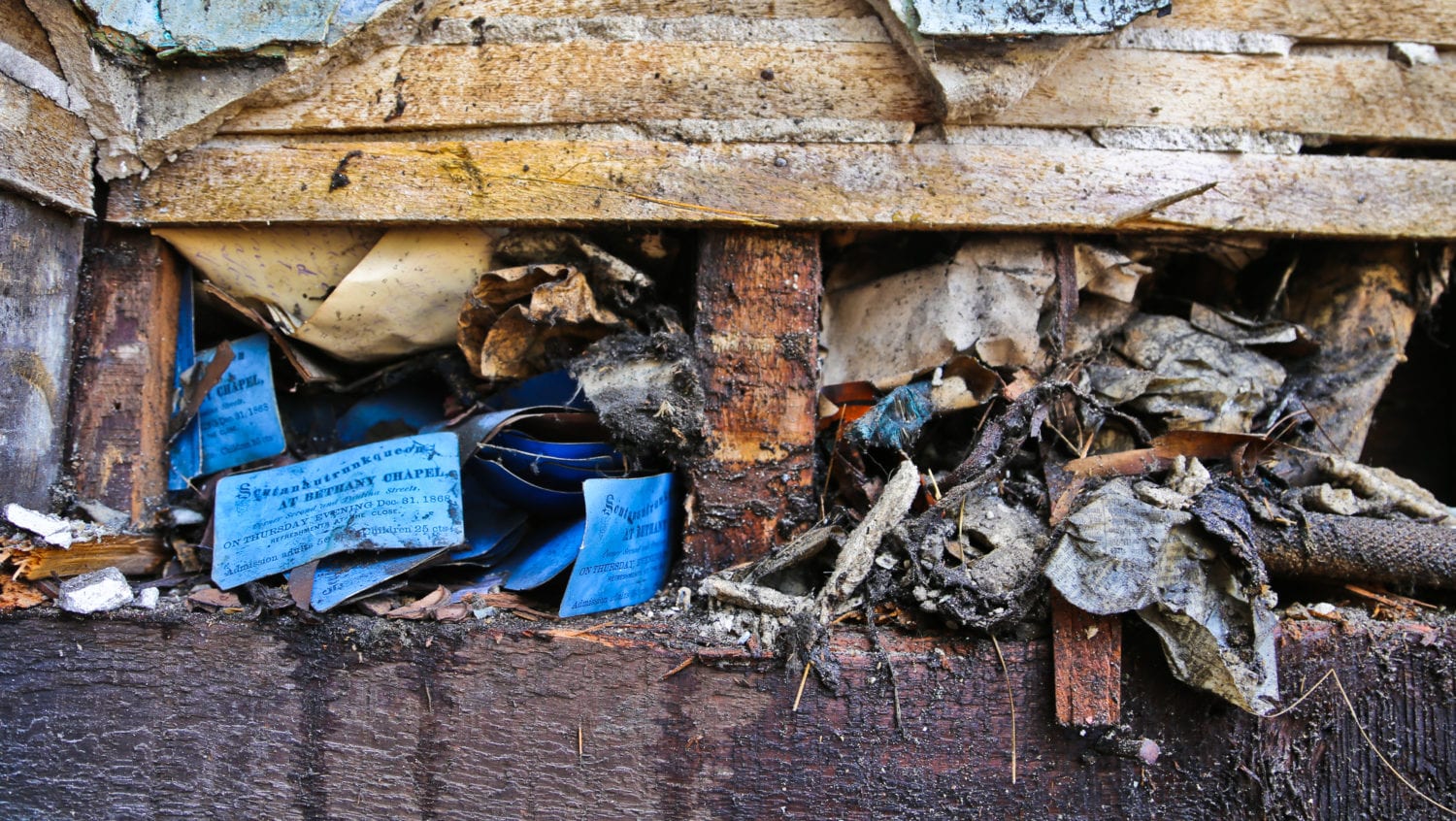
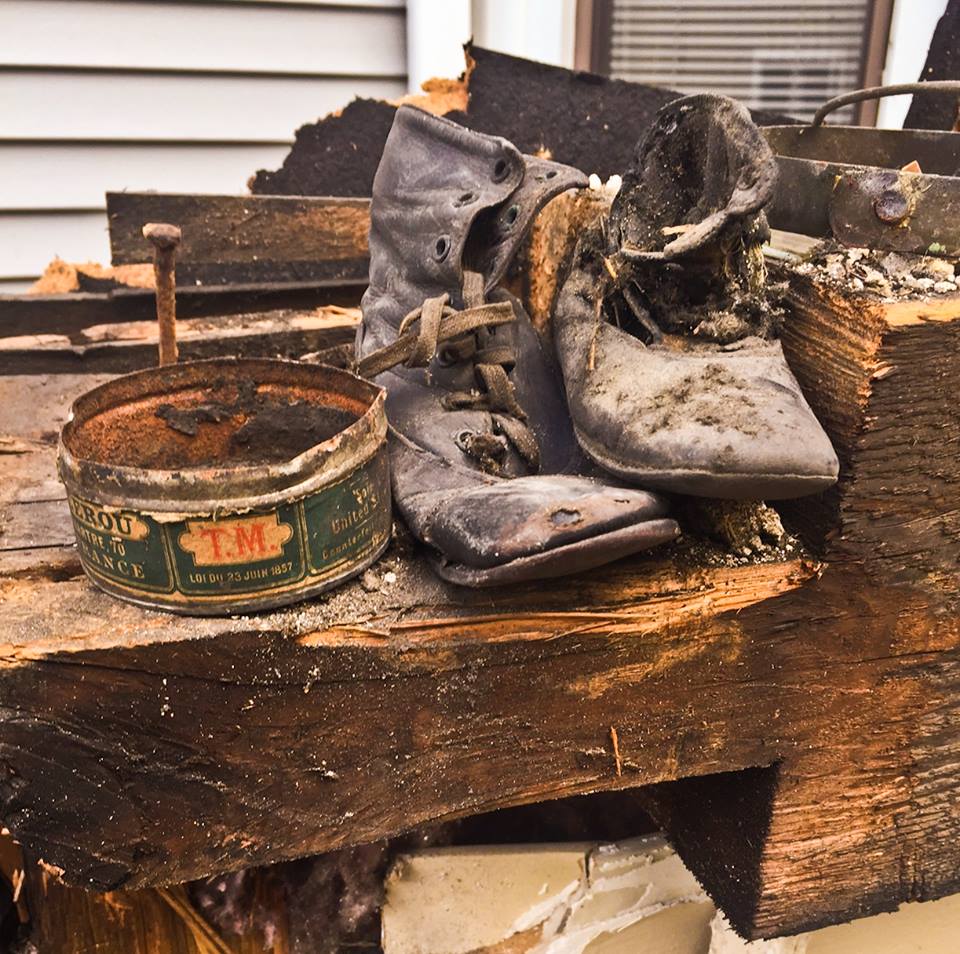
by and large the primary hiding place for unwitting artifacts is around the workers cottage sill plate, identified as a framing component in the form of a horizontal foundation beam where both joists, studs, and girts are notched or toenailed. in many cases, insulation (in its various forms) was placed between the largely uninterrupted stud cavities, despite the use of “fire stops,” ledger plates and girts between floors.
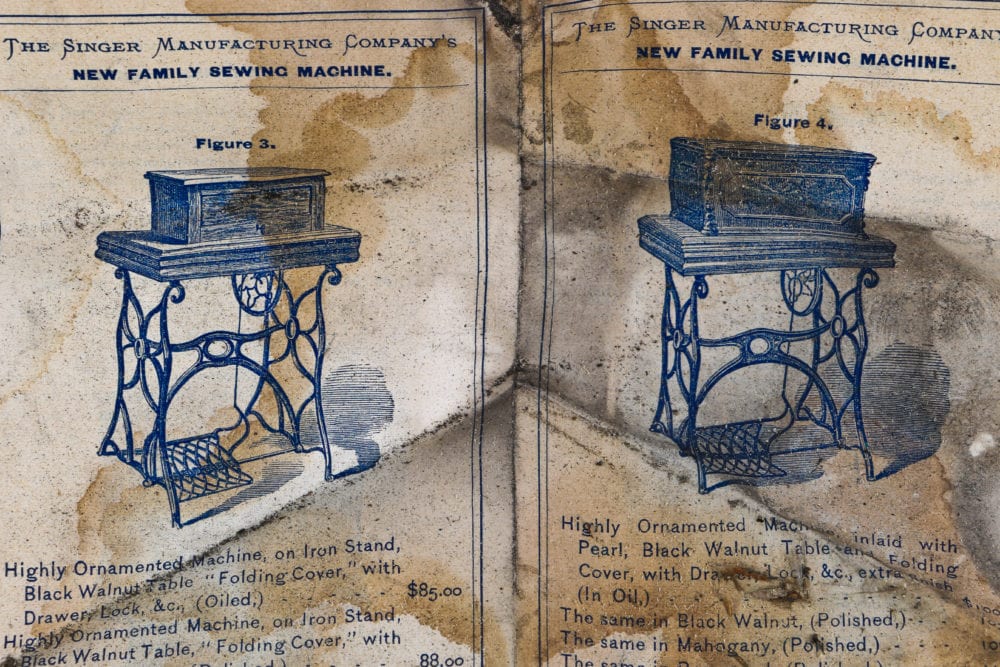
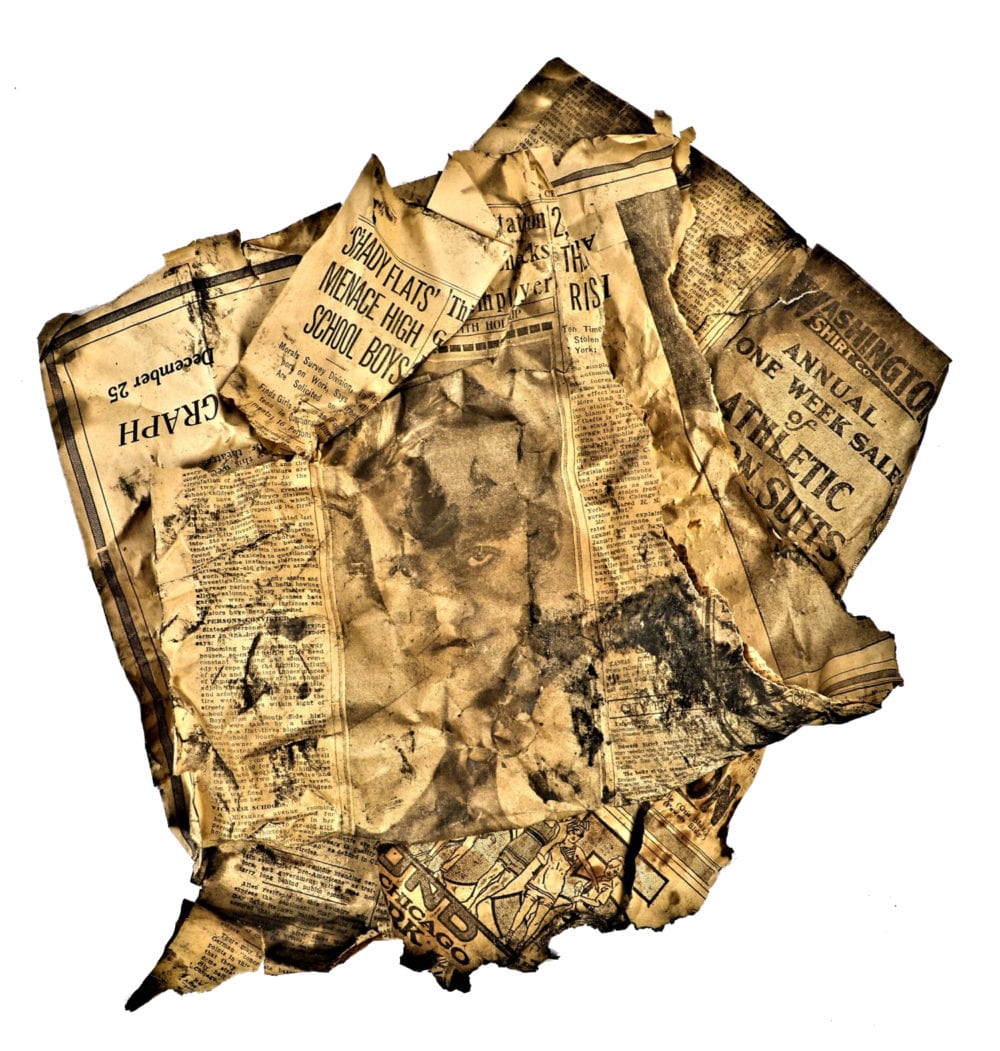
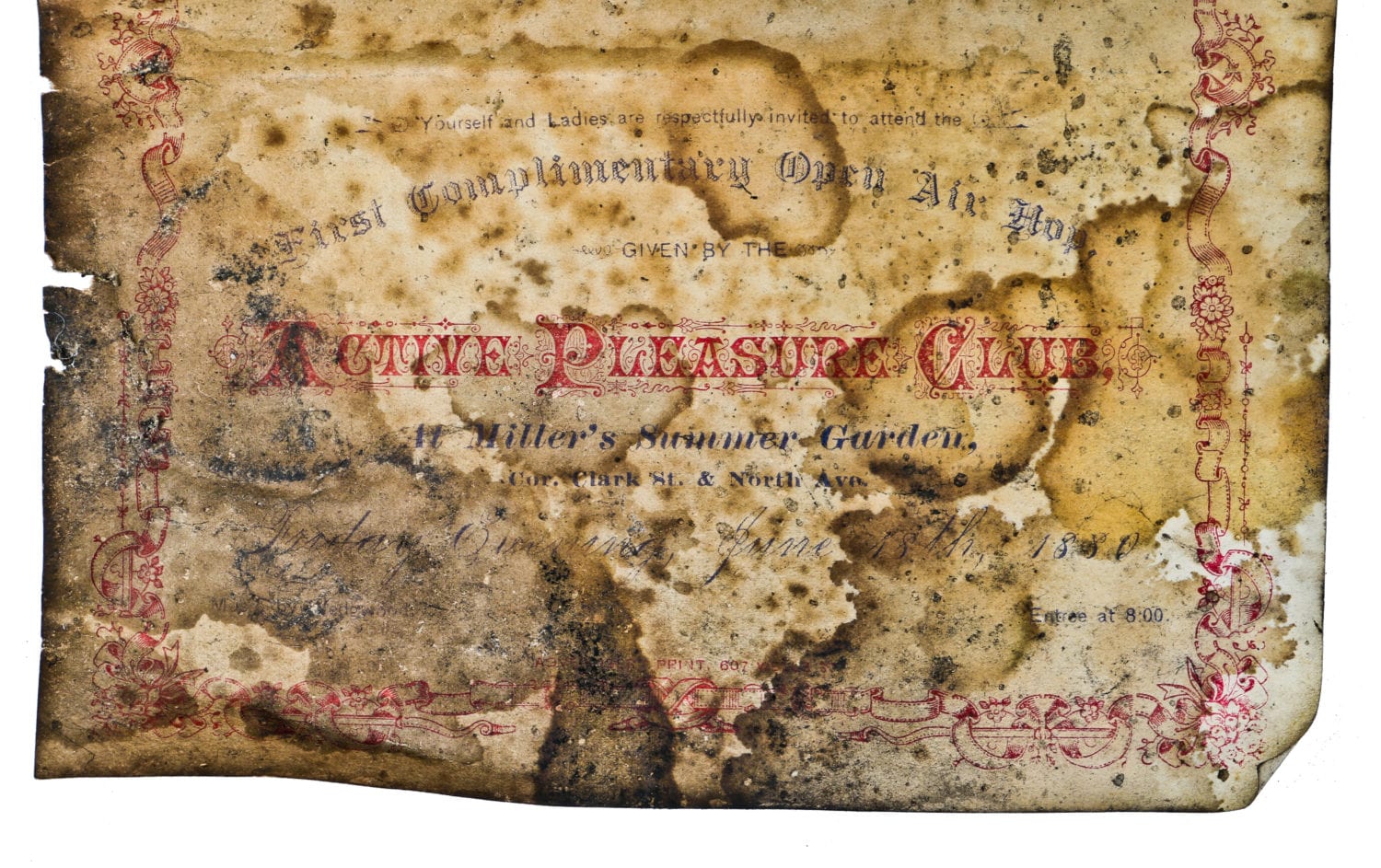
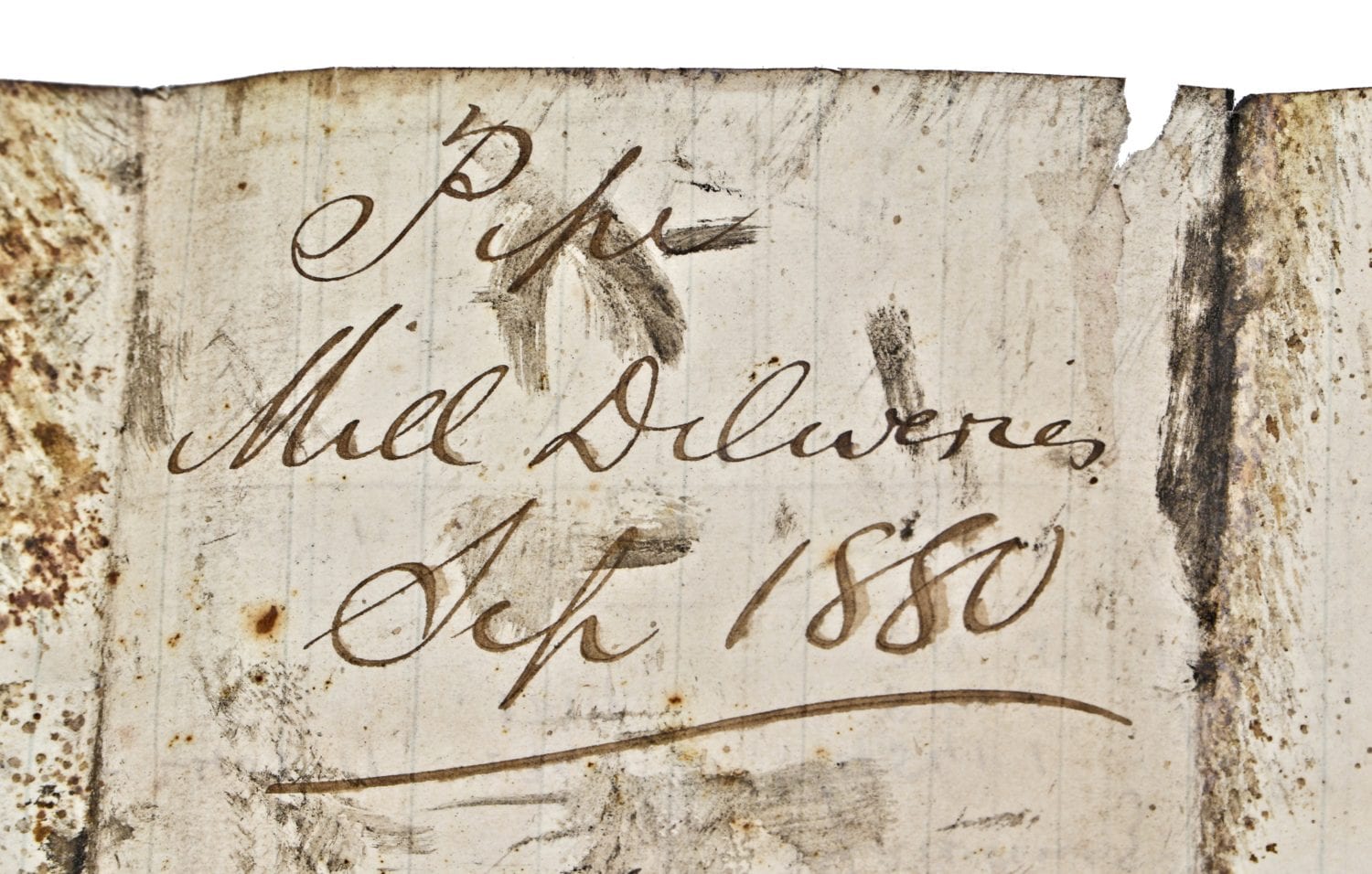
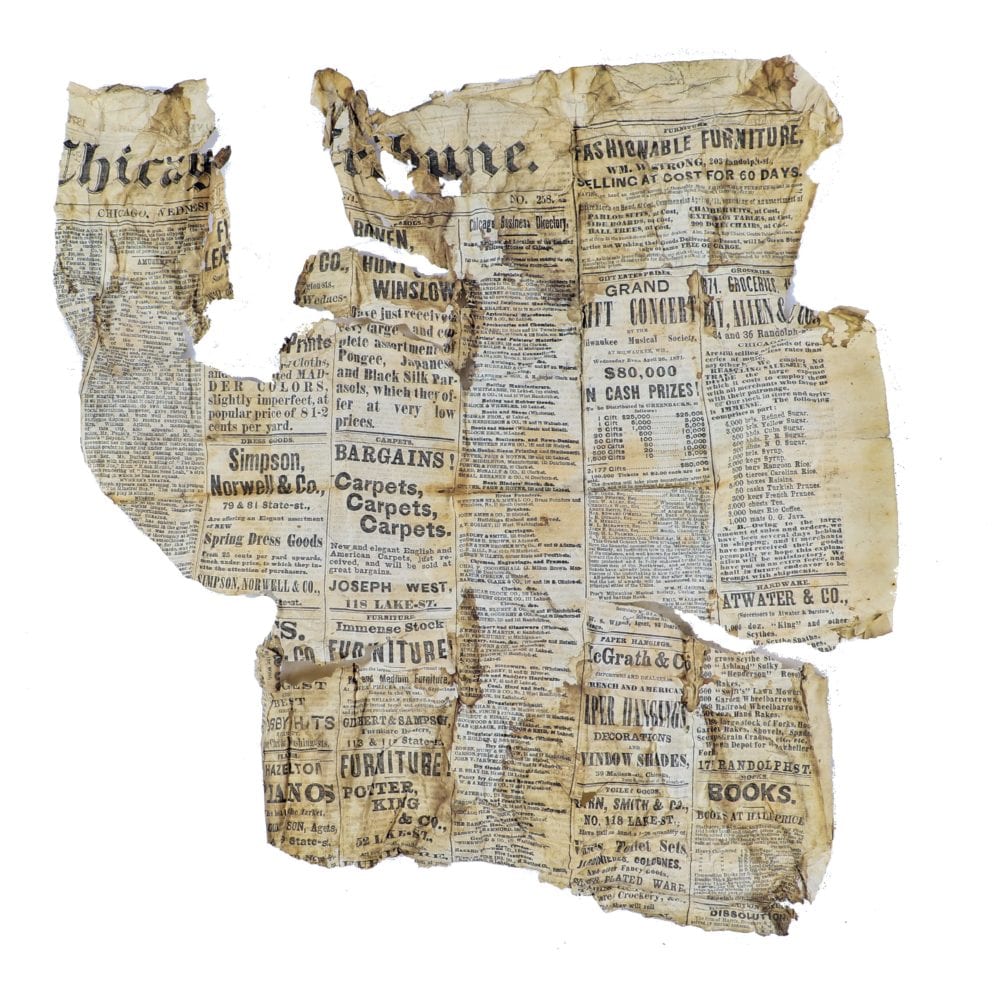
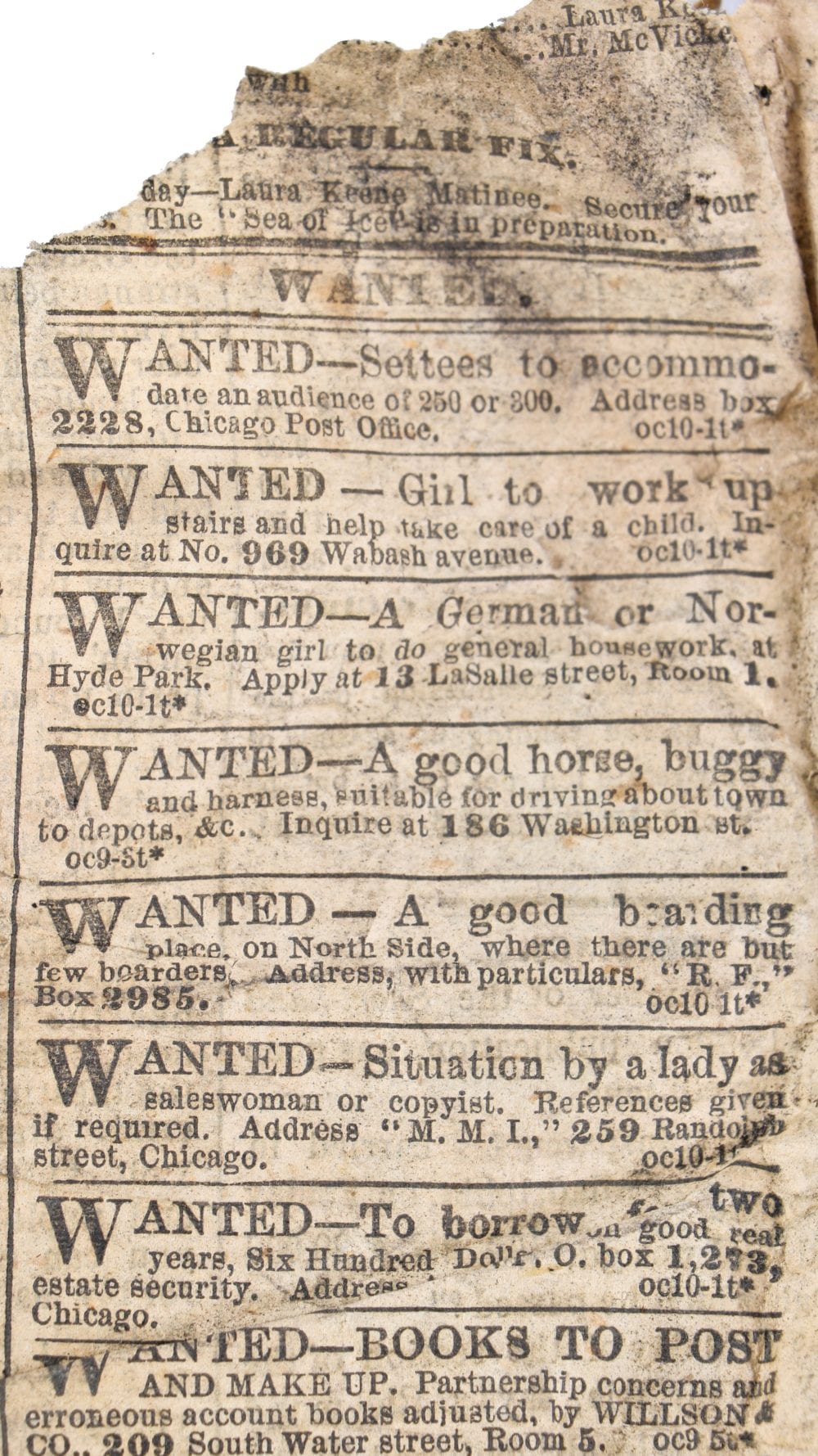
since heavily notched and jointed sill plates or beams are integral to the “chicago method” of framing chicago cottages built during the latter half of the 19th century, i developed an obsession with their surface characteristics and ultimately, configuration, as an integrated “system” used in cottage framing.
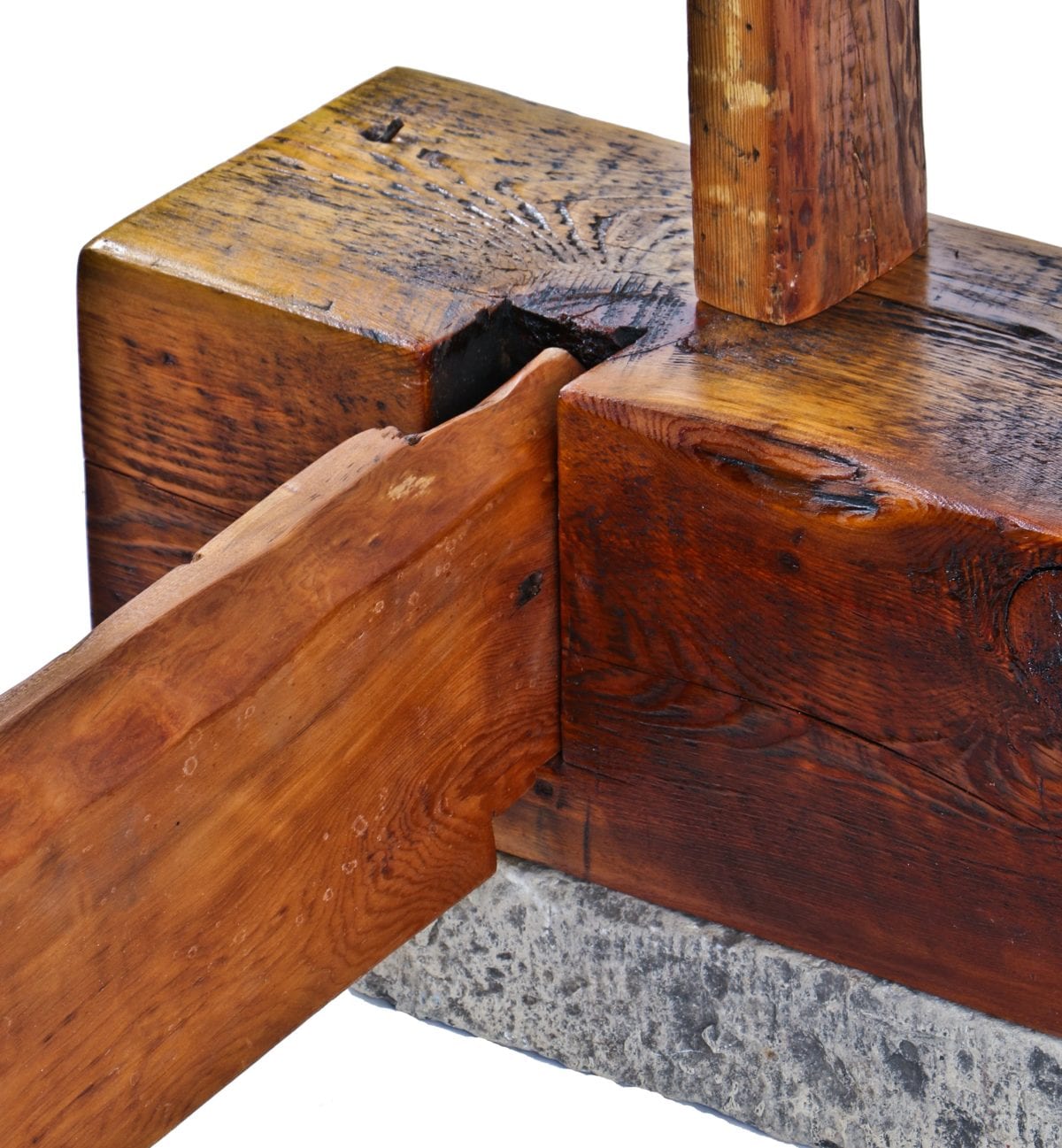
thankfully, by carefully documenting these structural components, it was only a matter of time before i came across the long lost material buried deep within the walls and space surrounding. i have been committed to locating and documenting this material – both “in situ” and in the studio, not only to assist in identifying the age of certain cottages, but also to gain insight into the daily lives of the many occupants (primarily boarders or “transients”) who lived and breathed within the confines of a building, from the time it was built until the great depression. by that point, cottages were commonly undergoing dramatic alterations that effectively sealed off a number of these time capsules or “portals to the past.” it was only a matter of time until a death sentence was handed down and the wrecking machines arrived to destroy all traces of the many chicagoans who lived there long ago.

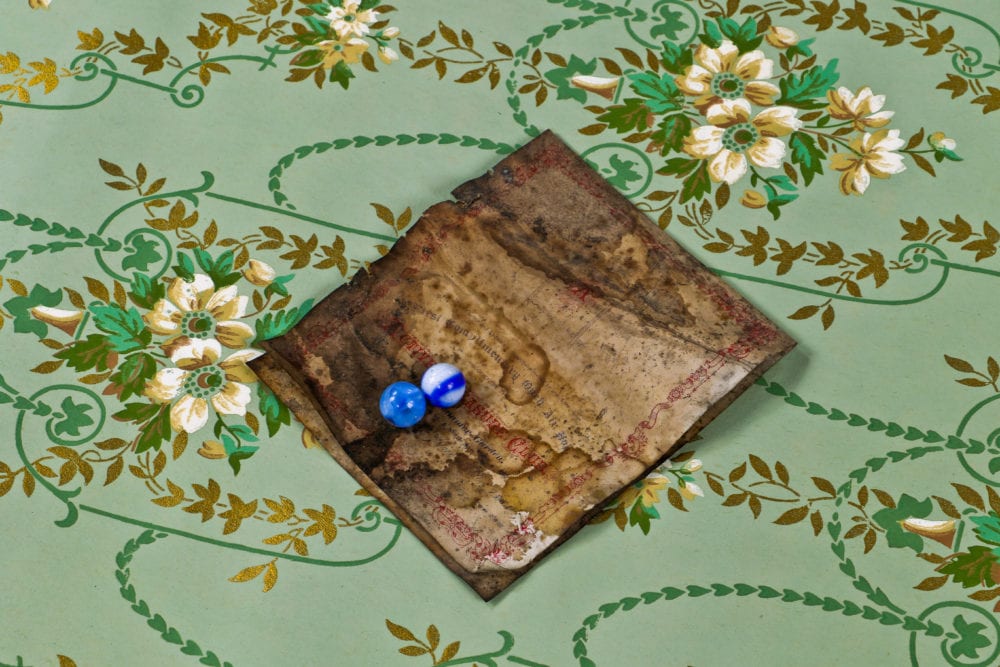
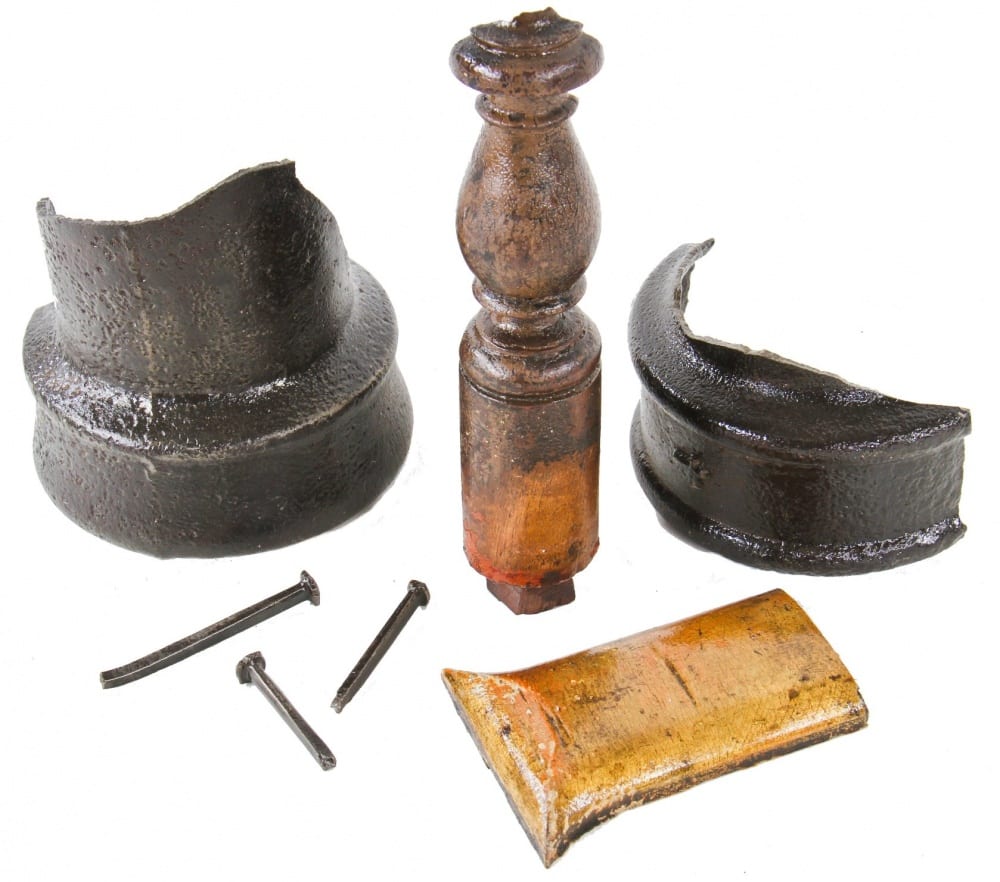
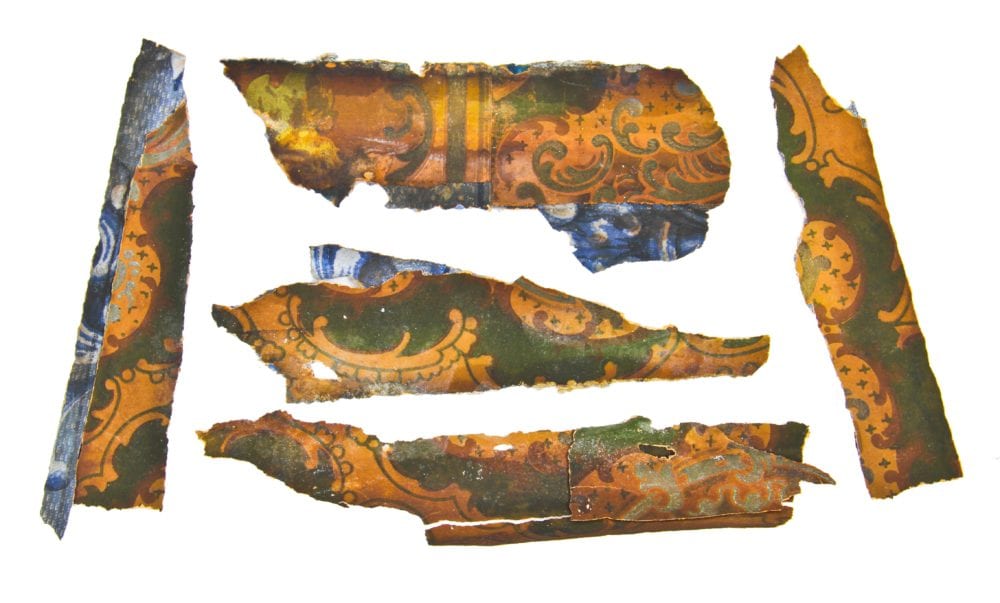
i find this collection of material to be incredibly valuable, but unfortunately it all too often discovered in an unconventional way and seems rarely to be looked for. at times, it keeps me up at night, thinking about the tens of thousands of cottages in chicago alone that have been wiped off the map with no effort put forth to save these historically important remnants. the amount of information hidden behind the walls, or perhaps in the ground – behind the house, where the privy pits were once located are astounding. i feel satisfied knowing that someone (i.e., me) is “crazy” enough to be searching tirelessly for delicate refuse being rustled out of hiding. the wrecking machine and i routinely engage in a dangerous “dodge dance” in which i continually put my life at risk because i cannot simply bear to see these things forever lost.
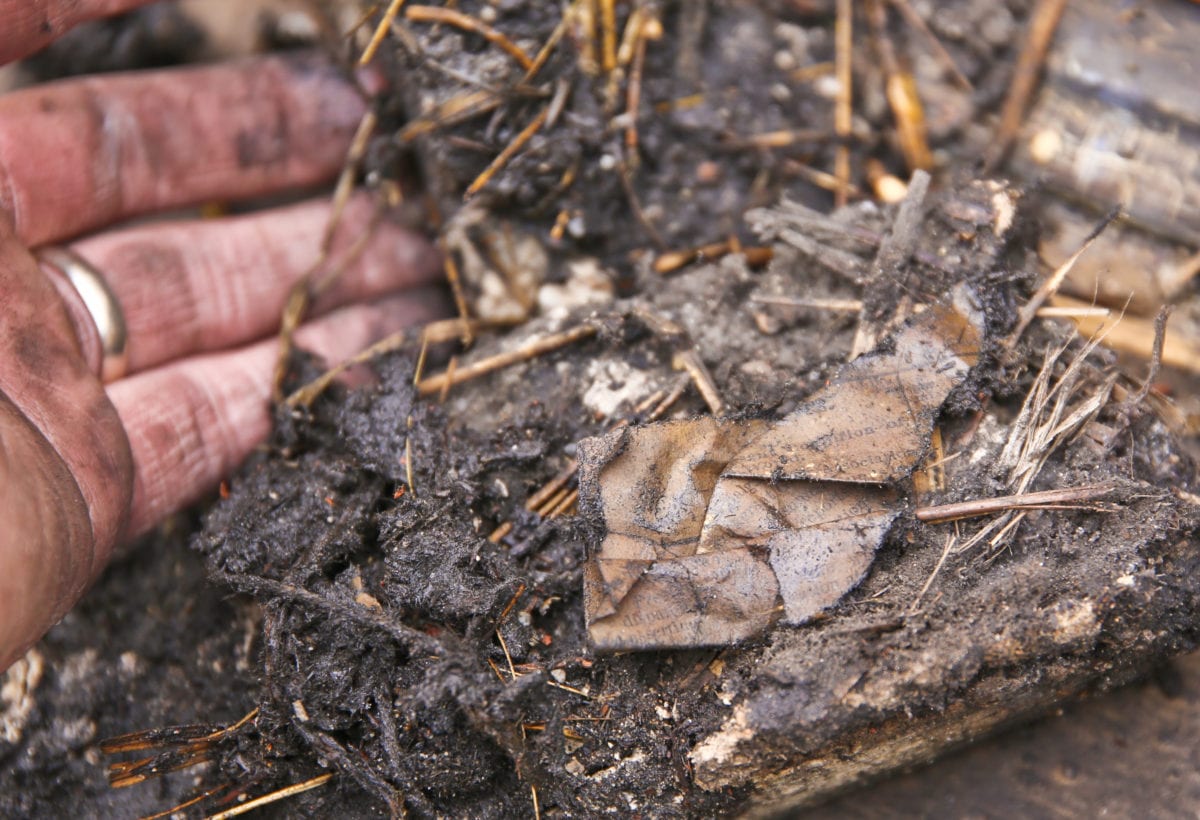

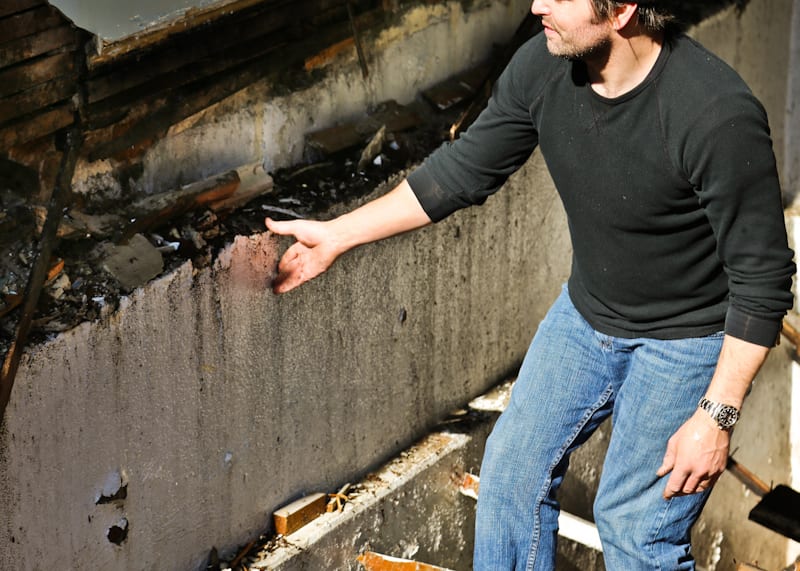
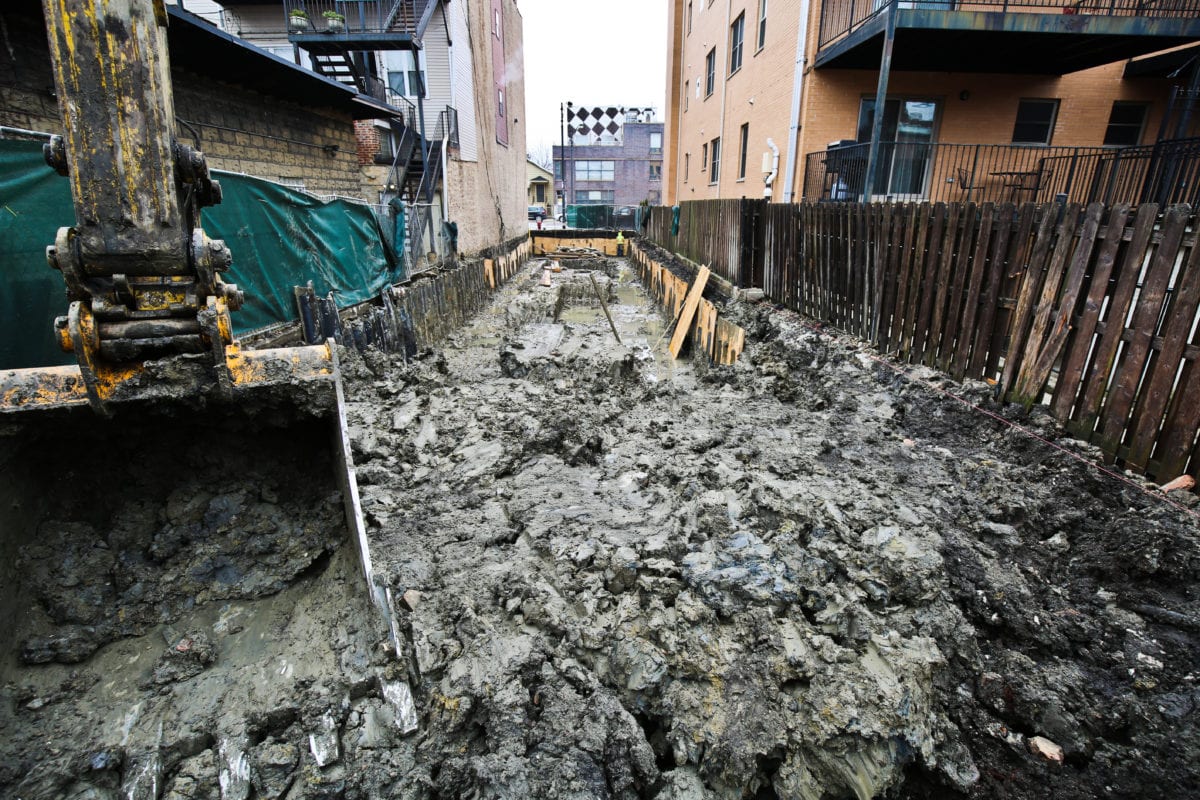
from what i’ve collected thus far, i find it’s worth the risk. based on the number of houses i’ve been able to date (including one constructed in 1847 – ten years after the city of chicago was incorporated), and the quantity of letters, photographs and ephemera i’ve found to provide a glimpse into the minds of these cottage-dwellers, it is a worthwhile task. like i’ve said before, and will continue to reiterate, these portals to the past are what prevent me from walking away from a demolition. after the structure is gone and the ground it rested on has been excavated into a void, we risk losing all places for the past to occupy.

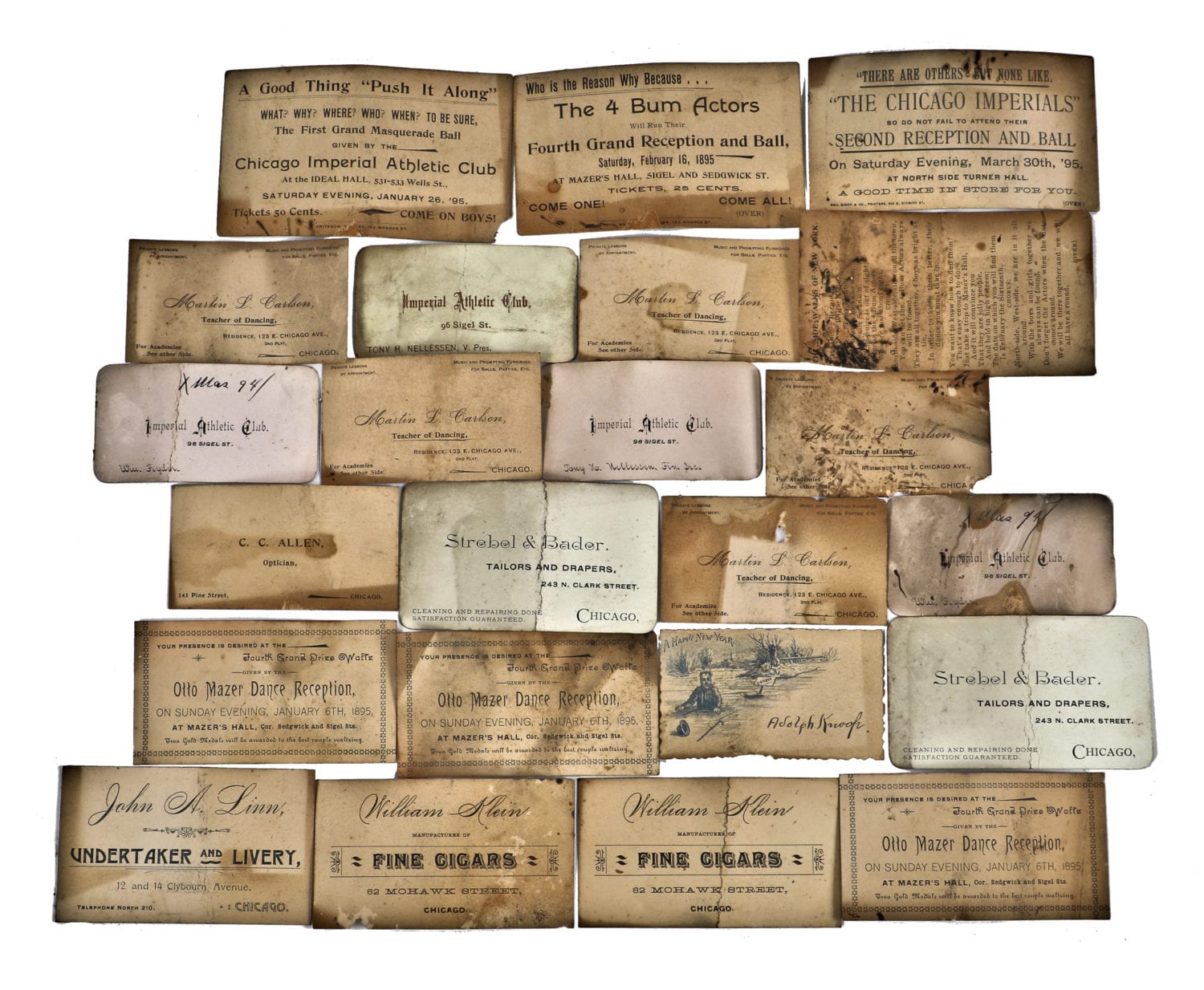
lost and found: additional sill plate discoveries during frame cottage demolitions cataloged below:












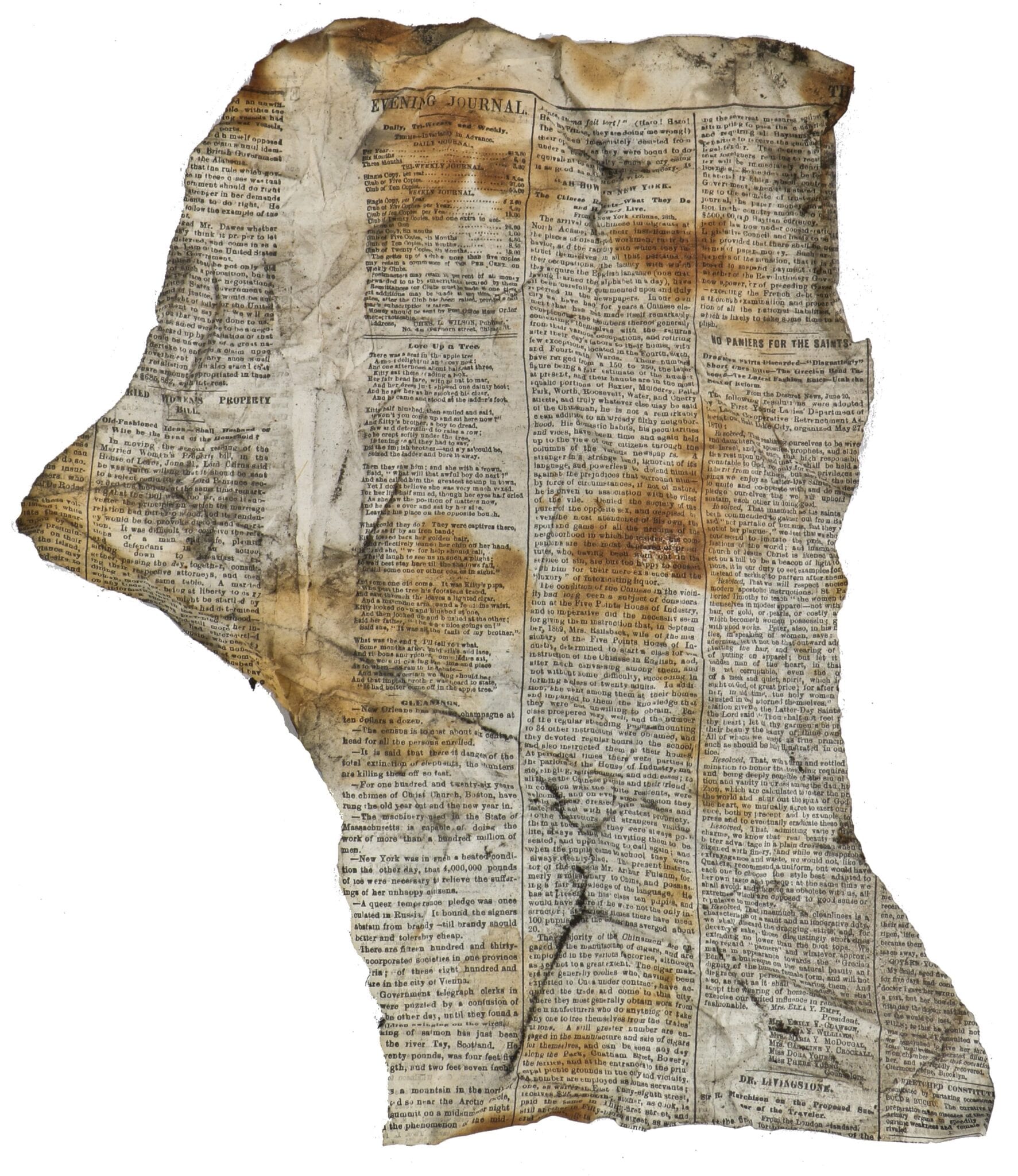
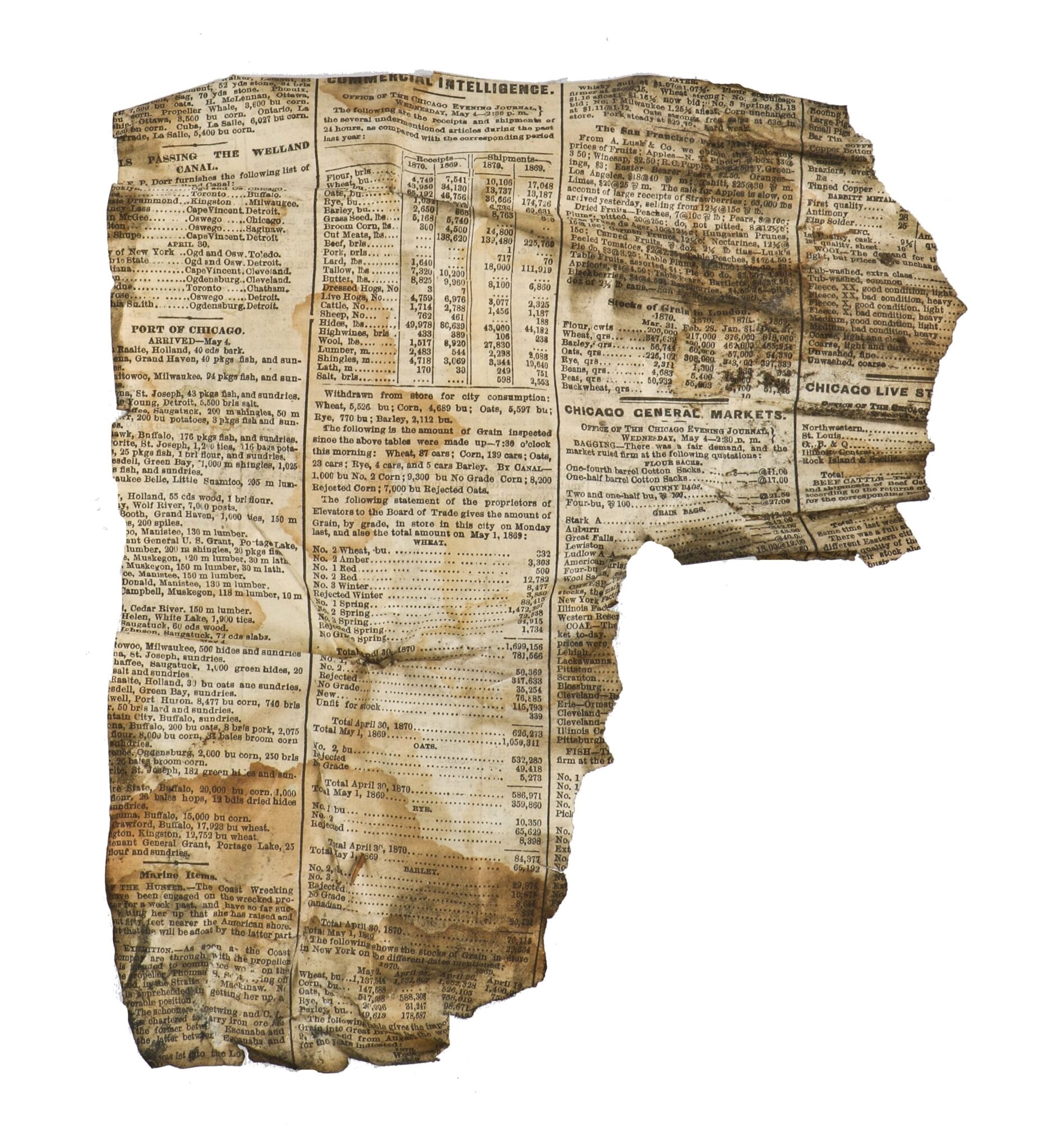
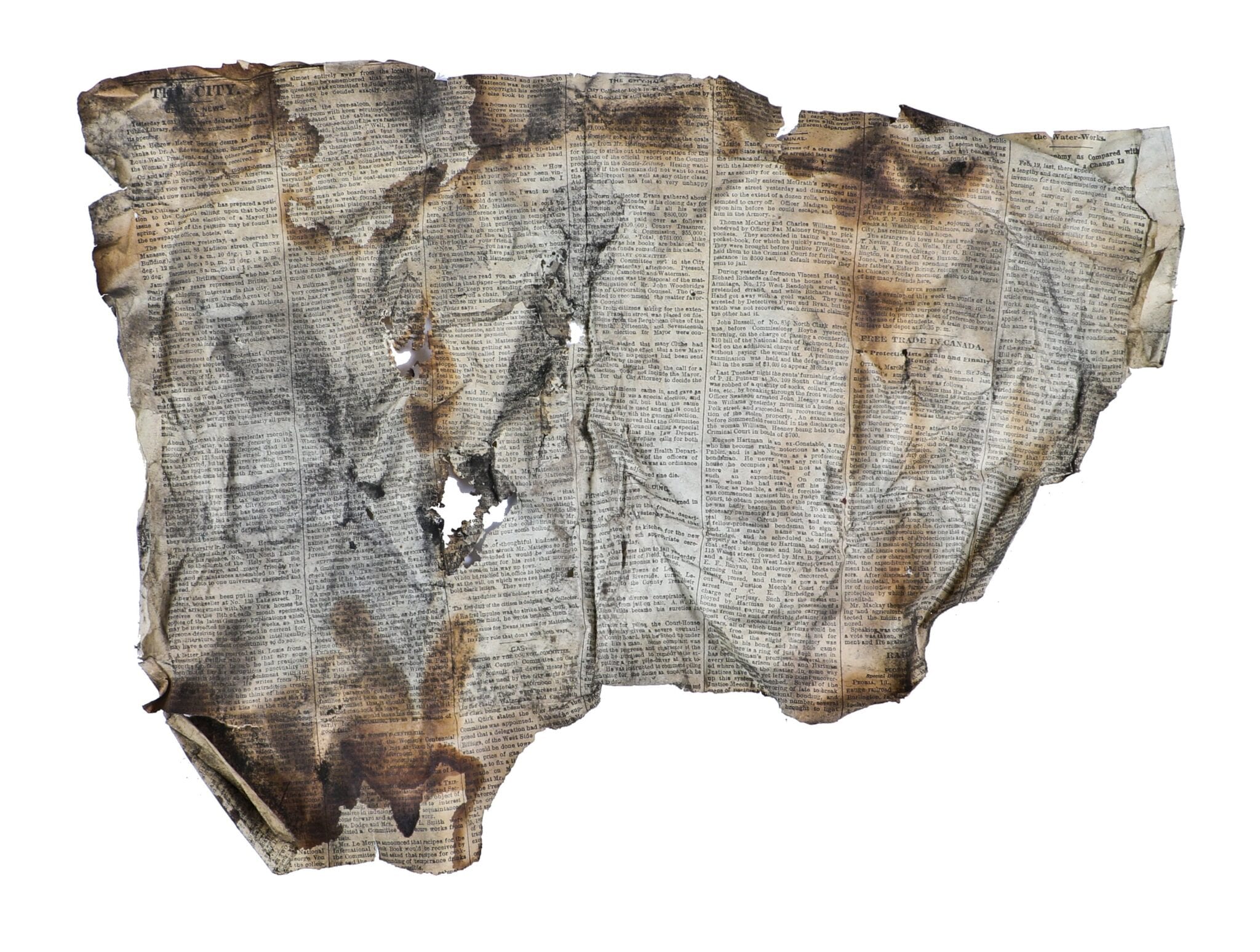
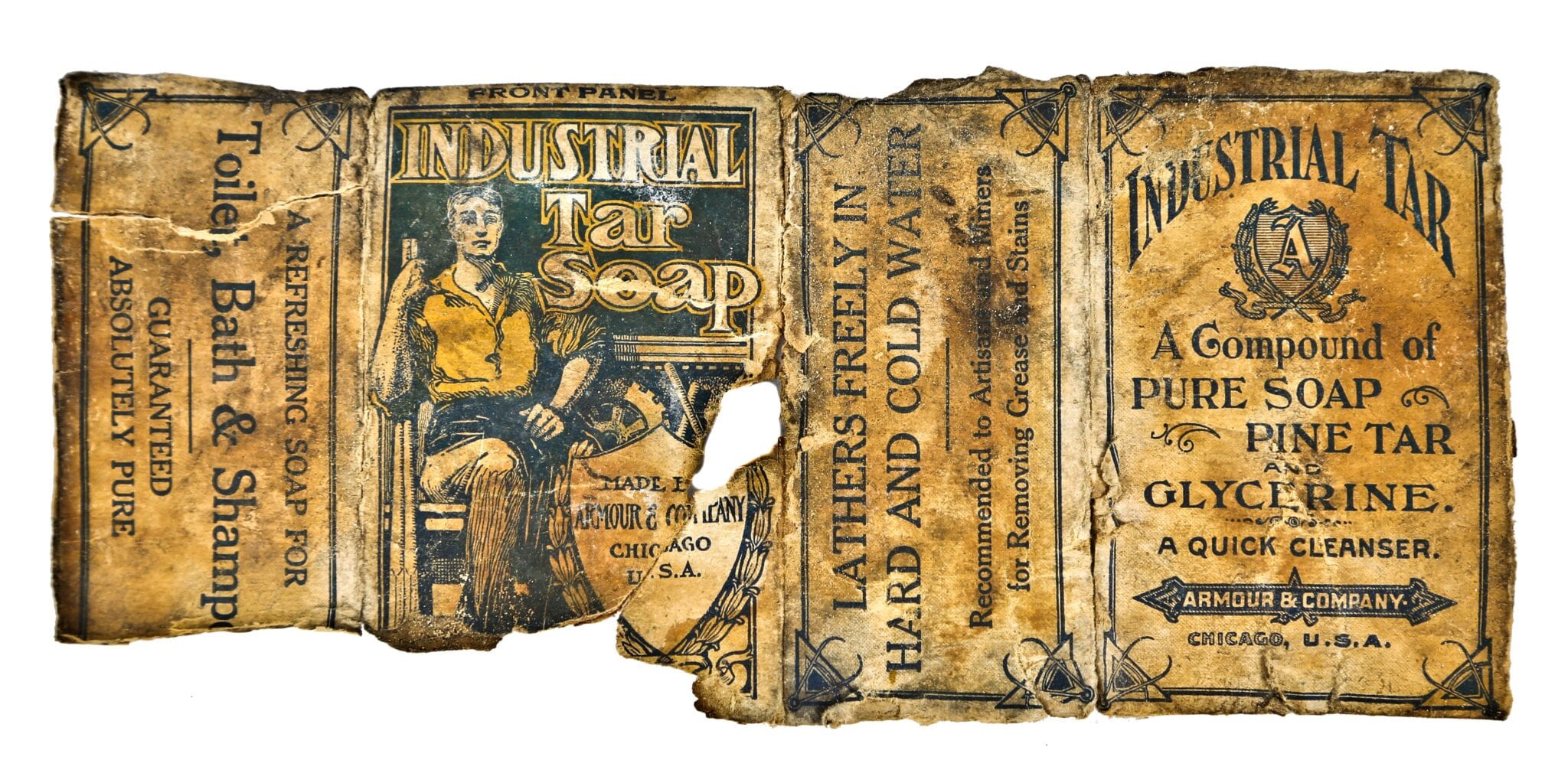 when the 2017 building season kicks into high gear, many “distressed” cottages will inevitably be targeted for demolition in order to hastily erect “cookie cutter” mcmansions or condominiums, which sadly, will disrupt the historic integrity and/or cohesiveness of older neighborhoods across the city. i feel more obligated than ever to document the death of these houses, along with combing through every inch of their framing to find remnants of the occupants who lived there long ago.