

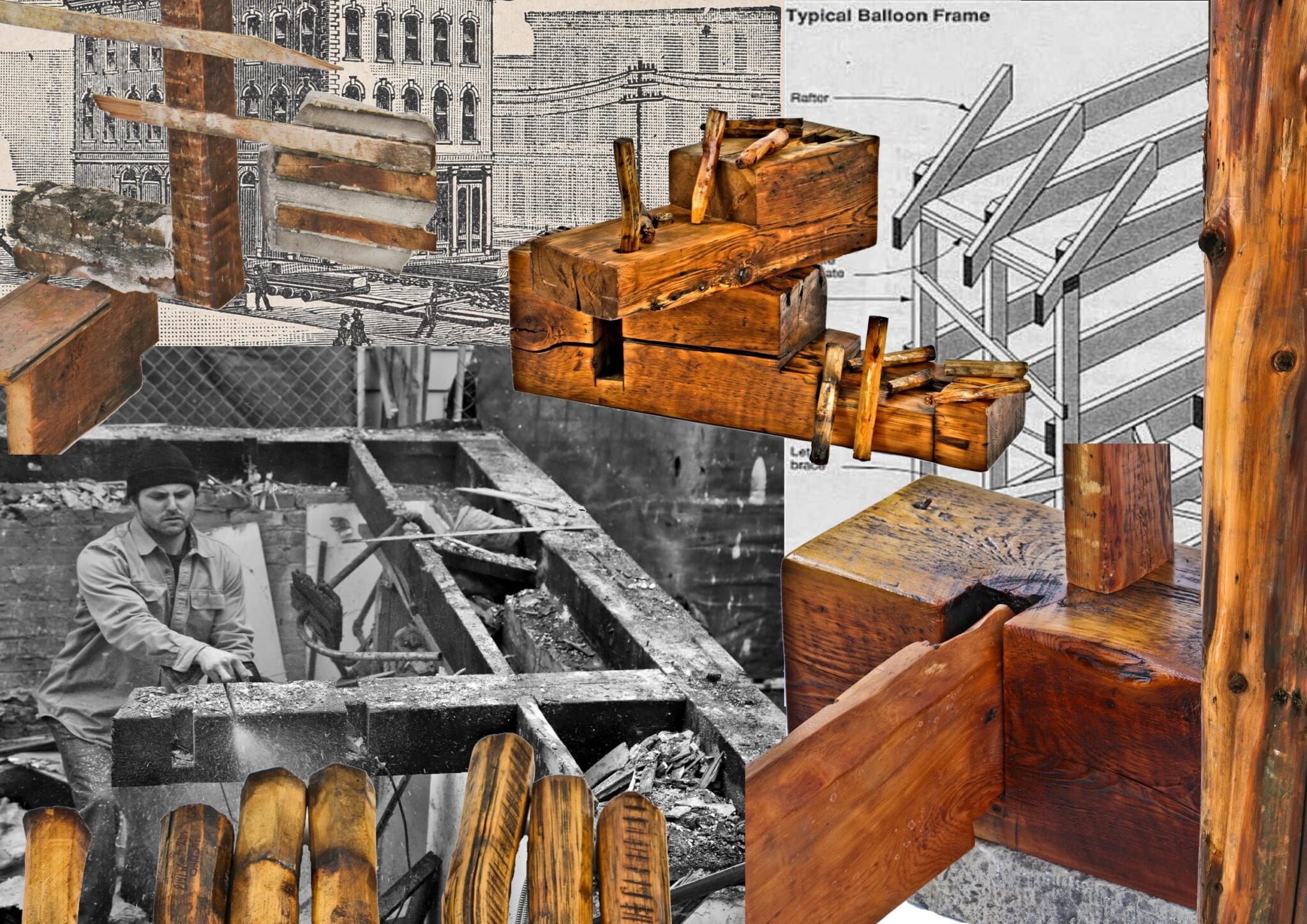
02 May mounting field data portrays balloon frame construction in a much different light
the chicago balloon frame: beyond “boards and nails.”
over the past three years, i’ve collected a considerable amount of photographic images and historic building materials housed in a storage facility in preparation for my “deconstructing chicago” project, which aims to address an increasing number of anomalies in construction methods and materials seen in wood-frame cottages erected across chicago neighborhoods during the nineteenth century.





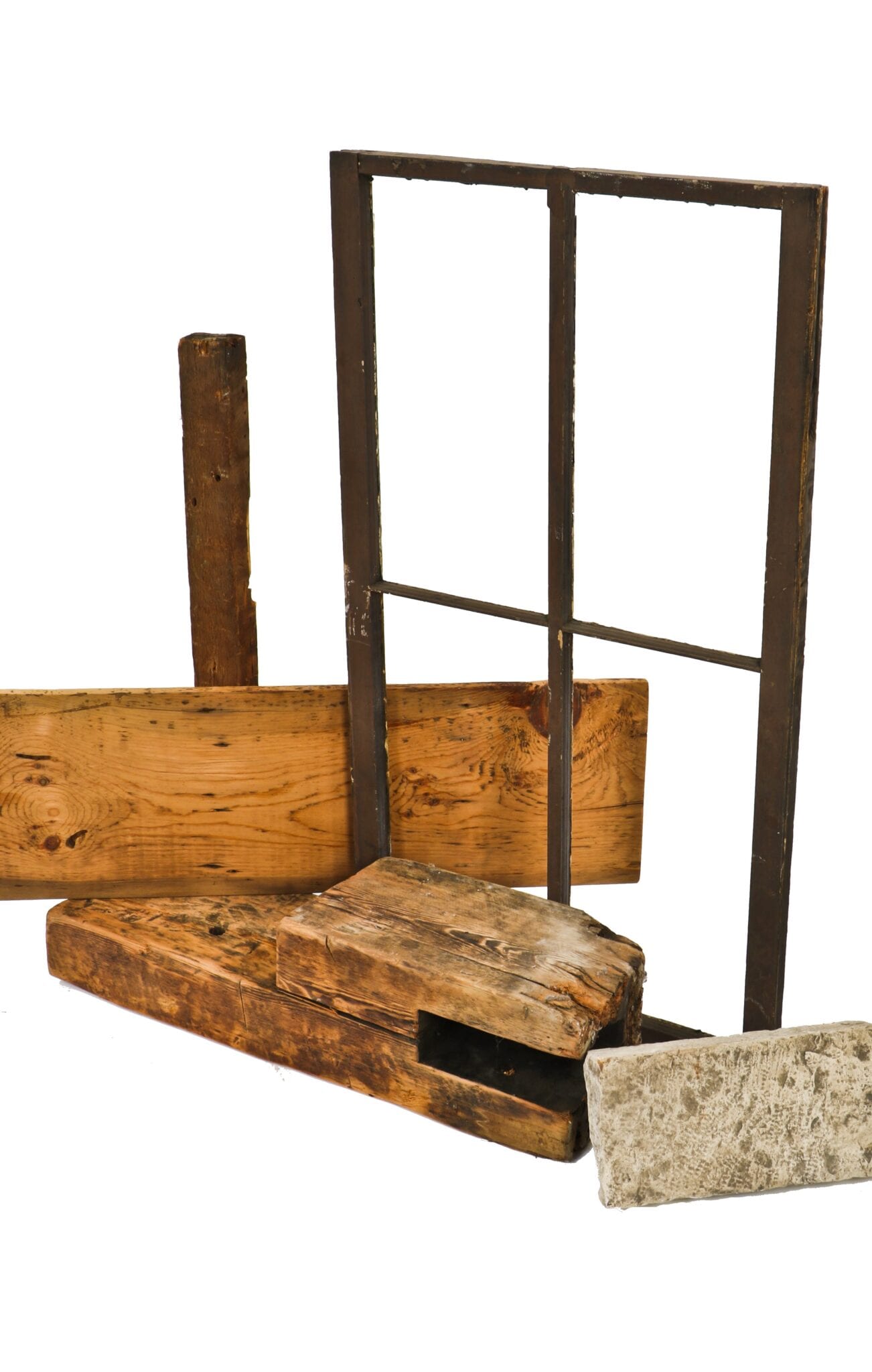
fleshing out a complete and accurate picture on this topic is complicated by deciphering variables like the availability of various raw building materials over a century ago, and accounting for the hybridization of construction methods in an “old meets new” scenario from one builder to the next. one thing is certain: there is very little, if any, uniformity in material and method used in the late 19th century (at least here in chicago, based on ample field data). only after 1900 do i begin to see more concrete patterns, predictable enough that the demolition of, say, a 1910 house, will yield results that share more or less the same characteristics in terms of fabrication and configuration– i can expect to find studs, firestops, wire nails, and so on.
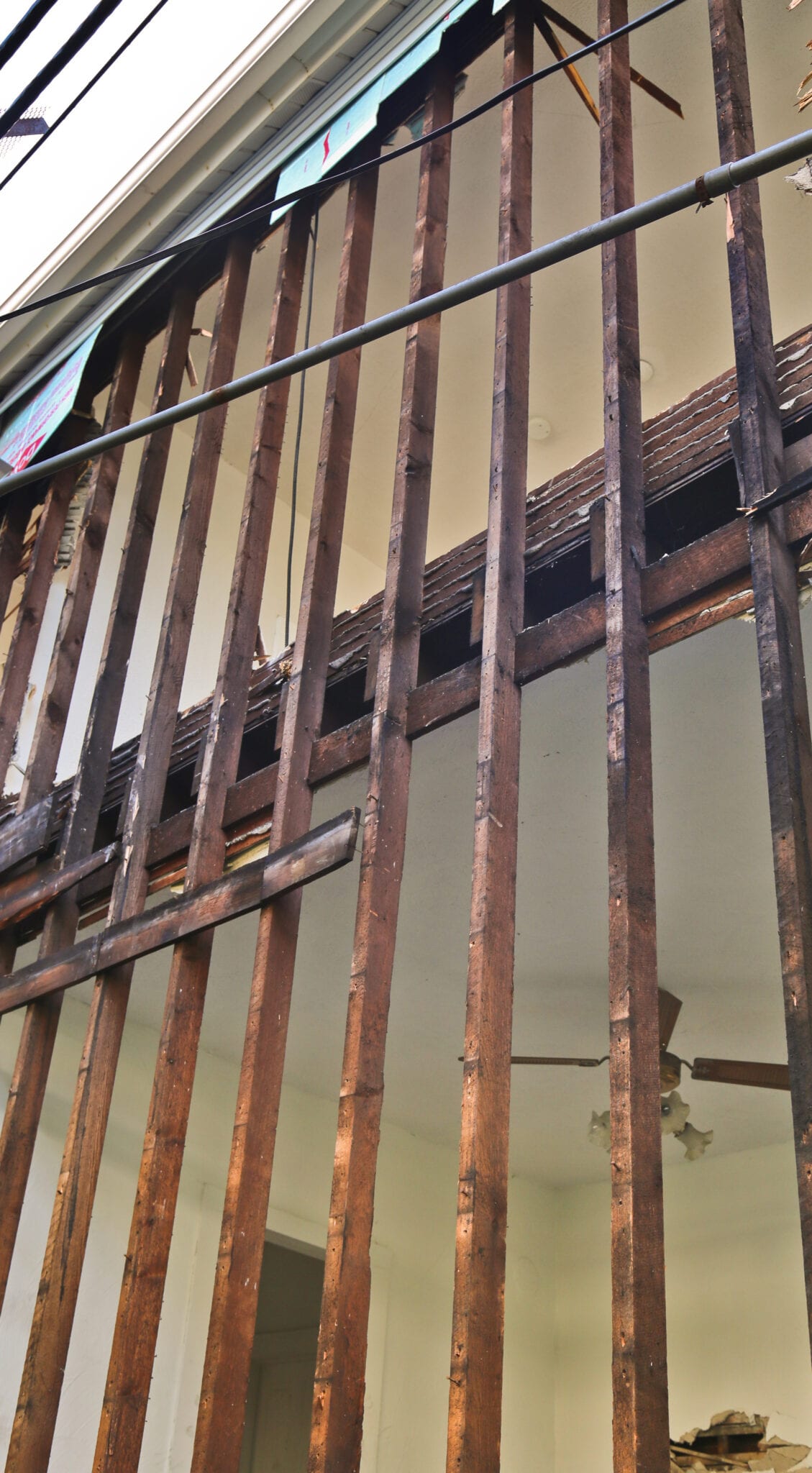
the discovery of a “textbook” balloon frame was a surprising anomaly after spending the past three years recording “hybrids.” data collection and/or sampling of chicago wood-framed cottages constructed between 1840-1890
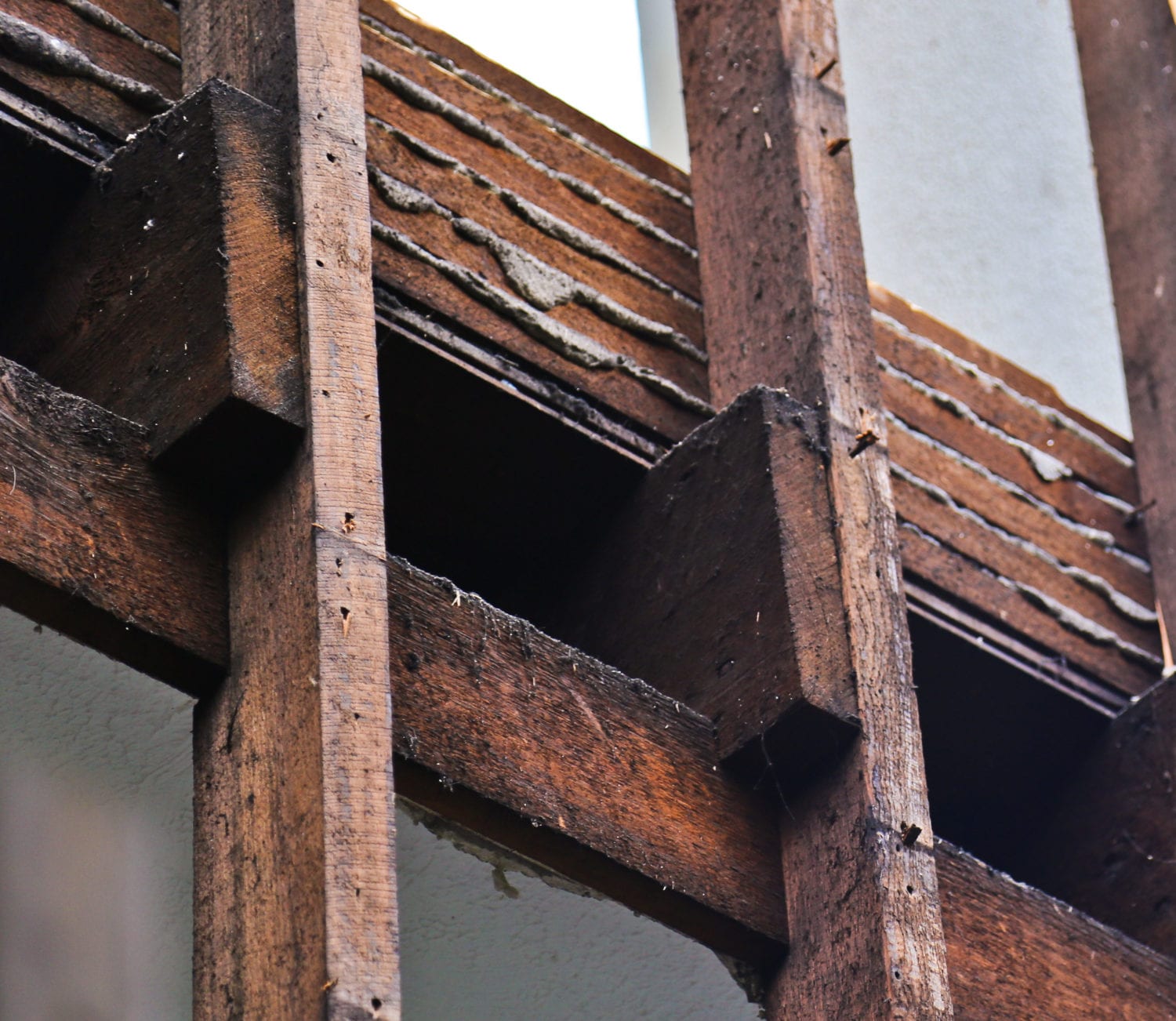
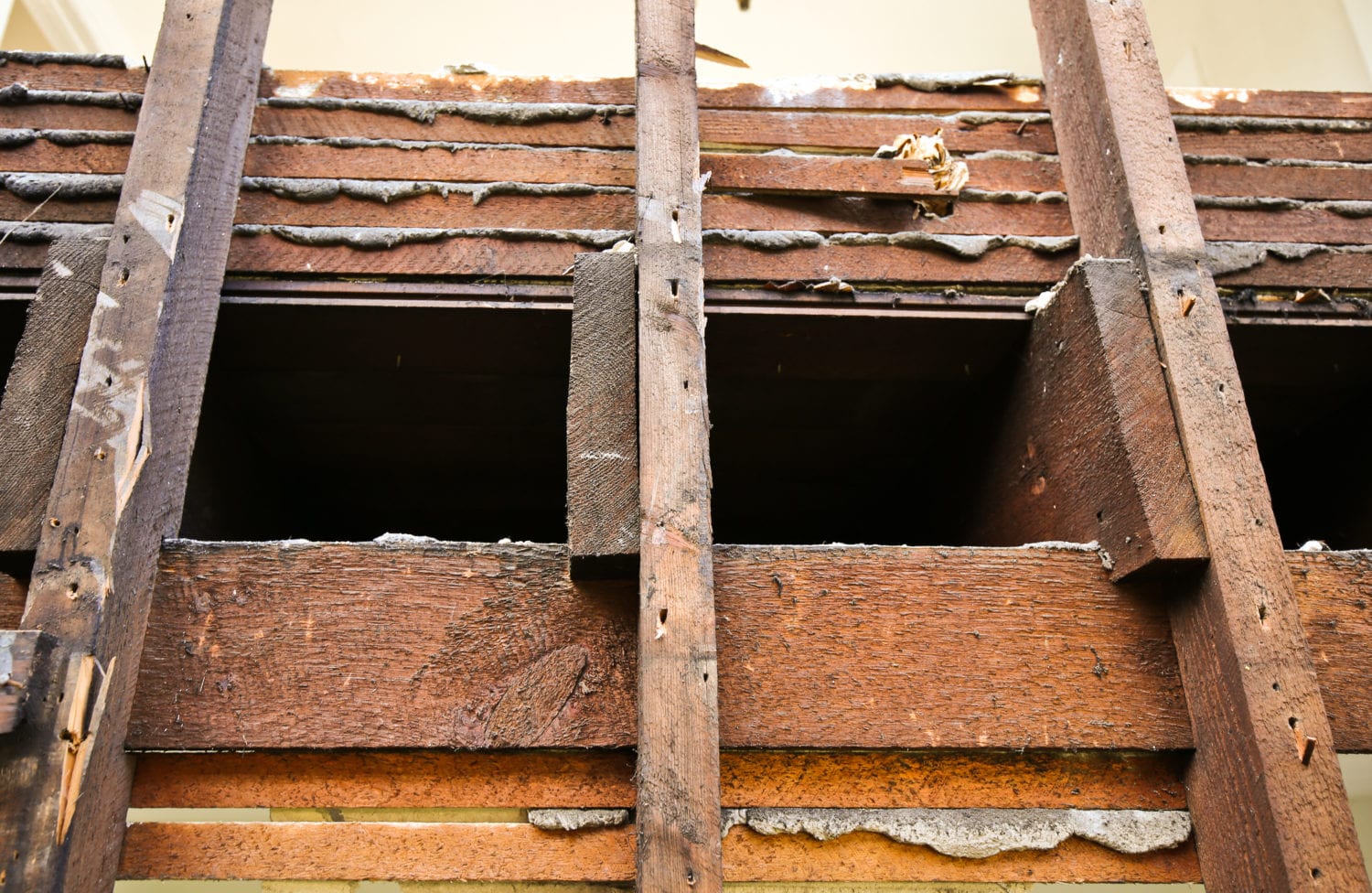
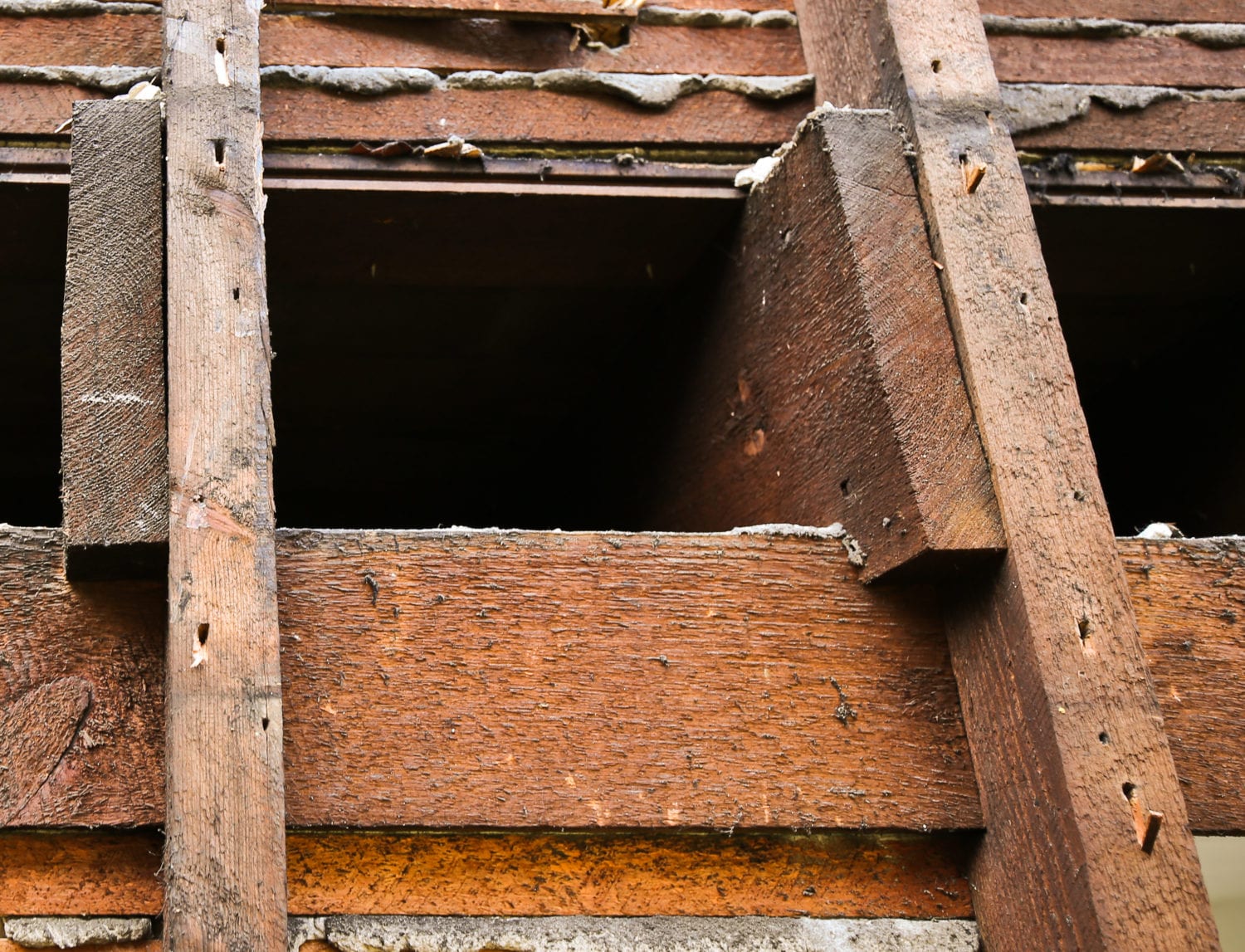
the continuous discovery of building hybridity is itself dynamic, a cross-over i often attribute to a stubborn resilience by builders who might have been more comfortable working with the older methods that involved great craftsmanship and skill, rather than the simpler erecting of “sticks” nailed together. in other cases there is a clear lack of means, and it seems plausible that it was cost-prohibitive to hire such highly-skilled labor along with affording timbers, ostensibly making dimensional lumber, and nails or “spikes” the more economical choice.
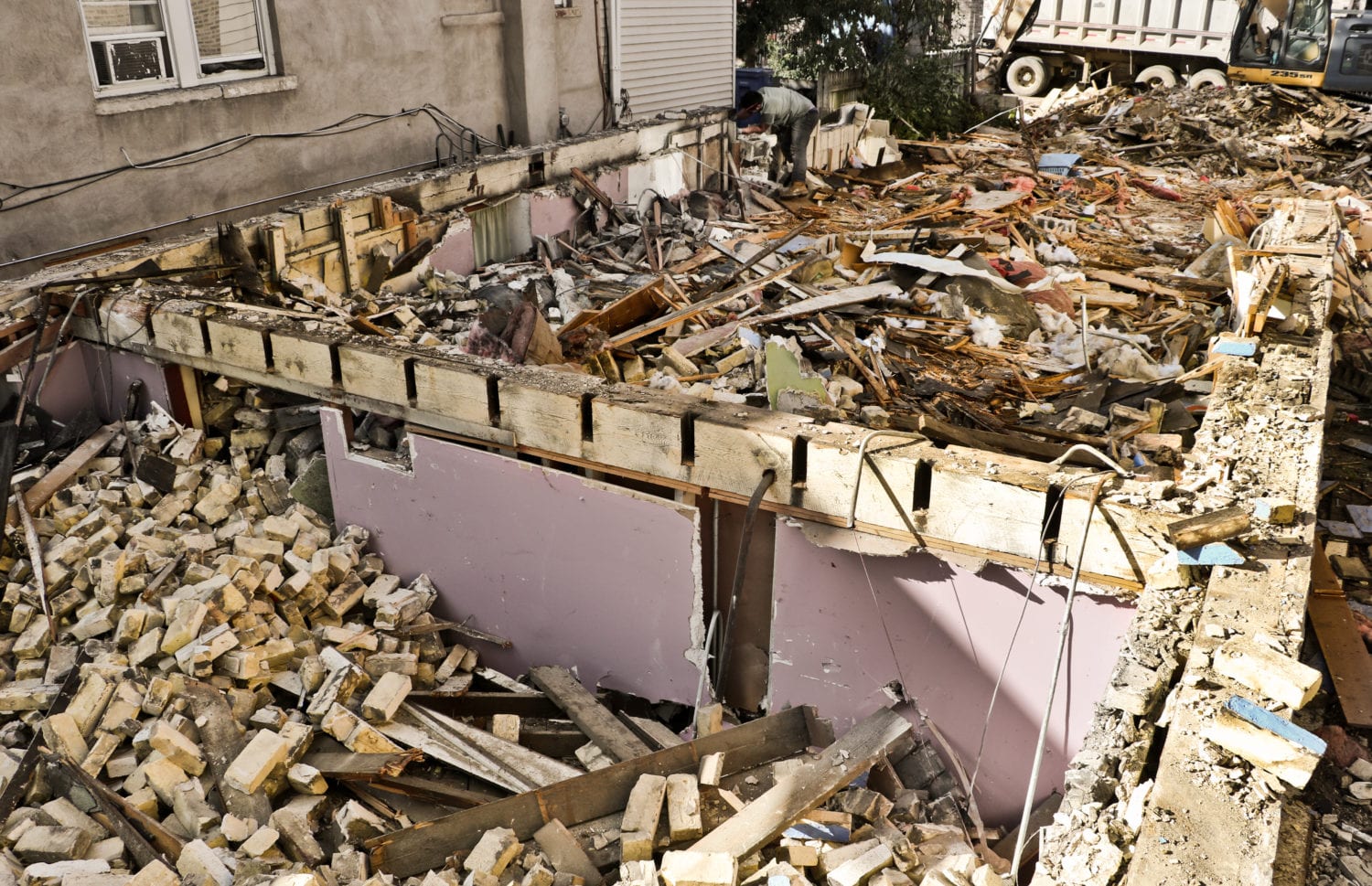
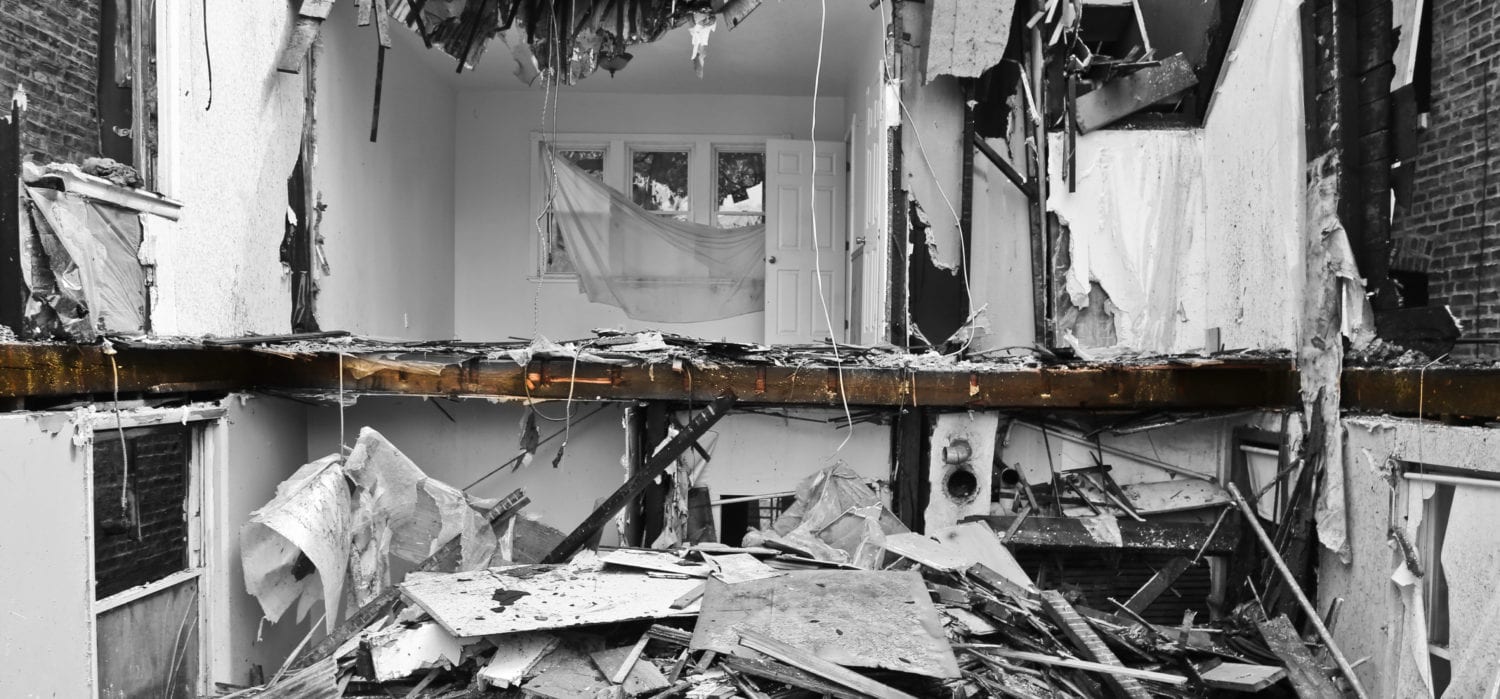
with poor or inadequate record-keeping during the pioneer days of early chicago, and of course the great chicago fire of 1871 effectively destroying any and all buildings permits on file, it’s hard to gain deep insight into why such a hodgepodge of materials and methods were used in construction before and after the chicago fire (i.e., 1840-1890). builders, carpenters and contractors either refused, or gradually embraced the rapidly evolving technologies surrounding the construction industry, immersed as they were in countless moments of invention and ingenuity during the industrial age. there seems to be no prevailing formulaic approach to building in one way or another, evidenced by so many period builders’ journals spewing endless opinions and observations on every aspect of the industry. all this information contributes to a seemingly endless series of challenges in establishing a precise portrayal of events leading to the use and ultimate reconfiguration of the “balloon frame” in chicago’s late 19th century commercial and residential structures.
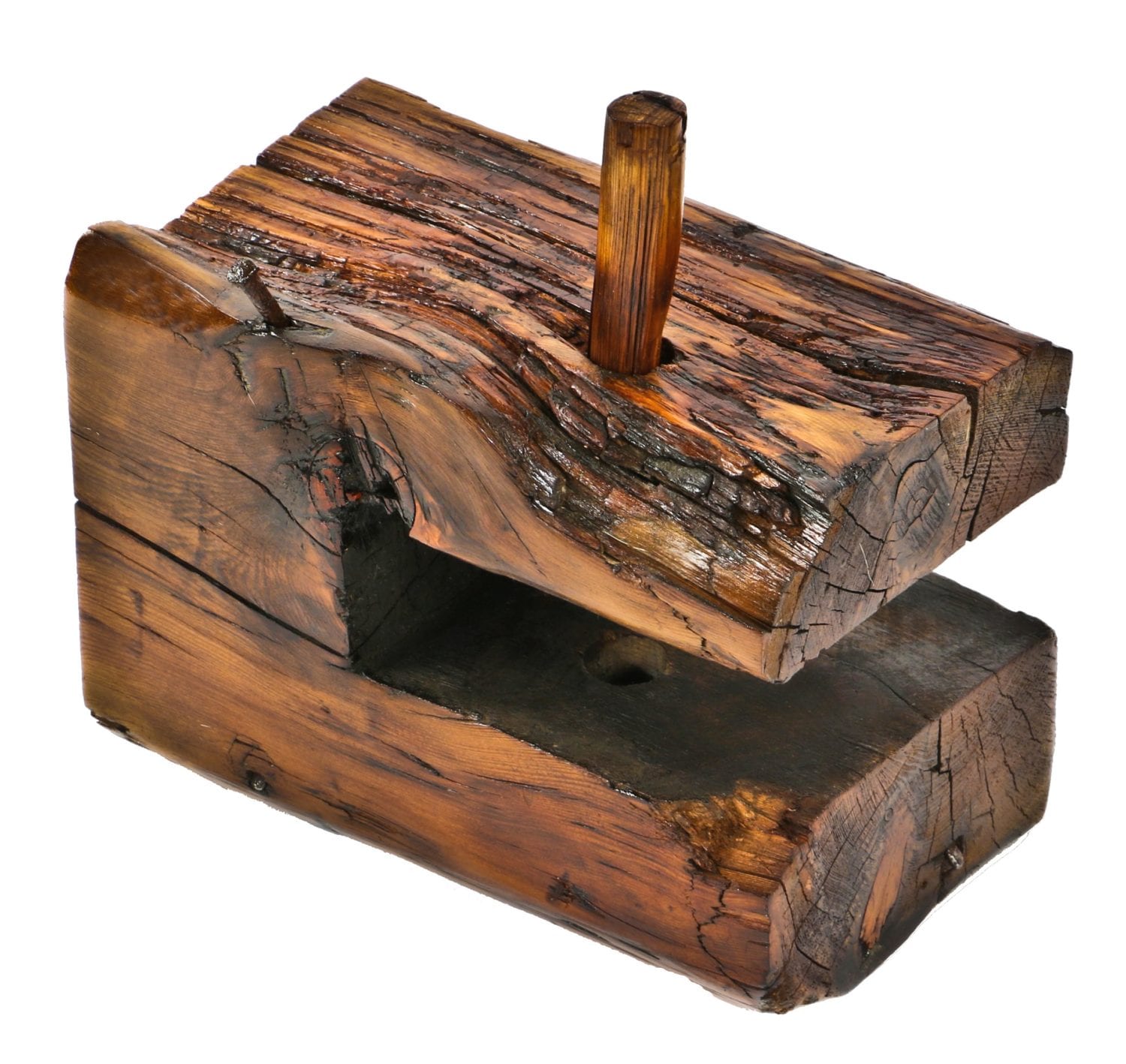




most of the field data i’ve generated thus far clearly demonstrates the failure to embrace a concrete methodology in constructing buildings, despite these rapidly evolving technologies being geared toward saving time, improving efficiency and gaining uniformity in material. the fact that builders were seemingly hesitant or cautious about adopting new tools that would advance existing “old world” methodologies creates a huge and alarming discrepancy, in which periodicals of the day say one thing, and the actual data uncovered a century later through the documentation and deconstruction paints an entirely different picture.
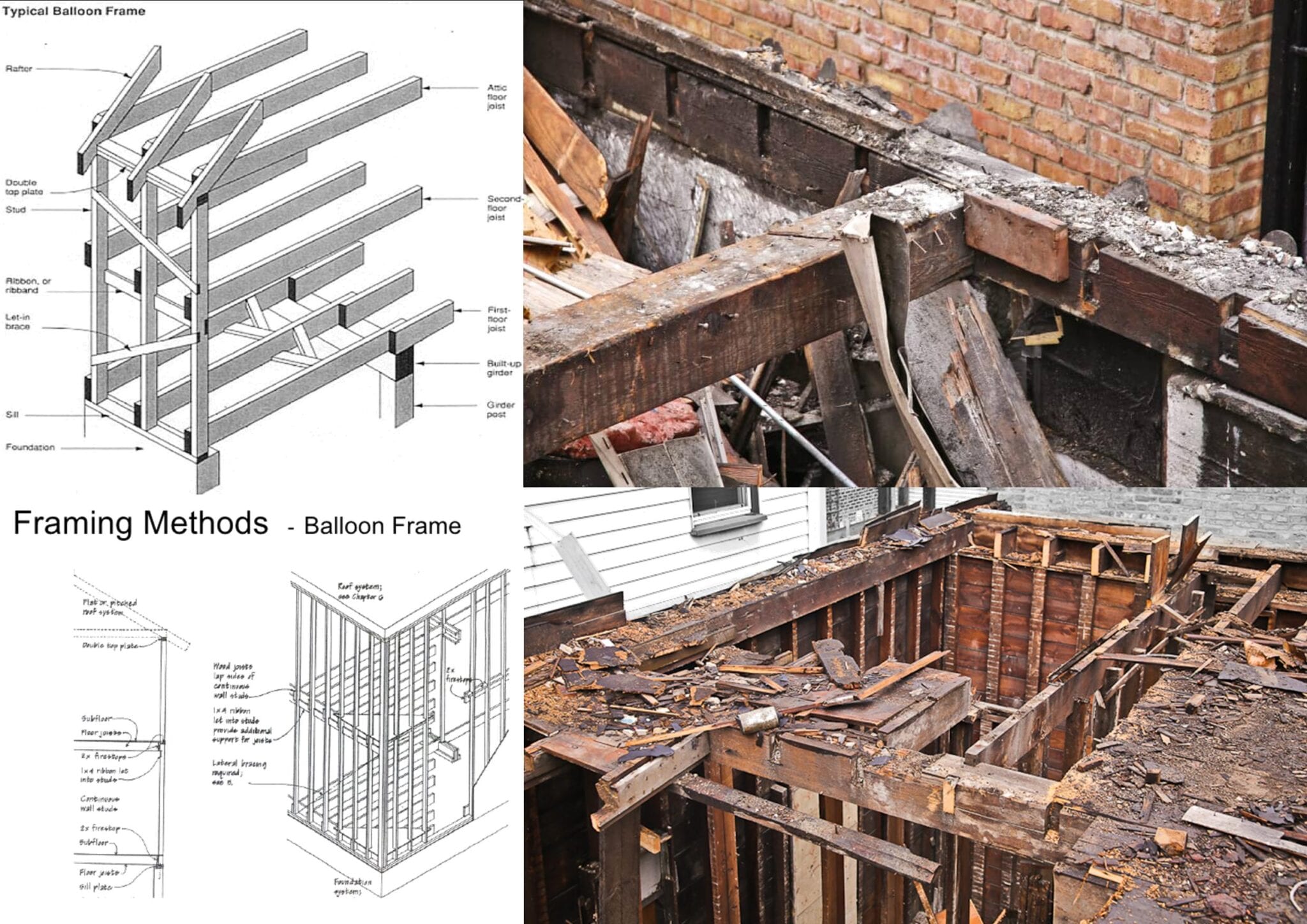
this no doubt merits further study, to bridge this gap by delving further into historical accounts that may ultimately help synthesize what is actually seen in physical form with the historical record. thus, it is no surprise that i continue to uncover more and more field data that pegs the “chicago method” of balloon framing as a radical and highly experimental process, and further one that only begins to show signs of stabilization (written accounts match what is found in the field) in the late 19th and early 20th century.

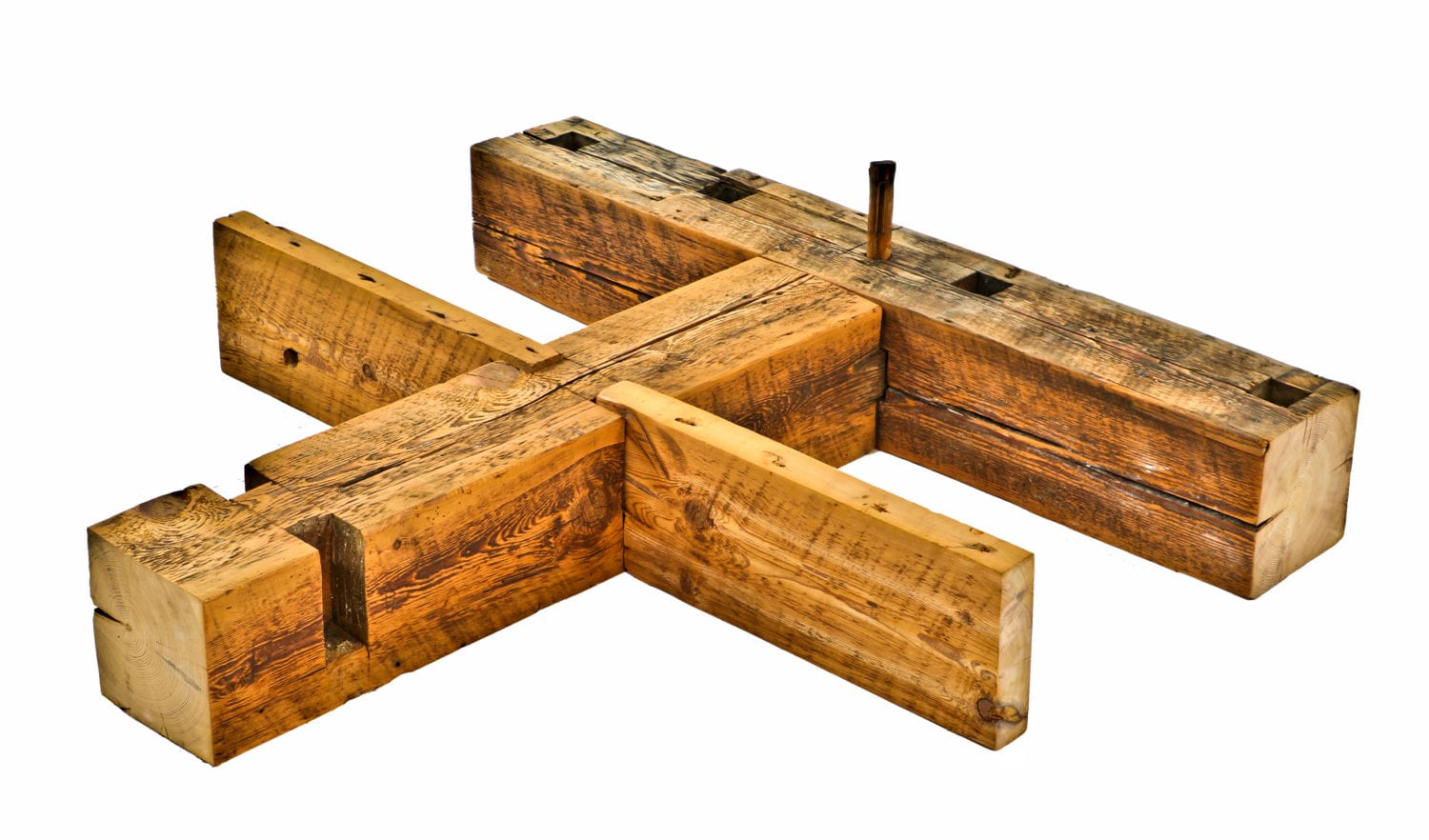
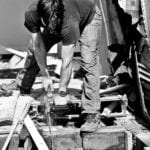
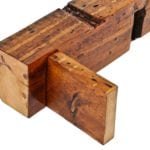
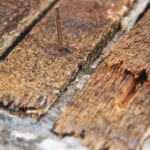
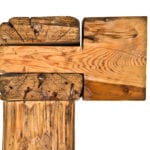
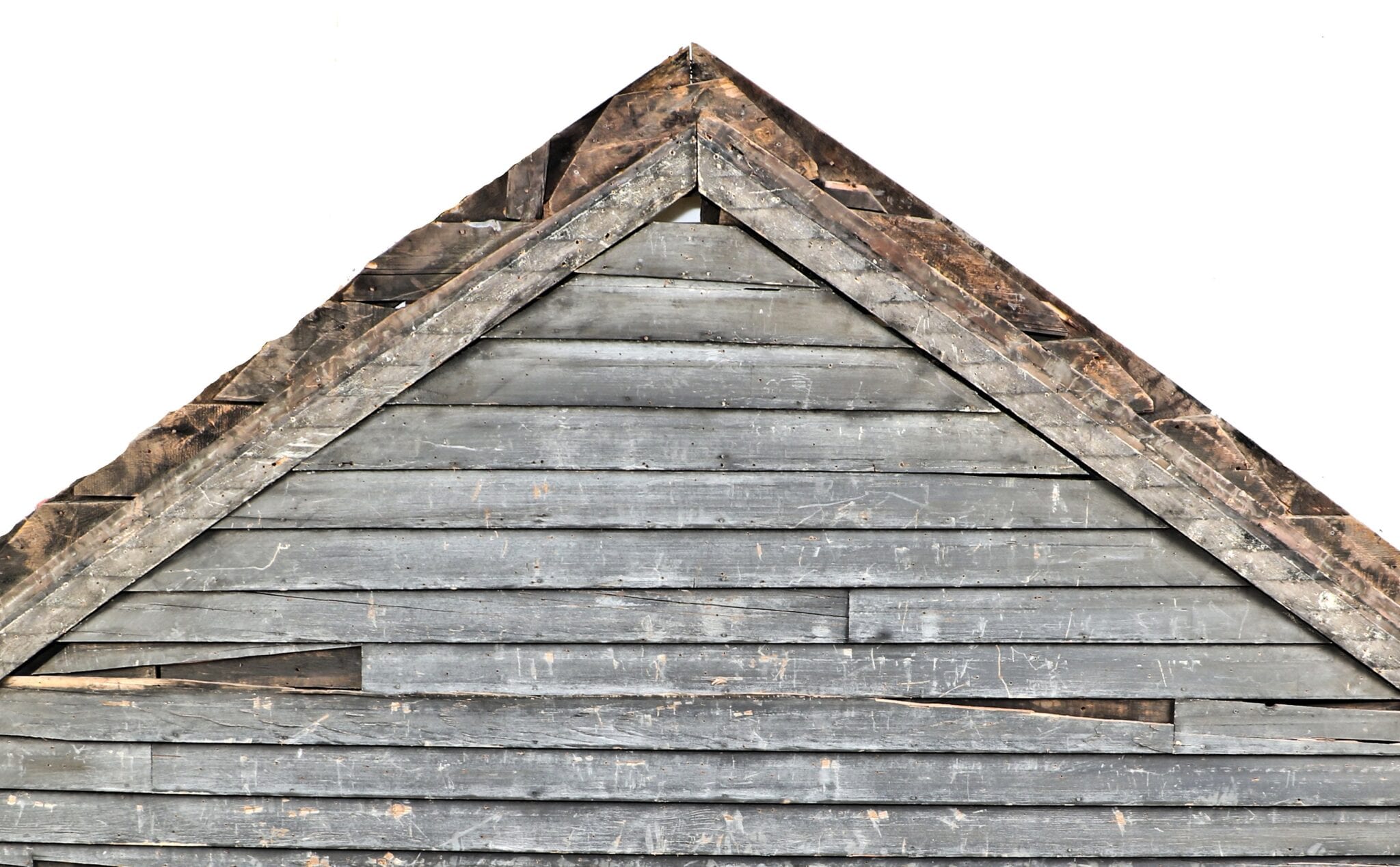
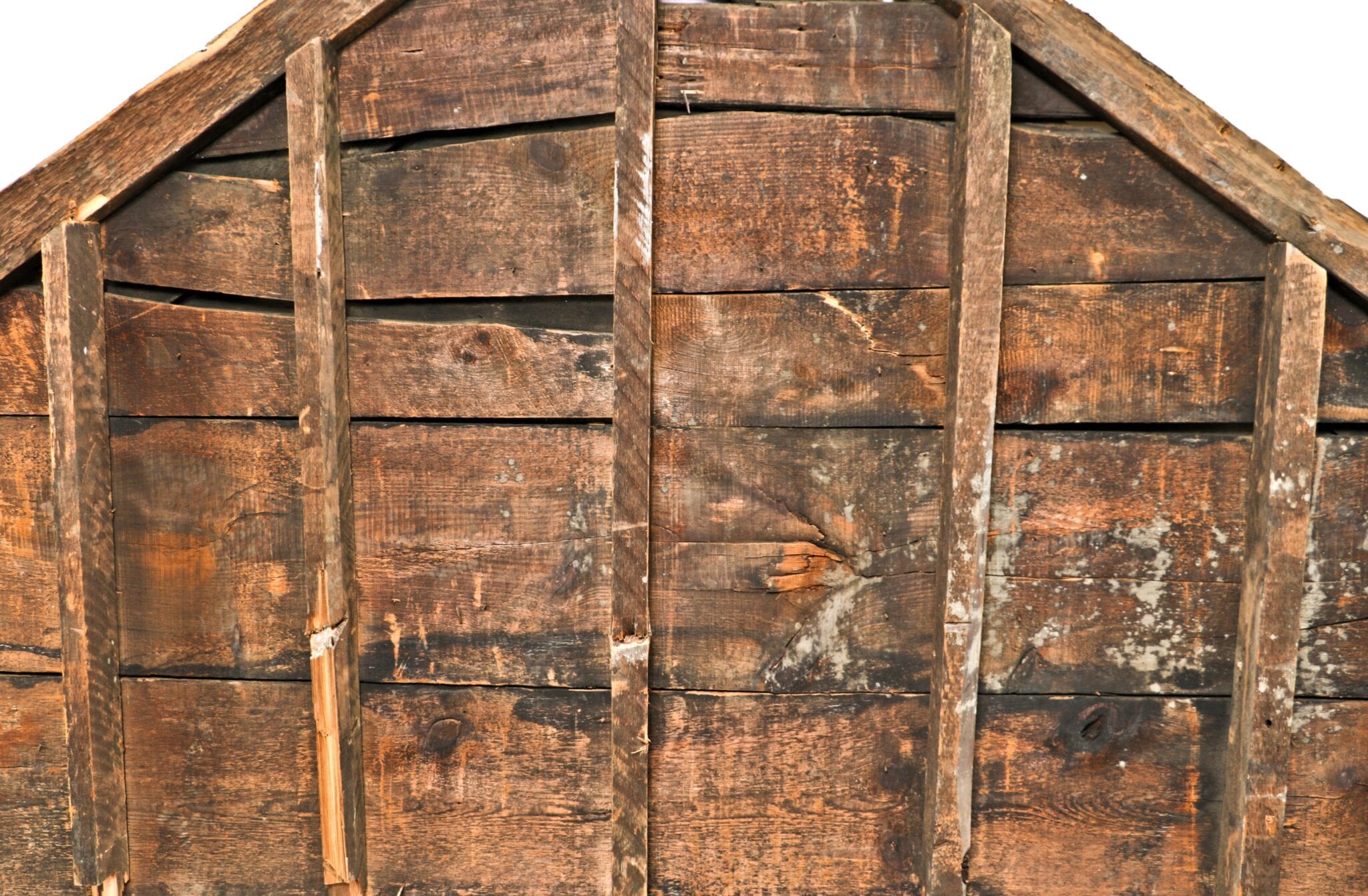
the gallery of images below, offers a further glimpse at the process of documenting 19th century wood-framed structures “in situ,” followed by extraction of important building components, and finally, an exhaustive analysis and photographic study (in a studio setting) of any and all building materials before being stored for future use in lectures, exhibitions, symposiums, and so on.
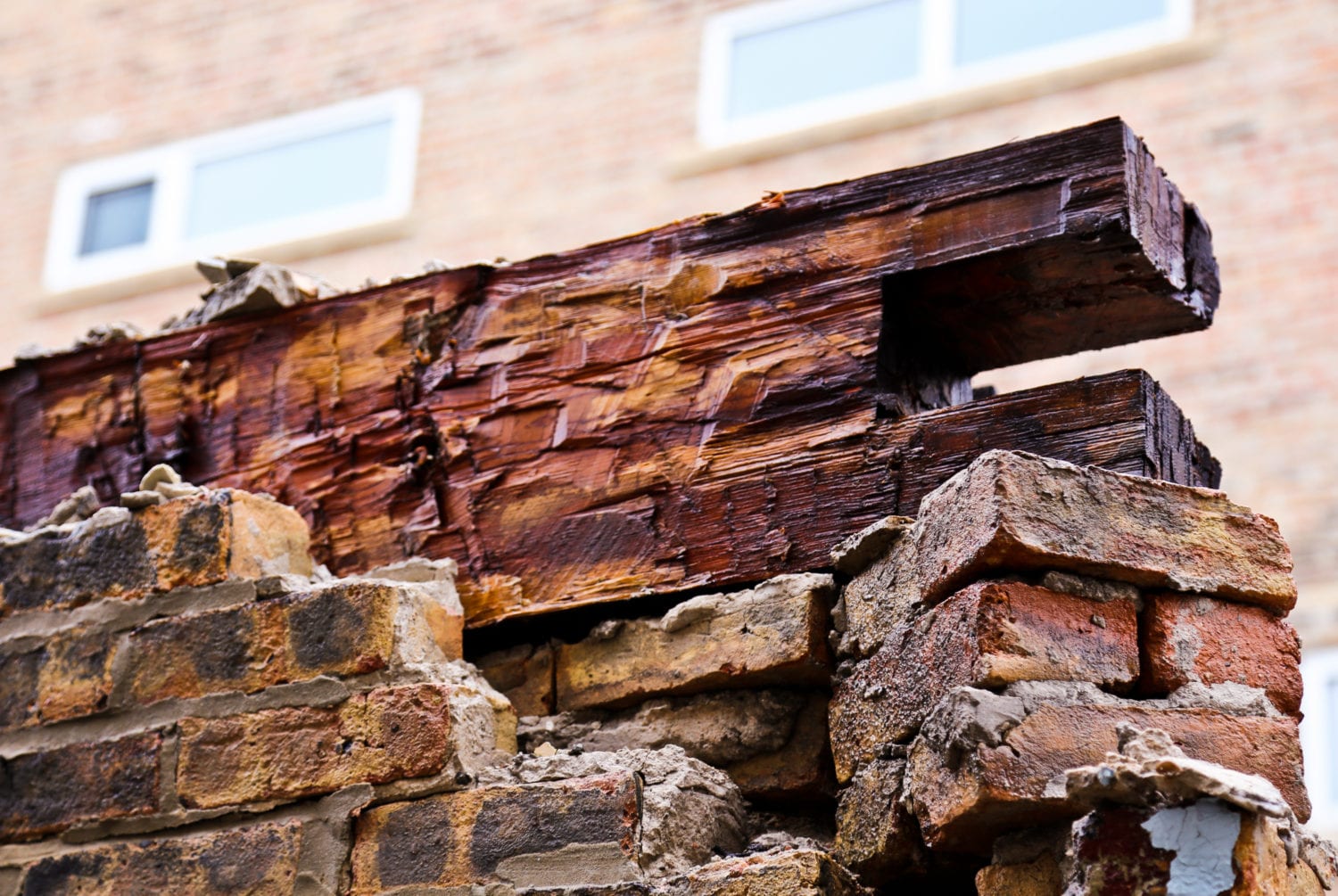
the selection of images in this gallery was designed to show building materials in place, being extracted, and documented in a studio setting.
















 two other matters that interest me include (1) the abundant use of cedar posts and how they were used in moving and raising both wood-frame and mansonry cottages, and (2) finding and documenting “insulation” along sill plates between stud cavities, which in many cases, has been tremendously useful in establishing an approximate build date of the structure along with offering insight into the daily lives of the occupants who lived there since the time the house was built.
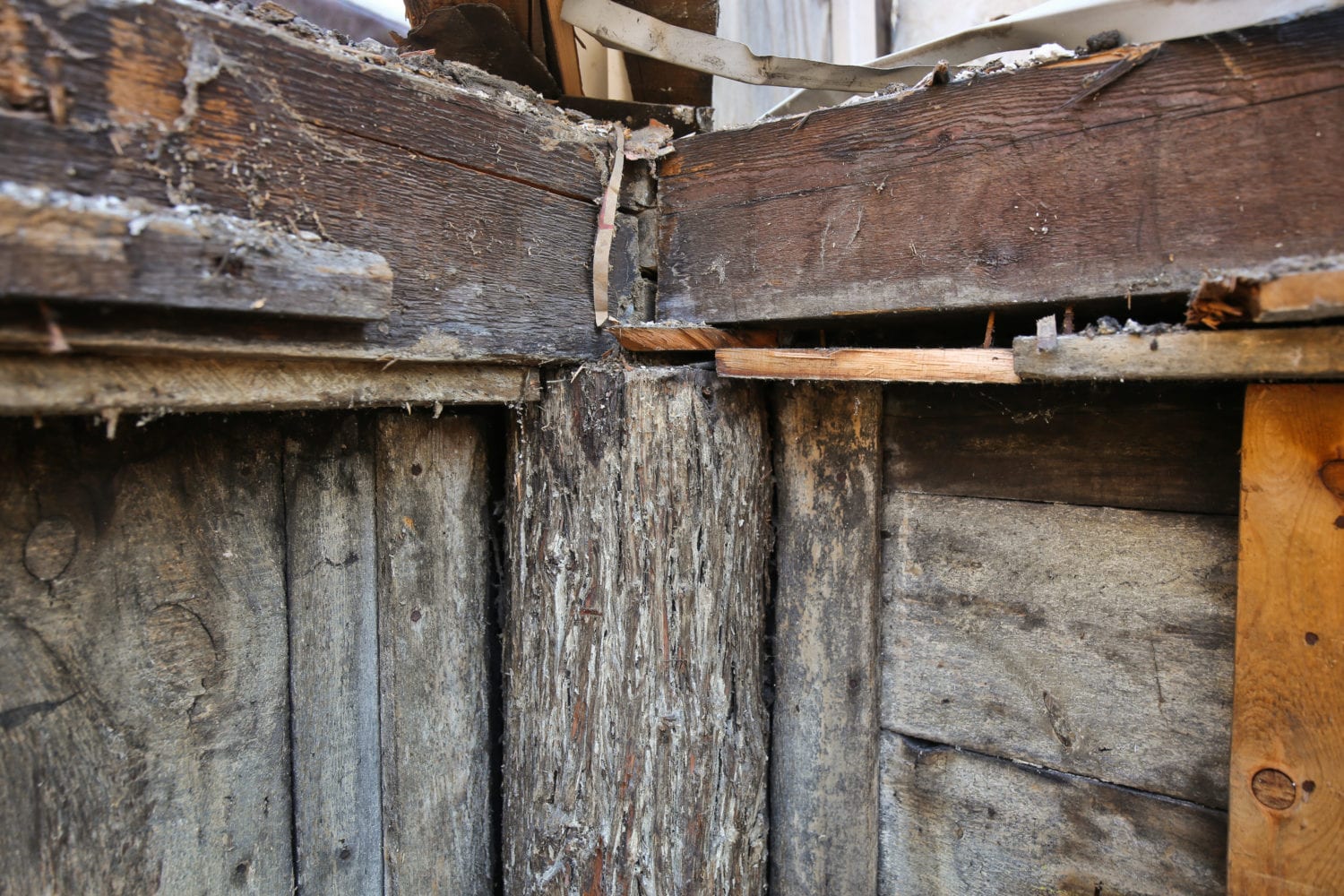
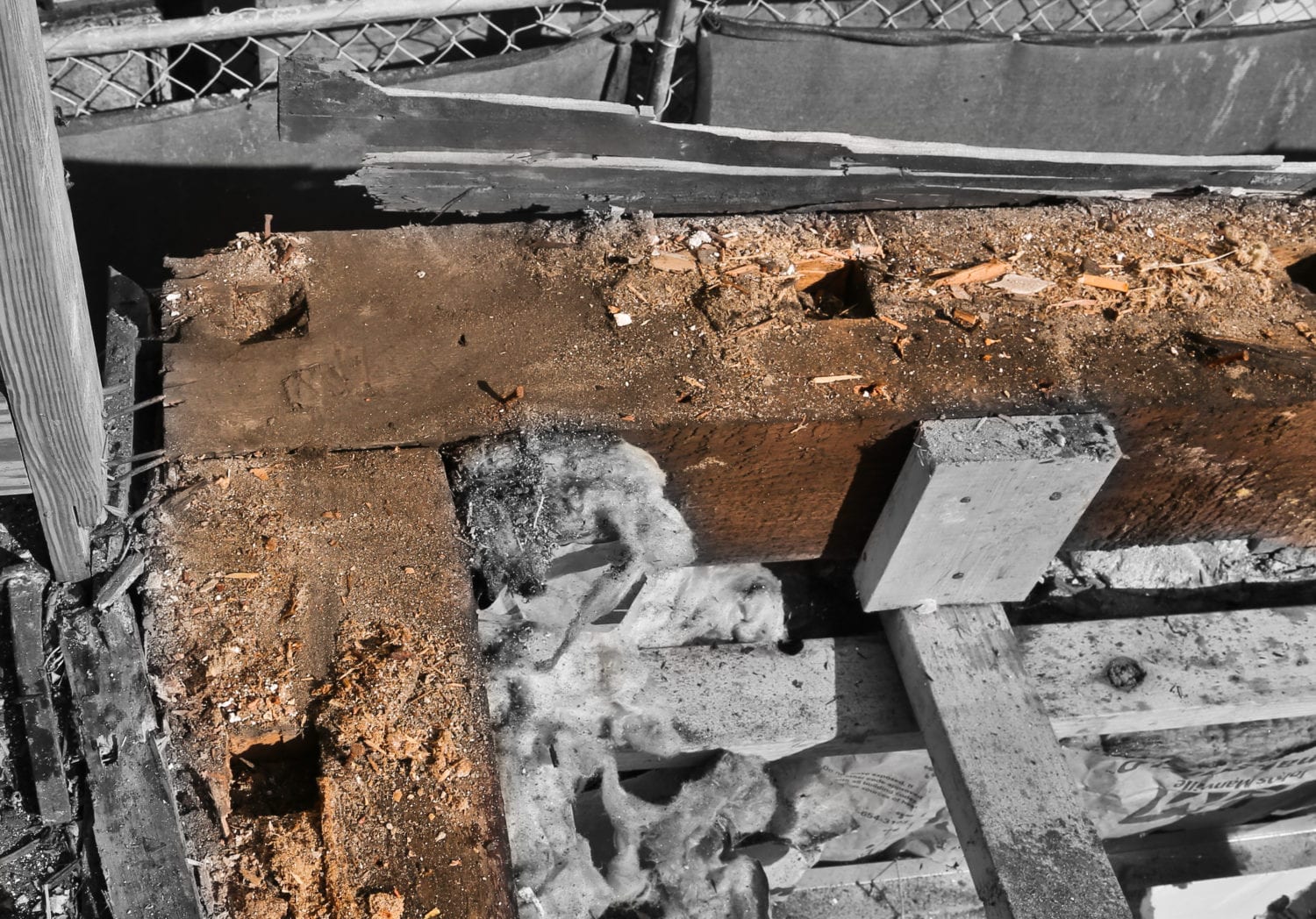
the majority of 19th century chicago brick and wood-frame cottages are supported on cedar posts that were also used in moving these structures time and again. in this image two interlocking sill plates (comprised of sawn white pine wood) rest on a corner post. vertical pine or cedar wood boards or “skirts” were added to conceal ground floor apartments.
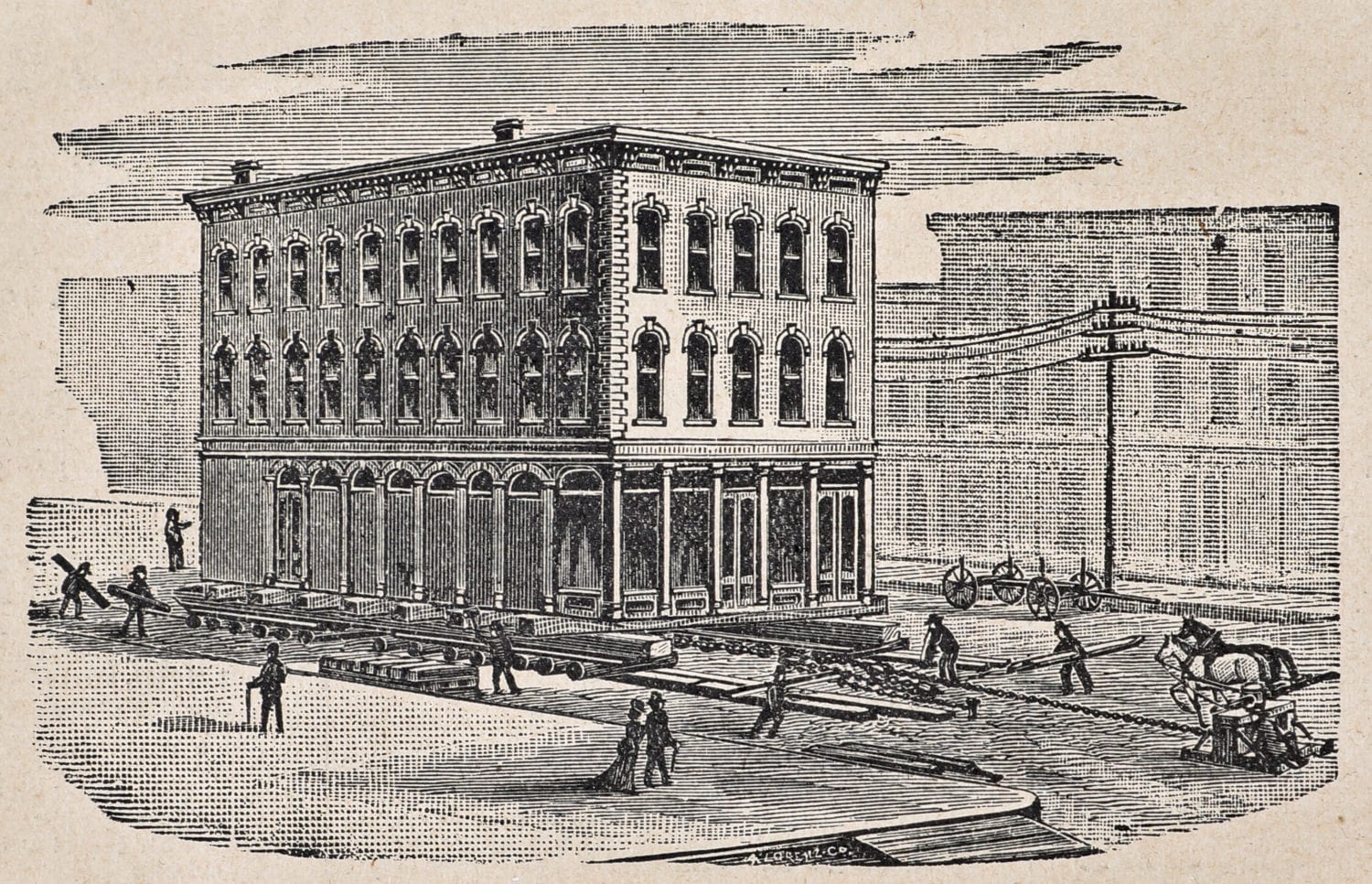
late 19th century city directory business advertisement showing a three-story brick commercial building being moved or rolled with cedar posts along makeshift rectangular-shaped ties. interestingly, these ties would sometimes be made into sill plates with notching for joists and studs executed on site by hand drills equipped with auger bits.
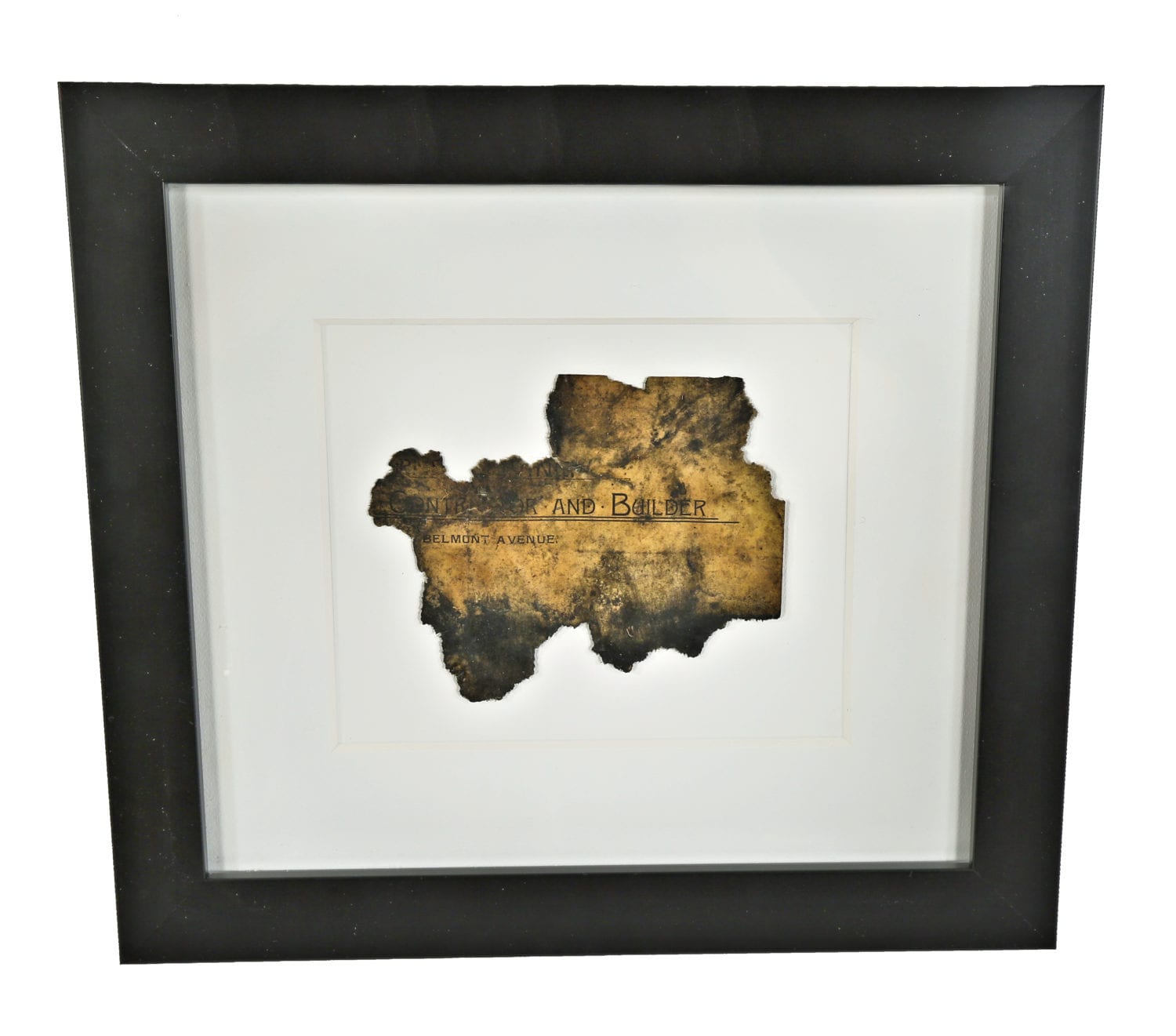
the only fragment (discovered under a sill plate) in the form of a letterhead that identified the builder of a wood-framed cottage undergoing demolition. there was just enough legible information to pinpoint the builder’s name, which led to the discovery of his obituary (shown below).
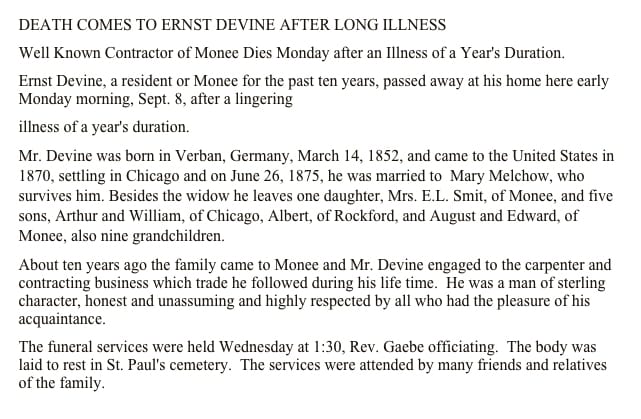
a rare instance where i managed to discover the sill plate “contractor” by a piece of stationary he left behind on the jobsite.
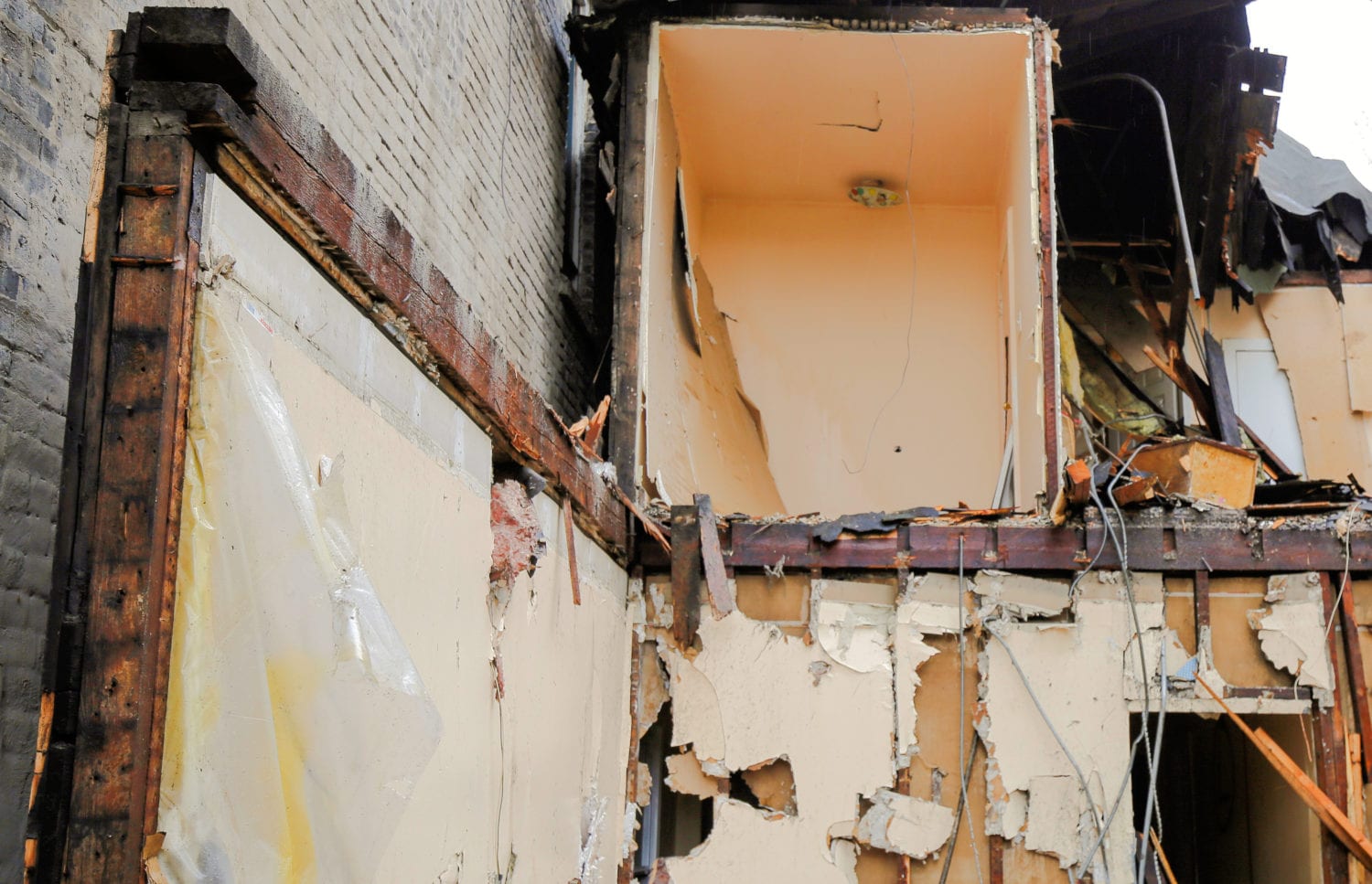
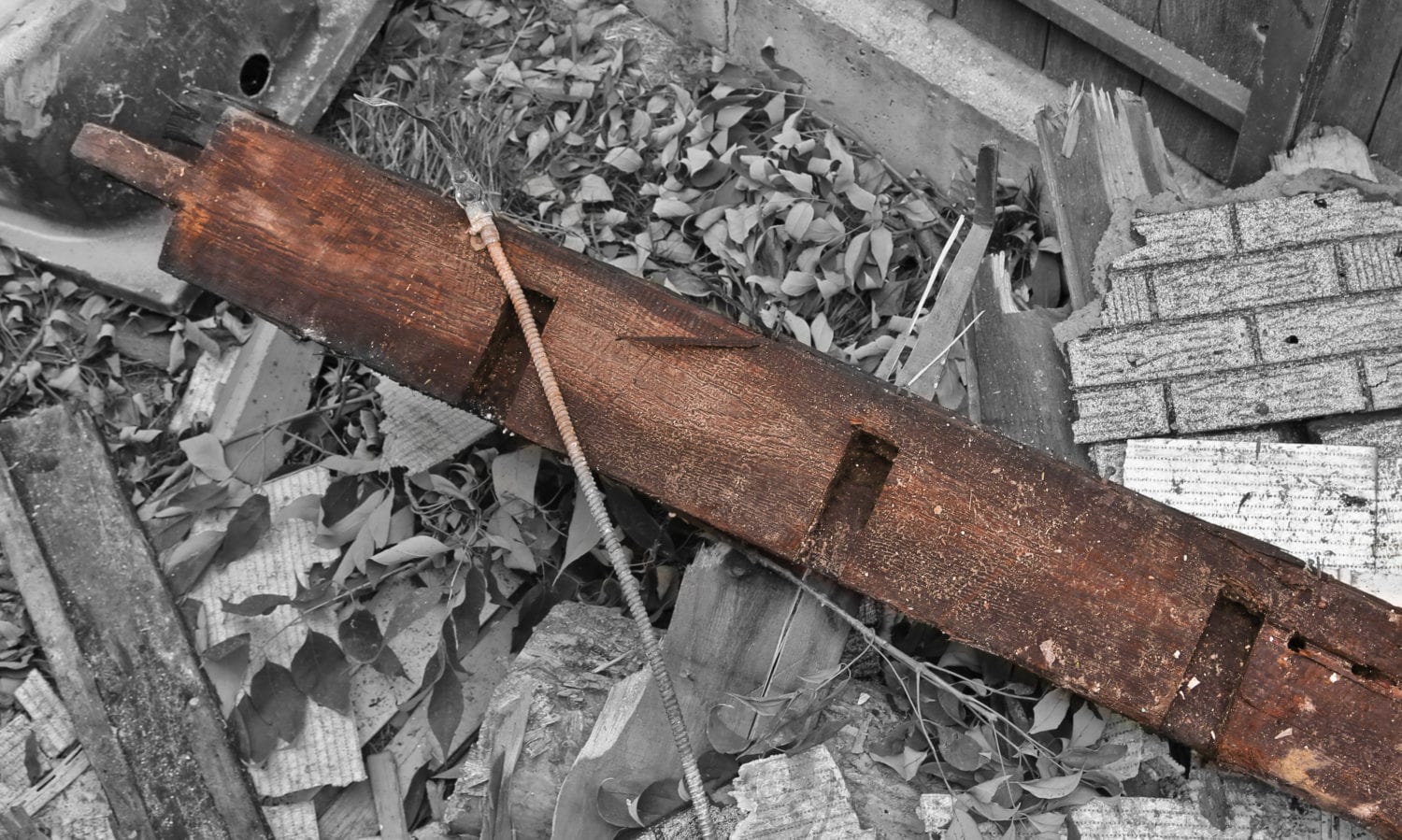
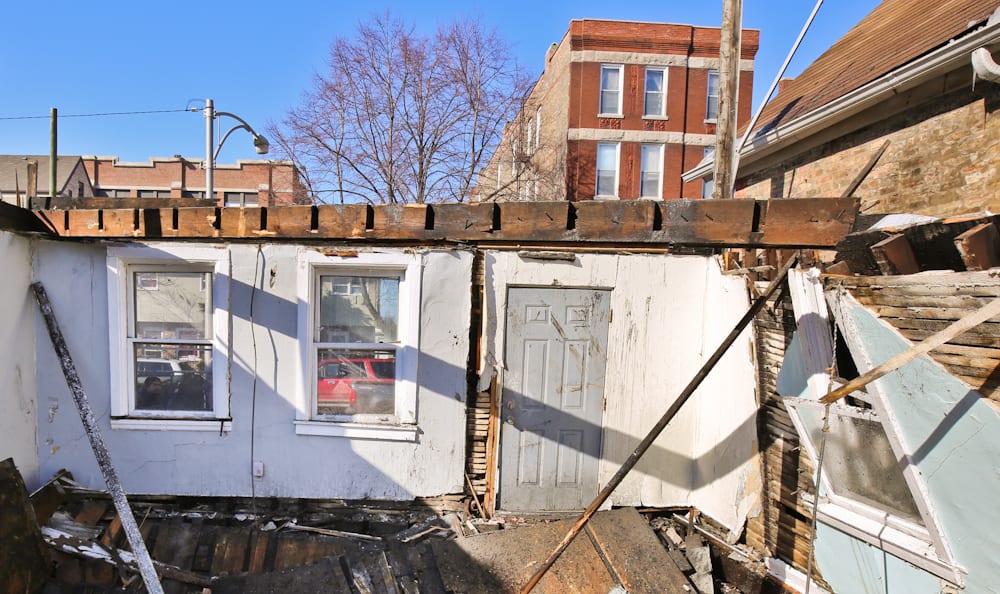
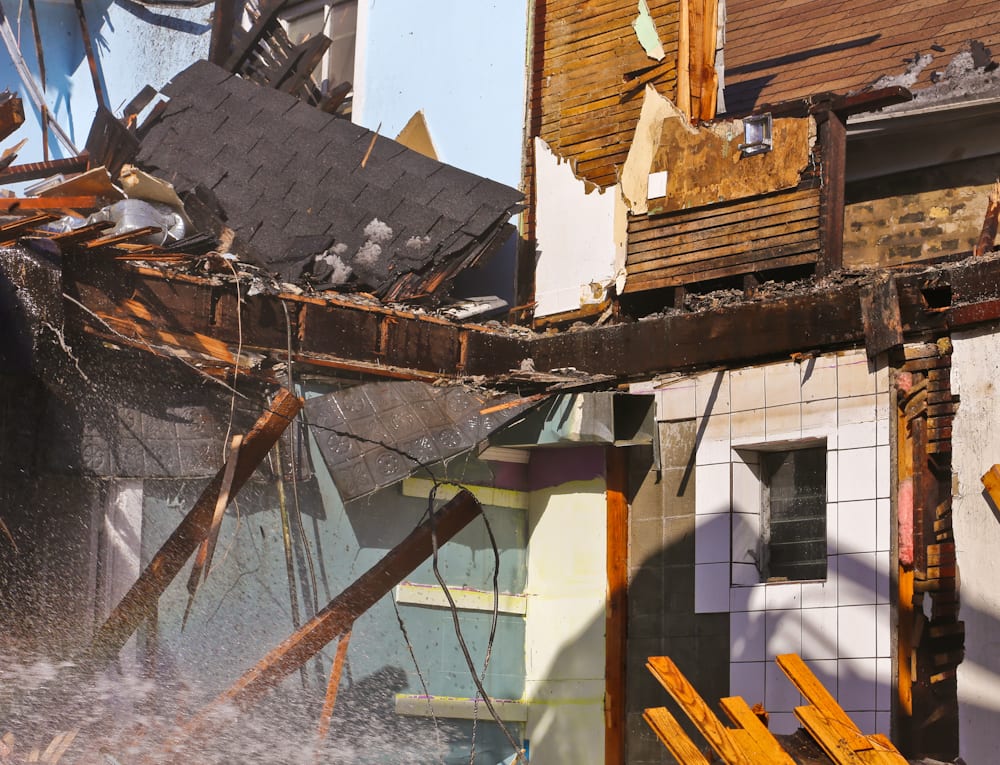
over three years later, i’m still devoting time gathering data from 19th century chicago wood-framer cottages built between 1840-1890. the cottage pictured above, was demolished a few days before this entry was posted. like so many other cottages thoroughly documented over the years, this structure contained first and second-story beams (i.e., sill and girts respectively) heavily notched with auger bits. the interlocking white pine wood beams featured mortise and tenon joints secured with faceted and tapered wood pegs or “tree nails.”