
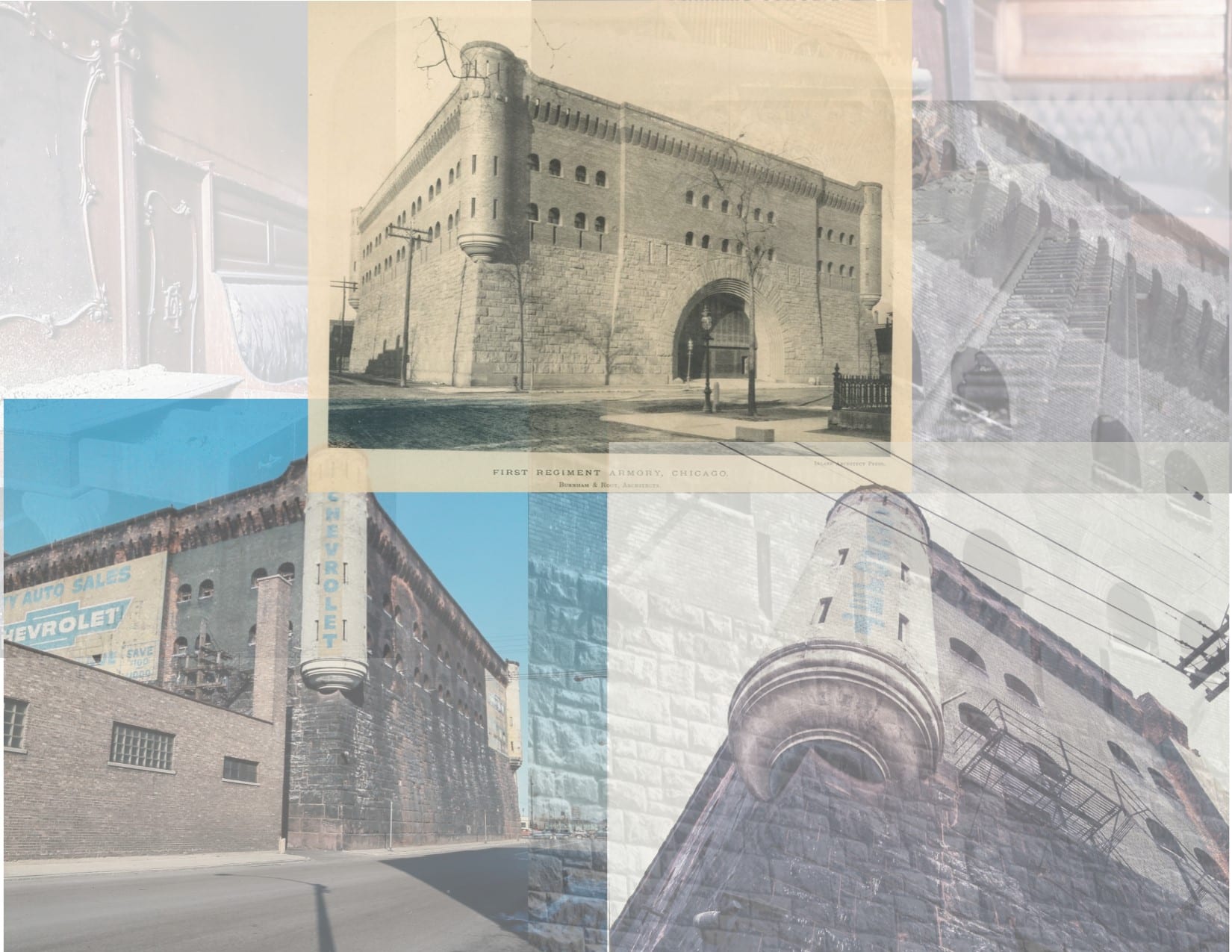
20 Apr a rare look at burnham & root’s first regiment armory captured through john vinci kodachrome slides in 1966-1967
fearing the potentially violent protest of working class laborers, as well as in reaction to the haymarket affair, the residents of chicago’s prairie avenue “millionaire’s row” (prominent figures such as marshall field, george pullman, phillip armour, potter palmer and others) placed pressure on politicians to construct an armory to protect the city’s most prominent businessmen. daniel burnham and john root were commissioned to design the first regiment armory at 1552 s. michigan avenue, just three blocks from this high-end neighborhood.
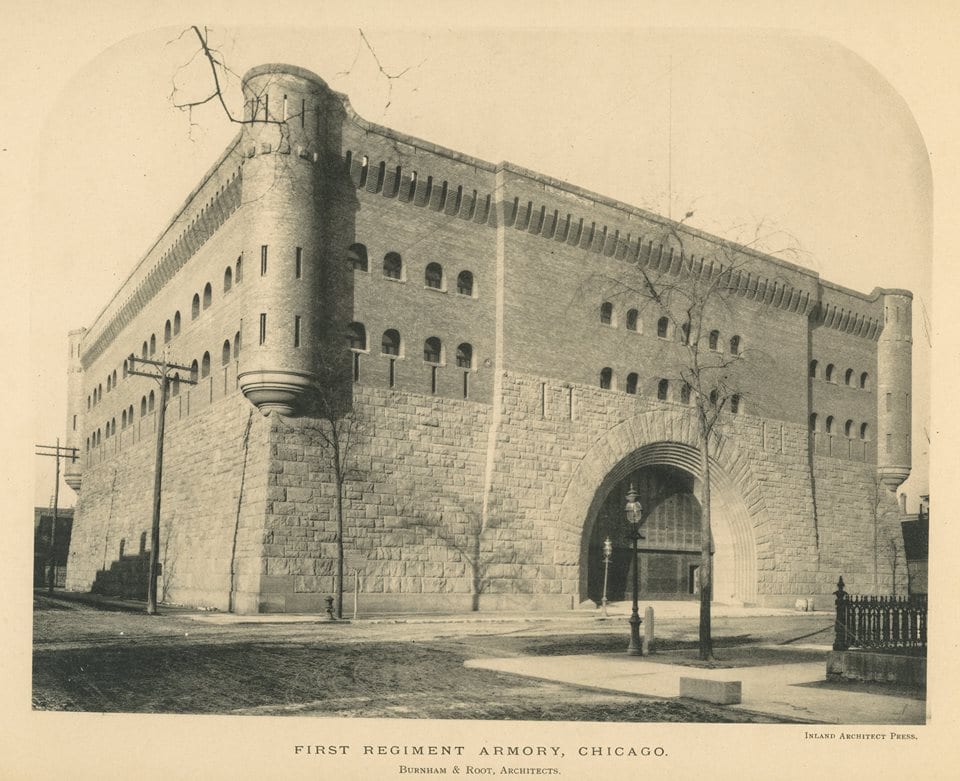
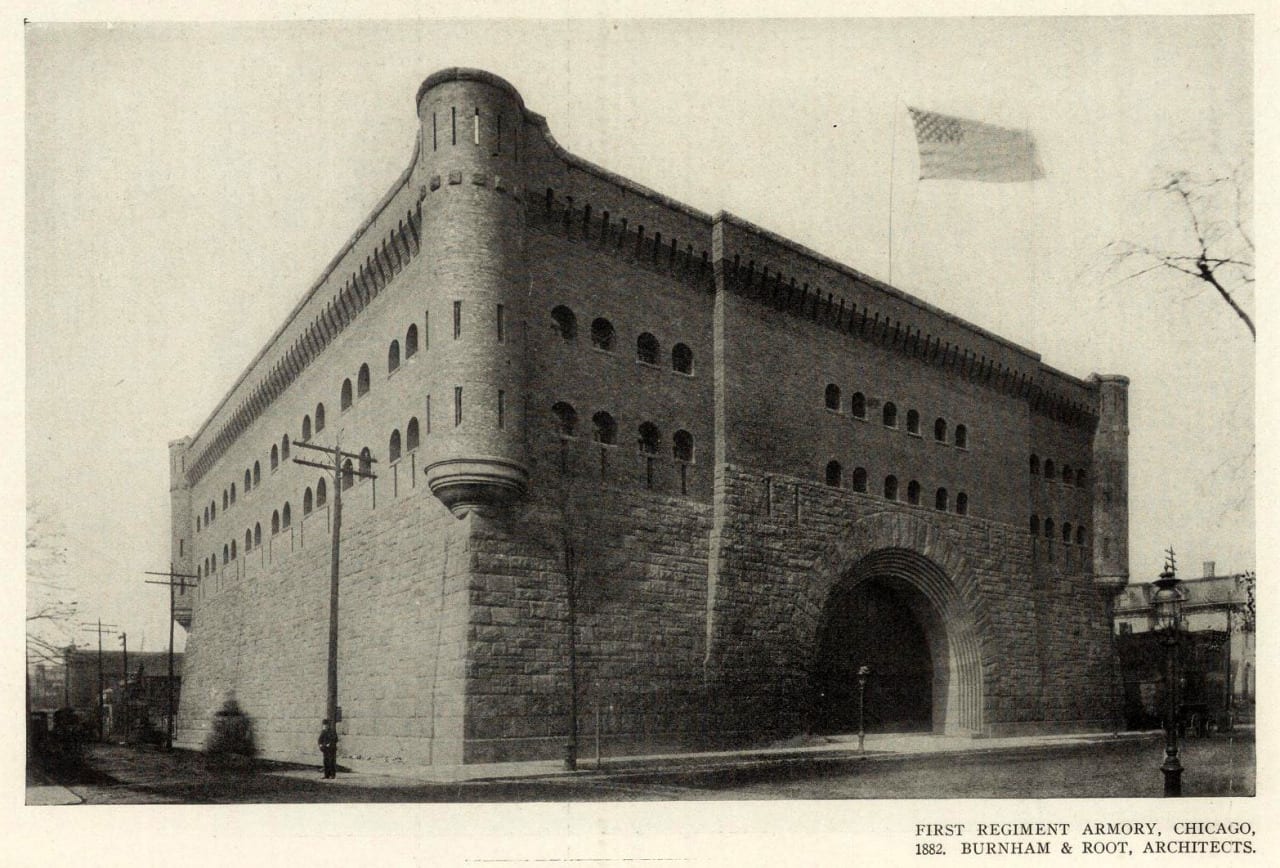
the decorative fortress on the northwest corner of 16th and michigan was constructed between 1889 and 1891, and featured thick stone walls, rounded turrets, and slots for firing rifles in defense of the military troops stationed within. the roof featured skylights that bathed the interior in natural light, a feature similar to burnham and root’s rookery building in downtown chicago.
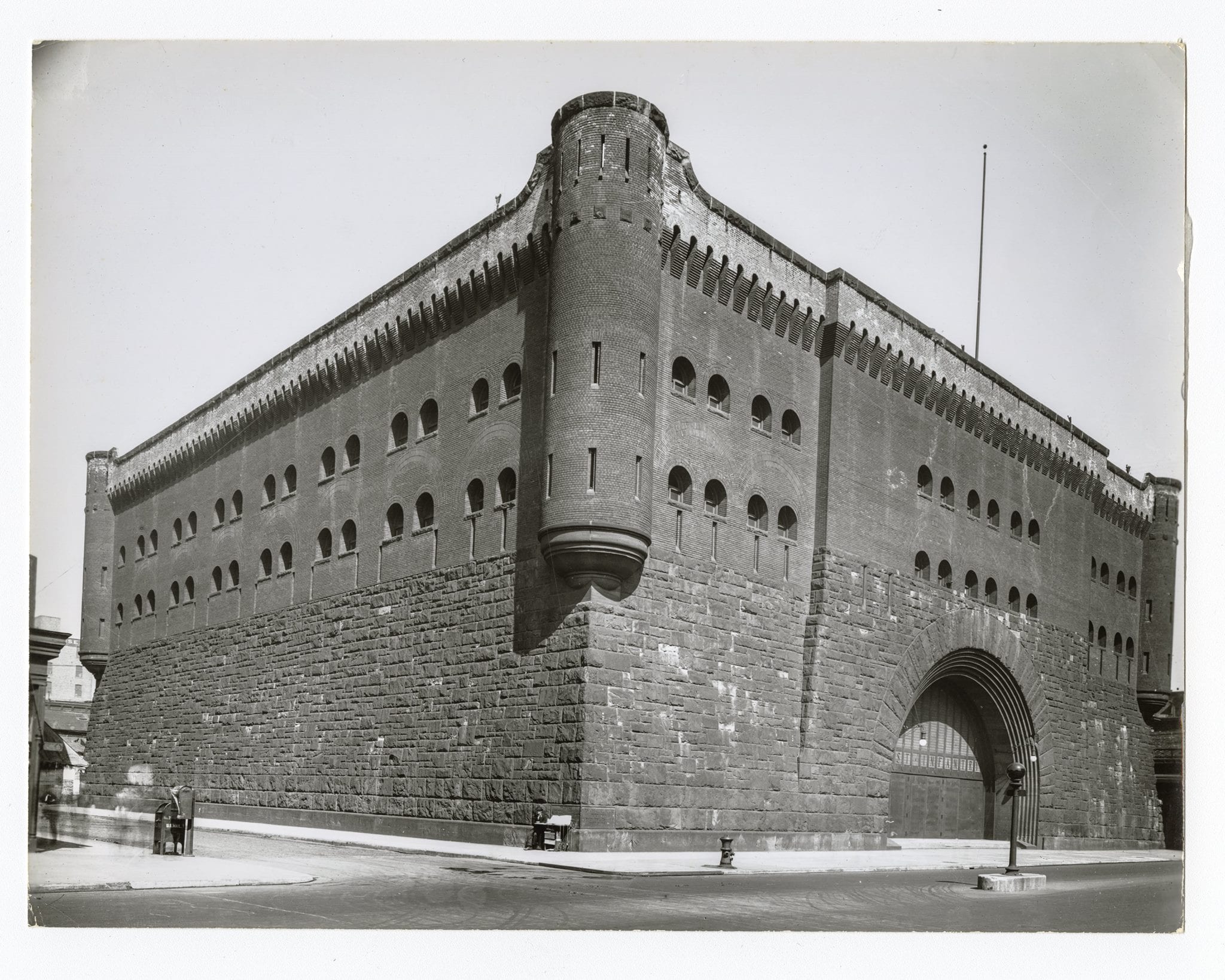
undated (likely early 20th century) image of burnham & root’s heavily fortified armory building (1891). the armory was demolished in 1967.
image courtesy of ryerson and burnham, art institute of chicago.
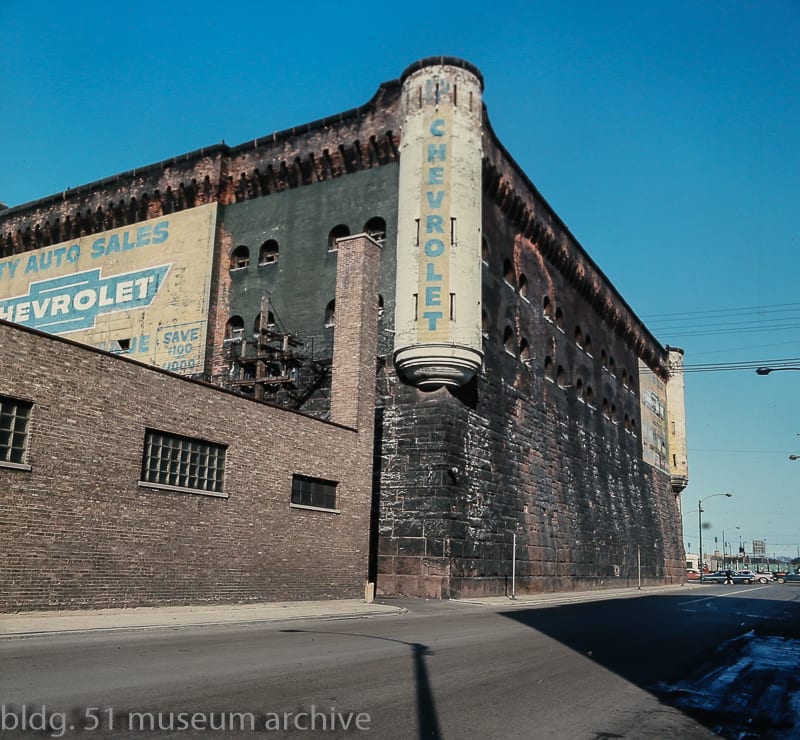
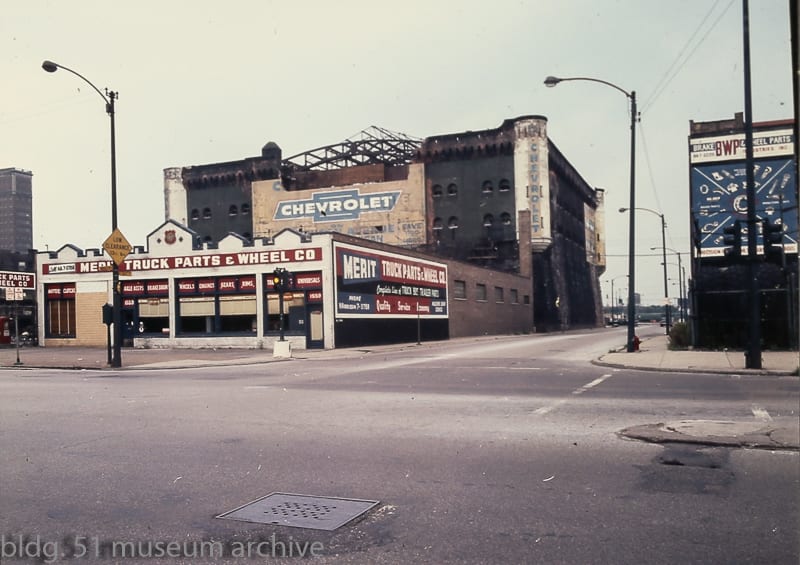
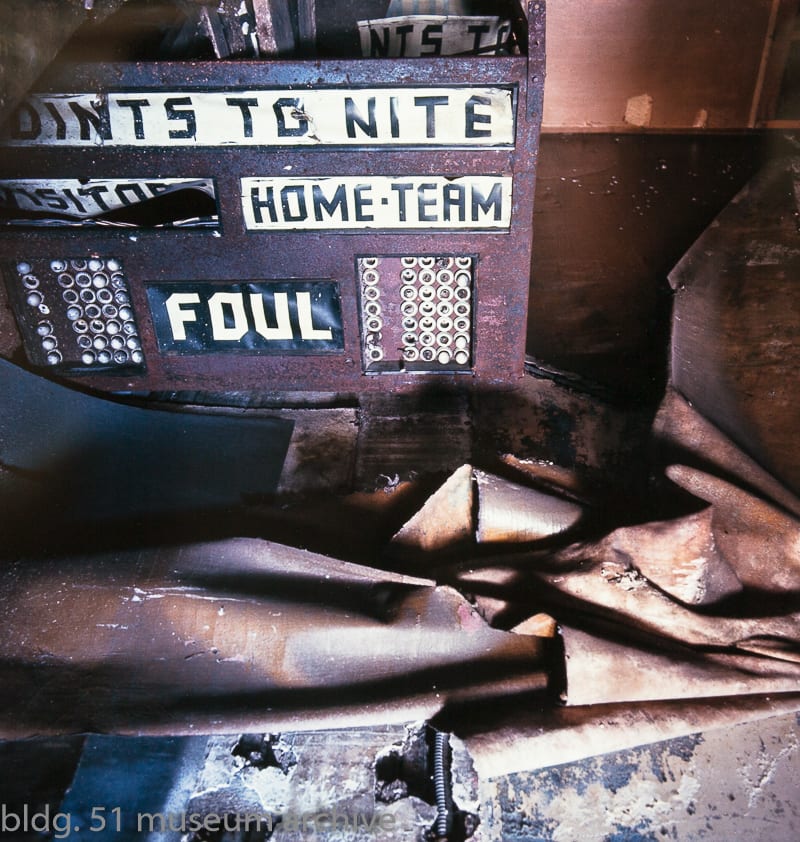
as transportation and communication technology advances in the early part of the 20th century, the prominent residents of prairie avenue were able to disperse to more comfortable areas, away from the danger and inconveniences in this loud and crowded corridor. new bridge technologies at the dawn of the 20th century made river crossings from the loop to chicago’s less densely-populated north side more reliable. as the wealthy abandoned prairie avenue for the north side, hyde park, and the suburbs, a seedy element gradually took over the neighborhood by the 1920’s. the armory, no longer necessary, was turned to other uses—sporting events, car shows, conferences, billboards, and cheap spectacles.
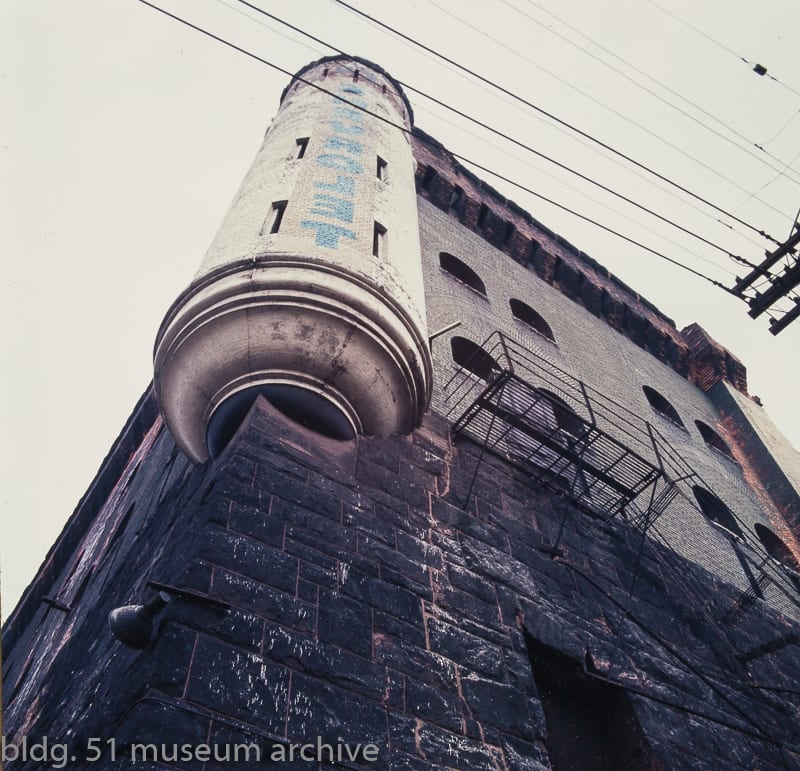
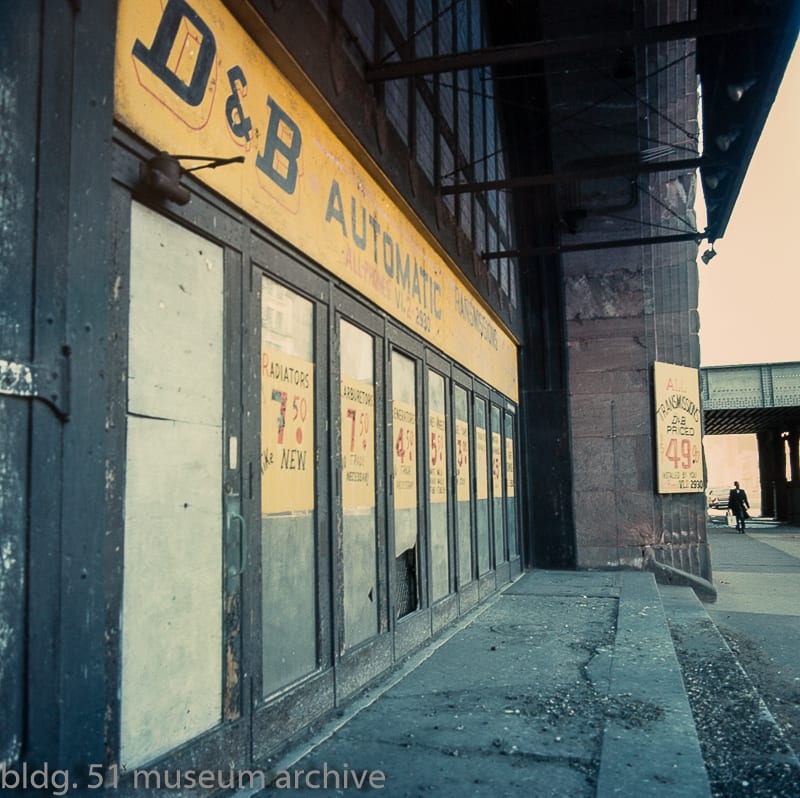
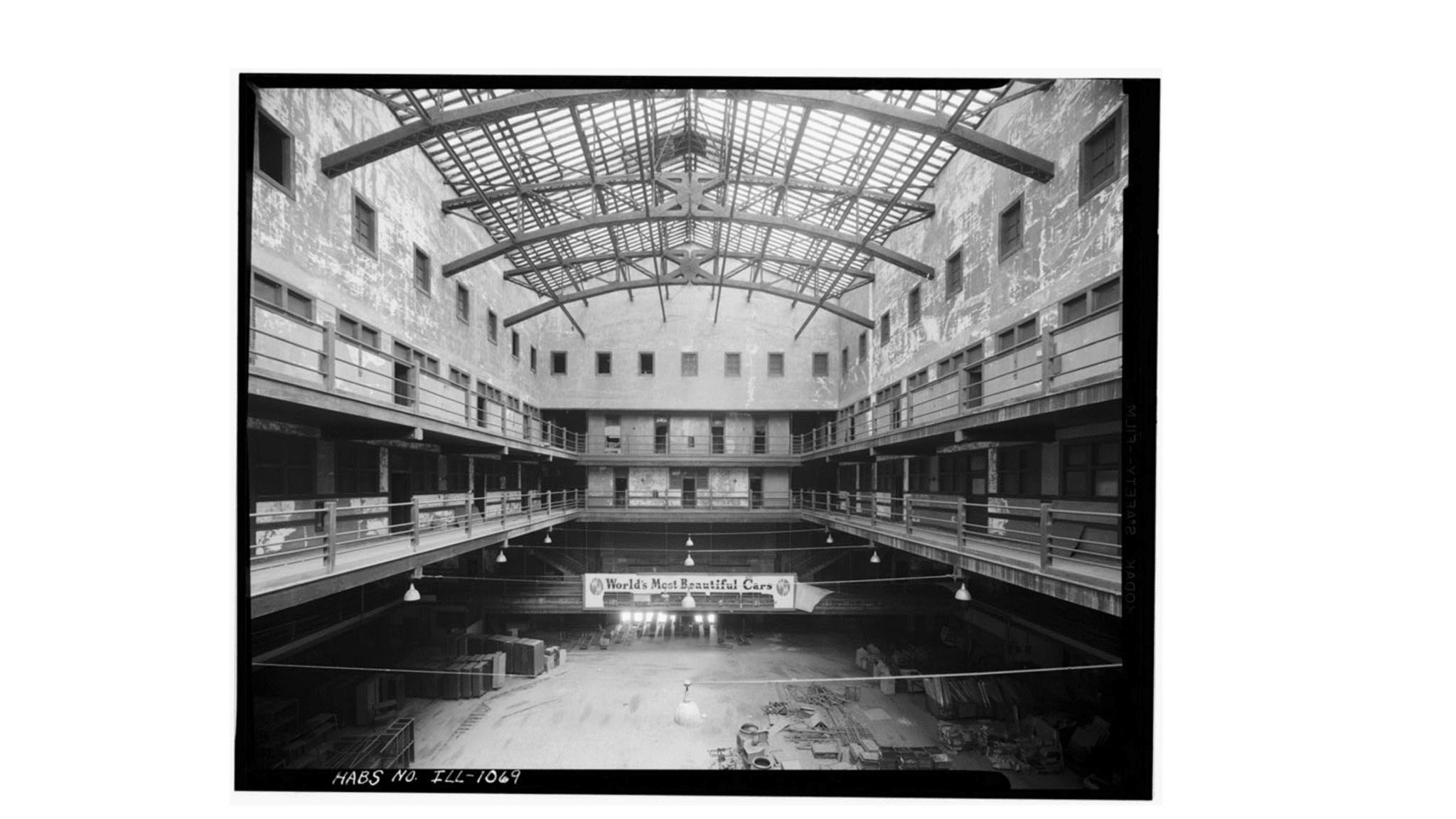
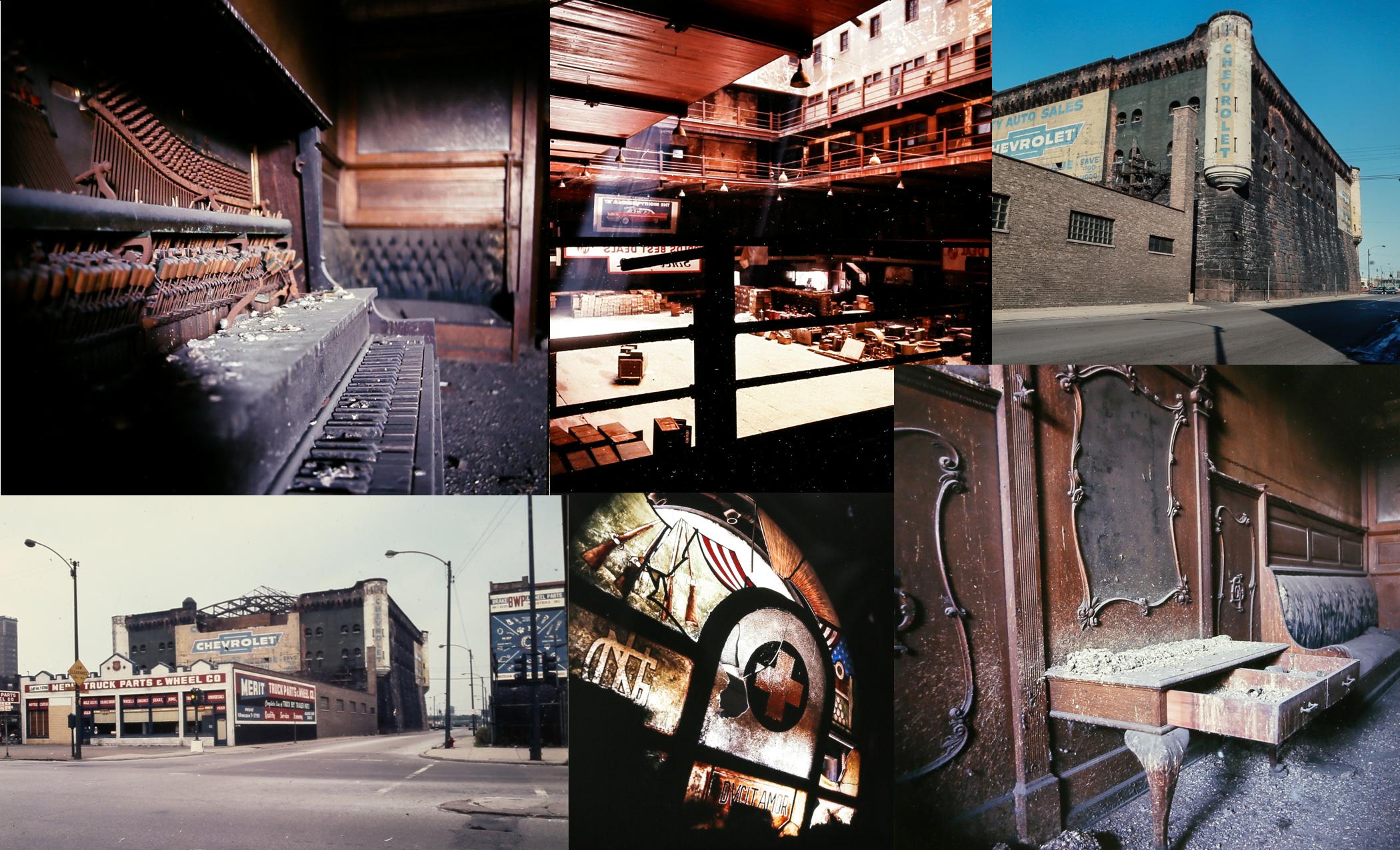
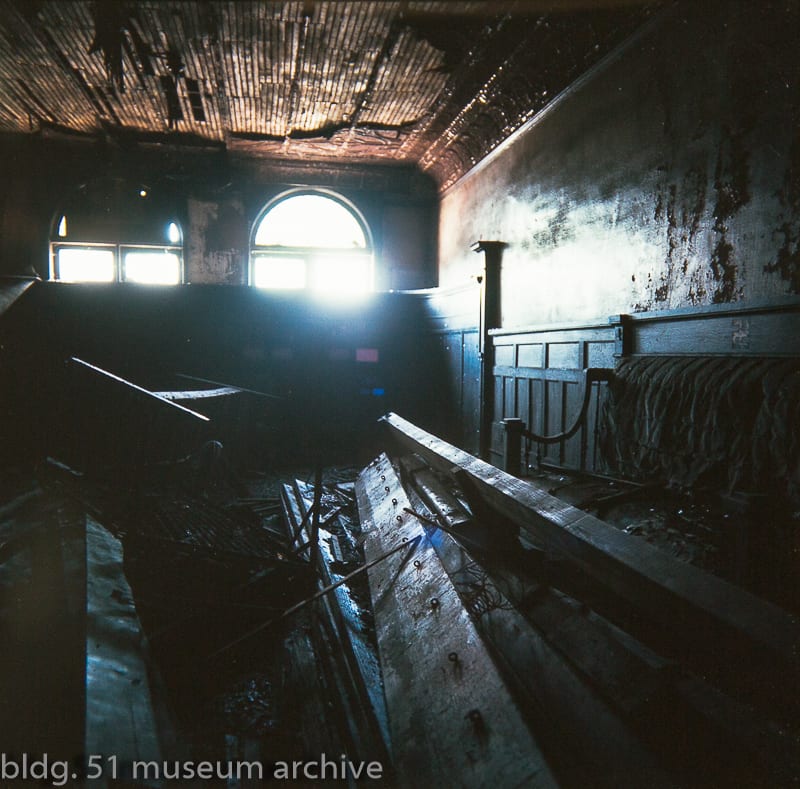
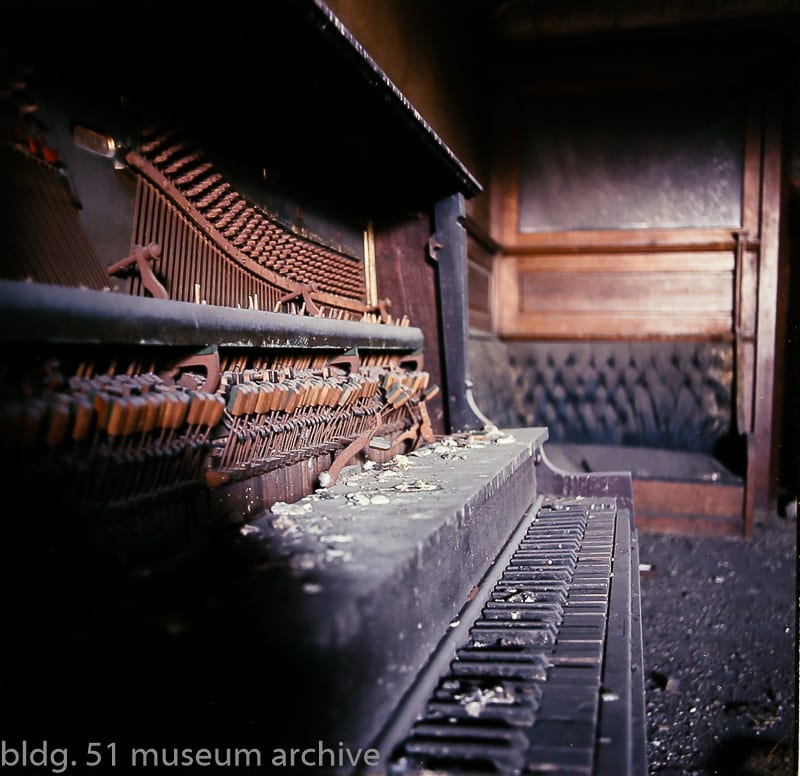
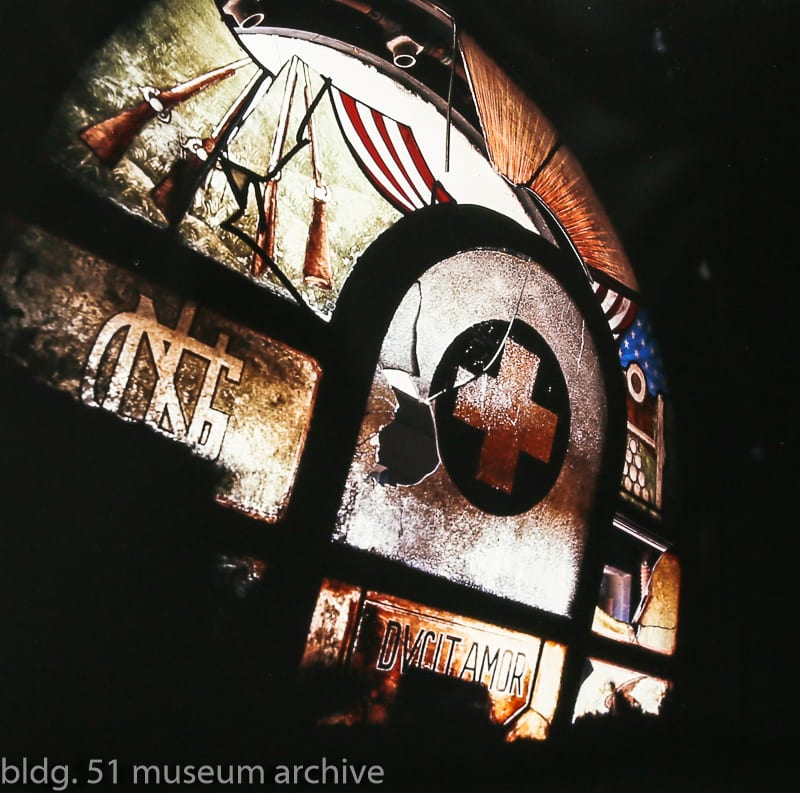
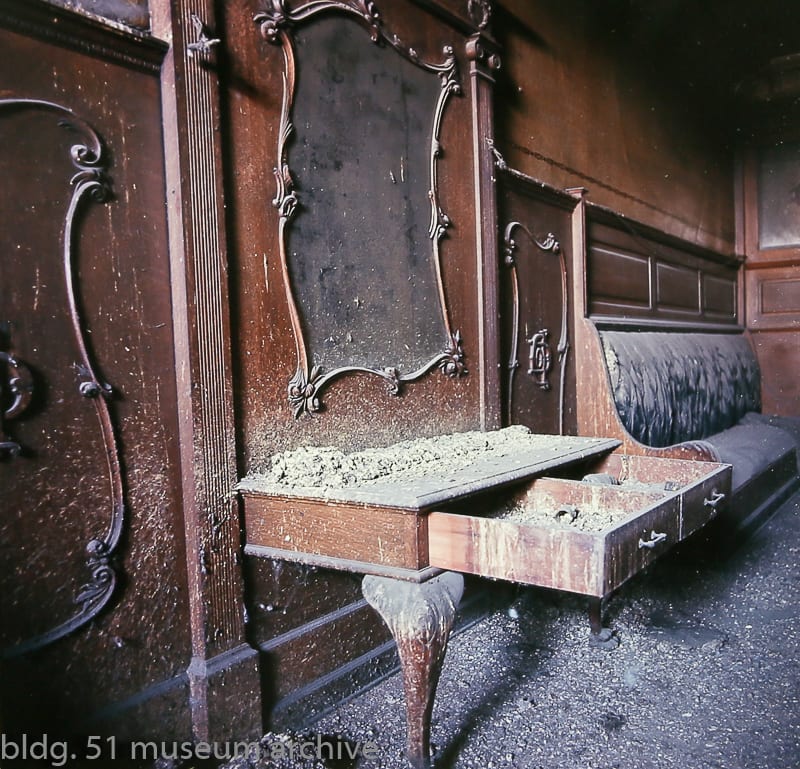
demolished in 1967, chicago architect john vinci was there in 1966 (along side richard nickel) to document first hand some of these rarely seen second floor vistas. in color and never previously publicized, these slides show the ornament of the second floor soldiers’ rooms, relatively untouched since they were last inhabited by tenants.
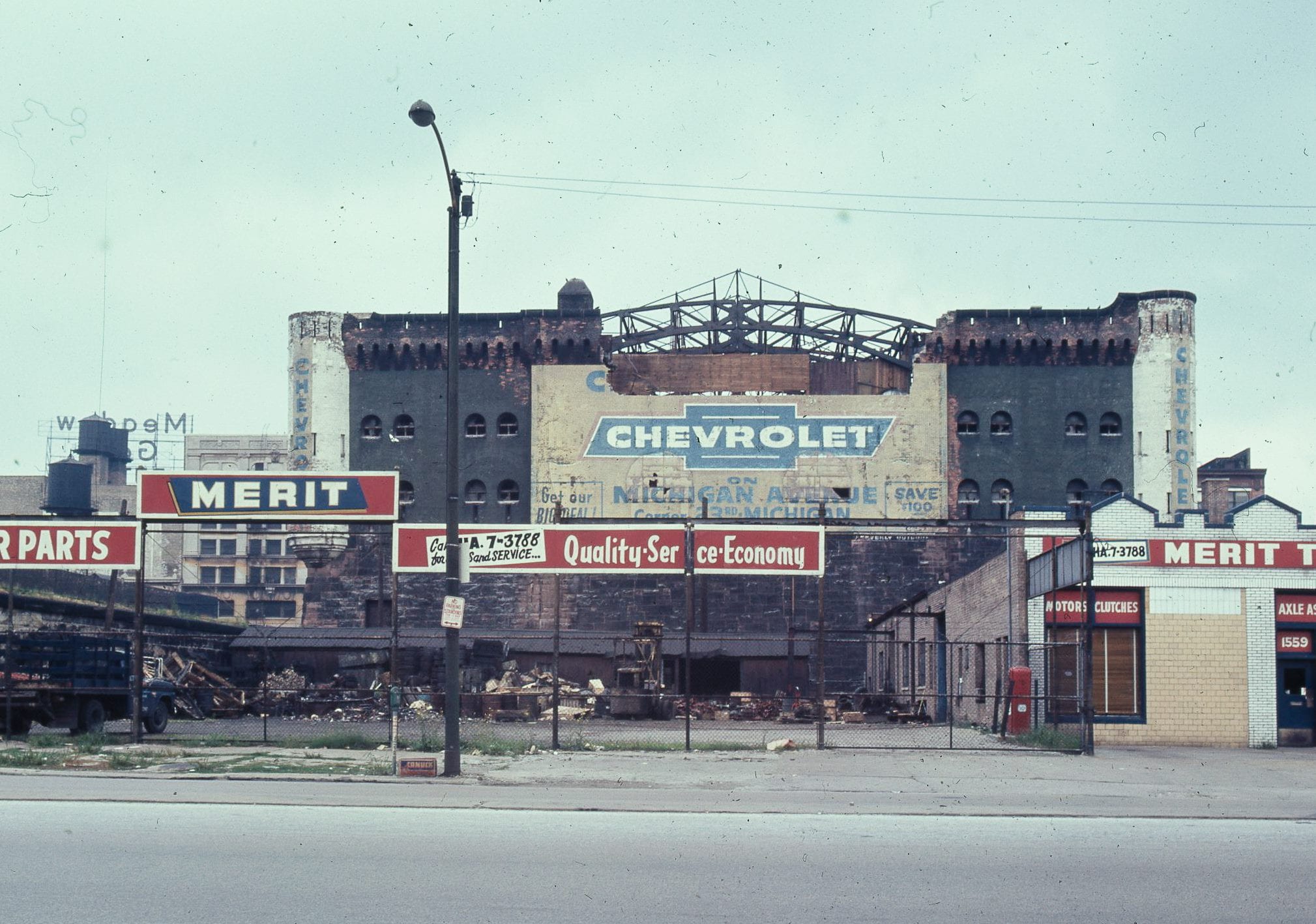
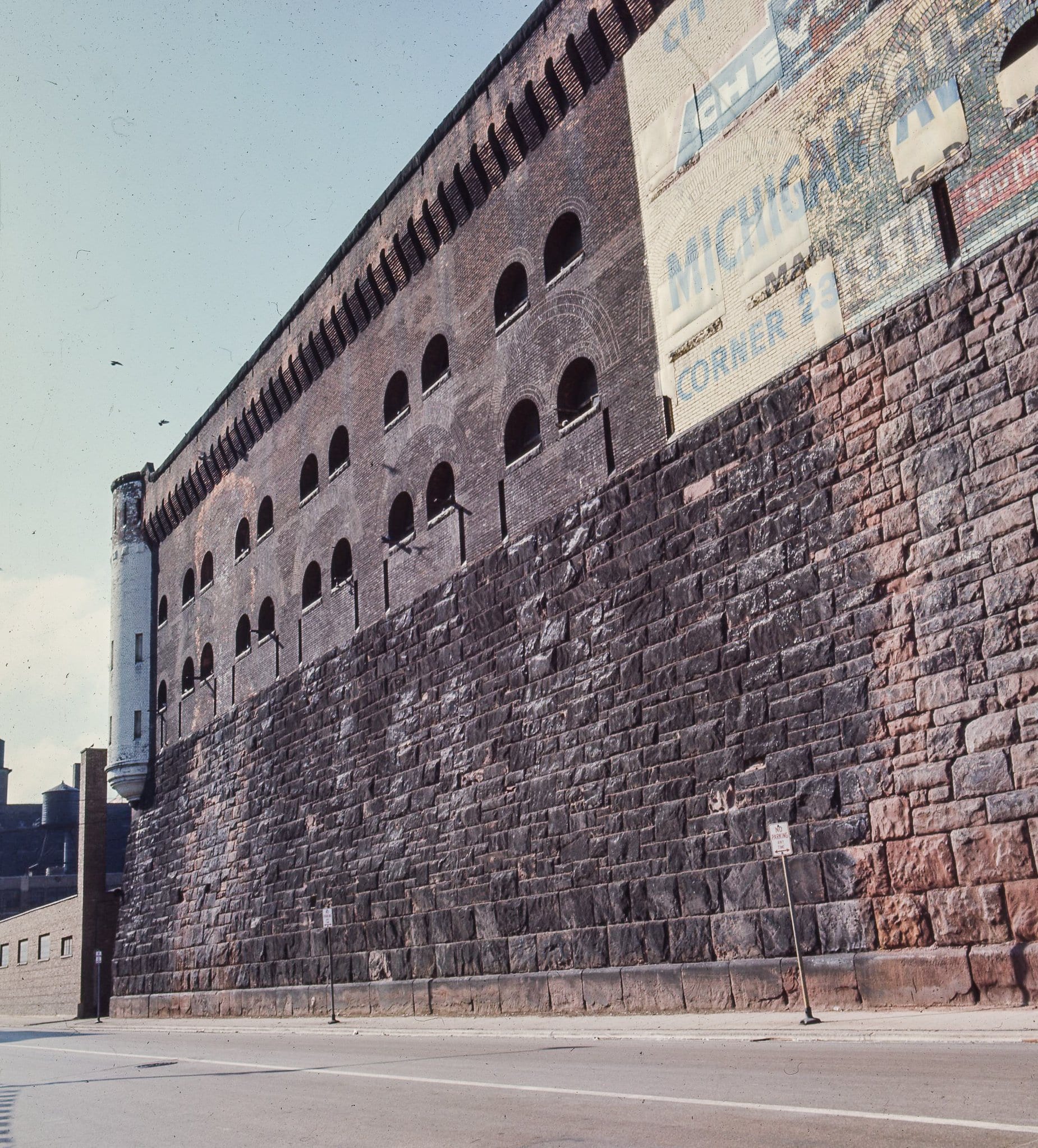
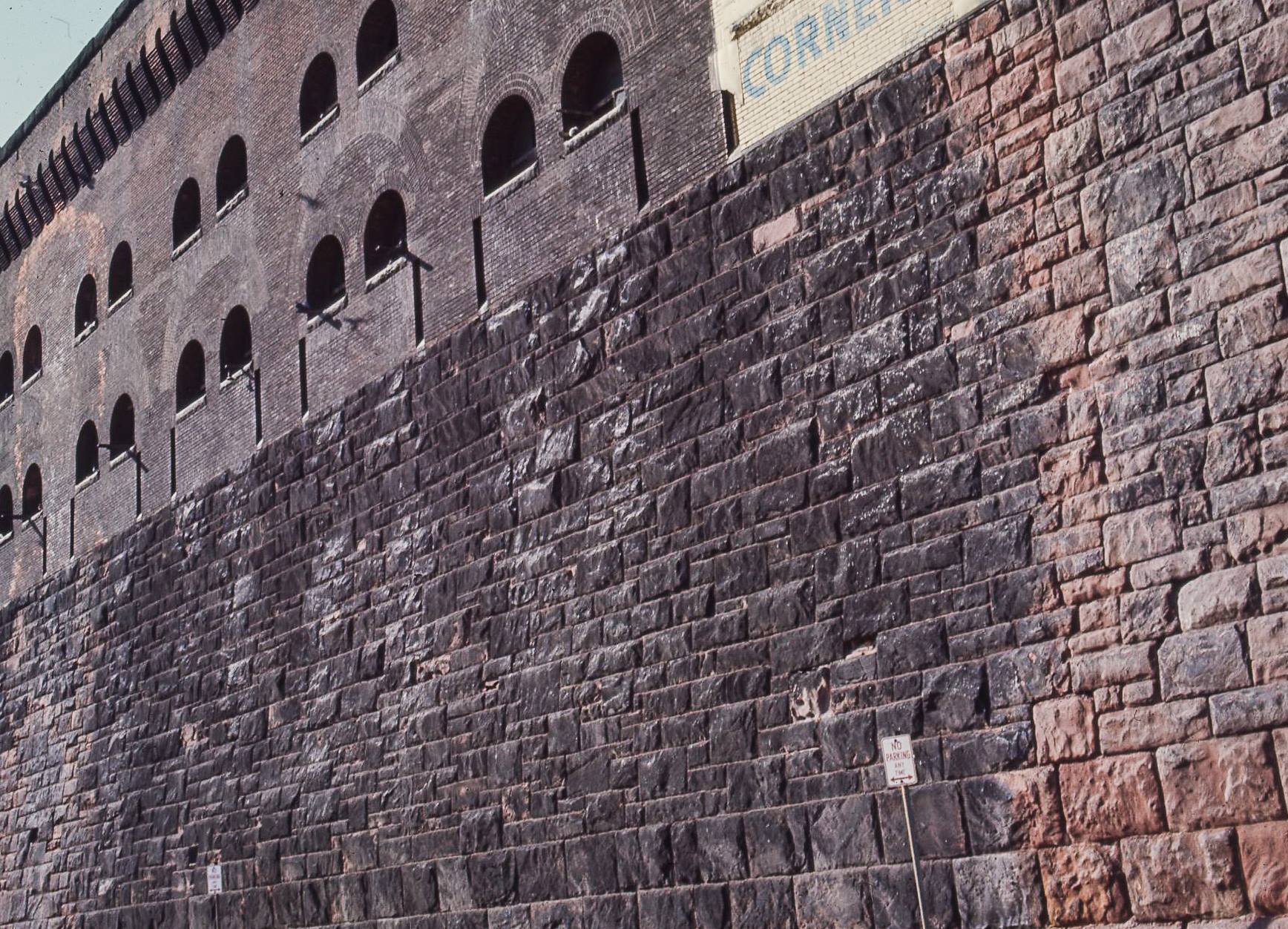
john vinci kodachrome slides (dated, apr, 1966 and may of 1967) of burnham and root’s heavily fortified brick and rusticated stone armory (1891) taken a few years before its demolition in 1967.
the first image of the rusticated stone wall, with all of its layers, crudities, color, and character is truly a sight to behold. the second image is the the first image blown-up to get a better grasp on the stone configuration and surface character. the building is undergoing demolition in the last image.
both vinci and richard nickel recorded the building’s demolition – inside and out, with vinci shooting in color and nickel black and white. i believe they both shot using hasselblad 500 c medium format camera.
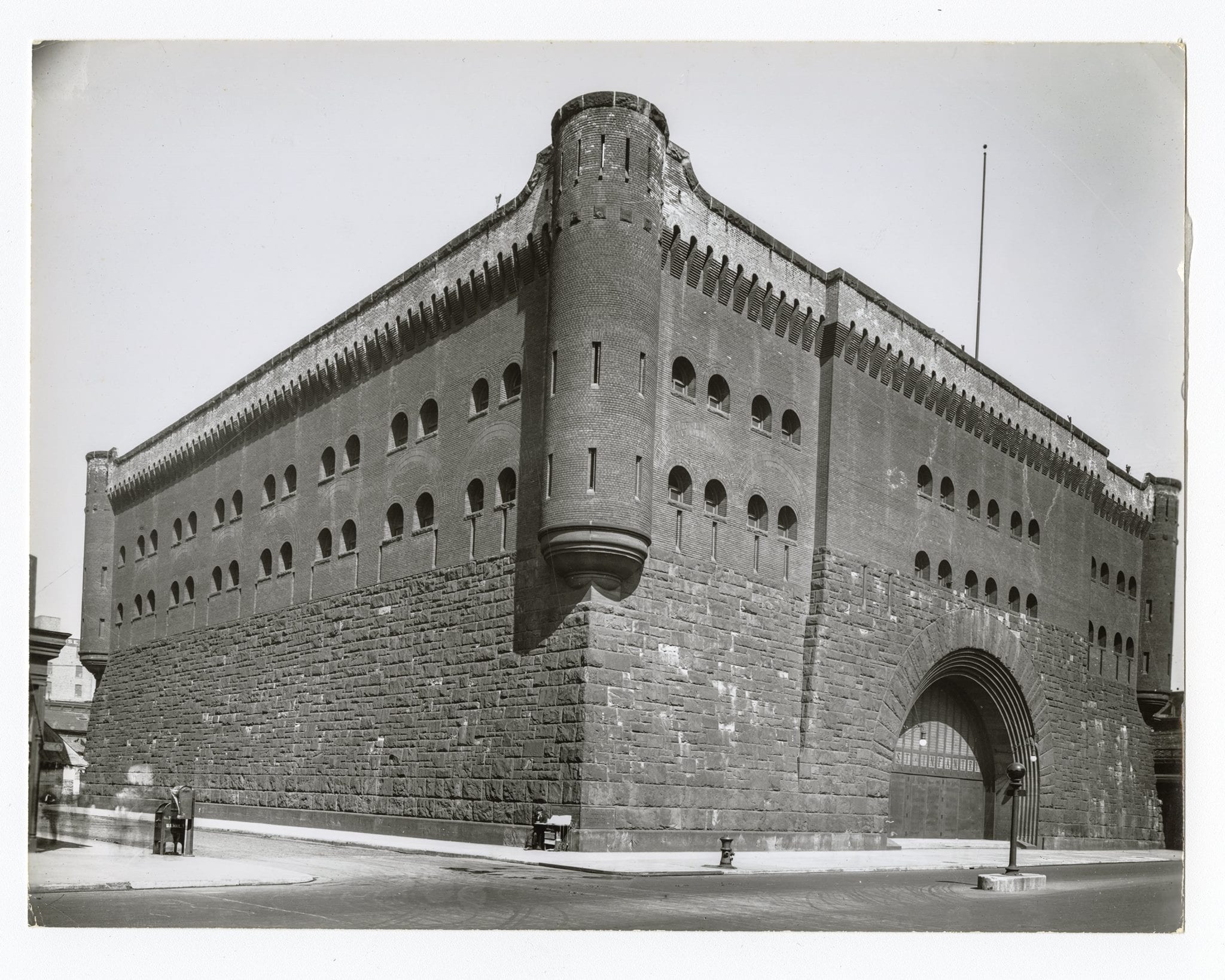
richard nickel photographic image of burnham and root’s heavily fortified brick and rusticated stone armory (1891) shortly before its demolition in 1967. cannot recall if this image was ever published. found on a contact sheet with other buildings.
image courtesy of the ryerson and burnham archive, chicago art institute.
the following kodachrome slides presented below are courtesy of the john vinci collection.