
30 Mar jenney’s isabella building elevator fragment and doorknob shed light on early use of cast aluminum as ornament
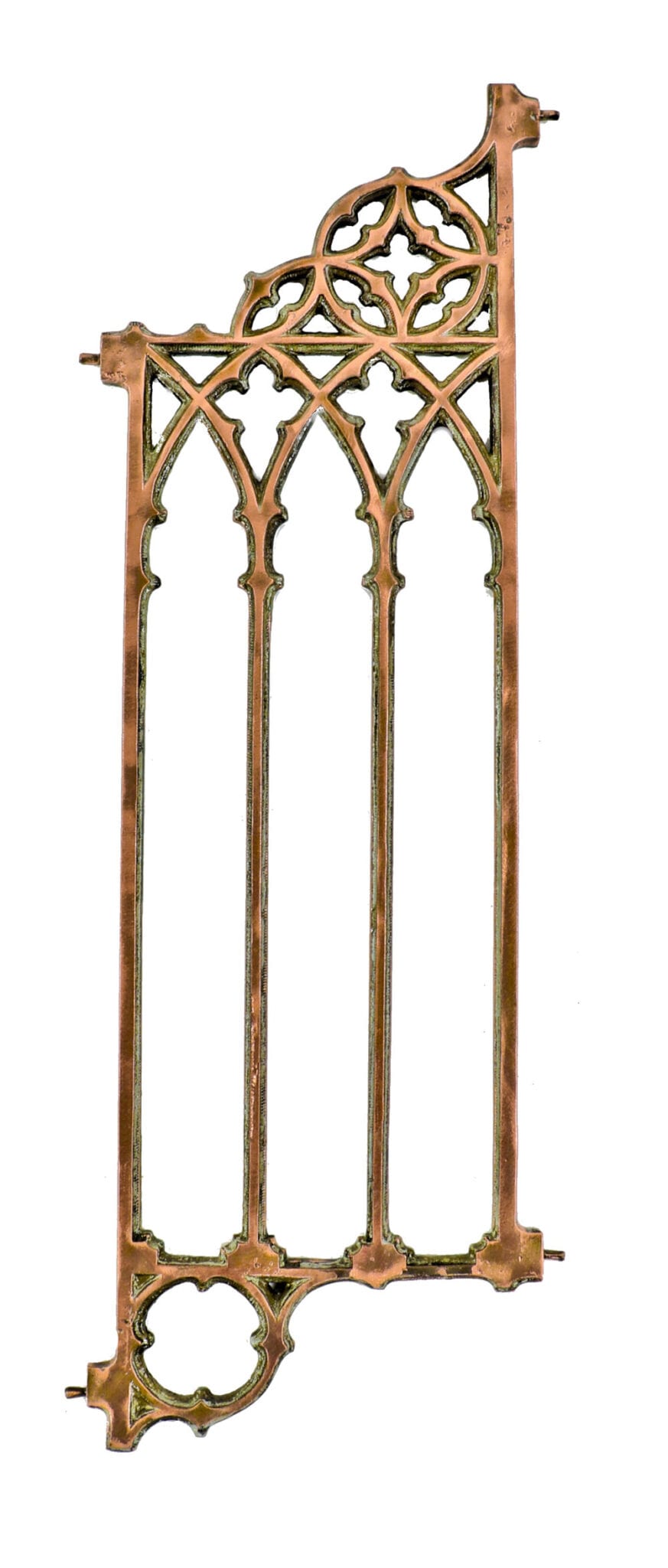
towards the end of the 19th century the building industry began experimenting with aluminum as a decorative ornament, which had only become available through large scale production at beginning in the early 1890’s. the first building to incorporate aluminum as a decorative building material in chicago was the monadnock building (1891), followed by the venetian building (1891-1892), and the isabella building (1894), where this largely unornamented late 19th century gothic style elevator grille in rectangular form was salvaged from, and will likely be one of the most important acquisitions the bldg. 51 museum obtains this year, representing the early use of early, experimental 19th century building materials.
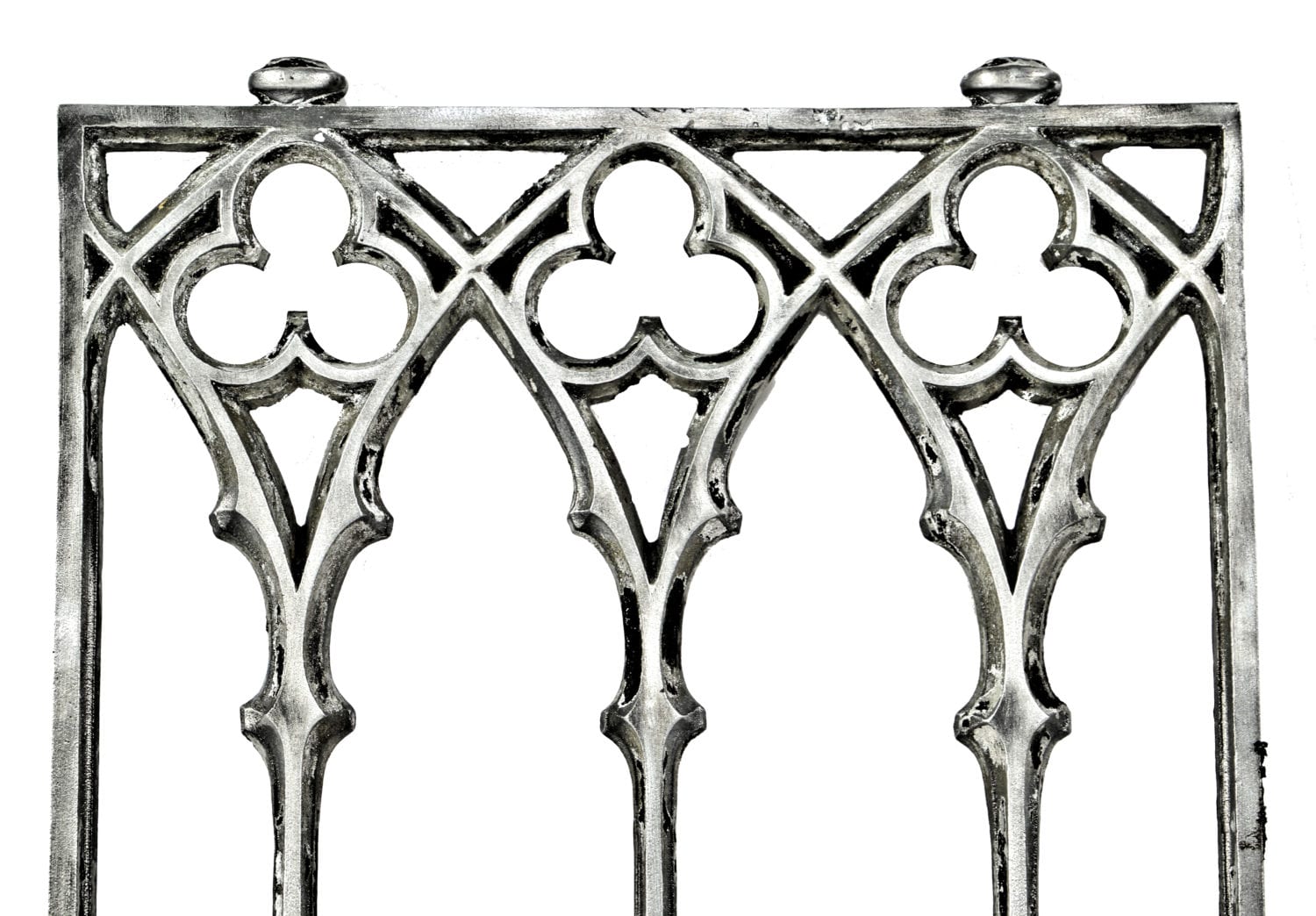
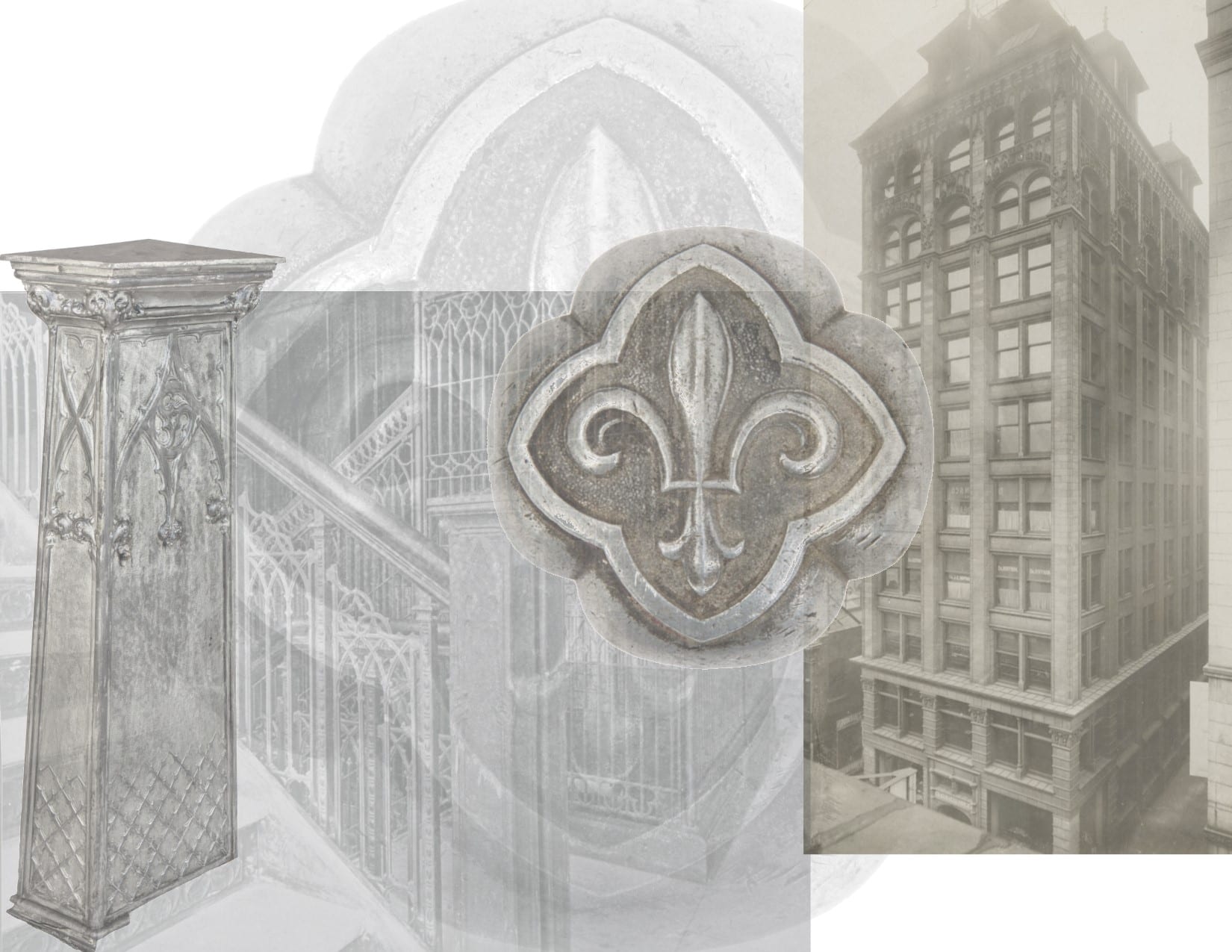
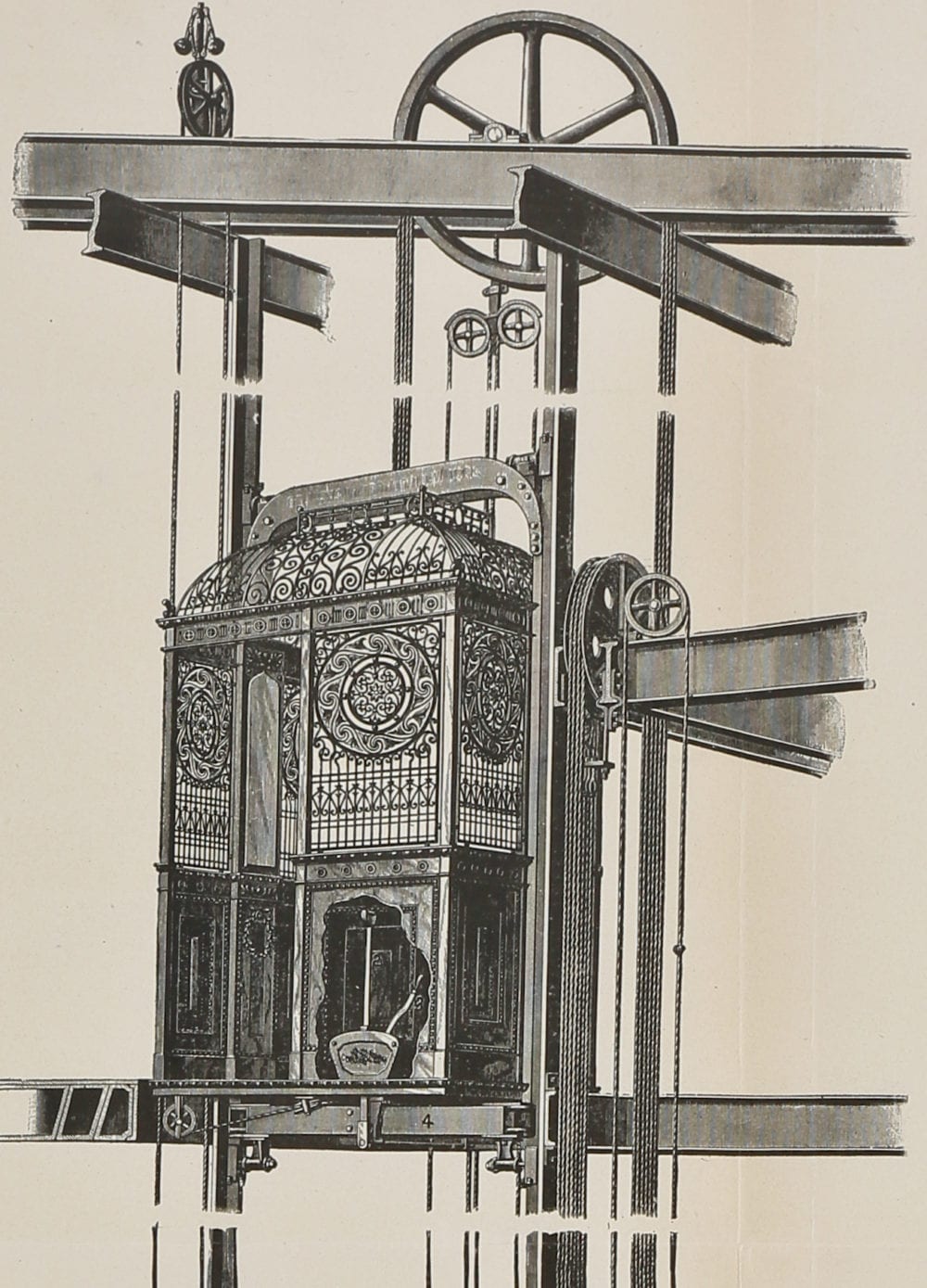
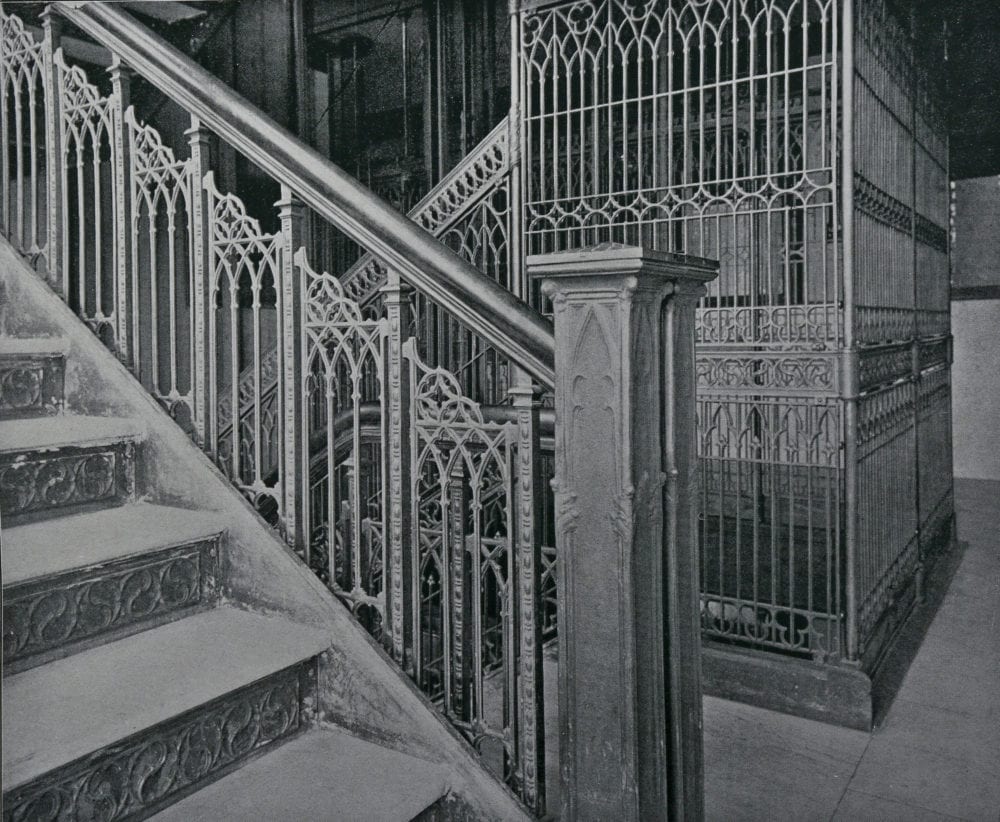
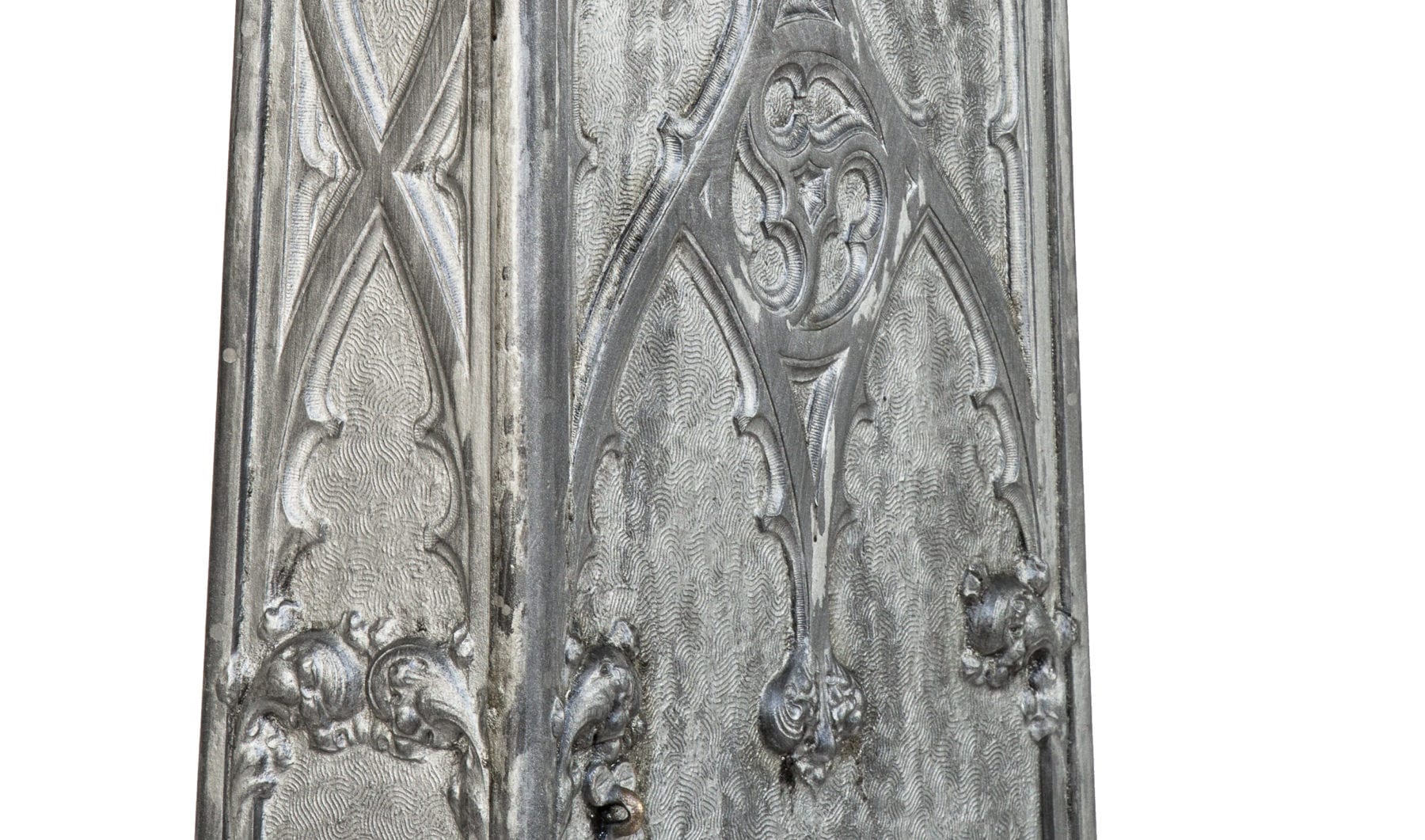
the important 19th century cast aluminum gothic style grille with trefoils, was rescued from the building’s only elevator that had not been altered (it was used for service or freight purpose, not for transporting the general public). the other elevators were removed and scrapped during early renovations. during demolition the cables were cut, sending the cab crashing into the building’s basement. the aluminum dome was destroyed, but remarkably, most of the cab’s panels survived unscathed.
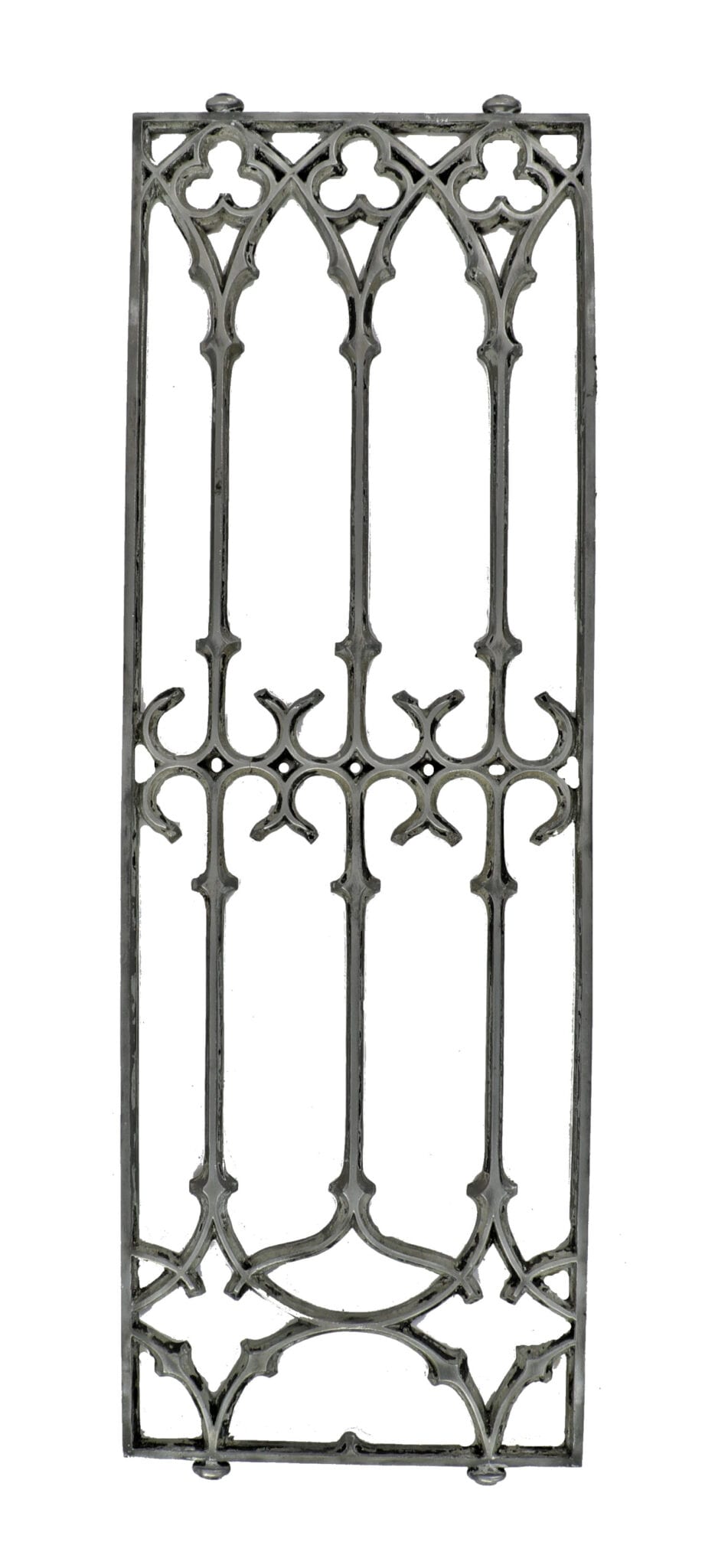
original cast aluminum elevator grille from the isabella building. very few building artifacts comprised of aluminum from the 19th century have survived. courtesy of the bldg. 51 museum collection.
aluminum was first produced as a “metal” in 1825, when danish physicist and chemist hans christian ørsted reacted anhydrous aluminium chloride with potassium amalgam, yielding a lump of metal looking similar to tin. friedrich wöhler was aware of these experiments and cited them, but after repeating ørsted’s experiments, he concluded that this metal was pure potassium. he conducted a similar experiment in 1827 by mixing anhydrous aluminum chloride with potassium and produced aluminum. wöhler is therefore generally credited with isolating aluminum (latin alumen, alum).
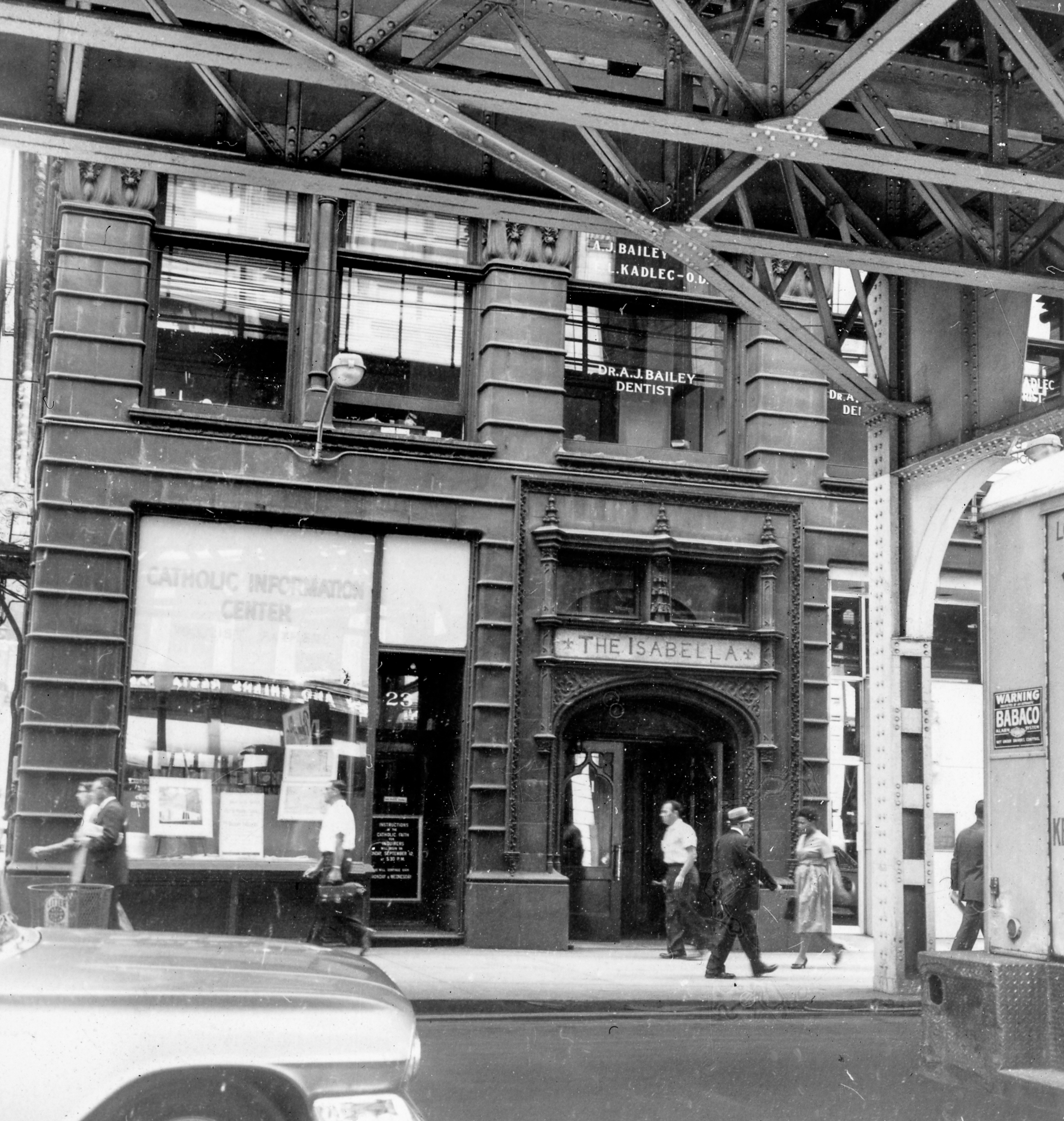
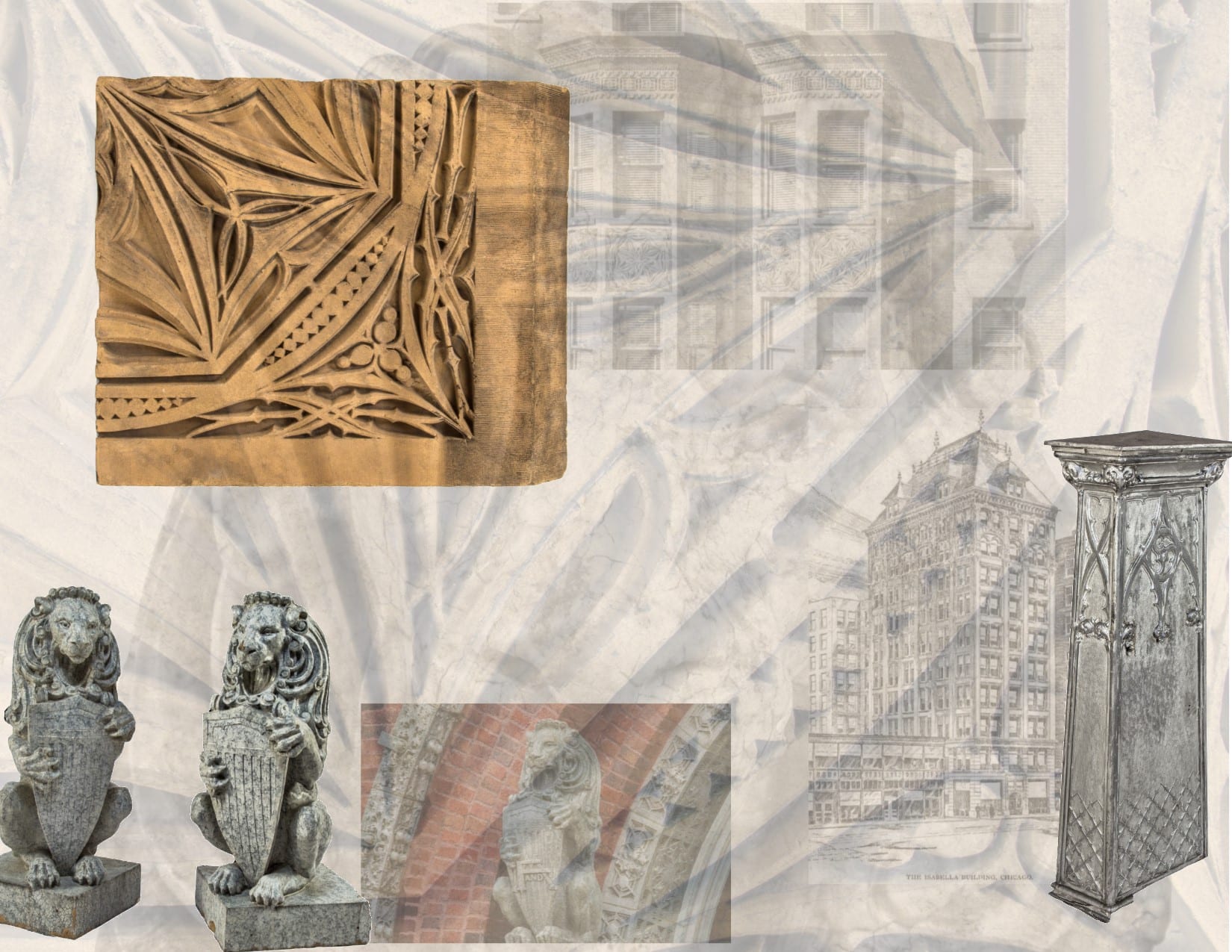
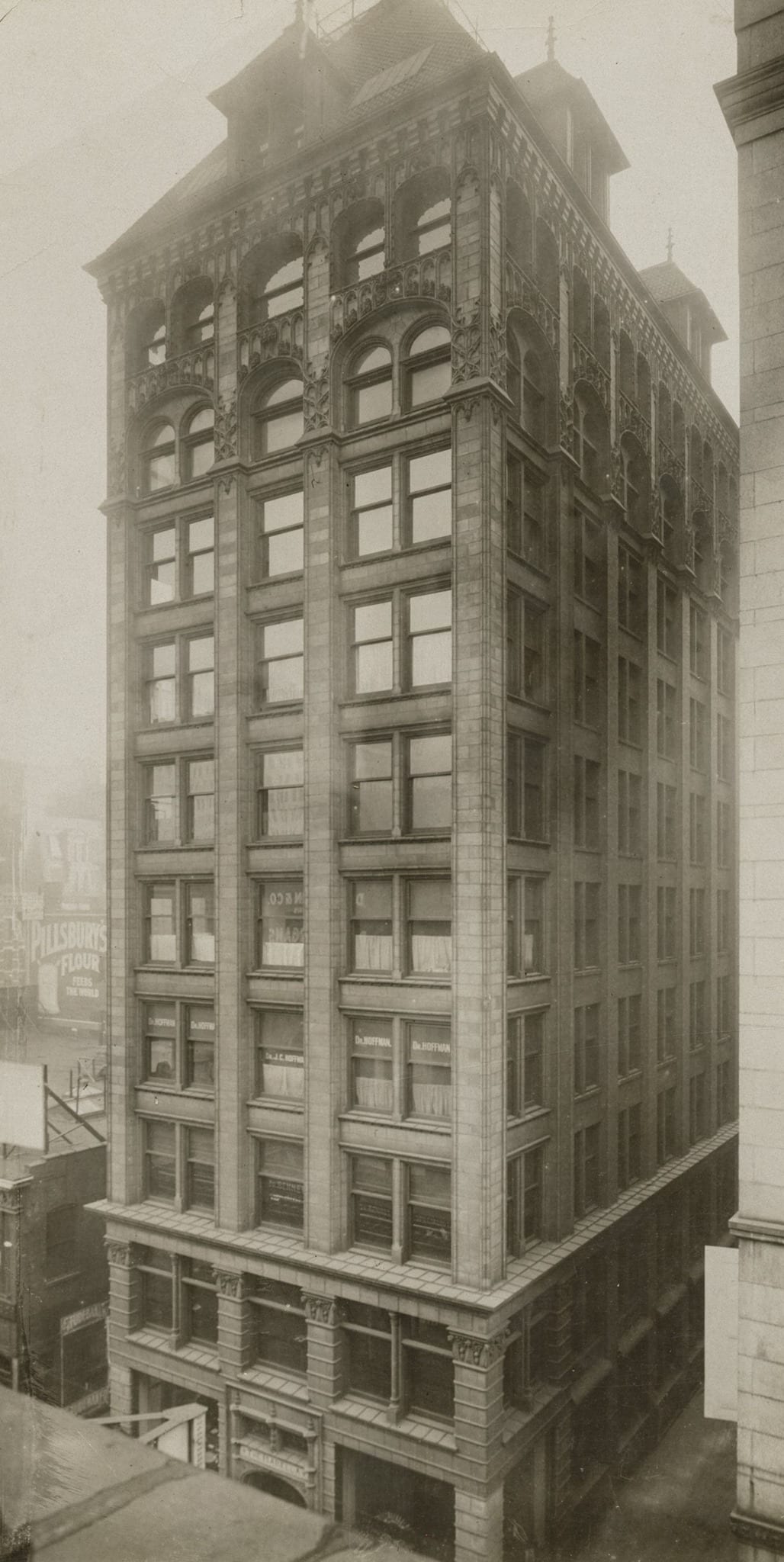
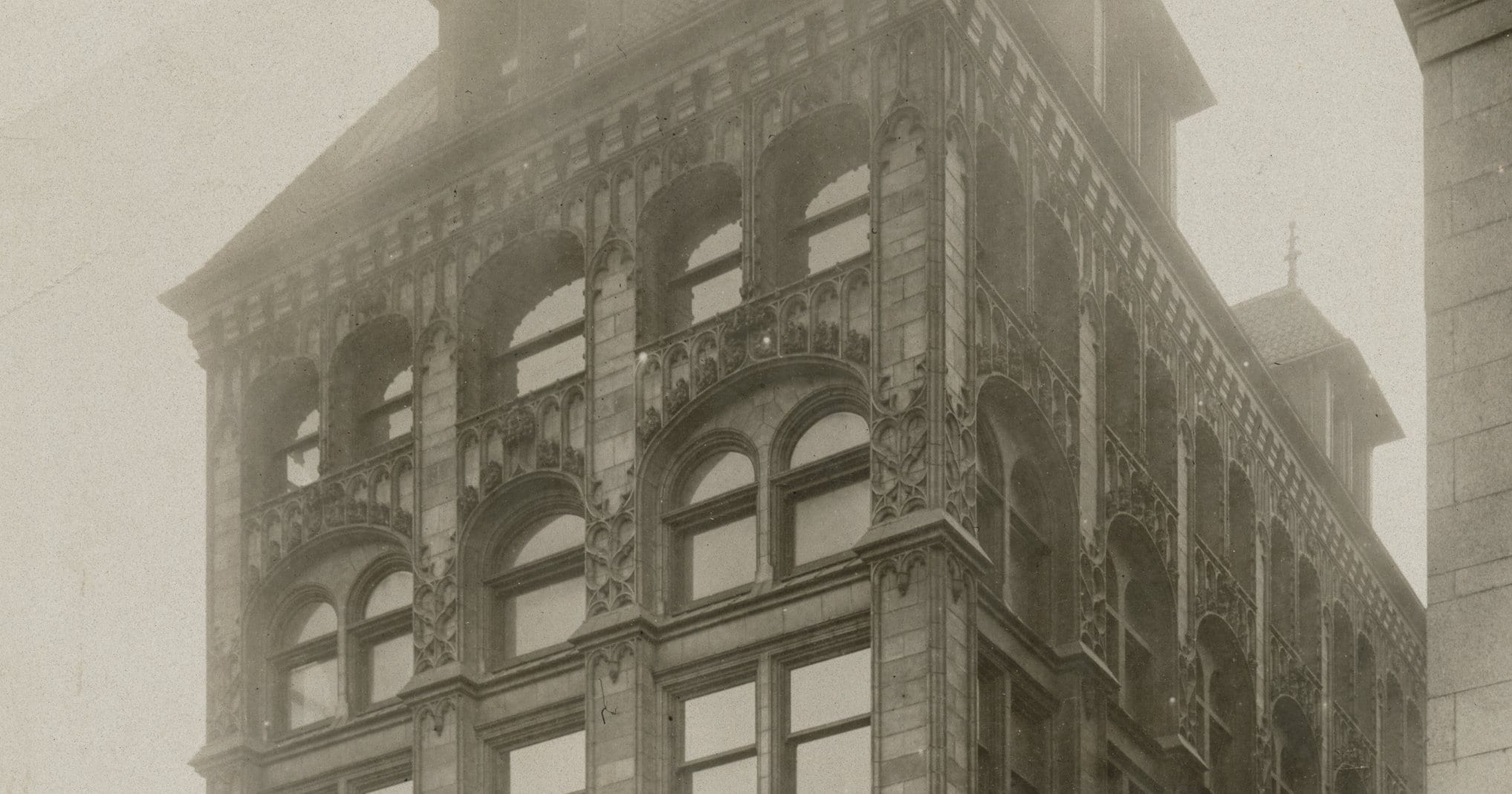
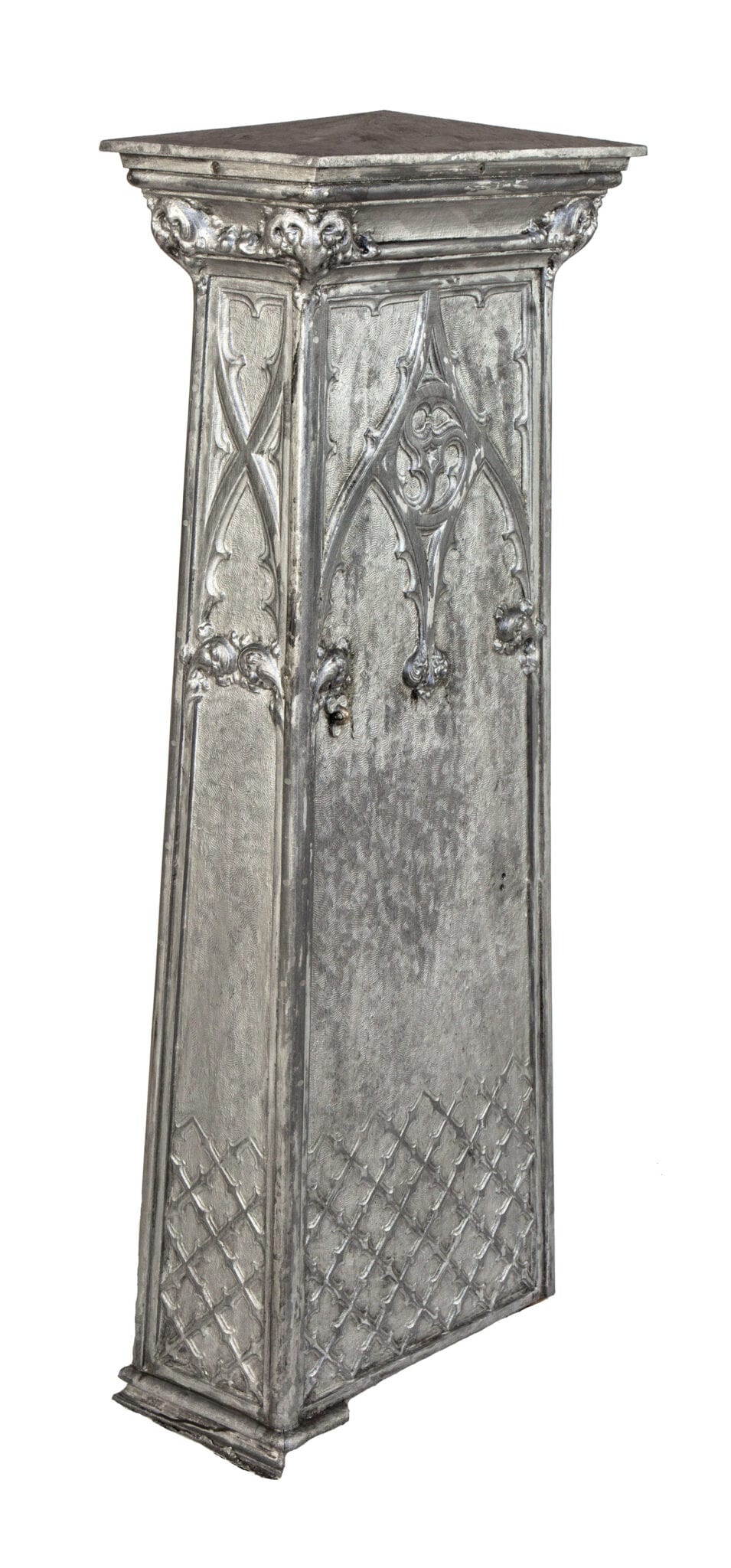
black and white image of the isabella building (1892) prior to facade alteration made by old st. mary’s church in 1964. william le baron jenney, architect. photograph taken by john vinci between 1960-1964. the isabella was destroyed in 2004. the cast aluminum gothic style newel post and two elevators grilles were salvaged from the lobby. copper-plated cast iron balusters were salvaged from the upper floors.
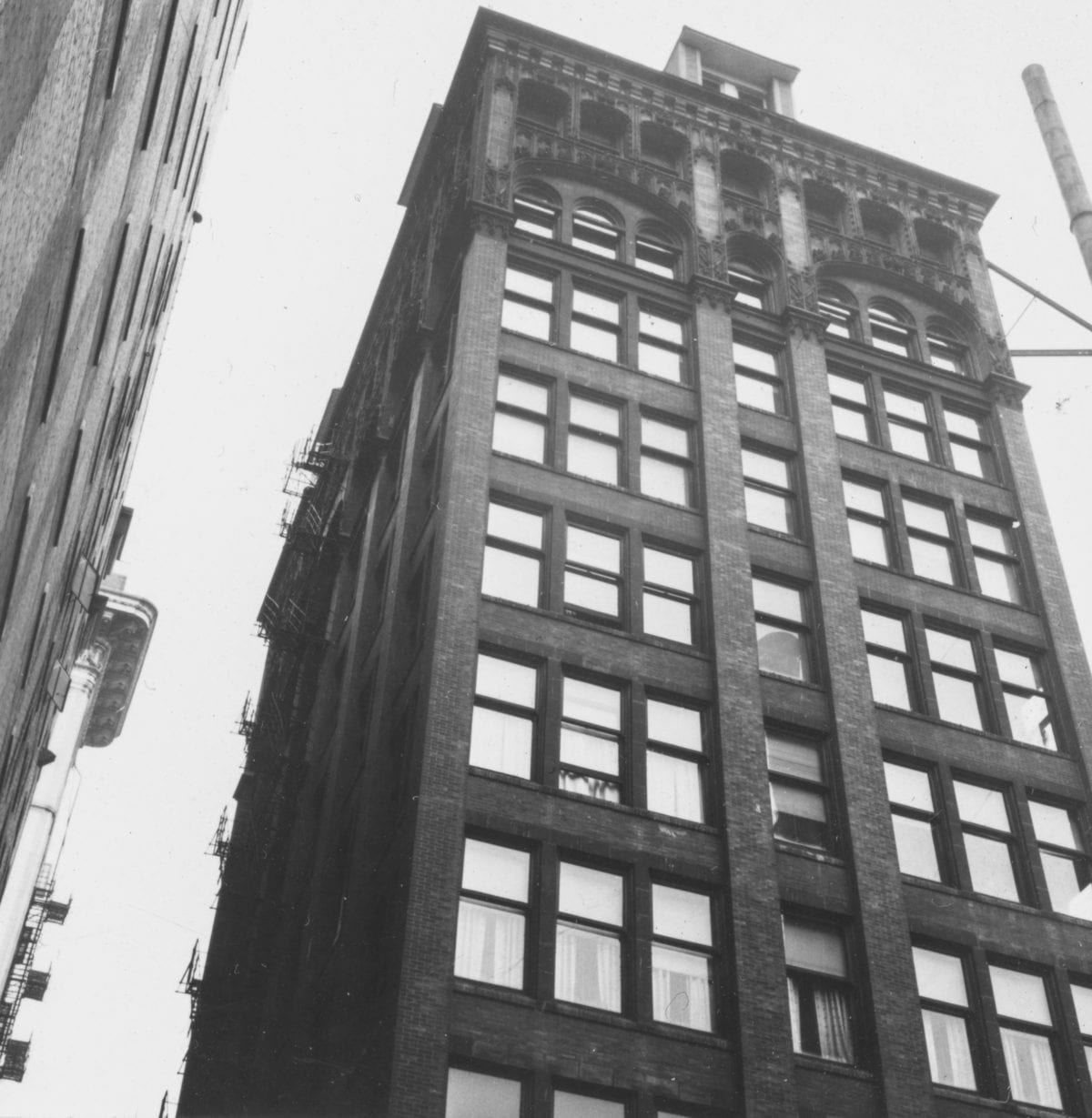
isabella building as it looked in 1956. john vinci, photographer. the building has since been destroyed.
by the mid-19th century, aluminum metal remained exceedingly difficult to produce, which made pure aluminum more valuable than gold. so celebrated was the metal that bars of aluminum were exhibited at the exposition universelle of 1855. aluminium was selected as the material to use for the 100 ounce capstone mounted atop the washington monument in 1884, a time when one ounce cost the daily wage of a common worker on the project. the capstone was the largest single piece of aluminium cast at the time. it suffered some damage from lightening strikes, and was reengineered, redesigned and replaced in the 1934 renovation of the monument.
charles martin hall of the u.s. and paul héroult of france independently developed the hall-héroult electrolytic process that facilitated large-scale production of metallic aluminium. by 1895, the metal was being used as a building material as far away as sydney, australia in the dome of the chief secretary’s building.
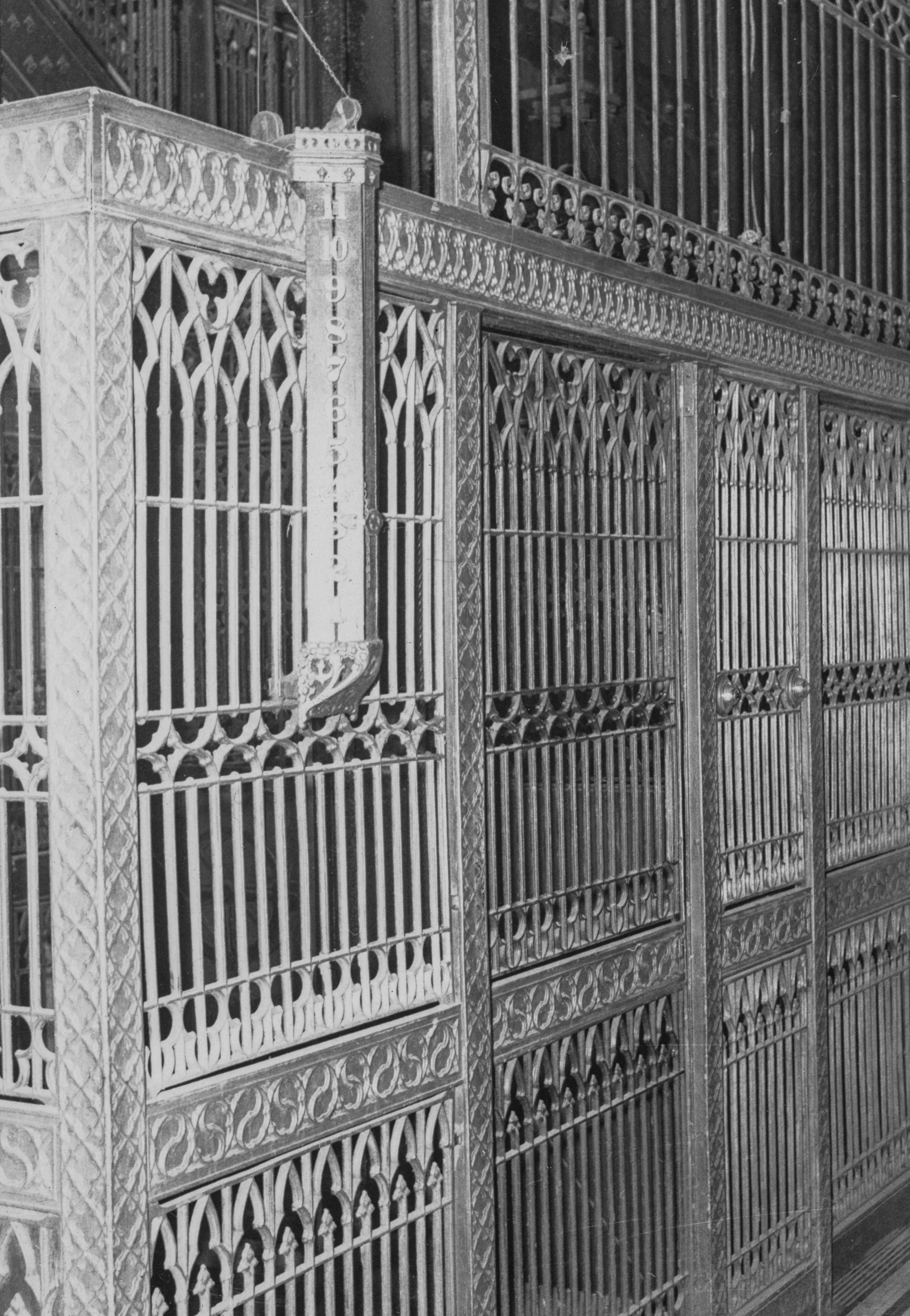
rare glimpse at the isabella building’s aluminum elevator grilles, taken in 1956 by architect john vinci.
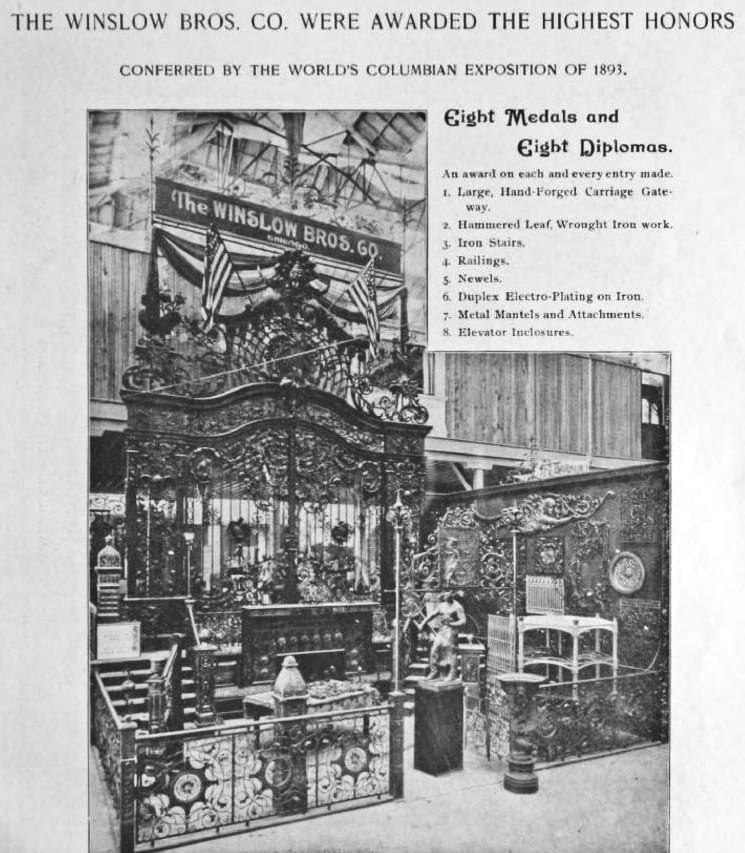
the use of aluminum as ornament in the monadnock, venetian, and isabella offered an economical, lightweight alternative to cast iron, brass, and bronze. the monadnock (burnham & root) stands as one of the first buildings to fully embrace material for ornamental elements used throughout the building’s lobby. aluminum alloys were further promoted and/or showcased at the world’s chicago fair of 1893, where it was exhibited as a modern technology. the chicago-based winslow brothers readily embraced the material, where their foundry fabricated and installed aluminum architectural ornament in all three buildings.
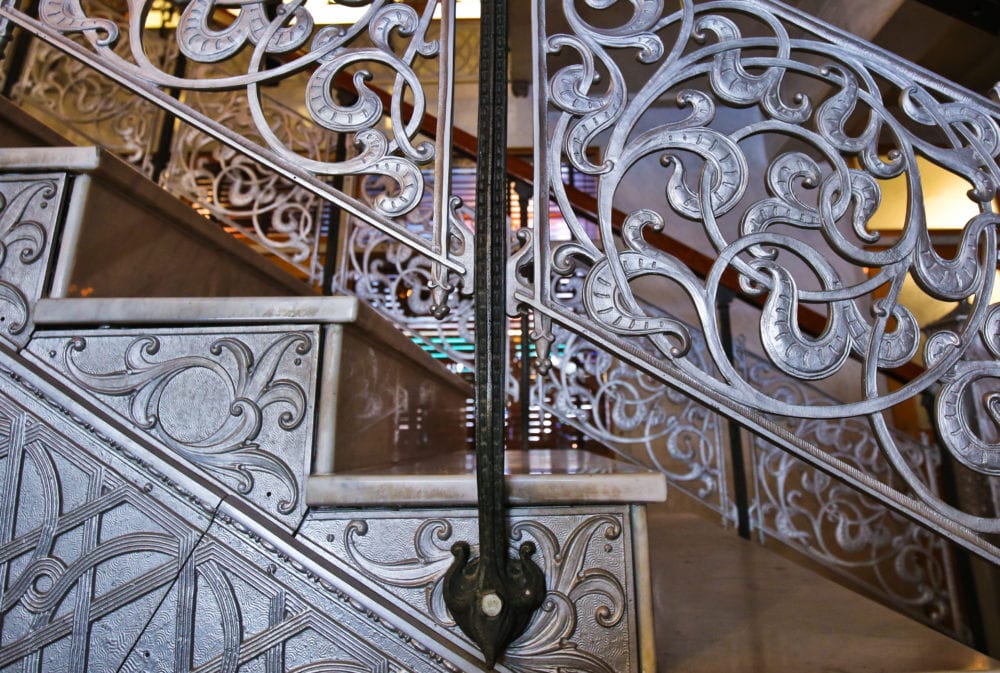
the aluminum lobby staircase recreated by john vinci in 1989.
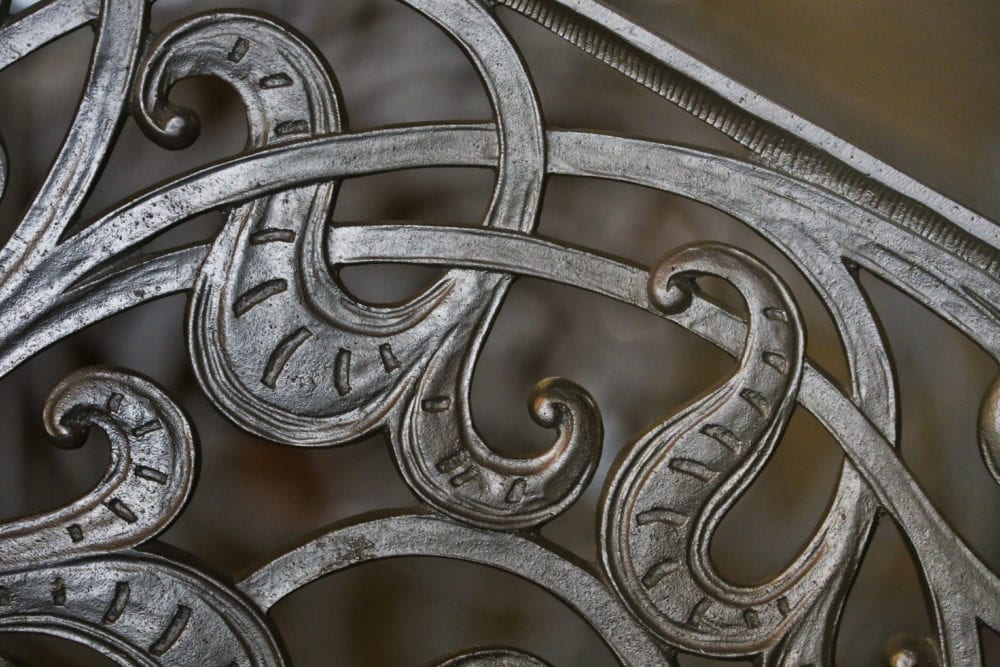
the gothic style isabella building was commissioned by levi z. leiter, who together with jenney erected the first and second leiter buildings designed for both office and retail. the isabella was named for the daughters of isabella, a charitable catholic women’s group that occupied the uppermost floor upon the building’s completion in 1893.
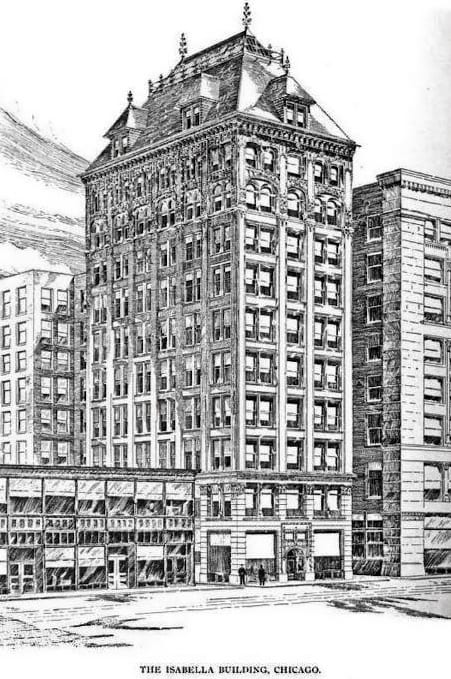
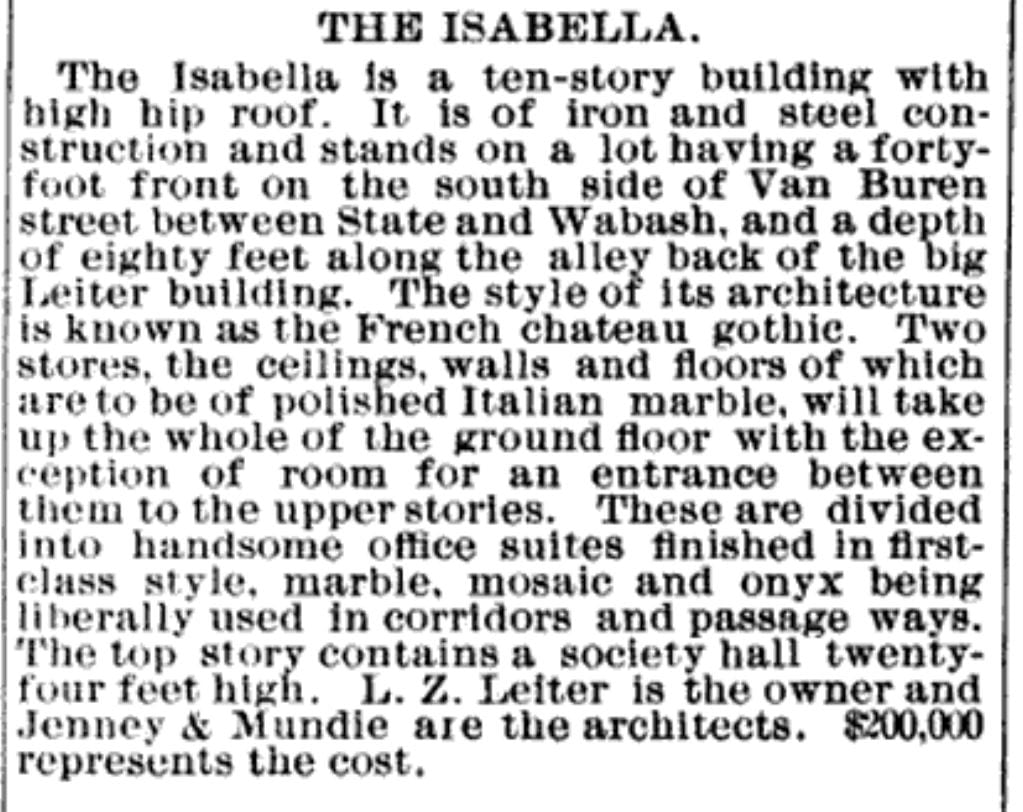
the eleven-story steel-framed structure with raft footings and reinforced with rails, contained an unusual framing system involving wind bracing in the form of “knee braces” (i.e., short diagonal members at the connections between girders and columns). the isbella building was the first american building to be braced this way. on the main street elevation, the first seven stories formed a cellular curtain with continuous piers rising above the belt course and the second floor line. the windows at the eighth and ninth stories lie under a high hipped roof topped by a central gabled skylight. the building was damaged by a fire (floors 5-6), whereby the hipped roof and five floor below it were removed, leaving a “stump.” a portion of the lower facade was partially obscured behind a false facade built in 1964 by saint mary’s church (owner of the building at the time).
the isabella was designed by the architectural firm of jenney and mundie, with partner william le baron jenney considered one of chicago’s most important architects, known as the “father of the skyscraper.” interestingly, the isabella’s gothic design was a stylistic departure from jenney’s earlier “chicago school” buildings. the exterior featured elaborate gothic detailing (executed in copper), along with a pitched rooftop that would later be reincarnated in cass gilbert’s 1913 woolworth building, known as the “cathedral of commerce.” the primary tenant, for whom the building was built for, contributed to the use of unconventional gothic stylistic elements designed by jenney. shortly before demolition in 2004, the building was left largely neglected with nearly all of the upper floors vacated by tenants long ago.
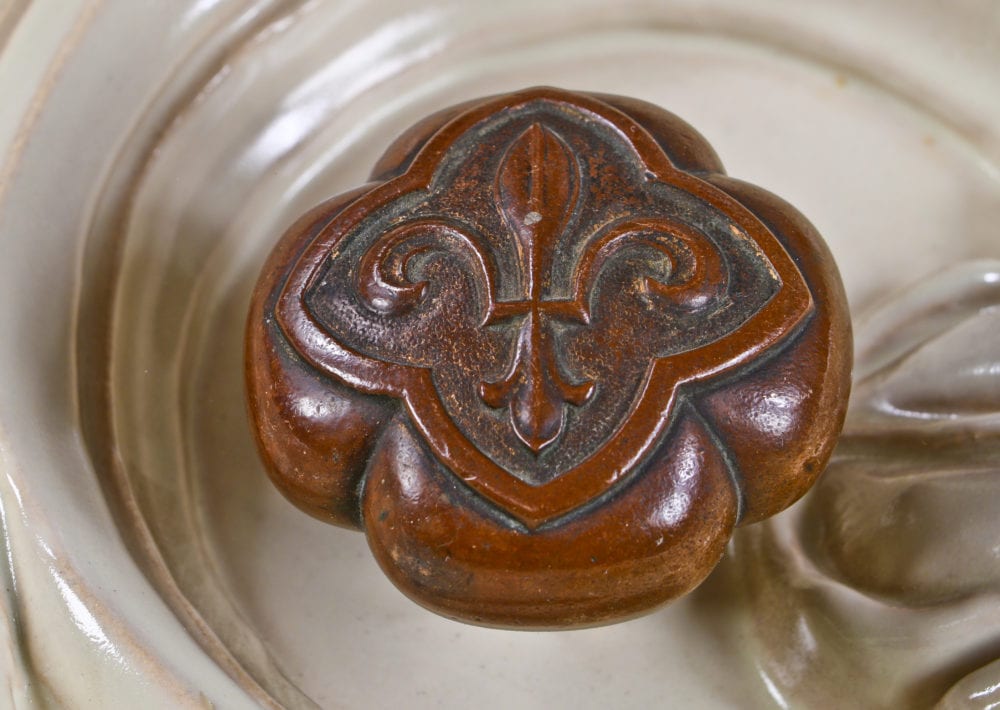
original isabella building office doorknob. courtesy of the bldg. 51 collection.
further reading on the winslow brothers foundry:
the winslow brothers foundry (specializing in ornamental iron and bronze work) was founded around 1887 by brothers william and francis winslow. within a very short time thereafter, the winslow brothers would become one of the most accomplished foundries; outfitting numerous notable buildings and residences with skillfully executed metal ornament well into the 20th century.
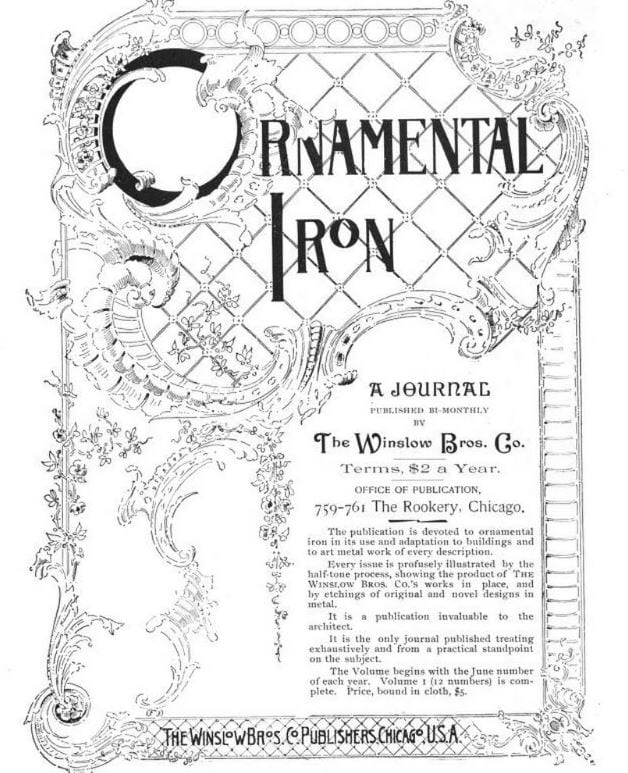
as early as 1881 william winslow was involved in foundry work when he joined the prestigious helca iron works of new york as office man and later as partner in 1883. helca would later receive the commission to supply any and all ornamental ironwork (under winslow’s supervision) for burnham and root’s rookery building in chicago. interestingly, the winslow brothers would later install elevator systems in the rookery when they briefly ventured into elevator manufacturing. in 1885 winslow moved to chicago and joined e.t. harris to form the firm of harris and winslow, manufacturers of ornamental iron and bronze. after harris retired, winslow and his brother francis established the winslow brothers company, which was first listed in a chicago directory in 1887, at 99-109 west monroe street, with william as president and francis as secretary and treasurer.
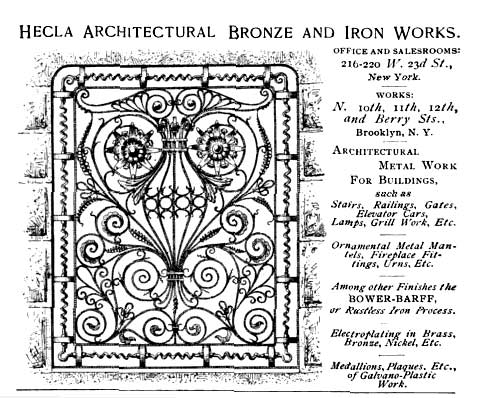
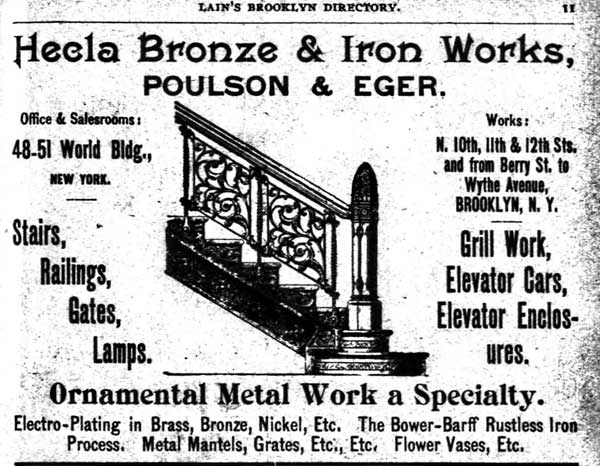
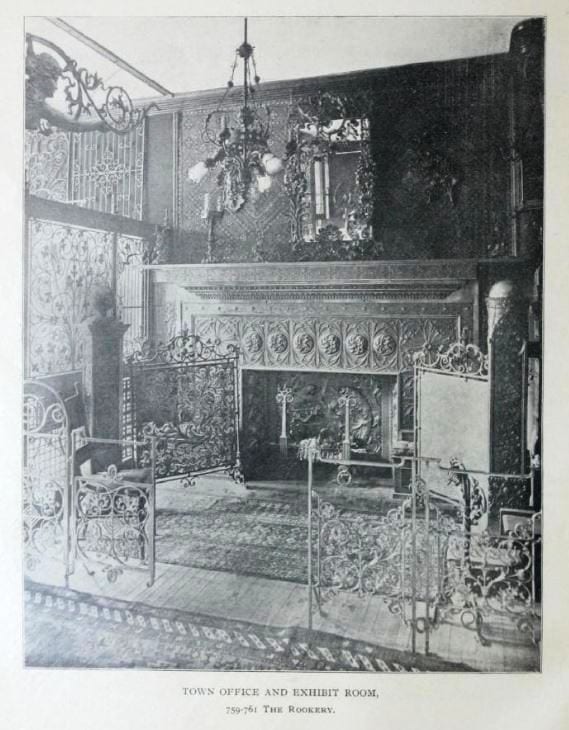
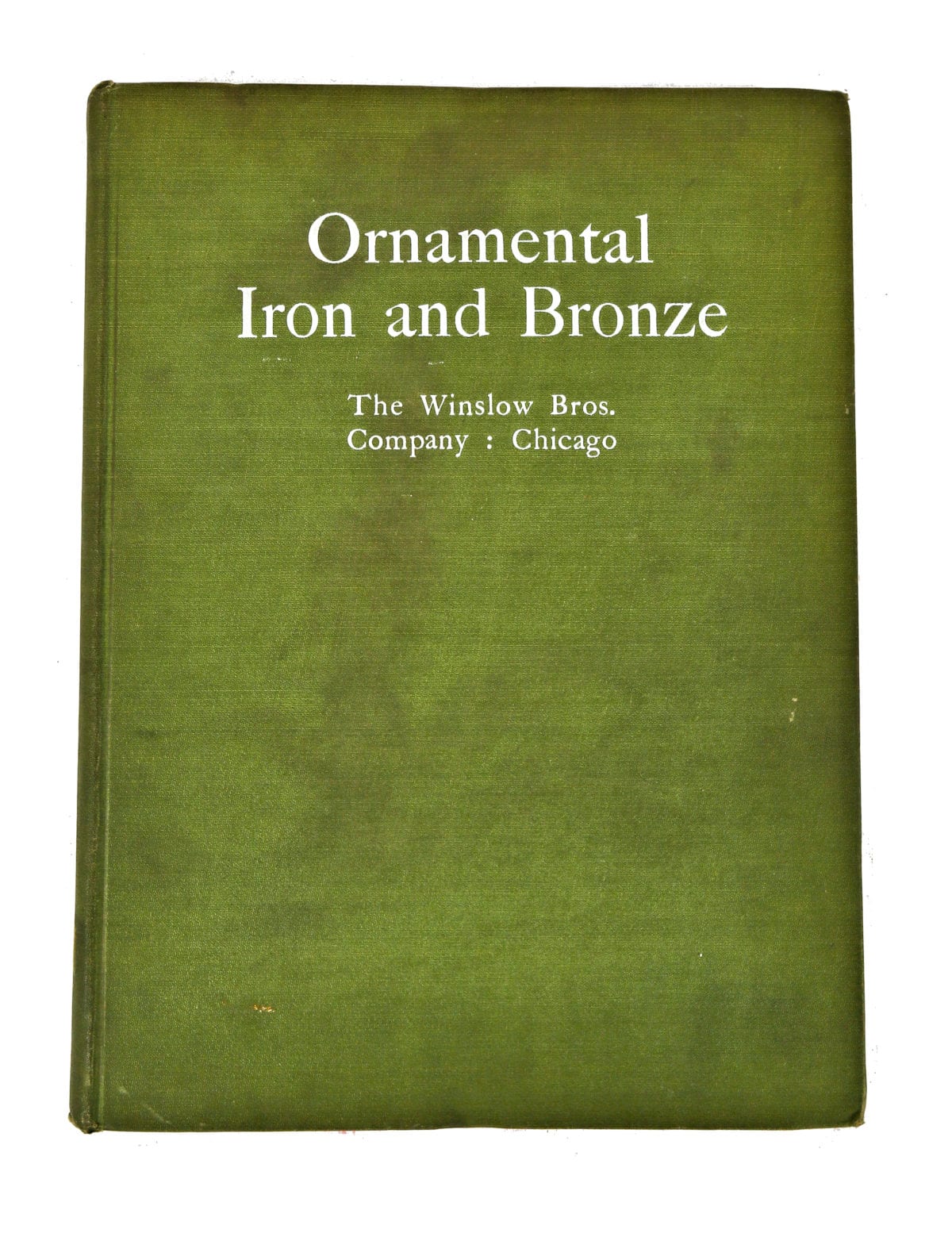
the winslow firm was represented at numerous international exhibitions, such as the world’s columbian exposition of 1893, where they were awarded eight metals. in 1900, they were awarded the grand prix, two gold medals and three honorable mentions at the exposition universelle in paris, france. the firm’s rapid growth led to the establishment of offices or selling agencies in new york baltimore, pittsburgh, new orleans, minneapolis, los angeles kansas city, and san francisco. according to several heavily illustrated catalogs for the winslow brothers, their foundry produced some of the finest bronze and ironwork for several building commissions across the country. their work included stair balusters, signage, elevator grilles, exterior storefront ornament, lighting fixtures and other metal ornament used within the interiors and exteriors of commercial buildings and residences.
in 1905 winslow brothers constructed a new manufacturing plant consisting of six buildings, one and two storied, covering 175,00 square feet of floor space. it was built on the tract of land bounded by forty-sixth and forty-seventh avenues and van buren and harrison streets, and cost $150,00-200,00 to build. raeder & coffin were the architects on record.
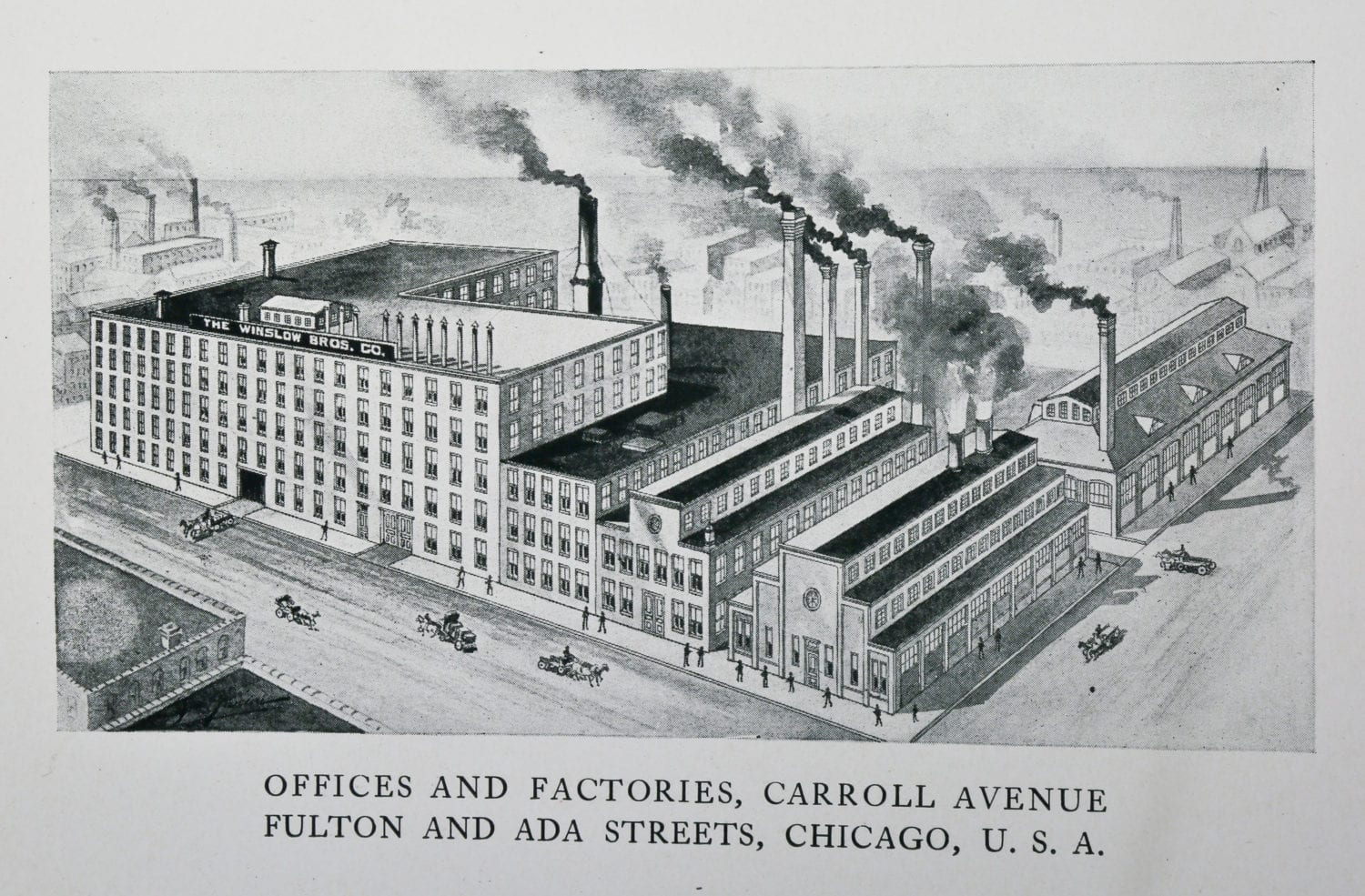
winslow brothers continued to thrive in the fabrication of customized architectural metalwork throughout the country well into the early 20th century. world war i dramatically changed both their operation and output, where nearly all of their divisions within the newly built plant were now focused on a “patriotic campaign” in the form of a seemingly endless fabrication of artillery shells. a catalog and/or special booklet from 1919 (author’s collection) is completely devoted to operations surrounding the war effort, with absolutely no mention of their former life as a highly specialized ornamental metal foundry. in fact, the cover of the catalog contains a single graphic, in the form of a lightly embossed metallic gold shell casing and nothing more. when the war drew to a close, the winslow brothers gradually shut down any and all remaining operations. the pressure of maintaining day-to-day operations, coupled by labor unrest were some of the factors leading to their decision to close down the plant. the drawn out shut down and selling of the company’s assets occurred between 1919 through the early 1920’s.
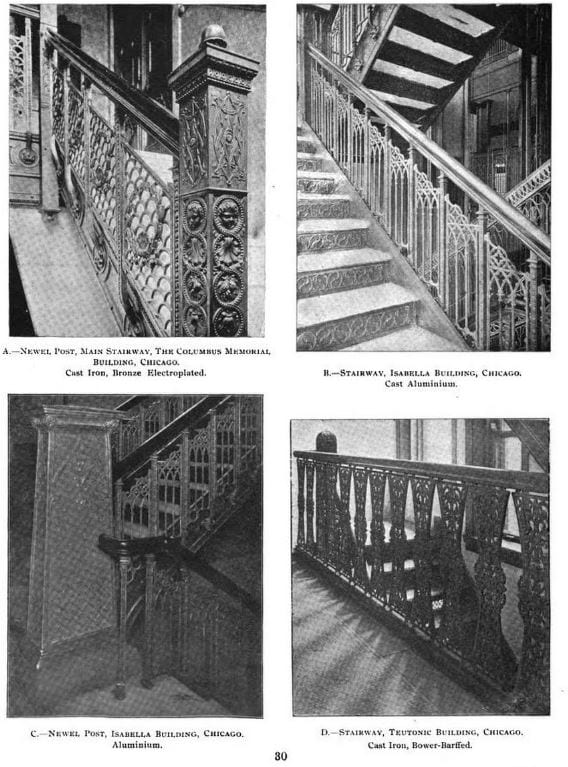
note: the cast aluminum newel and balusters were used on the first floor only. the upper floors were outfitted with copper-plated cast iron staircase components. the venetian and monadnock were built using the same configuration – aluminum on the lobby level, cast iron on the upper levels.
like venetian and monadnock, the isabella building’s aluminum ornament was used in the lobby areas only. the upper floors of the three buildings were outfitted with copper-plated or bower-barff cast iron, fabricated by winslow.
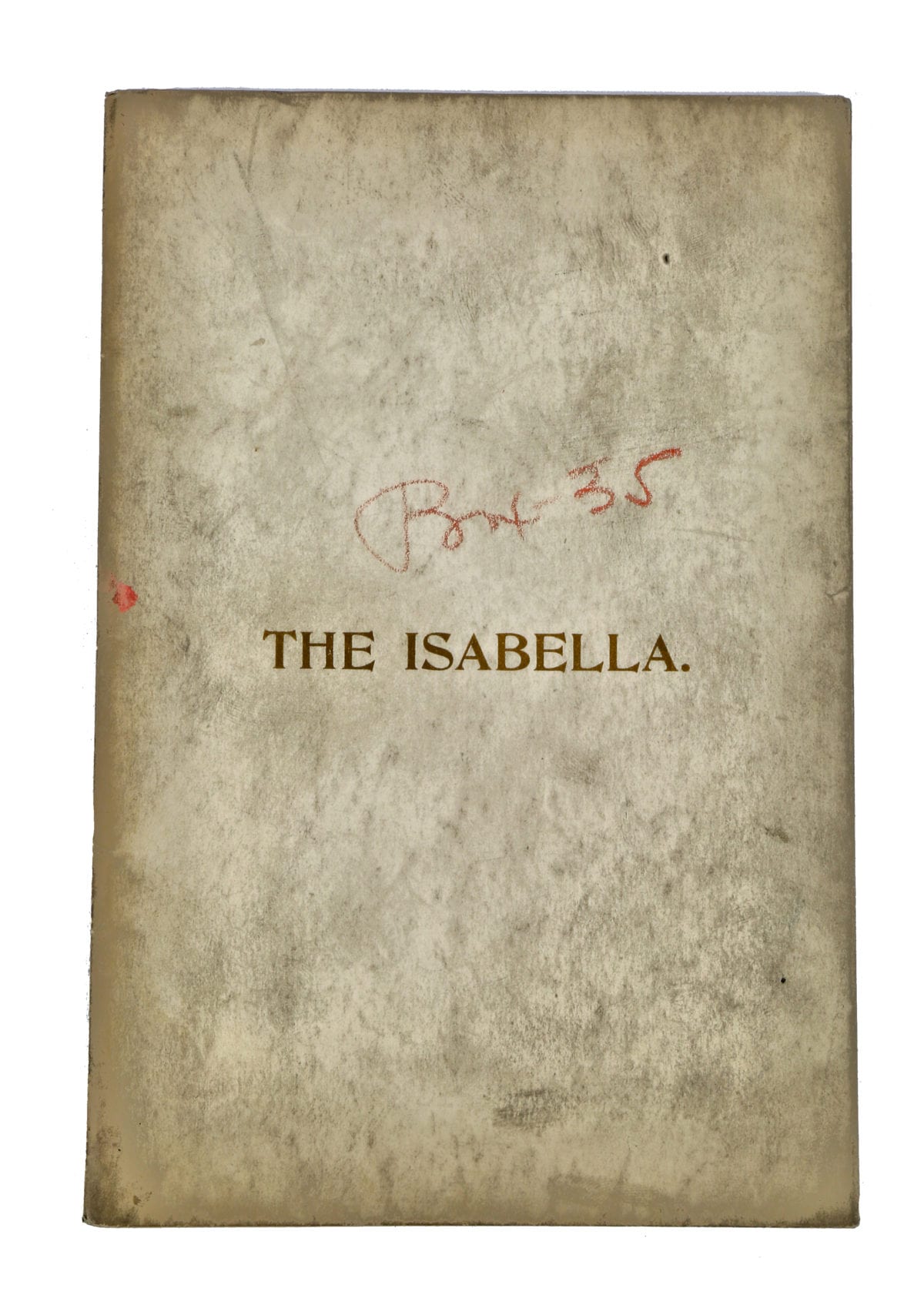
exceedingly rare isabella building booklet made available to prospective tenants. the booklet was apart of the original william le baron jenney office library.
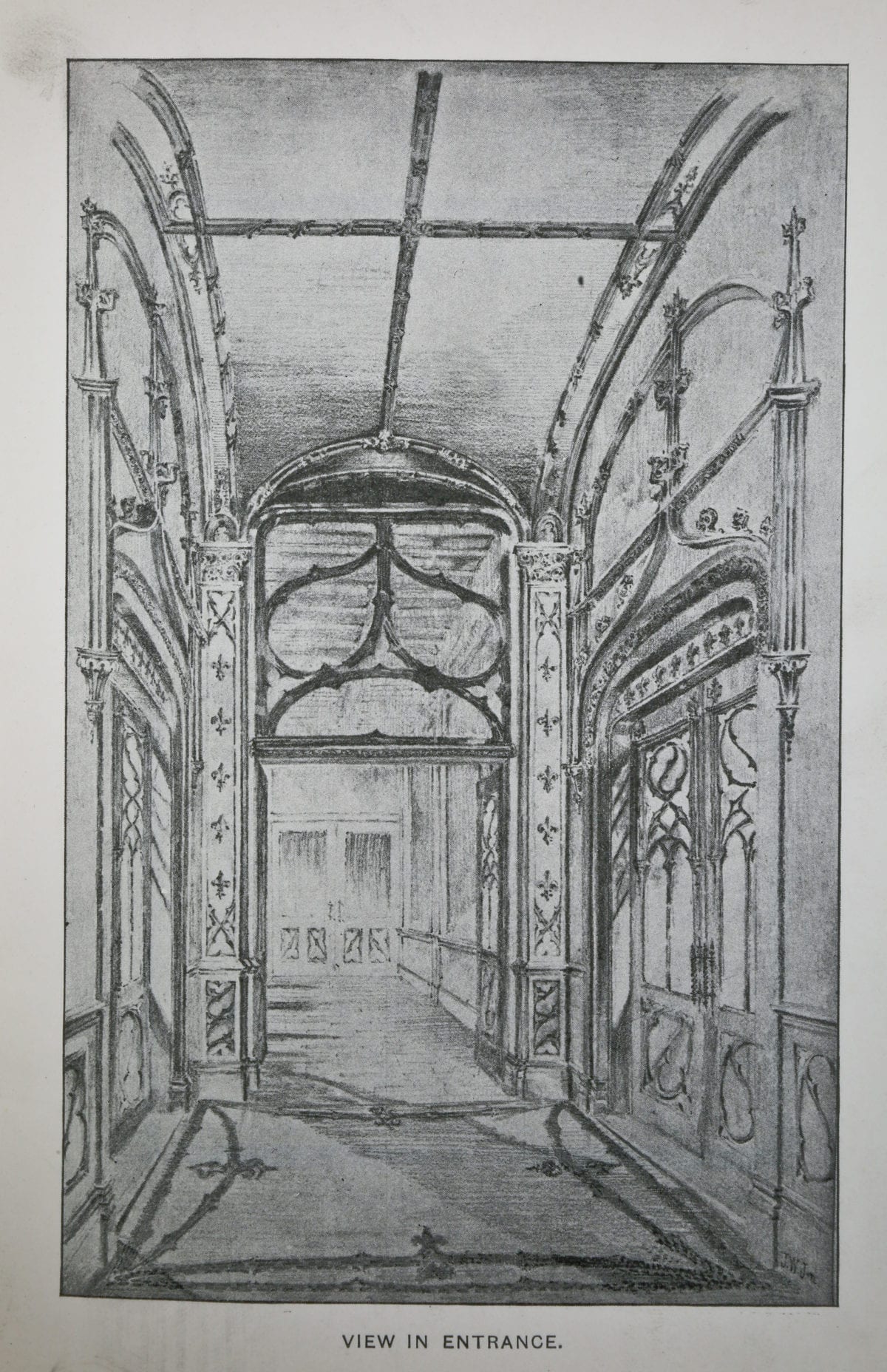
exceptional view of the isabella building’s lobby.
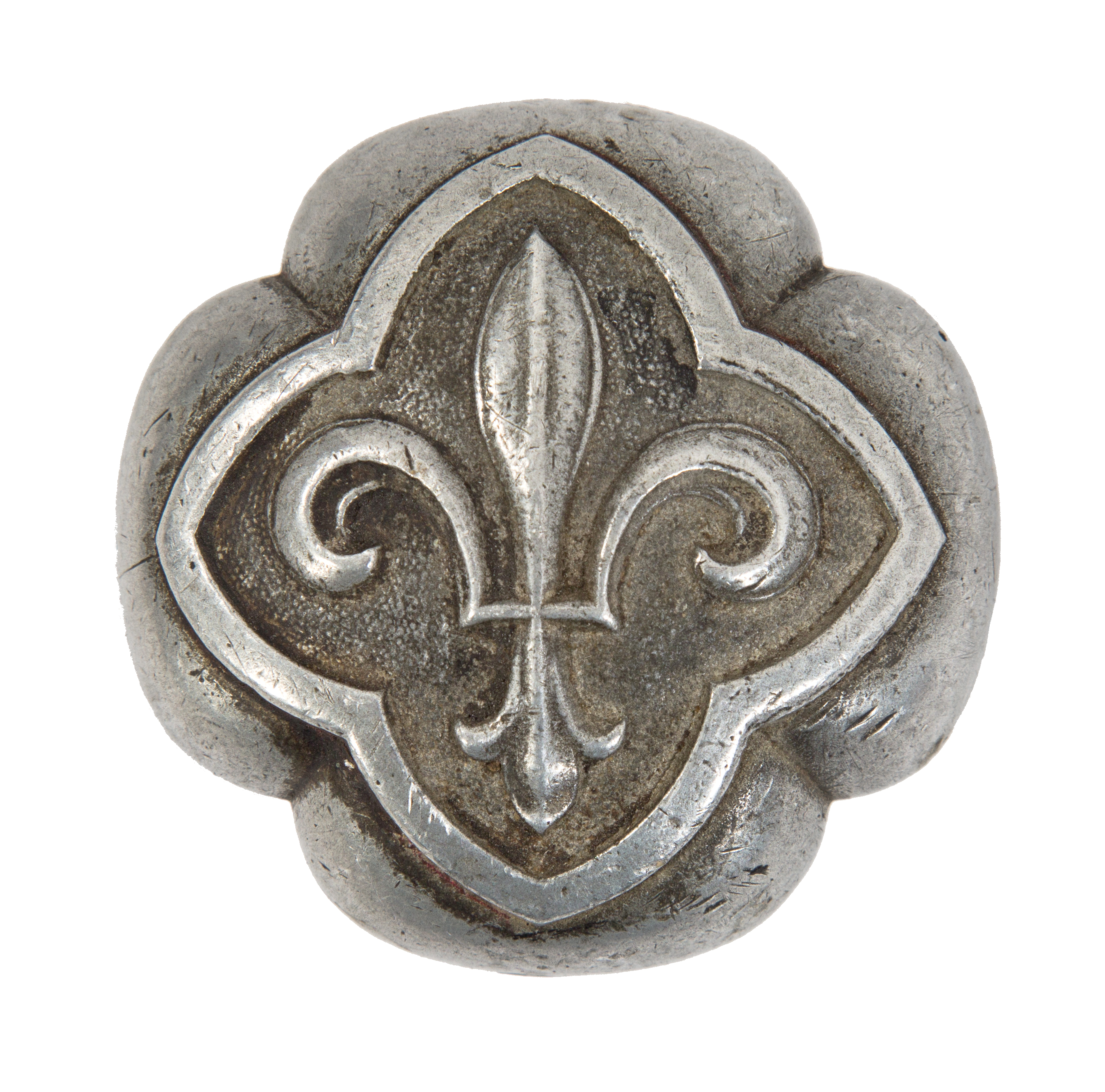
the isabella building’s aluminum door hardware was used on the first floor and/or lobby. the upper floors were outfitted with cast bronze backplates and doorknobs – all sharing the same fleur-de-lis pattern. the doorknob shown above is a very rare example that survived the building’s demolition in 2004. the isaabella building’s hardware was fabricated by the yale & towne mfg. company. in addition to the isabella, the first floor of burnham & root’s monadnock (1891) and holabird and roche’s venetian building (1892) were outfitted with aluminum ornament, including door hardware. the few existing examples from the monadnock were fabricated by the reading hardware company. unfortunately, there are no known examples from the ventian building.
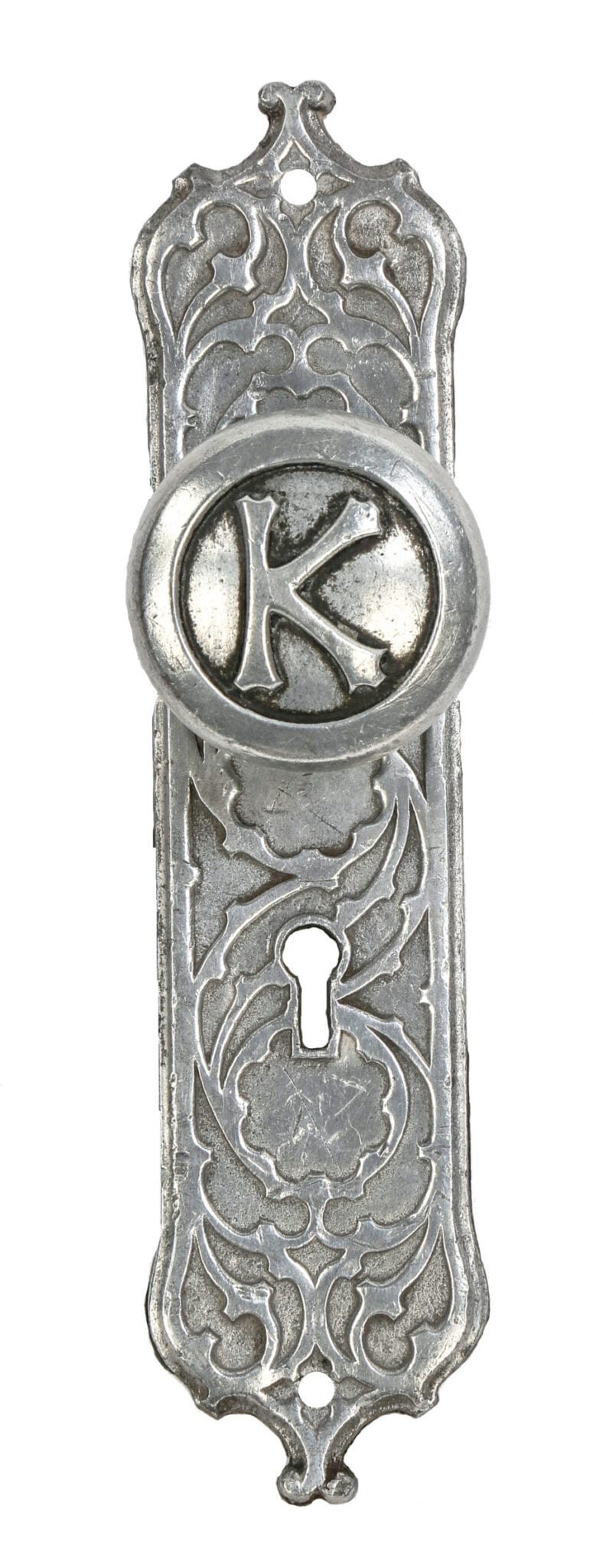
original historically important cast aluminum monadnock building (1891-1893) doorknob and backplate designed by john w. root. the mondanock was one of the earliest commercial buildings to use aluminum as ornament. burnham and root, holabird and roche, architects. the lettered doorknobs (i.e., m,k, and w) indicated which building offices resided in ( “k” represented mount kearsarge in new hampshire). collection of tim samuelson.
further reading: