
29 Mar an early descriptive narrative of the historically important downtown chicago montgomery ward building
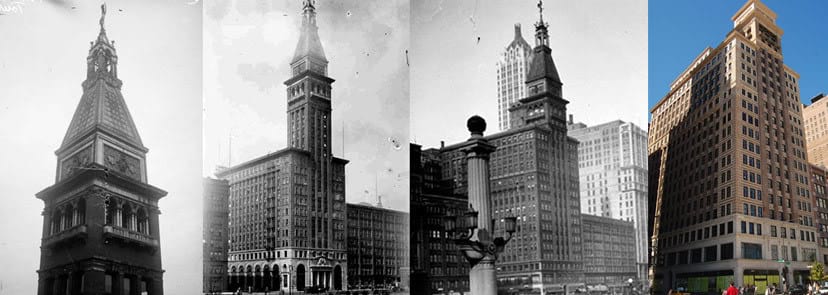
below is a descriptive account of the montgomery ward building, paraphrased from the inland architect and news record published in 1901, and describes the many facets of the construction process.
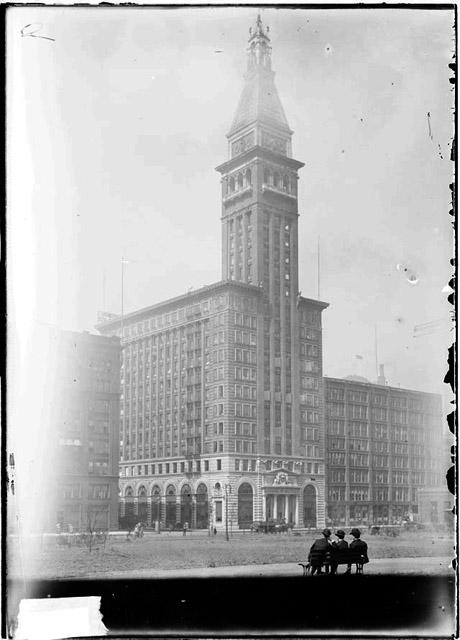
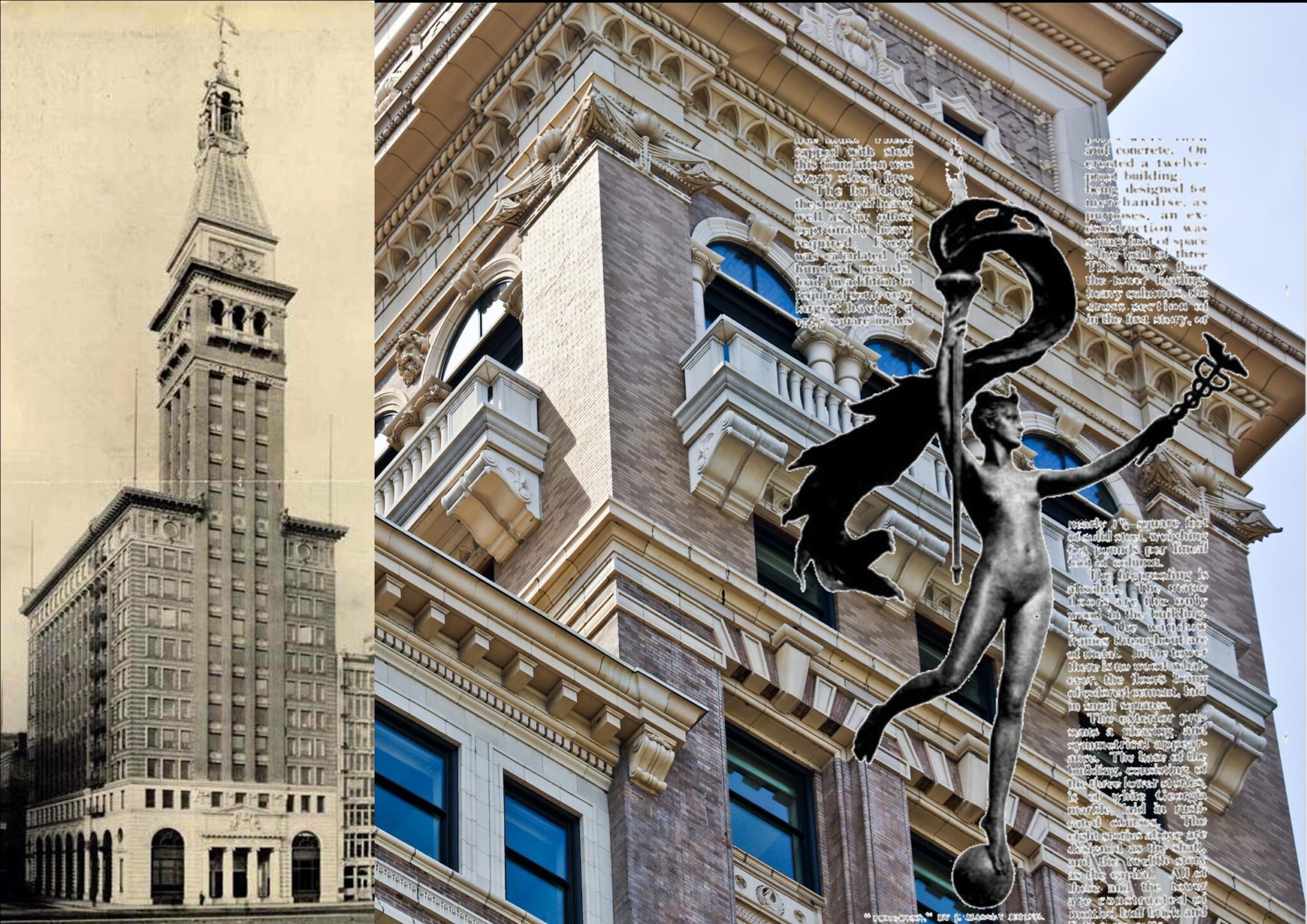
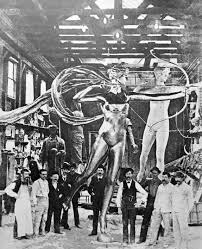
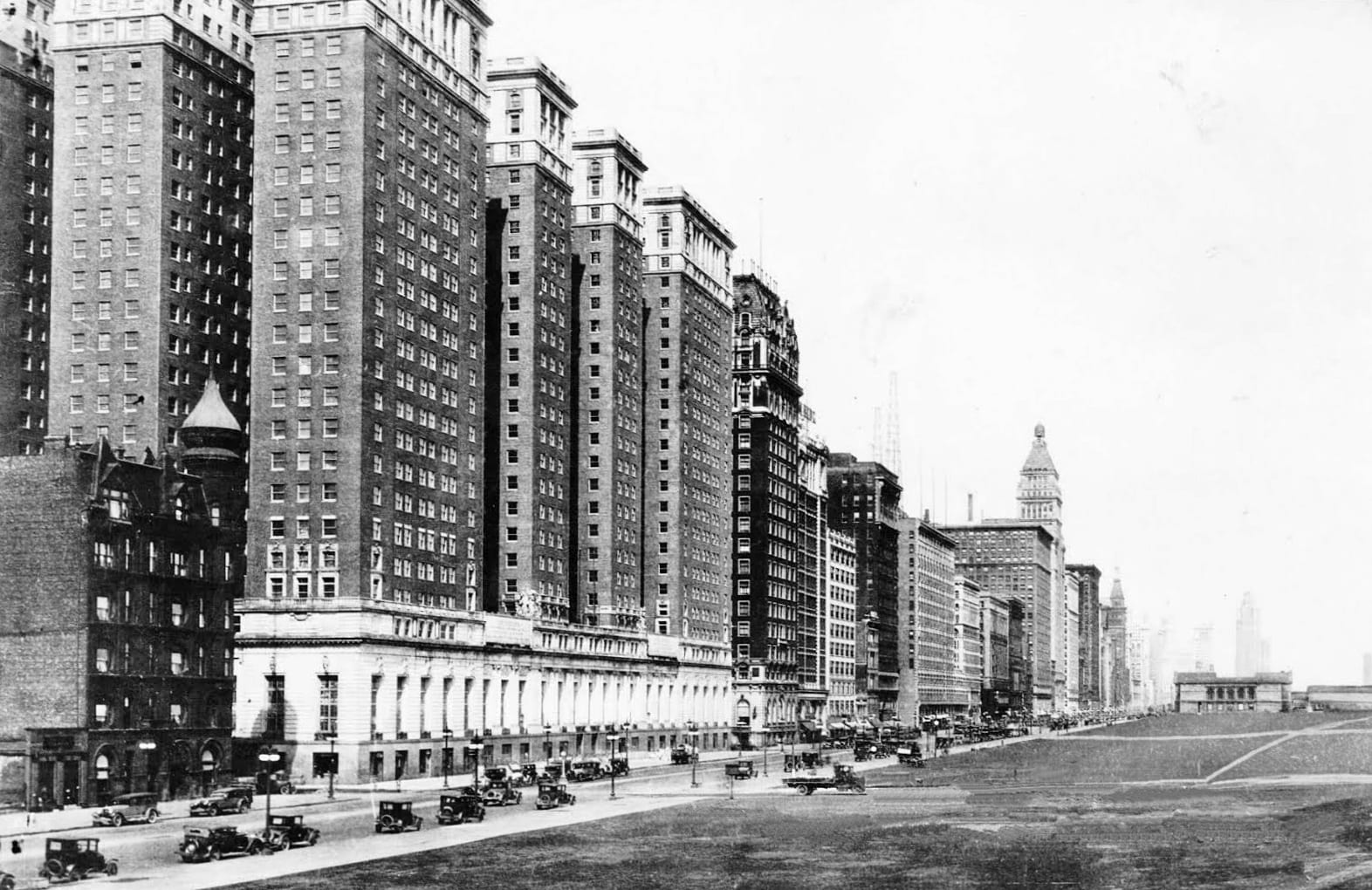
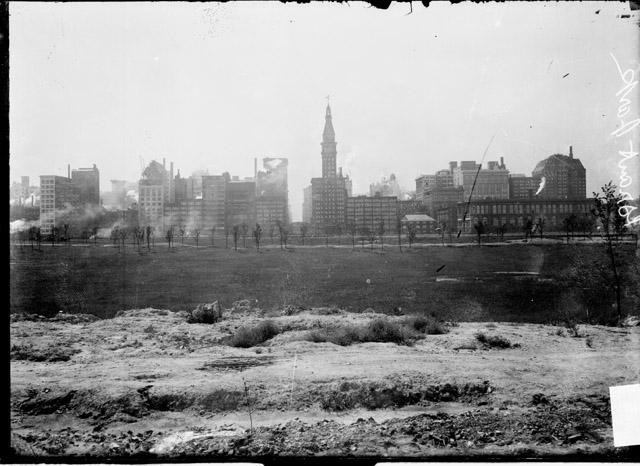
at the time of construction, the montgomery ward building was the tallest in chicago, topping out at nearly 394 feet above the pavement, on the corner of madison and michigan avenue. a double life-size figure representing progress sat atop the building in the form of a gilded copper female figure that revolved as a weather vane. visible in clear weather from all parts of the city, and from a long distance on the lake, this unusual apparition magnetized the attention of several million people when it first made its appearance in 1898, and called special attention to the montgomery ward & co. building, of which it was the crowning feature.
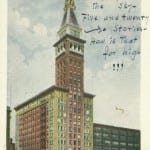
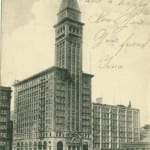
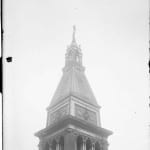
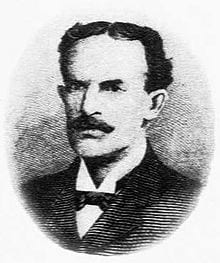
the design of richard e. schmidt was described as a tower — the highest structure in the country besides the washington monument and philadelphia’s city hall — surrounded on three sides by an office building designed for the occupancy of one firm only. the tower was naturally suggested from the fact that the building fronted toward the lake, and that the view in that direction would, in all probability, never be obstructed. the ordinary practical difficulties of construction for such a high tower were augmented by the comparatively narrow frontage on michigan avenue, only eighty-six feet.


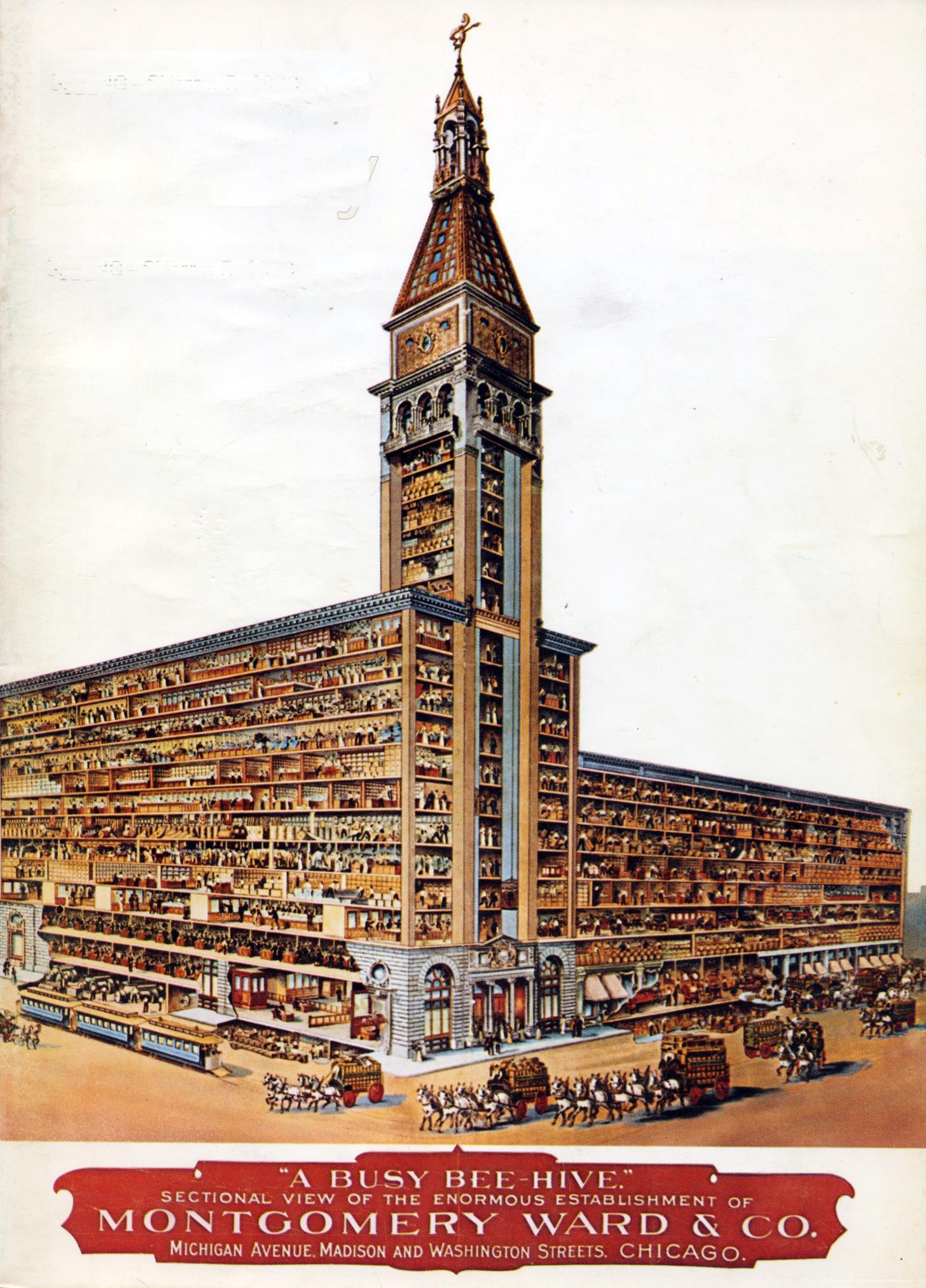
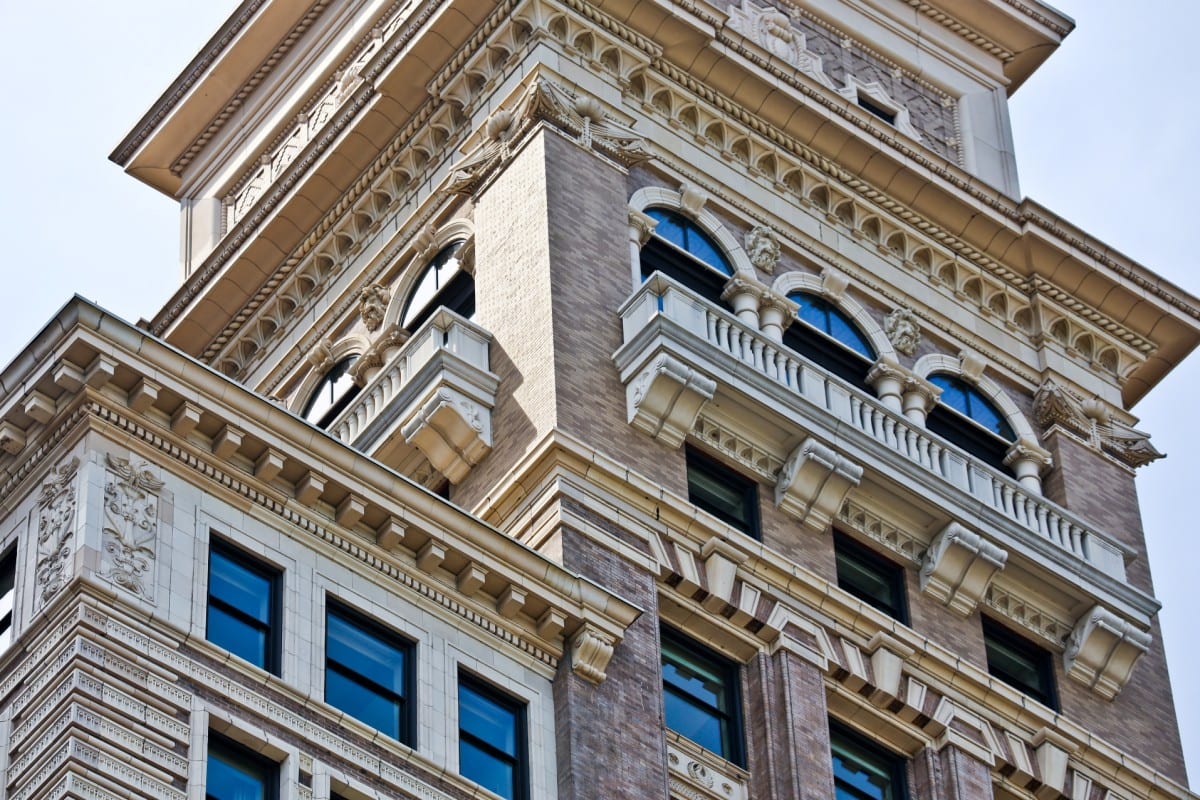
the foundation soil being uncertain, about twelve hundred 50 foot 15-inch norway pine piles were driven to 68 feet below street grade, each to support an estimated load of 25 tons. these piles were then capped with steel and concrete. on this foundation was erected a 12-story steel, fire-proof building. being designed for merchandise, as well as for office purposes, an exceptionally heavy construction was required. every square foot of space was calculated for a live load of 300 pounds. this heavy floor load, in addition to the tower loading, required some very heavy columns, the largest having a cross section of 177.7 square inches in the first story, or nearly 1 1/4 square feet of solid steel, weighing 60.5 pounds per lineal foot of column. the fireproofing is absolute. the maple floors are the only wood in the building. even the window frames throughout are of metal. in the tower there is no wood whatsoever, the floors being of colored cement, laid in small squares. the exterior presents a pleasing and symmetrical appearance. the base of the building, consisting of the three lower stories, is of white georgia marble, laid in rusticated courses. the eight stories above are designed as the shaft, and the twelfth story as the capital. all of these and the tower are constructed of mottled buff brick and light terracotta.
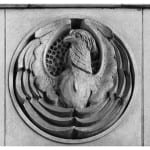
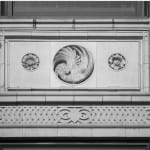
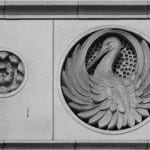
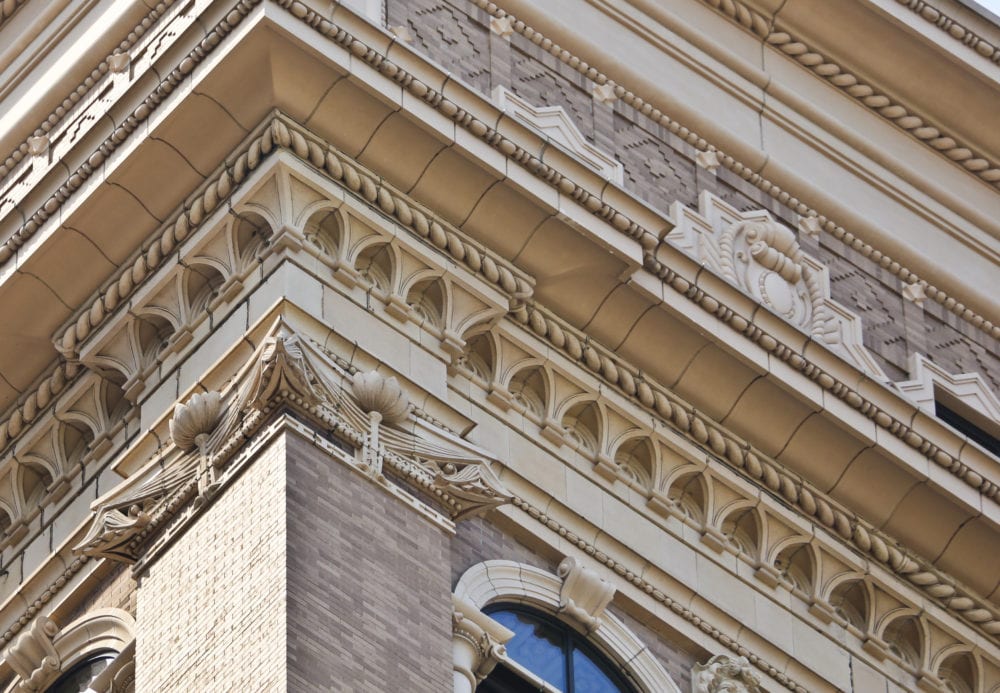
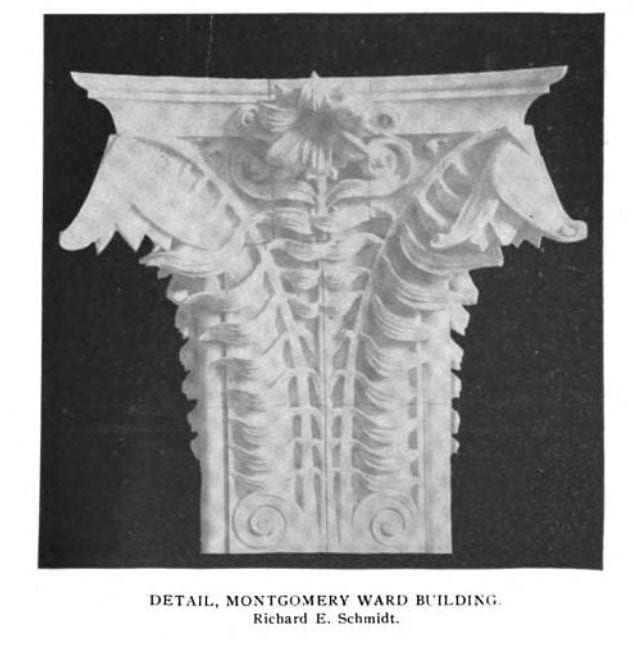
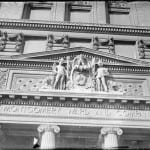
the use of terra cotta permitted a range of ornamentation which would not have been possible otherwise, and the architect improved upon this opportunity by enriching the structure with modeled terra-cotta by the best artists. some excellent marble carvings are also in evidence. the motif for much of the ornamentation was taken from the indigenous plants, birds, fishes, and such. the fish panels in marble represent pike, salmon, muskellonge and trout; of birds, there are pheasants, swallows and cranes. the bronze floor panels represent corn, wheat, rye, millet and all the grains. the tower has general characteristics of the italian renaissance. the superstructure combines all the essentials of modern architectural style, skillfully worked out. the main entrance is through a marble portico, pedimented, in which is a marble fronton (modeled by ph. martiny, of new york) consisting of two lions and two youths on each side of a large shield.

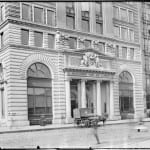
for the tower a most effective ornamentation was designed in the golden tile with which the panels were filled. the gold is fired on terra cotta, and presents a very brilliant appearance, changing with every light, but brightest when the sky is clouded. the gilded copper weather-vane figure previously referred to caps the climax of the ornamentation. it is the work of j. massey rhind, of new york. the requirements of this building were peculiar, as it was designed as a permanent headquarters for a mercantile business which embraced perhaps the largest line of merchandise ever assembled beneath one roof. the mechanical plant, therefore, was of first importance. it furnished power, light, heat and water for three-quarters of the adjoining square. the plant consisted of water-tube boilers, two vertical compound allis engines, four dynamos, high-duty pumps, triplex pumps, adams patent sewage ejector, carbonic acid ice machine for cooling drinking water and circulating pumps for same, electric passenger elevators, high-pressure hydraulic freight elevators, continuous chain elevators, fan system of heating and ventilating, link-belt conveyors, ash conveyors, artesian well pumps, sewing-machines, and more.
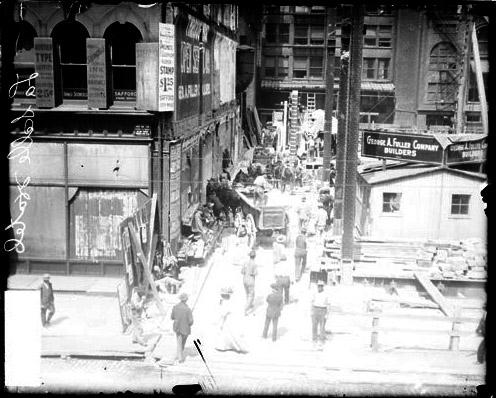
considered with reference to its appropriateness from the standpoint of location, purpose, symmetry, fireproof qualities and details of construction and ornamentation, the montgomery ward building is well worthy of special study. the george a. fuller company, of chicago and new york, were the contractors for the entire building. this company was the pioneer in the new constructional movement whereby every detail of a great building is put into the hands of a single firm of contractors instead of being let piecemeal to the subcontractors direct. before, this method of erecting large structures would have been considered impracticable. the architect would have advertised for bids in the several lines of constructional work, and his superintendent would have been kept busy overseeing the contractors. all this changed, so that a single contractor, a responsible and efficient company, undertook the entire work and carried it through successfully without any responsibility or worry devolving on the architect or owner. this was the modernized method, and it was the method of which the george a. fuller company was the most conspicuous exponent. the result of the montgomery ward building’s intelligent supervision by a single company is seen in the completed and harmonious whole, which testifies both to the wisdom of this method of construction and to the fidelity and ability of the constructors. not only were the usual demands for the best workmanship complied with, but the work was executed throughout to the complete satisfaction of all concerned.
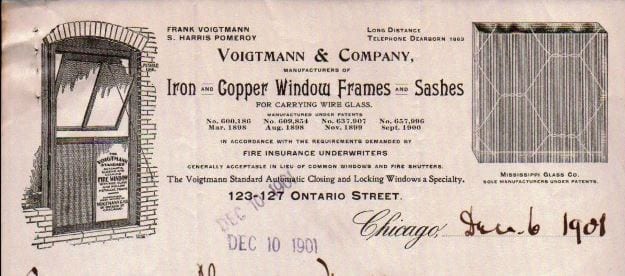
as previously stated, the floors were the only wood in the building. even the window casings are of metal, as well as the frames, which might seem be a useless precaution on sides of the building not directly exposed to fire danger, but the general plan of absolute fireproofing called for the best of everything in this line and the best was provided. the windows are of plate glass set in hollow metallic frames, and this plan of construction has been used throughout in the most intelligent and efficient manner to insure positive protection from the spread of fire. it will be readily seen that this feature may become at any time of the highest importance if a fire should break out in merchandise stored at a point above the reach of the street hose, and in any case it adds immensely to the value and security of the building. the standard construction of voigtmann automatic closing and locking windows has been used. the iron frames were set in the masonry while in process of erection, being held by a flange sunk to a depth of two inches in the brick and terra-cotta. they are dust and weather proof, and are affected only slightly by contraction and expansion. the feature of special interest in this connection is the use of iron in place of wood frames for the setting of the plate glass on street sides. this construction is well exemplified in the montgomery ward & co. building, where it has been applied with perfect success. this is a very valuable adjunct to messrs. voigtmann & co.’s regular business of metal frames and sash for carrying wire glass, and has proved to be entirely satisfactory. the incorporation of the geisey pivot into the metal frames and sash; which allows the window to be easily opened for ventilation and cleaning, was the final step in the elimination of all wood from exterior construction.
the following letter conveys an idea of the appreciation in which the construction of this form of window was held by the architect and owners:
chicago, november 18, 1899.
gentlemen, the 12, hollow metal pivoted sash and hollow metal window frames, provided by you for montgomery ward & co.’s new building, madison street and michigan avenue, are very satisfactory in operation and fully meet my expectation. metal was selected for the window frames and sash to avoid the shrinkage of wood, and to increase the width of the glass for a given opening to the maximum width without encroaching on the fireproofing of the columns, and by using sash pivoted at top and bottom we conform with the city ordinance requiring sash, of which both sides can be cleaned from the interior of the building the additional cost of these metal frames over wood frames was so small a percentage that this difference was not considered by the owners.
yours very truly, (signed) richard e. schmidt
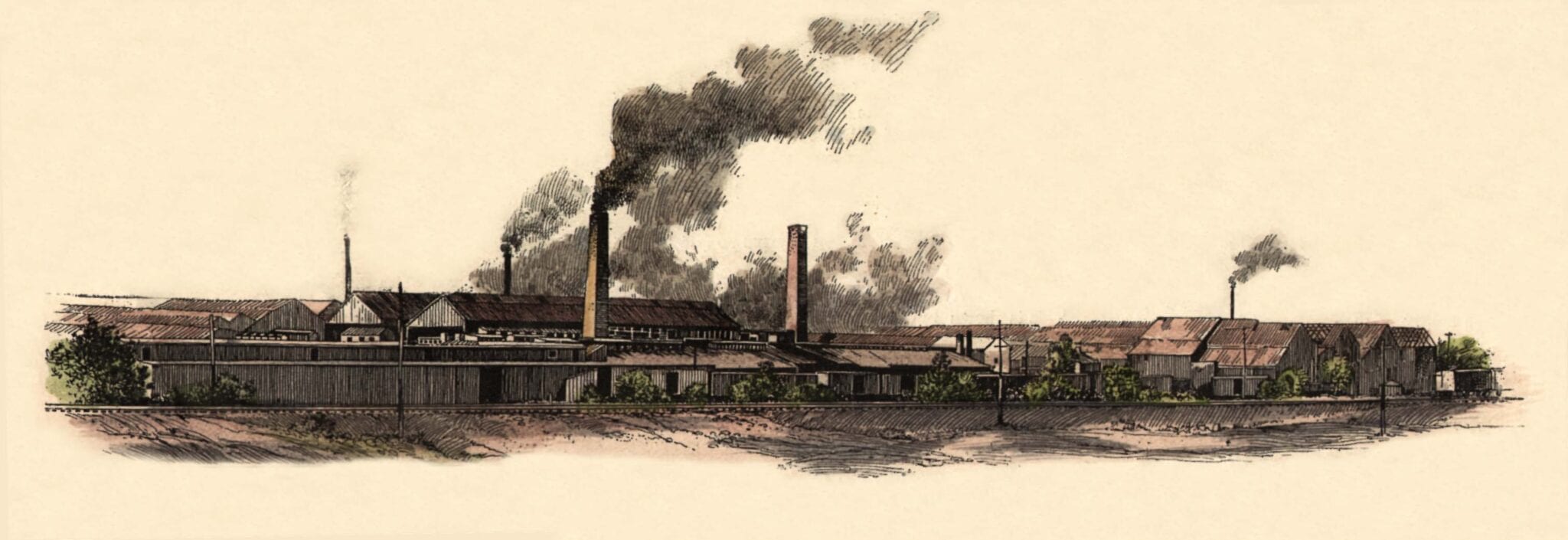
above the three stories of marble commences the tower profile, of brick and terra-cotta, as may be seen in the illustrations. the brick used represent the choice of selection for color and quality of all pressed brick in the chicago market, and were specially made for this building. the contract for the 250,000 plain pressed brick and the 35,000 ornamental pressed brick used in the building was awarded to the chicago hydraulic-press brick company, chamber of commerce, chicago, and to the trueness of the joints and the generally fine appearance of the tower and other parts of the building wherein brick have been used, credit is due to the hydraulic-press brick company, of st. louis, which manufactured this beautiful mottled pressed brick. a word relative to the style and color of brick used will not be amiss and perhaps may extend pleasant information to architects and contractors. the pressed and ornamental brick consists of a special kind of fire-clay iron-mottled, having a semi-glazed surface, obtained by setting the brick in the kiln so that the faces are exposed directly to the fire, it making a most effective surface, clean and bright. this is one of the many varieties of iron-mottled brick manufactured by the hydraulic-press brick company, at st. louis, and which are handled by the various hydraulic-press brick companies throughout the country.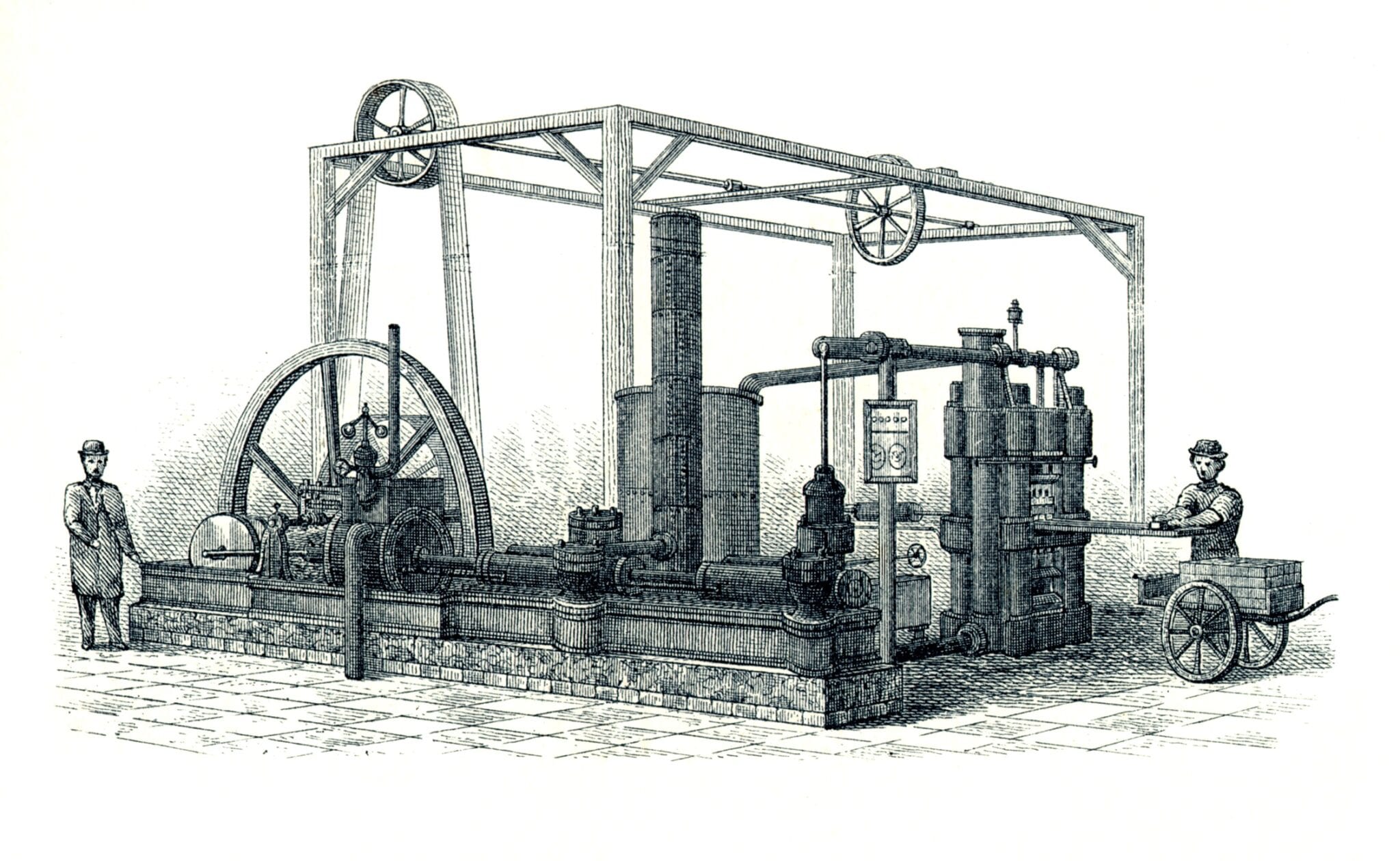
the montgomery ward & co. building is an excellent example of the use of terra-cotta for an exterior finish. the terra-cotta used in this instance was the cream dull enameled in gray speckled color. its effect on the eye is very pleasing. it is not perfectly smooth and shiny, but is entirely impervious to moisture, can be washed down and will be as clean as when it left the kiln, thus preserving the color in its original integrity. there is a very gratifying tendency among chicago businessmen at the turn of the century toward light colors. somber browns and dirty grays are destined to be abandoned in favor of enameled terra-cotta in light colors, and a more cheerful aspect of the city will be the result.
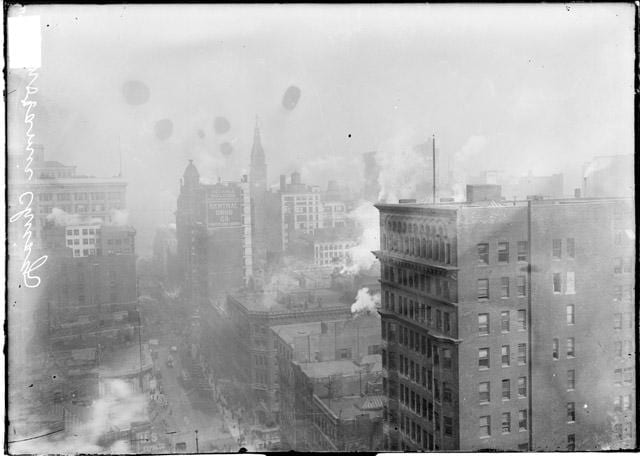
at the time of construction nearly all projected structures in the downtown district were to have enameled terra-cotta fronts of the very brightest finish, and the outlook for residence work on similar lines was very good. there was no doubt that in twenty years what was properly called “dirty chicago” would wear a new and cleaner gown. the highest ideal of the building public had been marble, but unfortunately this noble material was not only very expensive but also sure to lose its polish within a few years when exposed to the smoky atmosphere. a further drawback was its perishable character when exposed to fire. there was the same objection to the use of bedford stone, which, although otherwise of excellent quality and comparatively very cheap, crumbled away when exposed to heat. but the greatest drawback to any ordinary material in use as exterior finish was that it is dirty and cannot be readily cleaned. that this is not necessary has been demonstrated conclusively by the northwestern terra cotta company in its completed work on this building.
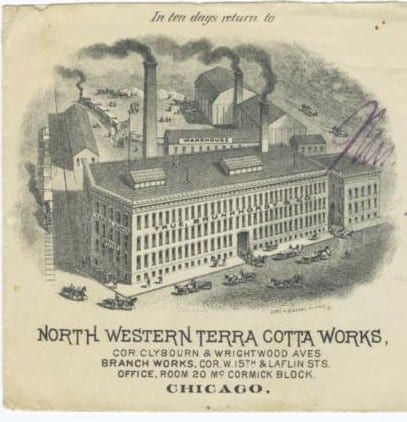
it is evident that this essential of cleanliness and brightness is of the utmost importance in a city like chicago, where the extreme height of the buildings and the dense smoke necessitates the use of the brightest light-reflecting material. the ornamental bronze and iron work in the montgomery ward & co. building was made at the f. p. smith wire and iron works, chicago.
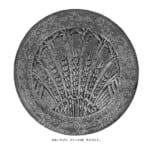
of exceptional merit are the bronze floor plates in the front entrance, which were designed by h. g. m. garden, and represent the different products of the farm, as wheat, corn, oats, etc.; also the large floor plate representing “commerce.” we note also the other conspicuous bronze-work of the front entrance, including the solid bronze folding gates and the solid bronze sign over the entrance. here was also furnished eleven bronze floor plates, the ornamental solid bronze kick plates, and the bronze lining of the revolving door entrances; also the ornamental iron stairs, the fire-escapes, which are truly architectural in design and workmanship, the ornamental elevator enclosures for two stacks of passenger elevators, the ornamental grills and bronze wickets for office partition, all the wire partitions, the iron-work for box elevators, the iron railing on the tower. the patent horizontal folding gates, and the meeker elevator doors for all freight elevators. all of this work called forth unstinted praise from such of the architectural profession as have seen it, and it is enough to say that it was executed in the best style of this well-known company.
an interesting feature of the building was the figure of progress at the top of the tower, acting as a weather vane, and which was once illuminated at night by four powerful multiplex reflectors placed at the four corners of the tower under the figure, flashing brilliant rays of light on the polished copper of which the figure was constructed. the shafts of light from the reflectors were properly trained by means of hinge and socket hangings. these powerful reflectors were furnished by the w.r. garton company, chicago, ills.