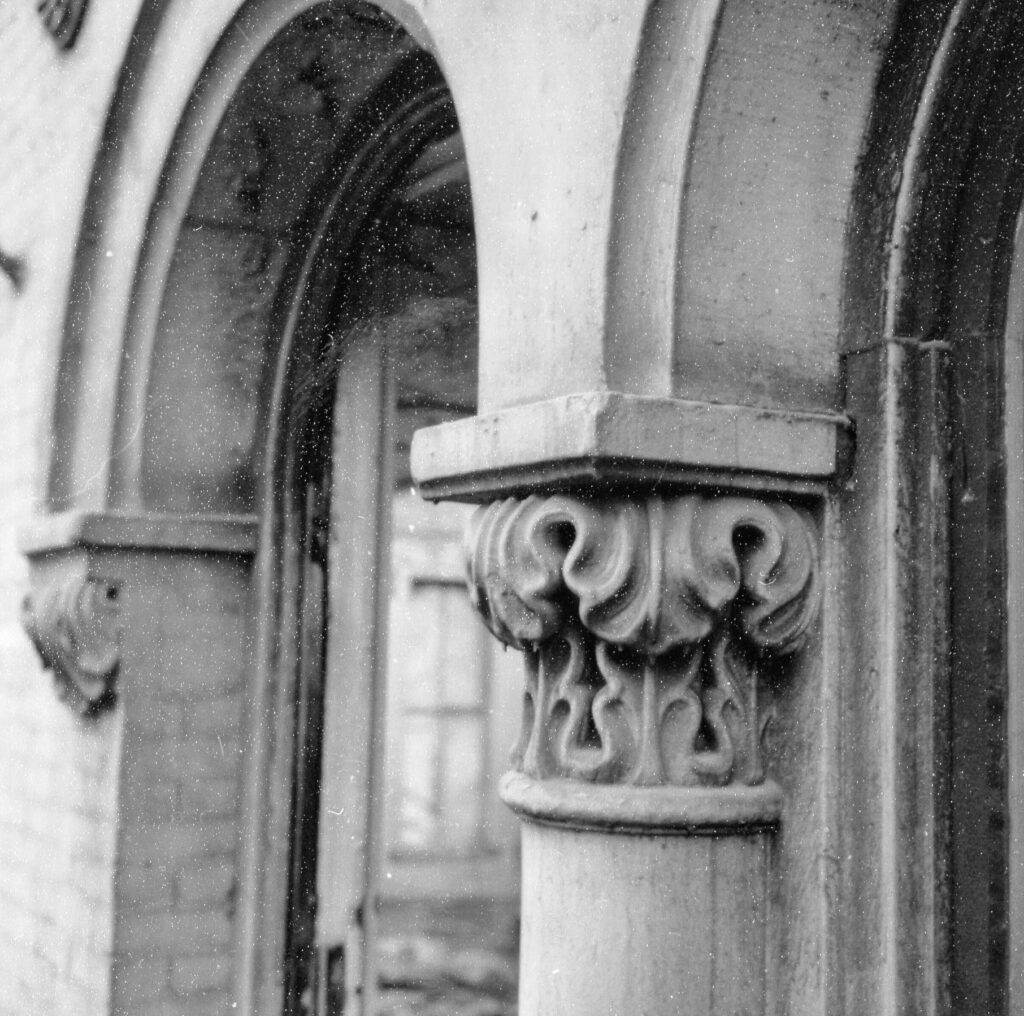

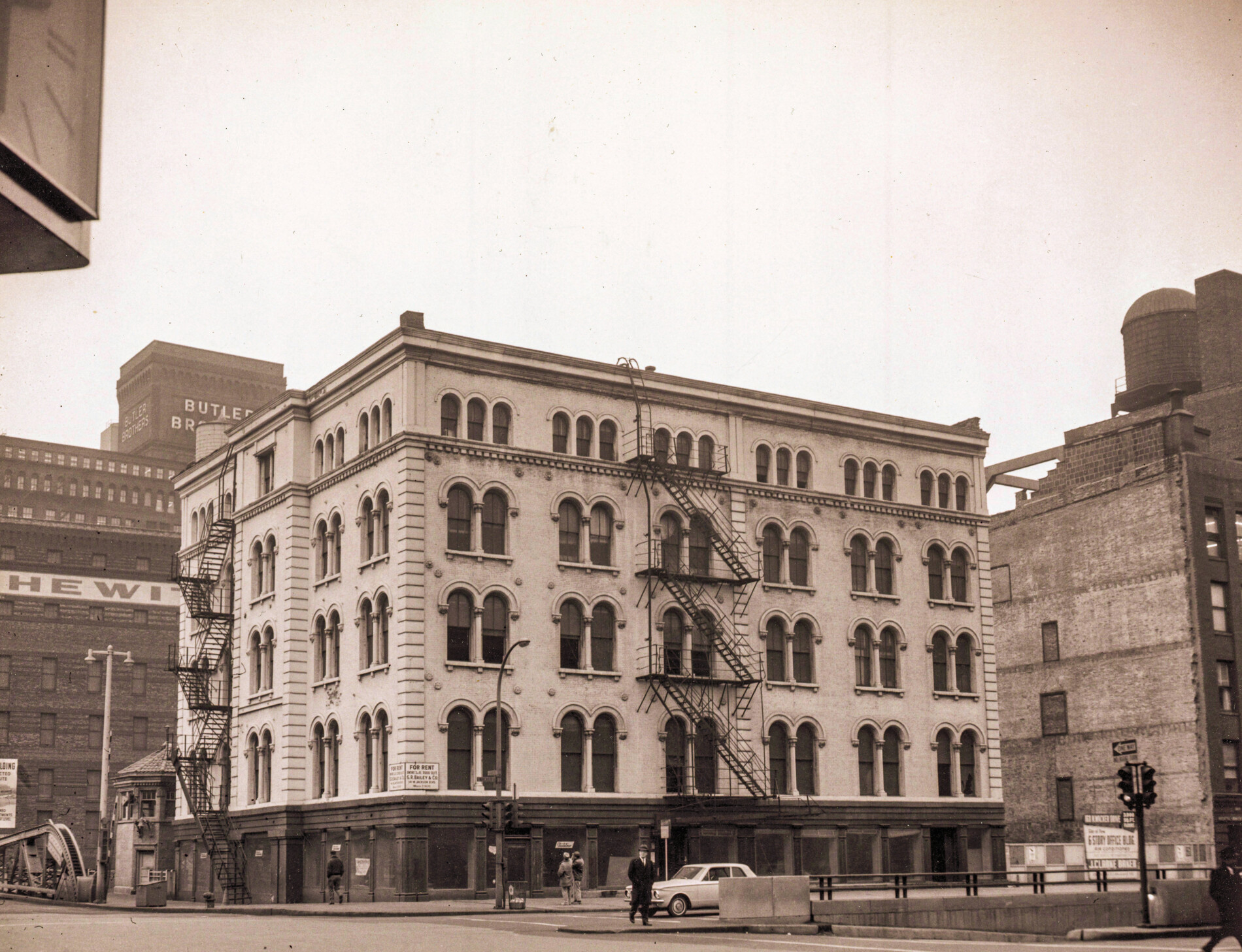
21 May the lind block: john van osdel’s pre-fire chicago landmark that survived the great fire of 1871 before being demolished decades later
May 21, 2026
in Bldg. 51, Events & Announcements, Featured Posts, Miscellaneous, New Acquisitions, New Products, Uncategorized
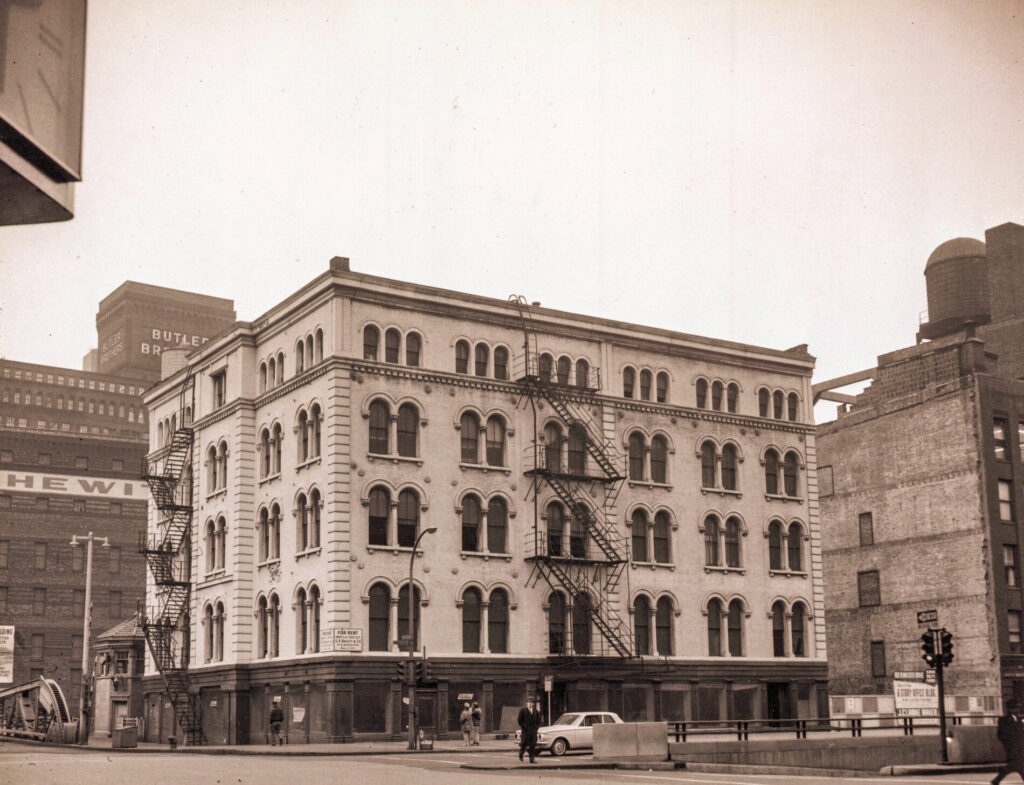
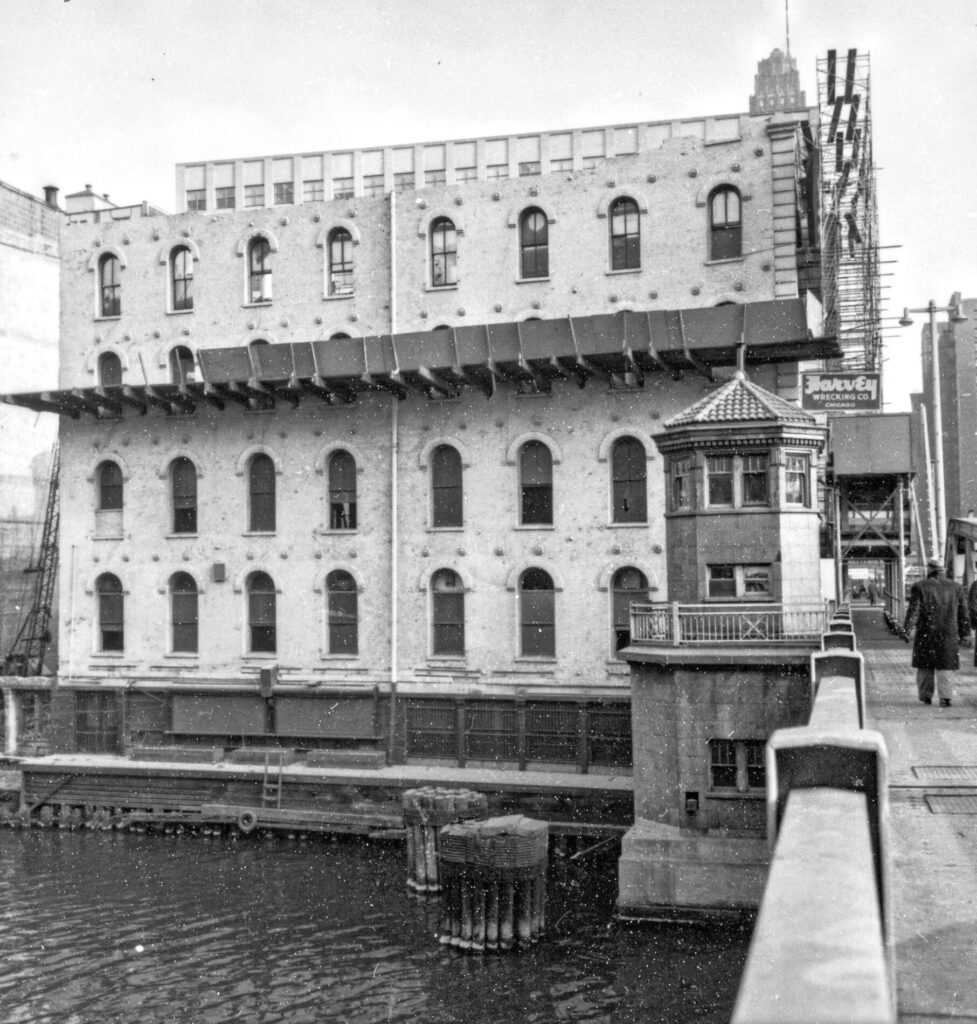
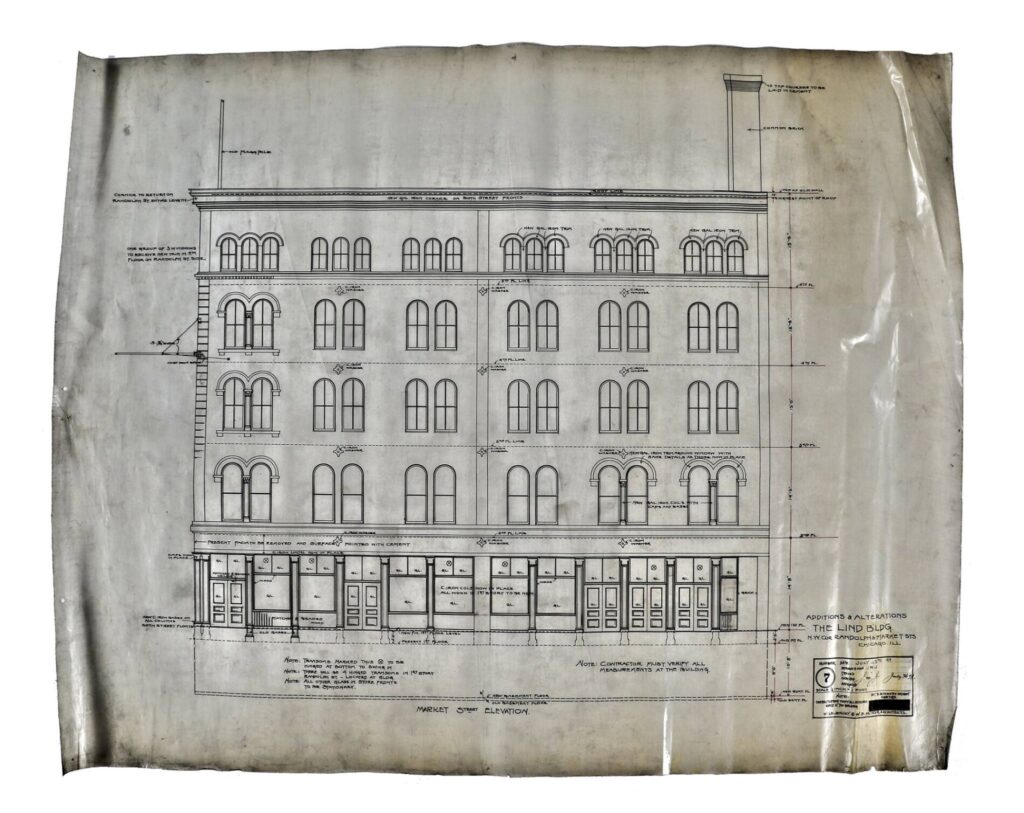
designed by john m. van osdel, chicago’s first licensed architect, and completed in 1852, it is best remembered as one of the few downtown buildings in the path of the great chicago fire of 1871 to survive intact.
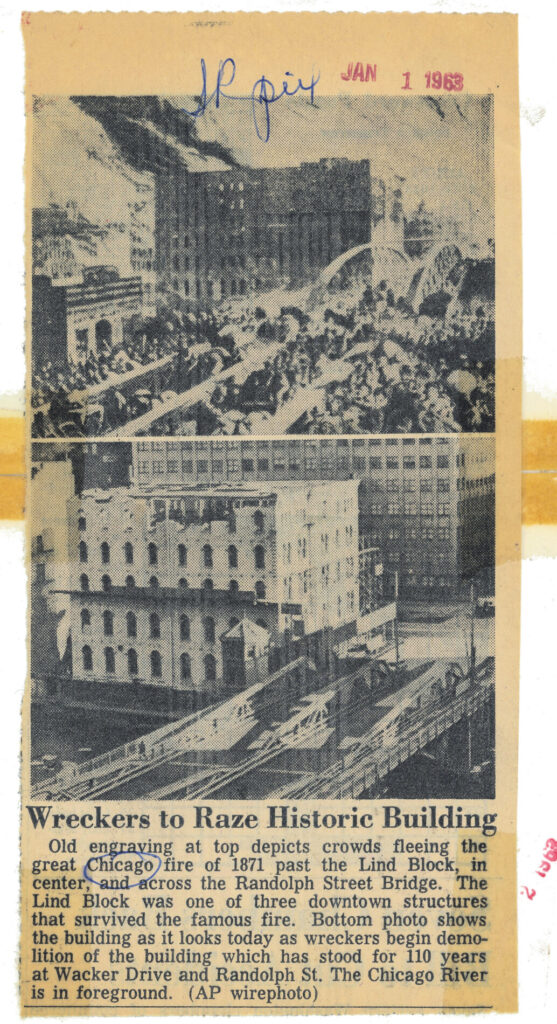
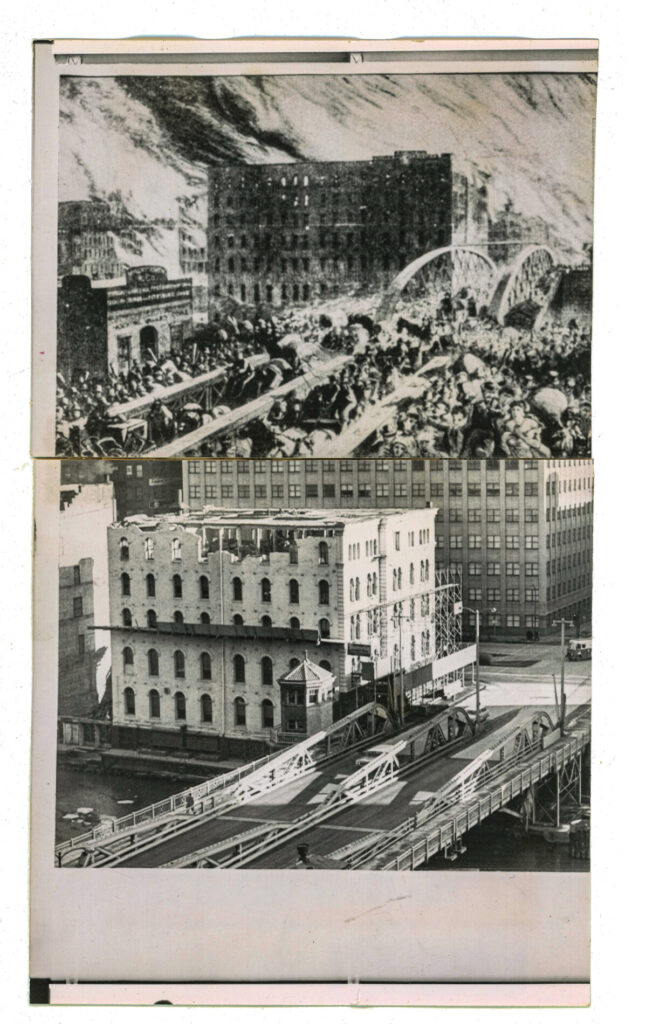
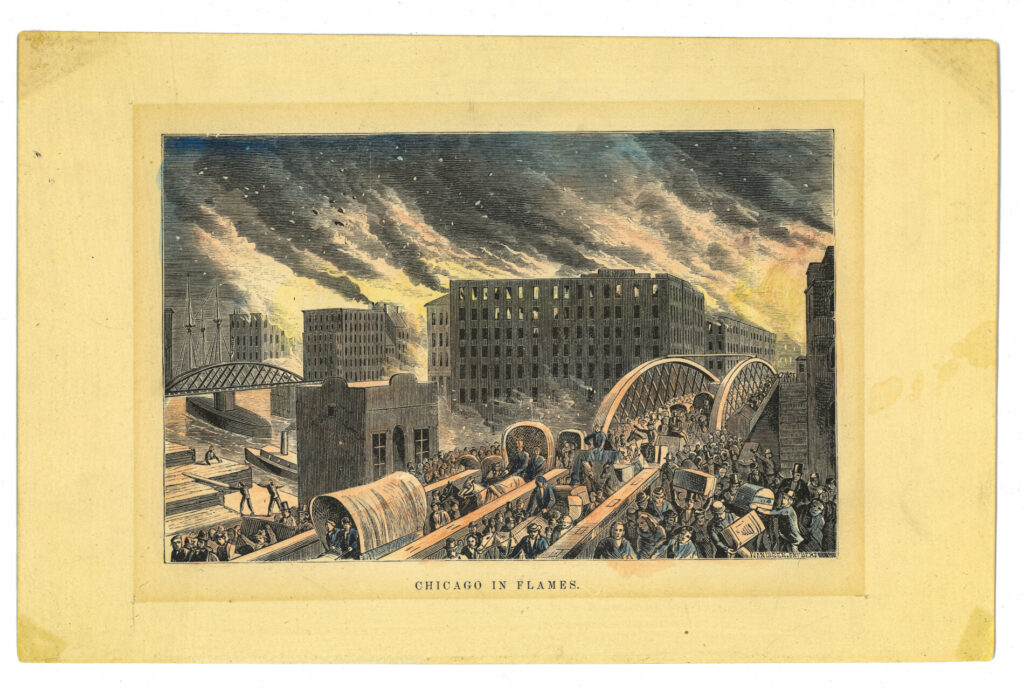
despite its significance, the building was demolished in 1963 to make way for modern development, and the randolph-wacker building now stands on the site. its legacy is notable for several reasons. during the great chicago fire, which destroyed nearly every building in the city’s south division, the lind block suffered little damage and appeared prominently in illustrations of the chaotic evacuation across the nearby randolph street bridge. the building was commissioned by sylvester lind, a scottish immigrant, leading lumber merchant, and committed abolitionist who acted as a conductor on the underground railroad, using lumber boats docked outside the building to help escaped enslaved people reach canada through the great lakes.
over the years, the building housed a variety of commercial and civic tenants, including a grocery wholesaler, medical offices, and lind university, which later relocated and became lake forest college; its medical department eventually evolved into northwestern university feinberg school of medicine. in its later years, the building became a hub for industrial and wholesale businesses, including the fuller & fuller wholesale drug company.
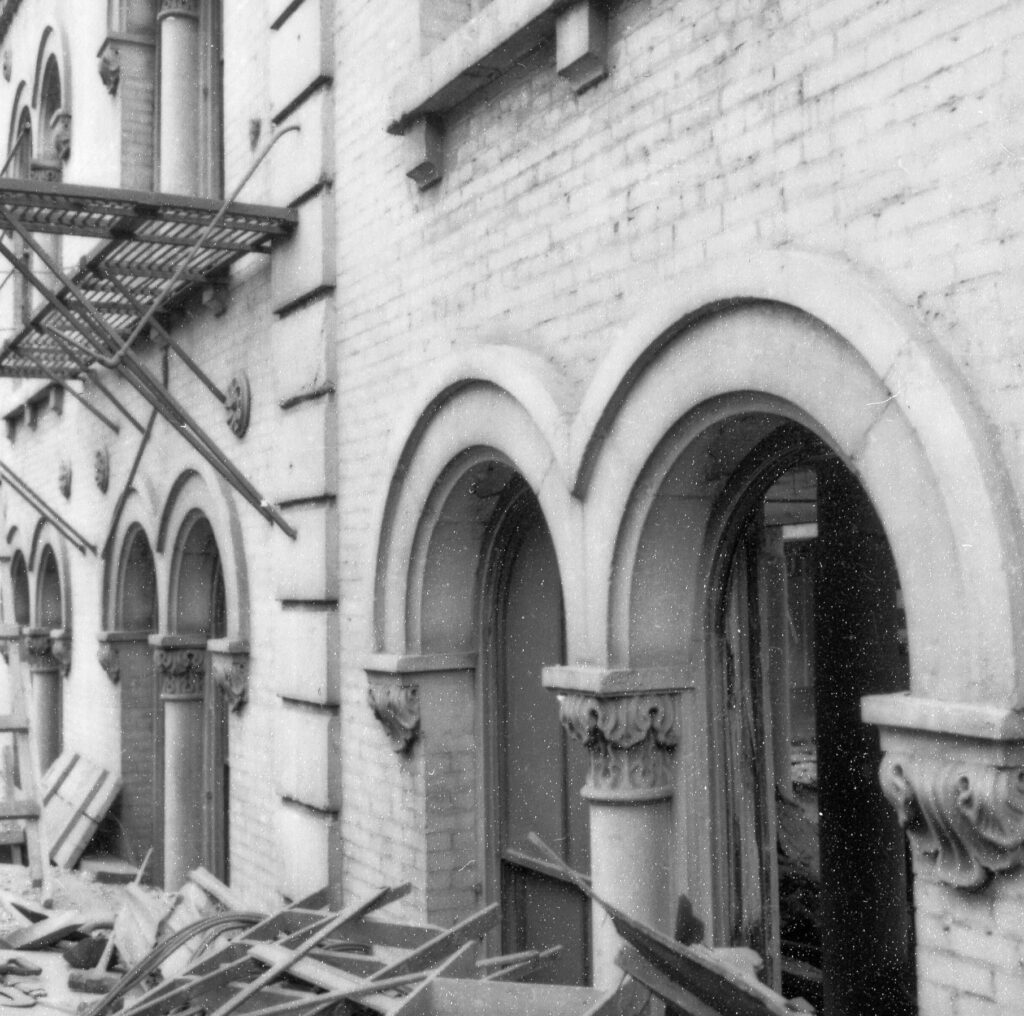
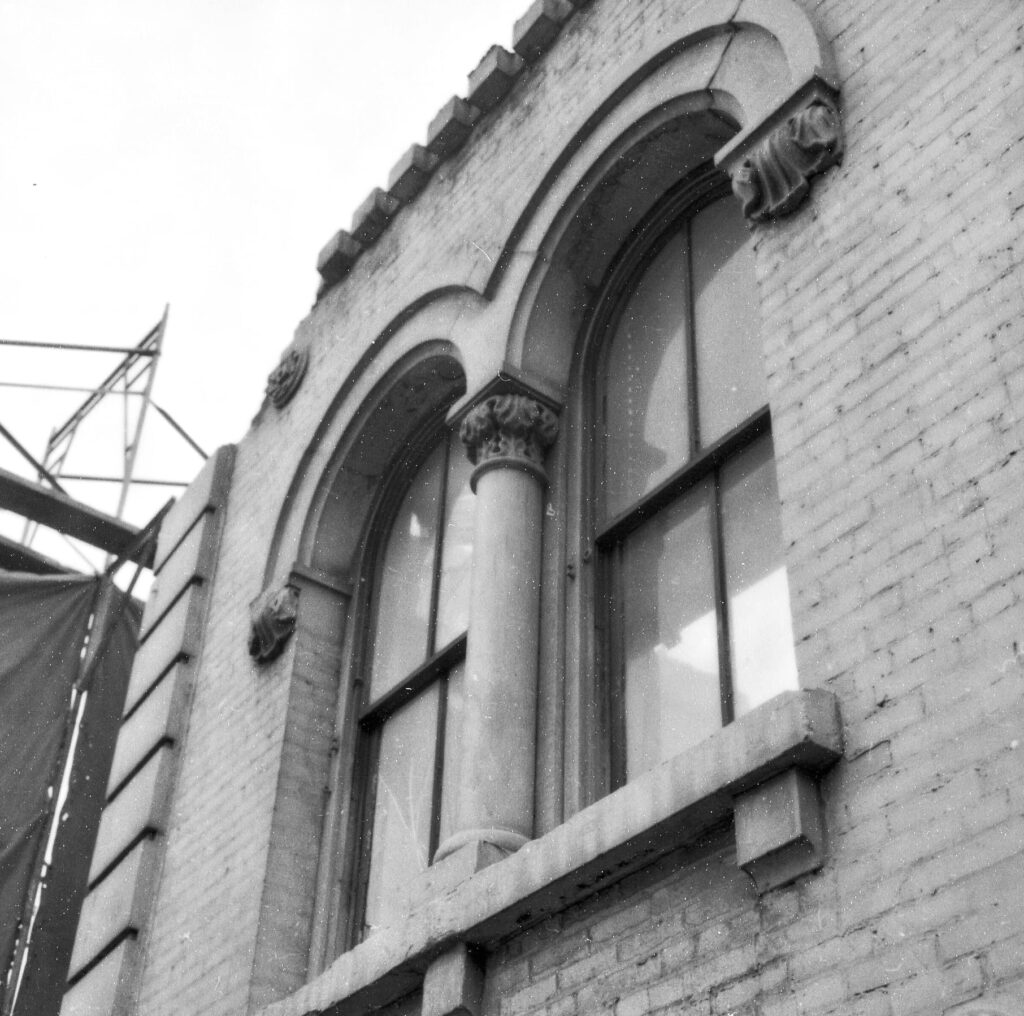
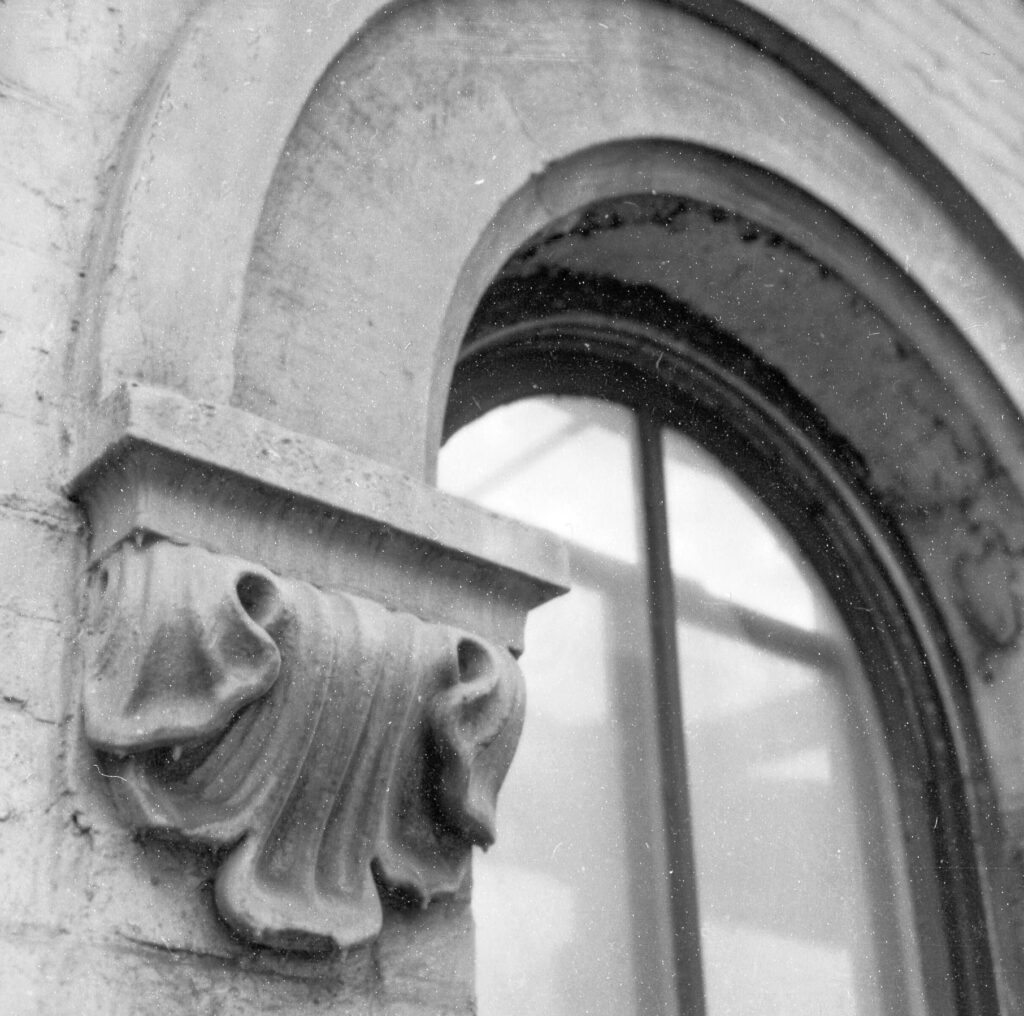
although the chicago water tower became the most famous surviving symbol of the 1871 fire, the lind block received far less attention from early preservationists. it remained structurally sound and was still considered effectively fireproof into the 1950s, yet harvey wrecking demolished it in 1963 with little public opposition. photographer richard nickel extensively documented its final days.