
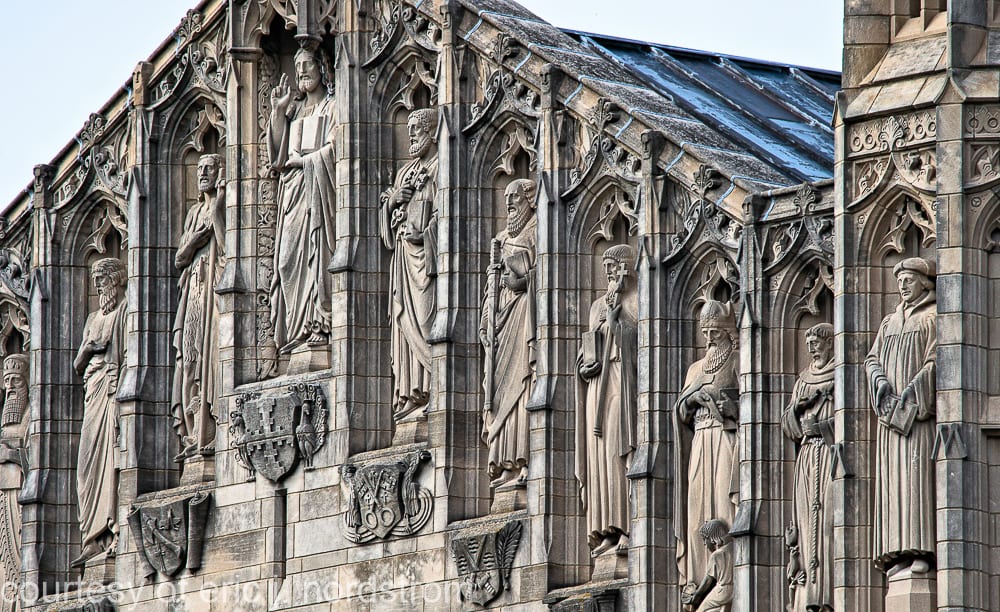
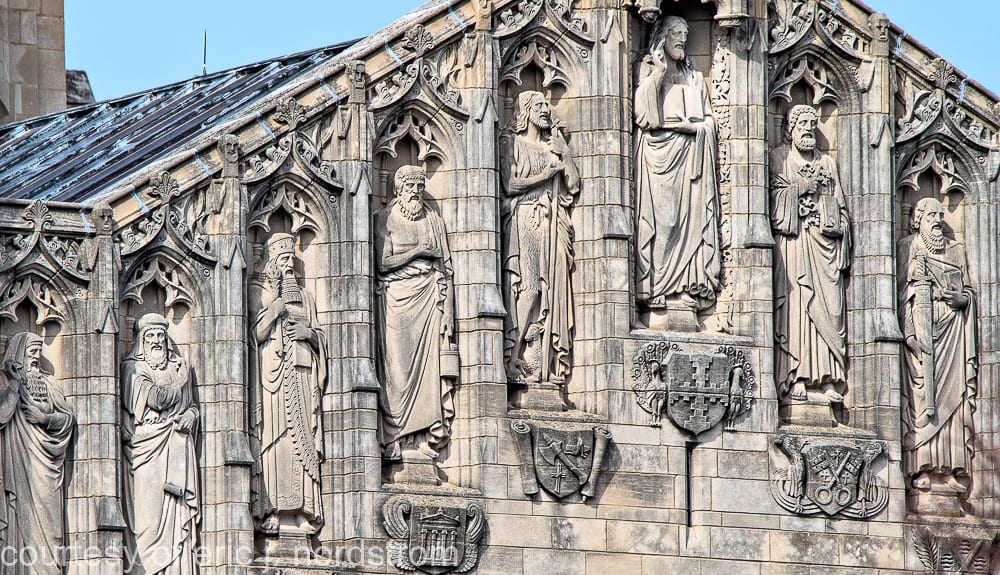
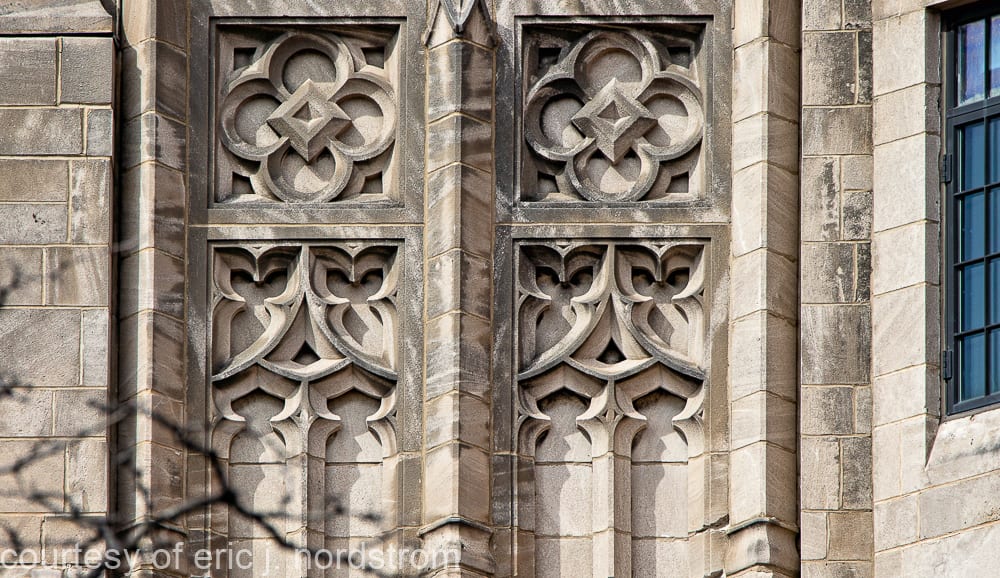
18 Apr photographic documentation of university of chicago’s bedford limestone gothic ornamentation
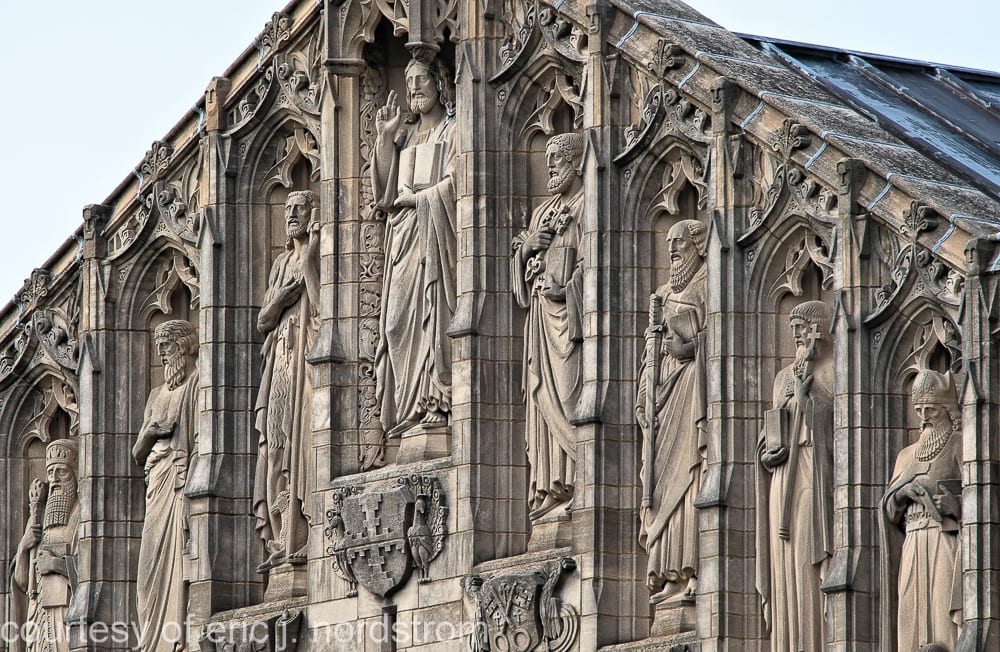
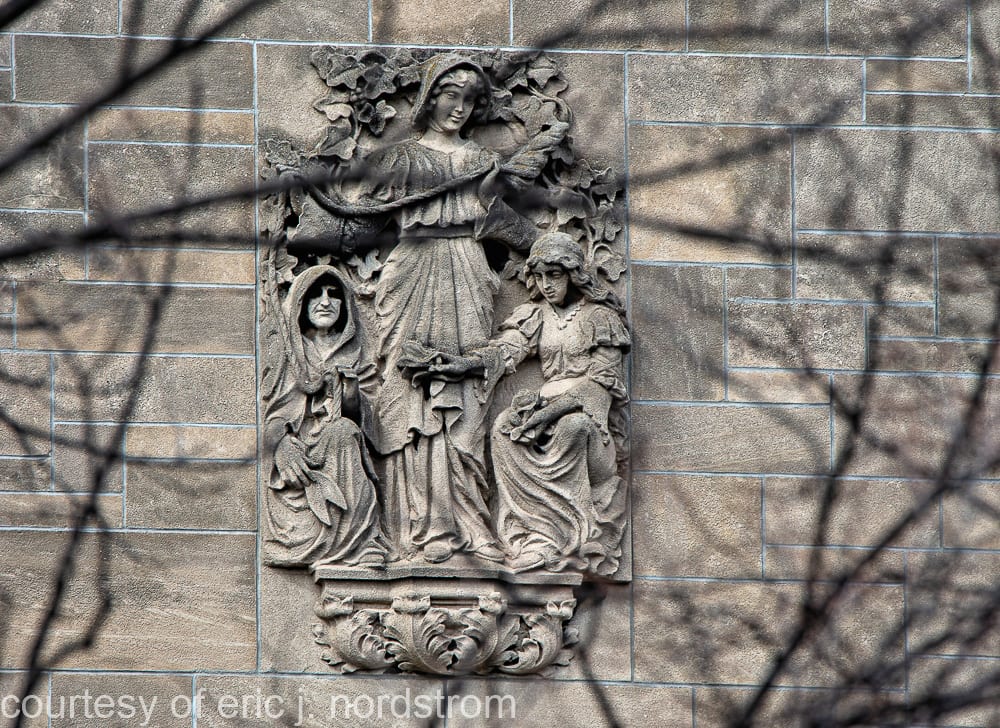
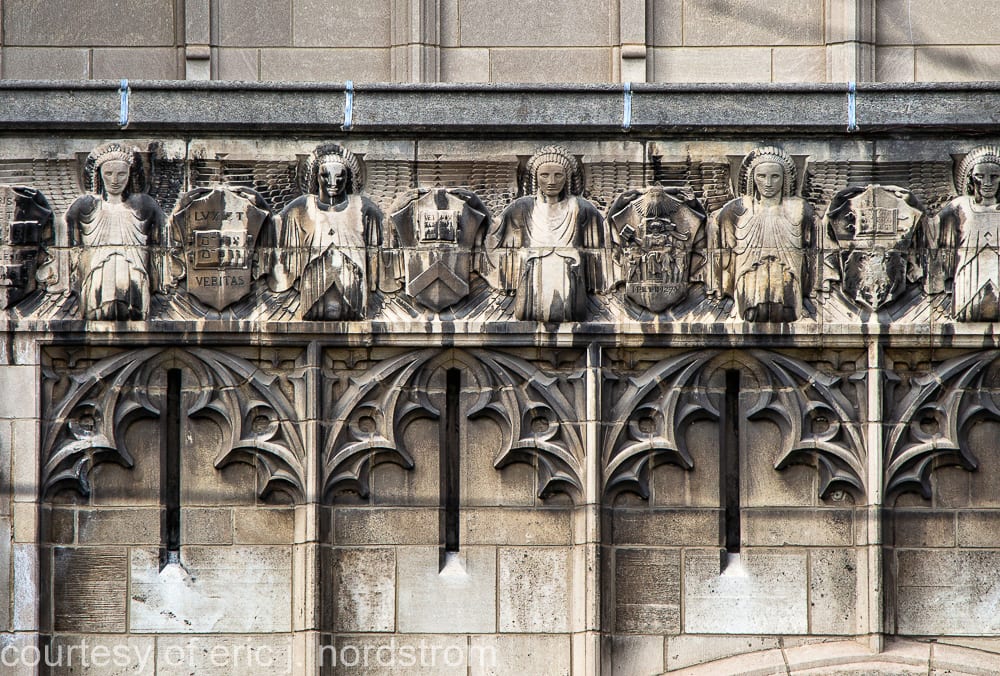
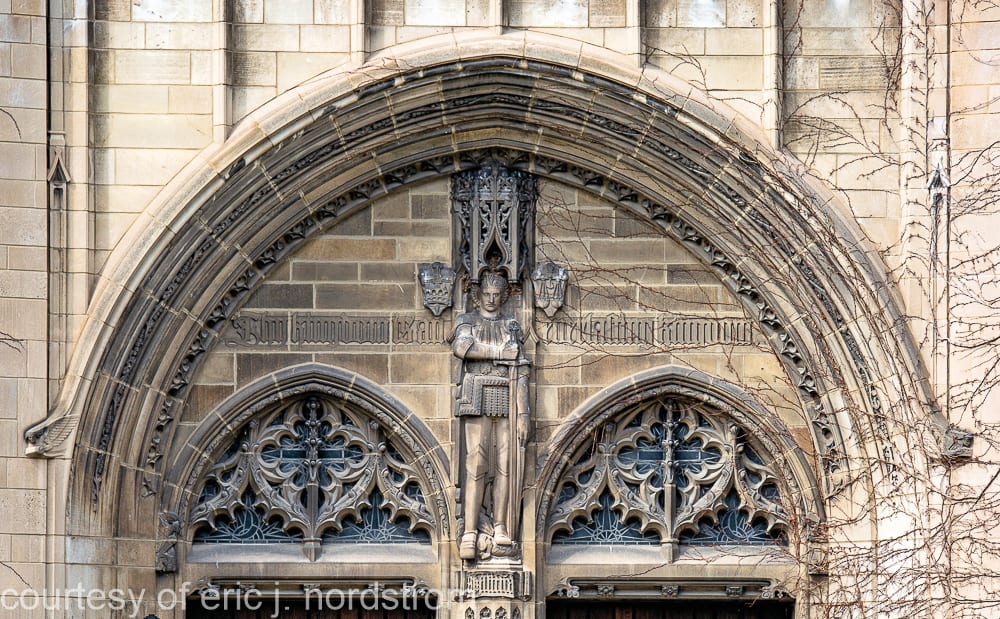
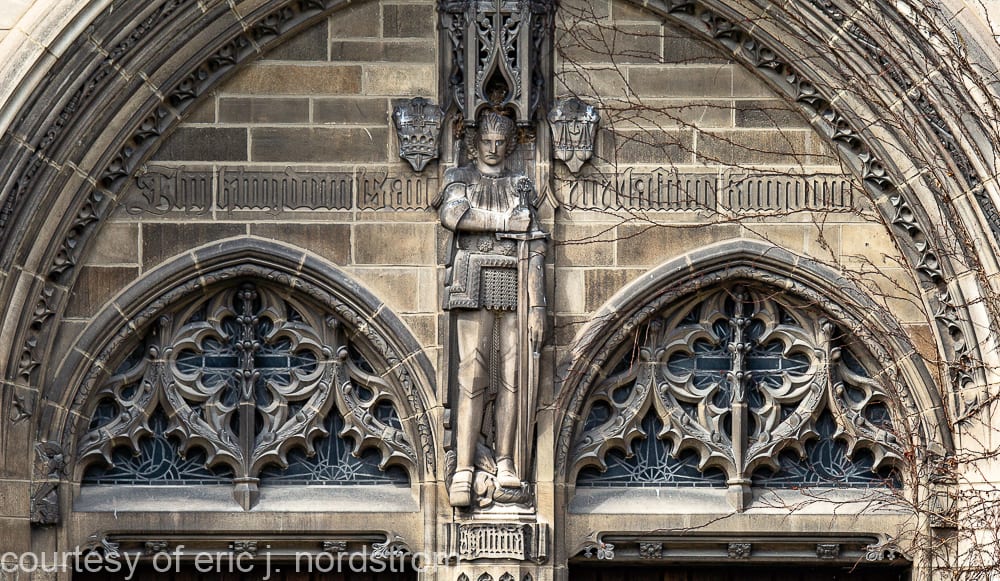
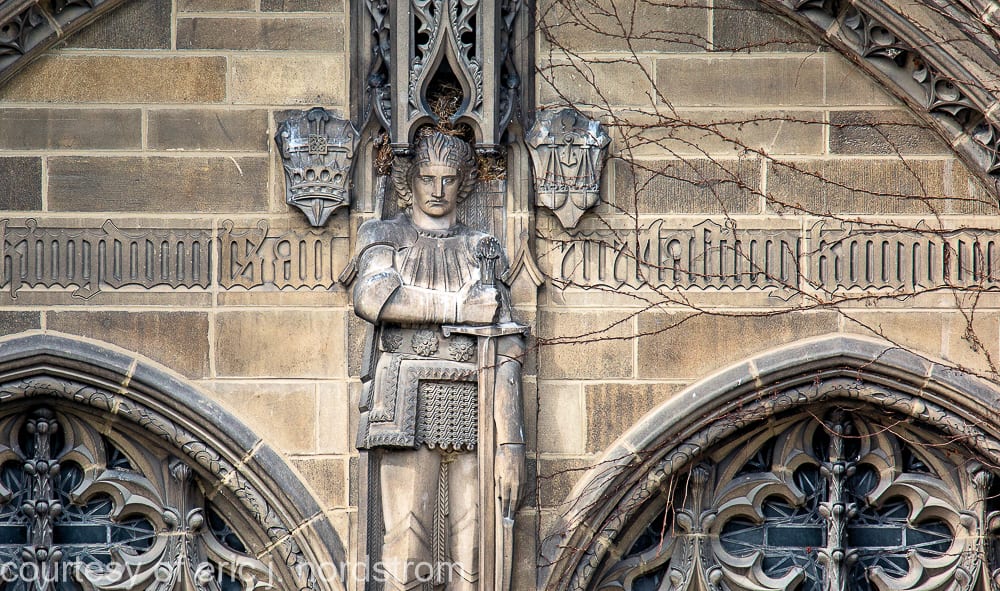
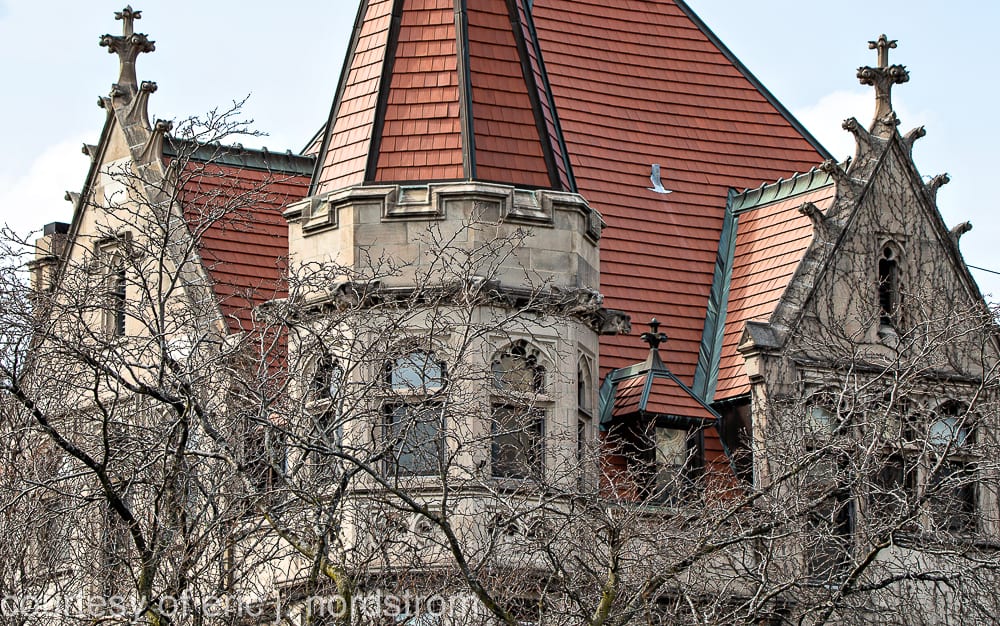
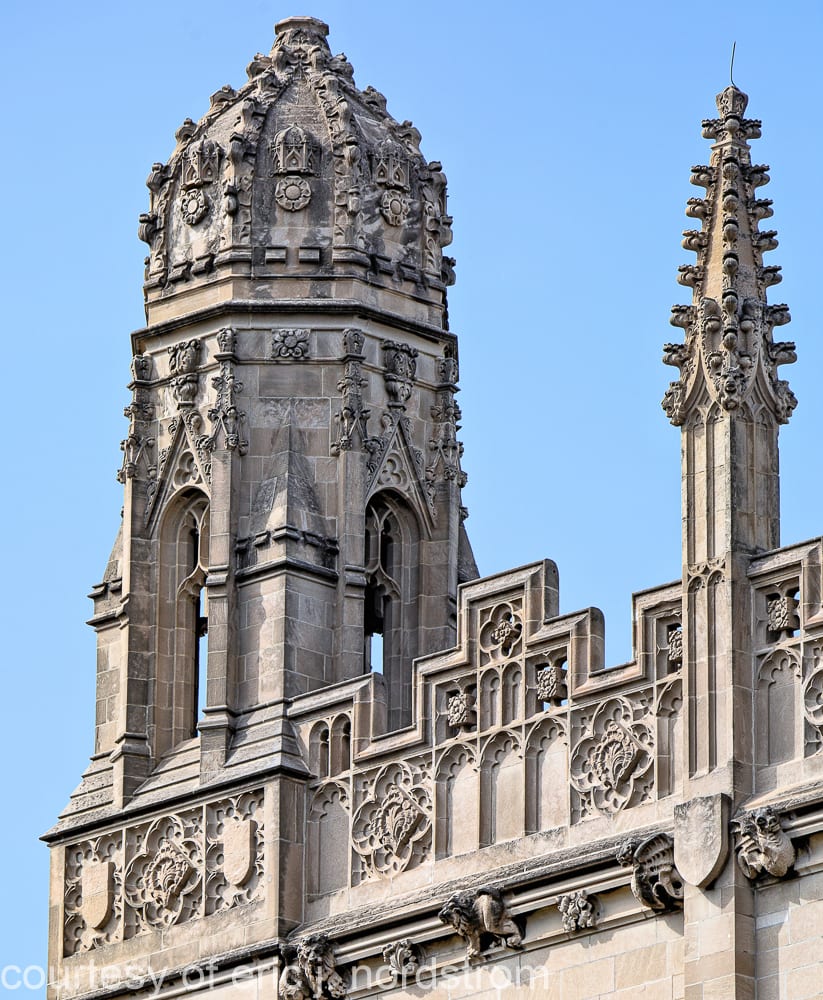
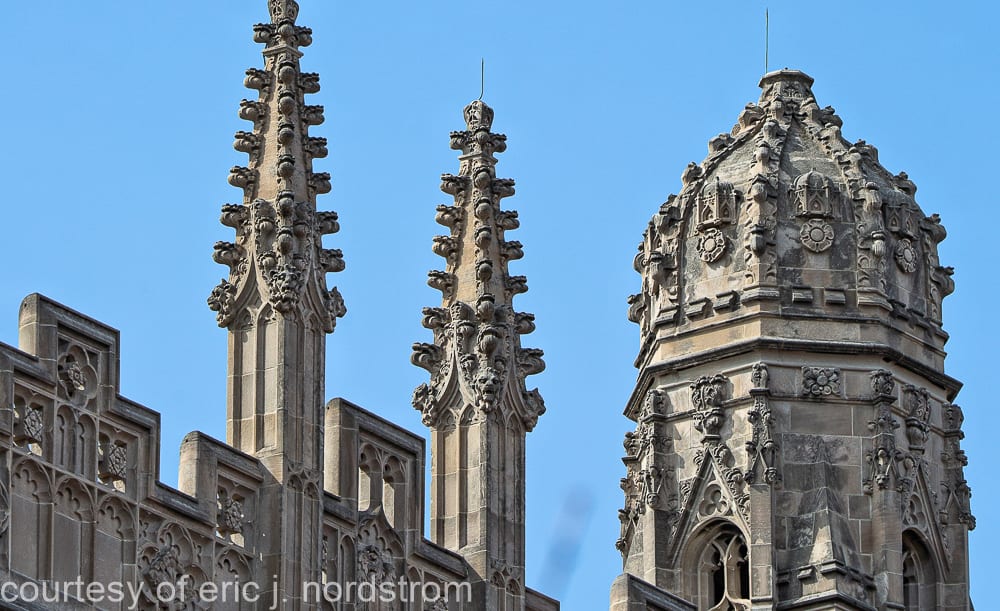
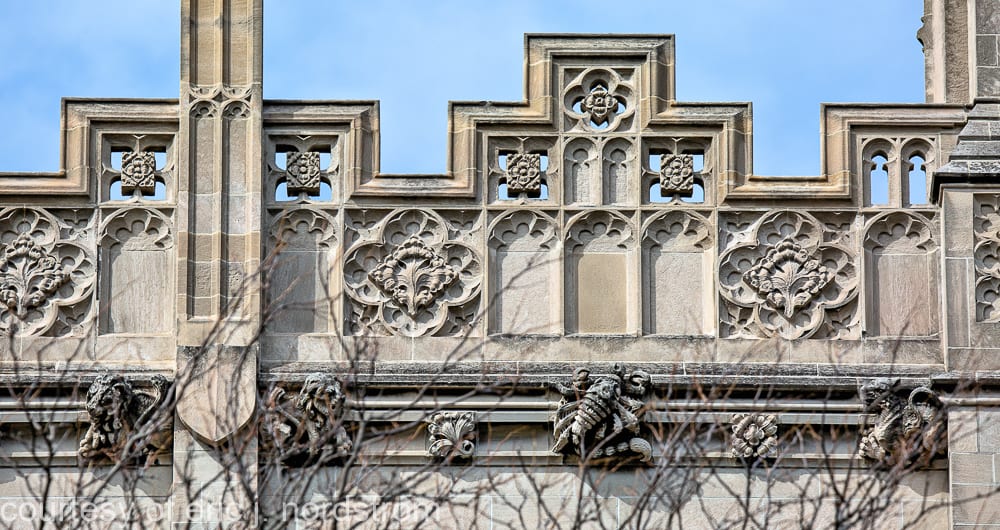
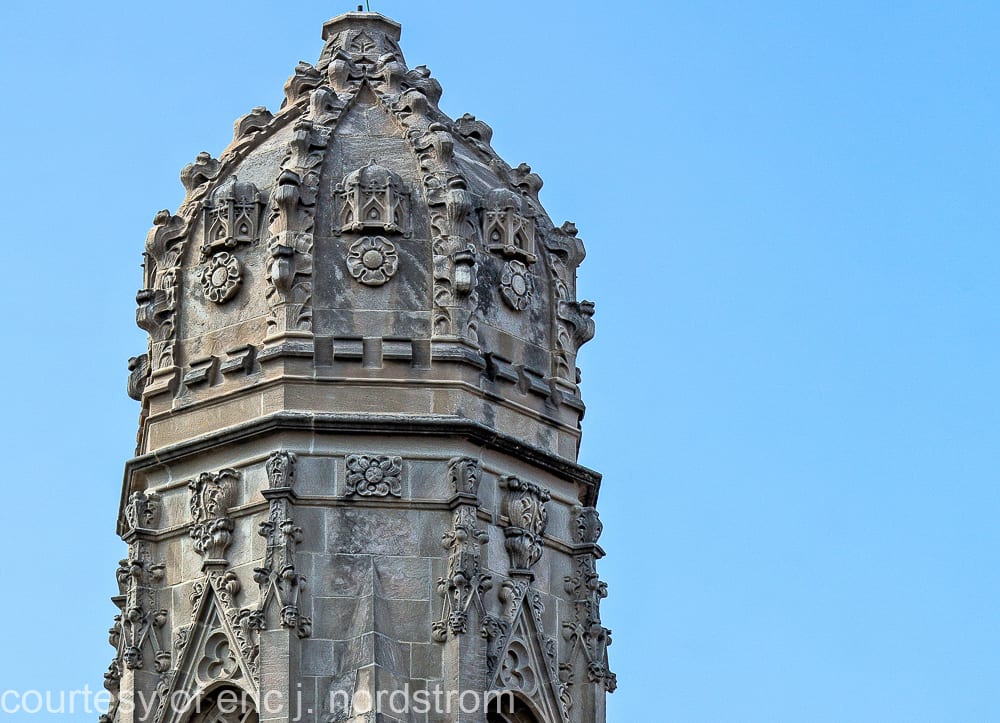
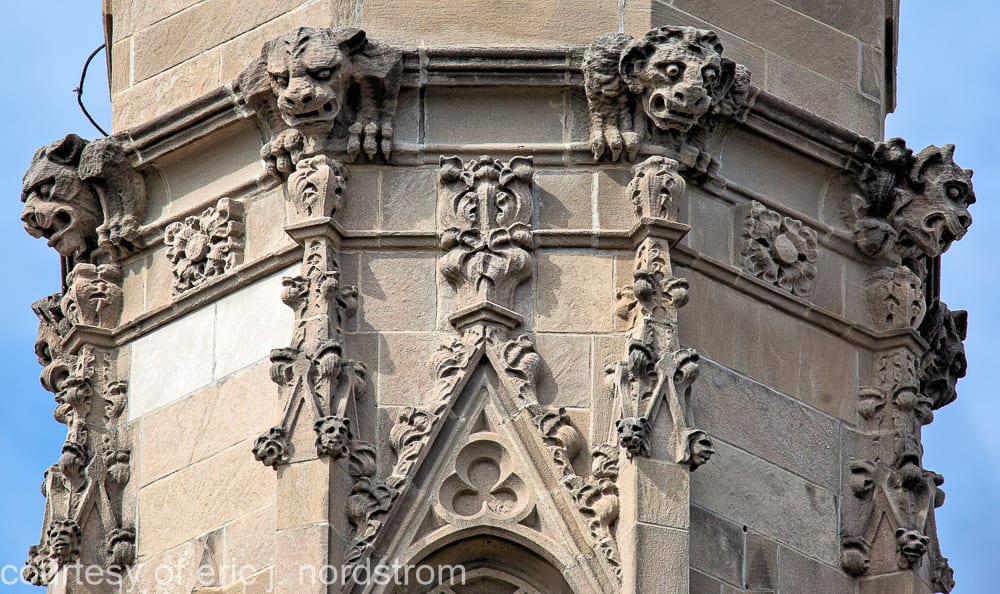
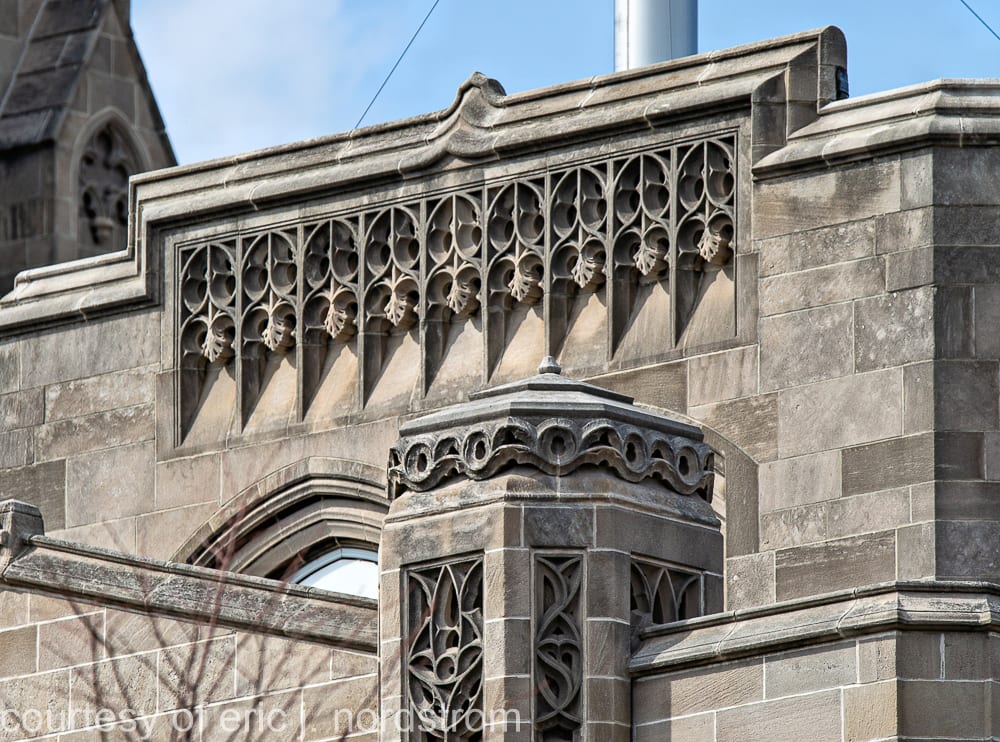
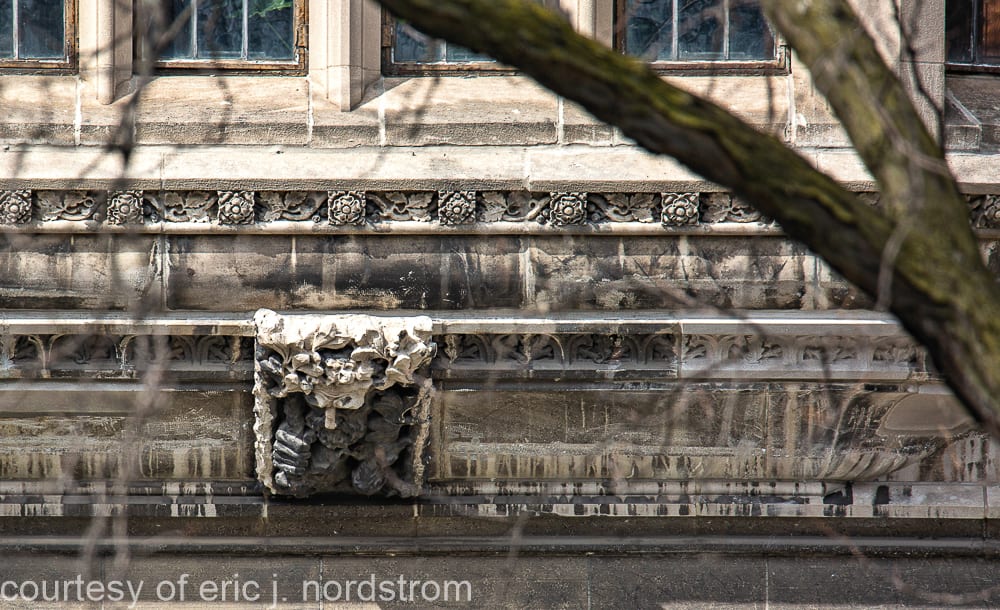
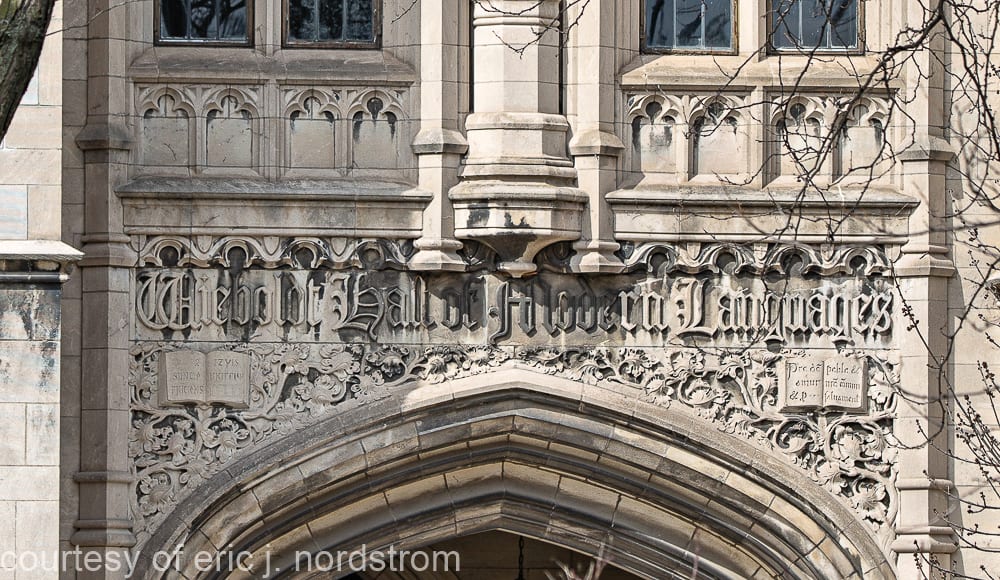
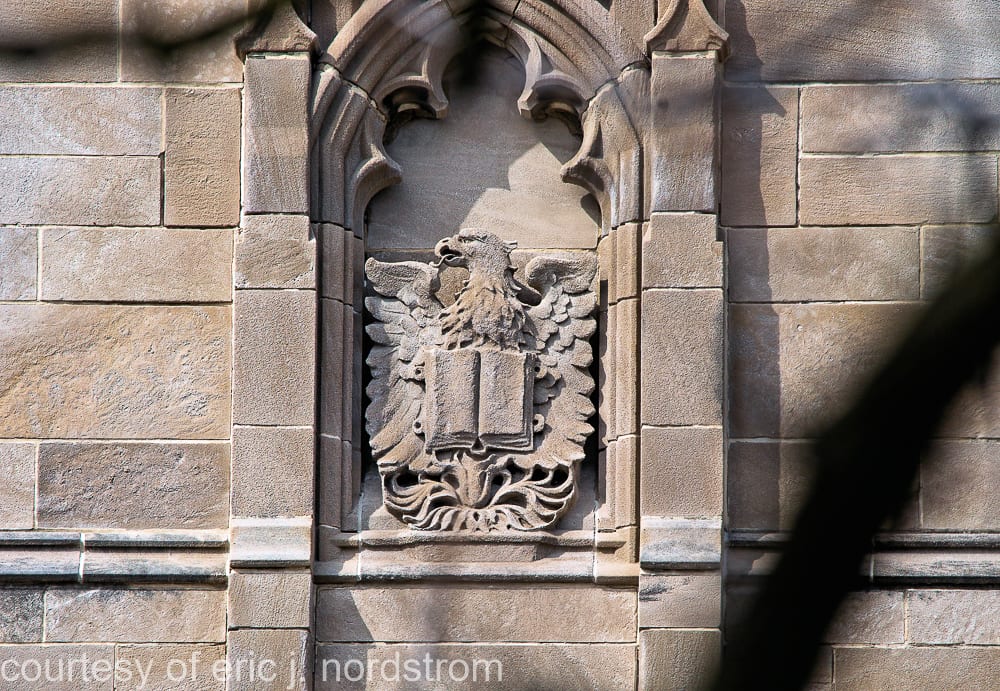
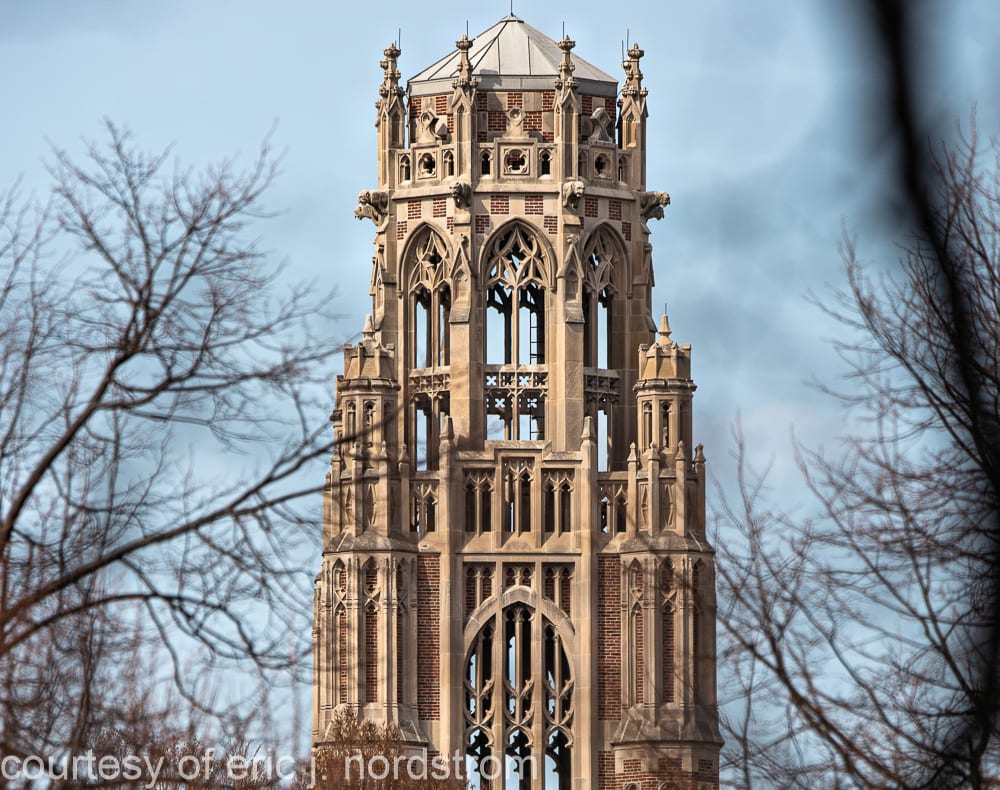
photographic study of gothic style hand-carved bedford limestone architectural ornament adorning 19th and early 20th century university of chicago buildings taken from the midway plaisance. additional images will be added when time permits, including buildings within campus grounds.
campus buildings photographed included, but not limited to:
international house, holabird and root, 1932
laboratory schools, james gamble rogers, 1896.
ida noyes hall, shepley, rutan & coolidge, 1916
william rainey harper memorial library, shepley, rutan & coolidge, 1912
background:
the university’s architectural history traces its roots back to 1891, when a plan of the newly founded school was conceived by two of its trustees, martin ryerson and charles l. hutchinson, and plotted by chicago architect henry ives cobb. an area bounded by fifty-seventh street, university avenue, fifty-ninth street, and ellis avenue was divided into seven quadrangles. that space, now known as the main quadrangles and clearly perceptible as the heart of the university, was outfitted with buildings based on the english gothic model of oxford university. several of the early components of the grouping were designed by cobb himself, the oldest of them cobb hall (1891, named for a benefactor, not the architect), and ryerson physical laboratory and kent chemical laboratory, each dating from 1894.
At the turn of the twentieth century, shepley, rutan & coolidge were appointed campus architects. that firm had earlier employed the classical idiom in its designs for the chicago public library (now known as the chicago cultural center) and the art institute of chicago, but at the university, its architects remained true to cobb’s gothic style, notably in william rainey harper memorial library (1912), the hutchinson court and tower group (1903), and bartlett gymnasium (1903). thereafter, commissions were awarded to various offices for individual buildings, but the gothic manner was kept intact. holabird & roche was responsible for rosenwald hall (1915), and coolidge & hodgson (successor firm to shepley, rutan & coolidge) for the intimate, richly decorated bond chapel (1926).
the most monumental edifice on the campus is rockefeller memorial chapel (1928), designed by one of the major masters of the american gothic revival of the 1920s, bertram g. goodhue, and named for john d. rockefeller, the industrialist whose enormous wealth was sufficient to guarantee the founding of the university.
images courtesy of eric j. nordstrom and the bldg. 51 archive.
further reading: