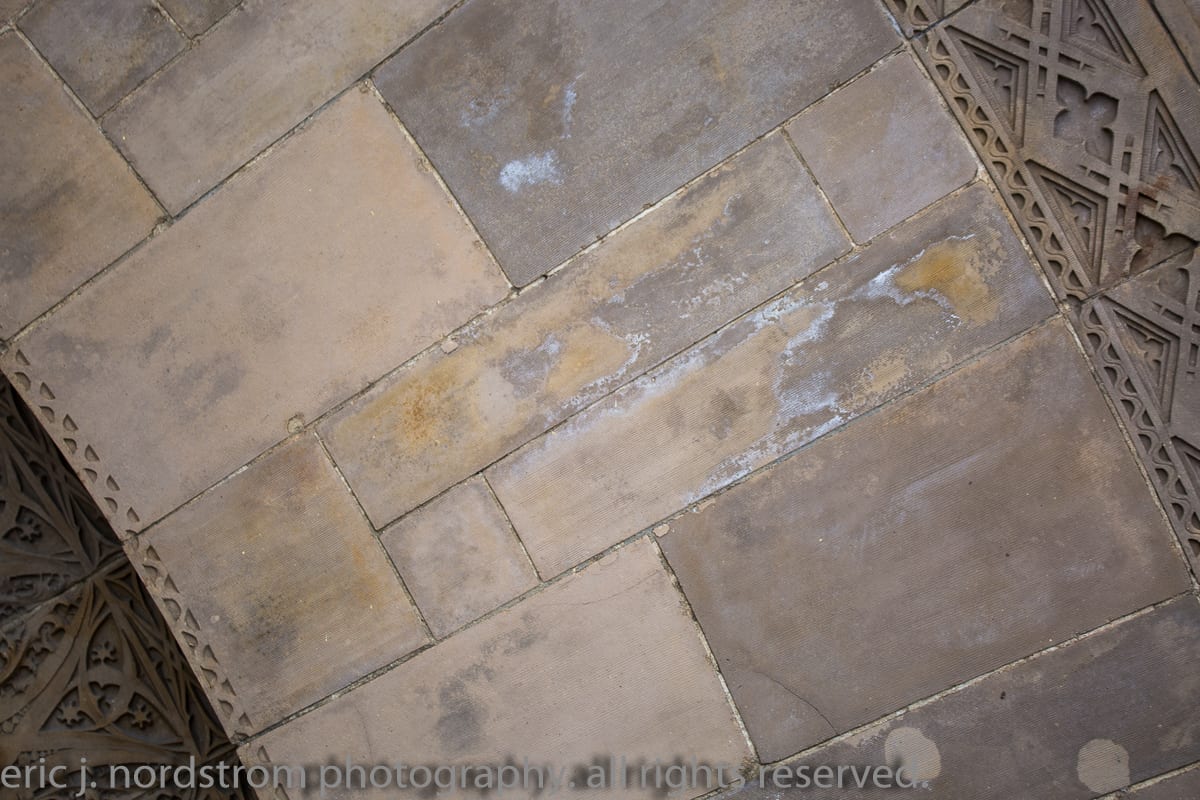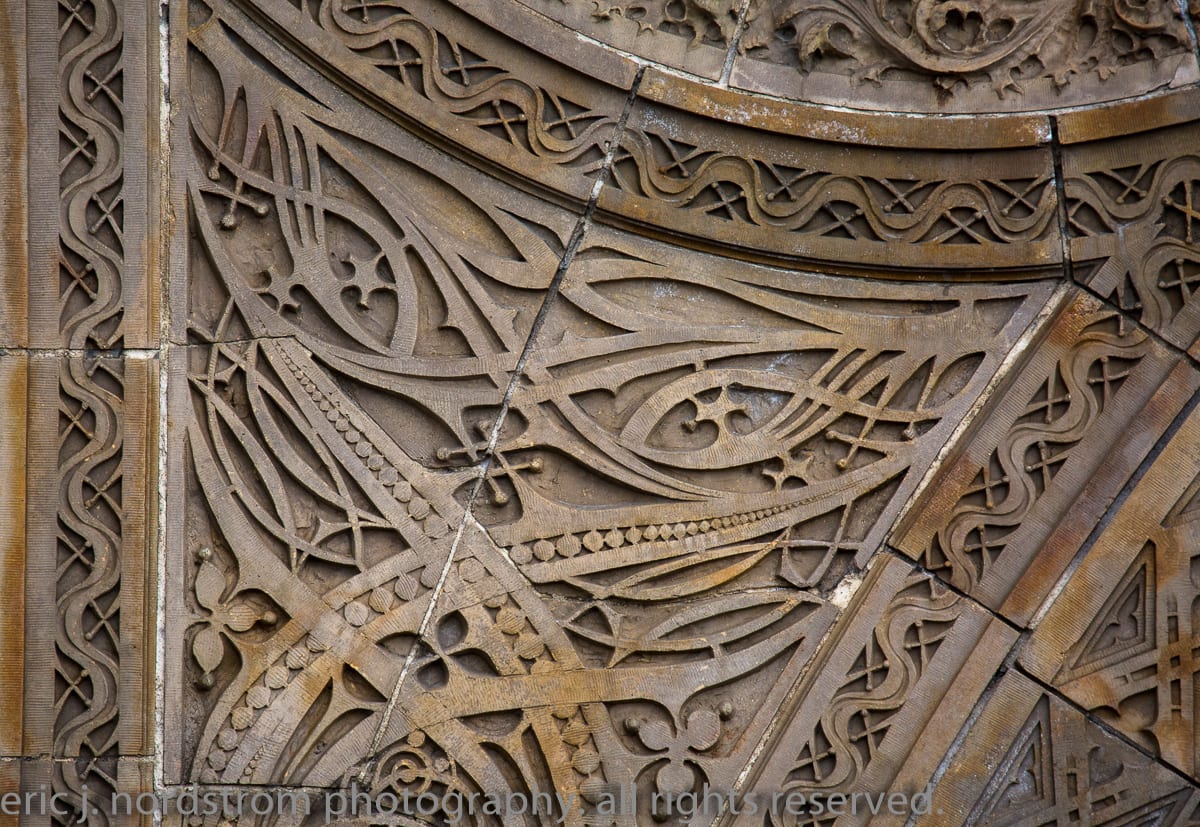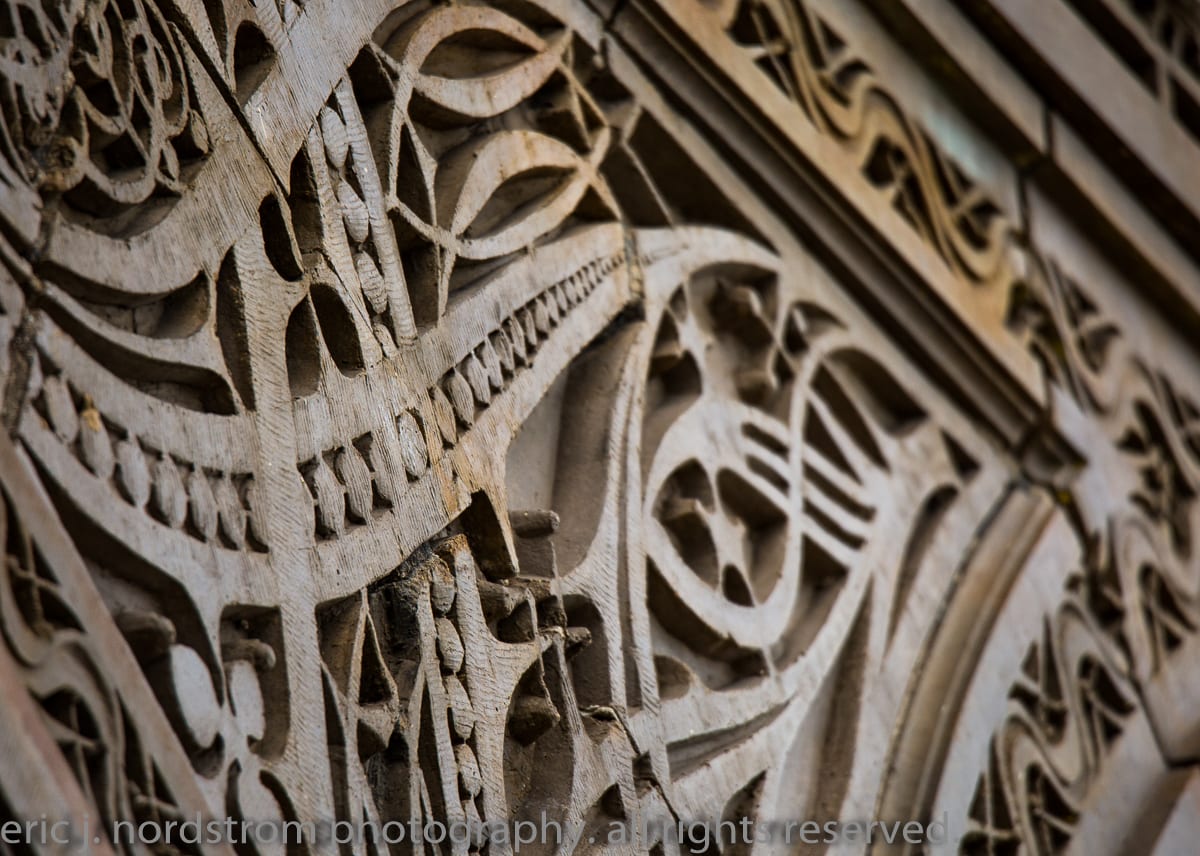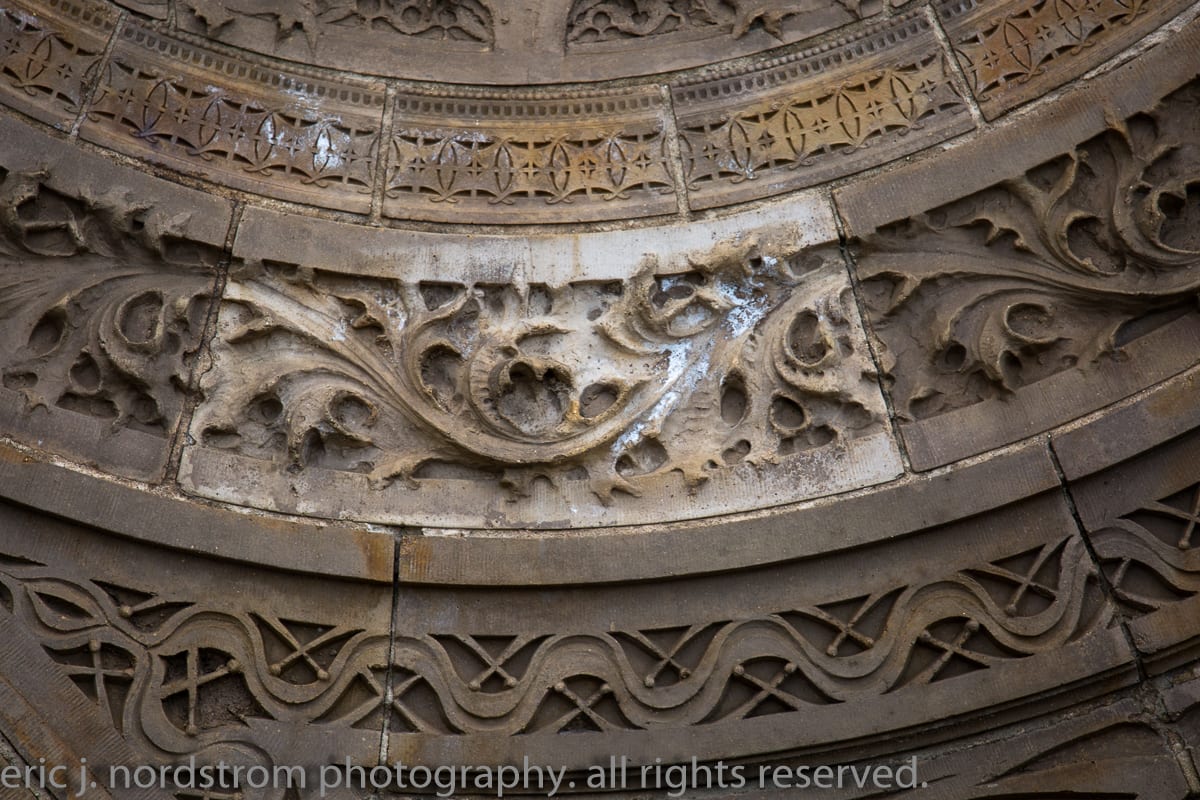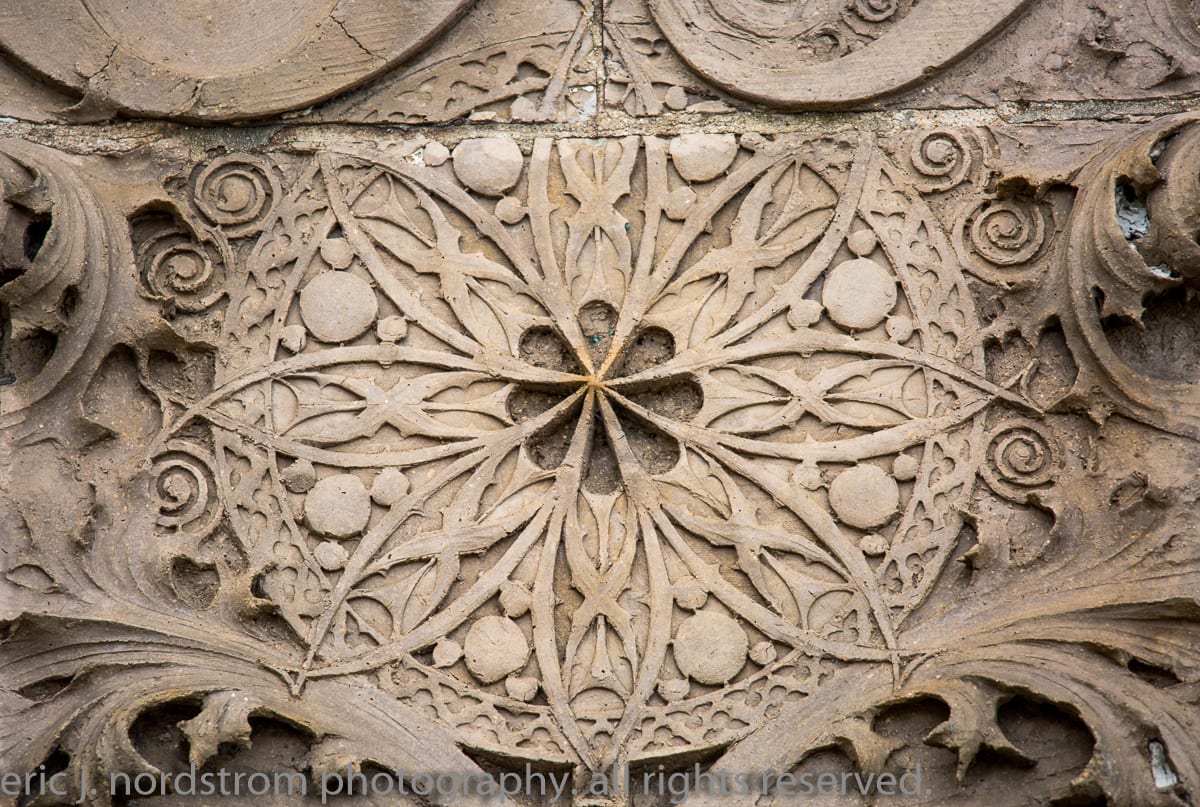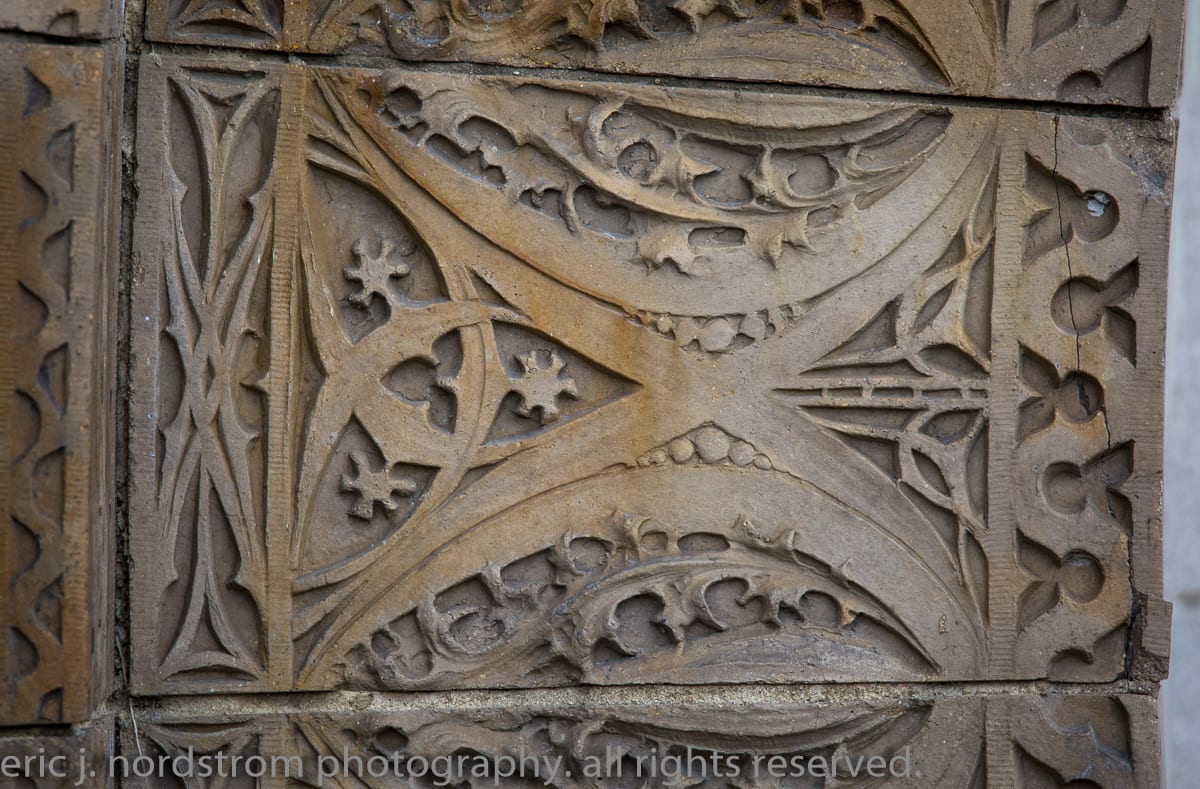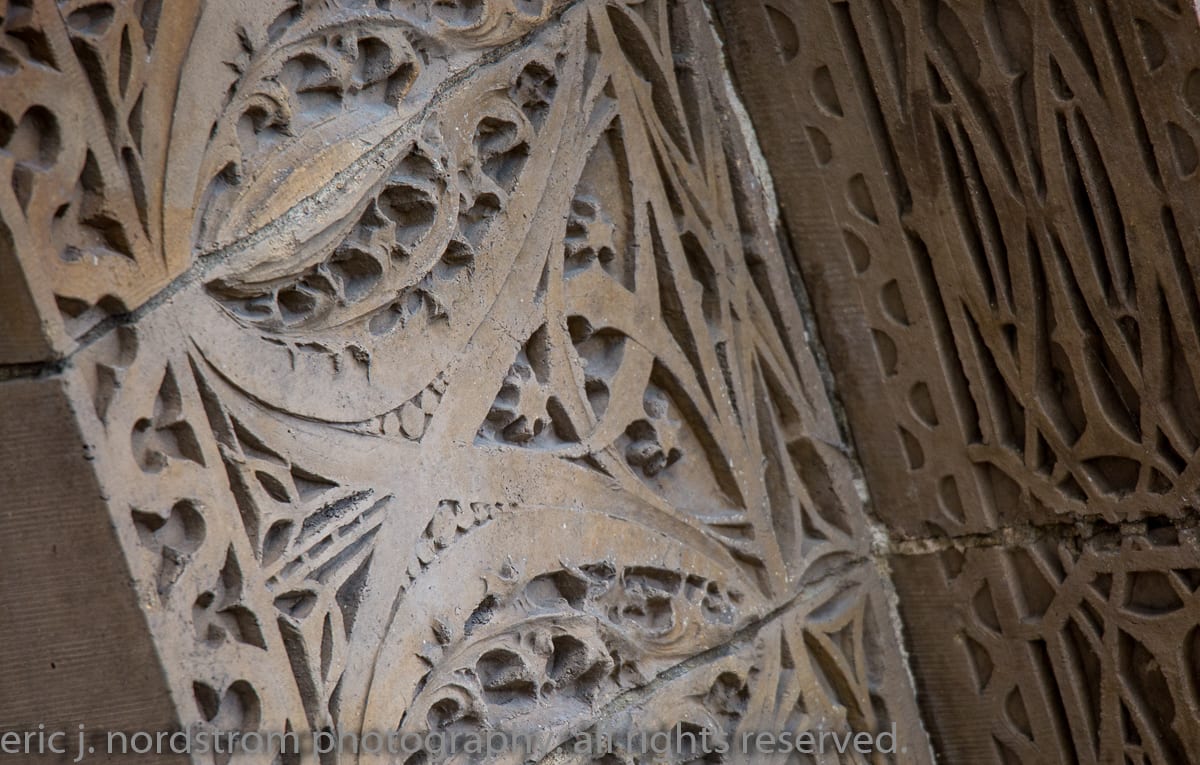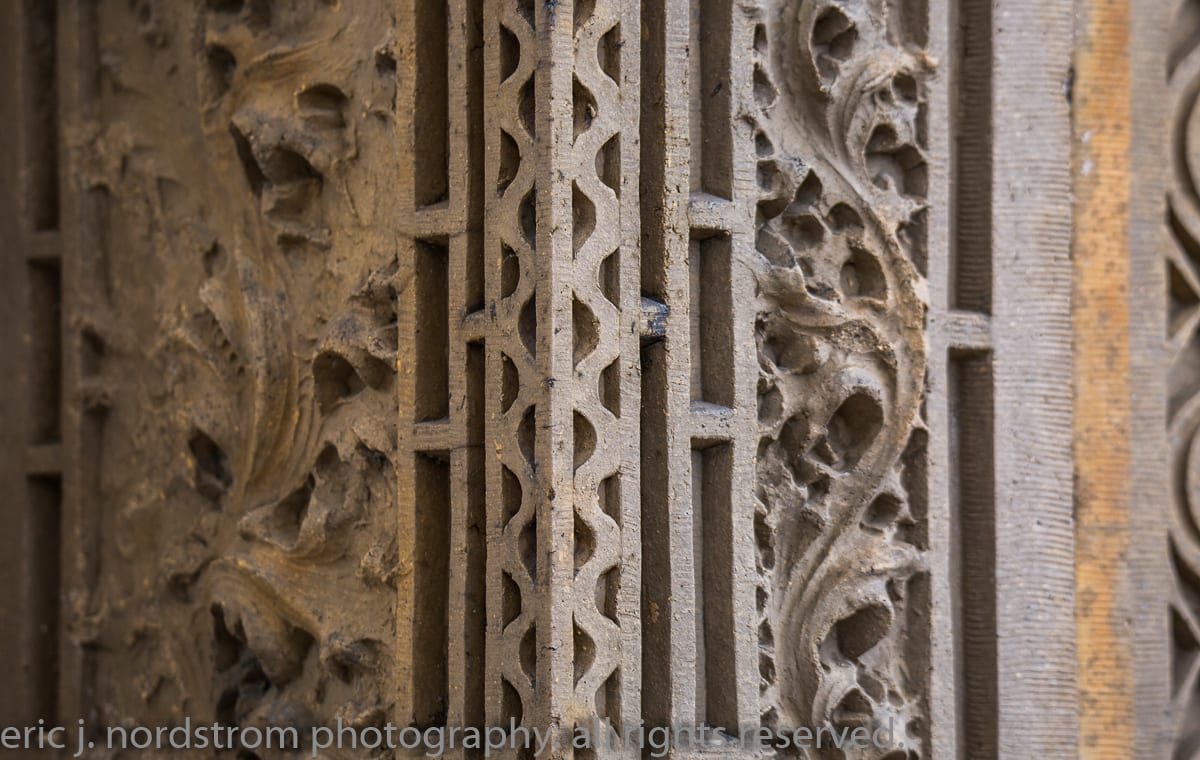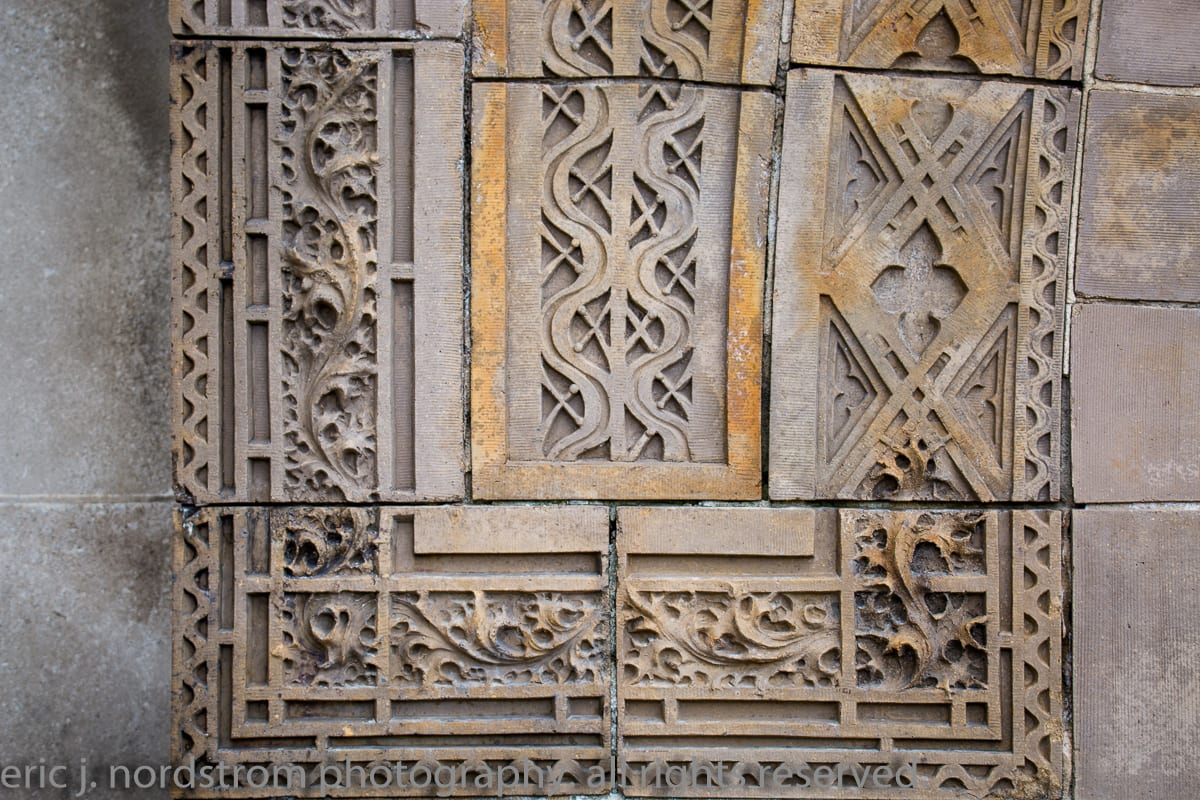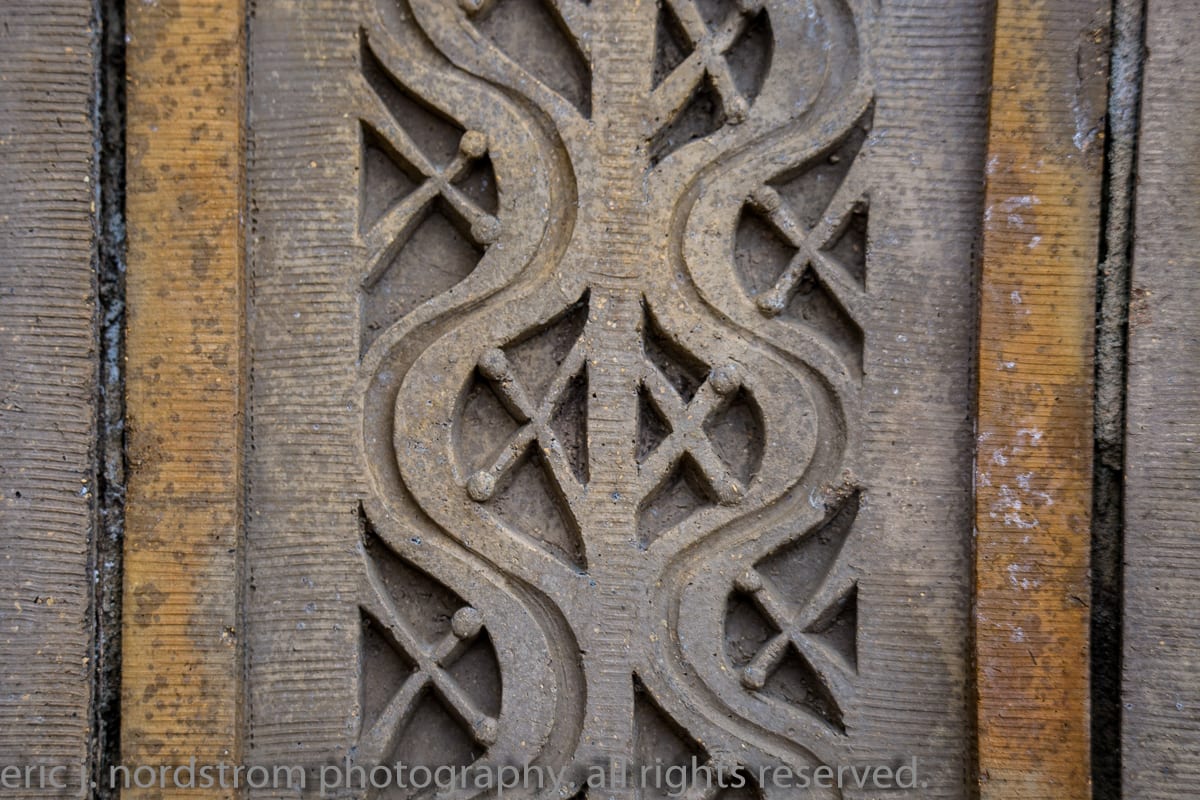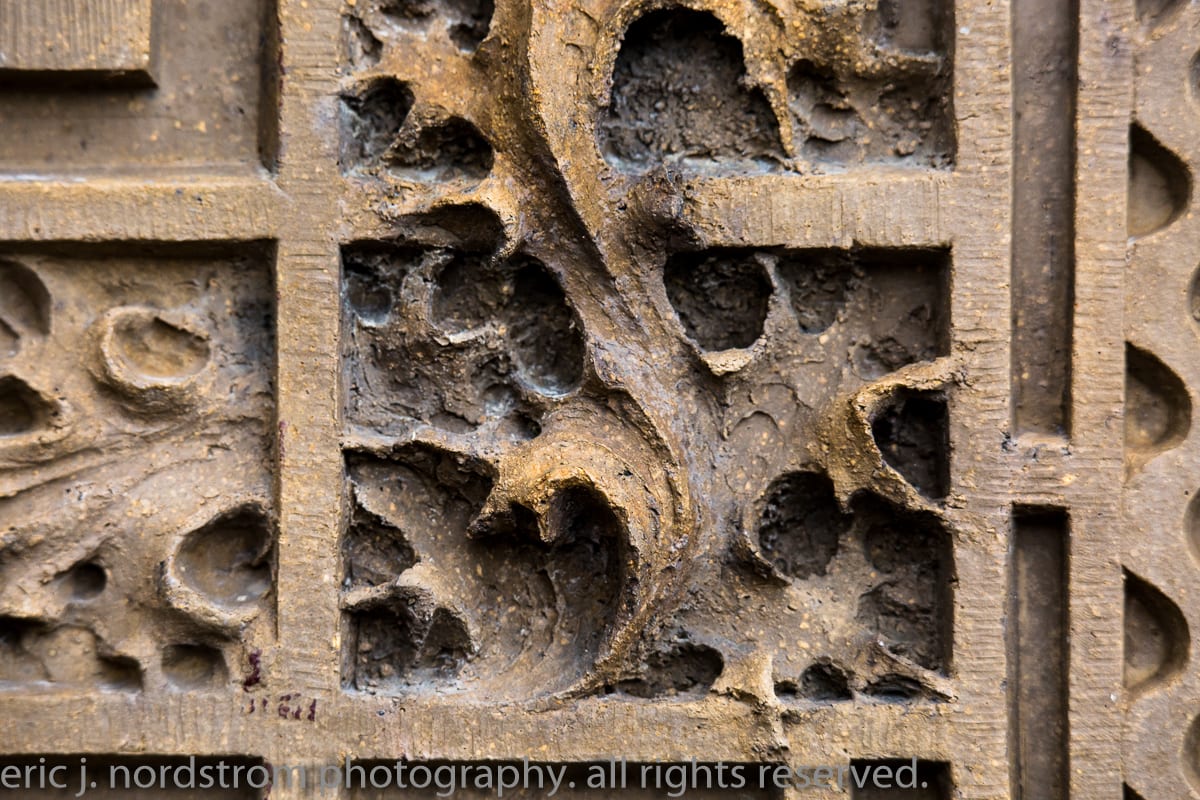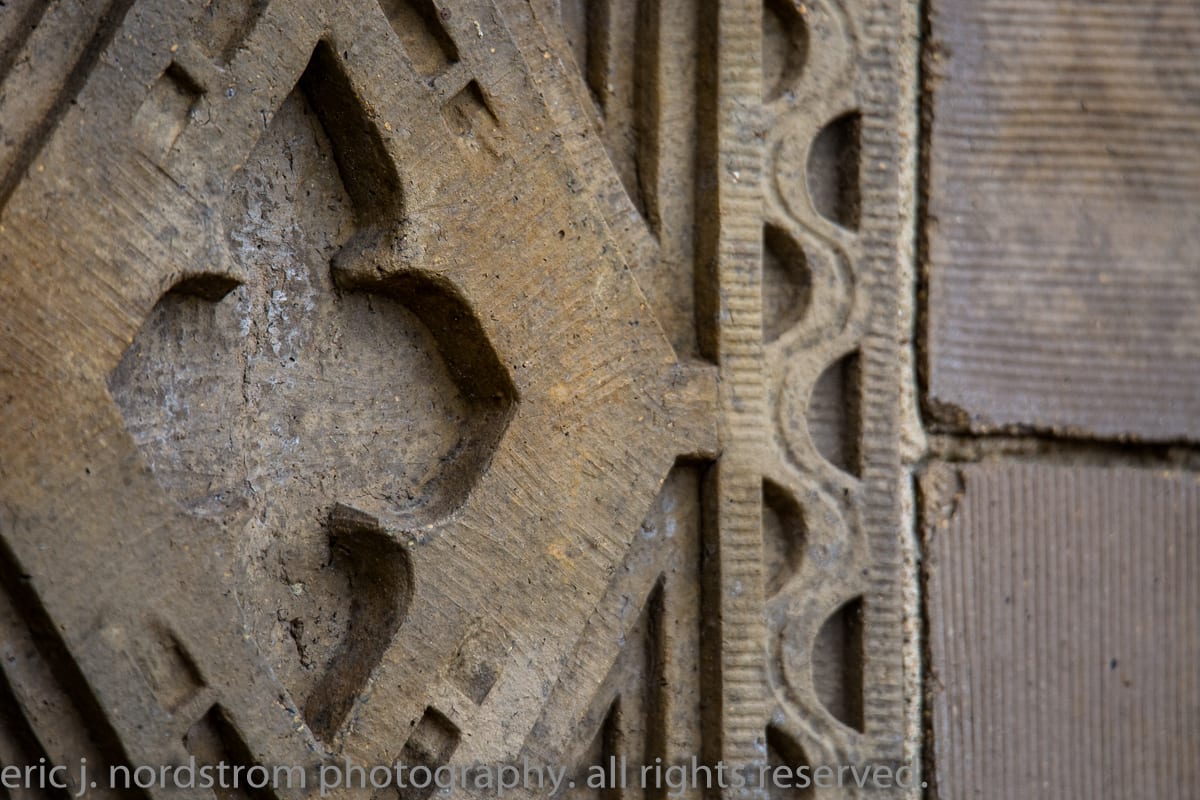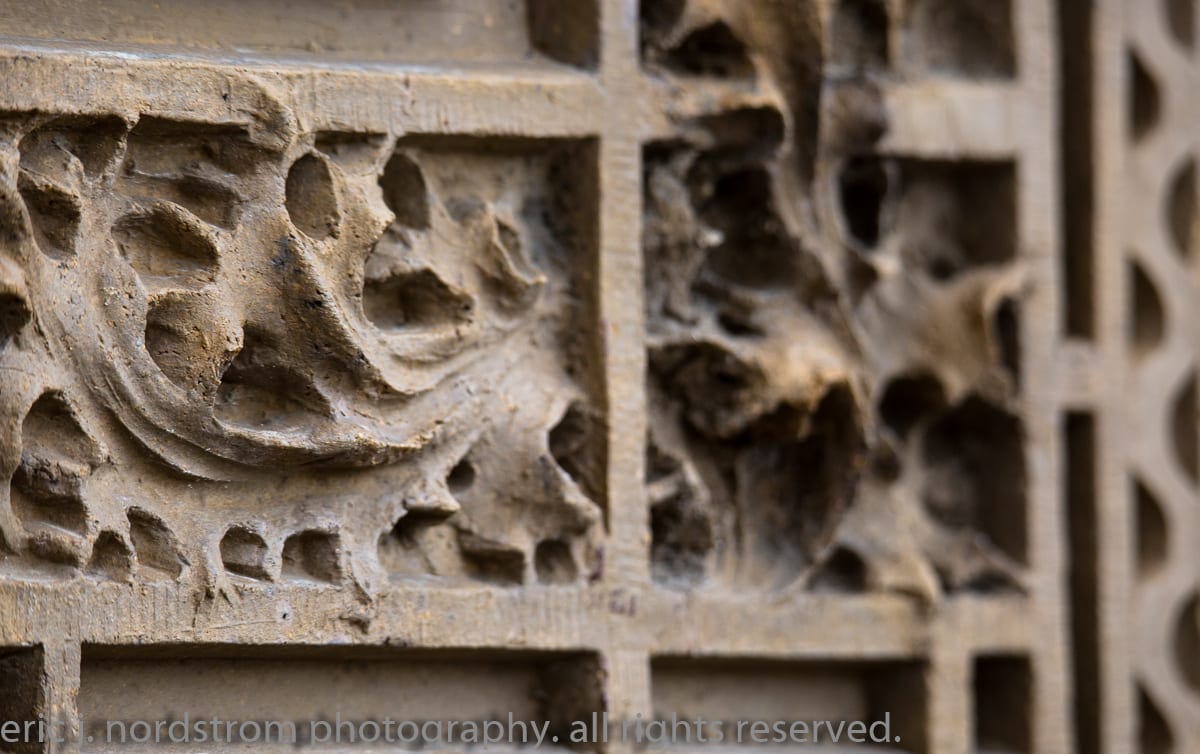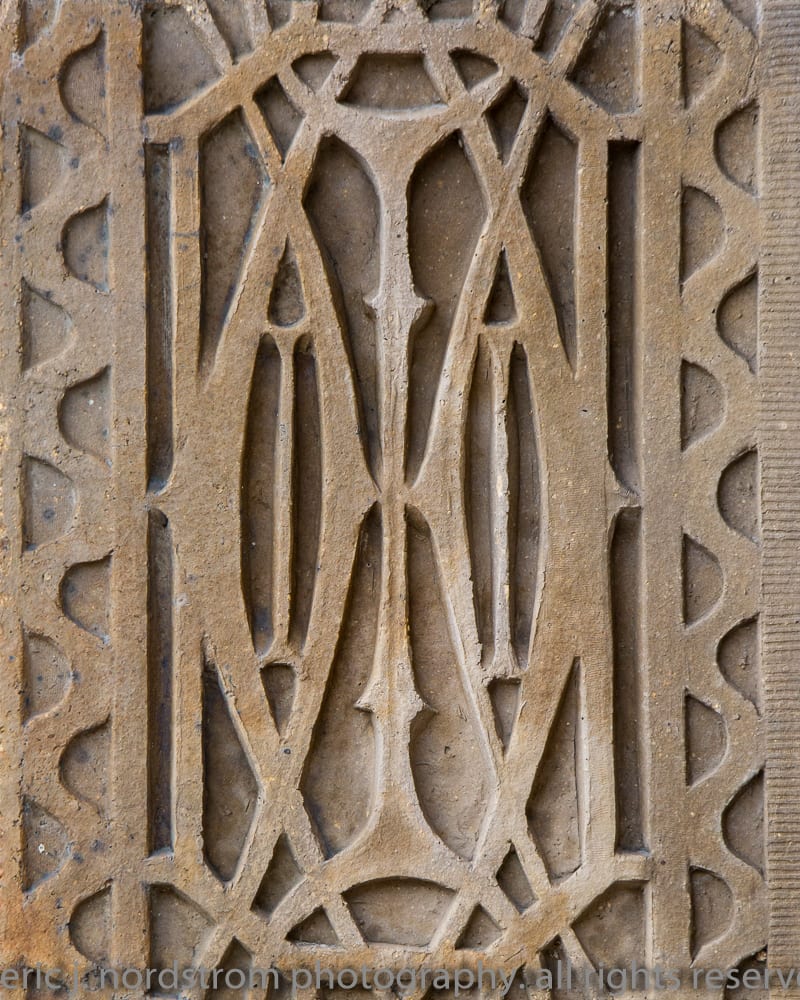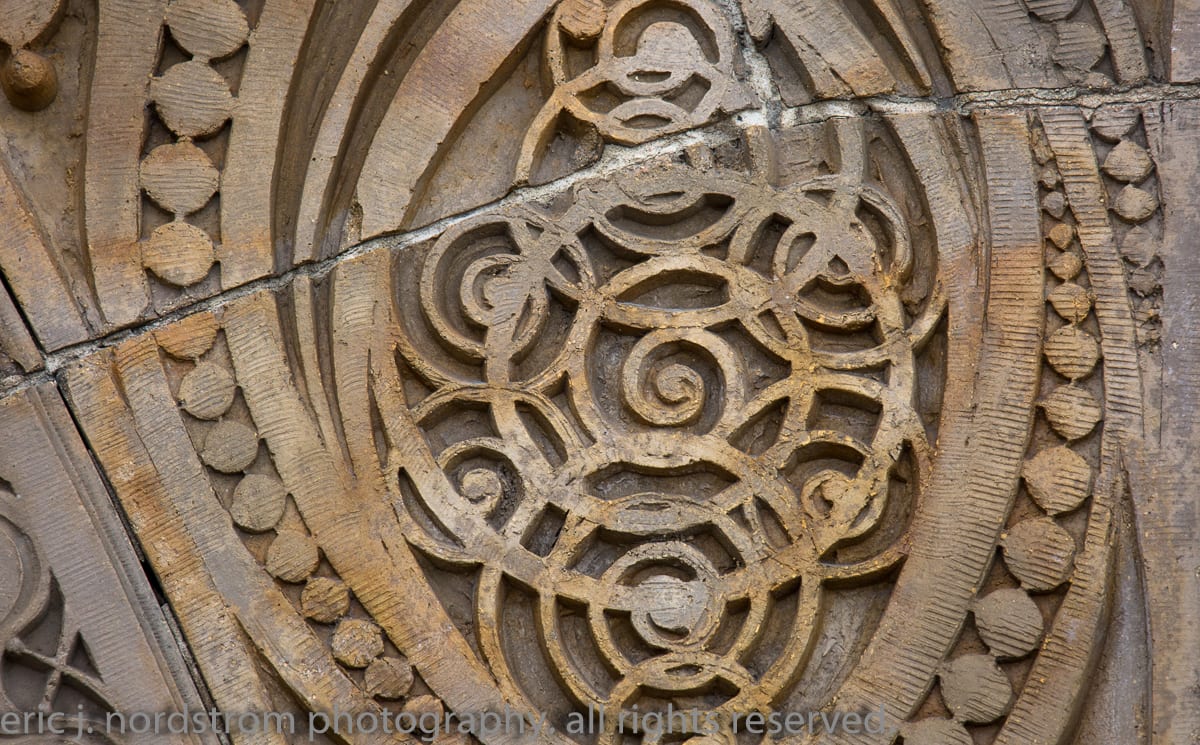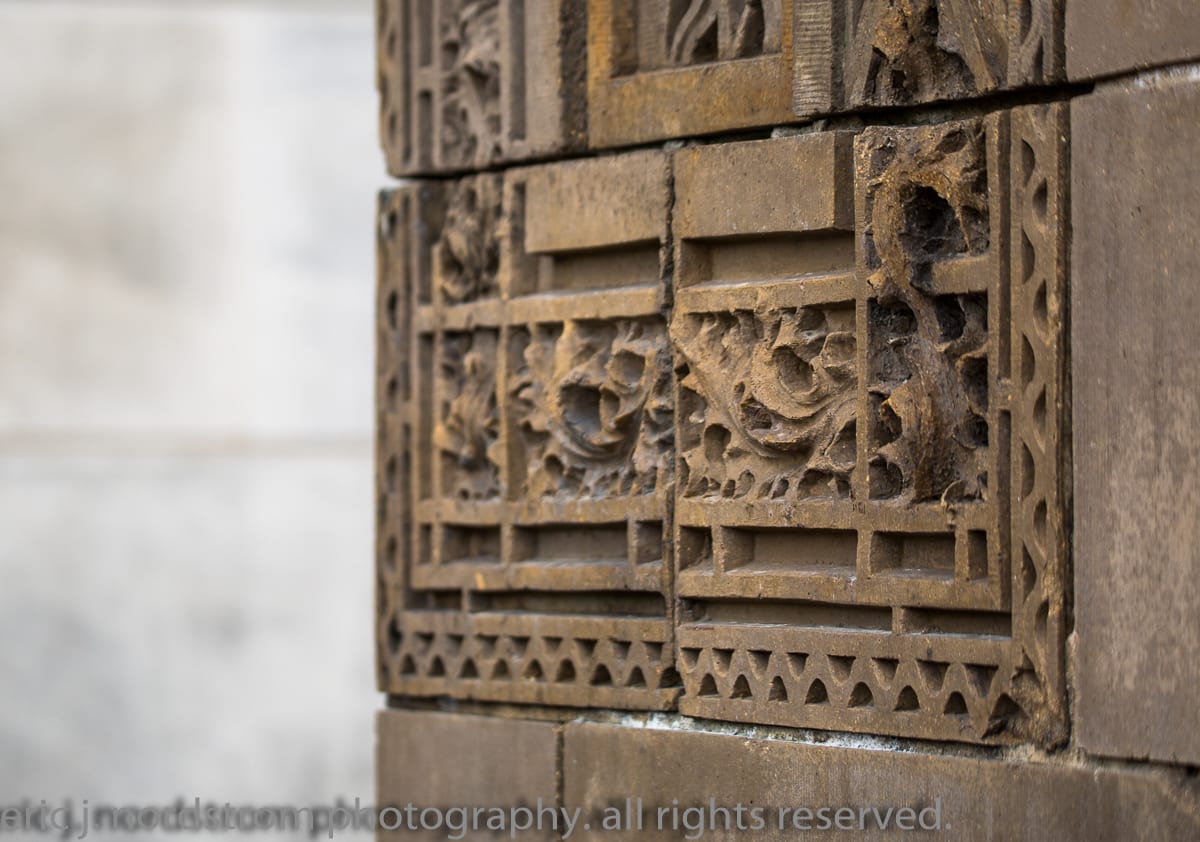

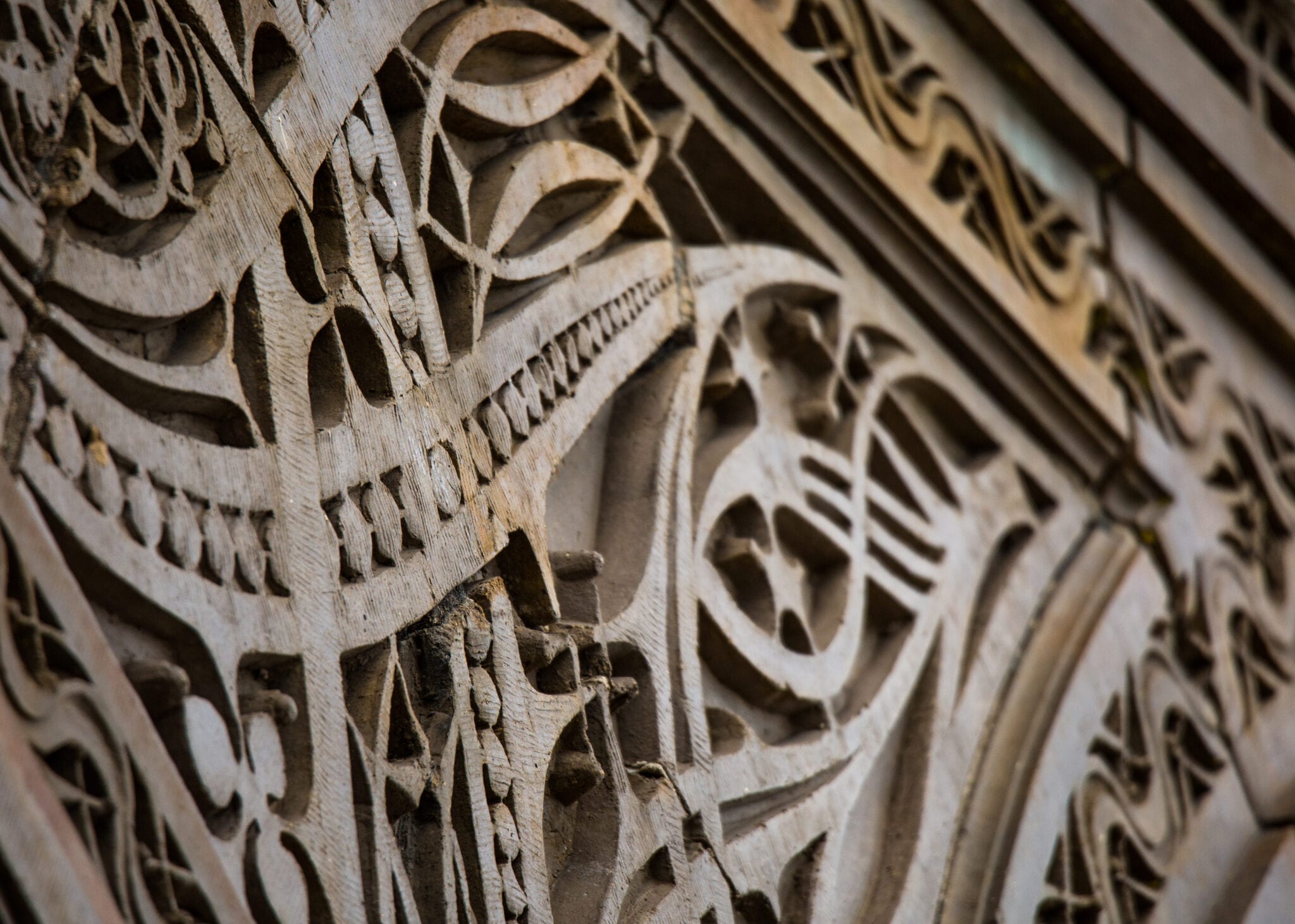
09 Nov the chicago stock exchange arch: photographic documentation of louis sullivan-designed terra cotta ornament
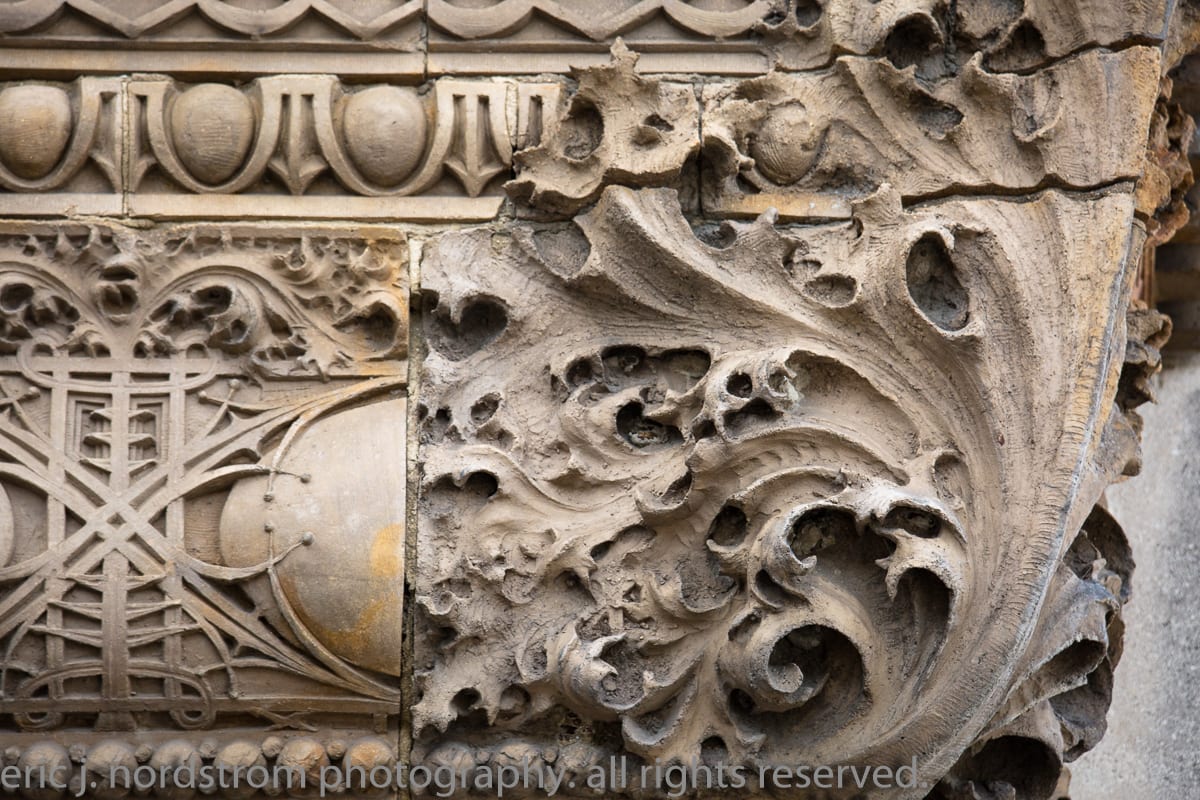
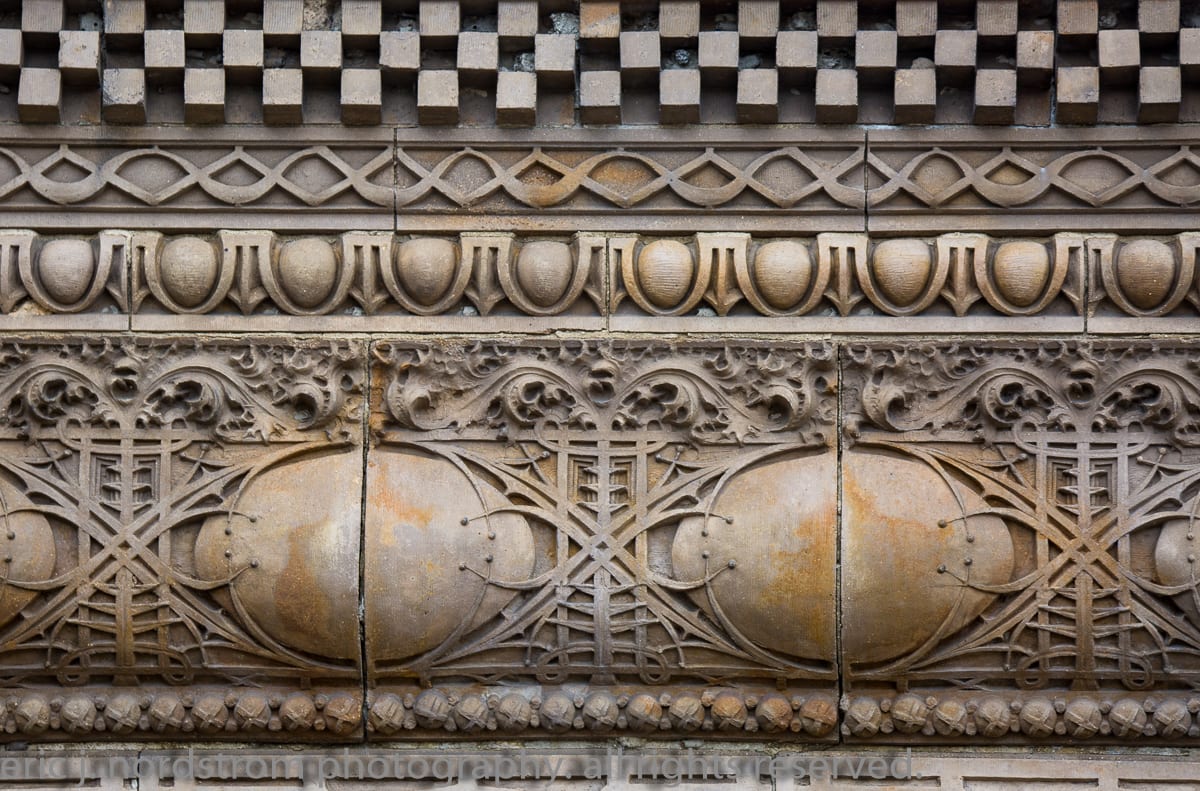
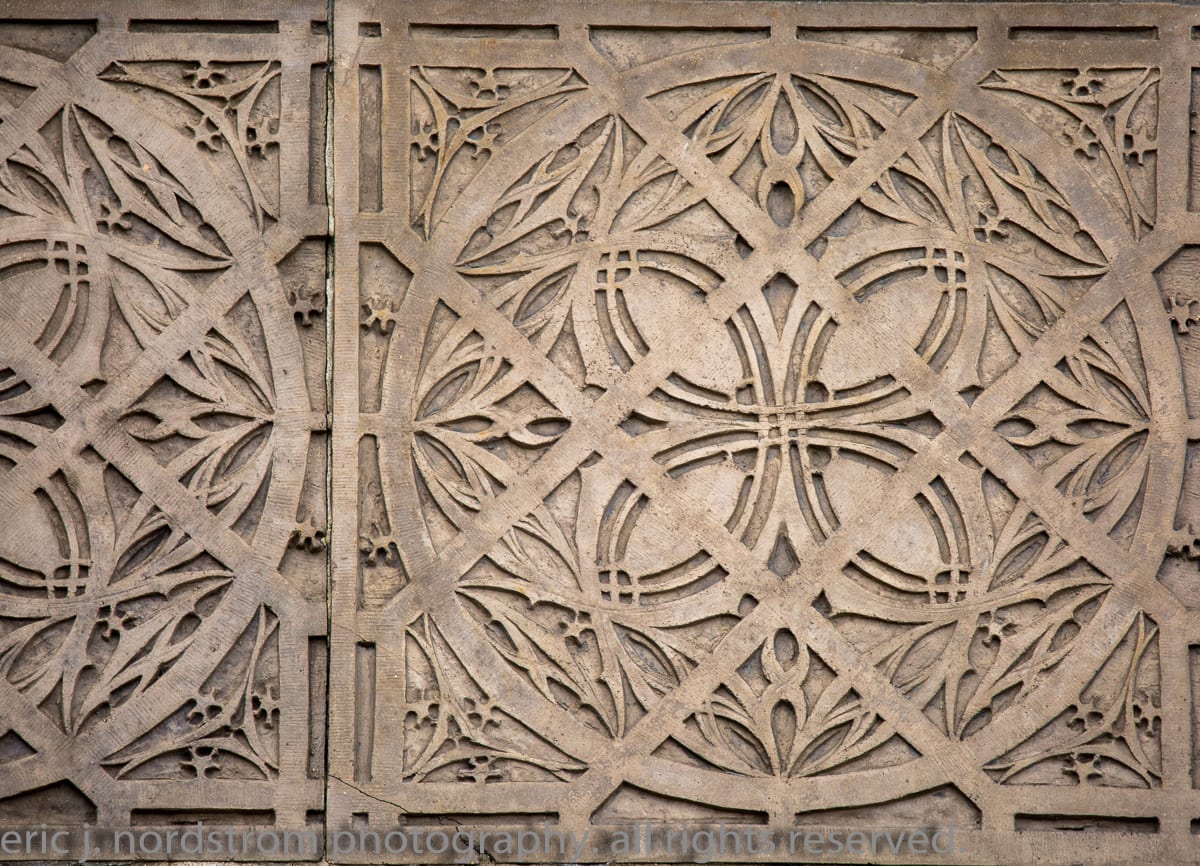
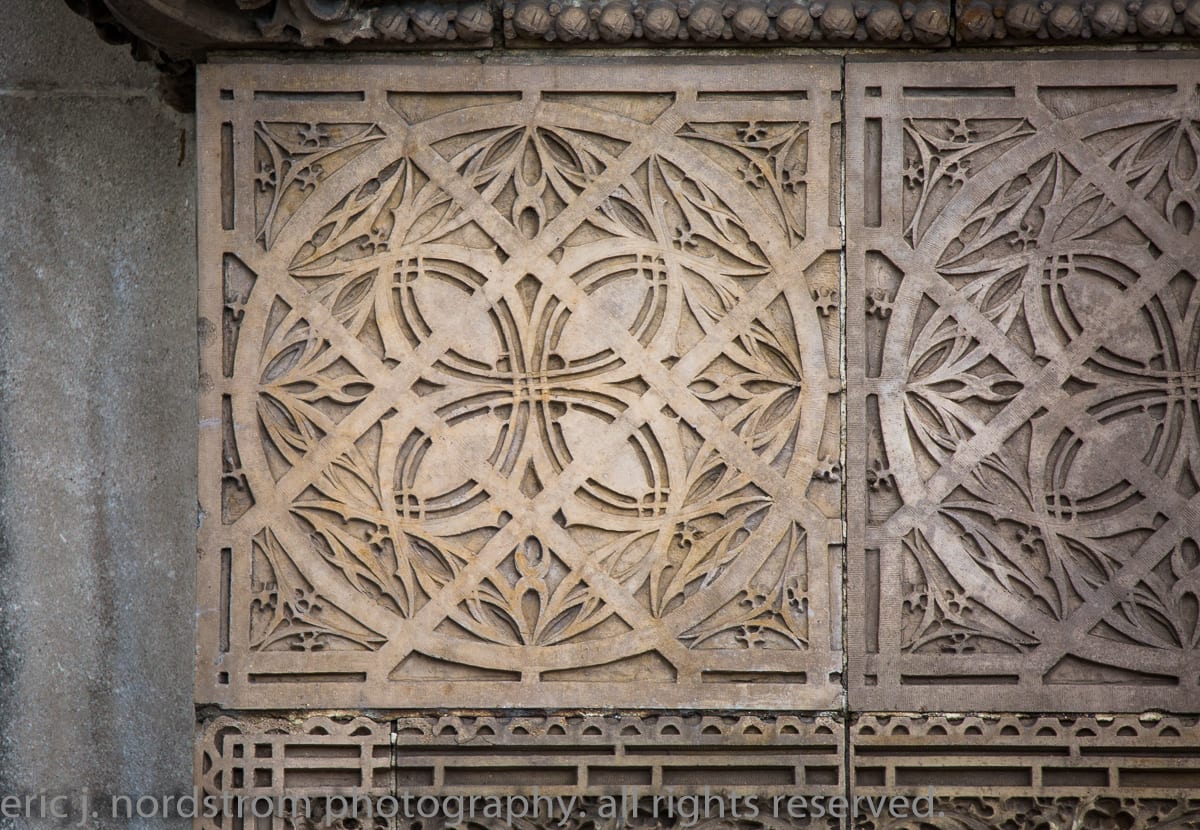
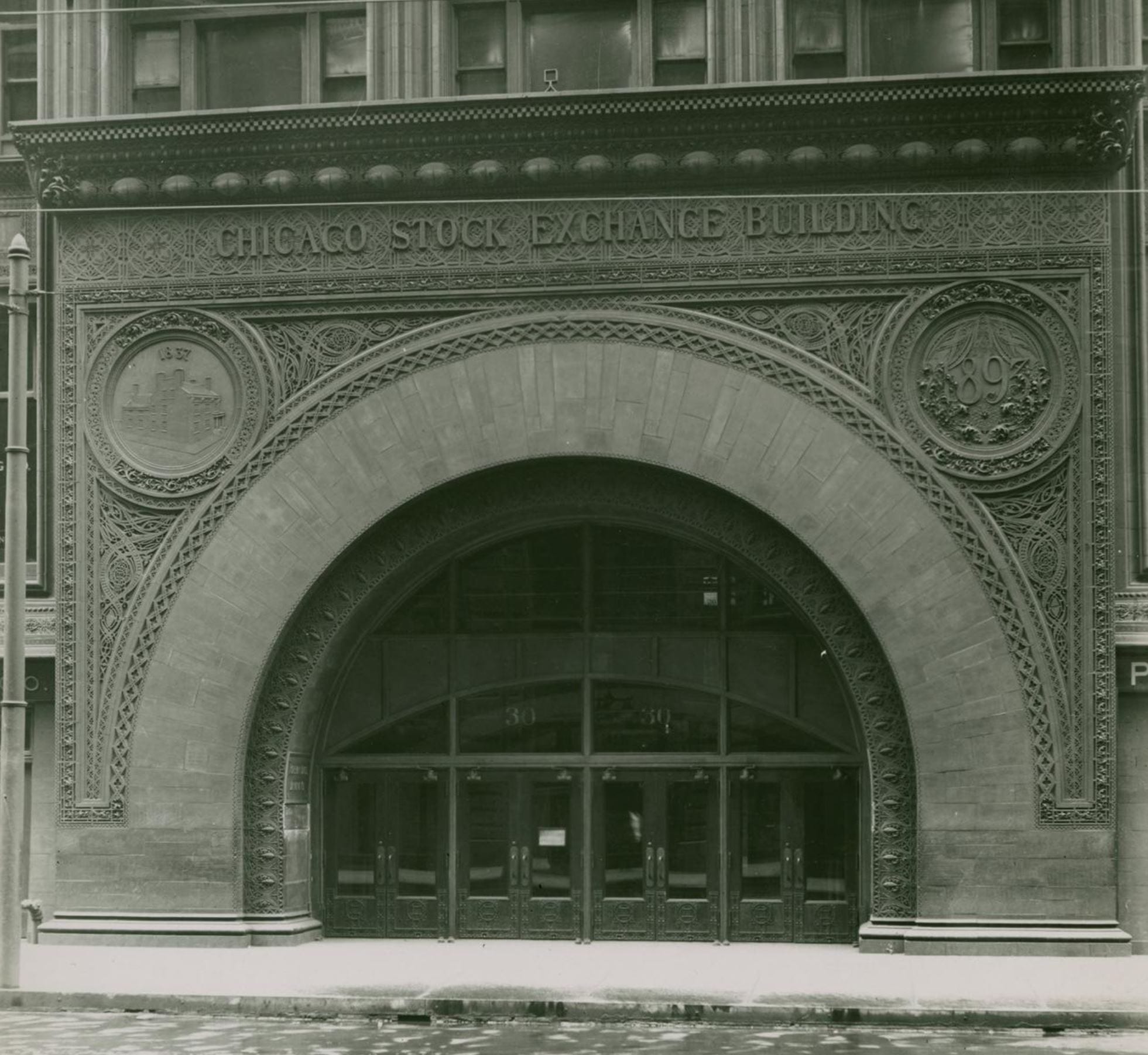
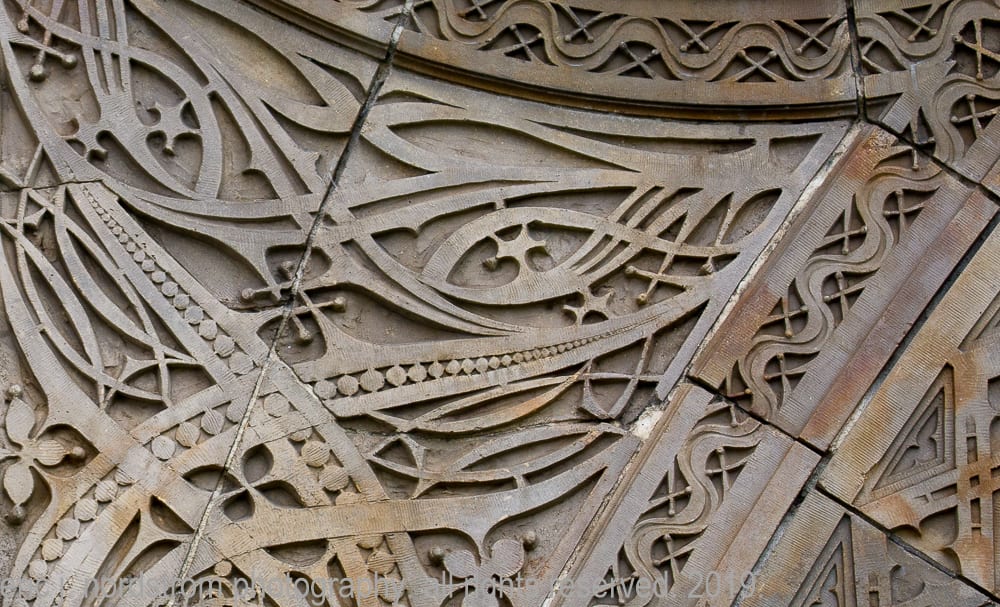
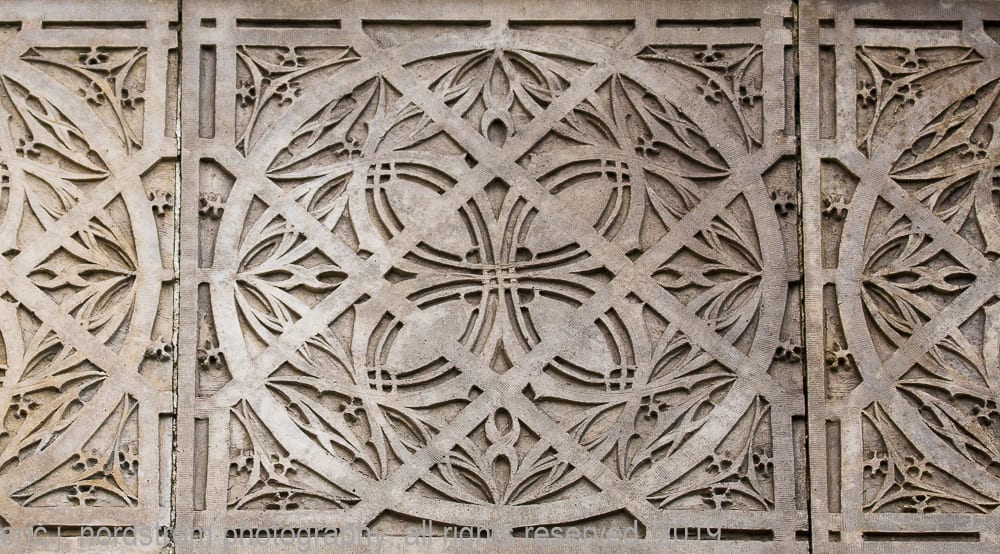
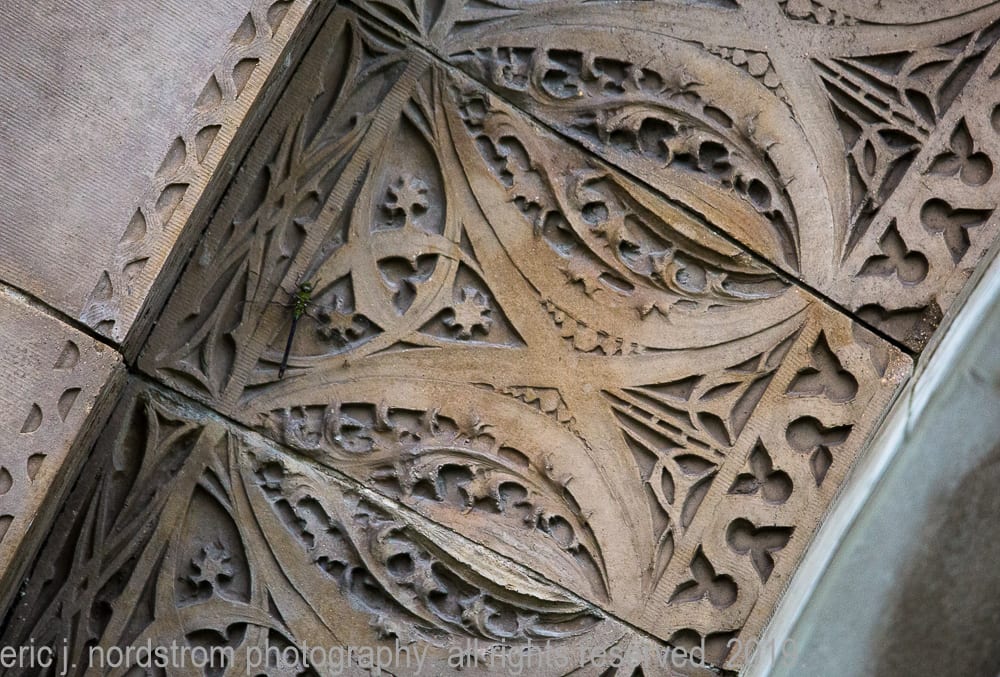
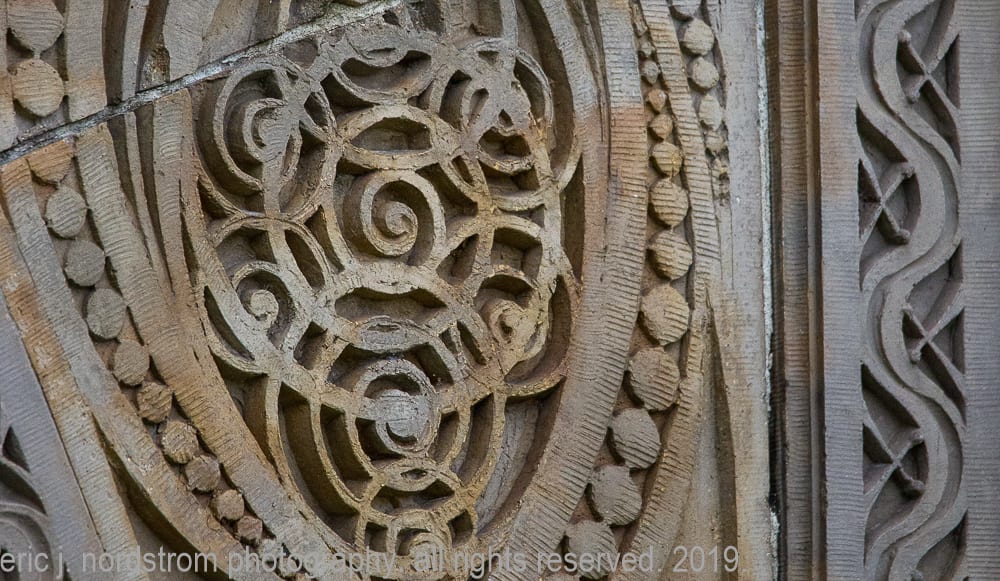
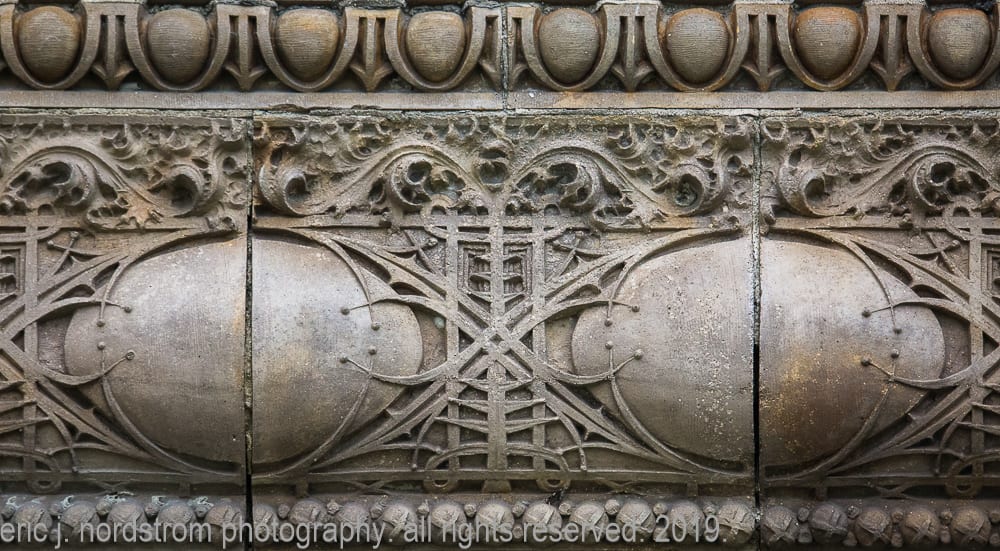
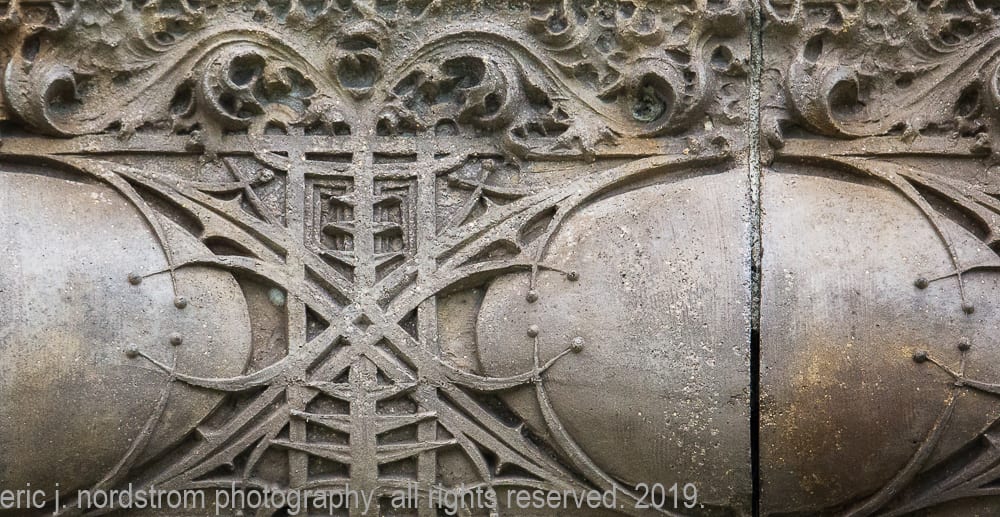
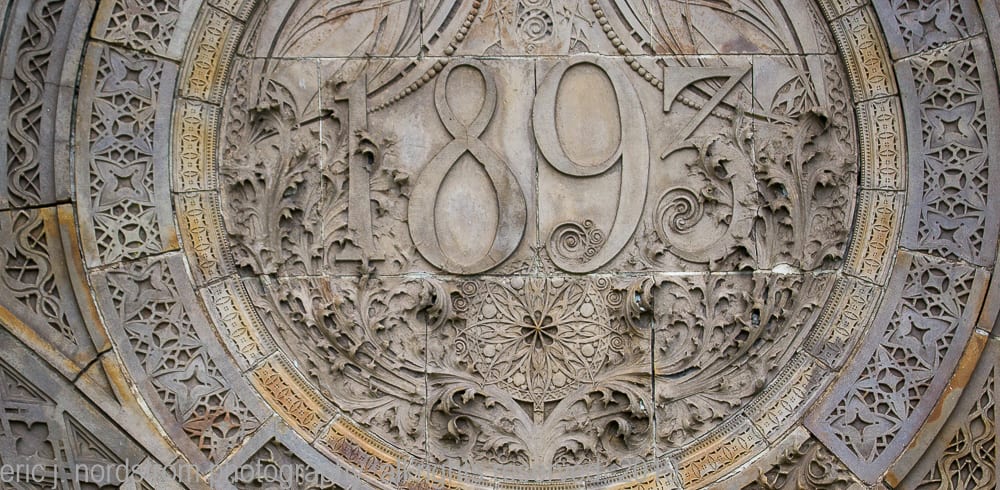
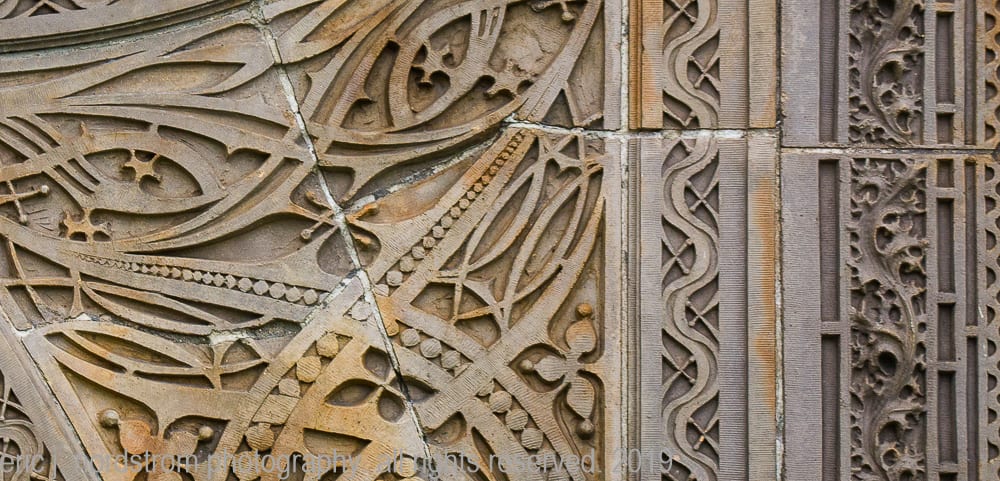
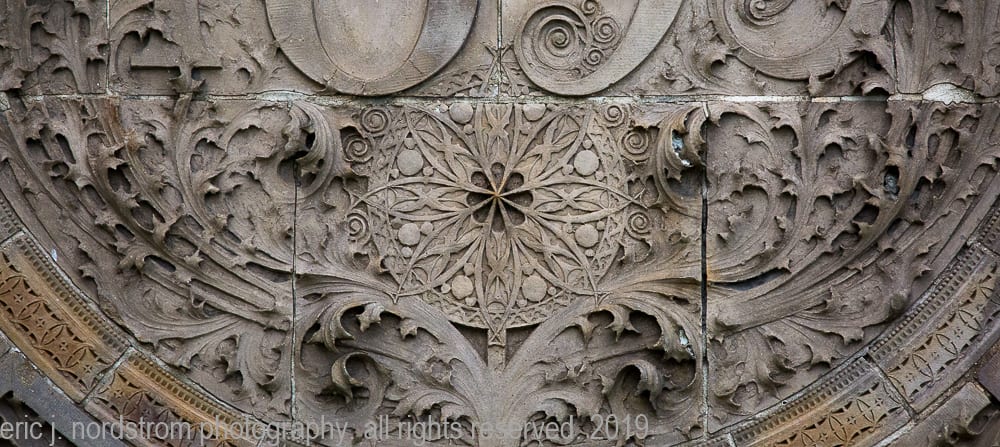
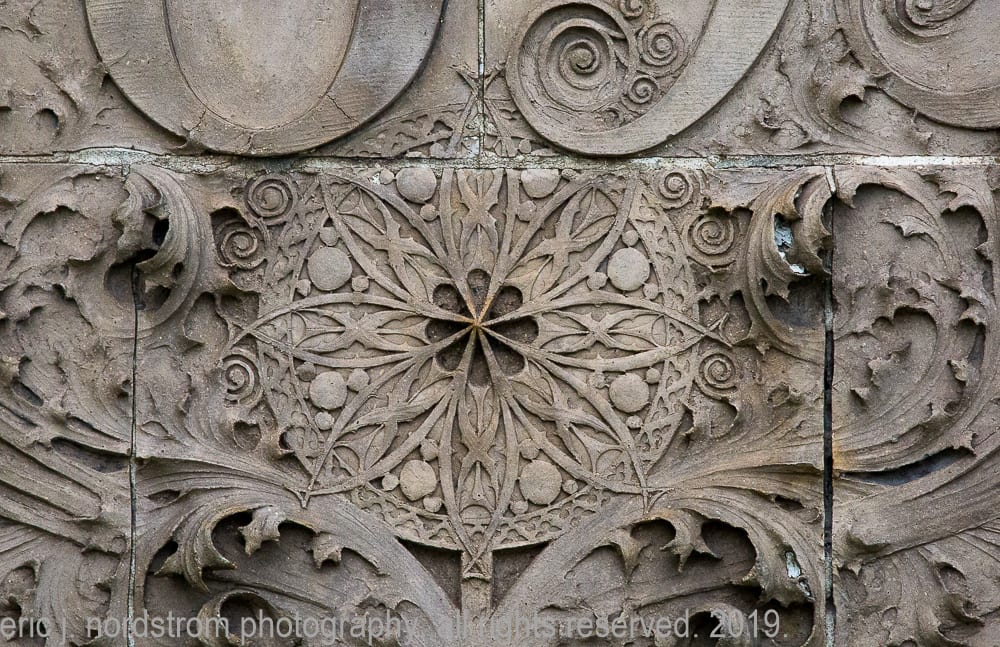
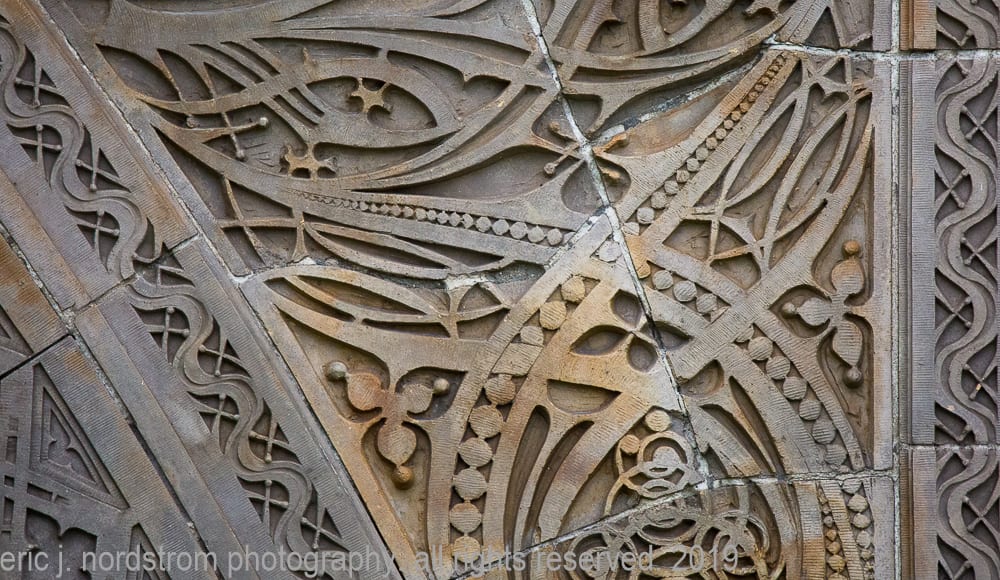
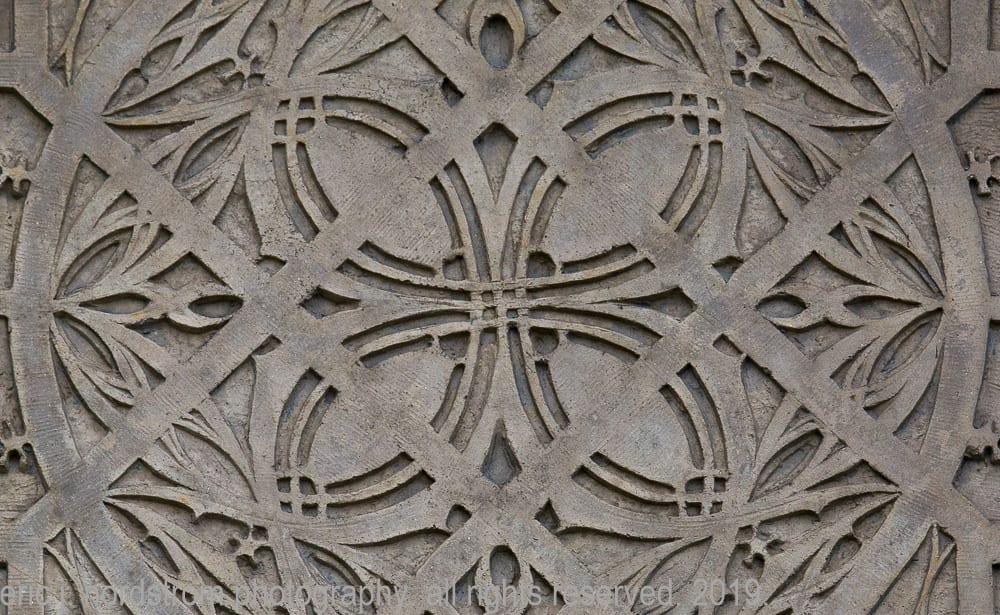
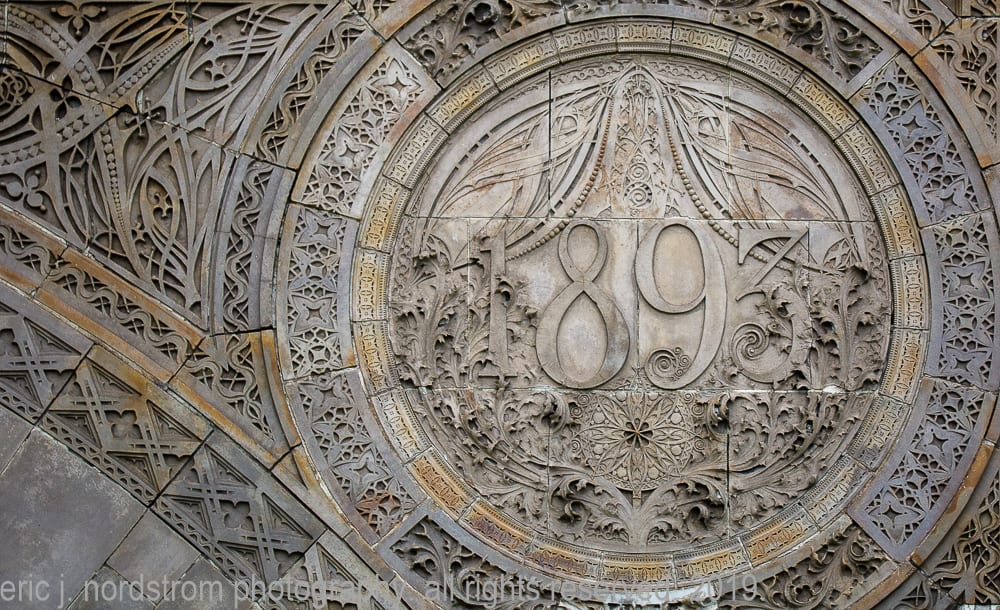
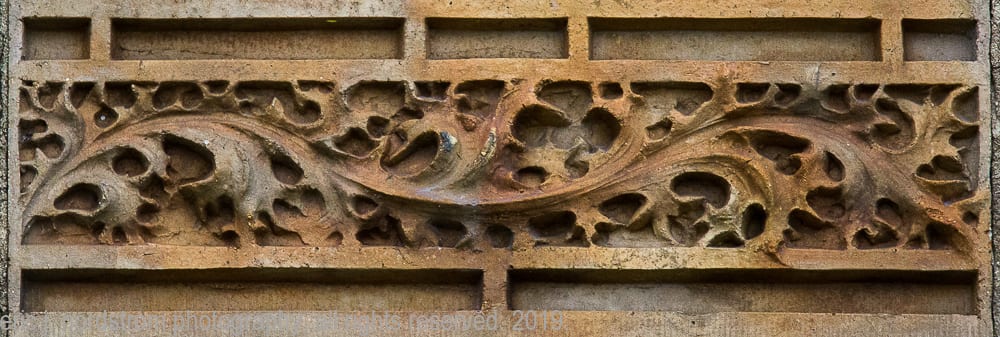
having trained as a scientist years ago has instilled upon me a relentless inclination to take things apart – study them intensely in isolation – then painstakingly reconstruct them to gain a better understanding of the system with all of its working parts. i used that method the other day when documenting the reconstructed chicago stock exchange building (1895) freestanding terra cotta entrance arch that was taken apart and carted off into storage during the building’s untimely demise in 1972. it was a great exercise to identify and document each and every sullivan-designed design used in the creation of a heavily ornamented arch bursting at the seams with an integration of organic energy that overwhelms the mind’s eye. it’s hard to look away.
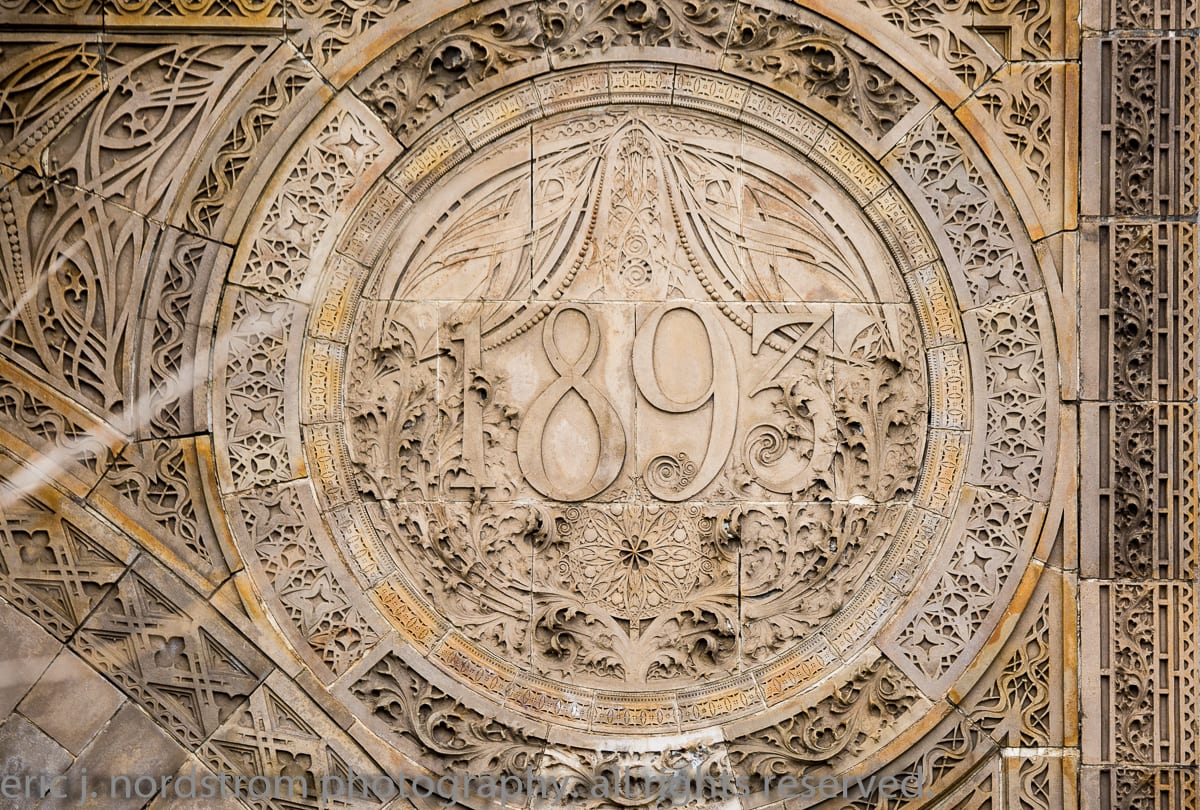
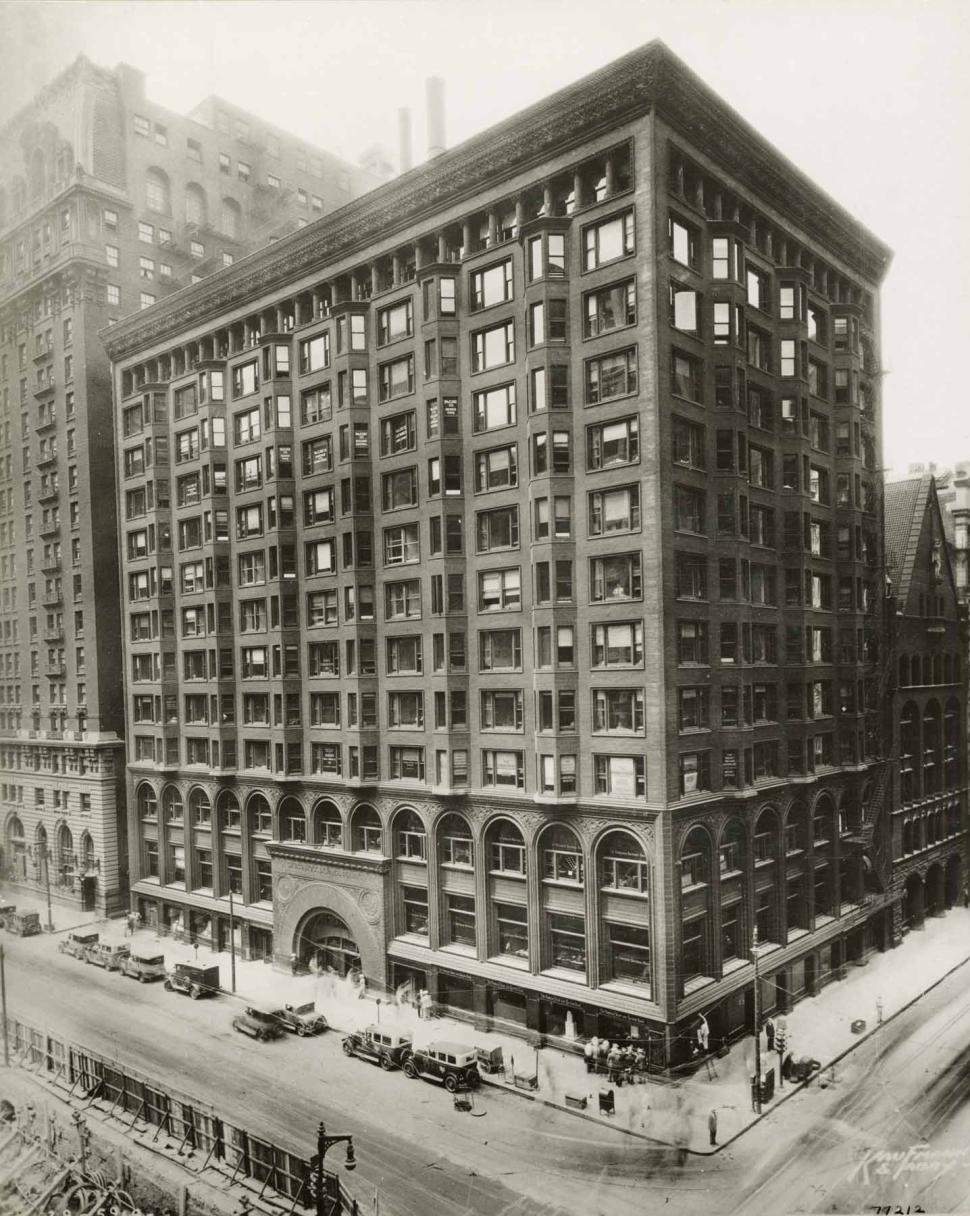
the stock exchange contained 13 stories with the single basement containing both pile and caisson foundations (the latter were used don the west party wall). the building contained 480 offices. the stock exchange was the second largest commission awarded to sullivan and adler (the largest being the auditorium hotel and theater). the building’s exterior was outfitted with ornamental buff-colored terra cotta designed by sullivan and fabricated by the northwestern terra cotta company. the structural system consisted of fireproofed steel framing. the first floor was treated on the exterior as basement, with the second and third floors as an arcade, bay windows extended from the fourth through the twelfth floor and the thirteenth contained a colonnaded ribbon of windows topped by a projecting cornice with a richly worked surface.

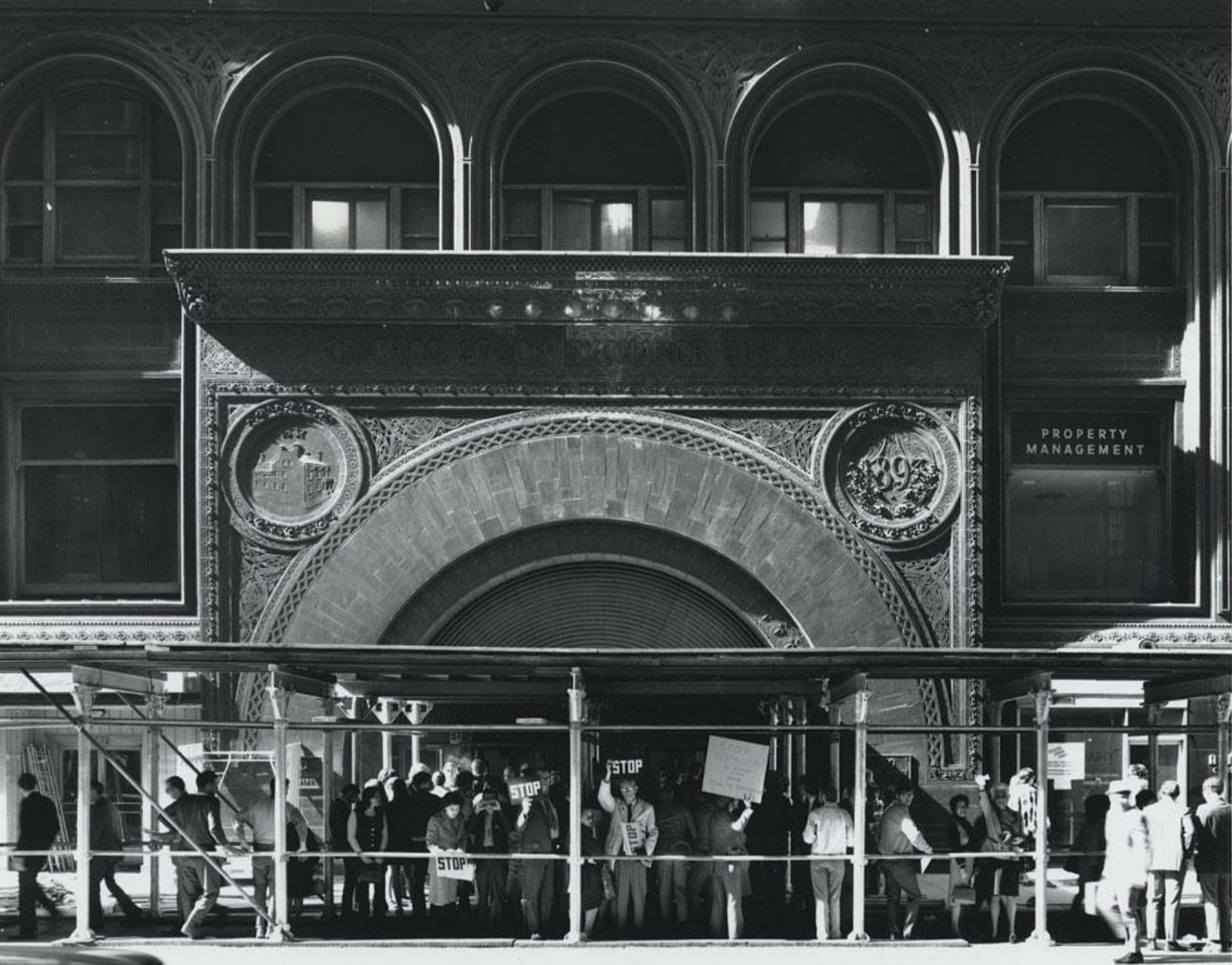
the interior contained shops on the ground floor with offices on the upper floors of the main block and wings. the elevators were located at the center of the building. the trading room occupied one-half of the second and third floors. the two sets of stairways were found on floors 4-13 (north and south side of the building). the highly stylized staircase was comprised of copper-plated ornamental iron, oak railings and white marble treads. between floors, each staircase consisted of two flights ascending in opposite directions, linked by a rectangular landing (a staircase was first removed from the building and installed in the metropolitan museums american wing).
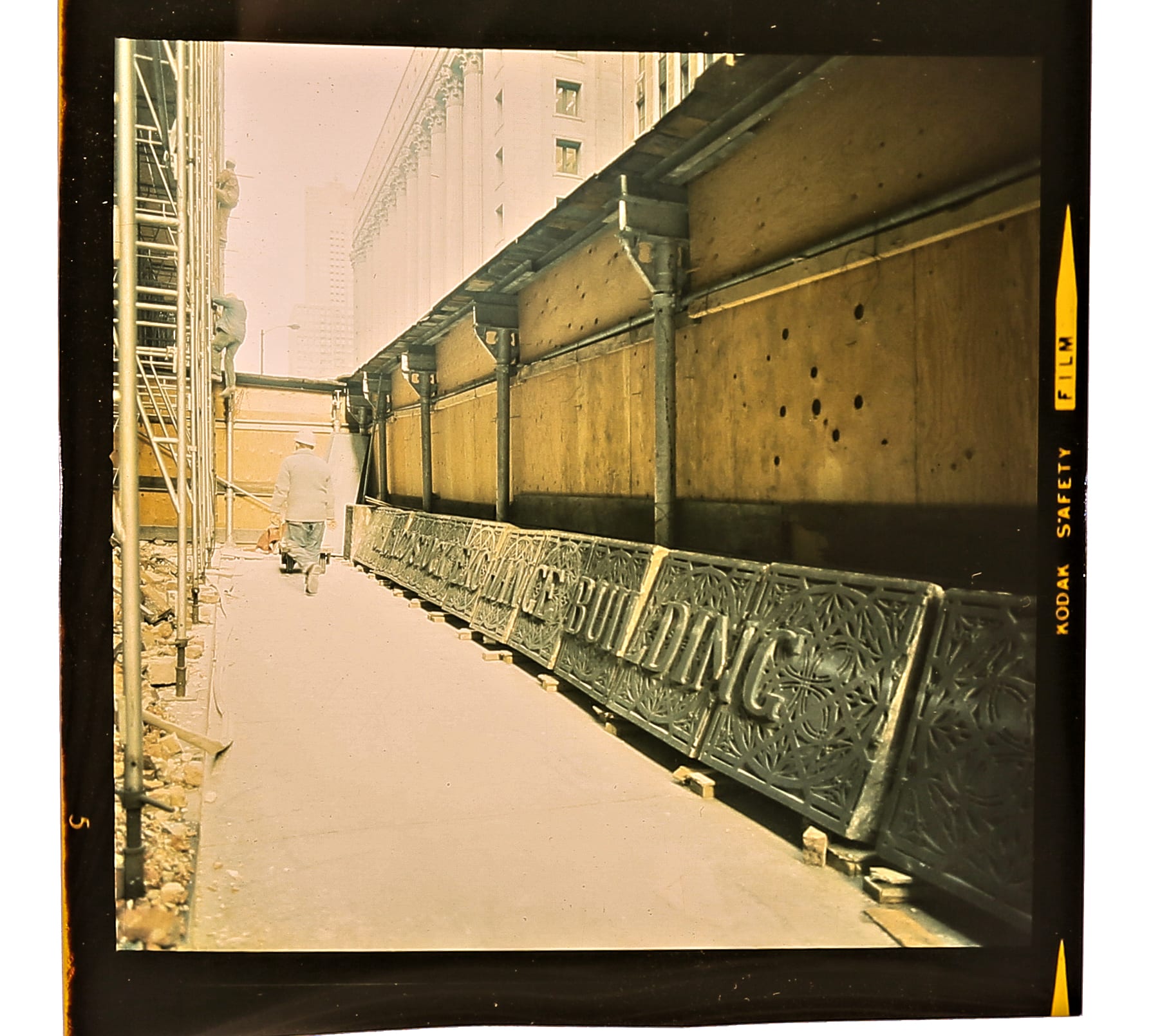
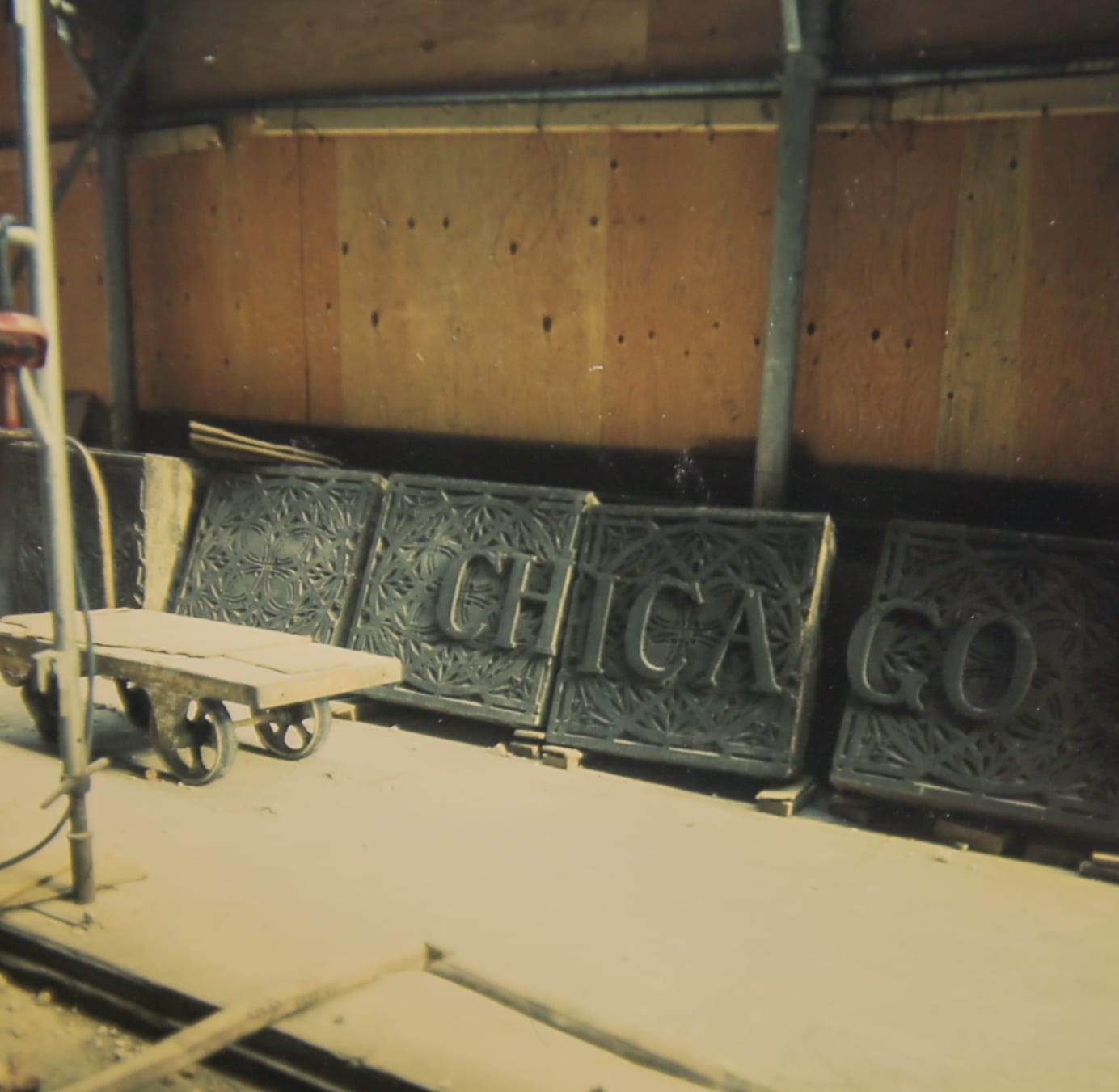
when the stock exchange moved in 1908, the trading room was converted into office space and later a bank. during the course of demolition in 1972, photographer and activist richard nickel was working to salvage ornament the building when the unstable structure collapsed and he was tragically killed. as a tribute to nickel and sullivan, sections of the trading room stencils, molded pilaster capitals, and art glass were preserved and in 1977 the art institute created a complete reconstruction of this significant room in a new wing of the museum. at the same time, the monumental entry arch of the stock exchange was erected on the museum grounds near the corner of monroe street and columbus drive.
updated images taken july 21, 2019:
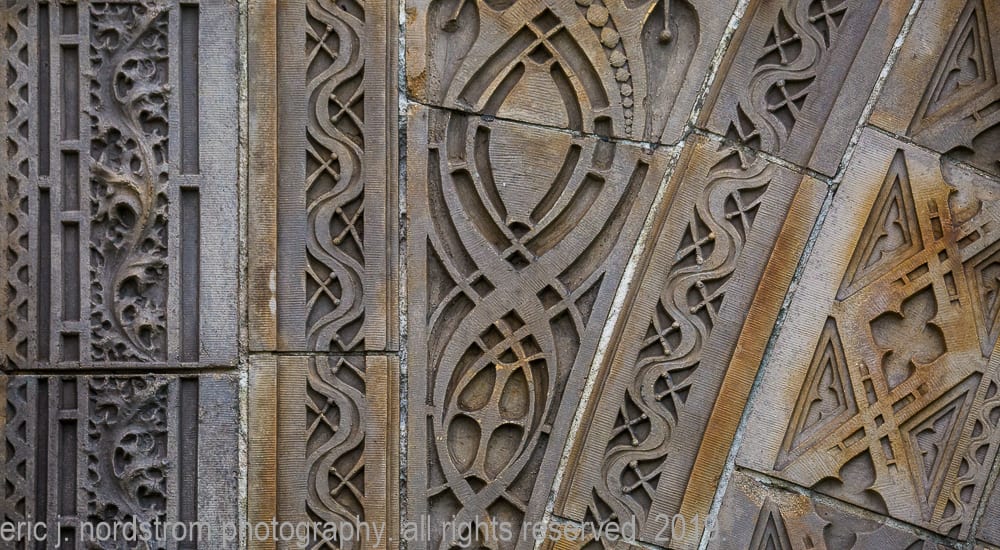
the images below were taken on march 26th, 2018: