

21 Mar ongoing photographic survey of thomas edison’s unique patented concrete craftsman cottages designed by david f. creighton
March 21, 2026
in Bldg. 51, Events & Announcements, Featured Posts, Miscellaneous, Travel, Uncategorized
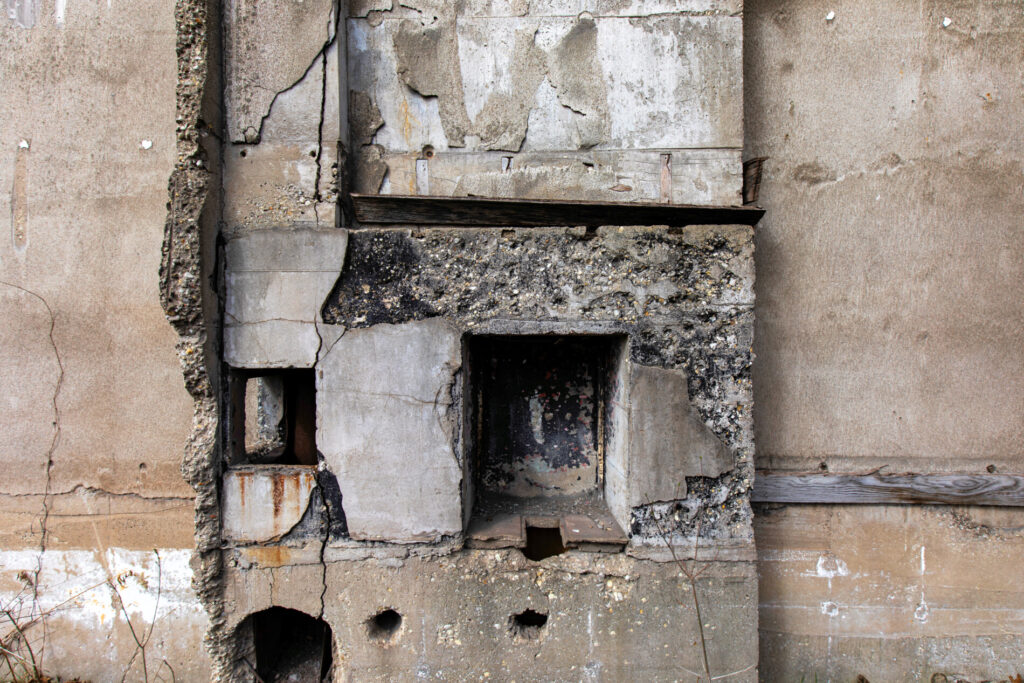
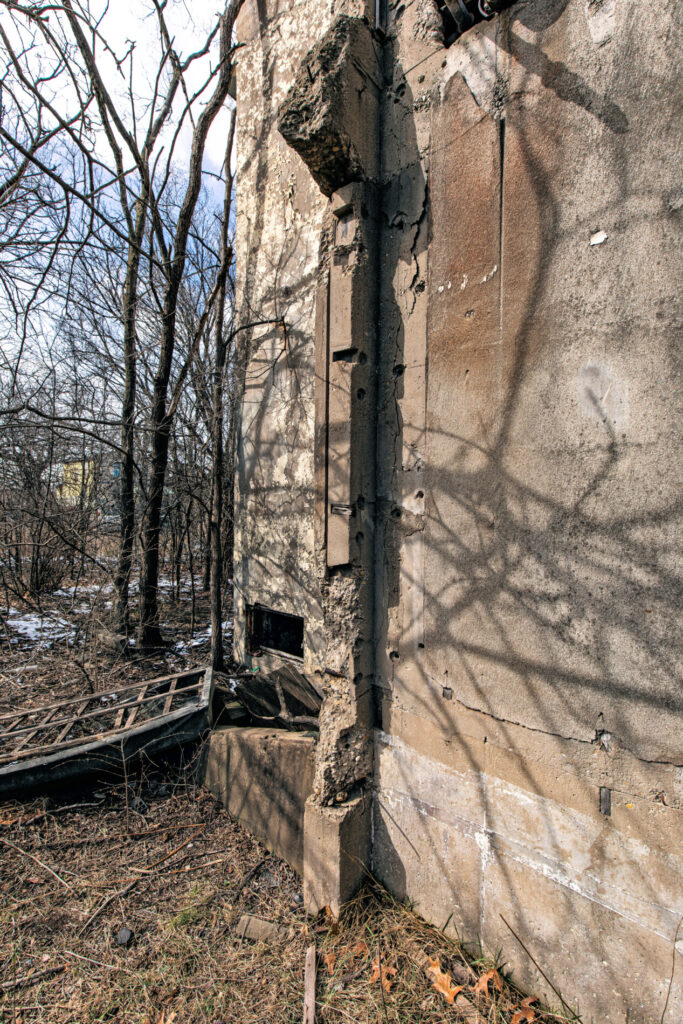
the polk street concrete cottage historic district is a national historic district in the first subdivision of gary, indiana. it includes four residential buildings designed by d. f. creighton and built by the united states sheet & tin plate co. in 1910.

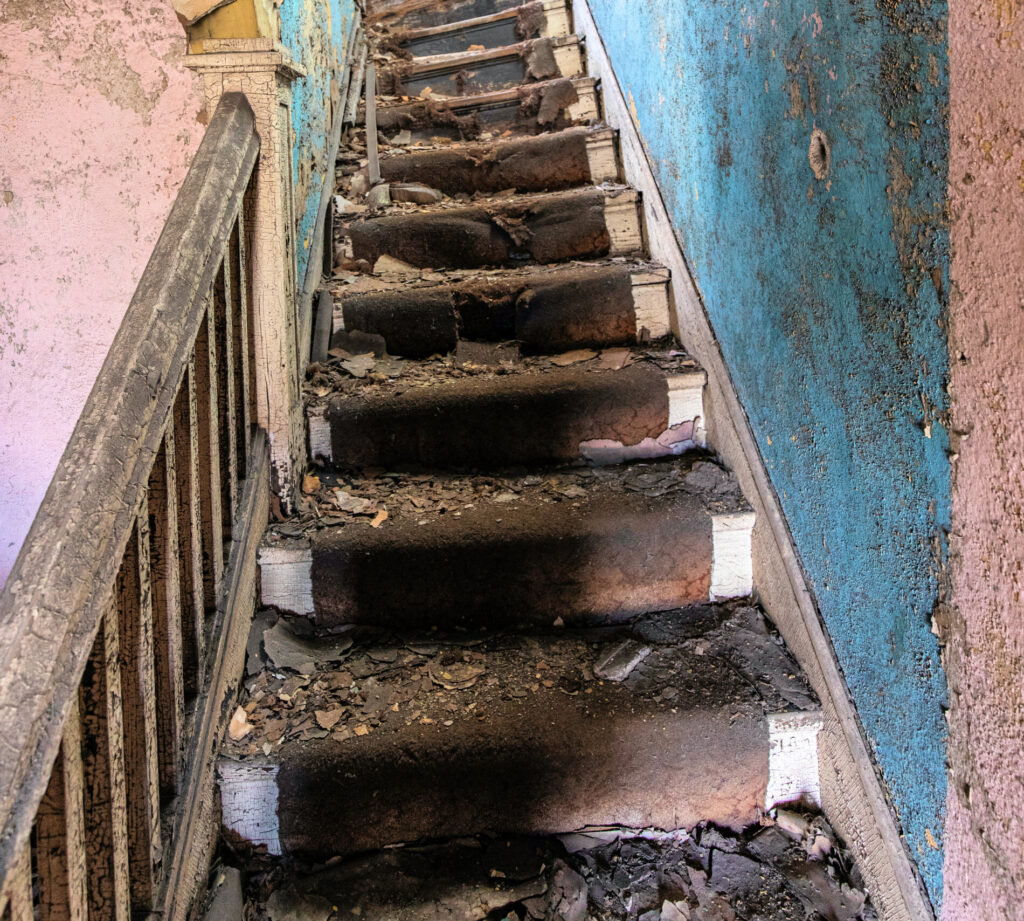


these are examples of edison concept houses, patented and promoted by thomas edison, featuring bungalow and american craftsman design. the district was added to the national register of historic places in 2011.





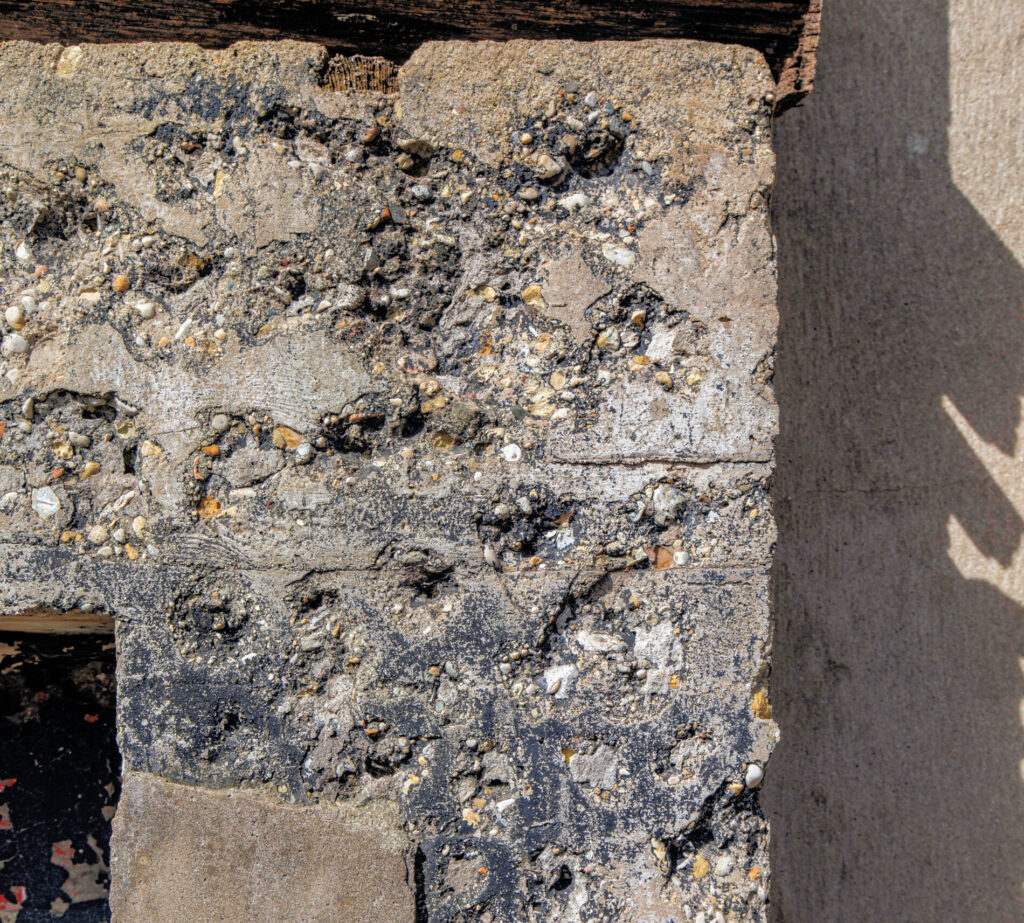
in 1917, thomas edison received u.s. patent 1,219,272 for a “process of constructing concrete buildings,” introducing a “single-pour” method to mass-produce affordable, fireproof homes.
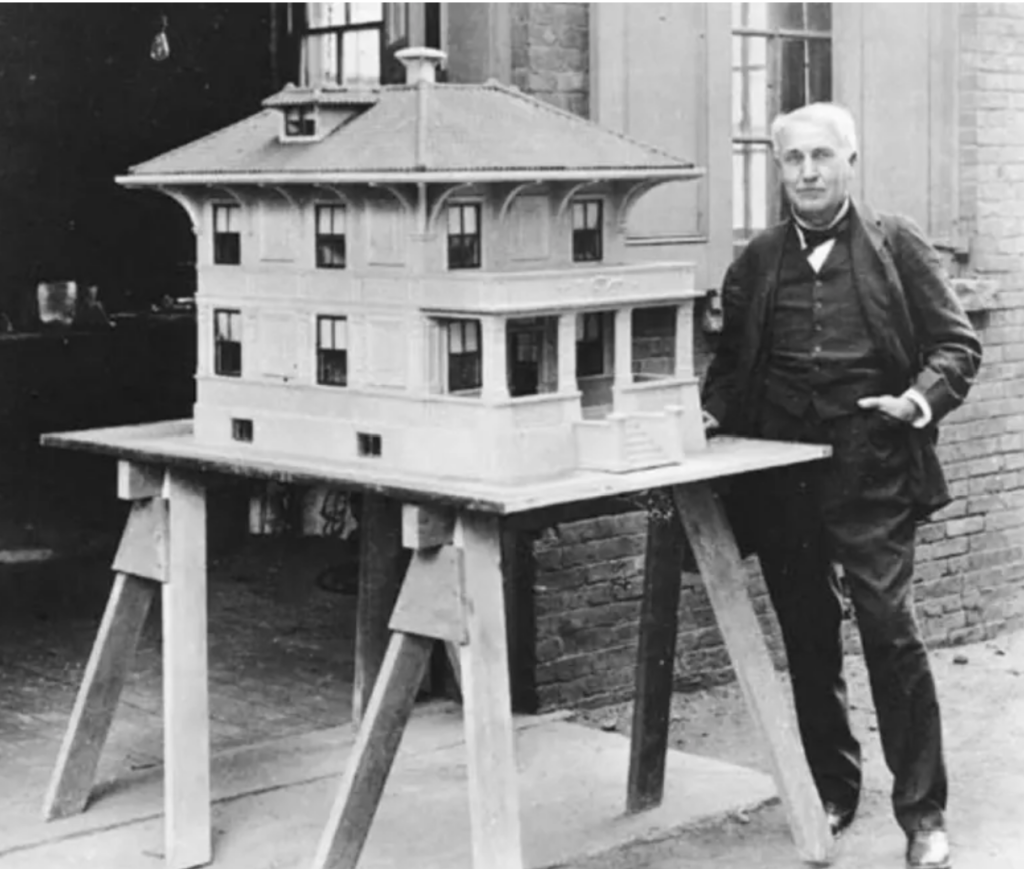
single-pour concept: edison aimed to create entire houses—including all structural elements—in one solid pour of concrete using over 2,300 mold pieces. concrete was pumped into the mold to form every part of the house. he estimated each home could be built in days for around $1,200.
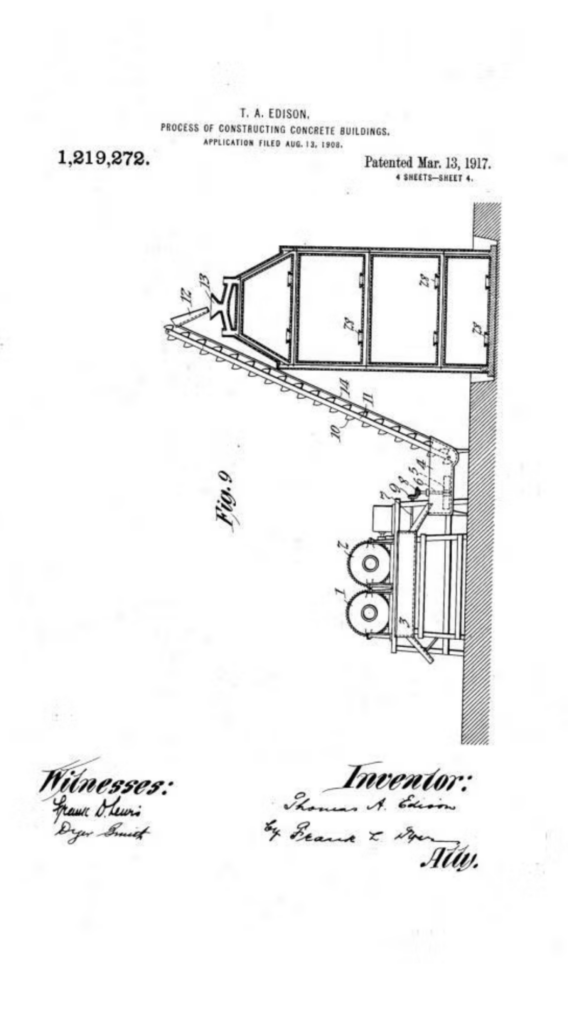
challenges: the approach failed commercially due to high startup costs (about $175,000 for molds), logistical difficulties with assembly, and unappealing public perceptions of concrete homes.

legacy: though not widely adopted, edison’s concept anticipated modern 3d-printed housing. about 86 concrete homes were constructed, with some still occupied in montclair and phillipsburg, new jersey, and the “polk street concrete cottage historic district” in gary, indiana.