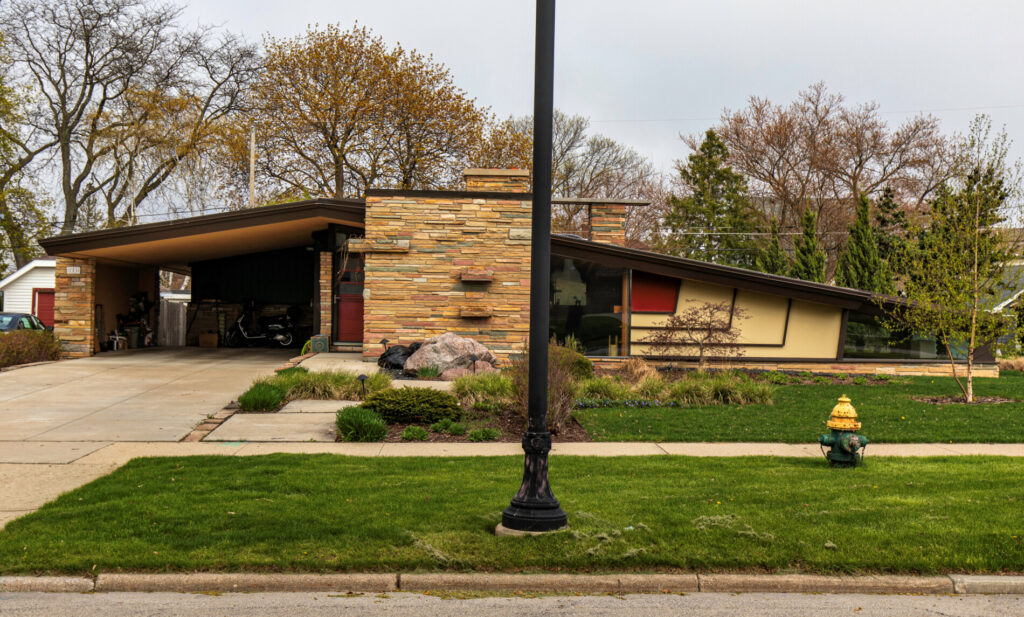

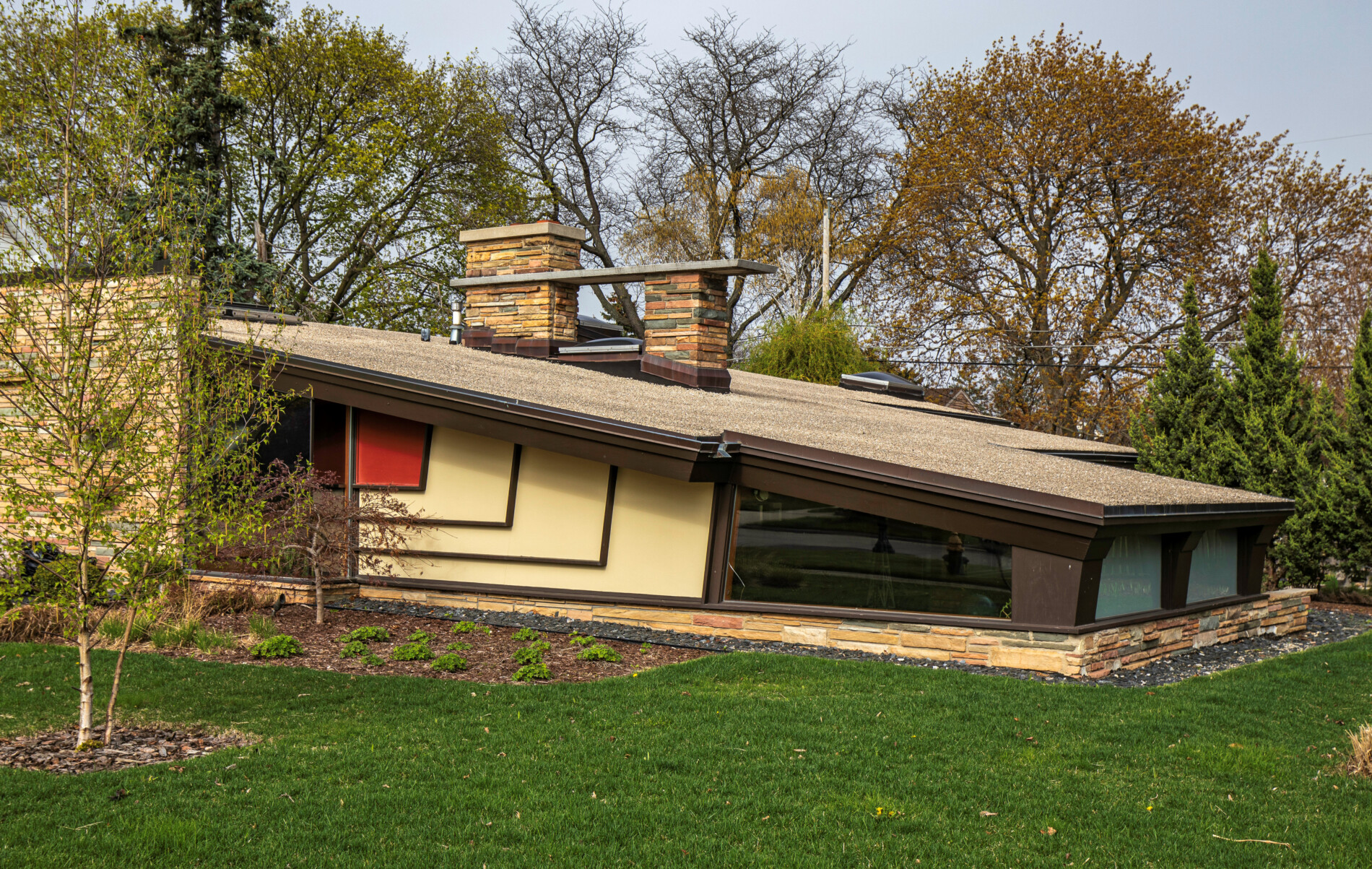
02 May poor man’s frank lloyd wright: john randal mcdonald’s john randal & josephine mcdonald house (1952)
May 2, 2026
in Bldg. 51, Events & Announcements, Featured Posts, Miscellaneous, Travel, Uncategorized
exterior photographic survey of john randal mcdonald’s john randal & josephine mcdonald house (1952), located at 1001 russet street, racine, wisc.
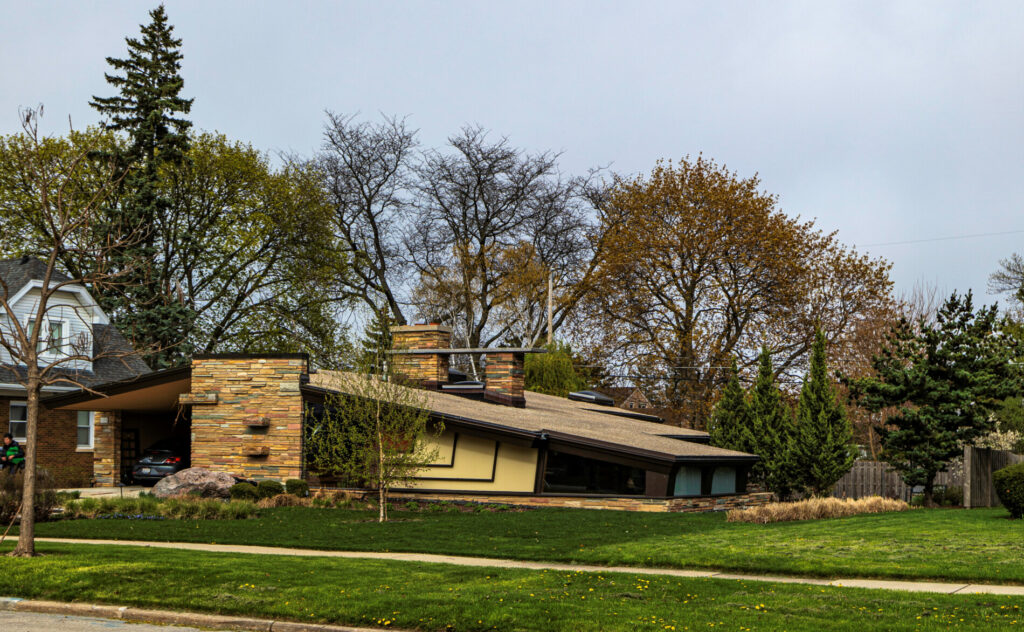
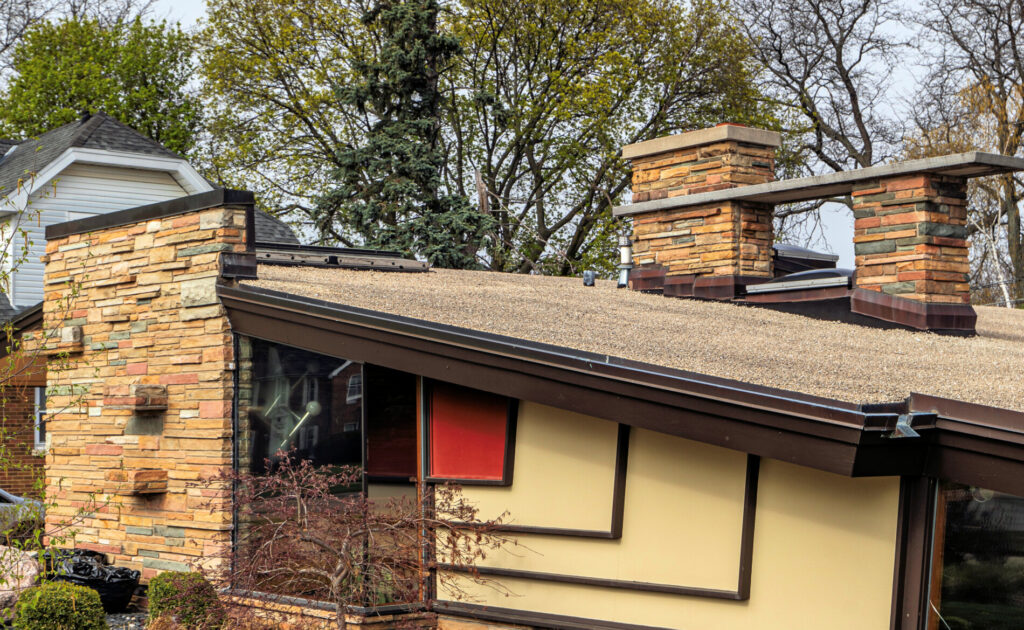
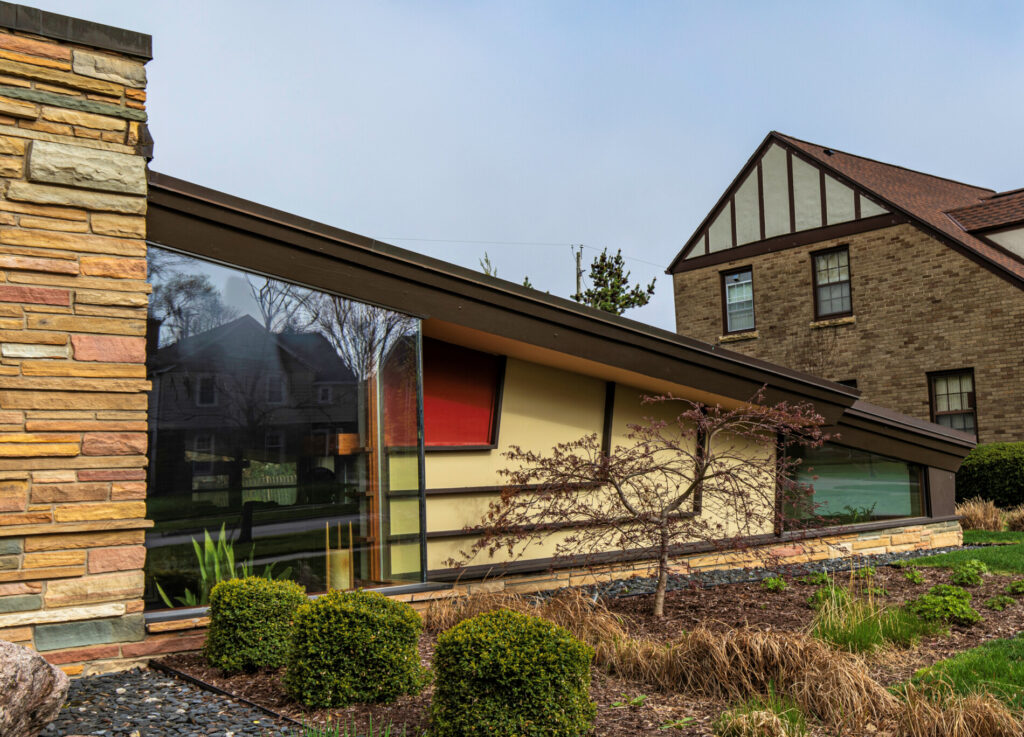
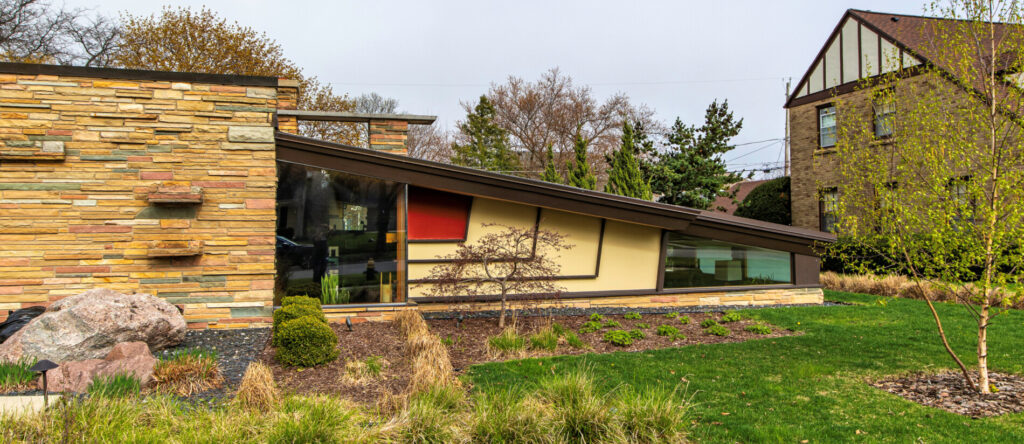
john randal mcdonald (1922–2003) was an american architect known for mid-century modern homes that adapted frank lloyd wright’s prairie style with minimalist and accessible materials. his designs featured horizontal lines, ribbon windows, and integration with nature.[1] born in milwaukee, wisconsin, mcdonald served in the u.s. navy during world war ii and earned degrees from the university of wisconsin-milwaukee and yale university, studying under notable architects including charles eames and ludwig mies van der rohe.
after starting his practice in racine, wisconsin in the late 1940s, mcdonald designed about 100 homes from 1949 to 1958, mainly in wisconsin and illinois. his work included his own residence and projects like the goodman house, harrass residence, johns “spindrift,” and aldrich “windwood.” he later expanded to over 60 homes in wisconsin and hundreds globally for notable clients such as björn borg, mickey mantle, perry como, jimmy connors, james garner, and maureen o’hara. between 1955 and 1958, he contributed 11 “guide house” designs to new homes guide, with construction drawings distributed nationwide.
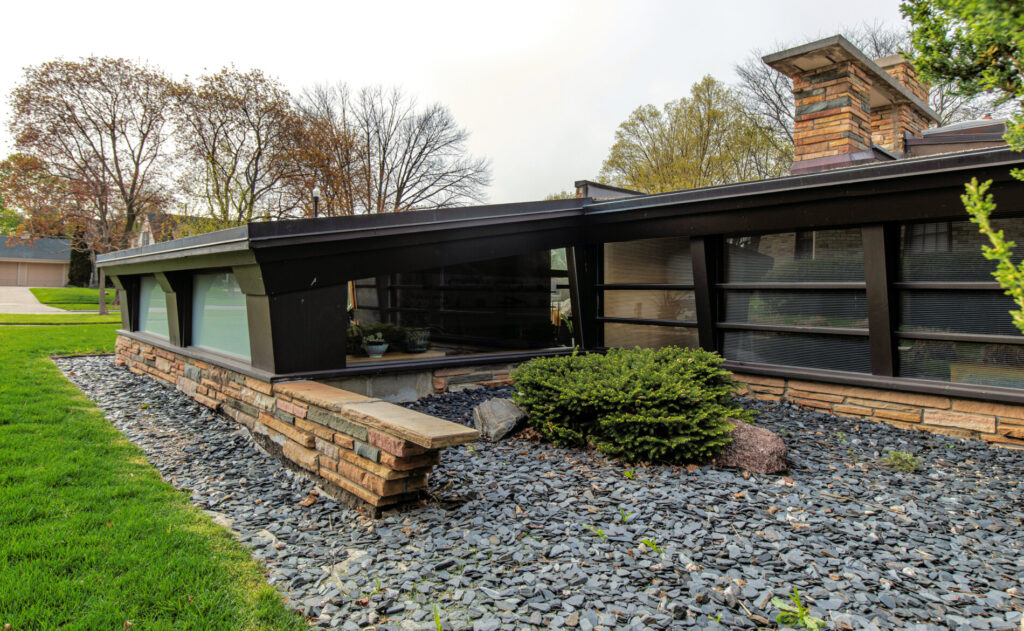
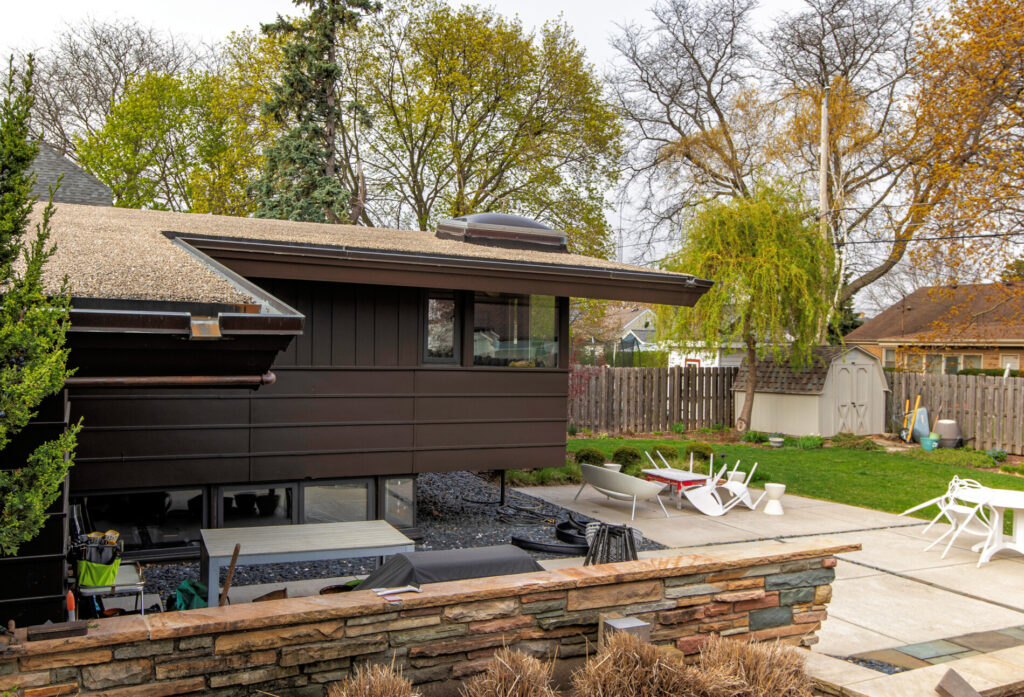
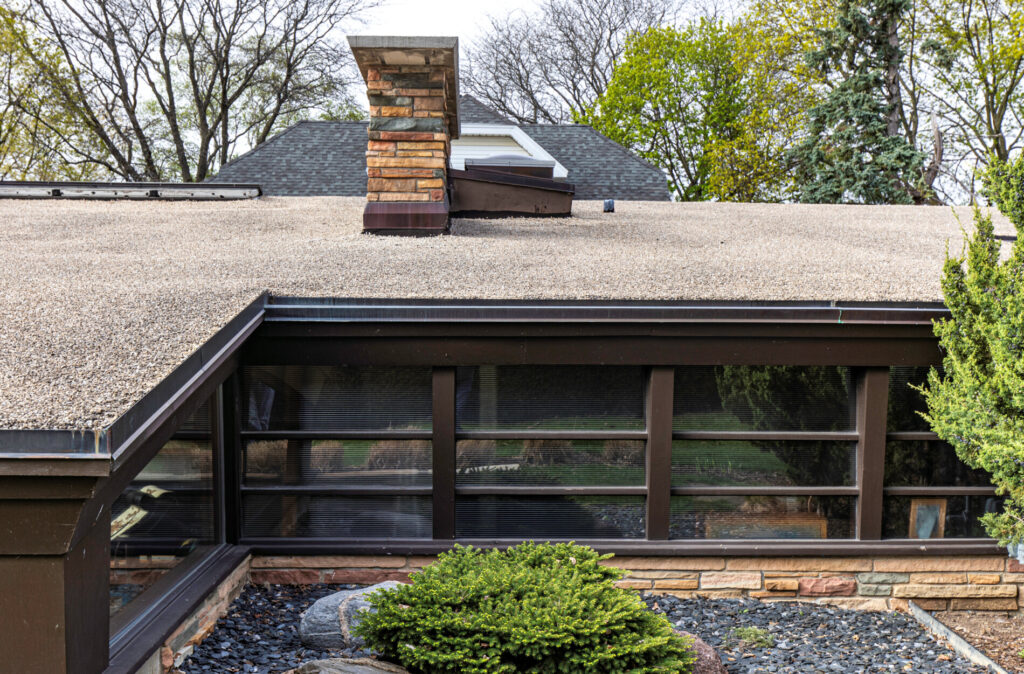
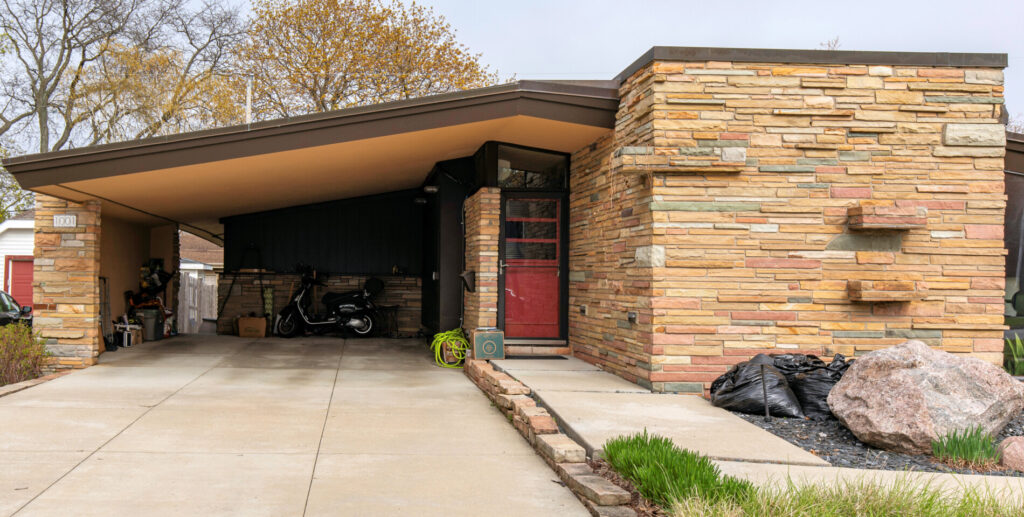
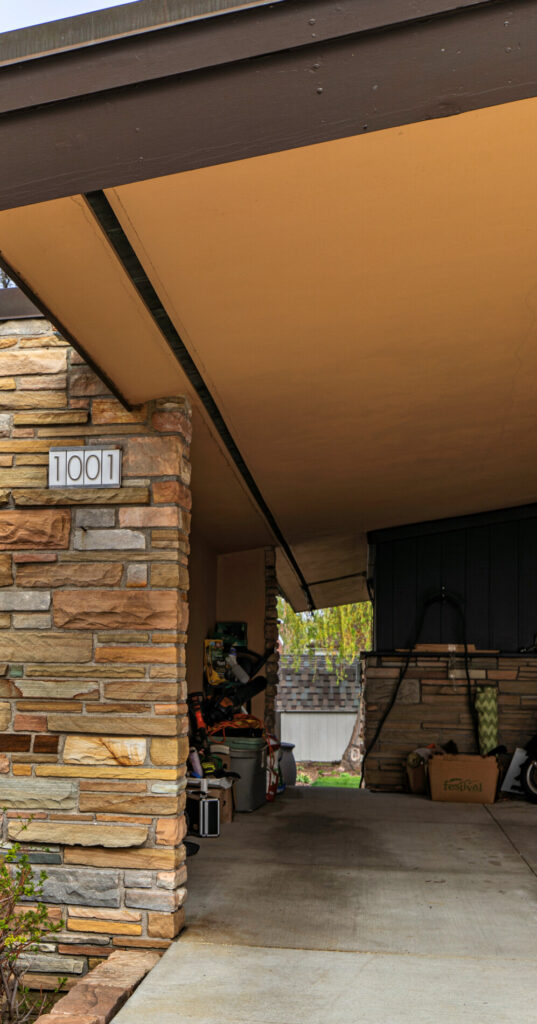
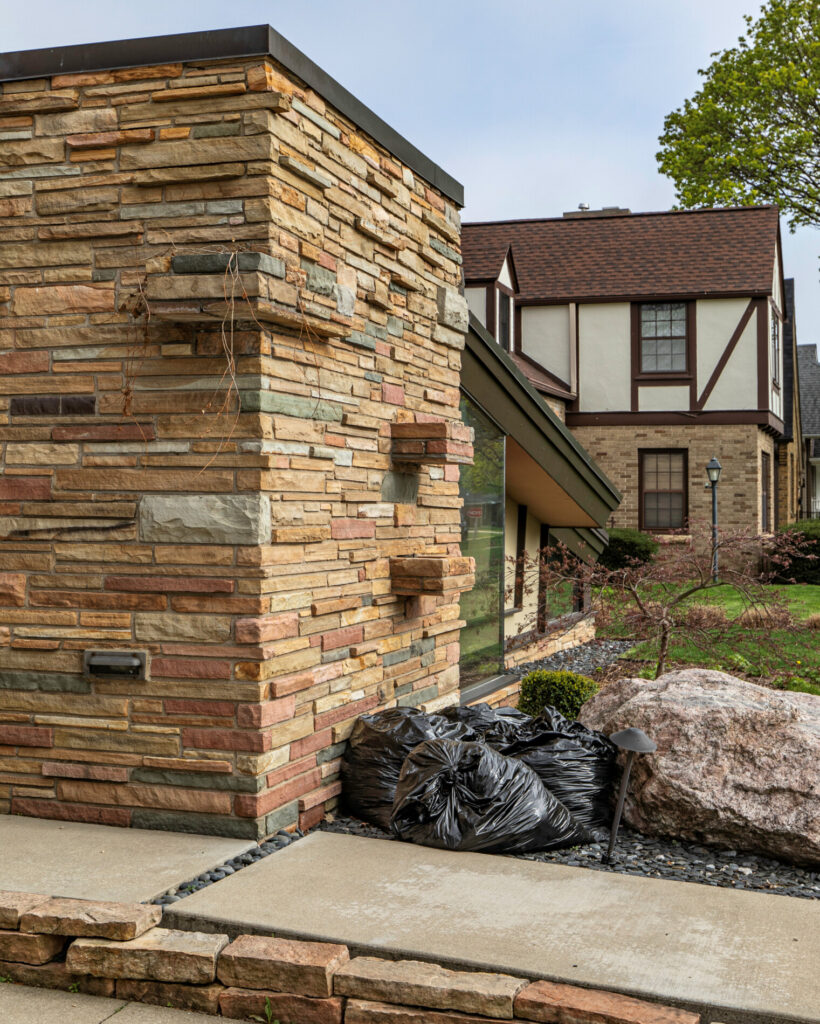
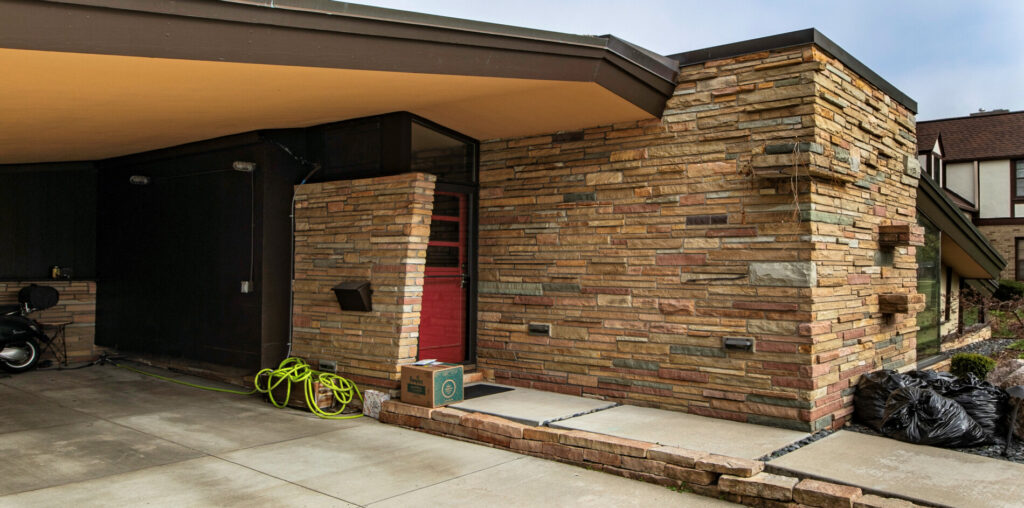
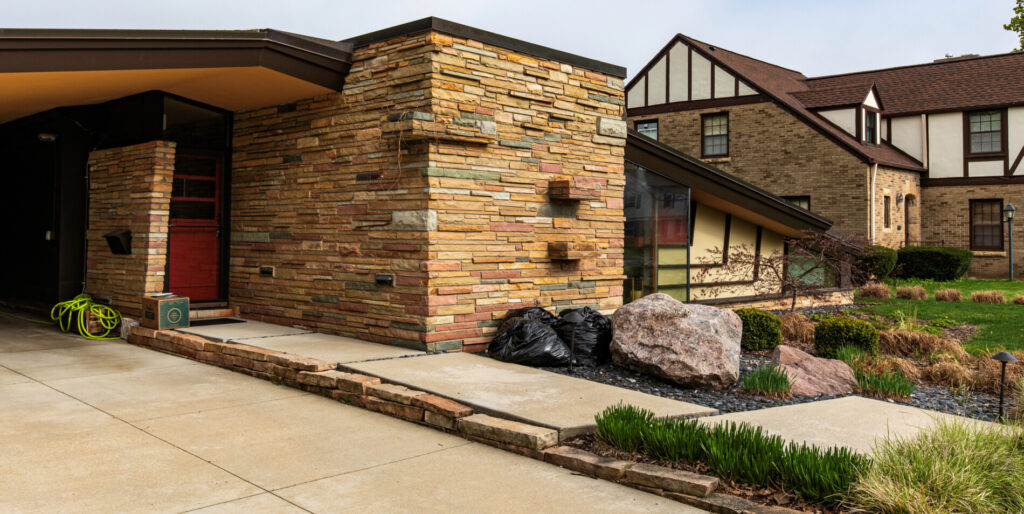
in 1963, mcdonald relocated his firm to florida while maintaining offices in boca raton and whitefish bay, wisconsin. he expanded his work to include various commercial, religious, and public projects across the midwest, florida, california, new jersey, and the u.s. virgin islands. known as the “poor man’s frank lloyd wright,” mcdonald favoured an organic, modernist style called “american architecture,” emphasising simplicity and natural materials influenced by japanese shibui aesthetics, music theory, and environmental harmony. rejecting postwar ranch traditions, he preferred asymmetrical layouts and low-pitched roofs.
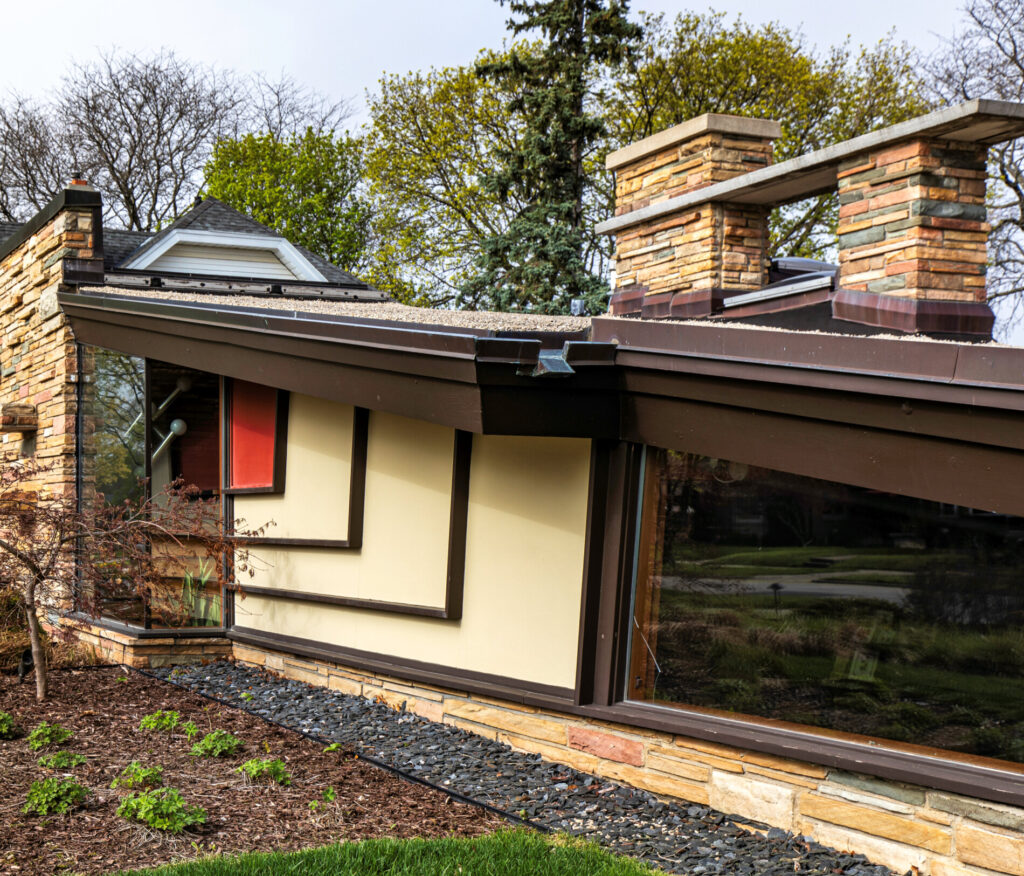
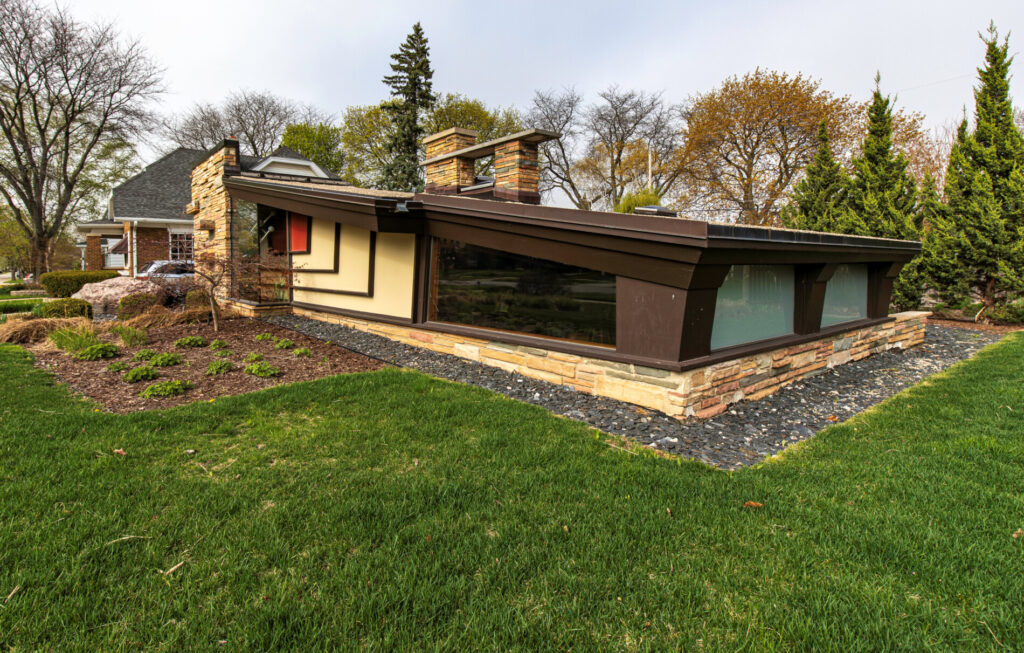
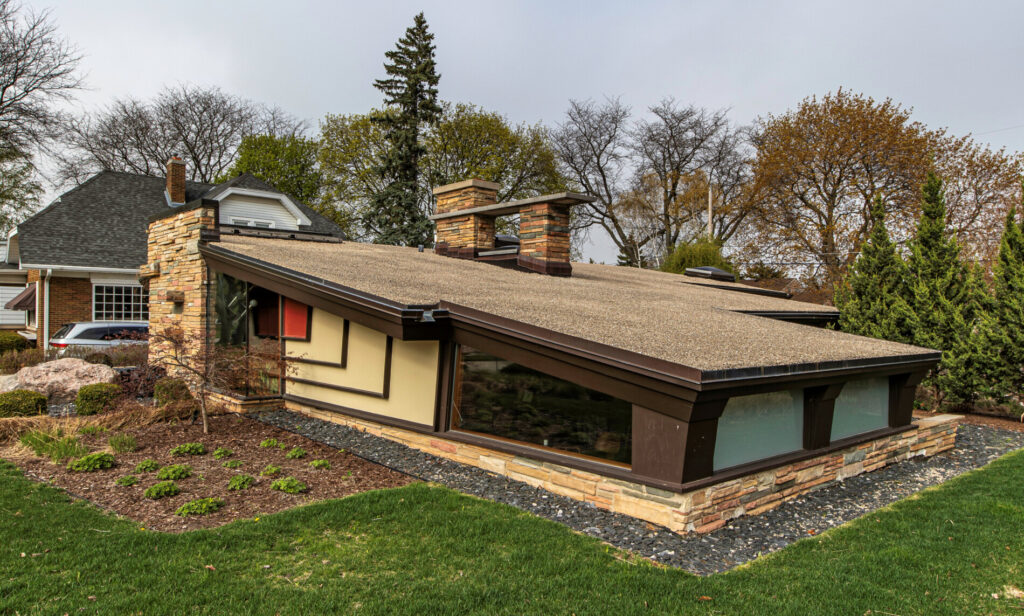
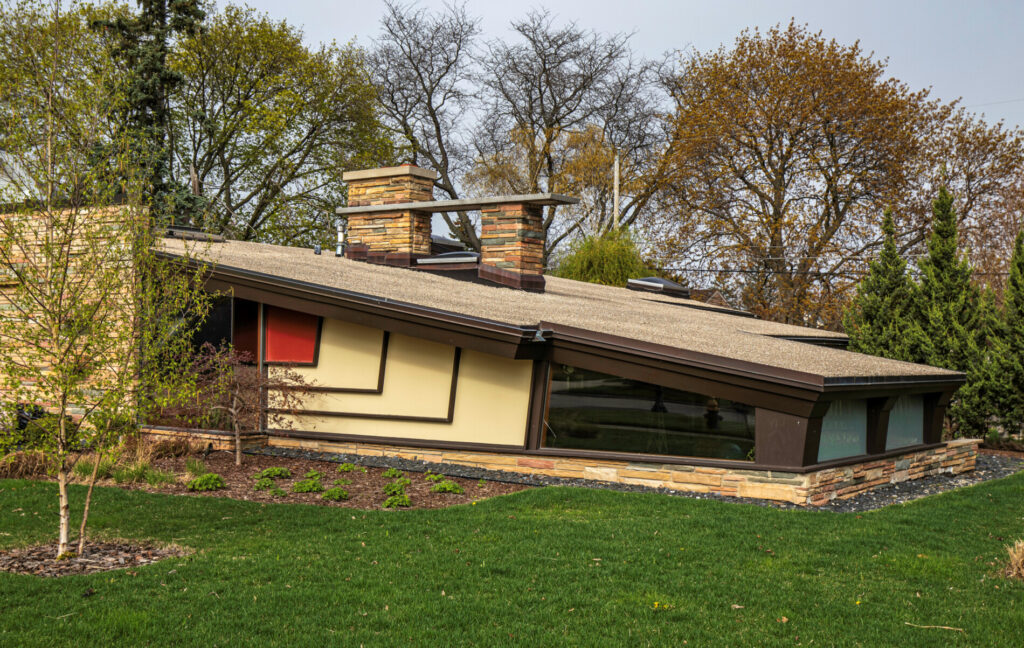
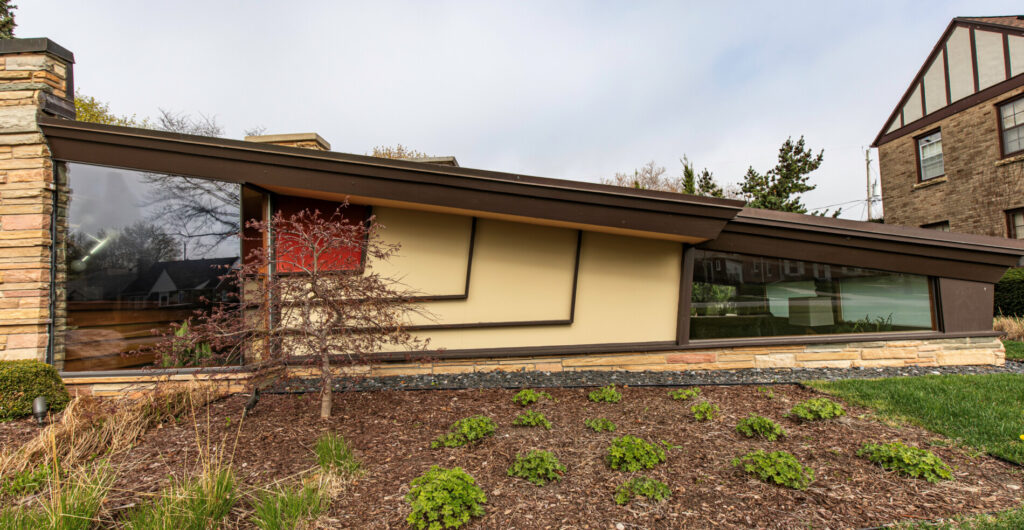
married to josephine elholm since 1945, with five children, he practised architecture with pencil and paper until his passing in december 2003. his legacy is chronicled in brian beno’s book and preserved at the wisconsin historical society