

05 May recently acquired historically important books and artifacts offer a compelling visual narrative of the chicago haymarket riot
May 5, 2026
in Bldg. 51, Events & Announcements, Featured Posts, Miscellaneous, New Acquisitions, New Products, Uncategorized

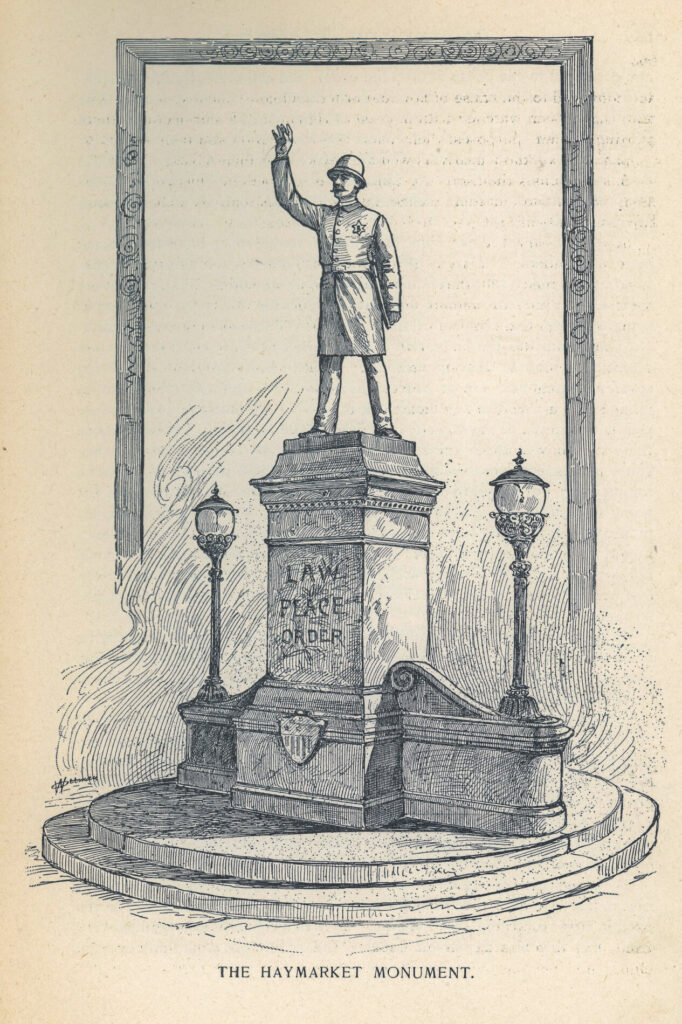
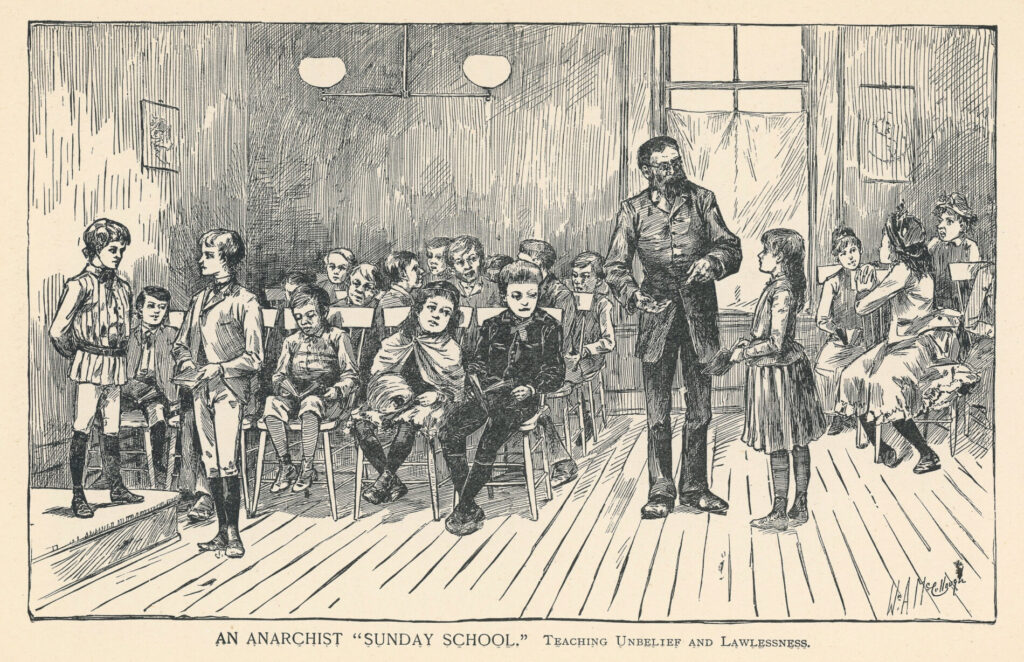
anarchy and anarchists: a history of the red terror and the social revolution in america and europe (1889) by michael j. schaack provides a detailed account of late 19th-century radical movements, especially the chicago haymarket conspiracy, from a law-enforcement perspective. schaack, a chicago police captain, chronicles the 1886 bombing, related trials, and socialist/anarchist ideologies in both europe and america.
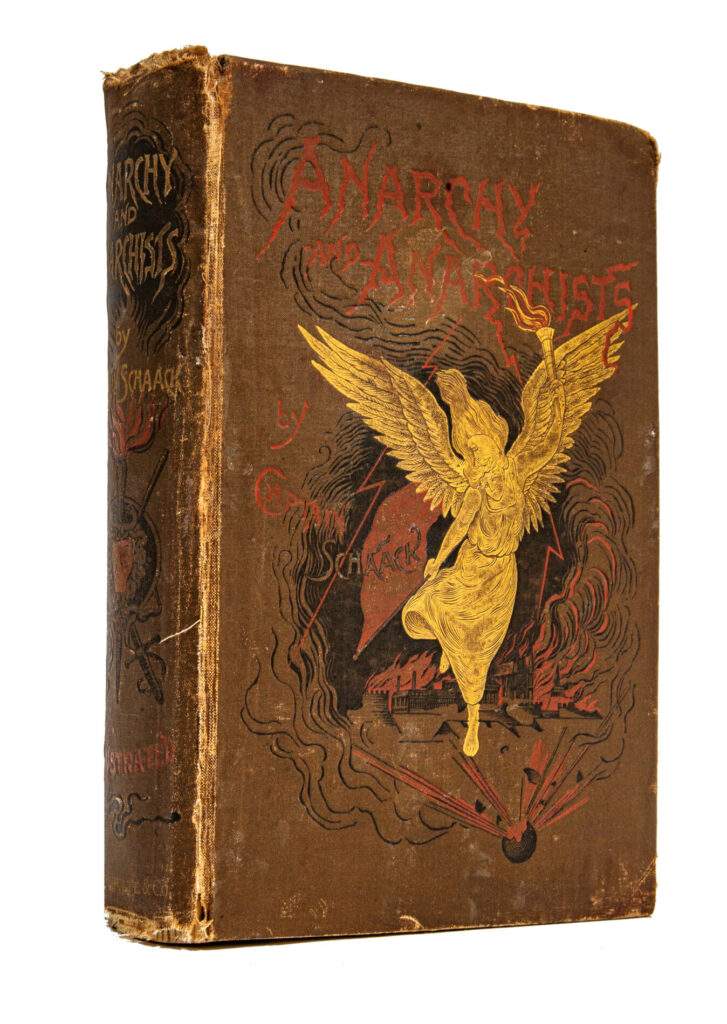
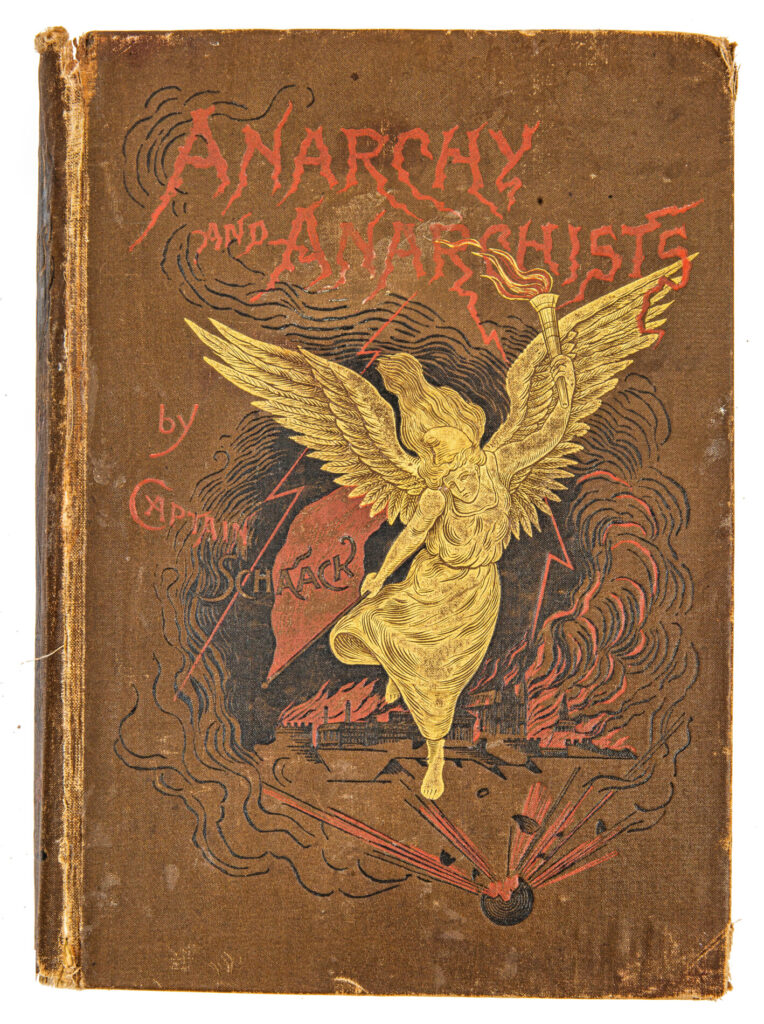
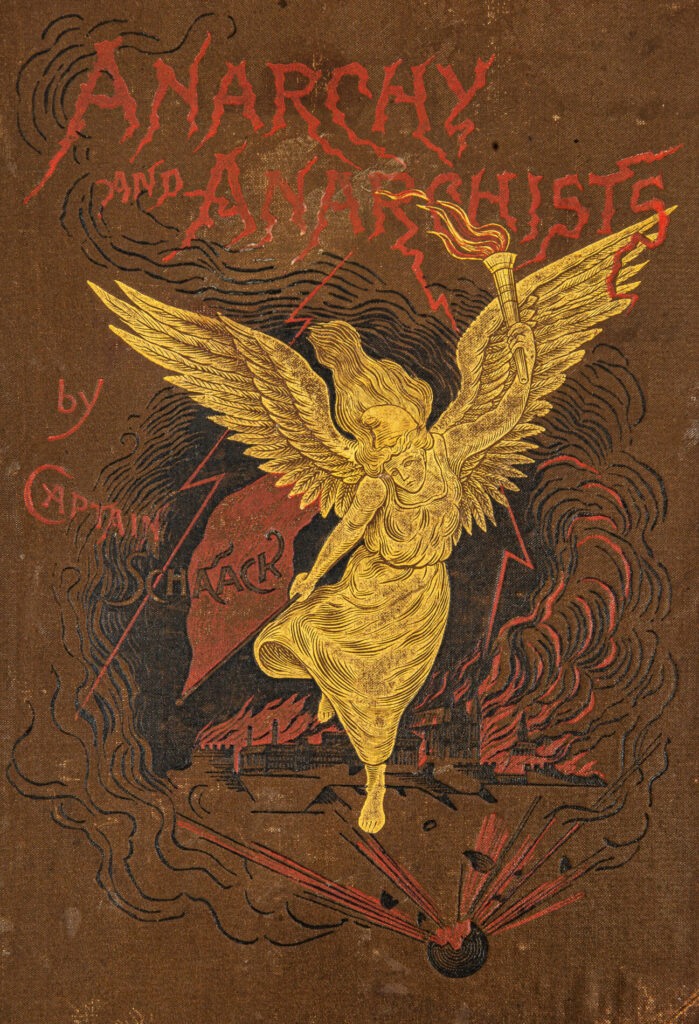
this rare early edition (published by features gilt illustrations on the front board, with some wear to the spine ends, edges, and corners, and light rubbing. the brown cloth binding has an intricate gilt design, red and black detailing, floral endpapers, marbled edges, and a gilt-lettered spine. the portrait frontispiece includes a tissue guard, with black-and-white illustrations throughout. the binding is cracked but remains strong; pages are clear and bright with mild age-toning and minor loose hinges.
the alleyway where the infamous haymarket riots occurred were covered in a thick layer of well-worn pink bricks, manufactured by the metropolitan paving brick company in canton, ohio. the area in which the bricks were produced was known for large outcrops of clarion shale, and would eventually become the “paving brick capital of the world,” with nine plants manufacturing pavers.
the metropolitan paving brick company was formed in 1902 by the merger of the imperial shale paving brick company and the royal brick company; they eventually controlled most of the paver production in the whole northeastern region of the state and were known nationwide as producing the best quality and most uniform product.
during salvage/demolition of the crane factory1870 addition many years ago, i dug below the surface where i discovered a layer of oversized heavy granite pavers, over 20 inches below grade.
the bricks are rough, textured by the great weight of horse-drawn carriages which hauled hundreds of pounds of metal plumbing fixtures from crane’s factory. in addition, they are virtually the only remnant from the site of the altercation between protesters and police in “crane’s alley” in 1886, and thus bear a symbolic weight aside from their material one.
haymarket affair (may 4, 1886)
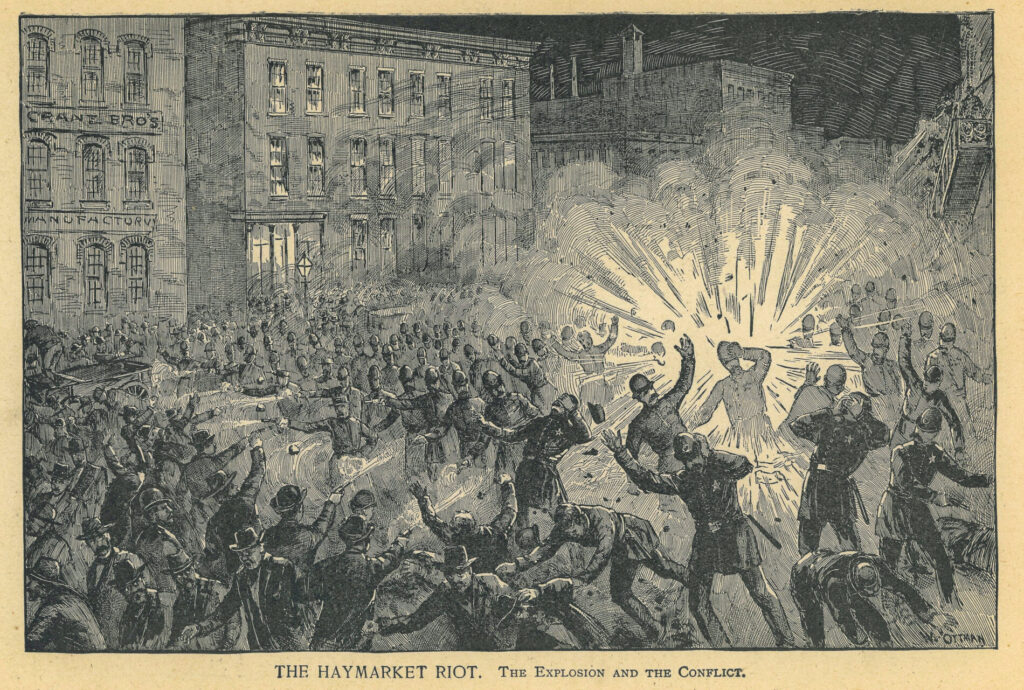
the haymarket affair, also known as the haymarket riot or massacre, was a violent event in chicago that became a symbol for workers’ rights and the basis for international workers’ day.
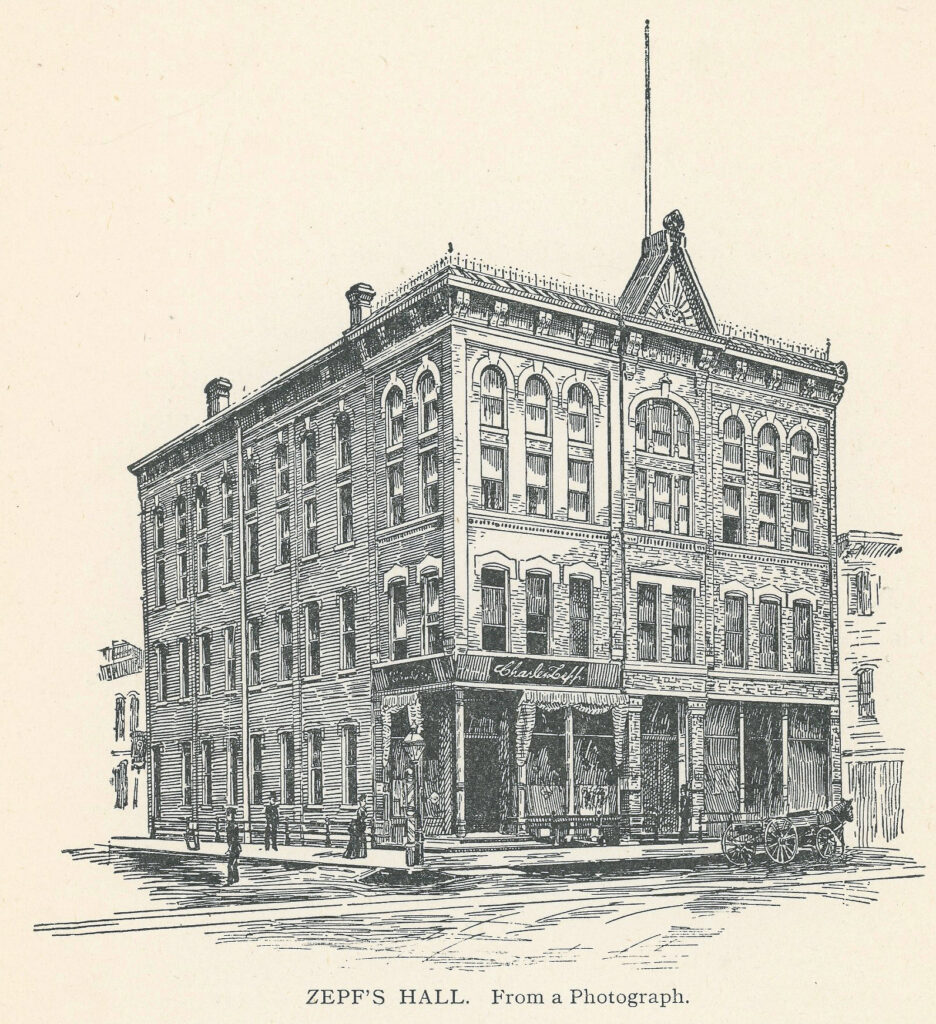
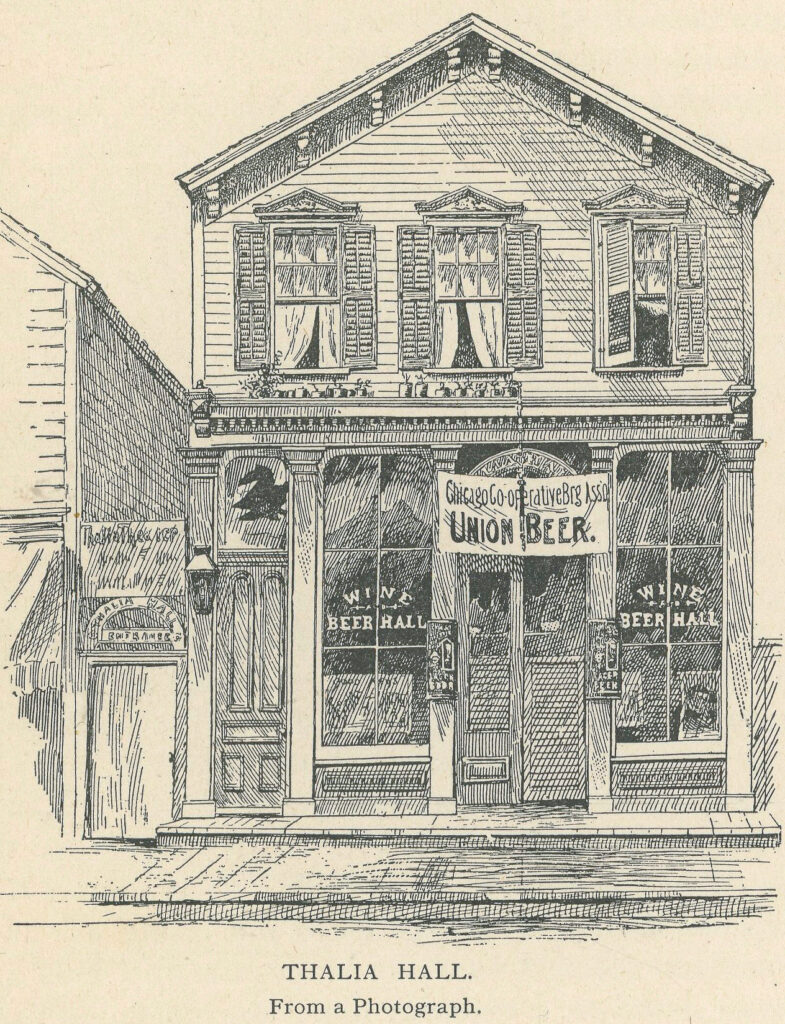
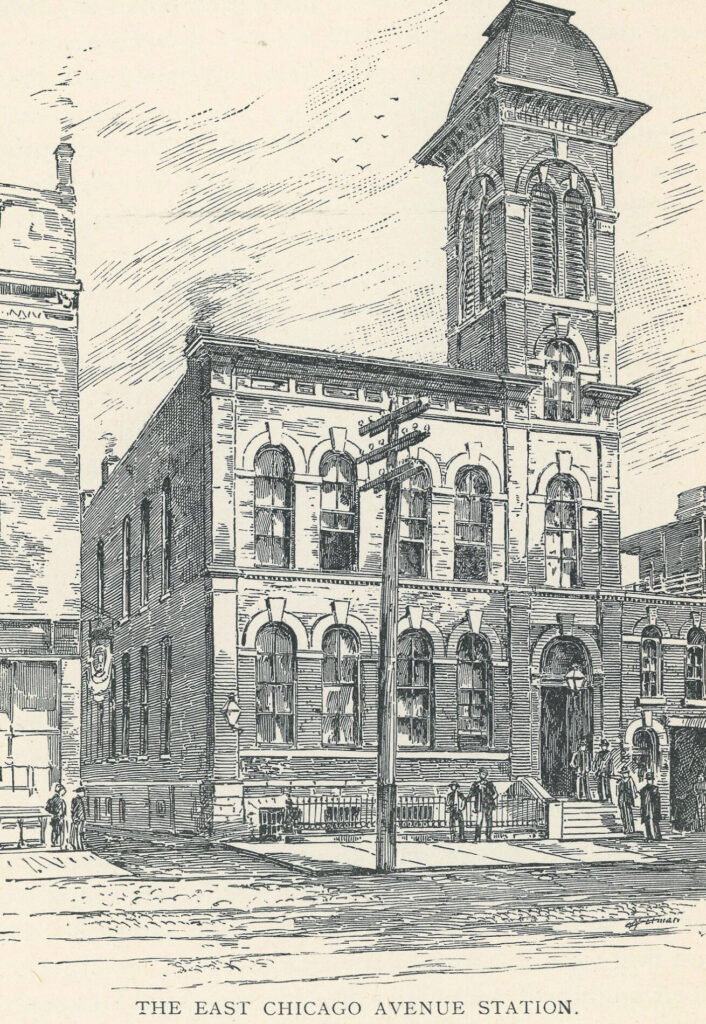
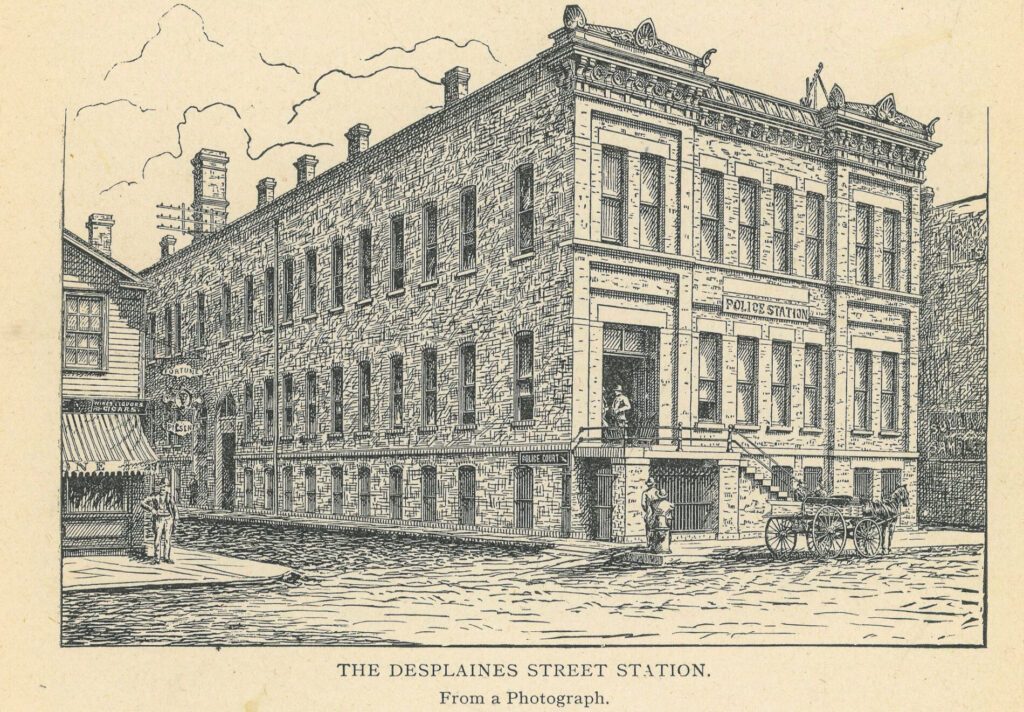
incident overview
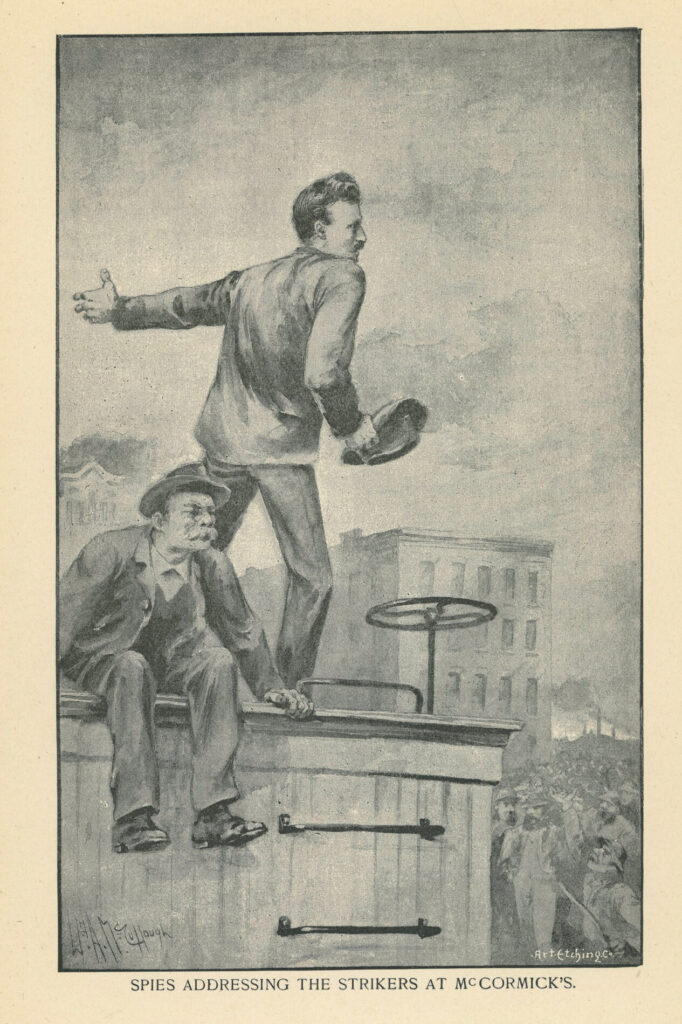
- labor activists gathered at haymarket square to protest police actions after shootings at the mccormick factory.
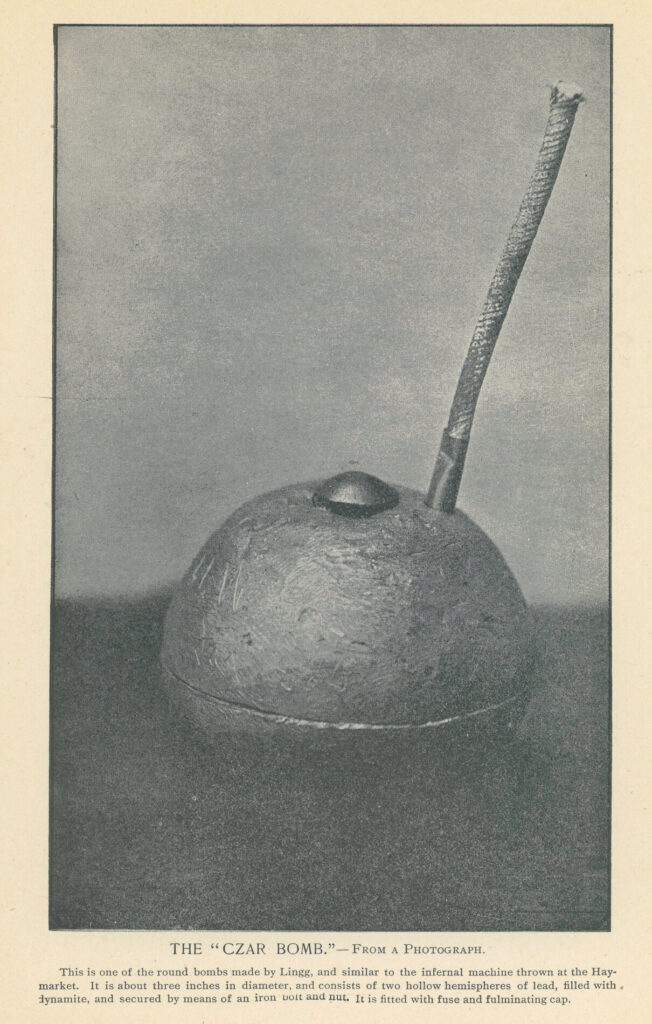
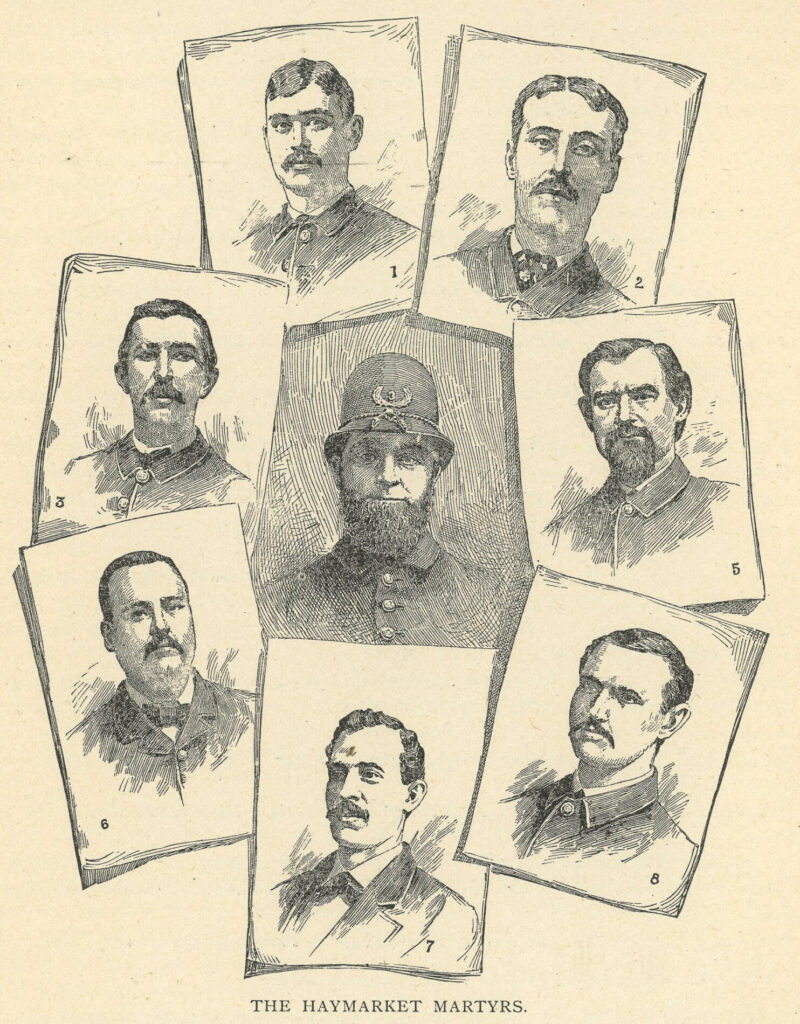
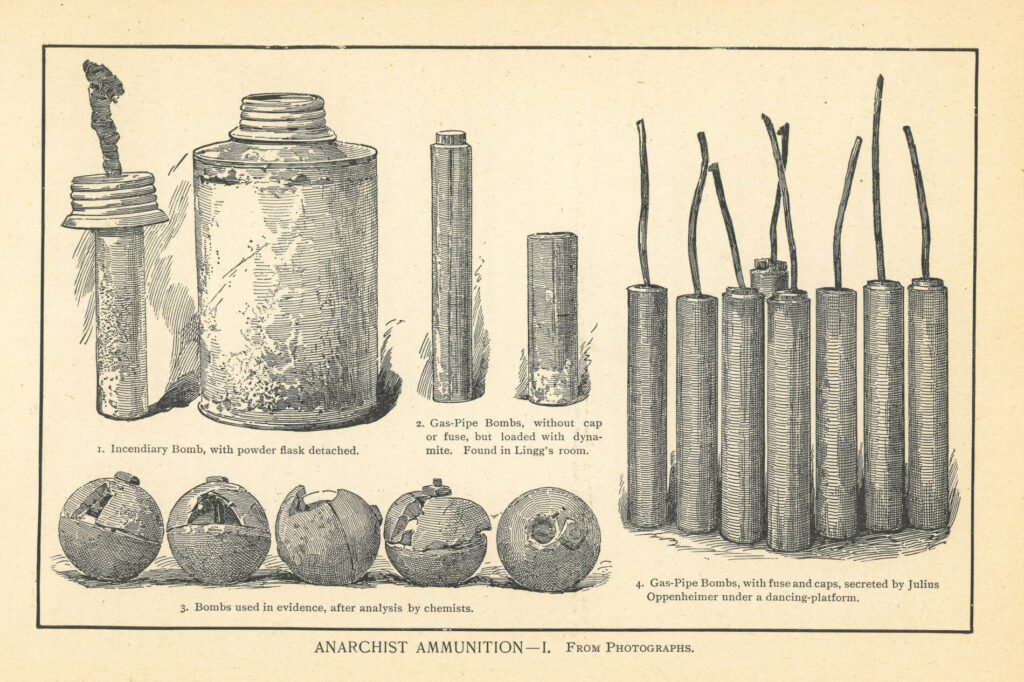
- a bomb thrown into police ranks led to chaos, resulting in the deaths of seven officers and at least four civilians, and many injuries.
aftermath & trial
- authorities targeted labor leaders and immigrants, leading to the arrest of eight men (the “haymarket eight”).
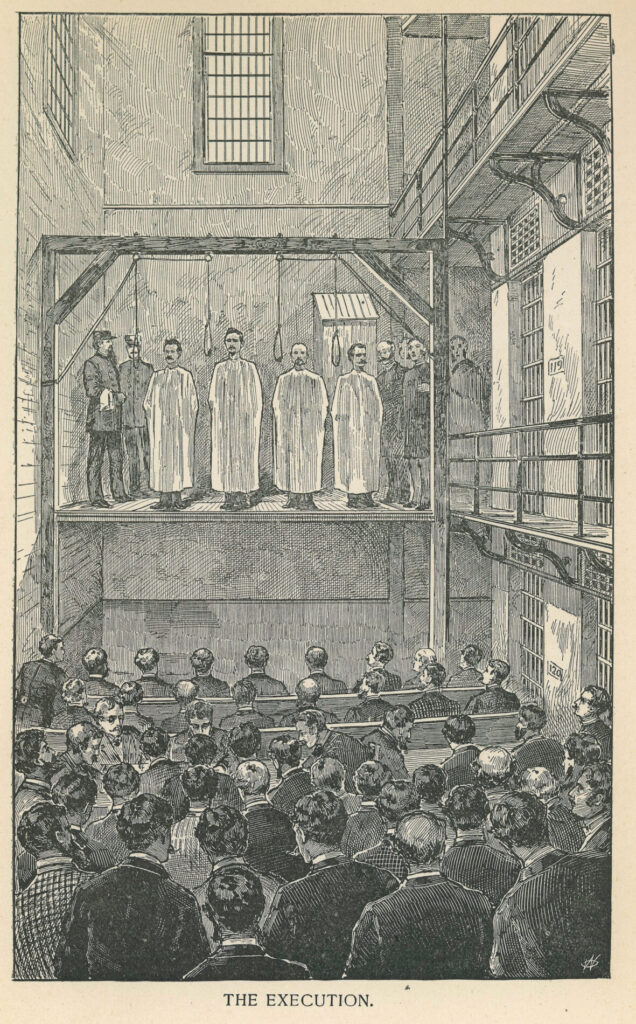
- all were convicted despite limited evidence; four were executed, one died by suicide, and three were later pardoned in 1893 due to judicial misconduct.
legacy
- the affair inspired international workers’ day (may 1) and remains a milestone in the eight-hour workday movement.
- memorials include the haymarket memorial and the haymarket martyrs’ monument, a national historic landmark.