
26 Jan bldg. 51 museum secures original louis sullivan-designed gage building terra cotta facade fragment
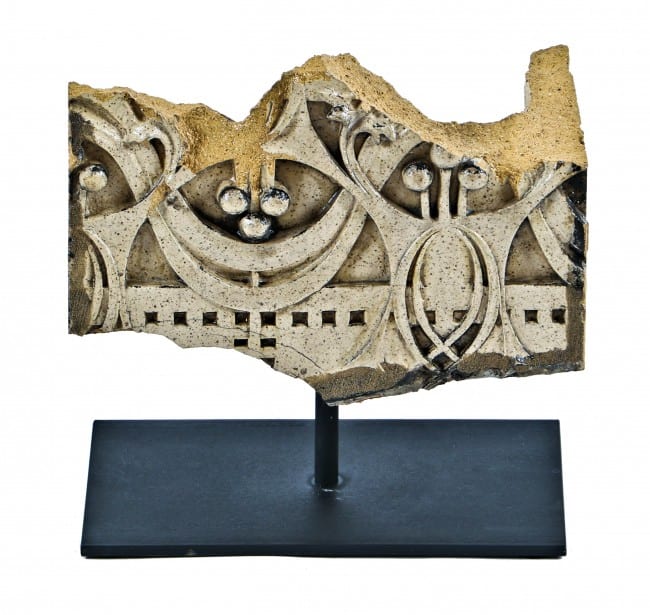
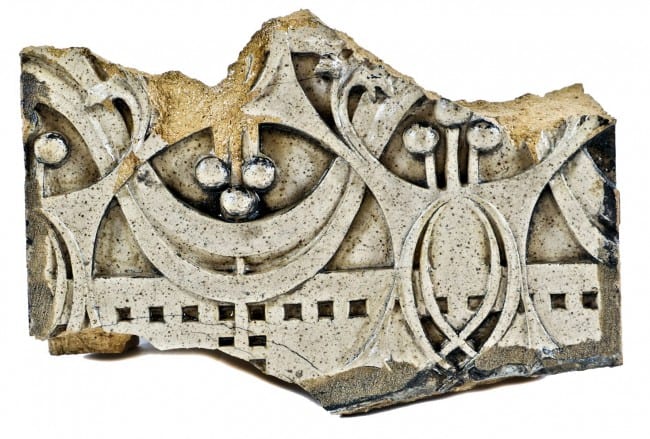
in addition to acquiring multiple winslow brothers exterior cast iron stringcourse or frieze panels from the gage building late last year, the bldg. 51 collection has now obtained a rare sullivan-designed terra cotta fragment from the facade of the same extant building, located in downtown chicago at 18 s. michigan avenue.
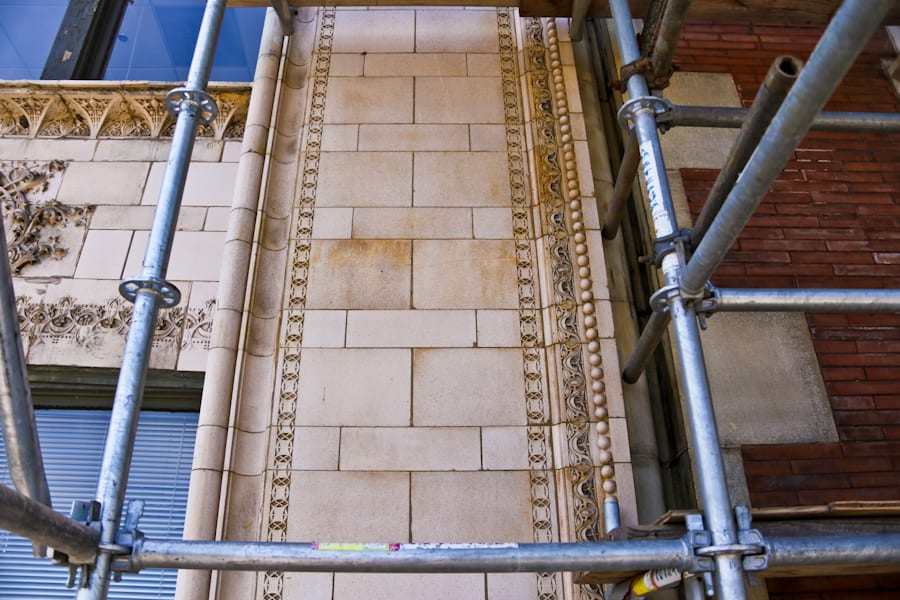
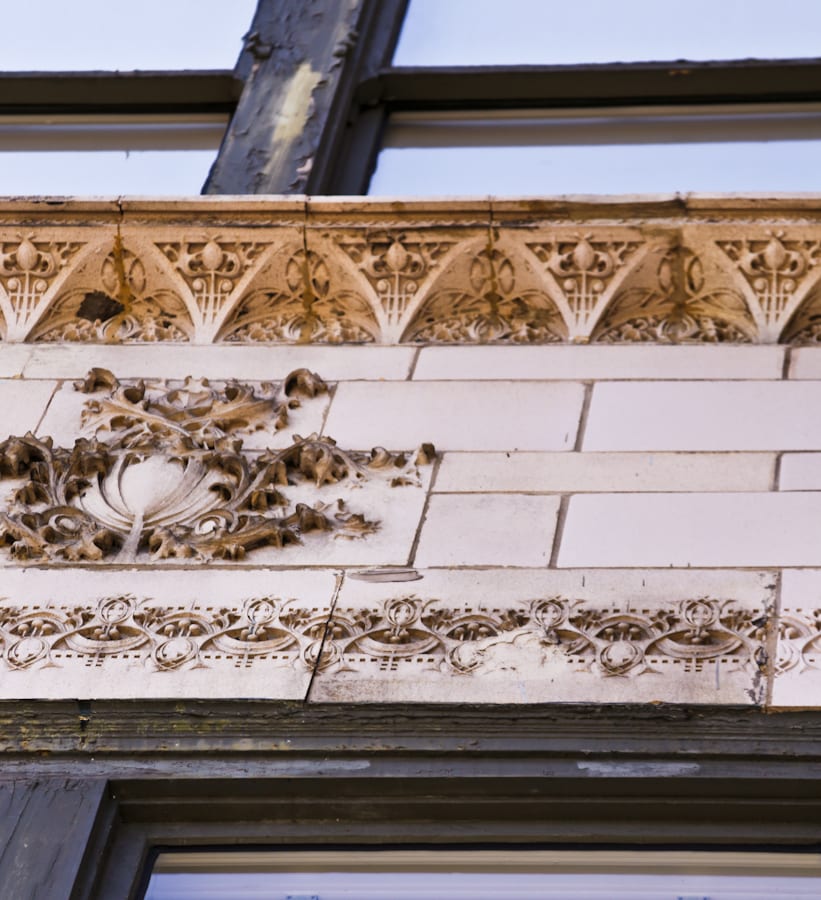
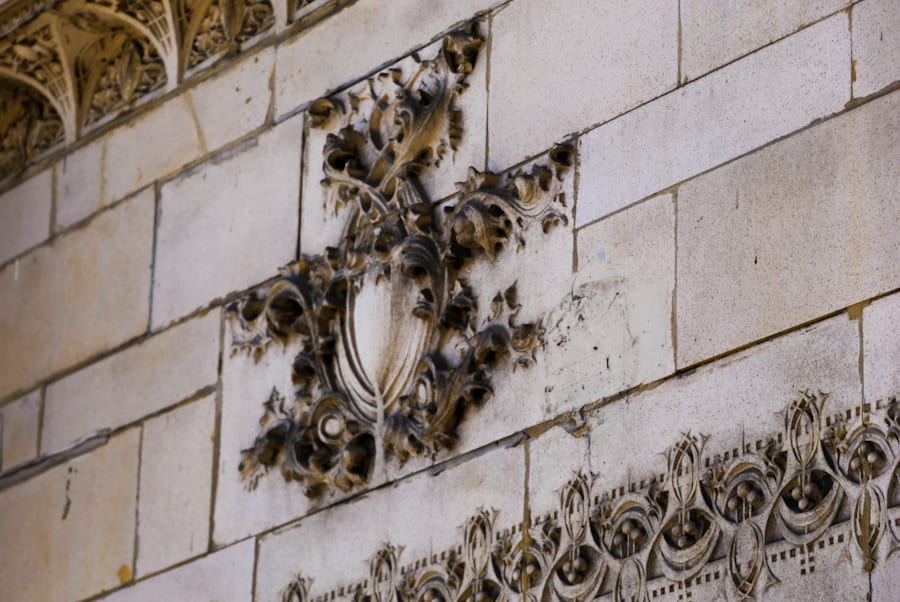
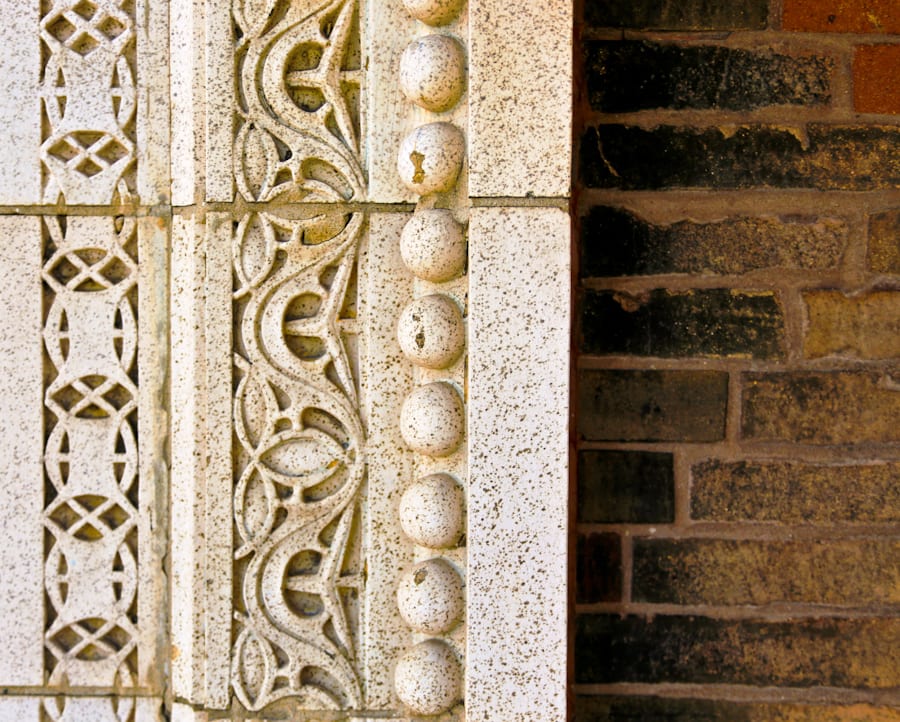
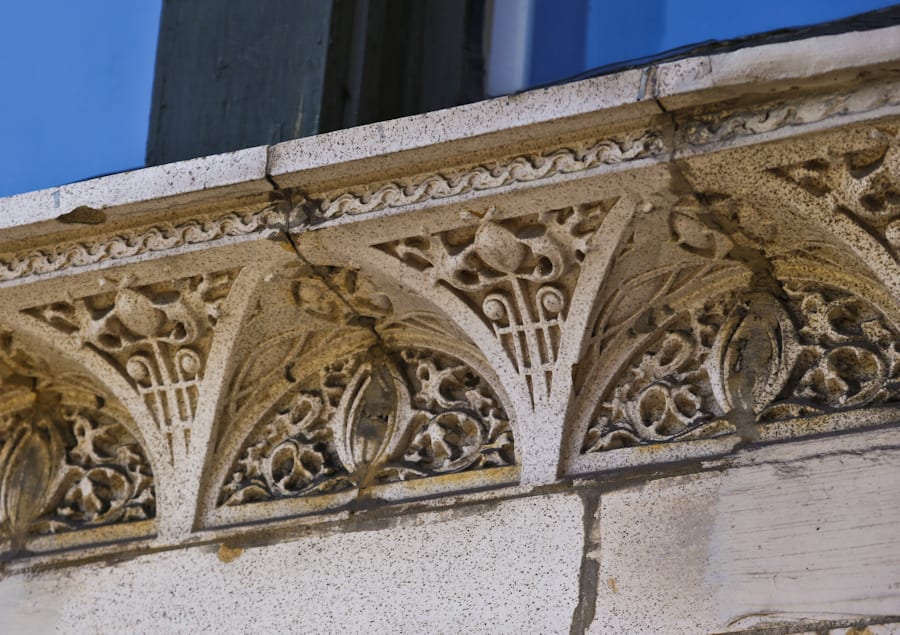
the following details the acquisition, as well as showcases photographs of the extant building facade taken in a previous salvage effort, during which i documented the neighboring chicago athletic association. at the time the athletic association was being transformed into a boutique hotel, and the michigan avenue face was sheathed in scaffolding for the repairs. though my vantage point was limited, i managed to observe and capture several close-ups of the elaborate border designs and the flowing forms of the central piers.
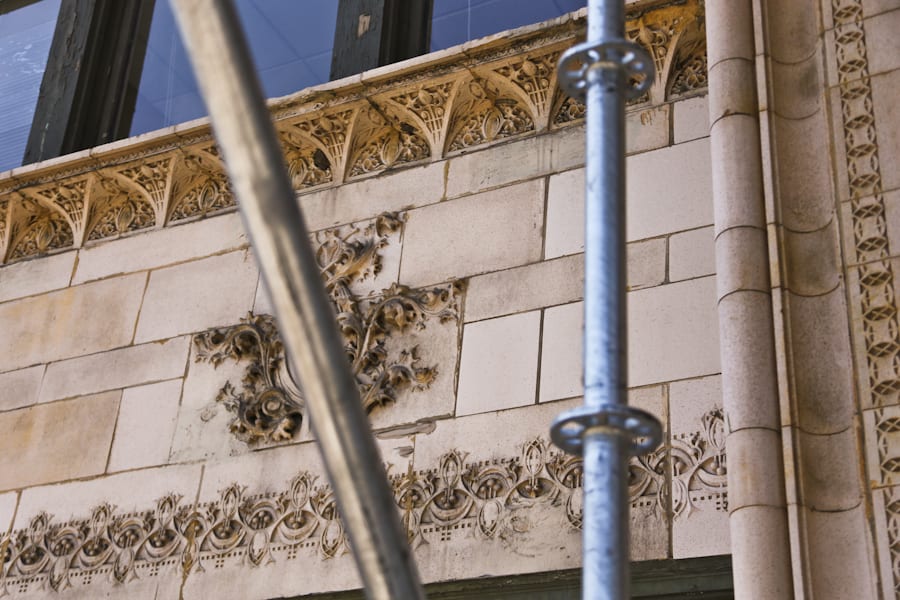
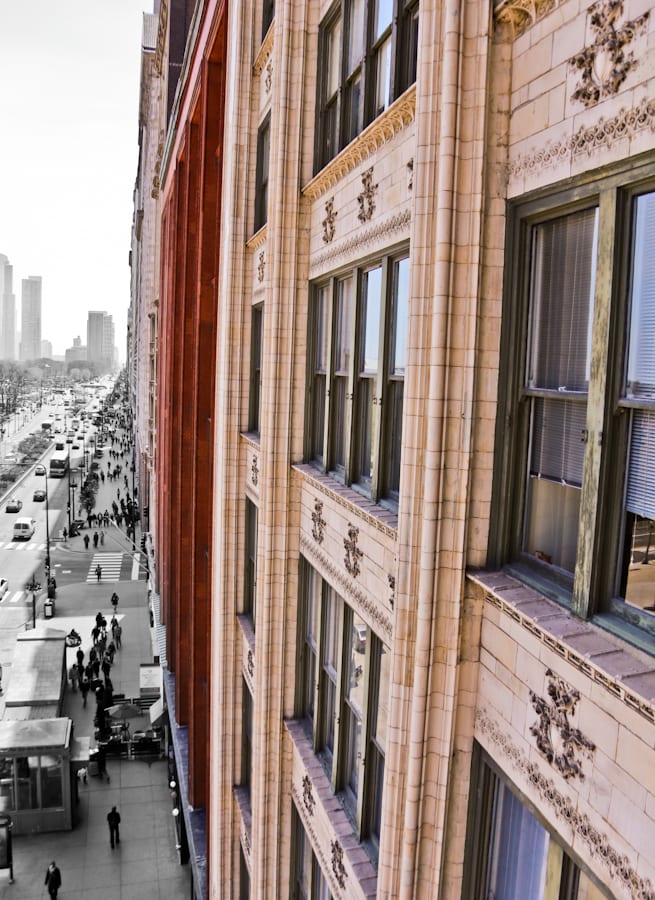
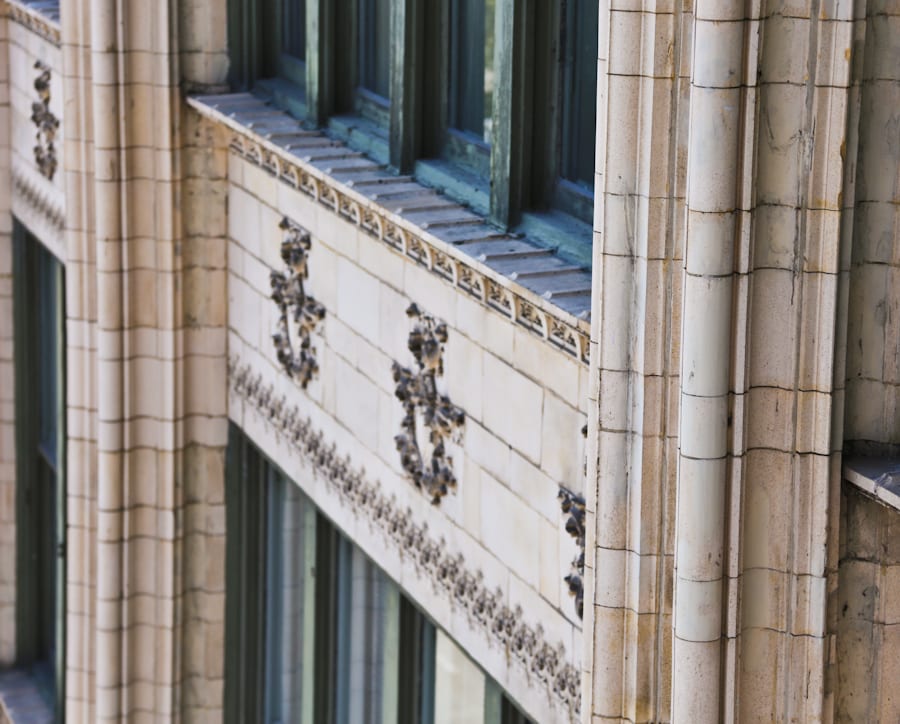
the trio of holabird & roche commercial buildings were designed specifically for three millinery firms –gage, keith, and ascher — between 1890 and 1899. the buildings gradually stepped in height, with the southernmost having six stories, the middle building seven-stories, and the northernmost with eight floors (expanded to 12-stories in 1909). the rent was to be based on a uniform percentage of the cost of each building, and on this third and tallest structure, gage brothers & company offered to pay additional rent, making an incredible investment to have a sullivan-designed facade. thus the structure at 18 s. michigan stands apart as the most spacious and expressive of the three, with an ornamental facade that reflects sullivan’s design sensibilities.
the gage building was comprised of cream-colored terra cotta (as opposed to the molded brick of its counterparts), and at street level was faced with ornamental cast iron fabricated by the winslow brothers. the iron was, however, largely scrapped in the 1950’s. the two central piers of the building have no capitals, but are topped with a high-relief acanthus decoration that creates an elegant upward sweeping movement right at the roofline. the decorative elements are concentrated in areas, with a visual contrast between the lower infrastructure and the terra cotta superstructure. its horizontal speckled glaze facade panel shares subtle similarity in shape, size, color and design motif with the terra cotta frieze blocks adorning the schlesinger & mayer building completed in 1899.
the building facade designed by sullivan was first altered in 1909, when four additional stories were added. fortunately, the two organic flourishes consisting of deep relief arrangements of leafage were simply pushed upwards and remain there to this day. the largely intact facade represents one of five remaining structures designed by sullivan left standing in chicago. the facade has been carefully restored after the fire escape was removed and the terra cotta cleaned and/or repaired. the recently acquired fragment was recovered during this time.
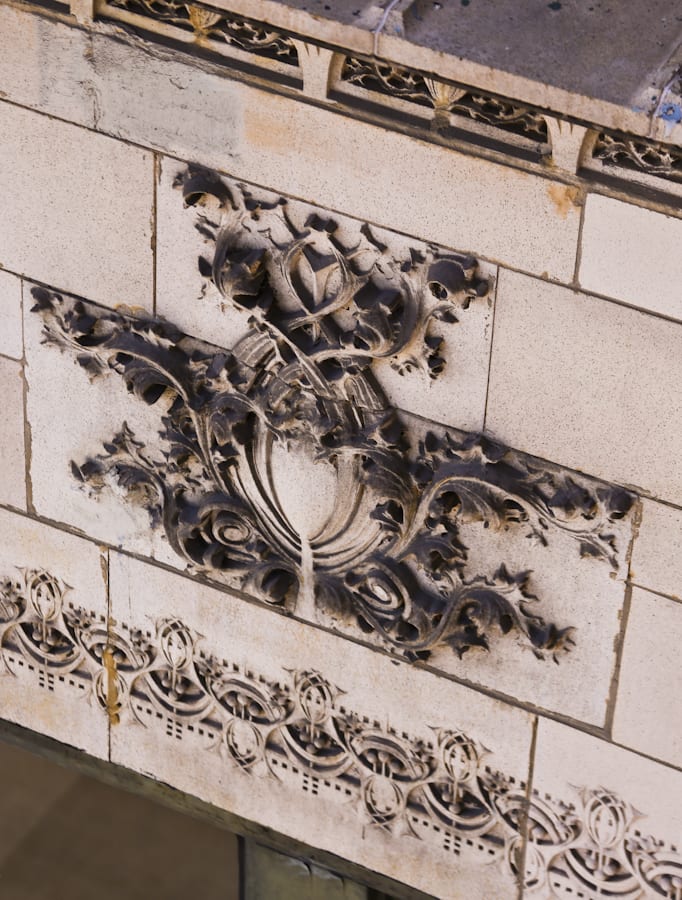
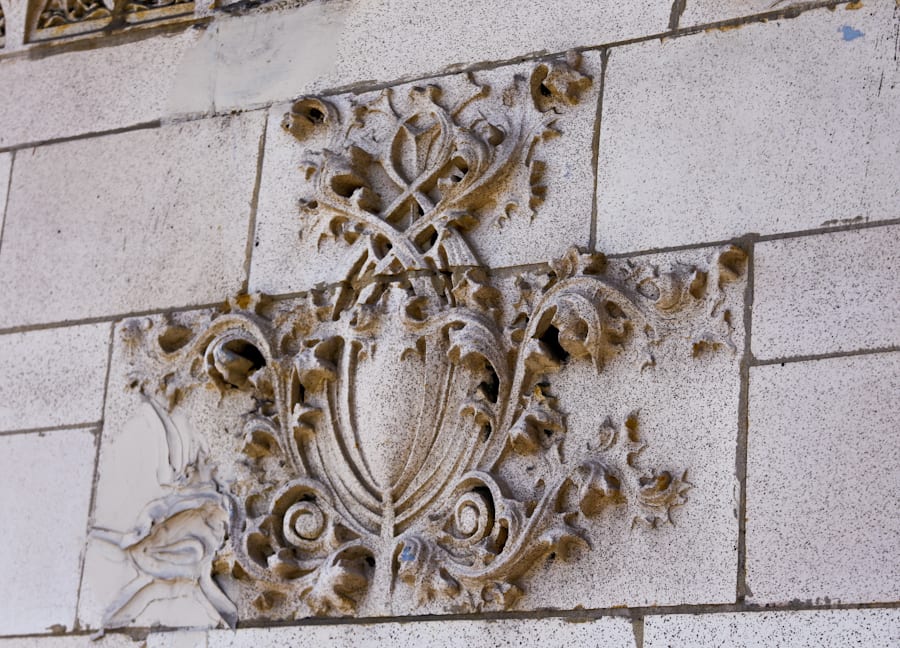
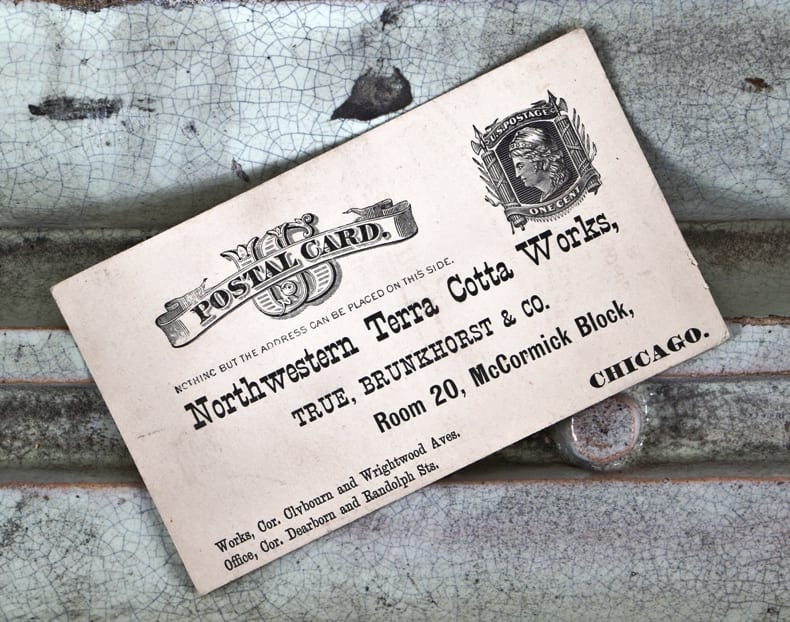
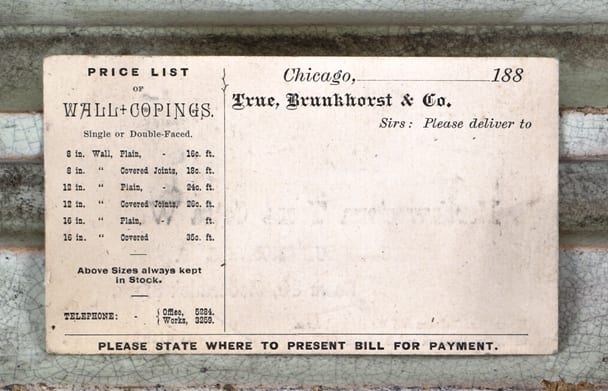
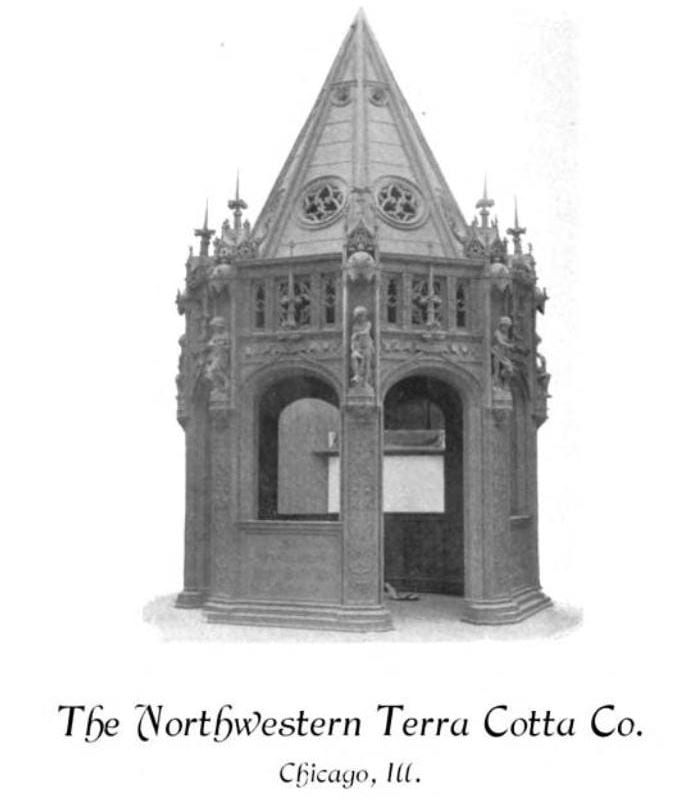
this rare and all original 19th century cream-colored terra cotta fragment was fabricated by the northwestern terra cotta company in chicago, who had worked with sullivan on several other notable commissions. the company was founded in 1878 and by the end of the nineteenth century had become a major producer of terra cotta trimmings used by the construction industry, taking commissions from prominent architects like sullivan and frank lloyd wright. among the many landmark buildings which northwestern supplied moldings for were the civic opera house, the chicago theater, the wrigley building, and the randolph tower. the beautifully crafted fragment of terra cotta it is displayed on a custom black enameled stand that conforms to and supports the “floating” fragment.