
10 Jul earliest known adler & sullivan light fixture rescued from morris selz residence before its demolition
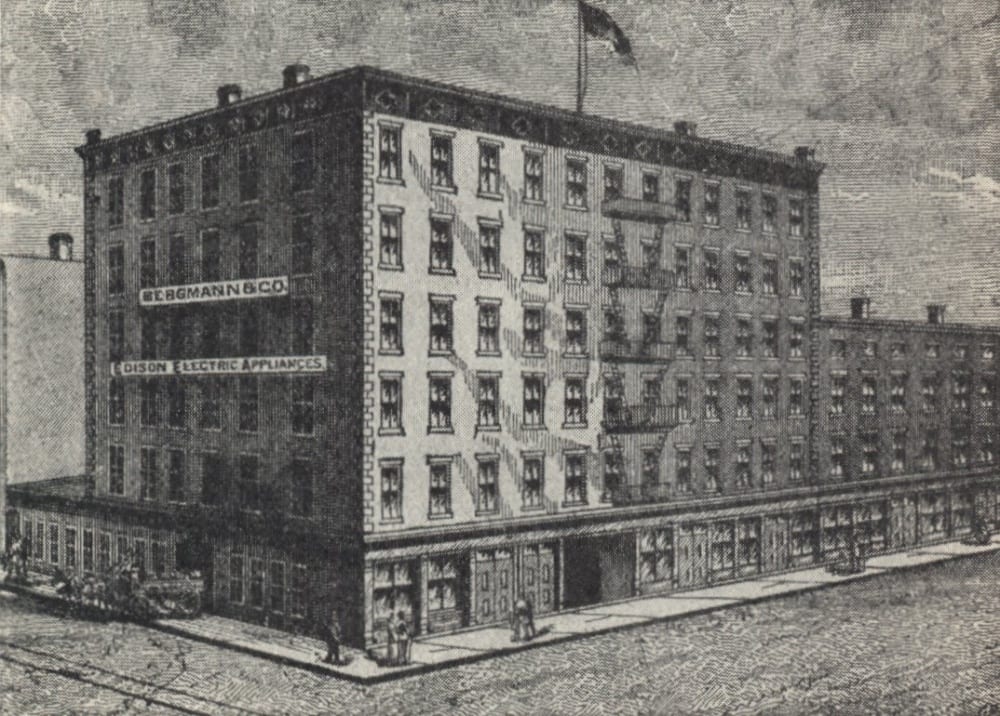
in a previous post, i provided an in depth background on the early edison bergmann socket discovered in the non-extant 1893 columbus building in 1959. here i will revisit that for a moment before introducing a recently acquired socket and fixture salvaged from the adler & sullivan morris selz residence completed in 1883.
note: click below for additional information on the 1893 bergmann sockets recovered from the columbus memorial building.
https://bldg51.com/news-and-events/2014/12/04/a-closer-look-at-a-rare-bergmann-edison-19th-century-incandescent-electric-lamp-moving-tongue-socket/
” the bergmann socket was designed to be compact and simply constructed with as few parts as possible, including the amount of insulation used and possess a very simple form of “circuit-controller.”
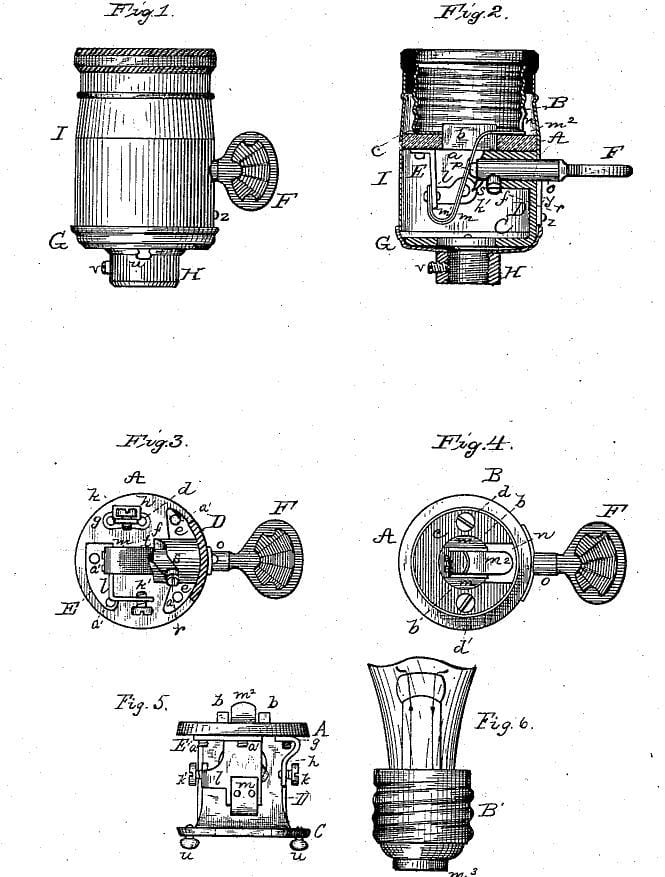
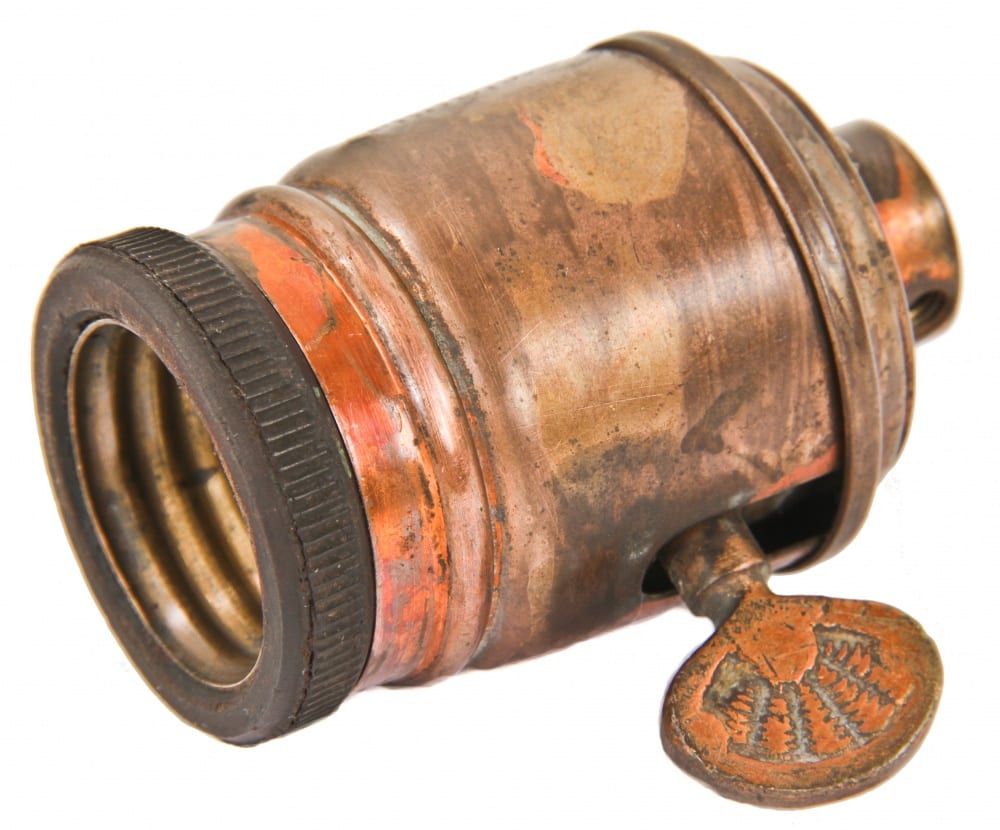
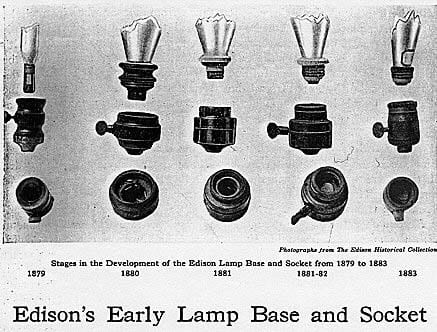
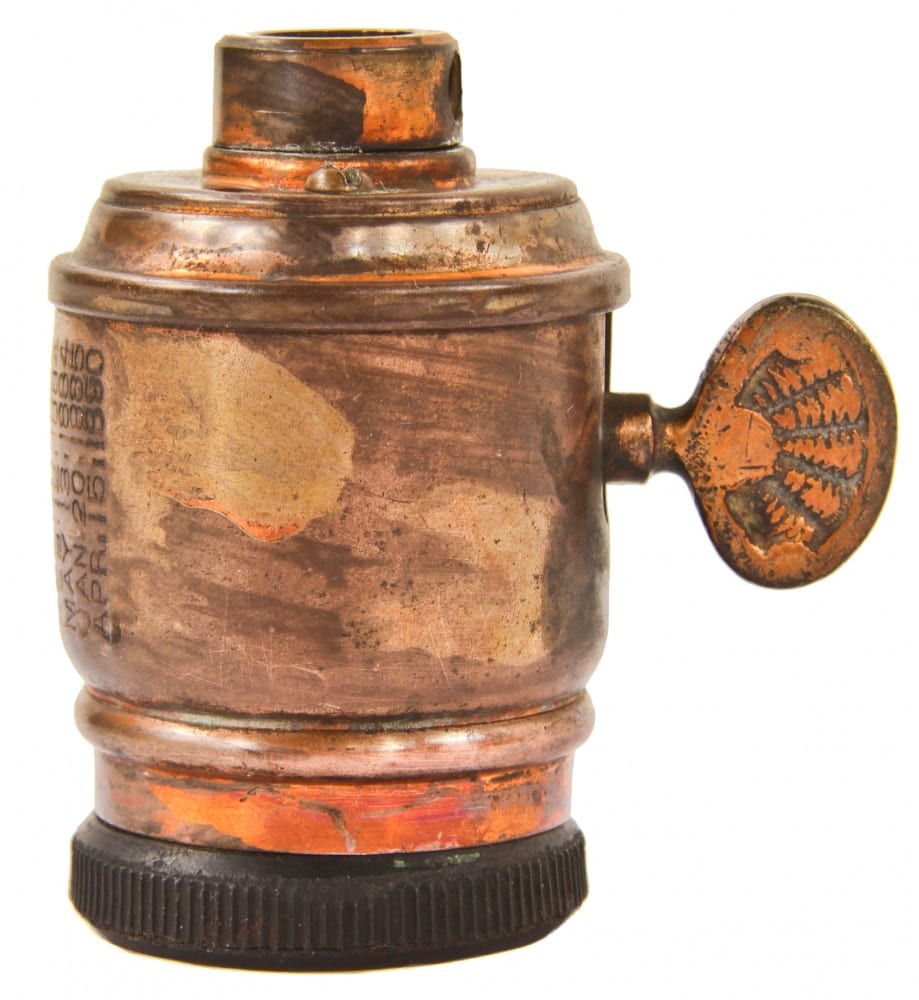
the stout copper-plated two-part shell or casing, containing several lightly incised patents, conceals the socket, consisting of the threaded sleeve that receives the light bulb that screws into place in order for a connection to be made by the terminals. the larger section of the casing contains an opening or slot for the protruding circuit controlling ornamented key or paddle switch that extends from the brass disk or ring containing the binding screws used to receive the circuit wires.
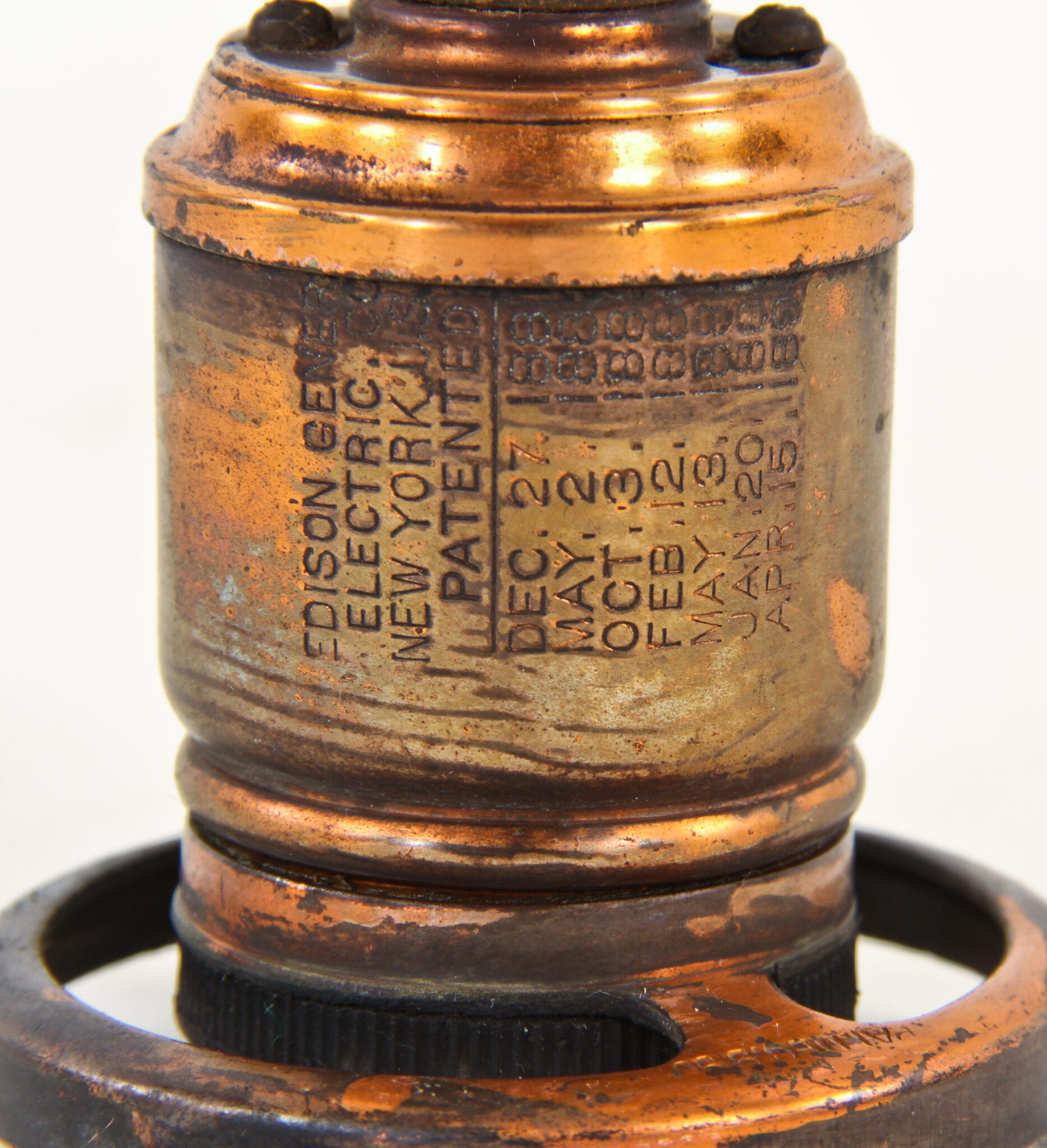
the aforementioned top ring or plate is covered by a cap that is held down with two flat-headed screws inserted directly into the ring. the internally threaded tube used to connect the socket to a light fixture arm, is soldered directly against the cap (in some cases, the cap and tube are a single piece). a flanged ring consisting of hardened rubber or an equally equivalent insulating material is screwed between the internal sleeve and casing to hold the components tightly in place.
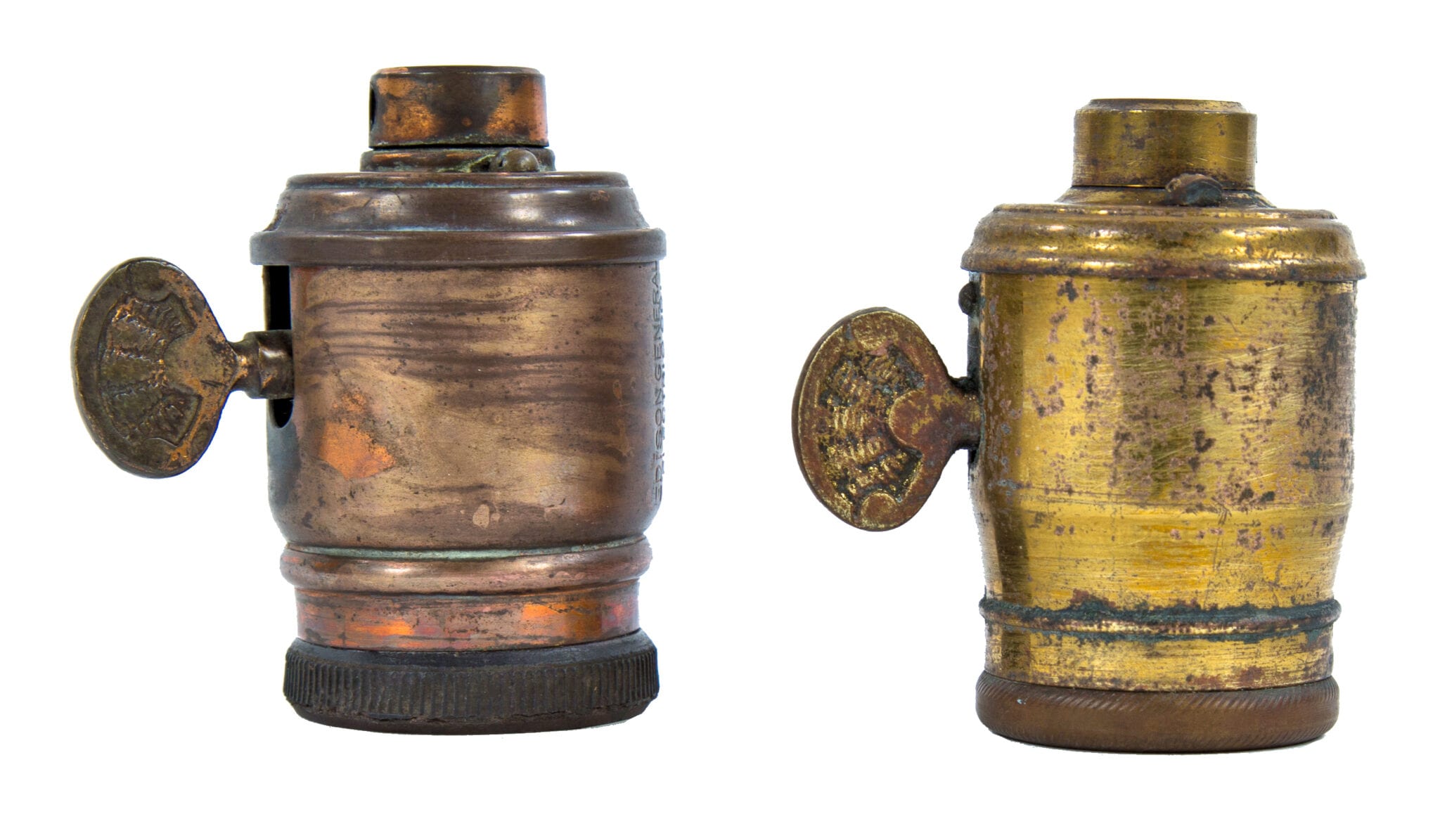
all of the circuit connections employed used, incorporated a single insulating disk that is comprised of a non-carbonizable material known as black lava. since the contacts and terminals are arranged close to each other, there was always the possibility of a short-circuit, especially as the circuit is open and closed when engaging the socket key or paddle switch. a patent pertaining to this matter was issued to sawyer & man at an earlier time.”
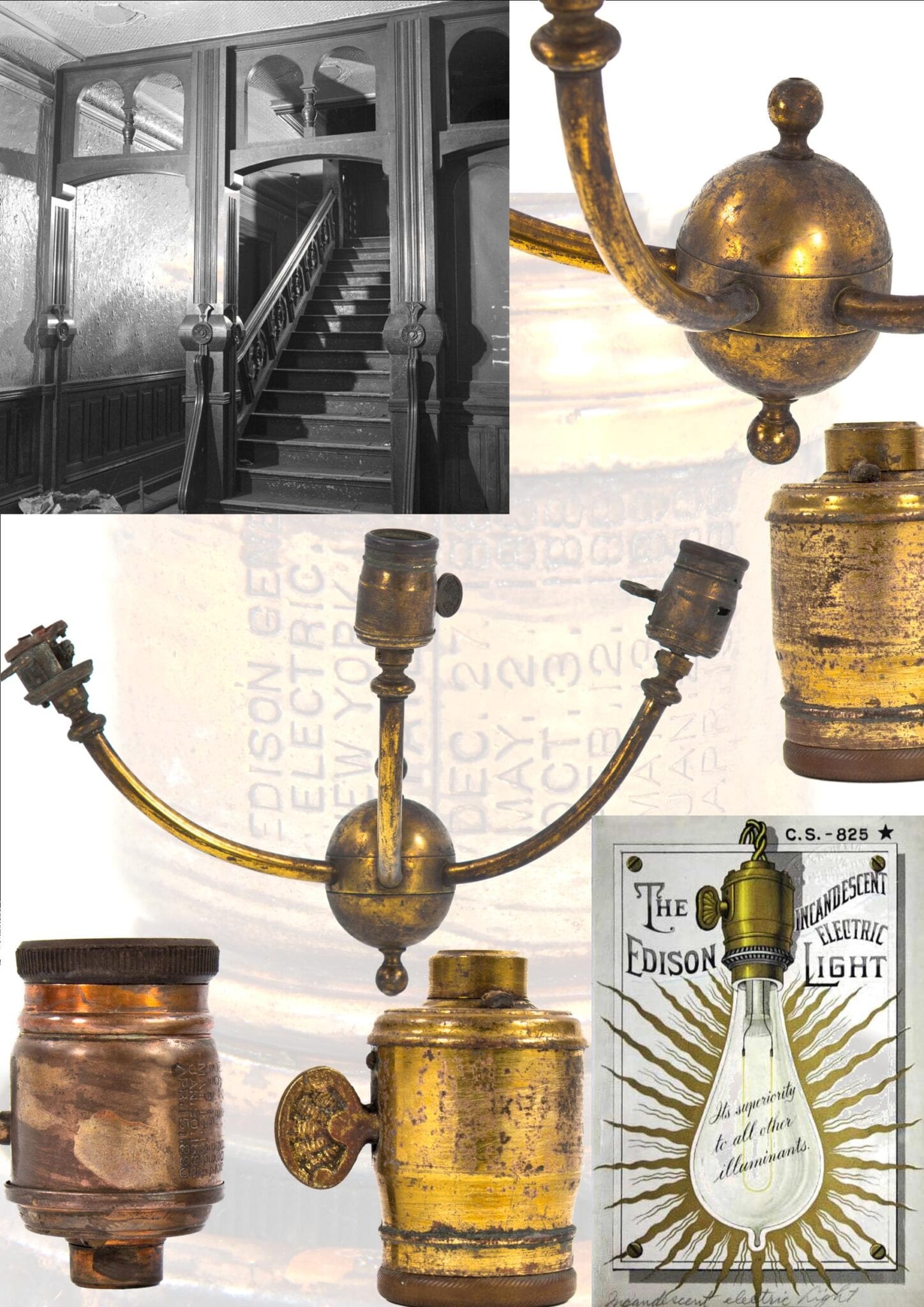
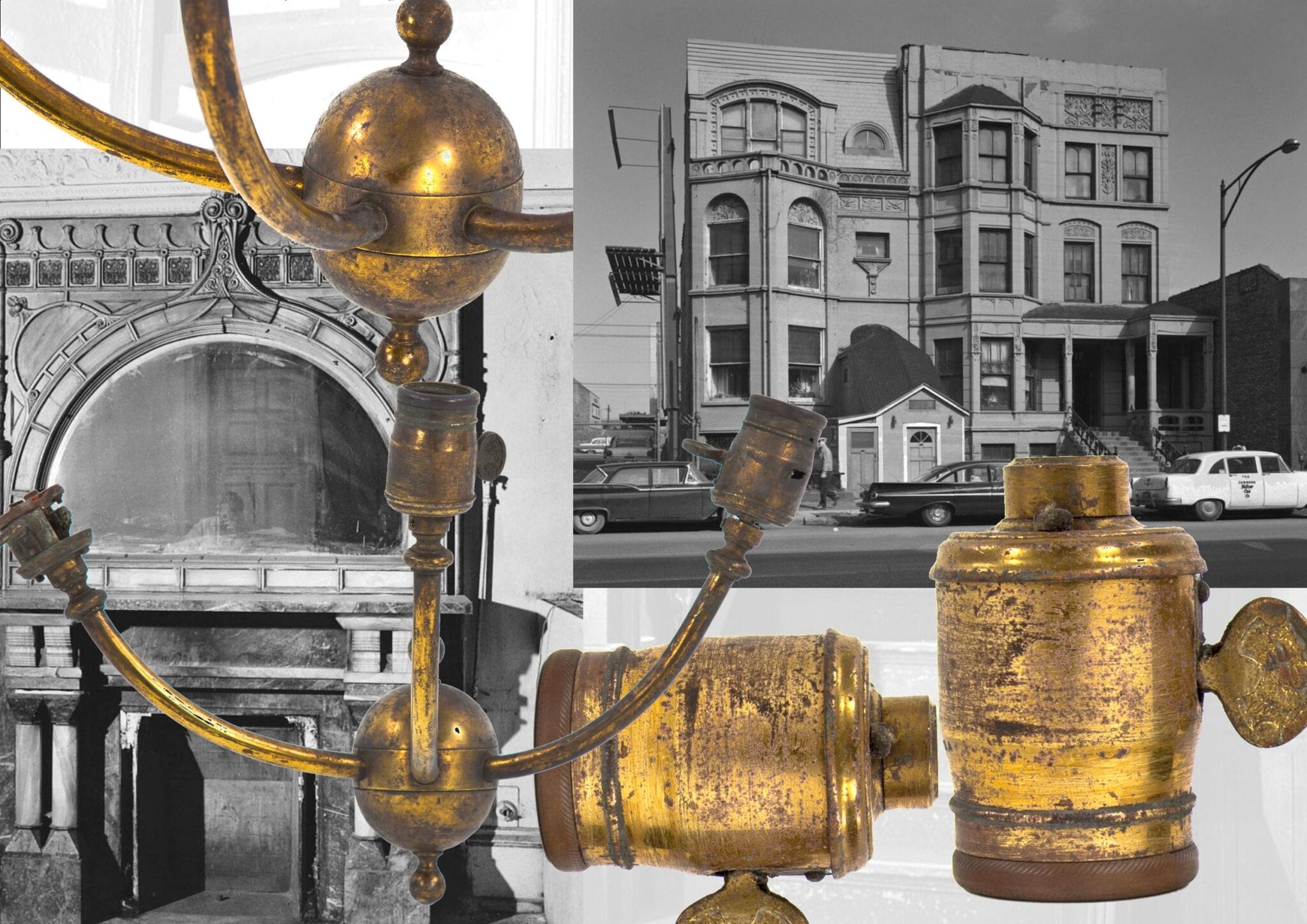
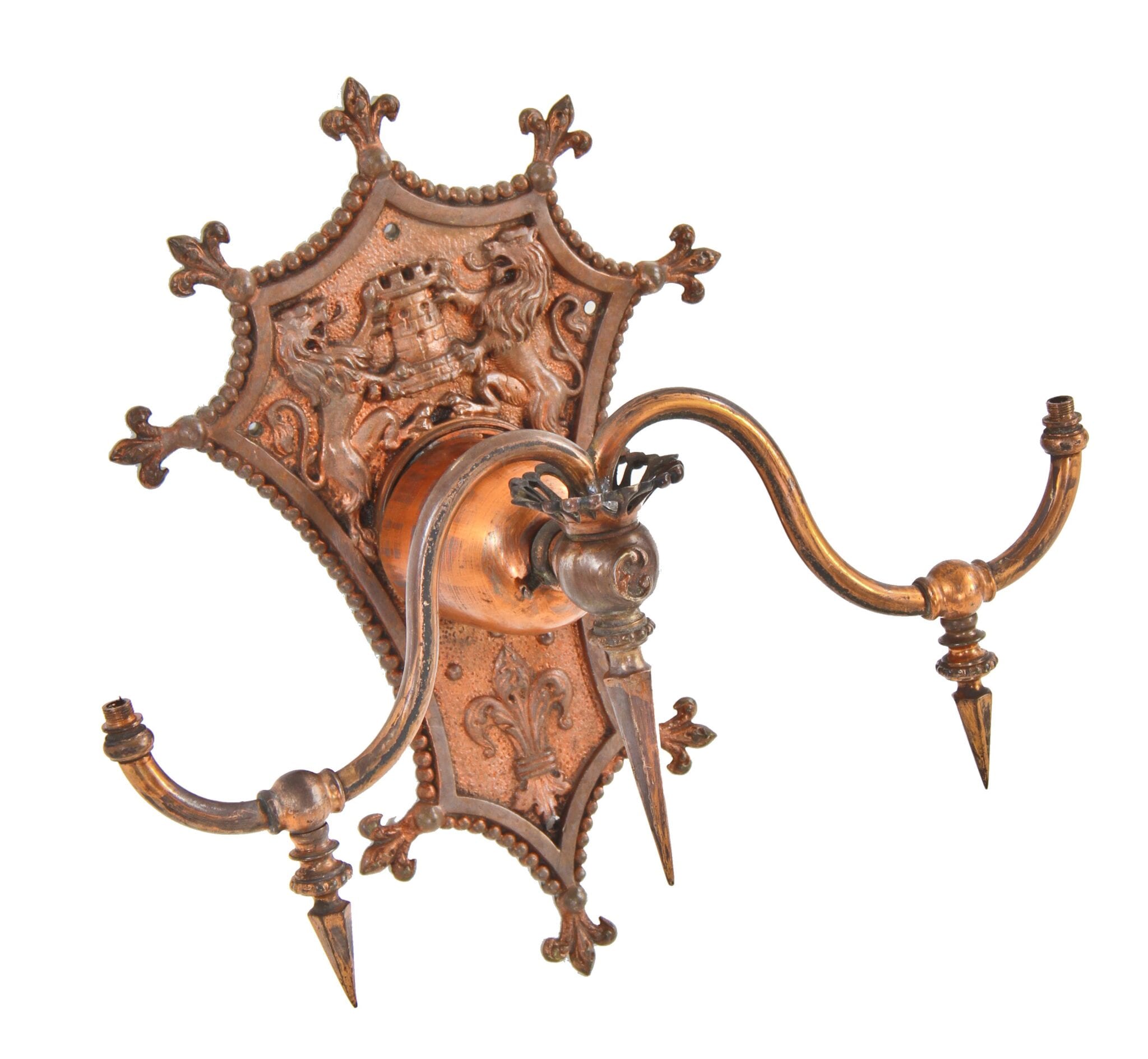
in a recent acquisition, gifted to the bldg. 51 museum by chicago’s cultural historian tim samuelson, i now possess an even earlier light fixture and socket, rescued from adler & sullivan’s 1883 morris selz residence (demolished 1967). it hasn’t been cleaned and/or altered (likely since the time it was installed), and one of the sockets has lost its housing, but it’s the earliest documented light fixture from and adler and sullivan commission.
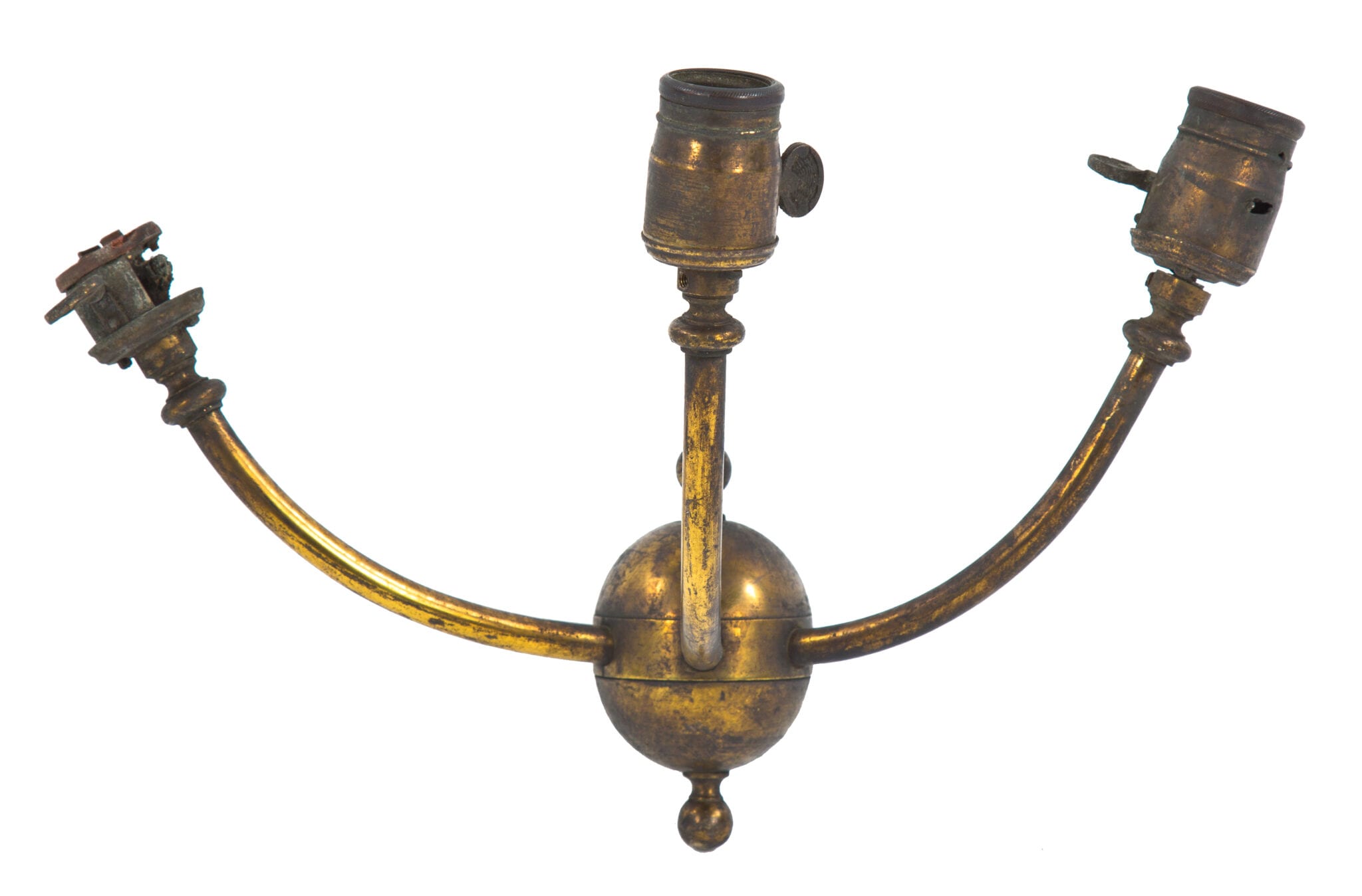
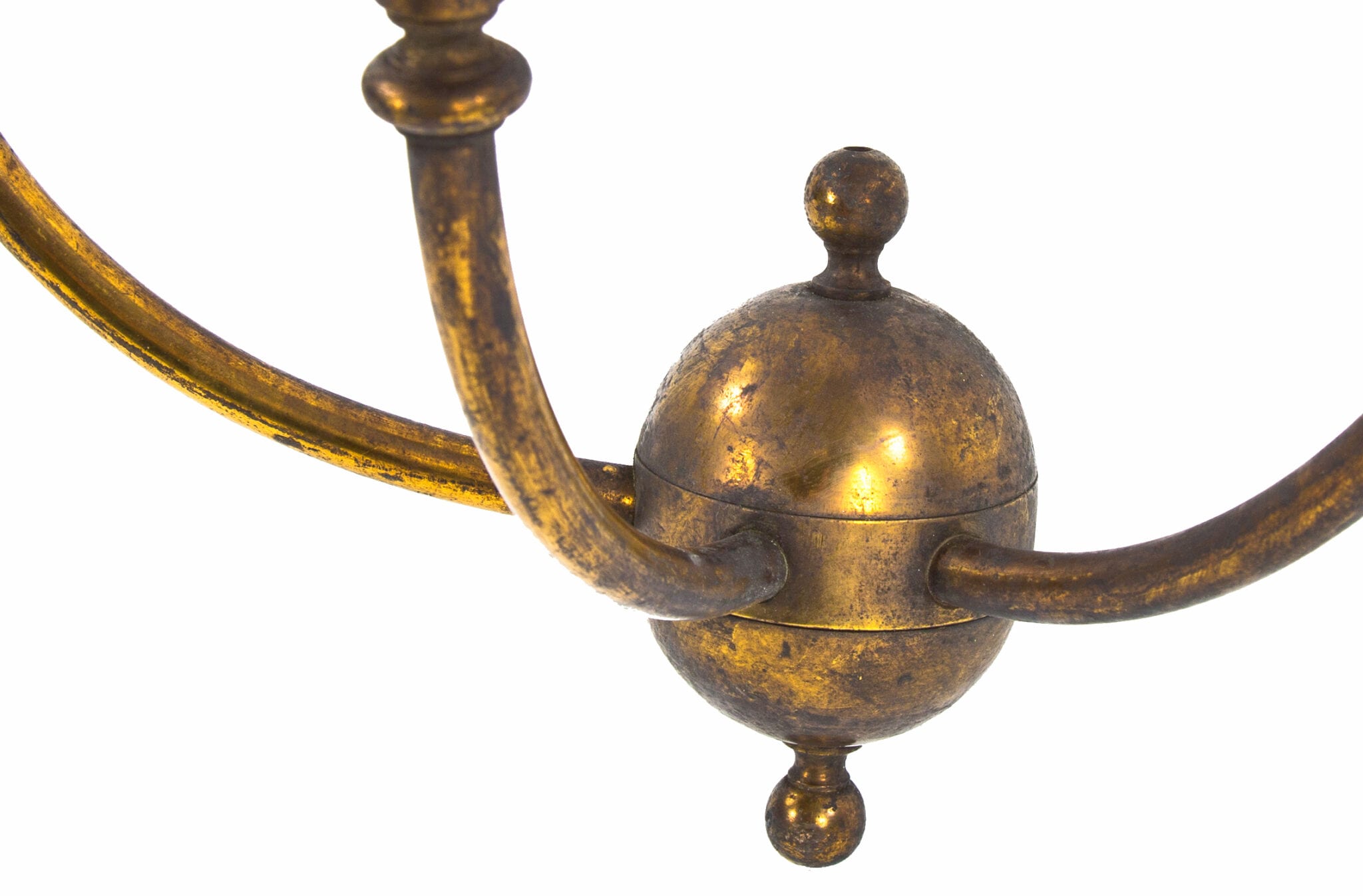
the socket has a direct-turn thumb switch, similar to ones recovered from the columbus memorial building. it is truly astounding that the fixtures (two were removed in 1967) remained in situ and untouched for so long.
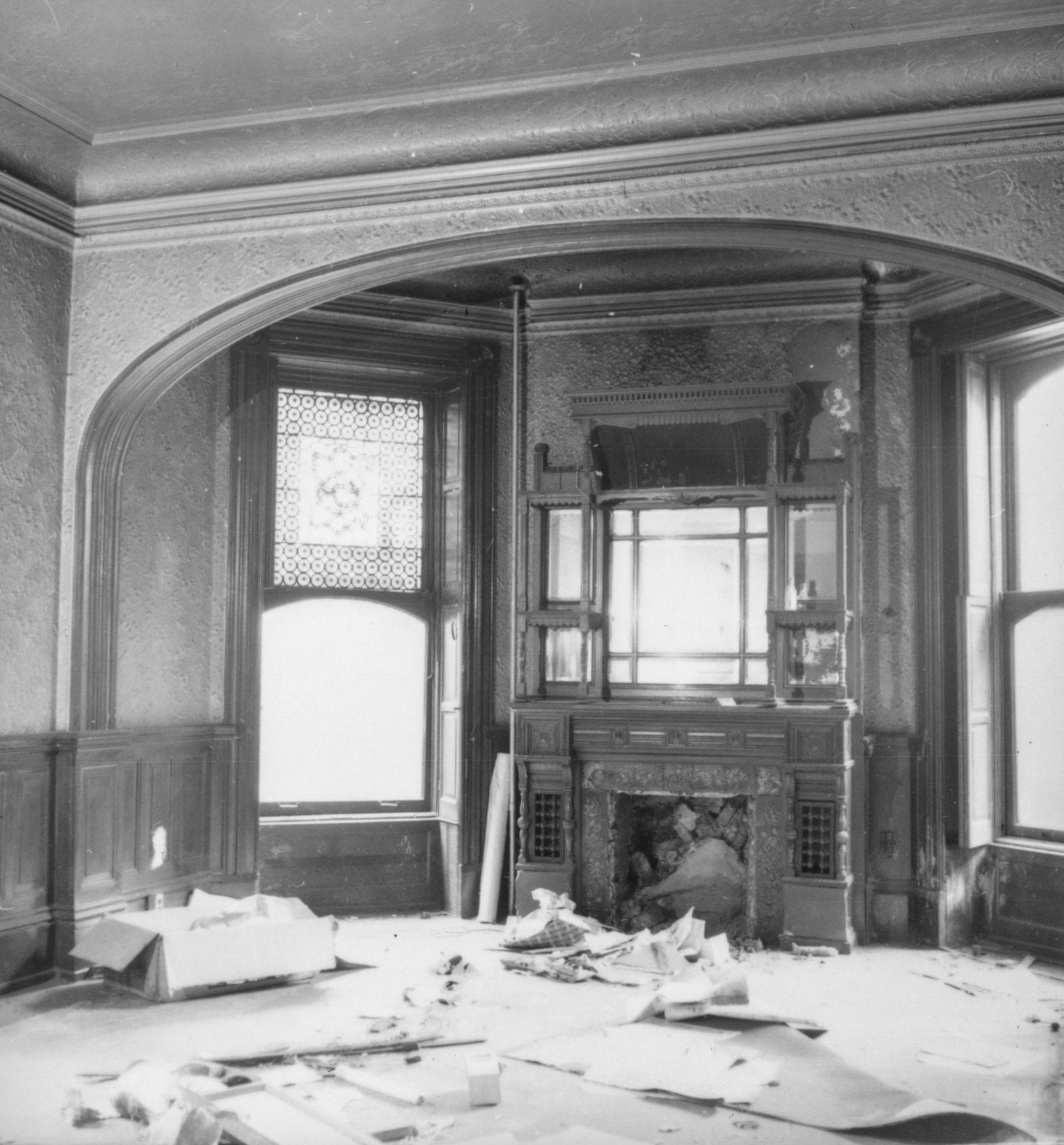
the selz house wasn’t connected to a power grid – they had their own generating engine or power plant in the rear stable. in the earliest days of electricity, it was a debate as to whether utilities should string lines and connect customers, or if people should have their own generating plants. selz chose the latter. morris selz was a prominent shoe manufacturer – one of the pioneers in factory-made, “store bought” shoes. he was dankmar adler’s brother in-law – another connection of the early sullivan works resulting from the patronage of chicago’s german jewish community.
this particular socket was part of a three arm sconce, located within a skylight lightwell. interestingly, these light fixtures weren’t visible from inside the house. they were mounted inside this light shaft, extending the full height of the house with a skylight on top. the windows of the light shaft were translucent leaded glass, so people inside the house couldn’t look into the shaft, nor see the light fixtures or where they were mounted. the idea was that at night the light fixtures would make the leaded glass glow as if illuminated by daylight. it is doubtful that this worked very well, but because these light fixtures were hidden (and largely forgotten during subsequent alterations) inside the shaft, they managed to survive until the house was demolished.
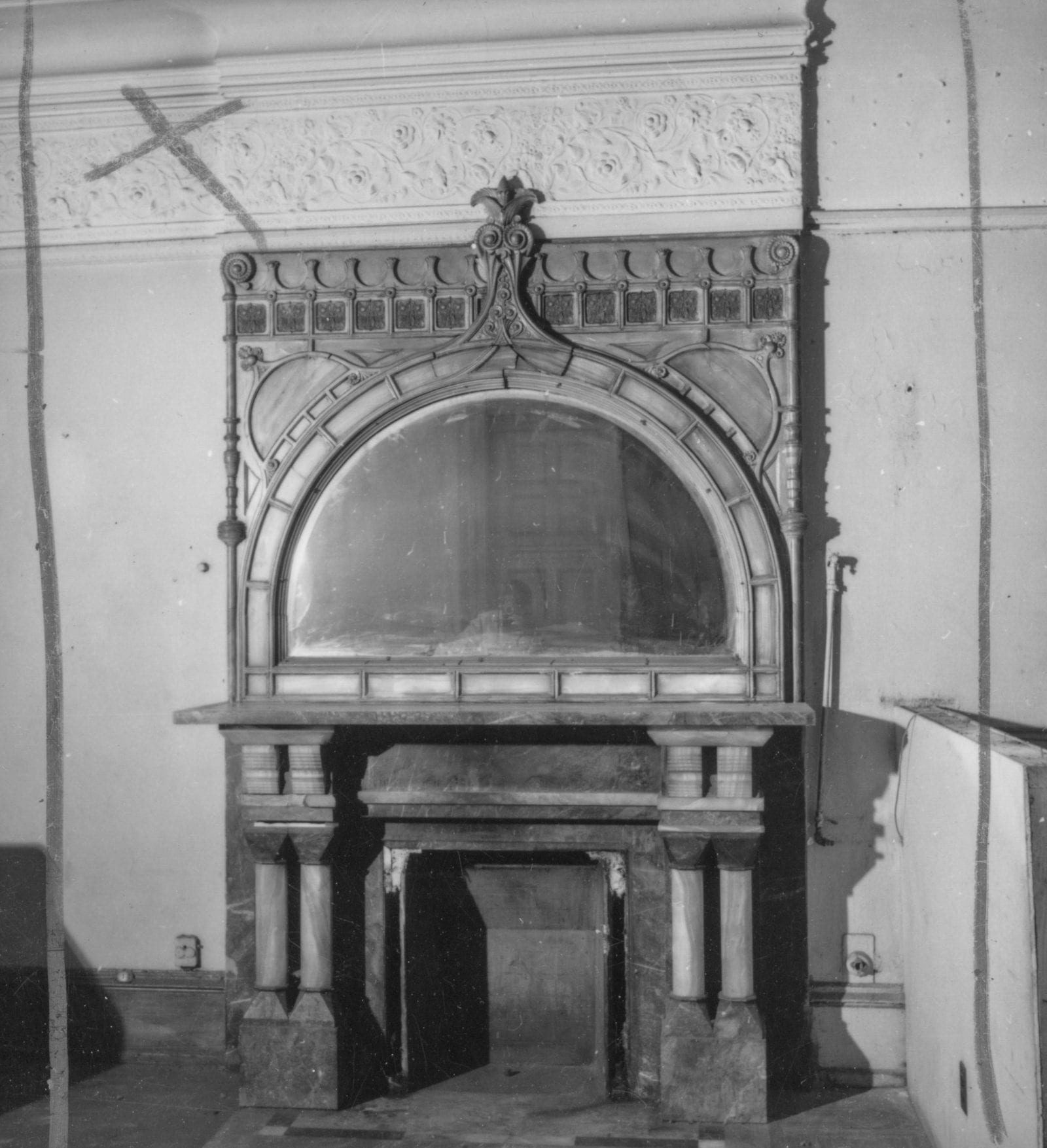
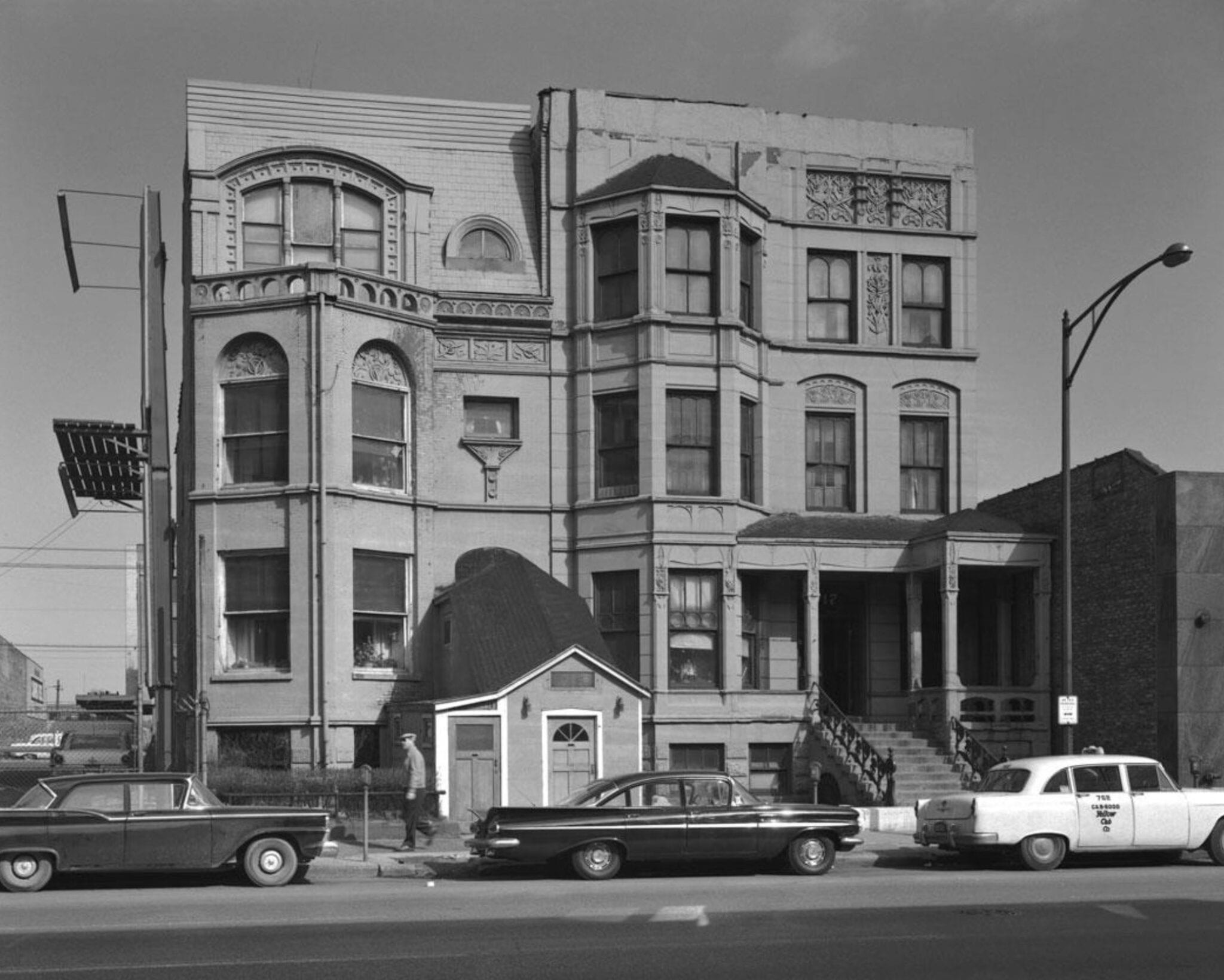
designed by the architectural firm of adler and sullivan, the selz residence was completed in 1883 for morris selz. selz, a native of württemberg, germany, arrived in chicago in 1854 after working in sales for companies in connecticut and georgia. selz started in the clothing business in chicago with selz & cohn, but in 1871 he entered the wholesale shoe trade, founding m. selz & co. by the following year, the east madison street factory of the firm had about 350 employees, who made about $1 million worth of hand-pegged boots and shoes each year. selz’s company now ranked among the leading shoe manufacturers in the midwest.
the enterprise became selz, schwab & co. in 1878, when charles h. schwab—another german immigrant who had arrived in chicago in 1854—joined the firm. by the beginning of the twentieth century, the company employed about 1,500 workers at its factories around northern illinois, which were located in chicago, joliet, genoa, and elgin. by this time, selz, schwab & co. manufactured about 12,000 pairs of boots and shoes per day, which placed the company among the leading makers of footwear in the united states. selz remained a major footwear company throughout the 1920s, before the great depression crippled its sales and forced its factories to close. he died in his home in 1913, located at 1717 s. michigan avenue (demolished in 1967).
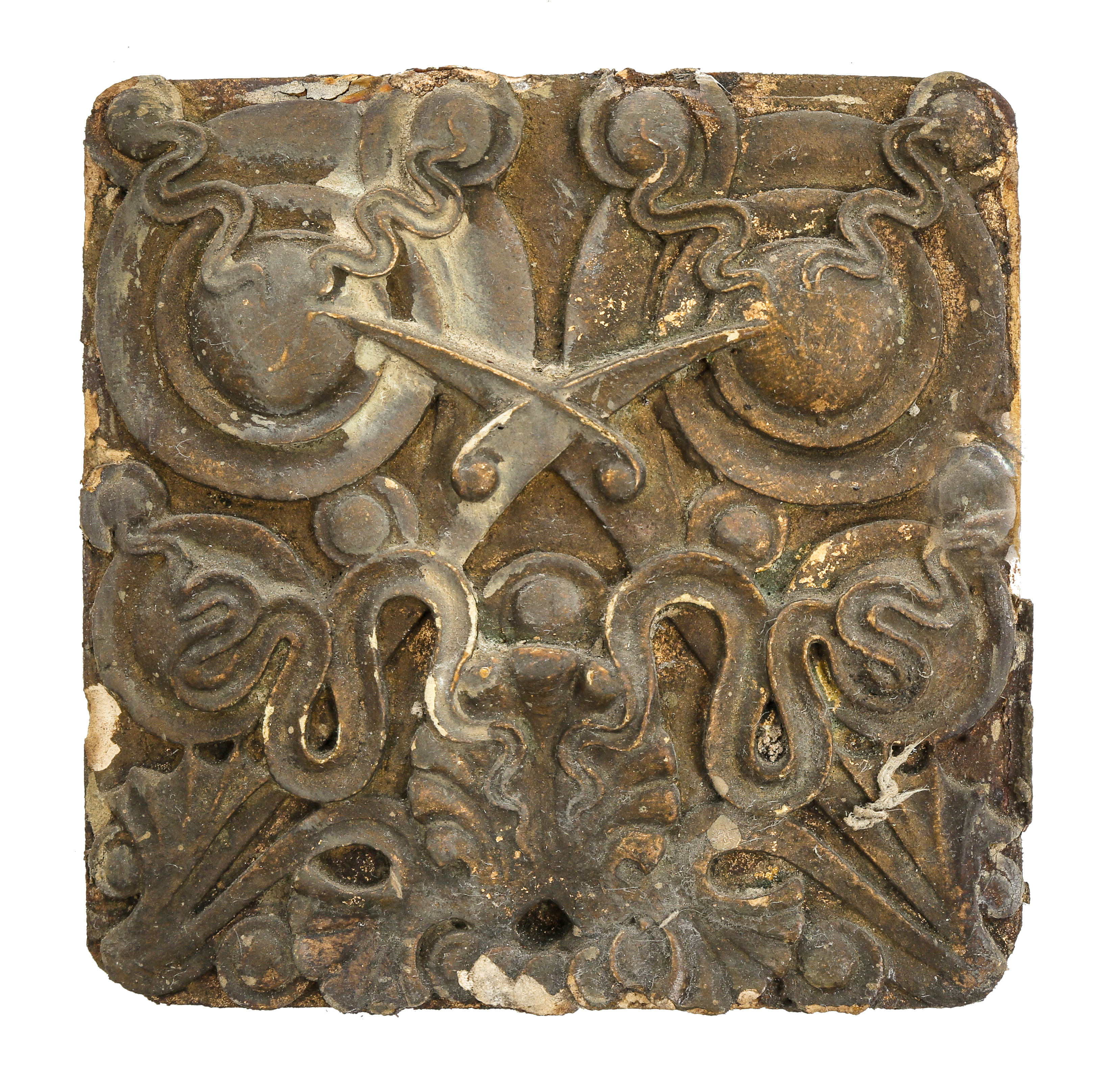
due to the precarious nature of this location, the three-arm fixture and its sockets were never replaced during the time of their use, and remained original to the building until the time of its demolition. as such, this fixture clearly dates back to 1883, just four years after the ge edison light bulb was patented and widely introduced to the public. additionally, the light fixture’s socket predates the columbus memorial socket by a full decade.
found in the basement of the columbus building and originally from a two-arm sconce located in the lobby, few of these fixtures had the original sockets remaining. while aesthetically similar, the earlier socket lacks the patent inscription (along the shell), of its 1883 counterpart, and features much cruder screws at the cap and its contacts, along with differences in size and configuration. the 1883 socket contains a red rubber or gutta percha insulator ring versus the 1893 socket, where ceramic materials were used. additional research will offer further insight into the evolution of these socket between 1893 and 1893.