

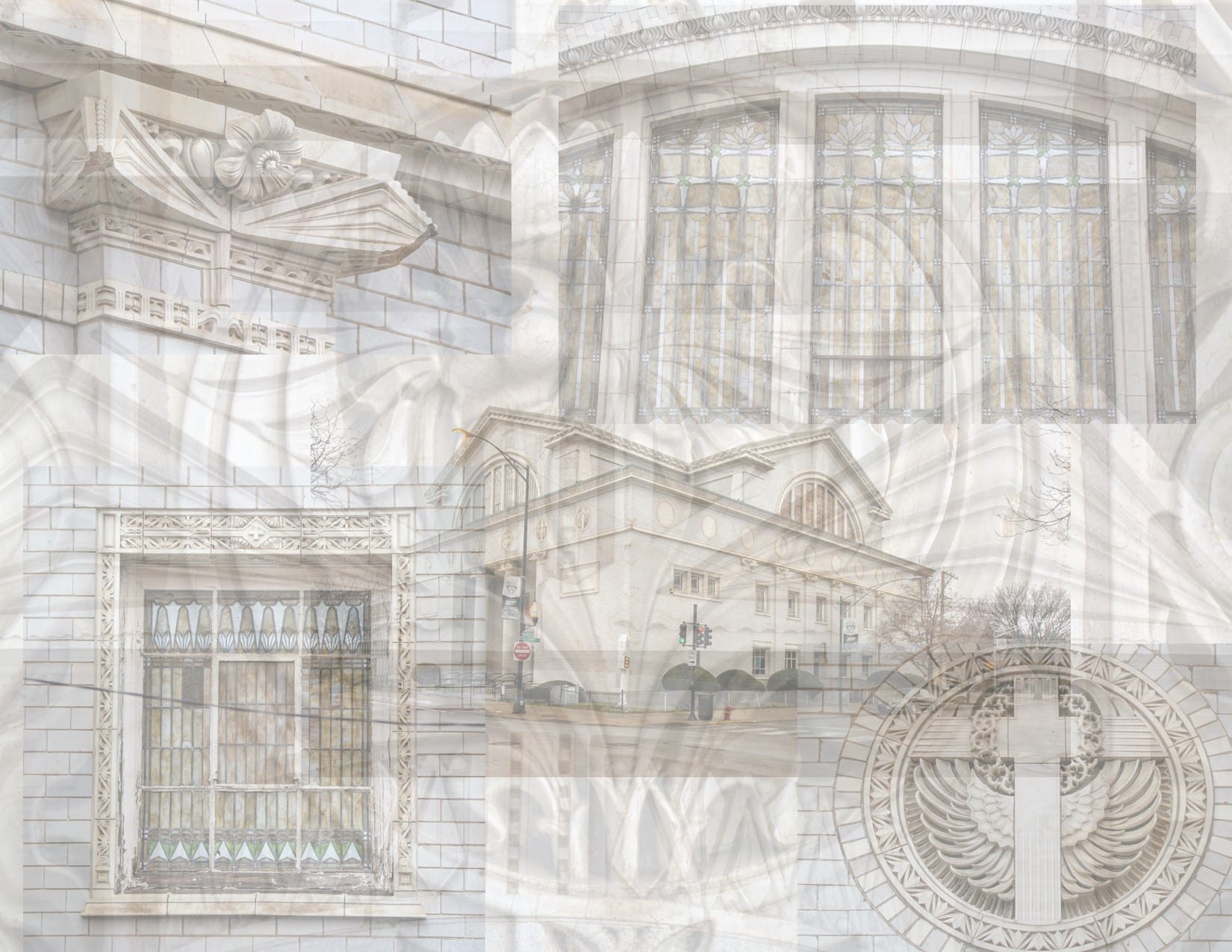
01 Mar photographic study of hugh garden’s cream-colored ornamental terra cotta adorning third church of christ scientist
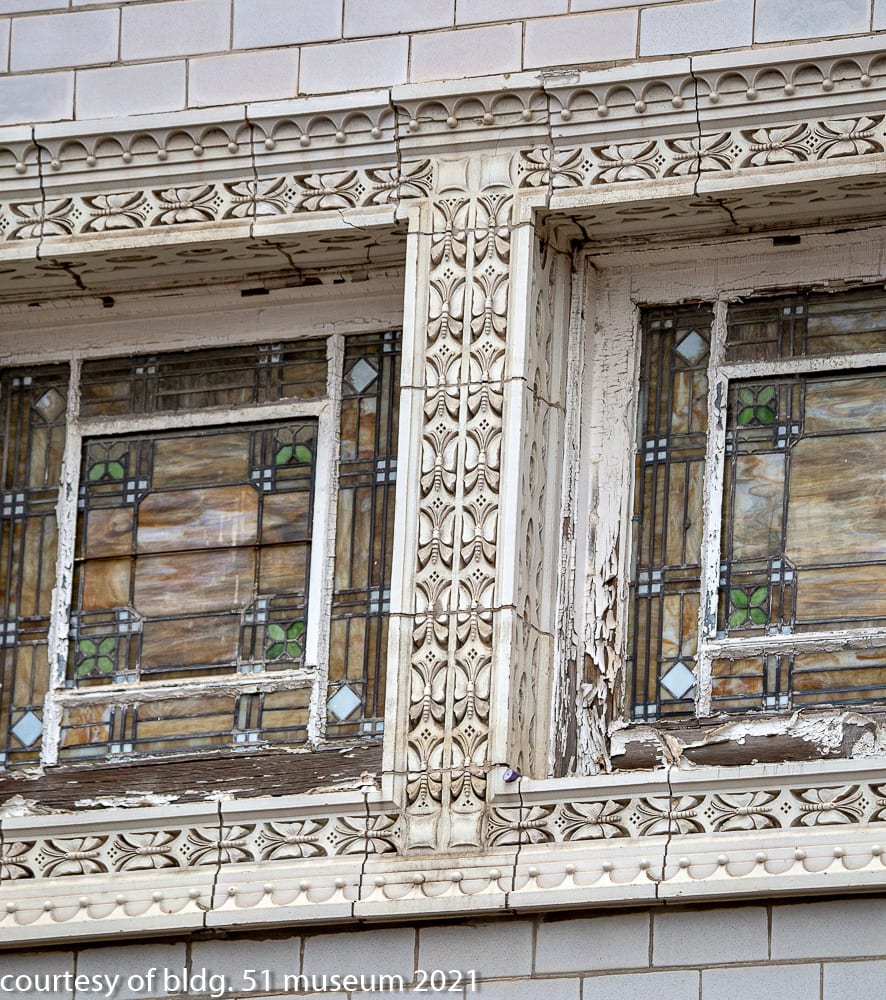
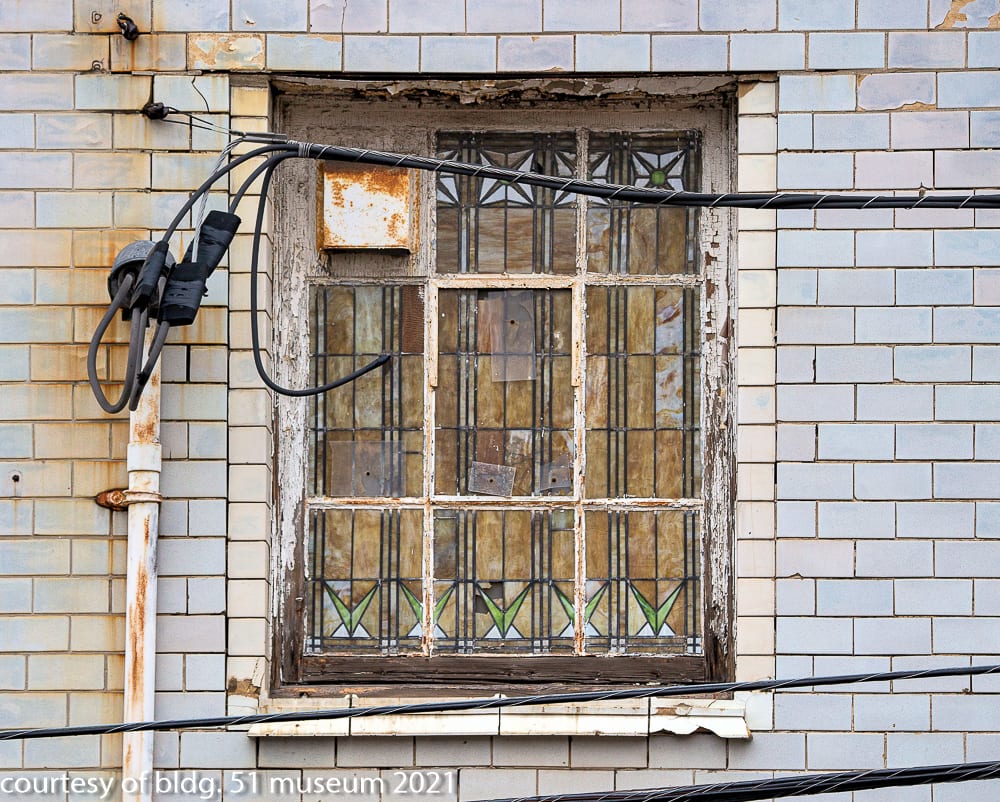
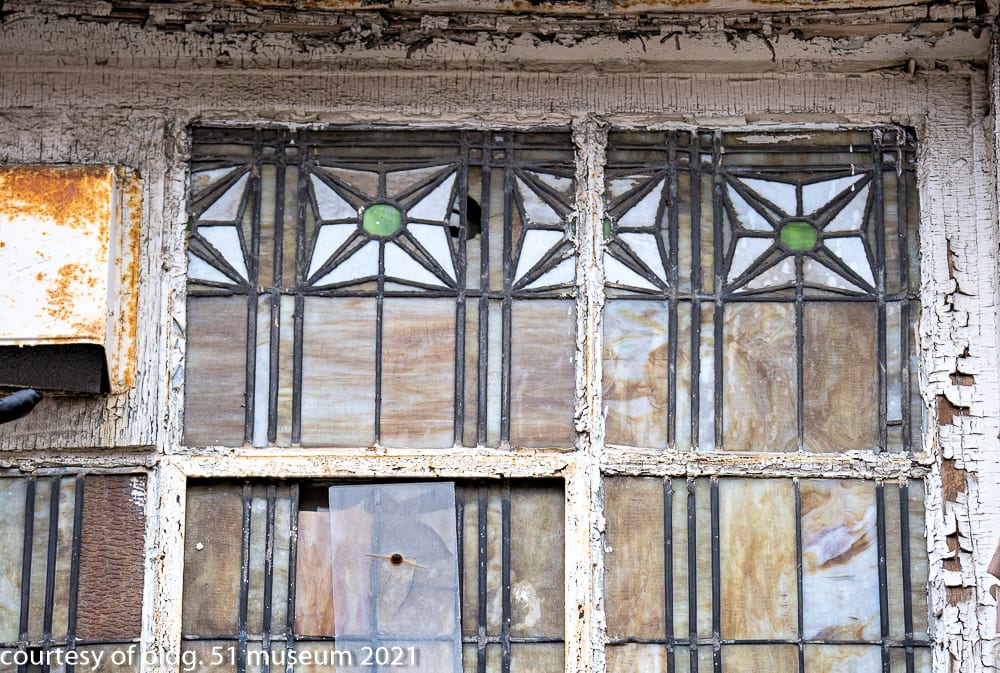
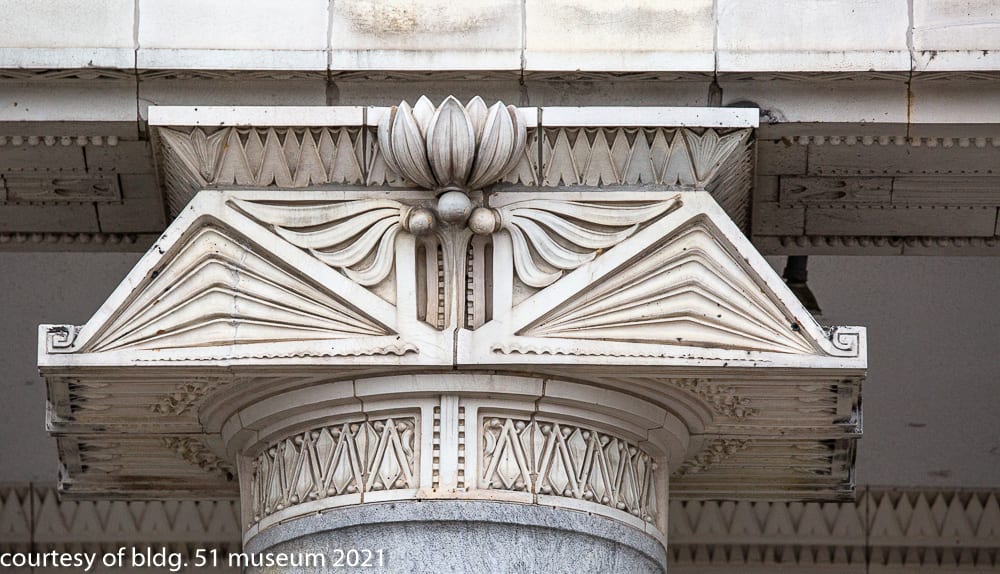
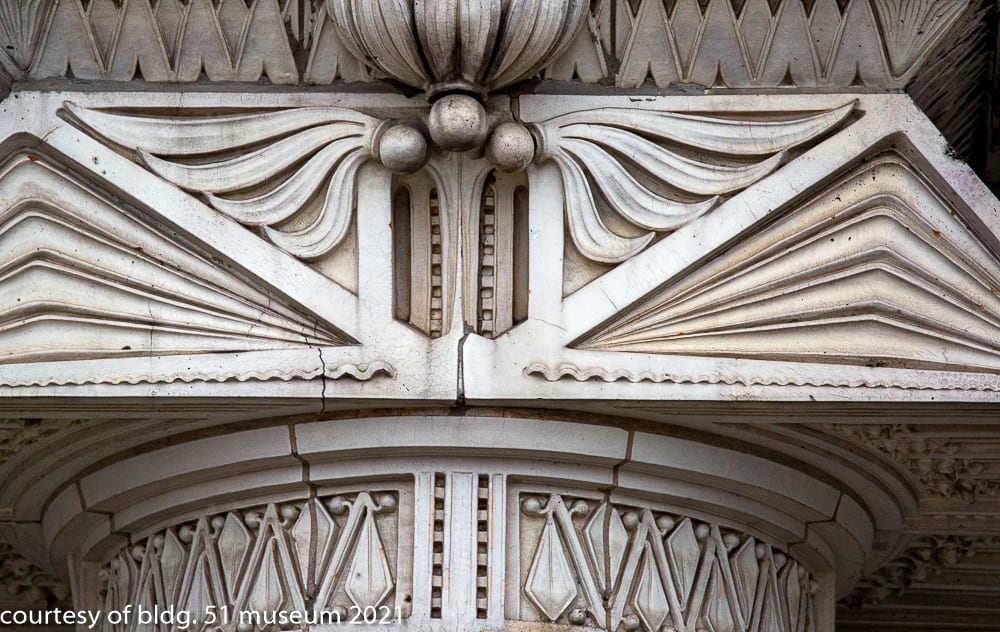
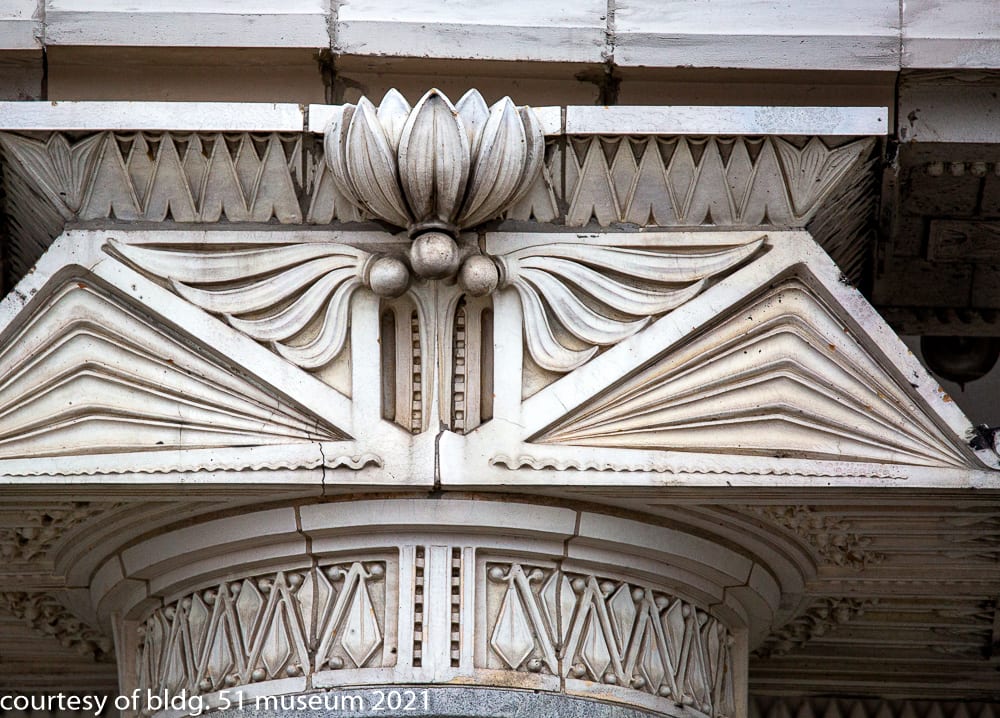
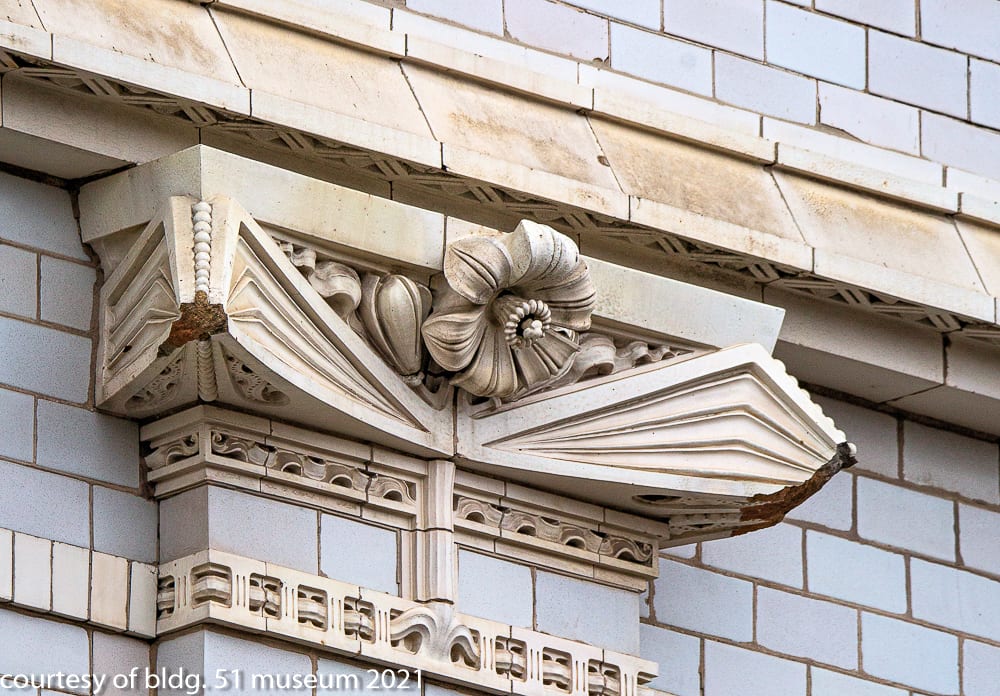
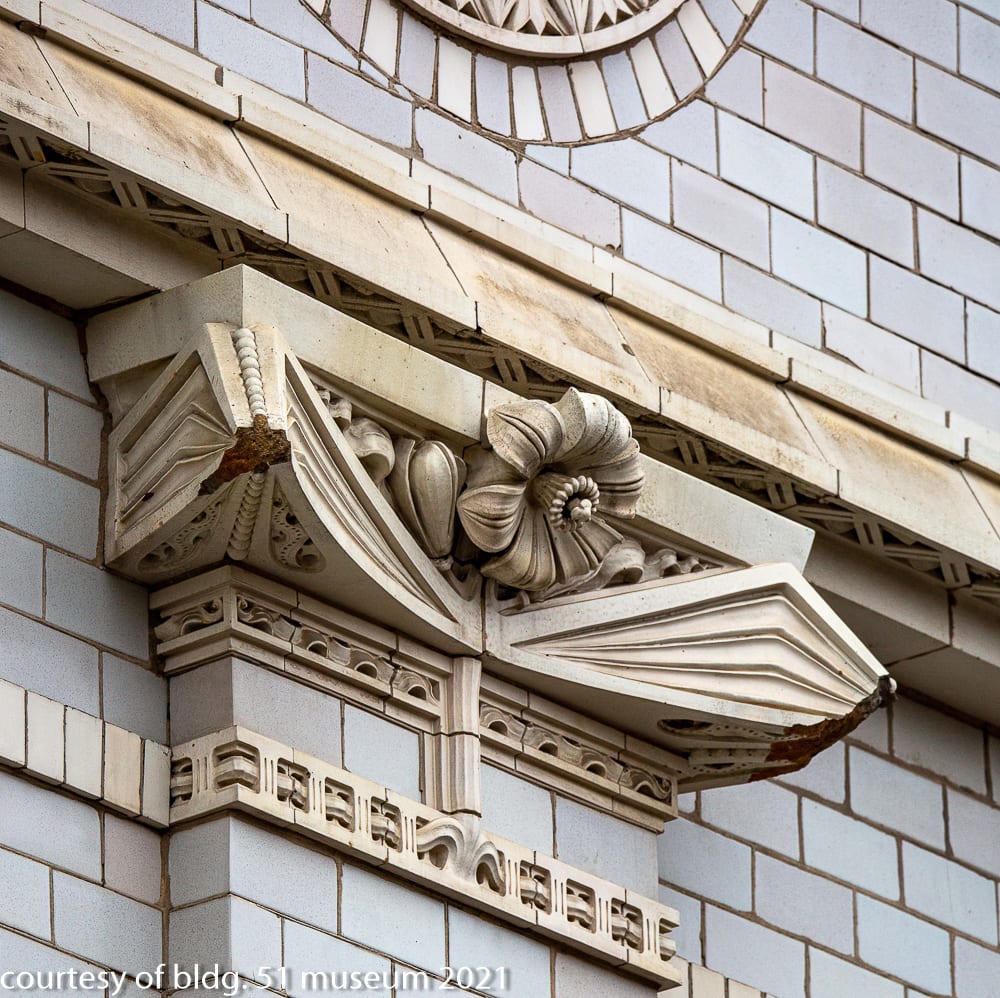
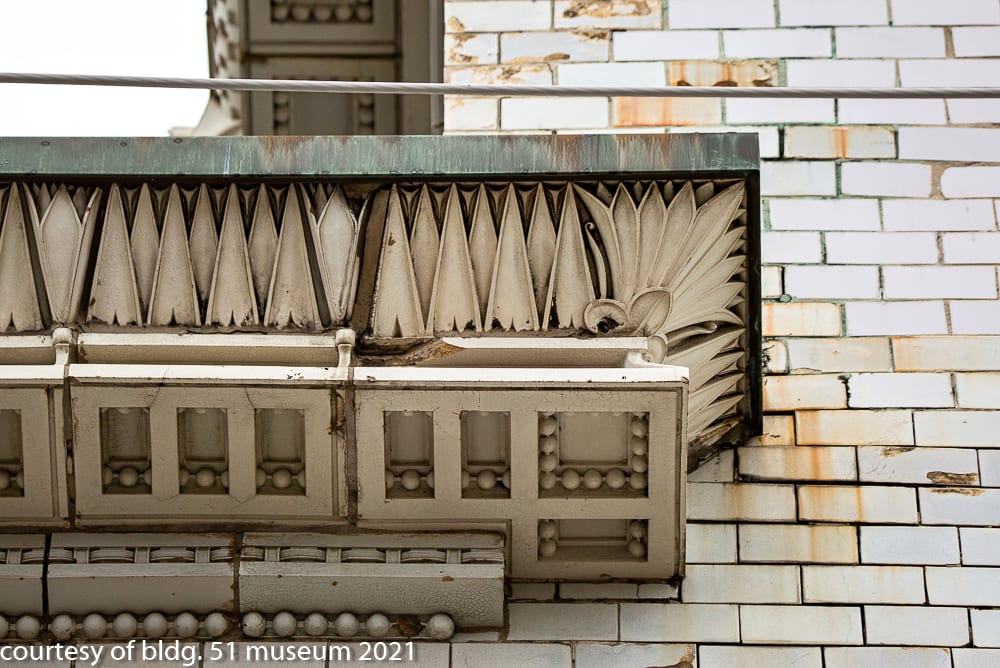
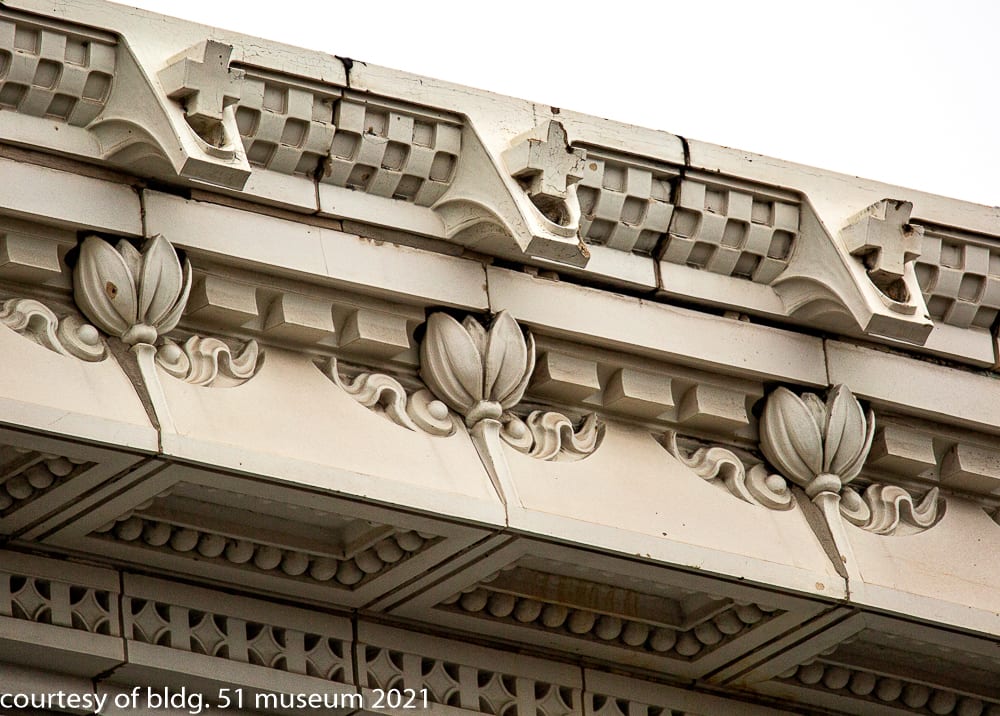
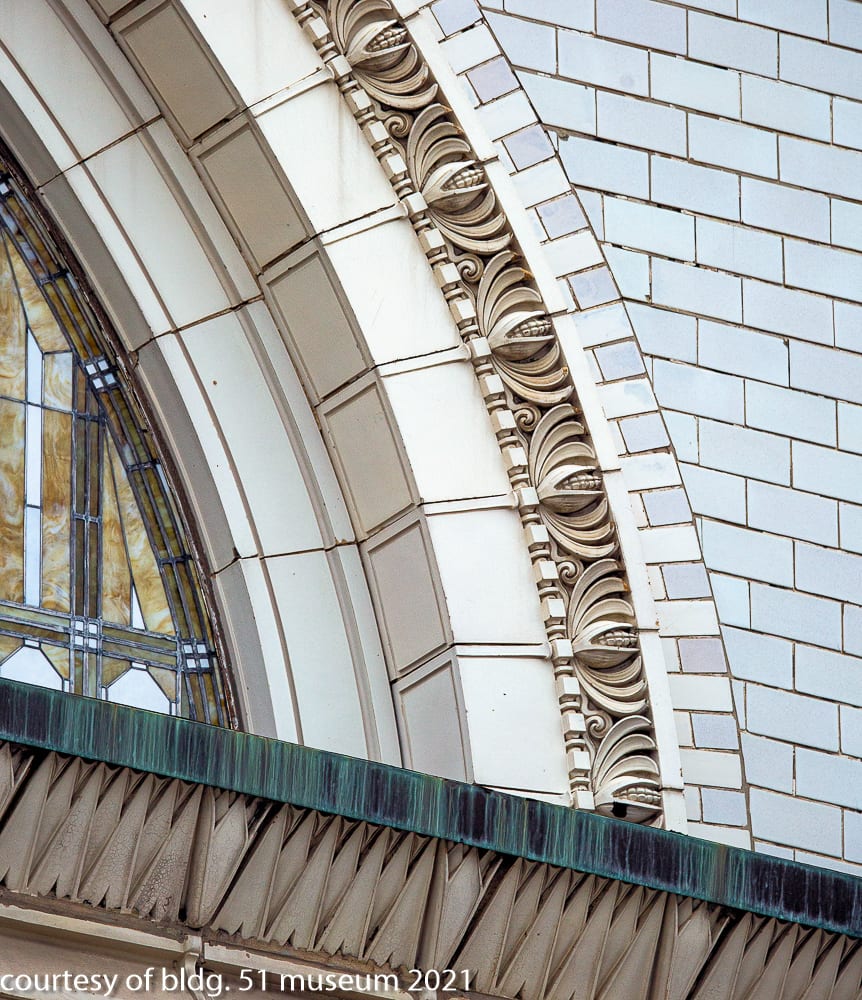
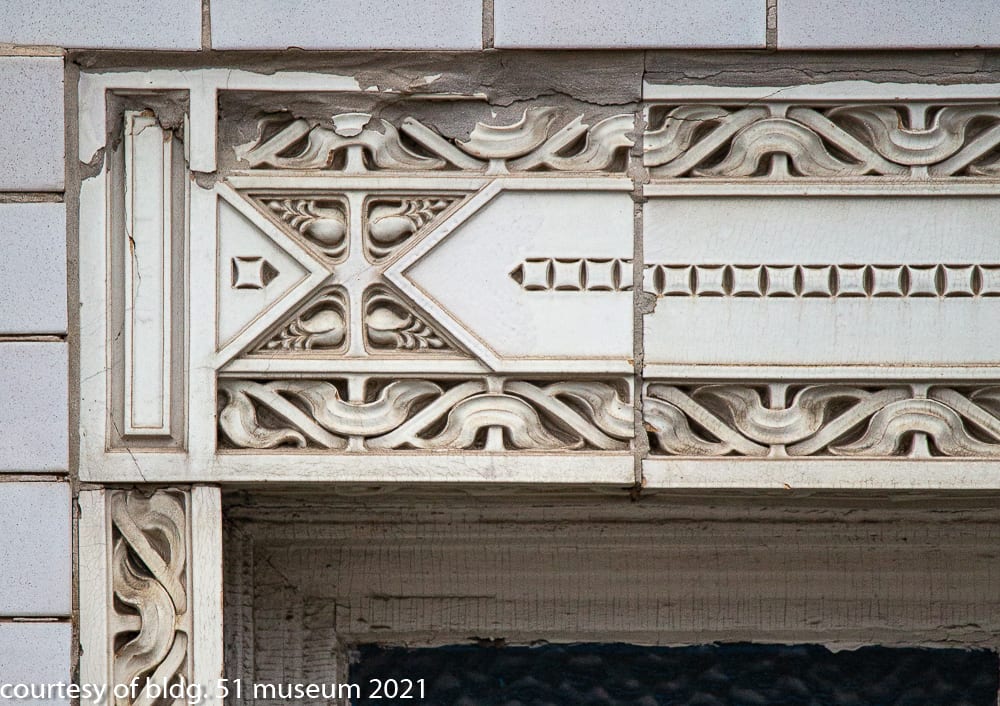
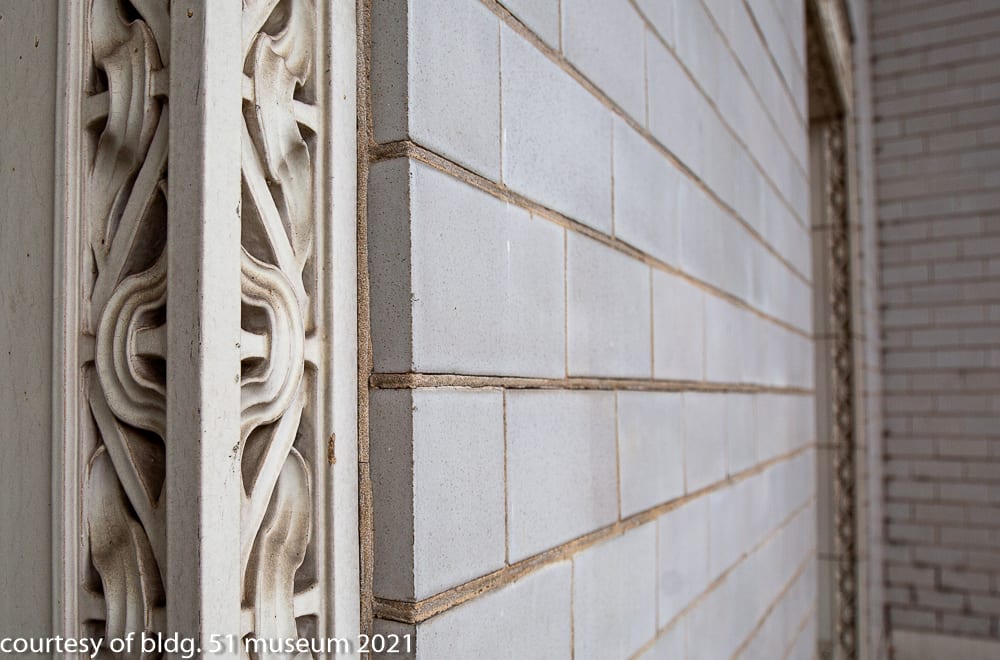
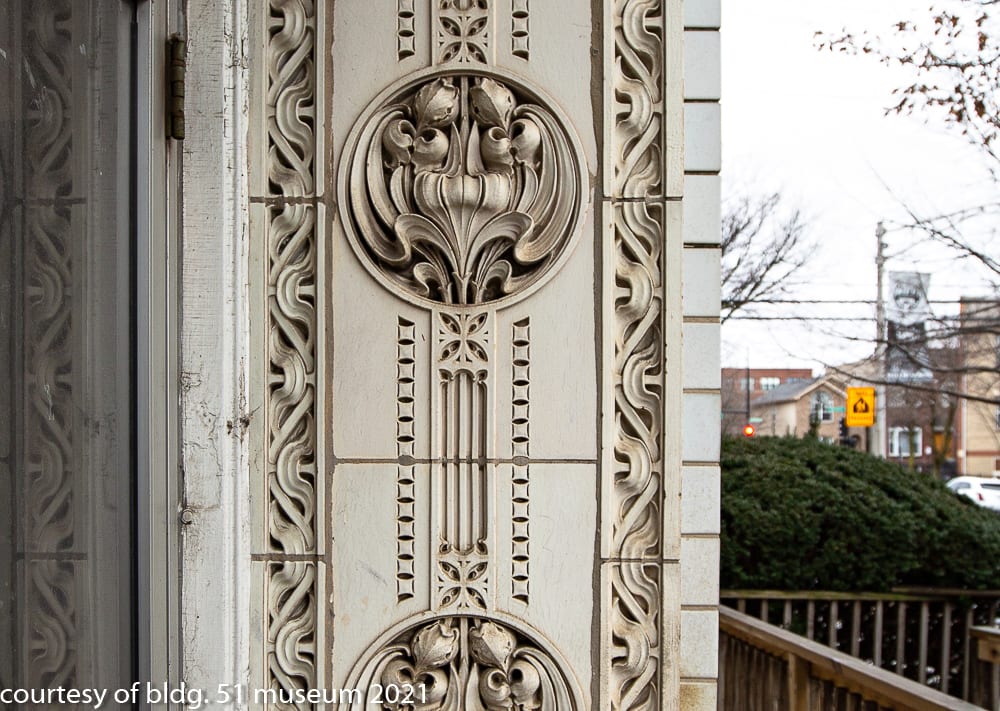
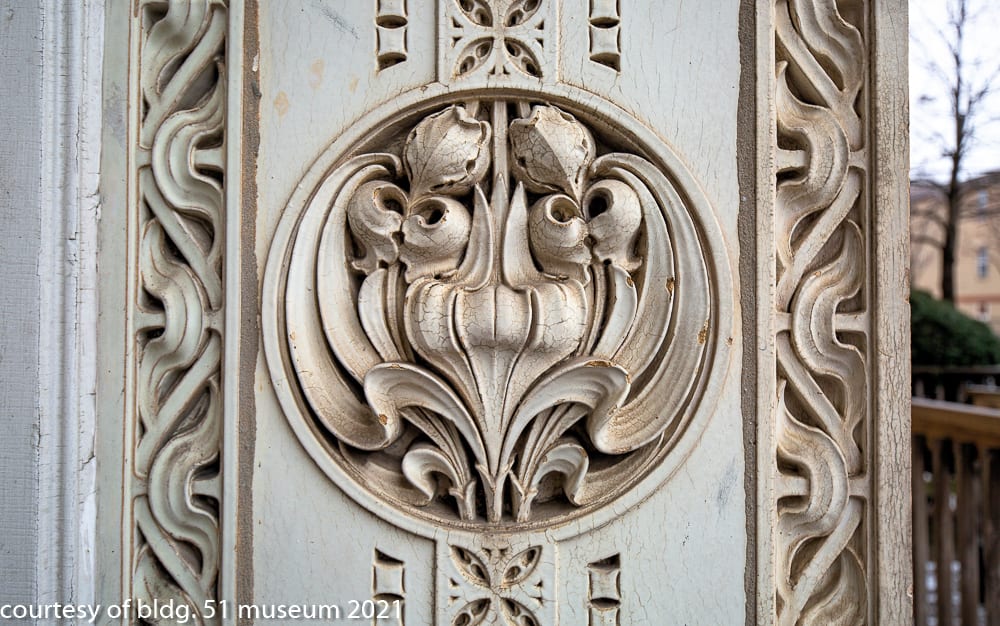
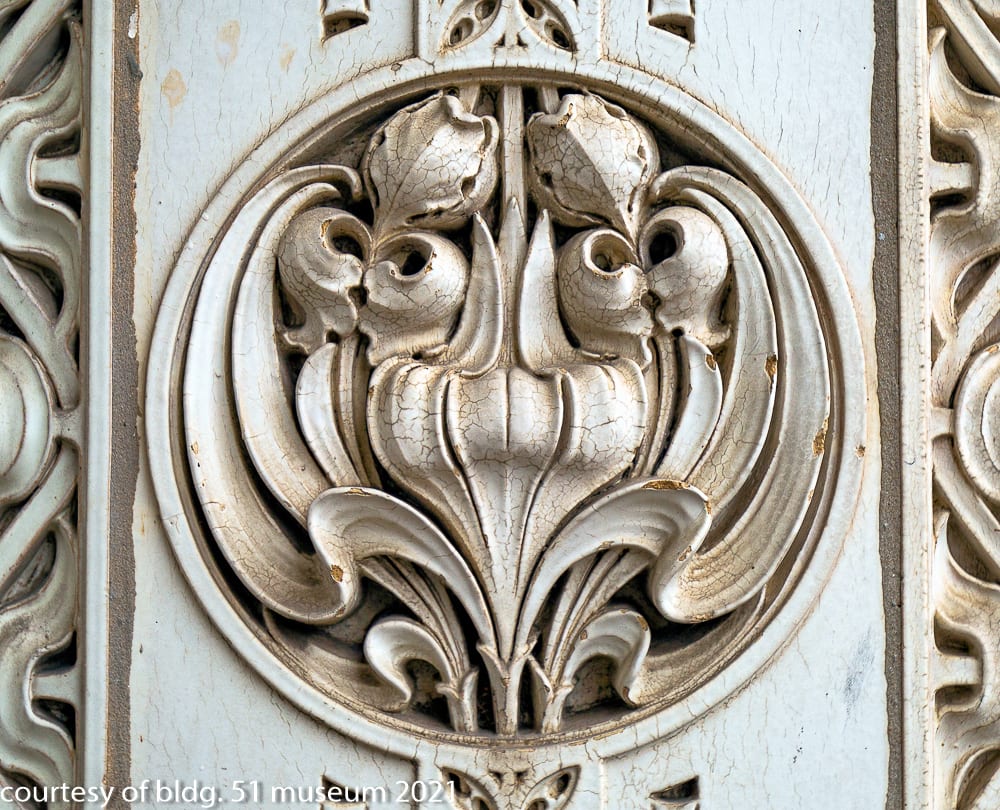
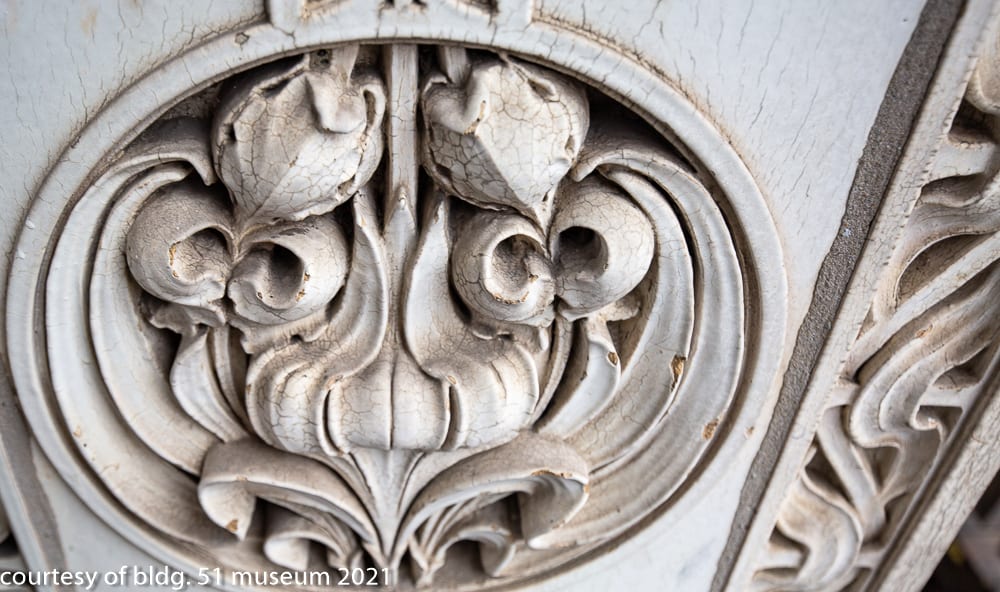
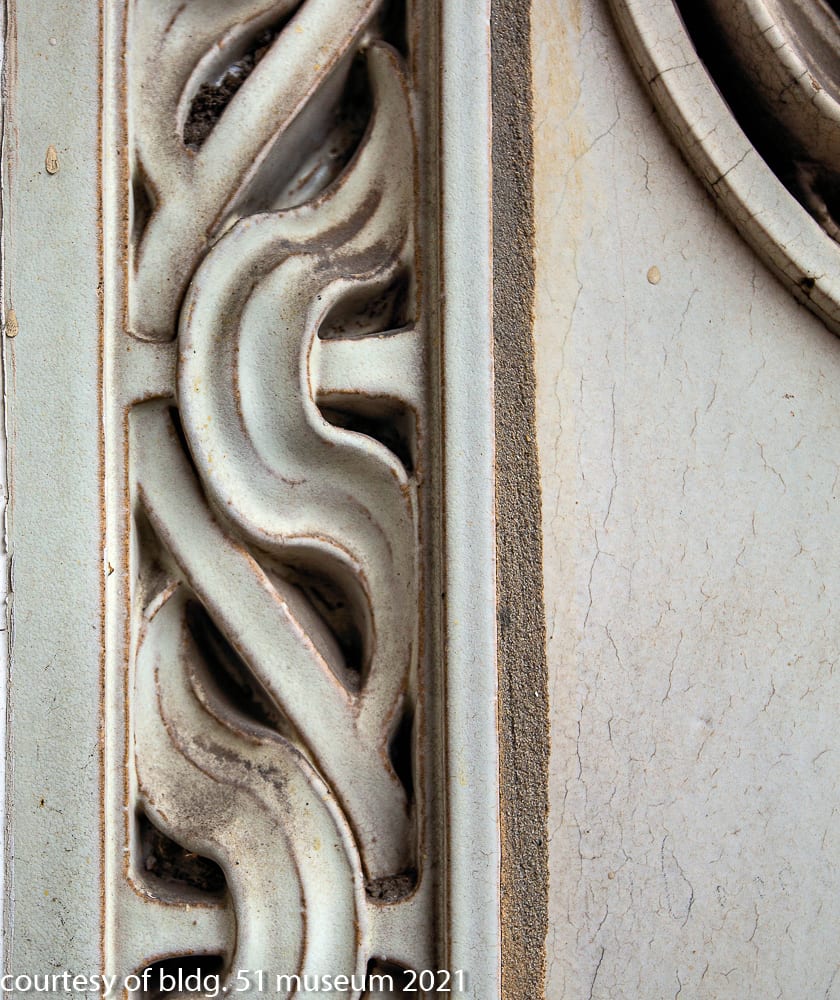
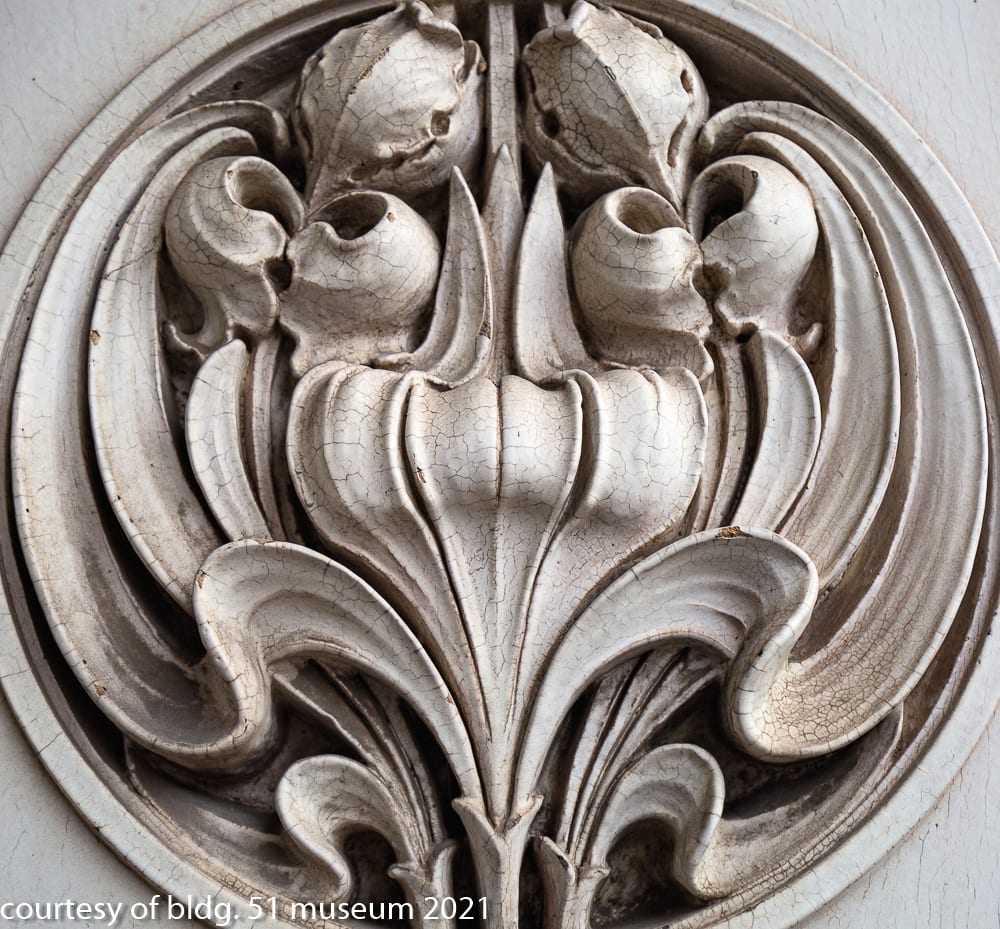
the first series of images focused on methodically documenting the cream-colored glazed terra cotta ornament designed by prairie architect hugh garden for the third church of christ scientist (1899-1901) located on chicago’s west side at 2151 w. washington blvd.
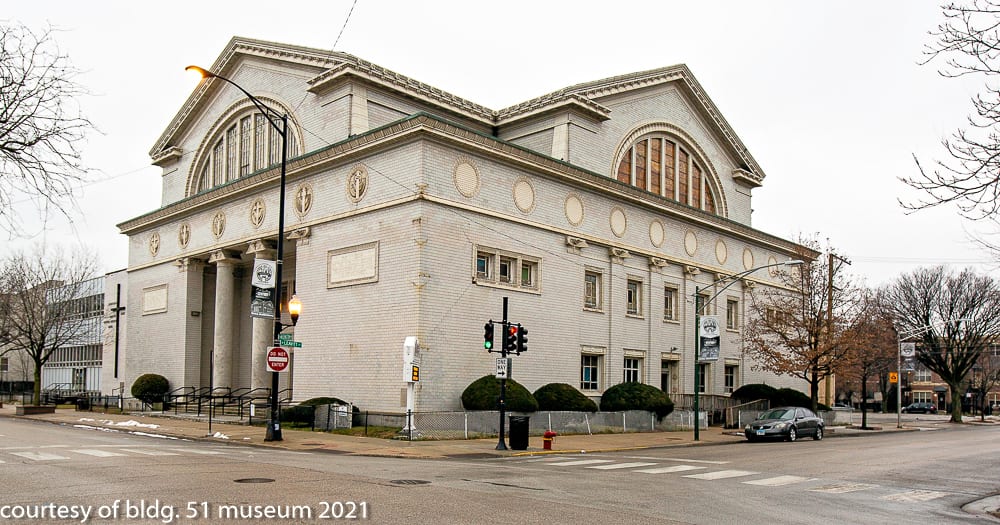
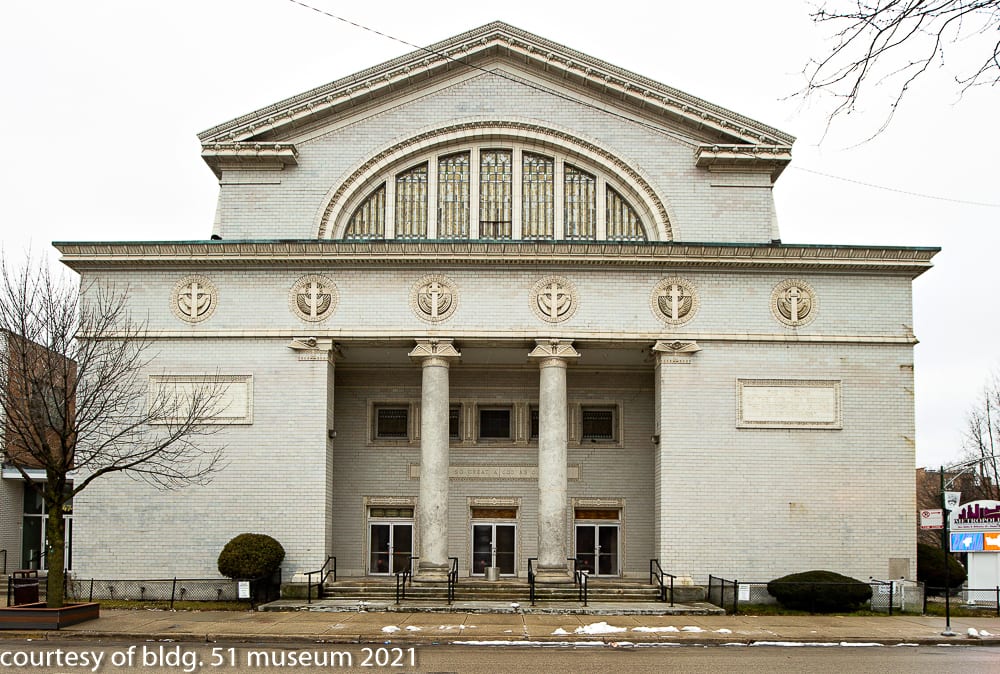
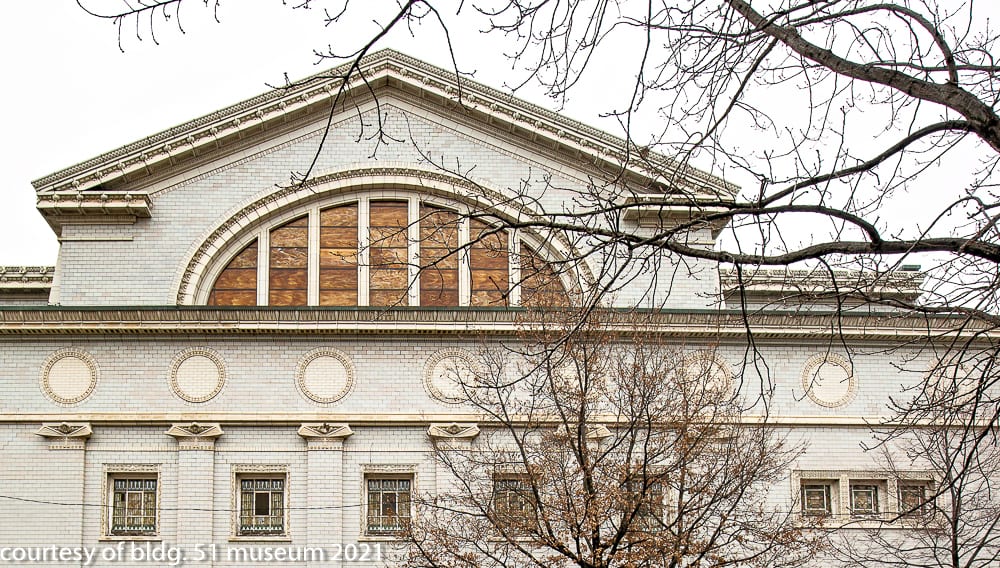
all images courtesy of eric j. nordstrom and the bldg. 51 archive.
descriptive analysis of third church of christ scientist’s architecture:
in january, 1899 a building committee made up of trustees of the first, second, and third christian science congregations of chicago was convened to consider sites and plans for two new church buildings. the commission notices, published in the april 15, 1899 edition of the american contractor, announced that solon s. beman had prepared plans for the second church, to be built at wrightwood and pine grove avenues on the northside, and that hugh m. g. garden had “prepared competitive plans which have been accepted” for the third church.
the third church of christ, scientist of chicago is, at 93 by 120 feet in plan, the largest religious structure built after a design by garden. the church was constructed in a residential area that had been developed during the 1880s and 1890s with middle-class brick and stone single-family and two-flat rowhouses. excavation was started on october 11, 1899, less than a year after the congregation was established; the cornerstone was laid with a ceremony on july 31, 1900, and the building was dedicated with four services on july 14, 1901. the cost of the land, the building, its organ and furnishings was estimated at $120,000 and, in compliance with christian science practice, the dedication was made only when the church was free of mortgage debt.
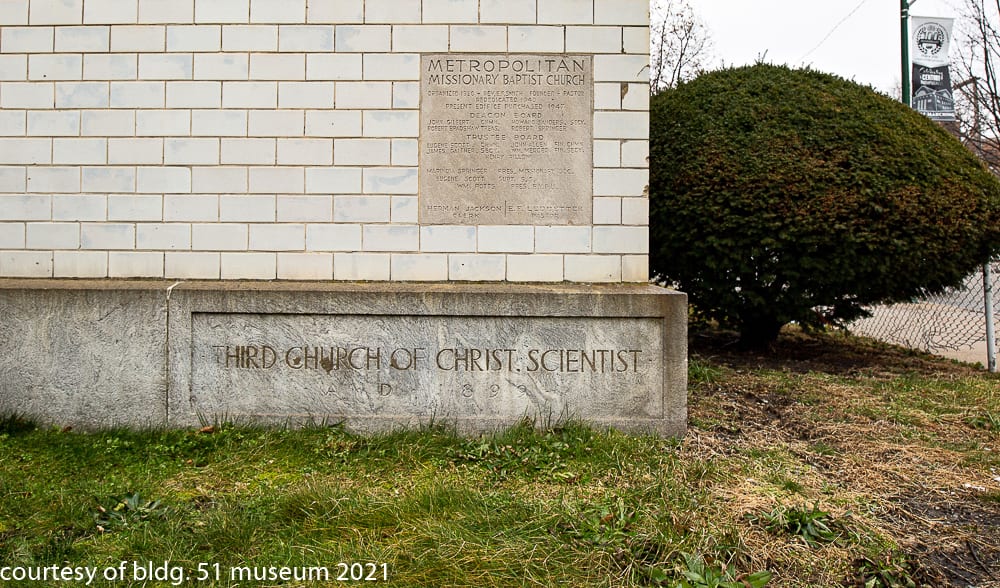
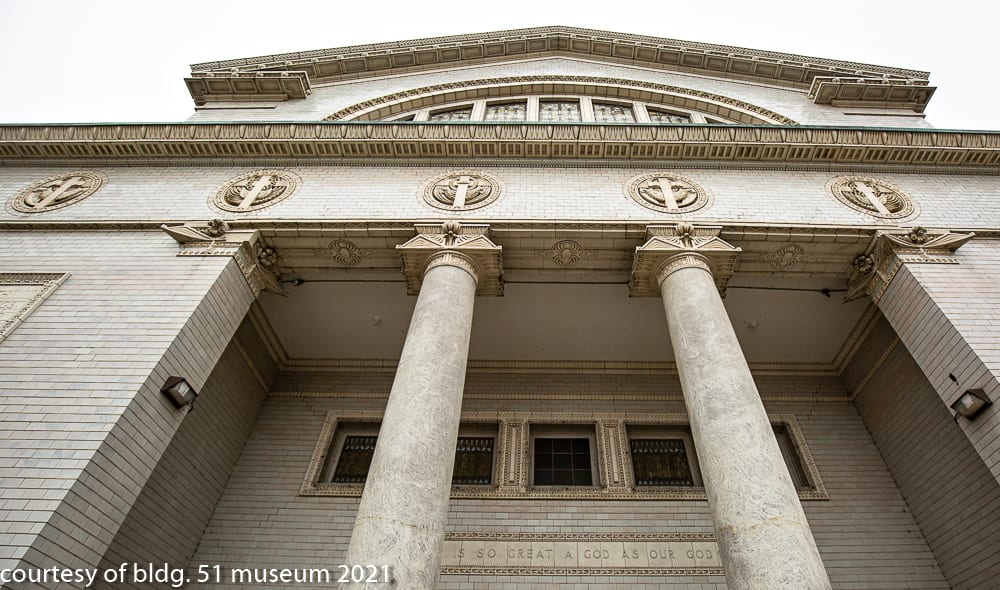
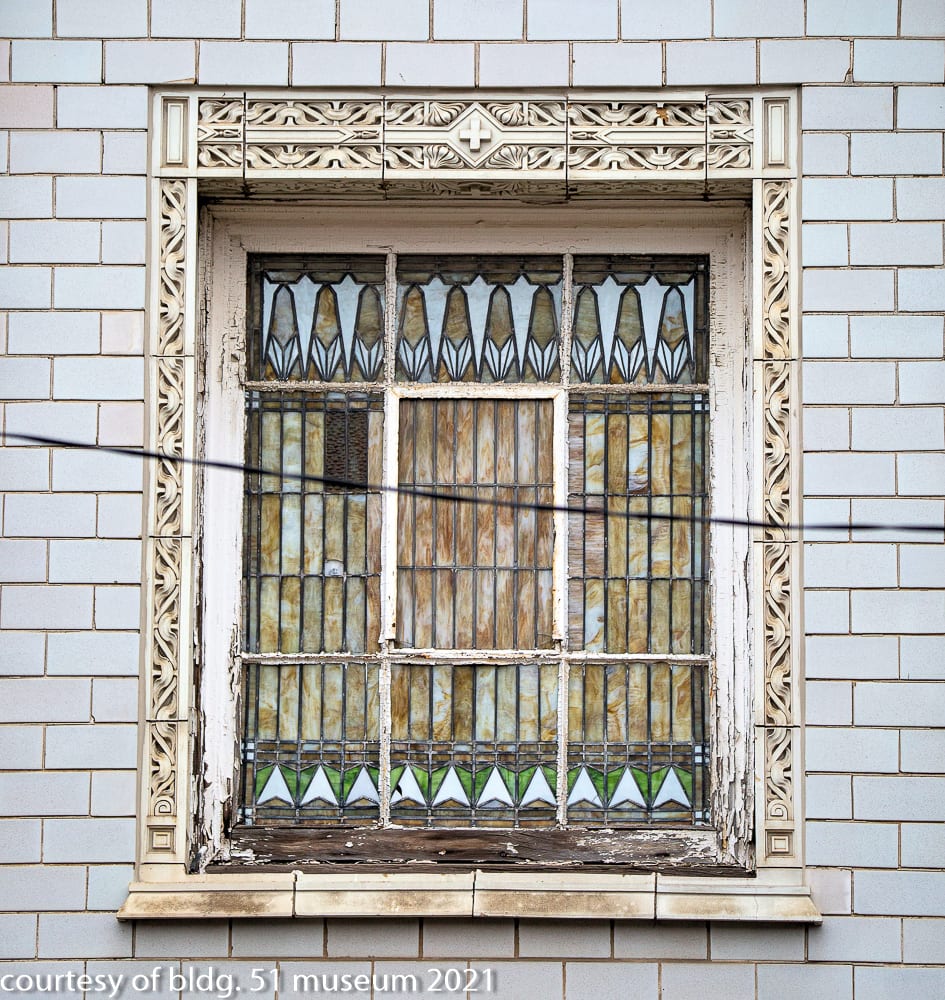
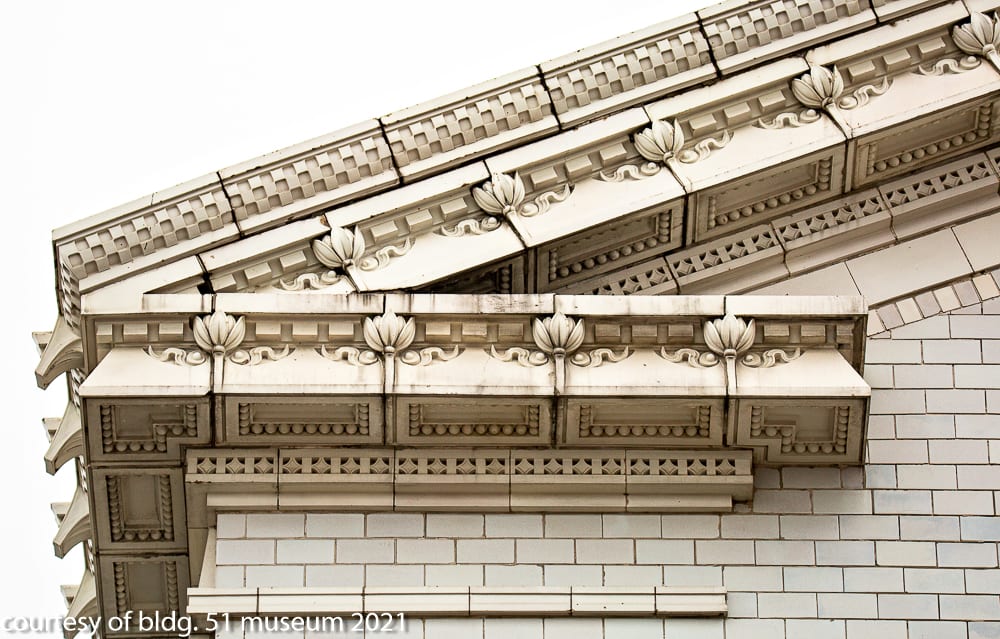
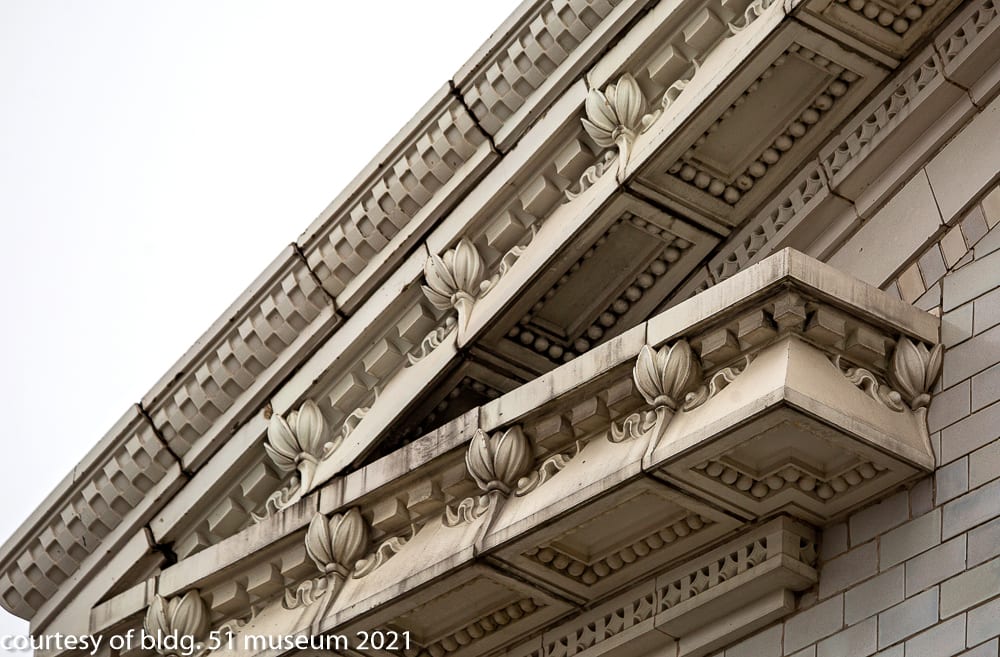
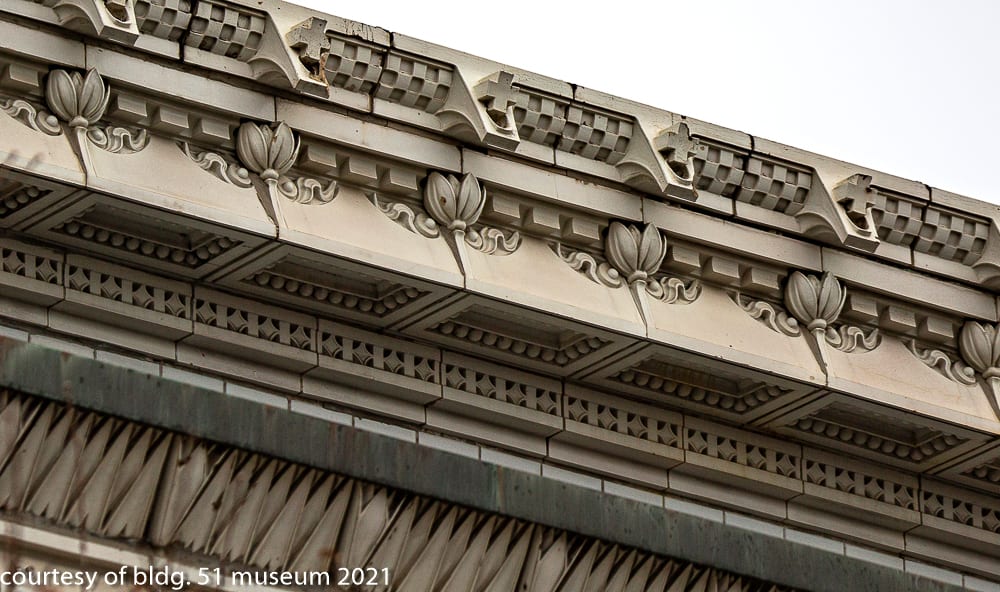
the church is a three-story, masonry bearing-wall structure. its principal facade faces washington boulevard to the north and its west elevation faces leavitt street the south side of the building fronts on an alley, and the east side is presently abutted by a recent two-story brick religious school and hall. all of its exterior walls were finished with white glazed brick manufactured by the tiffany enameled brick company, and the window and door frames, column capitals, cornices, and other decorative details were rendered in white terra cotta made by the american terra cotta and ceramic company of crystal lake, illinois. the shafts of the two free-standing columns at the principal entrance and the facing on the foundation were carved in granite (fig. 4).
like other contemporary christian science churches, the massing, the color, and the articulation of many of the exterior design features of the third church were derived from antique prototypes. garden followed the hierarchy of the greek and roman temple system, producing an elevation that has a stylobate, or platform, columns and engaged piers, an architrave and frieze, and a cornice. the porch and main portal conform in plan and elevation with the element of greek temple design known as a pronaos with columns in antis, a chamber whose entrance has two free-standing columns between engaged piers.
in greek temples the pronaos was the space that separated the exterior colonnade from the inner chamber, the naos, which housed the image of the diety. the attic story, standing above the cornice but not as wide, has a single round-arched window under a low pediment and a crossed gable roof line; these features were adopted from the late roman era designs of the baths of caracalla and the basilica of maxentius and constantine at rome.
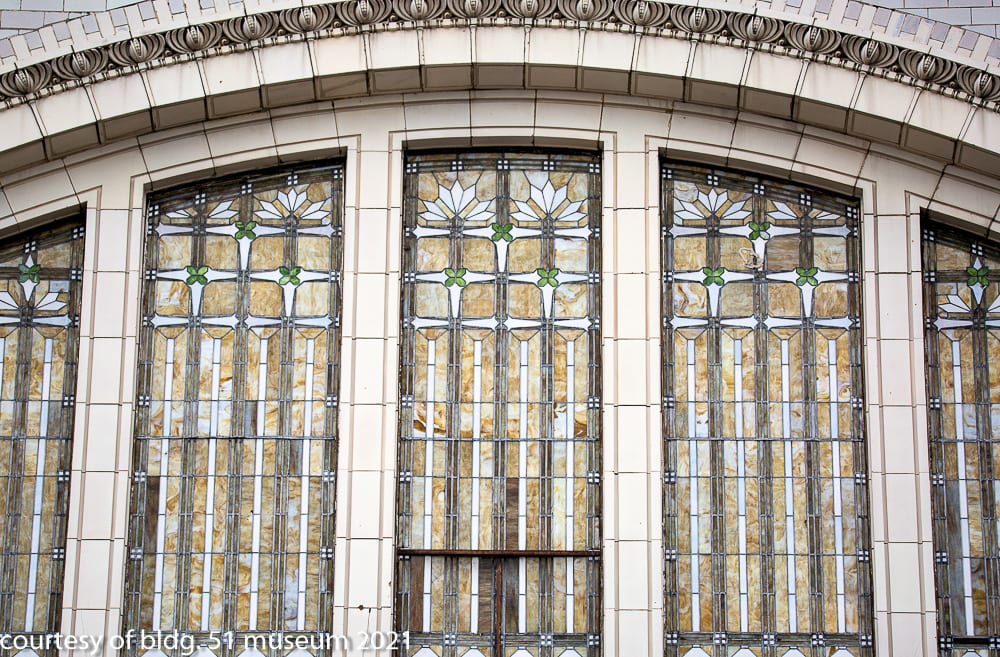
in detail, garden did not attempt to replicate antique designs with archaeological accuracy but chose to create a unique combination of the classical with ornament that was inspired by modern architectural theory. in their buildings and writings, his contemporaries louis sullivan and frank lloyd wright had emphasized the use of indigenous natural forms in ornament as a means of integrating a building with its surroundings. garden was one of a number of young architects who saw sullivan and wright as their mentors and who adopted their theoretical principles. following sullivan’s admonition to wean architecture away from historic precedents, he regularly employed ornamental details that were inspired by forms found in nature. at the third church he applied these theories in the designs of the terra-cotta and stained-glass details, combining the curved forms of foliage observed from nature with geometric abstractions of organic forms. flowers and seedpods proliferate in these details, establishing lyrical rhythms that break the rigid geometry of those elements inspired by the classical.
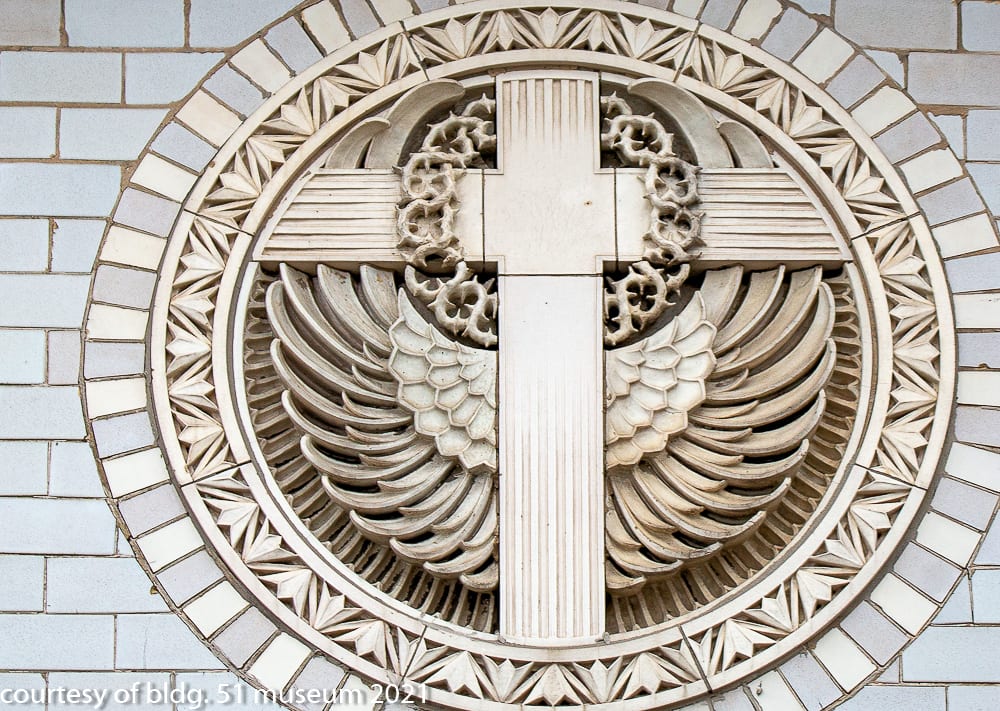
among the most innovative details garden produced here was a series of six circular terra-cotta panels in low relief for the frieze of the main facade. rendered in three different designs, each has a cross flanked by angelic wings in a frame of stylized arrowheads according to his drawings, garden had originally intended sullivanesque geometric designs for these panels. these were rejected, as was his intention to continue the run of relief panels on the leavitt street elevation. the final result was a compromise that more clearly identified the building as a church but, in keeping with the scientists avowed distaste for “pagan historic imagery,” one that allowed him to manipulate the devices into designs that have no recognizable precedents.
the first floor of the interior is an intermediate space between the auditorium and the street that was and is used as a casual meeting place before and after services. a staircase in the center of this room, since removed, led up to the center of the auditorium. the rectangular plan of the building is punctuated at each of its corners by stairwells that lead from the vestibule to the auditorium and balcony levels. the size and location of the stairwells divide the auditorium into a cruciform plan, with separate balconies in each of the north, east, and west arms of the cross. four short barrel vaults rise above the balconies, and a single monumental scale quadripartite vault covers the crossing. the gently curved and coffered shapes of the ceiling were designed to enhance the acoustics of the space, aiding the reader at the rostrum, the witnesses who spoke from the congregation, and listeners seated in any part of the room. the interior is free of supports or obstructions, and the sight lines focus on the rostrum and south wall, where a pair of columns that carry a heavy architrave and a single round arch form a screen for the organ pipes. in the columns, architrave, and arch garden repeated the prominent elements of the elevations, lending their monumentally to the focal point of the interior design.
garden’s interior details, like those on the exterior, were radical for the time. in the first floor vestibule, mosaic fireplaces with no mantles and an unorthodox shape were surrounded by furnishings manufactured by gustav stickley’s craftsman studios of eastwood, new york. the seats in the auditorium, whose iron supports are rendered in a floral design, were stock reproductions of a motif created by louis sullivan and first used in the auditorium building. the stair rails and newel posts, window frames, lectern, and moldings in wood and plaster exemplified the craftsman aesthetic, in that their materials were honestly expressed in modern designs.
this building served the third church congregation for 46 years. with the pace of demographic change in the neighborhood increasing during the 1940s, and the subsequent movement of many church members to new neighborhoods farther to the west, the third church sold the building to the metropolitan missionary baptist church in 1947. founded in 1920 by the reverend e. f. smith, the metropolitan missionary baptist church had occupied a smaller structure at warren boulevard and western avenue for many years. the high degree of integrity of the historic fabric overall and in detail is in large part due to the care that this congregation has continued to take with the building.
after the successful completion of this building, garden went on to design at least one other christian science church, the first church of marshalltown, iowa, built in 1902-03 this building, which was demolished in 1985, was much smaller than the third church of chicago, having been built on a total budget of $5,115. like the third church, the marshalltown church had a greek cross plan, a crossed gable roof line, and large stained glass windows in the gable ends. here the similarities ended, however: the marshalltown church had a single story, instead of three; it was built of wood and faced with stucco, rather than masonry; and its design made no concessions to an antiquarian style. geographically and conceptually isolated from the pretensions of the beaux arts style, and working with a budget that would not allow for granite columns or custom ordered terra-cotta details, garden was free in this design to expand upon the principles he had introduced in detail at the third church of chicago. the marshalltown church lived up to the rhetoric of the ideal science house of worship as a design that was free of historic stylistic and decorative principles.
about the architect:
hugh mackie gorden garden was born july 9, 1873 at toronto, ontario, the son of a
civil engineer. he was raised in the episcopal faith which he practiced throughout his life.
his family sent him to the bishop college school in lennoxville, quebec, where he
matriculated in 1887. his father had died the previous year, and subsequent financial
problems forced garden to emigrate with his family to live with relatives in minneapolis,
minnesota. by the end of 1887 his interest in architecture and skill as a draftsman had
earned him an apprenticeship in the minneapolis office of the harvard-educated architect
william channing whitney.
the date of garden’s arrival in chicago has not been ascertained. his earliest known
mention is on the list of active members of the chicago architectural sketch club in their
1892 exhibition catalogue titled sketches. two undated drawings from his hand, a mem-
bership initiation drawing and a drawing submitted for the club’s clark medal competition of 1891,
were published in this catalogue. during his first years in the city he appren-
ticed in the office of flanders and zimmerman, followed by short terms as a draftsman
for shepley, rutan and coolidge and for henry ives cobb.
late in 1893 garden founded his private practice, both designing buildings of his own
and hiring himself out to other firms as a delineator. examples of his work reproduced in
the chicago architectural club annual exhibition catalogues of the 1890s included render-
ings done for alfred hoyt granger, shepley, rutan and coolidge, frank lloyd wright,
and richard e. schmidt. his own designs ran the gamut of building types, including
houses and apartment buildings, a theatre, office buildings, churches, and a college
science hall.
according to a letter written in 1964 by his daughter, sally garden mitchell, richard
schmidt invited garden to join his office as its chief designer in 1897, with the provision
that garden could continue to pursue his separate practice. among the buildings garden
designed for schmidt were: the montgomery ward office building on michigan avenue,
built in 1898; the schoenhofen brewery powerhouse of 1902 at 18th street and canal-
port avenue; the albert f. madlener house of 1902 at 4 west burton place, designated a
chicago landmark in 1973; the chapin & gore building at 63 east adams street, built in
1904 and designated a chicago landmark in 1982; and the 1905 michael reese hospital
building at 29th street and south ellis avenue. from the beginning of this association
until the formation of the partnership of richard e. schmidt, garden