
04 Jan restoration of george fred keck’s “america’s first glass house” taking shape in 2026
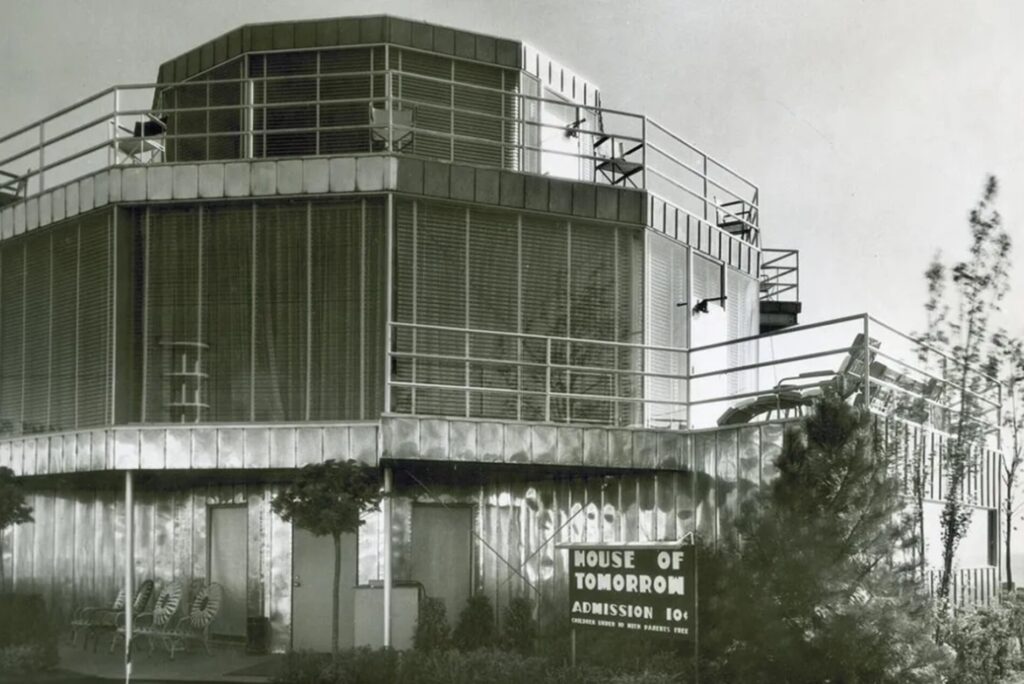
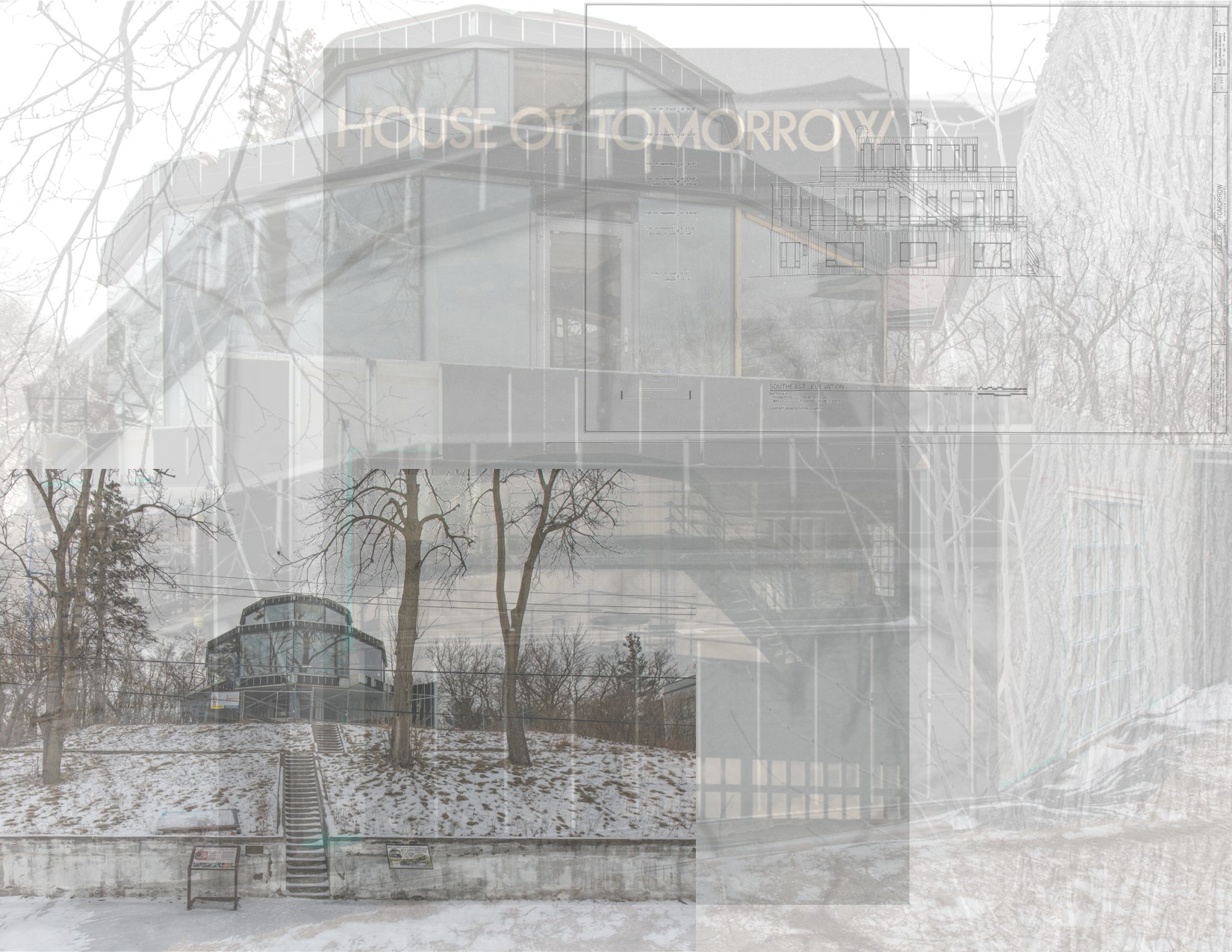
2026 photographic survey of george fred keck’s 1933-34 century of progress “house of tomorrow,” located at 214 lake front drive, beverly shores, indiana.
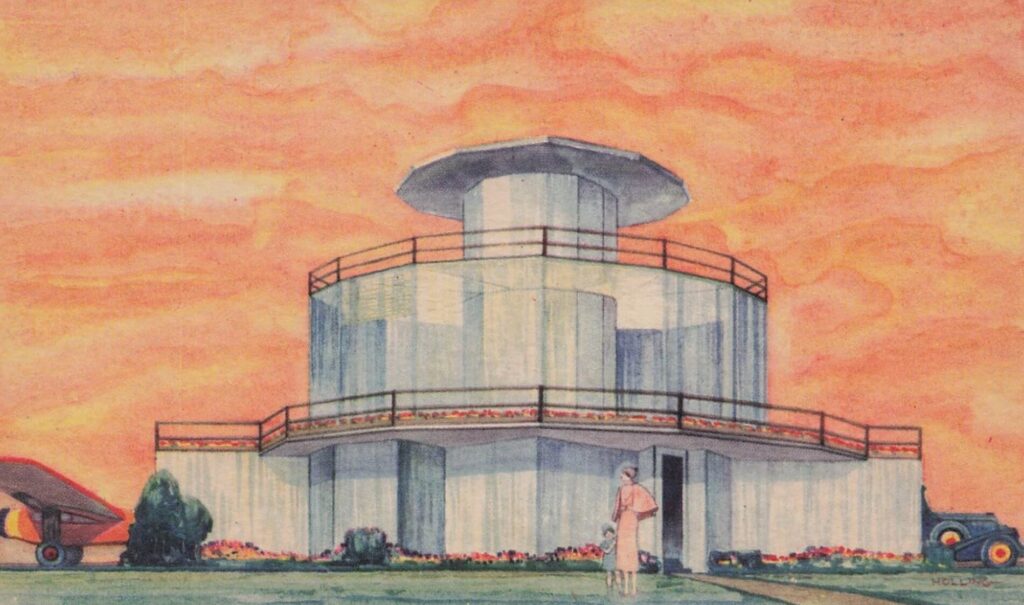
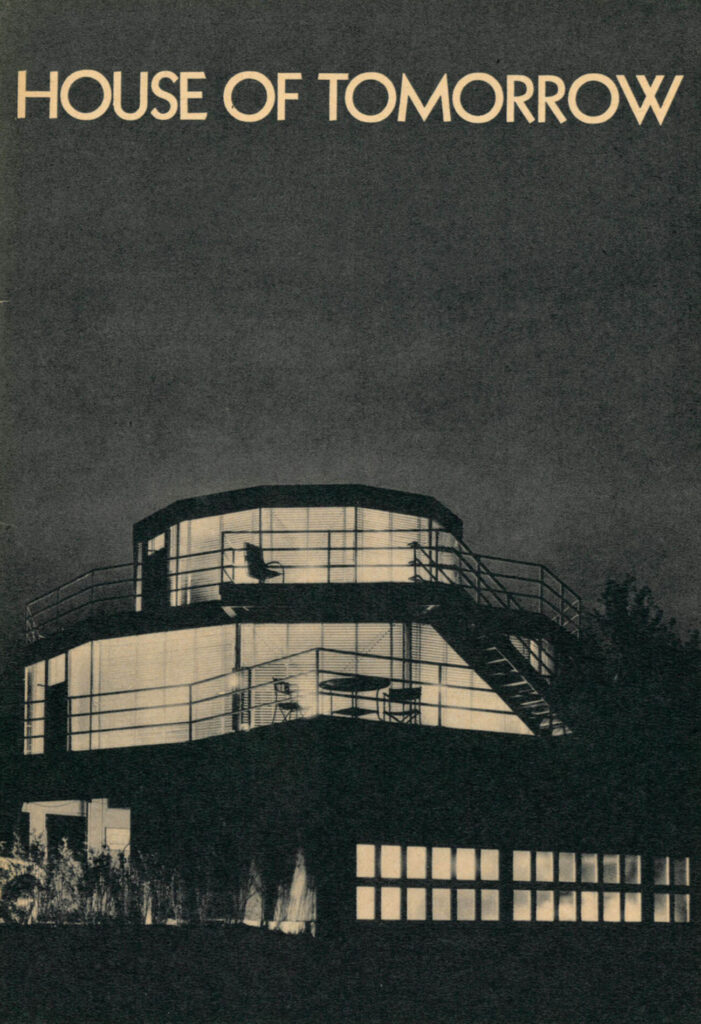
designated the “century of progress,” the fair attracted 39 million attendees, showcasing how advancements in science and technology could enhance everyday life. although few structures from the event remain, five exhibit houses—including the house of tomorrow—were preserved and relocated via truck and barge to beverly shores, indiana. these residences remained privately owned until their properties were incorporated into the indiana dunes national park during the 1960s and 1970s.
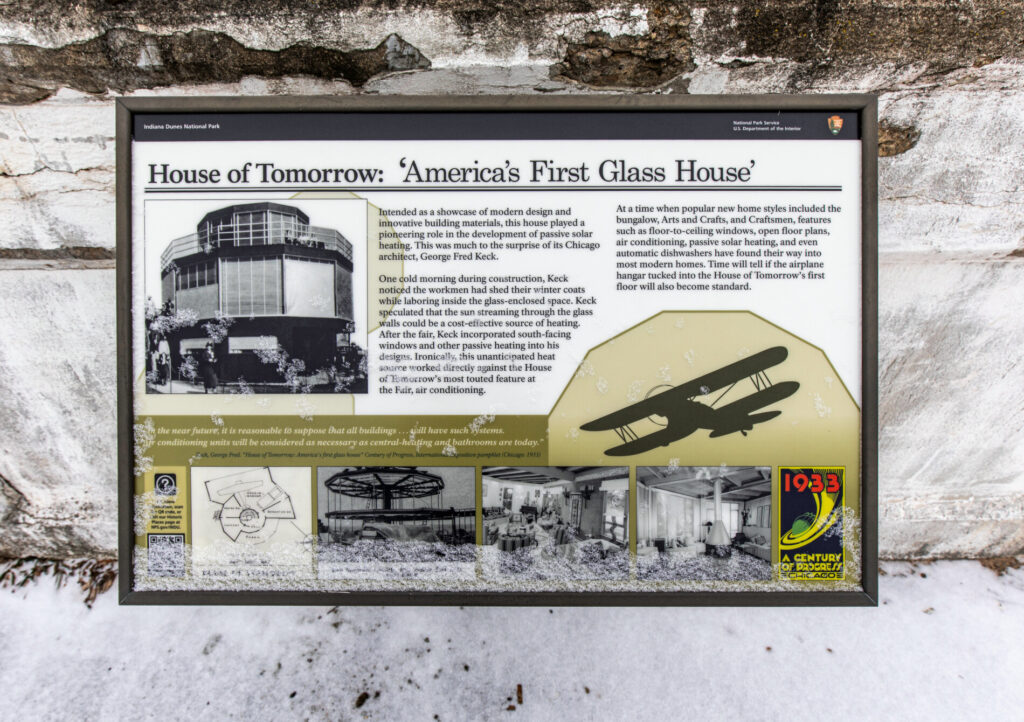
the houses experienced significant deterioration until indiana landmarks leased them from indiana dunes national park and subsequently sub-leased them to tenants who undertook restoration efforts. this approach has successfully preserved four of the homes; however, the scale, expense, and complexity associated with rehabilitating the house of tomorrow—recognized as the most architecturally innovative and historically significant among them—has posed challenges for potential lessees. extensively modified since its world’s fair presentation, the house of tomorrow has been vacant since 1999.
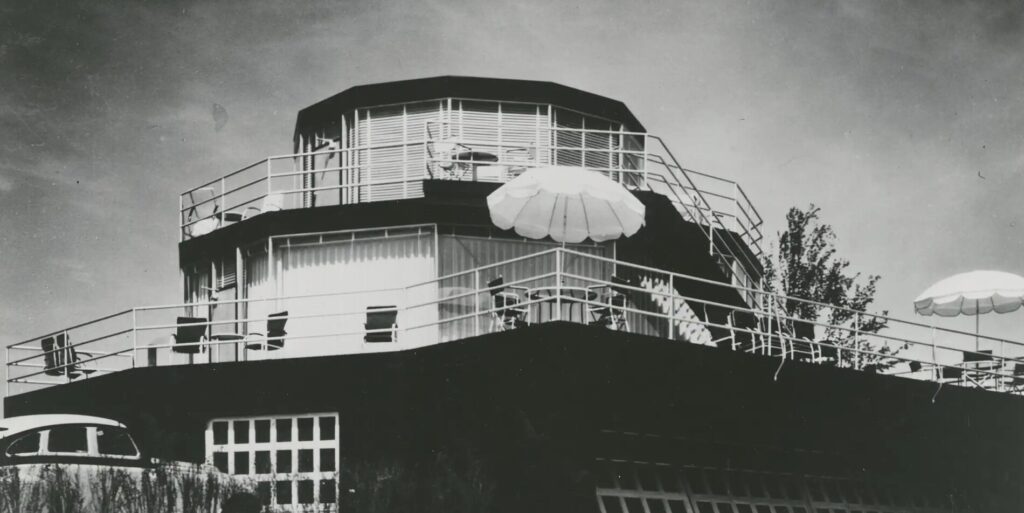
heralded in the 1930s media as “america’s first glass house,” it predates notable glass houses such as mies van der rohe’s farnsworth house and philip johnson’s glass house by several years. renowned architecture critic paul goldberger, contributing editor at vanity fair, described the house of tomorrow as “one of the true early monuments of american modernism, brimming over with a uniquely american idealism and earnestness about the twentieth century.”
in recognition of its significance, the national trust for historic preservation designated the house of tomorrow a national treasure on october 19, 2016—making it indiana’s sole representation among more than 80 national treasures nationwide.
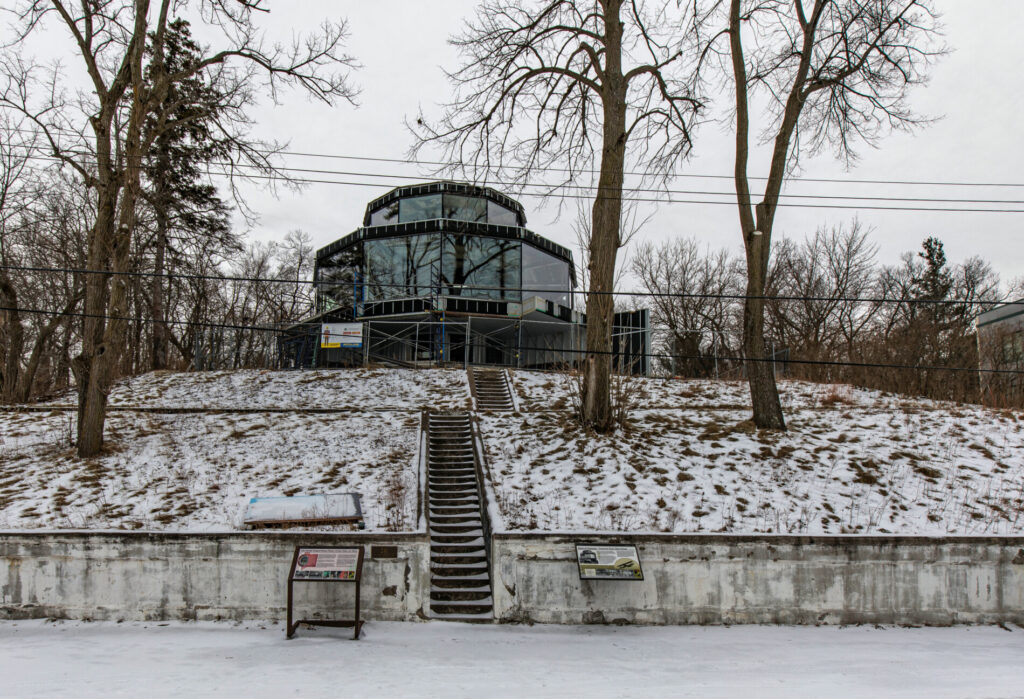
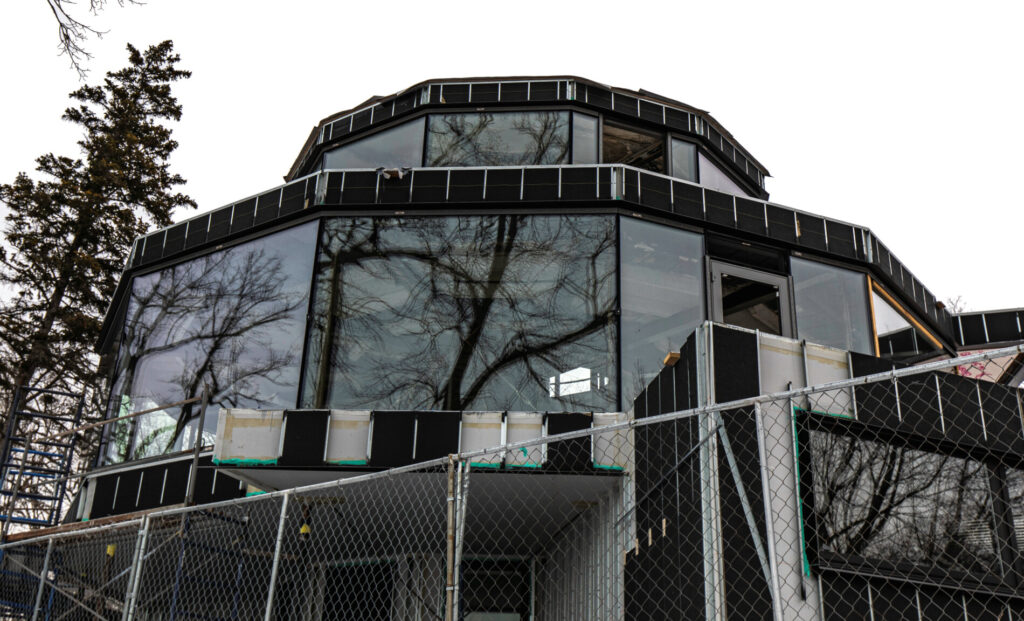
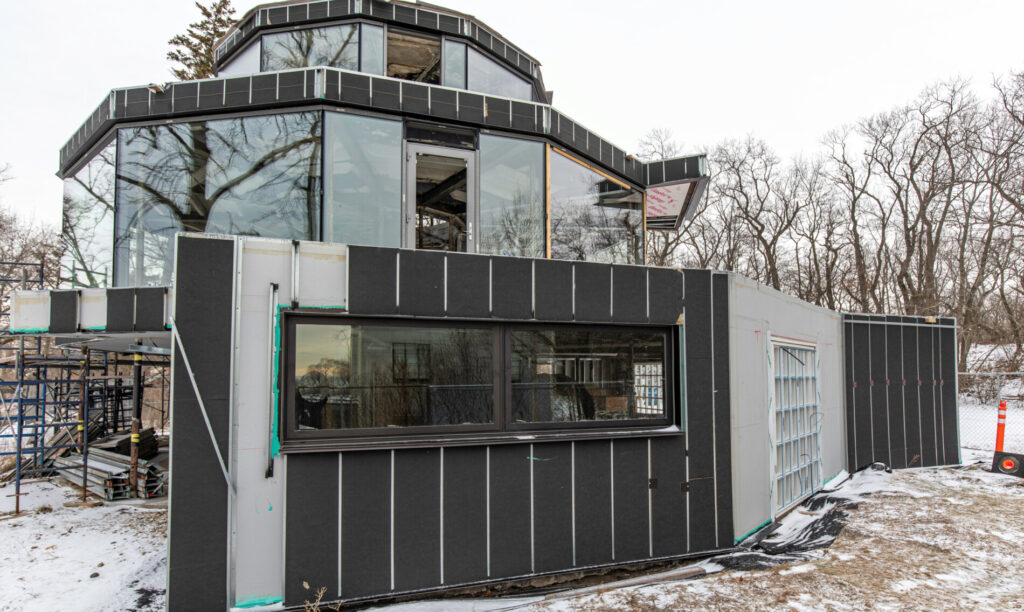
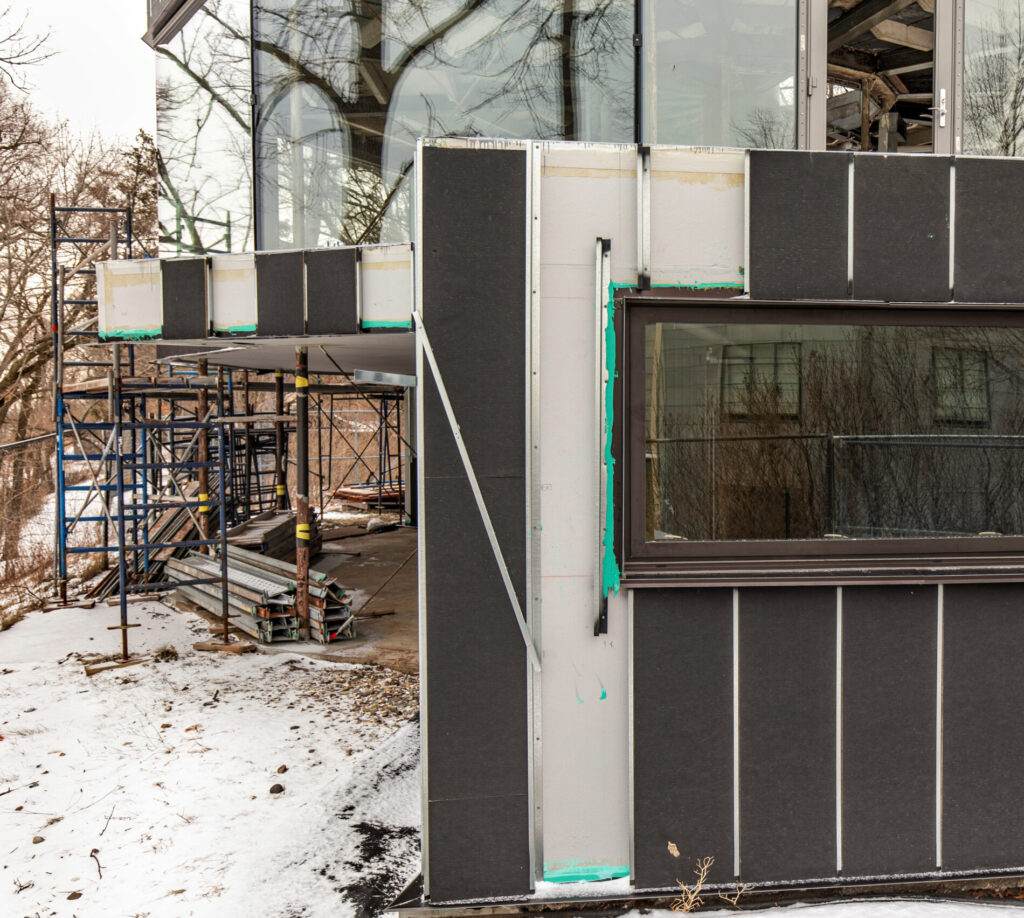
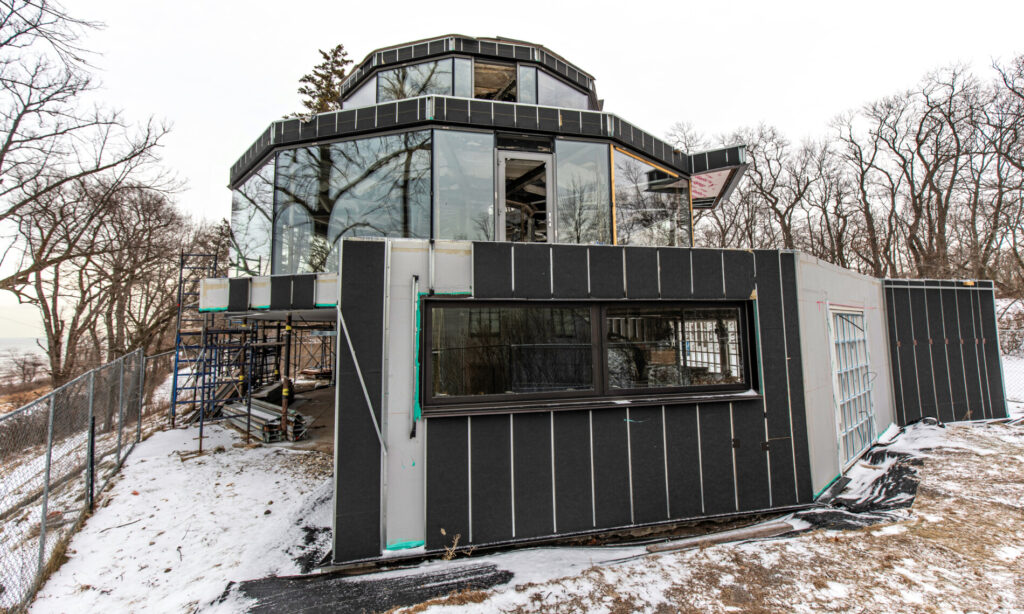
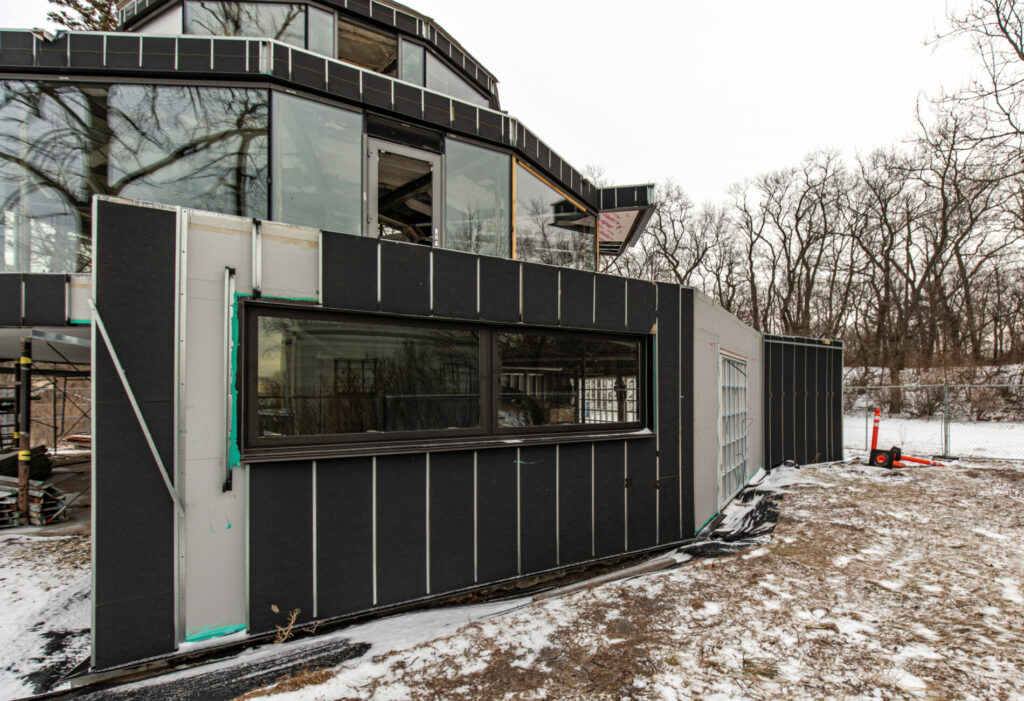
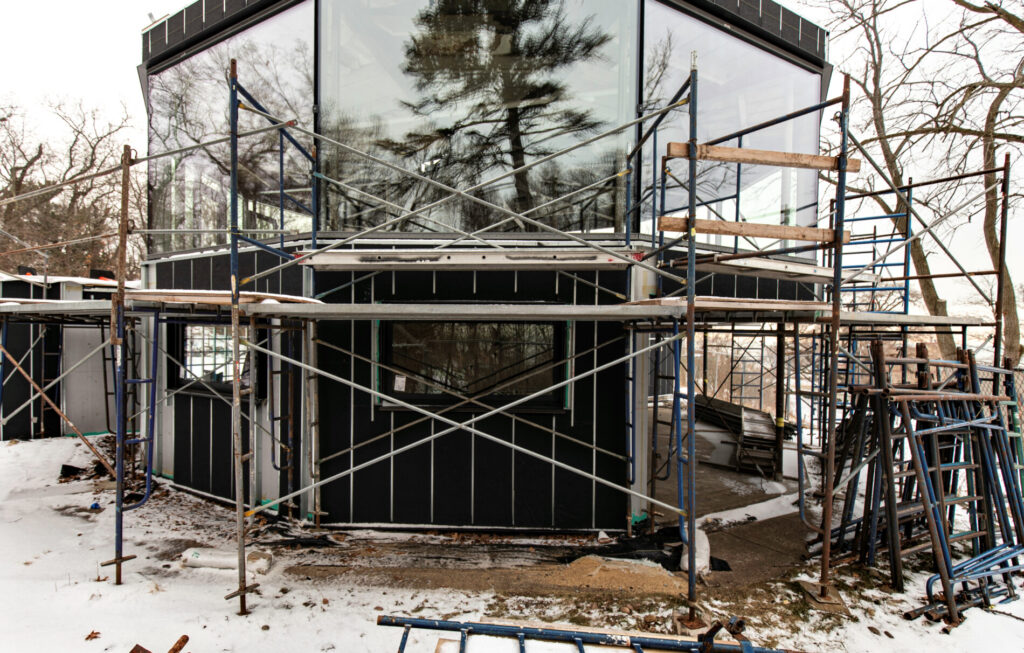
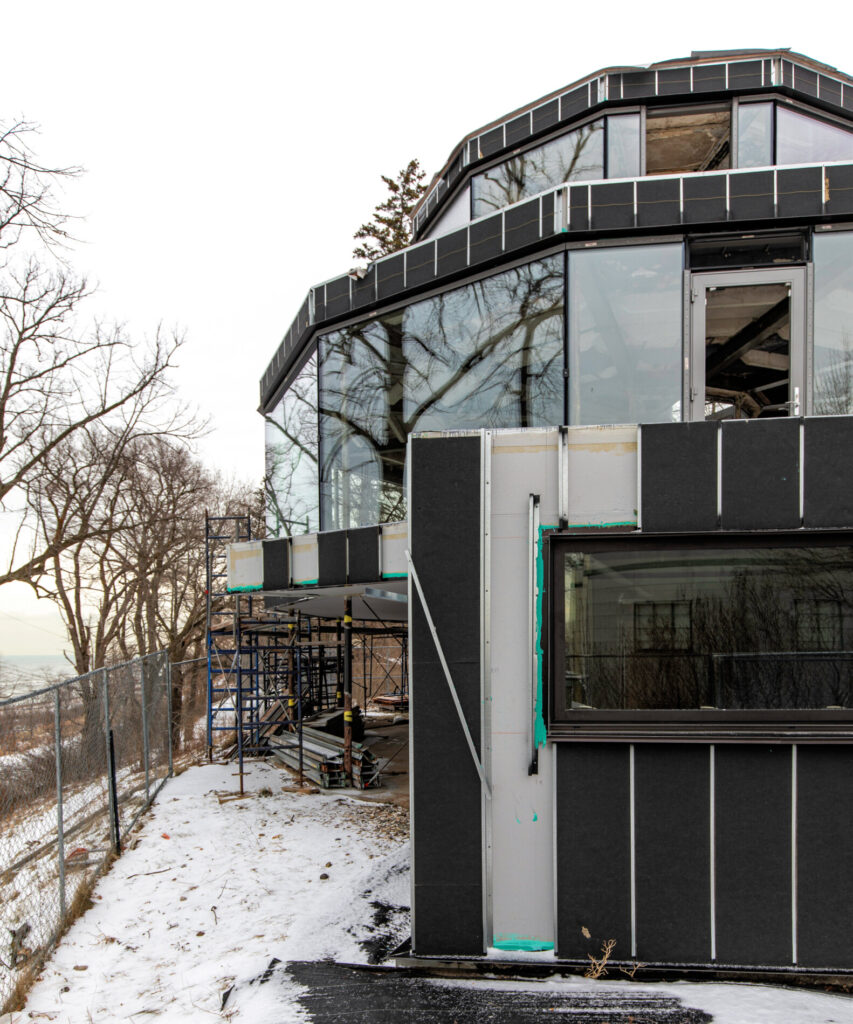
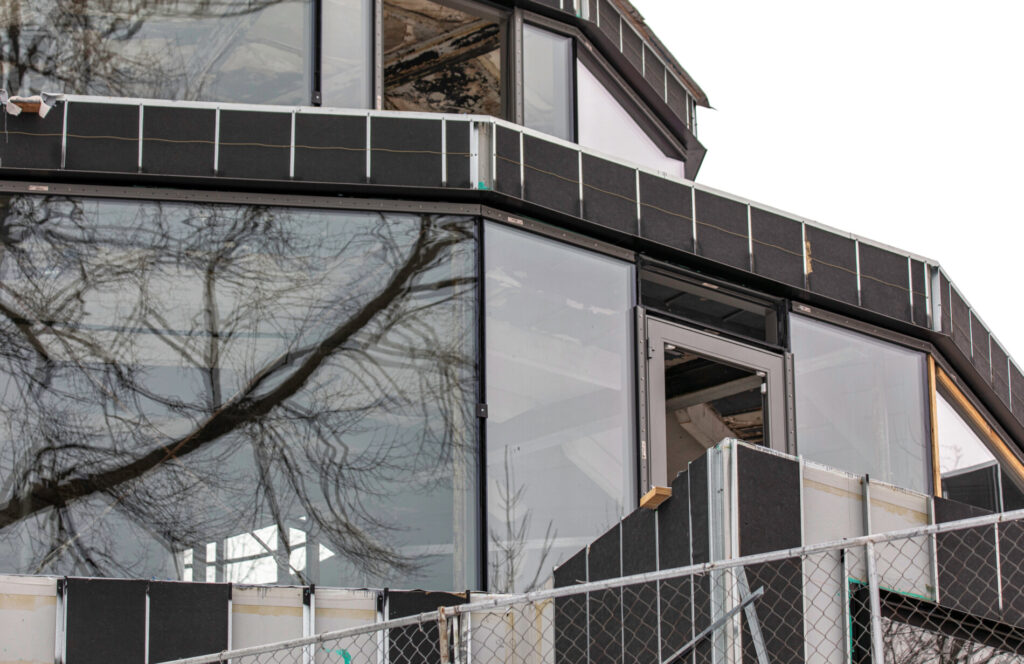
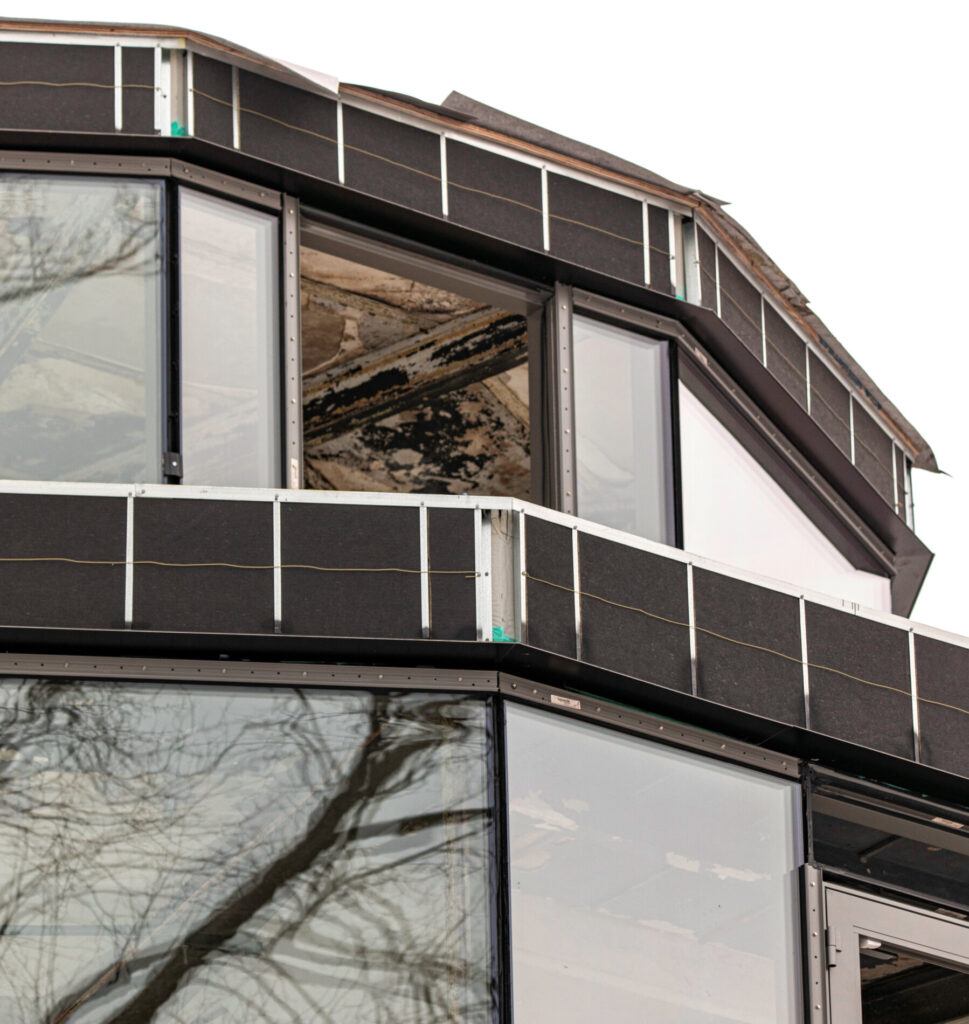
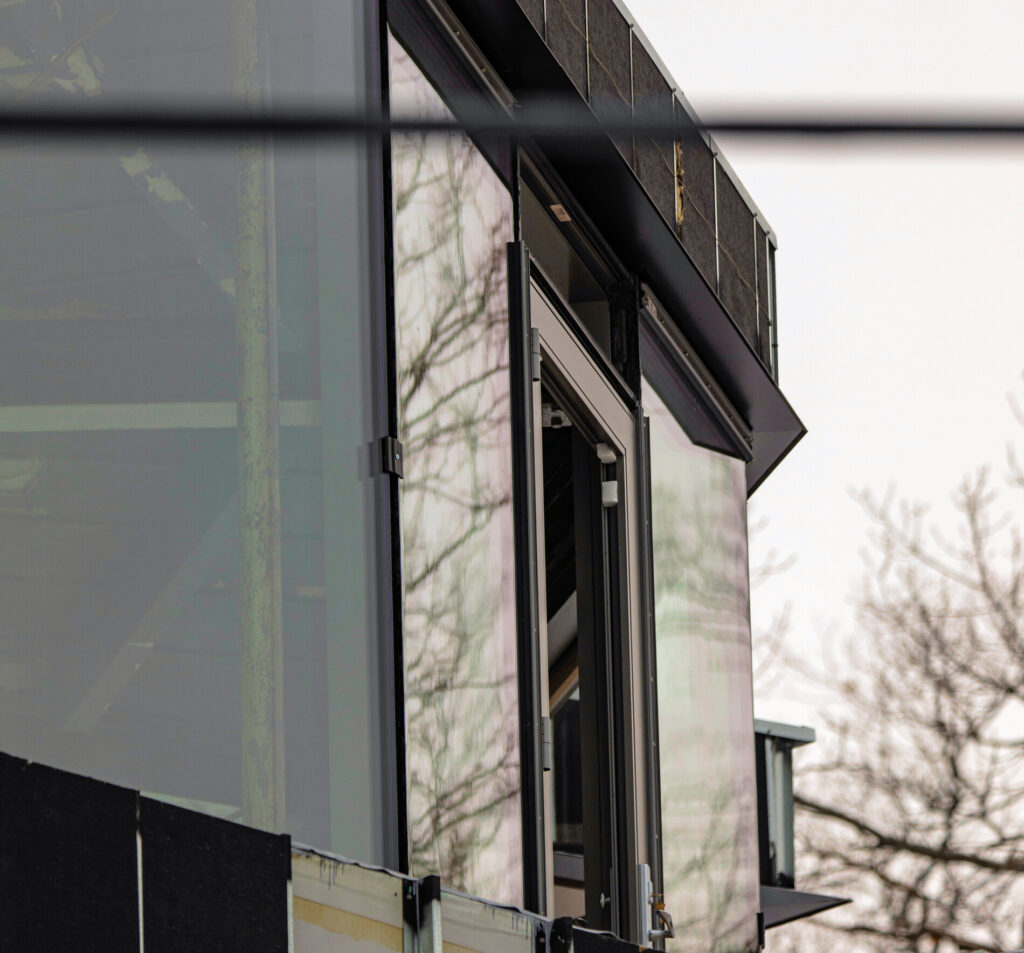
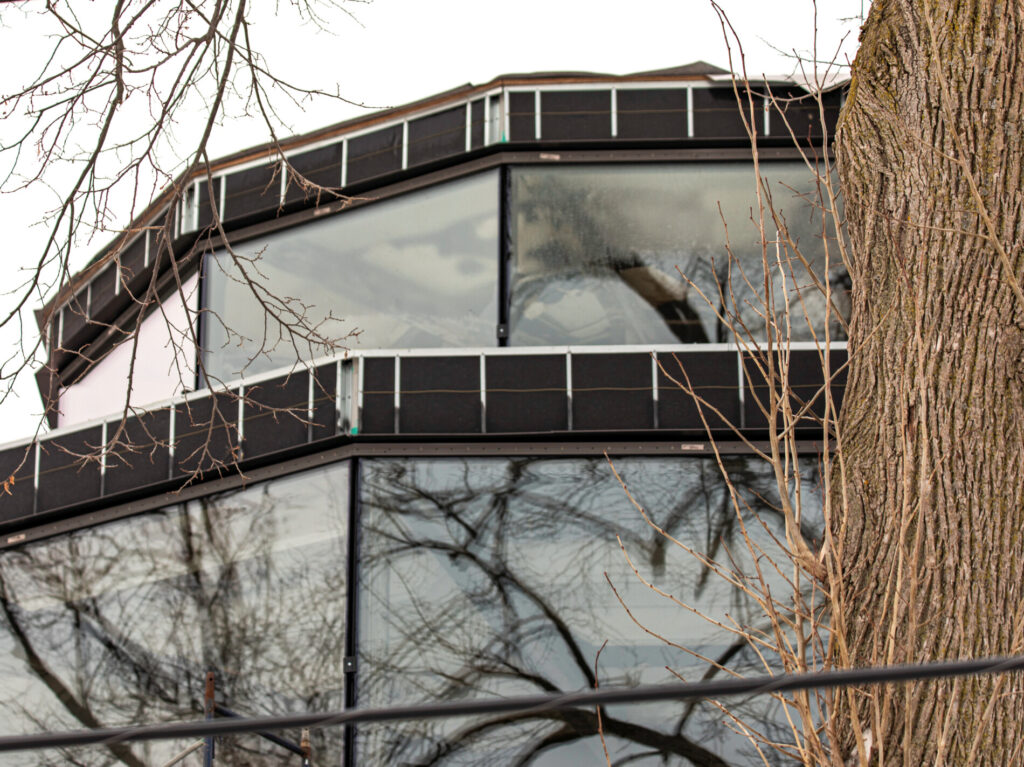
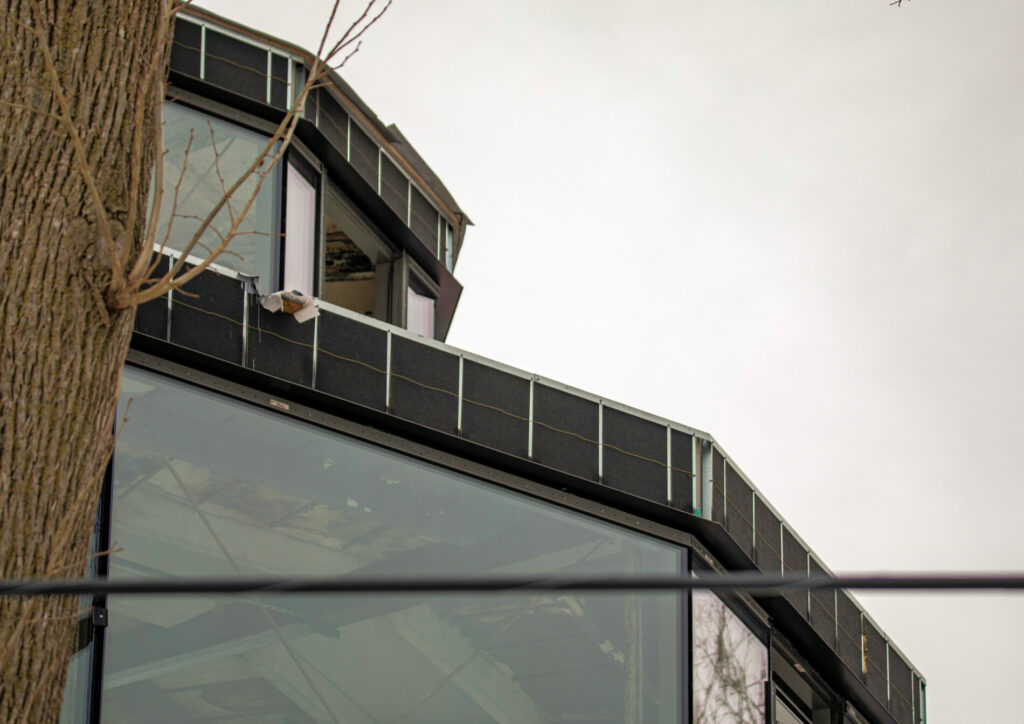
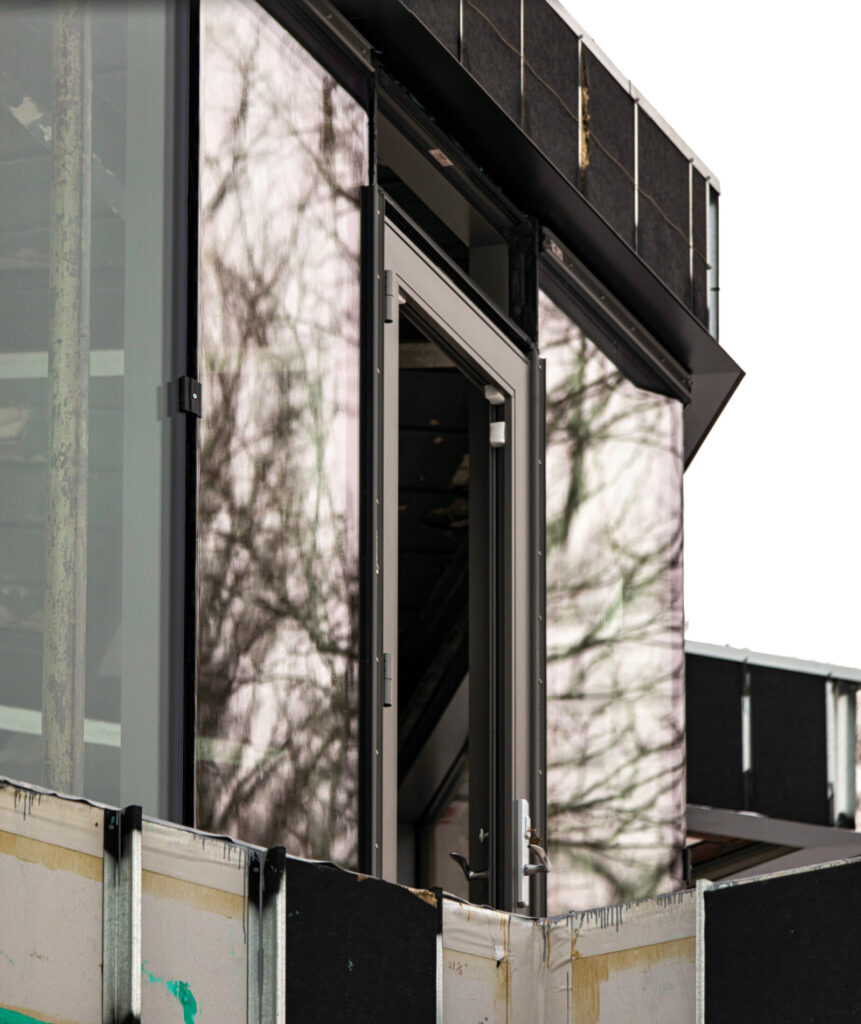
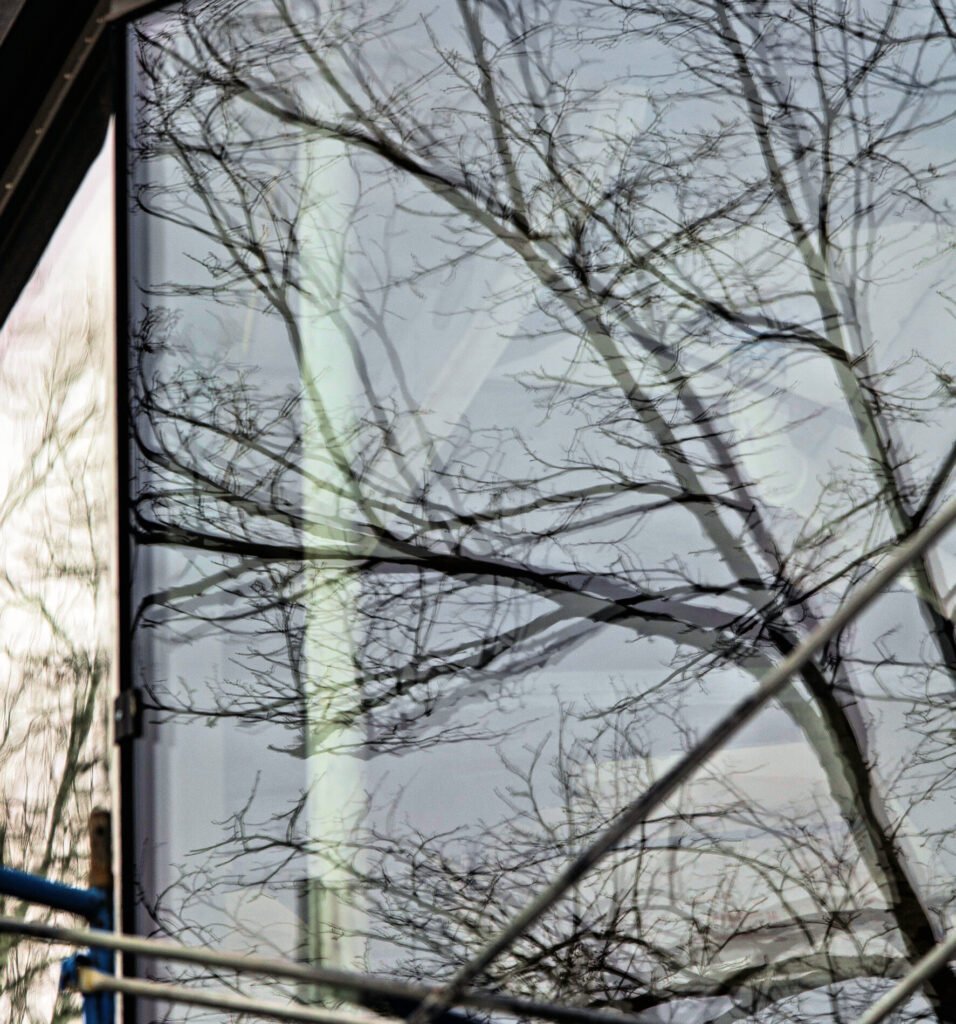
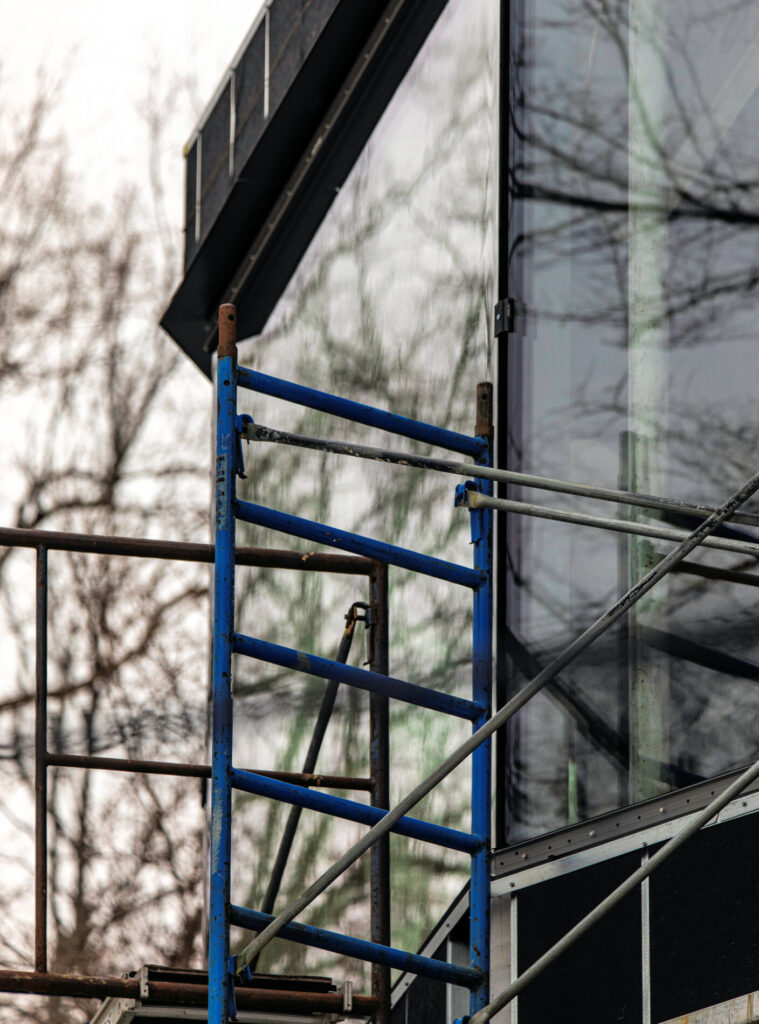
to facilitate its timely restoration, indiana landmarks partnered with the national trust and engaged an esteemed team of architects and engineers. bkl architecture, noted for their expertise with glass-featured buildings, collaborated with bauer latoza studio, specialists in restoration and compliance with national park service requirements, to devise plans approved by the nps. these plans aim to restore key elements of the original 1933 keck design while integrating contemporary technologies and amenities for modern habitation.
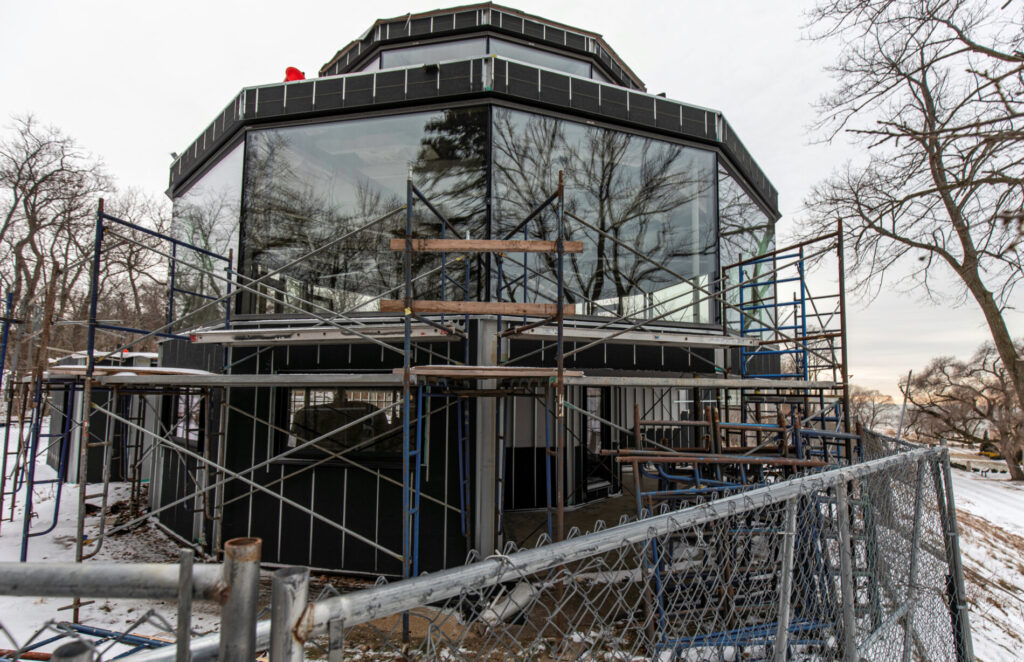
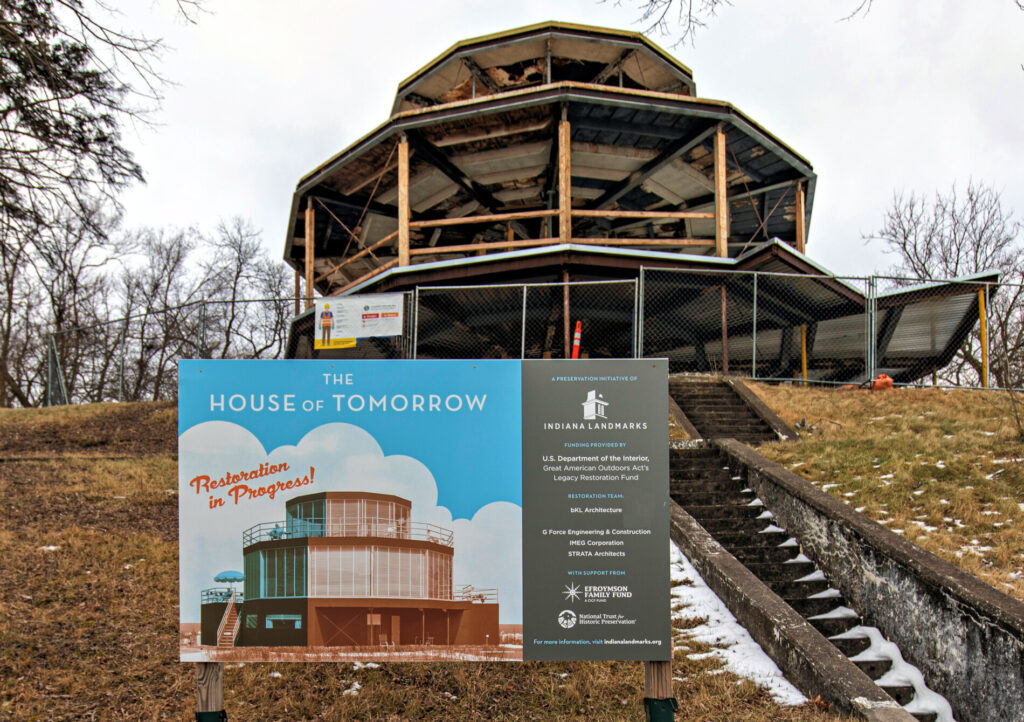
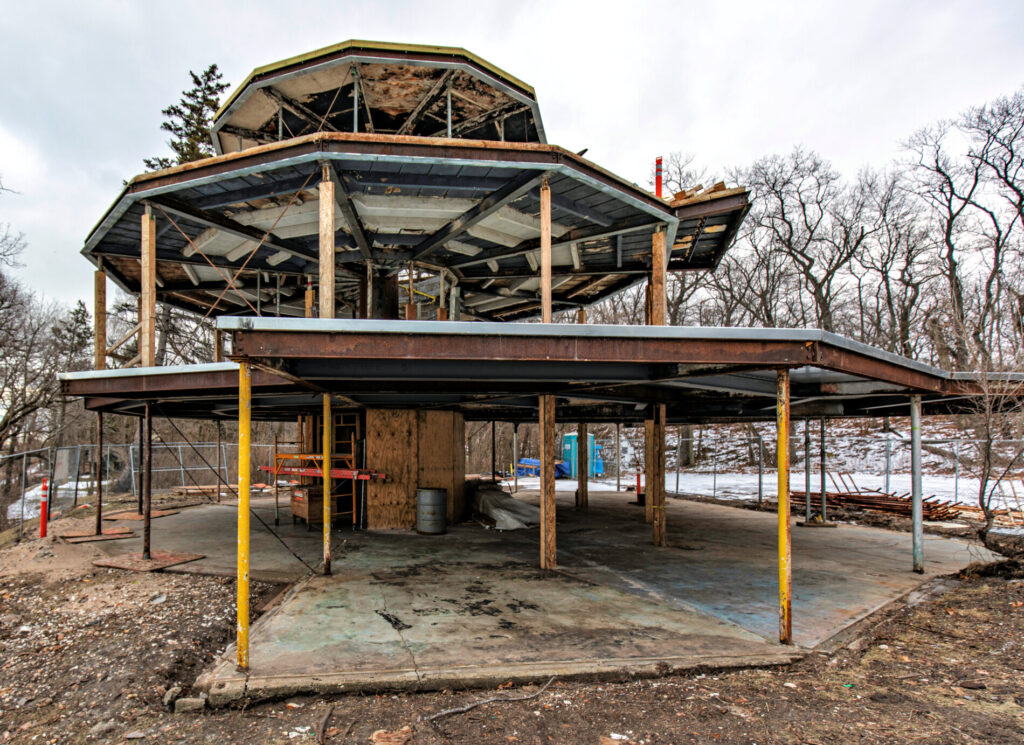
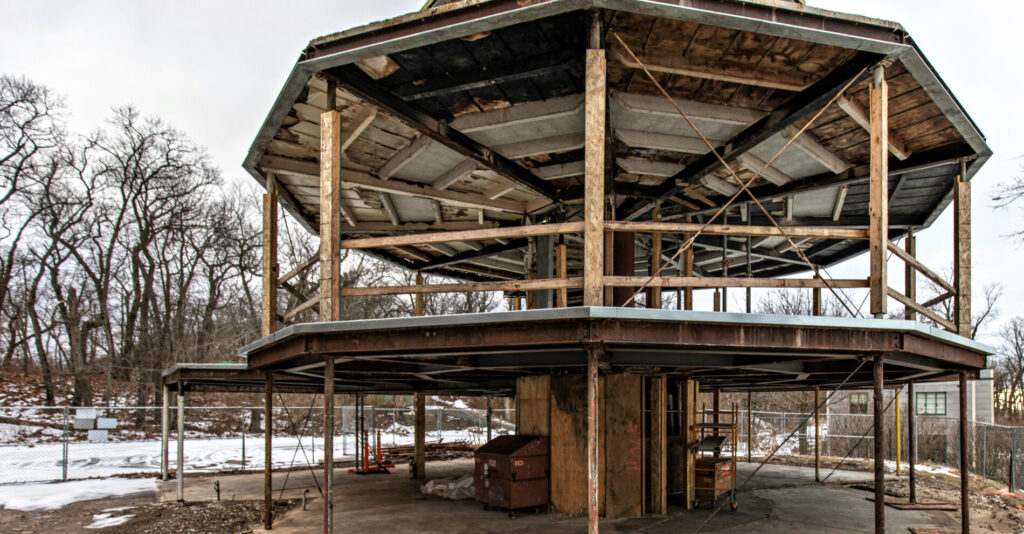
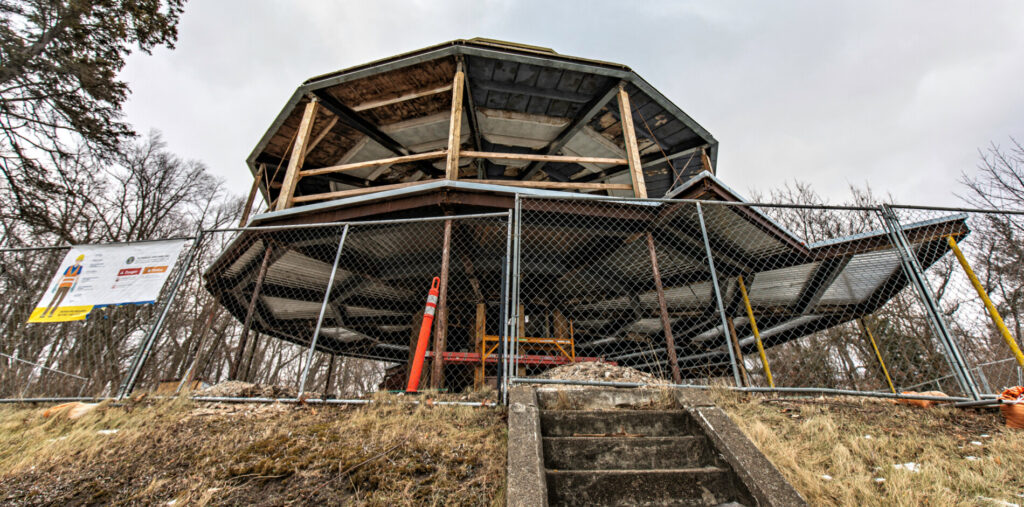
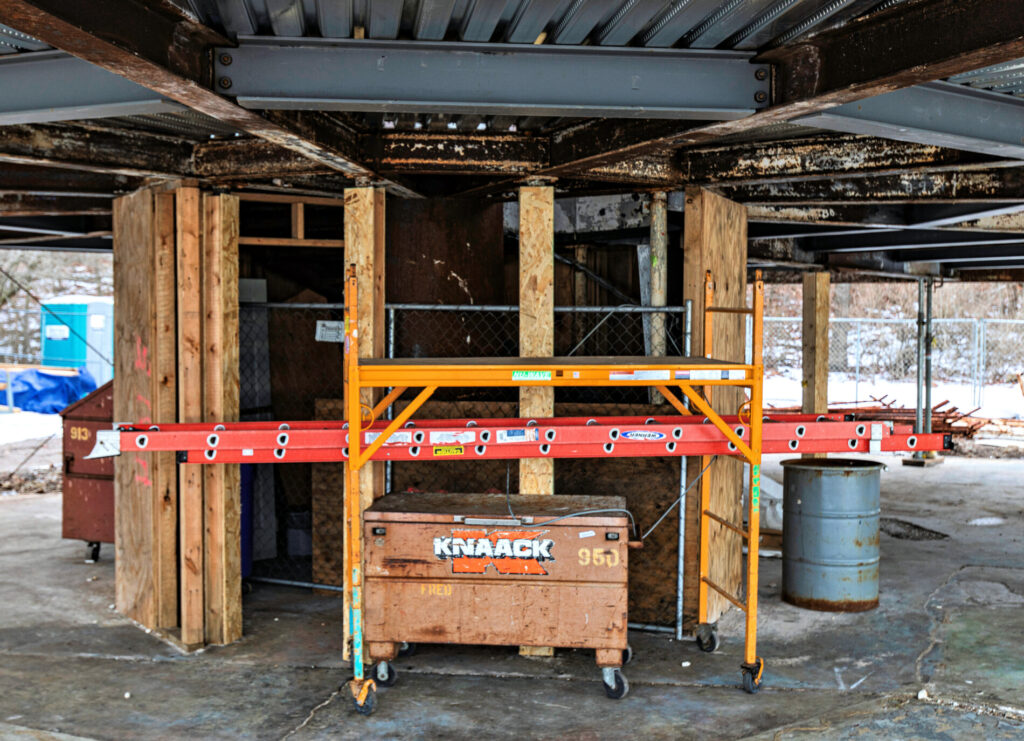
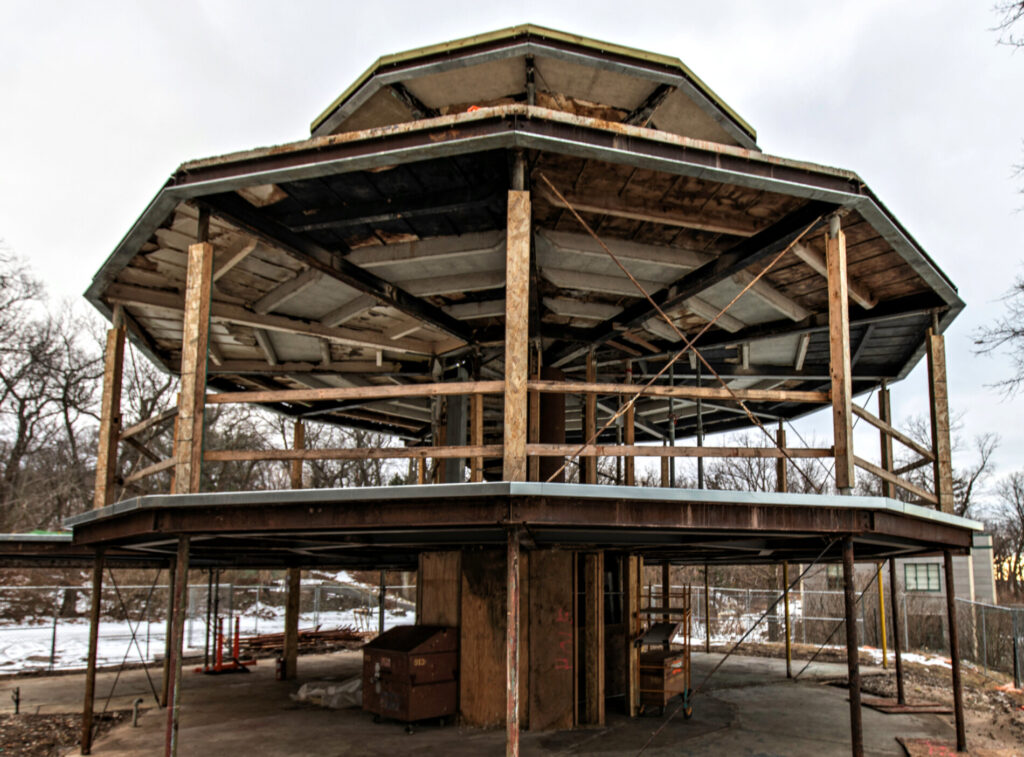
with the allocation of $4 million through the great american outdoors act, administered by the u.s. department of the interior, the prospects for the house of tomorrow have improved considerably. in april 2024, indiana landmarks and indiana dunes national park initiated the first phase of restoration, focusing on the exterior structure and concrete slab floors, with completion anticipated in 2025. upon conclusion of this phase, project leaders will determine the extent of interior rehabilitation and finalize the property’s intended use.