


08 Mar remarkable discovery: remnants from adler and sullivan’s 1889 walker house discovered along lake michigan
March 8, 2026
in Bldg. 51, Events & Announcements, Featured Posts, Miscellaneous, New Acquisitions, New Products, Salvages, Uncategorized
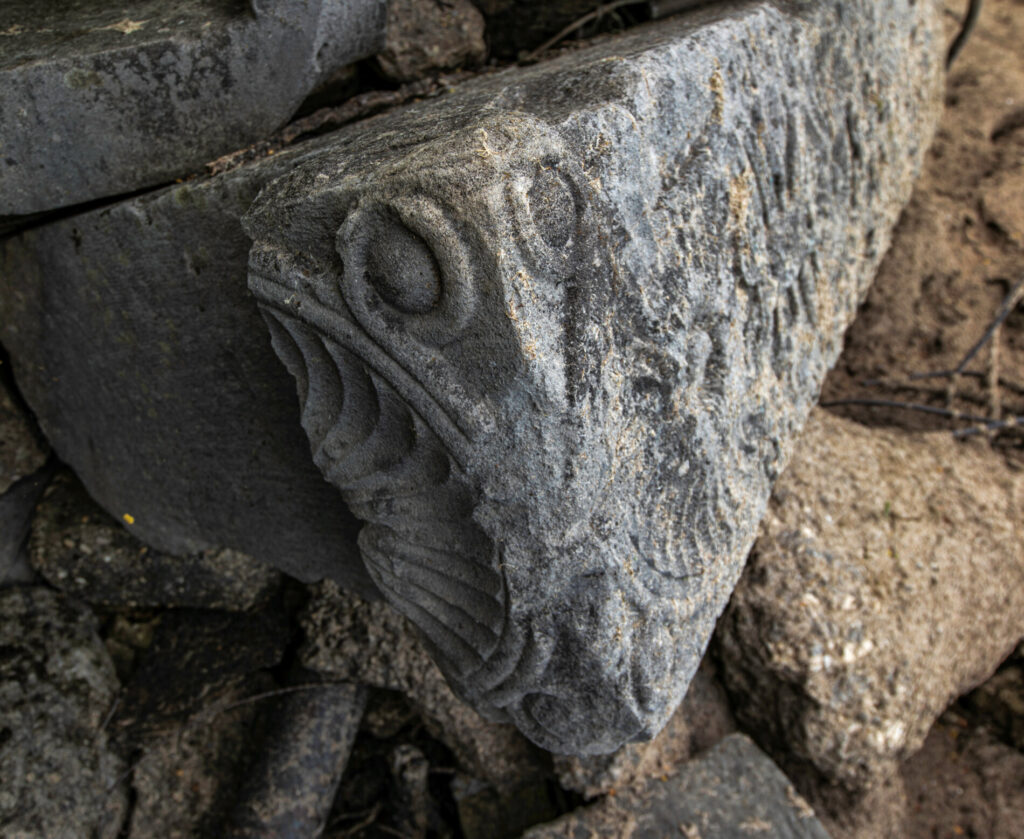
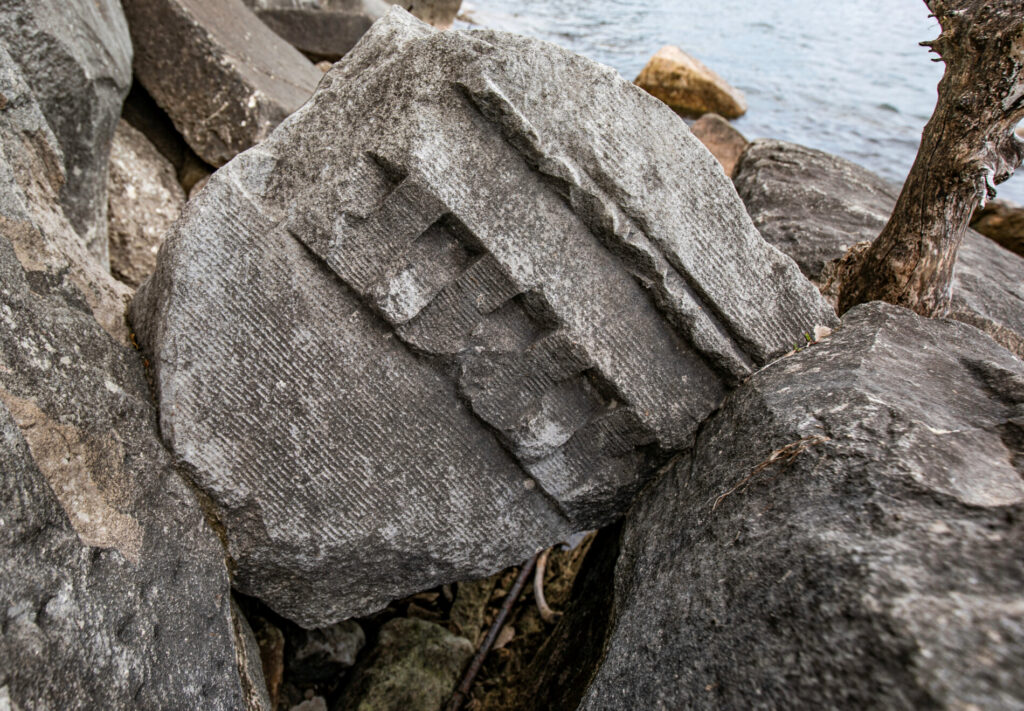
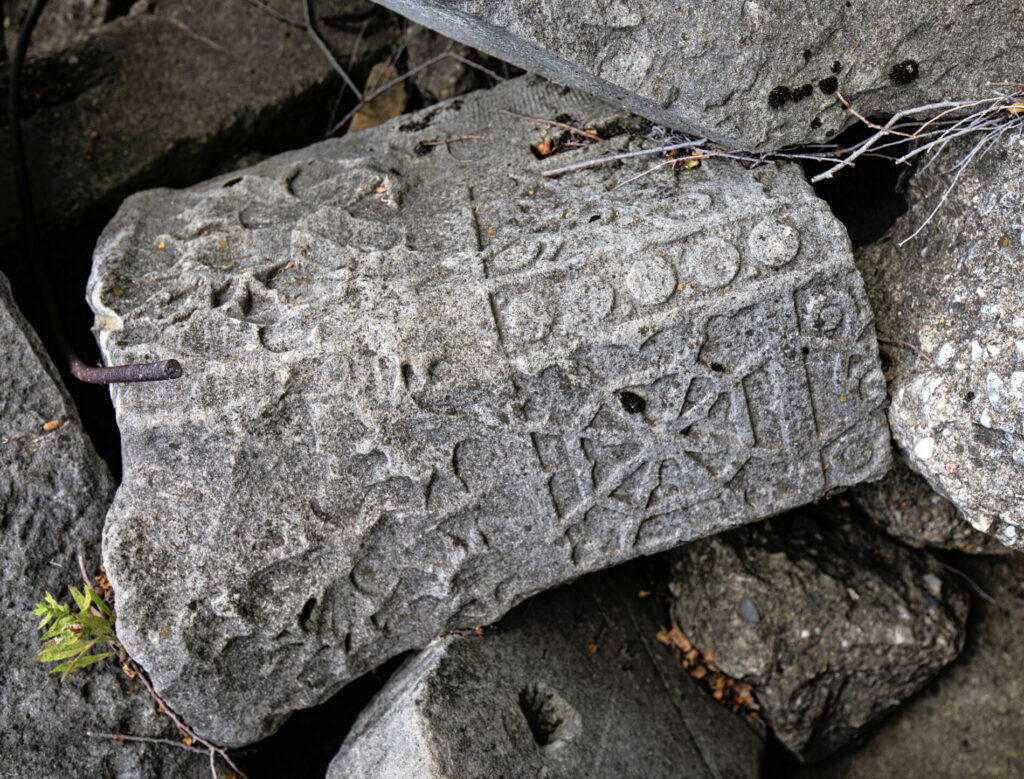
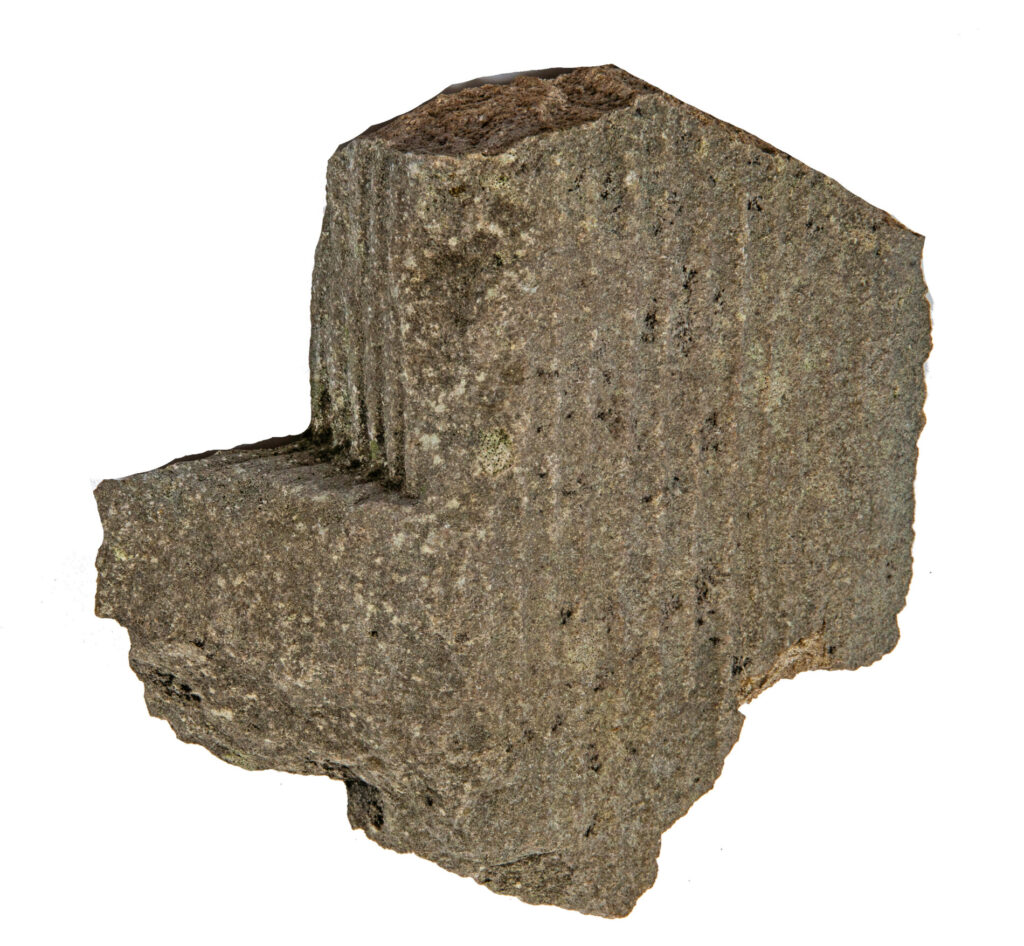
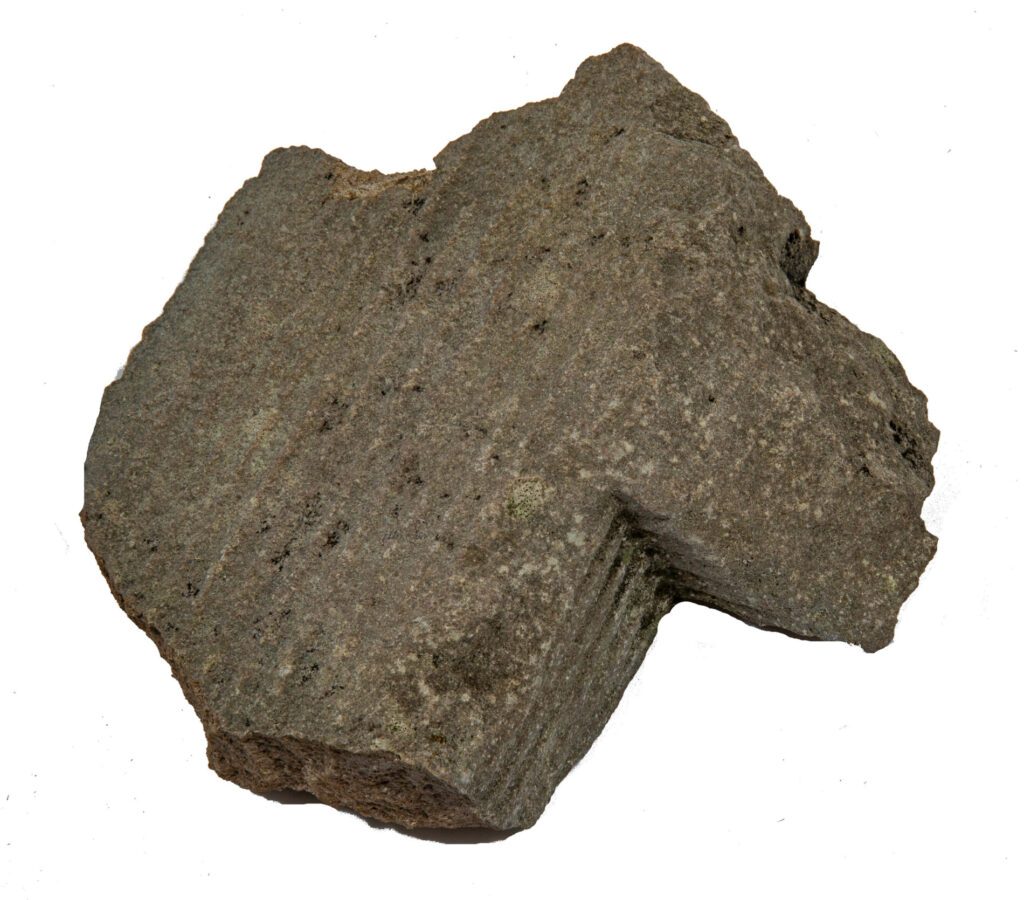
after adler and sullivan’s walker warehouse (1889) was demolished in 1953, its stone slabs of all shapes and sizes were dumped along the shoreline of lake michigan and remained undisturbed for over seven decades. in the summer of 2025, eric j. nordstrom thoroughly documented and catalogued the recognizable ornament, including multiple impost blocks—now weathered and aged—in great detail.
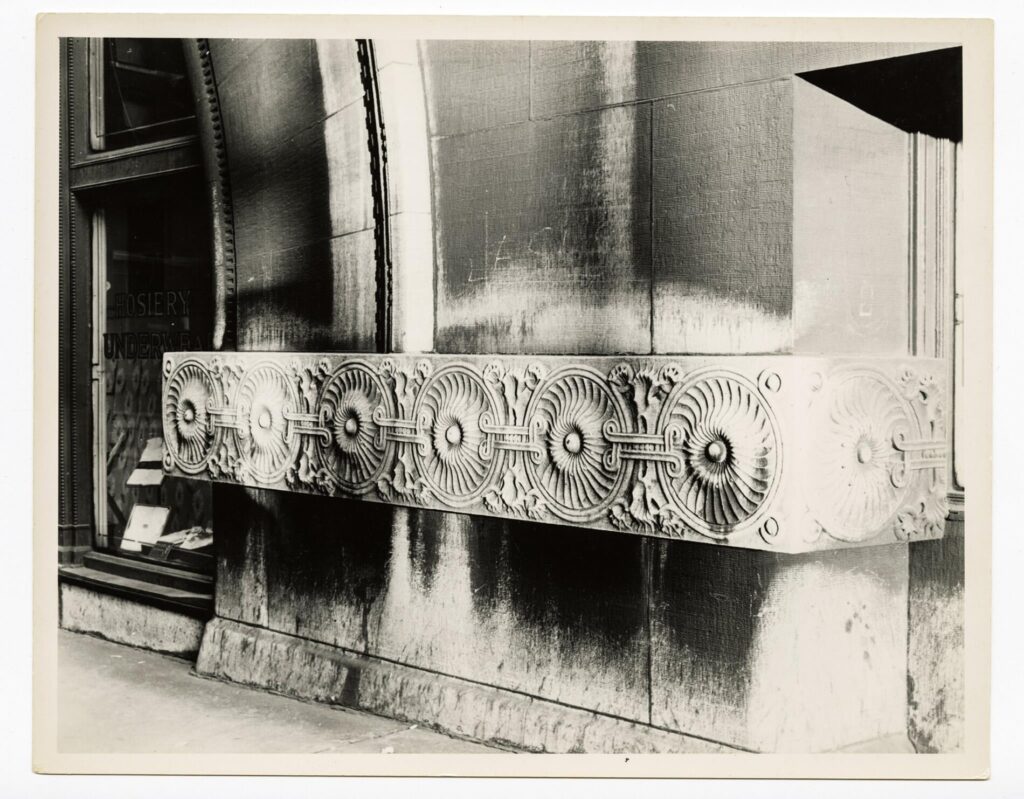
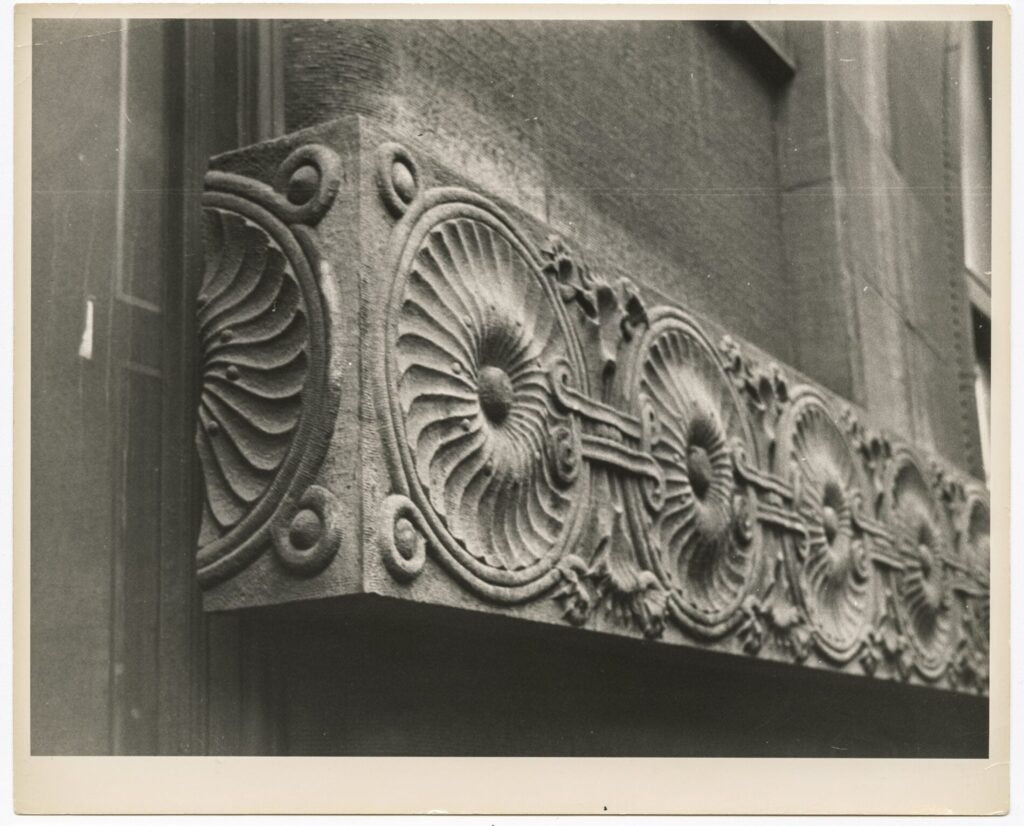


this was undoubtedly one of nordstrom’s most significant discoveries throughout his decades-long career salvaging and documenting the demolition of chicago buildings.

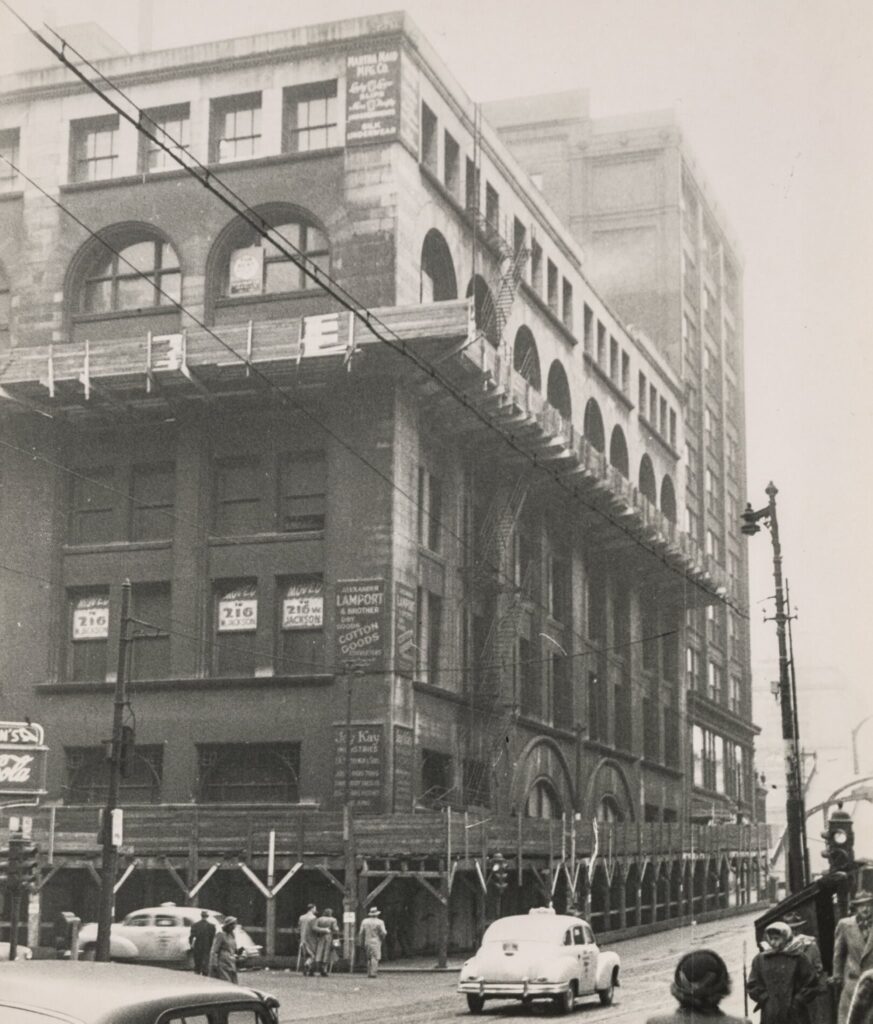
Walker Warehouse was a six-story commercial building located at the intersection of South Wacker Drive (formerly Market Street) and Adams Street in Chicago, designed by the esteemed architectural firm Adler and Sullivan.
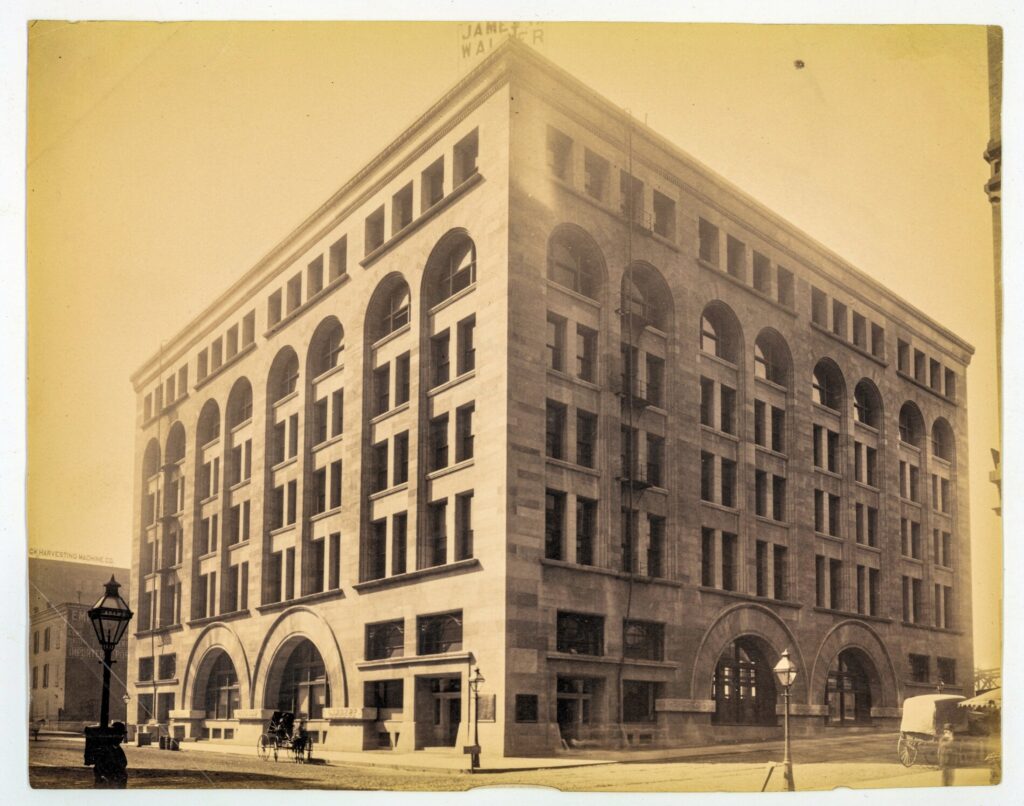
History and Construction:
- Architects: Dankmar Adler and Louis Sullivan
- Construction Period: 1886–1889
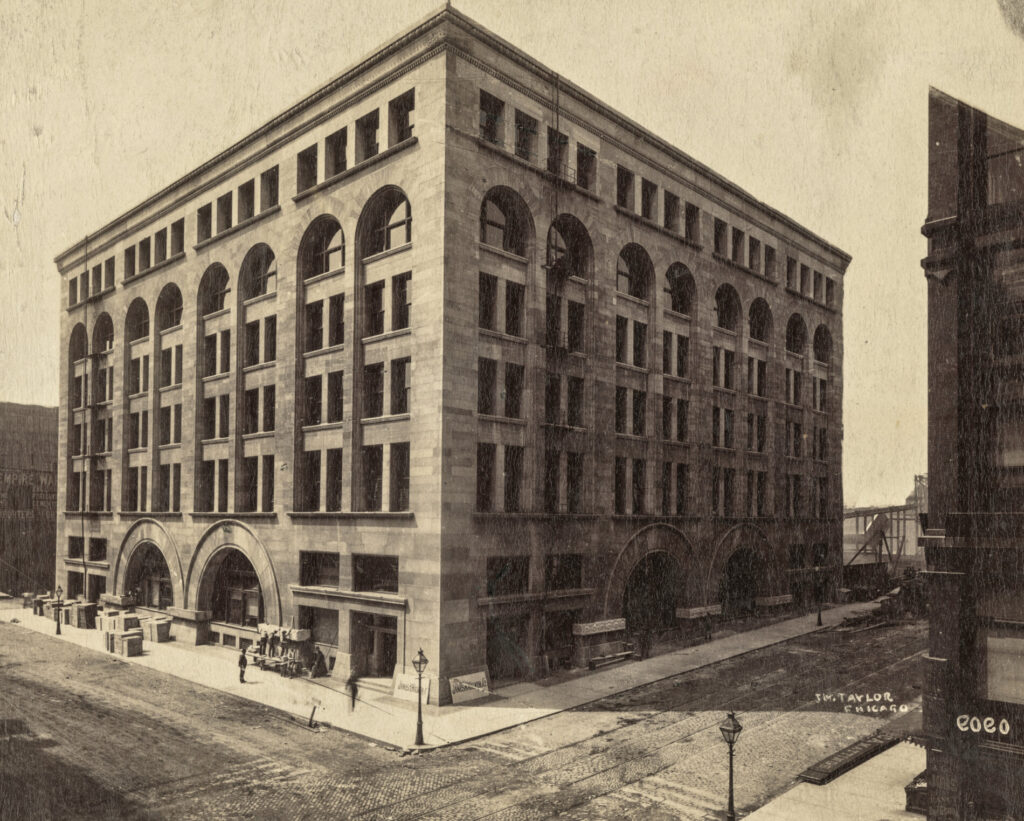
- Original Owner: Martin Ryerson (with project completion supervised by his son after 1887)
- Tenancy: Following its completion in 1889, the warehouse was leased to wholesaler James H. Walker.
Architectural Significance:
The Walker Warehouse is recognized for its pivotal contribution to the development of Louis Sullivan’s architectural approach:
- Continuous Surface: Sullivan implemented, for the first time, a design that treated the facade as a cohesive, unornamented surface, removing traditional horizontal projections except for the cornice.
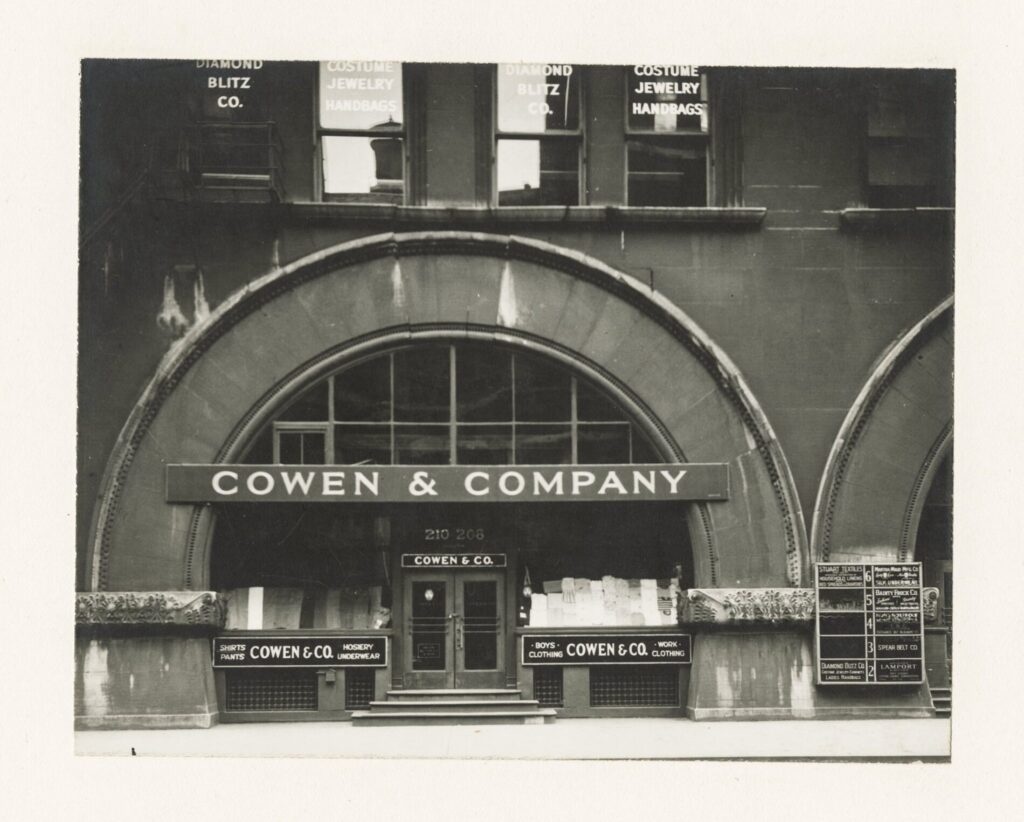
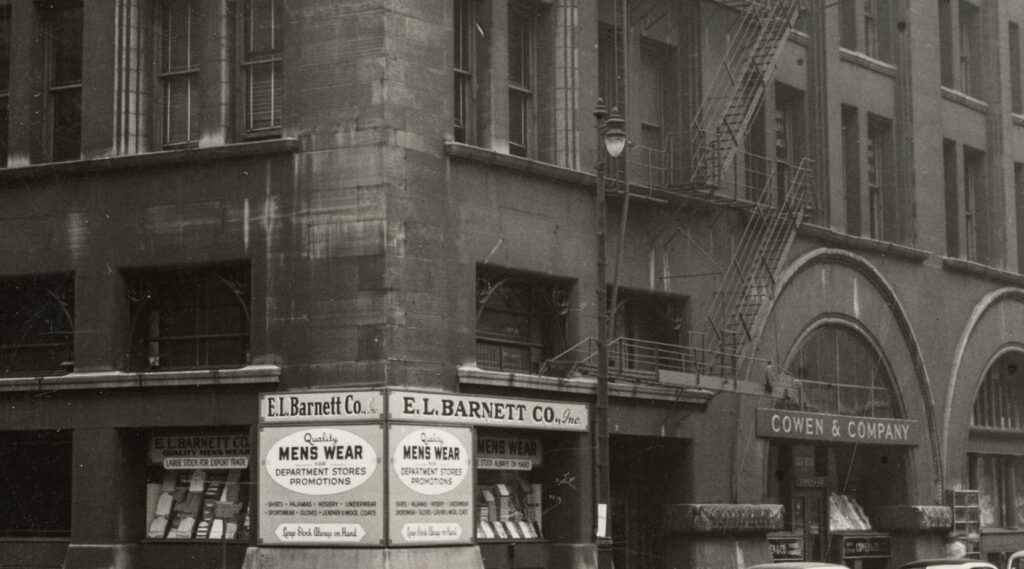
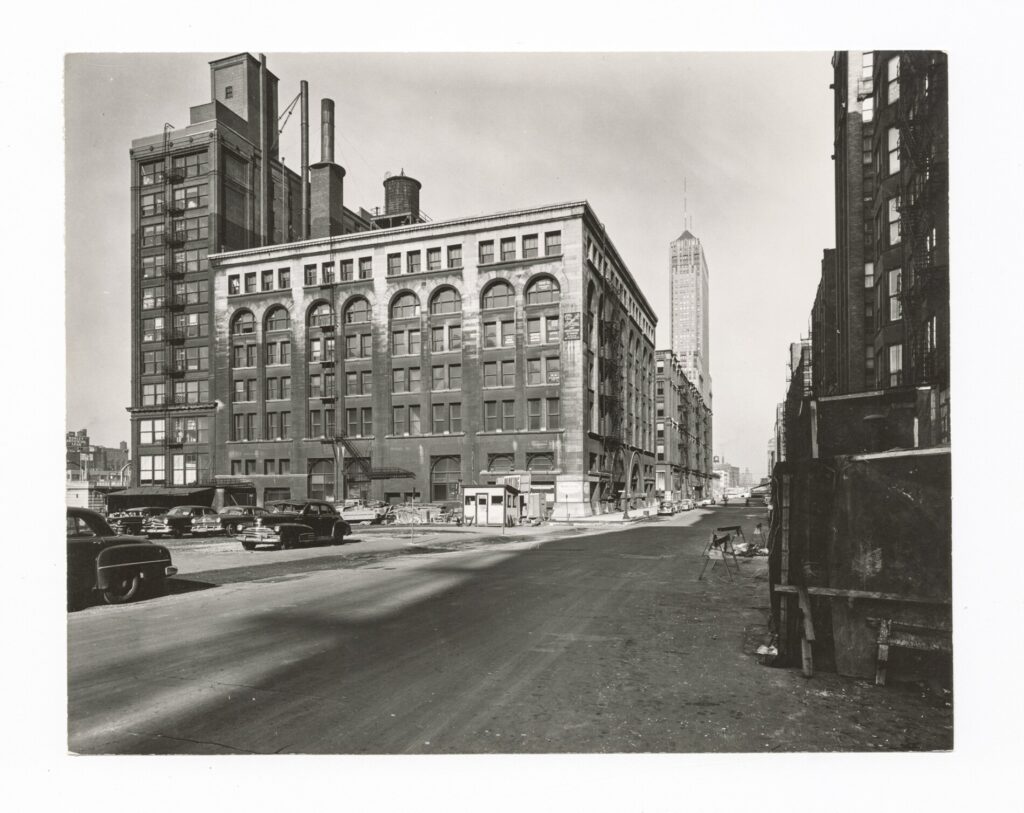
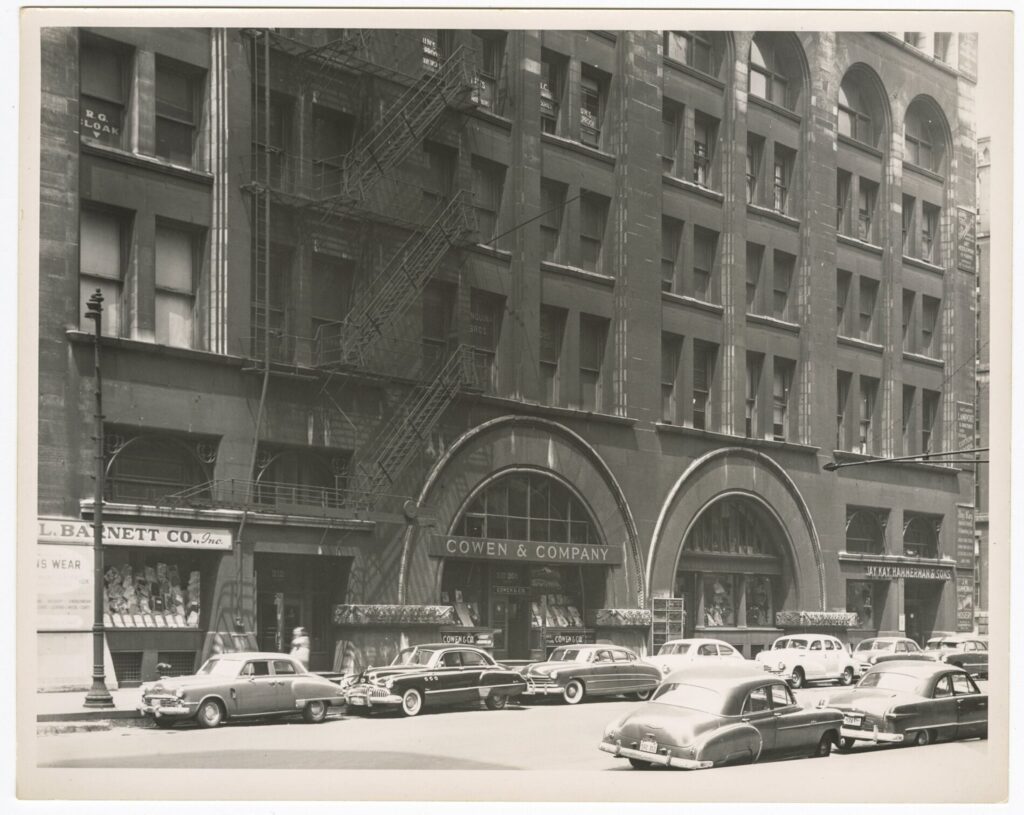
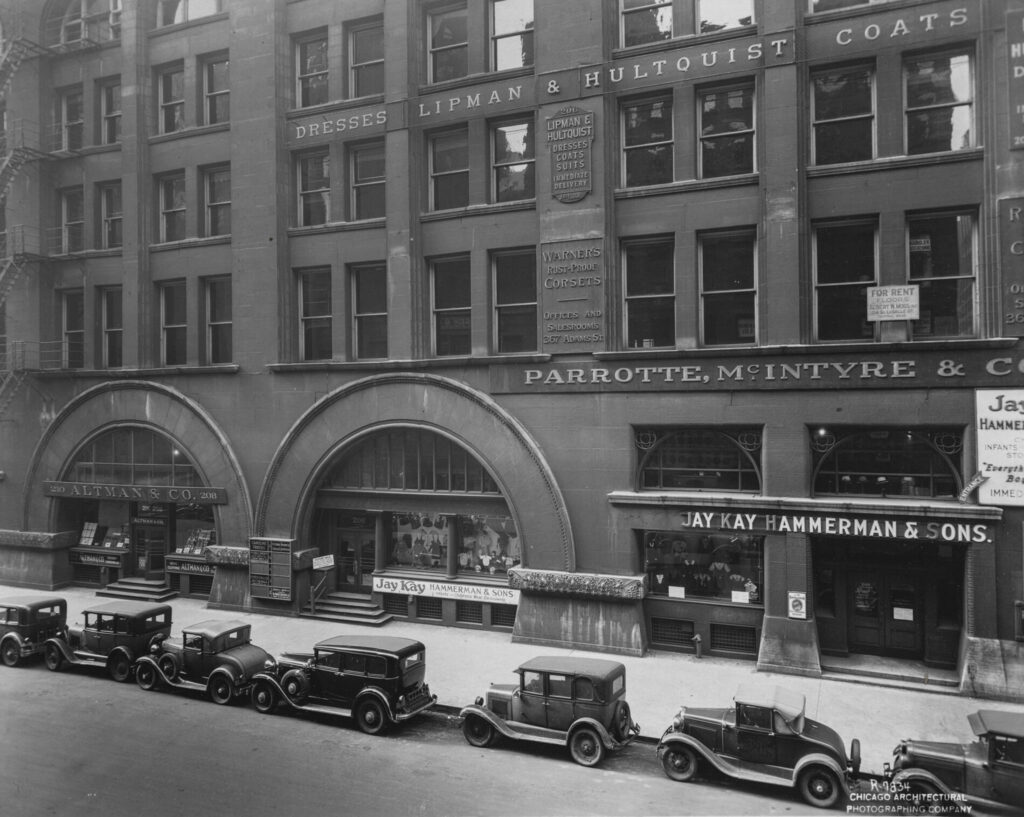
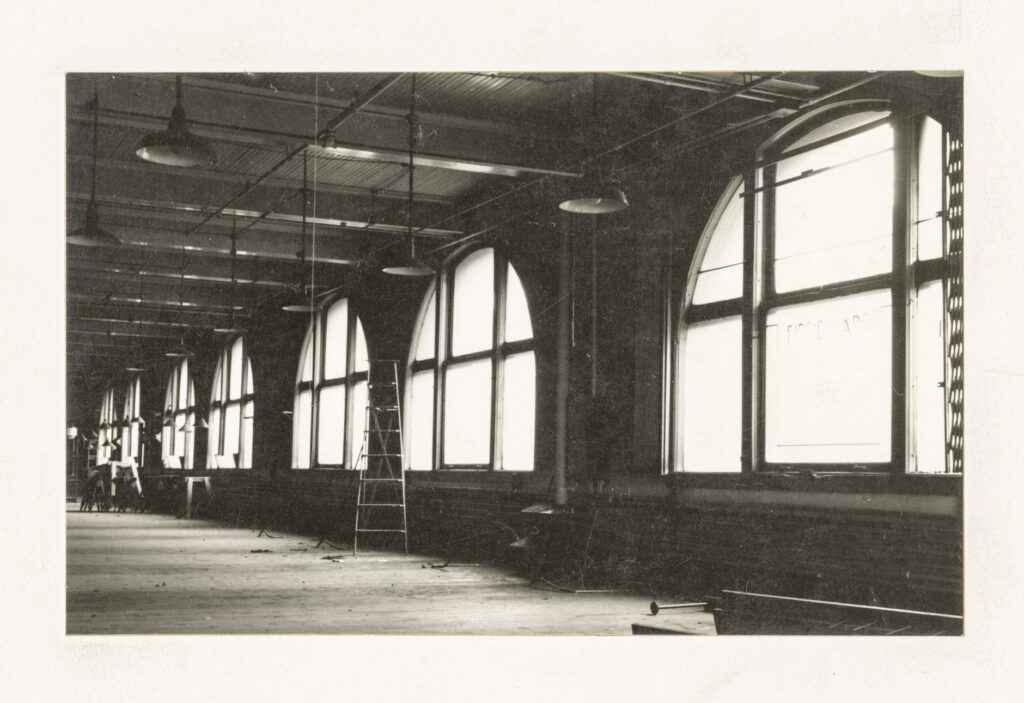
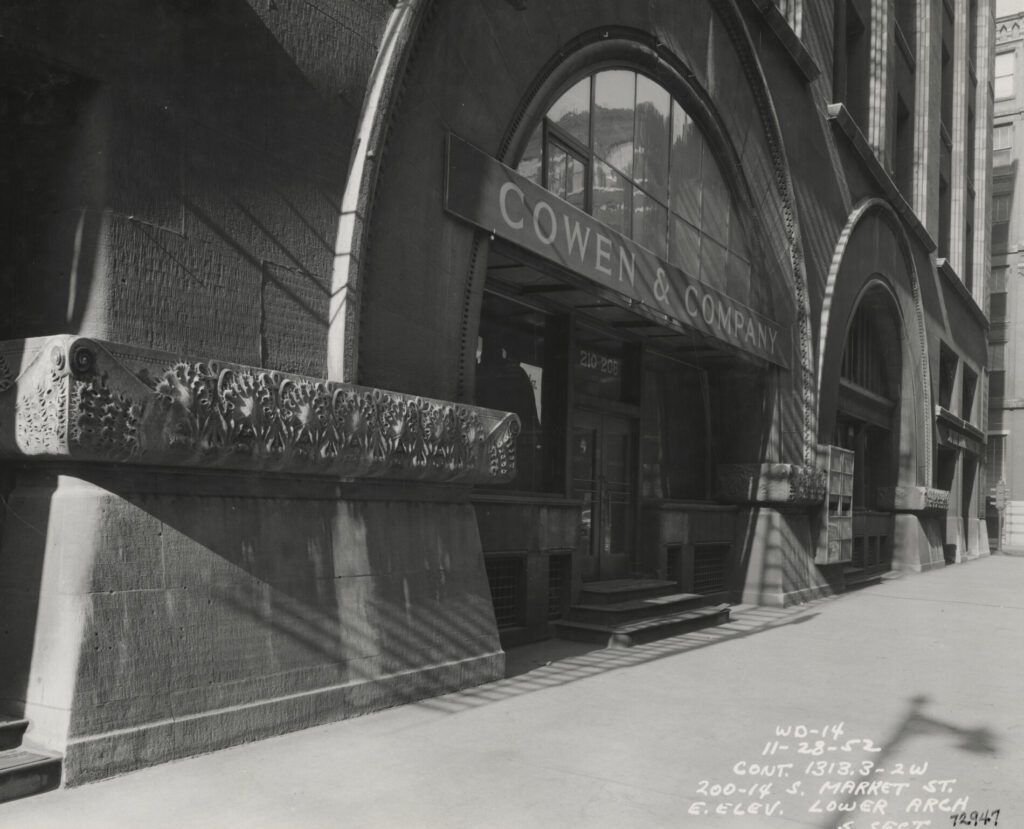
- Triple Arches: The building incorporated prominent double-arched windows that imparted both strength and refinement to its appearance.
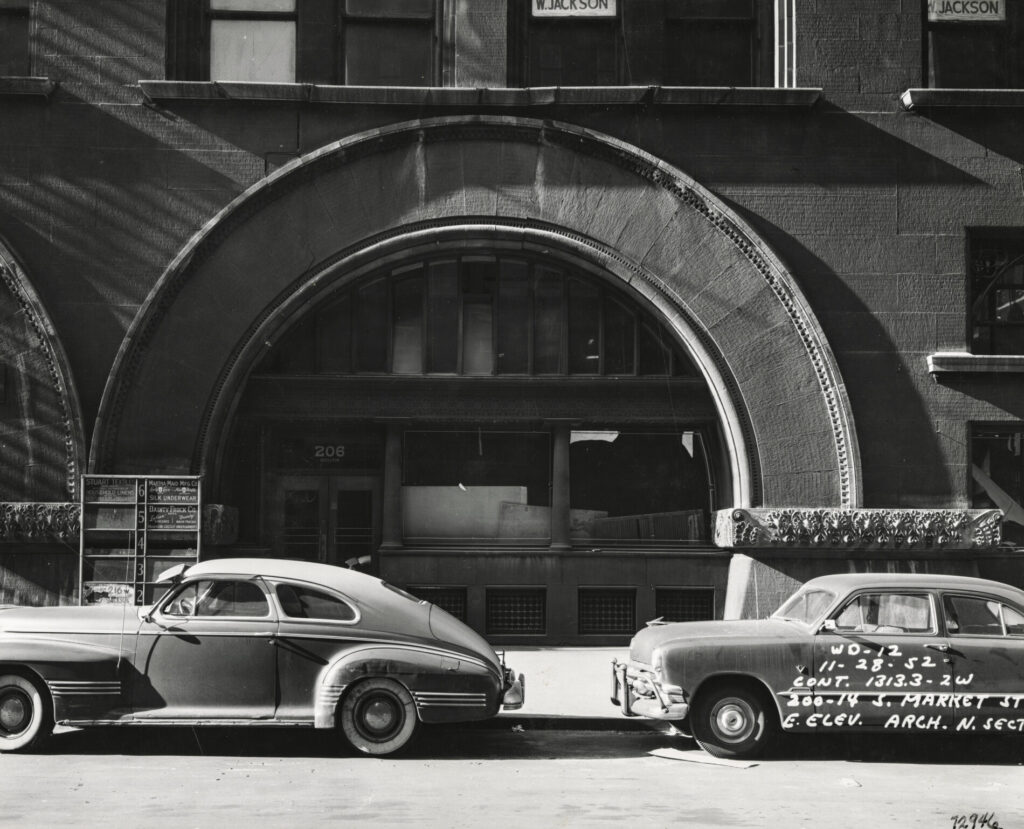
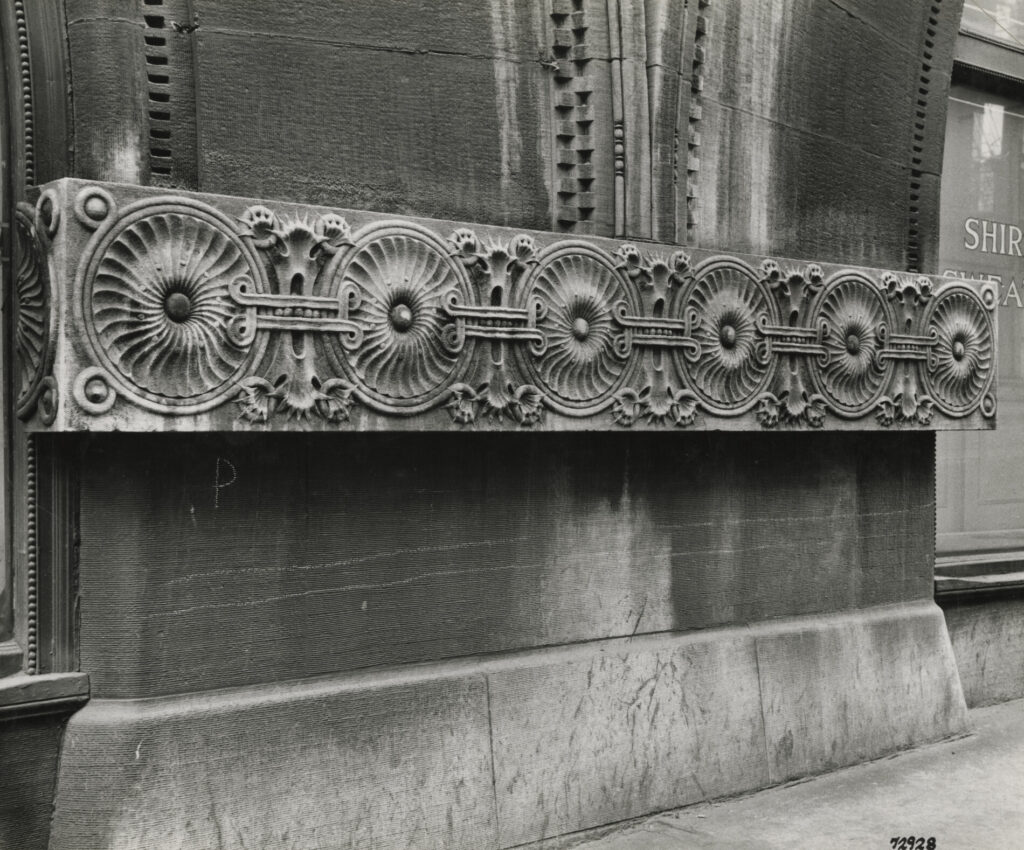
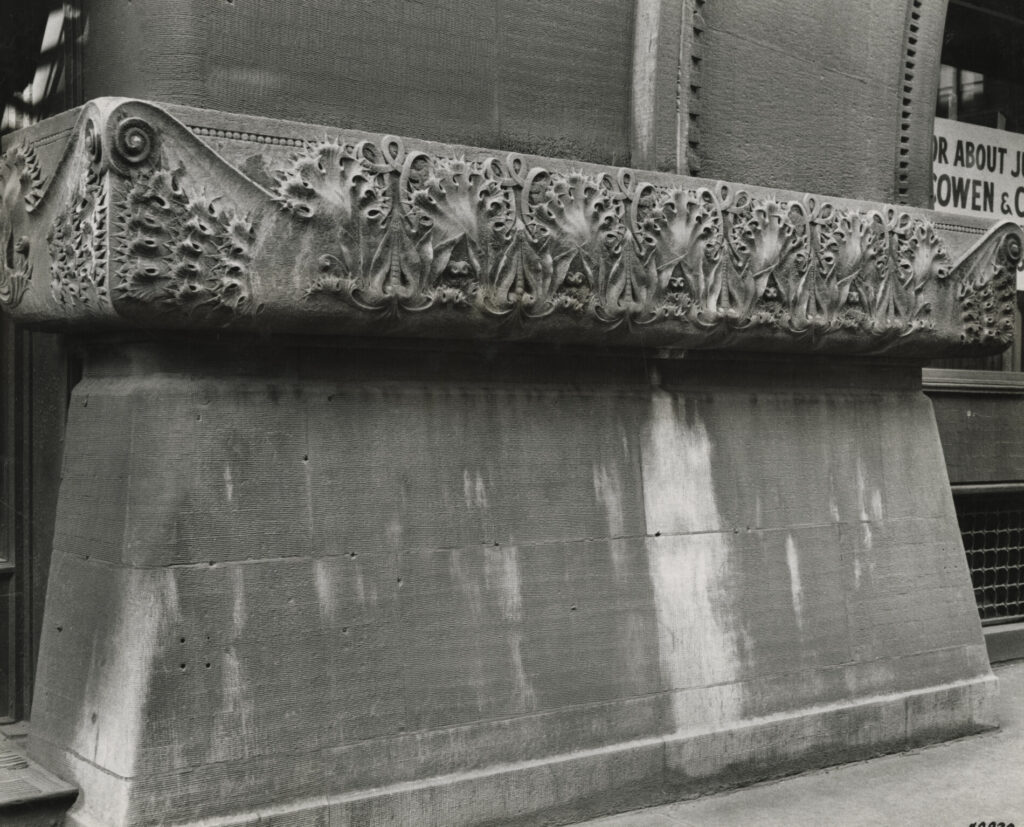
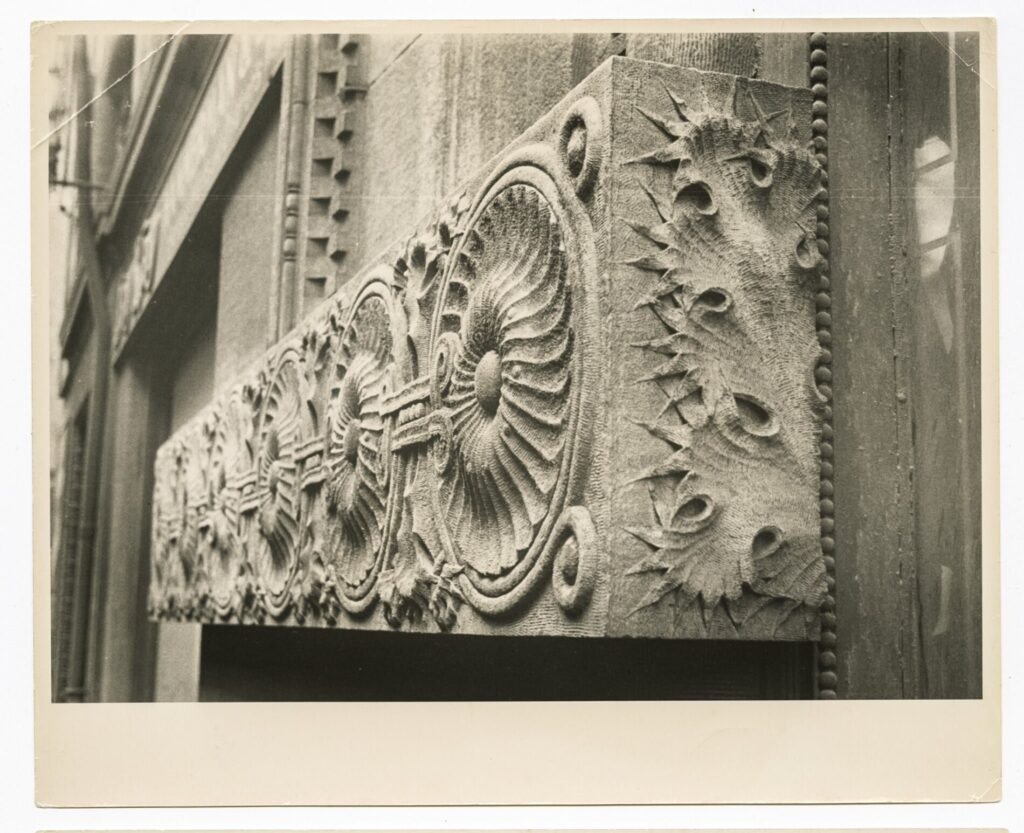
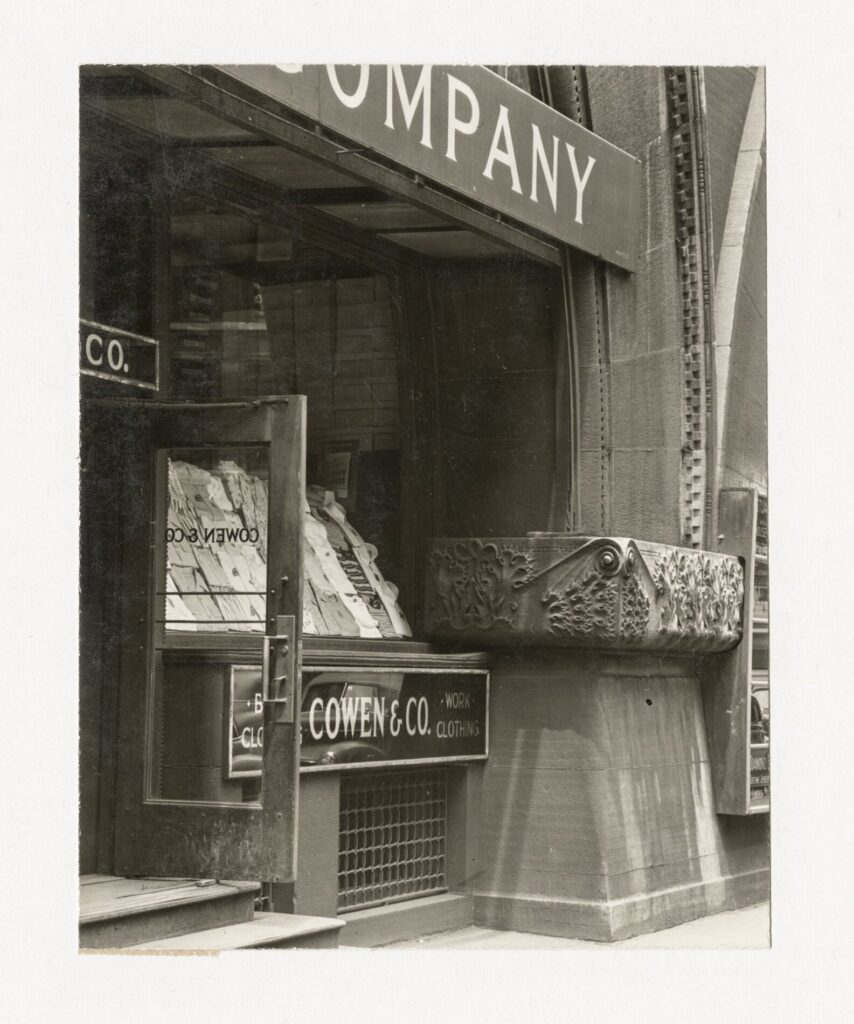
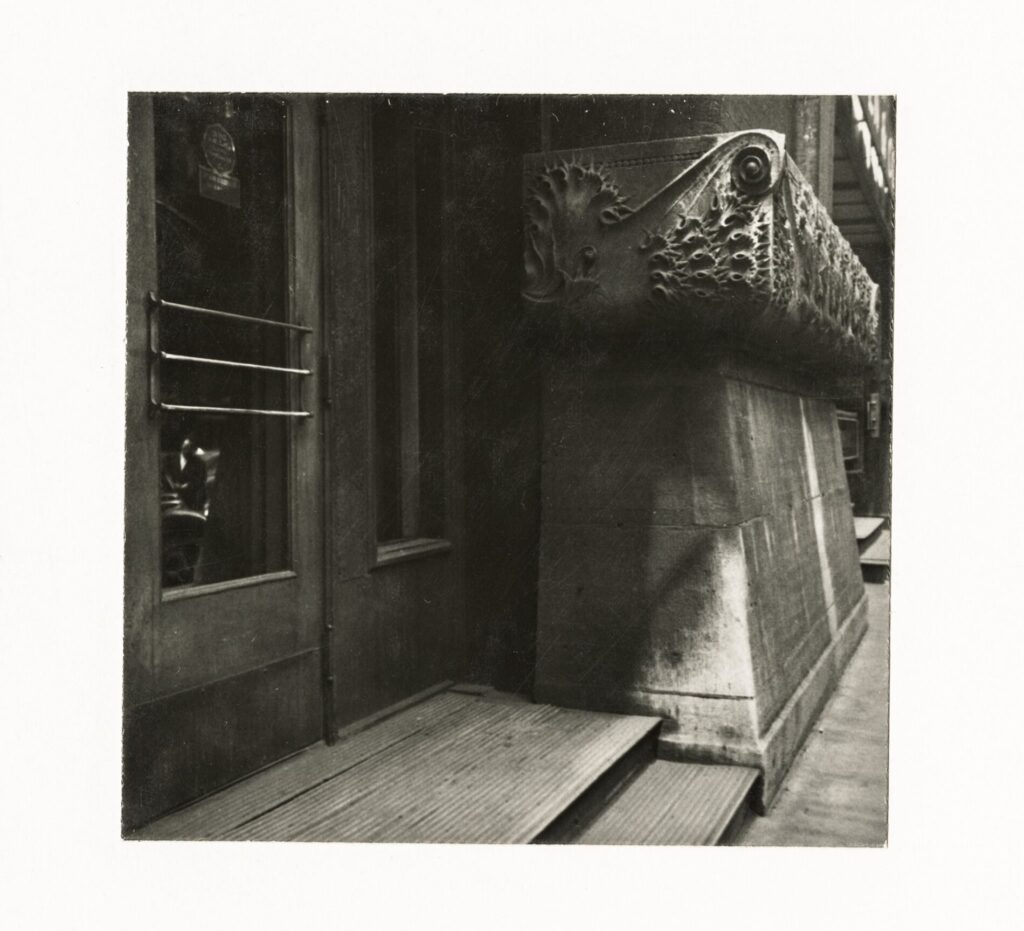
- Ornamentation: Despite its functional purpose, the structure included refined hand-carved Bedford limestone ornamentation, notably on the impost blocks and cornice.
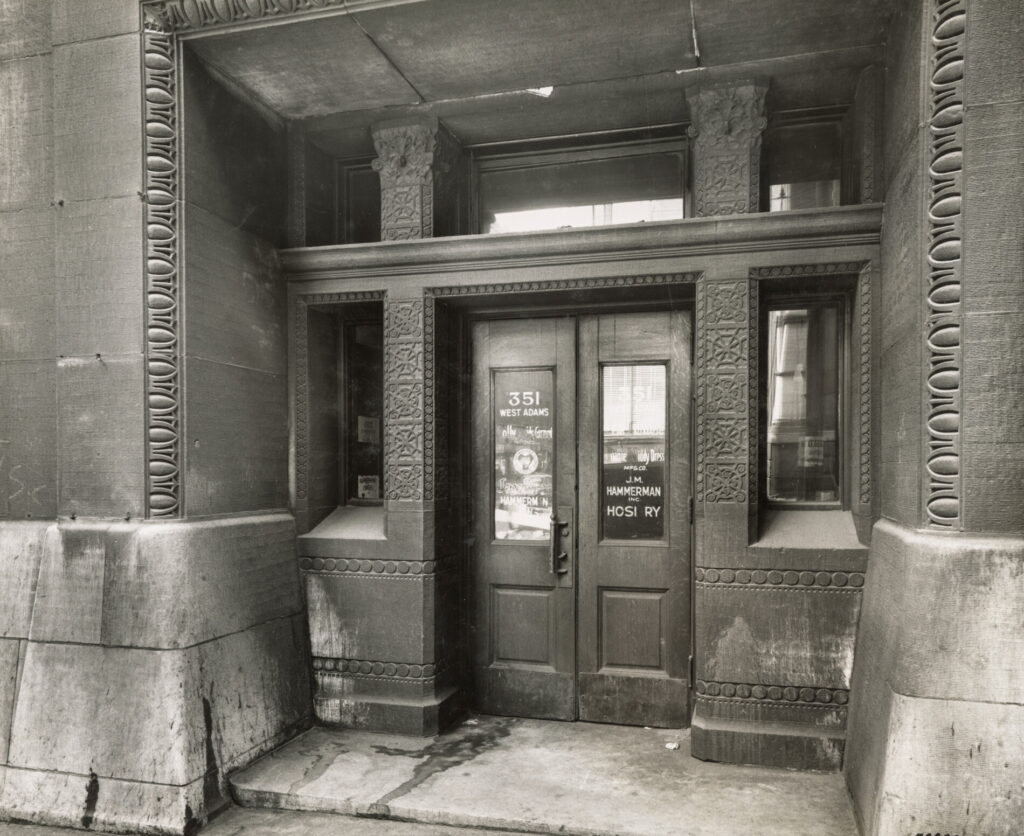
The building was demolished in 1953 with its stone used to armor the lake shore against erosion, waves, and ice damage by creating a durable, sloped, and permeable barrier.
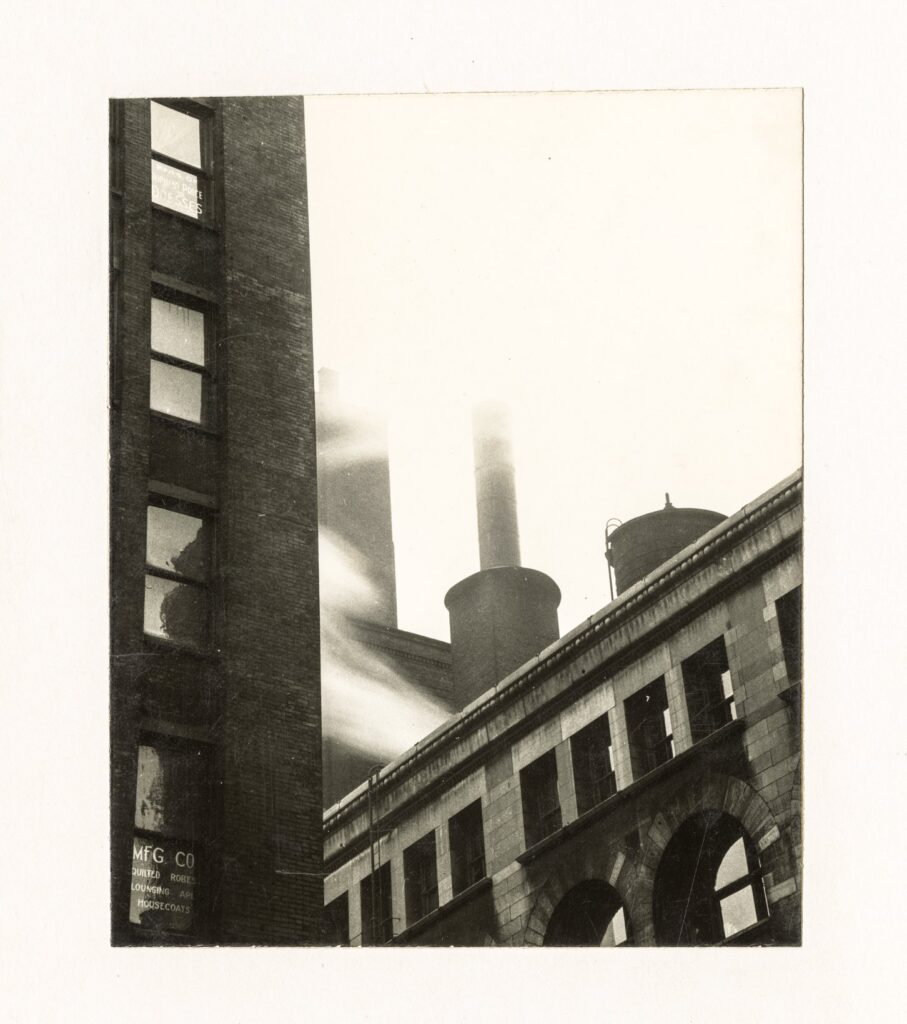
Photographic Documentation: The demolition process was thoroughly recorded by photographers including Aaron Siskind and Richard Nickel.
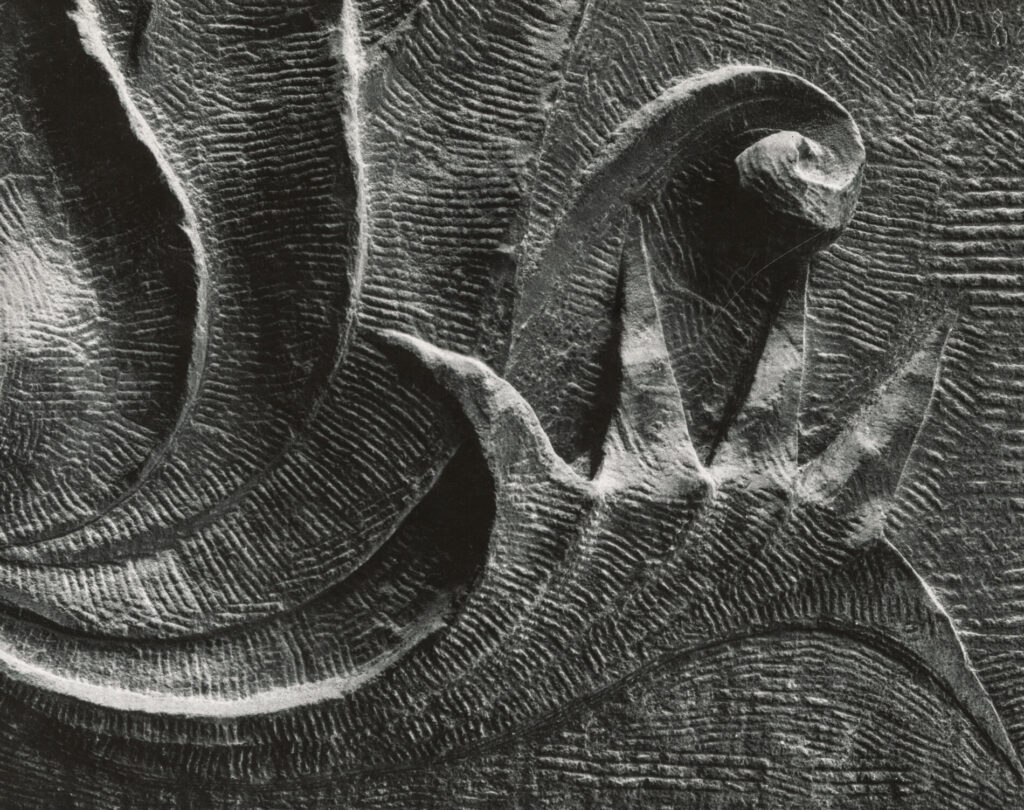
Salvaged Fragments:
- Impost Blocks: Two carved limestone blocks were preserved by Ralph Marlowe Line; one is exhibited in the fragment garden of the Graham Foundation in Chicago, while the other resides at the University of Illinois.
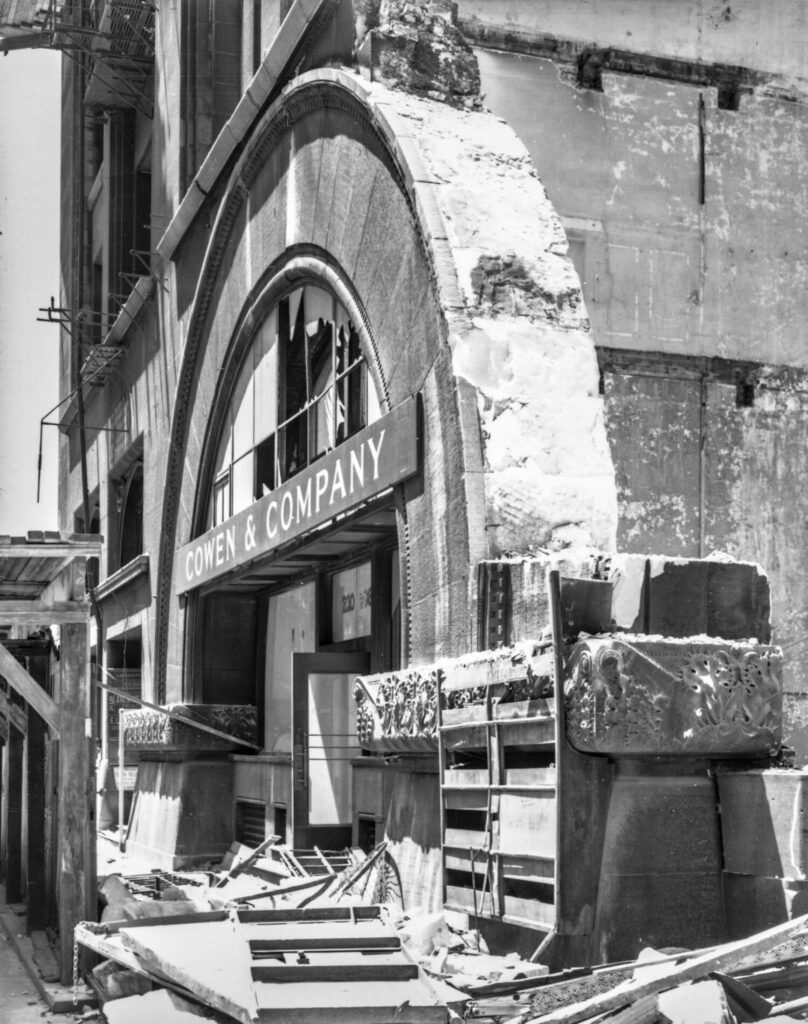

- Cornice Segment: A section of the limestone cornice survived the 1953 demolition but was eventually destroyed in 1985.
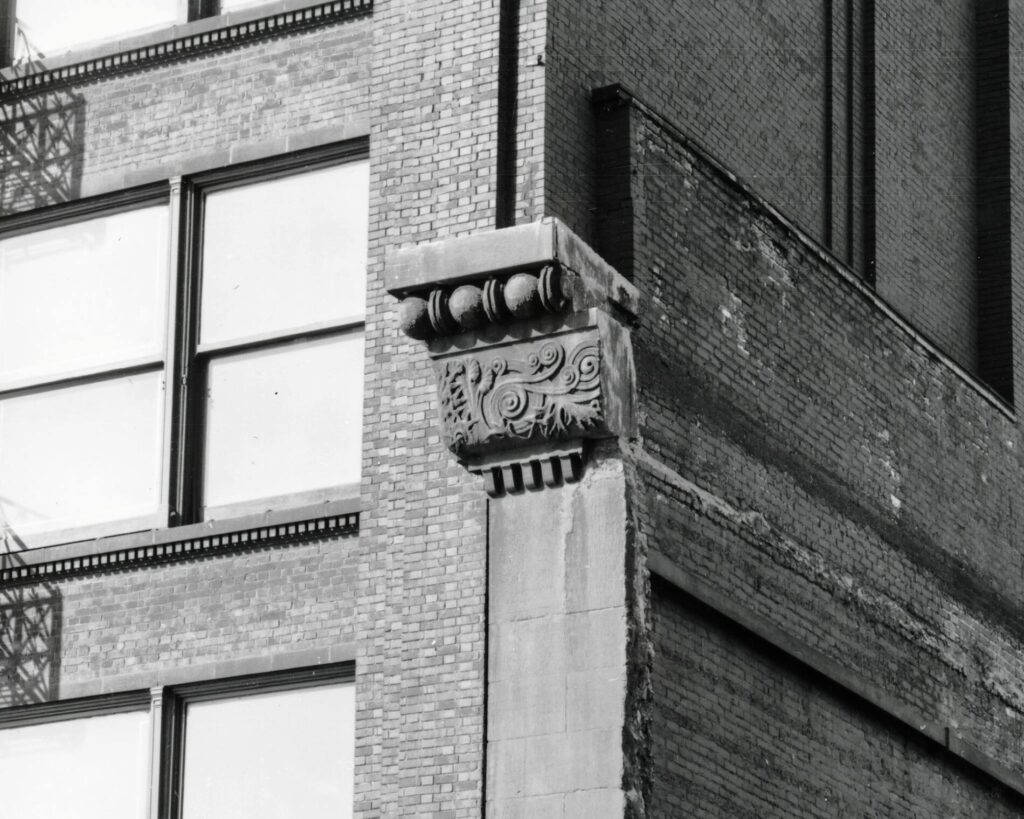
- Other Ornamentation: The majority of the remaining decorative elements were discarded along the Lake Michigan shoreline and will likely stay there until the end of time.



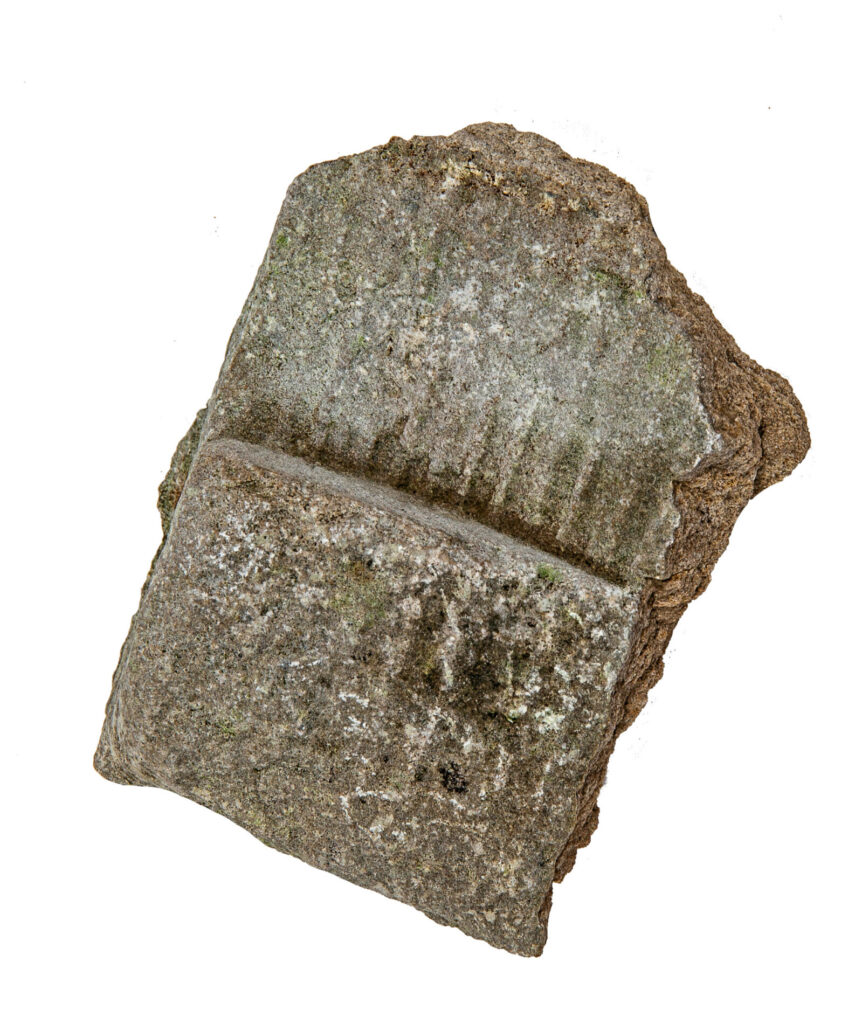
images courtesy of eric j. nordstrom, jaime szubart and the bld. 51 archive. all rights reserved. 2026.